Overview
Cofactors are non-protein chemical compounds or metallic ions that are required for enzyme activity. These essential molecules work in conjunction with enzymes to facilitate biochemical reactions throughout the body, making them fundamental to understanding enzyme kinetics, metabolism, and cellular function. In Biochemistry, cofactors represent a critical bridge between enzyme structure and catalytic function, as many enzymes remain completely inactive without their associated cofactors.
For the MCAT, cofactors represent a high-yield topic that appears frequently across multiple question formats. The exam tests not only the definition and classification of cofactors but also their mechanistic roles in catalysis, their relationship to vitamins and nutrition, and their involvement in metabolic pathways. Understanding cofactors is essential for interpreting experimental passages about enzyme kinetics, analyzing metabolic disorders, and connecting biochemical concepts to physiological processes. Questions may present enzyme assays where cofactor concentration affects reaction rates, clinical scenarios involving vitamin deficiencies that impair cofactor function, or research passages exploring novel enzyme mechanisms.
The study of cofactors connects intimately with broader Enzymes concepts including enzyme structure, catalytic mechanisms, and regulation. Cofactors also link biochemistry to nutrition (vitamin-derived coenzymes), cellular respiration (NAD+, FAD), and clinical medicine (deficiency diseases). Mastering this topic provides the foundation for understanding oxidation-reduction reactions, group transfer reactions, and the intricate metabolic pathways that dominate MCAT biochemistry passages.
Learning Objectives
- [ ] Define cofactors using accurate Biochemistry terminology
- [ ] Explain why cofactors matter for the MCAT
- [ ] Apply cofactors to exam-style questions
- [ ] Identify common mistakes related to cofactors
- [ ] Connect cofactors to related Biochemistry concepts
- [ ] Distinguish between cofactors, coenzymes, and prosthetic groups with specific examples
- [ ] Predict the functional consequences of cofactor deficiency on enzyme activity
- [ ] Analyze experimental data involving cofactor-dependent enzyme kinetics
Prerequisites
- Basic enzyme structure and function: Understanding the protein nature of enzymes and their active sites is essential for comprehending how cofactors interact with enzyme structures
- Chemical bonding principles: Knowledge of ionic, covalent, and coordinate covalent bonds explains how cofactors associate with enzymes
- Oxidation-reduction reactions: Many cofactors participate in redox reactions, requiring familiarity with electron transfer concepts
- Basic vitamin knowledge: Several cofactors derive from vitamins, making nutritional biochemistry relevant
- Protein structure: Understanding tertiary and quaternary structure helps explain cofactor binding sites
Why This Topic Matters
Cofactors have profound clinical significance in medicine and human health. Vitamin deficiencies that impair cofactor synthesis lead to serious diseases: thiamine deficiency causes beriberi and Wernicke-Korsakoff syndrome, niacin deficiency causes pellagra, and riboflavin deficiency causes ariboflavinosis. Many genetic disorders involve mutations that affect cofactor binding or utilization, such as certain forms of homocystinuria where cofactor supplementation can ameliorate symptoms. Pharmacologically, several drugs function as cofactor analogs or inhibitors, including methotrexate (which interferes with folate cofactor function) and isoniazid (which depletes pyridoxal phosphate).
On the MCAT, cofactors appear in approximately 15-20% of biochemistry passages and discrete questions. The exam frequently tests this topic through:
- Enzyme kinetics passages where cofactor concentration affects Vmax or Km
- Metabolic pathway questions requiring knowledge of NAD+/NADH or FAD/FADH2 roles
- Vitamin deficiency clinical vignettes connecting nutrition to enzyme dysfunction
- Experimental design questions about enzyme purification or activity assays
- Mechanism-based questions asking how cofactors participate in catalysis
The MCAT particularly favors questions that integrate cofactors with other concepts: connecting vitamin B derivatives to specific metabolic pathways, analyzing how metal cofactors stabilize transition states, or interpreting graphs showing enzyme activity versus cofactor concentration. Understanding cofactors enables students to tackle complex passages about cellular respiration, amino acid metabolism, and nucleotide synthesis—all high-yield MCAT topics.
Core Concepts
Definition and Classification of Cofactors
Cofactors are non-protein chemical compounds required for enzyme activity. The enzyme without its cofactor is called an apoenzyme (or apoprotein), which is catalytically inactive. When the cofactor binds to the apoenzyme, the resulting active complex is called a holoenzyme. This terminology is critical for MCAT passages that describe enzyme purification or reconstitution experiments.
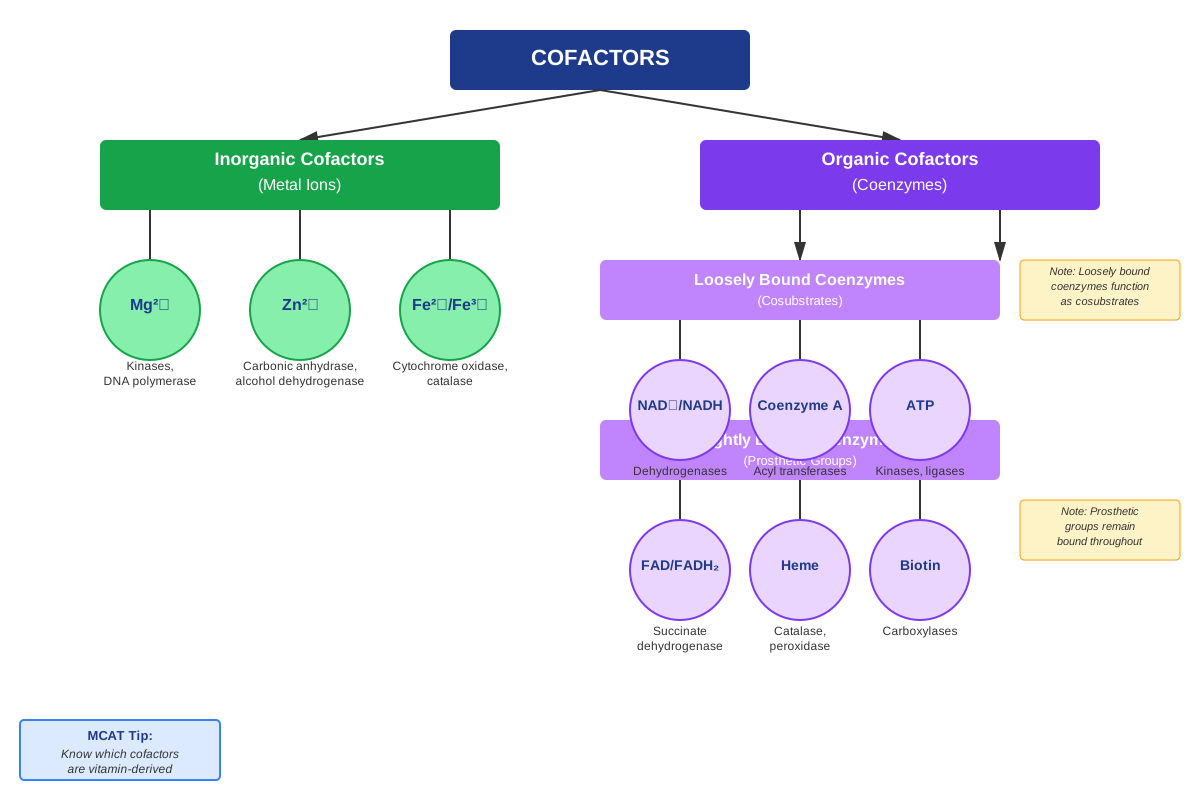
Cofactors are classified into two major categories:
Inorganic cofactors (metal ions) include:
- Zinc (Zn²⁺): Found in carbonic anhydrase, carboxypeptidase, and alcohol dehydrogenase
- Magnesium (Mg²⁺): Essential for kinases and polymerases; stabilizes ATP
- Iron (Fe²⁺/Fe³⁺): Present in cytochromes, catalase, and peroxidase
- Copper (Cu⁺/Cu²⁺): Found in cytochrome c oxidase and superoxide dismutase
- Manganese (Mn²⁺): Required by arginase and some superoxide dismutases
- Molybdenum (Mo): Component of nitrogenase and xanthine oxidase
Organic cofactors (coenzymes) are complex organic molecules, many derived from vitamins:
- NAD⁺/NADH (from niacin/vitamin B3): Electron carrier in redox reactions
- FAD/FADH₂ (from riboflavin/vitamin B2): Electron carrier, often tightly bound
- Coenzyme A (from pantothenic acid/vitamin B5): Acyl group carrier
- Thiamine pyrophosphate/TPP (from thiamine/vitamin B1): Decarboxylation reactions
- Pyridoxal phosphate/PLP (from pyridoxine/vitamin B6): Amino acid metabolism
- Biotin (vitamin B7): Carboxylation reactions
- Tetrahydrofolate/THF (from folic acid/vitamin B9): One-carbon transfer
- Cobalamin (vitamin B12): Methylation and rearrangement reactions
Coenzymes versus Prosthetic Groups
The distinction between coenzymes and prosthetic groups relates to binding strength and permanence:
Coenzymes are organic cofactors that bind loosely and transiently to enzymes. They dissociate after each catalytic cycle and can be considered "co-substrates" that are chemically modified during the reaction. Examples include NAD⁺, NADP⁺, and Coenzyme A. These molecules shuttle between different enzymes, carrying chemical groups or electrons from one reaction to another.
Prosthetic groups are organic cofactors that bind tightly or covalently to enzymes and remain attached throughout multiple catalytic cycles. Examples include FAD (in succinate dehydrogenase), heme (in hemoglobin and cytochrome c), and biotin (covalently attached to carboxylases). The tight binding means prosthetic groups are often considered part of the enzyme's structure.
| Feature | Coenzymes | Prosthetic Groups |
|---|---|---|
| Binding strength | Weak, transient | Strong, often covalent |
| Dissociation | After each cycle | Remains bound |
| Function | Substrate-like | Part of enzyme structure |
| Examples | NAD⁺, CoA, TPP | FAD, heme, biotin |
| Recycling | Between different enzymes | Within same enzyme |
Mechanisms of Cofactor Function
Cofactors participate in catalysis through several distinct mechanisms:
1. Electrostatic stabilization: Metal ions stabilize negative charges that develop during catalysis. For example, Mg²⁺ in kinases stabilizes the negative charges on ATP's phosphate groups, positioning the substrate for nucleophilic attack.
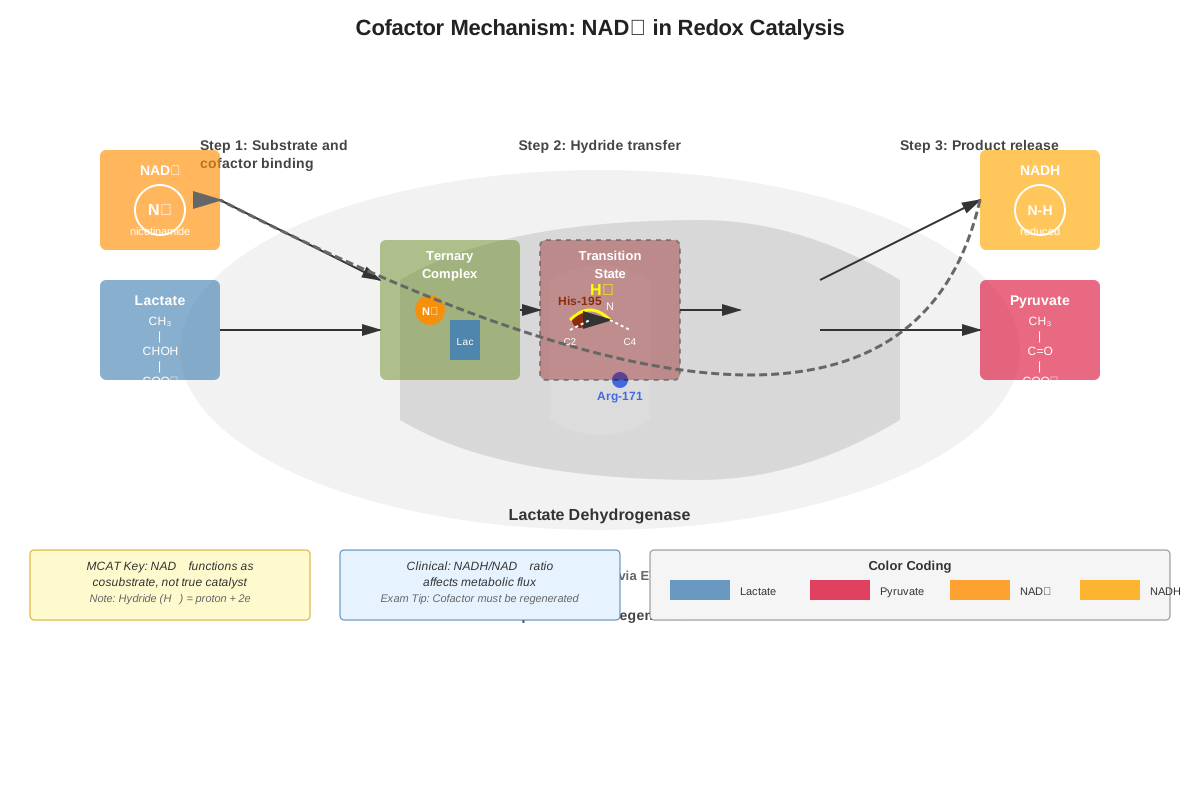
2. Redox chemistry: Cofactors like NAD⁺, FAD, and metal ions with variable oxidation states (Fe, Cu) accept or donate electrons. NAD⁺ accepts a hydride ion (H⁻) to become NADH, while FAD accepts two hydrogen atoms to become FADH₂.
3. Group transfer: Coenzymes carry chemical groups between reactions. Coenzyme A carries acyl groups, TPP carries activated aldehydes, and tetrahydrofolate carries one-carbon units.
4. Activation of substrates: Pyridoxal phosphate (PLP) forms Schiff base intermediates with amino acids, stabilizing carbanion intermediates in transamination, decarboxylation, and racemization reactions.
5. Nucleophilic catalysis: Some cofactors provide nucleophilic groups that attack substrates. Biotin's nitrogen atom attacks CO₂ in carboxylation reactions.
Major Coenzymes and Their Functions
NAD⁺/NADH (Nicotinamide Adenine Dinucleotide):
- Derived from niacin (vitamin B3)
- Functions as an electron carrier in oxidation-reduction reactions
- NAD⁺ is the oxidized form; NADH is the reduced form
- Primarily involved in catabolic pathways (glycolysis, citric acid cycle, β-oxidation)
- The nicotinamide ring accepts a hydride ion (H⁻) at the C4 position
- NADP⁺/NADPH is a phosphorylated variant used primarily in anabolic reactions (fatty acid synthesis, nucleotide synthesis) and antioxidant defense
FAD/FADH₂ (Flavin Adenine Dinucleotide):
- Derived from riboflavin (vitamin B2)
- Functions as an electron carrier, accepting two hydrogen atoms
- Often tightly bound as a prosthetic group
- Can participate in one-electron or two-electron transfers
- Found in succinate dehydrogenase (Complex II), acyl-CoA dehydrogenase, and other oxidases
- The isoalloxazine ring system undergoes reduction
Coenzyme A (CoA-SH):
- Derived from pantothenic acid (vitamin B5)
- Contains a reactive thiol (-SH) group that forms thioester bonds with acyl groups
- Central to fatty acid metabolism, citric acid cycle (acetyl-CoA), and ketone body metabolism
- High-energy thioester bonds make acyl groups reactive for subsequent reactions
Thiamine Pyrophosphate (TPP):
- Derived from thiamine (vitamin B1)
- Essential for decarboxylation of α-ketoacids
- Key enzyme: pyruvate dehydrogenase, α-ketoglutarate dehydrogenase, transketolase
- Deficiency causes beriberi and Wernicke-Korsakoff syndrome
- The thiazolium ring stabilizes carbanion intermediates
Pyridoxal Phosphate (PLP):
- Derived from pyridoxine (vitamin B6)
- Essential for amino acid metabolism
- Forms Schiff base (imine) linkages with amino acid substrates
- Involved in transamination, decarboxylation, racemization, and elimination reactions
- The aldehyde group reacts with amino groups
Metal Ion Cofactors
Metal ions serve diverse catalytic roles in enzymes:
Zinc (Zn²⁺):
- Most abundant transition metal in enzymes
- Lewis acid that polarizes bonds and stabilizes negative charges
- Carbonic anhydrase: activates water for nucleophilic attack on CO₂
- Carboxypeptidase: polarizes peptide bond carbonyl for hydrolysis
- Alcohol dehydrogenase: coordinates substrate hydroxyl group
Magnesium (Mg²⁺):
- Essential for all kinases and polymerases
- Coordinates with ATP phosphate groups, neutralizing negative charge
- Facilitates phosphoryl transfer reactions
- Required for ribosome function and DNA/RNA polymerases
Iron (Fe²⁺/Fe³⁺):
- Participates in electron transfer (cytochromes)
- Activates oxygen (cytochrome P450, catalase, peroxidase)
- Heme-containing enzymes use iron's ability to cycle between oxidation states
- Non-heme iron enzymes include ribonucleotide reductase
Copper (Cu⁺/Cu²⁺):
- Electron transfer in cytochrome c oxidase (Complex IV)
- Superoxide dismutase (Cu/Zn-SOD) converts superoxide to hydrogen peroxide
- Participates in redox reactions due to variable oxidation states
Cofactor Deficiency and Clinical Relevance
Cofactor deficiencies, often resulting from vitamin deficiencies, cause specific disease states:
Thiamine (B1) deficiency:
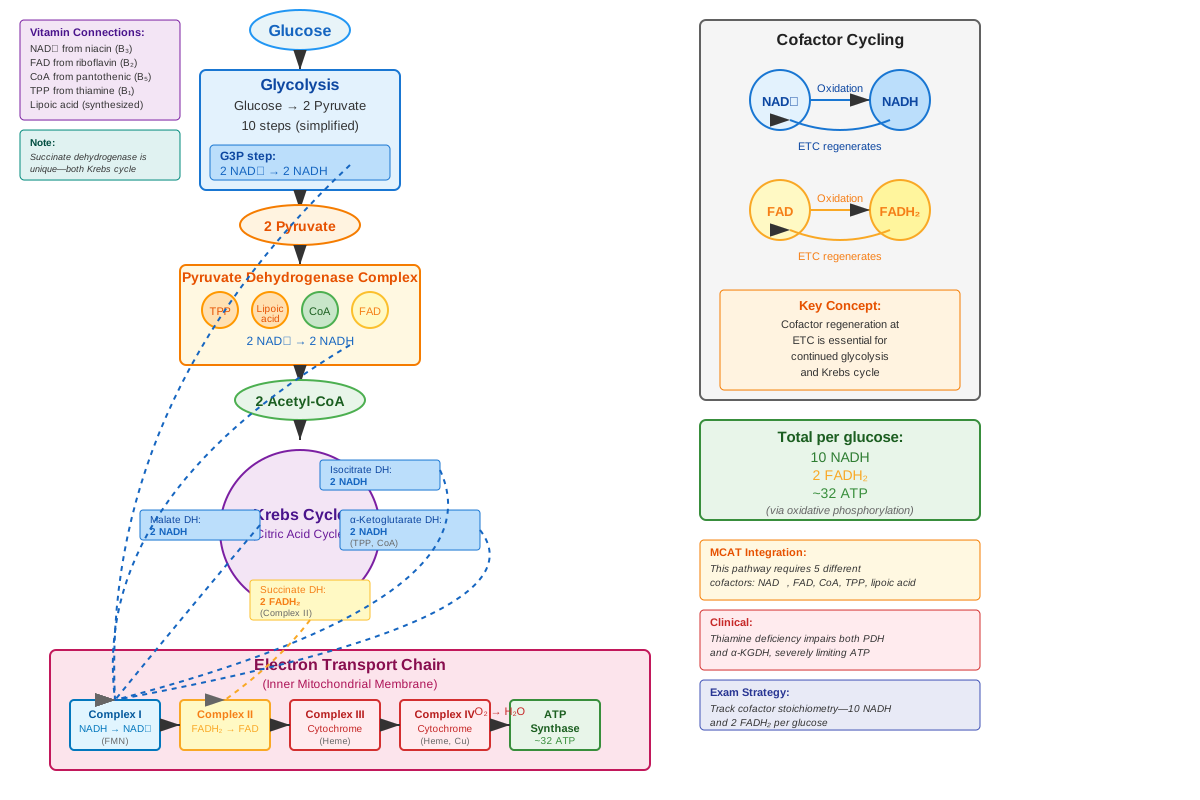
- Impairs pyruvate dehydrogenase and α-ketoglutarate dehydrogenase
- Causes beriberi (cardiovascular and neurological symptoms)
- Wernicke-Korsakoff syndrome in alcoholics (neurological disorder)
- Lactic acidosis due to impaired pyruvate metabolism
Niacin (B3) deficiency:
- Impairs NAD⁺-dependent enzymes
- Causes pellagra: dermatitis, diarrhea, dementia, death (the "4 Ds")
- Can be synthesized from tryptophan (60 mg tryptophan → 1 mg niacin)
Riboflavin (B2) deficiency:
- Impairs FAD-dependent enzymes
- Causes ariboflavinosis: sore throat, cheilosis, glossitis
- Affects electron transport chain function
Pyridoxine (B6) deficiency:
- Impairs amino acid metabolism
- Causes peripheral neuropathy, sideroblastic anemia
- Isoniazid (TB drug) can cause deficiency by forming inactive complexes with PLP
Biotin (B7) deficiency:
- Impairs carboxylases (pyruvate carboxylase, acetyl-CoA carboxylase)
- Rare; can occur with excessive raw egg white consumption (avidin binds biotin)
- Causes dermatitis, hair loss, neurological symptoms
Concept Relationships
The concepts within cofactors are hierarchically organized: the broad definition of cofactors → classification into inorganic (metal ions) and organic (coenzymes) → further subdivision of coenzymes into loosely bound versus tightly bound (prosthetic groups) → specific examples with their vitamin precursors and metabolic roles.
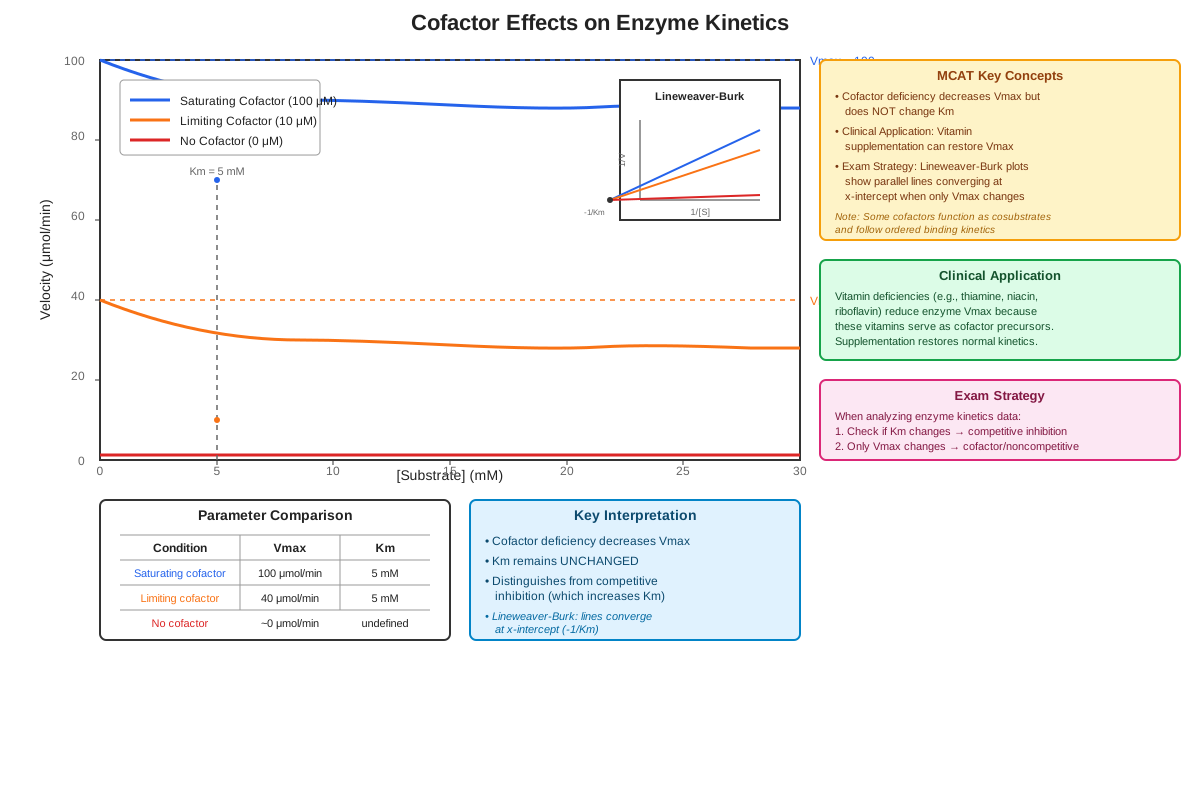
Cofactors connect intimately to enzyme kinetics: cofactor concentration can affect both Vmax (if the cofactor is required for catalysis) and Km (if cofactor binding affects substrate affinity). When cofactor concentration is limiting, it effectively becomes a substrate, and Michaelis-Menten kinetics apply to the cofactor itself.
The relationship to metabolic pathways is extensive:
- Glycolysis and citric acid cycle → require NAD⁺, FAD, CoA, TPP, and Mg²⁺
- Electron transport chain → depends on iron-containing cytochromes, copper in Complex IV, and FAD in Complex II
- Fatty acid metabolism → requires CoA, NAD⁺, FAD, and biotin (for synthesis)
- Amino acid metabolism → depends heavily on PLP for transamination and decarboxylation
- One-carbon metabolism → requires tetrahydrofolate and cobalamin
Textual relationship map:
Vitamins → (chemical modification) → Coenzymes → (bind to) → Apoenzymes → (form) → Holoenzymes → (catalyze) → Metabolic reactions → (produce) → Energy and biosynthetic products
Vitamin deficiency → Cofactor deficiency → Enzyme dysfunction → Metabolic impairment → Clinical disease
Quick check — test yourself on Cofactors so far.
Try Flashcards →High-Yield Facts
⭐ Apoenzyme + cofactor = holoenzyme (inactive + cofactor = active enzyme)
⭐ NAD⁺/NADH is primarily catabolic; NADP⁺/NADPH is primarily anabolic
⭐ FAD is usually a prosthetic group (tightly bound); NAD⁺ is a coenzyme (loosely bound)
⭐ Thiamine pyrophosphate (TPP) is required for decarboxylation of α-ketoacids (pyruvate dehydrogenase, α-ketoglutarate dehydrogenase, transketolase)
⭐ Pyridoxal phosphate (PLP) is the universal cofactor for amino acid metabolism (transamination, decarboxylation)
- Biotin is covalently attached to lysine residues in carboxylase enzymes
- Mg²⁺ is required for all kinase reactions because it coordinates with ATP phosphate groups
- Coenzyme A contains an adenosine group, a pantothenic acid derivative, and a reactive thiol group
- Tetrahydrofolate (THF) carries one-carbon units at various oxidation states (methyl, methylene, formyl)
- Vitamin B12 (cobalamin) contains cobalt and is required for only two reactions in humans: methylmalonyl-CoA mutase and methionine synthase
- Heme is a prosthetic group containing iron coordinated in a porphyrin ring structure
- Zinc deficiency impairs wound healing and immune function due to its role in numerous enzymes
- The nicotinamide ring of NAD⁺ accepts a hydride ion (H⁻) at the C4 position, not a proton
- Pellagra (niacin deficiency) can be prevented by adequate tryptophan intake because tryptophan can be converted to NAD⁺
- Avidin in raw egg whites binds biotin with extremely high affinity, potentially causing deficiency
Common Misconceptions
Misconception: Cofactors and coenzymes are the same thing.
Correction: Coenzymes are a subset of cofactors. Cofactors include both inorganic ions (metal cofactors) and organic molecules (coenzymes). All coenzymes are cofactors, but not all cofactors are coenzymes.
Misconception: All cofactors are vitamins or vitamin-derived.
Correction: Only organic cofactors (coenzymes) are vitamin-derived. Inorganic cofactors are metal ions obtained from dietary minerals, not vitamins. Additionally, some organic cofactors like heme are synthesized de novo in the body, not derived from vitamins.
Misconception: NAD⁺ and NADH are interchangeable in metabolic reactions.
Correction: NAD⁺ is the oxidized form that accepts electrons (acts as an oxidizing agent), while NADH is the reduced form that donates electrons (acts as a reducing agent). They serve opposite roles: NAD⁺ is used in catabolic oxidation reactions, while NADH is produced and then oxidized in the electron transport chain to generate ATP.
Misconception: Prosthetic groups dissociate from enzymes after each catalytic cycle like coenzymes do.
Correction: Prosthetic groups remain tightly or covalently bound to enzymes throughout multiple catalytic cycles. They are considered part of the enzyme's permanent structure, whereas coenzymes bind transiently and dissociate after each reaction, functioning more like co-substrates.
Misconception: Cofactor deficiency always results from inadequate dietary intake.
Correction: While dietary deficiency is common, cofactor deficiency can also result from: genetic mutations affecting cofactor synthesis or enzyme binding sites, drug interactions (isoniazid depletes PLP, methotrexate inhibits folate metabolism), malabsorption disorders, increased metabolic demands, or the presence of cofactor antagonists (avidin binding biotin).
Misconception: Metal cofactors only stabilize enzyme structure and don't participate in catalysis.
Correction: Metal cofactors actively participate in catalytic mechanisms through multiple roles: stabilizing negative charges on intermediates, facilitating redox reactions through variable oxidation states, activating substrates by polarizing bonds, and serving as Lewis acids to accept electron pairs. They are essential for the chemical steps of catalysis, not just structural stability.
Misconception: All B vitamins function as cofactors in the same way.
Correction: Different B vitamins produce cofactors with distinct chemical mechanisms: B1 (thiamine) stabilizes carbanions in decarboxylation; B2 (riboflavin) transfers electrons in redox reactions; B3 (niacin) transfers hydride ions; B5 (pantothenic acid) transfers acyl groups; B6 (pyridoxine) forms Schiff bases with amino acids; B7 (biotin) carries CO₂ in carboxylation; B9 (folate) transfers one-carbon units; B12 (cobalamin) participates in rearrangements and methylation. Each has unique chemistry.
Worked Examples
Example 1: Enzyme Kinetics with Cofactor Limitation
Question: An enzyme requires Mg²⁺ as a cofactor for activity. In an experiment, the enzyme concentration is held constant at 10 nM, substrate concentration is saturating at 1 mM, but Mg²⁺ concentration varies. At 0.1 mM Mg²⁺, the reaction velocity is 50 μM/min. At 1.0 mM Mg²⁺, the velocity is 90 μM/min. At 10 mM Mg²⁺, the velocity is 100 μM/min. What can you conclude about the role of Mg²⁺ in this system?
Solution:
Step 1: Analyze the data pattern. As Mg²⁺ concentration increases, reaction velocity increases but appears to plateau around 100 μM/min.
Step 2: Recognize that when cofactor concentration is limiting, it behaves like a substrate. At low Mg²⁺ concentrations (0.1 mM), the cofactor is subsaturating, limiting the formation of active holoenzyme.
Step 3: At high Mg²⁺ concentrations (10 mM), the velocity plateaus at Vmax (100 μM/min), indicating that virtually all enzyme molecules have bound Mg²⁺ and formed active holoenzyme.
Step 4: Calculate the approximate Km for Mg²⁺. At 50% of Vmax (50 μM/min), the Mg²⁺ concentration would be approximately equal to Km. Since we're at 50 μM/min at 0.1 mM Mg²⁺, the Km for Mg²⁺ is approximately 0.1 mM.
Conclusion: Mg²⁺ is an essential cofactor that must bind to the enzyme to form active holoenzyme. The Km for Mg²⁺ is approximately 0.1 mM, meaning physiological Mg²⁺ concentrations (typically 0.5-1.0 mM in cells) would ensure near-maximal enzyme activity. This explains why Mg²⁺ deficiency can impair numerous enzymatic processes.
MCAT Connection: This type of question tests understanding of cofactor requirements, enzyme kinetics, and the interpretation of experimental data—all high-yield MCAT skills.
Example 2: Clinical Vignette with Vitamin Deficiency
Question: A 45-year-old chronic alcoholic presents to the emergency department with confusion, ataxia, and ophthalmoplegia. Blood tests reveal elevated serum lactate and pyruvate. The physician suspects a vitamin deficiency affecting a key metabolic enzyme. Which of the following enzyme complexes is most likely impaired?
A) Succinate dehydrogenase
B) Pyruvate dehydrogenase
C) Fatty acid synthase
D) Glutamate dehydrogenase
Solution:
Step 1: Identify the clinical presentation. The triad of confusion, ataxia, and ophthalmoplegia is classic for Wernicke encephalopathy, which occurs in thiamine (vitamin B1) deficiency, common in alcoholics due to poor nutrition and impaired thiamine absorption.
Step 2: Connect thiamine to its cofactor form. Thiamine is converted to thiamine pyrophosphate (TPP), which is required for decarboxylation reactions involving α-ketoacids.
Step 3: Analyze the laboratory findings. Elevated lactate and pyruvate suggest impaired pyruvate metabolism. If pyruvate cannot be efficiently converted to acetyl-CoA, it accumulates and is converted to lactate.
Step 4: Identify TPP-dependent enzymes:
- Pyruvate dehydrogenase (converts pyruvate → acetyl-CoA)
- α-Ketoglutarate dehydrogenase (in citric acid cycle)
- Branched-chain α-ketoacid dehydrogenase
- Transketolase (in pentose phosphate pathway)
Step 5: Match the enzyme to the clinical and laboratory findings. Pyruvate dehydrogenase impairment directly explains elevated pyruvate and lactate.
Step 6: Eliminate other options:
- A) Succinate dehydrogenase requires FAD (riboflavin/B2), not TPP
- C) Fatty acid synthase doesn't require TPP; it uses NADPH and acetyl-CoA
- D) Glutamate dehydrogenase uses NAD⁺/NADH, not TPP
Answer: B) Pyruvate dehydrogenase
MCAT Connection: This question integrates clinical presentation, vitamin biochemistry, cofactor function, and metabolic pathways—exactly the type of synthesis required for MCAT passages. Recognizing the connection between Wernicke encephalopathy, thiamine deficiency, TPP, and pyruvate dehydrogenase is high-yield.
Exam Strategy
Approaching MCAT Questions on Cofactors:
- Identify the question type: Is it asking about cofactor definition/classification, vitamin-cofactor relationships, metabolic pathway involvement, or enzyme kinetics with cofactors?
- Look for trigger words:
- "Apoenzyme" or "holoenzyme" → signals cofactor binding question
- "Vitamin deficiency" → connect to specific cofactor and affected enzymes
- "Electron carrier" or "redox reaction" → think NAD⁺/NADH or FAD/FADH₂
- "Decarboxylation" → consider TPP
- "Amino acid metabolism" → consider PLP
- "Carboxylation" → consider biotin
- "Metal ion required" → think about metal cofactor roles
- Process of elimination strategies:
- If a question asks about vitamin B1, eliminate any answer involving amino acid metabolism (that's B6/PLP)
- If NAD⁺ is mentioned, eliminate answers about anabolic reactions (NADPH is anabolic)
- If the question describes tight binding, eliminate coenzymes like NAD⁺ or CoA (think prosthetic groups like FAD or heme)
- For clinical vignettes, match symptoms to specific vitamin deficiencies (pellagra = niacin, beriberi = thiamine)
- Time allocation: Cofactor questions are typically straightforward if you know the content. Spend 60-90 seconds on discrete questions, but allow 2-3 minutes for passage-based questions that require data interpretation or multi-step reasoning.
- Common question formats:
- Direct definition: "Which of the following best describes a prosthetic group?"
- Vitamin-cofactor matching: "A deficiency in which vitamin would impair pyruvate dehydrogenase?"
- Mechanism questions: "How does NAD⁺ participate in oxidation reactions?"
- Experimental interpretation: Graphs showing enzyme activity versus cofactor concentration
- Clinical correlation: Vignettes describing deficiency symptoms requiring cofactor identification
- Red flags in answer choices:
- Answers that confuse coenzymes with prosthetic groups
- Answers that assign the wrong vitamin to a cofactor
- Answers that reverse the roles of NAD⁺ and NADH (or FAD and FADH₂)
- Answers that claim cofactors are always proteins (they're non-protein by definition)
Exam Tip: When a passage describes an enzyme purification experiment where activity is lost and then restored by adding a small molecule, that molecule is almost certainly a cofactor that dissociated during purification. This is a classic MCAT passage setup.
Memory Techniques
Mnemonic for B Vitamin Cofactors (in order B1-B12):
"The Rhythm Needs Proper Beats, Bringing Forth Complete Music"
- Thiamine (B1) → TPP
- Riboflavin (B2) → FAD (think Rhythm needs energy from FAD)
- Niacin (B3) → NAD⁺
- Pantothenic acid (B5) → CoA (think Panto = Pants need a Coat)
- Biotin (B7) → Biotin (same name)
- Folate (B9) → THF (think Folate = Four letters like THFF without one F)
- Cobalamin (B12) → Cobalt-containing (think C = C)
Mnemonic for TPP-Dependent Enzymes:
"PAT Knows Branches"
- Pyruvate dehydrogenase
- Alpha-ketoglutarate dehydrogenase
- Transketolase
- Branched-chain α-ketoacid dehydrogenase
Mnemonic for Pellagra (Niacin Deficiency):
"The 4 D's": Dermatitis, Diarrhea, Dementia, Death
Visualization for NAD⁺ vs NADH:
Picture NAD⁺ as a "hungry" molecule with a positive charge, ready to "eat" electrons (accept them). NADH is "full" with electrons and ready to "donate" them. NAD⁺ = Needs electrons; NADH = Has electrons.
Acronym for Metal Cofactors:
"Zesty Meals Make Interesting Cooking Moments"
- Zinc
- Magnesium
- Manganese
- Iron
- Copper
- Molybdenum
Memory Hook for Coenzyme vs Prosthetic Group:
Coenzymes are "CO-workers" who come and go (transient binding)
Prosthetic groups are "PROS" who stay committed (permanent binding)
Visualization for Biotin:
Picture biotin as a "taxi" that picks up CO₂ passengers and delivers them to substrates in carboxylation reactions. The taxi (biotin) is permanently attached to the driver (enzyme) via a lysine "seatbelt."
Summary
Cofactors are non-protein chemical compounds essential for enzyme activity, classified as either inorganic metal ions or organic coenzymes. The inactive enzyme without its cofactor (apoenzyme) becomes catalytically active (holoenzyme) only upon cofactor binding. Coenzymes, many derived from B vitamins, can bind loosely and transiently (like NAD⁺ and CoA) or tightly as prosthetic groups (like FAD and heme). These molecules participate in catalysis through diverse mechanisms: electron transfer (NAD⁺, FAD), group transfer (CoA, TPP), substrate activation (PLP), and electrostatic stabilization (metal ions). Understanding specific cofactor-vitamin relationships is crucial: thiamine→TPP for decarboxylation, niacin→NAD⁺ for redox reactions, riboflavin→FAD for electron transport, pyridoxine→PLP for amino acid metabolism, and biotin for carboxylation. Cofactor deficiencies cause serious metabolic diseases, making this topic clinically relevant and high-yield for the MCAT. Mastery requires knowing not just definitions but also mechanistic roles, metabolic pathway involvement, and clinical manifestations of deficiency states.
Key Takeaways
- Apoenzyme + cofactor = holoenzyme represents the fundamental relationship between inactive and active enzyme forms
- Cofactors divide into inorganic (metal ions) and organic (coenzymes), with coenzymes further classified by binding strength into loosely bound versus prosthetic groups
- Most coenzymes derive from B vitamins, creating direct connections between nutrition, enzyme function, and metabolic pathways
- NAD⁺/NADH and FAD/FADH₂ are the primary electron carriers in metabolism, with NAD⁺ predominantly catabolic and NADP⁺ predominantly anabolic
- Specific cofactors associate with specific reaction types: TPP with decarboxylation, PLP with amino acid metabolism, biotin with carboxylation, and CoA with acyl group transfer
- Cofactor deficiencies produce characteristic clinical syndromes (beriberi, pellagra, Wernicke-Korsakoff) that frequently appear in MCAT clinical vignettes
- Metal cofactors actively participate in catalysis through charge stabilization, redox chemistry, and substrate activation, not merely structural roles
Related Topics
Enzyme Kinetics and Inhibition: Understanding how cofactor concentration affects Vmax and Km extends naturally from cofactor basics. Competitive inhibitors may compete with cofactors for binding sites, and some drugs function as cofactor analogs.
Metabolic Pathways: Glycolysis, citric acid cycle, electron transport chain, fatty acid metabolism, and amino acid metabolism all depend heavily on specific cofactors. Mastering cofactors enables deeper understanding of these pathways.
Vitamins and Nutrition: The biochemical basis of vitamin requirements stems from their roles as cofactor precursors. This connects to public health, deficiency diseases, and pharmacology.
Oxidation-Reduction Reactions: NAD⁺/NADH and FAD/FADH₂ are central to cellular redox chemistry. Understanding their cofactor roles is essential for electron transport chain and metabolic pathway questions.
Protein Structure and Function: Cofactor binding sites represent important examples of protein-ligand interactions, involving specific amino acid residues and three-dimensional structure.
Practice CTA
Now that you've mastered the core concepts of cofactors, it's time to solidify your understanding through active practice. Work through the practice questions to test your ability to apply these concepts in MCAT-style scenarios, and use the flashcards to reinforce high-yield facts and relationships. Remember, cofactors appear in approximately 15-20% of biochemistry questions—making this time investment highly worthwhile. The connections you've learned between vitamins, cofactors, and metabolic pathways will serve you across multiple MCAT topics. You've got this!
Sign up free to keep reading
Create a free AnvayaPrep account to finish this MCAT guide on Cofactors — plus flashcards and practice questions.