Overview
Cholesterol is a fundamental lipid molecule that plays critical roles in cellular structure, signaling, and metabolism. As a steroid lipid, cholesterol differs structurally from the fatty acid-based lipids (triglycerides and phospholipids) but integrates seamlessly into biological membranes, where it modulates fluidity and permeability. Understanding Cholesterol Biochemistry is essential for MCAT success because this molecule appears across multiple contexts: membrane biology, lipid transport, hormone synthesis, and cardiovascular pathophysiology.
For the MCAT, cholesterol represents a high-yield intersection of Biochemistry and physiology. Questions frequently test cholesterol's structural features, its synthesis pathway (particularly rate-limiting steps and regulation), its transport via lipoproteins, and its conversion to biologically active molecules like steroid hormones and bile acids. The MCAT emphasizes understanding how cholesterol homeostasis is maintained through feedback mechanisms and how disruptions lead to disease states such as atherosclerosis. This topic bridges molecular biochemistry with organ-system physiology, making it a favorite for integrated passage-based questions.
Within the broader context of Lipids and Membranes, cholesterol serves as the structural foundation for understanding membrane dynamics and lipid metabolism. It connects to carbohydrate and protein metabolism through acetyl-CoA, links to endocrine function through steroid hormone synthesis, and relates to digestive physiology through bile acid production. Mastering Cholesterol MCAT content requires understanding both the molecule itself and its extensive metabolic and physiological relationships.
Learning Objectives
- [ ] Define Cholesterol using accurate Biochemistry terminology
- [ ] Explain why Cholesterol matters for the MCAT
- [ ] Apply Cholesterol to exam-style questions
- [ ] Identify common mistakes related to Cholesterol
- [ ] Connect Cholesterol to related Biochemistry concepts
- [ ] Describe the structure of cholesterol and explain how structural features determine its membrane properties
- [ ] Outline the key regulatory steps in cholesterol biosynthesis and their clinical significance
- [ ] Compare and contrast the major lipoprotein classes and their roles in cholesterol transport
- [ ] Predict the physiological consequences of disrupted cholesterol homeostasis
Prerequisites
- Basic lipid classification: Understanding the difference between fatty acids, triglycerides, phospholipids, and steroids is essential because cholesterol belongs to the steroid class and behaves differently from other membrane lipids
- Membrane structure: Knowledge of the fluid mosaic model and phospholipid bilayers provides context for how cholesterol integrates into and modifies membrane properties
- Acetyl-CoA metabolism: Cholesterol synthesis begins with acetyl-CoA, so understanding this central metabolic intermediate helps connect cholesterol to broader metabolic pathways
- Enzyme regulation: Familiarity with feedback inhibition, allosteric regulation, and hormonal control mechanisms is necessary to understand cholesterol homeostasis
- Basic organic chemistry: Recognizing functional groups (hydroxyl groups, double bonds) and understanding hydrophobic/hydrophilic interactions aids in comprehending cholesterol's structure-function relationships
Why This Topic Matters
Clinical and Real-World Significance
Cholesterol metabolism directly impacts cardiovascular health, the leading cause of mortality worldwide. Elevated low-density lipoprotein (LDL) cholesterol contributes to atherosclerotic plaque formation, while high-density lipoprotein (HDL) cholesterol facilitates reverse cholesterol transport, protecting against cardiovascular disease. Statin medications, among the most prescribed drugs globally, target cholesterol synthesis by inhibiting HMG-CoA reductase. Understanding cholesterol biochemistry enables comprehension of lipid panel interpretation, cardiovascular risk assessment, and therapeutic interventions—all clinically relevant topics that appear in MCAT passages.
Beyond cardiovascular health, cholesterol serves as the precursor for steroid hormones (cortisol, aldosterone, testosterone, estrogen, progesterone) and vitamin D, linking lipid metabolism to endocrine function. Bile acids, synthesized from cholesterol in the liver, are essential for dietary fat absorption. Genetic disorders like familial hypercholesterolemia demonstrate the consequences of defective LDL receptor function, while Smith-Lemli-Opitz syndrome illustrates the importance of intact cholesterol synthesis.
MCAT Exam Statistics and Question Types
Cholesterol appears in approximately 5-8% of Biochemistry questions on the MCAT, with particular emphasis on:
- Discrete questions testing structural features, synthesis regulation, or lipoprotein classification
- Passage-based questions integrating cholesterol metabolism with cardiovascular physiology, hormone synthesis, or pharmacological interventions
- Data interpretation questions presenting lipid panels, enzyme kinetics of HMG-CoA reductase, or lipoprotein composition studies
Common passage contexts include: experimental studies on statin efficacy, genetic mutations affecting cholesterol metabolism, dietary interventions and their metabolic effects, and cellular uptake mechanisms via receptor-mediated endocytosis. The MCAT frequently tests the ability to connect molecular details (like the rate-limiting enzyme) to physiological outcomes (like serum cholesterol levels).
Core Concepts
Cholesterol Structure and Properties
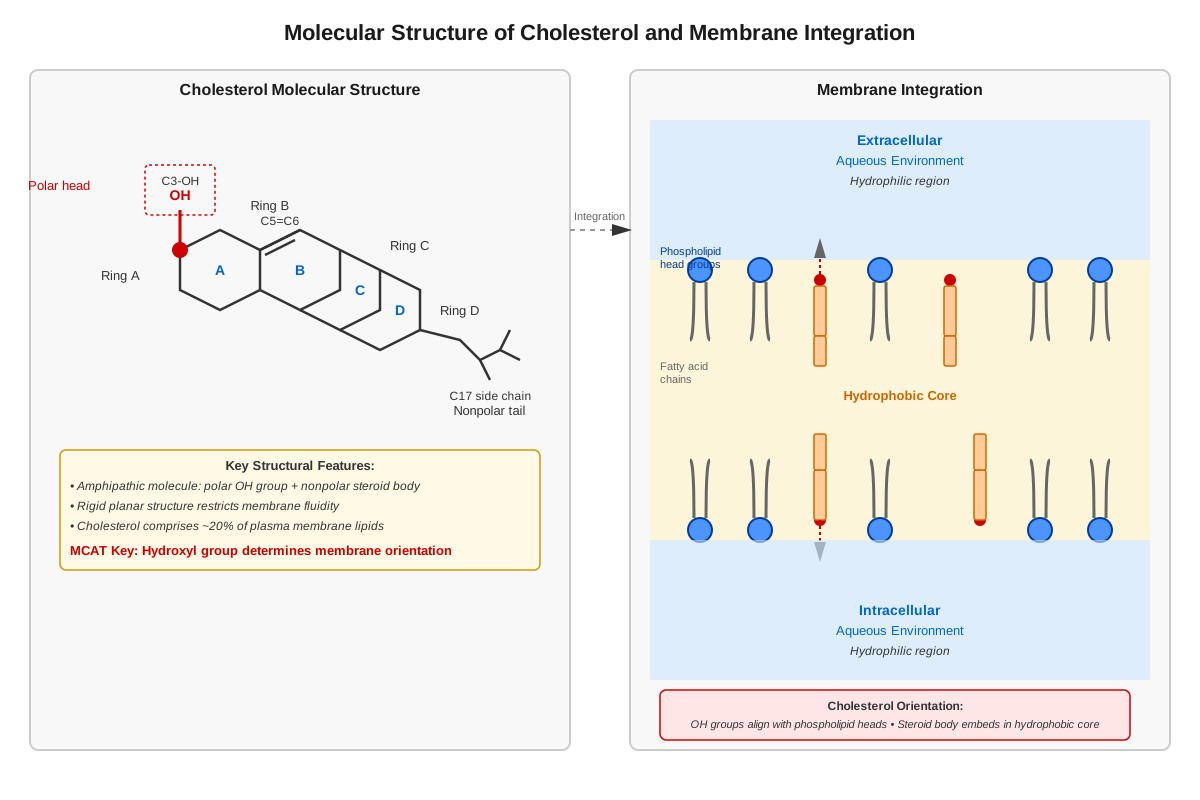
Cholesterol is a 27-carbon steroid lipid characterized by four fused hydrocarbon rings (the steroid nucleus), a hydroxyl group at carbon 3, and a branched hydrocarbon tail. This structure makes cholesterol amphipathic but predominantly hydrophobic. The single hydroxyl group provides the only polar region, allowing cholesterol to orient in membranes with this group facing the aqueous environment while the rigid ring system and hydrocarbon tail embed within the hydrophobic core.
The rigid, planar steroid ring system distinguishes cholesterol from flexible fatty acid chains. This rigidity has profound effects on membrane properties:
- At physiological temperatures, cholesterol decreases membrane fluidity by restricting phospholipid movement
- At low temperatures, cholesterol prevents tight packing of phospholipids, maintaining fluidity
- This dual effect makes cholesterol a "fluidity buffer," maintaining optimal membrane consistency across temperature ranges
The double bond between carbons 5 and 6 in the B ring contributes to the molecule's planar structure. Cholesterol's hydrophobic nature (only one hydroxyl group among 27 carbons) means it cannot dissolve freely in blood and requires protein carriers (lipoproteins) for transport.
Cholesterol Biosynthesis
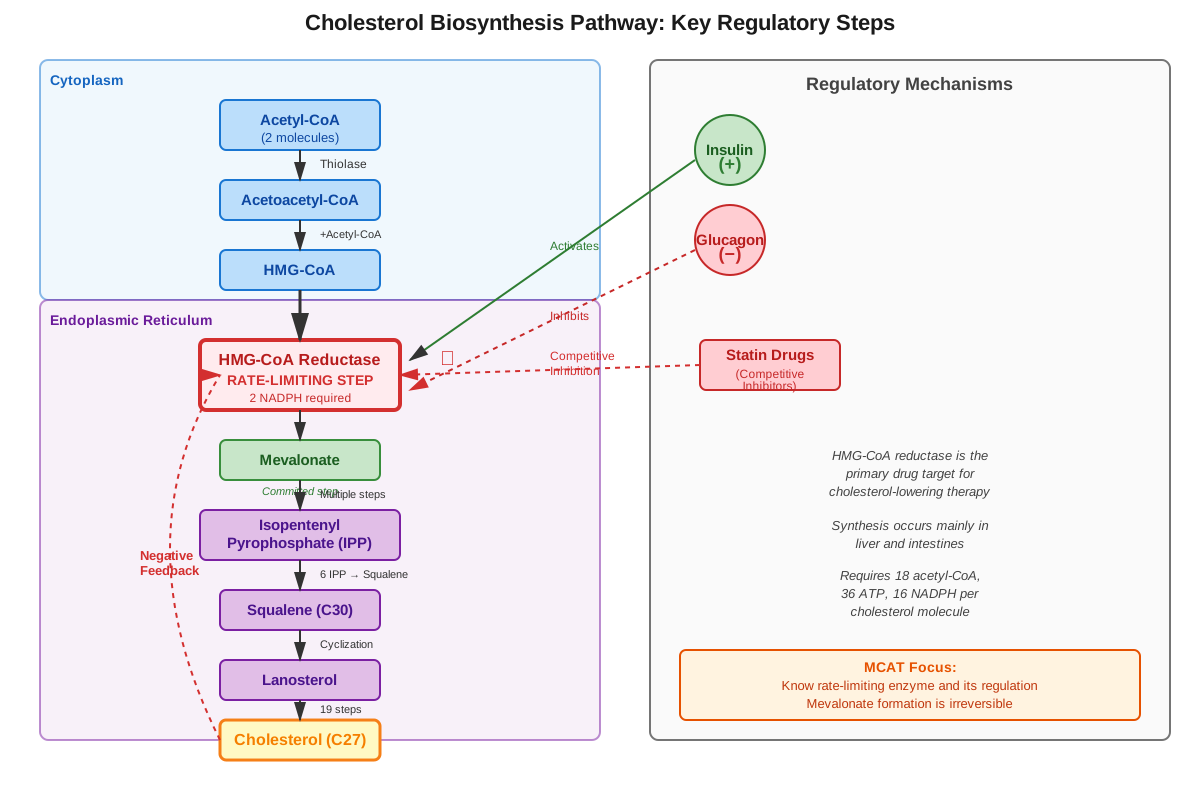
Cholesterol synthesis occurs primarily in the liver (and to lesser extents in the intestines, adrenal glands, and reproductive organs) through a complex pathway requiring approximately 30 enzymatic steps. The pathway can be divided into four major stages:
- Acetyl-CoA to HMG-CoA: Two acetyl-CoA molecules condense to form acetoacetyl-CoA, which then combines with a third acetyl-CoA to form 3-hydroxy-3-methylglutaryl-CoA (HMG-CoA)
- HMG-CoA to mevalonate: HMG-CoA reductase catalyzes the rate-limiting, committed step of cholesterol synthesis, reducing HMG-CoA to mevalonate using two NADPH molecules. This is the primary regulatory point
- Mevalonate to squalene: Through a series of phosphorylation, decarboxylation, and condensation reactions, mevalonate is converted to isoprene units (isopentenyl pyrophosphate), which polymerize to form the 30-carbon squalene
- Squalene to cholesterol: Squalene undergoes cyclization to form lanosterol, which is then modified through approximately 19 additional steps to produce cholesterol
MCAT High-Yield: The rate-limiting enzyme HMG-CoA reductase is the primary regulatory point and the target of statin drugs. Know this enzyme, its regulation, and its clinical significance.
Regulation of Cholesterol Synthesis
Cholesterol homeostasis is maintained through multiple regulatory mechanisms centered on HMG-CoA reductase:
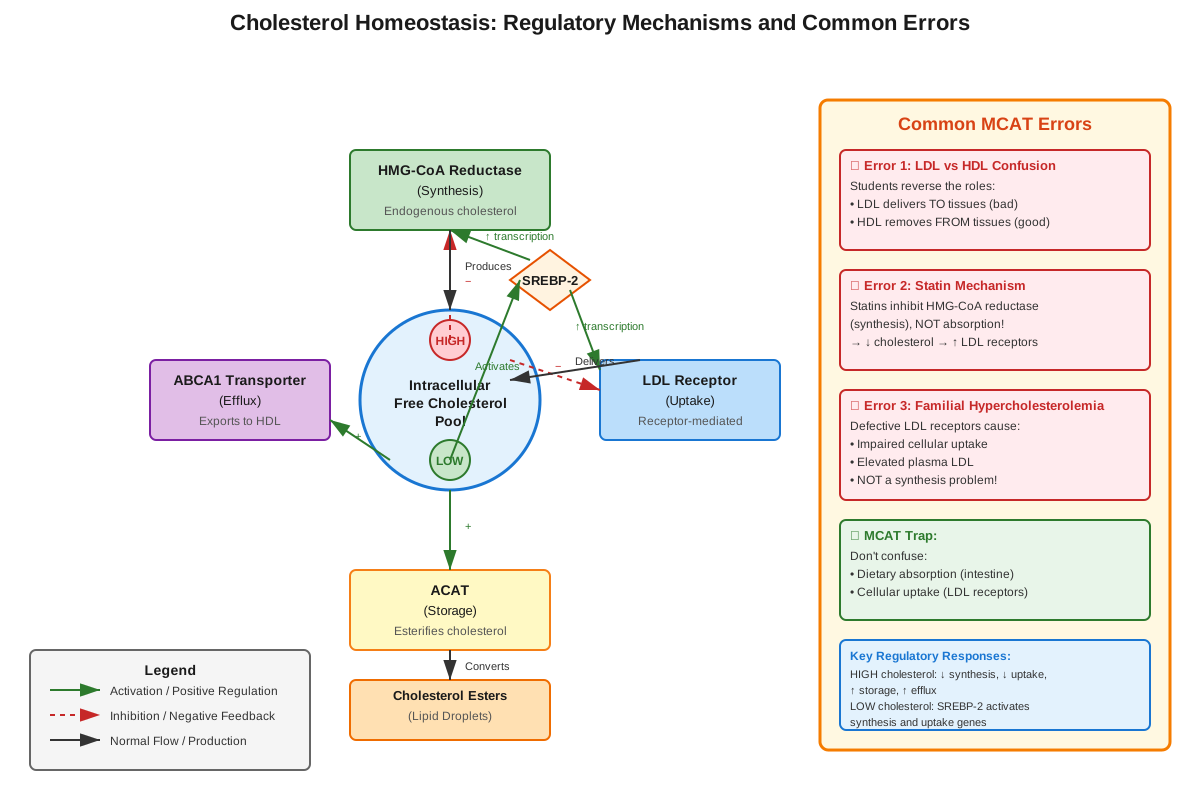
Transcriptional Regulation via SREBP:
- When cellular cholesterol is low, sterol regulatory element-binding protein (SREBP) is cleaved and translocates to the nucleus
- SREBP activates transcription of genes encoding HMG-CoA reductase and the LDL receptor
- When cholesterol is abundant, SREBP remains inactive in the endoplasmic reticulum
- This mechanism adjusts enzyme synthesis based on cholesterol availability
Post-translational Regulation:
- Phosphorylation by AMP-activated protein kinase (AMPK) inactivates HMG-CoA reductase
- Dephosphorylation activates the enzyme
- This allows rapid response to cellular energy status (low ATP/high AMP inhibits cholesterol synthesis)
Feedback Inhibition:
- Cholesterol itself inhibits HMG-CoA reductase activity
- High cholesterol levels also promote enzyme degradation
- This direct product inhibition prevents excessive accumulation
Hormonal Regulation:
- Insulin stimulates cholesterol synthesis (fed state)
- Glucagon inhibits synthesis (fasted state)
- This coordinates cholesterol production with overall metabolic state
Lipoprotein Structure and Function
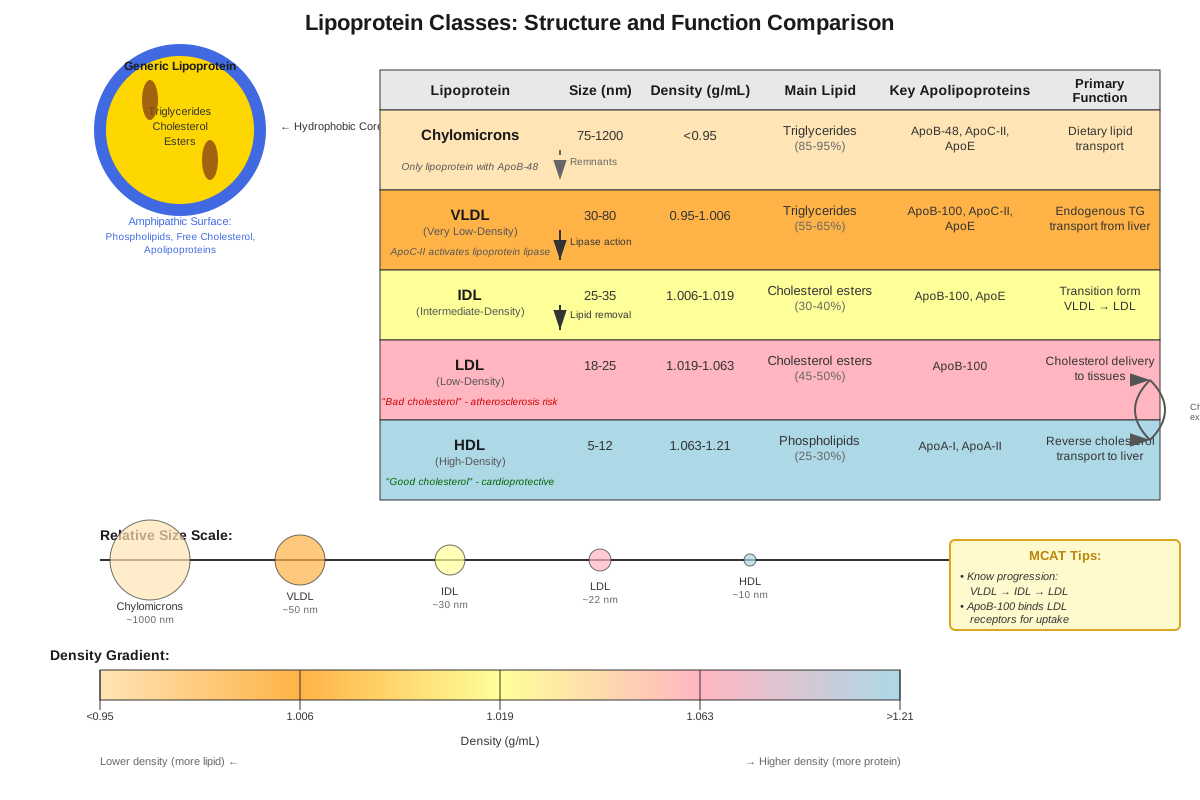
Because cholesterol is hydrophobic, it requires specialized transport particles called lipoproteins to move through the aqueous blood environment. Lipoproteins consist of a hydrophobic core (containing cholesterol esters and triglycerides) surrounded by a hydrophilic shell (containing phospholipids, free cholesterol, and apolipoproteins).
| Lipoprotein | Density | Primary Lipid | Function | Key Apolipoprotein |
|---|---|---|---|---|
| Chylomicrons | Lowest | Dietary triglycerides | Transport dietary lipids from intestine to tissues | ApoB-48, ApoC-II, ApoE |
| VLDL | Very low | Endogenous triglycerides | Transport liver-synthesized triglycerides to tissues | ApoB-100, ApoC-II, ApoE |
| IDL | Intermediate | Mixed | Transition form between VLDL and LDL | ApoB-100, ApoE |
| LDL | Low | Cholesterol | Deliver cholesterol to peripheral tissues | ApoB-100 |
| HDL | High | Cholesterol | Reverse cholesterol transport from tissues to liver | ApoA-I, ApoA-II |
Apolipoproteins serve multiple functions:
- Structural support (ApoB)
- Enzyme cofactors (ApoC-II activates lipoprotein lipase)
- Receptor ligands (ApoB-100 and ApoE bind LDL receptors)
Cholesterol Transport Pathways
Exogenous Pathway (dietary cholesterol):
- Dietary cholesterol and fats are packaged into chylomicrons in intestinal enterocytes
- Chylomicrons enter lymphatic circulation, then bloodstream
- Lipoprotein lipase (activated by ApoC-II) hydrolyzes triglycerides in capillaries
- Chylomicron remnants, enriched in cholesterol, are taken up by the liver via ApoE receptors
Endogenous Pathway (liver-synthesized cholesterol):
- Liver packages cholesterol and triglycerides into VLDL
- VLDL releases triglycerides to tissues via lipoprotein lipase
- VLDL becomes IDL, then LDL as triglycerides are depleted
- LDL delivers cholesterol to peripheral tissues via LDL receptor-mediated endocytosis
- Excess LDL can be oxidized and taken up by macrophages, forming foam cells in arterial walls
Reverse Cholesterol Transport:
- HDL particles collect excess cholesterol from peripheral tissues
- Lecithin-cholesterol acyltransferase (LCAT) esterifies cholesterol on HDL surface
- Cholesterol esters move to HDL core, allowing more cholesterol uptake
- HDL returns cholesterol to liver for excretion as bile acids
Clinical Connection: LDL is termed "bad cholesterol" because elevated levels contribute to atherosclerosis, while HDL is "good cholesterol" because it removes cholesterol from arterial walls.
Cholesterol as a Metabolic Precursor
Cholesterol serves as the starting material for several essential biomolecules:
Bile Acids:
- Synthesized in the liver through hydroxylation and side-chain oxidation
- Rate-limiting enzyme: cholesterol 7α-hydroxylase
- Primary bile acids (cholic acid, chenodeoxycholic acid) aid fat digestion
- Represents the primary route for cholesterol excretion from the body
Steroid Hormones:
- All steroid hormones derive from cholesterol through modifications of the ring system and side chain
- Conversion begins with side-chain cleavage by desmolase (P450scc) in mitochondria, producing pregnenolone
- Pregnenolone is the precursor for all five classes: progestins, glucocorticoids, mineralocorticoids, androgens, and estrogens
- Synthesis occurs primarily in adrenal cortex and gonads
Vitamin D:
- 7-dehydrocholesterol (cholesterol precursor) in skin is converted to vitamin D3 by UV light
- Further hydroxylations in liver and kidney produce active 1,25-dihydroxyvitamin D3
- Essential for calcium homeostasis and bone health
Membrane Cholesterol and Cellular Function
In biological membranes, cholesterol constitutes approximately 20-25% of lipid molecules in animal cell membranes. Its effects include:
- Fluidity modulation: Cholesterol fills spaces between phospholipids, reducing permeability to small water-soluble molecules
- Lipid raft formation: Cholesterol-rich microdomains serve as platforms for signaling proteins and receptors
- Membrane protein function: Many membrane proteins require specific cholesterol concentrations for optimal activity
- Membrane stability: The rigid steroid nucleus provides mechanical strength
Cholesterol distribution is not uniform across membranes. The plasma membrane contains the highest concentration, while mitochondrial membranes contain very little cholesterol. This distribution reflects functional requirements—mitochondria need high permeability for metabolite exchange.
Concept Relationships
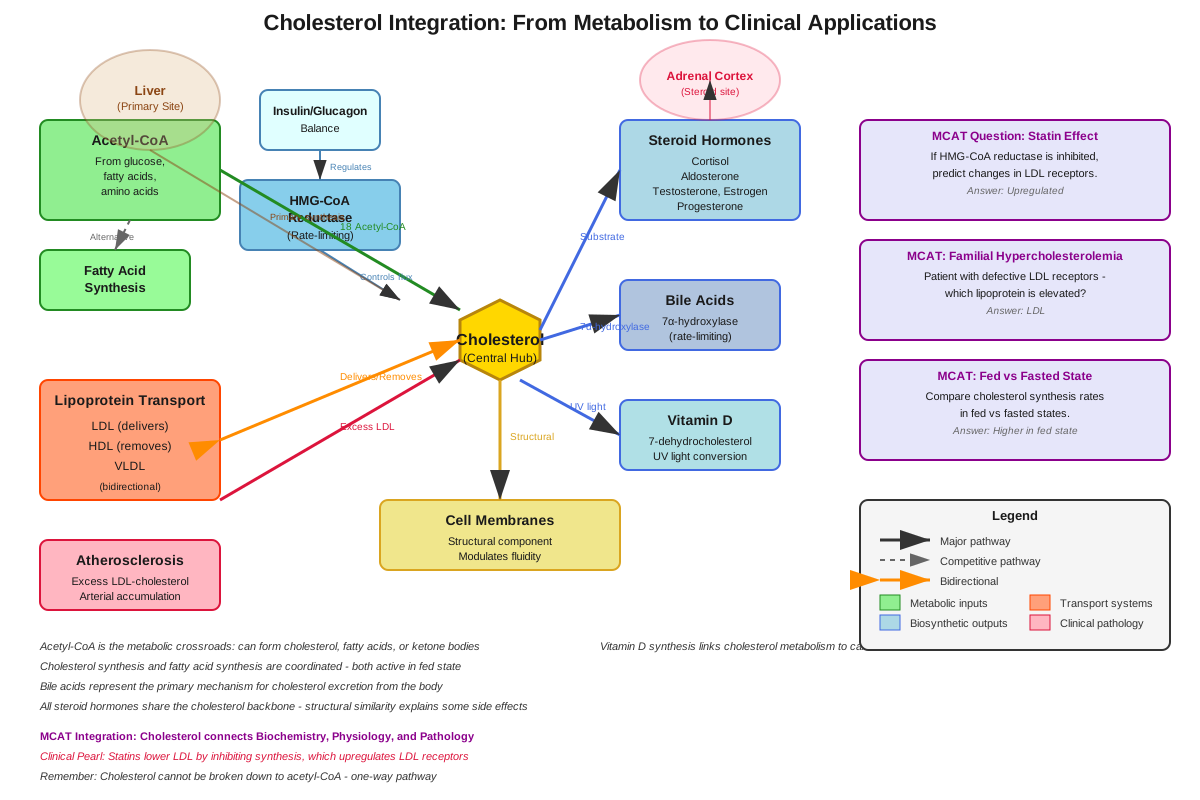
Cholesterol biochemistry integrates multiple metabolic and physiological systems. At the molecular level, acetyl-CoA serves as the starting point, connecting cholesterol synthesis to carbohydrate metabolism (via pyruvate dehydrogenase), fatty acid oxidation (β-oxidation), and amino acid catabolism. This connection means that cellular energy status influences cholesterol production—abundant nutrients increase acetyl-CoA availability, promoting synthesis.
The regulation of HMG-CoA reductase → controls cholesterol synthesis rate → determines cellular cholesterol levels → affects SREBP activation → modulates LDL receptor expression → influences plasma cholesterol levels. This feedback loop demonstrates how molecular regulation scales to systemic physiology.
Cholesterol's role as a membrane component → affects membrane fluidity → influences membrane protein function → impacts cellular signaling and transport processes. This relationship explains why cholesterol homeostasis is critical for normal cellular function.
The lipoprotein transport system connects intestinal absorption → hepatic metabolism → peripheral tissue delivery → reverse transport back to liver, creating a complete circulation system. Understanding this cycle is essential for interpreting lipid panels and cardiovascular risk.
Cholesterol as a precursor → branches into three major pathways: bile acid synthesis (digestive function), steroid hormone synthesis (endocrine function), and vitamin D synthesis (calcium homeostasis). These connections make cholesterol a hub molecule linking lipid metabolism to multiple physiological systems.
Quick check — test yourself on Cholesterol so far.
Try Flashcards →High-Yield Facts
⭐ HMG-CoA reductase catalyzes the rate-limiting step of cholesterol synthesis and is the target of statin drugs
⭐ Cholesterol contains a single hydroxyl group at carbon 3, making it amphipathic but predominantly hydrophobic
⭐ LDL delivers cholesterol to peripheral tissues and is elevated in cardiovascular disease risk, while HDL performs reverse cholesterol transport and is protective
⭐ Cholesterol synthesis is regulated by SREBP (transcriptional control), phosphorylation (post-translational control), and feedback inhibition
⭐ All steroid hormones are synthesized from cholesterol, beginning with conversion to pregnenolone by desmolase
- Cholesterol decreases membrane fluidity at high temperatures and increases it at low temperatures, serving as a fluidity buffer
- Bile acids represent the primary mechanism for cholesterol excretion from the body
- ApoB-100 is the ligand that allows LDL to bind to LDL receptors on cell surfaces
- Familial hypercholesterolemia results from defective LDL receptors, causing severely elevated plasma cholesterol
- Cholesterol synthesis occurs primarily in the liver and requires acetyl-CoA, ATP, and NADPH
- Chylomicrons transport dietary lipids, while VLDL transports endogenous (liver-synthesized) lipids
- Oxidized LDL is taken up by macrophage scavenger receptors, leading to foam cell formation in atherosclerotic plaques
- LCAT (lecithin-cholesterol acyltransferase) esterifies cholesterol on HDL particles, enabling continued cholesterol uptake from tissues
Common Misconceptions
Misconception: Cholesterol is always harmful and should be eliminated from the diet completely.
Correction: Cholesterol is essential for membrane structure, hormone synthesis, and bile acid production. The body synthesizes most of its cholesterol endogenously, and dietary cholesterol has a modest effect on blood levels in most people. The focus should be on maintaining appropriate LDL/HDL ratios rather than eliminating cholesterol entirely.
Misconception: All lipoproteins transport cholesterol, so they're essentially the same.
Correction: While all lipoproteins contain some cholesterol, they differ significantly in composition, function, and metabolic fate. Chylomicrons primarily transport dietary triglycerides, VLDL transports endogenous triglycerides, LDL is cholesterol-rich and delivers to tissues, and HDL performs reverse cholesterol transport. Their different apolipoproteins determine their metabolic destinations.
Misconception: HMG-CoA reductase is only regulated by feedback inhibition from cholesterol.
Correction: HMG-CoA reductase is regulated through multiple mechanisms: transcriptional control via SREBP, post-translational modification through phosphorylation/dephosphorylation, feedback inhibition by cholesterol, and hormonal regulation by insulin and glucagon. This multi-level regulation allows fine-tuned control of cholesterol synthesis.
Misconception: Cholesterol increases membrane fluidity by disrupting phospholipid packing.
Correction: Cholesterol's effect on fluidity is temperature-dependent and bidirectional. At high temperatures, it decreases fluidity by restricting phospholipid movement. At low temperatures, it prevents tight packing and maintains fluidity. This makes cholesterol a fluidity buffer rather than simply a fluidizer.
Misconception: The liver is the only site of cholesterol synthesis.
Correction: While the liver is the primary site (producing ~70% of endogenous cholesterol), other tissues including intestines, adrenal glands, reproductive organs, and brain also synthesize cholesterol. Some tissues, like the brain, rely heavily on local synthesis because lipoproteins cannot efficiently cross the blood-brain barrier.
Misconception: Statins work by blocking cholesterol absorption from the diet.
Correction: Statins inhibit HMG-CoA reductase, blocking endogenous cholesterol synthesis in the liver. A different class of drugs (like ezetimibe) blocks intestinal cholesterol absorption. Statins reduce cholesterol production, which upregulates LDL receptors and increases LDL clearance from blood.
Worked Examples
Example 1: Interpreting Statin Mechanism and Cellular Response
Question: A patient begins taking a statin medication to lower cholesterol. Explain the molecular and cellular cascade that occurs following HMG-CoA reductase inhibition, and predict the effects on plasma LDL levels.
Solution:
Step 1 - Identify the immediate molecular effect:
Statins competitively inhibit HMG-CoA reductase, the rate-limiting enzyme in cholesterol synthesis. This reduces the conversion of HMG-CoA to mevalonate, decreasing intracellular cholesterol production in hepatocytes.
Step 2 - Determine the cellular response to decreased cholesterol:
As intracellular cholesterol levels fall, SREBP (sterol regulatory element-binding protein) is activated. SREBP is normally retained in the endoplasmic reticulum when cholesterol is abundant, but low cholesterol triggers its cleavage and nuclear translocation.
Step 3 - Identify transcriptional changes:
Nuclear SREBP binds to sterol regulatory elements (SREs) in gene promoters, increasing transcription of:
- HMG-CoA reductase (attempting to compensate for statin inhibition)
- LDL receptor (to increase cholesterol uptake from blood)
Step 4 - Predict systemic effects:
Increased LDL receptor expression on hepatocyte surfaces enhances LDL particle uptake from circulation via receptor-mediated endocytosis. This clearance mechanism reduces plasma LDL cholesterol levels, even though the statin blocks synthesis.
Step 5 - Connect to learning objectives:
This example demonstrates cholesterol homeostasis regulation (transcriptional control via SREBP), the relationship between synthesis and uptake pathways, and the clinical application of understanding rate-limiting enzymes. The compensatory increase in LDL receptors is actually the primary mechanism by which statins lower blood cholesterol—not just by blocking synthesis, but by enhancing clearance.
Key Insight: The therapeutic benefit of statins comes more from increased LDL receptor expression than from decreased synthesis alone. This explains why statins are effective even though cells attempt to compensate by upregulating HMG-CoA reductase.
Example 2: Analyzing Lipoprotein Metabolism in a Clinical Scenario
Question: A patient presents with extremely elevated triglycerides (>1000 mg/dL) and milky-appearing blood plasma. Genetic testing reveals a mutation in the gene encoding ApoC-II. Explain the biochemical basis for these findings and predict the lipoprotein profile.
Solution:
Step 1 - Identify ApoC-II function:
ApoC-II is an apolipoprotein that serves as a cofactor for lipoprotein lipase (LPL), the enzyme responsible for hydrolyzing triglycerides in chylomicrons and VLDL particles at capillary endothelial surfaces.
Step 2 - Predict the consequence of ApoC-II deficiency:
Without functional ApoC-II, lipoprotein lipase cannot be activated effectively. This prevents the normal breakdown of triglycerides in chylomicrons and VLDL, causing these particles to accumulate in the bloodstream.
Step 3 - Explain the physical appearance:
The milky appearance of plasma results from extremely high concentrations of large, triglyceride-rich lipoproteins (chylomicrons and VLDL) that scatter light. This is called lipemic plasma.
Step 4 - Predict the lipoprotein profile:
- Chylomicrons: Markedly elevated (normally absent in fasted state)
- VLDL: Elevated
- LDL: May be normal or low (less conversion from VLDL)
- HDL: May be reduced (HDL components are normally transferred during lipoprotein lipase action)
- Triglycerides: Severely elevated (>1000 mg/dL)
- Total cholesterol: May be elevated but less dramatically than triglycerides
Step 5 - Consider clinical implications:
This condition (familial chylomicronemia syndrome or Type I hyperlipoproteinemia) carries risk for acute pancreatitis due to extremely high triglycerides. Treatment focuses on severe dietary fat restriction since the defect prevents normal processing of dietary lipids.
Key Insight: This example illustrates how a single protein deficiency disrupts an entire metabolic pathway. Understanding the specific roles of apolipoproteins allows prediction of complex metabolic consequences. The MCAT frequently tests the ability to trace metabolic consequences of enzyme or cofactor deficiencies.
Exam Strategy
Approaching MCAT Cholesterol Questions
For discrete questions:
- Identify what aspect of cholesterol is being tested (structure, synthesis, transport, or regulation)
- Recall the rate-limiting step and regulatory mechanisms first—these are most frequently tested
- Use process of elimination by identifying clearly incorrect answers (e.g., answers that confuse LDL and HDL functions)
For passage-based questions:
- Determine whether the passage focuses on synthesis, transport, or downstream products (hormones, bile acids)
- Look for experimental manipulations of HMG-CoA reductase, SREBP, or lipoprotein receptors
- Connect passage data to fundamental principles rather than memorizing passage details
- Watch for questions asking about compensatory mechanisms or feedback responses
Trigger Words and Phrases
- "Rate-limiting step" → Think HMG-CoA reductase immediately
- "Statin," "lovastatin," "atorvastatin" → HMG-CoA reductase inhibition, expect questions about compensatory responses
- "Foam cells," "atherosclerosis" → Oxidized LDL uptake by macrophages
- "Familial hypercholesterolemia" → Defective LDL receptors, elevated LDL
- "Reverse cholesterol transport" → HDL function
- "Steroid hormone synthesis" → Cholesterol as precursor, desmolase converting to pregnenolone
- "Membrane fluidity" → Cholesterol's bidirectional effect depending on temperature
- "Bile acids" → Cholesterol excretion pathway, cholesterol 7α-hydroxylase
Process-of-Elimination Tips
When evaluating answer choices:
- Eliminate answers that reverse LDL and HDL functions (very common distractor)
- Eliminate answers that place cholesterol synthesis in mitochondria (it occurs in cytoplasm and ER)
- Eliminate answers suggesting cholesterol is a phospholipid or triglyceride (it's a steroid)
- Eliminate answers that ignore feedback regulation (cholesterol homeostasis is tightly controlled)
- Be suspicious of answers suggesting complete dietary elimination of cholesterol (body synthesizes most of what it needs)
Time Allocation
For a discrete cholesterol question: 60-90 seconds maximum. If you don't immediately recognize the concept being tested, flag and return later.
For passage-based questions: Spend 30-45 seconds identifying the passage's focus (synthesis vs. transport vs. regulation), then 60-90 seconds per question. Cholesterol passages often integrate with cardiovascular physiology or endocrinology, so budget time for connecting concepts.
Memory Techniques
Mnemonics
"VLDL Becomes LDL" - Remember the lipoprotein cascade:
- VLDL loses triglycerides
- Becomes IDL (intermediate)
- Loses more triglycerides to become LDL
"Happy HDL, Lousy LDL":
- Happy HDL = High is good (protective)
- Lousy LDL = Low is good (less atherogenic)
"Cholesterol Has Four Rings And One OH":
- Emphasizes the steroid nucleus (4 fused rings) and single hydroxyl group at C3
"SREBP Senses Sterols":
- Sterol Regulatory Element Binding Protein
- When sterols (cholesterol) are low, SREBP is activated
Visualization Strategies
Mental image for membrane cholesterol: Picture cholesterol molecules as "rigid rods" inserted between "flexible phospholipid tails." The rods restrict movement (decrease fluidity) when tails are moving freely (high temp) but prevent tails from freezing together (maintain fluidity) when cold.
Lipoprotein density visualization: Imagine lipoproteins as balloons with different amounts of weight inside:
- Chylomicrons: Huge balloon, mostly air (triglycerides) = floats (lowest density)
- VLDL: Large balloon, some weight = floats easily
- LDL: Medium balloon, more weight (cholesterol) = sinks more
- HDL: Small balloon, densest = sinks most (highest density)
Synthesis pathway simplification: Remember three key molecules: Acetyl-CoA → HMG-CoA → Mevalonate → (many steps) → Cholesterol. The middle step (HMG-CoA → Mevalonate) is rate-limiting.
Acronyms
"ABC" for Cholesterol Fates:
- Anabolism (steroid hormones)
- Bile acids
- Cell membranes
"LCAT" function:
- Lecithin-Cholesterol AcylTransferase
- Esterifies cholesterol on HDL (remember: "LCAT puts a CAP on cholesterol" - esterification caps the hydroxyl group)
Summary
Cholesterol is a 27-carbon steroid lipid essential for membrane structure, serving as a precursor for steroid hormones, bile acids, and vitamin D. Its amphipathic structure, featuring four fused rings and a single hydroxyl group, allows integration into membranes where it modulates fluidity bidirectionally depending on temperature. Cholesterol synthesis occurs primarily in the liver through a complex pathway beginning with acetyl-CoA, with HMG-CoA reductase catalyzing the rate-limiting step that converts HMG-CoA to mevalonate. This enzyme is regulated through multiple mechanisms including SREBP-mediated transcriptional control, phosphorylation, and feedback inhibition, making it the primary control point for cholesterol homeostasis and the target of statin drugs. Because cholesterol is hydrophobic, it requires lipoprotein carriers for blood transport: chylomicrons transport dietary lipids, VLDL carries liver-synthesized triglycerides, LDL delivers cholesterol to peripheral tissues (elevated levels increase cardiovascular risk), and HDL performs reverse cholesterol transport (protective effect). Understanding cholesterol biochemistry requires integrating molecular structure, metabolic pathways, regulatory mechanisms, and physiological transport systems—connections that appear frequently in MCAT questions across biochemistry, physiology, and clinical contexts.
Key Takeaways
- Cholesterol is a steroid lipid with four fused rings and one hydroxyl group, making it amphipathic but predominantly hydrophobic, requiring lipoproteins for blood transport
- HMG-CoA reductase catalyzes the rate-limiting step of cholesterol synthesis and is regulated by SREBP, phosphorylation, and feedback inhibition—this is the most high-yield fact for the MCAT
- LDL delivers cholesterol to tissues (elevated levels are atherogenic), while HDL removes cholesterol from tissues (elevated levels are protective)—understanding this distinction is essential for clinical reasoning questions
- Cholesterol serves as the precursor for all steroid hormones, bile acids, and vitamin D, connecting lipid metabolism to endocrine and digestive physiology
- Membrane cholesterol acts as a fluidity buffer, decreasing fluidity at high temperatures and maintaining fluidity at low temperatures
- Statins lower cholesterol by inhibiting HMG-CoA reductase, which triggers compensatory upregulation of LDL receptors that clear LDL from blood
- Apolipoproteins determine lipoprotein function: ApoB-100 enables LDL receptor binding, ApoC-II activates lipoprotein lipase, and ApoE facilitates remnant uptake
Related Topics
Fatty Acid Metabolism: Understanding β-oxidation and fatty acid synthesis provides context for how acetyl-CoA, the starting material for cholesterol synthesis, is generated and how lipid metabolism is coordinated. Mastering cholesterol enables deeper understanding of integrated lipid homeostasis.
Steroid Hormone Synthesis: Cholesterol serves as the universal precursor for all steroid hormones. Understanding cholesterol metabolism is prerequisite knowledge for learning how pregnenolone is converted to glucocorticoids, mineralocorticoids, and sex hormones in the adrenal cortex and gonads.
Membrane Transport Mechanisms: Cholesterol uptake via LDL receptor-mediated endocytosis exemplifies receptor-mediated endocytosis, a fundamental cellular process. This topic connects to broader understanding of membrane trafficking and signal transduction.
Cardiovascular Physiology: Cholesterol metabolism directly impacts atherosclerosis development and cardiovascular disease. Understanding lipoprotein metabolism enables comprehension of cardiovascular risk assessment and therapeutic interventions.
Bile Acid Metabolism and Fat Digestion: Bile acids, synthesized from cholesterol, are essential for dietary fat emulsification and absorption. This connects cholesterol metabolism to digestive physiology and enterohepatic circulation.
Enzyme Regulation Mechanisms: The multi-level regulation of HMG-CoA reductase exemplifies coordinated enzyme control through transcriptional, post-translational, and allosteric mechanisms—principles applicable throughout metabolism.
Practice CTA
Now that you've mastered the core concepts of cholesterol biochemistry, it's time to reinforce your understanding through active practice. Challenge yourself with MCAT-style practice questions that test your ability to apply these concepts in novel contexts, interpret experimental data, and integrate cholesterol metabolism with broader physiological systems. Use flashcards to drill high-yield facts like the rate-limiting enzyme, lipoprotein functions, and regulatory mechanisms until recall becomes automatic. Remember: understanding cholesterol biochemistry isn't just about memorizing facts—it's about building connections that allow you to reason through complex, multi-step questions confidently. Your investment in mastering this topic will pay dividends across biochemistry, physiology, and clinical reasoning questions on test day. You've got this!
Sign up free to keep reading
Create a free AnvayaPrep account to finish this MCAT guide on Cholesterol — plus flashcards and practice questions.