Overview
Cell signaling overview is a foundational topic in Cell Biology that examines how cells communicate with one another and respond to their environment. This communication system is essential for coordinating complex biological processes, from embryonic development to immune responses, and from hormone regulation to neuronal transmission. Understanding cell signaling mechanisms provides insight into how multicellular organisms maintain homeostasis, respond to external stimuli, and coordinate the activities of billions of cells working in concert.
For the MCAT, cell signaling represents a critical intersection of biology, biochemistry, and physiology. Questions on this topic frequently appear in both passage-based and discrete formats, testing not only memorization of signaling pathways but also the ability to apply mechanistic understanding to novel scenarios. The MCAT emphasizes understanding how signaling molecules interact with receptors, how signals are transduced across cellular compartments, and how cells ultimately respond to these signals through changes in gene expression, metabolism, or behavior.
Cell signaling connects to virtually every other topic in Biology tested on the MCAT. It underlies endocrine system function, nervous system communication, immune responses, cancer biology, and developmental processes. Mastery of cell signaling principles enables students to understand how disruptions in signaling pathways lead to disease states, how drugs target specific signaling components, and how cells integrate multiple simultaneous signals to produce coordinated responses. This topic serves as a conceptual bridge between molecular biology and organismal physiology, making it indispensable for achieving a comprehensive understanding of biological systems.
Learning Objectives
- [ ] Define cell signaling overview using accurate Biology terminology
- [ ] Explain why cell signaling overview matters for the MCAT
- [ ] Apply cell signaling overview to exam-style questions
- [ ] Identify common mistakes related to cell signaling overview
- [ ] Connect cell signaling overview to related Biology concepts
- [ ] Distinguish between the major types of cell signaling (autocrine, paracrine, endocrine, and juxtacrine)
- [ ] Describe the general mechanism of signal transduction from receptor binding to cellular response
- [ ] Analyze how signal amplification occurs in cellular signaling cascades
- [ ] Predict the consequences of mutations or drug interventions in signaling pathways
Prerequisites
- Basic cell structure and organelles: Understanding membrane composition and cellular compartments is essential because signaling involves receptor localization and signal transduction across membranes
- Protein structure and function: Receptors, enzymes, and signaling molecules are proteins whose function depends on their three-dimensional structure
- Basic biochemistry: Knowledge of phosphorylation, enzyme kinetics, and energy molecules (ATP, GTP) is necessary to understand signal transduction mechanisms
- Gene expression fundamentals: Many signaling pathways ultimately alter gene transcription, requiring understanding of transcription factors and gene regulation
- Membrane transport: Understanding how molecules cross membranes helps explain which signaling molecules can enter cells versus which require membrane receptors
Why This Topic Matters
Cell signaling has profound clinical significance across virtually all medical specialties. Diabetes results from defective insulin signaling, cancer often involves mutations in growth factor signaling pathways, and many psychiatric medications target neurotransmitter signaling systems. Understanding cell signaling mechanisms enables comprehension of drug mechanisms of action—from beta-blockers that inhibit epinephrine signaling to immunosuppressants that block T-cell signaling pathways. Developmental disorders, autoimmune diseases, and infectious disease pathogenesis all involve disrupted or hijacked cell signaling systems.
On the MCAT, cell signaling appears with medium to high frequency, typically in 2-4 questions per exam. Questions may appear as discrete items testing basic signaling concepts or, more commonly, embedded within passages describing experimental manipulations of signaling pathways, disease mechanisms, or drug development. The MCAT particularly favors questions that require students to predict outcomes when signaling components are altered, interpret experimental data showing signaling pathway activity, or apply signaling principles to novel biological contexts.
Common exam presentations include passages describing receptor mutations and their phenotypic consequences, experiments using signaling pathway inhibitors, comparisons of different signaling mechanisms in various cell types, and clinical vignettes where understanding signaling explains disease pathophysiology. The MCAT frequently tests the ability to trace a signal from extracellular ligand through receptor activation, second messenger generation, and ultimately to cellular response. Questions often require distinguishing between different receptor types, understanding signal amplification, and recognizing how cells integrate multiple simultaneous signals.
Core Concepts
Definition and Purpose of Cell Signaling
Cell signaling refers to the complex system of communication that governs basic cellular activities and coordinates cellular actions. Cells must constantly receive, process, and respond to information from their environment to survive, function properly, and coordinate with other cells. This communication occurs through signaling molecules (ligands) that bind to receptor proteins, initiating a cascade of molecular events that ultimately produces a cellular response.
The fundamental purpose of cell signaling is to enable cells to respond appropriately to their environment. Single-celled organisms use signaling to detect nutrients, avoid toxins, and find mates. In multicellular organisms, cell signaling becomes exponentially more complex, coordinating the activities of trillions of cells to maintain homeostasis, orchestrate development, and respond to challenges like infection or injury.
Types of Cell Signaling
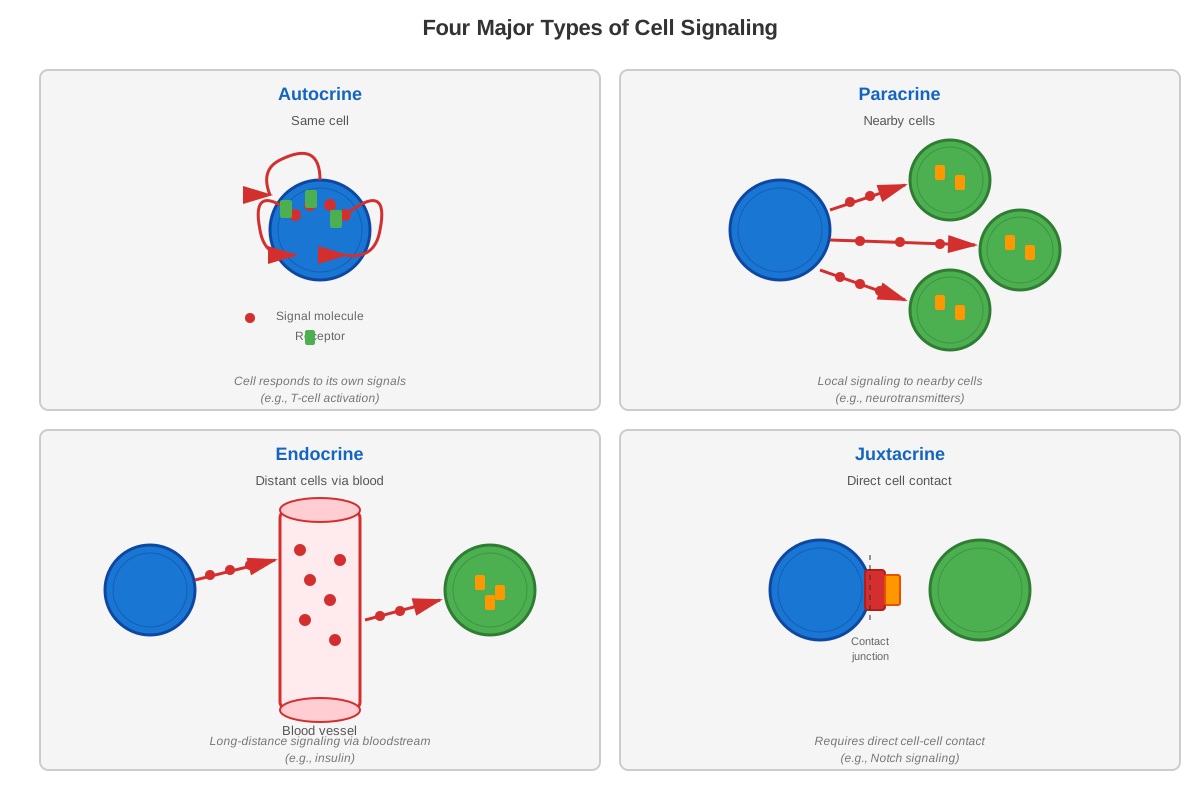
Cell signaling mechanisms are classified based on the distance between the signaling cell and the target cell:
Autocrine signaling occurs when a cell produces a signal that binds to receptors on its own surface or on identical neighboring cells. This mechanism is important in immune responses, where activated T cells secrete interleukin-2 (IL-2) that binds to IL-2 receptors on the same T cell, promoting its own proliferation. Cancer cells often exploit autocrine signaling to drive uncontrolled growth.
Paracrine signaling involves signals that affect nearby cells within a local region. The signaling molecule diffuses through the extracellular space to reach target cells in the immediate vicinity. Neurotransmitters released at synapses represent a specialized form of paracrine signaling, as do growth factors that coordinate tissue development and repair. Paracrine signals typically act over distances of a few cell diameters.
Endocrine signaling uses hormones secreted into the bloodstream to reach distant target cells throughout the body. This mechanism enables long-range coordination of physiological processes. Insulin secreted by pancreatic beta cells travels through the circulation to affect glucose uptake in muscle, liver, and adipose tissue. Endocrine signals can persist in the bloodstream for extended periods and affect multiple organ systems simultaneously.
Juxtacrine signaling requires direct contact between cells, with the signaling molecule remaining attached to the signaling cell's surface. The target cell must physically touch the signaling cell for communication to occur. This mechanism is crucial during development, where it helps establish tissue organization and cell fate determination. Notch signaling, which regulates cell differentiation, exemplifies juxtacrine communication.
General Mechanism of Signal Transduction
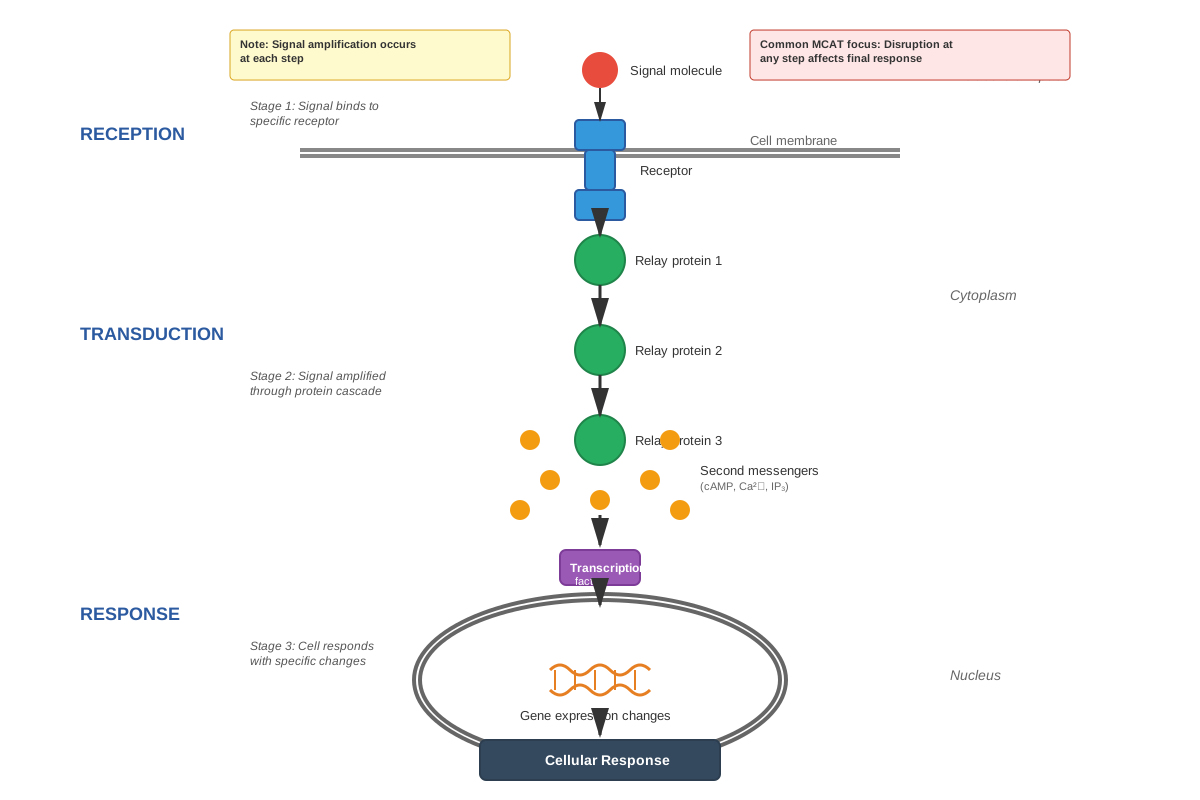
Signal transduction follows a general sequence that converts an extracellular signal into a cellular response:
- Signal reception: A signaling molecule (ligand) binds to a specific receptor protein, typically located on the cell surface or, for hydrophobic signals, inside the cell
- Signal transduction: Receptor binding triggers a series of molecular changes that relay the signal through the cell, often involving second messengers and protein phosphorylation cascades
- Cellular response: The transduced signal ultimately produces a change in cell behavior, such as altered gene expression, enzyme activity, or cytoskeletal organization
- Signal termination: Mechanisms deactivate the signal to prevent overstimulation and allow the cell to respond to new signals
Receptor Types and Mechanisms
Receptors are classified based on their location and mechanism of action:
| Receptor Type | Location | Mechanism | Example Ligands |
|---|---|---|---|
| G protein-coupled receptors (GPCRs) | Plasma membrane | Activate G proteins that modulate enzyme activity or ion channels | Epinephrine, serotonin, odorants |
| Receptor tyrosine kinases (RTKs) | Plasma membrane | Dimerize and autophosphorylate, creating docking sites for signaling proteins | Insulin, growth factors (EGF, PDGF) |
| Ion channel receptors | Plasma membrane | Open or close in response to ligand binding, changing membrane potential | Acetylcholine (nicotinic), GABA |
| Intracellular receptors | Cytoplasm or nucleus | Bind hydrophobic ligands and act as transcription factors | Steroid hormones, thyroid hormone |
G protein-coupled receptors represent the largest family of cell surface receptors and are targets for approximately 30% of pharmaceutical drugs. These seven-transmembrane proteins undergo conformational changes upon ligand binding, activating associated G proteins that then modulate downstream effectors like adenylyl cyclase or phospholipase C.
Receptor tyrosine kinases play critical roles in growth, differentiation, and metabolism. Upon ligand binding, these receptors dimerize and phosphorylate tyrosine residues on each other and on downstream signaling proteins, initiating cascades like the MAP kinase pathway that ultimately affect gene expression.
Signal Amplification
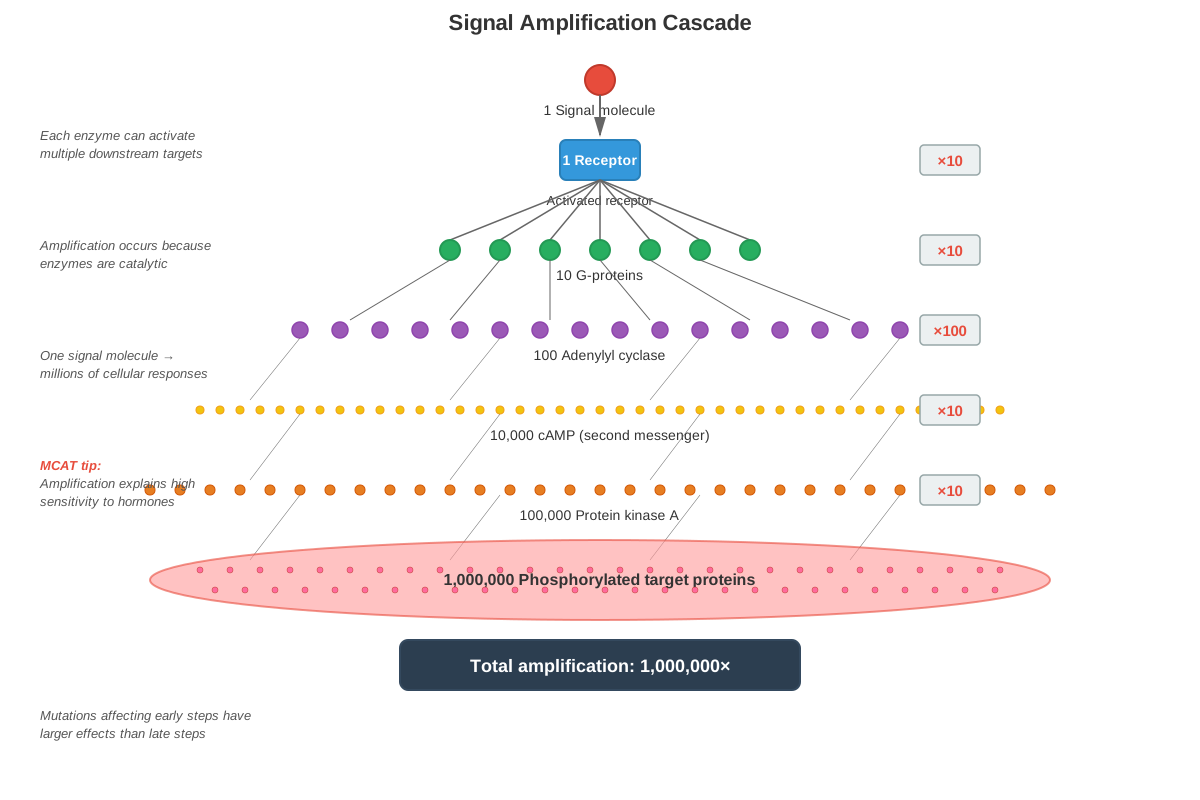
A defining feature of cell signaling is signal amplification, where a small number of signaling molecules produces a large cellular response. This amplification occurs through enzymatic cascades where each activated enzyme catalyzes the activation of many downstream molecules.
For example, binding of a single epinephrine molecule to a GPCR can activate multiple G proteins. Each activated G protein activates adenylyl cyclase, which produces many cyclic AMP (cAMP) molecules. Each cAMP molecule can activate protein kinase A (PKA), which phosphorylates numerous target proteins. This cascade can amplify the initial signal by factors of 10,000 or more, enabling cells to respond rapidly and robustly to minute concentrations of signaling molecules.
Second Messengers
Second messengers are small, diffusible molecules that relay signals from receptors to target molecules inside the cell. Unlike the "first messenger" (the extracellular signaling molecule), second messengers can rapidly diffuse through the cytoplasm and amplify signals.
Common second messengers include:
- Cyclic AMP (cAMP): Produced by adenylyl cyclase, activates protein kinase A
- Calcium ions (Ca²⁺): Released from intracellular stores or entering through channels, binds to calmodulin and other calcium-binding proteins
- Inositol trisphosphate (IP₃): Produced by phospholipase C, triggers calcium release from the endoplasmic reticulum
- Diacylglycerol (DAG): Also produced by phospholipase C, activates protein kinase C
- Cyclic GMP (cGMP): Involved in vision and smooth muscle relaxation
Signal Integration and Specificity
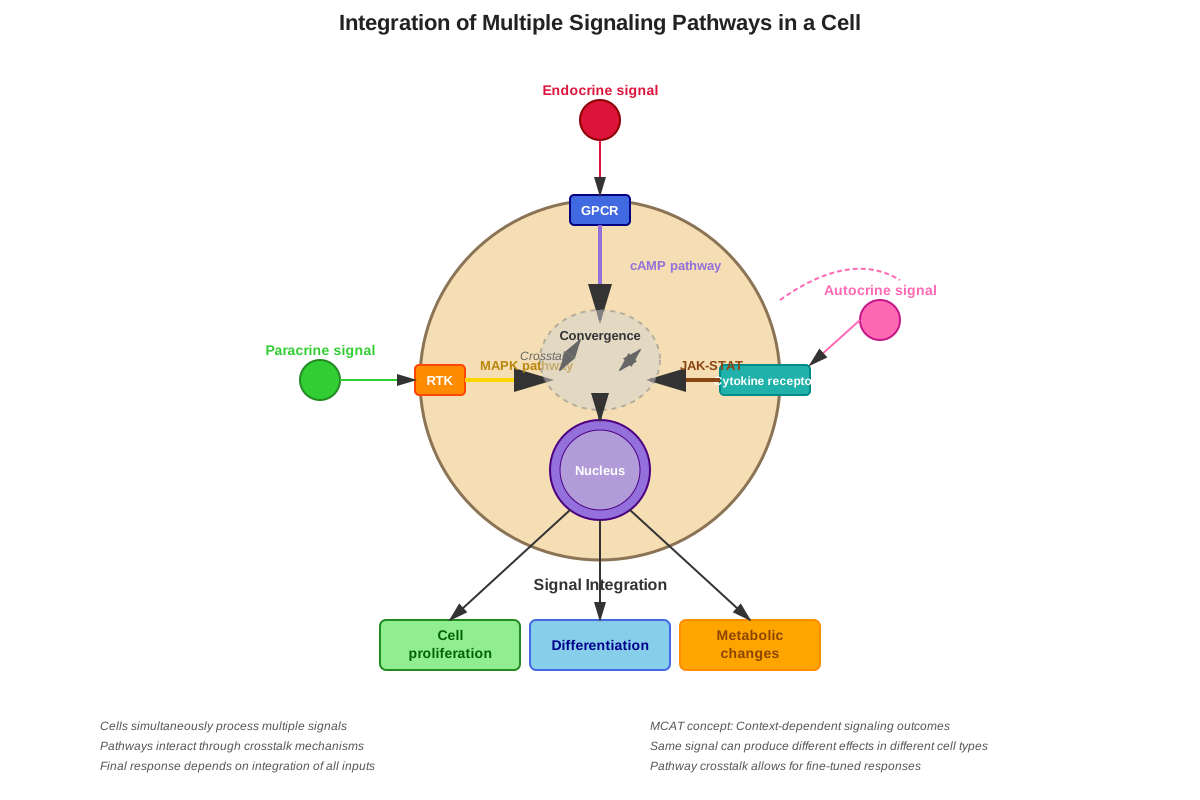
Cells simultaneously receive multiple signals and must integrate this information to produce appropriate responses. Signal integration occurs through several mechanisms:
- Convergence: Multiple signaling pathways affect the same target protein or process
- Divergence: One signaling pathway branches to affect multiple downstream targets
- Cross-talk: Signaling pathways interact, with components of one pathway modulating another
Specificity in cell signaling ensures that cells respond appropriately to signals. Specificity is achieved through:
- Receptor expression patterns (only cells expressing a particular receptor can respond to its ligand)
- Localization of signaling components within specific cellular compartments
- Scaffold proteins that organize signaling complexes
- Cell-type-specific expression of downstream signaling components
Concept Relationships
The concepts within cell signaling form an interconnected network where understanding one component facilitates comprehension of others. The types of cell signaling (autocrine, paracrine, endocrine, juxtacrine) represent different spatial scales of communication, but all utilize the same fundamental signal transduction mechanism: reception → transduction → response → termination. This general mechanism applies regardless of signaling type.
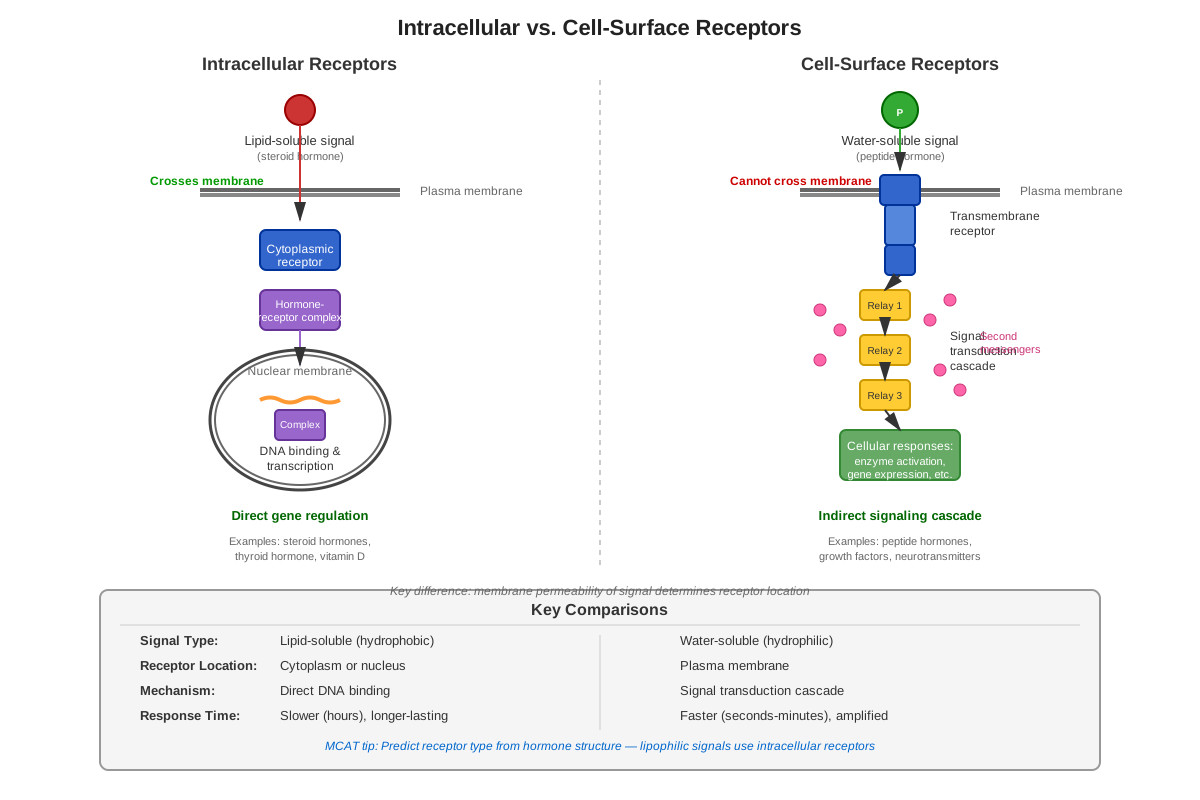
Receptor types determine how signals are transduced. GPCRs utilize second messengers like cAMP and calcium, while RTKs employ phosphorylation cascades. Both mechanisms achieve signal amplification, though through different molecular strategies. The choice of receptor type depends on the chemical nature of the signaling molecule—hydrophobic hormones use intracellular receptors while hydrophilic signals require membrane receptors.
Signal amplification connects directly to the concept of enzymatic cascades, where each step multiplies the signal. This amplification enables signal integration, as multiple amplified pathways can converge on common targets, allowing cells to compute complex responses from multiple inputs. The relationship map flows as:
Signaling molecule type → Receptor selection → Transduction mechanism → Second messenger generation → Signal amplification → Integration with other pathways → Cellular response → Signal termination
This topic connects to prerequisite knowledge of protein structure (receptors are proteins whose function depends on conformation), membrane biology (receptor localization and signal molecule permeability), and biochemistry (phosphorylation, GTP hydrolysis, enzyme kinetics). Cell signaling enables understanding of advanced topics including endocrine physiology (hormone signaling), neurobiology (neurotransmitter signaling), immunology (cytokine signaling), and cancer biology (oncogenes often encode mutated signaling proteins).
Quick check — test yourself on Cell signaling overview so far.
Try Flashcards →High-Yield Facts
⭐ Cell signaling involves four basic steps: reception, transduction, response, and termination
⭐ Hydrophobic signaling molecules (steroid hormones, thyroid hormone) can cross the plasma membrane and bind intracellular receptors, while hydrophilic signals require cell surface receptors
⭐ G protein-coupled receptors are the largest family of cell surface receptors and activate G proteins that modulate enzyme activity or ion channels
⭐ Signal amplification occurs through enzymatic cascades where each enzyme activates multiple downstream molecules, amplifying the initial signal by factors of 10,000 or more
⭐ Second messengers (cAMP, Ca²⁺, IP₃, DAG) are small, diffusible molecules that relay signals from receptors to intracellular targets
- Receptor tyrosine kinases dimerize upon ligand binding and phosphorylate tyrosine residues, creating docking sites for downstream signaling proteins
- Autocrine signaling affects the signaling cell itself, paracrine signaling affects nearby cells, endocrine signaling uses the bloodstream to reach distant cells, and juxtacrine signaling requires direct cell-cell contact
- Protein kinases add phosphate groups to proteins (phosphorylation), while protein phosphatases remove them (dephosphorylation), allowing reversible signal regulation
- Scaffold proteins organize signaling complexes and increase signaling efficiency and specificity
- Desensitization mechanisms prevent overstimulation by reducing receptor sensitivity during prolonged signal exposure, including receptor internalization and phosphorylation
Common Misconceptions
Misconception: All signaling molecules bind to receptors on the cell surface.
Correction: Hydrophobic signaling molecules like steroid hormones, thyroid hormone, and nitric oxide can cross the plasma membrane and bind to intracellular receptors in the cytoplasm or nucleus. Only hydrophilic signals that cannot cross the lipid bilayer require cell surface receptors.
Misconception: Each receptor type responds to only one signaling molecule.
Correction: While receptors show specificity, many receptors can bind multiple related ligands. For example, adrenergic receptors bind both epinephrine and norepinephrine, and many growth factor receptors can be activated by several related growth factors. Additionally, the same signaling molecule can bind to different receptor subtypes (e.g., α and β adrenergic receptors).
Misconception: Signal transduction always increases cellular activity.
Correction: Signals can be either stimulatory or inhibitory. Some G proteins (Gi) inhibit adenylyl cyclase, decreasing cAMP levels. Inhibitory neurotransmitters like GABA hyperpolarize neurons, making them less likely to fire. The cellular response depends on the specific signaling pathway activated.
Misconception: Second messengers are always proteins.
Correction: Second messengers are typically small molecules or ions, not proteins. Common second messengers include cyclic nucleotides (cAMP, cGMP), calcium ions, and lipid derivatives (IP₃, DAG). Their small size allows rapid diffusion through the cytoplasm.
Misconception: Once a signal is received, the cellular response is permanent.
Correction: Signal termination is a critical component of cell signaling. Mechanisms including phosphatase activity, GTPase activity of G proteins, degradation of second messengers by phosphodiesterases, and receptor internalization ensure that signals are temporary and reversible, allowing cells to respond to new signals.
Misconception: Signal amplification means the signal gets stronger as it moves through the cell.
Correction: Signal amplification refers to the number of molecules affected at each step, not the "strength" of the signal. Each enzyme in a cascade activates multiple downstream molecules, increasing the number of affected molecules. However, the signal can still be precisely regulated and terminated.
Worked Examples
Example 1: Analyzing a GPCR Signaling Pathway
Question: A researcher studies a hormone that binds to a GPCR on liver cells, ultimately increasing glucose production. The researcher adds the hormone to cells and measures cAMP levels, finding they increase 100-fold within seconds. When the researcher adds a phosphodiesterase inhibitor along with the hormone, glucose production increases even more. Explain the signaling mechanism and the effect of the phosphodiesterase inhibitor.
Solution:
Step 1: Identify the receptor type and initial events. The hormone binds to a GPCR on the cell surface. This is necessary because the question implies the hormone acts from outside the cell and GPCRs are mentioned.
Step 2: Trace the signal transduction. Upon hormone binding, the GPCR undergoes a conformational change that activates an associated G protein (likely Gs, a stimulatory G protein). The activated G protein activates adenylyl cyclase, an enzyme that converts ATP to cAMP.
Step 3: Explain the cAMP increase. The 100-fold increase in cAMP demonstrates signal amplification—one hormone molecule activates one receptor, which activates multiple G proteins, each of which activates adenylyl cyclase molecules that each produce many cAMP molecules.
Step 4: Identify the second messenger and its effect. cAMP is the second messenger in this pathway. It activates protein kinase A (PKA), which phosphorylates enzymes involved in glucose metabolism, ultimately increasing glucose production (gluconeogenesis and glycogenolysis).
Step 5: Explain the phosphodiesterase inhibitor effect. Phosphodiesterase normally degrades cAMP to AMP, terminating the signal. By inhibiting phosphodiesterase, cAMP levels remain elevated for longer, prolonging PKA activation and increasing glucose production beyond normal levels.
Key concepts demonstrated: GPCR mechanism, second messengers, signal amplification, signal termination, and the role of enzymes in regulating signaling duration.
Example 2: Comparing Signaling Mechanisms
Question: Compare the signaling mechanisms of insulin (a peptide hormone) and cortisol (a steroid hormone). A patient with a mutation that prevents receptor internalization shows normal responses to cortisol but prolonged responses to insulin. Explain why.
Solution:
Step 1: Identify the chemical nature of each hormone. Insulin is a peptide hormone (hydrophilic), while cortisol is a steroid hormone (hydrophobic). This fundamental difference determines their signaling mechanisms.
Step 2: Describe insulin signaling. Because insulin is hydrophilic, it cannot cross the plasma membrane. It binds to the insulin receptor, a receptor tyrosine kinase (RTK) on the cell surface. Receptor binding causes dimerization and autophosphorylation, initiating intracellular signaling cascades that affect glucose uptake and metabolism.
Step 3: Describe cortisol signaling. Because cortisol is hydrophobic, it crosses the plasma membrane by simple diffusion. It binds to intracellular glucocorticoid receptors in the cytoplasm. The hormone-receptor complex translocates to the nucleus and acts as a transcription factor, directly affecting gene expression.
Step 4: Explain normal cortisol response with the mutation. Cortisol uses intracellular receptors, not cell surface receptors. Receptor internalization (endocytosis) is irrelevant to cortisol signaling because its receptors are already inside the cell. The mutation doesn't affect cortisol's mechanism, so responses remain normal.
Step 5: Explain prolonged insulin response with the mutation. Insulin receptors are normally internalized (endocytosed) after activation, removing them from the cell surface and terminating the signal. The mutation prevents this internalization, so activated insulin receptors remain on the cell surface longer, causing prolonged signaling and extended cellular responses.
Key concepts demonstrated: Differences between hydrophilic and hydrophobic signaling molecules, receptor location based on ligand properties, RTK mechanism, intracellular receptor mechanism, and signal termination through receptor internalization.
Exam Strategy
When approaching MCAT questions on cell signaling, first identify the type of signaling molecule (hydrophobic vs. hydrophilic) as this immediately indicates whether the receptor is intracellular or membrane-bound. Look for trigger words like "peptide," "protein," or "amino acid derivative" (usually hydrophilic) versus "steroid" or "lipid-derived" (hydrophobic).
For passage-based questions, carefully track the sequence of events in the signaling pathway described. Draw a simple flowchart if needed: ligand → receptor → transduction components → response. Identify where experimental manipulations (inhibitors, mutations, knockouts) interrupt this flow and predict downstream consequences.
Exam Tip: When a question describes a mutation or drug affecting a signaling component, determine whether it's upstream or downstream of other components. Upstream disruptions prevent all downstream events, while downstream disruptions leave upstream events intact.
Watch for questions testing signal amplification. If a passage describes measuring the number of molecules at each step of a cascade, expect questions about how many molecules are affected per initial signal. Remember that amplification occurs through enzymatic activity—each enzyme activates many substrates.
Process-of-elimination strategies work well for receptor-type questions. If the ligand is described as unable to cross membranes, eliminate intracellular receptors. If the question mentions G proteins, the answer involves GPCRs. If tyrosine phosphorylation is mentioned, focus on RTKs.
Time allocation for cell signaling questions should be standard (approximately 1.5 minutes for discrete questions, proportional time for passage questions). These questions rarely require complex calculations, so spending extra time usually means you're overthinking. Trust your understanding of the basic mechanism and apply it to the specific scenario.
Common question formats include:
- Predicting effects of receptor mutations or deletions
- Identifying the order of signaling events
- Explaining experimental results involving pathway inhibitors
- Comparing different signaling mechanisms
- Connecting signaling defects to disease phenotypes
Memory Techniques
Mnemonic for signal transduction steps: "Really Tough Rats Terminate" = Reception, Transduction, Response, Termination
Mnemonic for types of cell signaling by distance: "All People Eventually Jump" = Autocrine (self), Paracrine (nearby), Endocrine (distant via blood), Juxtacrine (direct contact)
Mnemonic for major second messengers: "Campers Can't Ignore Dangerous Grizzlies" = cAMP, Calcium, IP₃, DAG, cGMP
Visualization strategy for signal amplification: Picture a pyramid or cascade waterfall. One molecule at the top activates ten at the next level, each of those activates ten more, creating exponential expansion. This visual reinforces how small initial signals produce large responses.
Acronym for GPCR mechanism: "GPCR Goes Crazy" = G Protein-Coupled Receptor → G protein activation → Cyclase (adenylyl cyclase) → cAMP production
Memory aid for hydrophobic vs. hydrophilic signaling: "Hydrophobic hormones hide inside" (they cross membranes and bind intracellular receptors), while "Hydrophilic hormones hang outside" (they bind cell surface receptors).
Conceptual anchor for receptor tyrosine kinases: Remember "RTK = Receptor Tyrosine Kinase = Really Triggers Kinase activity" through dimerization and autophosphorylation. The repetition of "kinase" emphasizes that these receptors have enzymatic activity.
Summary
Cell signaling represents the fundamental communication system that enables cells to coordinate their activities and respond to environmental changes. The process follows a general mechanism of reception (ligand binding to receptor), transduction (signal relay through the cell), response (change in cellular behavior), and termination (signal deactivation). Signaling is classified by distance into autocrine, paracrine, endocrine, and juxtacrine types, each serving distinct physiological roles. The chemical nature of signaling molecules determines receptor location—hydrophobic signals use intracellular receptors while hydrophilic signals require membrane receptors like GPCRs, RTKs, or ion channels. Signal amplification through enzymatic cascades and second messengers enables robust cellular responses to minute signal concentrations. Understanding cell signaling mechanisms is essential for the MCAT because it underlies endocrine, nervous, and immune system function, explains disease mechanisms, and provides the foundation for understanding drug actions. Mastery requires recognizing receptor types, tracing signal transduction pathways, predicting consequences of pathway disruptions, and appreciating how cells integrate multiple simultaneous signals to produce coordinated responses.
Key Takeaways
- Cell signaling follows four fundamental steps: reception, transduction, response, and termination—understanding this framework enables analysis of any signaling pathway
- Hydrophobic signaling molecules cross membranes and bind intracellular receptors, while hydrophilic signals bind cell surface receptors (GPCRs, RTKs, ion channels)
- Signal amplification through enzymatic cascades allows small numbers of signaling molecules to produce large cellular responses, with amplification factors reaching 10,000-fold or more
- Second messengers (cAMP, Ca²⁺, IP₃, DAG) relay signals from receptors to intracellular targets and enable rapid signal propagation
- The four types of cell signaling—autocrine, paracrine, endocrine, and juxtacrine—differ in the distance between signaling and target cells
- GPCRs activate G proteins that modulate enzyme activity, while RTKs dimerize and phosphorylate tyrosine residues to initiate signaling cascades
- Signal termination mechanisms (phosphatases, GTPase activity, receptor internalization) are essential for preventing overstimulation and allowing cells to respond to new signals
Related Topics
G Protein-Coupled Receptor Signaling: Detailed examination of GPCR structure, G protein types (Gs, Gi, Gq), and specific pathways like the cAMP-PKA and IP₃-calcium pathways. Mastering cell signaling overview provides the foundation for understanding these specific mechanisms.
Receptor Tyrosine Kinase Pathways: In-depth study of RTK signaling including the MAP kinase cascade, PI3K-Akt pathway, and their roles in growth and metabolism. The general principles learned here enable comprehension of these complex cascades.
Endocrine System Physiology: Application of cell signaling principles to hormone action throughout the body, including feedback regulation and hormonal coordination of metabolism, growth, and reproduction.
Neurotransmission and Synaptic Signaling: Specialized application of paracrine signaling principles to neuronal communication, including ionotropic and metabotropic receptors.
Cancer Biology: Understanding how mutations in signaling pathway components (oncogenes and tumor suppressors) lead to uncontrolled cell growth, directly applying cell signaling knowledge to disease mechanisms.
Pharmacology: Study of how drugs target signaling pathways, including receptor agonists, antagonists, and enzyme inhibitors—requiring thorough understanding of normal signaling mechanisms.
Practice CTA
Now that you've mastered the fundamentals of cell signaling, it's time to reinforce your understanding through active practice. Attempt the practice questions and flashcards associated with this topic to test your ability to apply these concepts to MCAT-style scenarios. Focus on questions that require you to trace signaling pathways, predict outcomes of pathway disruptions, and distinguish between different signaling mechanisms. Remember that cell signaling appears frequently on the MCAT in both straightforward and complex contexts—the more you practice applying these principles, the more confident and efficient you'll become on test day. Your investment in understanding this foundational topic will pay dividends across multiple areas of the exam!
Sign up free to keep reading
Create a free AnvayaPrep account to finish this MCAT guide on Cell signaling overview — plus flashcards and practice questions.