Overview
Ribosomes are essential cellular structures responsible for protein synthesis, functioning as the molecular machines that translate genetic information from messenger RNA (mRNA) into functional proteins. These complex ribonucleoprotein particles consist of ribosomal RNA (rRNA) and numerous proteins, working together to catalyze peptide bond formation between amino acids. Understanding ribosomes is fundamental to Cell Biology and represents a critical intersection of molecular biology, biochemistry, and cellular function that appears frequently on the MCAT.
For the MCAT, ribosomal structure and function connect multiple testable concepts including gene expression, protein synthesis, cellular compartmentalization, and the central dogma of molecular biology. Questions involving Ribosomes Biology often appear in passages discussing antibiotic mechanisms, genetic mutations affecting translation, or cellular responses to stress. The MCAT tests not only factual knowledge about ribosomal components but also the ability to apply understanding of translation mechanics to experimental scenarios and clinical contexts.
Mastery of Ribosomes MCAT content enables students to tackle questions spanning multiple disciplines—from understanding how prokaryotic and eukaryotic ribosomes differ (relevant for pharmacology questions) to analyzing experimental data about protein localization and post-translational modifications. This topic serves as a cornerstone for understanding cellular metabolism, gene regulation, and the molecular basis of numerous diseases, making it an indispensable component of comprehensive Biology preparation.
Learning Objectives
- [ ] Define Ribosomes using accurate Biology terminology
- [ ] Explain why Ribosomes matters for the MCAT
- [ ] Apply Ribosomes to exam-style questions
- [ ] Identify common mistakes related to Ribosomes
- [ ] Connect Ribosomes to related Biology concepts
- [ ] Compare and contrast prokaryotic and eukaryotic ribosomal structure and function
- [ ] Trace the pathway of protein synthesis from ribosome assembly through translation termination
- [ ] Analyze how ribosomal location determines protein destination within the cell
Prerequisites
- DNA structure and replication: Ribosomes translate genetic information originally encoded in DNA, requiring understanding of the central dogma
- RNA types and transcription: mRNA, tRNA, and rRNA are essential components of the translation machinery
- Amino acid structure: Ribosomes catalyze peptide bond formation between amino acids, necessitating knowledge of amino acid chemistry
- Basic cell structure: Understanding cellular compartments (cytoplasm, ER, nucleus) is essential for comprehending ribosome location and function
- Protein structure levels: Translation produces primary structure, which must be understood in context of higher-order protein folding
Why This Topic Matters
Clinical and Real-World Significance
Ribosomes represent critical therapeutic targets in medicine. Many antibiotics specifically target bacterial ribosomes while sparing human ribosomes, exploiting structural differences between prokaryotic and eukaryotic translation machinery. Drugs like tetracycline, chloramphenicol, and aminoglycosides interfere with bacterial protein synthesis, making understanding of ribosomal function essential for pharmacology. Additionally, ribosomal dysfunction underlies various genetic disorders called ribosomopathies, including Diamond-Blackfan anemia and Treacher Collins syndrome, demonstrating the clinical relevance of proper ribosomal assembly and function.
MCAT Exam Statistics
Ribosome-related questions appear in approximately 5-8% of MCAT Biology/Biochemistry sections, typically integrated within larger passages about protein synthesis, cellular biology, or pharmacology. Questions commonly test:
- Structural differences between prokaryotic (70S) and eukaryotic (80S) ribosomes
- The relationship between ribosome location and protein destination
- Translation mechanics including initiation, elongation, and termination
- Experimental interpretation of ribosome-targeting drugs or mutations
Common Exam Contexts
MCAT passages frequently present ribosomes within scenarios involving antibiotic mechanisms of action, requiring students to predict which organisms will be affected by drugs targeting specific ribosomal components. Research passages may describe experiments using ribosome-targeting toxins (like ricin or diphtheria toxin) or present data about polyribosomes (polysomes) and their role in amplifying protein production. Clinical vignettes might explore genetic mutations affecting ribosomal RNA genes or ribosomal protein assembly, testing the ability to predict downstream effects on cellular function.
Core Concepts
Ribosomal Structure and Composition
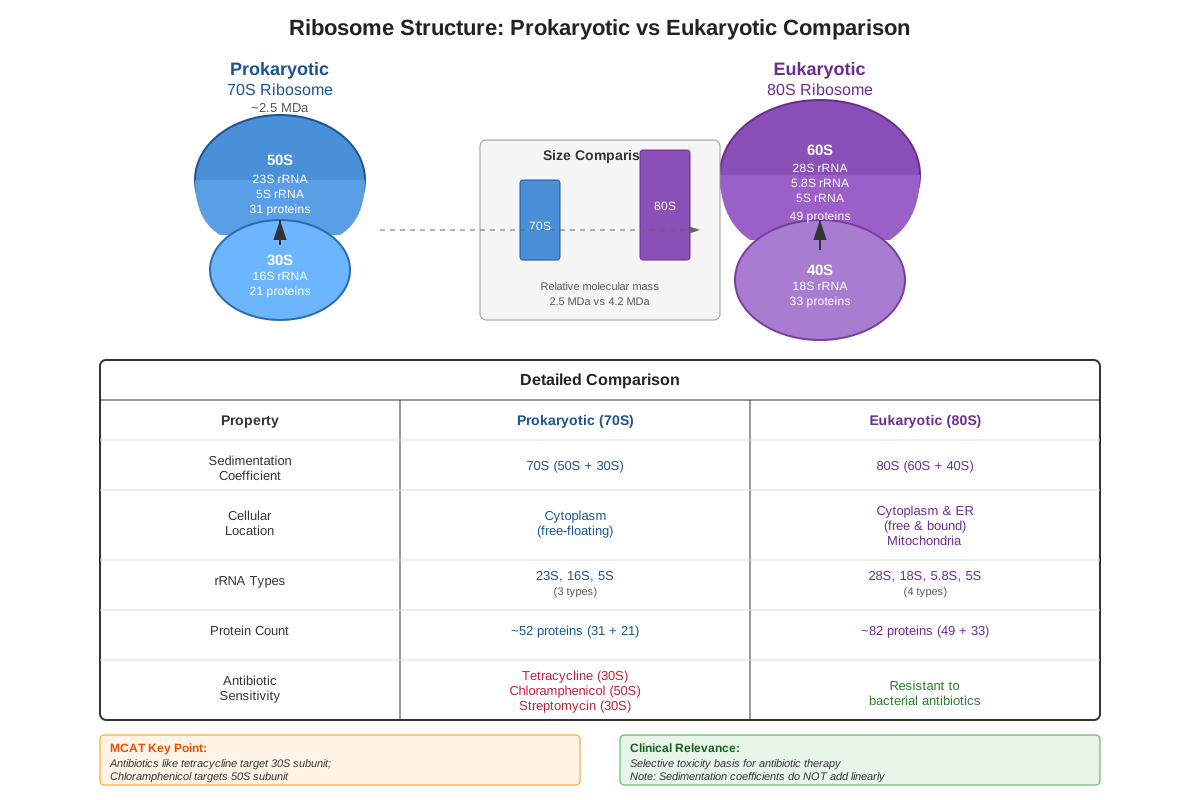
Ribosomes are large ribonucleoprotein complexes composed of ribosomal RNA (rRNA) and ribosomal proteins. Each ribosome consists of two subunits—a large subunit and a small subunit—that come together during translation initiation. The rRNA molecules provide both structural scaffolding and catalytic activity, making ribosomes examples of ribozymes (RNA molecules with enzymatic function). The peptidyl transferase center, located in the large subunit, catalyzes peptide bond formation and is composed entirely of rRNA, demonstrating that RNA, not protein, performs the central catalytic function of translation.
Prokaryotic ribosomes are designated 70S ribosomes (S = Svedberg units, measuring sedimentation rate), consisting of a 50S large subunit and a 30S small subunit. The 50S subunit contains 23S and 5S rRNA plus approximately 31 proteins, while the 30S subunit contains 16S rRNA and approximately 21 proteins. Eukaryotic ribosomes are larger 80S ribosomes, with a 60S large subunit (containing 28S, 5.8S, and 5S rRNA plus ~49 proteins) and a 40S small subunit (containing 18S rRNA and ~33 proteins). This size difference is clinically significant because many antibiotics selectively target 70S ribosomes, allowing treatment of bacterial infections without harming human cells.
Ribosomal Functional Sites
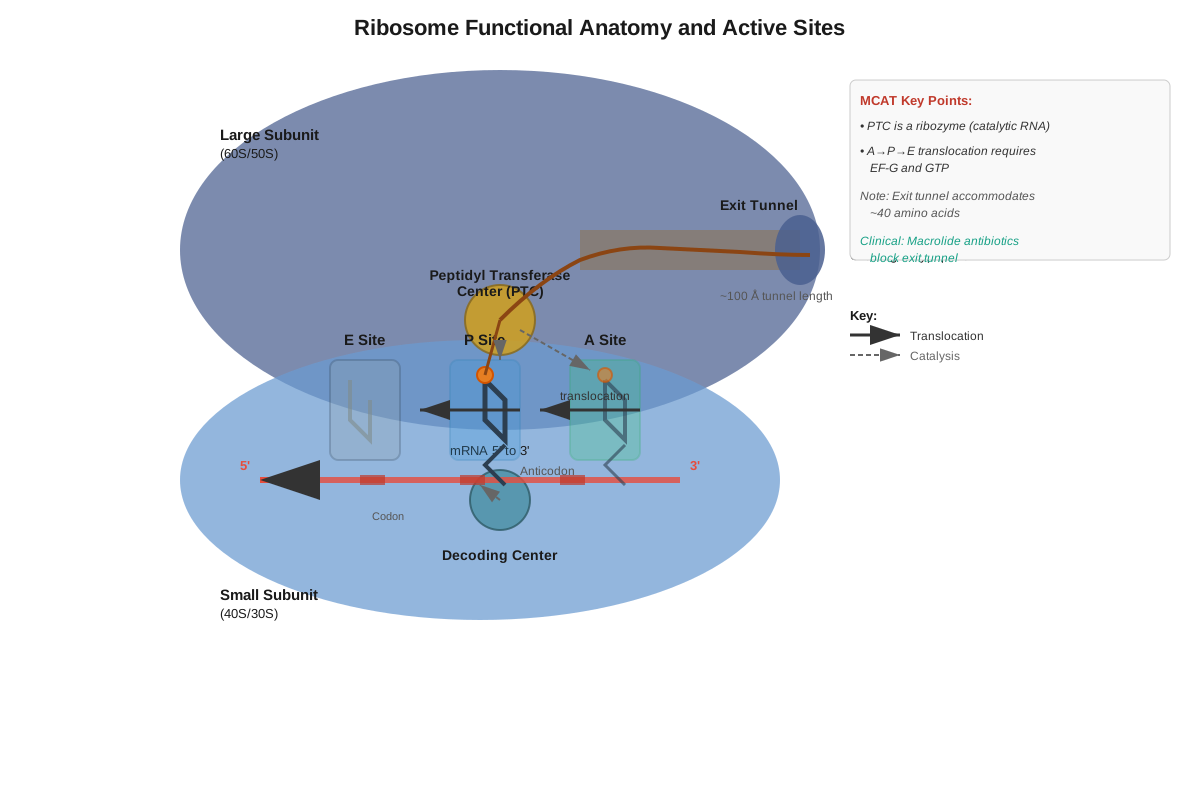
Ribosomes contain three critical binding sites for transfer RNA (tRNA) molecules:
- A site (aminoacyl site): Accepts incoming aminoacyl-tRNA carrying the next amino acid to be added to the growing polypeptide chain
- P site (peptidyl site): Holds the tRNA attached to the growing polypeptide chain
- E site (exit site): Briefly holds deacylated tRNA before it leaves the ribosome
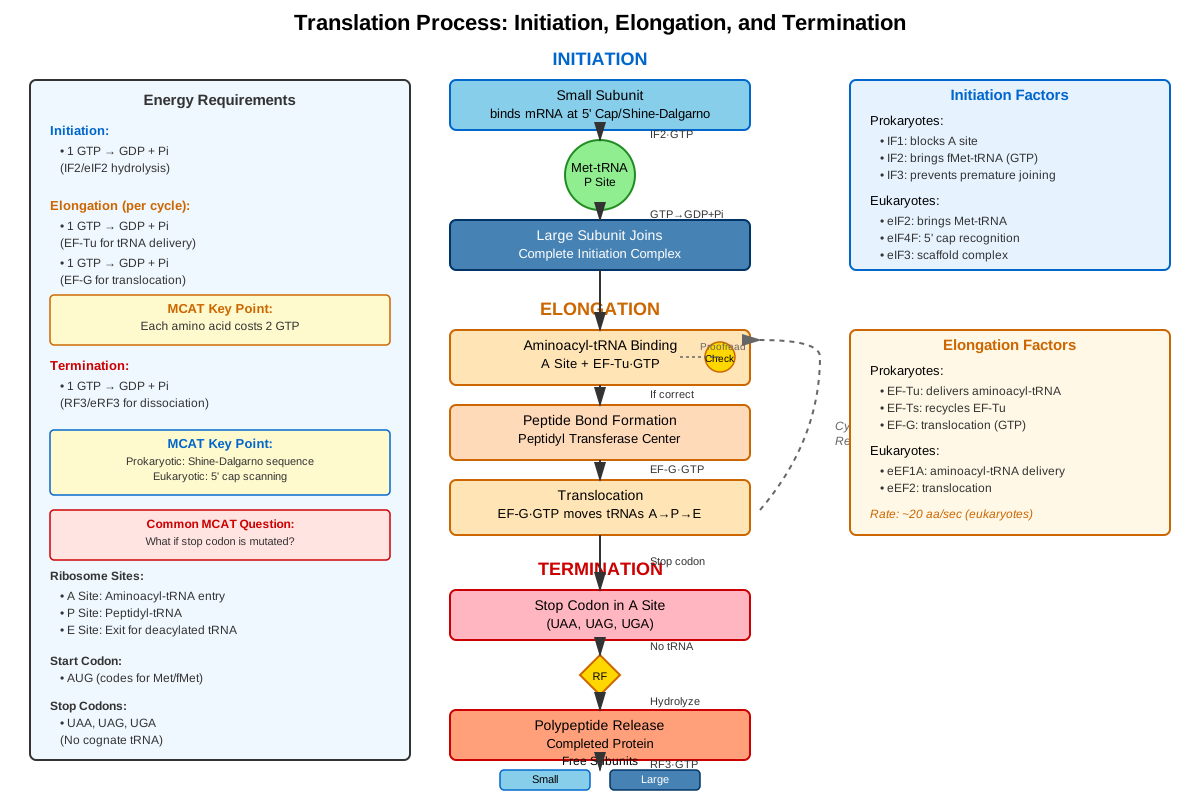
During elongation, tRNAs move through these sites in a coordinated fashion: entering at the A site, shifting to the P site as the peptide bond forms, then moving to the E site before exiting. This translocation is facilitated by elongation factors and requires GTP hydrolysis, representing one of the energy-requiring steps of translation.
Ribosome Location and Protein Destination
Ribosomal location within the cell determines the destination of synthesized proteins, a concept frequently tested on the MCAT:
| Ribosome Location | Protein Destination | Signal Sequence Required |
|---|---|---|
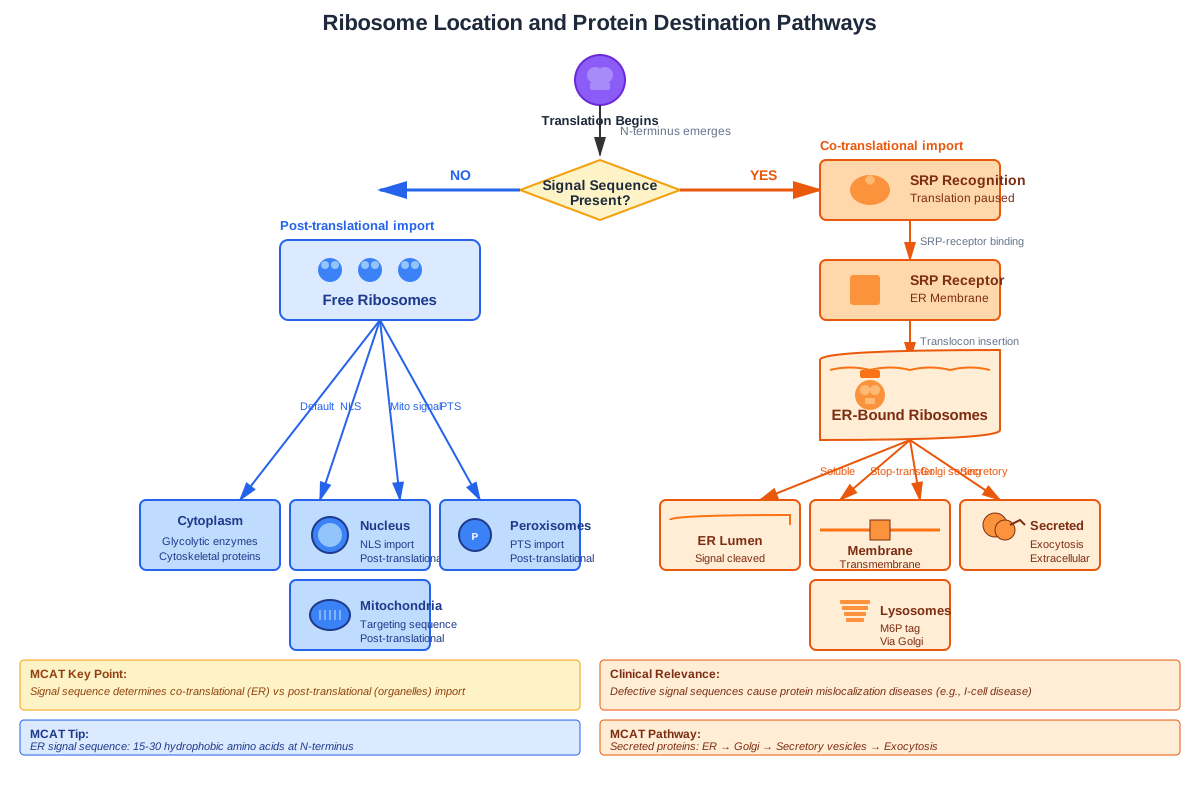
| Free cytoplasmic ribosomes | Cytosol, nucleus, mitochondria, peroxisomes | Yes (for organelles) |
| Rough ER-bound ribosomes | ER lumen, secretory pathway, plasma membrane, lysosomes | Yes (signal peptide) |
| Mitochondrial ribosomes | Mitochondrial matrix | Encoded by mitochondrial DNA |
| Chloroplast ribosomes (plants) | Chloroplast stroma | Encoded by chloroplast DNA |
Free ribosomes in the cytoplasm synthesize proteins destined for the cytosol or post-translationally imported into organelles like the nucleus, mitochondria, or peroxisomes. These proteins typically contain specific targeting sequences recognized by import machinery after translation completes.
Bound ribosomes attach to the endoplasmic reticulum (ER) membrane during translation, creating rough ER. This occurs when a signal sequence (typically 15-30 hydrophobic amino acids at the N-terminus) emerges from the ribosome and is recognized by the signal recognition particle (SRP). The SRP halts translation temporarily and directs the ribosome-mRNA-nascent protein complex to the ER membrane, where it binds to the SRP receptor. Translation resumes, and the growing polypeptide is threaded through a protein channel (translocon) into the ER lumen. Proteins synthesized on ER-bound ribosomes enter the secretory pathway, ultimately reaching the ER, Golgi apparatus, lysosomes, plasma membrane, or extracellular space.
Polyribosomes (Polysomes)
Multiple ribosomes can simultaneously translate a single mRNA molecule, forming structures called polyribosomes or polysomes. This arrangement dramatically increases the efficiency of protein production, allowing one mRNA to direct synthesis of many protein copies concurrently. Polysomes can be either free in the cytoplasm or bound to the ER membrane, depending on the protein being synthesized. Electron microscopy reveals polysomes as clusters of ribosomes connected by a thread of mRNA, with ribosomes spaced approximately 80-100 nucleotides apart along the message.
Ribosome Assembly and Quality Control
Eukaryotic ribosome assembly is a complex process occurring primarily in the nucleolus, a specialized nuclear region. Ribosomal RNA genes are transcribed by RNA polymerase I (for 18S, 5.8S, and 28S rRNA) and RNA polymerase III (for 5S rRNA). The pre-rRNA undergoes extensive processing, including cleavage, chemical modification (methylation and pseudouridylation), and assembly with ribosomal proteins imported from the cytoplasm. Partially assembled ribosomal subunits are exported through nuclear pores to the cytoplasm, where final maturation steps occur.
Quality control mechanisms ensure only properly assembled ribosomes participate in translation. Defects in ribosome biogenesis can trigger nucleolar stress responses, activating p53 and leading to cell cycle arrest or apoptosis. This explains why mutations in ribosomal proteins or assembly factors often cause tissue-specific diseases despite ribosomes being required in all cells—rapidly dividing tissues are particularly sensitive to ribosomal dysfunction.
Mitochondrial and Chloroplast Ribosomes
Mitochondria and chloroplasts contain their own ribosomes, reflecting their evolutionary origin as endosymbiotic bacteria. Mitochondrial ribosomes (55S in mammals) more closely resemble bacterial 70S ribosomes than eukaryotic 80S ribosomes, though they have diverged significantly. These ribosomes translate the small number of proteins encoded by mitochondrial DNA, primarily components of the electron transport chain. Similarly, chloroplast ribosomes (70S) translate chloroplast-encoded proteins involved in photosynthesis. The bacterial-like nature of these organellar ribosomes explains why some antibiotics that target bacterial ribosomes can have mitochondrial side effects.
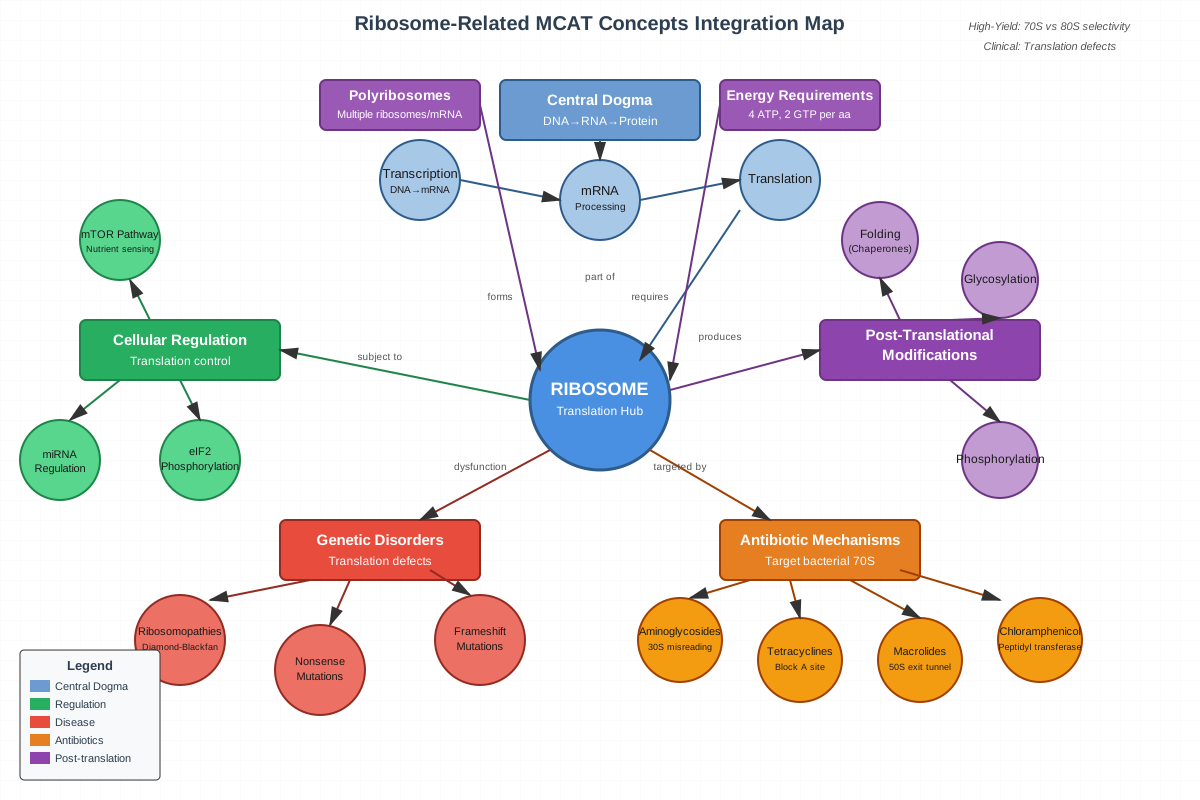
Concept Relationships
The structure and function of ribosomes directly connect to the central dogma of molecular biology: DNA → RNA → Protein. Ribosomes represent the final step in gene expression, converting the nucleotide sequence of mRNA into the amino acid sequence of proteins. This process requires integration of multiple molecular components:
Transcription → mRNA processing → Translation: The mRNA template read by ribosomes originates from transcription and must undergo processing (5' capping, 3' polyadenylation, splicing in eukaryotes) before translation. The 5' cap and poly-A tail are recognized by translation initiation factors that recruit ribosomes.
tRNA charging → Ribosomal A site binding → Peptide bond formation: Aminoacyl-tRNA synthetases attach amino acids to their cognate tRNAs, creating the substrates that ribosomes use. The accuracy of translation depends on both correct tRNA charging and accurate codon-anticodon pairing at the ribosomal A site.
Signal sequence recognition → ER targeting → Protein localization: The signal sequence emerging from ribosomes determines whether translation continues in the cytoplasm or at the ER membrane, establishing the protein's ultimate cellular destination. This connects ribosomal function to the endomembrane system and secretory pathway.
Ribosome biogenesis → Nucleolar function → Cell growth: Ribosome production is a major cellular investment, consuming significant energy and resources. The nucleolus, where ribosomal assembly begins, serves as a sensor of cellular stress, linking ribosomal function to cell cycle regulation and growth control.
Prokaryotic vs. eukaryotic ribosomes → Antibiotic selectivity → Clinical applications: Structural differences between bacterial and human ribosomes enable selective targeting of bacterial protein synthesis, connecting basic cell biology to pharmacology and medicine.
High-Yield Facts
⭐ Prokaryotic ribosomes are 70S (50S + 30S subunits); eukaryotic ribosomes are 80S (60S + 40S subunits) - This size difference is the basis for selective antibiotic action
⭐ The peptidyl transferase center is composed of rRNA, not protein - Ribosomes are ribozymes, with catalytic activity residing in RNA
⭐ Ribosomes have three tRNA binding sites: A (aminoacyl), P (peptidyl), and E (exit) - tRNAs move sequentially through these sites during elongation
⭐ Signal sequences direct ribosomes to the ER membrane via signal recognition particle (SRP) - This determines whether proteins enter the secretory pathway
⭐ Free ribosomes synthesize cytoplasmic and organellar proteins; bound ribosomes synthesize secreted and membrane proteins - Ribosome location predicts protein destination
- Polyribosomes (polysomes) allow multiple ribosomes to translate one mRNA simultaneously, increasing protein production efficiency
- Mitochondrial and chloroplast ribosomes resemble bacterial 70S ribosomes, reflecting endosymbiotic origins
- Ribosome assembly occurs primarily in the nucleolus and requires coordination of rRNA transcription, processing, and protein import
- The Shine-Dalgarno sequence (prokaryotes) and Kozak sequence (eukaryotes) facilitate ribosome binding to mRNA during initiation
- Many antibiotics (tetracycline, chloramphenicol, aminoglycosides) specifically target bacterial ribosomes by binding to the 30S or 50S subunit
Quick check — test yourself on Ribosomes so far.
Try Flashcards →Common Misconceptions
Misconception: Ribosomes are organelles with membranes like mitochondria or lysosomes.
Correction: Ribosomes are ribonucleoprotein complexes without surrounding membranes. They are molecular machines, not membrane-bound organelles. While they can associate with the ER membrane, ribosomes themselves lack lipid bilayers.
Misconception: All proteins synthesized in a cell are made by ribosomes bound to the rough ER.
Correction: Only proteins destined for the secretory pathway (ER, Golgi, lysosomes, plasma membrane, or secretion) are synthesized on ER-bound ribosomes. Cytoplasmic proteins, nuclear proteins, and proteins imported into mitochondria or peroxisomes are synthesized on free cytoplasmic ribosomes.
Misconception: The ribosomal subunit sizes add up arithmetically (30S + 50S = 80S or 40S + 60S = 100S).
Correction: Svedberg units measure sedimentation rate, which depends on both mass and shape. They do not add arithmetically. The 30S and 50S prokaryotic subunits combine to form a 70S ribosome, and the 40S and 60S eukaryotic subunits form an 80S ribosome.
Misconception: Ribosomes provide the energy for peptide bond formation.
Correction: While peptide bond formation itself is thermodynamically favorable (slightly exergonic), the overall translation process requires significant energy input. GTP hydrolysis powers tRNA delivery to the A site (via EF-Tu in prokaryotes, eF1A in eukaryotes) and ribosomal translocation (via EF-G in prokaryotes, eEF2 in eukaryotes). The ribosome catalyzes peptide bond formation but doesn't directly provide energy.
Misconception: Antibiotics that target ribosomes kill bacteria by completely stopping all protein synthesis immediately.
Correction: Different ribosome-targeting antibiotics have different mechanisms. Some are bacteriostatic (inhibiting growth by slowing protein synthesis) while others are bactericidal (killing bacteria). For example, tetracycline blocks tRNA binding to the A site (bacteriostatic), while aminoglycosides cause misreading of mRNA, producing defective proteins that can be bactericidal.
Misconception: The signal sequence is always cleaved off after directing the ribosome to the ER.
Correction: While many signal sequences are cleaved by signal peptidase in the ER lumen, some signal sequences (particularly in transmembrane proteins) are not cleaved and remain as part of the mature protein, often serving as transmembrane domains.
Worked Examples
Example 1: Antibiotic Mechanism Analysis
Question: A researcher is studying a novel antibiotic that binds specifically to the 50S ribosomal subunit of bacteria and prevents the translocation step of elongation. Which of the following would best describe the effect of this antibiotic on bacterial protein synthesis?
A) Prevents formation of the initiation complex
B) Blocks aminoacyl-tRNA from entering the A site
C) Inhibits peptide bond formation
D) Prevents movement of tRNA from A site to P site
Solution:
Step 1: Identify the target - The antibiotic targets the 50S subunit, which is the large subunit of prokaryotic (70S) ribosomes. This confirms it will affect bacteria specifically.
Step 2: Understand translocation - Translocation is the process where, after peptide bond formation, the ribosome moves relative to the mRNA, shifting the tRNA in the A site (now carrying the growing peptide) to the P site, and the deacylated tRNA in the P site to the E site.
Step 3: Analyze each option:
- Option A: Initiation complex formation involves the small subunit (30S) binding to mRNA and initiator tRNA, not translocation
- Option B: Aminoacyl-tRNA entry to the A site occurs before translocation
- Option C: Peptide bond formation occurs before translocation and is catalyzed by the peptidyl transferase center
- Option D: This directly describes translocation - the movement of tRNAs from one site to another
Answer: D
This question tests understanding of the sequential steps of translation elongation and the specific roles of ribosomal subunits. The 50S subunit contains the peptidyl transferase center and is involved in translocation, making D the correct answer. This connects to the high-yield fact about ribosomal sites and the mechanism of antibiotic action.
Example 2: Protein Localization Prediction
Question: A geneticist creates a fusion protein consisting of the first 25 amino acids of insulin (which normally contains a signal sequence) attached to the N-terminus of a cytoplasmic enzyme. Assuming the fusion protein folds correctly, where would this fusion protein most likely be found in the cell?
A) Free in the cytoplasm
B) In the ER lumen
C) In the mitochondrial matrix
D) Secreted from the cell
Solution:
Step 1: Identify the key feature - The fusion protein contains insulin's signal sequence (first 25 amino acids), which normally directs insulin to the ER.
Step 2: Recall signal sequence function - Signal sequences are recognized by SRP as they emerge from the ribosome during translation. SRP halts translation and directs the ribosome-mRNA complex to the ER membrane.
Step 3: Trace the pathway:
- Translation begins on free ribosomes in the cytoplasm
- The signal sequence emerges and is recognized by SRP
- The ribosome is directed to the ER membrane
- Translation resumes, threading the protein through the translocon into the ER lumen
- The signal sequence is typically cleaved by signal peptidase
Step 4: Consider the destination - Once in the ER lumen, proteins can remain in the ER, move to the Golgi, be packaged into lysosomes, be inserted into the plasma membrane, or be secreted. Without specific retention signals, proteins in the secretory pathway typically continue through to secretion.
Answer: D (or B, depending on whether the protein has ER retention signals)
The most complete answer is that the protein would enter the ER lumen (B) and likely be secreted (D) unless it contains ER retention signals. This question tests understanding of how signal sequences determine protein localization and the relationship between ribosome location and protein destination—a frequently tested MCAT concept.
Exam Strategy
Approaching Ribosome Questions
When encountering ribosome-related questions on the MCAT, first identify whether the question involves:
- Structural differences (70S vs. 80S) - usually connected to antibiotic questions
- Functional sites (A, P, E sites) - typically in translation mechanism questions
- Localization (free vs. bound) - often in protein trafficking questions
- Assembly or regulation - usually in cell biology or genetics passages
Trigger Words and Phrases
Watch for these key phrases that signal ribosome-related content:
- "Protein synthesis" or "translation" → Think about ribosomal function and mechanism
- "Signal sequence" or "signal peptide" → Consider ER targeting and bound ribosomes
- "Antibiotic mechanism" → Focus on prokaryotic vs. eukaryotic ribosomal differences
- "Rough endoplasmic reticulum" → Indicates bound ribosomes and secretory pathway
- "Polysome" or "polyribosome" → Multiple ribosomes on one mRNA
- "Nucleolus" → Ribosome assembly and biogenesis
Process of Elimination Tips
For questions about antibiotic selectivity:
- Eliminate options suggesting human ribosomes are targeted if the antibiotic is described as safe for human use
- Remember that mitochondrial ribosomes resemble bacterial ribosomes, so some antibiotics may have mitochondrial side effects
For protein localization questions:
- If a signal sequence is mentioned, eliminate options suggesting the protein remains in the cytoplasm
- If no signal sequence is present, eliminate options involving the secretory pathway
- Remember that nuclear proteins are synthesized on free ribosomes despite being "imported" into an organelle
For translation mechanism questions:
- Eliminate options that confuse the order of events (e.g., suggesting translocation occurs before peptide bond formation)
- Remember that the large subunit contains the peptidyl transferase center, so questions about catalysis relate to the 50S/60S subunit
Time Allocation
Ribosome questions typically appear as discrete questions (15-30 seconds) or within passages (60-90 seconds per question). For passage-based questions:
- Quickly scan for figures showing ribosomal structure or experimental data about translation
- Identify whether the passage focuses on mechanism, localization, or inhibition
- Don't get bogged down in excessive detail about ribosomal protein names—focus on functional concepts
Memory Techniques
Mnemonic for tRNA Sites
"APE" for the order of tRNA movement:
- Aminoacyl site (entry)
- Peptidyl site (middle)
- Exit site (departure)
Visualize an ape swinging through the ribosome from branch to branch (A → P → E).
Ribosome Size Mnemonic
"Prokaryotes are smaller, so are their ribosomes":
- Prokaryotes: 70S (smaller)
- Eukaryotes: 80S (larger)
Remember: 7 comes before 8, just as prokaryotes evolved before eukaryotes.
Signal Sequence Memory Aid
"SRP = Stop, Redirect, Proceed":
- Stop: SRP halts translation when it recognizes the signal sequence
- Redirect: SRP directs the ribosome to the ER membrane
- Proceed: Translation proceeds through the translocon into the ER lumen
Subunit Addition Rule
"Svedberg units don't add normally—they're SHAPED differently":
This reminds you that S units depend on both mass and shape, so 30S + 50S = 70S (not 80S), and 40S + 60S = 80S (not 100S).
Free vs. Bound Ribosomes
"Free ribosomes make proteins that stay FREE (in cytoplasm); Bound ribosomes make proteins that are BOUND for elsewhere":
- Free → cytoplasmic proteins
- Bound → secretory pathway proteins
Summary
Ribosomes are essential ribonucleoprotein complexes that catalyze protein synthesis by translating mRNA sequences into polypeptide chains. Prokaryotic 70S ribosomes differ structurally from eukaryotic 80S ribosomes, a distinction exploited by antibiotics that selectively target bacterial protein synthesis. Each ribosome contains two subunits and three tRNA binding sites (A, P, and E) through which tRNAs move sequentially during elongation. The location of ribosomes—free in the cytoplasm or bound to the ER—determines the destination of synthesized proteins, with signal sequences directing ribosomes to the ER membrane via the signal recognition particle. Ribosomal RNA provides the catalytic activity for peptide bond formation, making ribosomes examples of ribozymes. Understanding ribosomal structure, function, and regulation is essential for MCAT success, as questions frequently integrate translation mechanics with protein trafficking, antibiotic mechanisms, and cellular regulation.
Key Takeaways
- Prokaryotic ribosomes (70S) and eukaryotic ribosomes (80S) differ in size and structure, enabling selective antibiotic targeting of bacterial protein synthesis
- Ribosomes contain three tRNA binding sites (A, P, E) and catalyze peptide bond formation through rRNA in the peptidyl transferase center
- Free cytoplasmic ribosomes synthesize proteins destined for the cytosol or post-translational import into organelles, while ER-bound ribosomes synthesize proteins entering the secretory pathway
- Signal sequences emerging from ribosomes are recognized by signal recognition particle (SRP), which directs ribosomes to the ER membrane
- Polyribosomes increase translation efficiency by allowing multiple ribosomes to simultaneously translate a single mRNA molecule
- Ribosome assembly occurs primarily in the nucleolus and represents a major cellular investment linked to growth control and stress responses
- Mitochondrial and chloroplast ribosomes resemble bacterial 70S ribosomes, reflecting endosymbiotic evolutionary origins
Related Topics
Translation Initiation, Elongation, and Termination: Detailed mechanisms of how ribosomes recognize start codons, catalyze peptide bond formation, and release completed proteins—builds directly on ribosomal structure and function.
The Endomembrane System: Understanding how proteins synthesized on ER-bound ribosomes move through the Golgi apparatus to their final destinations—extends the concept of ribosome location determining protein fate.
Antibiotic Mechanisms of Action: Comprehensive study of how various antibiotics target different aspects of bacterial ribosomes—applies ribosomal knowledge to pharmacology and clinical medicine.
Gene Expression Regulation: How cells control ribosome production and translation rates in response to environmental conditions—connects ribosomal function to broader cellular regulation.
Post-Translational Modifications: Chemical modifications that occur after ribosomal synthesis, including phosphorylation, glycosylation, and proteolytic cleavage—represents the next step after translation.
Practice CTA
Now that you've mastered the fundamentals of ribosomal structure and function, it's time to reinforce your understanding through active practice. Attempt the practice questions and flashcards associated with this topic to solidify your knowledge and identify any remaining gaps. Remember, the MCAT rewards not just memorization but the ability to apply concepts to novel scenarios—practice questions will help you develop this critical skill. Each question you work through strengthens your ability to quickly recognize ribosome-related concepts and apply them under timed conditions. You've built a strong foundation; now make it unshakeable through deliberate practice!
Sign up free to keep reading
Create a free AnvayaPrep account to finish this MCAT guide on Ribosomes — plus flashcards and practice questions.