Overview
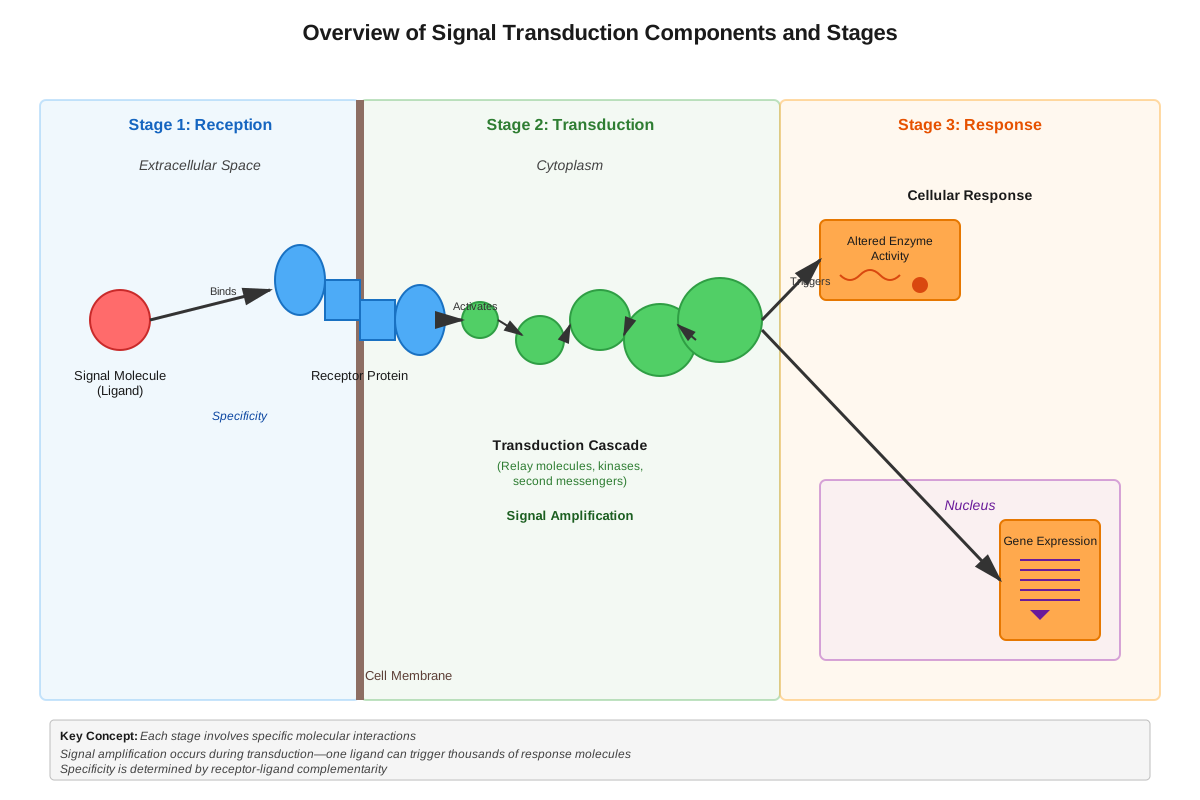
Signal transduction is the fundamental process by which cells convert an extracellular signal into a specific cellular response. This sophisticated communication system allows cells to respond to their environment, coordinate activities with neighboring cells, and maintain homeostasis. In signal transduction Biology, a signal molecule (ligand) binds to a receptor protein, triggering a cascade of molecular events that ultimately alter cellular behavior through changes in gene expression, enzyme activity, or cellular metabolism.
For the MCAT, signal transduction represents a critical intersection of Cell Biology, biochemistry, and physiology. Understanding signal transduction pathways is essential because they underpin virtually every physiological process tested on the exam—from hormone action and neurotransmission to immune responses and cancer development. The MCAT frequently tests signal transduction through passage-based questions that require students to analyze experimental data, predict outcomes of pathway disruptions, or explain how drugs interfere with cellular communication.
Signal transduction connects to numerous high-yield MCAT topics including membrane structure and function, protein structure and enzyme kinetics, cellular metabolism, gene regulation, and the endocrine and nervous systems. Mastery of signal transduction provides the conceptual framework for understanding how cells integrate multiple signals, amplify weak stimuli, and coordinate complex responses—making it an indispensable component of Biology preparation for the MCAT.
Learning Objectives
- [ ] Define signal transduction using accurate Biology terminology
- [ ] Explain why signal transduction matters for the MCAT
- [ ] Apply signal transduction to exam-style questions
- [ ] Identify common mistakes related to signal transduction
- [ ] Connect signal transduction to related Biology concepts
- [ ] Distinguish between different classes of receptors and their associated signaling mechanisms
- [ ] Trace the steps of major signal transduction pathways from ligand binding to cellular response
- [ ] Predict the consequences of mutations or drug interventions at specific points in signaling cascades
- [ ] Analyze experimental data to determine the components and sequence of a novel signaling pathway
Prerequisites
- Cell membrane structure: Understanding lipid bilayer composition and membrane protein types is essential because receptors are membrane proteins whose structure determines signal specificity
- Protein structure and function: Signal transduction relies on conformational changes in proteins, making knowledge of protein domains and allosteric regulation critical
- Enzyme kinetics: Many signaling components are enzymes (kinases, phosphatases, phospholipases) whose catalytic activity drives signal propagation
- Basic biochemistry: Familiarity with ATP, GTP, phosphorylation, and second messengers provides the molecular foundation for understanding signaling mechanisms
- Gene expression fundamentals: The ultimate outcome of many pathways is altered transcription, requiring understanding of transcription factors and gene regulation
Why This Topic Matters
Clinical and Real-World Significance: Signal transduction pathways are the targets of approximately 30-40% of all modern pharmaceuticals. Drugs that treat conditions ranging from diabetes (insulin signaling), hypertension (adrenergic signaling), depression (neurotransmitter signaling), to cancer (growth factor signaling) all work by modulating signal transduction. Understanding these pathways explains both therapeutic mechanisms and side effects. Additionally, many diseases result from defective signaling—cancer often involves constitutively active growth signals, while diabetes type 2 involves insulin receptor resistance.
Exam Statistics: Signal transduction appears in 3-5 questions per MCAT exam, representing approximately 5-8% of the Biological and Biochemical Foundations section. Questions typically appear in passage-based formats where students must interpret experimental manipulations of signaling pathways. The MCAT particularly favors questions about G-protein coupled receptors, receptor tyrosine kinases, and second messenger systems.
Common Exam Presentations: The MCAT presents signal transduction through several recurring formats: (1) experimental passages describing novel signaling pathways where students must identify components and sequence; (2) pharmacology scenarios requiring prediction of drug effects on pathway components; (3) cancer biology passages involving mutated signaling proteins; (4) endocrinology passages testing hormone receptor mechanisms; and (5) neuroscience passages examining neurotransmitter signaling. Discrete questions often test specific pathway components or compare different receptor classes.
Core Concepts
Definition and Overview of Signal Transduction
Signal transduction is the process by which an extracellular signal molecule (first messenger) binds to a receptor protein and is converted into an intracellular signal that produces a specific cellular response. This process involves three fundamental stages: reception (signal detection by a receptor), transduction (signal amplification and relay through intracellular signaling molecules), and response (the final cellular change in behavior or function).
The beauty of signal transduction lies in its ability to achieve signal amplification—a single ligand molecule binding to one receptor can ultimately generate thousands or millions of product molecules through enzymatic cascades. This amplification allows cells to respond to extremely low concentrations of signaling molecules, such as hormones present at nanomolar concentrations in the bloodstream.
Classes of Cell Surface Receptors
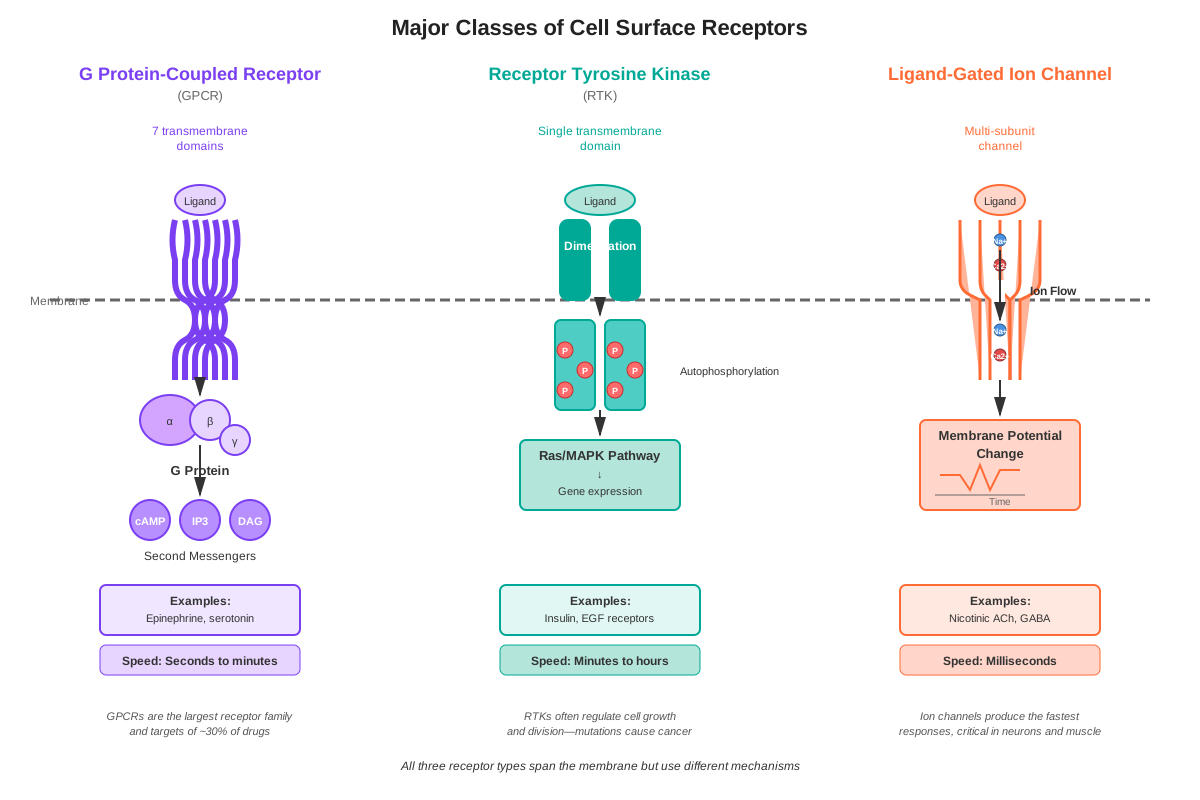
Cell surface receptors are transmembrane proteins that bind hydrophilic signaling molecules unable to cross the plasma membrane. The MCAT focuses on three major receptor classes:
G-Protein Coupled Receptors (GPCRs)
G-protein coupled receptors are the largest family of cell surface receptors, with over 800 types in humans. These receptors share a characteristic structure of seven transmembrane alpha helices. When a ligand binds to the extracellular domain, the receptor undergoes a conformational change that activates an associated G-protein on the cytoplasmic side.
G-proteins are heterotrimeric proteins consisting of alpha (α), beta (β), and gamma (γ) subunits. In the inactive state, GDP is bound to the α subunit. Upon receptor activation:
- The receptor acts as a guanine nucleotide exchange factor (GEF), causing the α subunit to release GDP and bind GTP
- The GTP-bound α subunit dissociates from the βγ complex
- Both the α-GTP and βγ complex can activate downstream effector proteins
- The α subunit has intrinsic GTPase activity, hydrolyzing GTP to GDP, which terminates the signal and allows reassociation with βγ
Different G-protein types produce different effects:
| G-Protein Type | Effect on Adenylyl Cyclase | Effect on cAMP | Example Pathway |
|---|---|---|---|
| Gs (stimulatory) | Activates | Increases | Epinephrine via β-adrenergic receptors |
| Gi (inhibitory) | Inhibits | Decreases | Acetylcholine via M2 muscarinic receptors |
| Gq | No direct effect | No direct effect | Activates phospholipase C; epinephrine via α1-adrenergic receptors |
Receptor Tyrosine Kinases (RTKs)
Receptor tyrosine kinases are single-pass transmembrane receptors with intrinsic enzymatic activity. The extracellular domain binds the ligand, while the intracellular domain possesses tyrosine kinase activity that phosphorylates tyrosine residues on target proteins.
The activation mechanism involves:
- Ligand binding causes receptor dimerization (two receptor molecules come together)
- Dimerization brings the intracellular kinase domains into proximity
- The kinases cross-phosphorylate (transphosphorylate) each other on multiple tyrosine residues
- Phosphorylated tyrosines serve as docking sites for intracellular signaling proteins containing SH2 (Src homology 2) domains
- Recruited proteins initiate multiple downstream signaling cascades
Important RTK pathways include:
- Insulin receptor: Regulates glucose uptake and metabolism
- Epidermal growth factor receptor (EGFR): Controls cell growth and division
- Platelet-derived growth factor receptor (PDGFR): Stimulates cell proliferation
RTKs commonly activate the Ras-MAPK pathway and the PI3K-Akt pathway, both critical for cell growth, survival, and proliferation.
Ion Channel-Linked Receptors
Ligand-gated ion channels are receptors that open or close in response to ligand binding, allowing specific ions to flow across the membrane. These receptors produce the fastest cellular responses (milliseconds) because they directly alter membrane potential without requiring intermediate signaling molecules.
Key examples include:
- Nicotinic acetylcholine receptors: Sodium channels at neuromuscular junctions
- GABA-A receptors: Chloride channels that mediate inhibitory neurotransmission
- Glutamate receptors (NMDA, AMPA): Cation channels mediating excitatory neurotransmission
Second Messenger Systems
Second messengers are small, diffusible molecules that relay signals from receptors to target molecules inside the cell. They amplify the signal and allow for signal integration from multiple pathways.
Cyclic AMP (cAMP) System
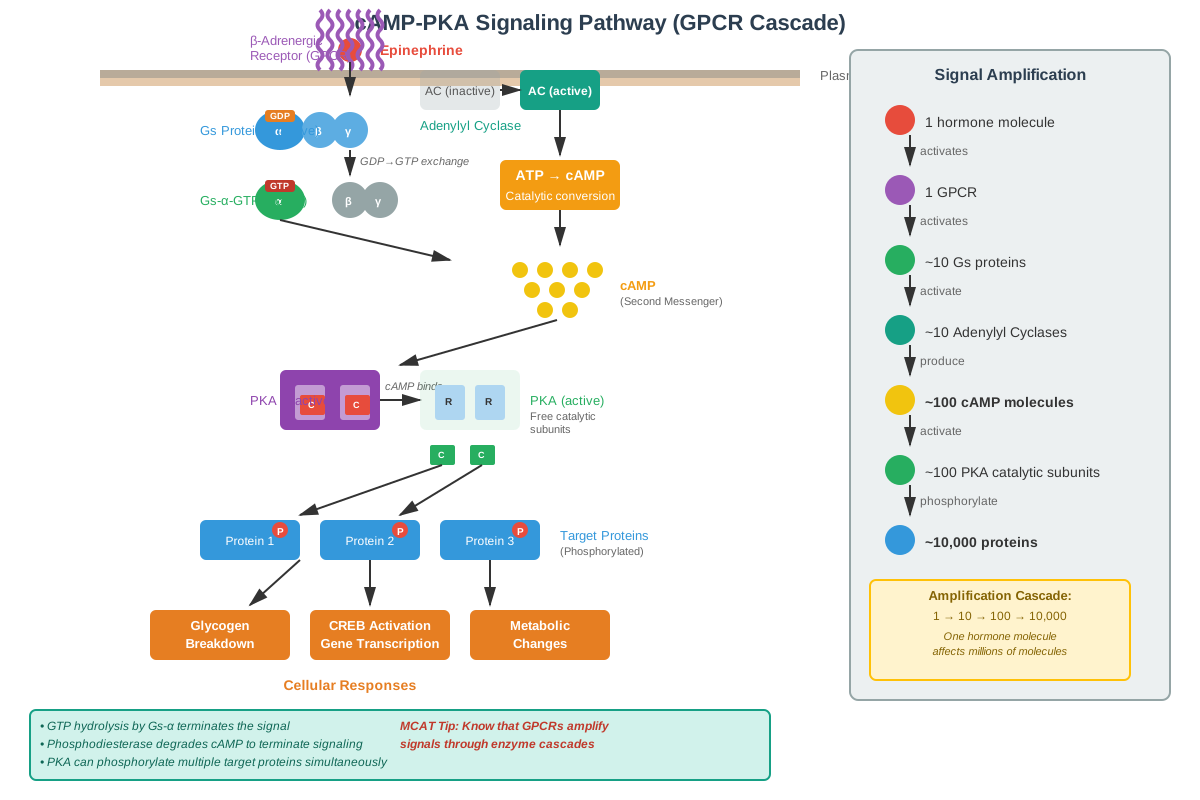
Cyclic AMP is synthesized from ATP by the enzyme adenylyl cyclase, which is activated by Gs proteins and inhibited by Gi proteins. cAMP activates protein kinase A (PKA), which phosphorylates serine and threonine residues on numerous target proteins.
The cAMP pathway follows this sequence:
- Ligand binds GPCR → Gs activation
- Gs-α-GTP activates adenylyl cyclase
- Adenylyl cyclase converts ATP → cAMP
- cAMP binds to regulatory subunits of PKA
- PKA catalytic subunits are released and phosphorylate target proteins
- Phosphodiesterase degrades cAMP to 5'-AMP, terminating the signal
Classic example: Epinephrine binding to β-adrenergic receptors in liver cells activates the cAMP pathway, leading to PKA-mediated phosphorylation of enzymes that promote glycogen breakdown and inhibit glycogen synthesis.
Phospholipase C and IP3/DAG System
When Gq proteins or certain RTKs activate phospholipase C (PLC), this enzyme cleaves the membrane phospholipid PIP2 (phosphatidylinositol 4,5-bisphosphate) into two second messengers:
- IP3 (inositol 1,4,5-trisphosphate): Diffuses through the cytoplasm and binds to IP3 receptors on the endoplasmic reticulum, causing release of Ca²⁺ into the cytoplasm
- DAG (diacylglycerol): Remains in the membrane and activates protein kinase C (PKC), which requires both DAG and Ca²⁺ for full activation
This pathway creates a powerful synergy: IP3 releases Ca²⁺, which combines with DAG to activate PKC, which then phosphorylates numerous target proteins.
Calcium as a Second Messenger
Calcium ions (Ca²⁺) serve as a universal second messenger in signal transduction. Resting cytoplasmic Ca²⁺ concentration is maintained at approximately 100 nM, while extracellular and ER concentrations are much higher (millimolar range). This steep gradient allows Ca²⁺ to function as a powerful signal.
Ca²⁺ exerts its effects by binding to calmodulin, a calcium-binding protein that undergoes conformational change when bound to Ca²⁺. The Ca²⁺-calmodulin complex activates numerous target proteins, including:
- CaM kinases: Phosphorylate various substrates
- Calcineurin: A phosphatase important in immune cell activation
- Myosin light chain kinase: Triggers smooth muscle contraction
Signal Amplification and Cascade Effects
A defining feature of signal transduction is amplification—each step in a signaling cascade can activate multiple molecules at the next step, creating an exponential increase in signal strength. For example:
- One epinephrine molecule activates one GPCR
- One active GPCR can activate ~100 G-proteins
- Each G-protein activates one adenylyl cyclase, which produces ~1,000 cAMP molecules
- Each cAMP activates one PKA, which phosphorylates ~100 target proteins
- Each phosphorylated enzyme may catalyze production of thousands of product molecules
This cascade can amplify the initial signal by a factor of 10⁸ or more, allowing cells to respond to extremely low hormone concentrations.
Signal Termination Mechanisms
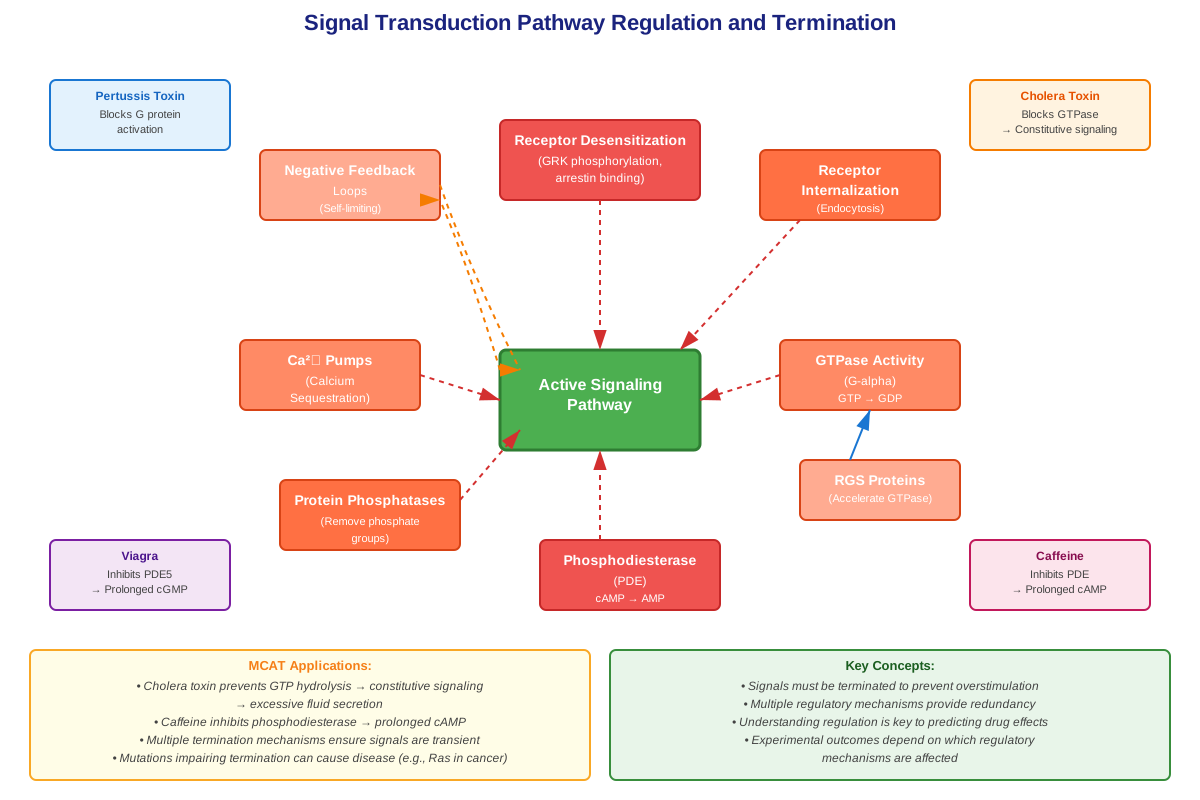
Cells must be able to turn off signals to prevent overstimulation and allow response to new signals. Multiple mechanisms ensure signal termination:
- Receptor desensitization: Phosphorylation of activated receptors by specific kinases (e.g., β-adrenergic receptor kinase) reduces receptor sensitivity
- Receptor internalization: Endocytosis removes receptors from the cell surface
- GTPase activity: G-protein α subunits hydrolyze GTP to GDP, self-inactivating
- Phosphodiesterases: Degrade cAMP and cGMP
- Phosphatases: Remove phosphate groups added by kinases
- Ca²⁺ pumps: Actively transport Ca²⁺ out of the cytoplasm
Intracellular Receptors
Hydrophobic signaling molecules (steroid hormones, thyroid hormones, nitric oxide, retinoic acid) can diffuse across the plasma membrane and bind to intracellular receptors located in the cytoplasm or nucleus. These receptors are transcription factors that directly regulate gene expression.
The mechanism involves:
- Hormone diffuses through membrane
- Hormone binds to receptor, causing conformational change
- Receptor-hormone complex translocates to nucleus (if cytoplasmic)
- Complex binds to specific DNA sequences called hormone response elements (HREs)
- Binding recruits coactivators or corepressors, altering transcription of target genes
This mechanism produces slower but longer-lasting responses (hours to days) compared to cell surface receptor pathways (seconds to minutes).
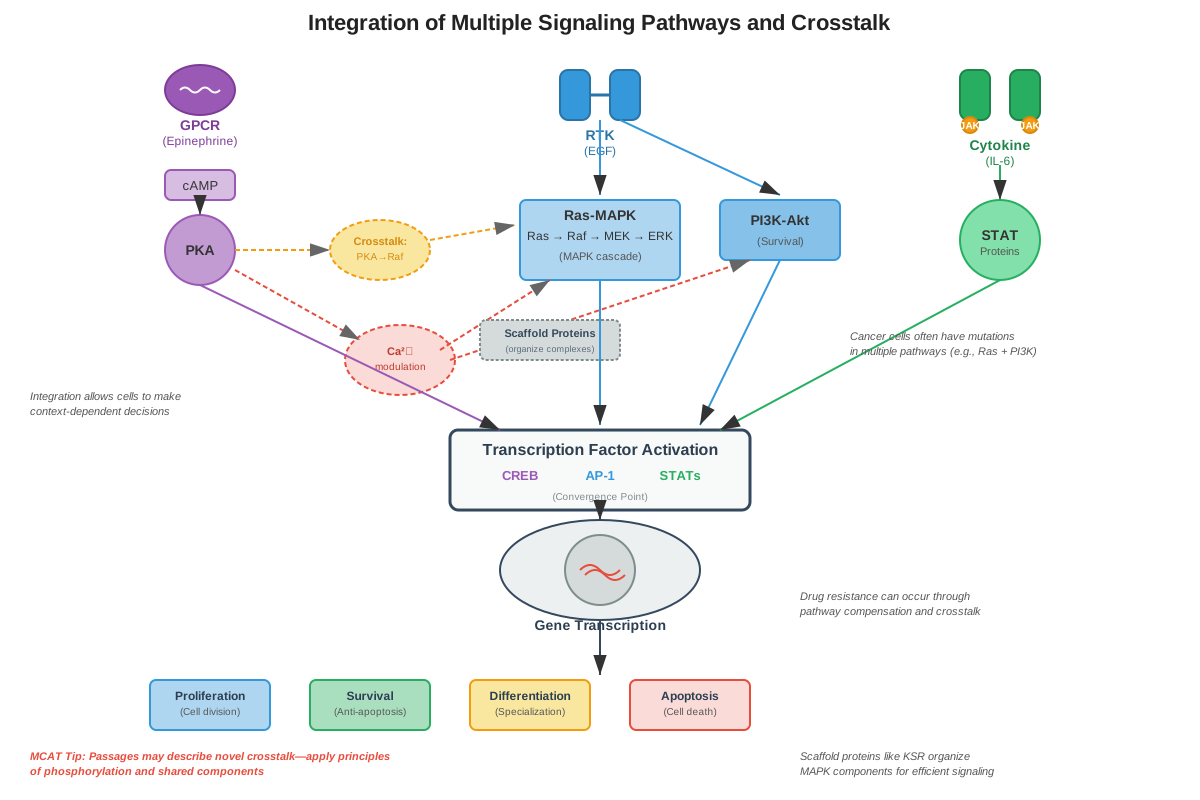
Cross-Talk Between Pathways
Signaling pathways do not operate in isolation. Cross-talk refers to interactions between different signaling pathways, allowing cells to integrate multiple signals and produce coordinated responses. Examples include:
- PKA and PKC can phosphorylate overlapping sets of target proteins
- Ca²⁺ released by IP3 can influence cAMP levels by affecting adenylyl cyclase
- MAPK pathways can be activated by both GPCRs and RTKs
- Multiple pathways converge on common transcription factors
This integration allows cells to make complex decisions based on the combination of signals received.
Concept Relationships
Signal transduction concepts form an interconnected network where understanding one component facilitates comprehension of others. The relationship map flows as follows:
Ligand binding to receptor → triggers conformational change → activates transduction mechanism (G-proteins for GPCRs, kinase activity for RTKs, ion flow for ligand-gated channels) → generates second messengers (cAMP, IP3/DAG, Ca²⁺) → activates effector proteins (kinases like PKA and PKC) → produces cellular response (altered metabolism, gene expression, or cell behavior) → termination mechanisms restore basal state.
Within the topic, receptor classes connect to specific second messenger systems: GPCRs link to cAMP and IP3/DAG systems, while RTKs connect to protein kinase cascades like MAPK. Second messengers (cAMP, IP3, Ca²⁺) all converge on protein kinases, which represent a common mechanism for signal propagation through phosphorylation.
Signal transduction connects to prerequisite topics by depending on membrane structure (receptors are membrane proteins), protein structure (conformational changes drive signaling), and enzyme kinetics (kinases and phosphatases control signal flow). It connects forward to endocrine system (hormone action), nervous system (neurotransmitter signaling), immune system (cytokine signaling), and cancer biology (dysregulated growth signals).
The amplification concept connects to enzyme kinetics through catalytic efficiency, while termination mechanisms relate to homeostasis and negative feedback. Cross-talk between pathways illustrates principles of systems biology and explains how cells integrate multiple environmental cues.
Quick check — test yourself on Signal transduction so far.
Try Flashcards →High-Yield Facts
⭐ GPCRs have seven transmembrane domains and activate heterotrimeric G-proteins that bind GTP in the active state and GDP in the inactive state
⭐ Receptor tyrosine kinases undergo dimerization upon ligand binding, followed by autophosphorylation that creates docking sites for SH2 domain-containing proteins
⭐ cAMP is produced by adenylyl cyclase (activated by Gs, inhibited by Gi) and activates protein kinase A (PKA), which phosphorylates serine/threonine residues
⭐ Phospholipase C cleaves PIP2 into IP3 (which releases Ca²⁺ from ER) and DAG (which activates protein kinase C)
⭐ Signal amplification occurs because each enzyme in a cascade can activate multiple molecules of the next component, producing exponential signal increase
- G-protein α subunits have intrinsic GTPase activity that hydrolyzes GTP to GDP, providing a built-in timer for signal termination
- Calcium acts as a second messenger by binding to calmodulin, which then activates various target proteins including CaM kinases
- Steroid hormones bind to intracellular receptors that function as transcription factors, producing slower but longer-lasting responses than cell surface receptors
- Receptor desensitization involves phosphorylation by specific kinases (like β-ARK) and binding of arrestin proteins that prevent G-protein coupling
- Phosphodiesterase terminates cAMP signaling by hydrolyzing cAMP to 5'-AMP; this enzyme is inhibited by caffeine and drugs like sildenafil (Viagra)
- The Ras-MAPK pathway involves a cascade of kinases (MAPKKK → MAPKK → MAPK) commonly activated by RTKs and frequently mutated in cancers
- Nitric oxide (NO) is a gaseous signaling molecule that activates guanylyl cyclase to produce cGMP, which activates protein kinase G
- Receptor internalization via endocytosis can either degrade receptors (down-regulation) or recycle them to the membrane
- Cholera toxin locks Gs in the active state by preventing GTP hydrolysis, causing excessive cAMP production and severe diarrhea
- Pertussis toxin prevents Gi activation, blocking inhibitory signals and causing excessive cAMP accumulation in affected cells
Common Misconceptions
Misconception: All signaling molecules bind to cell surface receptors.
Correction: Hydrophobic signaling molecules (steroid hormones, thyroid hormones, nitric oxide) can cross the plasma membrane and bind to intracellular receptors in the cytoplasm or nucleus. Only hydrophilic signals require cell surface receptors.
Misconception: G-proteins and G-protein coupled receptors are the same thing.
Correction: GPCRs are the receptors (seven-transmembrane proteins), while G-proteins are separate heterotrimeric proteins (α, β, γ subunits) that associate with the receptor's cytoplasmic domain. The receptor activates the G-protein by promoting GTP binding.
Misconception: Receptor tyrosine kinases phosphorylate tyrosine residues on their ligands.
Correction: RTKs phosphorylate tyrosine residues on themselves (autophosphorylation) and on other intracellular proteins. The ligand binds to the extracellular domain but is not phosphorylated.
Misconception: Second messengers directly cause the cellular response.
Correction: Second messengers (cAMP, IP3, Ca²⁺, DAG) relay the signal to effector proteins (usually kinases) that then modify target proteins to produce the response. Second messengers are intermediates, not final effectors.
Misconception: Signal amplification means the signal gets stronger at each step.
Correction: Amplification means more molecules are activated at each step, not that individual molecules become "stronger." One enzyme activating 100 substrate molecules represents amplification, even though each product molecule has the same activity as if produced by a different mechanism.
Misconception: All protein kinases phosphorylate the same amino acids.
Correction: Different kinases have different specificities. PKA and PKC phosphorylate serine and threonine residues, while tyrosine kinases (like RTKs) phosphorylate tyrosine residues. This specificity is important for selective signal transduction.
Misconception: Once activated, signaling pathways remain on until the ligand is removed.
Correction: Multiple termination mechanisms (GTPase activity, phosphodiesterases, phosphatases, receptor desensitization) actively turn off signals even while ligand is still present. This allows cells to respond to changes in signal intensity, not just presence/absence.
Misconception: IP3 and DAG work independently in separate pathways.
Correction: IP3 and DAG are produced simultaneously from the same substrate (PIP2) by phospholipase C and work synergistically—IP3 releases Ca²⁺, which is required along with DAG for full PKC activation. They are components of a single integrated pathway.
Worked Examples
Example 1: Analyzing an Epinephrine Signaling Experiment
Question: Researchers studying liver cells add epinephrine and measure glycogen breakdown. They then repeat the experiment with cells pretreated with: (A) a drug that inhibits adenylyl cyclase, (B) a drug that inhibits phosphodiesterase, or (C) a drug that blocks β-adrenergic receptors. Predict the effect of each treatment on glycogen breakdown compared to control.
Solution:
First, establish the normal pathway: Epinephrine → β-adrenergic receptor (GPCR) → Gs activation → adenylyl cyclase activation → increased cAMP → PKA activation → phosphorylation of enzymes → glycogen breakdown
(A) Adenylyl cyclase inhibitor: This blocks the enzyme that produces cAMP from ATP. Without cAMP production, PKA cannot be activated, and glycogen breakdown will be prevented/greatly reduced. This interrupts the pathway at a critical amplification step.
(B) Phosphodiesterase inhibitor: Phosphodiesterase normally degrades cAMP to terminate the signal. Inhibiting this enzyme will cause cAMP to accumulate to higher levels and persist longer, resulting in enhanced and prolonged glycogen breakdown compared to control. This is similar to the mechanism of caffeine.
(C) β-adrenergic receptor blocker: This prevents epinephrine from binding to its receptor, blocking the pathway at the very first step. Glycogen breakdown will be prevented/greatly reduced. This is the mechanism of beta-blocker drugs used to treat hypertension and anxiety.
Key reasoning: Understanding the sequence of the pathway allows prediction of effects at each step. Blocking early steps (receptor, adenylyl cyclase) prevents the response, while blocking termination mechanisms (phosphodiesterase) enhances the response.
Example 2: RTK Mutation in Cancer
Question: A cancer cell line has a mutation in the epidermal growth factor receptor (EGFR, a receptor tyrosine kinase) that causes the receptor to dimerize and autophosphorylate even without ligand binding. Explain why this mutation promotes uncontrolled cell division and why drugs that inhibit tyrosine kinase activity might be effective treatments.
Solution:
Normal EGFR pathway: EGF ligand binding → receptor dimerization → autophosphorylation → recruitment of signaling proteins → activation of Ras-MAPK and PI3K-Akt pathways → increased cell proliferation and survival
Why the mutation promotes cancer:
The mutation creates a constitutively active receptor—it signals continuously without requiring the EGF ligand. This means:
- The cell receives constant "grow and divide" signals regardless of external growth factors
- Normal growth control mechanisms (limited growth factor availability) are bypassed
- The cell divides inappropriately, leading to tumor formation
- Downstream pathways (MAPK, Akt) are continuously activated, promoting both proliferation and survival while inhibiting apoptosis
Why tyrosine kinase inhibitors work:
Drugs like gefitinib and erlotinib bind to the ATP-binding site of the EGFR kinase domain, preventing autophosphorylation. Even though the mutant receptor dimerizes without ligand, it cannot phosphorylate itself without kinase activity. This:
- Prevents creation of phosphotyrosine docking sites
- Blocks recruitment of downstream signaling proteins
- Stops activation of proliferation pathways
- Selectively affects cancer cells (which depend on the mutant receptor) more than normal cells
Key reasoning: Understanding that RTK activation requires both dimerization AND kinase activity explains why kinase inhibitors work even against constitutively dimerized mutants. This exemplifies how signal transduction knowledge directly applies to cancer biology and pharmacology—both high-yield MCAT topics.
Exam Strategy
Approaching Signal Transduction Questions:
- Identify the receptor type first: The question will usually specify or imply the receptor class (GPCR, RTK, ligand-gated channel, or intracellular). Each class has characteristic mechanisms—knowing the receptor type immediately narrows possible pathways.
- Map the pathway sequence: Draw a quick mental or scratch-paper diagram: Ligand → Receptor → Transduction mechanism → Second messenger → Effector protein → Response. Identify where in this sequence the question focuses.
- Look for intervention points: MCAT questions often describe drugs, mutations, or experimental manipulations. Determine where in the pathway the intervention occurs and predict upstream vs. downstream effects.
Trigger Words and Phrases:
- "Seven-transmembrane receptor" or "serpentine receptor" → GPCR
- "Dimerization" or "autophosphorylation" → RTK
- "Intrinsic enzymatic activity" → RTK or guanylyl cyclase
- "Hydrophobic hormone" or "lipid-soluble signal" → intracellular receptor
- "Amplification" → focus on cascade/enzymatic steps
- "Desensitization" or "down-regulation" → termination mechanisms
- "Constitutively active" → mutation causing ligand-independent signaling
- "Second messenger" → cAMP, IP3, DAG, Ca²⁺, or cGMP
Process of Elimination Tips:
- If a question asks about rapid responses (milliseconds to seconds), eliminate answers involving gene transcription (which takes minutes to hours)
- If the ligand is a steroid, eliminate answers involving cell surface receptors
- If the question mentions cAMP, eliminate answers about IP3/DAG pathways (and vice versa)—these are separate systems
- For questions about signal termination, eliminate answers that would amplify or prolong the signal
- If a receptor is blocked, all downstream effects should be prevented—eliminate answers suggesting partial pathway activation
Time Allocation:
Signal transduction questions are often passage-based and require careful analysis. Allocate 1.5-2 minutes per question. Spend 30-45 seconds identifying the pathway and intervention point, then 45-60 seconds evaluating answer choices. If a question requires tracing through multiple pathway steps, invest the time—these questions reward systematic thinking.
Memory Techniques
GPCR Activation Sequence - "GREED":
- GDP released from α subunit
- Receptor acts as GEF (guanine nucleotide exchange factor)
- Exchange: GTP binds α subunit
- Effector proteins activated by α-GTP and βγ
- Deactivation: GTPase hydrolyzes GTP → GDP
Second Messengers - "ACID":
- AMP (cyclic AMP)
- Calcium
- IP3 (inositol trisphosphate)
- DAG (diacylglycerol)
RTK Activation - "DAPPER":
- Dimerization of receptors
- Autophosphorylation (cross-phosphorylation)
- Phosphotyrosines created
- Proteins with SH2 domains recruited
- Effector pathways activated
- Response: cell growth/division
G-Protein Types - "Silly Iggy Quit":
- Silly = Gs = Stimulates adenylyl cyclase (increases cAMP)
- Iggy = Gi = Inhibits adenylyl cyclase (decreases cAMP)
- Quit = Gq = activates phospholipase C (sounds like Q)
Visualization Strategy for Amplification:
Picture a pyramid or cascade waterfall: One molecule at the top activates 10 at the next level, each of those activates 10 more (100 total), each of those activates 10 more (1,000 total). This visual reinforces the exponential nature of signal amplification.
Termination Mechanisms - "PAGER":
- Phosphatases remove phosphates
- Arrestin proteins cause desensitization
- GTPase activity turns off G-proteins
- Endocytosis internalizes receptors
- Regulatory enzymes (phosphodiesterase) degrade second messengers
Summary
Signal transduction is the fundamental process by which cells detect extracellular signals and convert them into specific cellular responses. The process involves three stages: reception (ligand binding to receptor), transduction (signal relay and amplification through intracellular pathways), and response (altered cell behavior). The MCAT emphasizes three major receptor classes: G-protein coupled receptors (seven-transmembrane proteins that activate heterotrimeric G-proteins), receptor tyrosine kinases (which dimerize and autophosphorylate upon ligand binding), and ligand-gated ion channels (which directly alter membrane potential). Second messengers including cAMP, IP3, DAG, and Ca²⁺ amplify signals and activate effector proteins, primarily kinases that phosphorylate target proteins. Signal amplification occurs through enzymatic cascades where each component activates multiple molecules at the next step. Termination mechanisms including GTPase activity, phosphodiesterases, phosphatases, and receptor desensitization ensure signals are turned off appropriately. Understanding signal transduction is essential for MCAT success because it underlies hormone action, neurotransmission, immune responses, and cancer biology—all frequently tested topics.
Key Takeaways
- Signal transduction converts extracellular signals into cellular responses through receptor binding, signal transduction cascades, and effector protein activation
- GPCRs activate G-proteins (Gs stimulates, Gi inhibits adenylyl cyclase; Gq activates phospholipase C), while RTKs undergo dimerization and autophosphorylation
- Second messengers (cAMP, IP3, DAG, Ca²⁺) amplify signals and activate protein kinases (PKA, PKC) that phosphorylate target proteins
- Signal amplification occurs through enzymatic cascades, allowing cells to respond to extremely low ligand concentrations
- Multiple termination mechanisms (GTPase activity, phosphodiesterases, phosphatases, desensitization) actively turn off signals
- Hydrophobic signals bind intracellular receptors that function as transcription factors, producing slower but longer-lasting responses
- Cross-talk between pathways allows integration of multiple signals for coordinated cellular responses
Related Topics
Enzyme Kinetics and Regulation: Signal transduction relies heavily on enzymes (kinases, phosphatases, adenylyl cyclase, phospholipase C). Understanding enzyme mechanisms, allosteric regulation, and competitive/noncompetitive inhibition deepens comprehension of how signals are propagated and terminated.
Endocrine System: Hormone signaling is signal transduction applied to whole-organism physiology. Mastering signal transduction provides the molecular foundation for understanding how insulin, glucagon, epinephrine, and steroid hormones produce their effects.
Nervous System and Neurotransmission: Neurotransmitter receptors are GPCRs and ligand-gated ion channels. Signal transduction explains how neurotransmitters produce rapid (ion channels) or modulatory (GPCRs) effects on postsynaptic neurons.
Cancer Biology: Many oncogenes encode constitutively active signaling proteins (mutant Ras, overactive RTKs), while tumor suppressors often inhibit growth signaling. Signal transduction knowledge is essential for understanding cancer mechanisms and targeted therapies.
Immunology: Cytokine receptors, T-cell receptors, and B-cell receptors all use signal transduction mechanisms. Understanding these pathways explains immune cell activation, differentiation, and effector functions.
Practice CTA
Now that you've mastered the core concepts of signal transduction, it's time to reinforce your understanding through active practice. Attempt the practice questions to apply these concepts to MCAT-style scenarios, and use the flashcards to commit high-yield facts to long-term memory. Signal transduction appears frequently on the MCAT in diverse contexts—from experimental passages to clinical scenarios—so thorough practice will build the pattern recognition and analytical skills needed for test day success. Remember, understanding signal transduction unlocks comprehension of countless physiological processes, making your investment in this topic highly efficient for MCAT preparation. You've got this!
Sign up free to keep reading
Create a free AnvayaPrep account to finish this MCAT guide on Signal transduction — plus flashcards and practice questions.