Overview
Parasites are organisms that live on or within a host organism, deriving nutrients at the host's expense while providing no benefit in return. In the context of Microbiology and Biology, understanding parasites is essential for the MCAT because these organisms represent a unique category of pathogens with distinct life cycles, transmission mechanisms, and host-pathogen interactions. Unlike bacteria and viruses, parasites are typically eukaryotic organisms (though some are prokaryotic), ranging from single-celled protozoans to complex multicellular helminths (worms). The study of parasites basics encompasses their classification, life cycles, modes of transmission, and the fundamental ways they interact with host immune systems.
For the MCAT, parasites appear most frequently in passages related to infectious disease, epidemiology, immune system function, and global health contexts. Questions may test your understanding of parasite life cycles, vector-borne transmission, host specificity, and the evolutionary adaptations that allow parasites to evade immune responses. The parasites basics MCAT content focuses on recognizing different parasite types, understanding their ecological relationships with hosts, and applying this knowledge to experimental passages or clinical scenarios. This topic bridges multiple disciplines including cell biology, immunology, ecology, and evolution.
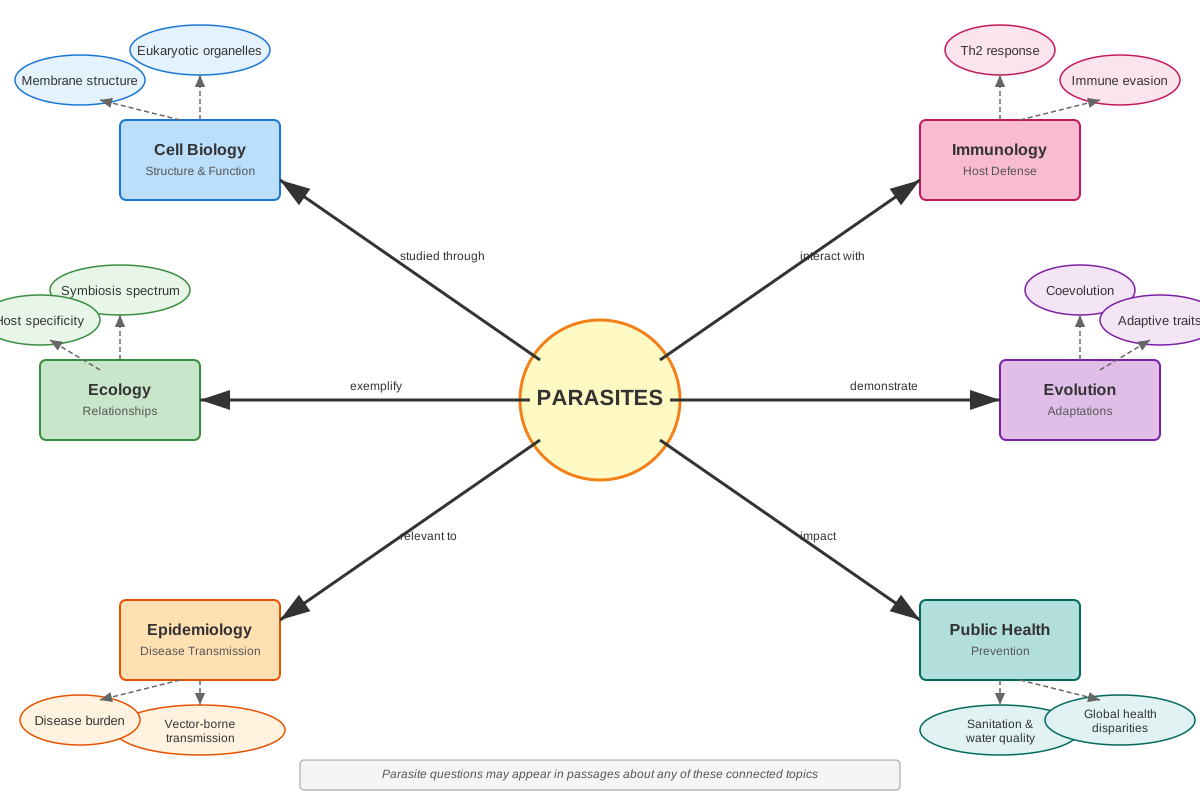
The big-picture relationship of parasites to other Biology concepts is multifaceted. Parasites demonstrate principles of evolution through their specialized adaptations, illustrate complex ecological relationships (predator-prey dynamics, symbiosis), and provide context for understanding immune system function and dysfunction. Studying parasites reinforces concepts of cellular structure (eukaryotic vs. prokaryotic), metabolism, reproduction strategies, and the selective pressures that drive speciation. Additionally, parasite biology connects to public health, epidemiology, and the social determinants of disease—topics that may appear in MCAT passages integrating biological and sociological concepts.
Learning Objectives
- [ ] Define parasites basics using accurate Biology terminology
- [ ] Explain why parasites basics matters for the MCAT
- [ ] Apply parasites basics to exam-style questions
- [ ] Identify common mistakes related to parasites basics
- [ ] Connect parasites basics to related Biology concepts
- [ ] Distinguish between different categories of parasites (ectoparasites, endoparasites, protozoans, helminths)
- [ ] Describe the key features of parasite life cycles including definitive and intermediate hosts
- [ ] Analyze how parasites evade host immune responses and the implications for disease pathology
Prerequisites
- Basic cell biology: Understanding eukaryotic and prokaryotic cell structures is essential because most parasites are eukaryotic organisms with complex cellular organization distinct from bacterial pathogens
- Immune system fundamentals: Knowledge of innate and adaptive immunity helps explain how parasites interact with host defenses and why parasitic infections often persist chronically
- Ecological relationships: Familiarity with symbiosis, commensalism, mutualism, and predation provides context for understanding parasitism as a specific type of ecological interaction
- Taxonomy basics: Understanding biological classification systems aids in organizing the diverse groups of parasitic organisms
- Transmission and infection concepts: General knowledge of how pathogens spread between hosts is necessary to appreciate parasite-specific transmission mechanisms
Why This Topic Matters
Clinical and Real-World Significance: Parasitic infections affect billions of people worldwide, particularly in tropical and subtropical regions with limited access to clean water and sanitation. Diseases such as malaria (caused by Plasmodium species), toxoplasmosis, giardiasis, and helminth infections represent major global health burdens. Understanding parasite biology is crucial for developing effective treatments, vaccines, and public health interventions. Many parasites have complex life cycles involving multiple hosts and environmental stages, making their control challenging and requiring integrated approaches combining vector control, medication, and behavioral modifications.
Exam Statistics and Question Types: On the MCAT, parasites appear in approximately 5-10% of Biology/Biochemistry section questions, typically within passages rather than as discrete questions. The exam most commonly tests parasites in the context of:
- Experimental passages describing parasite life cycles or transmission studies
- Immune system passages exploring how hosts respond to parasitic infections
- Ecology and evolution passages examining host-parasite coevolution
- Public health scenarios requiring analysis of disease transmission patterns
Common Passage Contexts: MCAT passages featuring parasites often present research scenarios investigating new antiparasitic drugs, epidemiological studies tracking disease prevalence, or experiments examining parasite-host interactions at the cellular or molecular level. Questions may ask students to interpret data about infection rates, predict outcomes of interventions, or explain mechanisms of immune evasion. The exam favors testing conceptual understanding and application over memorization of specific parasite species, though recognizing major examples (malaria, tapeworms) is valuable.
Core Concepts
Definition and Classification of Parasites
Parasites are organisms that establish a relationship with a host organism in which the parasite benefits (typically by obtaining nutrients) while the host is harmed. This relationship distinguishes parasitism from other symbiotic relationships like mutualism (both benefit) or commensalism (one benefits, the other is unaffected). Parasites can be classified along several dimensions that are important for the MCAT.
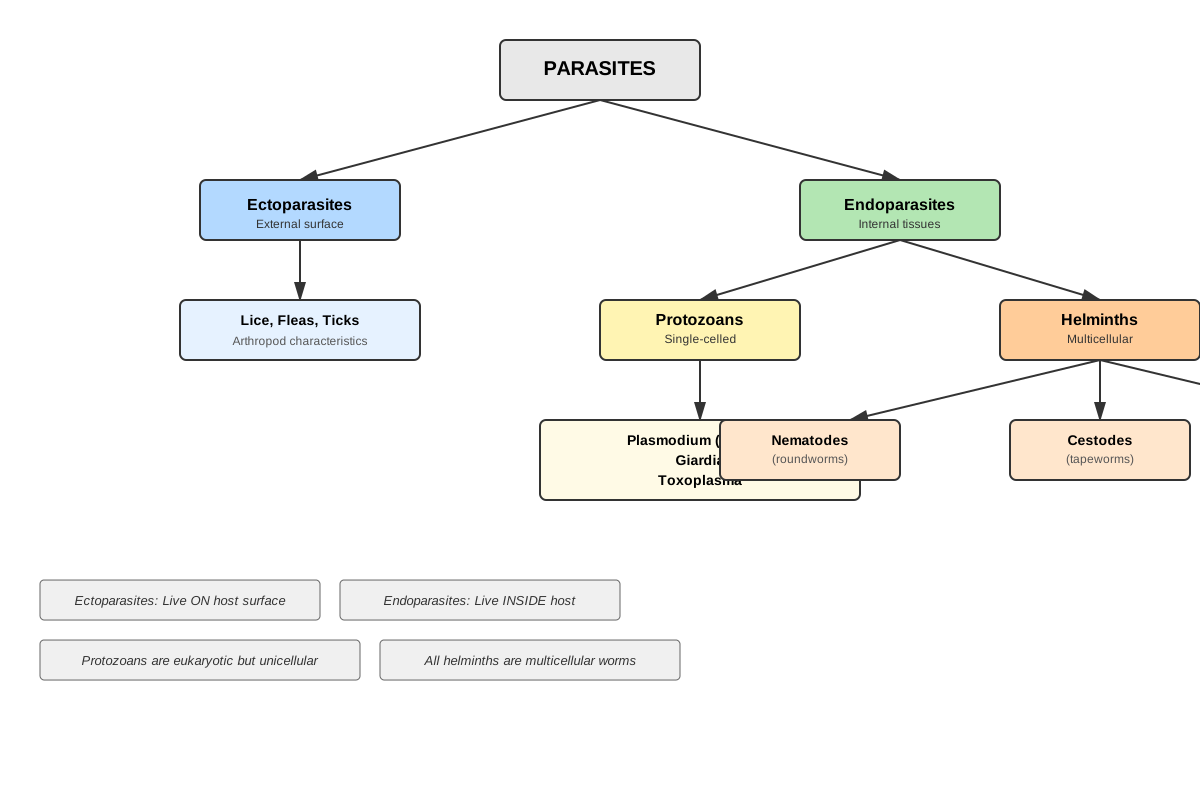
Ectoparasites live on the external surface of the host (e.g., lice, ticks, fleas), while endoparasites live inside the host's body, either within tissues (e.g., Trichinella in muscle) or body cavities (e.g., tapeworms in the intestinal lumen). This distinction is clinically relevant because ectoparasites are generally easier to detect and treat, while endoparasites may cause more severe systemic disease and are harder to diagnose.
Another critical classification divides parasites by their cellular organization:
| Parasite Type | Cellular Organization | Examples | Key Features |
|---|---|---|---|
| Protozoans | Single-celled eukaryotes | Plasmodium (malaria), Giardia, Toxoplasma | Reproduce rapidly, often have complex life cycles with multiple forms |
| Helminths | Multicellular worms | Tapeworms, roundworms, flukes | Larger organisms, often visible to naked eye, may not reproduce within host |
| Ectoparasites | Multicellular arthropods | Lice, ticks, mites | Live on skin, may serve as vectors for other pathogens |
Parasite Life Cycles
Understanding parasite life cycles is high-yield for the MCAT because questions often test the ability to trace transmission pathways or identify intervention points. Most parasites have complex life cycles involving multiple developmental stages and sometimes multiple host species.
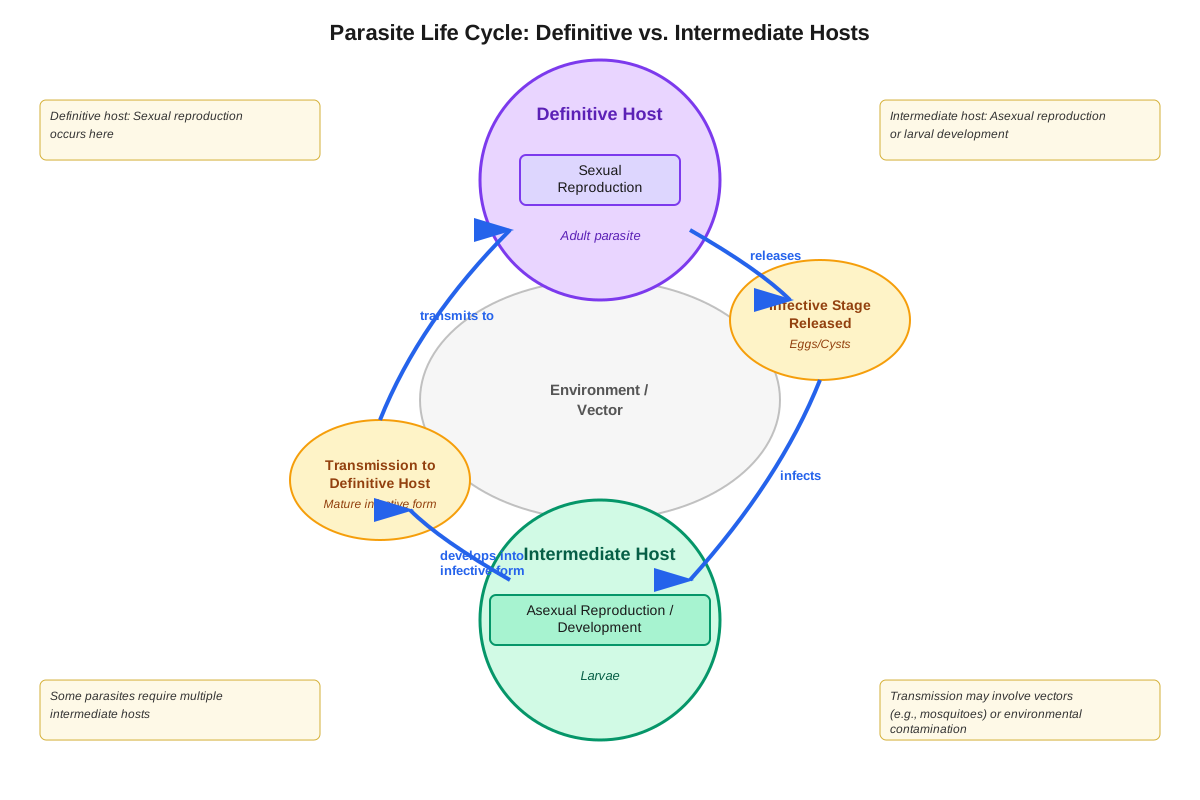
The definitive host is the organism in which the parasite reaches sexual maturity and reproduces sexually. The intermediate host harbors larval or asexual stages of the parasite. For example, in malaria, humans are the intermediate host (where asexual reproduction occurs in red blood cells), while mosquitoes are the definitive host (where sexual reproduction occurs in the mosquito gut).
Many parasites alternate between different morphological forms:
- Trophozoite: The active, feeding, and reproducing form (seen in protozoans)
- Cyst: A dormant, environmentally resistant form that facilitates transmission
- Larval stages: Immature forms in helminths that may migrate through host tissues
- Adult forms: Mature parasites capable of reproduction
The complexity of these life cycles represents an evolutionary adaptation that increases transmission success but also creates vulnerabilities that can be exploited for disease control.
Host-Parasite Interactions
Parasites have evolved sophisticated mechanisms to establish infection and evade host immune responses. Understanding these interactions is crucial for MCAT passages dealing with immunology or infectious disease.
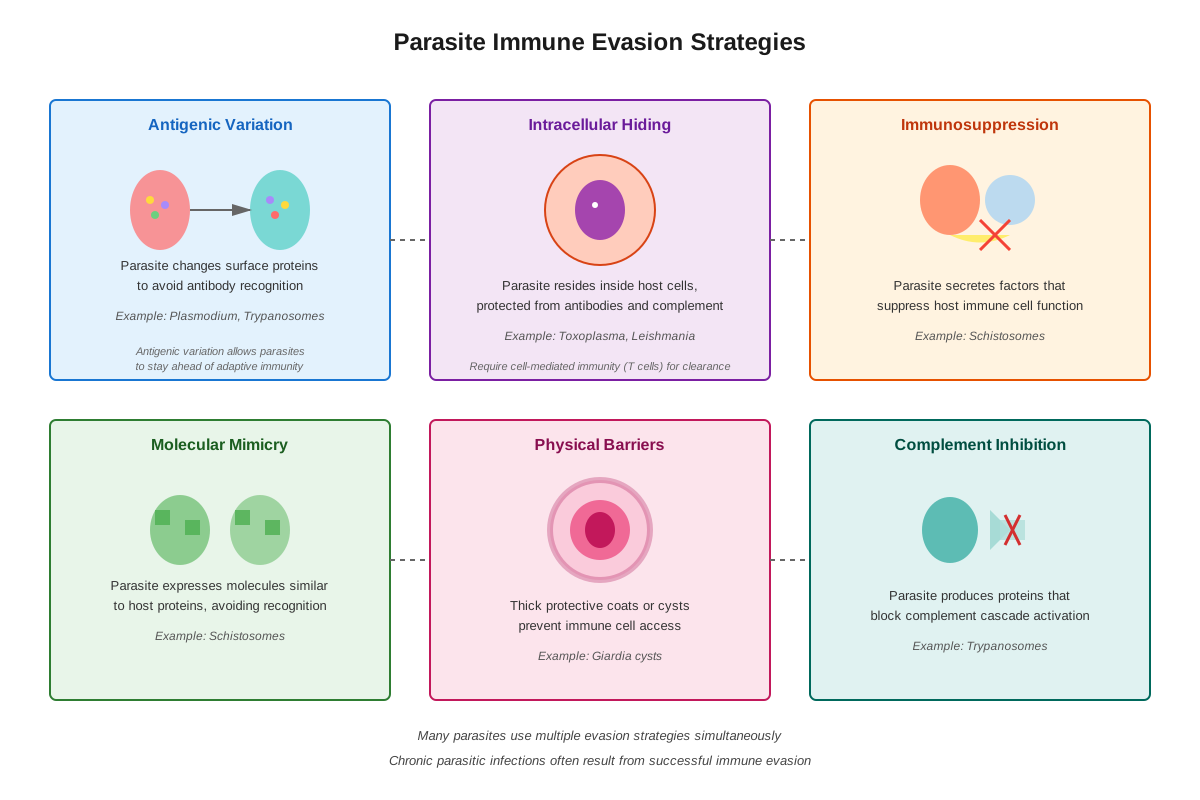
Immune Evasion Strategies:
- Antigenic variation: Parasites like Plasmodium and Trypanosoma periodically change their surface proteins, preventing effective antibody recognition
- Intracellular hiding: Many protozoans (Toxoplasma, Leishmania) live inside host cells, shielding them from antibody-mediated immunity
- Immunosuppression: Some parasites actively suppress host immune responses by secreting immunomodulatory molecules
- Molecular mimicry: Parasites may express proteins similar to host proteins, reducing immune recognition
Host Responses: The immune system responds to parasitic infections primarily through:
- Eosinophils: White blood cells specialized for combating large parasites (especially helminths) by releasing toxic granule contents
- IgE antibodies: Trigger mast cell degranulation and allergic-type responses that help expel parasites
- Th2 immune responses: CD4+ T helper cells that coordinate anti-parasite immunity through cytokine secretion
Transmission Mechanisms
Parasites employ diverse transmission strategies, and recognizing these patterns is important for MCAT questions about epidemiology and disease control.
Direct transmission occurs through:
- Fecal-oral route (contaminated water/food): Giardia, Entamoeba
- Sexual contact: Trichomonas
- Vertical transmission (mother to fetus): Toxoplasma
Indirect transmission involves:
- Vector-borne transmission: Arthropods (mosquitoes, ticks, flies) transmit parasites between hosts. The vector may be mechanical (simply carrying the parasite) or biological (parasite develops within the vector)
- Intermediate host consumption: Eating undercooked meat containing parasite cysts or larvae (e.g., Trichinella in pork, Taenia tapeworms in beef)
Pathogenesis and Disease
Parasites cause disease through multiple mechanisms:
- Mechanical damage: Physical presence causing tissue destruction (e.g., intestinal blockage by large worm burdens)
- Nutrient depletion: Parasites consuming host nutrients, leading to malnutrition or anemia
- Toxic metabolites: Waste products released by parasites causing inflammation or tissue damage
- Immune-mediated pathology: Host immune responses causing collateral damage (e.g., liver granulomas in schistosomiasis)
The severity of parasitic disease often correlates with parasite burden (the number of parasites infecting a host) and host immune status. Immunocompromised individuals may experience severe disease from parasites that cause mild symptoms in healthy people.
Concept Relationships
The concepts within parasites basics form an interconnected framework. Parasite classification (protozoan vs. helminth, ecto- vs. endoparasite) determines the life cycle complexity and transmission mechanisms employed. For instance, protozoans typically have shorter, simpler life cycles with rapid reproduction, while helminths often require intermediate hosts and have longer developmental periods.
Life cycle stages directly influence transmission strategies—cyst forms enable fecal-oral transmission through environmental persistence, while vector-borne parasites require specific arthropod hosts for transmission. The host-parasite interactions, particularly immune evasion mechanisms, explain why parasitic infections tend to be chronic rather than acute, distinguishing them from many bacterial and viral infections.
These parasite-specific concepts connect to broader Biology topics:
- Cell biology: Parasite cellular structure (eukaryotic organelles, specialized structures like apicoplasts in Plasmodium)
- Immunology: Type 2 immune responses, eosinophil function, IgE-mediated reactions
- Ecology: Predator-prey dynamics, coevolution, niche specialization
- Evolution: Natural selection favoring immune evasion, host specificity as reproductive isolation
Relationship Map:
Parasite Classification → determines → Life Cycle Complexity → influences → Transmission Mechanism → affects → Epidemiology and Control Strategies
Host Immune Response → drives → Parasite Immune Evasion Evolution → results in → Chronic Infection Patterns → leads to → Specific Disease Pathology
Quick check — test yourself on Parasites basics so far.
Try Flashcards →High-Yield Facts
⭐ Parasites are eukaryotic organisms (except for some prokaryotic parasites) that live at the expense of their host, distinguishing them from bacterial and viral pathogens
⭐ Definitive hosts harbor sexually reproducing adult parasites, while intermediate hosts harbor asexual or larval stages
⭐ Protozoans are single-celled parasites that can reproduce within the host, while helminths are multicellular worms that typically do not reproduce within the human host
⭐ Vector-borne transmission involves arthropods that carry parasites between hosts, with the vector serving as either a mechanical carrier or a biological host where parasite development occurs
⭐ Eosinophils and IgE antibodies are the primary immune components specialized for anti-parasite defense, particularly against helminths
- Antigenic variation allows parasites like Plasmodium to evade antibody-mediated immunity by periodically changing surface proteins
- Cyst forms are environmentally resistant stages that enable parasite survival outside the host and facilitate fecal-oral transmission
- Intracellular parasites (Plasmodium, Toxoplasma, Leishmania) hide within host cells to evade immune detection
- Parasite burden (total number of parasites) often correlates with disease severity, unlike many viral infections where even small numbers cause symptoms
- Many parasites cause chronic infections lasting months to years because of effective immune evasion strategies
- Immunocompromised individuals are at higher risk for severe parasitic disease, particularly from opportunistic parasites like Toxoplasma
- Helminths often trigger allergic-type responses (Th2 immunity) characterized by eosinophilia and elevated IgE levels
Common Misconceptions
Misconception: All parasites are microscopic organisms.
Correction: While protozoans are microscopic single-celled organisms, many helminths (parasitic worms) are macroscopic and visible to the naked eye. Some tapeworms can reach several meters in length within the human intestine.
Misconception: Parasites always cause severe, acute disease.
Correction: Many parasitic infections are chronic and cause mild or even asymptomatic disease, especially when parasite burden is low. Parasites have evolved to maintain host survival (a dead host cannot sustain the parasite), so severe disease often results from high parasite loads or immune-mediated pathology rather than direct parasite effects.
Misconception: Parasites only live in tropical regions and developing countries.
Correction: While many parasites are more prevalent in tropical climates and areas with poor sanitation, parasitic infections occur worldwide. Toxoplasma infects approximately one-third of the global population including developed nations, and pinworm infections are common in temperate regions, particularly among children.
Misconception: The definitive host is always the organism where the parasite causes the most disease.
Correction: The definitive host is defined by where sexual reproduction occurs, not by disease severity. Humans are intermediate hosts for malaria but experience severe disease, while mosquitoes (the definitive hosts) are relatively unharmed by the parasite.
Misconception: Antibiotics are effective treatments for parasitic infections.
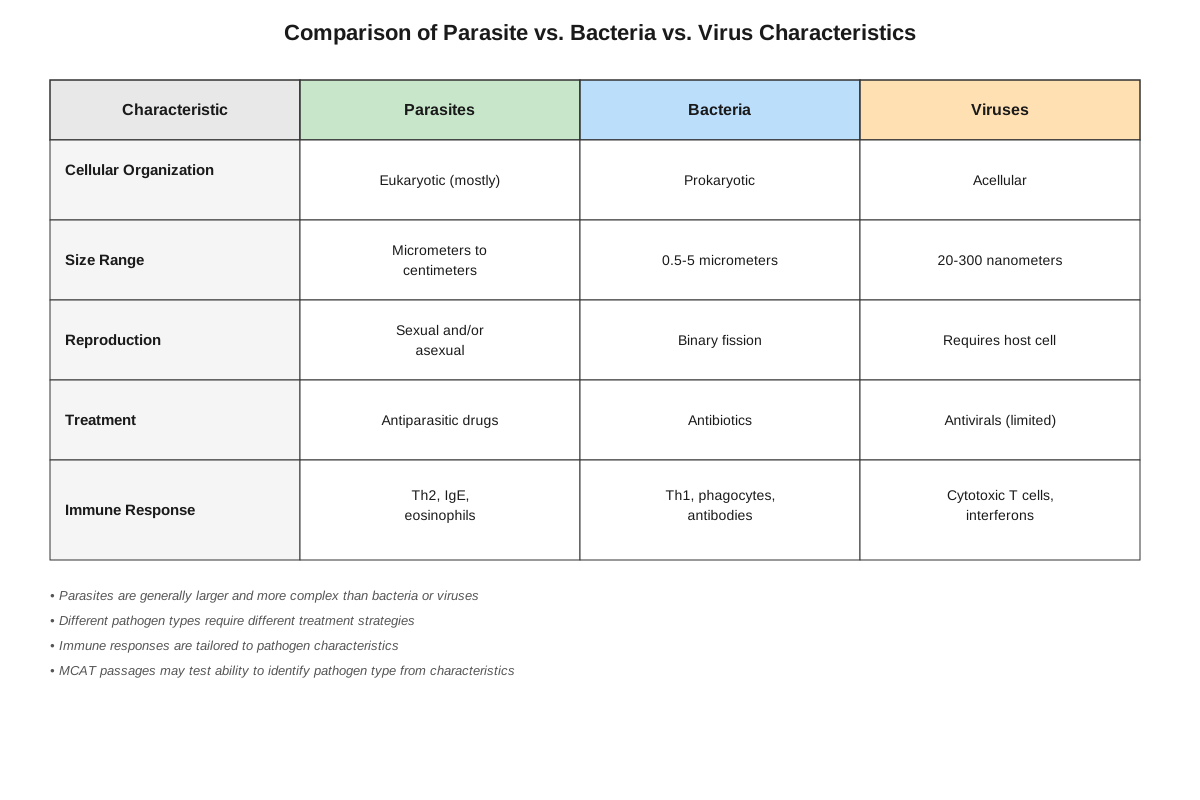
Correction: Antibiotics target bacterial-specific structures (cell walls, ribosomes) that are absent or different in eukaryotic parasites. Antiparasitic drugs use different mechanisms, such as interfering with parasite-specific metabolic pathways or targeting unique organelles. This is why bacterial and parasitic infections require different therapeutic approaches.
Misconception: All parasites are transmitted through contaminated water or food.
Correction: While fecal-oral transmission through contaminated water/food is common, parasites employ diverse transmission routes including vector-borne transmission (malaria via mosquitoes), sexual transmission (Trichomonas), consumption of undercooked meat (tapeworms, Trichinella), and direct skin penetration (schistosomes, hookworms).
Worked Examples
Example 1: Analyzing a Parasite Life Cycle
Scenario: A research passage describes a parasitic organism with the following characteristics: (1) humans become infected by consuming undercooked pork, (2) larvae encyst in human muscle tissue, (3) the parasite reaches sexual maturity in the human intestine, (4) eggs are released in feces, (5) pigs become infected by consuming contaminated material, (6) larvae migrate to pig muscle tissue where they encyst.
Question: In this life cycle, what is the definitive host, and what intervention would most effectively break the transmission cycle?
Solution:
Step 1: Identify the definitive host by determining where sexual reproduction occurs.
- The passage states the parasite "reaches sexual maturity in the human intestine"
- Sexual maturity indicates sexual reproduction occurs in humans
- Therefore, humans are the definitive host
Step 2: Identify the intermediate host.
- Pigs harbor larval (immature) stages in muscle tissue
- Therefore, pigs are the intermediate host
Step 3: Analyze the transmission cycle to identify intervention points.
- Humans → feces with eggs → pigs (through contaminated material) → encysted larvae in pig muscle → humans (through undercooked pork)
Step 4: Determine the most effective intervention.
- Breaking transmission requires interrupting the cycle
- Options might include: proper cooking of pork (kills larvae), improved sanitation (prevents pig exposure to human feces), or treating infected humans
- Proper cooking of pork would be most effective because it directly prevents human infection, breaking the cycle at the point where the definitive host becomes infected
Connection to Learning Objectives: This example applies parasites basics to an exam-style question by requiring identification of host types (definitive vs. intermediate) and analysis of transmission mechanisms to propose interventions—both high-yield MCAT skills.
Example 2: Immune Response to Parasitic Infection
Scenario: An experimental passage describes researchers investigating immune responses to a helminth infection. They observe elevated levels of IgE antibodies, increased eosinophil counts in blood, and Th2 cytokine production. When they deplete eosinophils in experimental animals, the parasite burden increases significantly and worm expulsion is delayed.
Question: Explain the relationship between the observed immune responses and parasite control, and predict what would happen if IgE production were blocked.
Solution:
Step 1: Identify the immune response pattern.
- Elevated IgE, increased eosinophils, and Th2 cytokines indicate a Type 2 immune response
- This pattern is characteristic of anti-helminth immunity
Step 2: Explain the mechanism of parasite control.
- IgE antibodies bind to parasite antigens
- IgE-coated parasites trigger eosinophil activation
- Activated eosinophils release toxic granule contents that damage parasite tissues
- Th2 cytokines (IL-4, IL-5, IL-13) promote IgE production and eosinophil recruitment/activation
Step 3: Interpret the eosinophil depletion experiment.
- Increased parasite burden and delayed expulsion when eosinophils are depleted
- This demonstrates that eosinophils are essential for effective parasite control
Step 4: Predict the effect of blocking IgE production.
- IgE is required for eosinophil activation via Fc receptors
- Without IgE, eosinophils cannot effectively recognize and attack parasites
- Prediction: Blocking IgE would impair parasite control, similar to eosinophil depletion, resulting in increased parasite burden and prolonged infection
Connection to Learning Objectives: This example connects parasites basics to immunology concepts, demonstrating how parasites elicit specific immune responses and how understanding these mechanisms allows prediction of experimental outcomes—a common MCAT question format.
Exam Strategy
Approaching MCAT Questions on Parasites:
- Identify the parasite category first: Determine whether the passage describes a protozoan (single-celled, rapid reproduction) or helminth (multicellular, limited reproduction in host). This classification guides predictions about life cycle, transmission, and immune response.
- Map the life cycle: For passage-based questions, quickly sketch the transmission cycle, identifying definitive and intermediate hosts. Most questions will test your ability to trace transmission or identify intervention points.
- Watch for immune system connections: Parasite questions often integrate immunology. Look for trigger words like "eosinophils," "IgE," "Th2," or "chronic infection" that signal immune evasion or anti-parasite responses.
Trigger Words and Phrases:
- "Definitive host" / "intermediate host" → signals life cycle question
- "Vector-borne" → indicates arthropod transmission, look for biological vs. mechanical vector distinction
- "Antigenic variation" → immune evasion mechanism
- "Eosinophilia" → suggests helminth infection
- "Cyst form" → indicates environmental transmission stage
- "Immunocompromised" → suggests opportunistic parasite or severe disease
Process of Elimination Tips:
- Eliminate answers that confuse bacterial and parasitic characteristics (e.g., parasites having cell walls, responding to antibiotics)
- Rule out answers that reverse definitive and intermediate hosts
- Eliminate options suggesting parasites always cause acute disease or always reproduce rapidly in hosts (true for protozoans, false for helminths)
- Be wary of answers that oversimplify transmission (e.g., "all parasites are waterborne")
Time Allocation:
- Spend 30-45 seconds identifying the parasite type and life cycle structure
- Use 60-90 seconds per question, with extra time for questions requiring life cycle tracing
- Don't get bogged down memorizing specific parasite species names—focus on general principles
Memory Techniques
Mnemonic for Definitive vs. Intermediate Host:
"D for Done" - The Definitive host is where development is Done (sexual maturity reached)
Mnemonic for Anti-Parasite Immunity:
"EIE-IO" - Eosinophils, IgE, IL-5 (Th2 cytokine), Opsonization
(Like "Old MacDonald" - helps remember the key components of anti-helminth immunity)
Visualization Strategy for Life Cycles:
Picture a circular flow diagram with arrows:
- Definitive host (where sexual reproduction occurs) at the top
- Arrows showing transmission pathway through environment or intermediate hosts
- Mark intervention points with X's (cooking, sanitation, vector control)
Acronym for Parasite Classification:
"PEEP" - Protozoans (single-celled), Ectoparasites (external), Endoparasites (internal), Platyhelminthes/helminths (worms)
Memory Aid for Immune Evasion:
"AIMS" - Antigenic variation, Intracellular hiding, Molecular mimicry, Suppression of immune responses
Summary
Parasites are eukaryotic organisms that live at the expense of their hosts, representing a diverse group including single-celled protozoans and multicellular helminths. Understanding parasites basics for the MCAT requires mastery of several interconnected concepts: classification systems (ecto- vs. endoparasites, protozoans vs. helminths), life cycle complexity (definitive and intermediate hosts, developmental stages), transmission mechanisms (direct, vector-borne, consumption of intermediate hosts), and host-parasite interactions (immune evasion strategies and anti-parasite immunity). Parasites employ sophisticated adaptations including antigenic variation, intracellular hiding, and immunosuppression to establish chronic infections. The immune system responds primarily through Type 2 immunity involving eosinophils, IgE antibodies, and Th2 cytokines, particularly against helminths. MCAT questions typically test the ability to analyze life cycles, predict transmission patterns, identify intervention strategies, and connect parasite biology to immunological concepts. Success requires understanding general principles rather than memorizing specific species, recognizing that parasites differ fundamentally from bacterial and viral pathogens in their cellular organization, reproduction strategies, and the immune responses they elicit.
Key Takeaways
- Parasites are eukaryotic organisms (mostly) that harm their hosts while benefiting themselves, distinguished from bacteria and viruses by their cellular complexity and life cycle strategies
- Definitive hosts harbor sexually mature parasites, while intermediate hosts harbor larval or asexual stages—this distinction is critical for understanding transmission and control
- Protozoans reproduce within hosts and cause acute-to-chronic disease, while helminths typically don't reproduce in human hosts and cause chronic disease related to parasite burden
- Type 2 immunity (eosinophils, IgE, Th2 responses) is specialized for anti-parasite defense, particularly against helminths, representing a distinct immune pattern from antibacterial or antiviral responses
- Immune evasion through antigenic variation, intracellular hiding, and immunosuppression explains why parasitic infections are often chronic and difficult to clear
- Transmission mechanisms vary widely (fecal-oral, vector-borne, consumption of infected tissue, direct contact), and understanding these pathways is essential for predicting epidemiology and interventions
- MCAT questions emphasize applying general principles to analyze life cycles, predict outcomes, and connect parasites to immunology rather than memorizing specific parasite species
Related Topics
Immunology - Type 2 Immune Responses: Deep dive into Th2 cytokines, IgE class switching, mast cell and eosinophil function, and allergic responses. Mastering parasites basics provides context for understanding why this immune pathway evolved.
Microbiology - Bacterial and Viral Pathogens: Comparing parasites to bacteria and viruses highlights fundamental differences in cellular organization, reproduction, transmission, and immune responses, strengthening overall understanding of infectious disease.
Ecology - Symbiotic Relationships: Exploring mutualism, commensalism, and parasitism in depth reveals evolutionary pressures shaping host-parasite interactions and coevolution.
Epidemiology and Public Health: Understanding disease transmission, vector control, and intervention strategies builds on parasite transmission mechanisms and life cycles.
Cell Biology - Eukaryotic Cell Structure: Detailed study of organelles, cellular compartments, and specialized structures (like the apicoplast in Plasmodium) connects to parasite cellular organization.
Practice CTA
Now that you've mastered the fundamentals of parasites basics, it's time to reinforce your understanding through active practice. Attempt the practice questions and flashcards associated with this topic to test your ability to apply these concepts in exam-style scenarios. Focus on questions that require you to analyze life cycles, predict transmission patterns, and connect parasite biology to immune responses—these are the highest-yield question types for the MCAT. Remember, understanding general principles and being able to apply them flexibly is far more valuable than memorizing specific details. You've built a strong foundation—now strengthen it through deliberate practice!
Sign up free to keep reading
Create a free AnvayaPrep account to finish this MCAT guide on Parasites basics — plus flashcards and practice questions.