Overview
Epigenetics represents one of the most dynamic and clinically relevant areas of modern Molecular Biology and Genetics, fundamentally changing how scientists understand gene regulation and inheritance. Unlike classical genetics, which focuses on changes to the DNA sequence itself, Epigenetics examines heritable changes in gene expression that occur without alterations to the underlying nucleotide sequence. These modifications—including DNA methylation, histone modifications, and chromatin remodeling—act as molecular switches that turn genes on or off, influencing everything from embryonic development to cancer progression. For MCAT test-takers, epigenetics bridges multiple disciplines: it connects molecular biology concepts like transcription and translation to broader themes in development, disease pathology, and even evolutionary biology.
Understanding epigenetics is essential for the MCAT because it frequently appears in both passage-based and discrete questions within the Biology section, particularly in contexts involving gene regulation, cellular differentiation, and disease mechanisms. The MCAT tests not only factual knowledge of epigenetic mechanisms but also the ability to analyze experimental data, interpret research findings, and apply epigenetic principles to novel scenarios. Questions may present research passages describing methylation patterns in cancer cells, histone modification experiments, or developmental biology scenarios where identical genetic material produces different cell types.
The significance of Epigenetics MCAT content extends beyond memorization to conceptual integration. Epigenetic mechanisms explain how environmental factors can influence gene expression without changing DNA sequences, how monozygotic twins can develop different phenotypes despite identical genomes, and how cellular memory is maintained through multiple cell divisions. This topic connects directly to DNA structure, gene expression, cell cycle regulation, cancer biology, and developmental processes—making it a high-yield area that appears across multiple question contexts. Mastering epigenetics provides a sophisticated framework for understanding gene regulation that goes far beyond the simple "gene on/off" model.
Learning Objectives
- [ ] Define Epigenetics using accurate Biology terminology
- [ ] Explain why Epigenetics matters for the MCAT
- [ ] Apply Epigenetics to exam-style questions
- [ ] Identify common mistakes related to Epigenetics
- [ ] Connect Epigenetics to related Biology concepts
- [ ] Distinguish between different types of epigenetic modifications and their molecular mechanisms
- [ ] Analyze how epigenetic changes influence cellular differentiation and development
- [ ] Evaluate the role of epigenetic alterations in disease states, particularly cancer
- [ ] Predict the effects of environmental factors on epigenetic patterns and gene expression
Prerequisites
- DNA structure and organization: Understanding chromatin structure, nucleosomes, and DNA packaging is essential because epigenetic modifications directly affect these structures
- Gene expression and transcription: Knowledge of transcription factors, promoters, and RNA polymerase function provides the foundation for understanding how epigenetic marks regulate gene activity
- Cell cycle and mitosis: Familiarity with cell division is necessary to understand how epigenetic information is maintained through cellular generations
- Basic biochemistry: Understanding of chemical modifications (methylation, acetylation, phosphorylation) enables comprehension of the molecular mechanisms underlying epigenetic changes
- Mendelian genetics: Classical inheritance patterns provide the contrast needed to appreciate non-Mendelian epigenetic inheritance
Why This Topic Matters
Clinical and Real-World Significance
Epigenetics has revolutionized understanding of human health and disease. Cancer research has revealed that epigenetic silencing of tumor suppressor genes can be as important as genetic mutations in driving malignancy. Unlike genetic mutations, epigenetic changes are potentially reversible, making them attractive therapeutic targets. Several FDA-approved cancer drugs work by reversing abnormal DNA methylation or histone modifications. Beyond cancer, epigenetic mechanisms explain how environmental exposures—nutrition, stress, toxins—can have lasting effects on health, sometimes even affecting future generations. The Dutch Hunger Winter studies demonstrated that prenatal famine exposure created epigenetic changes that increased disease risk decades later and even affected the grandchildren of exposed individuals.
Epigenetics also explains fundamental developmental biology questions: how a single fertilized egg with one genome produces over 200 different cell types, each with distinct gene expression patterns. During cellular differentiation, epigenetic marks establish and maintain cell-type-specific gene expression programs, ensuring that liver cells remain liver cells and neurons remain neurons through countless cell divisions.
MCAT Exam Statistics and Question Types
Epigenetics appears in approximately 3-5% of MCAT Biology questions, with increasing frequency in recent exam administrations reflecting the topic's growing importance in modern biology curricula. Questions typically fall into three categories:
- Passage-based research analysis (most common): Students must interpret experimental data about methylation patterns, histone modifications, or chromatin accessibility studies
- Mechanism-based discrete questions: Testing understanding of how specific epigenetic modifications affect gene expression
- Application questions: Requiring students to predict outcomes of epigenetic changes in development, disease, or environmental contexts
Common Exam Passage Contexts
- Cancer biology passages: Describing hypermethylation of CpG islands in tumor suppressor gene promoters
- Developmental biology scenarios: Explaining X-chromosome inactivation, genomic imprinting, or cellular differentiation
- Experimental design passages: Presenting chromatin immunoprecipitation (ChIP) assays, bisulfite sequencing, or histone modification studies
- Environmental epigenetics: Discussing how diet, toxins, or stress alter methylation patterns
- Evolutionary biology contexts: Exploring epigenetic inheritance and its role in adaptation
Core Concepts
Definition and Fundamental Principles
Epigenetics is defined as the study of heritable changes in gene expression or cellular phenotype that occur without alterations to the underlying DNA sequence. The term literally means "above genetics," reflecting how these modifications sit atop the genetic code and modulate its expression. Three key principles define epigenetic phenomena:
- Heritability: Epigenetic marks can be maintained through cell divisions (mitotic heritability) and sometimes even transmitted across generations (transgenerational inheritance)
- Reversibility: Unlike DNA sequence mutations, epigenetic modifications can potentially be reversed by cellular machinery or environmental influences
- Environmental responsiveness: Epigenetic patterns can change in response to environmental signals, providing a molecular mechanism linking environment to gene expression
The epigenome refers to the complete set of epigenetic modifications across an organism's entire genome. Unlike the genome, which remains essentially constant across all cells, the epigenome varies dramatically between cell types, developmental stages, and in response to environmental conditions.
DNA Methylation
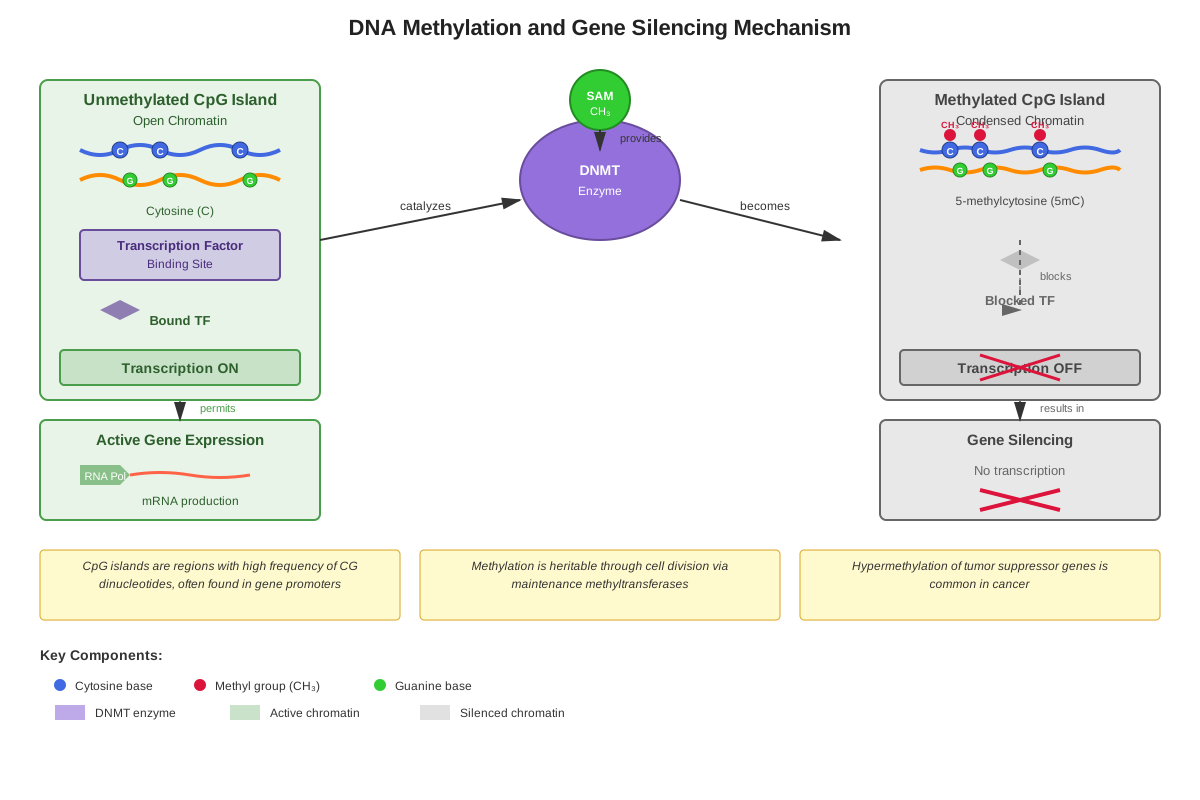
DNA methylation represents the most extensively studied epigenetic modification, involving the addition of a methyl group (CH₃) to cytosine bases in DNA. In mammals, methylation occurs predominantly at CpG dinucleotides—sequences where cytosine is followed by guanine, connected by a phosphodiester bond. These CpG sites are not randomly distributed but cluster in regions called CpG islands, which are found in approximately 60% of human gene promoters.
The enzyme DNA methyltransferase (DNMT) catalyzes the transfer of a methyl group from S-adenosylmethionine (SAM) to the 5-carbon position of cytosine, creating 5-methylcytosine. Three main DNMT enzymes exist in mammals:
- DNMT1: Maintains methylation patterns during DNA replication by recognizing hemimethylated DNA and methylating the newly synthesized strand
- DNMT3A and DNMT3B: Establish new methylation patterns (de novo methylation)
Mechanism of gene silencing by methylation: Methylated DNA can directly interfere with transcription factor binding to promoter regions. Additionally, methylated CpG sites recruit methyl-CpG-binding domain (MBD) proteins, which in turn recruit histone-modifying enzymes and chromatin remodeling complexes that create a repressive chromatin environment. This creates a self-reinforcing cycle: DNA methylation leads to repressive histone modifications, which stabilize the methylated state.
Functional significance: In normal cells, DNA methylation serves several critical functions:
- Silencing of repetitive DNA elements and transposons (preventing genomic instability)
- X-chromosome inactivation in female mammals
- Genomic imprinting (parent-of-origin-specific gene expression)
- Tissue-specific gene silencing during development
Histone Modifications
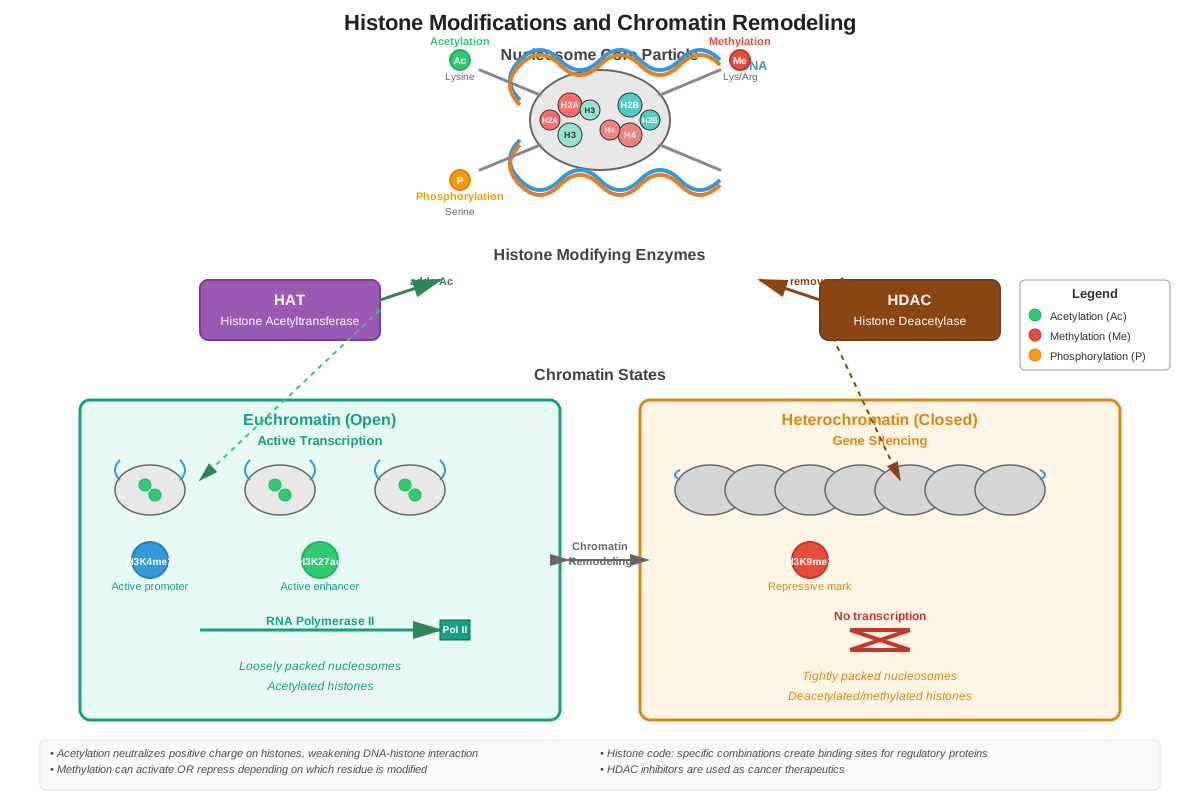
Histones are small, positively charged proteins around which DNA wraps to form nucleosomes—the fundamental units of chromatin structure. Each nucleosome consists of an octamer containing two copies each of histones H2A, H2B, H3, and H4, with approximately 147 base pairs of DNA wrapped around it. The N-terminal "tails" of histones extend outward from the nucleosome core and are subject to numerous post-translational modifications.
| Modification Type | Effect on Chromatin | Effect on Transcription | Key Enzymes |
|---|---|---|---|
| Acetylation | Opens chromatin (euchromatin) | Activates | HATs (histone acetyltransferases), HDACs (histone deacetylases) |
| Methylation | Context-dependent | Activating or repressive depending on site | HMTs (histone methyltransferases), HDMs (histone demethylases) |
| Phosphorylation | Opens chromatin | Generally activating | Kinases, phosphatases |
| Ubiquitination | Variable | Context-dependent | Ubiquitin ligases, deubiquitinases |
Histone acetylation involves adding acetyl groups to lysine residues in histone tails, neutralizing their positive charge and weakening histone-DNA interactions. This creates a more relaxed, open chromatin structure called euchromatin, which is transcriptionally active. Histone acetyltransferases (HATs) add acetyl groups, while histone deacetylases (HDACs) remove them, creating a dynamic regulatory system.
Histone methylation is more complex because its effects depend on which specific lysine or arginine residue is modified and how many methyl groups are added (mono-, di-, or tri-methylation). Key examples include:
- H3K4me3 (trimethylation of lysine 4 on histone H3): Associated with active promoters and gene activation
- H3K9me3 (trimethylation of lysine 9 on histone H3): Associated with heterochromatin and gene silencing
- H3K27me3 (trimethylation of lysine 27 on histone H3): Deposited by Polycomb repressive complexes, marks genes for silencing during development
- H3K36me3 (trimethylation of lysine 36 on histone H3): Found in actively transcribed gene bodies
The Histone Code Hypothesis
The histone code hypothesis proposes that specific combinations of histone modifications create a "code" that is read by cellular proteins to determine chromatin structure and gene expression states. Different modifications can work synergistically or antagonistically, creating complex regulatory patterns. For example, H3K4me3 and histone acetylation often occur together at active promoters, while H3K9me3 and H3K27me3 mark silenced regions.
Chromatin Remodeling
Chromatin remodeling complexes are ATP-dependent molecular machines that physically alter nucleosome positioning, composition, or structure. These complexes use energy from ATP hydrolysis to:
- Slide nucleosomes along DNA
- Eject nucleosomes from DNA
- Replace canonical histones with histone variants
- Alter nucleosome structure
Major chromatin remodeling complex families include SWI/SNF, ISWI, CHD, and INO80 complexes. These complexes work in concert with histone-modifying enzymes to regulate chromatin accessibility and gene expression. For example, the SWI/SNF complex can reposition nucleosomes to expose promoter regions, allowing transcription factor binding and gene activation.
X-Chromosome Inactivation
X-chromosome inactivation (XCI) represents a classic example of epigenetic gene regulation in mammals. Female mammals have two X chromosomes, while males have one X and one Y. To achieve dosage compensation—equalizing X-linked gene expression between sexes—one X chromosome in each female cell is randomly inactivated early in development.
The process involves:
- Expression of Xist (X-inactive specific transcript), a long non-coding RNA, from the X chromosome destined for inactivation
- Xist RNA coating the entire X chromosome from which it's transcribed
- Recruitment of Polycomb repressive complexes that deposit H3K27me3
- DNA methylation of CpG islands in X-linked gene promoters
- Formation of a condensed, inactive structure called a Barr body
Once established, X-inactivation is stably maintained through subsequent cell divisions, creating a mosaic pattern in female tissues where some cells express one X chromosome and other cells express the other.
Genomic Imprinting
Genomic imprinting is an epigenetic phenomenon where certain genes are expressed in a parent-of-origin-specific manner. Imprinted genes are marked with epigenetic modifications (primarily DNA methylation) in the germline, and these marks determine whether the maternal or paternal allele will be expressed in offspring.
Key features of genomic imprinting:
- Affects approximately 100-200 genes in mammals
- Imprinted genes often occur in clusters controlled by imprinting control regions (ICRs)
- Methylation patterns are erased and re-established each generation in the germline
- Disruption of imprinting causes developmental disorders (e.g., Prader-Willi syndrome, Angelman syndrome)
Classic example: The Igf2/H19 locus contains the growth-promoting Igf2 gene and the H19 non-coding RNA. The ICR is methylated on the paternal chromosome, allowing Igf2 expression, while the maternal ICR is unmethylated, blocking Igf2 and allowing H19 expression.
Epigenetics in Development and Differentiation
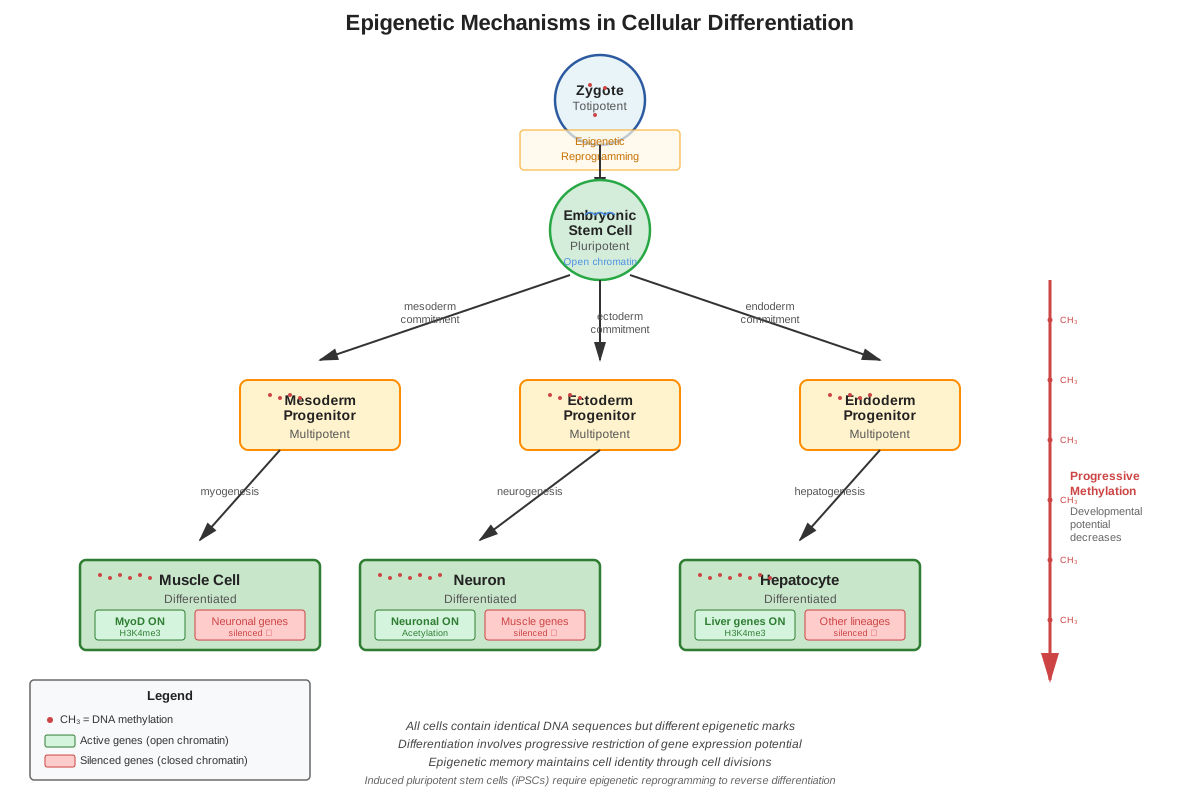
During embryonic development, epigenetic mechanisms orchestrate the progressive restriction of cellular potential. A totipotent zygote gives rise to pluripotent embryonic stem cells, which differentiate into multipotent progenitors, and finally into specialized cell types. This process involves:
- Epigenetic reprogramming: Erasure of most epigenetic marks in early embryos, followed by establishment of new patterns
- Progressive gene silencing: Developmental genes become increasingly methylated and marked with repressive histone modifications as cells differentiate
- Establishment of cellular memory: Epigenetic marks maintain cell-type-specific gene expression patterns through cell divisions
Polycomb group (PcG) proteins and Trithorax group (TrxG) proteins play antagonistic roles in maintaining cellular memory. PcG proteins deposit H3K27me3 marks and maintain gene silencing, while TrxG proteins deposit H3K4me3 marks and maintain gene activation.
Epigenetics and Cancer
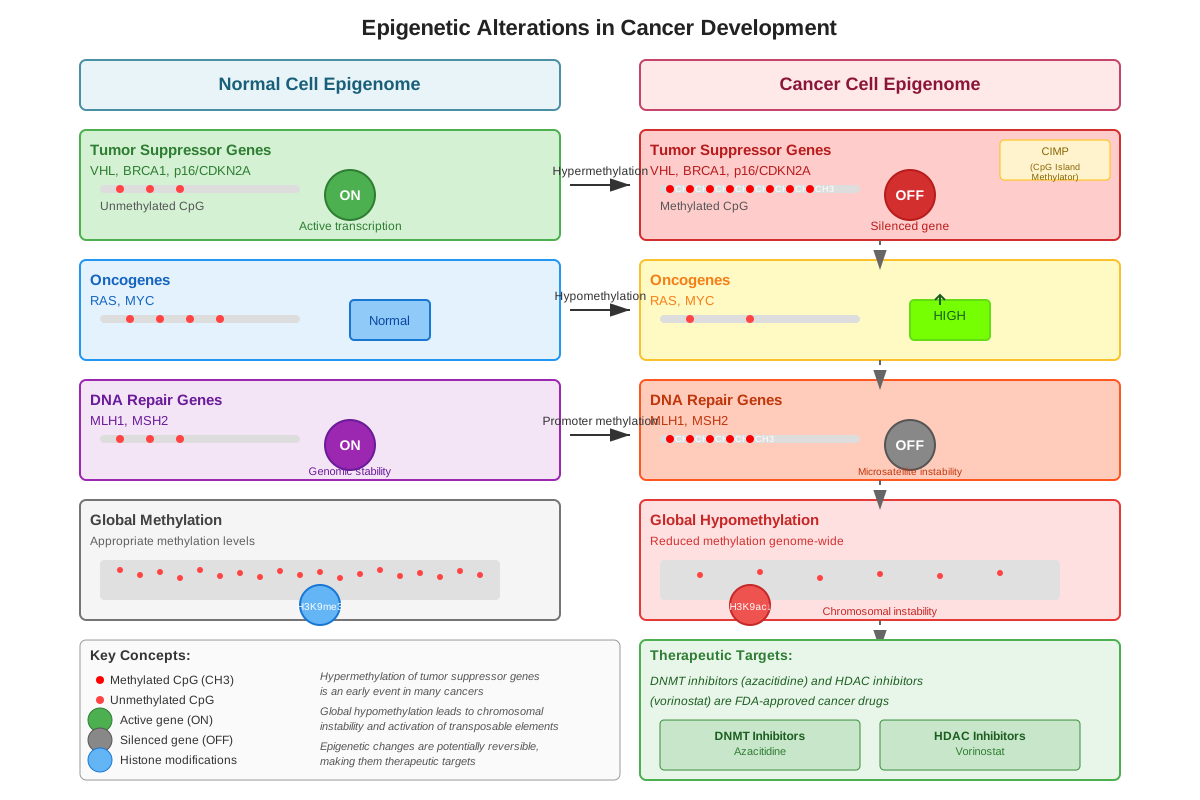
Cancer involves both genetic mutations and epigenetic alterations. Epigenetic changes in cancer include:
- Global hypomethylation: Overall decrease in DNA methylation across the genome, leading to chromosomal instability and activation of normally silenced transposons
- Regional hypermethylation: Increased methylation at CpG islands in tumor suppressor gene promoters, silencing genes like VHL, BRCA1, MLH1, and CDKN2A
- Altered histone modification patterns: Loss of activating marks and gain of repressive marks at tumor suppressor genes
- Mutations in epigenetic regulators: Genes encoding DNMTs, histone modifiers, and chromatin remodelers are frequently mutated in cancer
The CpG island methylator phenotype (CIMP) describes cancers with widespread hypermethylation of CpG islands, particularly common in certain colorectal and brain tumors. This epigenetic silencing can inactivate multiple tumor suppressor genes simultaneously, contributing to cancer progression.
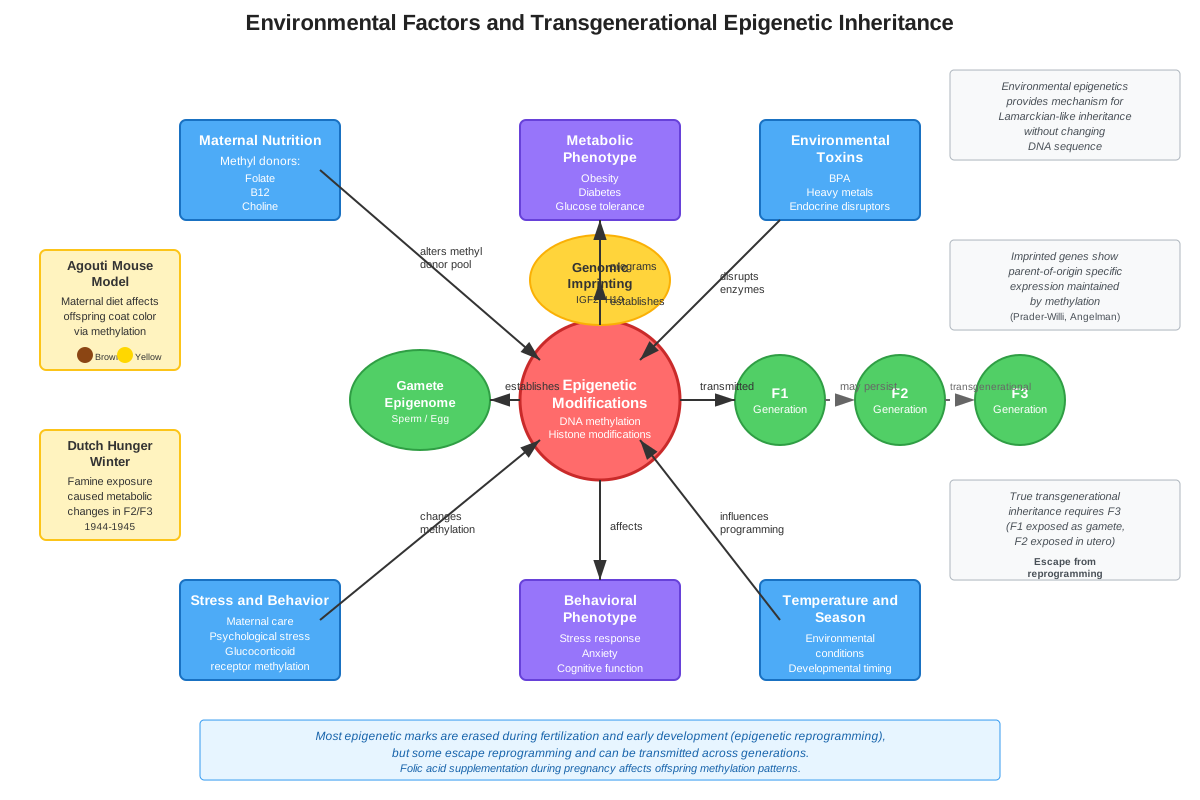
Environmental Epigenetics
Environmental factors can induce epigenetic changes, providing a molecular mechanism for gene-environment interactions. Examples include:
- Nutrition: Folate, vitamin B12, and other methyl donors affect DNA methylation patterns
- Toxins: Heavy metals, air pollutants, and endocrine disruptors alter epigenetic marks
- Stress: Chronic stress changes methylation patterns in stress-response genes
- Exercise: Physical activity modifies epigenetic marks in muscle and other tissues
The developmental origins of health and disease (DOHaD) hypothesis proposes that environmental exposures during critical developmental windows create epigenetic changes that influence disease risk throughout life. The Dutch Hunger Winter studies provide compelling evidence: individuals exposed to famine in utero showed altered methylation patterns at specific genes decades later and had increased rates of metabolic and cardiovascular disease.
Quick check — test yourself on Epigenetics so far.
Try Flashcards →Concept Relationships
Epigenetic mechanisms form an interconnected regulatory network where different modifications reinforce each other. DNA methylation → recruits MBD proteins → which recruit histone deacetylases (HDACs) → leading to histone deacetylation → creating condensed chromatin → resulting in gene silencing. This cascade demonstrates how DNA and histone modifications work synergistically.
The relationship between epigenetics and gene expression is bidirectional: transcription factors can recruit histone-modifying enzymes to specific genomic locations, establishing epigenetic marks that then stabilize the transcriptional state. This creates positive feedback loops that maintain cellular identity.
Epigenetics connects to prerequisite knowledge in multiple ways:
- DNA structure → provides the substrate for methylation and the scaffold for chromatin organization
- Gene expression → is the ultimate target and output of epigenetic regulation
- Cell cycle → is when epigenetic information must be faithfully copied to daughter cells
- Biochemistry → supplies the enzymes and chemical modifications underlying epigenetic mechanisms
Within developmental biology, epigenetic reprogramming → enables cellular differentiation → which establishes tissue-specific gene expression → maintained by epigenetic memory → throughout an organism's lifetime. This linear progression shows how epigenetics bridges molecular mechanisms and organismal development.
The connection to disease pathology follows this path: environmental exposures → alter epigenetic marks → changing gene expression patterns → leading to altered cellular function → potentially causing disease states like cancer, metabolic disorders, or neurological conditions.
High-Yield Facts
⭐ DNA methylation in mammals occurs primarily at CpG dinucleotides and is generally associated with gene silencing
⭐ Histone acetylation neutralizes positive charges on histone tails, loosening chromatin structure and activating transcription
⭐ H3K4me3 marks active promoters, while H3K27me3 marks silenced developmental genes
⭐ CpG islands are GC-rich regions found in ~60% of gene promoters and are normally unmethylated in active genes
⭐ X-chromosome inactivation involves Xist RNA coating one X chromosome, followed by heterochromatin formation and DNA methylation
- DNA methylation patterns are maintained through cell division by DNMT1, which recognizes hemimethylated DNA
- Genomic imprinting results in parent-of-origin-specific gene expression controlled by differential DNA methylation
- Cancer cells often show global hypomethylation combined with regional hypermethylation of tumor suppressor gene promoters
- Histone deacetylase (HDAC) inhibitors are used as cancer therapeutics to reactivate silenced tumor suppressor genes
- Polycomb repressive complexes deposit H3K27me3 marks and maintain gene silencing during development
- Environmental factors during critical developmental windows can create epigenetic changes with lasting health effects
- Chromatin remodeling complexes use ATP to physically alter nucleosome positioning and accessibility
- The histone code hypothesis proposes that combinations of histone modifications create specific regulatory signals
- Epigenetic changes are potentially reversible, unlike DNA sequence mutations
Common Misconceptions
Misconception: Epigenetic changes always involve DNA methylation
Correction: Epigenetics encompasses multiple mechanisms including DNA methylation, histone modifications, chromatin remodeling, and non-coding RNA regulation. Many epigenetic phenomena involve histone modifications without any DNA methylation changes.
Misconception: DNA methylation always occurs at CpG islands
Correction: While CpG islands are important regulatory regions, DNA methylation in mammals occurs at CpG dinucleotides throughout the genome. CpG islands are actually typically unmethylated in active genes, while methylation of CpG islands is associated with gene silencing.
Misconception: All histone methylation has the same effect on gene expression
Correction: The effect of histone methylation depends critically on which specific residue is modified. H3K4me3 activates transcription, while H3K9me3 and H3K27me3 repress transcription. The position and degree of methylation determine the functional outcome.
Misconception: Epigenetic changes acquired during life are always passed to offspring
Correction: Most epigenetic marks are erased during germline development and early embryogenesis. While some evidence exists for transgenerational epigenetic inheritance, it is limited to specific contexts and not a general rule. Mitotic heritability (through cell divisions in one organism) is much more common than transgenerational inheritance.
Misconception: Epigenetic modifications change the DNA sequence
Correction: By definition, epigenetic changes do NOT alter the DNA sequence itself. DNA methylation adds a chemical group to cytosine bases but doesn't change the C-G base pairing or the genetic code. This reversibility distinguishes epigenetic changes from genetic mutations.
Misconception: Histone acetylation and methylation are mutually exclusive
Correction: Histones can carry multiple modifications simultaneously. A single histone tail can be both acetylated and methylated at different residues, and these modifications often work together to regulate gene expression. The "histone code" involves combinations of modifications.
Misconception: Cancer is caused only by genetic mutations, not epigenetic changes
Correction: Epigenetic alterations are now recognized as equally important in cancer development. Hypermethylation of tumor suppressor gene promoters can silence these genes as effectively as genetic mutations, and many cancers show characteristic epigenetic signatures alongside genetic changes.
Worked Examples
Example 1: Interpreting a DNA Methylation Experiment
Question: Researchers treat cancer cells with 5-azacytidine, a DNA methyltransferase inhibitor, and observe that expression of gene X increases 10-fold. Bisulfite sequencing reveals that the promoter of gene X has a CpG island that is heavily methylated in untreated cells but becomes unmethylated after drug treatment. Which of the following best explains these results?
A) Gene X is an oncogene that promotes cancer cell growth
B) Gene X is a tumor suppressor that was epigenetically silenced
C) The drug caused genetic mutations in the gene X promoter
D) Histone acetylation increased at the gene X locus
Analysis:
Let's work through this systematically using our understanding of DNA methylation and cancer epigenetics.
Step 1: Identify what 5-azacytidine does
- It inhibits DNA methyltransferases (DNMTs)
- This prevents maintenance of DNA methylation patterns
- Result: DNA becomes demethylated over cell divisions
Step 2: Analyze the experimental observations
- Gene X expression increases after treatment (was previously low/silent)
- The promoter CpG island was methylated (before) → unmethylated (after)
- Methylation of promoter CpG islands typically silences genes
Step 3: Connect to cancer biology
- In cancer, tumor suppressor genes are often silenced by promoter hypermethylation
- Removing methylation would reactivate a silenced tumor suppressor
- Oncogenes are typically activated in cancer, not silenced
Step 4: Evaluate each answer
- A) Incorrect: If gene X were an oncogene, it would already be active in cancer cells, not silenced
- B) Correct: Gene X was silenced by methylation (epigenetic silencing of tumor suppressor), and removing methylation reactivated it
- C) Incorrect: 5-azacytidine affects epigenetic marks, not DNA sequence; bisulfite sequencing would detect sequence changes
- D) Incorrect: While histone acetylation might also increase, the question asks what "best explains" the results, and the direct mechanism is DNA demethylation
Answer: B
Key learning points:
- DNA methylation at promoter CpG islands silences gene expression
- DNMT inhibitors remove methylation and can reactivate silenced genes
- Tumor suppressor genes are frequently silenced by hypermethylation in cancer
- Epigenetic silencing is reversible, unlike genetic mutations
Example 2: X-Chromosome Inactivation Analysis
Question: A female patient has a mutation in one copy of the G6PD gene on the X chromosome that reduces enzyme activity to 10% of normal. Despite having one normal copy, she shows a mosaic pattern where some cells have normal G6PD activity and others have very low activity. Blood tests show overall G6PD activity at approximately 50% of normal. Which epigenetic mechanism best explains this pattern?
Analysis:
Step 1: Recall X-chromosome inactivation principles
- Females have two X chromosomes; one is randomly inactivated in each cell
- Inactivation occurs early in development and is maintained through cell divisions
- Creates a mosaic pattern where different cells express different X chromosomes
Step 2: Apply to this scenario
- Patient has one normal G6PD allele and one mutant allele
- In cells where the normal X is active: normal G6PD activity
- In cells where the mutant X is active: 10% G6PD activity
- Random inactivation means approximately 50% of cells express each allele
Step 3: Calculate expected overall activity
- 50% of cells with 100% activity = 50% contribution
- 50% of cells with 10% activity = 5% contribution
- Total: 55% activity (approximately 50% as stated)
Step 4: Identify the epigenetic mechanism
- X-chromosome inactivation involves:
- Xist RNA coating the inactive X
- H3K27me3 deposition by Polycomb complexes
- DNA methylation of CpG islands
- Formation of heterochromatin (Barr body)
Answer: X-chromosome inactivation through Xist RNA expression, histone modifications (H3K27me3), and DNA methylation creates the mosaic pattern. The random nature of X-inactivation explains why approximately half the cells express each allele, resulting in intermediate overall enzyme activity.
Key learning points:
- X-inactivation is random, creating cellular mosaicism in females
- The inactive X chromosome is maintained as heterochromatin through multiple epigenetic mechanisms
- Females heterozygous for X-linked mutations show mosaic phenotypes
- Overall phenotype depends on the ratio of cells expressing each allele
- This demonstrates how epigenetic mechanisms (not genetics) determine gene expression patterns
Exam Strategy
Approaching MCAT Epigenetics Questions
For passage-based questions:
- Identify the experimental technique: ChIP-seq (histone modifications), bisulfite sequencing (DNA methylation), or gene expression analysis
- Determine the direction of change: Is methylation/modification increasing or decreasing? Is gene expression going up or down?
- Apply the relationship: More methylation → less expression; more acetylation → more expression
- Consider the biological context: Development, cancer, or environmental response
For discrete questions:
- Recognize trigger words (see below)
- Recall the core principle: Epigenetics = heritable changes WITHOUT DNA sequence changes
- Eliminate answers involving sequence mutations
- Choose answers involving chemical modifications to DNA or histones
Trigger Words and Phrases
Watch for these terms that signal epigenetics content:
- "Without changing the DNA sequence"
- "Heritable changes in gene expression"
- "Chromatin structure" or "chromatin accessibility"
- "CpG island methylation"
- "Histone modifications" or "histone code"
- "X-inactivation" or "Barr body"
- "Genomic imprinting" or "parent-of-origin effects"
- "Cellular differentiation" (often involves epigenetics)
- "Environmental effects on gene expression"
- "Reversible gene silencing"
Process of Elimination Tips
Eliminate answers that:
- Describe changes to DNA sequence (that's genetics, not epigenetics)
- Suggest epigenetic changes are permanent and irreversible
- Claim all methylation activates genes (it usually silences them)
- State that histone modifications don't affect gene expression
- Propose that epigenetic marks are always inherited transgenerationally
Favor answers that:
- Describe chemical modifications to DNA or histones
- Explain gene regulation without sequence changes
- Connect chromatin structure to gene expression
- Recognize context-dependence (e.g., methylation effects depend on location)
- Acknowledge reversibility of epigenetic marks
Time Allocation Advice
Exam Tip: Epigenetics passages often include complex experimental data. Spend 2-3 minutes understanding the experimental design and what each technique measures before attempting questions. Knowing that bisulfite sequencing = methylation and ChIP-seq = histone modifications will save time.
For discrete questions, if you can identify the core principle being tested (usually DNA methylation silences genes or histone acetylation activates genes), you can answer in 30-45 seconds. Don't overthink—the MCAT typically tests fundamental principles rather than obscure details.
Memory Techniques
Mnemonics
"Acetylation Activates" - Remember that histone acetylation neutralizes positive charges and opens chromatin, activating transcription. The alliteration makes this easy to recall.
"Methyl Makes it Mute" - DNA methylation at promoters silences (mutes) gene expression. The "M" connection helps cement this relationship.
"HATs on, HDACs off" - HATs (histone acetyltransferases) turn genes ON; HDACs (histone deacetylases) turn genes OFF. Think of putting a hat on as "activating" your outfit.
"CpG islands are Usually Unmethylated" - Remember CUU (like "cue"). In normal cells, CpG islands at active gene promoters are unmethylated. Methylation of CpG islands is associated with silencing.
Visualization Strategies
The Chromatin Accessibility Model: Visualize DNA wrapped around histones like thread around spools. When histones are acetylated, imagine the thread loosening and becoming accessible. When methylated DNA recruits repressive complexes, imagine the thread being wound tighter and locked down.
The Light Switch Analogy: Think of epigenetic modifications as dimmer switches rather than on/off switches. Genes aren't simply on or off—epigenetic marks fine-tune expression levels. Multiple modifications can work together to set the "brightness" of gene expression.
The Barr Body: Visualize the inactive X chromosome as a tightly packed ball (Barr body) sitting at the nuclear periphery, completely inaccessible. The active X is spread out and accessible throughout the nucleus.
Acronyms
HDAC - Histone Deacetylase Compacts (chromatin)
HAT - Histone Acetyltransferase Activates Transcription
DNMT functions - "1 Maintains, 3 Makes":
- DNMT1 = Maintains existing methylation
- DNMT3 = Makes new methylation (de novo)
Summary
Epigenetics encompasses heritable changes in gene expression that occur without alterations to DNA sequence, primarily through DNA methylation, histone modifications, and chromatin remodeling. DNA methylation at CpG dinucleotides, particularly in promoter CpG islands, generally silences gene expression by recruiting repressive protein complexes and creating condensed chromatin. Histone modifications create a complex regulatory code: acetylation typically activates transcription by opening chromatin, while methylation effects depend on the specific residue modified (H3K4me3 activates, H3K27me3 represses). These mechanisms work synergistically to establish and maintain cell-type-specific gene expression patterns during development, explain phenomena like X-chromosome inactivation and genomic imprinting, and play critical roles in cancer where tumor suppressor genes are often epigenetically silenced. Environmental factors can induce epigenetic changes, providing a molecular link between environment and gene expression. For the MCAT, understanding that epigenetic modifications are reversible, heritable through mitosis, and regulate gene expression without changing DNA sequence is essential for analyzing experimental passages and answering both discrete and passage-based questions.
Key Takeaways
- Epigenetics involves heritable changes in gene expression without DNA sequence alterations, primarily through DNA methylation, histone modifications, and chromatin remodeling
- DNA methylation at promoter CpG islands silences genes by recruiting repressive complexes and creating condensed chromatin; DNMT1 maintains methylation while DNMT3A/B establish new patterns
- Histone acetylation activates transcription by neutralizing positive charges and opening chromatin, while histone methylation effects depend on the specific residue (H3K4me3 = active, H3K27me3 = repressed)
- X-chromosome inactivation and genomic imprinting are classic examples of epigenetic regulation, demonstrating how identical DNA sequences can have different expression states
- Cancer involves both genetic and epigenetic alterations, with tumor suppressor genes frequently silenced by promoter hypermethylation—a potentially reversible change
- Environmental factors can induce epigenetic changes during critical developmental windows, with lasting effects on health and disease risk
- Epigenetic modifications are reversible, distinguishing them from genetic mutations and making them attractive therapeutic targets
Related Topics
Gene Expression and Transcriptional Regulation: Epigenetics provides the mechanistic foundation for understanding how transcription factors and regulatory elements control gene expression. Mastering epigenetics enables deeper comprehension of tissue-specific gene expression and developmental regulation.
Cancer Biology: Epigenetic alterations are now recognized as hallmarks of cancer alongside genetic mutations. Understanding epigenetic silencing of tumor suppressor genes and the therapeutic potential of epigenetic drugs builds on foundational epigenetics knowledge.
Developmental Biology: Cellular differentiation and embryonic development rely heavily on epigenetic mechanisms to establish and maintain cell-type-specific gene expression patterns. Epigenetics explains how one genome produces hundreds of cell types.
Genetics and Inheritance: While classical genetics focuses on DNA sequence inheritance, epigenetics adds a layer of complexity by explaining non-Mendelian inheritance patterns, parent-of-origin effects, and gene-environment interactions.
Molecular Techniques: Understanding ChIP-seq, bisulfite sequencing, and other epigenomic techniques requires foundational knowledge of epigenetic modifications and what they measure.
Practice CTA
Now that you've mastered the core concepts of epigenetics, it's time to reinforce your understanding through active practice. Work through the practice questions to test your ability to apply epigenetic principles to MCAT-style scenarios, and use the flashcards to cement high-yield facts in your memory. Remember, epigenetics frequently appears in passage-based questions requiring data interpretation—the more you practice analyzing experimental results, the more confident you'll become. You've built a strong foundation; now strengthen it through deliberate practice. Your understanding of how genes are regulated without sequence changes will serve you well across multiple MCAT topics!
Sign up free to keep reading
Create a free AnvayaPrep account to finish this MCAT guide on Epigenetics — plus flashcards and practice questions.