Overview
Mutations are permanent, heritable changes in the DNA sequence of an organism's genome. These alterations represent the fundamental source of genetic variation in populations and serve as the raw material for evolution. In the context of Molecular Biology and Genetics, mutations can range from single nucleotide changes affecting a single base pair to large-scale chromosomal rearrangements involving thousands or millions of base pairs. Understanding mutations is essential for comprehending how genetic information is maintained, altered, and transmitted across generations, as well as how errors in DNA replication, repair, or recombination can lead to phenotypic consequences ranging from benign polymorphisms to lethal diseases.
For the MCAT, mutations represent a medium-difficulty, medium-importance topic that frequently appears in both passage-based and discrete questions within the Biology section. The exam tests not only the classification and mechanisms of different mutation types but also the ability to predict their effects on protein structure and function, understand their role in disease pathogenesis, and connect them to broader concepts in genetics, evolution, and molecular biology. Questions often require integration of knowledge about DNA structure, the genetic code, protein synthesis, and gene regulation.
Mutations Biology connects intimately with numerous other high-yield MCAT topics including DNA replication and repair mechanisms, transcription and translation, protein structure and function, cancer biology, evolutionary biology, and population genetics. A solid understanding of mutations provides the foundation for comprehending how genetic diseases arise, how cancer develops through accumulated mutations, how organisms adapt to environmental pressures, and how genetic diversity is generated and maintained in populations. This topic bridges molecular-level processes with organism-level and population-level phenomena, making it a critical integrative concept for the exam.
Learning Objectives
- [ ] Define mutations using accurate Biology terminology and classify them by type and scale
- [ ] Explain why mutations matter for the MCAT and identify their clinical significance
- [ ] Apply knowledge of mutations to exam-style questions involving genetic scenarios
- [ ] Identify common mistakes related to mutations and their predicted effects
- [ ] Connect mutations to related Biology concepts including DNA replication, protein synthesis, and evolution
- [ ] Predict the molecular and phenotypic consequences of different mutation types
- [ ] Distinguish between germline and somatic mutations and their inheritance patterns
- [ ] Analyze the relationship between mutation location and functional impact
- [ ] Evaluate the role of mutations in cancer development and genetic disease
Prerequisites
- DNA structure and base pairing rules: Essential for understanding how changes in nucleotide sequence affect complementary base pairing and DNA stability
- The genetic code and codon table: Required to predict how nucleotide changes affect amino acid sequences and protein function
- Transcription and translation mechanisms: Necessary to trace how DNA mutations are expressed through RNA and protein synthesis
- Protein structure levels: Needed to understand how amino acid changes affect protein folding and function
- Cell cycle and mitosis/meiosis: Important for distinguishing when and how mutations are transmitted to daughter cells or offspring
- Basic Mendelian genetics: Provides context for understanding inheritance patterns of mutations
Why This Topic Matters
Mutations have profound clinical significance as the underlying cause of thousands of genetic diseases, including sickle cell anemia, cystic fibrosis, Duchenne muscular dystrophy, and Huntington's disease. They also represent the primary mechanism by which cancer develops, with oncogenes and tumor suppressor genes accumulating mutations that drive uncontrolled cell proliferation. Understanding mutations is essential for medical professionals to comprehend disease etiology, genetic counseling, personalized medicine approaches, and emerging gene therapy treatments. The topic also has evolutionary significance, as mutations provide the genetic variation upon which natural selection acts.
On the MCAT, mutations appear in approximately 3-5% of Biology questions, making them a medium-yield topic that nonetheless appears consistently across exam administrations. Questions typically fall into several categories: (1) classification questions asking students to identify mutation types from descriptions, (2) prediction questions requiring students to determine the effect of a specific mutation on protein function, (3) passage-based questions integrating mutations with experimental genetics or disease mechanisms, and (4) evolutionary biology questions connecting mutations to population genetics concepts. The topic frequently appears in passages about genetic diseases, cancer biology, biotechnology applications, or evolutionary studies.
Common exam presentations include passages describing a novel genetic disease with a specific mutation, experimental studies investigating mutation rates or repair mechanisms, cancer biology passages discussing oncogene activation or tumor suppressor inactivation, and evolutionary biology passages examining mutation accumulation in populations. Discrete questions often present a DNA or mRNA sequence and ask students to predict the consequence of a specific nucleotide change, or describe a phenotype and ask students to identify the most likely mutation type.
Core Concepts
Definition and Classification of Mutations
Mutations are permanent alterations in the nucleotide sequence of DNA that can be inherited by daughter cells or offspring. These changes can occur spontaneously through errors in DNA replication or be induced by environmental factors called mutagens, including radiation, chemicals, and certain viruses. Mutations are classified by several criteria: their scale (point mutations vs. chromosomal mutations), their effect on protein sequence (silent, missense, nonsense, frameshift), and their location (germline vs. somatic).
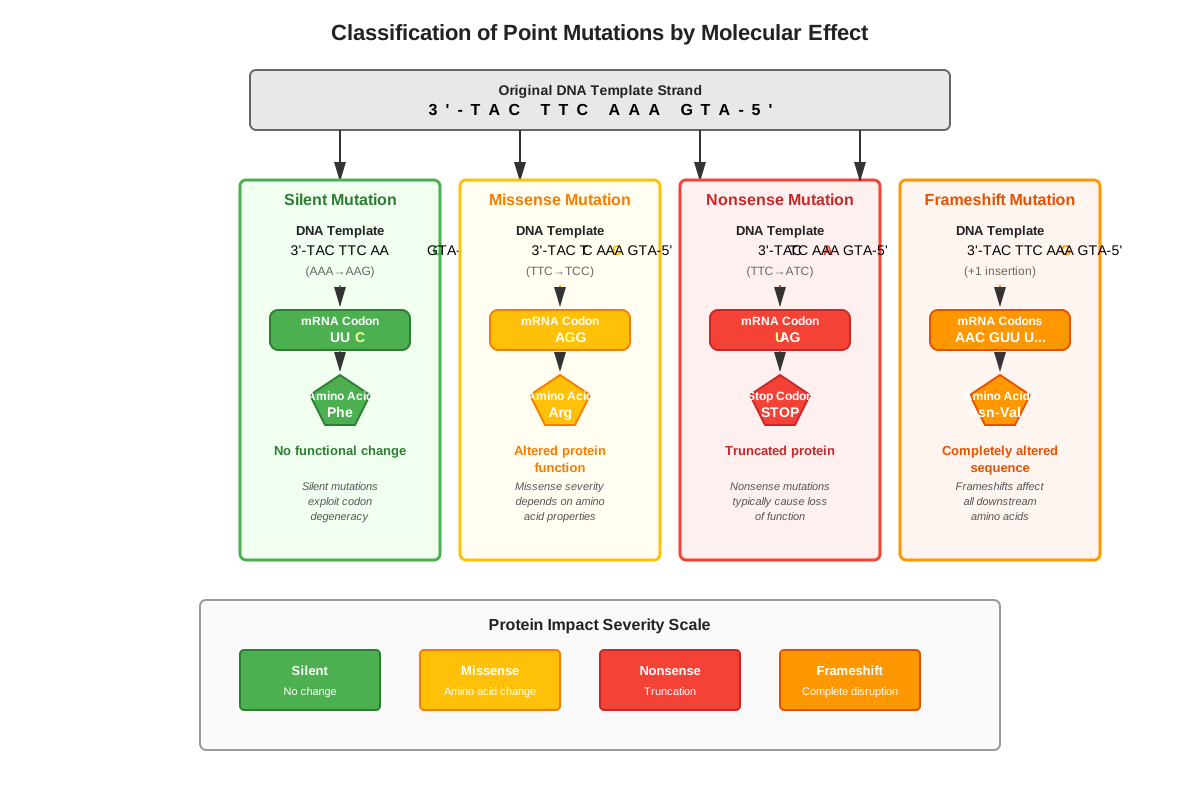
Point mutations affect a single nucleotide base pair and represent the smallest scale of genetic change. These include base substitutions (also called substitution mutations), where one nucleotide is replaced by another. Base substitutions are further divided into transitions (purine to purine or pyrimidine to pyrimidine, such as A↔G or C↔T) and transversions (purine to pyrimidine or vice versa, such as A↔C, A↔T, G↔C, or G↔T). Transitions are more common than transversions because they involve chemically similar bases and are less likely to be detected by DNA repair mechanisms.
Insertion mutations and deletion mutations involve the addition or removal of nucleotide base pairs, respectively. These are collectively called indel mutations. When insertions or deletions involve numbers of nucleotides that are not multiples of three, they cause frameshift mutations, which alter the reading frame of the genetic code downstream of the mutation site, typically resulting in completely different amino acid sequences and premature stop codons.
Effects of Mutations on Protein Sequence
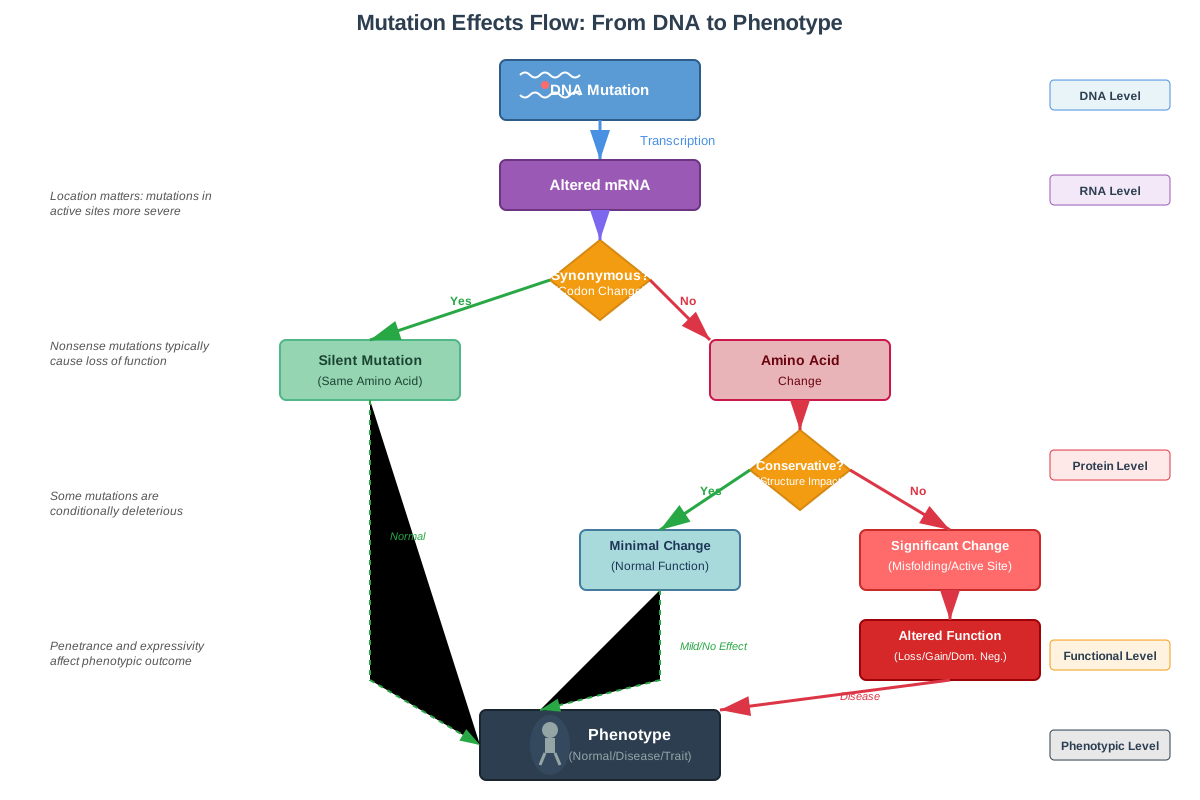
The functional consequence of a mutation depends critically on its location and the nature of the nucleotide change. Silent mutations (also called synonymous mutations) change a codon but do not alter the amino acid sequence due to the degeneracy of the genetic code. For example, a mutation changing CAA to CAG both code for glutamine, resulting in no change to the protein. These mutations typically have minimal phenotypic effects, though they can occasionally affect mRNA stability, splicing, or translation efficiency.
Missense mutations (also called nonsynonymous mutations) change a codon to specify a different amino acid. The functional impact varies dramatically depending on the chemical similarity of the original and substituted amino acids and the location within the protein. Conservative substitutions replace an amino acid with one of similar chemical properties (e.g., leucine to isoleucine, both nonpolar), often preserving protein function. Nonconservative substitutions replace an amino acid with one of different properties (e.g., glutamic acid to valine in sickle cell anemia, replacing acidic with nonpolar), frequently disrupting protein structure and function.
Nonsense mutations change a codon that normally specifies an amino acid into a stop codon (UAA, UAG, or UGA), resulting in premature termination of translation. This produces a truncated protein that is usually nonfunctional. The severity depends on the location: nonsense mutations near the C-terminus may have minimal effects, while those near the N-terminus typically eliminate protein function entirely. Nonsense mutations are responsible for many genetic diseases, including certain forms of Duchenne muscular dystrophy and cystic fibrosis.
Frameshift mutations result from insertions or deletions that are not multiples of three nucleotides, shifting the reading frame for all downstream codons. This typically produces a completely altered amino acid sequence after the mutation site and usually introduces a premature stop codon. Frameshift mutations generally have severe consequences because they affect large portions of the protein. For example, certain cystic fibrosis mutations involve frameshifts that produce nonfunctional CFTR protein.
Chromosomal Mutations
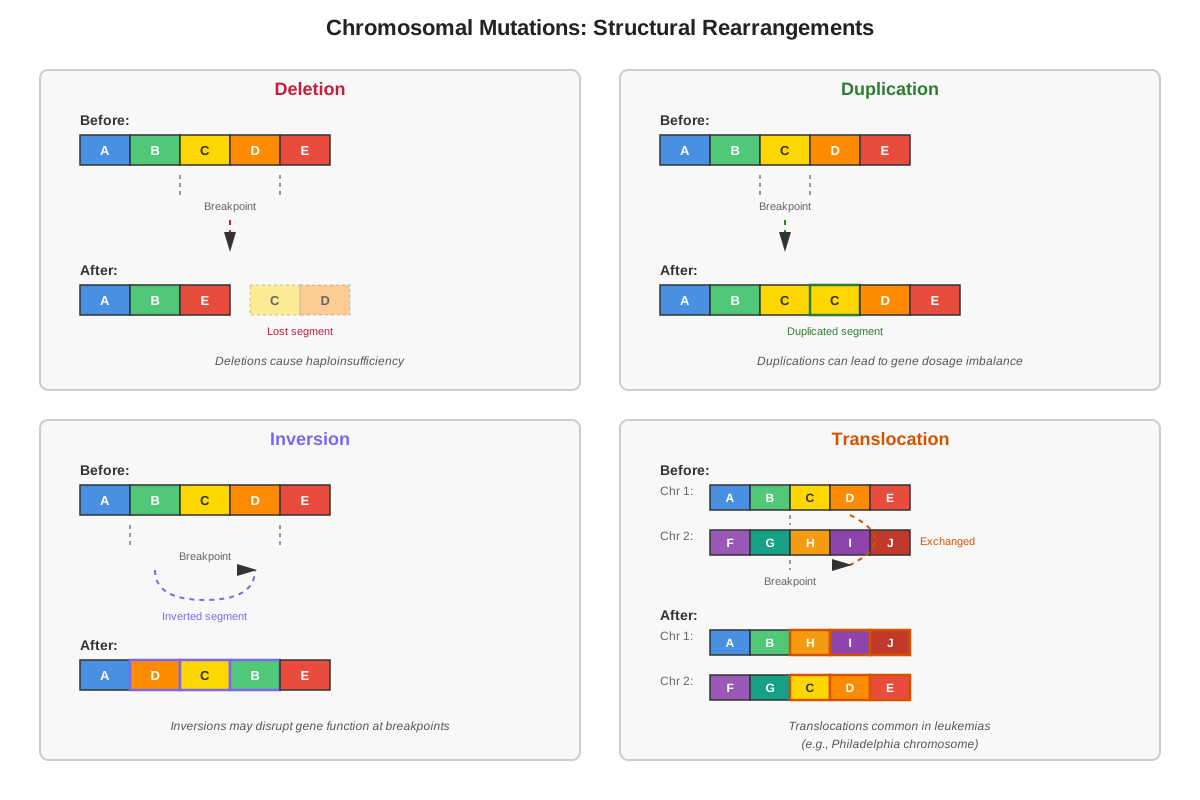
Large-scale chromosomal mutations (also called chromosomal aberrations) involve changes to chromosome structure or number. Deletions remove a segment of a chromosome, potentially eliminating multiple genes. Duplications create extra copies of chromosomal segments, increasing gene dosage. Inversions reverse the orientation of a chromosomal segment, which can disrupt genes at breakpoints or affect gene regulation. Translocations move a chromosomal segment to a different chromosome, potentially creating fusion genes or altering gene expression patterns.
The Philadelphia chromosome, resulting from a translocation between chromosomes 9 and 22, creates the BCR-ABL fusion gene that drives chronic myelogenous leukemia (CML). This exemplifies how chromosomal mutations can cause disease through novel gene products. Chromosomal mutations can also affect chromosome number: aneuploidy refers to abnormal numbers of individual chromosomes (e.g., trisomy 21 in Down syndrome), while polyploidy refers to complete extra sets of chromosomes.
Germline vs. Somatic Mutations
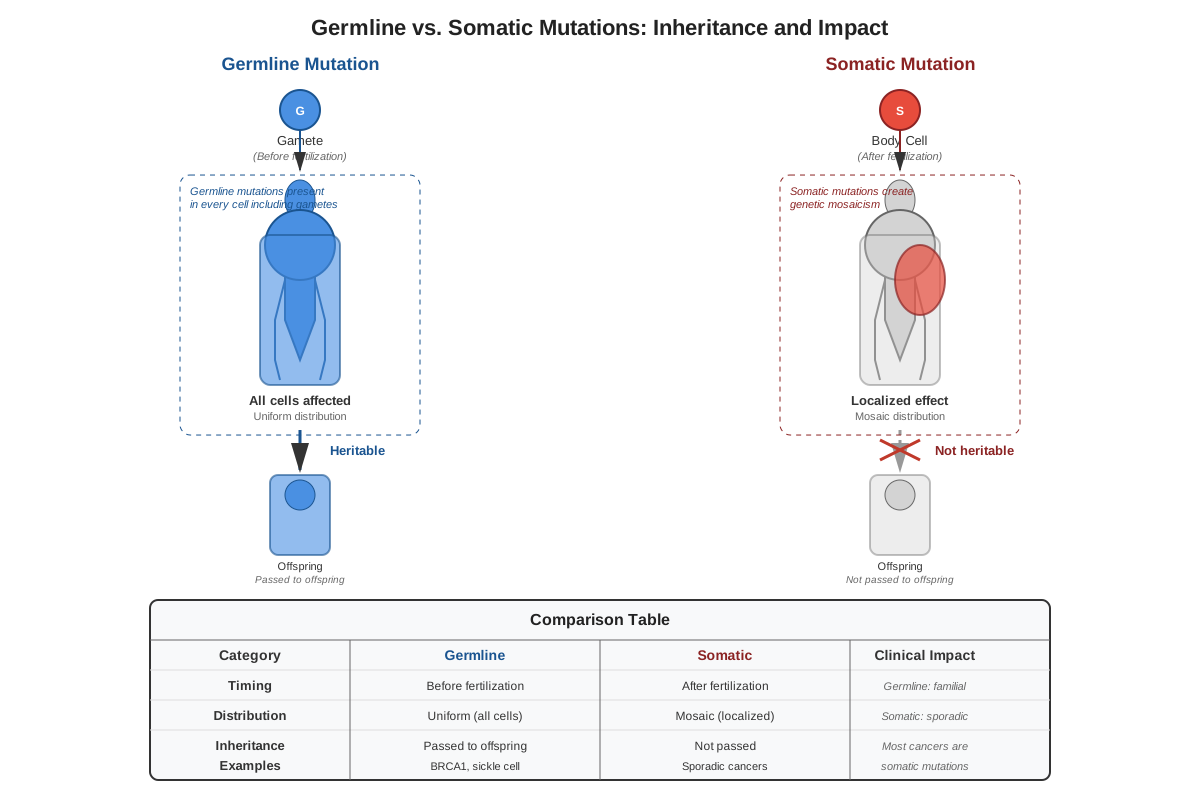
Germline mutations occur in gametes (sperm or egg cells) or their precursors and can be transmitted to offspring, affecting every cell in the next generation. These mutations are heritable and contribute to evolutionary change and inherited genetic diseases. Examples include mutations causing Huntington's disease, sickle cell anemia, and hemophilia. Germline mutations may be present in all cells of an individual if inherited from a parent, or may arise de novo during gametogenesis.
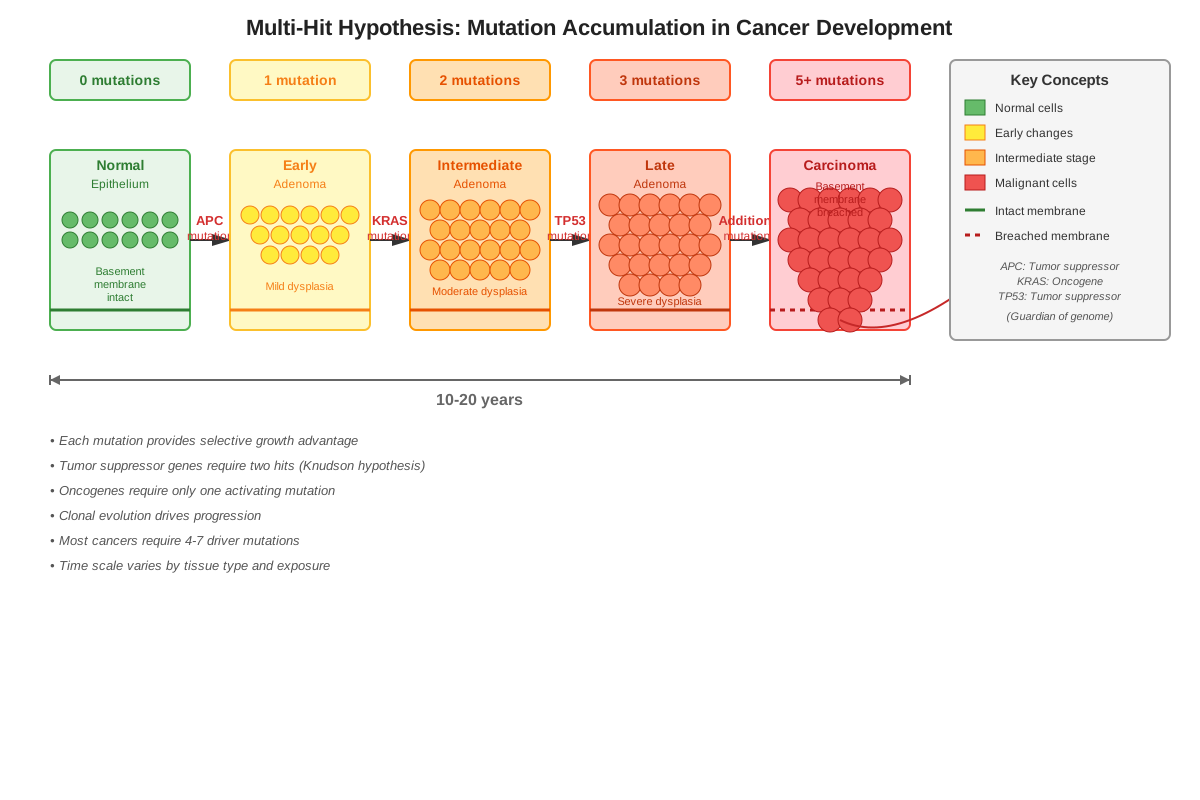
Somatic mutations occur in non-reproductive cells and affect only the individual in which they arise, not being transmitted to offspring. These mutations can be passed to daughter cells through mitosis, creating clones of mutated cells. Somatic mutations accumulate throughout life and are the primary mechanism of cancer development. Most cancers require multiple somatic mutations in oncogenes and tumor suppressor genes within the same cell lineage. Somatic mutations also contribute to aging and some non-cancerous diseases.
Mutation Rates and Spontaneous Mutations
Spontaneous mutation rates vary by organism and gene but are generally very low, typically 10^-9 to 10^-10 mutations per base pair per cell division in humans due to highly accurate DNA replication machinery and extensive repair mechanisms. However, given the large genome size (approximately 3 billion base pairs) and numerous cell divisions, each human carries dozens of new mutations not present in either parent.
Spontaneous mutations arise from several mechanisms: (1) tautomeric shifts, where bases temporarily adopt rare structural forms that pair incorrectly during replication; (2) depurination, the spontaneous loss of purine bases creating abasic sites; (3) deamination, particularly of cytosine to uracil, which pairs with adenine instead of guanine; and (4) replication errors that escape proofreading mechanisms. Induced mutations result from exposure to mutagens including ionizing radiation (causing double-strand breaks), UV radiation (causing thymine dimers), and chemical mutagens like alkylating agents and base analogs.
Mutation Effects: A Summary Table
| Mutation Type | Mechanism | Effect on Protein | Example |
|---|---|---|---|
| Silent | Base substitution | No change in amino acid | CAA → CAG (both Gln) |
| Missense | Base substitution | Different amino acid | GAA → GUA (Glu → Val, sickle cell) |
| Nonsense | Base substitution | Premature stop codon | UAC → UAA (Tyr → Stop) |
| Frameshift | Insertion/deletion (not multiple of 3) | Altered reading frame, usually premature stop | Deletion of 1 bp shifts all downstream codons |
| Insertion (in-frame) | Insertion (multiple of 3) | Extra amino acid(s) | Addition of 3 bp adds one amino acid |
| Deletion (in-frame) | Deletion (multiple of 3) | Missing amino acid(s) | ΔF508 in cystic fibrosis |
Concept Relationships
The concepts within mutations are hierarchically organized and interconnected. At the foundation, point mutations (base substitutions, insertions, deletions) represent the smallest unit of genetic change. These point mutations lead to different functional outcomes depending on their specific nature: silent mutations have no effect on protein sequence, missense mutations change one amino acid, nonsense mutations create premature stop codons, and frameshift mutations alter the entire downstream reading frame. The severity of phenotypic effects generally increases in the order: silent < conservative missense < nonconservative missense < nonsense < frameshift, though exceptions exist.
Chromosomal mutations represent a larger scale of genetic change and can affect multiple genes simultaneously. These connect to point mutations through the concept that both represent permanent DNA sequence alterations, but chromosomal mutations involve structural changes visible at the cytogenetic level. The distinction between germline and somatic mutations cuts across all mutation types, determining whether mutations are heritable and affect evolution (germline) or are limited to the individual and primarily relevant to cancer (somatic).
Mutations connect to prerequisite topics through multiple pathways: DNA structure → mutations alter base pairing and sequence; genetic code → determines how nucleotide changes affect amino acids; transcription/translation → pathway through which mutations are expressed phenotypically; protein structure → determines functional consequences of amino acid changes. The relationship flows: DNA mutation → altered mRNA (if transcribed) → altered protein (if translated) → altered protein function → phenotypic consequence.
Mutations also connect forward to related topics: cancer biology (accumulated somatic mutations in oncogenes and tumor suppressors), evolution (mutations provide variation for natural selection), population genetics (mutation rates affect allele frequencies), DNA repair mechanisms (prevent or correct mutations), and biotechnology (site-directed mutagenesis creates desired mutations). The conceptual map flows: Mutation generation → DNA repair (may correct) → Persistence in genome → Expression through central dogma → Phenotypic effect → Selection pressure → Evolutionary change.
Quick check — test yourself on Mutations so far.
Try Flashcards →High-Yield Facts
⭐ Silent mutations do not change the amino acid sequence due to genetic code degeneracy, with most occurring at the third codon position (wobble position).
⭐ Frameshift mutations caused by insertions or deletions not divisible by three typically have more severe effects than point substitutions because they alter all downstream amino acids.
⭐ Nonsense mutations create premature stop codons (UAA, UAG, UGA), producing truncated proteins that are usually nonfunctional.
⭐ Transitions (purine↔purine or pyrimidine↔pyrimidine) are more common than transversions (purine↔pyrimidine) because they involve chemically similar bases.
⭐ Germline mutations are heritable and present in all body cells if inherited, while somatic mutations affect only the individual and are not passed to offspring.
- Missense mutations can be conservative (similar amino acid) or nonconservative (different properties), with nonconservative changes more likely to affect function.
- The sickle cell mutation (GAA→GUA, Glu→Val at position 6 of β-globin) is a classic example of a nonconservative missense mutation causing disease.
- Spontaneous mutation rates in humans are approximately 10^-9 to 10^-10 per base pair per cell division, but each person carries ~60 new mutations not present in parents.
- Depurination (loss of adenine or guanine) occurs thousands of times per day per cell and must be repaired to prevent mutations.
- UV radiation causes thymine dimers (covalent bonds between adjacent thymines), which can lead to mutations if not repaired before replication.
- Tautomeric shifts cause temporary changes in base pairing properties, leading to incorporation of incorrect nucleotides during replication.
- In-frame insertions or deletions (multiples of three nucleotides) add or remove amino acids without shifting the reading frame, often having less severe effects than frameshifts.
- The Philadelphia chromosome t(9;22) translocation creates the BCR-ABL fusion gene, demonstrating how chromosomal mutations can cause cancer.
- Aneuploidy (abnormal chromosome number) results from nondisjunction during meiosis, as seen in Down syndrome (trisomy 21).
- Induced mutations from mutagens like alkylating agents, base analogs, and intercalating agents increase mutation rates above spontaneous levels.
Common Misconceptions
Misconception: All mutations are harmful and cause disease.
Correction: Most mutations are neutral (having no significant effect on fitness), some are beneficial (providing adaptive advantages), and only a minority are deleterious. Silent mutations and many missense mutations have no phenotypic effect. Mutations are the source of genetic variation essential for evolution.
Misconception: Frameshift mutations always affect the entire protein from the mutation site onward.
Correction: While frameshifts alter all downstream codons, they typically introduce a premature stop codon relatively quickly, resulting in a truncated protein rather than a full-length protein with all amino acids changed. The severity depends on where the frameshift occurs and where the first in-frame stop codon appears.
Misconception: Silent mutations never have any effect because the amino acid doesn't change.
Correction: While silent mutations don't change the amino acid sequence, they can affect mRNA stability, splicing efficiency, translation rate, or codon usage optimization. Some silent mutations have been shown to affect protein folding kinetics by altering translation speed, leading to functional differences despite identical amino acid sequences.
Misconception: Nonsense mutations always occur at the third position of a codon.
Correction: Nonsense mutations can occur at any codon position. For example, UAC (Tyr) can become UAA (stop) by changing the third position, but CAG (Gln) can become UAG (stop) by changing the first position. The position depends on the original codon and the specific nucleotide change.
Misconception: Somatic mutations cannot cause inherited diseases, so they are less important than germline mutations.
Correction: While somatic mutations are not inherited by offspring, they are critically important as the primary cause of cancer and contribute to aging. A single individual may develop cancer from somatic mutations even with no family history. Somatic mutations affect the individual's health significantly, even though they don't affect future generations.
Misconception: Insertions and deletions always cause frameshifts.
Correction: Only insertions or deletions involving numbers of nucleotides that are NOT multiples of three cause frameshifts. Insertions or deletions of 3, 6, 9, etc. nucleotides are "in-frame" and add or remove amino acids without shifting the reading frame. The ΔF508 mutation in cystic fibrosis (deletion of 3 nucleotides) removes one phenylalanine without causing a frameshift.
Misconception: Mutations occur more frequently in coding regions than non-coding regions.
Correction: Mutations occur randomly throughout the genome at similar rates. However, mutations in coding regions are more likely to be detected and studied because they often have phenotypic effects. Most of the genome is non-coding, so most mutations actually occur in non-coding regions, though these are less likely to affect phenotype.
Misconception: All missense mutations that change amino acids will significantly affect protein function.
Correction: The functional impact of missense mutations varies enormously. Conservative substitutions (e.g., leucine to isoleucine) often have minimal effects, especially if they occur in non-critical regions of the protein. Many missense mutations are neutral polymorphisms with no functional consequence. Location and chemical similarity determine impact.
Worked Examples
Example 1: Predicting Mutation Effects
Question: A researcher identifies a mutation in the gene encoding a critical enzyme. The normal DNA sequence (template strand) is 3'-TAC-GCA-TTC-AAA-5', and the mutant sequence is 3'-TAC-GCA-ATC-AAA-5'. What type of mutation is this, what is the effect on the amino acid sequence, and what is the likely functional consequence?
Solution:
Step 1: Identify the mutation type by comparing sequences.
- Normal: 3'-TAC-GCA-TTC-AAA-5'
- Mutant: 3'-TAC-GCA-ATC-AAA-5'
- The third codon changed from TTC to ATC (T→A substitution)
- This is a point mutation, specifically a base substitution
Step 2: Determine the mRNA sequences (complementary and antiparallel to template strand).
- Normal mRNA: 5'-AUG-CGU-AAG-UUU-3'
- Mutant mRNA: 5'-AUG-CGU-UAG-UUU-3'
Step 3: Translate to amino acid sequences using the genetic code.
- Normal: Met-Arg-Lys-Phe
- Mutant: Met-Arg-STOP
- The third codon changed from AAG (Lys) to UAG (stop codon)
Step 4: Classify the specific mutation type.
- This is a nonsense mutation because it creates a premature stop codon
Step 5: Predict functional consequences.
- The protein will be truncated, containing only 2 amino acids instead of 4 (or more if the sequence continues)
- A protein missing most of its sequence will almost certainly be nonfunctional
- This would likely result in a loss-of-function phenotype
- If this enzyme is essential, the organism might not be viable (lethal mutation)
- If the organism is diploid and heterozygous, it might show haploinsufficiency or be a carrier
Key Concept Connection: This example demonstrates how a single nucleotide change can have severe consequences by creating a stop codon, illustrating why nonsense mutations are generally more deleterious than missense mutations.
Example 2: Frameshift vs. In-Frame Mutations
Question: Two patients with the same genetic disease have different mutations in the same gene. Patient A has a deletion of nucleotides 45-47 (3 nucleotides), while Patient B has a deletion of nucleotide 45 only (1 nucleotide). Both deletions occur in the middle of the coding sequence. Which patient is likely to have more severe symptoms, and why?
Solution:
Step 1: Classify Patient A's mutation.
- Deletion of 3 nucleotides (45-47)
- 3 is divisible by 3, so this is an in-frame deletion
- Effect: Removes exactly one amino acid from the protein
- The reading frame is maintained for all downstream codons
Step 2: Classify Patient B's mutation.
- Deletion of 1 nucleotide (45)
- 1 is not divisible by 3, so this is a frameshift mutation
- Effect: Shifts the reading frame for all codons after position 45
- All downstream amino acids will be different from the normal protein
- Likely introduces a premature stop codon
Step 3: Compare functional consequences.
- Patient A: Missing one amino acid, but the rest of the protein is normal
- Functional impact depends on the importance of that specific amino acid
- Protein may retain partial or full function if the deleted amino acid is not critical
- Example: ΔF508 in CFTR causes cystic fibrosis but protein retains some function
- Patient B: Completely altered protein sequence after the deletion
- All amino acids downstream are changed
- Premature stop codon likely produces truncated protein
- Protein almost certainly nonfunctional
- More severe loss of function
Step 4: Predict relative severity.
- Patient B will likely have more severe symptoms because frameshift mutations typically have more dramatic effects than in-frame deletions
- Patient A might have mild to moderate symptoms depending on the deleted amino acid's role
- Patient B will have symptoms consistent with complete loss of protein function
Key Concept Connection: This example illustrates the critical importance of reading frame maintenance and why the number of nucleotides inserted or deleted (whether divisible by 3) determines mutation severity. It also shows how different mutations in the same gene can produce different phenotypic severities.
Exam Strategy
When approaching MCAT questions about mutations, begin by carefully identifying what type of mutation is described or shown. Look for key trigger words: "substitution" or "point mutation" indicates a single base change; "insertion" or "deletion" requires you to count nucleotides to determine if it's a frameshift (not divisible by 3) or in-frame (divisible by 3); "nonsense" means a stop codon is created; "missense" means an amino acid change; "silent" means no amino acid change.
For questions providing DNA or mRNA sequences, systematically work through the central dogma: DNA template strand → mRNA (complementary and antiparallel) → amino acid sequence (using genetic code). Write out the sequences if time permits, as visual comparison reduces errors. Pay special attention to directionality (5' to 3') and whether you're given the template or coding strand. Remember that mRNA is complementary to the template strand and identical to the coding strand (except U for T).
When predicting mutation effects, use a hierarchical approach to severity: silent < conservative missense < nonconservative missense < in-frame indel < nonsense < frameshift. However, always consider context—a silent mutation in a splice site could be more severe than a conservative missense mutation in a non-critical region. Location matters: mutations near the N-terminus typically have greater effects than those near the C-terminus, and mutations in active sites or binding domains are more consequential than those in flexible loops.
For process-of-elimination, remember that frameshift mutations almost always have severe effects, so answer choices suggesting "mild" or "no effect" for frameshifts are usually incorrect. Conversely, be skeptical of answer choices claiming that all silent mutations have no effect whatsoever. Watch for questions that test the distinction between germline and somatic mutations—if the question asks about inheritance or evolution, germline is relevant; if it asks about cancer or individual disease, somatic mutations are key.
Time allocation for mutation questions should be approximately 1-1.5 minutes for discrete questions and 1.5-2 minutes for passage-based questions. If a question requires translating sequences, budget extra time but recognize that you may not need to translate the entire sequence—often just the affected codon and surrounding context is sufficient. For questions about mutation mechanisms or causes, quickly recall the major categories: spontaneous (replication errors, depurination, deamination, tautomeric shifts) vs. induced (radiation, chemical mutagens).
Memory Techniques
Mnemonic for mutation types by severity (least to most severe):
"Silent Students Make No Fuss"
- Silent
- Substitution (conservative missense)
- Missense (nonconservative)
- Nonsense
- Frameshift
Mnemonic for stop codons (nonsense mutations create these):
"U Are Annoying, U Are Gross, U Go Away"
- UAA = U Are Annoying
- UAG = U Are Gross
- UGA = U Go Away
Visualization for frameshift mutations: Imagine reading a sentence where spaces are removed after a certain point: "THE CAT ATE THE RAT" becomes "THE CAT EAT HER AT" if you delete one letter and continue reading in three-letter groups. The entire meaning is lost downstream of the deletion, just as frameshift mutations alter all downstream amino acids.
Acronym for spontaneous mutation causes:
"DART"
- Depurination
- Abnormal tautomers (tautomeric shifts)
- Replication errors
- Transitions (deamination of cytosine)
Memory aid for germline vs. somatic:
- Germline = Germ cells = Gametes = Generations (passed to offspring)
- Somatic = Self only = Single individual = Somatically confined
Conceptual anchor for transition vs. transversion:
- TranSItion = SImilar bases (purine to purine, pyrimidine to pyrimidine) = more common
- TranSVERsion = SVERe change (purine to pyrimidine or vice versa) = less common
Summary
Mutations are permanent, heritable changes in DNA sequence that range from single nucleotide substitutions to large chromosomal rearrangements. Point mutations include silent mutations (no amino acid change), missense mutations (different amino acid), nonsense mutations (premature stop codon), and frameshift mutations (altered reading frame from indels not divisible by three). The functional impact depends on mutation type, location, and whether amino acid changes are conservative or nonconservative. Germline mutations occur in gametes and are heritable, while somatic mutations occur in body cells and are not passed to offspring but can cause cancer. Mutations arise spontaneously from replication errors, depurination, deamination, and tautomeric shifts, or can be induced by mutagens including radiation and chemicals. Understanding mutations requires integrating knowledge of DNA structure, the genetic code, and protein synthesis to predict phenotypic consequences. For the MCAT, students must be able to classify mutations, predict their effects on protein structure and function, distinguish between germline and somatic mutations, and connect mutations to broader concepts in genetics, evolution, and disease.
Key Takeaways
- Mutations are permanent DNA sequence changes classified by scale (point vs. chromosomal), effect (silent, missense, nonsense, frameshift), and location (germline vs. somatic)
- Frameshift mutations from insertions/deletions not divisible by three typically have more severe effects than point substitutions because they alter all downstream amino acids
- Nonsense mutations create premature stop codons, producing truncated, usually nonfunctional proteins
- Silent mutations don't change amino acid sequence due to genetic code degeneracy, while missense mutations change one amino acid with variable functional impact
- Germline mutations are heritable and affect evolution; somatic mutations affect only the individual and are the primary cause of cancer
- Mutation severity generally follows: silent < conservative missense < nonconservative missense < in-frame indel < nonsense < frameshift, though context and location matter
- Spontaneous mutations arise from replication errors, depurination, deamination, and tautomeric shifts; induced mutations result from mutagens like radiation and chemicals
Related Topics
- DNA Replication and Repair Mechanisms: Understanding how mutations arise during replication and how repair systems prevent or correct them provides essential context for mutation rates and types. Mastering mutations enables deeper comprehension of why repair defects lead to increased mutation rates and cancer predisposition.
- Cancer Biology: Mutations in oncogenes and tumor suppressor genes drive cancer development through accumulated somatic mutations. Understanding mutations is prerequisite to comprehending the multi-hit hypothesis and cancer progression.
- Protein Structure and Function: Predicting how amino acid changes affect protein folding, stability, and activity requires understanding mutations in the context of protein chemistry and structure-function relationships.
- Population Genetics and Evolution: Mutations provide the raw material for evolution, and understanding mutation rates, types, and effects is essential for comprehending allele frequency changes, genetic drift, and natural selection.
- Genetic Diseases and Inheritance Patterns: Many genetic diseases result from specific mutations, and understanding mutation types helps predict inheritance patterns, disease severity, and potential treatments including gene therapy.
- Biotechnology and Genetic Engineering: Site-directed mutagenesis deliberately introduces mutations to study protein function or create desired traits, applying mutation knowledge to practical applications.
Practice CTA
Now that you've mastered the core concepts of mutations, it's time to reinforce your understanding through active practice. Attempt the practice questions and flashcards associated with this topic to test your ability to classify mutations, predict their effects, and apply your knowledge to MCAT-style scenarios. Remember that understanding mutations is not just about memorizing definitions—it's about developing the analytical skills to predict consequences and connect molecular changes to phenotypic outcomes. Each practice question you work through strengthens your ability to think like a geneticist and prepares you for the integrative, application-based questions you'll encounter on test day. You've built a strong foundation—now solidify it through deliberate practice!
Sign up free to keep reading
Create a free AnvayaPrep account to finish this MCAT guide on Mutations — plus flashcards and practice questions.