Overview
RNA structure is a foundational topic in Molecular Biology and Genetics that appears frequently on the MCAT, particularly in passages involving gene expression, protein synthesis, and molecular mechanisms of disease. Understanding RNA at the structural level is essential because RNA molecules serve diverse functions in the cell—from carrying genetic information (mRNA) to catalyzing biochemical reactions (ribozymes) to regulating gene expression (miRNA, siRNA). The MCAT tests not only the basic structural features of RNA but also how these structural characteristics enable RNA's various biological functions.
The Biology section of the MCAT emphasizes the relationship between molecular structure and function, making RNA structure a high-yield topic that connects to numerous other concepts including DNA replication, transcription, translation, and gene regulation. Questions may present experimental data about RNA modifications, ask students to predict the effects of mutations on RNA stability, or require interpretation of molecular techniques that exploit RNA's unique structural properties. Mastery of RNA structure provides the foundation for understanding how genetic information flows from DNA to protein—the central dogma of molecular biology.
This topic integrates seamlessly with broader MCAT themes including enzyme function (ribozymes), molecular recognition (tRNA and codon-anticodon pairing), and cellular regulation (regulatory RNAs). Students who thoroughly understand RNA structure MCAT concepts will be better equipped to tackle complex passages involving genetic engineering, viral replication, and therapeutic interventions targeting RNA. The structural differences between RNA and DNA, the various types of RNA, and the significance of RNA secondary and tertiary structures are all testable concepts that appear across multiple question formats.
Learning Objectives
- [ ] Define RNA structure using accurate Biology terminology
- [ ] Explain why RNA structure matters for the MCAT
- [ ] Apply RNA structure to exam-style questions
- [ ] Identify common mistakes related to RNA structure
- [ ] Connect RNA structure to related Biology concepts
- [ ] Compare and contrast the structural features of RNA and DNA at the molecular level
- [ ] Predict how specific structural modifications affect RNA stability and function
- [ ] Analyze experimental scenarios involving RNA to determine structural implications
Prerequisites
- Basic nucleotide structure: Understanding the components of nucleotides (nitrogenous base, pentose sugar, phosphate group) is essential because RNA is a polynucleotide chain
- Chemical bonding: Knowledge of hydrogen bonding, phosphodiester bonds, and glycosidic bonds enables comprehension of how RNA maintains its structure
- DNA structure: Familiarity with DNA's double helix provides a comparative framework for understanding RNA's unique structural features
- Basic biochemistry: Understanding hydrophobic/hydrophilic interactions and molecular stability principles helps explain RNA folding patterns
- Cellular compartmentalization: Knowing where different cellular processes occur (nucleus vs. cytoplasm) contextualizes where different RNA types function
Why This Topic Matters
RNA structure has profound clinical and research significance. Many diseases result from defects in RNA processing, including spinal muscular atrophy (caused by aberrant splicing) and myotonic dystrophy (caused by expanded RNA repeats that form unusual secondary structures). The COVID-19 pandemic highlighted the importance of RNA structure when mRNA vaccines were developed, requiring careful consideration of RNA stability and modification. Antisense oligonucleotides and RNA interference therapeutics—both approved treatment modalities—depend entirely on understanding RNA structure and base-pairing rules.
On the MCAT, RNA structure appears in approximately 8-12% of Biological and Biochemical Foundations questions, making it a high-yield topic. Questions typically appear in three formats: discrete questions testing basic structural knowledge, passage-based questions requiring application of RNA principles to experimental data, and questions integrating RNA structure with gene expression or protein synthesis. The AAMC frequently presents passages involving molecular techniques (Northern blots, RT-PCR, RNA sequencing) that require understanding of RNA's structural properties to interpret results correctly.
Common exam scenarios include: passages describing mutations affecting RNA stability or processing, experiments manipulating RNA secondary structure to study function, viral replication mechanisms exploiting RNA structure, and therapeutic interventions targeting specific RNA molecules. Understanding RNA structure enables students to quickly eliminate incorrect answer choices and identify the most likely experimental outcomes in complex biological scenarios.
Core Concepts
Primary Structure of RNA
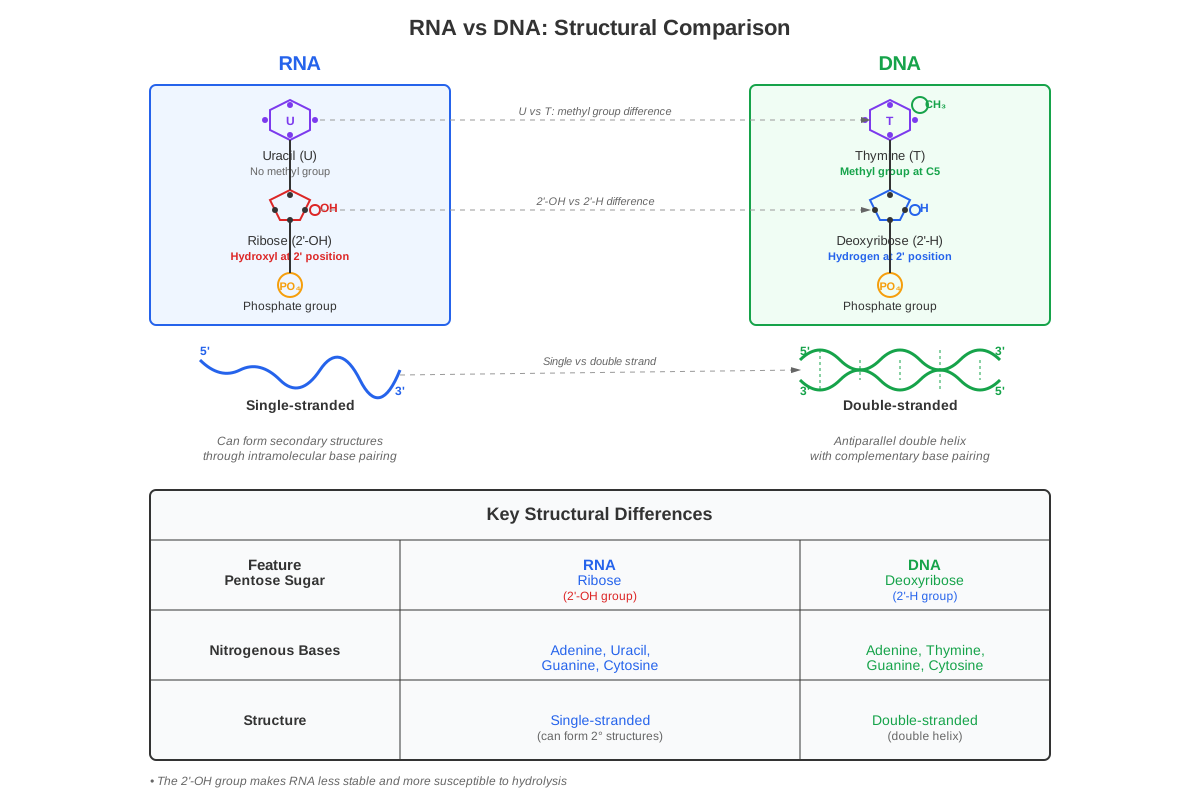
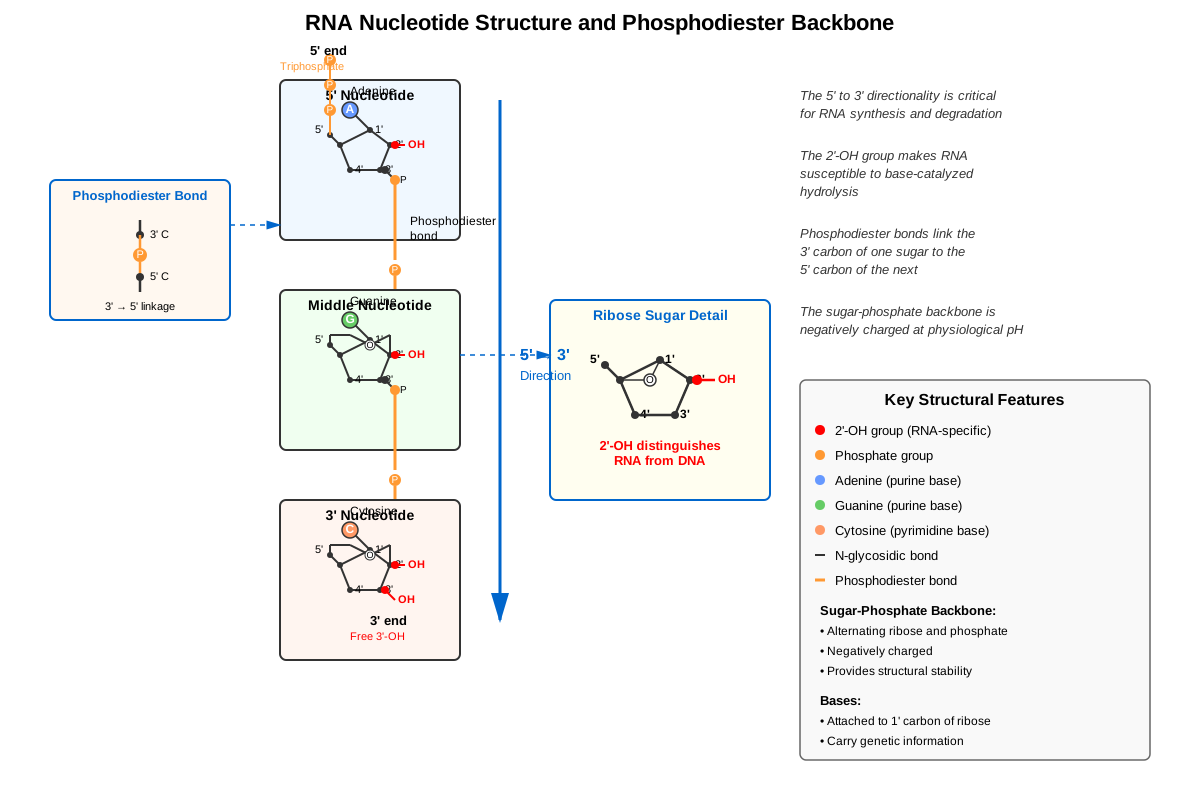
The primary structure of RNA refers to the linear sequence of nucleotides connected by phosphodiester bonds. Each RNA nucleotide consists of three components: a nitrogenous base, a ribose sugar (a five-carbon pentose), and a phosphate group. The ribose sugar distinguishes RNA from DNA—ribose contains a hydroxyl group (-OH) at the 2' carbon position, whereas DNA contains deoxyribose with only a hydrogen atom at this position. This seemingly small difference has profound structural and functional consequences.
The four nitrogenous bases in RNA are adenine (A), guanine (G), cytosine (C), and uracil (U). Uracil replaces thymine found in DNA, differing by the absence of a methyl group at the 5-position of the pyrimidine ring. Adenine and guanine are purines (double-ring structures), while cytosine and uracil are pyrimidines (single-ring structures). The phosphodiester bonds form between the 3'-OH group of one nucleotide and the 5'-phosphate group of the next, creating a sugar-phosphate backbone with directionality. RNA molecules are synthesized in the 5' to 3' direction and are read in this same direction during translation.
The 2'-OH group on ribose makes RNA more chemically reactive and less stable than DNA. This hydroxyl group can participate in nucleophilic attacks, making RNA susceptible to alkaline hydrolysis—a property exploited in laboratory techniques but also explaining why RNA is generally shorter-lived than DNA in cells. The presence of this 2'-OH also restricts RNA's conformational flexibility, preventing it from adopting the B-form double helix characteristic of DNA.
Secondary Structure of RNA
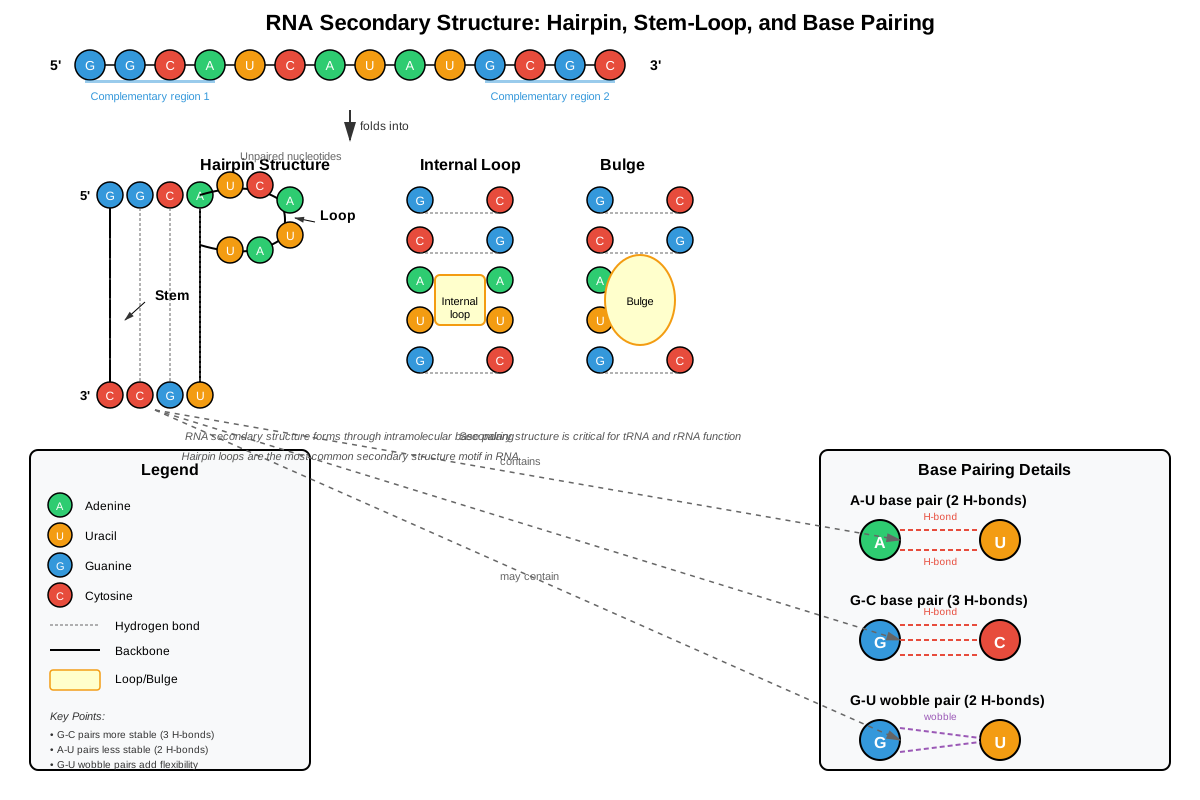
Secondary structure refers to the local folding patterns created by hydrogen bonding between complementary bases within a single RNA strand. Unlike DNA, which typically exists as a double helix between two separate strands, RNA is usually single-stranded and folds back on itself to form intramolecular base pairs. The canonical base pairing follows Watson-Crick base pairing rules: adenine pairs with uracil (A-U) through two hydrogen bonds, and guanine pairs with cytosine (G-C) through three hydrogen bonds. The greater number of hydrogen bonds makes G-C pairs more stable than A-U pairs.
Common secondary structures include:
- Hairpin loops (stem-loops): Formed when a sequence of nucleotides base-pairs with a complementary sequence nearby, creating a double-stranded stem with an unpaired loop at the end
- Internal loops: Regions where both strands have unpaired nucleotides, creating a bulge on both sides
- Bulges: Unpaired nucleotides on one strand that disrupt the regular helix
- Pseudoknots: Complex structures where nucleotides in a loop base-pair with nucleotides outside the loop
RNA can also form non-Watson-Crick base pairs, including wobble pairs (such as G-U pairs) that add structural diversity and stability. These alternative pairing patterns are particularly important in tRNA structure and ribosomal RNA function. The secondary structure of RNA is crucial for its stability and function—many regulatory RNAs depend on specific secondary structures for recognition by proteins or other RNA molecules.
Tertiary Structure of RNA
Tertiary structure describes the three-dimensional folding of RNA molecules, bringing together secondary structure elements that may be distant in the primary sequence. This level of organization is stabilized by various interactions including hydrogen bonding, base stacking, electrostatic interactions, and coordination with metal ions (particularly Mg²⁺). Tertiary structure is especially important for large RNA molecules like ribosomal RNA (rRNA) and transfer RNA (tRNA).
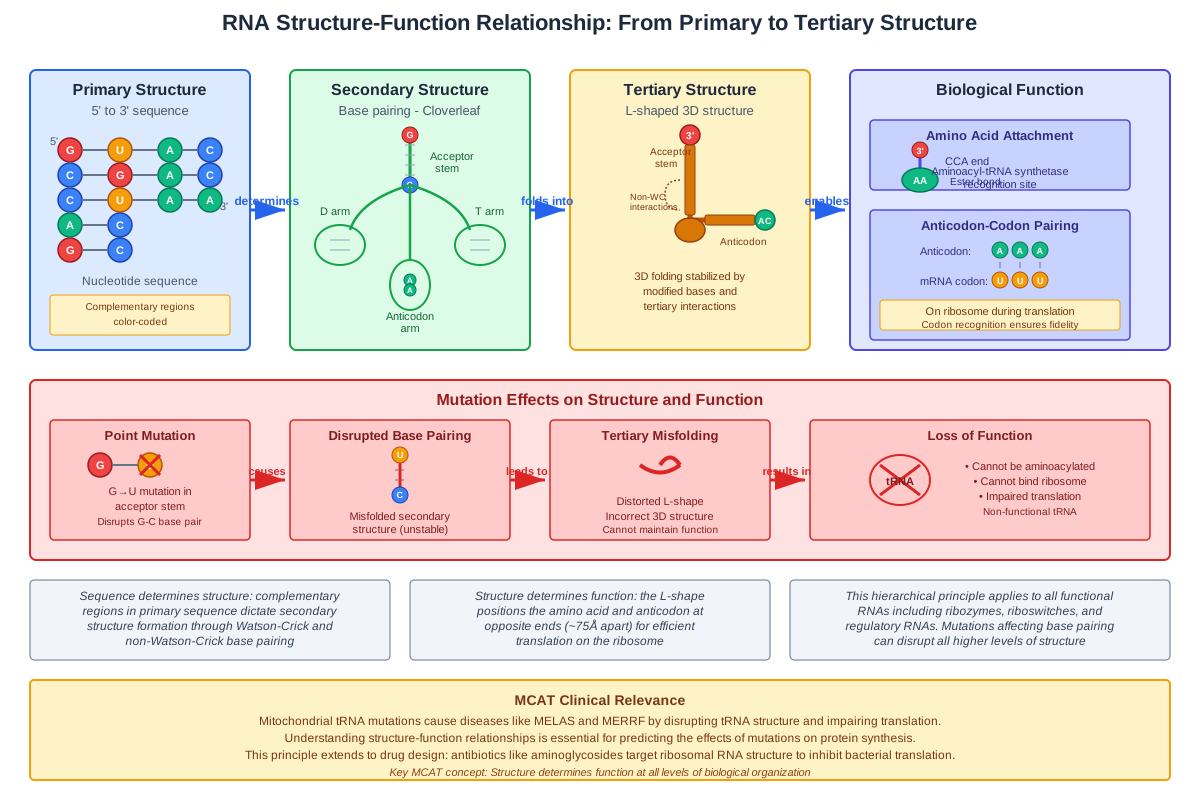
Transfer RNA provides an excellent example of RNA tertiary structure. The tRNA molecule folds into a characteristic cloverleaf secondary structure (when drawn in two dimensions) that further folds into an L-shaped tertiary structure. This three-dimensional arrangement positions the anticodon loop at one end and the amino acid attachment site (3'-CCA end) at the other end, approximately 70-80 Å apart. The tertiary structure is stabilized by modified bases, unusual base pairs, and interactions between the D-loop and TψC-loop.
Ribozymes—catalytic RNA molecules—depend critically on precise tertiary structures to position catalytic residues and substrates correctly. The ribosome itself is a massive ribonucleoprotein complex where rRNA tertiary structure creates the catalytic site for peptide bond formation. Understanding tertiary structure helps explain how RNA can have enzymatic activity, a discovery that earned the 1989 Nobel Prize in Chemistry.
Types of RNA and Their Structural Features
| RNA Type | Size | Key Structural Features | Primary Function |
|---|---|---|---|
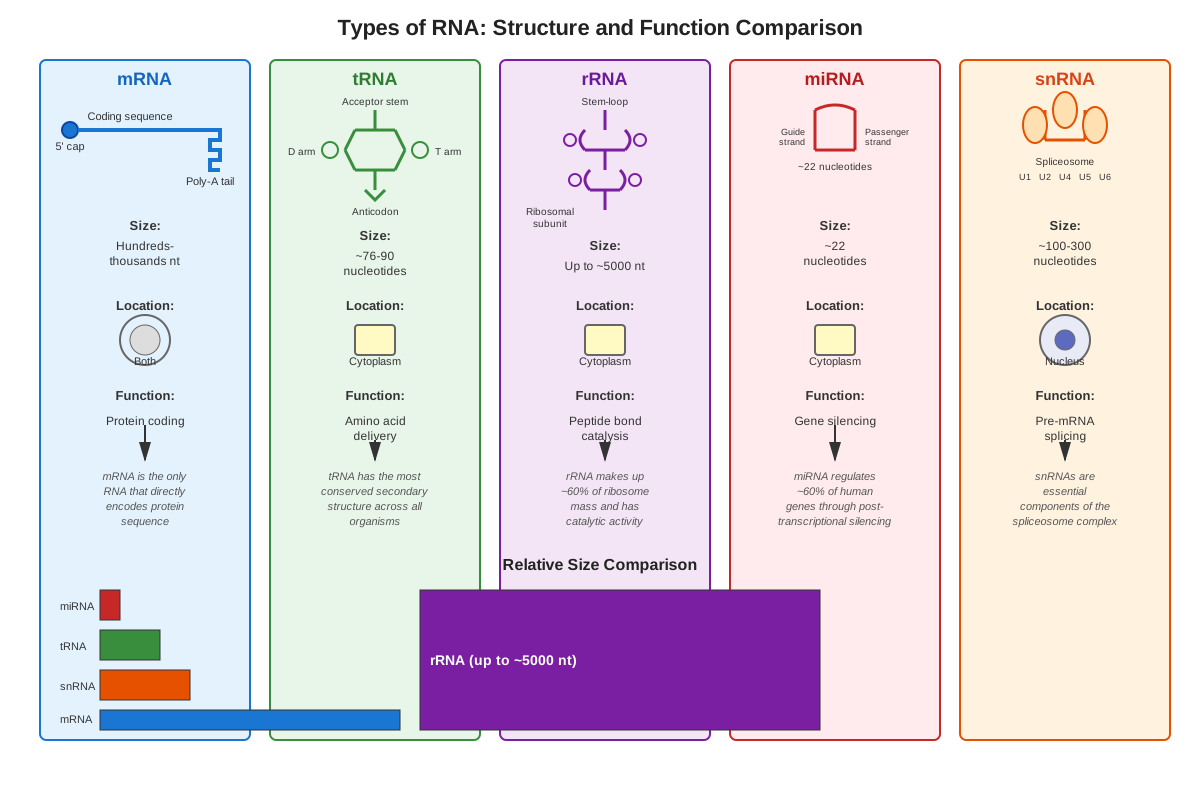
| mRNA (messenger RNA) | Varies (500-10,000+ nt) | 5' cap, 3' poly-A tail, 5' UTR, 3' UTR, open reading frame | Carries genetic information from DNA to ribosomes |
| tRNA (transfer RNA) | ~70-90 nt | Cloverleaf secondary structure, L-shaped tertiary structure, anticodon loop, 3'-CCA end | Delivers amino acids to ribosomes during translation |
| rRNA (ribosomal RNA) | Varies (120-5000 nt) | Extensive secondary and tertiary structure, catalytic sites | Structural and catalytic component of ribosomes |
| snRNA (small nuclear RNA) | 100-300 nt | Specific secondary structures for protein binding | RNA splicing and processing |
| miRNA (microRNA) | ~22 nt | Short double-stranded precursor, single-stranded mature form | Gene regulation through mRNA degradation or translational repression |
| siRNA (small interfering RNA) | ~21-23 nt | Double-stranded structure | Gene silencing through RNA interference |
Messenger RNA (mRNA) in eukaryotes undergoes extensive post-transcriptional modifications that affect its structure. The 5' cap (7-methylguanosine) protects the mRNA from degradation and facilitates ribosome binding. The 3' poly-A tail (string of adenine nucleotides) also enhances stability and aids in translation initiation. The untranslated regions (UTRs) at both ends contain regulatory sequences that often form secondary structures affecting mRNA localization, stability, and translation efficiency.
Transfer RNA (tRNA) contains numerous modified bases (over 100 different types have been identified) that stabilize its structure and fine-tune its function. Common modifications include pseudouridine (ψ), dihydrouridine (D), and inosine (I). These modifications occur post-transcriptionally and are essential for proper tRNA folding and accurate codon recognition.
Ribosomal RNA (rRNA) comprises the majority of cellular RNA by mass and forms the structural and catalytic core of ribosomes. In prokaryotes, ribosomes contain three rRNA molecules (23S, 16S, and 5S), while eukaryotic ribosomes contain four (28S, 18S, 5.8S, and 5S). The peptidyl transferase activity—the actual formation of peptide bonds—is catalyzed by the 23S rRNA (or 28S in eukaryotes), making the ribosome a ribozyme.
Structural Differences Between RNA and DNA
Understanding the structural distinctions between RNA and DNA is crucial for MCAT success:
Sugar component: RNA contains ribose (with 2'-OH), while DNA contains deoxyribose (with 2'-H). This makes RNA more reactive and less stable, but also enables additional structural flexibility for forming complex tertiary structures.
Nitrogenous bases: RNA uses uracil instead of thymine. Uracil lacks the methyl group present in thymine, making it slightly less hydrophobic. This difference is functionally significant—cells can recognize uracil in DNA as a sign of cytosine deamination and repair it.
Strand structure: DNA typically exists as a double helix with two antiparallel strands, while RNA is usually single-stranded. However, RNA's single-stranded nature allows it to fold back on itself, creating diverse secondary and tertiary structures impossible for double-stranded DNA.
Helical form: DNA predominantly adopts the B-form helix (right-handed, ~10 base pairs per turn), while double-stranded RNA regions adopt the A-form helix (right-handed, ~11 base pairs per turn, wider and shorter). The 2'-OH group in RNA sterically prevents B-form adoption.
Stability: DNA is more chemically stable due to the absence of the 2'-OH group, making it suitable for long-term genetic storage. RNA's instability is actually advantageous for its roles in temporary information transfer and regulation.
RNA Modifications and Their Structural Impact
Post-transcriptional modifications significantly affect RNA structure and function. The 5' cap structure on eukaryotic mRNA involves addition of 7-methylguanosine via an unusual 5'-5' triphosphate linkage, creating a structure that protects against exonuclease degradation and serves as a recognition signal for translation initiation factors.
Polyadenylation adds 100-250 adenine residues to the 3' end of most eukaryotic mRNAs. This poly-A tail enhances mRNA stability, facilitates nuclear export, and promotes translation. The length of the poly-A tail can regulate mRNA half-life—shorter tails generally correlate with faster degradation.
Base modifications in tRNA and rRNA include methylation, pseudouridylation, and deamination. These modifications can affect base-pairing properties, structural stability, and molecular recognition. For example, inosine in the wobble position of tRNA anticodons can pair with multiple bases, expanding the decoding capacity of tRNAs.
RNA editing can change the primary sequence after transcription, most commonly through adenosine-to-inosine (A-to-I) conversion. Since inosine is read as guanosine by the translation machinery, this editing can alter the amino acid sequence of the resulting protein or affect RNA secondary structure.
Concept Relationships
The concepts within RNA structure form an integrated hierarchy: primary structure (nucleotide sequence) → determines potential secondary structure (local base-pairing patterns) → influences tertiary structure (three-dimensional folding) → enables biological function. This structure-function relationship is central to understanding RNA biology.
RNA structure connects directly to prerequisite knowledge of nucleotide structure and chemical bonding. The phosphodiester bonds linking nucleotides and the hydrogen bonds between bases are fundamental chemical concepts that explain RNA's physical properties. Understanding DNA structure provides a comparative framework—recognizing that RNA's 2'-OH group prevents B-form helix formation explains why RNA adopts different structural conformations.
RNA structure bridges to downstream topics including transcription (RNA is the product), translation (mRNA structure affects ribosome binding and reading frame), gene regulation (regulatory RNAs depend on specific structures), and molecular techniques (RT-PCR, Northern blotting, and RNA sequencing all exploit RNA's structural properties). The relationship can be mapped as:
DNA structure → RNA structure → RNA processing → Translation → Protein structure → Cellular function
Additionally, RNA structure connects laterally to enzyme function (ribozymes), molecular recognition (tRNA-aminoacyl tRNA synthetase interactions), and cellular signaling (regulatory RNAs in gene expression cascades). Understanding these relationships enables students to integrate information across passages and predict experimental outcomes.
Quick check — test yourself on RNA structure so far.
Try Flashcards →High-Yield Facts
⭐ RNA contains ribose sugar with a 2'-OH group, making it more reactive and less stable than DNA
⭐ RNA uses uracil instead of thymine; uracil pairs with adenine through two hydrogen bonds
⭐ RNA is typically single-stranded but forms extensive secondary structure through intramolecular base pairing
⭐ G-C base pairs (three hydrogen bonds) are more stable than A-U base pairs (two hydrogen bonds)
⭐ The 5' to 3' directionality of RNA is essential for transcription and translation
- RNA adopts A-form helix when double-stranded, while DNA typically adopts B-form helix
- Transfer RNA has a cloverleaf secondary structure that folds into an L-shaped tertiary structure
- Eukaryotic mRNA contains a 5' cap (7-methylguanosine) and 3' poly-A tail for stability and translation
- Ribosomal RNA (rRNA) has catalytic activity, making the ribosome a ribozyme
- The 2'-OH group in RNA allows alkaline hydrolysis, which does not occur readily in DNA
- Modified bases in tRNA (pseudouridine, dihydrouridine, inosine) stabilize structure and affect function
- RNA secondary structures include hairpins, internal loops, bulges, and pseudoknots
- The anticodon of tRNA is antiparallel to the mRNA codon it recognizes
- MicroRNAs and siRNAs are short (~21-23 nucleotides) and regulate gene expression
- RNA tertiary structure is stabilized by base stacking, hydrogen bonding, and metal ion coordination (especially Mg²⁺)
Common Misconceptions
Misconception: RNA is always single-stranded and never forms double helices.
Correction: While RNA is typically single-stranded, it frequently forms double-stranded regions through intramolecular base pairing (secondary structure). Some viruses even have double-stranded RNA genomes. The key distinction is that RNA usually folds back on itself rather than pairing with a separate complementary strand.
Misconception: Uracil and thymine are functionally identical, so the RNA-DNA difference doesn't matter.
Correction: Although uracil and thymine both pair with adenine, the presence of uracil in RNA versus thymine in DNA has important biological significance. Cells use this difference to detect and repair cytosine deamination (which produces uracil) in DNA. Additionally, the methyl group in thymine affects hydrophobic interactions and molecular recognition.
Misconception: The 2'-OH group in RNA only makes it less stable without providing any functional advantage.
Correction: While the 2'-OH does make RNA less chemically stable, this group is essential for RNA's diverse functions. It enables formation of A-form helix, allows RNA to adopt complex tertiary structures necessary for catalytic activity, and provides additional sites for molecular recognition and regulation. The instability is actually advantageous for molecules meant to be temporary.
Misconception: All RNA molecules have the same general structure and differ only in sequence.
Correction: Different types of RNA have dramatically different structural features. mRNA is relatively linear with minimal secondary structure in coding regions, tRNA has a highly conserved cloverleaf/L-shape structure, rRNA has extensive secondary and tertiary structure with catalytic sites, and regulatory RNAs have specific structural motifs essential for their function.
Misconception: RNA base pairing follows the same rules as DNA, with only A-U replacing A-T.
Correction: While Watson-Crick base pairing (A-U and G-C) is common in RNA, RNA also frequently forms non-Watson-Crick base pairs including wobble pairs (G-U), Hoogsteen pairs, and other non-canonical interactions. These alternative pairing patterns are crucial for RNA tertiary structure and function, particularly in tRNA and rRNA.
Misconception: The primary structure (sequence) of RNA directly determines its function.
Correction: While sequence is important, RNA function depends critically on secondary and tertiary structure. The same sequence can potentially fold into different structures depending on cellular conditions, and mutations that preserve structure may have less impact than those that disrupt folding. Structure-function relationships in RNA are more complex than simple sequence-to-function mappings.
Worked Examples
Example 1: Predicting RNA Stability
Question: A researcher synthesizes two RNA oligonucleotides with the following sequences:
- RNA A: 5'-GCGCGCGCGC-3'
- RNA B: 5'-AUAUAUAUAU-3'
Both sequences are 10 nucleotides long. Under identical conditions, which RNA will form more stable secondary structure through intramolecular base pairing, and why?
Solution:
Step 1: Identify what determines RNA secondary structure stability. Secondary structure stability depends on base pairing, which is stabilized by hydrogen bonds. G-C pairs form three hydrogen bonds while A-U pairs form only two hydrogen bonds.
Step 2: Analyze RNA A (5'-GCGCGCGCGC-3'). This sequence could fold back on itself to form a hairpin where the 5' half pairs with the 3' half. If it folds at the midpoint:
- 5'-GCGCG | CGCGC-3'
- The G's would pair with C's, forming five G-C base pairs
- Each G-C pair has three hydrogen bonds, totaling 15 hydrogen bonds
Step 3: Analyze RNA B (5'-AUAUAUAUAU-3'). Similarly, this could fold:
- 5'-AUAUA | UAUAU-3'
- The A's would pair with U's, forming five A-U base pairs
- Each A-U pair has two hydrogen bonds, totaling 10 hydrogen bonds
Step 4: Compare stability. RNA A would form more stable secondary structure because:
- It has more total hydrogen bonds (15 vs. 10)
- G-C pairs are inherently more stable than A-U pairs
- G-C pairs also have stronger base stacking interactions
Answer: RNA A will form more stable secondary structure because G-C base pairs contain three hydrogen bonds compared to two in A-U pairs, resulting in greater thermodynamic stability. This principle is crucial for understanding RNA folding, melting temperatures in molecular techniques, and the design of antisense oligonucleotides.
Connection to Learning Objectives: This example applies RNA structure knowledge to predict molecular behavior, demonstrates understanding of base-pairing rules, and connects structure to stability—all key MCAT competencies.
Example 2: Analyzing Experimental RNA Modification
Question: Researchers studying mRNA stability treat cells with a compound that specifically removes the 5' cap structure from mRNA molecules but does not affect the poly-A tail or coding sequence. They observe that treated mRNAs have significantly shorter half-lives and reduced translation rates. A student hypothesizes that this is because the mRNA can no longer bind to ribosomes. Evaluate this hypothesis and provide a more complete explanation.
Solution:
Step 1: Recall the structure and function of the 5' cap. The 5' cap is a 7-methylguanosine structure added to the 5' end of eukaryotic mRNA via an unusual 5'-5' triphosphate linkage. It serves multiple functions:
- Protection from 5' exonuclease degradation
- Recognition signal for translation initiation factors
- Facilitation of ribosome binding
Step 2: Evaluate the student's hypothesis. The hypothesis that uncapped mRNA "cannot bind to ribosomes" is partially correct but incomplete. The cap doesn't directly bind ribosomes; rather, it binds cap-binding proteins that recruit the ribosome.
Step 3: Explain reduced mRNA half-life. Without the 5' cap:
- The 5' end is exposed to exonucleases
- 5'-to-3' exonucleases can degrade the mRNA from the 5' end
- This explains the shorter half-life independent of translation effects
Step 4: Explain reduced translation. Without the 5' cap:
- Cap-binding complex (CBC) or eIF4E cannot bind
- The 43S preinitiation complex cannot be recruited efficiently
- Ribosome scanning from the 5' end is impaired
- Translation initiation is severely reduced
Step 5: Provide complete explanation. The reduced half-life and translation are related but distinct effects:
- Stability effect: Loss of 5' cap exposes mRNA to exonuclease degradation
- Translation effect: Loss of 5' cap prevents proper translation initiation complex assembly
- These effects are synergistic—untranslated mRNAs are often targeted for degradation
Answer: The student's hypothesis is incomplete. The 5' cap doesn't directly bind ribosomes but rather binds translation initiation factors that recruit ribosomes. The observed effects result from two mechanisms: (1) increased degradation due to loss of protection from 5' exonucleases, and (2) impaired translation initiation due to failure of cap-binding proteins to recruit the ribosome. This demonstrates how RNA structural modifications serve multiple integrated functions.
Connection to Learning Objectives: This example requires applying RNA structure knowledge to experimental scenarios, identifying misconceptions about RNA-protein interactions, and connecting structure to multiple biological functions—all high-yield MCAT skills.
Exam Strategy
When approaching RNA structure MCAT questions, begin by identifying what type of RNA is being discussed (mRNA, tRNA, rRNA, or regulatory RNA) because each has distinct structural features. Look for trigger words like "stability," "base pairing," "modification," or "folding" that indicate structural concepts are being tested.
Trigger words and phrases to recognize:
- "5' to 3' direction" → indicates questions about RNA synthesis or reading frame
- "complementary sequence" → suggests base-pairing or secondary structure
- "stability" or "half-life" → often relates to structural features like 5' cap, poly-A tail, or G-C content
- "modified bases" → typically refers to tRNA or rRNA
- "single-stranded" → may be setting up a contrast with DNA or discussing secondary structure
- "ribose" or "2'-OH" → focuses on the sugar component and RNA-DNA differences
Process-of-elimination strategies:
- Eliminate answers that confuse RNA with DNA properties (e.g., answers stating RNA contains thymine or deoxyribose)
- Rule out options that violate base-pairing rules (remember G-U wobble pairs are allowed in RNA)
- Eliminate answers that ignore the 5' to 3' directionality
- Remove choices that attribute DNA-specific features to RNA (like B-form helix)
Time allocation advice: For discrete questions on RNA structure, spend 30-45 seconds identifying the specific structural feature being tested, then quickly eliminate impossible answers. For passage-based questions, invest 2-3 minutes understanding any experimental manipulation of RNA structure, as this context is crucial for answering multiple questions. If a passage presents RNA sequences, quickly assess G-C content and potential secondary structures before reading questions.
Common question patterns:
- Comparison questions: "How does RNA differ from DNA?" → Focus on ribose, uracil, single-stranded nature, and A-form helix
- Prediction questions: "What would happen if the 5' cap were removed?" → Consider both stability and functional consequences
- Experimental interpretation: "The researchers observed increased RNA degradation..." → Connect to structural features affecting stability
- Structure-function questions: "Why is the L-shape of tRNA important?" → Relate three-dimensional structure to biological role
Exam Tip: If a question asks about RNA stability, immediately consider three factors: G-C content (more G-C = more stable), presence of 5' cap and poly-A tail (in mRNA), and secondary/tertiary structure. Most stability questions can be answered by evaluating these factors.
Memory Techniques
Mnemonic for RNA vs. DNA differences - "RUST":
- Ribose (RNA has ribose; DNA has deoxyribose)
- Uracil (RNA has uracil; DNA has thymine)
- Single-stranded (RNA is typically single-stranded; DNA is double-stranded)
- Temporary (RNA is less stable and more temporary; DNA is stable for long-term storage)
Mnemonic for RNA types - "My Tiny Rabbit Swims":
- Messenger RNA (mRNA)
- Transfer RNA (tRNA)
- Ribosomal RNA (rRNA)
- Small RNAs (snRNA, miRNA, siRNA)
Visualization for tRNA structure: Picture an upside-down cloverleaf (four-leaf clover) that's been twisted into an L-shape. The "stem" of the clover becomes one arm of the L (with the amino acid attachment site at the end), and the "leaves" fold to form the other arm (with the anticodon at the end). The two ends of the L are approximately 70-80 Å apart—about the length of 7-8 nucleotides laid end-to-end.
Acronym for base-pairing stability - "GC Glue":
- Guanine-Cytosine pairs are like strong glue (three hydrogen bonds)
- Adenine-Uracil pairs are weaker (two hydrogen bonds)
- Remember: More GC content = more stable RNA structure
Memory aid for 5' cap structure: Think "7-11" → 7-methylguanosine attached via 5'-5' linkage (the unusual linkage). The "7-11" convenience store is open 24/7, just like the 5' cap provides 24/7 protection for mRNA.
Visualization for RNA vs. DNA helix:
- A-form (RNA) = Awkward and wide (wider, shorter helix with 11 bp/turn)
- B-form (DNA) = Beautiful and balanced (standard helix with 10 bp/turn)
- The 2'-OH in RNA makes the A-form helix necessary because it would clash in B-form
Summary
RNA structure encompasses primary, secondary, and tertiary levels of organization that directly determine RNA function in biological systems. The primary structure consists of ribonucleotides linked by phosphodiester bonds, with ribose sugar (containing a 2'-OH group) and uracil distinguishing RNA from DNA. This 2'-OH group makes RNA more reactive and less stable than DNA but enables the complex folding necessary for catalytic and regulatory functions. RNA typically exists as a single strand that folds back on itself to form secondary structures including hairpins, loops, and bulges through Watson-Crick base pairing (A-U and G-C) and non-canonical interactions like G-U wobble pairs. Tertiary structure brings distant secondary elements together in three-dimensional space, stabilized by hydrogen bonding, base stacking, and metal ion coordination. Different RNA types—mRNA, tRNA, rRNA, and regulatory RNAs—have distinct structural features suited to their functions. Eukaryotic mRNA contains a 5' cap and 3' poly-A tail that enhance stability and translation. Transfer RNA adopts a characteristic L-shaped tertiary structure essential for delivering amino acids during translation. Ribosomal RNA forms the catalytic core of ribosomes, functioning as a ribozyme. Understanding these structural principles enables prediction of RNA behavior, interpretation of experimental data, and analysis of how mutations or modifications affect RNA function—all critical skills for MCAT success.
Key Takeaways
- RNA contains ribose (with 2'-OH) and uracil, making it structurally and chemically distinct from DNA, with greater reactivity but less stability
- RNA is typically single-stranded but forms extensive secondary structure through intramolecular base pairing, with G-C pairs being more stable than A-U pairs due to three versus two hydrogen bonds
- The three levels of RNA structure (primary sequence, secondary folding patterns, tertiary three-dimensional arrangement) are hierarchically related and collectively determine biological function
- Different RNA types (mRNA, tRNA, rRNA, regulatory RNAs) have specialized structural features: mRNA has 5' cap and poly-A tail, tRNA has L-shaped tertiary structure, and rRNA has catalytic sites
- RNA structural principles connect to numerous MCAT topics including transcription, translation, gene regulation, molecular techniques, and enzyme function (ribozymes)
- The 5' to 3' directionality of RNA is essential for all processes involving RNA synthesis and reading
- Post-transcriptional modifications (capping, polyadenylation, base modifications) significantly affect RNA structure, stability, and function
Related Topics
Transcription: Understanding RNA structure is essential for comprehending how RNA polymerase synthesizes RNA from DNA templates, how transcription factors recognize promoters, and how RNA processing occurs. Mastering RNA structure enables deeper understanding of gene expression regulation.
Translation: The structure of mRNA (5' UTR, start codon, reading frame, stop codon, 3' UTR) and tRNA (anticodon loop, amino acid attachment site) directly determines how genetic information is decoded into protein sequence. RNA structure knowledge is prerequisite for understanding ribosome function.
Gene Regulation: MicroRNAs, siRNAs, and long non-coding RNAs regulate gene expression through structure-dependent mechanisms. Understanding RNA secondary structure is essential for comprehending RNA interference and post-transcriptional regulation.
Molecular Techniques: RT-PCR, Northern blotting, RNA sequencing, and in situ hybridization all exploit RNA structural properties. Understanding RNA stability, base pairing, and modifications enables interpretation of experimental results.
Ribozymes and RNA Catalysis: The discovery that RNA can have enzymatic activity revolutionized molecular biology. Understanding RNA tertiary structure is essential for comprehending catalytic mechanisms and the RNA world hypothesis.
Viral Replication: Many viruses have RNA genomes with specialized structures (e.g., IRES elements, packaging signals, regulatory hairpins). Understanding RNA structure enables comprehension of viral life cycles and antiviral strategies.
Practice CTA
Now that you've mastered the core concepts of RNA structure, it's time to reinforce your understanding through active practice. Attempt the practice questions and flashcards associated with this topic to test your ability to apply these concepts in exam-style scenarios. Focus particularly on questions requiring you to predict the effects of structural modifications, compare RNA and DNA properties, and interpret experimental data involving RNA. Remember that the MCAT rewards not just memorization but the ability to apply structural principles to novel situations—exactly what you've prepared for in this guide. Your thorough understanding of RNA structure will serve as a foundation for mastering related topics in molecular biology and genetics. Keep pushing forward!
Sign up free to keep reading
Create a free AnvayaPrep account to finish this MCAT guide on RNA structure — plus flashcards and practice questions.