Overview
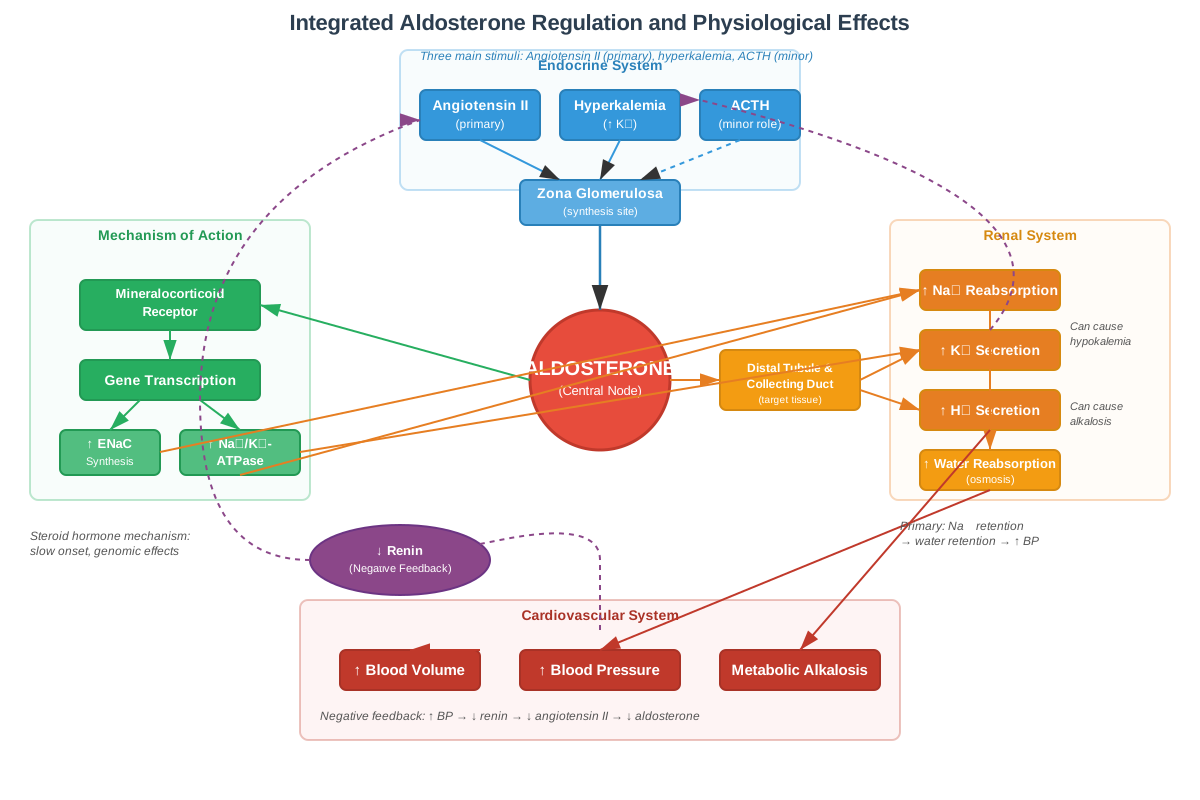
Aldosterone is a critical mineralocorticoid hormone produced by the zona glomerulosa of the adrenal cortex that plays a central role in regulating sodium and potassium balance, blood pressure, and fluid homeostasis. As a steroid hormone derived from cholesterol, aldosterone acts on principal cells in the distal convoluted tubule and collecting duct of the nephron to increase sodium reabsorption and potassium secretion. Understanding Aldosterone Biology requires integrating knowledge of endocrine signaling, renal physiology, cardiovascular regulation, and electrolyte balance—making it a high-yield topic that bridges multiple organ systems tested on the MCAT.
For the MCAT, aldosterone represents a convergence point for several testable concepts within Physiology and Organ Systems. Questions frequently integrate aldosterone function with the renin-angiotensin-aldosterone system (RAAS), blood pressure regulation, acid-base balance, and clinical scenarios involving hypertension, dehydration, or electrolyte disturbances. The MCAT expects students to understand not just what aldosterone does, but how its secretion is regulated, what triggers its release, and how its effects cascade through multiple physiological systems. This hormone exemplifies the integrative nature of human physiology that the MCAT emphasizes.
The study of Aldosterone MCAT content connects directly to broader themes in Biology including hormone signaling mechanisms, negative feedback loops, cellular transport processes, and homeostatic regulation. Aldosterone's mechanism of action—involving intracellular receptors, gene transcription, and synthesis of transport proteins—serves as an excellent model for understanding steroid hormone function generally. Additionally, aldosterone's role in maintaining blood volume and pressure links endocrine function to cardiovascular physiology, making it essential for understanding integrated physiological responses to stress, hemorrhage, and dehydration.
Learning Objectives
- [ ] Define Aldosterone using accurate Biology terminology
- [ ] Explain why Aldosterone matters for the MCAT
- [ ] Apply Aldosterone to exam-style questions
- [ ] Identify common mistakes related to Aldosterone
- [ ] Connect Aldosterone to related Biology concepts
- [ ] Describe the complete mechanism of aldosterone synthesis, secretion, and regulation
- [ ] Analyze the cellular mechanism of aldosterone action on target cells
- [ ] Predict the physiological consequences of aldosterone excess or deficiency
- [ ] Integrate aldosterone function with the renin-angiotensin-aldosterone system (RAAS)
Prerequisites
- Steroid hormone structure and synthesis: Aldosterone is a steroid hormone derived from cholesterol, requiring understanding of lipid-soluble hormone properties
- Nephron anatomy and function: Aldosterone acts on specific nephron segments, necessitating knowledge of kidney structure and filtration/reabsorption processes
- Sodium-potassium pump (Na⁺/K⁺-ATPase): Aldosterone's effects depend on this primary active transport mechanism
- Membrane transport mechanisms: Understanding facilitated diffusion, active transport, and channel proteins is essential for aldosterone's mechanism
- Negative feedback loops: Aldosterone regulation exemplifies endocrine feedback control
- Blood pressure regulation basics: Aldosterone's role in blood pressure requires understanding of blood volume and vascular resistance relationships
Why This Topic Matters
Clinical and Real-World Significance
Aldosterone dysfunction underlies numerous clinically significant conditions that appear frequently in MCAT passages. Primary hyperaldosteronism (Conn's syndrome) causes hypertension and hypokalemia, while Addison's disease (adrenal insufficiency) results in life-threatening sodium loss and hyperkalemia. The RAAS system, of which aldosterone is the final effector, represents one of the most important therapeutic targets in medicine—ACE inhibitors, angiotensin receptor blockers (ARBs), and aldosterone antagonists (spironolactone) are among the most prescribed medications worldwide for hypertension and heart failure.
MCAT Exam Statistics and Question Types
Aldosterone appears in approximately 15-20% of MCAT Biology/Biochemistry sections, typically integrated into passages about renal physiology, cardiovascular regulation, or endocrine disorders. Questions most commonly test:
- Mechanism of action (intracellular receptor, gene transcription)
- Effects on electrolyte balance (sodium retention, potassium excretion)
- RAAS pathway integration and regulation
- Physiological consequences of aldosterone excess or deficiency
- Experimental interpretation involving aldosterone antagonists or RAAS manipulation
Common Exam Passage Contexts
MCAT passages featuring aldosterone typically present:
- Clinical vignettes: Patients with hypertension, edema, or electrolyte abnormalities
- Experimental studies: Research on blood pressure regulation, diuretic mechanisms, or hormone receptor function
- Comparative physiology: Adaptations to dehydration, salt loading, or hemorrhage
- Pharmacological scenarios: Drug mechanisms affecting RAAS or aldosterone receptors
Core Concepts
Definition and Chemical Nature
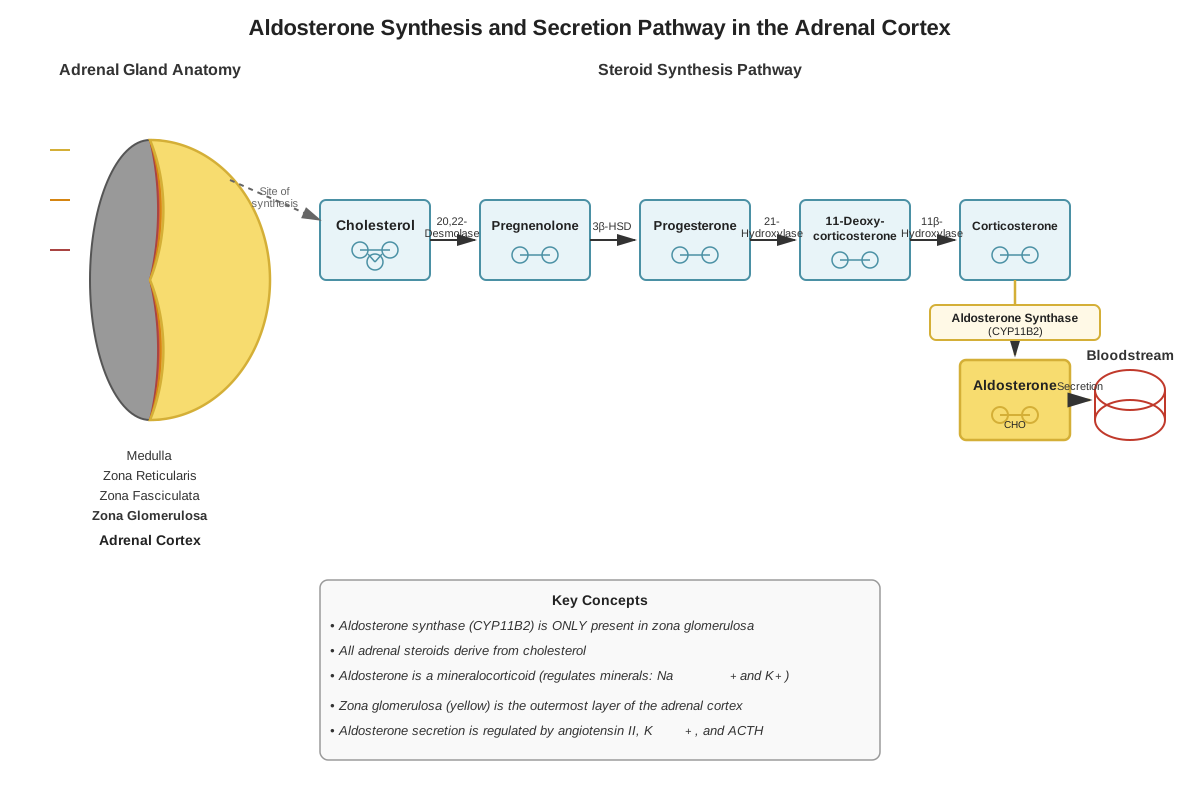
Aldosterone is a mineralocorticoid steroid hormone synthesized from cholesterol in the zona glomerulosa, the outermost layer of the adrenal cortex. As a steroid, aldosterone is lipophilic and can freely cross cell membranes, distinguishing it from peptide hormones that require membrane receptors. The hormone's structure includes a characteristic steroid nucleus with specific functional groups that confer its mineralocorticoid activity—primarily its effects on sodium and potassium balance.
The synthesis pathway begins with cholesterol and proceeds through several enzymatic steps, with the final conversion catalyzed by aldosterone synthase (CYP11B2), an enzyme unique to the zona glomerulosa. This spatial restriction of aldosterone synthase explains why aldosterone production is limited to this specific adrenal region, unlike cortisol which is produced in the zona fasciculata.
Regulation of Aldosterone Secretion
Aldosterone secretion is primarily controlled by three major stimuli, each responding to different physiological needs:
1. Angiotensin II (most important regulator)
- Produced through the renin-angiotensin system when blood pressure or renal perfusion decreases
- Directly stimulates aldosterone synthesis and release from zona glomerulosa cells
- Represents the primary mechanism linking blood pressure regulation to aldosterone secretion
2. Plasma Potassium Concentration
- Elevated K⁺ directly stimulates aldosterone secretion
- Even small increases (1 mEq/L) significantly increase aldosterone release
- Provides direct feedback control of potassium homeostasis independent of blood pressure
3. ACTH (Adrenocorticotropic Hormone)
- Minor role in aldosterone regulation under normal conditions
- Primarily regulates cortisol but has some permissive effect on aldosterone
- Important during stress responses but not for day-to-day aldosterone control
Inhibitory factors include atrial natriuretic peptide (ANP), which is released when atrial stretch increases (indicating high blood volume) and directly suppresses aldosterone secretion, creating an antagonistic regulatory system.
The Renin-Angiotensin-Aldosterone System (RAAS)
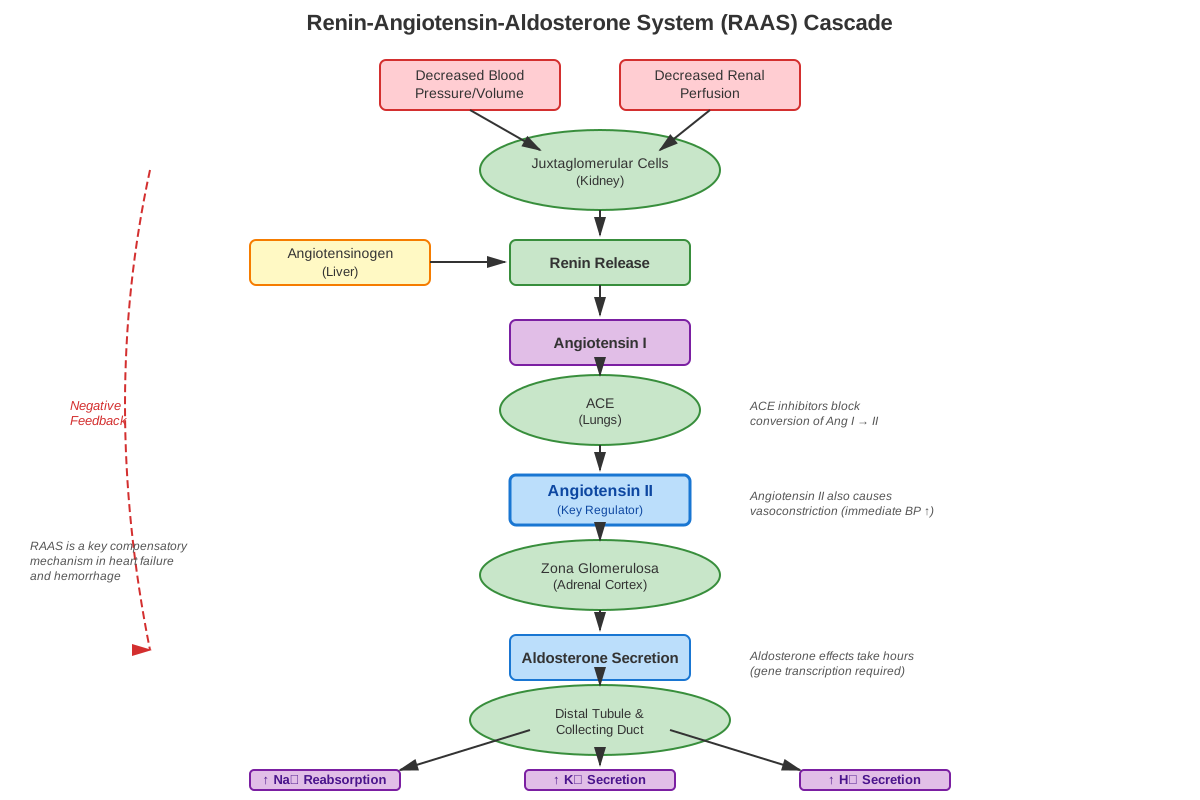
The RAAS represents one of the most important integrated physiological systems for the MCAT:
Sequential Steps:
- Renin Release: Juxtaglomerular cells in the kidney release renin in response to:
- Decreased renal perfusion pressure (detected by baroreceptors)
- Decreased NaCl delivery to macula densa (detected by chemoreceptors)
- Sympathetic nervous system activation (β₁-adrenergic stimulation)
- Angiotensinogen → Angiotensin I: Renin (an enzyme) cleaves angiotensinogen (produced by liver) to form angiotensin I (inactive decapeptide)
- Angiotensin I → Angiotensin II: Angiotensin-converting enzyme (ACE), primarily in lung capillaries, converts angiotensin I to angiotensin II (active octapeptide)
- Angiotensin II Effects:
- Stimulates aldosterone secretion from adrenal cortex
- Causes vasoconstriction (increases blood pressure directly)
- Stimulates ADH (vasopressin) release
- Increases thirst and salt appetite
- Promotes sodium reabsorption in proximal tubule
- Aldosterone Effects: (detailed in next section)
Mechanism of Aldosterone Action
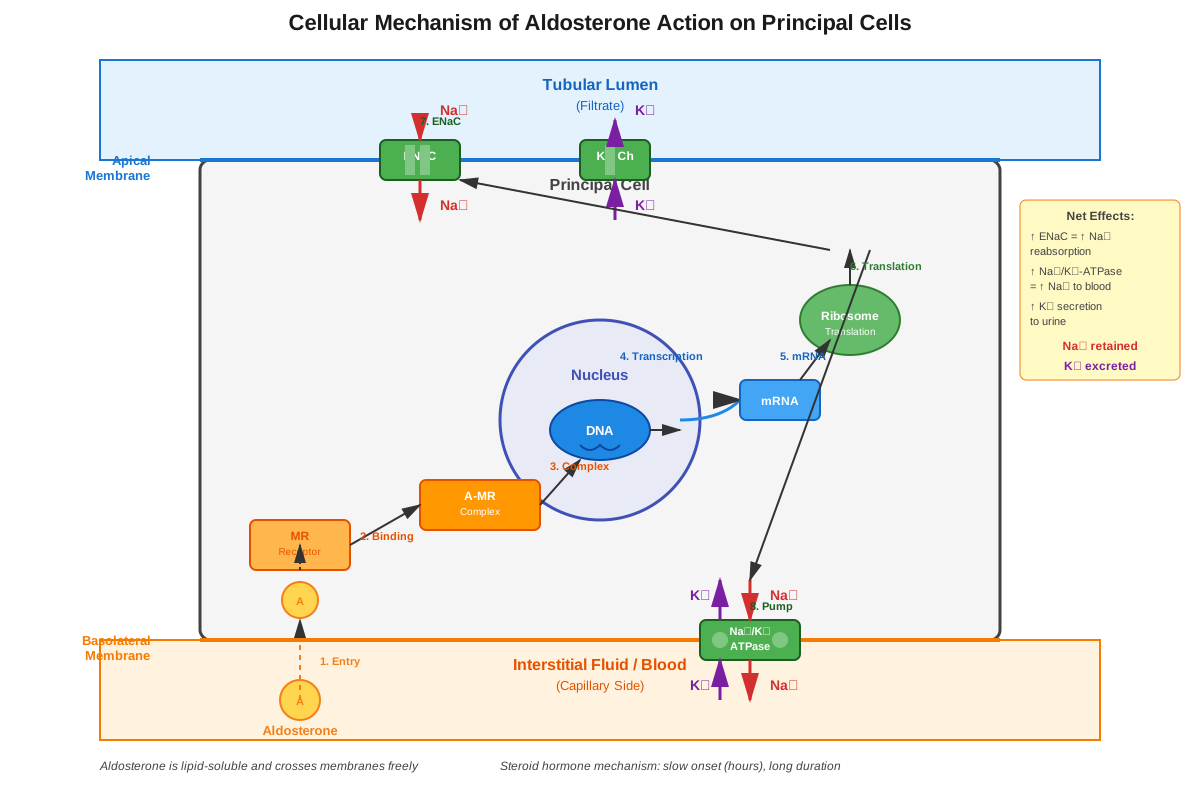
Aldosterone exemplifies the classic steroid hormone mechanism of action:
Cellular Process:
- Membrane Crossing: Lipophilic aldosterone diffuses freely across the plasma membrane of target cells
- Receptor Binding: Binds to intracellular mineralocorticoid receptors (MR) in the cytoplasm
- Receptor Activation: Hormone-receptor complex translocates to nucleus
- Gene Transcription: Complex binds to hormone response elements on DNA, increasing transcription of specific genes
- Protein Synthesis: Increased production of:
- Epithelial sodium channels (ENaC): Inserted into apical membrane
- Na⁺/K⁺-ATPase pumps: Increased in basolateral membrane
- Mitochondrial enzymes: Provide ATP for active transport
- Physiological Effect: Enhanced sodium reabsorption and potassium secretion (onset: 30-60 minutes due to transcription/translation requirement)
Target Tissues and Physiological Effects
Primary Target: Distal Convoluted Tubule and Collecting Duct
| Location | Apical Membrane Effect | Basolateral Membrane Effect | Net Result |
|---|---|---|---|
| Principal Cells | ↑ ENaC channels (Na⁺ entry) | ↑ Na⁺/K⁺-ATPase activity | Na⁺ reabsorption, K⁺ secretion |
| Collecting Duct | ↑ K⁺ channels (K⁺ exit to lumen) | ↑ Na⁺/K⁺-ATPase (K⁺ into cell) | Enhanced K⁺ excretion |
Mechanism Details:
- Sodium enters principal cells through ENaC channels down its concentration gradient (lumen → cell)
- Na⁺/K⁺-ATPase pumps sodium out into blood (cell → interstitium) while pumping potassium in
- Increased intracellular potassium drives K⁺ secretion into tubular lumen through potassium channels
- Water follows sodium osmotically (when ADH is present), increasing blood volume
Secondary Targets:
- Colon: Promotes sodium absorption and potassium secretion (similar mechanism)
- Salivary and sweat glands: Reduces sodium loss in secretions
- Vascular smooth muscle: May have direct effects on vascular tone (controversial)
Integrated Physiological Consequences
Effects on Blood Pressure and Volume:
- Sodium retention → increased plasma osmolarity → ADH release and thirst
- Water retention → increased blood volume → increased blood pressure
- This represents the primary mechanism by which aldosterone regulates blood pressure
Effects on Electrolyte Balance:
- Hypernatremia: Typically mild because water retention accompanies sodium retention
- Hypokalemia: Significant with aldosterone excess due to enhanced renal K⁺ secretion
- Metabolic alkalosis: Aldosterone increases H⁺ secretion by intercalated cells (secondary effect)
Effects on Acid-Base Balance:
- In collecting duct intercalated cells, aldosterone promotes H⁺-ATPase activity
- Increased H⁺ secretion → increased HCO₃⁻ reabsorption → metabolic alkalosis
- This explains why hyperaldosteronism causes hypokalemic metabolic alkalosis
Pathophysiology: Excess and Deficiency
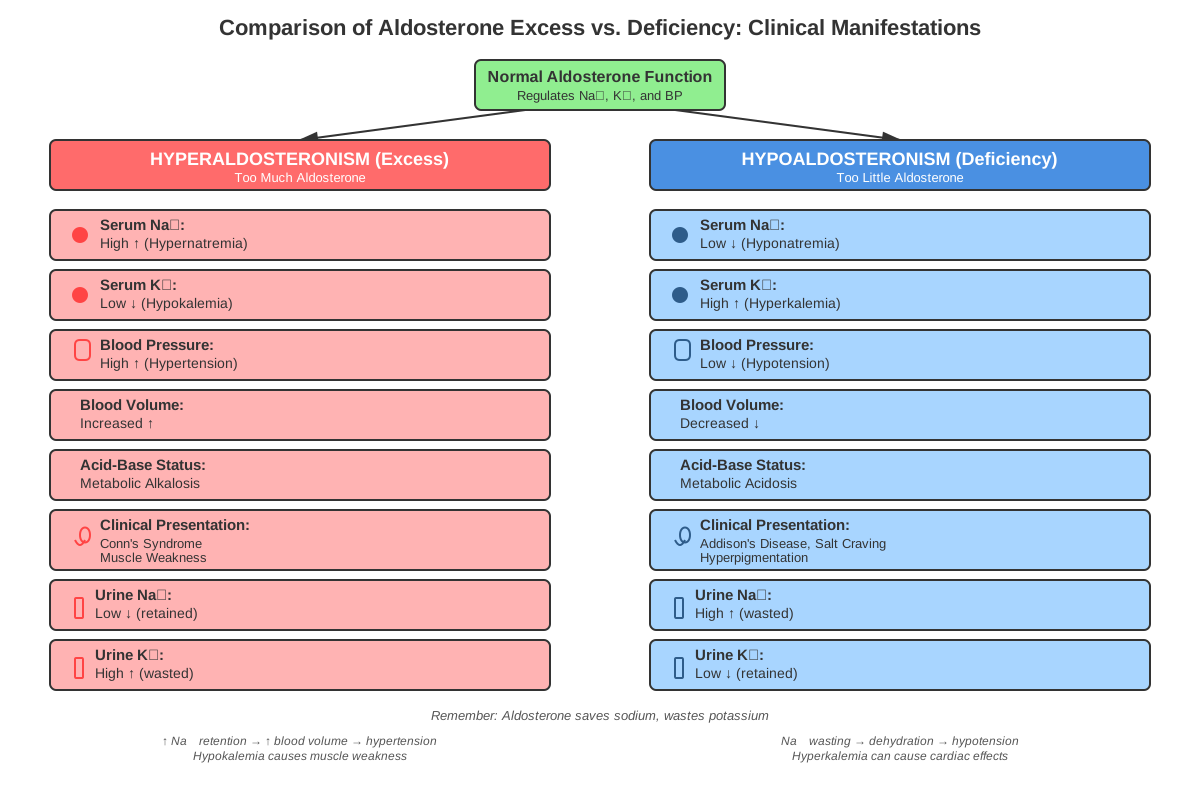
Hyperaldosteronism (Excess):
Primary Hyperaldosteronism (Conn's Syndrome):
- Autonomous aldosterone secretion (usually adrenal adenoma)
- Hypertension (from sodium/water retention)
- Hypokalemia (from excessive renal K⁺ loss)
- Metabolic alkalosis
- Low renin (negative feedback suppression)
Secondary Hyperaldosteronism:
- Excessive RAAS activation (renal artery stenosis, heart failure, cirrhosis)
- Similar electrolyte effects but high renin levels
- Represents appropriate physiological response to perceived low perfusion
Hypoaldosteronism (Deficiency):
Primary Adrenal Insufficiency (Addison's Disease):
- Destruction of adrenal cortex (autoimmune, infection, hemorrhage)
- Hyponatremia (sodium loss)
- Hyperkalemia (potassium retention)
- Hypotension (volume depletion)
- Metabolic acidosis
- Also affects cortisol production (distinguishes from selective aldosterone deficiency)
Concept Relationships
The study of aldosterone requires integrating multiple physiological systems into a coherent framework. Aldosterone secretion is triggered by the RAAS pathway, which begins with renin release from juxtaglomerular cells responding to decreased renal perfusion. This creates a cascade: renin → angiotensin I → angiotensin II → aldosterone secretion. Simultaneously, elevated plasma potassium provides direct feedback to stimulate aldosterone independently of blood pressure concerns.
Once secreted, aldosterone acts through intracellular mineralocorticoid receptors to increase expression of sodium channels (ENaC) and Na⁺/K⁺-ATPase pumps. This mechanism connects aldosterone to fundamental concepts of gene transcription, protein synthesis, and membrane transport. The resulting sodium reabsorption increases plasma osmolarity, which triggers ADH release and thirst, demonstrating the connection between aldosterone and posterior pituitary function.
The cardiovascular effects of aldosterone—increased blood volume and pressure—link back to the original stimulus through negative feedback: increased blood pressure → increased renal perfusion → decreased renin release → decreased angiotensin II → decreased aldosterone secretion. This exemplifies homeostatic regulation and feedback control, fundamental concepts in physiology.
Electrolyte balance connects aldosterone to acid-base physiology: potassium secretion is coupled to hydrogen ion secretion in the collecting duct, explaining why aldosterone excess causes metabolic alkalosis while deficiency causes metabolic acidosis. This relationship is crucial for understanding integrated renal function.
Relationship Map:
Decreased Blood Pressure → Renin Release → Angiotensin I → (ACE) → Angiotensin II → Aldosterone Secretion → Increased ENaC and Na⁺/K⁺-ATPase → Sodium Reabsorption → Increased Blood Volume → Increased Blood Pressure (negative feedback) + Potassium Excretion → Hypokalemia (if excessive)
High-Yield Facts
⭐ Aldosterone is synthesized exclusively in the zona glomerulosa of the adrenal cortex by the enzyme aldosterone synthase (CYP11B2)
⭐ The three primary stimuli for aldosterone secretion are: angiotensin II (most important), hyperkalemia, and ACTH (minor role)
⭐ Aldosterone increases sodium reabsorption and potassium secretion in the distal convoluted tubule and collecting duct
⭐ Aldosterone acts through intracellular mineralocorticoid receptors to increase transcription of ENaC channels and Na⁺/K⁺-ATPase pumps
⭐ Primary hyperaldosteronism (Conn's syndrome) presents with hypertension, hypokalemia, metabolic alkalosis, and LOW renin
- Aldosterone is a steroid hormone derived from cholesterol, making it lipophilic and membrane-permeable
- The onset of aldosterone action is 30-60 minutes due to the requirement for gene transcription and protein synthesis
- Atrial natriuretic peptide (ANP) inhibits aldosterone secretion, providing antagonistic regulation
- Secondary hyperaldosteronism shows HIGH renin levels (unlike primary), indicating appropriate RAAS activation
- Spironolactone is a competitive aldosterone receptor antagonist used to treat hyperaldosteronism and heart failure
- Aldosterone deficiency (Addison's disease) causes hyponatremia, hyperkalemia, hypotension, and metabolic acidosis
- The juxtaglomerular apparatus (juxtaglomerular cells + macula densa) regulates renin release in response to blood pressure and sodium delivery
- ACE inhibitors block angiotensin II formation, thereby reducing aldosterone secretion and lowering blood pressure
- Aldosterone increases H⁺ secretion in intercalated cells, contributing to metabolic alkalosis in excess states
Quick check — test yourself on Aldosterone so far.
Try Flashcards →Common Misconceptions
Misconception: Aldosterone directly increases blood pressure through vasoconstriction
Correction: Aldosterone increases blood pressure primarily by increasing blood volume through sodium and water retention. Angiotensin II causes direct vasoconstriction, but aldosterone's effects are volume-mediated and take longer to develop (30-60 minutes minimum).
Misconception: ACTH is the primary regulator of aldosterone secretion
Correction: While ACTH has a permissive effect on aldosterone, the primary regulators are angiotensin II and plasma potassium concentration. ACTH primarily regulates cortisol from the zona fasciculata. This distinction is important for understanding why aldosterone levels remain relatively normal in secondary adrenal insufficiency affecting only ACTH.
Misconception: Aldosterone causes hypernatremia (high blood sodium)
Correction: Although aldosterone promotes sodium retention, it typically does not cause significant hypernatremia because water retention accompanies sodium retention (through ADH and thirst mechanisms). The primary electrolyte abnormality in aldosterone excess is hypokalemia, not hypernatremia. Plasma sodium usually remains normal or only mildly elevated.
Misconception: All cells in the body respond to aldosterone
Correction: Only cells expressing mineralocorticoid receptors respond to aldosterone. Primary targets are principal cells in the distal nephron, but also include colon, salivary glands, and sweat glands. Most body cells do not express these receptors and are unaffected by aldosterone.
Misconception: Aldosterone and ADH (vasopressin) are the same or have identical functions
Correction: These are distinct hormones with different mechanisms. Aldosterone (steroid from adrenal cortex) promotes sodium reabsorption with water following osmotically. ADH (peptide from posterior pituitary) increases water permeability through aquaporin insertion, allowing water reabsorption independent of sodium. They work synergistically but through different mechanisms and are regulated by different stimuli.
Misconception: Renin directly increases blood pressure
Correction: Renin is an enzyme that initiates the RAAS cascade but has no direct effect on blood pressure. It cleaves angiotensinogen to form angiotensin I, which is then converted to angiotensin II (the active vasoconstrictor) by ACE. Understanding this enzymatic cascade is crucial for interpreting RAAS-related questions.
Misconception: Primary and secondary hyperaldosteronism have identical presentations
Correction: While both cause elevated aldosterone, hypertension, and hypokalemia, they differ critically in renin levels. Primary hyperaldosteronism shows LOW renin (negative feedback from high aldosterone), while secondary shows HIGH renin (driving the aldosterone elevation). This distinction is diagnostically important and frequently tested.
Worked Examples
Example 1: Clinical Vignette Analysis
Question: A 45-year-old woman presents with persistent hypertension despite multiple medications, muscle weakness, and frequent urination. Laboratory studies reveal:
- Serum Na⁺: 144 mEq/L (normal: 135-145)
- Serum K⁺: 2.8 mEq/L (normal: 3.5-5.0)
- Blood pH: 7.48 (normal: 7.35-7.45)
- Plasma aldosterone: elevated
- Plasma renin: suppressed
What is the most likely diagnosis, and what is the mechanism causing her symptoms?
Solution:
Step 1: Identify the key findings
- Hypertension (resistant to treatment)
- Hypokalemia (K⁺ = 2.8 mEq/L)
- Metabolic alkalosis (pH = 7.48)
- Elevated aldosterone with LOW renin
Step 2: Distinguish primary vs. secondary hyperaldosteronism
The combination of elevated aldosterone with SUPPRESSED renin indicates primary hyperaldosteronism (Conn's syndrome). In secondary hyperaldosteronism, renin would be elevated because it's driving the aldosterone increase. The suppressed renin here indicates autonomous aldosterone production with negative feedback suppression of the RAAS.
Step 3: Explain the mechanism of each symptom
Hypertension: Excessive aldosterone increases sodium reabsorption in the distal nephron → increased plasma osmolarity → ADH release and thirst → water retention → increased blood volume → increased blood pressure
Hypokalemia and muscle weakness: Aldosterone increases expression of K⁺ channels in principal cells and Na⁺/K⁺-ATPase activity → excessive potassium secretion into urine → hypokalemia → muscle weakness (potassium is essential for normal muscle membrane potential)
Metabolic alkalosis: Aldosterone increases H⁺-ATPase activity in intercalated cells → increased H⁺ secretion and HCO₃⁻ reabsorption → metabolic alkalosis
Polyuria (frequent urination): Hypokalemia impairs the kidney's concentrating ability, leading to increased urine output
Step 4: Identify likely cause
Most commonly an aldosterone-producing adenoma in the zona glomerulosa of the adrenal cortex
Learning Objective Connection: This example demonstrates application of aldosterone physiology to clinical diagnosis, integration with RAAS regulation, and understanding of the consequences of aldosterone excess.
Example 2: Experimental Interpretation
Question: Researchers conduct an experiment on laboratory rats to study blood pressure regulation. They divide rats into three groups:
- Group A: Control (normal diet)
- Group B: High-salt diet
- Group C: High-salt diet + spironolactone (aldosterone receptor antagonist)
After 4 weeks, they measure blood pressure and plasma aldosterone levels. Predict the results for each group and explain the physiological mechanisms.
Solution:
Step 1: Predict Group A (Control)
- Normal blood pressure
- Normal aldosterone levels
- Baseline homeostatic state
Step 2: Predict Group B (High-salt diet)
- Blood pressure: INCREASED (but less than might be expected)
- Aldosterone levels: DECREASED
Mechanism: High dietary sodium → increased plasma sodium and volume → increased blood pressure → increased renal perfusion → DECREASED renin release → decreased angiotensin II → decreased aldosterone secretion. This represents appropriate negative feedback. The blood pressure increase is modest because the body suppresses aldosterone to promote sodium excretion.
Step 3: Predict Group C (High-salt diet + spironolactone)
- Blood pressure: NORMAL or slightly elevated (less than Group B)
- Aldosterone levels: INCREASED (but receptors blocked)
Mechanism: Spironolactone blocks mineralocorticoid receptors, preventing aldosterone action even though the hormone is present. The high-salt diet still increases blood volume initially, but the blocked aldosterone receptors allow more sodium excretion than in Group B. The body attempts to compensate by increasing aldosterone secretion (loss of negative feedback from receptor activation), but this aldosterone cannot act due to receptor blockade. Net result: better blood pressure control than Group B despite high salt intake.
Step 4: Identify key principle
This experiment demonstrates:
- Negative feedback regulation of aldosterone by blood pressure/volume
- The mechanism of aldosterone receptor antagonists
- The distinction between hormone levels and hormone action (Group C has high aldosterone but blocked receptors)
Learning Objective Connection: This example requires understanding aldosterone regulation, mechanism of action, and the ability to predict physiological responses to experimental manipulations—all common MCAT question types.
Exam Strategy
Approaching Aldosterone Questions
Step 1: Identify the physiological context
Determine whether the question involves:
- Normal regulation (RAAS pathway, feedback loops)
- Pathological states (excess or deficiency)
- Pharmacological intervention (ACE inhibitors, ARBs, spironolactone)
- Experimental manipulation
Step 2: Track the cascade
For RAAS questions, mentally trace the pathway:
Stimulus → Renin → Angiotensin I → ACE → Angiotensin II → Aldosterone → Effects
Identify where in this cascade the question focuses and what happens upstream and downstream.
Step 3: Consider both direct and indirect effects
- Direct: Sodium reabsorption, potassium secretion
- Indirect: Water retention (via osmolarity/ADH), blood pressure increase, acid-base changes
Trigger Words and Phrases
Watch for these high-yield terms that signal aldosterone involvement:
- "Mineralocorticoid": Directly refers to aldosterone or its receptor
- "Distal tubule" or "collecting duct": Primary sites of aldosterone action
- "Hypokalemia with hypertension": Classic presentation of aldosterone excess
- "Low renin": Suggests primary hyperaldosteronism
- "Juxtaglomerular apparatus": Indicates RAAS regulation
- "Spironolactone" or "eplerenone": Aldosterone receptor antagonists
- "ACE inhibitor" or "ARB": Reduce aldosterone indirectly
- "Salt-wasting": Suggests aldosterone deficiency
- "Metabolic alkalosis with hypokalemia": Aldosterone excess pattern
Process of Elimination Tips
When evaluating answer choices:
- Eliminate options confusing aldosterone with ADH: If an answer suggests aldosterone directly increases water permeability or acts on aquaporins, eliminate it
- Check the timeline: Aldosterone effects require 30-60 minutes (gene transcription). Eliminate answers suggesting immediate effects (seconds to minutes)
- Verify the anatomical location: Aldosterone acts on distal nephron, not proximal tubule or loop of Henle. Eliminate answers placing aldosterone action in wrong nephron segments
- Match electrolyte patterns:
- Aldosterone excess = hypokalemia (not hyperkalemia)
- Aldosterone deficiency = hyperkalemia (not hypokalemia)
- Eliminate answers with reversed electrolyte patterns
- Check renin-aldosterone relationship:
- Primary hyperaldosteronism = high aldosterone + LOW renin
- Secondary hyperaldosteronism = high aldosterone + HIGH renin
- Eliminate answers that reverse this relationship
Time Allocation Advice
- Straightforward mechanism questions (30-45 seconds): Quick recall of aldosterone's effects or RAAS pathway
- Clinical vignettes (60-90 seconds): Require integration of multiple findings and pattern recognition
- Experimental passages (90-120 seconds): Need careful analysis of manipulations and predicted outcomes
- Multi-step reasoning (90-120 seconds): Questions requiring you to trace through RAAS cascade or predict multiple downstream effects
Exam Tip: If a passage discusses blood pressure regulation, kidney function, or electrolyte disorders, immediately consider whether aldosterone/RAAS might be relevant. Many students miss aldosterone connections because they don't recognize the broader physiological context.
Memory Techniques
Mnemonics
"SALT" for Aldosterone's Primary Actions:
- Sodium reabsorption (increases)
- Angiotensin II stimulates it
- Loss of potassium (increases K⁺ excretion)
- Tubule (distal) and collecting duct location
"3 Zones, 3 Products" for Adrenal Cortex:
- Glomerulosa → Give Mineralocorticoids (Aldosterone)
- Fasciculata → Fire Glucocorticoids (Cortisol)
- Reticularis → Release Sex steroids (Androgens)
- Memory aid: "Go Find Rex, Make Good Sex" (GFR, MGS)
"RAAS" Pathway Sequence:
- Renin (from kidney)
- Angiotensinogen → Angiotensin I
- ACE → Angiotensin II
- Stimulates aldosterone
Primary vs. Secondary Hyperaldosteronism:
- Primary = Problem in adrenal = Plummeting renin (LOW)
- Secondary = Stimulated by high renin = Skyrocketing renin (HIGH)
Visualization Strategy
Picture the nephron as a factory assembly line:
- Proximal tubule: Bulk reabsorption (65% of sodium) - the "rough work" area
- Loop of Henle: Concentration mechanism - the "processing" area
- Distal tubule/collecting duct: Fine-tuning under aldosterone control - the "quality control" area where aldosterone is the supervisor
Visualize aldosterone as a "key" that:
- Unlocks the nucleus (enters cell, binds receptor)
- Opens the genetic "blueprint" (transcription)
- Orders production of "doors" (ENaC channels) and "pumps" (Na⁺/K⁺-ATPase)
- Results in sodium entering through apical "doors" and being pumped out through basolateral "pumps"
Acronym for Aldosterone Excess Effects
"HALO" for Hyperaldosteronism:
- Hypertension
- Alkalosis (metabolic)
- Low potassium (hypokalemia)
- Overload of sodium/volume
Summary
Aldosterone is a mineralocorticoid steroid hormone synthesized in the zona glomerulosa of the adrenal cortex that serves as the primary regulator of sodium-potassium balance and plays a crucial role in blood pressure homeostasis. Its secretion is primarily controlled by angiotensin II (through the RAAS pathway) and plasma potassium concentration, with minor influence from ACTH. Acting through intracellular mineralocorticoid receptors, aldosterone increases gene transcription for epithelial sodium channels (ENaC) and Na⁺/K⁺-ATPase pumps in principal cells of the distal convoluted tubule and collecting duct. This results in increased sodium reabsorption and potassium secretion, leading to water retention, increased blood volume, and elevated blood pressure. The RAAS represents a critical negative feedback system where decreased blood pressure triggers renin release, ultimately producing aldosterone to restore pressure through volume expansion. Pathological states include primary hyperaldosteronism (autonomous production causing hypertension, hypokalemia, and metabolic alkalosis with low renin) and aldosterone deficiency (causing hypotension, hyponatremia, and hyperkalemia). Understanding aldosterone requires integrating endocrine signaling, renal physiology, cardiovascular regulation, and electrolyte balance—making it essential for MCAT success.
Key Takeaways
- Aldosterone is synthesized exclusively in the zona glomerulosa and is the primary mineralocorticoid regulating sodium-potassium balance
- The RAAS cascade (renin → angiotensin I → angiotensin II → aldosterone) is the primary regulatory pathway, triggered by decreased blood pressure or renal perfusion
- Aldosterone acts through intracellular receptors to increase transcription of ENaC channels and Na⁺/K⁺-ATPase, requiring 30-60 minutes for effects
- Primary targets are principal cells in the distal convoluted tubule and collecting duct, where aldosterone increases sodium reabsorption and potassium secretion
- Primary hyperaldosteronism presents with hypertension, hypokalemia, metabolic alkalosis, and LOW renin (distinguishing it from secondary hyperaldosteronism with HIGH renin)
- Aldosterone deficiency causes the opposite pattern: hypotension, hyperkalemia, hyponatremia, and metabolic acidosis
- Understanding aldosterone requires integrating multiple systems: endocrine, renal, cardiovascular, and acid-base physiology
Related Topics
Renin-Angiotensin-Aldosterone System (RAAS): Complete understanding of this integrated pathway, including all regulatory points and feedback mechanisms, builds directly on aldosterone knowledge and is essential for cardiovascular physiology questions.
Antidiuretic Hormone (ADH/Vasopressin): Works synergistically with aldosterone in fluid balance but through different mechanisms (water permeability vs. sodium reabsorption); understanding both hormones and their interactions is crucial for renal physiology mastery.
Adrenal Cortex Hormones: Aldosterone is one of three major hormone classes from the adrenal cortex (along with cortisol and androgens); understanding the zonation and differential regulation of these hormones provides important context.
Nephron Function and Renal Physiology: Detailed understanding of nephron segments, transport mechanisms, and regulation is essential for fully grasping where and how aldosterone acts.
Acid-Base Balance: Aldosterone's effects on hydrogen ion secretion connect to broader acid-base physiology, including metabolic alkalosis and acidosis mechanisms.
Cardiovascular Regulation: Blood pressure control involves multiple systems (RAAS, sympathetic nervous system, baroreceptors, natriuretic peptides) that interact with aldosterone function.
Steroid Hormone Mechanism: Aldosterone exemplifies steroid hormone action; mastering this mechanism enables understanding of cortisol, sex steroids, thyroid hormone, and other lipophilic hormones.
Practice CTA
Now that you've mastered the core concepts of aldosterone and its role in physiology and organ systems, it's time to solidify your understanding through active practice. Challenge yourself with MCAT-style practice questions that integrate aldosterone with clinical vignettes, experimental scenarios, and multi-system physiology. Use flashcards to drill the RAAS pathway sequence, aldosterone's effects, and the distinguishing features of primary versus secondary hyperaldosteronism. Remember: understanding aldosterone isn't just about memorizing facts—it's about building the integrated physiological reasoning skills that will help you excel on test day. The more you practice applying these concepts, the more automatic your recognition of aldosterone-related questions will become. You've got this!
Sign up free to keep reading
Create a free AnvayaPrep account to finish this MCAT guide on Aldosterone — plus flashcards and practice questions.