Overview
Antibodies are specialized glycoprotein molecules produced by B lymphocytes (B cells) that serve as the primary effector molecules of humoral immunity. These Y-shaped proteins, also known as immunoglobulins (Ig), recognize and bind to specific antigens—foreign substances such as pathogens, toxins, or allergens—marking them for destruction or neutralization. Understanding antibodies is fundamental to mastering Physiology and Organ Systems on the MCAT, as they represent a critical component of the adaptive immune response and appear frequently in passages involving immunology, infectious disease, and biotechnology applications.
The study of Antibodies Biology encompasses their structure, function, diversity, and clinical applications. On the MCAT, antibodies appear in multiple contexts: as part of immune system physiology, in experimental techniques (such as ELISA and Western blotting), in vaccine development passages, and in questions about autoimmune disorders and hypersensitivity reactions. A solid grasp of antibody structure-function relationships enables students to tackle questions spanning biochemistry, molecular biology, and physiology.
Antibodies MCAT content integrates seamlessly with broader Biology topics including cell signaling, protein structure, gene rearrangement, and evolutionary biology. The remarkable diversity of antibodies—capable of recognizing billions of different antigens—results from sophisticated genetic mechanisms that exemplify how biological systems generate complexity from limited genomic information. This topic bridges innate and adaptive immunity, connects cellular and humoral immune responses, and provides context for understanding how the body distinguishes self from non-self at the molecular level.
Learning Objectives
- [ ] Define Antibodies using accurate Biology terminology
- [ ] Explain why Antibodies matters for the MCAT
- [ ] Apply Antibodies to exam-style questions
- [ ] Identify common mistakes related to Antibodies
- [ ] Connect Antibodies to related Biology concepts
- [ ] Describe the structural components of an antibody molecule and relate structure to function
- [ ] Compare and contrast the five antibody isotypes and their biological roles
- [ ] Explain the mechanisms generating antibody diversity including V(D)J recombination
- [ ] Analyze experimental applications of antibodies in laboratory and clinical settings
Prerequisites
- Basic protein structure: Understanding primary, secondary, tertiary, and quaternary structure is essential for comprehending antibody architecture and the relationship between variable and constant regions
- Cell biology of lymphocytes: Knowledge of B cell development, activation, and differentiation provides context for where and how antibodies are produced
- Antigen-antibody interactions: Familiarity with non-covalent bonding (hydrogen bonds, ionic interactions, van der Waals forces) explains the specificity and reversibility of antigen binding
- Gene expression and regulation: Understanding transcription and translation is necessary for appreciating how antibody genes are rearranged and expressed
- Innate vs. adaptive immunity: Distinguishing these two arms of the immune system helps position antibodies within the broader immune response
Why This Topic Matters
Clinical and Real-World Significance
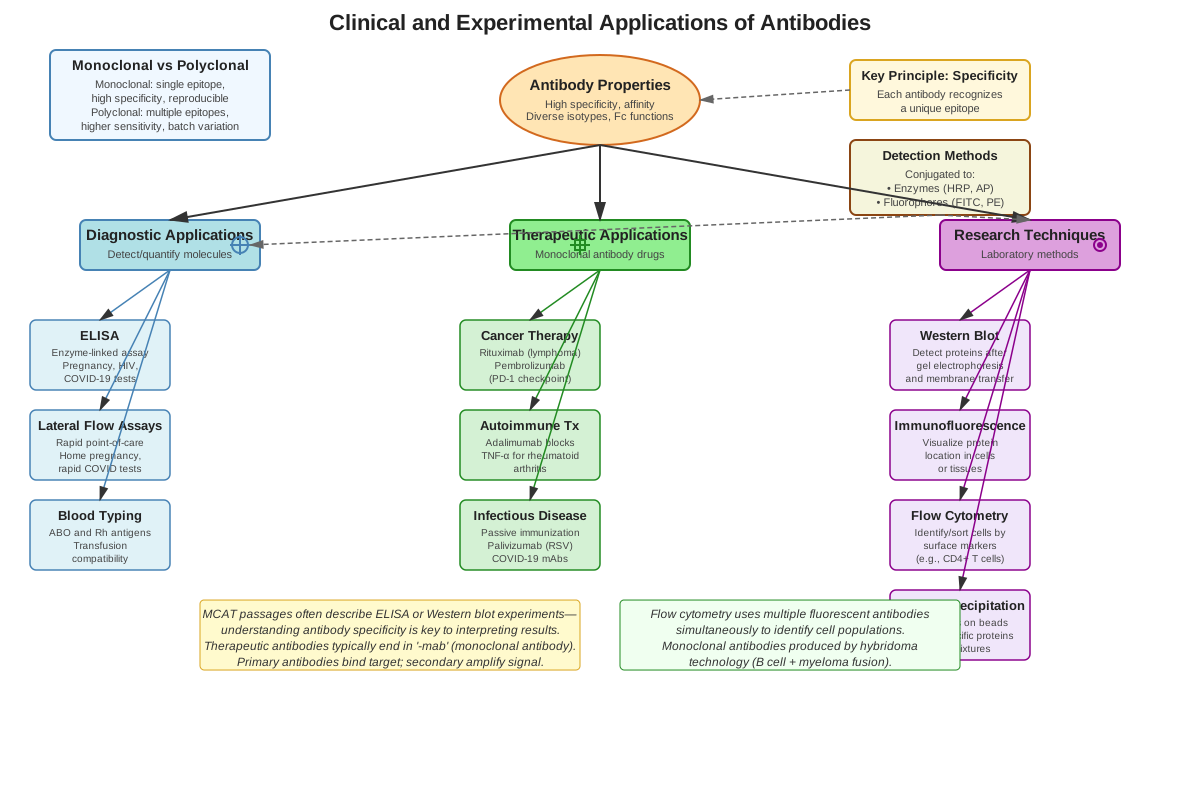
Antibodies represent one of medicine's most powerful tools. Monoclonal antibody therapies treat cancers (rituximab for lymphoma), autoimmune diseases (adalimumab for rheumatoid arthritis), and infectious diseases (palivizumab for RSV). Vaccines function by inducing antibody production against pathogens. Blood typing for transfusions relies on detecting antibodies against ABO and Rh antigens. Diagnostic tests for pregnancy, COVID-19, HIV, and countless other conditions utilize antibody-antigen interactions. Understanding antibody biology is essential for interpreting clinical scenarios involving immunodeficiencies, allergies, transplant rejection, and maternal-fetal Rh incompatibility.
MCAT Exam Statistics
Antibodies appear in approximately 3-5% of MCAT Biology questions, with higher representation in passages involving experimental techniques or immune system disorders. Questions typically test:
- Structural analysis: Identifying which antibody regions bind antigen or activate complement
- Isotype comparison: Distinguishing IgG, IgM, IgA, IgE, and IgD functions
- Experimental interpretation: Understanding ELISA, immunoprecipitation, or Western blot data
- Clinical reasoning: Applying antibody concepts to disease scenarios
Common Exam Contexts
MCAT passages frequently present antibodies in research contexts—scientists developing therapeutic antibodies, investigating immune responses to vaccines, or using antibodies as experimental tools to detect proteins. Clinical vignettes may describe patients with recurrent infections (suggesting antibody deficiency), allergic reactions (IgE-mediated), or autoimmune conditions (autoantibodies). Biochemistry passages may explore antibody engineering, such as creating chimeric or humanized antibodies for therapy.
Core Concepts
Antibody Structure and Functional Domains
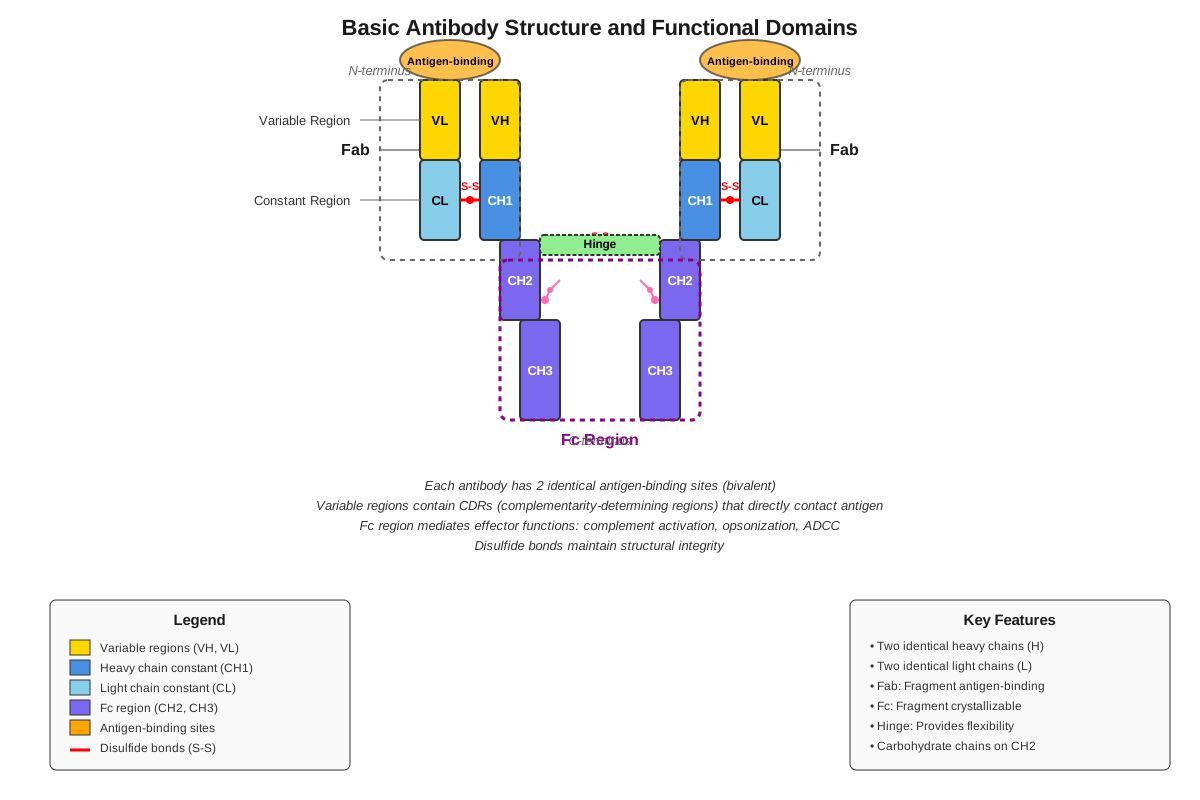
Antibodies are Y-shaped glycoproteins composed of four polypeptide chains: two identical heavy chains (H chains, ~50 kDa each) and two identical light chains (L chains, ~25 kDa each), held together by disulfide bonds. This quaternary structure creates a symmetrical molecule with two identical antigen-binding sites, enabling bivalent binding that increases avidity.
Each chain contains distinct regions:
Variable (V) regions: Located at the N-terminus of both heavy and light chains, these regions form the antigen-binding site. The V~H~ (variable heavy) and V~L~ (variable light) domains combine to create the paratope—the specific three-dimensional pocket that recognizes the epitope (antigenic determinant) on the target molecule. Within each variable region, three hypervariable regions or complementarity-determining regions (CDRs) exhibit extreme sequence diversity and make direct contact with the antigen. The CDRs are interspersed with more conserved framework regions that provide structural support.
Constant (C) regions: The C-terminus of each chain contains constant domains with relatively conserved sequences within each antibody class. Light chains have one constant domain (C~L~), while heavy chains have three or four constant domains (C~H~1, C~H~2, C~H~3, and sometimes C~H~4). The constant regions determine the antibody's isotype (class) and mediate effector functions such as complement activation and binding to Fc receptors on immune cells.
The hinge region between C~H~1 and C~H~2 provides flexibility, allowing the two antigen-binding arms to adopt various angles to accommodate antigens with different spatial arrangements of epitopes.
Proteolytic cleavage experiments historically defined functional antibody fragments:
- Fab (Fragment antigen-binding): Contains one light chain and the V~H~ and C~H~1 domains of one heavy chain; retains antigen-binding capacity but lacks effector functions
- Fc (Fragment crystallizable): Contains the C~H~2 and C~H~3 domains of both heavy chains; mediates effector functions but cannot bind antigen
- F(ab')~2~: Contains both Fab arms connected by disulfide bonds; bivalent antigen binding without Fc-mediated effects
Antibody Isotypes and Their Functions
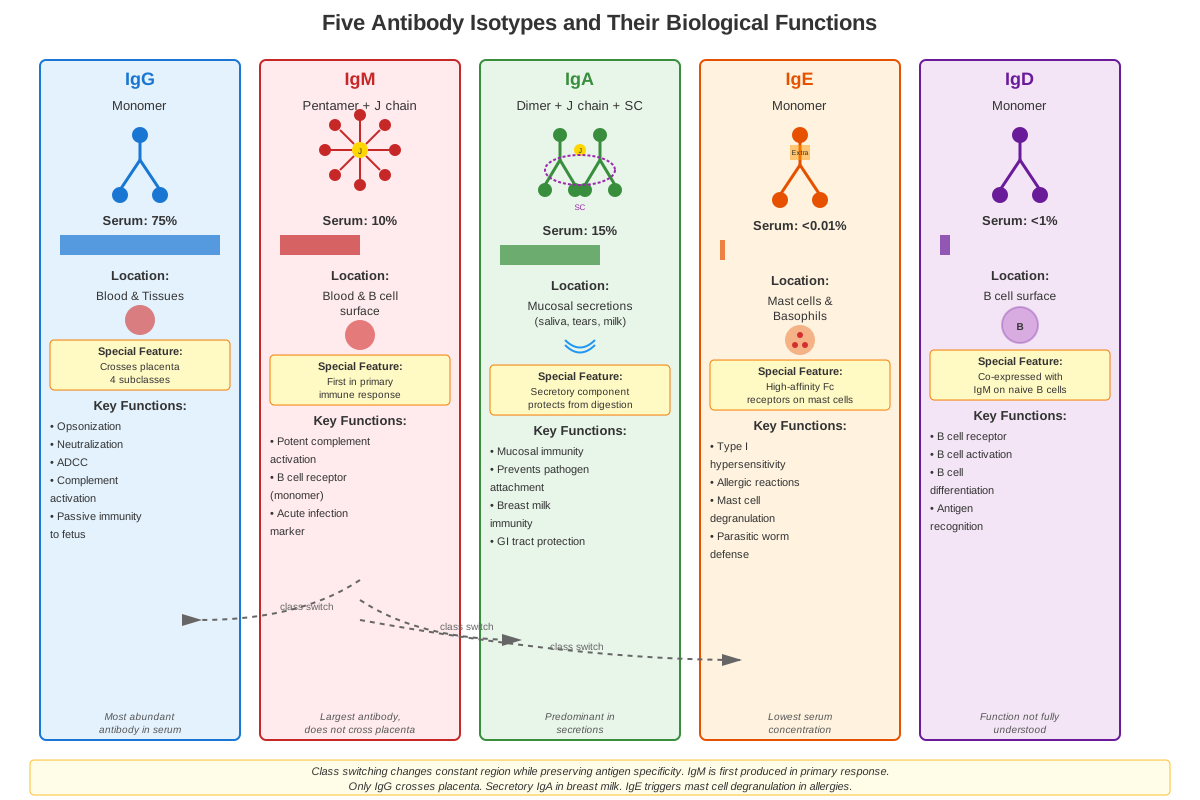
Five major antibody classes exist, distinguished by their heavy chain constant regions. Each isotype exhibits unique structural features, tissue distribution, and biological functions:
| Isotype | Heavy Chain | Structure | Serum Concentration | Key Functions | Special Features |
|---|---|---|---|---|---|
| IgG | γ (gamma) | Monomer | 75% of serum Ig | Opsonization, complement activation, neutralization, ADCC | Crosses placenta; four subclasses (IgG1-4) |
| IgM | μ (mu) | Pentamer (sometimes hexamer) | 10% of serum Ig | Primary response, agglutination, complement activation | First antibody produced; J chain links monomers |
| IgA | α (alpha) | Monomer (serum) or Dimer (secretory) | 15% of serum Ig | Mucosal immunity, neutralization | Secretory component protects from proteolysis |
| IgE | ε (epsilon) | Monomer | <0.01% of serum Ig | Antiparasitic immunity, allergic reactions | Binds mast cells and basophils via Fc receptors |
| IgD | δ (delta) | Monomer | <1% of serum Ig | B cell receptor, B cell activation | Function incompletely understood |
IgG is the most abundant and versatile antibody, providing long-term immunity through its ability to neutralize toxins, opsonize pathogens (marking them for phagocytosis), activate complement via the classical pathway, and mediate antibody-dependent cell-mediated cytotoxicity (ADCC). Its small size and monomeric structure allow tissue penetration. Crucially, IgG is the only antibody that crosses the placenta via FcRn (neonatal Fc receptor), providing passive immunity to the fetus and newborn.
IgM is the first antibody produced during a primary immune response and the first expressed on naive B cells as a membrane-bound receptor. Its pentameric structure (five monomers joined by a J chain) creates ten antigen-binding sites, making it highly effective at agglutination (clumping pathogens) despite lower affinity per binding site. IgM is the most efficient complement activator—a single IgM molecule bound to antigen can initiate the complement cascade.
IgA predominates in mucosal secretions (saliva, tears, breast milk, respiratory and gastrointestinal tract fluids) as secretory IgA (sIgA), a dimer joined by a J chain and associated with a secretory component that protects it from proteolytic degradation. This positioning makes IgA the first line of defense against pathogens attempting to breach mucosal barriers through neutralization and immune exclusion.
IgE binds with high affinity to Fc receptors on mast cells and basophils. When antigen cross-links IgE molecules on these cells, it triggers degranulation, releasing histamine and other inflammatory mediators. This mechanism evolved for antiparasitic immunity (particularly against helminths) but also underlies Type I hypersensitivity reactions (allergies and anaphylaxis).
IgD appears primarily as a membrane-bound receptor on mature naive B cells alongside IgM. Its precise function remains debated, but it likely plays roles in B cell activation and regulation.
Antibody Diversity and Generation Mechanisms
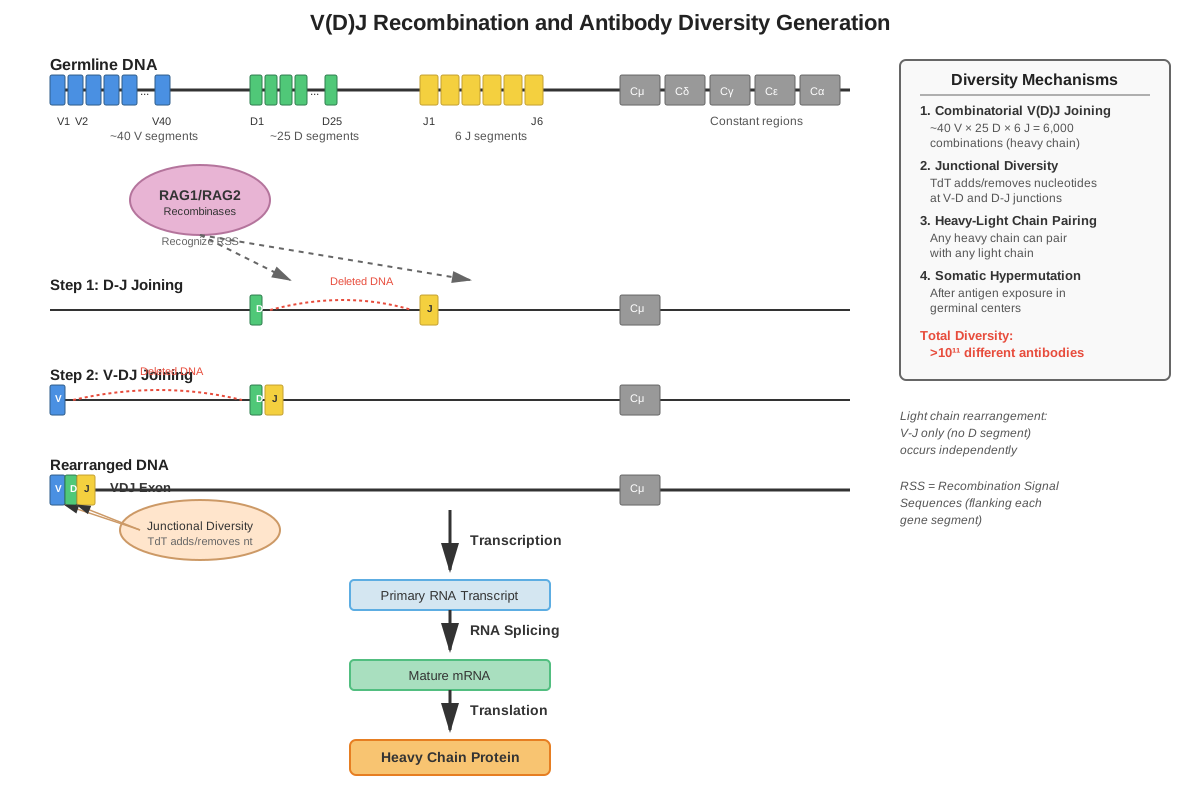
The human immune system can generate antibodies recognizing billions of different antigens despite having only about 20,000 genes. This remarkable diversity arises through several mechanisms:
V(D)J recombination: During B cell development in the bone marrow, gene segments encoding antibody variable regions undergo somatic recombination. The heavy chain locus contains multiple V (variable), D (diversity), and J (joining) gene segments, while light chain loci (κ and λ) contain V and J segments. RAG1 and RAG2 (recombination-activating genes) enzymes catalyze the random selection and joining of one segment from each group, creating a unique V(D)J exon. Combinatorial diversity from choosing different V, D, and J segments generates substantial variation.
Junctional diversity: During V(D)J recombination, terminal deoxynucleotidyl transferase (TdT) adds random nucleotides at junction points between gene segments (N-nucleotides), and imprecise joining may delete nucleotides (P-nucleotides). This process dramatically increases diversity, particularly in the CDR3 region, which contacts the center of the antigen and contributes most to binding specificity.
Combinatorial association: Each antibody molecule pairs one heavy chain with one light chain. Since heavy and light chains are generated independently, different combinations multiply diversity.
Somatic hypermutation: After antigen exposure, activated B cells in germinal centers undergo rapid proliferation with an elevated mutation rate (approximately 10^-3^ per base pair per division) specifically in variable region genes. This affinity maturation process generates variants with altered antigen-binding properties. B cells producing higher-affinity antibodies receive stronger survival signals through competition for antigen, leading to selection of increasingly effective antibodies over time.
Class switching (isotype switching): Initially, B cells produce IgM. Upon activation and with appropriate cytokine signals, B cells can switch to producing IgG, IgA, or IgE while maintaining the same antigen specificity. This class switch recombination involves deleting DNA between switch regions upstream of different heavy chain constant region genes, allowing the same V(D)J exon to be expressed with different constant regions. This mechanism enables the immune system to deploy the same antigen specificity with different effector functions appropriate to the pathogen type and infection site.
Antibody Effector Functions
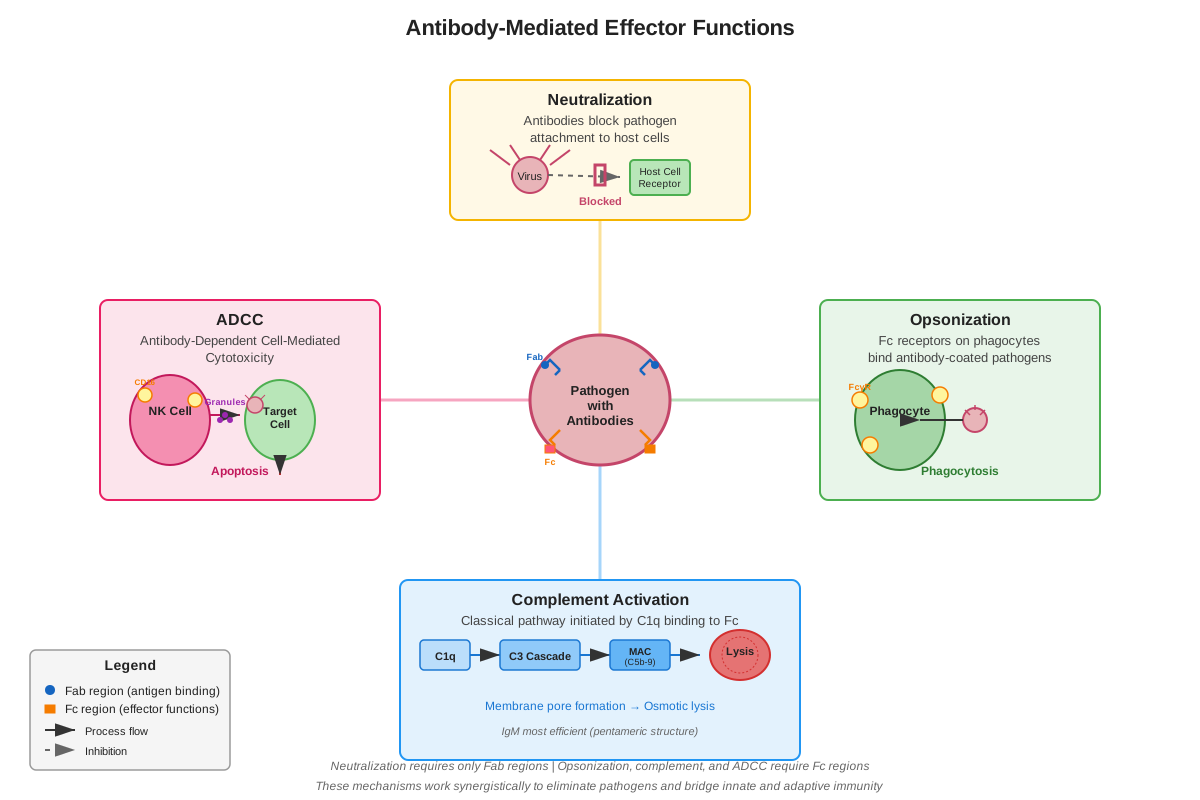
Beyond neutralizing pathogens by blocking their ability to infect cells or exert toxic effects, antibodies mediate several critical effector functions:
Opsonization: Antibodies coating pathogens bind to Fc receptors on phagocytes (macrophages, neutrophils), dramatically enhancing phagocytosis. This "molecular tagging" bridges innate and adaptive immunity.
Complement activation: IgM and IgG (particularly IgG1 and IgG3) activate the classical complement pathway when multiple Fc regions cluster on an antigen surface. C1q binds to the Fc regions, initiating a proteolytic cascade that produces:
- Opsonins (C3b) that enhance phagocytosis
- Anaphylatoxins (C3a, C5a) that promote inflammation
- Membrane attack complex (MAC) that lyses pathogens
Antibody-dependent cell-mediated cytotoxicity (ADCC): NK cells, eosinophils, and other leukocytes express Fc receptors that bind antibody-coated target cells. This binding triggers the release of cytotoxic granules, killing the target cell. ADCC is particularly important for eliminating virus-infected cells and tumor cells.
Mast cell and basophil degranulation: IgE bound to high-affinity Fc receptors (FcεRI) on these cells triggers degranulation when antigen cross-links adjacent IgE molecules, releasing histamine, leukotrienes, and other inflammatory mediators.
Monoclonal vs. Polyclonal Antibodies
Polyclonal antibodies result from the natural immune response, where multiple B cell clones recognize different epitopes on the same antigen. Polyclonal antisera contain heterogeneous antibody populations with varying specificities and affinities. While useful for some applications (detecting proteins with multiple epitopes), batch-to-batch variability limits reproducibility.
Monoclonal antibodies derive from a single B cell clone, recognizing one specific epitope with uniform affinity and specificity. Hybridoma technology (developed by Köhler and Milstein) fuses antibody-producing B cells with immortal myeloma cells, creating cell lines that indefinitely produce identical antibodies. Monoclonal antibodies provide:
- Unlimited supply of identical antibodies
- Defined specificity and affinity
- Reproducibility across experiments
- Therapeutic applications (cancer treatment, autoimmune disease)
Modern antibody engineering produces humanized and fully human monoclonal antibodies to reduce immunogenicity when used therapeutically.
Concept Relationships
The structure-function relationship forms the foundation of antibody biology: variable regions determine antigen specificity → which enables adaptive immunity → while constant regions determine isotype → which dictates effector functions → ultimately determining biological outcome.
V(D)J recombination generates primary antibody repertoire → antigen exposure triggers clonal selection → somatic hypermutation produces affinity maturation → class switching optimizes effector function → resulting in immunological memory.
Antibodies connect to prerequisite knowledge: protein structure principles explain antibody folding and stability → non-covalent interactions mediate antigen-antibody binding → gene expression mechanisms enable class switching → cell signaling through B cell receptors initiates antibody production.
Antibodies link to broader immunology: innate immunity provides initial pathogen recognition → antigen presentation activates helper T cells → T cell help enables B cell activation → plasma cells secrete antibodies → antibodies enhance innate immune mechanisms through opsonization and complement activation → creating an integrated immune response.
Clinical connections: antibody deficiencies cause recurrent infections → autoantibodies drive autoimmune diseases → IgE overproduction causes allergies → maternal IgG provides neonatal immunity but can cause hemolytic disease of the newborn → therapeutic antibodies treat cancer and inflammatory diseases.
Quick check — test yourself on Antibodies so far.
Try Flashcards →High-Yield Facts
⭐ Antibodies are Y-shaped glycoproteins composed of two heavy chains and two light chains held together by disulfide bonds, with two identical antigen-binding sites.
⭐ The variable regions (V~H~ and V~L~) contain three hypervariable CDRs that directly contact antigen, while constant regions determine isotype and effector functions.
⭐ IgG is the most abundant serum antibody, crosses the placenta, activates complement, and mediates opsonization and ADCC.
⭐ IgM is the first antibody produced in primary immune responses, exists as a pentamer, and is the most efficient complement activator.
⭐ IgA predominates in mucosal secretions as dimeric secretory IgA, providing the first line of defense at mucosal surfaces.
- IgE binds mast cells and basophils via Fc receptors and triggers degranulation when cross-linked by antigen, mediating allergic reactions and antiparasitic immunity.
- V(D)J recombination, junctional diversity, combinatorial association, and somatic hypermutation generate antibody diversity capable of recognizing billions of antigens.
- Class switching allows B cells to produce different antibody isotypes with the same antigen specificity by recombining DNA to pair V(D)J exons with different constant region genes.
- Fab fragments retain antigen-binding capacity but lack effector functions, while Fc fragments mediate effector functions but cannot bind antigen.
- Monoclonal antibodies derive from a single B cell clone and recognize one epitope with uniform specificity, while polyclonal antibodies contain heterogeneous populations recognizing multiple epitopes.
- Affinity maturation through somatic hypermutation in germinal centers progressively increases antibody affinity during immune responses.
- The hinge region between C~H~1 and C~H~2 provides flexibility for antibodies to bind antigens with varying epitope spacing.
Common Misconceptions
Misconception: All antibodies can cross the placenta to provide fetal immunity.
Correction: Only IgG crosses the placenta via FcRn receptors. IgM, IgA, IgE, and IgD do not cross the placental barrier. This is why newborns are particularly vulnerable to certain infections until their own immune systems mature and why maternal IgG provides critical early protection.
Misconception: Antibodies directly kill pathogens.
Correction: Antibodies primarily mark pathogens for destruction by other immune mechanisms (opsonization, complement activation, ADCC) or neutralize them by blocking binding sites. While complement activation initiated by antibodies can lyse some pathogens via the membrane attack complex, antibodies themselves do not have intrinsic cytotoxic activity.
Misconception: Higher antibody concentration always means better immune protection.
Correction: Antibody affinity (binding strength) and specificity matter as much as quantity. A smaller amount of high-affinity antibody can be more protective than large amounts of low-affinity antibody. Additionally, the appropriate isotype for the infection site is crucial—high serum IgG won't protect mucosal surfaces as effectively as secretory IgA.
Misconception: Each B cell can produce multiple different antibodies.
Correction: Due to allelic exclusion, each B cell produces antibodies with a single specificity (one heavy chain and one light chain combination). However, a single B cell can undergo class switching to produce different isotypes (IgM, IgG, IgA, IgE) with the same antigen specificity by changing the constant region while maintaining the same variable region.
Misconception: The variable region is completely different in every antibody.
Correction: While variable regions differ between antibodies with different specificities, they contain conserved framework regions that provide structural scaffolding. Only the three CDRs within each variable domain exhibit extreme diversity and make direct antigen contact. This organization allows structural stability while maximizing diversity in the antigen-binding site.
Misconception: IgM is inferior to IgG because it has lower affinity.
Correction: IgM and IgG serve different but complementary roles. While individual IgM binding sites may have lower affinity than matured IgG, IgM's pentameric structure provides ten binding sites, creating high avidity through multivalent binding. IgM excels at agglutination and complement activation early in infection before high-affinity IgG develops. The immune system strategically deploys both isotypes at appropriate times.
Worked Examples
Example 1: Interpreting an ELISA Experiment
Scenario: Researchers develop an ELISA to detect antibodies against a viral protein in patient serum. They coat wells with purified viral protein, add patient serum, wash, then add enzyme-conjugated anti-human IgG, wash again, add substrate, and measure color development. Patient A shows strong color development, while Patient B shows minimal color.
Question: What can be concluded about these patients' immune status? What would happen if the researchers used anti-human IgM instead of anti-human IgG?
Solution:
Step 1 - Understand the ELISA principle: This is an indirect ELISA detecting antibodies. The viral protein captures patient antibodies if present. The enzyme-conjugated anti-human IgG (secondary antibody) binds to any captured human IgG, and substrate conversion produces colored product proportional to bound IgG.
Step 2 - Interpret Patient A: Strong color indicates abundant IgG antibodies against the viral protein. This suggests either current infection with sufficient time for class switching and IgG production (typically >1-2 weeks), past infection with persistent IgG, or vaccination. IgG indicates an established adaptive immune response.
Step 3 - Interpret Patient B: Minimal color suggests little or no IgG against the viral protein. Patient B might be: (1) uninfected and unvaccinated, (2) very early in infection before IgG production, (3) immunocompromised with impaired antibody production, or (4) infected but tested during the IgM-dominant phase.
Step 4 - Consider anti-human IgM: If researchers used anti-human IgM instead, they would detect IgM antibodies, which appear earlier in primary responses (typically within days). A patient with recent infection might show strong IgM but weak IgG, while a patient with past infection or vaccination would show weak IgM (which declines over time) but strong IgG. Testing both IgM and IgG helps distinguish acute from past infection.
Key Concept Connection: This example demonstrates how antibody isotype kinetics (IgM appears first, IgG later and persists) provides diagnostic information about infection timing, and how experimental techniques exploit antibody structure (using anti-constant region antibodies to detect human antibodies regardless of specificity).
Example 2: Clinical Vignette on Maternal-Fetal Antibody Transfer
Scenario: A pregnant woman with Rh-negative blood (lacks Rh antigen on red blood cells) carries an Rh-positive fetus (inherited from Rh-positive father). During delivery of her first Rh-positive child, fetal blood enters maternal circulation. In a subsequent pregnancy with another Rh-positive fetus, the baby develops severe anemia requiring treatment.
Question: Explain the immunological mechanism causing the second baby's anemia. Why didn't the first baby experience this problem? What antibody isotype is involved, and why is this isotype critical to the pathology?
Solution:
Step 1 - First pregnancy analysis: During the first delivery, fetal Rh-positive red blood cells entering maternal circulation are recognized as foreign antigens. The mother's immune system mounts a primary response, initially producing IgM antibodies against Rh antigen. However, the first baby is typically unaffected because: (1) most fetal blood exposure occurs during delivery, after the baby is born, and (2) IgM, being a large pentamer, does not cross the placenta efficiently.
Step 2 - Sensitization and memory: After the first exposure, the mother develops memory B cells specific for Rh antigen. She is now "sensitized."
Step 3 - Second pregnancy pathology: When the second Rh-positive fetus develops, small amounts of fetal blood may cross the placenta during pregnancy. The mother's memory B cells rapidly mount a secondary response, producing large amounts of IgG antibodies against Rh antigen. Unlike IgM, IgG crosses the placenta via FcRn receptors. Maternal anti-Rh IgG enters fetal circulation and binds to fetal Rh-positive red blood cells.
Step 4 - Hemolysis mechanism: Antibody-coated fetal red blood cells are destroyed through: (1) opsonization and phagocytosis by fetal macrophages recognizing Fc regions, (2) complement activation leading to cell lysis, and (3) ADCC by NK cells. This causes hemolytic disease of the newborn (erythroblastosis fetalis), resulting in severe anemia, jaundice from bilirubin accumulation, and potentially heart failure.
Step 5 - Critical isotype: IgG is the critical isotype because it is the only antibody that crosses the placenta. This normally beneficial feature (providing passive immunity to the newborn) becomes pathological when maternal IgG targets fetal antigens. The small, monomeric structure of IgG allows FcRn-mediated transcytosis across placental syncytiotrophoblasts.
Prevention note: This condition is prevented by administering RhoGAM (anti-Rh IgG) to Rh-negative mothers after delivery of Rh-positive babies. The administered antibodies clear fetal Rh-positive cells before the mother's immune system can mount a response, preventing sensitization.
Key Concept Connection: This example illustrates how antibody isotype determines biological outcome (IgG placental transfer), the difference between primary and secondary responses, and how antibody effector functions (opsonization, complement activation) cause pathology when directed against self or fetal antigens.
Exam Strategy
Question Approach Framework
When encountering antibody questions on the MCAT, use this systematic approach:
- Identify the antibody isotype mentioned or implied—each has distinct properties that often determine the answer
- Distinguish structure from function questions—is the question asking about antigen binding (variable regions) or effector functions (constant regions)?
- Consider timing—primary vs. secondary response, early vs. late infection
- Recognize experimental contexts—ELISA, Western blot, immunoprecipitation, and therapeutic antibody passages
Trigger Words and Phrases
Structural triggers:
- "Antigen-binding site" → variable regions, CDRs, Fab fragment
- "Effector function" → constant regions, Fc fragment, isotype-specific
- "Crosses the placenta" → IgG exclusively
- "Pentameric" → IgM
Functional triggers:
- "First antibody produced" → IgM in primary response
- "Mucosal immunity" → secretory IgA
- "Allergic reaction," "mast cell degranulation" → IgE
- "Opsonization," "complement activation" → IgG or IgM
- "Most abundant" → IgG
Experimental triggers:
- "Monoclonal antibody" → single epitope, uniform specificity, therapeutic applications
- "Hybridoma" → monoclonal antibody production
- "Secondary antibody" → ELISA, Western blot, immunofluorescence
- "Affinity maturation" → somatic hypermutation, germinal centers
Process of Elimination Tips
When comparing antibody isotypes:
- Eliminate IgD first—it's rarely the answer due to its limited known functions
- If the question involves crossing barriers (placenta, blood-brain), only IgG is correct
- If the question emphasizes "first response" or "largest antibody," IgM is likely correct
- For mucosal/secretory contexts, eliminate all except IgA
For structure-function questions:
- If changing the constant region would affect the answer, it's about effector functions
- If changing the variable region would affect the answer, it's about antigen specificity
- Fab-related answers involve antigen binding; Fc-related answers involve effector functions
For diversity mechanism questions:
- V(D)J recombination occurs during B cell development (before antigen exposure)
- Somatic hypermutation occurs after antigen exposure (during germinal center reactions)
- Class switching changes isotype but not specificity
Time Allocation Advice
Antibody questions typically require 60-90 seconds:
- Discrete questions (30-45 seconds): Quickly identify the key concept (isotype, structure, or mechanism) and select the answer
- Passage-based questions (60-90 seconds): Locate relevant passage information, integrate with antibody knowledge, eliminate wrong answers systematically
Don't overthink antibody questions—they usually test straightforward concept application rather than complex reasoning. If you find yourself spending >2 minutes, you may be overcomplicating the question. Return to basic principles: structure determines function, isotype determines biological role.
Memory Techniques
Isotype Functions Mnemonic: "MADGE"
Mucosal immunity → IgA (secretory IgA protects mucosal surfaces)
Allergies → IgE (mast cell degranulation, anaphylaxis)
Development marker → IgD (B cell receptor on naive B cells)
General immunity → IgG (most abundant, crosses placenta, versatile)
Early response → IgM (first produced, pentamer, efficient complement activation)
Antibody Structure Visualization
Visualize the antibody as a person with arms raised in victory (Y-shape):
- Hands = variable regions (grasp the antigen)
- Arms = Fab fragments (flexible, reach for antigen)
- Body = Fc fragment (constant, interacts with immune system)
- Shoulders = hinge region (provides flexibility)
V(D)J Recombination Sequence: "Very Diverse Joints"
Variable + Diversity + Joining segments recombine
Remember: Heavy chains use V, D, and J; light chains use only V and J (no D segment)
Class Switching Order: "MDGAE"
The order of heavy chain constant region genes on the chromosome:
M (μ) → D (δ) → G (γ) → A (α) → E (ε)
IgM is produced first because the μ gene is closest to the V(D)J exon. Class switching involves deleting DNA between switch regions, so the order reflects the genomic organization.
Complement Activation: "MG-1,3"
Most efficient: IgM
Good activators: IgG (specifically subclasses 1 and 3)
Placental Transfer: "Only G Gets Through"
Only IgG crosses the placenta—remember "G for Gestation" or "G for Giving immunity to baby"
Summary
Antibodies are Y-shaped glycoprotein molecules consisting of two heavy chains and two light chains, with variable regions that bind specific antigens and constant regions that determine isotype and mediate effector functions. The five antibody isotypes—IgG, IgM, IgA, IgE, and IgD—serve distinct biological roles: IgG provides versatile, long-lasting immunity and crosses the placenta; IgM dominates early responses and efficiently activates complement; IgA protects mucosal surfaces; IgE mediates allergic reactions and antiparasitic immunity; and IgD functions primarily as a B cell receptor. Antibody diversity arises through V(D)J recombination, junctional diversity, combinatorial association, and somatic hypermutation, enabling recognition of billions of antigens. Class switching allows B cells to produce different isotypes with identical specificity, optimizing effector functions for specific pathogens. Antibodies eliminate threats through neutralization, opsonization, complement activation, and ADCC. Understanding antibody structure-function relationships, isotype-specific properties, and diversity generation mechanisms is essential for answering MCAT questions involving immunology, experimental techniques, and clinical scenarios.
Key Takeaways
- Antibodies are composed of two heavy and two light chains with variable regions (antigen binding) and constant regions (effector functions), creating a modular structure that separates specificity from biological activity
- IgG is the most abundant antibody, crosses the placenta, and mediates opsonization, complement activation, and ADCC; IgM is pentameric, appears first in primary responses, and most efficiently activates complement
- IgA predominates in mucosal secretions providing first-line defense; IgE binds mast cells and triggers degranulation in allergic reactions; IgD serves as a B cell receptor
- V(D)J recombination, junctional diversity, somatic hypermutation, and combinatorial association generate antibody diversity capable of recognizing billions of antigens from limited genetic information
- Class switching changes antibody isotype while maintaining antigen specificity, allowing the immune system to deploy appropriate effector functions against different pathogens
- Monoclonal antibodies derive from single B cell clones with uniform specificity, while polyclonal antibodies contain heterogeneous populations; both have important research and clinical applications
- Antibody effector functions—neutralization, opsonization, complement activation, and ADCC—bridge adaptive and innate immunity to eliminate pathogens
Related Topics
B Cell Development and Activation: Understanding how B cells mature in bone marrow, undergo selection, and become activated by antigen provides context for when and where antibodies are produced. Mastering antibodies enables deeper comprehension of B cell biology.
Complement System: Antibodies activate the classical complement pathway, making complement system knowledge essential for understanding antibody effector functions. The two topics are intimately connected in immune defense.
Hypersensitivity Reactions: Type I (IgE-mediated), Type II (antibody-mediated cytotoxicity), and Type III (immune complex) hypersensitivities all involve antibodies. Understanding antibody biology is prerequisite to comprehending these pathological immune responses.
Immunological Techniques: ELISA, Western blotting, immunoprecipitation, immunofluorescence, and flow cytometry all utilize antibodies as detection tools. Mastering antibody structure and function enables interpretation of experimental data using these techniques.
Vaccine Immunology: Vaccines function primarily by inducing protective antibody responses. Understanding antibody production, isotype switching, and memory formation is essential for comprehending vaccine mechanisms and efficacy.
Autoimmune Diseases: Many autoimmune conditions involve autoantibodies targeting self-antigens. Understanding normal antibody function provides foundation for comprehending autoimmune pathology.
Practice CTA
Now that you've mastered the core concepts of antibody structure, function, diversity, and clinical applications, reinforce your learning by attempting practice questions and flashcards. Focus on distinguishing antibody isotypes, interpreting experimental data involving antibodies, and applying antibody concepts to clinical scenarios. The more you practice applying these concepts to MCAT-style questions, the more automatic your recall will become on test day. Remember: antibodies appear frequently in passages involving immunology, experimental techniques, and clinical medicine—mastering this topic will boost your confidence and performance across multiple question types. You've built a strong foundation; now solidify it through active practice!
Sign up free to keep reading
Create a free AnvayaPrep account to finish this MCAT guide on Antibodies — plus flashcards and practice questions.