Overview
Antigen presentation is a fundamental immunological process by which cells display fragments of proteins (antigens) on their surface to alert the immune system to the presence of pathogens, infected cells, or abnormal proteins. This process serves as the critical communication bridge between the innate and adaptive immune systems, allowing T lymphocytes to recognize and respond to threats they cannot directly detect. In the context of Biology and specifically Physiology and Organ Systems, antigen presentation represents one of the most elegant examples of cellular cooperation and molecular recognition in human physiology.
For the MCAT, understanding antigen presentation Biology is essential because it integrates multiple high-yield concepts: cell biology, immunology, protein processing, and cell-cell communication. Questions on this topic frequently appear in both passage-based and discrete formats, often requiring students to trace the pathway of antigen processing, distinguish between different presentation mechanisms, or predict immune responses based on which cells are presenting antigens. The topic bridges molecular biology (protein degradation and transport) with systems physiology (immune response coordination), making it a favorite for MCAT test writers who want to assess integrative thinking.
The significance of antigen presentation MCAT content extends beyond memorization of pathways. Students must understand the mechanistic differences between MHC Class I and Class II presentation, recognize which cell types perform each function, and predict the downstream consequences of antigen presentation on immune activation. This topic connects directly to concepts including adaptive immunity, cell-mediated immunity, humoral immunity, autoimmune diseases, and transplant rejection—all of which appear regularly on the exam. Mastering antigen presentation provides the foundation for understanding how the immune system distinguishes self from non-self and coordinates targeted responses to specific threats.
Learning Objectives
- [ ] Define antigen presentation using accurate Biology terminology
- [ ] Explain why antigen presentation matters for the MCAT
- [ ] Apply antigen presentation to exam-style questions
- [ ] Identify common mistakes related to antigen presentation
- [ ] Connect antigen presentation to related Biology concepts
- [ ] Distinguish between MHC Class I and MHC Class II presentation pathways, including the origin of antigens, processing mechanisms, and target cells
- [ ] Predict which immune cells will be activated based on the type of antigen presentation occurring
- [ ] Analyze clinical scenarios involving defects in antigen presentation and predict their immunological consequences
Prerequisites
- Basic cell biology: Understanding of organelles (endoplasmic reticulum, Golgi apparatus, endosomes, proteasomes) is essential because antigen processing occurs in these compartments
- Protein structure and degradation: Knowledge of how proteins are broken down into peptides is necessary to understand antigen processing
- Immune system overview: Familiarity with innate vs. adaptive immunity provides context for why antigen presentation is necessary
- T cell and B cell basics: Understanding the roles of different lymphocytes helps explain why antigen presentation targets specific cell types
- Cell membrane structure: Knowledge of membrane proteins and receptor-ligand interactions is required to understand MHC molecules and T cell receptor binding
Why This Topic Matters
Clinical and Real-World Significance
Antigen presentation is central to virtually every aspect of clinical immunology. Defects in antigen presentation underlie bare lymphocyte syndrome, a severe immunodeficiency where patients cannot express MHC molecules and thus cannot mount effective adaptive immune responses. Conversely, excessive or inappropriate antigen presentation drives autoimmune diseases like type 1 diabetes, multiple sclerosis, and rheumatoid arthritis, where self-antigens are presented to T cells that should have been eliminated during development. In transplant medicine, mismatched MHC molecules (also called human leukocyte antigens or HLA) on donor organs trigger rejection because recipient T cells recognize the foreign MHC-peptide complexes. Cancer immunotherapy, including checkpoint inhibitors and CAR-T cell therapy, relies fundamentally on enhancing antigen presentation to help the immune system recognize tumor cells.
MCAT Exam Statistics and Question Types
Antigen presentation appears in approximately 3-5% of MCAT Biology/Biochemistry section questions, with medium difficulty and medium importance ratings. Questions typically appear in three formats: (1) passage-based questions describing experimental manipulations of antigen presentation pathways, (2) discrete questions testing knowledge of MHC Class I vs. Class II distinctions, and (3) integrated questions connecting antigen presentation to immune responses, disease states, or therapeutic interventions. The topic frequently appears alongside passages about viral infections, vaccine development, autoimmune diseases, or cancer immunology.
Common Exam Passage Contexts
MCAT passages involving antigen presentation often describe: research on novel vaccine adjuvants that enhance antigen presentation; experiments tracking fluorescently labeled antigens through cellular compartments; clinical cases of immunodeficiency or autoimmunity with underlying antigen presentation defects; studies of viral immune evasion mechanisms that interfere with MHC expression; or investigations of tumor cells that downregulate MHC molecules to escape immune surveillance. Recognizing these contexts helps students quickly identify when antigen presentation knowledge will be tested.
Core Concepts
Definition and Overview of Antigen Presentation
Antigen presentation is the process by which cells display peptide fragments derived from proteins on their cell surface, bound to major histocompatibility complex (MHC) molecules, for recognition by T lymphocytes. This process is absolutely essential for adaptive immunity because T cells cannot recognize intact proteins or free-floating antigens—they can only detect short peptide sequences (typically 8-20 amino acids) when these peptides are physically bound to MHC molecules on a cell surface. The MHC molecules (also called human leukocyte antigens or HLA in humans) are highly polymorphic cell surface glycoproteins that serve as the "display platform" for these peptide fragments.
The fundamental purpose of antigen presentation is to provide the immune system with a continuous sampling of all proteins being produced or encountered by cells throughout the body. By displaying these protein fragments, cells essentially report their internal status to patrolling T cells, allowing the immune system to detect infections, cellular transformation, or other abnormalities that would otherwise be invisible from outside the cell.
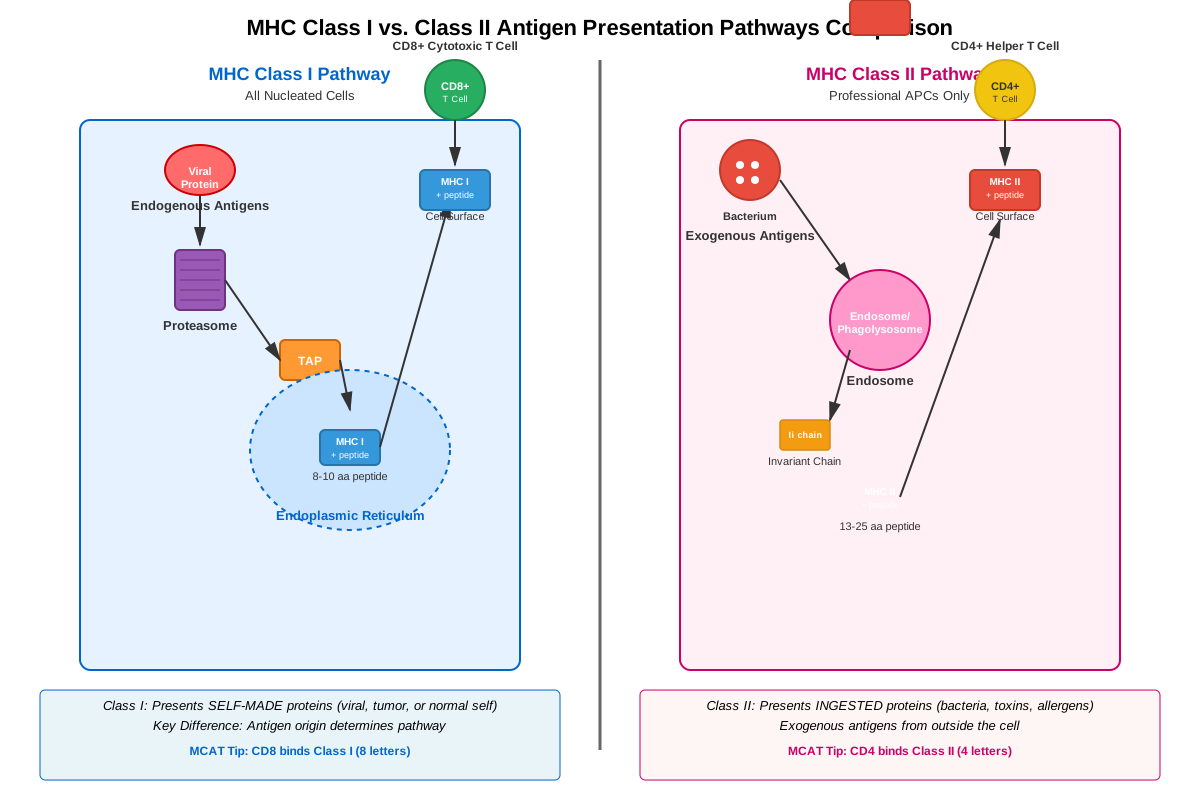
MHC Class I Presentation Pathway
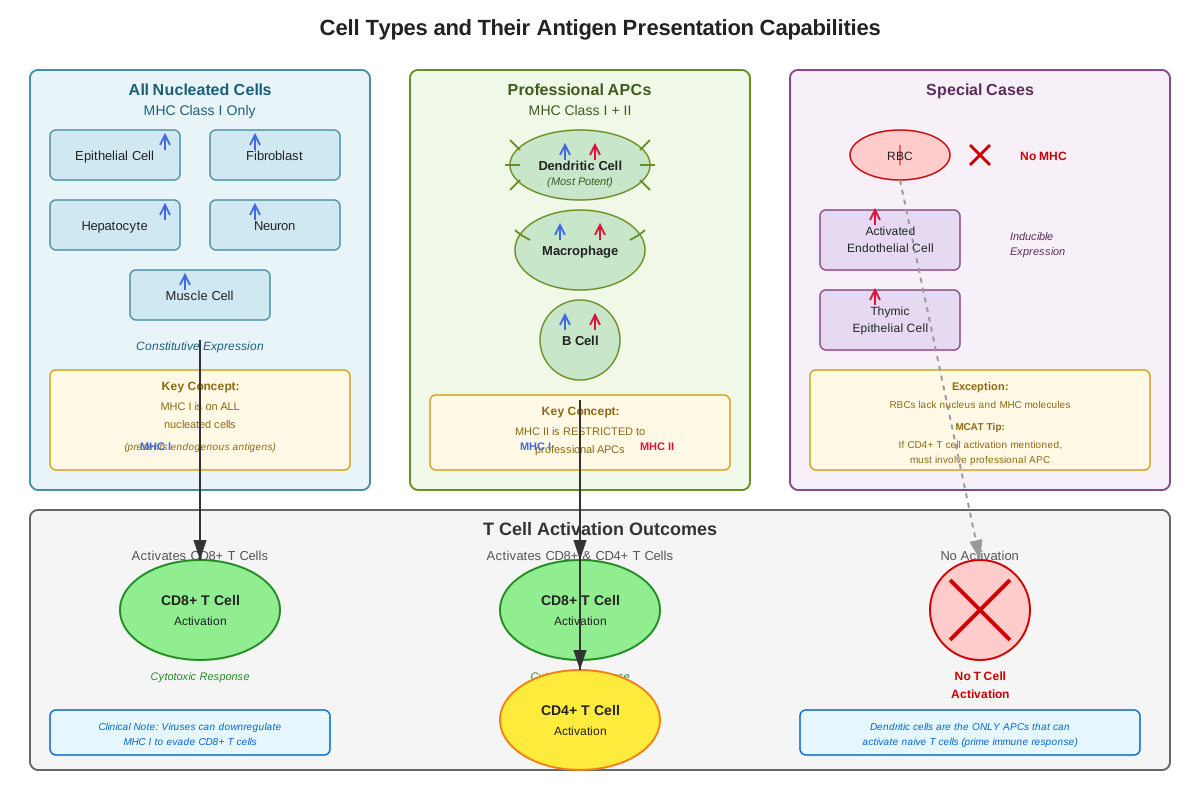
The MHC Class I pathway presents peptides derived from proteins synthesized within the cell (endogenous antigens) and is expressed on virtually all nucleated cells in the body. This pathway serves as a surveillance system for intracellular infections and cellular abnormalities.
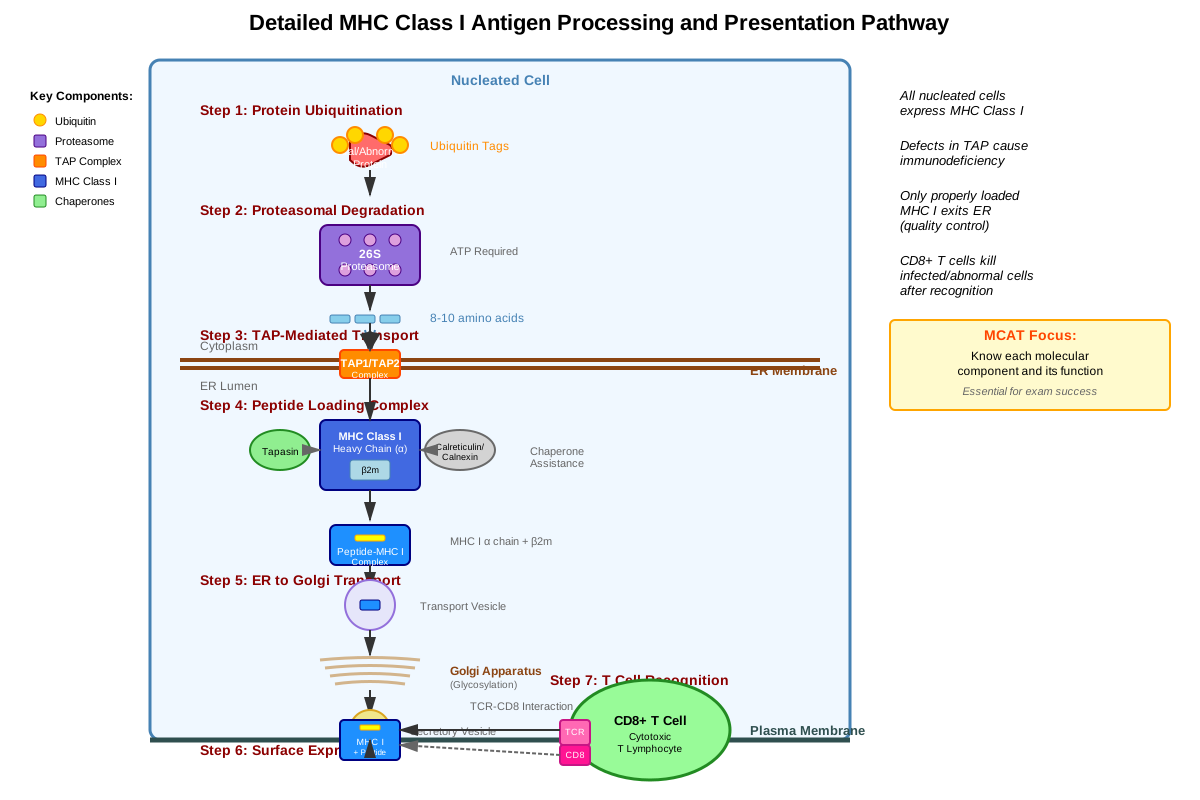
Step-by-step MHC Class I pathway:
- Protein degradation: Cytosolic proteins (whether normal cellular proteins, viral proteins, or tumor antigens) are tagged with ubiquitin and degraded by the proteasome, a large protein complex that breaks proteins into peptide fragments of 8-10 amino acids
- Peptide transport: The peptide fragments are transported from the cytosol into the endoplasmic reticulum (ER) lumen by TAP (Transporter associated with Antigen Processing), an ATP-dependent transporter embedded in the ER membrane
- MHC Class I assembly: In the ER, newly synthesized MHC Class I heavy chains associate with β2-microglobulin (a small protein required for MHC Class I stability) and with chaperone proteins including calnexin, calreticulin, and tapasin
- Peptide loading: Tapasin brings the MHC Class I molecule close to TAP, facilitating peptide loading into the peptide-binding groove of the MHC Class I molecule
- Quality control: Only MHC Class I molecules that have successfully bound a peptide with sufficient affinity are released from the chaperone complex
- Transport to surface: The stable MHC Class I-peptide complex travels through the Golgi apparatus and is transported via vesicles to the cell surface
- T cell recognition: On the cell surface, the MHC Class I-peptide complex can be recognized by CD8+ T cells (cytotoxic T lymphocytes) through their T cell receptors (TCR)
MCAT Exam Tip: Remember that MHC Class I = "I" = "Internal" antigens = CD8+ T cells. This simple association helps recall that Class I presents endogenous antigens to CD8+ cytotoxic T cells.
MHC Class II Presentation Pathway
The MHC Class II pathway presents peptides derived from proteins taken up from outside the cell (exogenous antigens) and is expressed only on professional antigen-presenting cells (APCs): dendritic cells, macrophages, and B cells. This pathway allows the immune system to monitor extracellular threats and coordinate helper T cell responses.
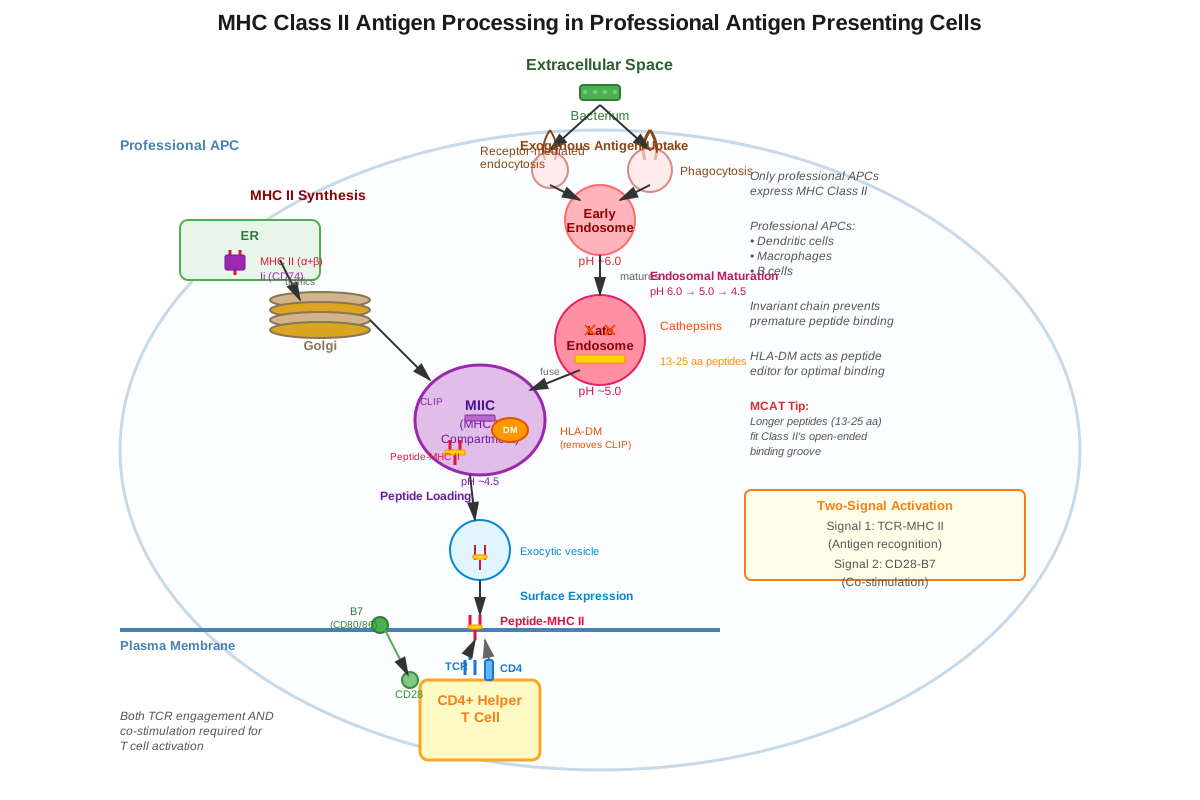
Step-by-step MHC Class II pathway:
- Antigen uptake: Professional APCs internalize extracellular proteins through various mechanisms including phagocytosis (engulfing particles), receptor-mediated endocytosis (binding specific antigens), or pinocytosis (sampling extracellular fluid)
- Endosomal processing: The internalized proteins are delivered to endosomes and lysosomes, where acidic pH and proteolytic enzymes (cathepsins) degrade the proteins into peptide fragments of 13-25 amino acids
- MHC Class II synthesis: MHC Class II molecules are synthesized in the ER as heterodimers (α and β chains) and associate with the invariant chain (Ii), which serves two functions: preventing premature peptide binding in the ER and directing the MHC Class II molecule to endosomal compartments
- Invariant chain cleavage: In the acidic endosomal environment, proteases progressively cleave the invariant chain, leaving only a small fragment called CLIP (Class II-associated Invariant chain Peptide) occupying the peptide-binding groove
- Peptide exchange: The molecule HLA-DM catalyzes the removal of CLIP and facilitates the loading of antigenic peptides into the MHC Class II binding groove
- Transport to surface: The stable MHC Class II-peptide complex is transported to the cell surface
- T cell recognition: On the cell surface, the MHC Class II-peptide complex is recognized by CD4+ T cells (helper T cells) through their T cell receptors
MCAT Exam Tip: Remember that MHC Class II = "II" = "External" antigens = CD4+ T cells. Class II presents exogenous antigens to CD4+ helper T cells, which then coordinate immune responses.
Comparison of MHC Class I and Class II Pathways
| Feature | MHC Class I | MHC Class II |
|---|---|---|
| Antigen source | Endogenous (cytosolic proteins) | Exogenous (extracellular proteins) |
| Cell expression | All nucleated cells | Professional APCs only (dendritic cells, macrophages, B cells) |
| MHC structure | Heavy chain + β2-microglobulin | α chain + β chain (heterodimer) |
| Peptide length | 8-10 amino acids | 13-25 amino acids |
| Processing location | Proteasome (cytosol) → ER | Endosomes/lysosomes |
| Key transporter | TAP (into ER) | Vesicular transport to endosomes |
| Blocking protein | None (but requires tapasin for loading) | Invariant chain (Ii) and CLIP |
| Helper molecule | Tapasin | HLA-DM |
| Recognized by | CD8+ T cells (cytotoxic) | CD4+ T cells (helper) |
| Primary function | Detect intracellular infections, cancer | Coordinate responses to extracellular pathogens |
Professional Antigen-Presenting Cells
While all nucleated cells can present antigens via MHC Class I, only professional antigen-presenting cells (APCs) can effectively activate naive T cells. The three types of professional APCs each have specialized roles:
Dendritic cells: The most potent APCs, dendritic cells are specialized for capturing antigens in peripheral tissues, migrating to lymph nodes, and activating naive T cells. They express high levels of both MHC Class I and Class II, along with costimulatory molecules (B7 proteins) required for T cell activation. Dendritic cells are essential for initiating primary immune responses.
Macrophages: These phagocytic cells capture and present antigens from pathogens they have engulfed. Macrophages are particularly important for presenting antigens to effector and memory T cells in tissues during ongoing immune responses. They also secrete cytokines that shape the type of immune response generated.
B cells: B lymphocytes can internalize antigens that bind to their surface immunoglobulin (antibody) receptors, process these antigens, and present them on MHC Class II molecules. This allows B cells to receive help from CD4+ T cells specific for the same antigen, leading to B cell activation, antibody production, and class switching.
Cross-Presentation
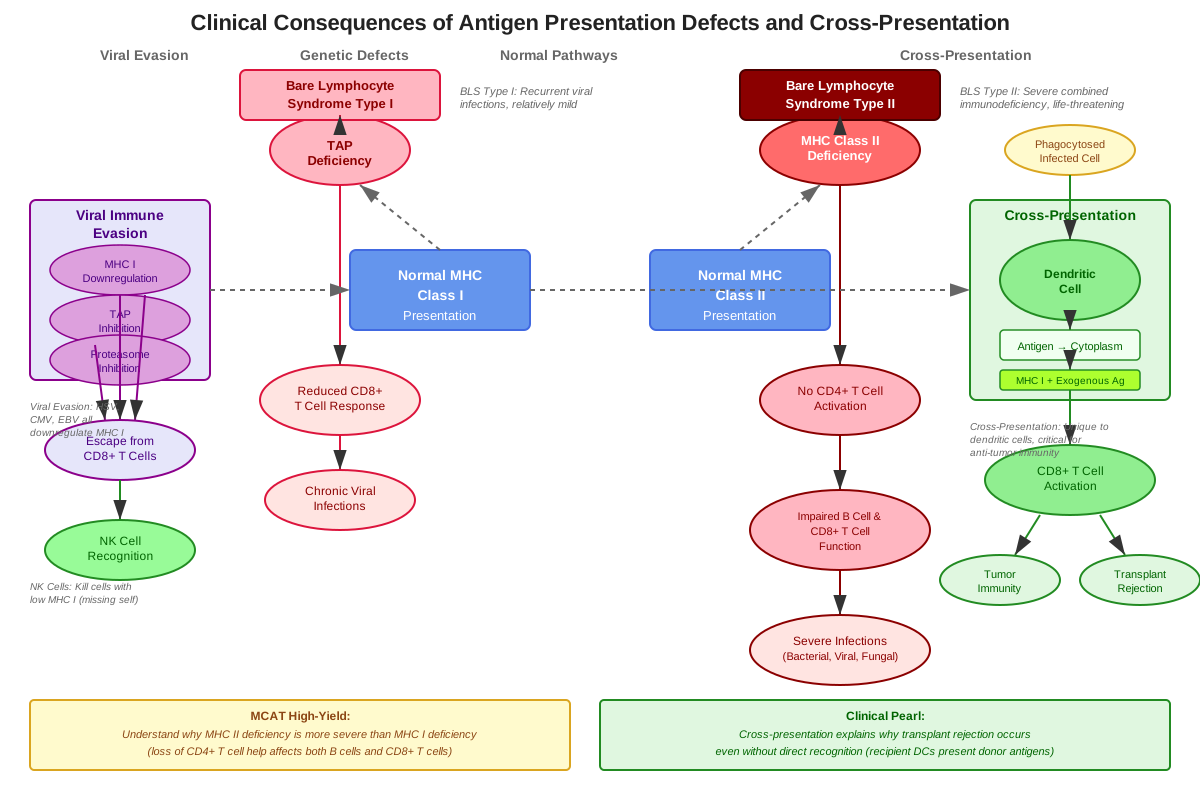
Cross-presentation is a specialized pathway in which dendritic cells can present exogenous antigens on MHC Class I molecules (normally, exogenous antigens would only be presented on MHC Class II). This mechanism is crucial for generating CD8+ T cell responses against viruses that don't directly infect dendritic cells and against tumor antigens. In cross-presentation, dendritic cells internalize material from infected or tumor cells, but instead of routing all antigens to the MHC Class II pathway, some antigens are transported from endosomes into the cytosol, where they access the MHC Class I processing machinery. This allows dendritic cells to present these exogenous antigens to CD8+ T cells, initiating cytotoxic responses against cells the dendritic cell has never directly encountered.
Costimulation and T Cell Activation
Antigen presentation alone is insufficient to activate naive T cells. Full T cell activation requires two signals: Signal 1 is the recognition of the MHC-peptide complex by the T cell receptor, and Signal 2 is the engagement of costimulatory molecules. The most important costimulatory interaction involves B7 proteins (CD80/CD86) on the APC binding to CD28 on the T cell. Without Signal 2, T cells that receive only Signal 1 may become anergic (unresponsive) or undergo apoptosis. This two-signal requirement prevents inappropriate immune activation and is a critical checkpoint in immune regulation. Professional APCs upregulate B7 expression in response to danger signals (pathogen-associated molecular patterns), ensuring that costimulation occurs primarily during genuine infections.
Concept Relationships
The concepts within antigen presentation form an integrated system where each component depends on the others. The proteasome degrades cytosolic proteins → generating peptides that TAP transports into the ER → where MHC Class I molecules bind these peptides → creating complexes recognized by CD8+ T cells → which can then kill infected cells. Similarly, phagocytosis by professional APCs internalizes extracellular antigens → endosomal proteases degrade these proteins → HLA-DM facilitates peptide loading onto MHC Class II molecules → creating complexes recognized by CD4+ T cells → which provide help to other immune cells.
Antigen presentation connects to prerequisite topics in essential ways. Understanding protein degradation (proteasome and lysosomal pathways) is necessary to comprehend how antigens are processed. Knowledge of membrane trafficking (ER, Golgi, endosomes) explains how MHC molecules and antigens reach the appropriate cellular compartments. Familiarity with receptor-ligand interactions provides the framework for understanding TCR recognition of MHC-peptide complexes.
Antigen presentation also connects forward to numerous advanced immunology topics. It is the foundation for understanding T cell development and selection (thymocytes are selected based on their ability to recognize self-MHC molecules). It explains transplant rejection (recognition of foreign MHC molecules triggers immune responses). It underlies autoimmune disease mechanisms (inappropriate presentation of self-antigens activates autoreactive T cells). It is central to tumor immunology (tumors often downregulate MHC Class I to evade CD8+ T cell recognition). Understanding antigen presentation is also essential for comprehending vaccine mechanisms (vaccines must generate antigens that are effectively presented to initiate protective immunity).
Conceptual flow map: Protein synthesis/uptake → Degradation (proteasome or endosomal) → Peptide generation → Transport to MHC loading compartment → MHC-peptide complex formation → Surface expression → T cell recognition → Immune response activation → Effector functions (cytotoxicity, help, cytokine production) → Pathogen clearance or immune regulation.
Quick check — test yourself on Antigen presentation so far.
Try Flashcards →High-Yield Facts
- ⭐ MHC Class I molecules present endogenous (intracellular) antigens to CD8+ cytotoxic T cells and are expressed on all nucleated cells
- ⭐ MHC Class II molecules present exogenous (extracellular) antigens to CD4+ helper T cells and are expressed only on professional APCs (dendritic cells, macrophages, B cells)
- ⭐ The proteasome degrades cytosolic proteins into peptides for MHC Class I presentation, while endosomal/lysosomal proteases process internalized proteins for MHC Class II presentation
- ⭐ TAP (Transporter associated with Antigen Processing) is required to transport peptides from the cytosol into the ER for MHC Class I loading
- ⭐ Full T cell activation requires two signals: TCR recognition of MHC-peptide (Signal 1) and costimulation via B7-CD28 interaction (Signal 2)
- The invariant chain (Ii) blocks the MHC Class II peptide-binding groove in the ER and directs MHC Class II molecules to endosomal compartments
- HLA-DM catalyzes the exchange of CLIP for antigenic peptides in the MHC Class II pathway
- β2-microglobulin is required for MHC Class I stability and surface expression
- Cross-presentation allows dendritic cells to present exogenous antigens on MHC Class I to activate CD8+ T cells against pathogens that don't directly infect dendritic cells
- MHC molecules are codominantly expressed, meaning individuals express both maternal and paternal MHC alleles, increasing the diversity of peptides that can be presented
- Viruses have evolved numerous mechanisms to interfere with antigen presentation, including blocking TAP function, retaining MHC molecules in the ER, or targeting MHC molecules for degradation
Common Misconceptions
Misconception: All cells can present antigens to both CD4+ and CD8+ T cells.
Correction: While all nucleated cells express MHC Class I and can present to CD8+ T cells, only professional APCs (dendritic cells, macrophages, B cells) express MHC Class II and can present to CD4+ T cells. This distinction is critical for understanding which immune responses can be initiated by different cell types.
Misconception: MHC molecules only present foreign (pathogen-derived) peptides.
Correction: MHC molecules continuously present peptides from both self-proteins and foreign proteins. In fact, the vast majority of peptides displayed on MHC molecules at any given time are derived from normal cellular proteins. The immune system has been educated (through thymic selection) to ignore T cells that strongly recognize self-peptide-MHC complexes, allowing it to respond only to foreign or abnormal peptides.
Misconception: The same antigen will always be presented on either MHC Class I or MHC Class II, depending on its source.
Correction: While the general rule is that endogenous antigens go to Class I and exogenous antigens go to Class II, cross-presentation allows exogenous antigens to be presented on MHC Class I. Additionally, autophagy can deliver cytosolic proteins to endosomes for MHC Class II presentation. These alternative pathways are important for generating comprehensive immune responses.
Misconception: Antigen presentation directly kills pathogens or infected cells.
Correction: Antigen presentation itself is purely an information display mechanism—it shows T cells what proteins are present in or around a cell. The actual effector functions (killing infected cells, activating B cells, coordinating inflammatory responses) are performed by the T cells after they recognize the presented antigens. Antigen presentation is the recognition step, not the effector step.
Misconception: TAP is involved in both MHC Class I and Class II pathways.
Correction: TAP (Transporter associated with Antigen Processing) is specific to the MHC Class I pathway, where it transports peptides from the cytosol into the ER. The MHC Class II pathway does not use TAP because antigens are already in vesicular compartments (endosomes) and don't need to cross the ER membrane. Confusing the roles of TAP is a common error on MCAT questions.
Misconception: CD4 and CD8 molecules on T cells are the receptors that recognize antigens.
Correction: The T cell receptor (TCR) is the molecule that specifically recognizes the peptide-MHC complex. CD4 and CD8 are coreceptors that stabilize the interaction by binding to invariant regions of MHC Class II and Class I molecules, respectively. They enhance signaling but do not determine antigen specificity—that's the TCR's job.
Worked Examples
Example 1: Viral Infection and Immune Evasion
Scenario: A novel virus infects epithelial cells and produces a protein that binds to TAP and prevents its function. Researchers observe that infected cells have normal levels of MHC Class I heavy chains and β2-microglobulin in the ER but very low levels of MHC Class I on the cell surface. Predict the immunological consequences of this viral immune evasion strategy.
Analysis:
- Identify the pathway affected: TAP is essential for the MHC Class I presentation pathway, specifically for transporting peptides from the cytosol into the ER
- Trace the consequences: Without functional TAP, viral peptides generated by proteasomal degradation cannot enter the ER. MHC Class I molecules are synthesized normally (explaining normal levels of heavy chains and β2-microglobulin in the ER), but they cannot bind peptides
- Apply quality control knowledge: MHC Class I molecules that fail to bind peptides are retained in the ER by chaperone proteins and are eventually degraded rather than transported to the cell surface. This explains the low surface expression
- Predict immune consequences: With reduced MHC Class I surface expression, infected cells cannot effectively present viral antigens to CD8+ cytotoxic T cells. This allows the virus to evade CD8+ T cell-mediated killing, potentially leading to persistent infection
- Consider compensatory mechanisms: However, NK (natural killer) cells recognize cells with abnormally low MHC Class I expression through "missing self" recognition, providing a backup mechanism to eliminate these infected cells
Answer: The virus evades CD8+ T cell recognition by preventing peptide loading onto MHC Class I molecules, but this strategy makes infected cells vulnerable to NK cell-mediated killing. This example illustrates the evolutionary arms race between pathogens and the immune system and demonstrates why the immune system has multiple, redundant recognition mechanisms.
Example 2: Vaccine Design and Antigen Presentation
Scenario: Researchers are developing a vaccine against an intracellular bacterial pathogen. They compare two vaccine formulations: Vaccine A contains killed whole bacteria, while Vaccine B contains bacterial proteins expressed from a DNA plasmid that is taken up by host cells. Which vaccine is more likely to generate strong CD8+ T cell responses, and why?
Analysis:
- Analyze Vaccine A (killed bacteria): Killed bacteria are extracellular particles that will be taken up by professional APCs through phagocytosis. These antigens will primarily enter the MHC Class II pathway (endosomal processing → MHC Class II presentation → CD4+ T cell activation). While cross-presentation might occur to some extent, it is generally less efficient than direct MHC Class I presentation
- Analyze Vaccine B (DNA plasmid): When host cells take up the DNA plasmid, they will express bacterial proteins in their cytosol. These endogenously synthesized proteins will be degraded by the proteasome and enter the MHC Class I pathway (TAP transport → ER loading → surface presentation → CD8+ T cell activation)
- Compare outcomes: Vaccine B directly delivers antigens to the cytosol of host cells, ensuring robust MHC Class I presentation and strong CD8+ T cell priming. Vaccine A relies on cross-presentation for CD8+ T cell activation, which is less efficient
- Consider CD4+ responses: Vaccine A will generate strong CD4+ T cell responses (direct MHC Class II presentation), while Vaccine B may generate weaker CD4+ responses unless professional APCs take up dying transfected cells
- Optimal strategy: For an intracellular pathogen (which requires CD8+ T cell responses for clearance), Vaccine B is superior for generating cytotoxic T cell immunity
Answer: Vaccine B (DNA plasmid) will generate stronger CD8+ T cell responses because it delivers antigens directly to the cytosol for MHC Class I presentation, while Vaccine A relies on less efficient cross-presentation. This example demonstrates how understanding antigen presentation pathways is essential for rational vaccine design.
Exam Strategy
Approaching MCAT Questions on Antigen Presentation
When encountering antigen presentation questions, immediately identify: (1) the source of the antigen (endogenous/cytosolic vs. exogenous/extracellular), (2) the cell type involved (all nucleated cells vs. professional APCs), and (3) which T cell subset should be activated (CD8+ vs. CD4+). These three pieces of information will guide you to the correct pathway and predict the outcome.
Trigger Words and Phrases
Watch for these high-yield trigger words that signal specific concepts:
- "Cytosolic proteins," "viral proteins," "tumor antigens" → MHC Class I pathway
- "Phagocytosed," "endocytosed," "extracellular bacteria" → MHC Class II pathway
- "Dendritic cells," "macrophages," "B cells" → Professional APCs with MHC Class II
- "CD8+ T cells," "cytotoxic T lymphocytes," "CTLs" → MHC Class I recognition
- "CD4+ T cells," "helper T cells," "Th cells" → MHC Class II recognition
- "Proteasome," "TAP," "β2-microglobulin" → MHC Class I pathway components
- "Invariant chain," "CLIP," "HLA-DM" → MHC Class II pathway components
- "Costimulation," "B7," "CD28" → Second signal for T cell activation
- "Cross-presentation" → Exogenous antigens on MHC Class I (dendritic cells)
Process-of-Elimination Tips
When answering multiple-choice questions:
- Eliminate answers that mix pathways: If a question describes a cytosolic antigen, eliminate answers involving MHC Class II or CD4+ T cells
- Check cell type compatibility: If the question involves a non-professional APC (like a hepatocyte), eliminate answers involving MHC Class II presentation
- Verify molecular components: If an answer choice mentions TAP in the context of MHC Class II, eliminate it immediately—TAP is Class I-specific
- Consider the biological purpose: If an answer doesn't make immunological sense (e.g., suggesting that reducing MHC expression would enhance immune responses), it's likely wrong
Time Allocation Advice
Antigen presentation questions are typically medium difficulty and should take 60-90 seconds for discrete questions and 90-120 seconds for passage-based questions. If you find yourself spending more than 2 minutes on a question, you may be overthinking it. Return to the basic framework: What is the antigen source? Which MHC class? Which T cell? This systematic approach should quickly narrow down the correct answer.
Memory Techniques
Mnemonics for MHC Pathways
"Class I = Inside": MHC Class I presents antigens from inside the cell (endogenous)
"Class II = Outside": MHC Class II presents antigens from outside the cell (exogenous)
"1 and 8 are straight" (Class I → CD8+): MHC Class I presents to CD8+ T cells
"2 and 4 go together" (Class II → CD4+): MHC Class II presents to CD4+ T cells
Mnemonic for Professional APCs
"DMB" = Dendritic cells, Macrophages, B cells (the three professional APCs that express MHC Class II)
Visualization Strategy for MHC Class I Pathway
Visualize a factory assembly line:
- Demolition zone (proteasome): Proteins are broken down into peptide pieces
- Loading dock (TAP): Peptides are transported through a door into the warehouse
- Assembly room (ER): Peptides are loaded onto MHC Class I trucks (with β2-microglobulin as the co-driver)
- Quality control (chaperones): Only properly loaded trucks are allowed to leave
- Highway (Golgi and vesicles): Trucks travel to the cell surface
- Display window (cell surface): CD8+ T cell "inspectors" examine what's being displayed
Acronym for MHC Class II Pathway Components
"CLIP-DM": Remember that CLIP must be removed by HLA-DM for peptide loading in the MHC Class II pathway
Summary
Antigen presentation is the fundamental process by which cells display protein fragments on MHC molecules for T cell recognition, serving as the critical bridge between innate and adaptive immunity. The two major pathways—MHC Class I and MHC Class II—differ in antigen source, processing location, cell expression, and target T cells. MHC Class I presents endogenous antigens from the cytosol to CD8+ T cells via proteasomal degradation and TAP-mediated transport into the ER, while MHC Class II presents exogenous antigens from endosomes to CD4+ T cells via lysosomal degradation and HLA-DM-mediated peptide loading. Professional APCs (dendritic cells, macrophages, B cells) uniquely express MHC Class II and provide essential costimulation for naive T cell activation. Understanding these pathways is essential for predicting immune responses, explaining immunodeficiency and autoimmune diseases, and comprehending vaccine mechanisms—all high-yield topics for the MCAT.
Key Takeaways
- MHC Class I (all nucleated cells) presents endogenous antigens to CD8+ T cells; MHC Class II (professional APCs only) presents exogenous antigens to CD4+ T cells
- The proteasome-TAP-ER pathway processes cytosolic proteins for MHC Class I, while the endosome-lysosome pathway processes internalized proteins for MHC Class II
- Professional APCs (dendritic cells, macrophages, B cells) are the only cells that express MHC Class II and can activate naive T cells
- T cell activation requires two signals: TCR recognition of MHC-peptide (Signal 1) and costimulation via B7-CD28 (Signal 2)
- Cross-presentation allows dendritic cells to present exogenous antigens on MHC Class I, enabling CD8+ T cell responses to pathogens that don't directly infect dendritic cells
- Defects in antigen presentation cause immunodeficiency, while inappropriate presentation drives autoimmune diseases and transplant rejection
- Understanding antigen presentation pathways is essential for predicting immune responses, interpreting experimental results, and analyzing clinical scenarios on the MCAT
Related Topics
T Cell Development and Selection: Understanding how T cells are educated in the thymus to recognize self-MHC molecules (positive selection) and eliminate strongly self-reactive cells (negative selection) builds directly on antigen presentation concepts and explains why T cells require MHC restriction.
Autoimmune Diseases: Many autoimmune conditions result from inappropriate antigen presentation of self-peptides to autoreactive T cells that escaped thymic deletion. Mastering antigen presentation enables deeper understanding of diseases like type 1 diabetes, multiple sclerosis, and rheumatoid arthritis.
Transplant Immunology: Organ rejection occurs when recipient T cells recognize foreign MHC molecules on donor cells. Understanding MHC structure and antigen presentation explains why MHC matching is critical for transplant success and why immunosuppression is necessary.
Tumor Immunology: Cancer cells often downregulate MHC Class I expression to evade CD8+ T cell recognition, while immunotherapies aim to enhance antigen presentation. This topic integrates antigen presentation with cancer biology and therapeutic strategies.
Vaccine Development: Rational vaccine design requires understanding which antigen presentation pathways must be engaged to generate protective immunity. This topic connects antigen presentation to public health and translational medicine.
Practice CTA
Now that you've mastered the core concepts of antigen presentation, it's time to reinforce your understanding through active practice. Attempt the practice questions and flashcards associated with this topic to test your ability to apply these concepts to MCAT-style scenarios. Focus especially on distinguishing between MHC Class I and Class II pathways, predicting which T cells will be activated in different situations, and analyzing experimental manipulations of antigen presentation. Remember: understanding the "why" behind each pathway is more valuable than memorizing isolated facts. You've built a strong foundation—now solidify it through deliberate practice, and you'll be well-prepared to tackle any antigen presentation question the MCAT throws at you!
Sign up free to keep reading
Create a free AnvayaPrep account to finish this MCAT guide on Antigen presentation — plus flashcards and practice questions.