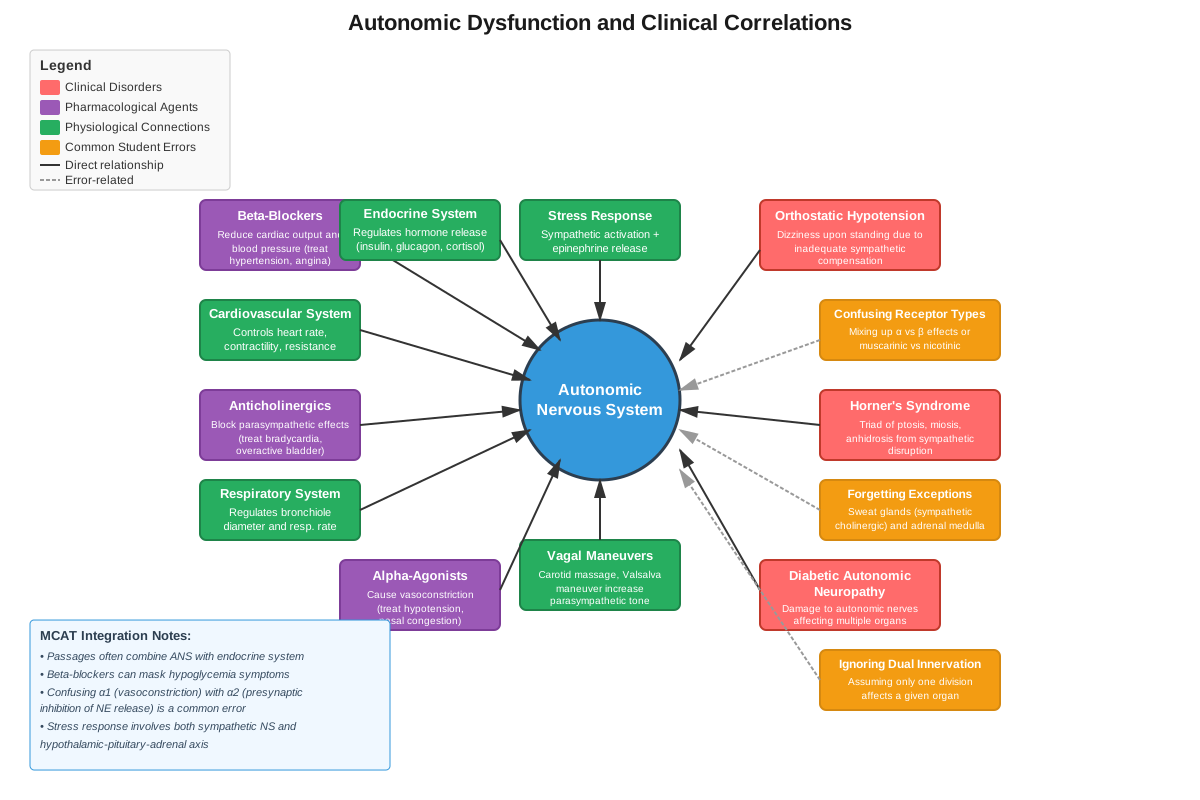
Overview
The autonomic nervous system (ANS) represents one of the most clinically relevant and frequently tested topics in MCAT Biology, particularly within the Physiology and Organ Systems unit. This involuntary division of the peripheral nervous system regulates visceral functions that occur without conscious control, including heart rate, digestion, respiratory rate, pupillary response, urination, and sexual arousal. Understanding the ANS is essential not only for answering direct questions about neural control but also for interpreting experimental passages involving cardiovascular physiology, stress responses, drug mechanisms, and homeostatic regulation.
The autonomic nervous system consists of two primary divisions—the sympathetic and parasympathetic nervous systems—that work in dynamic opposition to maintain homeostasis. These divisions differ in their anatomical organization, neurotransmitter systems, receptor types, and physiological effects on target organs. The MCAT frequently tests students' ability to predict physiological outcomes when one division is activated or inhibited, to identify which neurotransmitters and receptors mediate specific responses, and to apply this knowledge to clinical scenarios involving drugs, diseases, or experimental manipulations.
Mastery of autonomic nervous system Biology provides the foundation for understanding numerous interconnected topics including endocrine system function, cardiovascular regulation, renal physiology, and the stress response. Questions on the autonomic nervous system MCAT often appear in passage-based formats that integrate multiple organ systems, requiring students to trace cause-and-effect relationships through complex physiological cascades. This topic bridges neuroanatomy, neurochemistry, and organ-level physiology, making it a high-yield area for comprehensive understanding rather than isolated memorization.
Learning Objectives
- [ ] Define autonomic nervous system using accurate Biology terminology
- [ ] Explain why autonomic nervous system matters for the MCAT
- [ ] Apply autonomic nervous system to exam-style questions
- [ ] Identify common mistakes related to autonomic nervous system
- [ ] Connect autonomic nervous system to related Biology concepts
- [ ] Compare and contrast the anatomical organization of sympathetic and parasympathetic divisions
- [ ] Predict physiological responses in target organs based on autonomic activation
- [ ] Analyze the receptor-level mechanisms that mediate autonomic effects
Prerequisites
- Basic neuroanatomy: Understanding of central nervous system (CNS) versus peripheral nervous system (PNS) organization is essential because the ANS is a subdivision of the PNS that originates from CNS structures
- Neurotransmitter function: Knowledge of synaptic transmission, including neurotransmitter release, receptor binding, and signal transduction, provides the mechanistic basis for understanding how autonomic neurons communicate
- Action potential physiology: Familiarity with neuronal signaling enables comprehension of how autonomic signals propagate from the CNS to target organs
- Basic organ system function: General understanding of cardiovascular, respiratory, digestive, and urinary system functions allows students to appreciate the regulatory role of the ANS
Why This Topic Matters
The autonomic nervous system appears in approximately 5-8% of MCAT Biology questions, making it a medium-yield but highly integrative topic. Its clinical significance cannot be overstated—virtually every major disease state involves some degree of autonomic dysfunction, from hypertension and heart failure to diabetes and Parkinson's disease. Medical students and physicians must understand autonomic pharmacology to prescribe medications safely, as many drugs either mimic or block autonomic effects.
On the MCAT, autonomic nervous system questions typically appear in three formats: (1) discrete questions testing direct knowledge of sympathetic versus parasympathetic effects on specific organs, (2) passage-based questions involving experimental manipulations of autonomic function or drug mechanisms, and (3) integrated questions requiring students to predict cascading physiological effects across multiple organ systems. For example, a passage might describe a novel drug that blocks muscarinic receptors and ask students to predict effects on heart rate, digestion, and pupil diameter.
The ANS frequently appears in passages discussing the "fight-or-flight" response, cardiovascular regulation during exercise, gastrointestinal motility disorders, or the mechanism of action of common medications like beta-blockers, atropine, or epinephrine. Understanding autonomic control is also essential for interpreting graphs showing heart rate variability, blood pressure changes, or organ perfusion under different physiological conditions. Students who master this topic gain a significant advantage in answering questions that span multiple organ systems.
Core Concepts
Definition and Organization of the Autonomic Nervous System
The autonomic nervous system is the division of the peripheral nervous system that regulates involuntary visceral functions through efferent (motor) pathways. Unlike the somatic nervous system, which controls voluntary skeletal muscle contraction through single neurons extending from the spinal cord to muscle, the ANS uses a two-neuron chain: a preganglionic neuron originating in the CNS synapses with a postganglionic neuron in an autonomic ganglion, which then innervates the target organ.
The ANS comprises three divisions: the sympathetic nervous system, the parasympathetic nervous system, and the enteric nervous system (which functions semi-independently to control gastrointestinal function). For MCAT purposes, focus primarily on sympathetic and parasympathetic divisions, as these are most frequently tested.
Sympathetic Nervous System: "Fight or Flight"
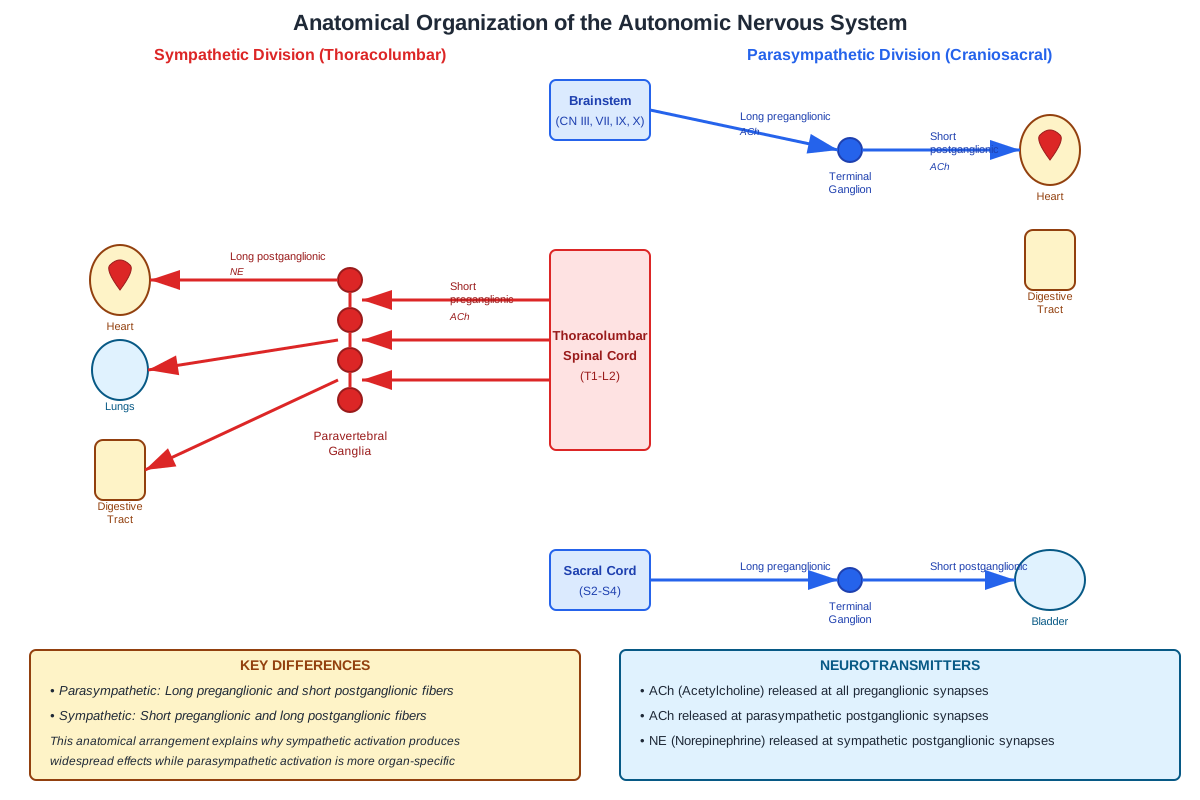
The sympathetic nervous system prepares the body for emergency situations, physical activity, and stress responses. Anatomically, sympathetic preganglionic neurons originate from the thoracolumbar region (T1-L2 spinal segments) of the spinal cord. These preganglionic fibers are relatively short and synapse in ganglia located close to the spinal cord—either in the paravertebral chain ganglia (sympathetic trunk) or in prevertebral ganglia (celiac, superior mesenteric, inferior mesenteric).
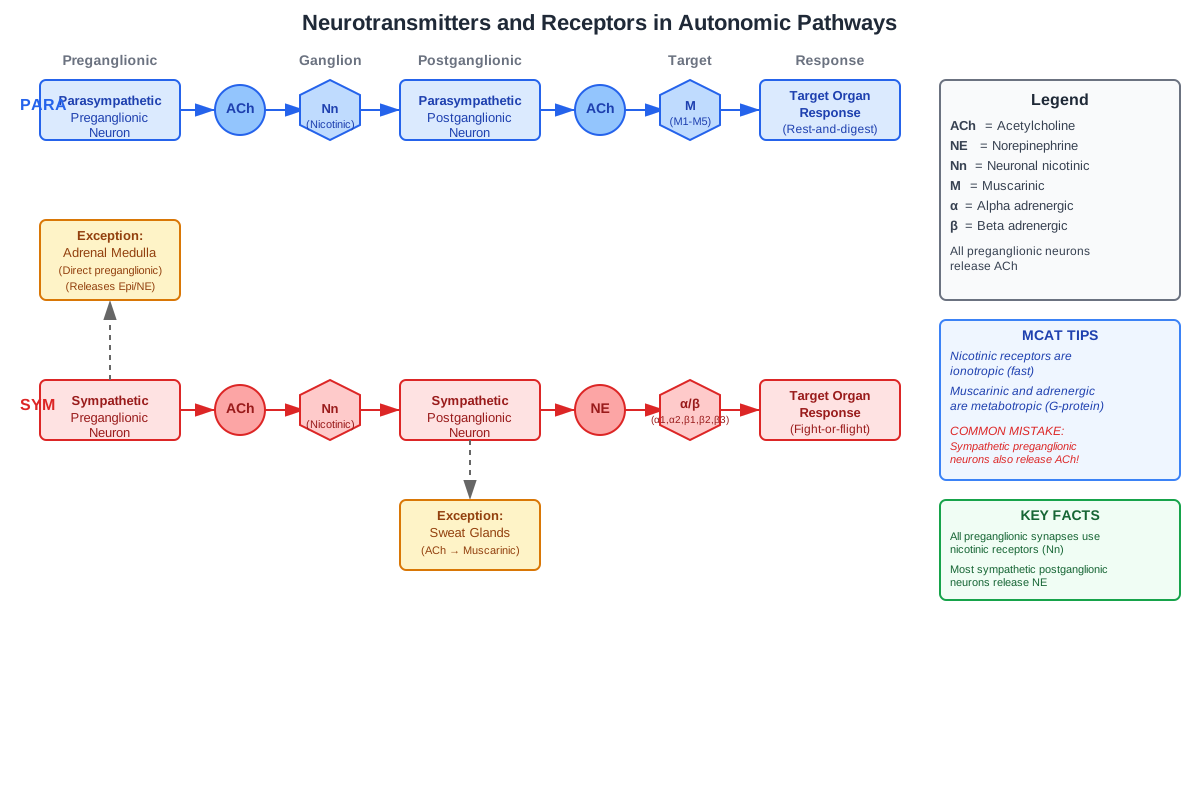
The neurotransmitter released by sympathetic preganglionic neurons is acetylcholine (ACh), which binds to nicotinic receptors on postganglionic neurons. Sympathetic postganglionic neurons are relatively long and release norepinephrine (NE) at target organs, where it binds to adrenergic receptors (alpha and beta subtypes). An important exception is the adrenal medulla, which receives direct preganglionic innervation and releases epinephrine and norepinephrine directly into the bloodstream, functioning as a modified sympathetic ganglion.
Parasympathetic Nervous System: "Rest and Digest"
The parasympathetic nervous system promotes vegetative functions including digestion, energy storage, and recovery. Parasympathetic preganglionic neurons originate from the craniosacral regions: cranial nerves (CN III, VII, IX, X) and sacral spinal segments (S2-S4). The vagus nerve (CN X) provides approximately 75% of all parasympathetic innervation, reaching organs in the thorax and abdomen.
Parasympathetic preganglionic fibers are relatively long and synapse in ganglia located near or within target organs. Both preganglionic and postganglionic parasympathetic neurons release acetylcholine. Preganglionic ACh binds to nicotinic receptors on postganglionic neurons, while postganglionic ACh binds to muscarinic receptors (M1-M5 subtypes) on target organs.
Comparison of Sympathetic and Parasympathetic Systems
| Feature | Sympathetic | Parasympathetic |
|---|---|---|
| Origin | Thoracolumbar (T1-L2) | Craniosacral (CN III, VII, IX, X; S2-S4) |
| Preganglionic fiber length | Short | Long |
| Postganglionic fiber length | Long | Short |
| Ganglion location | Near spinal cord | Near/in target organ |
| Preganglionic neurotransmitter | Acetylcholine (nicotinic) | Acetylcholine (nicotinic) |
| Postganglionic neurotransmitter | Norepinephrine (mostly) | Acetylcholine (muscarinic) |
| General function | Fight or flight; catabolic | Rest and digest; anabolic |
| Effect on heart rate | Increase | Decrease |
| Effect on pupil diameter | Dilate (mydriasis) | Constrict (miosis) |
| Effect on bronchioles | Dilate | Constrict |
| Effect on digestion | Inhibit | Stimulate |
Organ-Specific Autonomic Effects
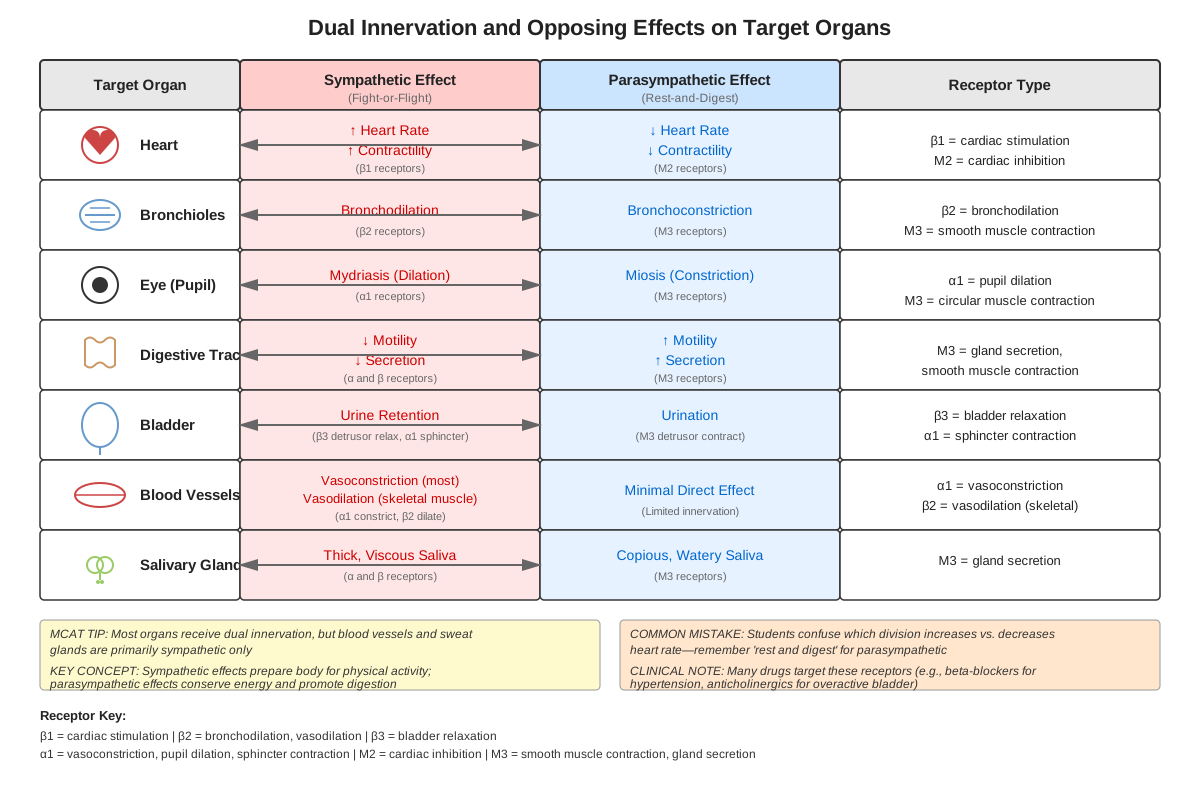
Cardiovascular System: Sympathetic activation increases heart rate (positive chronotropy), contractility (positive inotropy), and conduction velocity through beta-1 adrenergic receptors. It also causes vasoconstriction in most vascular beds through alpha-1 receptors, increasing blood pressure. Parasympathetic activation (via vagus nerve) decreases heart rate through muscarinic M2 receptors but has minimal effect on contractility or blood vessels.
Respiratory System: Sympathetic activation causes bronchodilation through beta-2 receptors, increasing airflow. Parasympathetic activation causes bronchoconstriction through muscarinic receptors, which can be problematic in asthma.
Gastrointestinal System: Sympathetic activation inhibits motility and secretion while contracting sphincters, diverting blood away from digestion. Parasympathetic activation stimulates peristalsis, increases secretions, and relaxes sphincters to promote digestion.
Eye: Sympathetic activation dilates the pupil (mydriasis) via alpha-1 receptors on the radial muscle and causes lens flattening for far vision. Parasympathetic activation constricts the pupil (miosis) via muscarinic receptors on the circular muscle and causes lens accommodation for near vision.
Urinary System: Sympathetic activation promotes urine retention by contracting the internal urethral sphincter and relaxing the detrusor muscle. Parasympathetic activation promotes urination by contracting the detrusor and relaxing the internal sphincter.
Metabolic Effects: Sympathetic activation increases metabolic rate, stimulates glycogenolysis and gluconeogenesis (raising blood glucose), promotes lipolysis, and increases alertness. These effects prepare the body for energy-demanding situations.
Receptor Pharmacology
Understanding receptor subtypes is crucial for predicting drug effects:
Adrenergic Receptors:
- Alpha-1: Vasoconstriction, pupil dilation, urinary retention
- Alpha-2: Inhibits norepinephrine release (presynaptic), decreases insulin secretion
- Beta-1: Increases heart rate and contractility
- Beta-2: Bronchodilation, vasodilation, uterine relaxation
- Beta-3: Lipolysis
Cholinergic Receptors:
- Nicotinic: Found at all autonomic ganglia and neuromuscular junctions; ligand-gated ion channels
- Muscarinic: Found at parasympathetic target organs; G-protein coupled receptors with multiple subtypes (M1-M5)
Dual Innervation and Antagonistic Control
Most visceral organs receive both sympathetic and parasympathetic innervation, allowing for fine-tuned regulation. These systems typically exert antagonistic effects, with one promoting activity while the other inhibits it. However, this is not universal—some organs receive predominantly one type of innervation (e.g., sweat glands and most blood vessels are primarily sympathetic), and in some cases, both systems work cooperatively (e.g., male sexual function requires parasympathetic activation for erection and sympathetic activation for ejaculation).
The balance between sympathetic and parasympathetic tone determines the baseline state of organ function. For example, resting heart rate reflects the net effect of continuous parasympathetic inhibition (vagal tone) and baseline sympathetic activity.
Concept Relationships
The autonomic nervous system serves as a central integrator connecting multiple physiological concepts. At the most fundamental level, ANS function depends on action potential propagation and synaptic transmission, linking it to basic neurophysiology. The two-neuron chain architecture distinguishes autonomic from somatic motor control, requiring understanding of ganglionic transmission through nicotinic receptors.
The relationship between sympathetic and parasympathetic divisions exemplifies antagonistic control and homeostatic regulation—concepts that appear throughout physiology. This antagonism → enables precise regulation → of organ function → through dynamic balance. For example: Increased sympathetic tone → increases heart rate → while decreased parasympathetic tone → removes inhibition → resulting in additive effects.
The ANS connects directly to endocrine system function through multiple pathways. The adrenal medulla represents a neuroendocrine link where sympathetic preganglionic neurons → stimulate chromaffin cells → to release epinephrine and norepinephrine → into systemic circulation → amplifying and prolonging sympathetic effects. Additionally, autonomic control of the pancreas influences insulin and glucagon secretion, linking neural and hormonal regulation of metabolism.
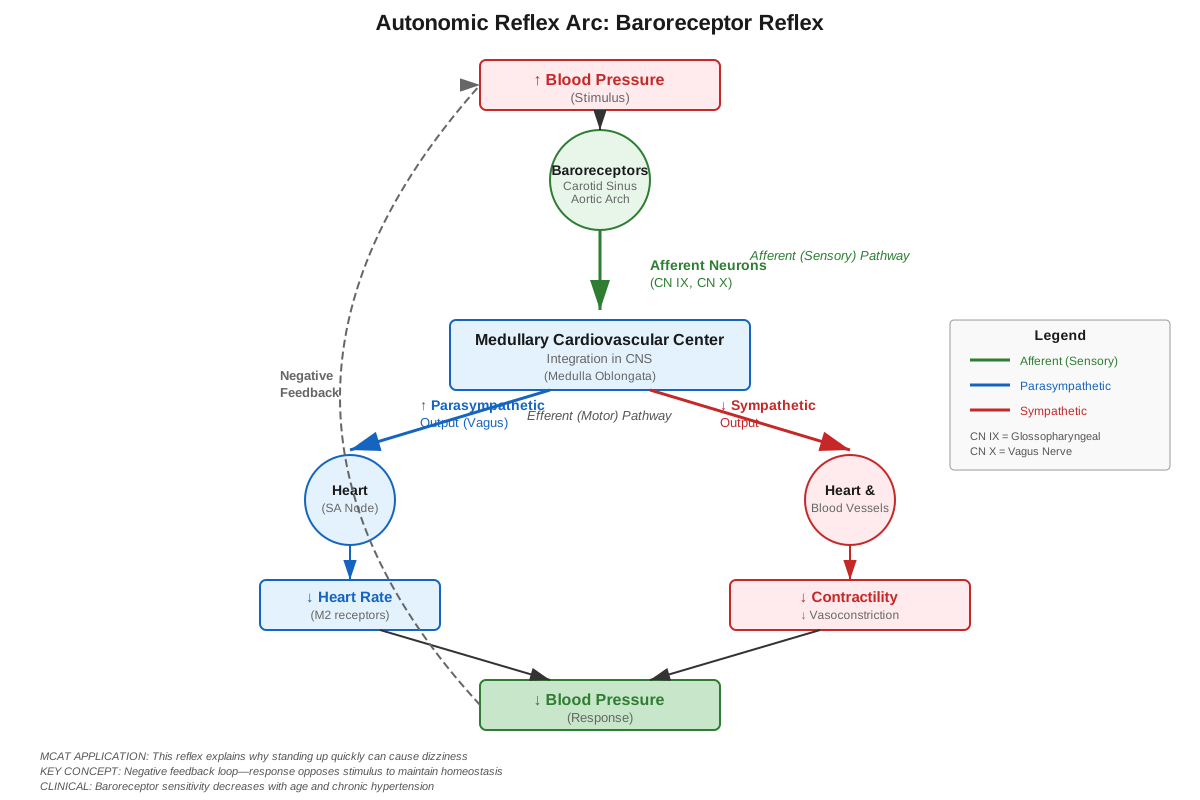
Cardiovascular physiology cannot be understood without ANS knowledge. Baroreceptor reflexes → detect blood pressure changes → signal the medulla → which adjusts autonomic output → to maintain homeostasis. This demonstrates how sensory input → integrates with autonomic output → to create negative feedback loops.
The ANS also connects to stress physiology through the hypothalamic-pituitary-adrenal (HPA) axis. Perceived stress → activates the hypothalamus → which simultaneously increases sympathetic output (rapid response) → and triggers cortisol release (sustained response). This illustrates how neural and endocrine systems work in parallel.
Quick check — test yourself on Autonomic nervous system so far.
Try Flashcards →High-Yield Facts
⭐ Sympathetic preganglionic neurons originate from T1-L2 (thoracolumbar), while parasympathetic preganglionic neurons originate from craniosacral regions (CN III, VII, IX, X and S2-S4)
⭐ All preganglionic neurons (both sympathetic and parasympathetic) release acetylcholine onto nicotinic receptors
⭐ Sympathetic postganglionic neurons release norepinephrine onto adrenergic receptors (except sweat glands, which receive cholinergic sympathetic innervation)
⭐ Parasympathetic postganglionic neurons release acetylcholine onto muscarinic receptors
⭐ Beta-1 receptors in the heart mediate increased heart rate and contractility; beta-2 receptors in bronchioles mediate bronchodilation
- Alpha-1 receptors mediate vasoconstriction and pupil dilation (mydriasis)
- The vagus nerve (CN X) provides approximately 75% of all parasympathetic innervation
- Sympathetic activation increases blood glucose through glycogenolysis and gluconeogenesis
- Parasympathetic activation promotes "SLUDD" effects: Salivation, Lacrimation, Urination, Digestion, Defecation
- The adrenal medulla is a modified sympathetic ganglion that releases epinephrine directly into the bloodstream
- Muscarinic receptors are G-protein coupled receptors, while nicotinic receptors are ligand-gated ion channels
- Sympathetic preganglionic fibers are short and postganglionic fibers are long; the opposite is true for parasympathetic
- Most blood vessels receive only sympathetic innervation (alpha-1 mediated vasoconstriction)
- Atropine blocks muscarinic receptors, causing increased heart rate, pupil dilation, decreased secretions, and urinary retention
- Propranolol is a non-selective beta-blocker that decreases heart rate and can cause bronchoconstriction
Common Misconceptions
Misconception: All sympathetic neurons release norepinephrine at target organs.
Correction: While most sympathetic postganglionic neurons release norepinephrine, sympathetic innervation to sweat glands releases acetylcholine onto muscarinic receptors. Additionally, the adrenal medulla (modified sympathetic ganglion) releases primarily epinephrine into the bloodstream.
Misconception: Parasympathetic and sympathetic effects are always opposite on every organ.
Correction: While these systems often have antagonistic effects, not all organs receive dual innervation. Most blood vessels and sweat glands receive only sympathetic innervation. Additionally, some functions require coordinated action—male sexual function requires parasympathetic activation for erection ("point") and sympathetic activation for ejaculation ("shoot").
Misconception: Acetylcholine is only associated with the parasympathetic nervous system.
Correction: Acetylcholine is released by ALL preganglionic neurons (both sympathetic and parasympathetic) at autonomic ganglia, where it binds to nicotinic receptors. Only postganglionic neurons differ in their neurotransmitters—parasympathetic postganglionic neurons release ACh (onto muscarinic receptors), while most sympathetic postganglionic neurons release norepinephrine.
Misconception: The sympathetic nervous system always increases organ activity.
Correction: Sympathetic activation inhibits several functions, including digestion (decreased motility and secretion), urination (contracts internal sphincter), and insulin secretion. The sympathetic system prioritizes functions needed for immediate survival while suppressing vegetative functions.
Misconception: All adrenergic receptors cause the same physiological response.
Correction: Adrenergic receptors have distinct subtypes with different effects. Alpha-1 causes vasoconstriction, beta-1 increases cardiac output, and beta-2 causes bronchodilation and vasodilation. This is why selective drugs (like beta-1 selective blockers) can target specific organs while minimizing side effects.
Worked Examples
Example 1: Drug Mechanism Analysis
Question: A patient is administered atropine before surgery. Which of the following effects would be expected?
A) Decreased heart rate
B) Increased salivation
C) Pupil constriction
D) Increased heart rate
Solution:
Step 1: Identify the drug mechanism. Atropine is a muscarinic receptor antagonist that blocks parasympathetic effects at target organs.
Step 2: Determine which system normally controls each function. The heart receives dual innervation, with parasympathetic (vagal) tone normally slowing heart rate. Salivation is promoted by parasympathetic activation. Pupil size is controlled by both systems—parasympathetic causes constriction (miosis), sympathetic causes dilation (mydriasis).
Step 3: Predict the effect of blocking parasympathetic activity. Blocking muscarinic receptors in the heart removes parasympathetic inhibition, allowing sympathetic tone to dominate → increased heart rate. Blocking muscarinic receptors in salivary glands → decreased salivation (dry mouth). Blocking muscarinic receptors in the eye → removes parasympathetic constriction → allowing sympathetic dilation to dominate → mydriasis (pupil dilation).
Step 4: Evaluate answer choices. A is incorrect (parasympathetic blockade increases heart rate). B is incorrect (parasympathetic blockade decreases salivation). C is incorrect (parasympathetic blockade causes pupil dilation, not constriction). D is correct—atropine blocks parasympathetic effects, increasing heart rate.
Answer: D
Connection to learning objectives: This example demonstrates application of autonomic nervous system knowledge to predict drug effects, a common MCAT question type that requires understanding receptor-level mechanisms.
Example 2: Physiological Response Integration
Question: During intense exercise, a runner experiences increased heart rate, bronchodilation, and decreased digestive activity. A researcher measures elevated levels of norepinephrine at cardiac tissue. Which receptor subtype is primarily responsible for the increased heart rate?
A) Alpha-1 adrenergic receptors
B) Beta-1 adrenergic receptors
C) Beta-2 adrenergic receptors
D) Muscarinic receptors
Solution:
Step 1: Identify the physiological state. The described effects (increased heart rate, bronchodilation, decreased digestion) are characteristic of sympathetic nervous system activation during the "fight-or-flight" response to exercise.
Step 2: Identify the neurotransmitter and system. Elevated norepinephrine at cardiac tissue confirms sympathetic postganglionic neuron activation, as norepinephrine is the primary sympathetic neurotransmitter (except at sweat glands).
Step 3: Determine which receptor mediates cardiac effects. The heart contains primarily beta-1 adrenergic receptors, which mediate positive chronotropic (increased heart rate) and inotropic (increased contractility) effects when bound by norepinephrine or epinephrine.
Step 4: Eliminate incorrect answers. Alpha-1 receptors primarily mediate vasoconstriction and are not the main cardiac receptors. Beta-2 receptors mediate bronchodilation and vasodilation but are not the primary cardiac receptors. Muscarinic receptors are parasympathetic (cholinergic) receptors that would decrease heart rate when activated.
Step 5: Confirm the answer. Beta-1 receptors in the heart are responsible for increased heart rate during sympathetic activation.
Answer: B
Connection to learning objectives: This example integrates multiple concepts—recognizing sympathetic activation patterns, identifying neurotransmitters, and matching specific receptor subtypes to organ-level effects. It demonstrates how the MCAT tests autonomic nervous system knowledge in the context of whole-body physiological responses.
Exam Strategy
When approaching MCAT questions on the autonomic nervous system, first identify which division (sympathetic or parasympathetic) is being activated or inhibited. Look for trigger words: "stress," "exercise," "fight-or-flight," and "emergency" indicate sympathetic activation, while "rest," "digest," "recovery," and "vegetative" indicate parasympathetic activation.
For drug mechanism questions, determine whether the drug is an agonist (mimics) or antagonist (blocks), and identify which receptor type it targets. Then systematically work through the effects on each organ system. Remember that blocking one system effectively allows the other to dominate—blocking parasympathetic effects mimics sympathetic activation and vice versa.
Exam Tip: When a question asks about multiple organ effects, create a quick mental table of sympathetic versus parasympathetic effects on each organ mentioned. This prevents mixing up effects and helps eliminate wrong answers.
Watch for questions that test exceptions to general rules. The MCAT loves to ask about sweat glands (sympathetic but cholinergic), the adrenal medulla (modified sympathetic ganglion), and organs with predominantly single innervation (most blood vessels). Questions may also test understanding that sympathetic activation doesn't always mean "increase"—it decreases digestion and insulin secretion.
For passage-based questions, pay attention to experimental manipulations. If a passage describes cutting the vagus nerve, blocking specific receptors, or administering drugs, trace through the cascade of effects systematically. Start at the receptor level, then move to the organ level, then consider systemic effects.
Time management: Autonomic nervous system questions are typically straightforward if you know the content. Spend 60-90 seconds on discrete questions and 90-120 seconds on passage-based questions. If you find yourself confused, return to basics: Which neurotransmitter? Which receptor? Which organ? What's the normal function?
Process of elimination is particularly effective for ANS questions. If you can identify that a drug blocks beta receptors, immediately eliminate any answer suggesting bronchodilation or increased heart rate. If a question describes parasympathetic activation, eliminate answers showing pupil dilation or decreased digestion.
Memory Techniques
Mnemonic for Sympathetic Effects - "Fight or Flight Increases Everything Except Digestion":
- Faster heart rate
- Increased blood pressure
- Glucose elevated
- Heart contractility increased
- Tension (muscle) increased
- Digestion Decreased
Mnemonic for Parasympathetic Effects - "SLUDD":
- Salivation
- Lacrimation (tears)
- Urination
- Digestion/Defecation
- Decreased heart rate (sometimes extended to "SLUDDE" with Erection)
Mnemonic for Cranial Nerve Parasympathetic Origins - "3, 7, 9, 10 - Parasympathetic Heaven":
CN III (oculomotor), VII (facial), IX (glossopharyngeal), X (vagus)
Anatomical Origin Memory Aid:
- Sympathetic = "Thoracolumbar" = "T"ense situation (T1-L2)
- Parasympathetic = "Craniosacral" = "C"alm situation (Cranial + Sacral)
Receptor Visualization:
Picture a heart with one chamber highlighted for Beta-1 (cardiac effects)
Picture two lungs for Beta-2 (bronchodilation)
Picture one blood vessel constricting for Alpha-1 (vasoconstriction)
Neurotransmitter Memory:
"All preganglionic neurons are ACh-ingly similar" (all release acetylcholine)
"Sympathetic postganglionic neurons are NE-ver the same" (release norepinephrine, except sweat glands)
Fiber Length Memory:
Sympathetic: "Short pre, Long post" = "SL" = "Sympathetic Length"
Parasympathetic: Opposite pattern
Summary
The autonomic nervous system represents the involuntary motor division of the peripheral nervous system, consisting primarily of sympathetic and parasympathetic divisions that regulate visceral organ function through antagonistic control. The sympathetic system, originating from thoracolumbar spinal segments, prepares the body for stress through short preganglionic and long postganglionic neurons that release norepinephrine onto adrenergic receptors. The parasympathetic system, originating from craniosacral regions, promotes vegetative functions through long preganglionic and short postganglionic neurons that release acetylcholine onto muscarinic receptors. Both systems use acetylcholine at ganglia (nicotinic receptors). Understanding organ-specific effects, receptor subtypes (alpha-1, beta-1, beta-2, muscarinic), and the two-neuron chain architecture enables prediction of physiological responses and drug effects. MCAT questions test the ability to integrate autonomic control across multiple organ systems, predict responses to pharmacological interventions, and recognize exceptions to general patterns. Mastery requires understanding both the anatomical organization and the receptor-level mechanisms that mediate autonomic effects.
Key Takeaways
- The autonomic nervous system uses a two-neuron chain (preganglionic → ganglion → postganglionic) to control involuntary visceral functions
- Sympathetic (thoracolumbar origin) and parasympathetic (craniosacral origin) divisions exert antagonistic control over most organs
- All preganglionic neurons release acetylcholine onto nicotinic receptors; sympathetic postganglionic neurons typically release norepinephrine (adrenergic), while parasympathetic postganglionic neurons release acetylcholine (muscarinic)
- Beta-1 receptors mediate cardiac stimulation, beta-2 receptors mediate bronchodilation, and alpha-1 receptors mediate vasoconstriction
- Understanding receptor subtypes enables prediction of drug effects and physiological responses
- The vagus nerve provides 75% of parasympathetic innervation and is crucial for cardiovascular and digestive regulation
- Exceptions to general patterns (sweat glands, adrenal medulla, single innervation) are high-yield for MCAT questions
Related Topics
Cardiovascular Physiology: The autonomic nervous system provides the primary mechanism for rapid cardiovascular regulation through baroreceptor reflexes and direct cardiac innervation. Mastering ANS concepts enables understanding of blood pressure control, heart rate variability, and cardiovascular responses to exercise and stress.
Endocrine System: The hypothalamic-pituitary-adrenal axis works in parallel with sympathetic activation during stress responses. The adrenal medulla represents a neuroendocrine link between neural and hormonal control. Understanding ANS function facilitates comprehension of integrated stress physiology.
Pharmacology: Autonomic drugs represent a major category of medications including beta-blockers, alpha-agonists, anticholinergics, and cholinergic agonists. ANS knowledge provides the foundation for understanding drug mechanisms, therapeutic uses, and side effects.
Renal Physiology: Sympathetic innervation regulates renal blood flow, renin secretion, and sodium reabsorption. Understanding autonomic control of the kidneys connects to blood pressure regulation and fluid balance.
Neurotransmitter Systems: The cholinergic and adrenergic systems extend beyond the ANS to include central nervous system functions. Mastering autonomic neurotransmission provides a foundation for understanding broader neurochemical signaling.
Practice CTA
Now that you've mastered the core concepts of the autonomic nervous system, challenge yourself with practice questions that integrate this knowledge across multiple organ systems. Focus on questions involving drug mechanisms, physiological responses to stress or exercise, and experimental manipulations of autonomic function. Use flashcards to drill receptor subtypes and their specific effects until you can instantly recall which receptors mediate each physiological response. Remember that autonomic nervous system questions reward systematic thinking—identify the division, neurotransmitter, receptor, and organ effect in sequence. Your ability to integrate ANS knowledge with cardiovascular, respiratory, and metabolic physiology will set you apart on test day. Keep pushing forward—mastery of this topic opens doors to understanding complex physiological regulation throughout the body!
Sign up free to keep reading
Create a free AnvayaPrep account to finish this MCAT guide on Autonomic nervous system — plus flashcards and practice questions.