Overview
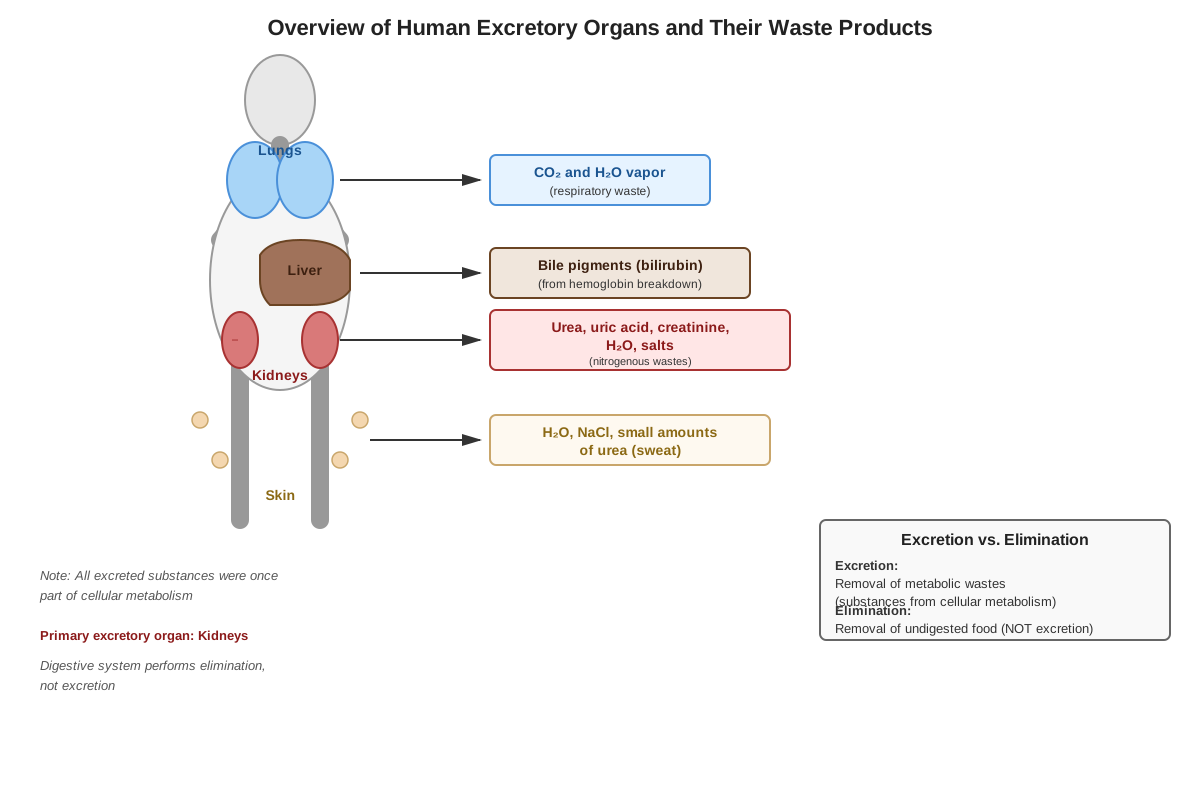
Excretion is a fundamental physiological process that removes metabolic waste products and excess substances from the body to maintain homeostasis. In Biology, excretion encompasses the elimination of nitrogenous wastes (ammonia, urea, uric acid), carbon dioxide, water, salts, and other potentially toxic byproducts of cellular metabolism. While often confused with elimination (the removal of undigested food), excretion specifically refers to the removal of substances that were once part of the body's metabolism. The primary organs involved in excretion include the kidneys (nitrogenous wastes and water balance), lungs (carbon dioxide and water vapor), skin (water, salts, and small amounts of urea), and liver (bile pigments and metabolic byproducts).
For the MCAT, understanding Excretion Biology is essential because it integrates multiple physiological systems and appears frequently in passages about renal physiology, acid-base balance, osmoregulation, and comparative animal physiology. Questions often test the ability to trace the path of waste products through organ systems, predict the consequences of excretory dysfunction, and compare excretory strategies across different organisms. The topic bridges cellular metabolism (where wastes are produced) with organ system physiology (where wastes are processed and eliminated), making it a high-yield connector concept.
Within Physiology and Organ Systems, excretion represents a critical homeostatic mechanism that maintains the internal environment within narrow physiological limits. The kidneys, as the primary excretory organs in humans, regulate blood volume, blood pressure, electrolyte balance, and pH—all of which are frequently tested MCAT concepts. Understanding excretion also provides the foundation for clinical reasoning about kidney disease, dehydration, metabolic acidosis, and drug clearance, topics that commonly appear in biological and biochemical passages on the exam.
Learning Objectives
- [ ] Define Excretion using accurate Biology terminology
- [ ] Explain why Excretion matters for the MCAT
- [ ] Apply Excretion to exam-style questions
- [ ] Identify common mistakes related to Excretion
- [ ] Connect Excretion to related Biology concepts
- [ ] Compare and contrast different nitrogenous waste products and their evolutionary significance
- [ ] Trace the pathway of filtrate through the nephron and explain the function of each segment
- [ ] Predict the physiological consequences of impaired excretory function in various organ systems
Prerequisites
- Cellular respiration and metabolism: Excretion removes the waste products generated during ATP production and protein catabolism
- Protein structure and amino acid metabolism: Deamination of amino acids produces the nitrogenous wastes that must be excreted
- Osmosis and diffusion: These passive transport mechanisms drive filtration and reabsorption in the nephron
- Acid-base chemistry: The kidneys play a crucial role in maintaining blood pH through selective excretion of H⁺ and HCO₃⁻
- Cardiovascular system basics: Blood pressure and cardiac output directly affect glomerular filtration rate
- Endocrine system fundamentals: Hormones like ADH, aldosterone, and ANP regulate excretory processes
Why This Topic Matters
Excretion MCAT questions appear with moderate to high frequency across both the Biological and Biochemical Foundations of Living Systems section and occasionally in passages involving homeostasis and regulation. Approximately 3-5% of MCAT biology questions directly test excretory physiology, with additional questions incorporating excretion as part of broader homeostatic or metabolic scenarios. The topic is particularly high-yield because it integrates multiple organ systems and can be tested through various question formats: discrete questions about nephron function, passage-based questions about kidney disease or drug clearance, and experimental passages examining osmoregulation in different organisms.
Clinically, excretory dysfunction underlies numerous pathological conditions including chronic kidney disease, acute renal failure, diabetes insipidus, and syndrome of inappropriate ADH secretion (SIADH). Understanding normal excretory physiology enables students to reason through clinical vignettes and predict the consequences of various interventions. For example, MCAT passages frequently present scenarios involving diuretic medications, dehydration, or electrolyte imbalances—all of which require solid understanding of renal excretion mechanisms.
The MCAT commonly tests excretion through comparative physiology passages that examine how different organisms handle nitrogenous waste (freshwater fish vs. marine fish vs. terrestrial animals), experimental passages measuring glomerular filtration rate or clearance, and clinical passages describing patients with renal pathology. Questions often require students to interpret data about urine composition, calculate filtration rates, or predict hormonal responses to changes in blood osmolarity. The ability to quickly identify the relevant excretory mechanism and apply it to novel scenarios distinguishes high-scoring students from average performers.
Core Concepts
Definition and Scope of Excretion
Excretion is defined as the biological process of removing metabolic waste products and excess substances from an organism's body. This process is distinct from egestion (elimination of undigested food material) because excreted substances were once part of the body's cellular metabolism or internal environment. The primary categories of excreted substances include nitrogenous wastes from protein and nucleic acid catabolism, carbon dioxide from cellular respiration, excess water and electrolytes, and various metabolic byproducts such as bile pigments and drug metabolites.
The major excretory organs in humans form an integrated system: the kidneys filter blood and produce urine containing nitrogenous wastes, excess ions, and water; the lungs excrete carbon dioxide and water vapor through respiration; the skin eliminates water, salts, and trace amounts of urea through perspiration; and the liver processes metabolic wastes into bile for excretion through the digestive tract. Each organ contributes to maintaining homeostasis by regulating the composition of body fluids within narrow physiological ranges.
Nitrogenous Waste Products
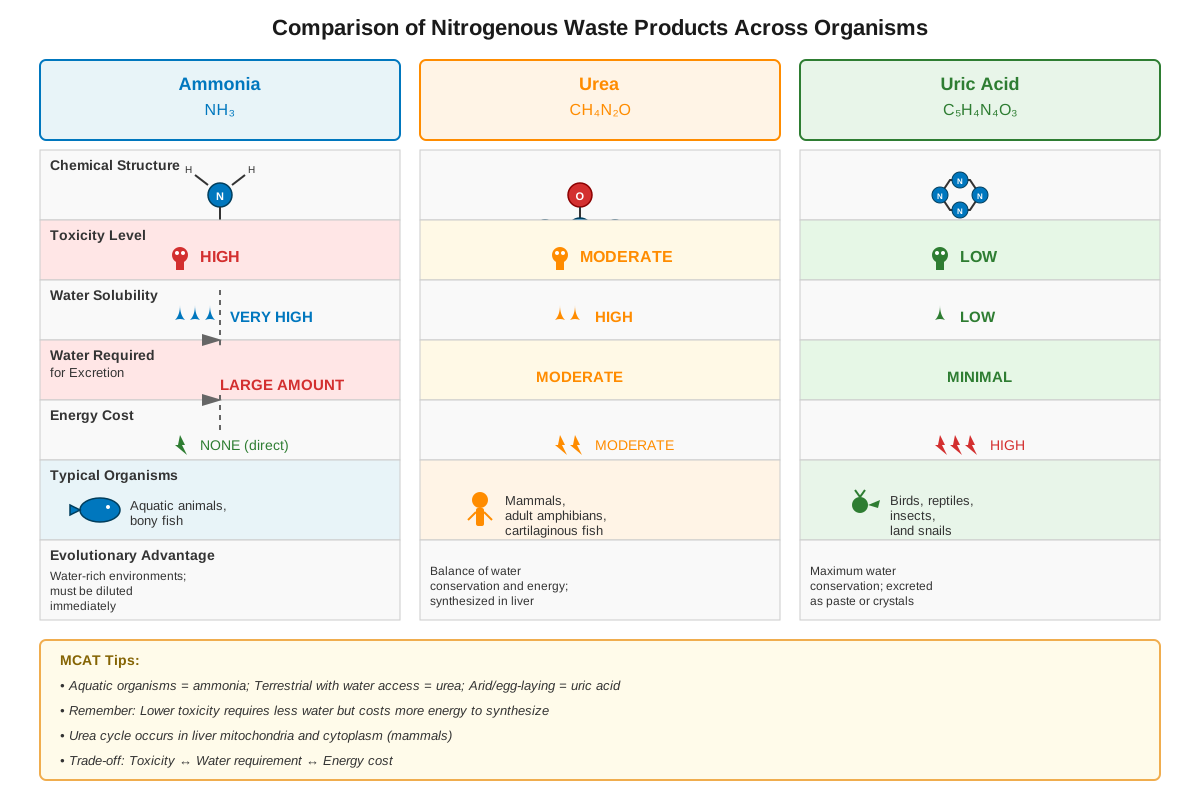
Amino acid catabolism produces ammonia (NH₃), a highly toxic compound that must be converted to less toxic forms or rapidly excreted. Different organisms have evolved three primary strategies for handling nitrogenous waste, each representing a trade-off between toxicity, water requirements, and energy expenditure:
| Waste Product | Toxicity | Water Required | Energy Cost | Organisms |
|---|---|---|---|---|
| Ammonia | Very high | Very high | Low | Aquatic animals (fish, aquatic invertebrates) |
| Urea | Moderate | Moderate | Moderate | Mammals, adult amphibians, cartilaginous fish |
| Uric acid | Low | Very low | High | Birds, reptiles, insects, terrestrial snails |
Ammonia is the direct product of amino acid deamination and is extremely toxic, requiring immediate dilution in large volumes of water. Aquatic organisms can continuously excrete ammonia across their gills or body surfaces because the surrounding water provides unlimited dilution. Urea is synthesized in the liver through the urea cycle, which requires energy (ATP) but produces a compound approximately 100,000 times less toxic than ammonia. This allows terrestrial mammals to concentrate their urine and conserve water while safely storing urea temporarily in the bloodstream. Uric acid is a semi-solid paste that requires minimal water for excretion, making it ideal for organisms that lay shelled eggs (where embryos cannot excrete liquid waste) or live in extremely arid environments, though its synthesis requires substantial ATP investment.
The Mammalian Kidney and Nephron Structure
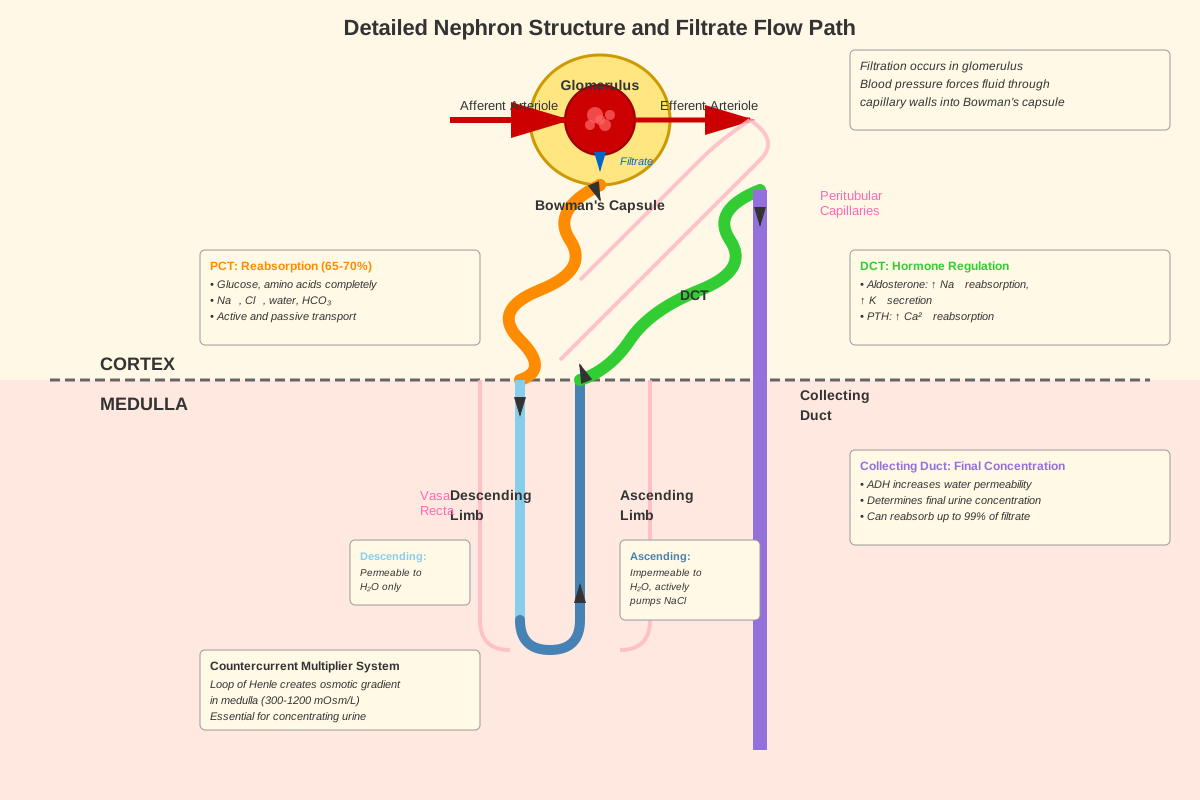
The kidney is the primary excretory organ in mammals, performing three essential functions: filtration of blood plasma, reabsorption of useful substances back into the bloodstream, and secretion of additional wastes from blood into the filtrate. Each human kidney contains approximately one million functional units called nephrons, which consist of a renal corpuscle (glomerulus and Bowman's capsule) and a renal tubule (proximal convoluted tubule, loop of Henle, distal convoluted tubule, and collecting duct).
Glomerular Filtration
Blood enters the nephron through the afferent arteriole into the glomerulus, a specialized capillary bed with fenestrated (porous) endothelium. High hydrostatic pressure (approximately 55 mmHg) forces water and small solutes through the filtration membrane into Bowman's capsule, while blood cells and large proteins remain in the bloodstream. The glomerular filtration rate (GFR) averages 125 mL/min or approximately 180 liters per day, though 99% of this filtrate is reabsorbed. The filtration membrane consists of three layers: the fenestrated capillary endothelium, the basement membrane (which blocks most proteins), and the podocytes with their filtration slits.
Proximal Convoluted Tubule (PCT)
The PCT reabsorbs approximately 65-70% of filtered water and sodium, along with nearly 100% of filtered glucose and amino acids. This segment employs both active and passive transport mechanisms. Sodium-potassium ATPase pumps on the basolateral membrane create a sodium gradient that drives secondary active transport of glucose, amino acids, and other nutrients through sodium-coupled transporters on the apical membrane. Water follows osmotically through aquaporin channels. The PCT also secretes organic acids, bases, and drugs (including penicillin and many other medications) from the peritubular capillaries into the filtrate, contributing to drug clearance.
Loop of Henle and Countercurrent Multiplication
The loop of Henle creates and maintains the medullary osmotic gradient essential for producing concentrated urine. The descending limb is permeable to water but not to solutes, allowing water to exit osmotically as the filtrate descends into the increasingly hypertonic medulla. The ascending limb is impermeable to water but actively transports sodium, potassium, and chloride out of the filtrate (via the Na⁺-K⁺-2Cl⁻ cotransporter), diluting the filtrate while contributing to medullary hypertonicity. This countercurrent multiplication system can establish a medullary osmolarity gradient from 300 mOsm/L in the cortex to 1200 mOsm/L in the deep medulla.
Distal Convoluted Tubule (DCT) and Collecting Duct
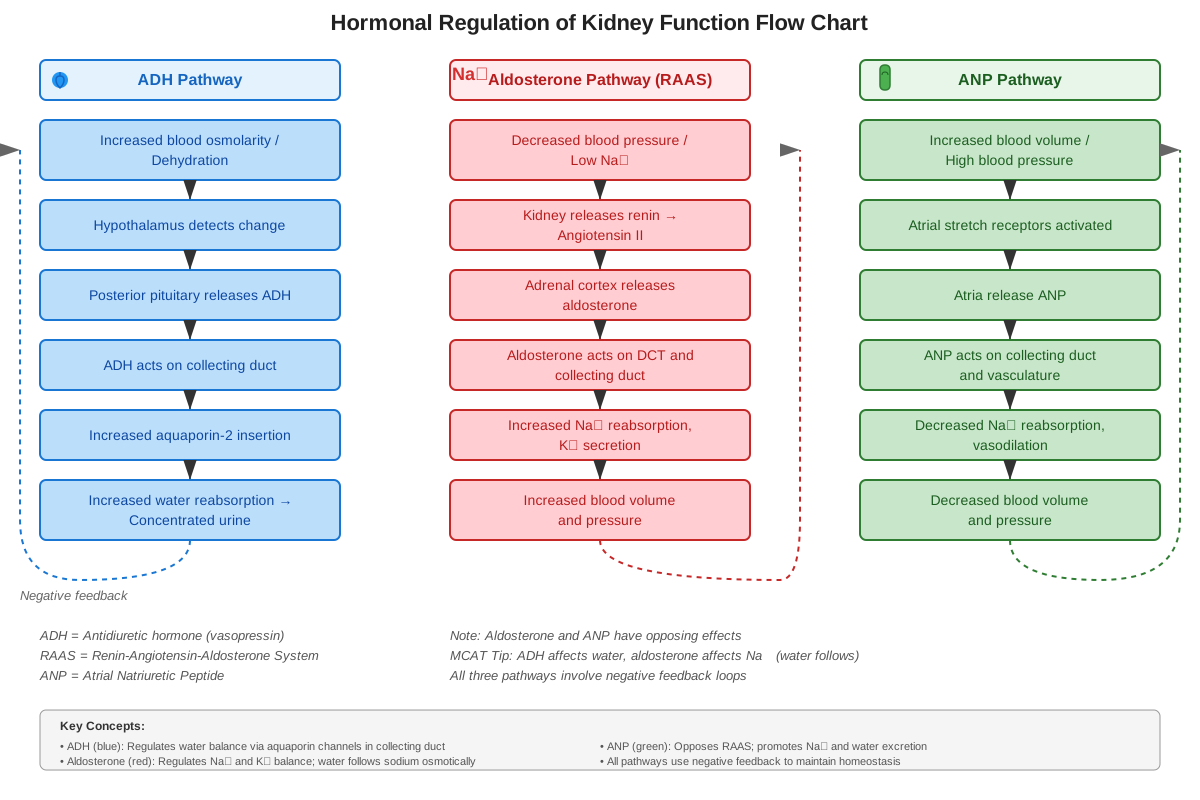
The DCT and collecting duct are the primary sites of hormonal regulation of excretion. Aldosterone (from the adrenal cortex) increases sodium reabsorption and potassium secretion in the DCT and collecting duct by upregulating epithelial sodium channels (ENaC) and Na⁺-K⁺-ATPase pumps. Antidiuretic hormone (ADH), also called vasopressin, increases water permeability of the collecting duct by inserting aquaporin-2 channels into the apical membrane, allowing water to be reabsorbed osmotically into the hypertonic medulla. In the absence of ADH, the collecting duct remains impermeable to water, producing dilute urine. Atrial natriuretic peptide (ANP) opposes aldosterone by decreasing sodium reabsorption, promoting sodium and water excretion.
Regulation of Excretion
Excretory function is tightly regulated through multiple mechanisms:
- Autoregulation: The kidney maintains relatively constant GFR despite fluctuations in blood pressure through myogenic mechanisms (smooth muscle contraction in afferent arterioles) and tubuloglomerular feedback (macula densa cells detect sodium concentration in the distal tubule and signal afferent arteriole constriction or dilation)
- Hormonal regulation: ADH responds to increased blood osmolarity or decreased blood volume by promoting water reabsorption; aldosterone responds to decreased blood pressure or increased blood potassium by promoting sodium reabsorption and potassium secretion; ANP responds to increased blood volume by promoting sodium and water excretion
- Sympathetic nervous system: During stress or exercise, sympathetic activation constricts afferent arterioles, reducing GFR and conserving water and electrolytes
- Renin-angiotensin-aldosterone system (RAAS): Decreased blood pressure or sodium delivery to the macula densa triggers renin release, initiating a cascade that produces angiotensin II (vasoconstrictor) and aldosterone (sodium retention)
Excretion Beyond the Kidneys
While the kidneys are the primary excretory organs, other systems contribute significantly:
Pulmonary excretion: The lungs excrete approximately 200 mL of carbon dioxide per minute (at rest) and significant amounts of water vapor. CO₂ excretion is essential for acid-base balance, as CO₂ combines with water to form carbonic acid. Hyperventilation decreases blood CO₂ and causes respiratory alkalosis, while hypoventilation increases blood CO₂ and causes respiratory acidosis.
Cutaneous excretion: Sweat glands excrete water, sodium chloride, and small amounts of urea, lactate, and other metabolites. While not primarily an excretory function, sweating can significantly affect fluid and electrolyte balance, especially during exercise or heat exposure.
Hepatic excretion: The liver processes many metabolic wastes and toxins for excretion. Bilirubin (from hemoglobin breakdown) is conjugated in the liver and excreted in bile. The liver also metabolizes drugs and toxins through Phase I (oxidation, reduction, hydrolysis) and Phase II (conjugation) reactions, making them more water-soluble for renal excretion.
Concept Relationships
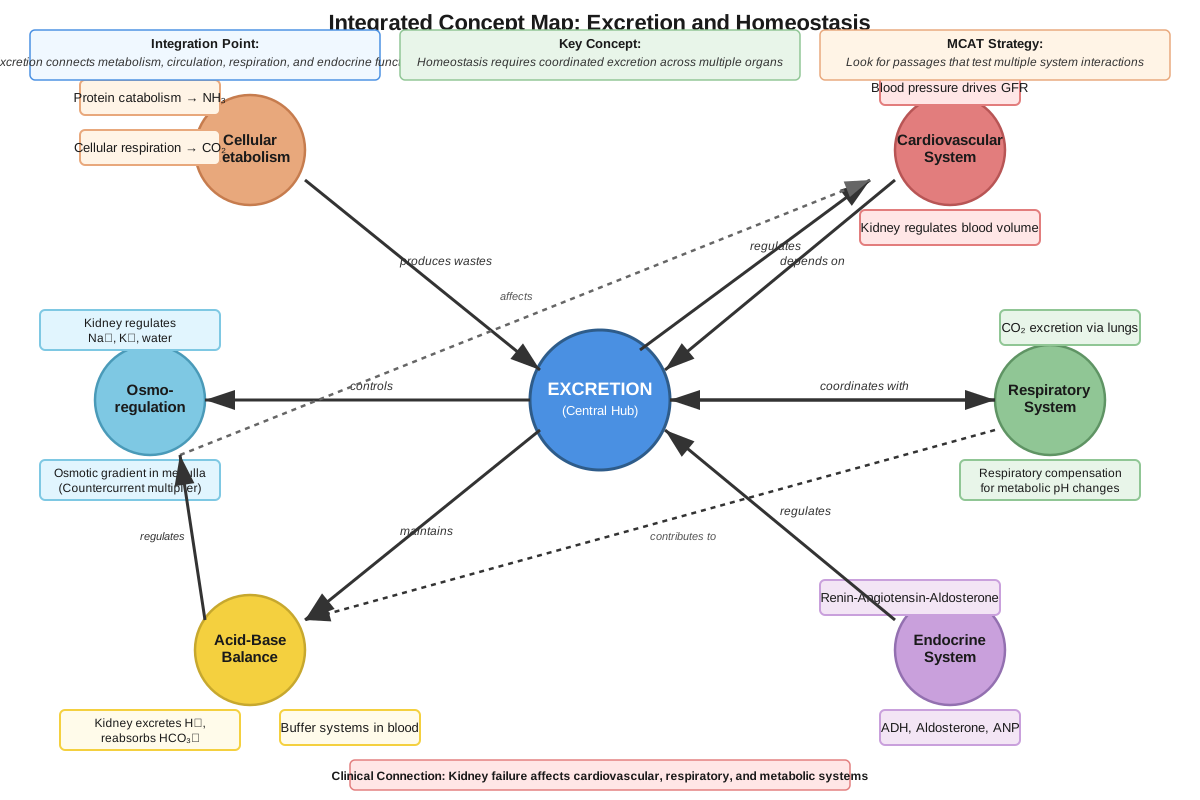
The concepts within excretion form an integrated physiological system. Nitrogenous waste production (from amino acid catabolism) → requires excretion strategies (ammonia, urea, or uric acid) → which determine water requirements → necessitating kidney function (filtration, reabsorption, secretion) → regulated by hormones (ADH, aldosterone, ANP) → maintaining homeostasis (fluid balance, electrolyte balance, acid-base balance).
Excretion connects to prerequisite topics through multiple pathways. Cellular metabolism produces the waste products that must be excreted, particularly ammonia from amino acid deamination and CO₂ from the citric acid cycle. Protein structure knowledge is essential for understanding how the glomerular filtration membrane selectively blocks proteins based on size and charge. Osmosis and diffusion drive the passive movement of water and solutes throughout the nephron, while active transport mechanisms (Na⁺-K⁺-ATPase) power reabsorption and secretion.
The cardiovascular system provides the driving force for glomerular filtration through blood pressure, while the endocrine system regulates excretory function through hormones. The respiratory system complements renal excretion by eliminating CO₂ and contributing to acid-base balance. Understanding these connections allows students to predict how dysfunction in one system affects others—for example, how heart failure reduces renal perfusion and GFR, or how respiratory acidosis triggers compensatory renal retention of bicarbonate.
High-Yield Facts
⭐ Excretion specifically refers to removal of metabolic wastes that were once part of body metabolism, not undigested food (which is egestion/elimination)
⭐ The three nitrogenous wastes are ammonia (most toxic, requires most water), urea (intermediate), and uric acid (least toxic, requires least water)
⭐ Glomerular filtration rate (GFR) averages 125 mL/min or ~180 L/day, with 99% of filtrate reabsorbed
⭐ The proximal convoluted tubule reabsorbs 65-70% of filtered water and sodium, plus nearly 100% of glucose and amino acids
⭐ The loop of Henle creates the medullary osmotic gradient through countercurrent multiplication, essential for concentrating urine
- The descending loop of Henle is permeable to water but not solutes; the ascending loop is impermeable to water but actively transports solutes out
- ADH (antidiuretic hormone) increases water reabsorption in the collecting duct by inserting aquaporin-2 channels; absence of ADH produces dilute urine
- Aldosterone increases sodium reabsorption and potassium secretion in the distal tubule and collecting duct
- Atrial natriuretic peptide (ANP) opposes aldosterone, promoting sodium and water excretion when blood volume is high
- The juxtaglomerular apparatus (macula densa and juxtaglomerular cells) regulates GFR through tubuloglomerular feedback and initiates the RAAS
- The filtration membrane blocks most proteins based on size (>69 kDa) and negative charge (like albumin)
- Clearance is the volume of plasma completely cleared of a substance per unit time; inulin clearance equals GFR because it is filtered but neither reabsorbed nor secreted
- Glucose appears in urine (glucosuria) when plasma glucose exceeds the renal threshold (~180 mg/dL), saturating all glucose transporters in the PCT
- The kidneys regulate acid-base balance by secreting H⁺ and reabsorbing HCO₃⁻, providing slower but more sustained compensation than respiratory mechanisms
- Urea recycling in the medulla contributes to the osmotic gradient; some urea is reabsorbed from the collecting duct and secreted back into the loop of Henle
Quick check — test yourself on Excretion so far.
Try Flashcards →Common Misconceptions
Misconception: Excretion and elimination are the same process.
Correction: Excretion removes metabolic wastes that were once part of the body's metabolism (urea, CO₂, excess salts), while elimination (egestion) removes undigested food that was never absorbed into the body. Feces are primarily eliminated, not excreted, though they contain some excreted substances like bile pigments.
Misconception: All filtered substances are excreted in urine.
Correction: Approximately 99% of the glomerular filtrate is reabsorbed. Glucose and amino acids are normally 100% reabsorbed in the proximal tubule, so their presence in urine indicates either hyperglycemia exceeding the renal threshold or tubular dysfunction. Only wastes and excess substances appear in final urine.
Misconception: The loop of Henle directly concentrates urine.
Correction: The loop of Henle creates the medullary osmotic gradient through countercurrent multiplication, but it actually dilutes the filtrate (the ascending limb removes solutes without water). The collecting duct concentrates urine by allowing water to exit osmotically into the hypertonic medulla when ADH is present.
Misconception: ADH directly causes water reabsorption.
Correction: ADH increases the water permeability of the collecting duct by inserting aquaporin-2 channels, but water movement is passive, driven by the osmotic gradient created by the loop of Henle. Without the medullary gradient, ADH cannot concentrate urine effectively.
Misconception: Ammonia is the safest nitrogenous waste because it requires no energy to produce.
Correction: Ammonia is the most toxic nitrogenous waste, requiring immediate dilution in large volumes of water. Only aquatic organisms can safely use ammonia as their primary nitrogenous waste because they have unlimited access to water for dilution. Terrestrial organisms must expend energy to convert ammonia to less toxic urea or uric acid.
Misconception: The kidneys only excrete wastes.
Correction: The kidneys are multifunctional organs that excrete wastes, regulate blood volume and pressure, maintain electrolyte balance, regulate acid-base balance, produce erythropoietin (stimulates red blood cell production), activate vitamin D, and perform gluconeogenesis during fasting. Excretion is just one of their many homeostatic functions.
Misconception: Drinking more water always increases urine output proportionally.
Correction: When well-hydrated, decreased blood osmolarity suppresses ADH release, producing dilute urine and increasing output. However, the kidneys can only produce about 15-20 L of maximally dilute urine per day. Additionally, if water intake is excessive and rapid, it can cause hyponatremia (low blood sodium) because the kidneys cannot excrete water fast enough.
Worked Examples
Example 1: Comparative Physiology of Nitrogenous Waste
Question: A researcher studies three animals: a freshwater fish, a desert lizard, and a human. Each animal consumes the same amount of protein. Rank these animals from highest to lowest in terms of (A) water required for nitrogenous waste excretion and (B) ATP expenditure for nitrogenous waste processing. Explain your reasoning.
Solution:
First, identify the primary nitrogenous waste for each organism:
- Freshwater fish: ammonia (aquatic environment allows continuous dilution)
- Desert lizard: uric acid (water conservation is critical in arid environments)
- Human: urea (balance between toxicity and water conservation)
(A) Water required for excretion (highest to lowest):
- Freshwater fish (ammonia requires the most water due to high toxicity)
- Human (urea requires moderate water for safe excretion)
- Desert lizard (uric acid requires minimal water, excreted as semi-solid paste)
Reasoning: Ammonia's extreme toxicity necessitates immediate dilution in large volumes of water. Freshwater fish can afford this strategy because they live in an aqueous environment and actually face the opposite problem (water constantly entering by osmosis). Urea is ~100,000 times less toxic than ammonia, allowing humans to concentrate it moderately in urine while conserving water. Uric acid is nearly insoluble and can be excreted as a paste with minimal water loss, essential for desert survival.
(B) ATP expenditure (highest to lowest):
- Desert lizard (uric acid synthesis is energetically expensive)
- Human (urea cycle requires ATP but less than uric acid synthesis)
- Freshwater fish (ammonia is the direct product of deamination, requiring no conversion)
Reasoning: Ammonia production requires no additional ATP beyond the deamination reaction itself. The urea cycle requires 3-4 ATP equivalents per urea molecule (depending on how you count the ATP consumed in the cycle). Uric acid synthesis requires even more ATP because it involves complex purine metabolism. This represents the evolutionary trade-off: organisms in water-rich environments can use the cheap but toxic ammonia strategy, while organisms facing water scarcity must invest energy to produce less toxic, more water-efficient waste products.
Connection to learning objectives: This example demonstrates the application of excretion concepts to comparative physiology questions, a common MCAT format. It requires understanding the relationship between waste product toxicity, water availability, and metabolic cost—connecting excretion to evolution, ecology, and energetics.
Example 2: Nephron Function and Hormonal Regulation
Question: A patient presents with the following laboratory values: high blood osmolarity (310 mOsm/L; normal 275-295), low blood pressure (90/60 mmHg), and low urine output (300 mL/day; normal 1000-2000 mL/day) with high urine osmolarity (1100 mOsm/L). Based on these findings, predict the status of ADH and aldosterone in this patient. Then, trace the path of a water molecule from the glomerulus to the collecting duct, explaining what happens at each nephron segment under these hormonal conditions.
Solution:
Hormonal status prediction:
- ADH: ELEVATED - High blood osmolarity is the primary stimulus for ADH release. Additionally, low blood pressure (detected by baroreceptors) also stimulates ADH release. The high urine osmolarity and low urine volume confirm that ADH is present and functioning, making the collecting duct permeable to water.
- Aldosterone: ELEVATED - Low blood pressure activates the renin-angiotensin-aldosterone system (RAAS). The juxtaglomerular cells detect decreased renal perfusion and release renin, ultimately producing aldosterone. This hormone increases sodium (and water) reabsorption to restore blood volume and pressure.
Path of water molecule through the nephron:
- Glomerulus/Bowman's capsule: Water is filtered from blood into Bowman's capsule along with small solutes due to high hydrostatic pressure (~55 mmHg). The filtration membrane blocks proteins and blood cells but allows water to pass freely.
- Proximal convoluted tubule (PCT): Approximately 65-70% of filtered water is reabsorbed here. Sodium-potassium ATPase pumps on the basolateral membrane create a sodium gradient that drives reabsorption of sodium, glucose, amino acids, and other solutes. Water follows osmotically through aquaporin-1 channels (constitutively present). Under these conditions, the PCT functions normally regardless of ADH or aldosterone levels.
- Descending loop of Henle: This segment is highly permeable to water (via aquaporin-1) but impermeable to solutes. As the filtrate descends into the increasingly hypertonic medulla (created by countercurrent multiplication), water exits osmotically. The filtrate becomes progressively more concentrated, reaching maximum osmolarity (~1200 mOsm/L) at the bottom of the loop.
- Ascending loop of Henle: This segment is impermeable to water but actively transports Na⁺, K⁺, and Cl⁻ out of the filtrate (via the Na⁺-K⁺-2Cl⁻ cotransporter). Water cannot follow, so the filtrate becomes progressively more dilute. By the top of the ascending limb, the filtrate is hypotonic (~100 mOsm/L) relative to blood.
- Distal convoluted tubule (DCT): Elevated aldosterone increases sodium reabsorption here by upregulating epithelial sodium channels (ENaC) and Na⁺-K⁺-ATPase pumps. Water follows sodium osmotically to some degree, though the DCT is less permeable to water than the PCT. This helps restore blood volume and pressure.
- Collecting duct: This is the critical site of ADH action. Elevated ADH causes insertion of aquaporin-2 channels into the apical membrane, making the collecting duct highly permeable to water. As the collecting duct passes through the hypertonic medulla, water exits osmotically, concentrating the urine. In this patient, the combination of high ADH and the intact medullary gradient allows maximum water reabsorption, producing small volumes of highly concentrated urine (1100 mOsm/L).
Clinical correlation: This patient likely has dehydration (possibly from vomiting, diarrhea, or inadequate fluid intake). The body is appropriately responding by maximizing water retention through ADH and sodium retention through aldosterone. Treatment would involve fluid replacement to restore blood volume and osmolarity to normal ranges.
Connection to learning objectives: This example integrates multiple excretion concepts—nephron anatomy, hormonal regulation, osmotic gradients, and clinical application. It demonstrates how to approach MCAT passages that present clinical data and require prediction of physiological responses.
Exam Strategy
When approaching Excretion MCAT questions, employ these strategic approaches:
Identify the nephron segment first: Many questions test knowledge of where specific processes occur. Create a mental map: PCT = bulk reabsorption of everything; loop of Henle = creates gradient; DCT/collecting duct = hormonal regulation. If a question mentions glucose reabsorption, immediately think PCT. If it mentions ADH, focus on the collecting duct.
Watch for trigger words:
- "Concentrated urine" → ADH present, collecting duct permeable to water
- "Dilute urine" → ADH absent, collecting duct impermeable to water
- "Low blood pressure" → think RAAS, aldosterone, sodium retention
- "High blood osmolarity" → ADH release, water retention
- "Clearance" → compare to inulin (GFR marker); if clearance > GFR, substance is secreted; if clearance < GFR, substance is reabsorbed
Use process of elimination for comparative physiology questions: When comparing nitrogenous wastes, eliminate options that don't match the organism's environment. Aquatic organisms won't use uric acid (too energetically expensive when water is abundant). Desert organisms won't use ammonia (requires too much water). Terrestrial mammals use urea as a compromise.
For calculation questions: Remember that GFR ≈ 125 mL/min, and 99% is reabsorbed. If a question asks about daily filtrate production, calculate 125 mL/min × 60 min/hr × 24 hr/day ≈ 180 L/day. If it asks about urine production, remember only 1-2 L/day is excreted (99% reabsorbed).
Time allocation: Discrete questions about excretion should take 60-90 seconds. Passage-based questions may require 90-120 seconds, especially if they include data interpretation or calculations. Don't get bogged down in complex calculations—the MCAT rarely requires extensive math, so if your calculation is taking more than 30 seconds, reconsider your approach.
Common question formats to expect:
- Experimental passages measuring clearance or GFR
- Clinical vignettes describing patients with kidney disease, dehydration, or electrolyte imbalances
- Comparative physiology passages examining different organisms' excretory strategies
- Mechanism questions asking about specific nephron segments or hormones
- Graph interpretation showing changes in urine composition under different conditions
Exam Tip: If a question presents abnormal urine composition (glucose, protein, or blood in urine), immediately consider whether the problem is with filtration (glomerular damage allows proteins through) or reabsorption (tubular damage prevents glucose reabsorption). Normal urine should contain wastes and excess substances but not glucose, proteins, or blood cells.
Memory Techniques
Nitrogenous waste mnemonic - "AWU":
- Ammonia = Aquatic animals (most toxic, most water needed)
- Water-conserving = Uric acid (least toxic, least water needed)
- Urea = Us (mammals, intermediate)
Nephron segment functions - "Please Learn How Drinking Coffee Helps":
- Proximal tubule = bulk reabsorption (65-70% of everything)
- Loop (descending) = Loses water
- Henle (ascending) = High solute transport (no water movement)
- Distal tubule = hormone-sensitive (aldosterone)
- Collecting duct = Concentration (ADH-regulated)
- Homeostasis = final result
ADH vs. Aldosterone - "ADH = Add water, Aldo = Add sodium":
- ADH increases water reabsorption (aquaporins in collecting duct)
- Aldosterone increases sodium reabsorption (and water follows)
- Both increase blood volume, but through different mechanisms
Countercurrent multiplication visualization: Picture a hairpin with arrows:
- Descending limb: water OUT (following osmotic gradient)
- Ascending limb: solutes OUT (active transport)
- Result: medulla becomes hypertonic, filtrate becomes hypotonic
- The "multiplication" refers to the gradient being amplified along the length of the loop
Clearance concept - "If it's cleared more than filtered, it must be secreted":
- Clearance = GFR → substance is filtered only (like inulin)
- Clearance < GFR → substance is reabsorbed (like glucose, normally)
- Clearance > GFR → substance is secreted (like PAH, penicillin)
Hormonal regulation acronym - "RAAS Raises Blood Pressure":
- Renin (released by juxtaglomerular cells when BP drops)
- Angiotensinogen → Angiotensin I → Angiotensin II (vasoconstriction)
- Aldosterone (increases sodium/water retention)
- System raises blood pressure
Summary
Excretion is the physiological process of removing metabolic wastes and excess substances from the body to maintain homeostasis. The three primary nitrogenous wastes—ammonia, urea, and uric acid—represent evolutionary trade-offs between toxicity, water requirements, and energy expenditure, with different organisms adopting strategies suited to their environments. The mammalian kidney performs excretion through three processes: glomerular filtration (bulk filtering of blood plasma), selective reabsorption (reclaiming useful substances), and tubular secretion (adding additional wastes to filtrate). The nephron's specialized segments each contribute distinct functions: the proximal tubule reabsorbs the majority of filtered substances, the loop of Henle creates the medullary osmotic gradient through countercurrent multiplication, and the distal tubule and collecting duct provide hormonal regulation sites. ADH regulates water reabsorption by controlling collecting duct permeability, while aldosterone regulates sodium reabsorption and potassium secretion. Understanding excretion requires integrating knowledge of osmosis, active transport, hormonal regulation, and acid-base balance, making it a high-yield connector topic for the MCAT that frequently appears in both discrete questions and passage-based scenarios involving renal physiology, comparative biology, and clinical pathology.
Key Takeaways
- Excretion removes metabolic wastes that were once part of body metabolism, distinct from elimination of undigested food
- The three nitrogenous wastes (ammonia, urea, uric acid) represent trade-offs between toxicity, water needs, and ATP cost
- The nephron performs filtration at the glomerulus, reabsorption primarily in the PCT, and hormonal regulation in the DCT/collecting duct
- The loop of Henle creates the medullary osmotic gradient through countercurrent multiplication, essential for concentrating urine
- ADH increases water reabsorption in the collecting duct; aldosterone increases sodium reabsorption in the DCT/collecting duct
- GFR averages 125 mL/min (~180 L/day), with 99% of filtrate reabsorbed, producing 1-2 L of urine daily
- Excretion integrates multiple organ systems (kidneys, lungs, skin, liver) and connects to cardiovascular, endocrine, and respiratory physiology
Related Topics
Acid-Base Balance: The kidneys regulate blood pH through selective secretion of H⁺ and reabsorption of HCO₃⁻, providing long-term compensation for respiratory and metabolic acid-base disturbances. Mastering excretion provides the foundation for understanding renal compensation mechanisms.
Osmoregulation: The regulation of body fluid osmolarity and volume depends on excretory mechanisms, particularly ADH and aldosterone function. This topic extends excretion concepts to include thirst mechanisms and the integration of multiple homeostatic systems.
Endocrine System: Hormones like ADH, aldosterone, ANP, and parathyroid hormone directly regulate excretory function. Understanding excretion enhances comprehension of endocrine feedback loops and hormone mechanisms of action.
Cardiovascular Physiology: Blood pressure and cardiac output directly affect GFR, while the kidneys regulate blood pressure through the RAAS and fluid balance. Excretion knowledge is essential for understanding cardiovascular-renal integration.
Comparative Animal Physiology: Different organisms have evolved diverse excretory strategies based on their environments. This topic explores osmoconformers vs. osmoregulators, protonephridia, metanephridia, and Malpighian tubules, extending excretion concepts across the animal kingdom.
Clinical Nephrology: Understanding normal excretory function enables reasoning about kidney diseases, including acute kidney injury, chronic kidney disease, nephrotic syndrome, and glomerulonephritis—all potential MCAT passage topics.
Practice CTA
Now that you've mastered the core concepts of excretion, it's time to reinforce your understanding through active practice. Complete the practice questions to test your ability to apply these concepts to MCAT-style scenarios, and use the flashcards to solidify high-yield facts and mechanisms. Remember, excretion is a connector topic that integrates multiple physiological systems—the more you practice applying these concepts to novel situations, the more prepared you'll be for the diverse ways the MCAT can test this material. Your investment in understanding excretion will pay dividends not only on questions directly about the kidneys but also on passages involving homeostasis, comparative physiology, and clinical reasoning. Keep pushing forward—you're building the comprehensive knowledge base that distinguishes top MCAT performers!
Sign up free to keep reading
Create a free AnvayaPrep account to finish this MCAT guide on Excretion — plus flashcards and practice questions.