Overview
Fertilization is the fundamental biological process by which two haploid gametes—a sperm cell and an oocyte (egg)—unite to form a diploid zygote, marking the beginning of a new organism. This process represents one of the most critical events in Biology, integrating concepts from cellular biology, genetics, endocrinology, and developmental biology. For the MCAT, understanding fertilization requires mastery of the molecular mechanisms that govern gamete recognition, membrane fusion, prevention of polyspermy, and the immediate cellular events that follow successful gamete union.
Fertilization Biology encompasses multiple sequential steps that occur primarily in the ampulla of the fallopian tube in humans. The process involves sophisticated molecular recognition systems, rapid changes in membrane potential, cortical reactions, and the initiation of embryonic development. Students preparing for the Fertilization MCAT content must understand not only the sequence of events but also the underlying biochemical and physiological mechanisms that ensure successful reproduction. This topic frequently appears in passages related to reproductive physiology, developmental biology, and even in questions addressing genetic inheritance patterns.
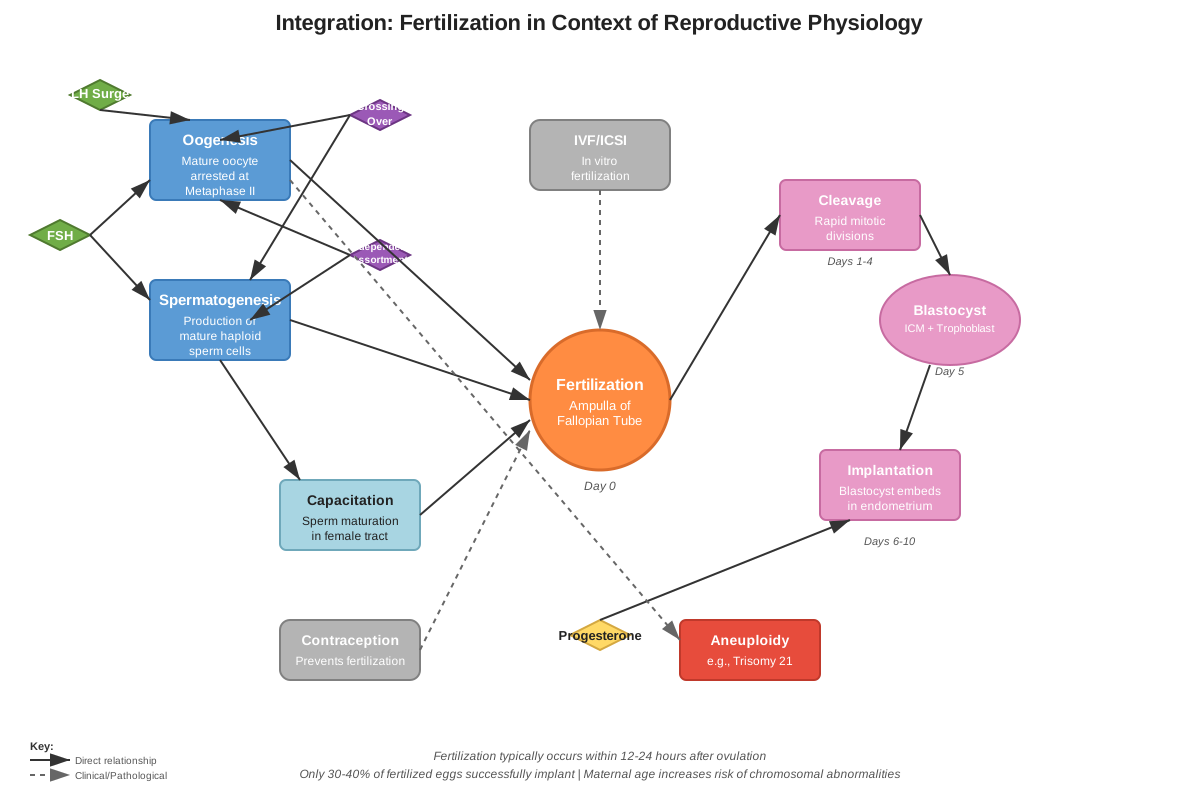
Within the broader context of Physiology and Organ Systems, fertilization represents the culmination of reproductive system function and the starting point for embryological development. It connects directly to topics including gametogenesis (spermatogenesis and oogenesis), hormonal regulation of the menstrual cycle, early embryonic development, and genetic recombination. Understanding fertilization provides essential context for comprehending how genetic material is transmitted between generations and how developmental abnormalities can arise when this process is disrupted.
Learning Objectives
- [ ] Define Fertilization using accurate Biology terminology
- [ ] Explain why Fertilization matters for the MCAT
- [ ] Apply Fertilization to exam-style questions
- [ ] Identify common mistakes related to Fertilization
- [ ] Connect Fertilization to related Biology concepts
- [ ] Describe the sequential steps of fertilization from sperm-egg contact through zygote formation
- [ ] Explain the molecular mechanisms preventing polyspermy in mammalian fertilization
- [ ] Analyze how disruptions in fertilization processes can lead to infertility or developmental abnormalities
Prerequisites
- Meiosis and gametogenesis: Understanding how haploid gametes are produced is essential for comprehending why fertilization restores diploidy
- Cell membrane structure and function: Knowledge of membrane proteins, receptors, and fusion mechanisms underlies gamete recognition and union
- Basic genetics: Familiarity with chromosomal inheritance patterns helps explain how genetic material combines during fertilization
- Reproductive anatomy: Understanding the structure of the male and female reproductive systems provides context for where and how fertilization occurs
- Hormonal regulation: Knowledge of reproductive hormones (FSH, LH, estrogen, progesterone) explains the timing and preparation for fertilization
Why This Topic Matters
Fertilization represents a high-yield topic for the MCAT because it integrates multiple biological disciplines into a single, testable process. Clinically, understanding fertilization is crucial for addressing infertility issues, developing assisted reproductive technologies (IVF, ICSI), and comprehending the mechanisms of contraception. Approximately 2-4% of MCAT Biological and Biochemical Foundations questions directly address reproductive biology, with fertilization appearing in both discrete questions and passage-based contexts.
On the MCAT, fertilization commonly appears in several formats: passages describing experimental manipulations of fertilization (such as blocking specific receptors or enzymes), questions about the prevention of polyspermy, scenarios involving assisted reproductive technology, and questions linking fertilization to genetic inheritance patterns. The topic also frequently connects to endocrinology passages that discuss hormonal preparation of the reproductive tract for conception.
Real-world applications include understanding how emergency contraception works (preventing fertilization or implantation), why certain genetic disorders arise from fertilization errors (such as triploidy from polyspermy), and how in vitro fertilization techniques have been developed based on understanding the molecular requirements for successful gamete fusion. The topic also provides essential background for understanding early pregnancy detection, implantation, and the critical first week of development.
Core Concepts
Definition and Overview of Fertilization
Fertilization is the process by which male and female gametes fuse to create a genetically unique diploid cell called a zygote. This process restores the diploid chromosome number (2n = 46 in humans) from two haploid gametes (n = 23 each) and activates the egg to begin embryonic development. Fertilization is not instantaneous but rather a sequence of coordinated molecular events occurring over approximately 24 hours in humans.
The process occurs primarily in the ampulla of the fallopian tube (also called the uterine tube or oviduct), the widest section located near the ovary. Sperm must travel through the female reproductive tract, undergoing physiological changes that prepare them for fertilization, while the oocyte is released during ovulation and swept into the fallopian tube by fimbriae.
Capacitation and Sperm Preparation
Before sperm can fertilize an egg, they must undergo capacitation, a series of biochemical changes that occur in the female reproductive tract over 6-8 hours. During capacitation, cholesterol is removed from the sperm plasma membrane, increasing membrane fluidity and preparing the sperm for the acrosome reaction. Additionally, the sperm's flagellar movement becomes hyperactivated, characterized by increased amplitude and asymmetry that helps the sperm penetrate the cumulus cells and zona pellucida surrounding the egg.
Capacitation involves changes in intracellular ion concentrations, particularly increased calcium and bicarbonate levels, which activate signaling pathways necessary for fertilization. The removal of glycoproteins and other molecules that coat the sperm during their passage through the male reproductive tract is also essential for exposing membrane proteins required for egg recognition.
Sequential Steps of Fertilization
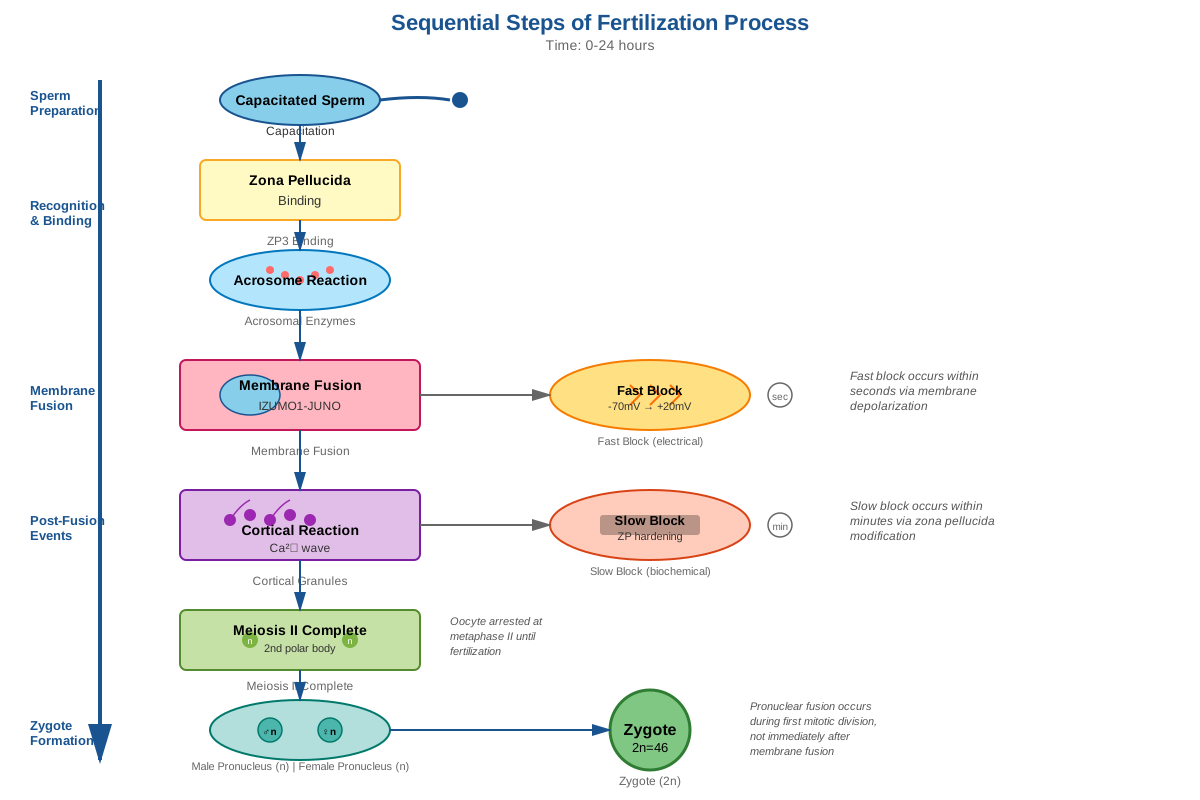
The fertilization process can be divided into several distinct phases:
- Sperm penetration of the corona radiata: Sperm must first navigate through the corona radiata, the outer layer of cumulus cells (granulosa cells) surrounding the oocyte. Hyaluronidase enzymes on the sperm surface help disperse these cells.
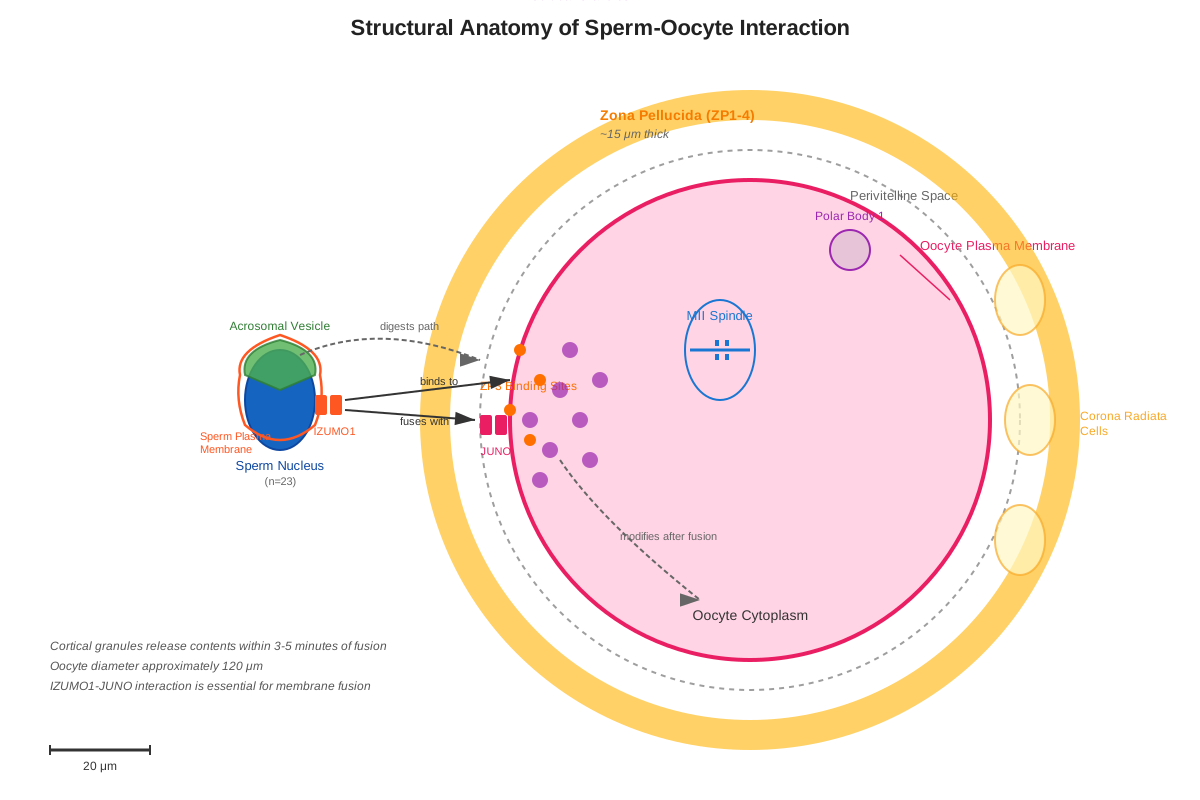
- Binding to the zona pellucida: The zona pellucida is a glycoprotein matrix surrounding the oocyte. Sperm bind specifically to ZP3 (zona pellucida glycoprotein 3) through species-specific receptors on the sperm head. This binding is highly selective and represents a critical species barrier to fertilization.
- Acrosome reaction: Binding to ZP3 triggers the acrosome reaction, an exocytotic event where the acrosome (a cap-like structure containing hydrolytic enzymes) fuses with the sperm plasma membrane and releases enzymes including acrosin, hyaluronidase, and neuraminidase. These enzymes digest a path through the zona pellucida.
- Penetration of the zona pellucida: The sperm uses a combination of enzymatic digestion and mechanical force from hyperactivated motility to penetrate the zona pellucida. The sperm binds to ZP2 during this process.
- Fusion of sperm and egg plasma membranes: Once through the zona pellucida, the sperm reaches the perivitelline space and its plasma membrane fuses with the oocyte plasma membrane. This fusion is mediated by specific proteins including IZUMO1 on the sperm and JUNO (also called IZUMO1R or folate receptor 4) on the egg membrane.
- Cortical reaction and zona reaction: Membrane fusion triggers a rapid increase in intracellular calcium in the egg, causing cortical granules (vesicles beneath the egg plasma membrane) to fuse with the membrane and release their contents into the perivitelline space. These contents modify the zona pellucida (particularly ZP2 and ZP3), making it impermeable to additional sperm—the zona reaction. This is the primary mechanism preventing polyspermy (fertilization by multiple sperm).
- Completion of meiosis II: The secondary oocyte is arrested in metaphase of meiosis II at the time of ovulation. Fertilization triggers completion of meiosis II, resulting in the formation of the mature ovum and the second polar body, which degenerates.
- Formation of pronuclei: The sperm nucleus decondenses and forms the male pronucleus, while the egg nucleus becomes the female pronucleus. Both pronuclei migrate toward the center of the cell.
- Syngamy: The pronuclear membranes break down, and the maternal and paternal chromosomes align on a common metaphase plate during the first mitotic division, completing fertilization and forming the diploid zygote.
Prevention of Polyspermy
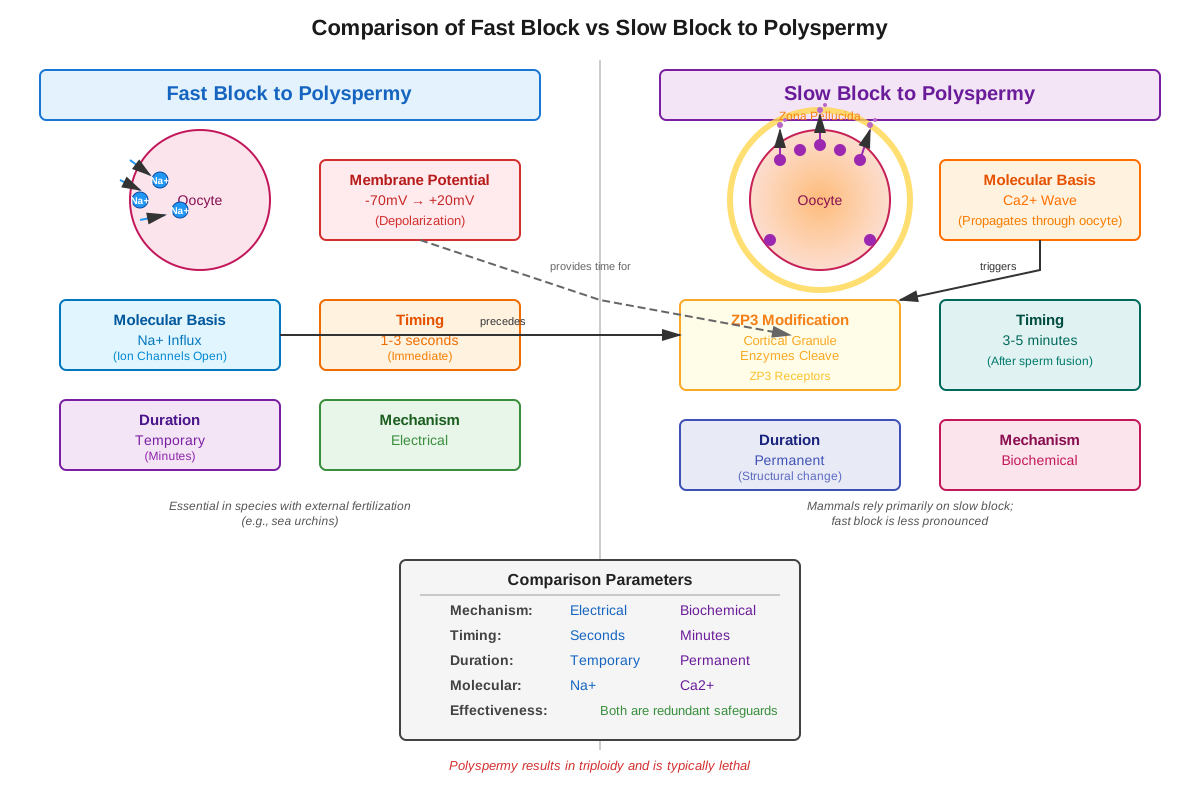
Preventing polyspermy is critical because fertilization by multiple sperm would result in a triploid or polyploid zygote, which is typically lethal in mammals. Two mechanisms work in concert:
Fast block to polyspermy: Within 1-3 seconds of sperm-egg fusion, the egg plasma membrane undergoes rapid depolarization from approximately -70 mV to +20 mV. This electrical change prevents additional sperm from fusing with the egg membrane. This mechanism is prominent in some species (particularly sea urchins) but less significant in mammals.
Slow block to polyspermy (cortical reaction): Within 1-3 minutes, the calcium-triggered cortical reaction causes permanent modifications to the zona pellucida. Cortical granule enzymes cleave ZP2 and modify ZP3, eliminating sperm-binding sites and hardening the zona pellucida. This provides a stable, long-term barrier to polyspermy.
| Mechanism | Timing | Duration | Primary Species |
|---|---|---|---|
| Fast block (membrane depolarization) | 1-3 seconds | Minutes | Sea urchins, some fish |
| Slow block (cortical reaction) | 1-3 minutes | Permanent | Mammals, including humans |
Molecular Signals and Calcium Waves
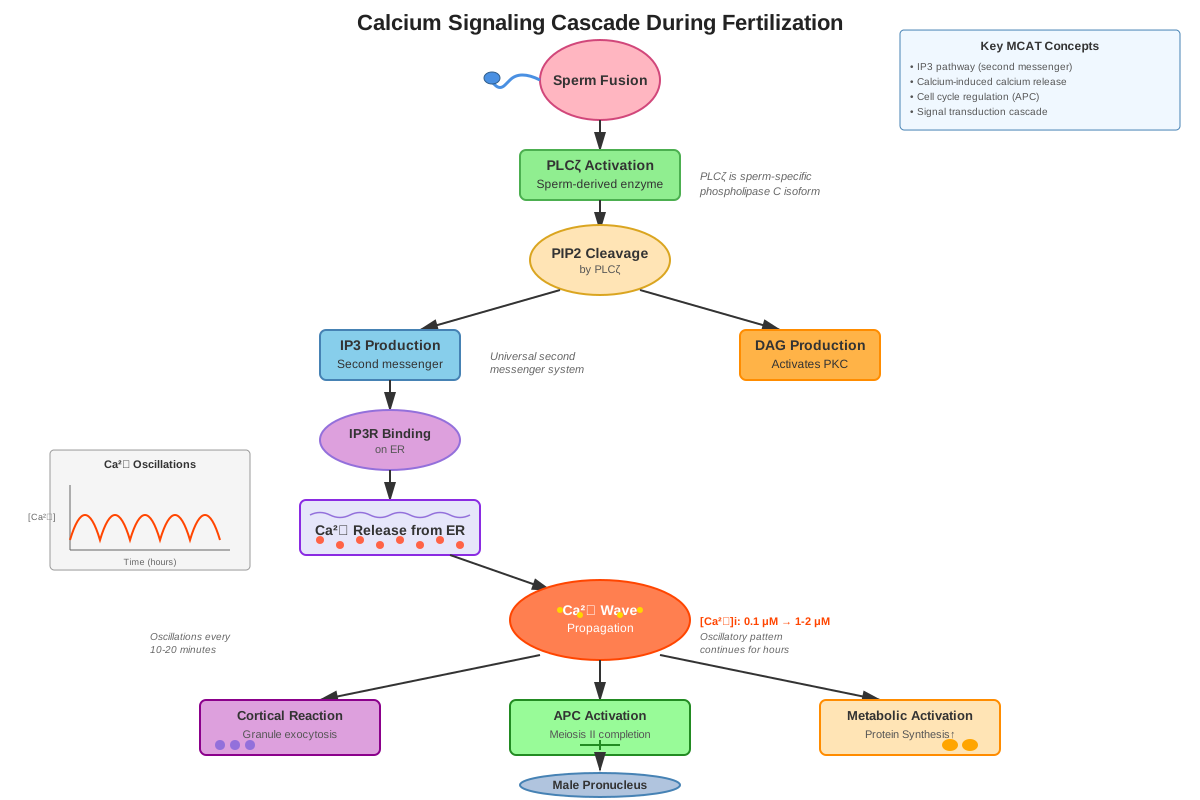
The fusion of sperm and egg triggers a dramatic increase in intracellular calcium concentration in the egg, rising from approximately 100 nM to over 1 μM. This calcium increase occurs as calcium waves that propagate across the egg, often in oscillatory patterns. The calcium signal is initiated by phospholipase C zeta (PLCζ), a sperm-specific enzyme introduced into the egg cytoplasm during fusion.
PLCζ hydrolyzes phosphatidylinositol 4,5-bisphosphate (PIP2) to produce inositol 1,4,5-trisphosphate (IP3) and diacylglycerol (DAG). IP3 binds to IP3 receptors on the endoplasmic reticulum, triggering calcium release from intracellular stores. This calcium signal is responsible for:
- Triggering the cortical reaction
- Completing meiosis II
- Initiating metabolic activation of the egg
- Beginning the cell cycle and early embryonic development
Genetic Consequences of Fertilization
Fertilization has several critical genetic outcomes:
- Restoration of diploidy: The diploid chromosome number (2n) is restored from two haploid (n) gametes
- Determination of genetic sex: The sperm carries either an X or Y chromosome, determining whether the zygote will be XX (female) or XY (male)
- Generation of genetic variation: The combination of maternal and paternal genomes, along with genetic recombination that occurred during meiosis, creates a genetically unique individual
Concept Relationships
Fertilization represents the convergence of multiple biological processes. Gametogenesis (spermatogenesis and oogenesis) produces the haploid gametes required for fertilization, with meiosis providing the mechanism for reducing chromosome number and generating genetic diversity through recombination. The menstrual cycle and its hormonal regulation ensure that ovulation and fertilization are temporally coordinated, with the luteal phase preparing the endometrium for potential implantation.
The relationship flow can be mapped as:
Hormonal regulation (FSH/LH surge) → Ovulation → Oocyte in fallopian tube + Capacitated sperm → Fertilization → Zygote formation → Cleavage and early development → Implantation
Within fertilization itself, the concepts connect sequentially:
Capacitation → Sperm-zona binding (ZP3) → Acrosome reaction → Zona penetration → Membrane fusion (IZUMO1-JUNO) → Calcium signaling (PLCζ/IP3) → Cortical reaction → Completion of meiosis II → Pronucleus formation → Syngamy
Fertilization also connects to broader concepts in genetics (inheritance patterns, sex determination), cell biology (membrane fusion, exocytosis, signal transduction), and developmental biology (embryonic development, implantation, pregnancy). Understanding fertilization is essential for comprehending assisted reproductive technologies, contraceptive mechanisms, and the etiology of certain genetic disorders.
Quick check — test yourself on Fertilization so far.
Try Flashcards →High-Yield Facts
⭐ Fertilization normally occurs in the ampulla of the fallopian tube, not in the uterus
⭐ The secondary oocyte is arrested in metaphase II and completes meiosis II only after fertilization
⭐ The cortical reaction (slow block) is the primary mechanism preventing polyspermy in mammals
⭐ Capacitation must occur before sperm can undergo the acrosome reaction and fertilize an egg
⭐ The sperm determines the genetic sex of the offspring by contributing either an X or Y chromosome
- The zona pellucida contains three main glycoproteins: ZP1, ZP2, and ZP3, with ZP3 serving as the primary sperm receptor
- IZUMO1 (sperm) and JUNO (egg) are essential proteins for sperm-egg membrane fusion
- Phospholipase C zeta (PLCζ) from the sperm triggers the calcium oscillations that activate the egg
- The acrosome reaction is an exocytotic event triggered by binding to ZP3
- Polyspermy results in triploidy or polyploidy, which is typically lethal in mammals
- The first polar body is produced during meiosis I (before ovulation), and the second polar body is produced after fertilization
- Syngamy refers to the fusion of genetic material from male and female pronuclei
Common Misconceptions
Misconception: Fertilization occurs in the uterus.
Correction: Fertilization typically occurs in the ampulla of the fallopian tube. The fertilized egg (zygote) then travels to the uterus over 3-5 days while undergoing cleavage divisions, arriving as a blastocyst ready for implantation.
Misconception: The egg is a mature ovum at the time of ovulation.
Correction: At ovulation, the female gamete is a secondary oocyte arrested in metaphase II of meiosis. It only completes meiosis II to become a mature ovum if fertilization occurs. The terms "egg" and "oocyte" are often used interchangeably, but technically the mature ovum exists only briefly after meiosis II completion.
Misconception: Only one sperm needs to reach the egg for fertilization to occur.
Correction: While only one sperm fertilizes the egg, hundreds of sperm are typically required to reach the egg because their collective enzymatic activity helps break down the corona radiata and zona pellucida, facilitating penetration by a single sperm.
Misconception: The acrosome reaction occurs as soon as sperm enter the female reproductive tract.
Correction: The acrosome reaction is triggered specifically by binding to ZP3 in the zona pellucida. Premature acrosome reactions render sperm unable to fertilize because they lose the enzymes needed to penetrate the zona pellucida. Capacitation prepares sperm for the acrosome reaction but does not trigger it.
Misconception: The fast block to polyspermy (membrane depolarization) is the primary mechanism preventing polyspermy in humans.
Correction: While membrane depolarization provides a rapid initial barrier, the cortical reaction (slow block) is the primary and permanent mechanism preventing polyspermy in mammals. The zona reaction creates a stable barrier that persists throughout early development.
Misconception: Fertilization is complete when the sperm enters the egg.
Correction: Fertilization is a process that takes approximately 24 hours and is not complete until syngamy occurs—when the maternal and paternal chromosomes align on the metaphase plate during the first mitotic division. Sperm entry is just one step in this multi-stage process.
Worked Examples
Example 1: Experimental Manipulation of Fertilization
Question: Researchers studying fertilization inject eggs with a calcium chelator (a molecule that binds and sequesters calcium ions) immediately after sperm-egg fusion. Which of the following outcomes would most likely occur?
A) The sperm would be unable to penetrate the zona pellucida
B) Multiple sperm would fertilize the egg (polyspermy)
C) The acrosome reaction would not occur
D) Capacitation would be prevented
Solution:
Step 1: Identify what happens after sperm-egg fusion. The key event is the calcium wave triggered by PLCζ from the sperm, which causes a dramatic increase in intracellular calcium.
Step 2: Determine what processes depend on this calcium increase:
- Cortical reaction (release of cortical granules)
- Completion of meiosis II
- Metabolic activation of the egg
Step 3: Consider what would happen if calcium is chelated (removed/sequestered). The cortical reaction would not occur, meaning cortical granules would not be released, and the zona reaction would not happen.
Step 4: Analyze the answer choices:
- A) Incorrect - zona penetration occurs before fusion, so this has already happened
- B) Correct - without the cortical reaction, the zona pellucida would not undergo the zona reaction, allowing additional sperm to penetrate and fertilize the egg
- C) Incorrect - the acrosome reaction occurs before fusion, triggered by ZP3 binding
- D) Incorrect - capacitation occurs in the female reproductive tract before the sperm reaches the egg
Answer: B
This question tests understanding of the temporal sequence of fertilization events and the specific role of calcium signaling in preventing polyspermy.
Example 2: Clinical Application
Question: A couple undergoing in vitro fertilization (IVF) has experienced repeated fertilization failures despite normal sperm parameters and egg quality. Genetic analysis reveals that the male partner has a mutation in the gene encoding IZUMO1. Which step of fertilization is most directly affected?
A) Sperm binding to the zona pellucida
B) The acrosome reaction
C) Sperm-egg plasma membrane fusion
D) Completion of meiosis II in the oocyte
Solution:
Step 1: Recall the function of IZUMO1. IZUMO1 is a sperm surface protein essential for sperm-egg plasma membrane fusion. It binds to JUNO (IZUMO1R) on the egg membrane.
Step 2: Map IZUMO1 to the fertilization sequence. IZUMO1 functions after the sperm has penetrated the zona pellucida and reached the perivitelline space, where it must fuse with the egg plasma membrane.
Step 3: Analyze each answer choice:
- A) Incorrect - zona binding involves ZP3 receptors, not IZUMO1
- B) Incorrect - the acrosome reaction is triggered by ZP3 binding and involves different molecular mechanisms
- C) Correct - IZUMO1 is specifically required for the fusion of sperm and egg plasma membranes
- D) Incorrect - meiosis II completion is triggered by calcium signaling after fusion has already occurred
Answer: C
This question integrates molecular biology with clinical application, demonstrating how understanding specific proteins involved in fertilization can explain infertility and guide treatment approaches. In reality, mutations in IZUMO1 are a rare cause of male infertility, and intracytoplasmic sperm injection (ICSI), which bypasses the need for membrane fusion, can overcome this barrier.
Exam Strategy
When approaching MCAT questions on fertilization, first identify the temporal stage being discussed. Questions often test whether students understand the correct sequence of events. Create a mental timeline: capacitation → zona binding → acrosome reaction → zona penetration → membrane fusion → calcium signaling → cortical reaction → meiosis II completion → pronucleus formation → syngamy.
Trigger words to watch for:
- "Immediately after sperm-egg fusion" → think calcium signaling and cortical reaction
- "Before the acrosome reaction" → think capacitation and zona binding
- "Prevention of polyspermy" → focus on cortical reaction and zona reaction
- "Completion of meiosis" → remember this happens after fertilization begins
- "Genetic sex determination" → the sperm determines sex with X or Y chromosome
Process of elimination strategies:
- If a question asks about events before sperm-egg contact, eliminate answers involving calcium signaling or cortical reactions
- If a question involves polyspermy, the correct answer usually relates to the cortical reaction or zona reaction, not membrane depolarization (in mammals)
- Questions about infertility often test specific molecular components (ZP3, IZUMO1, PLCζ)—eliminate answers that describe normal function if the question indicates a defect
Time allocation: Fertilization questions are typically straightforward if you know the sequence. Spend 60-70 seconds on discrete questions, but allow 90 seconds for passage-based questions that require integrating experimental data with fertilization mechanisms.
Exam Tip: If a passage describes blocking or enhancing a specific step in fertilization, immediately consider what comes before and after that step. The question will likely ask about downstream consequences or what remains functional.
Memory Techniques
Mnemonic for the sequence of fertilization: "Can Zombies Bite After Midnight? Probably Can't Sleep"
- Capacitation
- Zona binding (ZP3)
- Breakdown of acrosome (acrosome reaction)
- Advance through zona
- Membrane fusion
- Prevention of polyspermy (cortical reaction)
- Completion of meiosis II
- Syngamy
Visualization strategy: Picture fertilization as a multi-checkpoint security system. The sperm must pass through several barriers (corona radiata, zona pellucida, plasma membrane), and once inside, the egg immediately "locks the doors" (cortical reaction) to prevent others from entering. This helps remember both the sequence and the purpose of polyspermy prevention.
Acronym for zona pellucida proteins: "ZP-123" - Remember that ZP3 is the primary sperm receptor (3 = "key" to entry), ZP2 is involved during penetration (2 = "middle" stage), and ZP1 provides structural support (1 = "foundation").
Memory aid for calcium's roles: "CCC" - Cortical reaction, Completion of meiosis II, Cell cycle activation. All three are triggered by the calcium wave.
Summary
Fertilization is the complex, multi-step process by which haploid sperm and egg unite to form a diploid zygote, occurring primarily in the ampulla of the fallopian tube. The process requires sperm capacitation in the female reproductive tract, followed by sequential steps: penetration of the corona radiata, binding to ZP3 in the zona pellucida, the acrosome reaction, zona penetration, and fusion of sperm and egg plasma membranes mediated by IZUMO1-JUNO interaction. Membrane fusion triggers calcium oscillations via PLCζ, causing the cortical reaction that prevents polyspermy by modifying the zona pellucida. The calcium signal also triggers completion of meiosis II, converting the secondary oocyte to a mature ovum. Male and female pronuclei form and migrate together, and syngamy occurs when their chromosomes align during the first mitotic division, completing fertilization and establishing the diploid zygote. Understanding the molecular mechanisms, temporal sequence, and regulation of fertilization is essential for MCAT success and provides foundation for comprehending reproductive technologies, contraception, and early development.
Key Takeaways
- Fertilization is a 24-hour process occurring in the ampulla of the fallopian tube, involving sequential molecular events from capacitation through syngamy
- The cortical reaction, triggered by calcium signaling, is the primary mechanism preventing polyspermy in mammals through zona pellucida modification
- Capacitation prepares sperm for the acrosome reaction, which is specifically triggered by ZP3 binding
- The secondary oocyte completes meiosis II only after fertilization begins, producing the mature ovum and second polar body
- Sperm-egg membrane fusion requires IZUMO1 (sperm) and JUNO (egg) proteins and triggers PLCζ-mediated calcium oscillations
- The sperm determines genetic sex by contributing either an X or Y chromosome to the diploid zygote
- Understanding the temporal sequence and molecular mechanisms of fertilization is critical for analyzing experimental passages and clinical scenarios on the MCAT
Related Topics
Gametogenesis (Spermatogenesis and Oogenesis): Understanding how gametes are produced through meiosis provides essential context for why fertilization restores diploidy and how genetic variation is generated. Mastering fertilization enables deeper comprehension of how errors in gametogenesis affect fertilization outcomes.
Hormonal Regulation of Reproduction: The menstrual cycle, controlled by FSH, LH, estrogen, and progesterone, determines the timing of ovulation and prepares the reproductive tract for fertilization. This topic connects directly to when and where fertilization can occur.
Early Embryonic Development: Fertilization initiates cleavage divisions and progression through morula, blastocyst, and implantation stages. Understanding fertilization is prerequisite for studying how the zygote develops into a multicellular embryo.
Assisted Reproductive Technology: IVF, ICSI, and other techniques are based on understanding the molecular requirements for successful fertilization, making this applied topic accessible after mastering basic fertilization biology.
Contraception Mechanisms: Various contraceptive methods work by preventing different stages of fertilization, from blocking capacitation to preventing implantation, making fertilization knowledge directly applicable to understanding contraceptive pharmacology.
Practice CTA
Now that you have mastered the core concepts of fertilization, challenge yourself with practice questions and flashcards to reinforce your understanding. Focus on questions that test the temporal sequence of events, molecular mechanisms of polyspermy prevention, and clinical applications of fertilization biology. The more you practice applying these concepts to MCAT-style questions, the more confident and efficient you will become on test day. Remember: understanding fertilization provides a foundation for multiple high-yield topics in reproductive biology and development—your investment in mastering this material will pay dividends across multiple MCAT questions!
Sign up free to keep reading
Create a free AnvayaPrep account to finish this MCAT guide on Fertilization — plus flashcards and practice questions.