Overview
The glomerulus is a specialized capillary network that serves as the initial filtration apparatus of the nephron, the functional unit of the kidney. Understanding the glomerulus is fundamental to mastering renal physiology and organ systems for the MCAT, as it represents the critical first step in urine formation and blood filtration. This microscopic structure, located within Bowman's capsule, filters approximately 180 liters of blood plasma daily, removing metabolic wastes while retaining essential proteins and blood cells. The selective permeability of the glomerular filtration barrier exemplifies how structure dictates function—a recurring theme in Biology that appears frequently on standardized examinations.
For the MCAT, the glomerulus serves as a nexus connecting multiple high-yield concepts: fluid dynamics, osmotic pressure, membrane transport, and homeostatic regulation. Questions involving the glomerulus often integrate cardiovascular physiology, acid-base balance, and endocrine control mechanisms, making it an ideal topic for passage-based questions that test interdisciplinary reasoning. The glomerulus also provides an excellent framework for understanding disease pathophysiology, as glomerular dysfunction underlies numerous clinical conditions including diabetes mellitus, hypertension, and autoimmune disorders.
The glomerulus Biology encompasses not only anatomical structure but also the biophysical principles governing filtration. Starling forces, hydrostatic and oncotic pressures, and the concept of net filtration pressure all converge at this site. Additionally, the glomerular filtration rate (GFR) serves as a critical clinical parameter for assessing kidney function, making this topic relevant for both biological sciences and critical analysis and reasoning skills sections of the MCAT. Mastery of glomerular function provides the foundation for understanding subsequent nephron segments and the overall process of urine formation.
Learning Objectives
- [ ] Define glomerulus using accurate Biology terminology
- [ ] Explain why glomerulus matters for the MCAT
- [ ] Apply glomerulus concepts to exam-style questions
- [ ] Identify common mistakes related to glomerulus
- [ ] Connect glomerulus to related Biology concepts
- [ ] Calculate net filtration pressure using Starling forces
- [ ] Predict the effects of pathological conditions on glomerular filtration rate
- [ ] Analyze the relationship between glomerular structure and selective permeability
Prerequisites
- Basic cardiovascular anatomy and physiology: Understanding blood pressure, capillary structure, and circulation is essential for comprehending glomerular hemodynamics
- Membrane transport mechanisms: Knowledge of diffusion, osmosis, and selective permeability underlies the filtration barrier concept
- Pressure gradients and fluid dynamics: Hydrostatic and oncotic pressure principles directly govern glomerular filtration
- Nephron anatomy: Familiarity with the overall kidney structure and nephron components provides context for glomerular location and function
- Protein structure: Understanding why large proteins cannot cross filtration barriers requires knowledge of molecular size and charge
Why This Topic Matters
The glomerulus represents a critical integration point for multiple organ systems, making it a favorite target for MCAT test writers. Clinically, glomerular dysfunction is implicated in chronic kidney disease, which affects approximately 15% of the U.S. adult population, making it one of the most prevalent chronic conditions. Understanding glomerular filtration is essential for interpreting laboratory values, particularly serum creatinine and blood urea nitrogen (BUN), which are frequently presented in MCAT passages involving patient scenarios.
On the MCAT, glomerulus-related content appears in approximately 3-5% of biological sciences questions, often embedded within passages discussing renal physiology, cardiovascular integration, or endocrine regulation. Questions may present experimental data on filtration rates, ask students to interpret the effects of pharmaceutical interventions, or require analysis of pathological conditions affecting kidney function. The glomerulus frequently appears in questions testing the ability to apply physical principles (pressure, flow, resistance) to biological systems.
Common MCAT passage formats include: experimental studies measuring GFR under various conditions, clinical vignettes describing patients with renal disease, comparative physiology passages examining filtration across species, and biochemical analyses of substances found in filtrate versus blood. The interdisciplinary nature of glomerular function makes it ideal for passages that integrate multiple content areas, requiring students to synthesize knowledge from cardiovascular, endocrine, and urinary systems simultaneously.
Core Concepts
Glomerular Structure and Anatomy
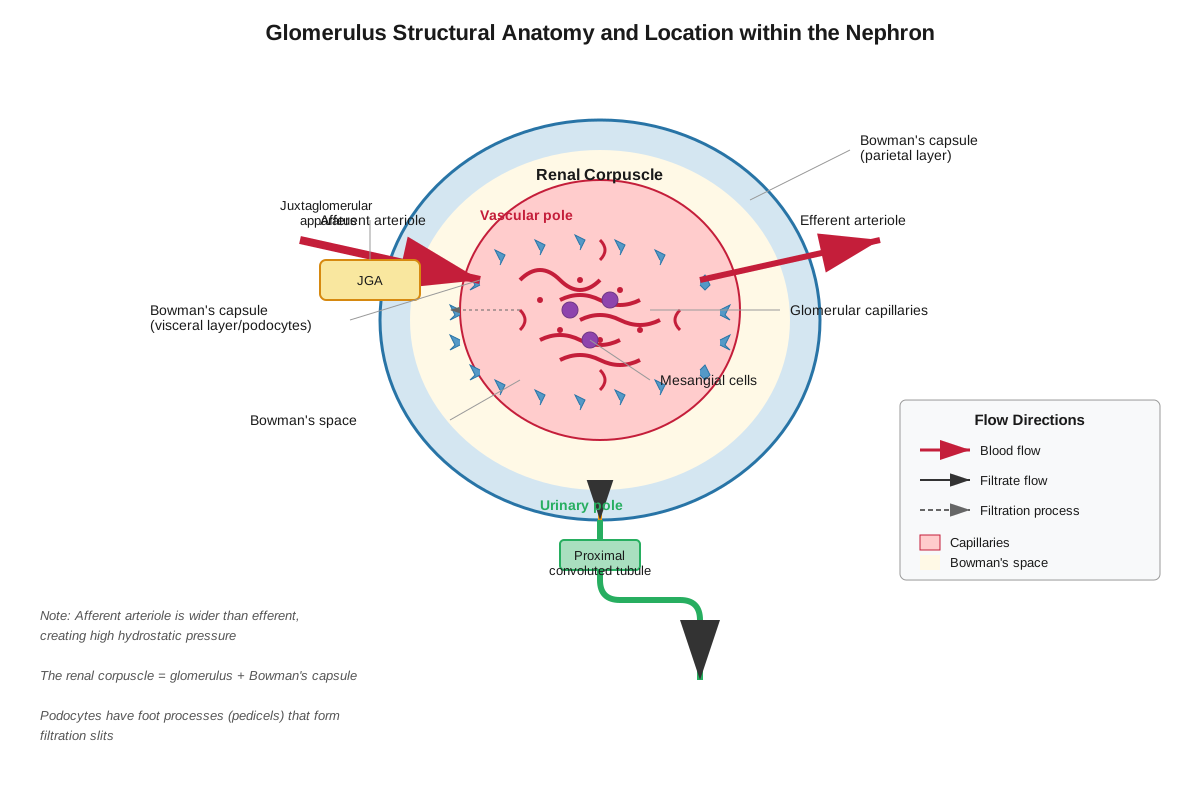
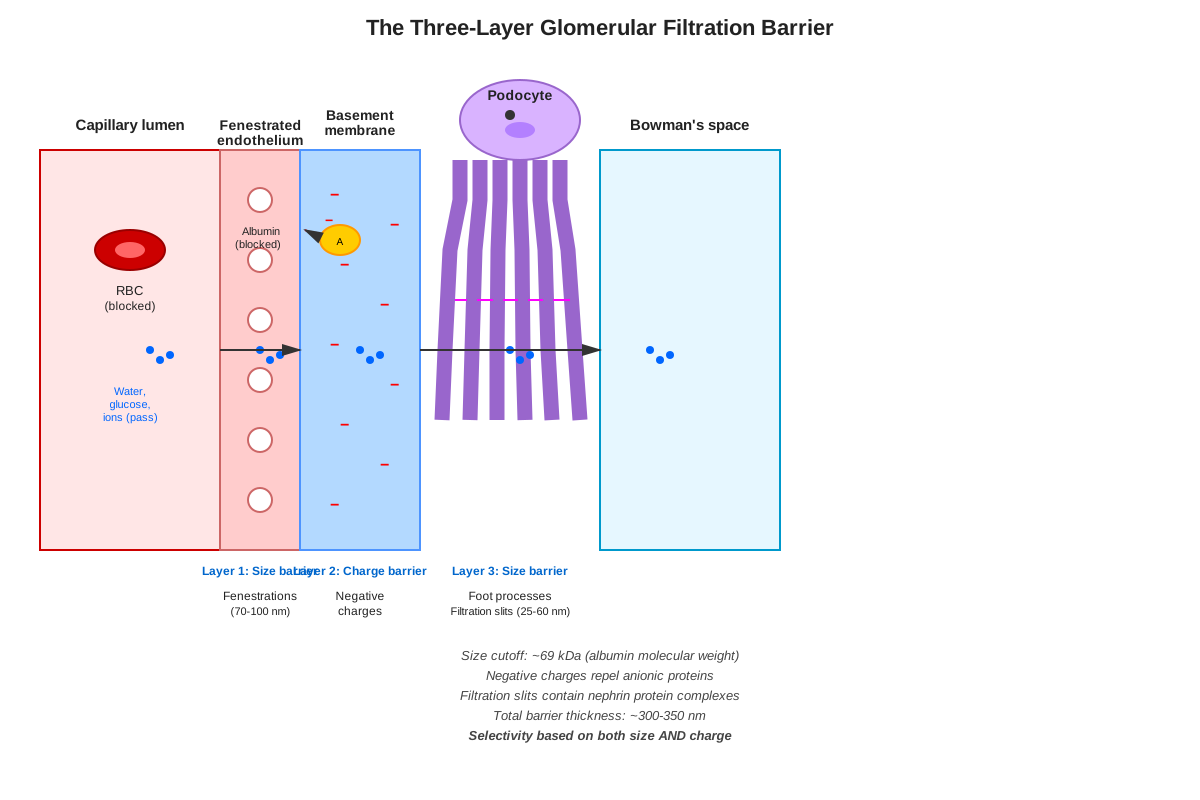
The glomerulus is a highly specialized tuft of fenestrated capillaries encased within Bowman's capsule, forming the renal corpuscle at the beginning of each nephron. Unlike typical capillaries, glomerular capillaries possess unique structural features optimized for filtration. The glomerular capillary wall consists of three distinct layers that together constitute the filtration barrier: the fenestrated endothelium, the basement membrane, and the visceral epithelium formed by specialized cells called podocytes.
The fenestrated endothelium contains pores (fenestrae) approximately 70-100 nanometers in diameter, allowing passage of water, small solutes, and small proteins while restricting blood cells. The glomerular basement membrane (GBM) is a thick, gel-like matrix composed primarily of type IV collagen, laminin, and negatively charged proteoglycans (particularly heparan sulfate). This negative charge repels negatively charged proteins like albumin, contributing to charge selectivity. The podocytes extend foot processes (pedicels) that interdigitate to form filtration slits bridged by slit diaphragms, creating the final barrier with pores approximately 4-11 nanometers wide.
Blood enters the glomerulus through the afferent arteriole and exits via the efferent arteriole—a unique arrangement where capillaries are positioned between two arterioles rather than between an arteriole and venule. This configuration allows precise regulation of glomerular hydrostatic pressure through differential constriction or dilation of these vessels. The juxtaglomerular apparatus, located where the afferent arteriole contacts the distal tubule, plays a crucial role in regulating glomerular filtration through the renin-angiotensin-aldosterone system.
Glomerular Filtration Process
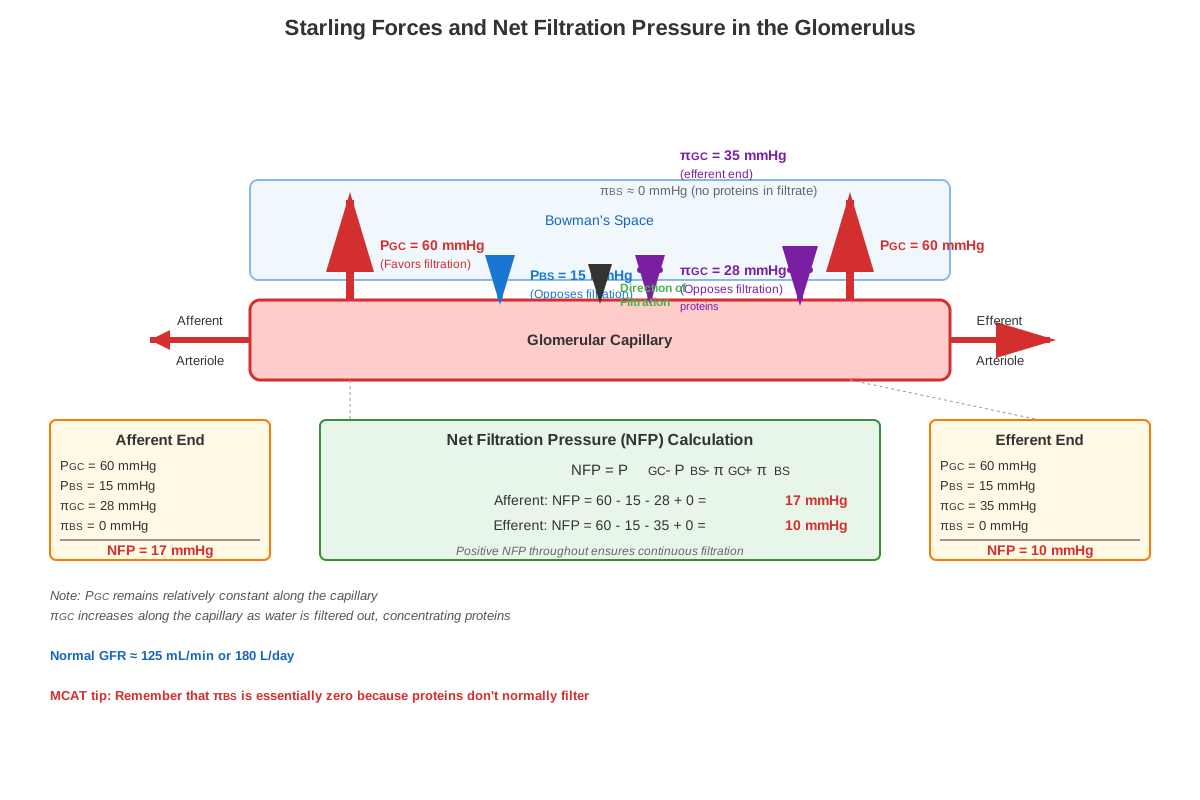
Glomerular filtration is a passive, non-selective process driven by pressure gradients rather than active transport. The glomerular filtrate is essentially protein-free plasma containing water, electrolytes, glucose, amino acids, and metabolic wastes. The filtration process follows physical principles described by Starling forces, which determine the net filtration pressure (NFP).
Four pressures govern glomerular filtration:
- Glomerular hydrostatic pressure (PGC): approximately 55 mmHg, favoring filtration
- Bowman's capsule hydrostatic pressure (PBS): approximately 15 mmHg, opposing filtration
- Glomerular capillary oncotic pressure (πGC): approximately 30 mmHg, opposing filtration
- Bowman's capsule oncotic pressure (πBS): approximately 0 mmHg (negligible because filtrate is protein-free)
The net filtration pressure is calculated as:
NFP = PGC - PBS - πGC
NFP = 55 - 15 - 30 = 10 mmHg
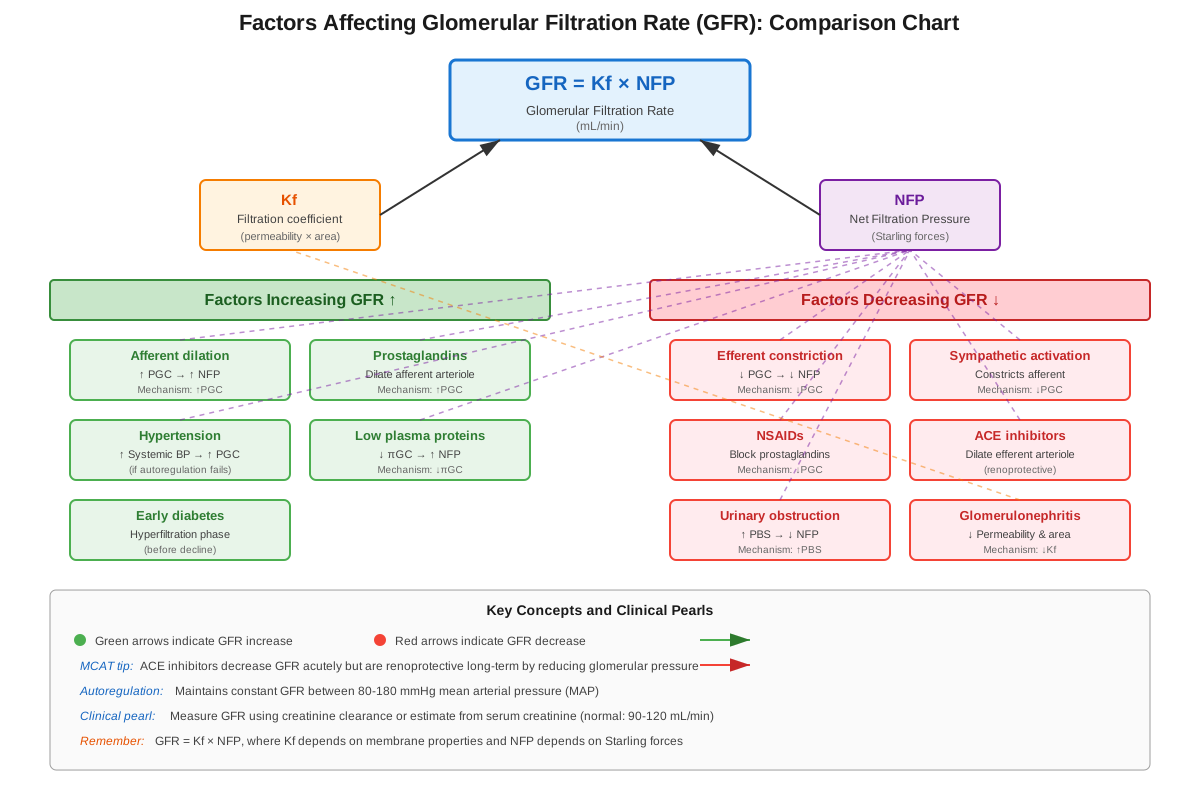
This positive net filtration pressure drives approximately 180 liters of filtrate production daily, though only 1-2 liters ultimately become urine after tubular reabsorption. The glomerular filtration rate (GFR) depends on both the net filtration pressure and the filtration coefficient (Kf), which reflects the permeability and surface area of the filtration barrier:
GFR = Kf × NFPSelective Permeability and Filtration Barriers
The glomerular filtration barrier exhibits both size selectivity and charge selectivity. Size selectivity prevents molecules larger than approximately 69,000 Daltons (the size of albumin) from passing freely into the filtrate. Molecules smaller than 7,000 Daltons pass freely, while those between these sizes show progressively restricted passage.
| Molecular Weight | Substance Example | Filterability |
|---|---|---|
| < 7,000 Da | Glucose, amino acids, urea | Freely filtered |
| 7,000-69,000 Da | Small proteins, peptides | Partially filtered |
| > 69,000 Da | Albumin, immunoglobulins | Minimally filtered |
Charge selectivity arises from the negatively charged glycoproteins in the basement membrane and on podocyte surfaces. At physiological pH, most plasma proteins carry a net negative charge and are electrostatically repelled by the filtration barrier. This explains why albumin (69,000 Da, negatively charged) is largely excluded from filtrate, while a hypothetical neutral molecule of similar size would pass more readily. Loss of negative charges in the GBM, as occurs in certain kidney diseases, results in proteinuria (protein in urine).
Regulation of Glomerular Filtration Rate
The kidneys maintain relatively constant GFR despite fluctuations in systemic blood pressure through three regulatory mechanisms: myogenic autoregulation, tubuloglomerular feedback, and hormonal regulation.
Myogenic autoregulation involves the intrinsic ability of afferent arterioles to constrict in response to increased stretch (increased blood pressure) and dilate when stretch decreases. This smooth muscle response occurs independently of neural or hormonal input and maintains stable glomerular hydrostatic pressure across a blood pressure range of approximately 80-180 mmHg.
Tubuloglomerular feedback operates through the juxtaglomerular apparatus. When GFR increases, more sodium chloride reaches the macula densa cells in the distal tubule. These cells detect elevated NaCl and release paracrine signals (likely ATP and adenosine) that cause afferent arteriole constriction, reducing glomerular pressure and GFR. Conversely, decreased NaCl delivery triggers afferent arteriole dilation and increased renin release.
Hormonal regulation involves multiple systems:
- Angiotensin II preferentially constricts efferent arterioles, maintaining GFR during hypotension by increasing glomerular hydrostatic pressure
- Atrial natriuretic peptide (ANP) dilates afferent arterioles and constricts efferent arterioles, increasing GFR and promoting sodium excretion
- Sympathetic nervous system activation constricts both arterioles but affects the afferent more strongly, decreasing GFR during stress or hemorrhage
- Prostaglandins dilate afferent arterioles, counteracting vasoconstrictor effects and protecting GFR
Clinical Measurements and Significance
Glomerular filtration rate serves as the primary indicator of kidney function. Normal GFR is approximately 125 mL/min (180 L/day) in healthy adults but declines with age and kidney disease. GFR is clinically estimated using serum creatinine levels and demographic factors (age, sex, race) through equations like the Cockcroft-Gault or MDRD formulas.
Creatinine clearance provides a practical approximation of GFR because creatinine is freely filtered, not reabsorbed, and minimally secreted. The clearance formula is:
Clearance = (Urine concentration × Urine flow rate) / Plasma concentrationSubstances with clearance equal to GFR (like inulin or creatinine) are used to measure filtration rate. Substances with clearance less than GFR undergo net reabsorption (like glucose under normal conditions), while those with clearance greater than GFR undergo net secretion (like para-aminohippuric acid).
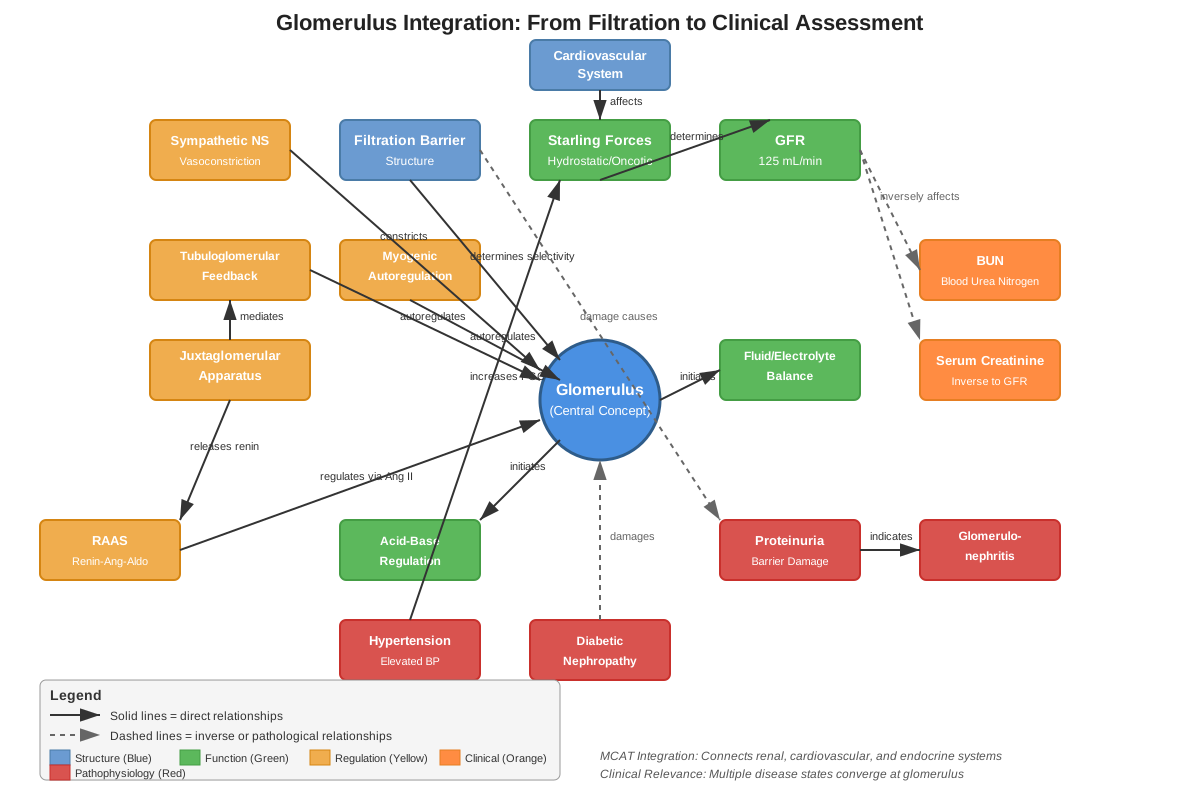
Concept Relationships
The glomerulus functions as the gateway connecting cardiovascular and urinary systems. Blood pressure generated by the heart directly influences glomerular hydrostatic pressure, which drives filtration. The filtrate composition then determines the work required by subsequent nephron segments (proximal tubule, loop of Henle, distal tubule, collecting duct) to produce final urine.
Autoregulation mechanisms (myogenic and tubuloglomerular feedback) → maintain stable GFR → ensures consistent filtrate production → allows predictable tubular reabsorption and secretion → produces urine of appropriate composition and volume.
The renin-angiotensin-aldosterone system connects glomerular function to systemic blood pressure regulation: decreased renal perfusion → juxtaglomerular cells release renin → converts angiotensinogen to angiotensin I → converted to angiotensin II → constricts efferent arterioles → maintains GFR while also increasing systemic blood pressure.
Glomerular structure (fenestrated endothelium + basement membrane + podocyte slits) → determines selective permeability → produces protein-free filtrate → prevents loss of essential proteins → maintains plasma oncotic pressure → influences fluid distribution between vascular and interstitial compartments.
Pathological conditions demonstrate these relationships: diabetes mellitus → hyperglycemia → glycosylation of basement membrane proteins → altered charge selectivity → proteinuria → decreased plasma oncotic pressure → edema. Similarly, hypertension → increased glomerular pressure → hyperfiltration → eventual glomerular damage → decreased GFR → chronic kidney disease.
Quick check — test yourself on Glomerulus so far.
Try Flashcards →High-Yield Facts
⭐ The glomerulus filters approximately 180 liters of plasma daily, but only 1-2 liters become urine due to tubular reabsorption
⭐ Net filtration pressure equals glomerular hydrostatic pressure (55 mmHg) minus Bowman's capsule hydrostatic pressure (15 mmHg) minus glomerular oncotic pressure (30 mmHg), yielding approximately 10 mmHg
⭐ The glomerular filtration barrier consists of three layers: fenestrated endothelium, basement membrane, and podocyte foot processes with filtration slits
⭐ Normal GFR is approximately 125 mL/min or 180 L/day in healthy adults
⭐ Angiotensin II preferentially constricts efferent arterioles, maintaining GFR during decreased renal perfusion
- The glomerular basement membrane contains negatively charged proteoglycans that repel negatively charged proteins like albumin
- Molecules smaller than 7,000 Daltons are freely filtered, while those larger than 69,000 Daltons are largely excluded
- Myogenic autoregulation maintains stable GFR across blood pressures ranging from 80-180 mmHg
- Tubuloglomerular feedback involves macula densa cells detecting NaCl concentration and regulating afferent arteriole diameter
- Creatinine clearance approximates GFR because creatinine is freely filtered, not reabsorbed, and minimally secreted
- Atrial natriuretic peptide (ANP) increases GFR by dilating afferent arterioles and constricting efferent arterioles
- The juxtaglomerular apparatus consists of juxtaglomerular cells, macula densa cells, and extraglomerular mesangial cells
- Prostaglandins protect GFR during stress by dilating afferent arterioles, counteracting sympathetic vasoconstriction
Common Misconceptions
Misconception: The glomerulus actively selects which substances to filter based on the body's needs.
Correction: Glomerular filtration is a passive process driven entirely by pressure gradients. Selectivity is based solely on molecular size and charge, not on physiological need. Active regulation of substance excretion occurs in the tubules through reabsorption and secretion.
Misconception: All proteins are completely excluded from the glomerular filtrate.
Correction: Small proteins and peptides (< 7,000 Da) are freely filtered. Even albumin appears in filtrate in trace amounts (approximately 0.03% of plasma concentration). The proximal tubule normally reabsorbs these filtered proteins, so they don't appear in final urine. Proteinuria indicates either excessive filtration or impaired tubular reabsorption.
Misconception: Constricting the afferent arteriole always increases glomerular filtration rate.
Correction: Afferent arteriole constriction decreases blood flow into the glomerulus, reducing glomerular hydrostatic pressure and therefore decreasing GFR. Efferent arteriole constriction increases GFR (up to a point) by increasing glomerular hydrostatic pressure while reducing blood flow out of the glomerulus.
Misconception: Glomerular filtration rate and urine production rate are the same thing.
Correction: GFR (approximately 125 mL/min) measures filtrate formation at the glomerulus, while urine production (approximately 1 mL/min) represents the final output after tubular reabsorption and secretion. Approximately 99% of filtrate is reabsorbed in the tubules.
Misconception: Increased plasma protein concentration increases glomerular filtration rate.
Correction: Increased plasma protein concentration increases glomerular capillary oncotic pressure, which opposes filtration and therefore decreases GFR. This is why severe dehydration (which concentrates plasma proteins) can reduce GFR.
Misconception: The glomerulus filters blood cells along with plasma.
Correction: The filtration barrier excludes all blood cells (erythrocytes, leukocytes, platelets) due to their large size. Presence of blood cells in urine (hematuria) indicates damage to the filtration barrier or bleeding elsewhere in the urinary tract, not normal glomerular function.
Misconception: Glucose appears in urine when glomerular filtration of glucose increases.
Correction: Glucose is freely filtered at the glomerulus regardless of blood glucose concentration. Glucosuria (glucose in urine) occurs when plasma glucose exceeds the renal threshold (approximately 180 mg/dL), saturating the glucose transporters in the proximal tubule that normally reabsorb all filtered glucose. The problem is tubular reabsorption capacity, not glomerular filtration.
Worked Examples
Example 1: Calculating Net Filtration Pressure
Question: A patient with nephrotic syndrome has lost significant plasma proteins, reducing their plasma oncotic pressure from 30 mmHg to 20 mmHg. Assuming glomerular hydrostatic pressure remains 55 mmHg and Bowman's capsule hydrostatic pressure remains 15 mmHg, calculate the new net filtration pressure and predict the effect on GFR.
Solution:
Step 1: Recall the net filtration pressure formula:
NFP = PGC - PBS - πGC
Step 2: Identify the given values:
- PGC (glomerular hydrostatic pressure) = 55 mmHg
- PBS (Bowman's capsule hydrostatic pressure) = 15 mmHg
- πGC (glomerular oncotic pressure) = 20 mmHg (reduced from normal 30 mmHg)
Step 3: Calculate the new NFP:
NFP = 55 - 15 - 20 = 20 mmHg
Step 4: Compare to normal NFP:
Normal NFP = 55 - 15 - 30 = 10 mmHg
New NFP = 20 mmHg
Step 5: Interpret the result:
The net filtration pressure has doubled from 10 mmHg to 20 mmHg. Since GFR = Kf × NFP, and assuming the filtration coefficient remains constant, GFR will approximately double. This increased filtration contributes to the edema commonly seen in nephrotic syndrome, as more fluid is filtered and the reduced plasma oncotic pressure also promotes fluid movement into interstitial spaces.
Key Concept Connection: This example demonstrates how plasma protein concentration affects glomerular filtration through oncotic pressure, connecting cardiovascular fluid dynamics to renal physiology—a common MCAT integration point.
Example 2: Analyzing Drug Effects on GFR
Question: A research study examines the effects of Drug X on renal function. The drug selectively constricts efferent arterioles without affecting afferent arterioles. Predict the immediate effects on: (a) glomerular hydrostatic pressure, (b) GFR, (c) renal blood flow, and (d) filtration fraction.
Solution:
Step 1: Understand the baseline physiology:
Blood flows: afferent arteriole → glomerular capillaries → efferent arteriole
Efferent arteriole constriction creates a "bottleneck" for blood leaving the glomerulus
Step 2: Analyze effect on glomerular hydrostatic pressure (a):
Efferent constriction impedes blood flow out of the glomerulus, causing blood to "back up" in the glomerular capillaries. This increases glomerular hydrostatic pressure (PGC increases above baseline 55 mmHg).
Step 3: Predict effect on GFR (b):
Since NFP = PGC - PBS - πGC, and PGC increases while PBS remains constant, NFP increases. Therefore, GFR increases (at least initially, before oncotic pressure rises significantly).
Step 4: Determine effect on renal blood flow (c):
Efferent arteriole constriction increases resistance to blood flow through the kidney. By Ohm's law analogy (Flow = Pressure/Resistance), increased resistance decreases renal blood flow.
Step 5: Calculate effect on filtration fraction (d):
Filtration fraction = GFR / Renal Plasma Flow
GFR increases (from step 3) while renal blood flow decreases (from step 4), meaning renal plasma flow also decreases. Therefore, filtration fraction increases significantly.
Step 6: Consider physiological significance:
This mechanism explains how angiotensin II maintains GFR during hypotension—it preferentially constricts efferent arterioles, preserving filtration even when renal blood flow decreases. However, excessive efferent constriction can eventually decrease GFR by dramatically increasing oncotic pressure in the glomerular capillaries as more plasma is filtered from a reduced blood volume.
Key Concept Connection: This example integrates hemodynamics, pressure-flow relationships, and hormonal regulation—all high-yield MCAT topics. It also demonstrates how the unique two-arteriole arrangement of the glomerulus allows independent regulation of filtration and blood flow.
Exam Strategy
When approaching MCAT questions about the glomerulus, first identify whether the question focuses on structure, function, regulation, or pathology. Trigger words include: "filtration," "GFR," "Bowman's capsule," "afferent/efferent arteriole," "proteinuria," "selective permeability," and "autoregulation."
For calculation-based questions involving Starling forces or net filtration pressure, immediately write down the formula: NFP = PGC - PBS - πGC. Identify which pressures favor filtration (PGC) versus oppose filtration (PBS and πGC). Remember that Bowman's capsule oncotic pressure is essentially zero because filtrate is protein-free—this is a common trap answer.
When questions describe changes in arteriole diameter, use this decision tree:
- Afferent constriction → decreased glomerular pressure → decreased GFR
- Afferent dilation → increased glomerular pressure → increased GFR
- Efferent constriction → increased glomerular pressure → initially increased GFR
- Efferent dilation → decreased glomerular pressure → decreased GFR
For passage-based questions presenting experimental data, look for relationships between independent variables (blood pressure, drug administration, protein concentration) and dependent variables (GFR, filtrate composition, urine output). The MCAT often tests whether students can distinguish between glomerular filtration (passive, pressure-driven) and tubular processes (active, energy-requiring).
Process-of-elimination tips: Eliminate answers suggesting active transport at the glomerulus (filtration is passive). Eliminate answers claiming complete exclusion of all proteins (small proteins are filtered). Eliminate answers confusing GFR with urine production rate (they differ by approximately 100-fold). When questions involve disease states, eliminate answers that violate basic physical principles (e.g., suggesting increased filtration when net filtration pressure decreases).
Time allocation: Straightforward glomerular structure or filtration questions should take 60-90 seconds. Calculation questions involving Starling forces may require 90-120 seconds. Passage-based questions integrating multiple systems may warrant 90-120 seconds after passage analysis. Don't spend excessive time on complex calculations—the MCAT rarely requires precise numerical answers, focusing instead on directional changes and conceptual understanding.
Memory Techniques
Mnemonic for Starling Forces - "Please Bring Pizza" for the pressures:
- PGC (glomerular hydrostatic Pressure) - favors filtration
- Bowman's capsule hydrostatic pressure - opposes filtration
- Plasma oncotic pressure (πGC) - opposes filtration
Mnemonic for Filtration Barrier Layers - "Every Basement Protects":
- Endothelium (fenestrated)
- Basement membrane
- Podocytes (epithelium)
Arteriole Effect Visualization: Picture the glomerulus as a water balloon being filled from a faucet (afferent arteriole) with a drain (efferent arteriole). Constricting the faucet decreases pressure in the balloon (decreased GFR). Constricting the drain increases pressure in the balloon (increased GFR). This simple analogy helps predict effects of arteriole changes.
GFR Numbers Memory Aid - "1-2-5 Rule":
- 1-2 liters of urine produced daily
- 200 liters (approximately) filtered daily (actually 180, but 200 is easier to remember)
- 5 mmHg is half of normal NFP (10 mmHg)
- 125 mL/min is normal GFR
Charge Selectivity Reminder: "Negative Repels Negative" - The negatively charged basement membrane repels negatively charged proteins like albumin. Visualize two magnets with the same pole facing each other.
Autoregulation Range: "80 to 180" - The myogenic autoregulation maintains stable GFR between blood pressures of 80-180 mmHg. Notice the pattern: 80 × 2 + 20 = 180.
Summary
The glomerulus serves as the kidney's primary filtration apparatus, where blood plasma is filtered through a specialized three-layer barrier consisting of fenestrated endothelium, basement membrane, and podocyte foot processes. This structure exhibits both size and charge selectivity, allowing passage of water and small solutes while retaining blood cells and most proteins. Glomerular filtration is driven by Starling forces, with net filtration pressure (approximately 10 mmHg) determined by the balance between glomerular hydrostatic pressure (favoring filtration) and Bowman's capsule hydrostatic pressure plus glomerular oncotic pressure (opposing filtration). The resulting GFR of approximately 125 mL/min produces 180 liters of filtrate daily. The kidney maintains stable GFR through myogenic autoregulation and tubuloglomerular feedback, while hormones like angiotensin II and ANP provide additional regulation. Understanding glomerular structure and function is essential for MCAT success, as it integrates cardiovascular hemodynamics, membrane transport, and homeostatic regulation while providing the foundation for comprehending subsequent nephron processes and clinical kidney function assessment.
Key Takeaways
- The glomerulus is a specialized capillary network that filters blood plasma based on size and charge selectivity through a three-layer barrier
- Net filtration pressure (approximately 10 mmHg) equals glomerular hydrostatic pressure minus Bowman's capsule hydrostatic pressure minus glomerular oncotic pressure
- Normal GFR is approximately 125 mL/min (180 L/day), with 99% of filtrate reabsorbed in tubules to produce 1-2 L of urine daily
- Afferent arteriole constriction decreases GFR, while efferent arteriole constriction initially increases GFR by raising glomerular hydrostatic pressure
- Autoregulation (myogenic and tubuloglomerular feedback) maintains stable GFR across blood pressures of 80-180 mmHg
- The glomerular basement membrane's negative charge repels negatively charged proteins, explaining why albumin is largely excluded from filtrate
- Glomerular filtration is entirely passive and pressure-driven, distinguishing it from active tubular transport processes
Related Topics
Proximal Tubule Function: After mastering glomerular filtration, understanding how the proximal tubule reabsorbs 65-70% of filtered sodium, water, and glucose becomes essential for completing the picture of urine formation.
Renin-Angiotensin-Aldosterone System: The juxtaglomerular apparatus connects glomerular function to systemic blood pressure regulation through renin release, making this hormonal system a natural progression from glomerular physiology.
Acid-Base Balance: The kidney's role in maintaining pH homeostasis depends on glomerular filtration of bicarbonate and hydrogen ions, with subsequent tubular handling determining final urine pH.
Renal Clearance and Clinical Assessment: Building on GFR concepts, renal clearance calculations for various substances (creatinine, inulin, PAH) provide tools for assessing kidney function and understanding tubular processes.
Glomerular Pathology: Conditions like glomerulonephritis, diabetic nephropathy, and nephrotic syndrome demonstrate how glomerular dysfunction manifests clinically, reinforcing normal physiology through pathological examples.
Practice CTA
Now that you've mastered the core concepts of glomerular structure and function, reinforce your understanding by attempting practice questions that challenge you to apply Starling forces, predict effects of arteriole changes, and analyze experimental data. Work through the flashcards to cement high-yield facts about filtration barriers, GFR regulation, and clinical measurements. Remember: the glomerulus appears frequently on the MCAT in integrated passages that test your ability to connect renal, cardiovascular, and endocrine systems—practice with this integration in mind. Your thorough understanding of this foundational topic will pay dividends not only in direct glomerulus questions but also in passages involving fluid balance, blood pressure regulation, and kidney disease. Keep pushing forward—mastery of renal physiology demonstrates the analytical thinking and systems-level understanding that defines high-scoring MCAT performance!
Sign up free to keep reading
Create a free AnvayaPrep account to finish this MCAT guide on Glomerulus — plus flashcards and practice questions.