Overview
The gonads—testes in males and ovaries in females—serve dual functions as both reproductive organs and critical endocrine glands. As part of the physiology and organ systems tested on the MCAT, understanding gonads endocrine function requires mastery of hormone synthesis pathways, feedback mechanisms, and the integration of reproductive physiology with broader endocrine principles. The gonads produce sex steroids (androgens, estrogens, and progestins) and peptide hormones that regulate sexual development, gamete production, secondary sexual characteristics, and reproductive cycles. These hormones exert effects far beyond reproduction, influencing bone density, cardiovascular health, metabolism, and behavior—making this topic clinically relevant and frequently tested.
For the MCAT, gonads endocrine function Biology appears in multiple contexts: as standalone endocrinology questions, within reproductive system passages, in experimental scenarios involving hormone manipulation, and in clinical vignettes addressing fertility, puberty, or endocrine disorders. The topic integrates seamlessly with hypothalamic-pituitary axis regulation, steroid hormone mechanisms, and negative feedback loops—all high-yield concepts for the Biological and Biochemical Foundations section. Questions often require students to trace hormone pathways from the hypothalamus through the anterior pituitary to the gonads, predict physiological outcomes of hormone excess or deficiency, or interpret experimental data involving gonadal hormone measurements.
The gonads endocrine function MCAT content connects to broader themes in Biology including cell signaling, gene regulation by steroid hormones, developmental biology, and evolutionary adaptations. Understanding how gonadotropin-releasing hormone (GnRH), luteinizing hormone (LH), and follicle-stimulating hormone (FSH) coordinate with testosterone, estrogen, and progesterone provides a framework for analyzing complex physiological scenarios. This topic also bridges to biochemistry (steroid synthesis from cholesterol), genetics (sex determination and differentiation), and even psychology/sociology (behavioral effects of sex hormones). Mastery of gonadal endocrine function demonstrates systems-level thinking—a core competency the MCAT assesses.
Learning Objectives
- [ ] Define gonads endocrine function using accurate Biology terminology
- [ ] Explain why gonads endocrine function matters for the MCAT
- [ ] Apply gonads endocrine function to exam-style questions
- [ ] Identify common mistakes related to gonads endocrine function
- [ ] Connect gonads endocrine function to related Biology concepts
- [ ] Diagram the hypothalamic-pituitary-gonadal (HPG) axis and explain feedback regulation at each level
- [ ] Compare and contrast male and female gonadal hormone production, including cell types and regulatory mechanisms
- [ ] Predict physiological consequences of disruptions to gonadal endocrine function in clinical scenarios
Prerequisites
- Hypothalamic-pituitary axis fundamentals: Understanding how the hypothalamus secretes releasing hormones that control anterior pituitary function is essential for tracing the HPG axis
- Steroid hormone structure and mechanism: Gonads produce steroid hormones that act via intracellular receptors to regulate gene transcription
- Negative feedback loops: Gonadal hormones exert negative feedback on the hypothalamus and pituitary, a recurring regulatory theme in endocrinology
- Basic reproductive anatomy: Familiarity with testicular and ovarian structure helps contextualize where specific hormones are produced
- Cholesterol biochemistry: All steroid hormones derive from cholesterol through enzymatic modifications
Why This Topic Matters
Clinical significance: Gonadal endocrine dysfunction underlies numerous medical conditions including polycystic ovary syndrome (PCOS), hypogonadism, infertility, precocious or delayed puberty, and hormone-responsive cancers. Hormone replacement therapy, contraceptive methods, and fertility treatments all manipulate gonadal endocrine pathways. Understanding these mechanisms enables interpretation of clinical presentations and therapeutic interventions—scenarios frequently featured in MCAT passages.
Exam statistics: Analysis of released MCAT materials indicates that endocrine system questions constitute approximately 5-8% of the Biological and Biochemical Foundations section, with reproductive endocrinology appearing in 1-2 questions per exam on average. Questions may be discrete (testing direct knowledge of hormone functions) or passage-based (requiring application to experimental or clinical contexts). The topic appears with medium frequency but high importance because it integrates multiple testable concepts: hormone signaling, feedback regulation, and organ system physiology.
Common exam presentations: MCAT passages involving gonadal endocrine function typically present as: (1) experimental studies measuring hormone levels under various conditions, (2) clinical vignettes describing patients with reproductive disorders requiring diagnosis, (3) pharmacological scenarios involving hormone agonists or antagonists, (4) developmental biology passages examining sexual differentiation, or (5) evolutionary biology contexts exploring reproductive strategies. Questions often require students to predict hormone level changes, identify the site of pathology in the HPG axis, or explain mechanisms of hormone action.
Core Concepts
The Hypothalamic-Pituitary-Gonadal (HPG) Axis
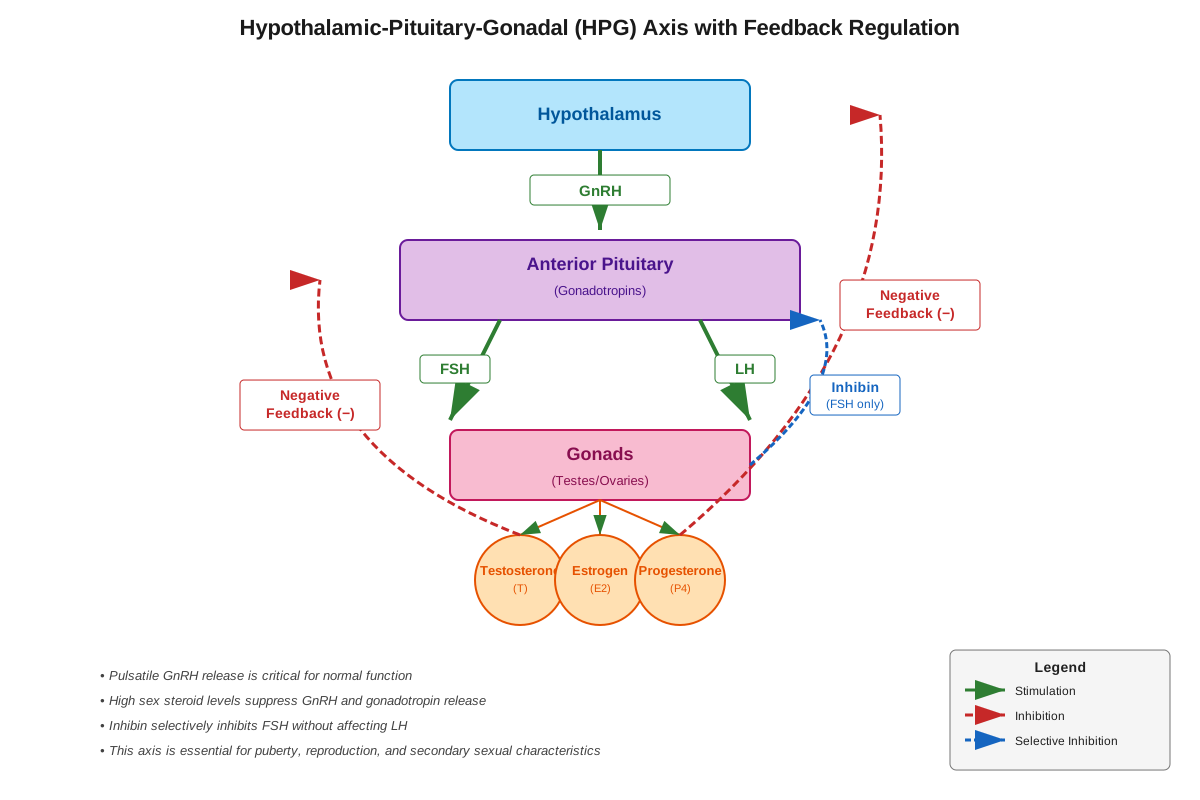
The hypothalamic-pituitary-gonadal axis represents the hierarchical control system regulating gonadal endocrine function. The hypothalamus secretes gonadotropin-releasing hormone (GnRH) in pulsatile fashion, which travels through the hypothalamic-hypophyseal portal system to the anterior pituitary. GnRH stimulates specialized gonadotroph cells to synthesize and release two gonadotropins: luteinizing hormone (LH) and follicle-stimulating hormone (FSH). Both are glycoprotein hormones that share a common α-subunit but differ in their β-subunits, conferring specificity.
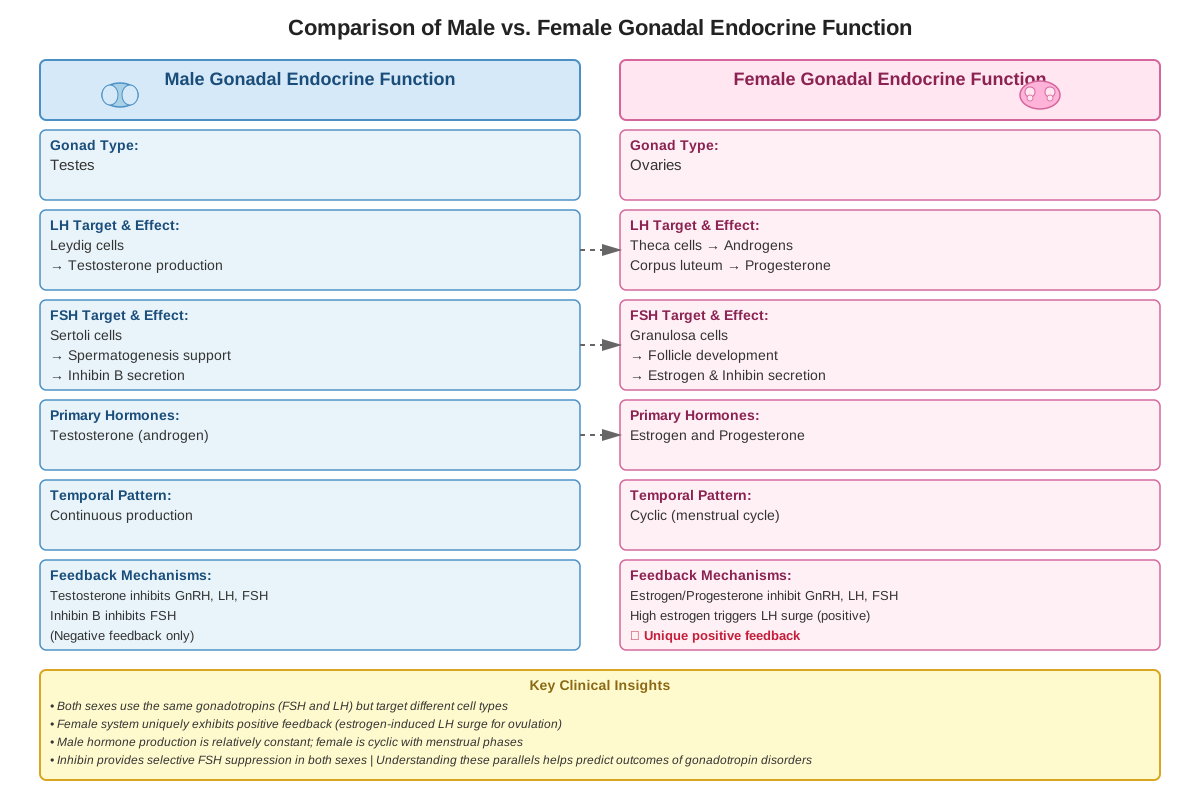
LH and FSH enter systemic circulation and act on the gonads via G-protein coupled receptors. In males, LH stimulates Leydig cells (interstitial cells) in the testes to produce testosterone, while FSH acts on Sertoli cells to support spermatogenesis and produce inhibin B. In females, LH and FSH regulate ovarian follicle development, with FSH promoting follicular growth and estrogen production by granulosa cells, and LH triggering ovulation and stimulating theca cells to produce androgen precursors for estrogen synthesis.
The axis operates through negative feedback at multiple levels. Gonadal steroids (testosterone, estrogen, progesterone) and peptide hormones (inhibin) feed back to suppress GnRH release from the hypothalamus and gonadotropin secretion from the pituitary. This feedback maintains hormonal homeostasis and coordinates reproductive function. Notably, in females, estrogen can exert positive feedback at mid-cycle, triggering the LH surge that induces ovulation—a unique exception to typical negative feedback patterns.
Male Gonadal Endocrine Function
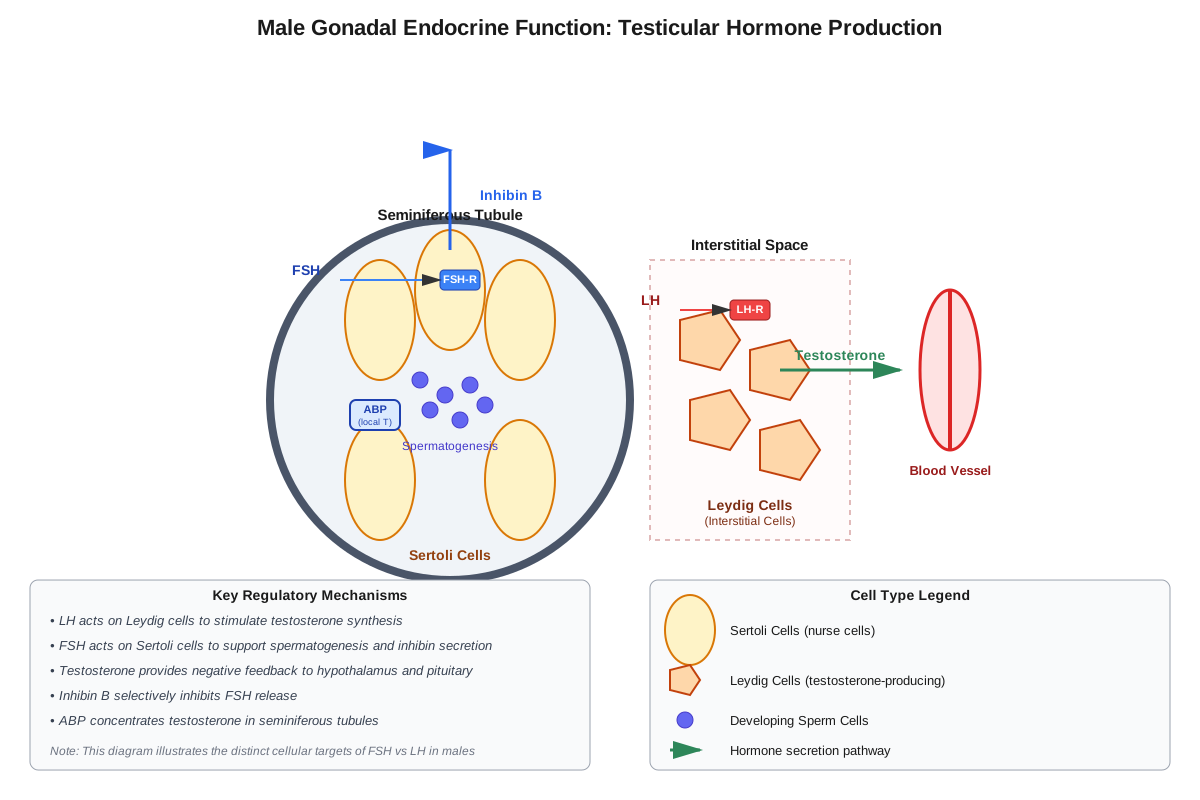
The testes perform two integrated functions: spermatogenesis (gamete production) and steroidogenesis (hormone synthesis). These occur in distinct compartments with specialized cell types coordinated by the HPG axis.
Leydig cells reside in the interstitial space between seminiferous tubules and express LH receptors. Upon LH binding, these cells convert cholesterol to testosterone through a series of enzymatic steps involving the cytochrome P450 system. Testosterone serves multiple functions: it acts locally within the testes to support spermatogenesis (paracrine effect), enters systemic circulation to maintain male secondary sexual characteristics (endocrine effect), and can be converted peripherally to dihydrotestosterone (DHT) by 5α-reductase or to estradiol by aromatase.
Sertoli cells line the seminiferous tubules and respond to FSH stimulation. They provide structural and nutritional support for developing sperm cells, form the blood-testis barrier, and secrete several important factors. Sertoli cells produce inhibin B, a peptide hormone that selectively inhibits FSH secretion from the pituitary through negative feedback. They also produce androgen-binding protein (ABP), which concentrates testosterone in the seminiferous tubules to maintain the high local concentrations required for spermatogenesis. Additionally, Sertoli cells secrete anti-Müllerian hormone (AMH) during fetal development, causing regression of Müllerian ducts (which would otherwise develop into female reproductive structures).
Testosterone exerts negative feedback on both the hypothalamus (reducing GnRH pulse frequency and amplitude) and the anterior pituitary (reducing LH secretion). Inhibin B specifically suppresses FSH without affecting LH. This dual feedback system allows independent regulation of steroidogenesis and spermatogenesis.
Female Gonadal Endocrine Function
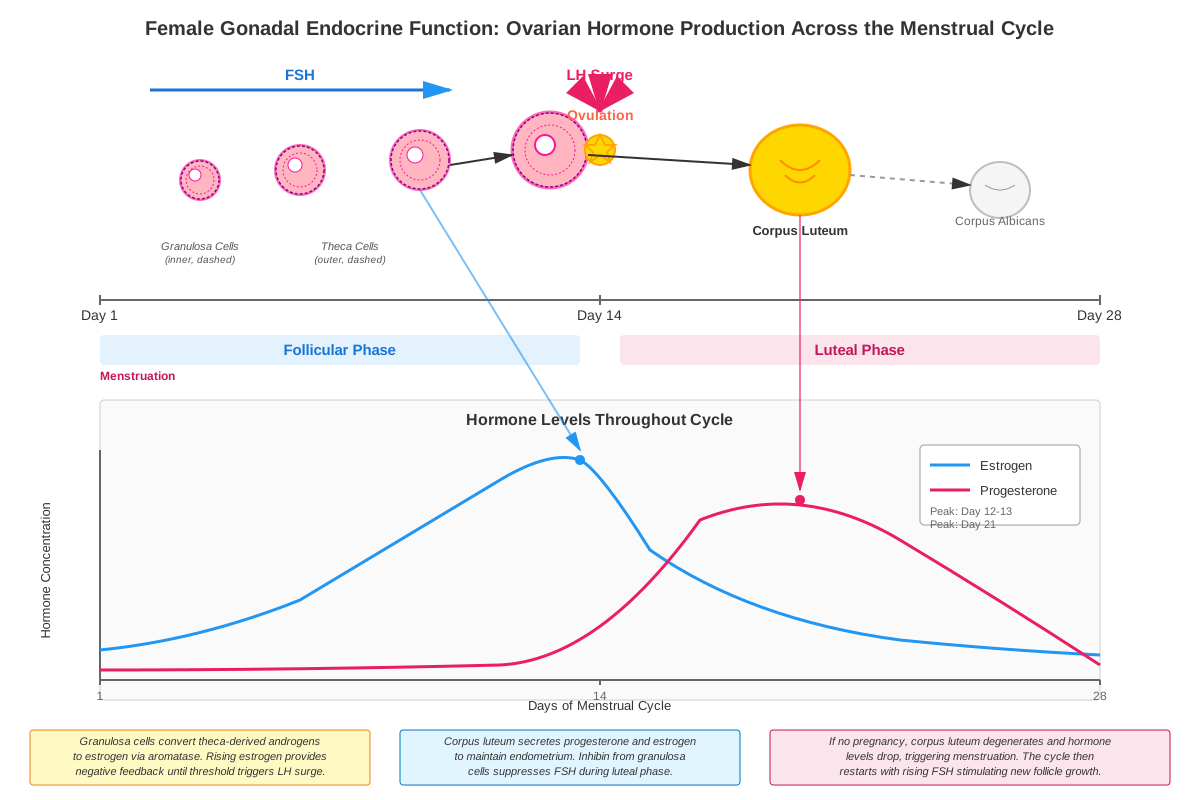
The ovaries exhibit more complex endocrine function than testes due to the ovarian cycle, which involves cyclical changes in hormone production coordinated with follicular development, ovulation, and corpus luteum formation. This approximately 28-day cycle integrates with the menstrual cycle (uterine changes) to prepare for potential pregnancy.
Follicular phase (days 1-14): FSH stimulates development of ovarian follicles, each containing an oocyte surrounded by granulosa cells and an outer layer of theca cells. Theca cells express LH receptors and produce androgens (primarily androstenedione) from cholesterol. These androgens diffuse to adjacent granulosa cells, which express FSH receptors and contain aromatase enzyme. Granulosa cells convert theca-derived androgens into estrogens (primarily estradiol)—this cooperative process is called the two-cell, two-gonadotropin model. As the dominant follicle matures, estradiol production increases progressively.
Rising estradiol levels initially exert negative feedback on the hypothalamus and pituitary, suppressing FSH and LH secretion. However, when estradiol reaches a threshold concentration (>200 pg/mL) and remains elevated for approximately 48 hours, it switches to positive feedback, triggering a massive LH surge (and smaller FSH surge) from the anterior pituitary. This surge induces ovulation—rupture of the mature follicle and release of the oocyte—approximately 24-36 hours after the surge begins.
Luteal phase (days 15-28): After ovulation, the remnant follicle transforms into the corpus luteum under LH stimulation. This temporary endocrine structure secretes large amounts of progesterone and moderate amounts of estradiol. Progesterone prepares the endometrium for embryo implantation, raises basal body temperature, and exerts negative feedback on GnRH, LH, and FSH (preventing new follicle development). If pregnancy occurs, the developing embryo secretes human chorionic gonadotropin (hCG), which mimics LH and maintains the corpus luteum. Without pregnancy, the corpus luteum degenerates after approximately 14 days, progesterone and estradiol levels plummet, and menstruation begins as the endometrium sheds.
Granulosa cells also produce inhibin A (luteal phase) and inhibin B (follicular phase), which selectively suppress FSH secretion. The ovaries produce small amounts of androgens throughout the cycle, with clinical significance when overproduced (as in PCOS).
Steroid Hormone Synthesis and Mechanism
All gonadal steroid hormones derive from cholesterol through sequential enzymatic modifications. The rate-limiting step is conversion of cholesterol to pregnenolone by the enzyme cholesterol desmolase (CYP11A1) in mitochondria. Pregnenolone then follows different pathways to produce various steroids:
- Testosterone pathway: Pregnenolone → 17-hydroxypregnenolone → dehydroepiandrosterone (DHEA) → androstenedione → testosterone
- Estrogen pathway: Testosterone or androstenedione → estradiol or estrone (via aromatase)
- Progesterone pathway: Pregnenolone → progesterone
Key enzymes include 17α-hydroxylase (required for sex steroid synthesis), 17,20-lyase (produces androgens), aromatase (converts androgens to estrogens), and 5α-reductase (converts testosterone to DHT). Deficiencies in these enzymes cause specific clinical syndromes tested on the MCAT.
Steroid hormones are lipophilic and diffuse across cell membranes to bind intracellular receptors (members of the nuclear receptor superfamily). The hormone-receptor complex translocates to the nucleus, binds to hormone response elements (HREs) in DNA, and regulates gene transcription. This mechanism produces effects over hours to days, contrasting with rapid peptide hormone signaling. Steroid hormones circulate bound to carrier proteins (sex hormone-binding globulin, SHBG, and albumin), with only free hormone being biologically active.
Peptide Hormones from Gonads
Beyond steroids, the gonads secrete important peptide hormones. Inhibin (both A and B forms) consists of an α-subunit linked to a β-subunit and selectively inhibits FSH secretion without affecting LH. Activin (composed of two β-subunits) has opposite effects, stimulating FSH release. The balance between inhibin and activin fine-tunes FSH levels.
Anti-Müllerian hormone (AMH), also called Müllerian-inhibiting substance, is produced by Sertoli cells in males (causing regression of Müllerian ducts during fetal development) and by granulosa cells in females (regulating follicle recruitment). AMH levels serve as clinical markers of ovarian reserve and testicular function.
Relaxin, produced by the corpus luteum and placenta, softens the cervix and relaxes pelvic ligaments during pregnancy. While less emphasized on the MCAT, it illustrates the diverse endocrine outputs of gonadal tissues.
Developmental and Life-Cycle Considerations
Gonadal endocrine function varies dramatically across the lifespan. During fetal development, testicular testosterone and AMH direct male sexual differentiation, while absence of these hormones results in female development (the default pathway). At puberty, increased GnRH pulsatility activates the HPG axis, initiating gonadarche (gonadal maturation) and adrenarche (adrenal androgen production). Rising sex steroids drive development of secondary sexual characteristics and the adolescent growth spurt.
During reproductive years, the HPG axis maintains fertility through continuous spermatogenesis in males and cyclical ovarian function in females. Pregnancy dramatically alters female endocrine function, with the placenta assuming major hormone production. At menopause (average age 51), ovarian follicles are depleted, estrogen and inhibin production ceases, and loss of negative feedback causes elevated FSH and LH levels. Males experience gradual age-related decline in testosterone (andropause) but typically maintain some reproductive capacity throughout life.
Concept Relationships
The concepts within gonadal endocrine function form an integrated regulatory network. The HPG axis provides the organizational framework: hypothalamic GnRH → pituitary gonadotropins (LH and FSH) → gonadal steroid and peptide hormones → negative feedback to hypothalamus and pituitary. This hierarchical control enables both homeostatic regulation and dynamic responses to physiological demands.
Within the gonads, cell-type specialization creates functional compartments: Leydig cells (testosterone production) and Sertoli cells (spermatogenic support) in males; theca cells (androgen production) and granulosa cells (estrogen production, follicle development) in females. The two-cell, two-gonadotropin model in females exemplifies cellular cooperation, where LH-stimulated theca cells provide androgen substrate for FSH-stimulated granulosa cells to produce estrogen.
Feedback mechanisms connect gonadal outputs back to central control: testosterone and inhibin B regulate the male HPG axis; estradiol, progesterone, inhibin A, and inhibin B regulate the female axis. The unique positive feedback of estradiol at mid-cycle demonstrates how the same hormone can exert opposite effects depending on concentration and duration—a sophisticated regulatory mechanism enabling ovulation.
Steroid hormone synthesis pathways link all gonadal steroids through common precursors and enzymes. Testosterone serves as both an end product (male androgen) and an intermediate (estrogen precursor), illustrating metabolic interconnections. Peripheral conversion of testosterone to DHT and estradiol extends gonadal endocrine influence beyond the gonads themselves.
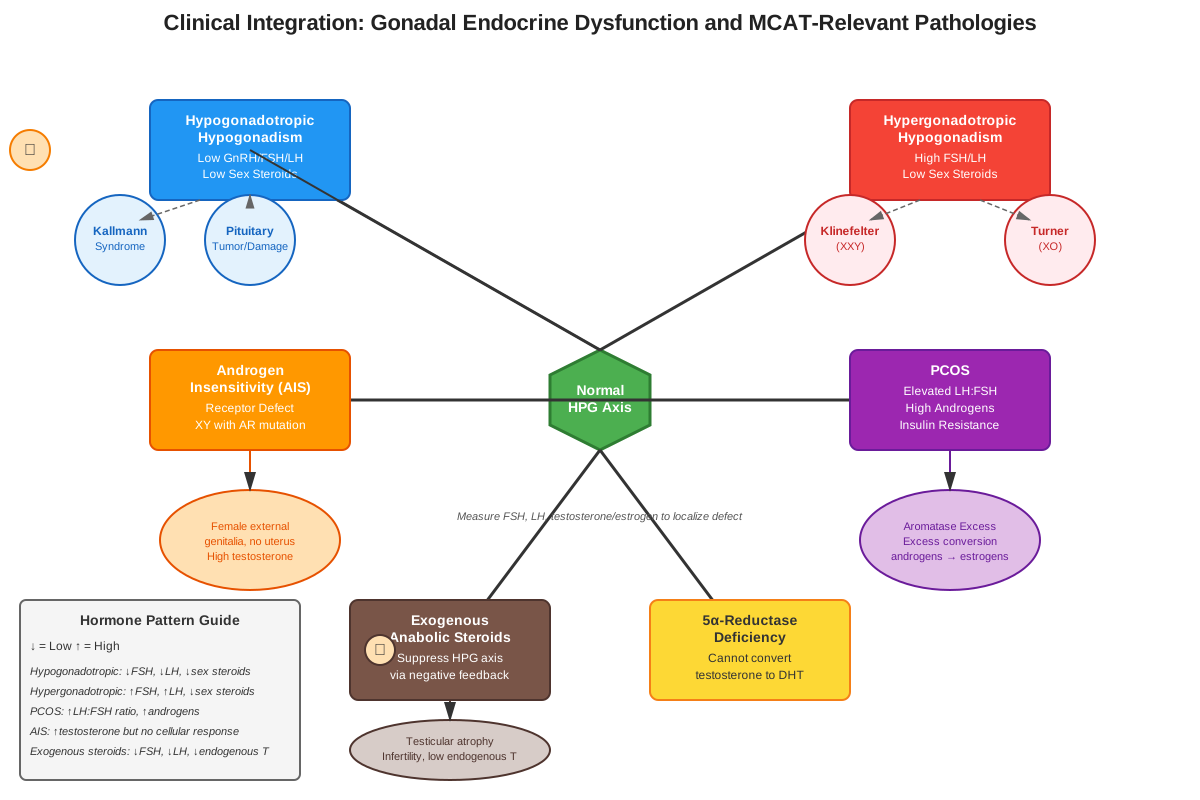
Connections to prerequisite topics include: hypothalamic-pituitary relationships (GnRH and gonadotropin secretion follow principles established for other hypothalamic-pituitary axes), steroid hormone mechanisms (gonadal steroids act via the same intracellular receptor mechanism as adrenal and thyroid hormones), and negative feedback (a universal endocrine regulatory principle). Related topics include pregnancy physiology (placental hormone production), puberty (HPG axis activation), menopause (ovarian failure), and endocrine disorders (PCOS, hypogonadism, androgen insensitivity syndrome).
Quick check — test yourself on Gonads endocrine function so far.
Try Flashcards →High-Yield Facts
⭐ GnRH from the hypothalamus stimulates anterior pituitary release of LH and FSH, which regulate gonadal steroid production and gametogenesis
⭐ In males, LH stimulates Leydig cells to produce testosterone; FSH stimulates Sertoli cells to support spermatogenesis and produce inhibin B
⭐ In females, the two-cell, two-gonadotropin model describes how LH stimulates theca cells to produce androgens, which granulosa cells (stimulated by FSH) convert to estrogens via aromatase
⭐ Testosterone and estradiol exert negative feedback on the hypothalamus and anterior pituitary, while inhibin selectively suppresses FSH secretion
⭐ The mid-cycle LH surge, triggered by positive feedback from sustained high estradiol levels, induces ovulation approximately 24-36 hours later
- All steroid hormones are synthesized from cholesterol, with the rate-limiting step being conversion to pregnenolone by cholesterol desmolase
- The corpus luteum, formed from the ovulated follicle, secretes progesterone and estradiol during the luteal phase to prepare the endometrium for implantation
- Sertoli cells produce anti-Müllerian hormone (AMH) during fetal development, causing regression of Müllerian ducts in males
- Steroid hormones act via intracellular receptors that function as transcription factors, producing effects over hours to days
- Inhibin and activin are structurally related peptide hormones with opposite effects on FSH secretion
- Aromatase enzyme converts androgens to estrogens and is present in granulosa cells, adipose tissue, and other peripheral tissues
- Sex hormone-binding globulin (SHBG) binds testosterone and estradiol in circulation; only free hormone is biologically active
- Menopause results from ovarian follicle depletion, causing decreased estrogen and inhibin, which removes negative feedback and elevates FSH and LH
- 5α-reductase converts testosterone to dihydrotestosterone (DHT), a more potent androgen responsible for male pattern hair growth and prostate development
- hCG produced by the embryo maintains the corpus luteum during early pregnancy by mimicking LH action
Common Misconceptions
Misconception: FSH only affects females and LH only affects males → Correction: Both gonadotropins function in both sexes. In males, FSH acts on Sertoli cells to support spermatogenesis while LH stimulates Leydig cells for testosterone production. In females, FSH promotes follicle development and estrogen synthesis while LH triggers ovulation and maintains the corpus luteum. The names reflect historical discovery contexts, not sex-specific functions.
Misconception: Testosterone is exclusively a male hormone and estrogen is exclusively a female hormone → Correction: Both sexes produce both hormone classes, differing in relative amounts. Males produce estradiol through peripheral aromatization of testosterone, which is important for bone health and other functions. Females produce androgens in theca cells and adrenal glands, with clinical significance when overproduced. The gonads of both sexes use the same biosynthetic pathways.
Misconception: The LH surge causes immediate ovulation → Correction: The LH surge triggers a cascade of events leading to ovulation approximately 24-36 hours later, not instantaneously. This delay allows time for follicular wall breakdown, oocyte maturation completion (meiosis I), and preparation for oocyte release. Understanding this timing is crucial for interpreting fertility-related questions.
Misconception: Negative feedback always suppresses hormone release → Correction: While negative feedback is the predominant pattern, estradiol uniquely exerts positive feedback at mid-cycle when sustained at high levels, triggering the LH surge. This demonstrates that the same hormone can have opposite regulatory effects depending on concentration, duration, and physiological context—a sophisticated mechanism enabling ovulation.
Misconception: The corpus luteum is a permanent structure → Correction: The corpus luteum is a temporary endocrine gland lasting approximately 14 days unless pregnancy occurs. Without hCG from an embryo, the corpus luteum degenerates (luteolysis), progesterone levels fall, and menstruation begins. If pregnancy occurs, hCG maintains the corpus luteum until the placenta assumes hormone production around week 10.
Misconception: Inhibin and FSH have a positive relationship → Correction: Inhibin selectively inhibits FSH secretion through negative feedback. Elevated inhibin levels suppress FSH, while decreased inhibin (as in ovarian failure) removes this suppression, causing FSH elevation. This selective feedback allows independent regulation of FSH and LH despite both being controlled by the same releasing hormone (GnRH).
Worked Examples
Example 1: Interpreting Hormone Levels in Male Hypogonadism
Clinical Vignette: A 35-year-old male presents with decreased libido, fatigue, and infertility. Laboratory studies reveal: testosterone = 150 ng/dL (normal: 300-1000), LH = 0.5 mIU/mL (normal: 1.5-9.3), FSH = 0.8 mIU/mL (normal: 1.4-18.1). Where is the likely site of pathology?
Analysis:
- Identify the pattern: Low testosterone with low (or inappropriately normal) LH and FSH indicates the problem is NOT in the testes (which would show elevated gonadotropins due to loss of negative feedback).
- Apply HPG axis knowledge: The hypothalamus or pituitary is failing to produce adequate GnRH or gonadotropins, respectively. This is secondary (central) hypogonadism rather than primary (testicular) hypogonadism.
- Consider mechanisms: Possible causes include pituitary adenoma, hypothalamic dysfunction, hyperprolactinemia (prolactin inhibits GnRH), or Kallmann syndrome (congenital GnRH deficiency).
- Predict treatment response: Exogenous testosterone would restore hormone levels but not fertility. GnRH or gonadotropin therapy would be required to stimulate spermatogenesis.
Key principle: In endocrine disorders, determining whether pathology is primary (gland failure) or secondary (regulatory failure) requires examining both the end-organ hormone and its regulatory hormones. Negative feedback predicts that primary gland failure elevates regulatory hormones, while regulatory failure shows low levels of both.
Example 2: Predicting Effects of Aromatase Inhibitor
Experimental Scenario: Researchers administer an aromatase inhibitor to female mice and measure hormone levels over one menstrual cycle. Predict the effects on estradiol, testosterone, LH, and FSH levels.
Analysis:
- Identify aromatase function: Aromatase converts androgens (testosterone, androstenedione) to estrogens (estradiol, estrone) in granulosa cells. Inhibiting this enzyme blocks estrogen synthesis.
- Predict direct effects:
- Estradiol: Decreased (direct effect of blocked synthesis)
- Testosterone/androgens: Increased (substrate accumulates when conversion is blocked)
- Apply feedback mechanisms: Low estradiol removes negative feedback on the hypothalamus and pituitary.
- LH: Increased (loss of estradiol negative feedback)
- FSH: Increased (loss of estradiol negative feedback; inhibin may also decrease due to impaired follicle development)
- Consider secondary consequences:
- Elevated LH stimulates more theca cell androgen production, further increasing testosterone
- Elevated FSH attempts to stimulate follicle development, but without estrogen, follicles cannot mature properly
- The LH surge would not occur (requires positive estradiol feedback), preventing ovulation
- This mechanism explains why aromatase inhibitors are used clinically to treat estrogen-responsive breast cancer and why they cause anovulation
Key principle: When analyzing hormone manipulation experiments, trace both direct effects and feedback consequences. Blocking an enzyme causes substrate accumulation and product depletion, which then triggers compensatory changes through feedback loops.
Exam Strategy
Approach to HPG axis questions: Draw a quick diagram showing hypothalamus → pituitary → gonads with feedback arrows. When given hormone levels, determine whether the pattern indicates primary (gland) or secondary (regulatory) pathology by checking if feedback relationships are appropriate. Elevated regulatory hormones with low end-organ hormones = primary failure; low regulatory hormones with low end-organ hormones = secondary failure.
Trigger words for gonadal endocrine function:
- "Pulsatile release" → Think GnRH (pulsatility is essential for proper gonadotropin secretion)
- "Two-cell model" or "theca and granulosa" → Female ovarian steroidogenesis requiring both LH and FSH
- "Positive feedback" → Mid-cycle estradiol triggering LH surge
- "Corpus luteum" → Progesterone production, luteal phase, pregnancy maintenance
- "Inhibin" → Selective FSH suppression
- "Aromatase" → Androgen-to-estrogen conversion
Process-of-elimination strategies:
- If a question asks about male reproductive hormones and an answer choice mentions progesterone or the corpus luteum, eliminate it (these are female-specific)
- If asked about immediate hormone effects (seconds to minutes), eliminate answers describing steroid hormone actions (which require gene transcription and take hours)
- For questions about feedback, remember that inhibin affects ONLY FSH, not LH—eliminate answers suggesting inhibin suppresses LH
- When evaluating hormone level patterns, eliminate answers that violate feedback principles (e.g., high testosterone with high LH in a normal male)
Time allocation: Discrete questions on gonadal endocrine function should take 60-90 seconds—quickly identify the concept being tested (feedback, cell type, hormone action) and apply the relevant principle. Passage-based questions may require 90-120 seconds to integrate passage information with background knowledge. If a question requires tracing through multiple steps of the HPG axis, invest the time to work systematically rather than guessing—these questions reward methodical reasoning.
Common question formats:
- Hormone level interpretation (given values, identify pathology site)
- Experimental manipulation (predict effects of blocking/stimulating specific steps)
- Drug mechanism (explain how contraceptives, fertility drugs, or hormone therapies work)
- Developmental scenarios (sexual differentiation, puberty timing)
- Graph interpretation (hormone levels across menstrual cycle)
Memory Techniques
Mnemonic for gonadotropin targets: "Leydig Loves LH" (LH acts on Leydig cells to produce testosterone). By extension, FSH acts on the other testicular cell type (Sertoli cells).
Mnemonic for two-cell model: "Theca makes Testosterone, Granulosa makes Good estrogen" (using "good" to connect with "G"). Remember that theca cells need LH and granulosa cells need FSH.
Visualization for menstrual cycle: Picture a mountain with two peaks—the first (smaller) is the estradiol peak just before ovulation, the second (larger) is the LH surge. After the mountain, there's a plateau representing the luteal phase with sustained progesterone. This visual captures the biphasic nature and relative hormone levels.
Acronym for inhibin function: "Inhibin Inhibits FSH Specifically" (IIFS). This emphasizes the selective nature of inhibin's negative feedback.
Memory aid for steroid synthesis: All steroid pathways start with cholesterol → pregnenolone (rate-limiting step). Then remember "Pregnenolone Produces Progesterone" (simple conversion) and "Testosterone Turns into Estrogen" (via aromatase). This captures the major branch points.
Mnemonic for positive feedback trigger: "Estrogen Elevated Enormously Elicits LH" (EEEEL). The sustained high estradiol (>200 pg/mL for ~48 hours) triggers the LH surge—the only positive feedback in the HPG axis.
Visualization for feedback loops: Picture the HPG axis as a thermostat system. The gonads are the heater, producing warmth (hormones). The hypothalamus and pituitary are the thermostat, sensing the warmth and adjusting output. When it gets too warm (high hormone levels), the thermostat turns down (negative feedback). This analogy helps remember that feedback maintains homeostasis.
Summary
Gonadal endocrine function encompasses the integrated hormonal regulation of reproduction through the hypothalamic-pituitary-gonadal axis. GnRH from the hypothalamus stimulates anterior pituitary gonadotropins (LH and FSH), which regulate gonadal steroid production and gametogenesis. In males, LH stimulates Leydig cell testosterone production while FSH supports Sertoli cell functions including spermatogenesis and inhibin B secretion. In females, the two-cell, two-gonadotropin model describes cooperative hormone synthesis: LH-stimulated theca cells produce androgens that FSH-stimulated granulosa cells convert to estrogens. The ovarian cycle involves follicular phase estrogen production, mid-cycle LH surge triggered by positive estradiol feedback (inducing ovulation), and luteal phase progesterone secretion from the corpus luteum. Negative feedback from gonadal steroids and inhibin maintains homeostasis, with testosterone and estradiol suppressing GnRH and gonadotropins, while inhibin selectively suppresses FSH. All gonadal steroids derive from cholesterol and act via intracellular receptors to regulate gene transcription. Understanding these mechanisms enables interpretation of reproductive physiology, endocrine disorders, and experimental manipulations—all high-yield for MCAT success.
Key Takeaways
- The HPG axis operates through hierarchical control: hypothalamic GnRH → pituitary LH/FSH → gonadal steroids and peptides → negative feedback (with mid-cycle positive feedback exception in females)
- LH stimulates steroid production (Leydig cells in males, theca cells in females), while FSH supports gametogenesis and follicle development (Sertoli cells in males, granulosa cells in females)
- The two-cell, two-gonadotropin model explains female estrogen synthesis: theca cells (LH-dependent) produce androgens that granulosa cells (FSH-dependent) convert to estrogens via aromatase
- Sustained high estradiol levels trigger positive feedback, causing the LH surge that induces ovulation—the only positive feedback mechanism in the HPG axis
- Inhibin selectively suppresses FSH secretion without affecting LH, allowing independent regulation of gametogenesis and steroidogenesis
- Steroid hormones act via intracellular receptors as transcription factors, producing effects over hours to days, while peptide hormones act via membrane receptors with rapid effects
- Distinguishing primary (gonadal) from secondary (hypothalamic/pituitary) endocrine disorders requires examining both end-organ hormones and their regulatory hormones in the context of feedback relationships
Related Topics
Pregnancy and placental endocrinology: The placenta assumes major hormone production during pregnancy, secreting hCG (maintains corpus luteum), progesterone, estrogens, and human placental lactogen. Understanding gonadal endocrine function provides the foundation for pregnancy physiology.
Puberty and sexual development: Activation of the HPG axis at puberty drives gonadarche and development of secondary sexual characteristics. Disorders of puberty (precocious or delayed) involve disruptions to gonadal endocrine pathways.
Menopause and andropause: Age-related changes in gonadal function—ovarian follicle depletion in females and gradual testosterone decline in males—illustrate life-cycle variations in endocrine function.
Contraceptive mechanisms: Hormonal contraceptives manipulate the HPG axis through exogenous steroids that suppress gonadotropin release, preventing ovulation. Understanding normal regulation enables prediction of contraceptive effects.
Endocrine disorders: PCOS, hypogonadism, androgen insensitivity syndrome, and congenital adrenal hyperplasia all involve disruptions to gonadal endocrine pathways, making this topic essential for clinical reasoning.
Steroid hormone biochemistry: Detailed steroidogenesis pathways, enzyme deficiencies, and peripheral hormone metabolism extend the basic concepts covered here.
Practice CTA
Now that you've mastered the core concepts of gonadal endocrine function, challenge yourself with practice questions that require application of these principles to novel scenarios. Focus on questions involving hormone level interpretation, experimental manipulations, and clinical vignettes—these mirror actual MCAT presentations. Use flashcards to reinforce the specific cell types, hormones, and feedback relationships that form the foundation of this topic. Remember that endocrinology rewards systematic thinking: trace pathways step-by-step, consider feedback consequences, and distinguish primary from secondary disorders. Your investment in understanding gonadal endocrine function will pay dividends not only for reproductive physiology questions but also for integrated passages connecting endocrinology, biochemistry, and physiology. You've got this—apply your knowledge and watch your confidence grow!
Sign up free to keep reading
Create a free AnvayaPrep account to finish this MCAT guide on Gonads endocrine function — plus flashcards and practice questions.