Overview
The immune system overview is a foundational topic within Physiology and Organ Systems that appears regularly on the MCAT, particularly in passages integrating Biology with biochemistry and experimental design. Understanding the immune system requires mastery of both innate and adaptive immunity, including the cells, organs, and molecular mechanisms that protect the body from pathogens. This topic bridges cellular biology, molecular biology, and physiology, making it a high-yield area for integrated reasoning questions that test multiple knowledge domains simultaneously.
For the MCAT, the immune system represents more than memorization of cell types and antibody structures. Test-makers frequently embed immune concepts within experimental passages describing disease states, vaccine development, autoimmune disorders, or novel therapeutic interventions. Questions may ask students to interpret data about cytokine signaling, predict outcomes of immune deficiencies, or analyze the mechanism of action for immunosuppressive drugs. A solid grasp of immune system fundamentals enables students to tackle these complex, multi-step questions with confidence.
The immune system connects directly to other critical MCAT topics including cell signaling pathways, protein structure and function, genetics (particularly gene rearrangement in lymphocytes), and homeostasis. Understanding how the body distinguishes self from non-self, how immune memory develops, and how different immune components coordinate their responses provides essential context for interpreting experimental results and clinical scenarios that appear throughout the biological sciences sections of the exam.
Learning Objectives
- [ ] Define immune system overview using accurate Biology terminology
- [ ] Explain why immune system overview matters for the MCAT
- [ ] Apply immune system overview to exam-style questions
- [ ] Identify common mistakes related to immune system overview
- [ ] Connect immune system overview to related Biology concepts
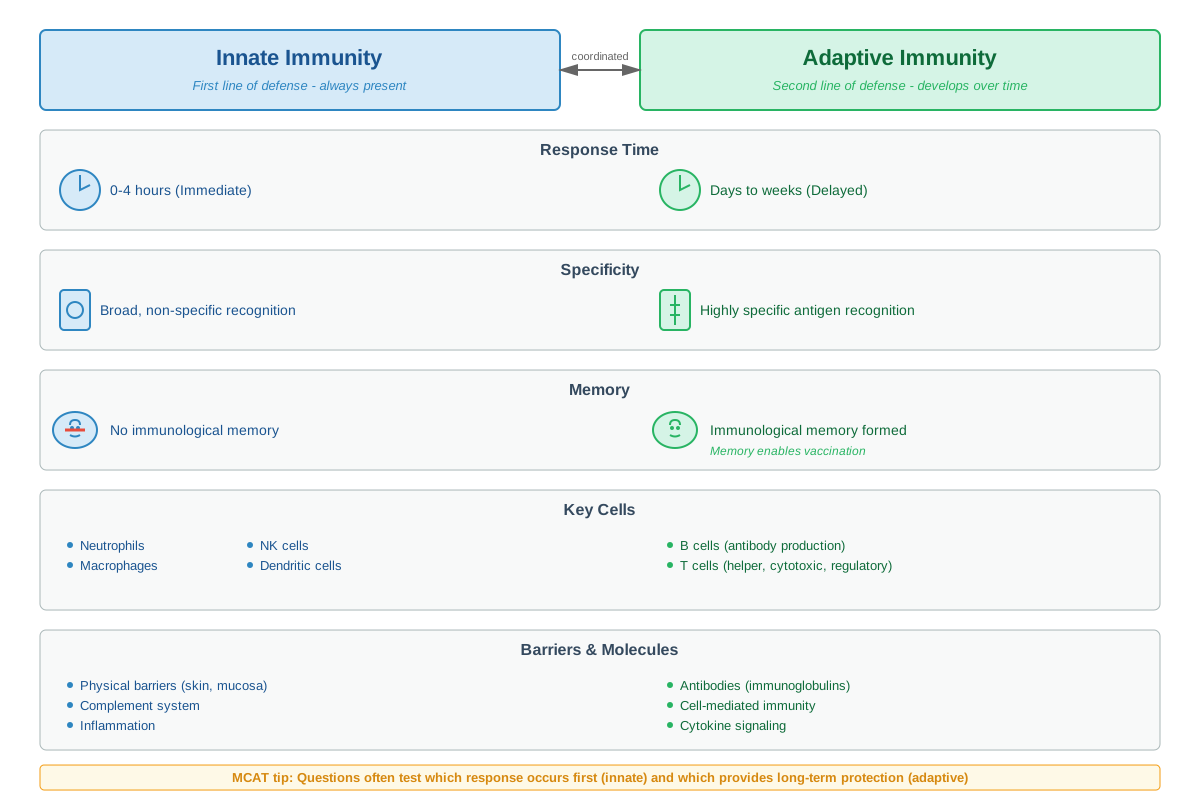
- [ ] Distinguish between innate and adaptive immunity based on timing, specificity, and memory
- [ ] Trace the pathway of immune cell development from bone marrow to functional maturity
- [ ] Analyze experimental data involving immune responses and predict outcomes of immune system perturbations
Prerequisites
- Cell structure and organelles: Understanding cellular components is essential for comprehending how immune cells function, particularly phagocytosis and antigen presentation
- Protein structure and function: Antibodies, MHC molecules, and cytokines are all proteins whose functions depend on their three-dimensional structures
- Cell signaling: Immune responses rely heavily on cytokine signaling cascades and receptor-ligand interactions
- Basic genetics: Gene rearrangement in B and T cells requires understanding of DNA recombination
- Circulatory system fundamentals: Immune cells travel through blood and lymphatic vessels to reach sites of infection
Why This Topic Matters
The immune system appears in approximately 8-12% of biological sciences questions on the MCAT, making it a medium-to-high yield topic that cannot be ignored. Questions range from straightforward recall of immune cell functions to complex passage-based questions requiring integration of immunology with experimental design, genetics, or pharmacology. Understanding immune mechanisms is particularly important for students planning medical careers, as immunology underlies countless clinical scenarios from transplant rejection to cancer immunotherapy.
Clinically, immune system dysfunction causes or contributes to allergies, autoimmune diseases (rheumatoid arthritis, multiple sclerosis, type 1 diabetes), immunodeficiencies (HIV/AIDS, primary immunodeficiencies), and complications in organ transplantation. The MCAT frequently presents clinical vignettes involving these conditions, expecting students to apply immune principles to novel scenarios. For example, a passage might describe a patient with recurrent infections and ask students to identify which immune component is deficient based on the types of pathogens involved.
Common MCAT question formats include: (1) discrete questions testing knowledge of specific immune cells or molecules, (2) passage-based questions analyzing experimental manipulations of immune responses, (3) questions requiring students to predict the outcome of immune deficiencies or enhancements, and (4) questions integrating immunology with other systems, such as how inflammation affects cardiovascular function or how hormones modulate immune responses. The topic appears across both the Biological and Biochemical Foundations section and occasionally in the Psychological, Social, and Biological Foundations section when discussing stress effects on immunity.
Core Concepts
Components of the Immune System
The immune system comprises a distributed network of cells, tissues, organs, and molecules that collectively defend the body against pathogens, foreign substances, and abnormal cells. Unlike organ systems with centralized structures, the immune system operates throughout the body via specialized cells that circulate through blood and lymphatic vessels and reside in lymphoid organs.
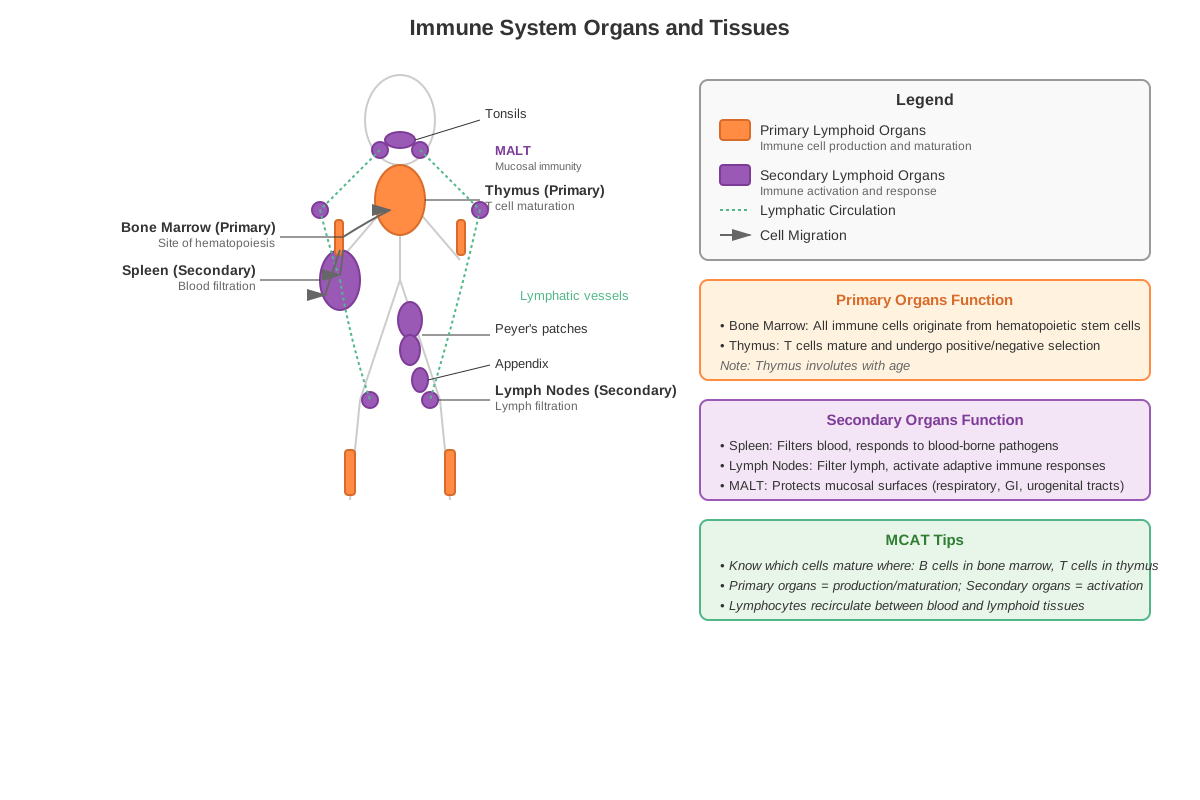
Primary lymphoid organs include the bone marrow and thymus, where immune cells originate and mature. The bone marrow serves as the site of hematopoiesis, producing all blood cells including immune cells from hematopoietic stem cells. The thymus, located in the upper chest, is where T lymphocytes (T cells) undergo maturation and selection processes that ensure self-tolerance.
Secondary lymphoid organs include lymph nodes, spleen, tonsils, and mucosa-associated lymphoid tissue (MALT). These structures serve as sites where mature immune cells encounter antigens and initiate adaptive immune responses. Lymph nodes filter lymphatic fluid and trap antigens, while the spleen filters blood and responds to blood-borne pathogens.
Innate Immunity
Innate immunity represents the first line of defense against pathogens, providing immediate but non-specific protection. This system does not require prior exposure to pathogens and does not generate immunological memory. Innate immunity includes physical barriers, chemical defenses, and cellular components that respond within minutes to hours of pathogen exposure.
Physical barriers include intact skin, mucous membranes, and the epithelial linings of respiratory, gastrointestinal, and urogenital tracts. These barriers prevent pathogen entry through mechanical exclusion and by producing antimicrobial substances such as lysozyme in tears and saliva, stomach acid, and antimicrobial peptides called defensins.
Cellular components of innate immunity include:
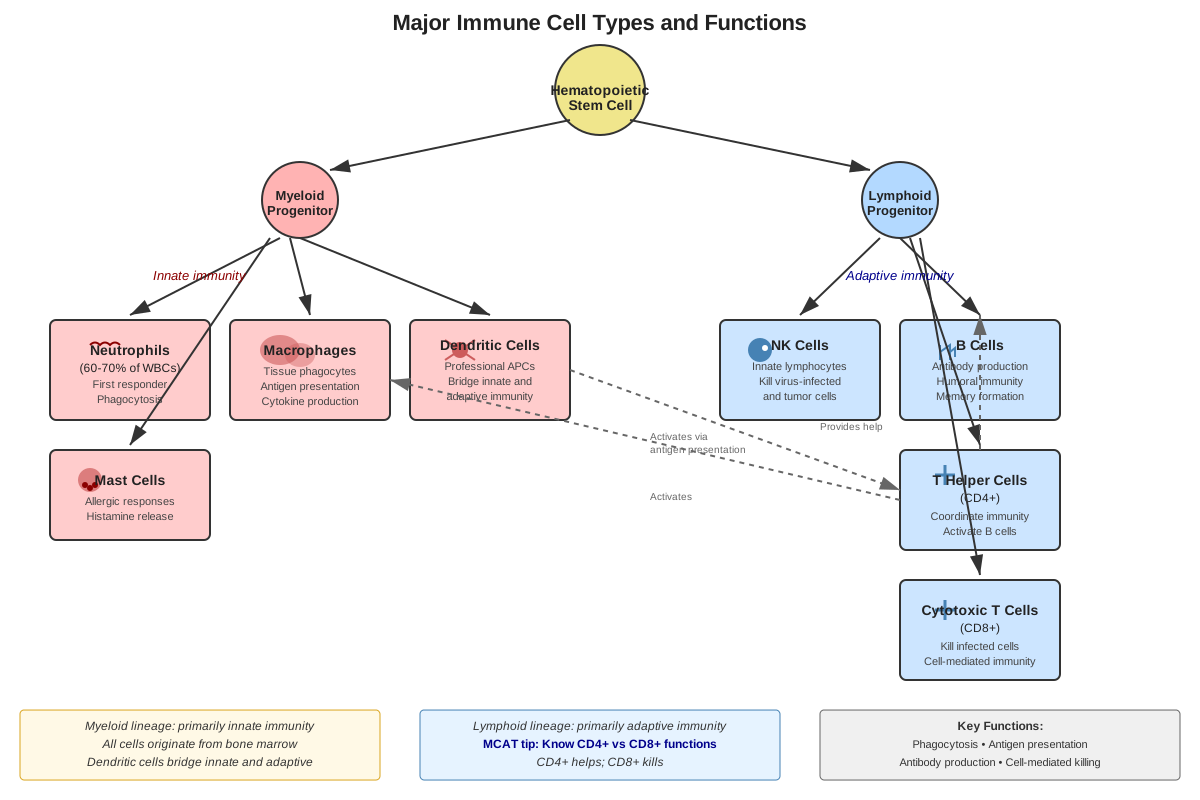
- Phagocytes: Neutrophils and macrophages that engulf and destroy pathogens through phagocytosis
- Natural killer (NK) cells: Lymphocytes that recognize and kill virus-infected cells and tumor cells without prior sensitization
- Dendritic cells: Antigen-presenting cells that bridge innate and adaptive immunity by capturing antigens and presenting them to T cells
- Mast cells and basophils: Release histamine and other inflammatory mediators
- Eosinophils: Particularly important in defense against parasitic infections
Pattern recognition receptors (PRRs) on innate immune cells recognize conserved molecular patterns on pathogens called pathogen-associated molecular patterns (PAMPs). The most important PRRs are Toll-like receptors (TLRs), which recognize bacterial cell wall components, viral nucleic acids, and other pathogen-specific molecules. PRR activation triggers inflammatory responses and cytokine production.
Adaptive Immunity
Adaptive immunity develops more slowly than innate immunity (days to weeks) but provides highly specific responses to particular pathogens and generates long-lasting immunological memory. This system involves lymphocytes (B cells and T cells) that express unique antigen receptors generated through genetic recombination.
B lymphocytes (B cells) mature in the bone marrow and are responsible for humoral immunity, which involves antibody production. Each B cell expresses a unique B cell receptor (BCR) on its surface. When a B cell encounters its specific antigen, it becomes activated, proliferates, and differentiates into:
- Plasma cells: Antibody-secreting factories that produce large quantities of soluble antibodies
- Memory B cells: Long-lived cells that enable rapid responses upon re-exposure to the same antigen
T lymphocytes (T cells) mature in the thymus and are responsible for cell-mediated immunity. T cells express T cell receptors (TCRs) that recognize antigens presented on major histocompatibility complex (MHC) molecules. There are two main types:
- CD4+ T helper cells (Th cells): Recognize antigens on MHC class II molecules (expressed by antigen-presenting cells). They coordinate immune responses by secreting cytokines that activate other immune cells. Subtypes include Th1 (activate macrophages), Th2 (help B cells), and Th17 (recruit neutrophils)
- CD8+ cytotoxic T cells (Tc cells): Recognize antigens on MHC class I molecules (expressed by all nucleated cells). They kill infected or abnormal cells by inducing apoptosis
Antibodies and Immunoglobulins
Antibodies (also called immunoglobulins) are Y-shaped glycoproteins produced by plasma cells. Each antibody consists of four polypeptide chains: two identical heavy chains and two identical light chains, connected by disulfide bonds. The variable regions at the tips of the Y form the antigen-binding sites, while the constant region determines the antibody's class and effector functions.
| Antibody Class | Location | Function | MCAT Relevance |
|---|---|---|---|
| IgG | Blood, tissues | Most abundant; crosses placenta; neutralization, opsonization, complement activation | Primary antibody in secondary responses |
| IgM | Blood | First antibody produced in primary response; pentameric structure; excellent at complement activation | Indicates acute infection |
| IgA | Secretions (saliva, tears, breast milk, mucus) | Protects mucosal surfaces; dimeric in secretions | Passive immunity to infants |
| IgE | Bound to mast cells and basophils | Mediates allergic responses and defense against parasites | Hypersensitivity reactions |
| IgD | B cell surface | Functions as B cell receptor | Less clinically relevant |
Immune Response Sequence
The typical immune response follows a coordinated sequence:
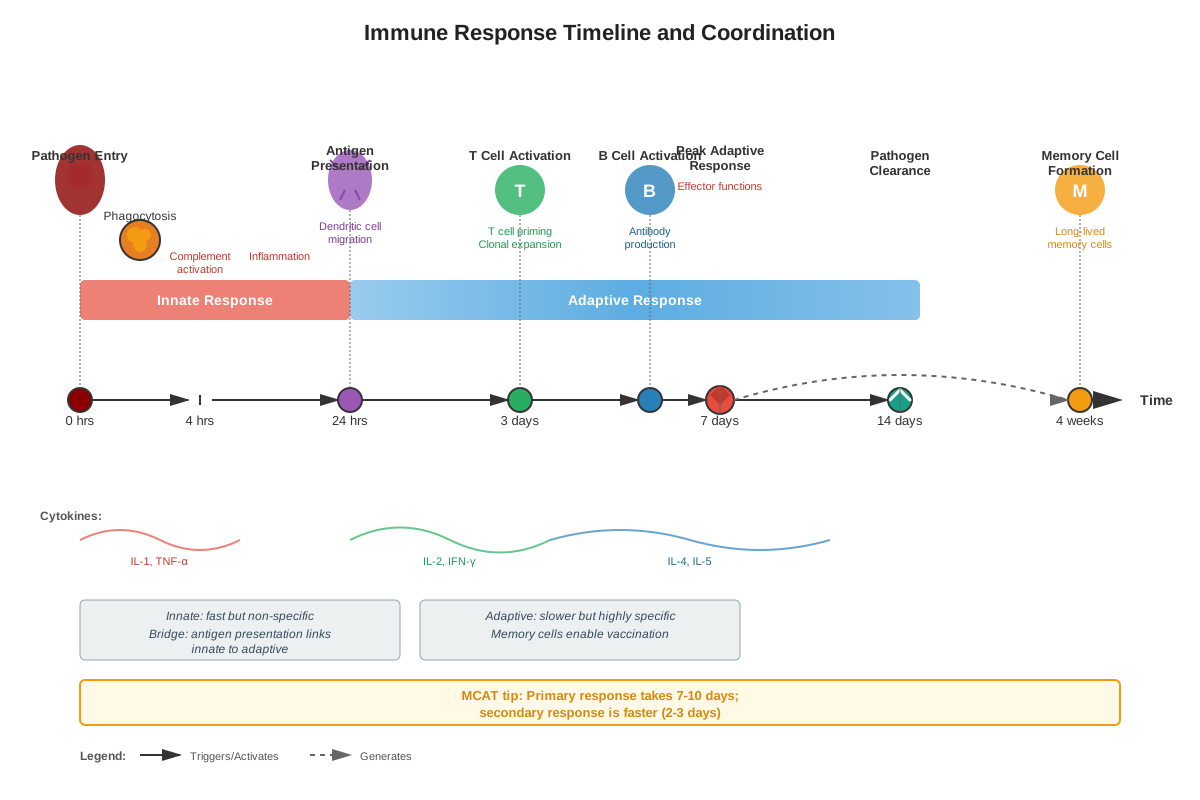
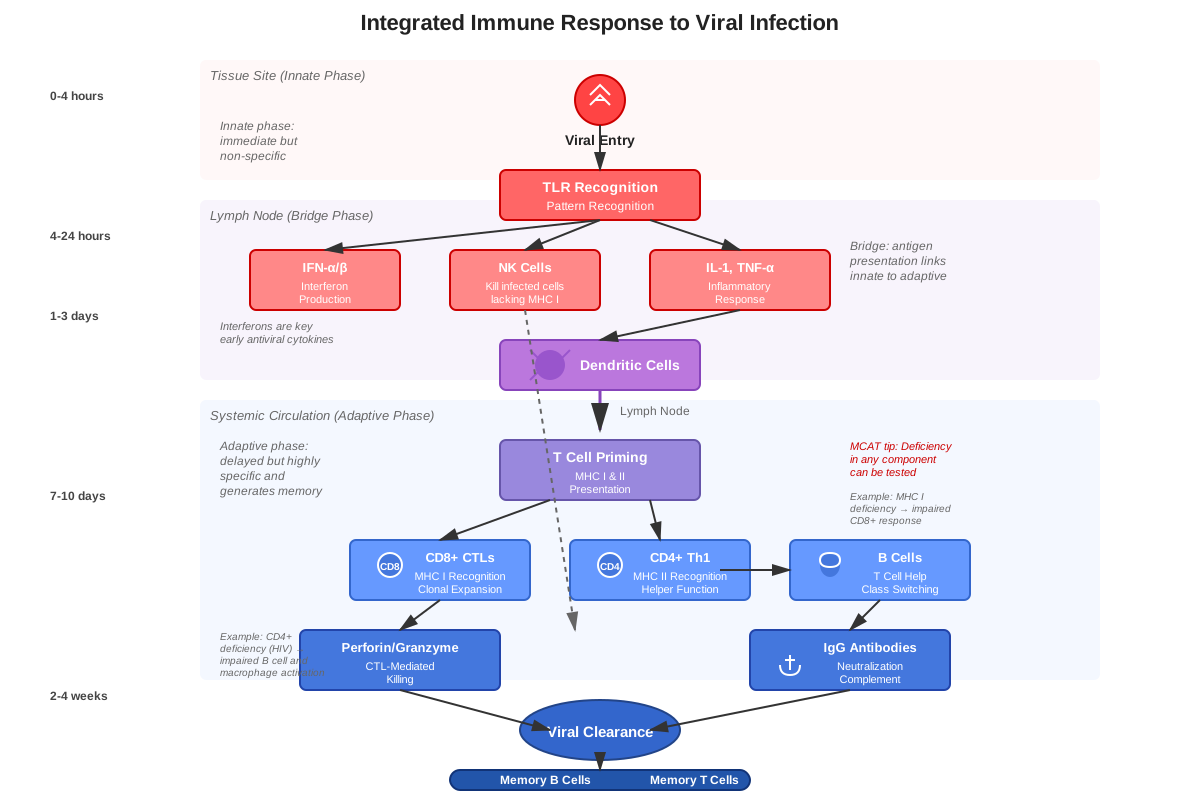
- Pathogen entry and innate recognition: Pathogens breach physical barriers and are recognized by PRRs on innate immune cells
- Inflammation: Inflammatory mediators (histamine, prostaglandins, cytokines) increase blood flow and vascular permeability, recruiting immune cells to the infection site
- Antigen presentation: Dendritic cells and macrophages process pathogen antigens and present them on MHC molecules
- T cell activation: Naive T cells in lymph nodes recognize presented antigens and become activated, proliferating and differentiating into effector cells
- B cell activation: With T helper cell assistance, B cells recognizing their specific antigen become activated and differentiate into plasma cells and memory cells
- Effector phase: Antibodies neutralize pathogens, cytotoxic T cells kill infected cells, and activated macrophages destroy phagocytosed pathogens
- Resolution and memory: Most effector cells die after pathogen clearance, but memory cells persist for rapid responses to future exposures
Self-Tolerance and Immune Regulation
The immune system must distinguish self from non-self to prevent autoimmune disease. Central tolerance occurs during lymphocyte development in primary lymphoid organs, where cells that strongly recognize self-antigens undergo negative selection (deletion). Peripheral tolerance mechanisms include regulatory T cells (Tregs) that suppress autoreactive lymphocytes that escaped central tolerance.
Immune responses are tightly regulated to prevent excessive inflammation and tissue damage. Cytokines such as IL-10 and TGF-β have anti-inflammatory effects, while regulatory T cells actively suppress immune responses. Failure of these regulatory mechanisms can lead to autoimmune diseases, chronic inflammation, or allergies.
Concept Relationships
The immune system overview integrates multiple biological concepts in a hierarchical and interactive manner. At the foundation, cell biology principles explain how immune cells perform their functions—phagocytosis relies on endocytosis mechanisms, cytotoxic killing involves apoptosis pathways, and antibody secretion requires extensive rough endoplasmic reticulum and Golgi apparatus function.
Innate immunity → Adaptive immunity: This relationship is sequential and enabling. Innate immune responses occur first and are necessary for initiating adaptive responses. Dendritic cells serve as the critical bridge, using innate PRRs to recognize pathogens, then presenting processed antigens to T cells to activate adaptive immunity. This connection appears frequently on the MCAT in passages describing how vaccines work or how immunodeficiencies affect different types of infections.
Humoral immunity ↔ Cell-mediated immunity: These two branches of adaptive immunity work in parallel and often cooperatively. B cells require T helper cell signals (particularly from Th2 cells) for optimal activation and antibody class switching. Conversely, antibodies can enhance cell-mediated immunity through opsonization, making pathogens easier for phagocytes to recognize and engulf.
Immune system → Homeostasis: The immune system maintains homeostasis by eliminating pathogens, removing damaged cells, and surveilling for cancer cells. This connects to broader physiology concepts about how organ systems maintain stable internal conditions. Inflammation, while part of immune defense, also affects cardiovascular function (vasodilation, increased permeability) and can trigger fever through hypothalamic temperature regulation.
Genetics → Immune diversity: The enormous diversity of antibodies and T cell receptors arises from V(D)J recombination, a specialized form of genetic recombination. This connects immunology to molecular biology and genetics, topics that may appear together in MCAT passages about genetic disorders affecting immunity or the molecular basis of antibody diversity.
Immune system → Disease states: Understanding normal immune function enables prediction of consequences when components fail. Deficiencies in innate immunity (e.g., neutrophil defects) lead to bacterial and fungal infections, while adaptive immune deficiencies (e.g., HIV affecting CD4+ T cells) cause vulnerability to opportunistic infections and certain cancers.
Quick check — test yourself on Immune system overview so far.
Try Flashcards →High-Yield Facts
⭐ Innate immunity is immediate and non-specific, while adaptive immunity is delayed but highly specific and generates memory
⭐ B cells produce antibodies (humoral immunity), while T cells provide cell-mediated immunity
⭐ CD4+ T helper cells recognize antigens on MHC class II molecules (on antigen-presenting cells), while CD8+ cytotoxic T cells recognize antigens on MHC class I molecules (on all nucleated cells)
⭐ IgM is the first antibody produced in a primary immune response, while IgG dominates secondary responses and is the only antibody that crosses the placenta
⭐ Natural killer cells are part of innate immunity and kill virus-infected or tumor cells without prior sensitization
- Neutrophils are the most abundant white blood cells and are the first responders to bacterial infections
- The thymus is where T cells mature and undergo positive and negative selection for self-tolerance
- Antibodies have two functional regions: variable regions that bind antigens and constant regions that determine effector functions
- Memory cells enable faster and stronger secondary immune responses compared to primary responses
- Dendritic cells are the most effective antigen-presenting cells and bridge innate and adaptive immunity
- Complement proteins enhance immune responses through opsonization, inflammation, and direct pathogen lysis
- Regulatory T cells (Tregs) suppress immune responses and prevent autoimmunity
- The spleen filters blood and responds to blood-borne pathogens, while lymph nodes filter lymph
- Cytokines are signaling molecules that coordinate immune cell communication and function
- Passive immunity involves transfer of antibodies (e.g., maternal IgG to fetus), while active immunity involves generating one's own immune response
Common Misconceptions
Misconception: All white blood cells are part of the adaptive immune system.
Correction: White blood cells (leukocytes) include both innate immune cells (neutrophils, macrophages, NK cells, eosinophils, basophils) and adaptive immune cells (B and T lymphocytes). The majority of circulating white blood cells are actually neutrophils, which are part of innate immunity.
Misconception: Antibodies directly kill pathogens.
Correction: Antibodies do not directly kill pathogens. Instead, they neutralize pathogens by blocking attachment to host cells, opsonize pathogens to enhance phagocytosis, agglutinate pathogens to prevent spread, and activate complement proteins that can lyse pathogens. The actual killing is performed by other immune components.
Misconception: Memory cells are only produced after the second exposure to a pathogen.
Correction: Memory cells are generated during the primary immune response (first exposure). They persist in the body and enable the faster, stronger secondary response upon re-exposure. This is why vaccines work—they generate memory cells without causing disease.
Misconception: T cells and B cells recognize antigens in the same way.
Correction: B cells recognize intact, native antigens through their B cell receptors and can bind soluble antigens directly. T cells only recognize processed antigen fragments presented on MHC molecules on the surface of other cells. This fundamental difference explains why T cells require antigen-presenting cells while B cells can be activated by free antigens (though they still typically need T helper cell assistance).
Misconception: The innate immune system is primitive and less important than adaptive immunity.
Correction: Innate immunity is essential and highly effective. Most pathogens are eliminated by innate mechanisms alone without requiring adaptive responses. Additionally, innate immunity is required to activate adaptive immunity—without dendritic cells and other innate components presenting antigens, adaptive responses cannot begin. Many successful pathogens have evolved mechanisms specifically to evade innate immunity.
Misconception: All antibodies have the same structure and function.
Correction: While all antibodies share the basic Y-shaped structure with variable and constant regions, the five antibody classes (IgG, IgM, IgA, IgE, IgD) differ in their constant regions, which determines their location in the body, ability to cross barriers, and effector functions. For example, IgM exists as a pentamer and is excellent at complement activation, while IgA exists as a dimer in secretions and protects mucosal surfaces.
Misconception: Fever is harmful and should always be suppressed.
Correction: Fever is an adaptive immune response that enhances immune function by increasing metabolic rates of immune cells and inhibiting pathogen growth. Moderate fevers (below 103°F/39.4°C) are generally beneficial for fighting infections. This concept may appear in MCAT passages discussing the inflammatory response or therapeutic interventions.
Worked Examples
Example 1: Analyzing an Immune Deficiency Case
Question: A 4-year-old boy presents with recurrent bacterial infections of the respiratory tract and skin. Laboratory tests reveal normal numbers of B cells and T cells, and normal antibody levels. However, a nitroblue tetrazolium (NBT) test, which assesses the ability of phagocytes to produce reactive oxygen species, is abnormal. Which component of the immune system is most likely defective?
Step 1 - Identify the clinical presentation: Recurrent bacterial infections suggest an immune deficiency. The specific types of infections (respiratory and skin) provide clues about which immune component is affected.
Step 2 - Analyze the laboratory findings: Normal B cell and T cell numbers with normal antibody levels indicate that adaptive immunity is intact. This rules out deficiencies in humoral or cell-mediated immunity.
Step 3 - Interpret the NBT test: The NBT test specifically assesses the respiratory burst in phagocytes (neutrophils and macrophages), which produces reactive oxygen species to kill ingested bacteria. An abnormal result indicates defective phagocyte function.
Step 4 - Connect to immune concepts: Phagocytes (particularly neutrophils) are critical components of innate immunity responsible for eliminating extracellular bacteria. A defect in their killing mechanism would lead to recurrent bacterial infections despite normal adaptive immunity.
Answer: The patient most likely has chronic granulomatous disease (CGD), a defect in the NADPH oxidase enzyme complex that prevents phagocytes from producing reactive oxygen species. This is an innate immune deficiency affecting phagocyte function.
MCAT Connection: This example demonstrates how understanding the distinct roles of innate versus adaptive immunity allows you to predict which types of infections occur with specific immune deficiencies. Bacterial infections typically indicate problems with neutrophils or antibodies, while viral infections suggest T cell deficiencies.
Example 2: Predicting Vaccine Response
Question: A researcher develops a new vaccine against a bacterial pathogen by using heat-killed bacteria. The vaccine is administered to volunteers, and antibody levels are measured over time. Which of the following best describes the expected antibody response?
A) Only IgM will be produced throughout the study period
B) IgM will appear first, followed by IgG, with IgG levels eventually exceeding IgM
C) Only IgG will be produced, as heat-killed bacteria cannot stimulate IgM production
D) IgE will dominate the response due to the foreign nature of bacterial antigens
Step 1 - Recognize this as a primary immune response: Since the volunteers have not been previously exposed to this pathogen, this represents a primary adaptive immune response.
Step 2 - Recall the sequence of antibody production: In a primary response, IgM is always produced first because naive B cells initially express IgM on their surface. With T helper cell assistance and cytokine signals, activated B cells undergo class switching to produce other antibody classes, most commonly IgG.
Step 3 - Consider the timeline: IgM appears within days of antigen exposure and peaks around 1-2 weeks. IgG production begins later but continues to increase, eventually surpassing IgM levels. IgM levels decline while IgG persists.
Step 4 - Eliminate incorrect answers:
- Choice A is incorrect because class switching to IgG occurs in primary responses
- Choice C is incorrect because IgM is always produced first
- Choice D is incorrect because IgE is associated with parasitic infections and allergic responses, not typical bacterial vaccines
Answer: B is correct. The primary immune response to a vaccine follows the characteristic pattern of IgM production first, followed by class switching to IgG, which eventually becomes the dominant antibody.
MCAT Connection: Understanding the temporal sequence of antibody production is essential for interpreting experimental data about immune responses. The MCAT frequently presents graphs showing antibody levels over time and asks students to identify whether the response is primary or secondary, or to predict outcomes of interventions. Remember that secondary responses show rapid IgG production with little or no IgM, reflecting the action of memory cells.
Exam Strategy
When approaching MCAT questions on immune system overview, begin by identifying whether the question concerns innate or adaptive immunity. This fundamental distinction immediately narrows the possible answers and guides your reasoning. Look for timing clues—immediate responses indicate innate immunity, while responses taking days suggest adaptive immunity. Specificity clues also help: non-specific responses point to innate immunity, while highly specific responses indicate adaptive immunity.
Trigger words for innate immunity: immediate, non-specific, first line of defense, physical barriers, phagocytes, neutrophils, macrophages, natural killer cells, inflammation, complement, pattern recognition receptors, Toll-like receptors.
Trigger words for adaptive immunity: specific, memory, antibodies, immunoglobulins, B cells, T cells, lymphocytes, CD4, CD8, MHC, antigen presentation, clonal selection, class switching, vaccination.
For passage-based questions, pay careful attention to experimental manipulations. If a passage describes knocking out a specific gene or depleting a particular cell type, predict the consequences based on that component's normal function. For example, depleting CD4+ T cells would impair both humoral immunity (reduced B cell help) and cell-mediated immunity (loss of macrophage activation), leading to vulnerability to multiple pathogen types.
When questions present clinical vignettes with recurrent infections, use the type of pathogen to deduce which immune component is defective:
- Recurrent bacterial infections → neutrophil defects or antibody deficiencies
- Recurrent viral infections → T cell deficiencies (especially CD8+)
- Opportunistic infections (fungi, unusual bacteria) → severe combined immunodeficiency or HIV
- Parasitic infections → eosinophil or IgE defects
Process-of-elimination strategies work well for immune system questions. If a question asks about antibody function, immediately eliminate answers describing T cell activities. If asked about primary versus secondary responses, eliminate any answer suggesting memory cells act in primary responses.
Time management for immune system questions should allocate approximately 1-1.5 minutes for discrete questions and up to 2 minutes for complex passage-based questions requiring data interpretation. If a question requires detailed knowledge of a specific cytokine or minor immune cell type beyond the scope of basic MCAT content, consider it a low-yield question and make an educated guess rather than spending excessive time.
Memory Techniques
Mnemonic for antibody classes by abundance: "Good Artists Must Draw Everything" (IgG > IgA > IgM > IgD > IgE in terms of serum concentration)
Mnemonic for MHC class associations: "8 ate 1" (CD8 binds MHC class I) and "4 for 2" (CD4 binds MHC class II)
Visualization for antibody structure: Picture the antibody as a person with arms raised in a Y-shape. The hands (variable regions) grab specific antigens, while the body (constant region) determines what happens next—like whether the person calls for help (complement activation) or tags the antigen for disposal (opsonization).
Mnemonic for innate immune cells: "Never Make Decisions Early Before Noon" (Neutrophils, Macrophages, Dendritic cells, Eosinophils, Basophils, Natural killer cells)
Memory aid for primary vs. secondary response: Think of the primary response as meeting someone new—it takes time to get to know them (slow, IgM first). The secondary response is like meeting an old friend—immediate recognition and stronger connection (fast, IgG dominant).
Acronym for T helper cell functions: "Helpers Activate Cells" (Help B cells, Activate macrophages, Coordinate immune responses)
Visualization for immune system organization: Imagine a military hierarchy. Innate immunity is the border patrol (immediate, non-specific). Adaptive immunity is the special forces (delayed but highly trained for specific targets). Dendritic cells are the intelligence officers connecting both branches.
Summary
The immune system overview encompasses both innate and adaptive immunity working in coordinated fashion to protect against pathogens. Innate immunity provides immediate, non-specific defense through physical barriers, phagocytic cells, natural killer cells, and inflammatory responses. Adaptive immunity develops more slowly but offers highly specific responses through B cells producing antibodies (humoral immunity) and T cells providing cell-mediated immunity. The system includes primary lymphoid organs (bone marrow and thymus) where immune cells develop, and secondary lymphoid organs (lymph nodes, spleen) where adaptive responses are initiated. Key concepts include the distinction between CD4+ helper T cells recognizing MHC class II and CD8+ cytotoxic T cells recognizing MHC class I, the sequence of antibody production (IgM first, then class switching to IgG and other classes), and the generation of immunological memory enabling rapid secondary responses. Understanding immune system organization, cell types, and response patterns enables students to analyze clinical scenarios, interpret experimental data, and predict outcomes of immune deficiencies or therapeutic interventions on the MCAT.
Key Takeaways
- Innate immunity is immediate and non-specific, while adaptive immunity is delayed, highly specific, and generates memory—this fundamental distinction underlies most MCAT immune system questions
- B cells produce antibodies for humoral immunity; T cells provide cell-mediated immunity with CD4+ helpers coordinating responses and CD8+ cytotoxic cells killing infected cells
- Antibody classes differ in location and function: IgM appears first in primary responses, IgG dominates secondary responses and crosses the placenta, IgA protects mucosal surfaces, and IgE mediates allergic responses
- MHC molecules present antigens to T cells: MHC class I (on all nucleated cells) presents to CD8+ T cells, while MHC class II (on antigen-presenting cells) presents to CD4+ T cells
- Dendritic cells bridge innate and adaptive immunity by recognizing pathogens through pattern recognition receptors and presenting processed antigens to T cells in lymph nodes
- Memory cells generated during primary responses enable faster, stronger secondary responses—this principle underlies vaccination strategies
- The type of recurrent infection indicates which immune component is defective: bacterial infections suggest neutrophil or antibody problems, while viral infections indicate T cell deficiencies
Related Topics
Hypersensitivity reactions: Building on immune system overview, hypersensitivity covers the four types of excessive or inappropriate immune responses, including allergies (Type I), antibody-mediated cytotoxicity (Type II), immune complex disease (Type III), and delayed-type hypersensitivity (Type IV). Mastering basic immune function is essential before understanding immune dysfunction.
HIV and immunodeficiency: This topic explores how HIV specifically targets CD4+ T cells, progressively destroying adaptive immunity and leading to AIDS. Understanding normal T cell function from this overview enables comprehension of why HIV causes vulnerability to opportunistic infections.
Autoimmune diseases: These conditions result from loss of self-tolerance, causing immune attacks on the body's own tissues. The mechanisms of central and peripheral tolerance covered in this overview provide the foundation for understanding autoimmune pathology.
Cancer immunology and immunotherapy: Modern cancer treatments increasingly harness the immune system. Understanding how T cells recognize abnormal cells and how regulatory mechanisms can be manipulated enables comprehension of checkpoint inhibitor therapies.
Transplantation immunology: Organ transplantation faces challenges from immune rejection. The concepts of MHC molecules and T cell recognition covered here directly apply to understanding why tissue matching is critical and how immunosuppressive drugs work.
Practice CTA
Now that you have mastered the foundational concepts of immune system overview, test your understanding with practice questions and flashcards. Focus on distinguishing innate from adaptive immunity, identifying the roles of different immune cells, and predicting outcomes of immune deficiencies. The more you apply these concepts to MCAT-style questions, the more confident you will become in tackling complex passages integrating immunology with other biological sciences. Remember, immunology questions often reward systematic thinking—identify whether the question concerns innate or adaptive immunity first, then work through the specific mechanisms. You have built a strong foundation; now reinforce it through active practice and application to novel scenarios!
Sign up free to keep reading
Create a free AnvayaPrep account to finish this MCAT guide on Immune system overview — plus flashcards and practice questions.