Overview
Inflammation is a fundamental protective response of the body's immune system to harmful stimuli, including pathogens, damaged cells, toxic compounds, or irradiation. This complex biological process involves immune cells, blood vessels, and molecular mediators working in concert to eliminate the initial cause of cell injury, clear out necrotic cells and tissues damaged from the original insult, and initiate tissue repair. Understanding inflammation Biology is critical for MCAT success because it bridges multiple high-yield topics including immunology, cardiovascular physiology, cell signaling, and pathology.
For the MCAT, inflammation represents a medium-difficulty topic that appears frequently across multiple question formats. Test-makers favor inflammation because it allows integration of biochemical pathways (prostaglandin synthesis, complement cascade), cellular biology (leukocyte migration, phagocytosis), and clinical reasoning (fever, edema, pain). Questions may present as discrete items testing specific mediators, or as passage-based scenarios describing clinical presentations where students must identify the underlying inflammatory mechanisms. The topic connects directly to Physiology and Organ Systems by demonstrating how localized tissue responses coordinate with systemic physiological changes.
Mastering inflammation provides essential scaffolding for understanding autoimmune diseases, wound healing, atherosclerosis, cancer biology, and pharmacology—all testable MCAT domains. The inflammatory response exemplifies how the body maintains homeostasis through coordinated cellular and molecular events, making it a cornerstone concept in Biology that integrates seamlessly with biochemistry and organic chemistry when discussing anti-inflammatory drug mechanisms.
Learning Objectives
- [ ] Define Inflammation using accurate Biology terminology
- [ ] Explain why Inflammation matters for the MCAT
- [ ] Apply Inflammation to exam-style questions
- [ ] Identify common mistakes related to Inflammation
- [ ] Connect Inflammation to related Biology concepts
- [ ] Distinguish between acute and chronic inflammation based on cellular composition and time course
- [ ] Trace the sequence of vascular and cellular events during the inflammatory response
- [ ] Predict the effects of specific inflammatory mediators on blood vessels, pain receptors, and immune cell behavior
Prerequisites
- Basic immunology: Understanding innate versus adaptive immunity provides context for inflammation as the primary innate immune response
- Cell biology fundamentals: Knowledge of cell membrane structure, receptor-ligand interactions, and cellular adhesion molecules is essential for understanding leukocyte migration
- Cardiovascular anatomy: Familiarity with blood vessel structure (endothelium, smooth muscle) explains vascular changes during inflammation
- Basic biochemistry: Understanding enzyme function and lipid metabolism is necessary for comprehending prostaglandin and leukotriene synthesis
- Cell signaling: Knowledge of signal transduction pathways helps explain how inflammatory mediators trigger cellular responses
Why This Topic Matters
Inflammation represents one of the body's most fundamental defense mechanisms and appears in clinical medicine across virtually every specialty. From the swelling around a splinter to the pathophysiology of heart attacks, inflammatory processes underlie countless disease states. Clinically, dysregulated inflammation contributes to conditions ranging from rheumatoid arthritis and inflammatory bowel disease to atherosclerosis and Alzheimer's disease. Understanding inflammation is essential for comprehending how the body responds to injury and infection, making it foundational knowledge for future physicians.
On the MCAT, inflammation appears in approximately 3-5% of Biology questions, with particular emphasis in passages involving immunology, physiology, and integrated systems. The topic frequently appears in passages describing experimental models of disease, clinical vignettes requiring diagnostic reasoning, or research scenarios investigating novel anti-inflammatory therapies. Questions may test knowledge of specific mediators (histamine, prostaglandins, cytokines), the sequence of cellular events (vasodilation, leukocyte adhesion, extravasation), or the cardinal signs of inflammation and their physiological basis.
Common MCAT question formats include: (1) identifying which inflammatory mediator causes a specific symptom, (2) predicting the effect of blocking a particular step in the inflammatory cascade, (3) distinguishing acute from chronic inflammation based on cellular composition, (4) explaining how NSAIDs reduce inflammation through COX inhibition, and (5) analyzing experimental data showing inflammatory marker levels. The topic integrates seamlessly with pharmacology passages discussing anti-inflammatory drugs, making it particularly high-yield for interdisciplinary questions that span Physiology and Organ Systems and biochemistry.
Core Concepts
Definition and Purpose of Inflammation
Inflammation is the localized physical condition in which part of the body becomes reddened, swollen, hot, and often painful, especially as a reaction to injury or infection. More precisely, it represents a complex biological response of vascular tissues to harmful stimuli, characterized by the coordinated action of immune cells, blood vessels, and molecular mediators. The primary purposes of inflammation include: (1) eliminating the initial cause of cell injury, (2) removing necrotic cells and damaged tissue, and (3) initiating tissue repair processes.
The inflammatory response evolved as a protective mechanism, but when dysregulated or chronic, it can cause significant tissue damage and contribute to disease pathogenesis. This dual nature—protective yet potentially harmful—makes inflammation a critical concept for understanding both normal physiology and pathological states.
Cardinal Signs of Inflammation
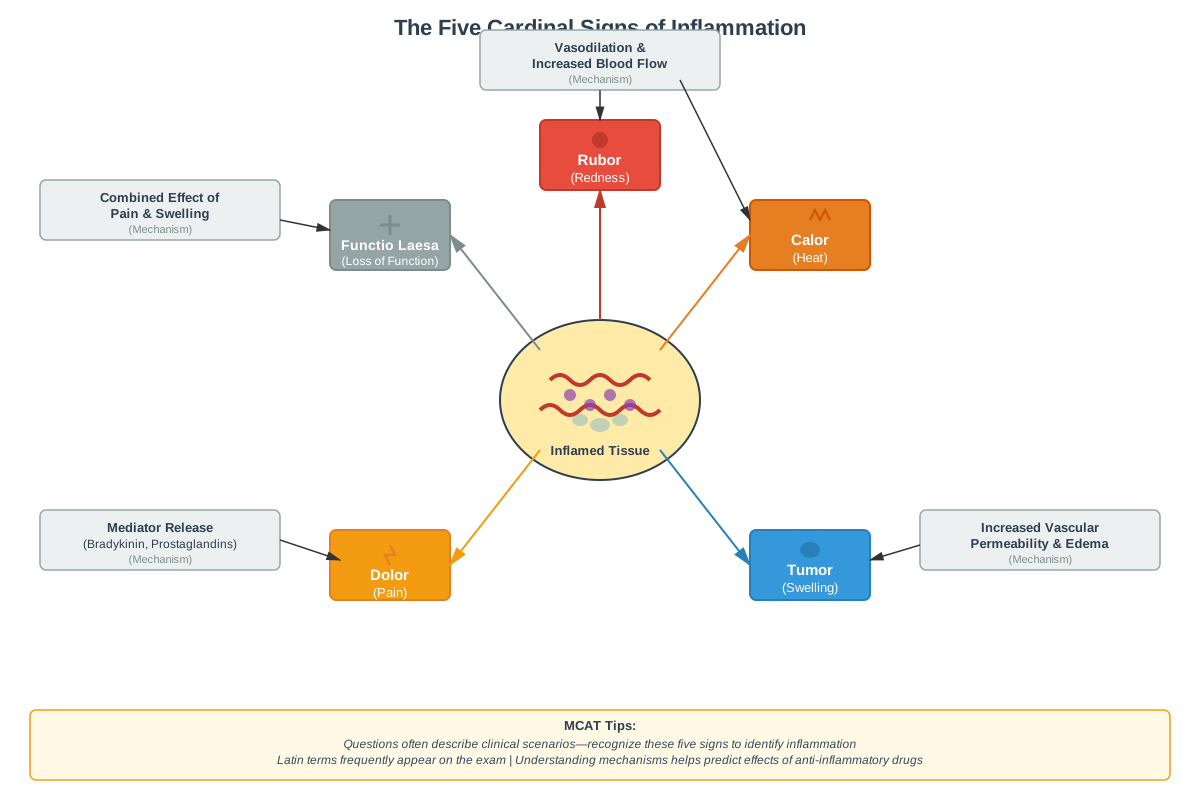
The five cardinal signs of inflammation, first described by ancient Roman physicians and later refined, provide a clinical framework for recognizing inflammatory responses:
- Rubor (redness): Caused by vasodilation and increased blood flow to the affected area
- Calor (heat): Results from increased blood flow and elevated metabolic activity in inflamed tissue
- Tumor (swelling): Due to increased vascular permeability and fluid accumulation in interstitial spaces (edema)
- Dolor (pain): Caused by direct stimulation of pain receptors by inflammatory mediators (bradykinin, prostaglandins) and by pressure from edema
- Functio laesa (loss of function): Results from pain, swelling, and tissue damage limiting normal tissue activity
Understanding the physiological basis of each cardinal sign allows students to connect clinical observations with underlying molecular and cellular mechanisms—a common MCAT question format.
Acute vs. Chronic Inflammation
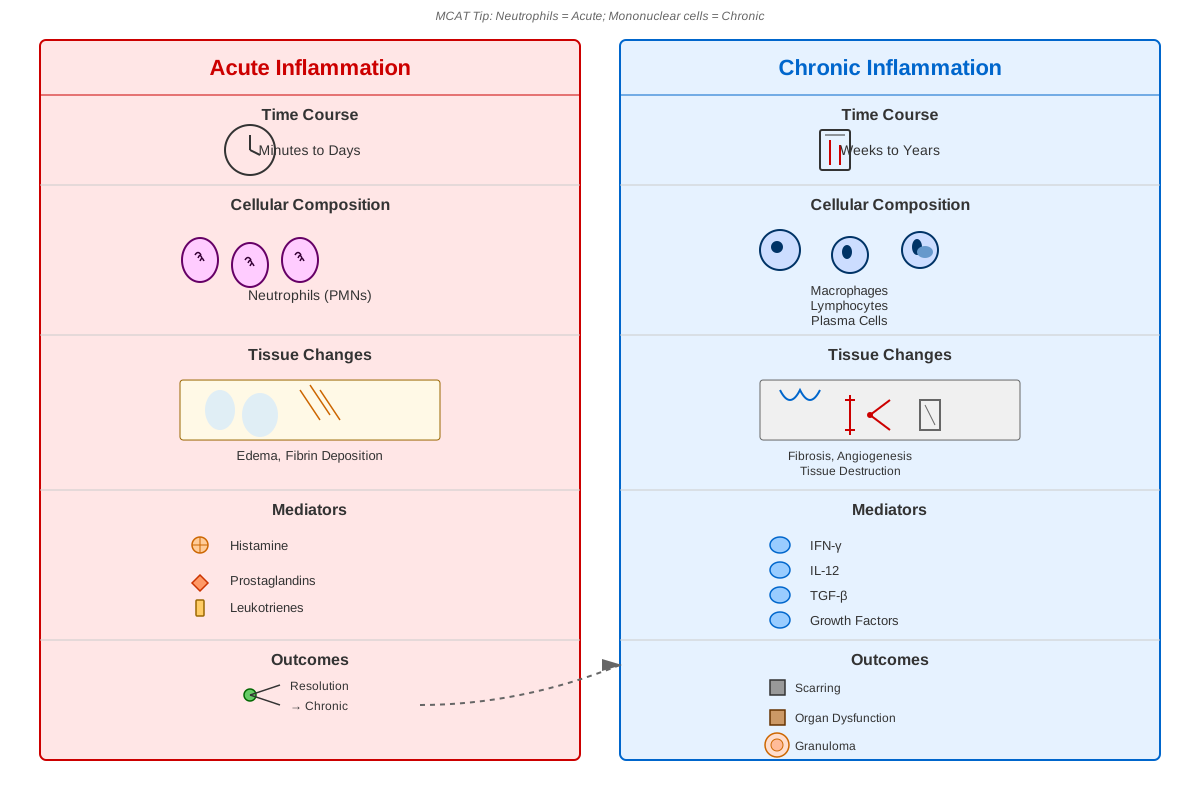
| Feature | Acute Inflammation | Chronic Inflammation |
|---|---|---|
| Onset | Immediate (minutes to hours) | Delayed (days to years) |
| Duration | Short (hours to days) | Prolonged (weeks to years) |
| Primary cells | Neutrophils, followed by monocytes | Macrophages, lymphocytes, plasma cells |
| Tissue changes | Edema, vascular congestion | Fibrosis, tissue destruction, angiogenesis |
| Outcomes | Resolution, abscess formation, or progression to chronic | Tissue destruction and fibrosis |
| Examples | Acute appendicitis, bacterial pneumonia | Tuberculosis, rheumatoid arthritis, atherosclerosis |
Acute inflammation represents the immediate and early response to injury, characterized by vascular changes and neutrophil infiltration. It typically resolves completely with restoration of normal tissue architecture. Chronic inflammation develops when the acute response fails to eliminate the injurious agent, when there is persistent low-level injury, or in autoimmune conditions. The shift from neutrophil to mononuclear cell predominance marks the transition from acute to chronic inflammation.
Vascular Events in Inflammation
The inflammatory response begins with dramatic changes in local blood vessels:
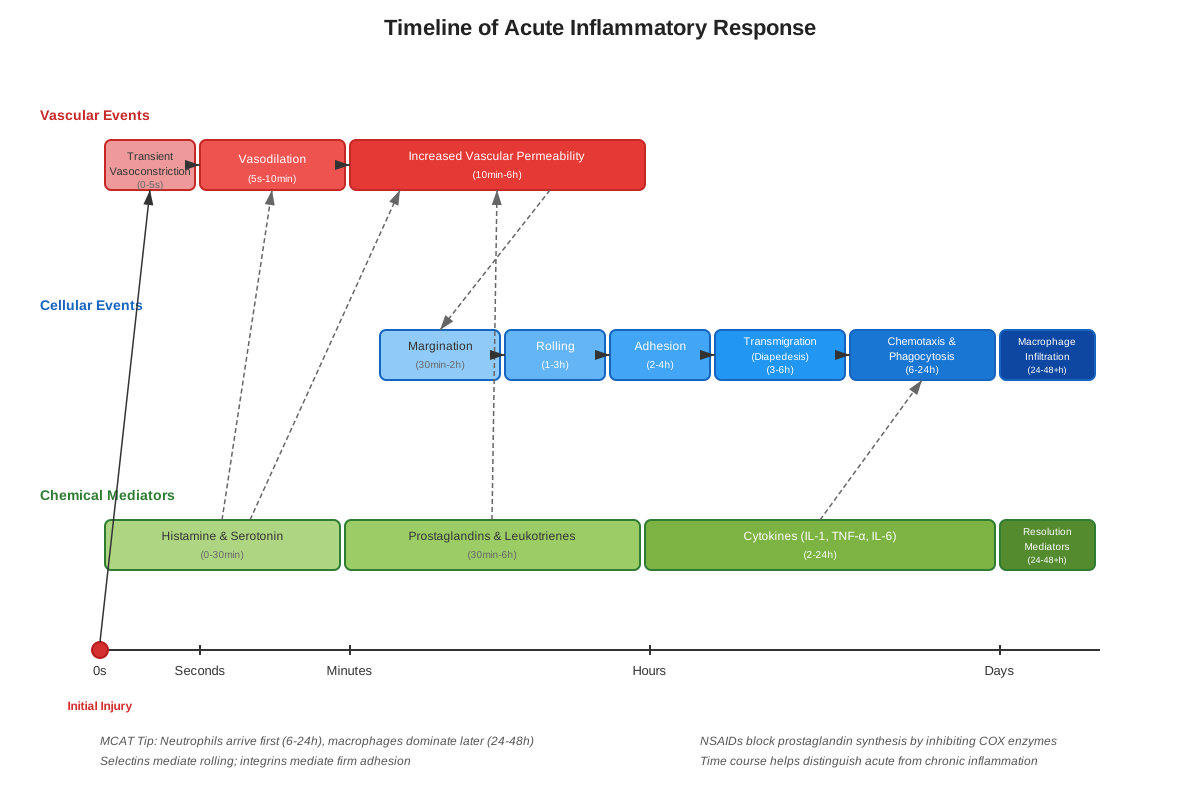
- Transient vasoconstriction (seconds): Immediate arteriolar constriction lasting only moments
- Vasodilation (minutes): Arteriolar dilation increases blood flow, causing redness and heat
- Increased vascular permeability (minutes to hours): Endothelial cells contract, creating gaps between cells that allow fluid and proteins to leak into tissues
- Blood flow changes: Initial increased flow followed by slowing (stasis) as fluid loss increases blood viscosity
These vascular changes are mediated by histamine (from mast cells and basophils), nitric oxide (from endothelial cells), and prostaglandins (from multiple cell types). Increased permeability allows plasma proteins including antibodies and complement components to enter the tissue, enhancing the immune response. The resulting fluid accumulation in interstitial spaces produces edema, one of the cardinal signs.
Cellular Events in Inflammation
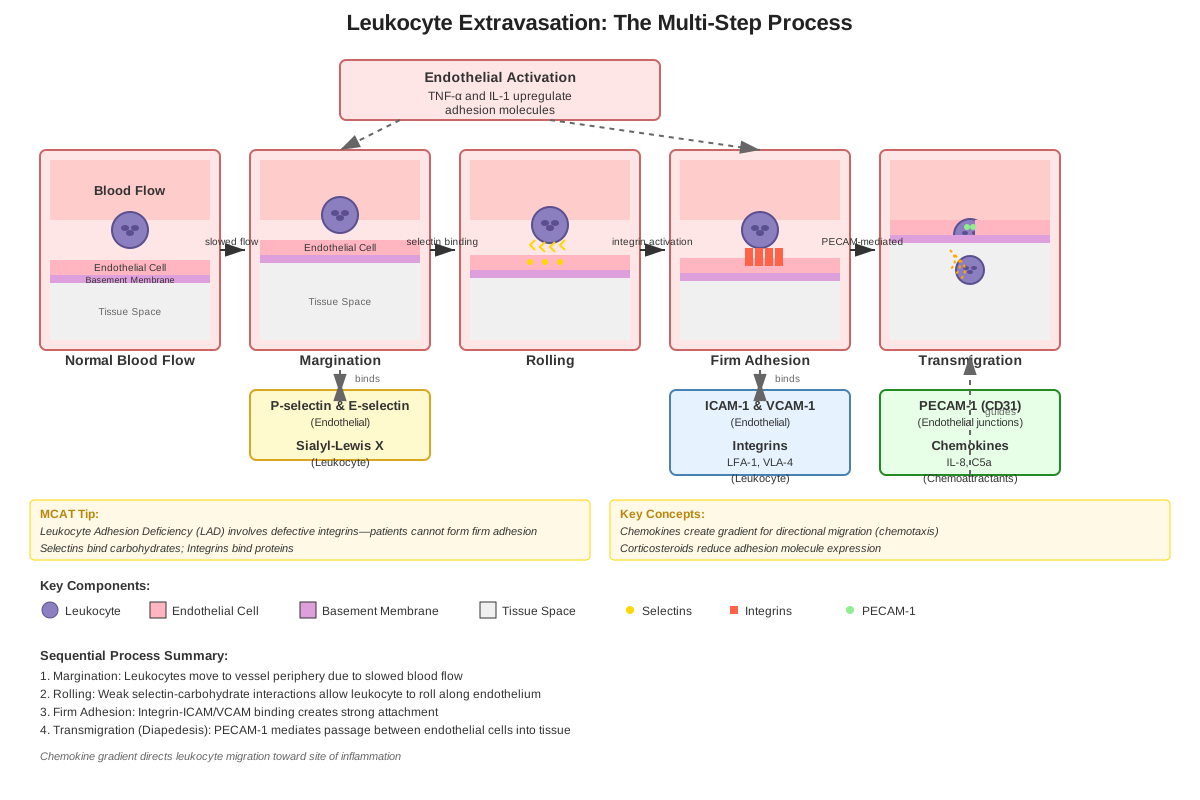
Following vascular changes, leukocytes (primarily neutrophils in acute inflammation) migrate from blood vessels into inflamed tissue through a carefully orchestrated sequence:
- Margination: As blood flow slows, leukocytes move from the central axial column to the periphery near vessel walls
- Rolling: Leukocytes loosely attach to endothelium via selectins (E-selectin, P-selectin on endothelium; L-selectin on leukocytes) and their carbohydrate ligands, rolling along the vessel wall
- Adhesion: Stronger binding occurs through integrins on leukocytes binding to ICAM-1 and VCAM-1 on activated endothelium
- Transmigration (diapedesis): Leukocytes squeeze between endothelial cells, crossing the basement membrane via PECAM-1 (CD31) interactions
- Chemotaxis: Leukocytes migrate through tissue toward the injury site, guided by chemical gradients of chemokines (IL-8, C5a, LTB4, bacterial products)
Once at the injury site, neutrophils and macrophages perform phagocytosis, engulfing pathogens and debris. Recognition occurs through pattern recognition receptors (PRRs) detecting pathogen-associated molecular patterns (PAMPs) or through opsonization by antibodies and complement. Following phagocytosis, microbes are killed through oxygen-dependent mechanisms (respiratory burst producing reactive oxygen species) and oxygen-independent mechanisms (lysozyme, defensins, proteases).
Inflammatory Mediators
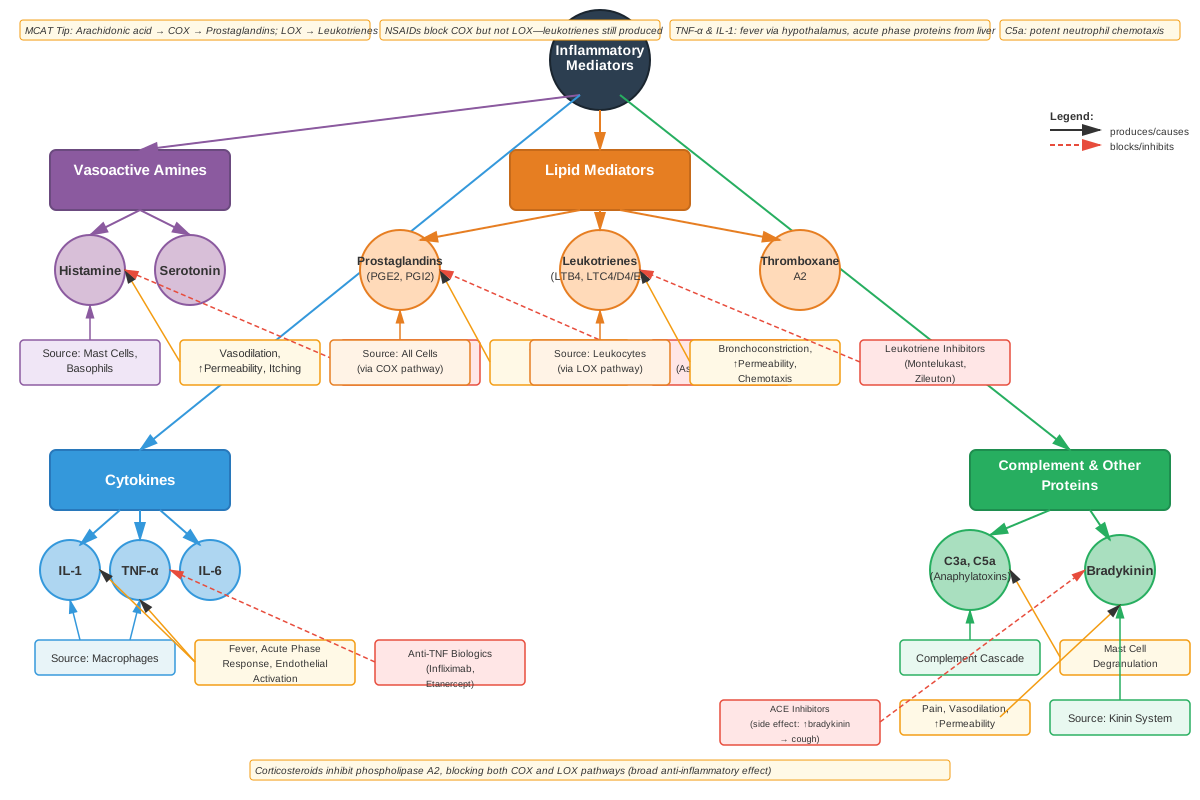
Inflammation involves numerous chemical mediators, each with specific functions:
Cell-derived mediators:
- Histamine: Released from mast cells and basophils; causes vasodilation, increased vascular permeability, and smooth muscle contraction
- Prostaglandins: Synthesized from arachidonic acid via cyclooxygenase (COX) enzymes; PGE2 and PGI2 cause vasodilation, fever, and pain sensitization
- Leukotrienes: Synthesized from arachidonic acid via lipoxygenase; LTB4 is a potent chemotactic agent; LTC4, LTD4, and LTE4 cause vasoconstriction and increased permeability
- Cytokines: IL-1, IL-6, and TNF-α promote fever, acute phase protein synthesis, and endothelial activation
- Chemokines: IL-8 (CXCL8) and others direct leukocyte migration
Plasma-derived mediators:
- Complement components: C3a and C5a (anaphylatoxins) increase vascular permeability and act as chemotactic factors; C5a also activates leukocytes
- Kinins: Bradykinin increases vascular permeability and causes pain
- Coagulation factors: Thrombin and fibrin contribute to inflammation and help wall off infected areas
Understanding the arachidonic acid pathway is particularly high-yield for the MCAT. When cell membranes are damaged, phospholipase A2 releases arachidonic acid from membrane phospholipids. This fatty acid is then metabolized by two pathways: (1) the cyclooxygenase (COX) pathway producing prostaglandins and thromboxanes, and (2) the lipoxygenase pathway producing leukotrienes. NSAIDs like aspirin and ibuprofen inhibit COX enzymes, reducing prostaglandin synthesis and thereby decreasing inflammation, pain, and fever.
Systemic Effects of Inflammation
Local inflammation can trigger systemic responses, particularly when the inflammatory stimulus is severe:
- Fever: IL-1, IL-6, and TNF-α act on the hypothalamus to raise the body's temperature set point, partly through increased prostaglandin E2 synthesis
- Acute phase response: Hepatocytes increase production of acute phase proteins including C-reactive protein (CRP), fibrinogen, and serum amyloid A
- Leukocytosis: Increased white blood cell count in circulation, particularly neutrophils
- Decreased appetite and lethargy: Mediated by cytokines acting on the central nervous system
These systemic manifestations explain common clinical findings like elevated white blood cell counts and CRP levels used to assess inflammation severity.
Outcomes of Inflammation
Acute inflammation can resolve through several pathways:
- Complete resolution: Injury is eliminated, inflammatory mediators dissipate, and tissue architecture is fully restored
- Healing by fibrosis: Substantial tissue destruction leads to replacement with connective tissue (scar formation)
- Abscess formation: Persistent infection may become walled off, creating a pus-filled cavity
- Progression to chronic inflammation: Persistent stimulus or failed resolution leads to chronic inflammatory cell infiltration
The balance between pro-inflammatory and anti-inflammatory signals determines which outcome occurs. Resolution involves active processes including lipoxin and resolvin production, which promote inflammation termination and tissue repair.
Concept Relationships
The inflammatory response represents an integrated cascade where each component builds upon and influences others. The sequence begins with tissue injury or pathogen detection → mast cell degranulation releasing histamine → vasodilation and increased permeability → plasma protein leakage and edema formation → endothelial activation expressing adhesion molecules → leukocyte recruitment through rolling, adhesion, and transmigration → chemotaxis guiding cells to injury site → phagocytosis and pathogen elimination → resolution or progression to chronic inflammation.
This topic connects intimately with prerequisite knowledge of immunology, as inflammation represents the primary mechanism of innate immunity. The cellular players (neutrophils, macrophages, mast cells) and molecular mediators (complement, cytokines) are shared between inflammation and broader immune responses. Cardiovascular physiology provides the foundation for understanding vascular changes, while cell biology explains leukocyte adhesion and migration mechanisms.
Inflammation also connects forward to numerous advanced topics: wound healing depends on inflammatory cell recruitment and growth factor release; atherosclerosis involves chronic vascular inflammation; autoimmune diseases result from inappropriate inflammatory responses to self-antigens; and cancer development is influenced by chronic inflammatory microenvironments. Understanding anti-inflammatory drug mechanisms (NSAIDs, corticosteroids) requires knowledge of inflammatory mediator synthesis pathways, linking this topic to pharmacology.
The relationship between acute and chronic inflammation is particularly important: acute inflammation (neutrophil-predominant, short-duration) can transition to chronic inflammation (macrophage and lymphocyte-predominant, long-duration) when the inciting stimulus persists or resolution mechanisms fail. This transition involves changes in both cellular composition and mediator profiles, with chronic inflammation characterized by simultaneous tissue destruction and repair attempts.
Quick check — test yourself on Inflammation so far.
Try Flashcards →High-Yield Facts
⭐ The five cardinal signs of inflammation are rubor (redness), calor (heat), tumor (swelling), dolor (pain), and functio laesa (loss of function).
⭐ Acute inflammation is characterized by neutrophil infiltration and lasts hours to days, while chronic inflammation features macrophages and lymphocytes and persists for weeks to years.
⭐ Histamine from mast cells causes vasodilation and increased vascular permeability, producing redness, heat, and swelling.
⭐ Leukocyte recruitment follows the sequence: margination → rolling (selectins) → adhesion (integrins binding ICAM/VCAM) → transmigration → chemotaxis.
⭐ Prostaglandins are synthesized from arachidonic acid via cyclooxygenase (COX) enzymes and mediate pain, fever, and vasodilation; NSAIDs inhibit COX to reduce inflammation.
- Leukotrienes are synthesized from arachidonic acid via lipoxygenase; LTB4 is chemotactic while LTC4/D4/E4 increase vascular permeability.
- C5a and C3a (complement anaphylatoxins) increase vascular permeability, act as chemotactic factors, and activate mast cells.
- IL-1, IL-6, and TNF-α are pro-inflammatory cytokines that cause fever, induce acute phase protein synthesis, and activate endothelial cells.
- Bradykinin increases vascular permeability and directly stimulates pain receptors, contributing to the dolor of inflammation.
- Neutrophils are the first responders in acute inflammation (arriving within hours), followed by monocytes that differentiate into macrophages (arriving after 24-48 hours).
- Chronic inflammation can lead to fibrosis through persistent macrophage activation and growth factor release, resulting in excessive collagen deposition.
- Fever results from IL-1, IL-6, and TNF-α acting on the hypothalamus to increase prostaglandin E2 synthesis, raising the temperature set point.
Common Misconceptions
Misconception: Inflammation and infection are the same thing.
Correction: Inflammation is a biological response that can be triggered by infection, but also by sterile injuries (trauma, burns, ischemia, autoimmune reactions). Infection refers specifically to invasion by pathogenic microorganisms, which is just one possible cause of inflammation.
Misconception: All inflammation is harmful and should be suppressed.
Correction: Acute inflammation is a protective response essential for eliminating pathogens and initiating tissue repair. While chronic or excessive inflammation can be damaging, appropriate acute inflammatory responses are necessary for healing. Completely blocking inflammation can impair wound healing and increase infection risk.
Misconception: Neutrophils are the primary cells in all types of inflammation.
Correction: Neutrophils predominate in acute inflammation, but chronic inflammation is characterized by macrophages, lymphocytes, and plasma cells. The cellular composition helps distinguish acute from chronic inflammatory processes and provides diagnostic information.
Misconception: Prostaglandins only cause inflammation.
Correction: While many prostaglandins (PGE2, PGI2) promote inflammation, some prostaglandins and related lipid mediators (lipoxins, resolvins) actually help resolve inflammation and promote tissue repair. The prostaglandin family has diverse and sometimes opposing functions depending on the specific molecule and receptor involved.
Misconception: Increased vascular permeability occurs throughout the entire circulatory system during inflammation.
Correction: Increased vascular permeability is a localized phenomenon occurring primarily in post-capillary venules at the site of injury or infection. This localization allows targeted delivery of immune components while maintaining normal vascular function elsewhere in the body.
Misconception: Fever is caused directly by pathogens.
Correction: Fever results from the body's own inflammatory response, specifically from IL-1, IL-6, and TNF-α acting on the hypothalamus to increase prostaglandin E2 production, which raises the temperature set point. Pathogens trigger this response but do not directly cause fever.
Worked Examples
Example 1: Clinical Vignette Analysis
Question: A 25-year-old woman develops a painful, red, swollen area on her forearm 24 hours after sustaining a minor cut while gardening. Laboratory analysis of fluid from the affected area would most likely show elevated levels of which cell type?
Analysis: This question requires identifying the stage and type of inflammation, then determining the predominant cell type.
Step 1: Identify the inflammatory stage. The 24-hour timeframe and acute presentation (pain, redness, swelling) indicate acute inflammation.
Step 2: Recall the cellular timeline of acute inflammation. Neutrophils are the first responders, arriving within hours and predominating for the first 24-48 hours. Monocytes/macrophages arrive later (24-48 hours) and become predominant after 48-72 hours.
Step 3: At 24 hours, neutrophils would still be the predominant cell type, though monocytes would be beginning to arrive.
Answer: Neutrophils would be most elevated in the fluid sample.
Connection to learning objectives: This example demonstrates application of inflammation concepts to exam-style clinical vignettes, requiring integration of timing, cellular composition, and cardinal signs of acute inflammation.
Example 2: Mechanism-Based Problem
Question: A researcher is studying the effects of a novel drug that selectively blocks P-selectin expression on endothelial cells. In an experimental model of acute inflammation, which of the following processes would be most directly impaired?
A) Vasodilation at the inflammation site
B) Leukocyte rolling along the endothelium
C) Firm adhesion of leukocytes to endothelium
D) Transmigration of leukocytes through vessel walls
Analysis: This question tests understanding of the specific molecular steps in leukocyte recruitment.
Step 1: Recall the leukocyte recruitment sequence and the molecules involved at each step:
- Rolling: Selectins (E-selectin, P-selectin on endothelium; L-selectin on leukocytes)
- Firm adhesion: Integrins on leukocytes binding to ICAM-1 and VCAM-1 on endothelium
- Transmigration: PECAM-1 (CD31) interactions
Step 2: Identify P-selectin's specific role. P-selectin is expressed on activated endothelium and mediates the initial rolling interaction with leukocytes.
Step 3: Determine the direct consequence of blocking P-selectin. Without P-selectin, leukocytes cannot effectively roll along the endothelium, which is the prerequisite for subsequent firm adhesion and transmigration.
Step 4: Evaluate each answer choice:
- A) Vasodilation is mediated by histamine, nitric oxide, and prostaglandins—not selectins
- B) Leukocyte rolling directly requires selectins ✓
- C) Firm adhesion requires integrins and ICAM/VCAM, though it depends on prior rolling
- D) Transmigration requires PECAM-1, though it depends on prior adhesion
Answer: B) Leukocyte rolling along the endothelium would be most directly impaired.
Note: While firm adhesion and transmigration would eventually be affected (since rolling is a prerequisite), the question asks for the "most directly impaired" process, which is rolling itself.
Connection to learning objectives: This example demonstrates how to apply detailed knowledge of inflammatory mechanisms to predict experimental outcomes, a common MCAT question format that tests both factual knowledge and reasoning ability.
Exam Strategy
When approaching inflammation MCAT questions, first identify whether the question concerns acute or chronic inflammation, as this distinction guides predictions about cellular composition, timeline, and outcomes. Look for temporal clues in the question stem: "hours after injury" suggests acute inflammation with neutrophils, while "months of persistent symptoms" indicates chronic inflammation with macrophages and lymphocytes.
Trigger words and phrases to recognize:
- "Redness, heat, swelling, pain" → Think cardinal signs and their physiological basis
- "First responders" or "initial cellular infiltrate" → Neutrophils in acute inflammation
- "Persistent inflammation" or "granuloma formation" → Chronic inflammation with macrophages
- "Increased vascular permeability" → Histamine, complement anaphylatoxins, or leukotrienes
- "Fever and elevated acute phase proteins" → Systemic inflammatory response with IL-1, IL-6, TNF-α
- "Aspirin" or "NSAIDs" → COX inhibition reducing prostaglandin synthesis
Process-of-elimination strategies:
- When asked about cell types, eliminate answers inconsistent with the timeframe (neutrophils for acute, macrophages/lymphocytes for chronic)
- For mediator questions, match the described effect to the mediator's known function (vasodilation vs. chemotaxis vs. pain)
- When evaluating drug mechanisms, trace the pathway from enzyme inhibition to reduced mediator to decreased symptom
- For sequence questions, eliminate answers that place later steps before earlier ones (adhesion cannot precede rolling)
Time allocation: Most inflammation questions can be answered in 60-90 seconds if core concepts are well-memorized. Passage-based questions may require 90-120 seconds to integrate passage information with background knowledge. If a question requires more than 2 minutes, flag it and return later—these questions often test peripheral details rather than high-yield concepts.
Common question formats:
- Identifying which mediator causes a specific symptom (match mediator to function)
- Predicting effects of blocking a specific step (trace downstream consequences)
- Distinguishing acute from chronic based on description (use cellular composition and timeline)
- Explaining NSAID mechanisms (COX inhibition → decreased prostaglandins → reduced inflammation/pain/fever)
- Analyzing experimental data on inflammatory markers (interpret trends in cell counts or mediator levels)
Memory Techniques
Mnemonic for cardinal signs of inflammation: "PRISH"
- Pain (dolor)
- Redness (rubor)
- Immobility/loss of function (functio laesa)
- Swelling (tumor)
- Heat (calor)
Mnemonic for leukocyte recruitment sequence: "MARAT"
- Margination
- Adhesion (actually rolling comes first, but "MRAAT" is harder to remember)
- Rolling
- Adhesion (firm)
- Transmigration
(Better version: "MR. AT" - Margination, Rolling, Adhesion, Transmigration)
Visualization for arachidonic acid pathway: Picture a fork in the road:
- Left path = Cyclooxygenase → Prostaglandins (think "CP" for "Chronic Pain")
- Right path = Lipoxygenase → Leukotrienes (both start with L)
- NSAIDs block the left path (COX), reducing prostaglandins
Acronym for major pro-inflammatory cytokines: "I TNT"
- IL-1
- TNF-α
- (I)L-6 (the second "T" represents "six" rotated)
These cytokines are like TNT—they explode into systemic inflammation causing fever and acute phase response.
Memory aid for acute vs. chronic cellular composition:
- Acute = Neutrophils (Acute and Neutrophils both have sharp, quick sounds)
- Chronic = Macrophages and Lymphocytes (Chronic, Macrophages, Lymphocytes all have softer, longer sounds)
Selectins vs. Integrins:
- Selectins = Slow rolling (loose binding)
- Integrins = Immobilize (firm adhesion)
Summary
Inflammation represents the body's coordinated vascular and cellular response to injury, infection, or irritation, characterized by the five cardinal signs: redness, heat, swelling, pain, and loss of function. This protective mechanism involves dramatic vascular changes (vasodilation and increased permeability) mediated by histamine, prostaglandins, and other chemical mediators, followed by leukocyte recruitment through a precise sequence of margination, rolling, adhesion, and transmigration. Acute inflammation, dominated by neutrophils and lasting hours to days, typically resolves completely or progresses to chronic inflammation when the stimulus persists. Chronic inflammation features macrophages and lymphocytes and can lead to tissue destruction and fibrosis. Key inflammatory mediators include cell-derived factors (histamine, prostaglandins, leukotrienes, cytokines) and plasma-derived factors (complement, kinins), each with specific roles in orchestrating the inflammatory response. Understanding the molecular basis of inflammation explains both clinical manifestations and therapeutic interventions, particularly NSAIDs that inhibit prostaglandin synthesis. For MCAT success, students must master the distinction between acute and chronic inflammation, the sequence of leukocyte recruitment, the functions of major inflammatory mediators, and the physiological basis of inflammation's cardinal signs.
Key Takeaways
- Inflammation is a protective response involving vascular changes and leukocyte recruitment to eliminate injury, clear debris, and initiate repair
- The five cardinal signs (redness, heat, swelling, pain, loss of function) each have specific physiological explanations based on vascular and cellular events
- Acute inflammation (neutrophil-predominant, hours to days) differs fundamentally from chronic inflammation (macrophage/lymphocyte-predominant, weeks to years)
- Leukocyte recruitment follows the invariant sequence: margination → rolling (selectins) → firm adhesion (integrins) → transmigration → chemotaxis
- Major inflammatory mediators include histamine (vasodilation, permeability), prostaglandins (pain, fever, vasodilation), leukotrienes (chemotaxis, permeability), and cytokines (systemic effects)
- NSAIDs reduce inflammation by inhibiting cyclooxygenase enzymes, thereby decreasing prostaglandin synthesis
- Systemic inflammation produces fever, acute phase protein synthesis, and leukocytosis through cytokine action (IL-1, IL-6, TNF-α)
Related Topics
Immune System Components: Mastering inflammation provides foundation for understanding how innate immunity (complement, phagocytes, natural killer cells) and adaptive immunity (T cells, B cells, antibodies) work together to defend against pathogens.
Wound Healing: The inflammatory phase is the first stage of wound healing, followed by proliferation and remodeling. Understanding inflammation is essential for comprehending how tissues repair after injury.
Atherosclerosis: This cardiovascular disease involves chronic inflammation of arterial walls, with macrophages, oxidized LDL, and inflammatory mediators driving plaque formation—a high-yield MCAT topic connecting inflammation to pathology.
Autoimmune Diseases: Conditions like rheumatoid arthritis and inflammatory bowel disease result from inappropriate inflammatory responses to self-antigens, demonstrating how dysregulated inflammation causes disease.
Pharmacology of Anti-inflammatory Drugs: Understanding inflammation mechanisms is prerequisite for learning how NSAIDs, corticosteroids, and biologic agents (anti-TNF antibodies) work, a common interdisciplinary MCAT topic.
Practice CTA
Now that you have mastered the core concepts of inflammation, reinforce your understanding by attempting practice questions and reviewing flashcards on this topic. Focus particularly on questions requiring you to distinguish acute from chronic inflammation, trace the leukocyte recruitment sequence, and predict the effects of blocking specific inflammatory mediators. The more you apply these concepts to exam-style scenarios, the more automatic your recall will become on test day. Remember: inflammation appears frequently on the MCAT in both discrete questions and integrated passages, making your investment in mastering this topic highly valuable for your score. You've built a strong foundation—now solidify it through active practice!
Sign up free to keep reading
Create a free AnvayaPrep account to finish this MCAT guide on Inflammation — plus flashcards and practice questions.