Overview
Lung anatomy is a foundational topic within Physiology and Organ Systems that appears regularly on the MCAT, particularly in passages involving respiratory physiology, gas exchange, and clinical scenarios related to breathing disorders. Understanding the structural organization of the lungs—from the macroscopic lobar divisions down to the microscopic alveolar architecture—is essential for answering questions about ventilation mechanics, diffusion gradients, and disease pathophysiology. The MCAT frequently tests not just rote memorization of anatomical structures, but rather the functional significance of each component and how structural features enable efficient gas exchange.
The respiratory system represents one of the most clinically relevant organ systems tested on the MCAT, and lung anatomy serves as the structural foundation for understanding respiratory physiology. Questions may present clinical vignettes involving pneumonia, emphysema, or pulmonary embolism, requiring students to connect anatomical knowledge with physiological consequences. The branching pattern of the bronchial tree, the histological composition of airway walls, and the relationship between pulmonary vasculature and alveoli all have direct implications for how the lungs perform their primary function: facilitating oxygen uptake and carbon dioxide elimination.
Within Biology, lung anatomy connects to multiple high-yield concepts including surface area-to-volume ratios, diffusion principles, tissue histology, and evolutionary adaptations for terrestrial life. The lungs exemplify how structure determines function—the enormous surface area created by approximately 300 million alveoli, the thinness of the respiratory membrane, and the extensive capillary network all optimize conditions for rapid gas diffusion. Mastering lung anatomy provides the framework for understanding ventilation-perfusion matching, the mechanics of breathing, and how various pathological conditions disrupt normal respiratory function.
Learning Objectives
- [ ] Define Lung anatomy using accurate Biology terminology
- [ ] Explain why Lung anatomy matters for the MCAT
- [ ] Apply Lung anatomy to exam-style questions
- [ ] Identify common mistakes related to Lung anatomy
- [ ] Connect Lung anatomy to related Biology concepts
- [ ] Describe the structural organization of the conducting and respiratory zones
- [ ] Explain the histological differences between bronchi, bronchioles, and alveoli
- [ ] Analyze how anatomical features optimize gas exchange efficiency
- [ ] Predict physiological consequences of anatomical disruptions in lung structure
Prerequisites
- Basic cell biology and tissue types: Understanding epithelial tissue, smooth muscle, and connective tissue is essential for comprehending airway histology
- Cardiovascular anatomy: Knowledge of the pulmonary circulation and systemic circulation helps contextualize the dual blood supply to the lungs
- Gas laws and diffusion: Familiarity with Fick's law and partial pressure gradients provides the physical foundation for understanding why lung structure matters functionally
- Basic thoracic anatomy: Understanding the pleural cavity, diaphragm, and chest wall mechanics connects lung anatomy to breathing mechanics
Why This Topic Matters
Lung anatomy appears in approximately 8-12% of MCAT Biology questions within the Physiology and Organ Systems content category. The MCAT tests this topic through discrete questions about structural features, but more commonly embeds anatomical knowledge within passages about respiratory diseases, exercise physiology, or comparative anatomy. Understanding lung structure is clinically significant because virtually all respiratory pathologies—from asthma to lung cancer—involve disruption of normal anatomical relationships.
Real-world applications include understanding how pneumonia fills alveoli with fluid (reducing surface area for gas exchange), how emphysema destroys alveolar walls (decreasing surface area and elastic recoil), and how pulmonary fibrosis thickens the respiratory membrane (increasing diffusion distance). Medical professionals must understand lung anatomy to interpret chest X-rays, perform bronchoscopy, and understand the rationale for various respiratory treatments.
On the MCAT, lung anatomy commonly appears in passages describing:
- Clinical cases of respiratory disease with physiological data
- Experimental studies manipulating airway resistance or compliance
- Comparative physiology passages contrasting mammalian and avian respiratory systems
- Pharmacology passages about bronchodilators or surfactant replacement therapy
- Exercise physiology scenarios requiring integration of respiratory and cardiovascular function
Core Concepts
Gross Anatomical Organization
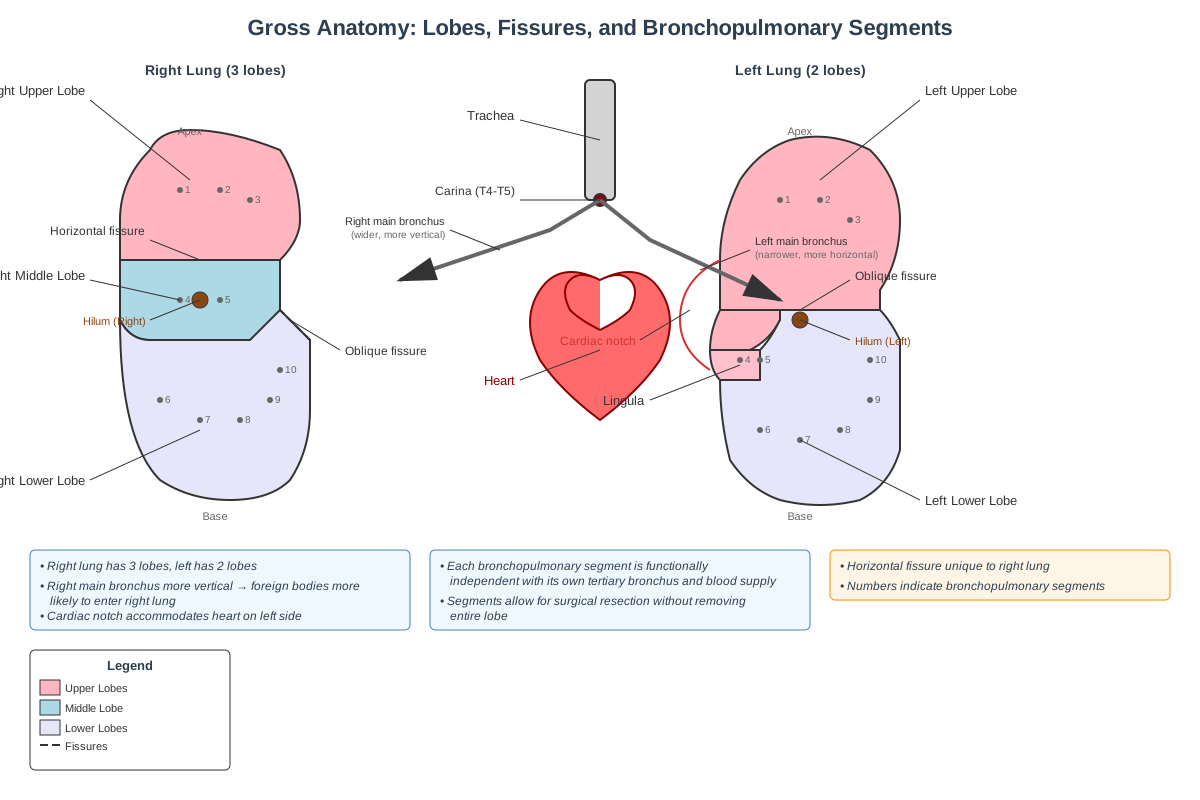
The human respiratory system divides into the upper respiratory tract (nose, pharynx, larynx) and lower respiratory tract (trachea, bronchi, lungs). The lungs themselves are paired organs located in the thoracic cavity, separated by the mediastinum. The right lung contains three lobes (superior, middle, inferior) separated by horizontal and oblique fissures, while the left lung contains only two lobes (superior and inferior) separated by an oblique fissure. This asymmetry accommodates the cardiac notch, an indentation that provides space for the heart.
Each lung is surrounded by a double-layered pleural membrane: the visceral pleura adheres directly to the lung surface, while the parietal pleura lines the thoracic cavity. The intrapleural space between these layers contains a thin film of serous fluid that reduces friction during breathing and creates negative pressure essential for lung inflation. Understanding this anatomical arrangement is crucial for comprehending pneumothorax (air in the pleural space) and pleural effusion (excess fluid accumulation).
Bronchial Tree Architecture
The trachea bifurcates at the carina (approximately at the level of the fifth thoracic vertebra) into the right and left primary bronchi. The right primary bronchus is wider, shorter, and more vertical than the left, making it the more common site for aspirated foreign objects—a high-yield clinical correlation. Each primary bronchus enters its respective lung at the hilum, the region where bronchi, pulmonary vessels, and nerves enter and exit.
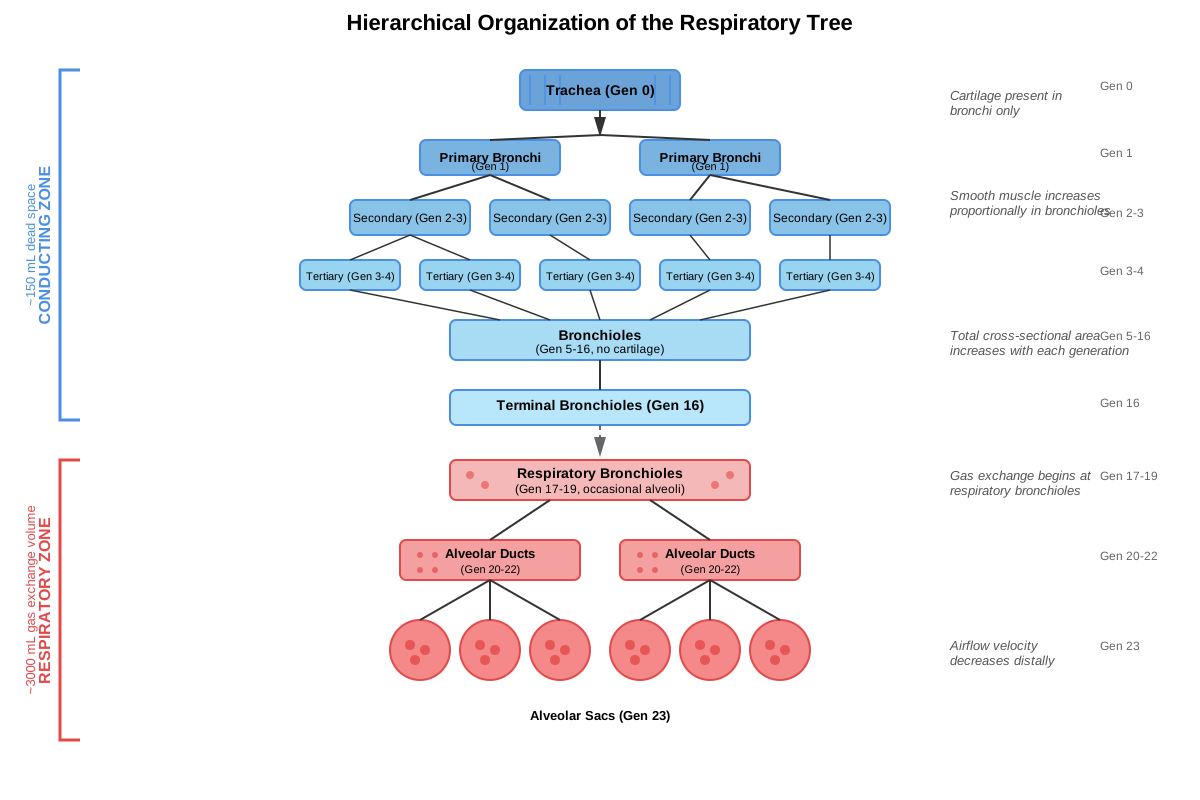
Within each lung, the bronchial tree undergoes approximately 23 generations of branching:
| Generation | Structure | Key Features |
|---|---|---|
| 0 | Trachea | C-shaped cartilage rings, pseudostratified ciliated columnar epithelium |
| 1-3 | Primary, secondary, tertiary bronchi | Complete cartilage rings → plates, smooth muscle, mucus glands |
| 4-11 | Bronchioles | No cartilage, smooth muscle prominent, simple columnar epithelium |
| 12-16 | Terminal bronchioles | Last purely conducting airways, Clara cells present |
| 17-19 | Respiratory bronchioles | First appearance of alveoli in walls |
| 20-22 | Alveolar ducts | Completely lined with alveoli |
| 23 | Alveolar sacs | Terminal clusters of alveoli |
Conducting vs. Respiratory Zones
The conducting zone (generations 0-16) functions purely for air transport and conditioning—warming, humidifying, and filtering inspired air. These airways contain no alveoli and therefore do not participate in gas exchange, constituting the anatomical dead space (approximately 150 mL in adults). The conducting zone features progressively decreasing cartilage support and increasing smooth muscle as airways branch, which has important implications for airway resistance and bronchodilation/bronchoconstriction.
The respiratory zone (generations 17-23) is where gas exchange occurs. This zone contains approximately 300 million alveoli, providing a total surface area of 50-100 square meters—roughly the size of a tennis court. This enormous surface area, combined with the extreme thinness of the respiratory membrane (0.5 micrometers), creates optimal conditions for rapid gas diffusion according to Fick's law.
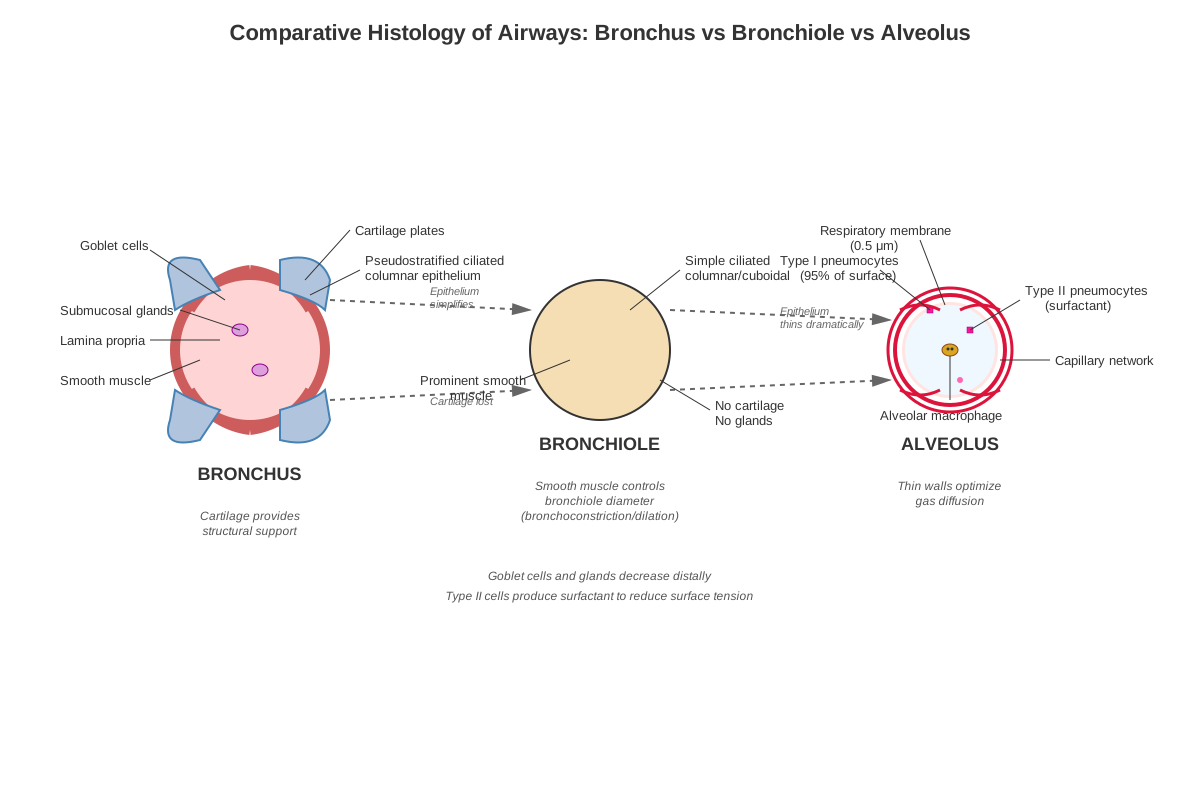
Histological Transitions
As airways progress from trachea to alveoli, systematic histological changes occur:
- Epithelium: Pseudostratified ciliated columnar → simple columnar → simple cuboidal → simple squamous
- Cartilage: Complete rings → irregular plates → absent (bronchioles onward)
- Smooth muscle: Sparse → increasingly prominent → maximal in bronchioles → minimal in alveoli
- Goblet cells and glands: Abundant → decreasing → absent in terminal bronchioles
- Clara cells: Absent → appear in terminal bronchioles (secrete surfactant and detoxifying enzymes)
These transitions reflect functional specialization: proximal airways prioritize protection and conditioning, while distal airways optimize gas exchange efficiency.
Alveolar Microanatomy
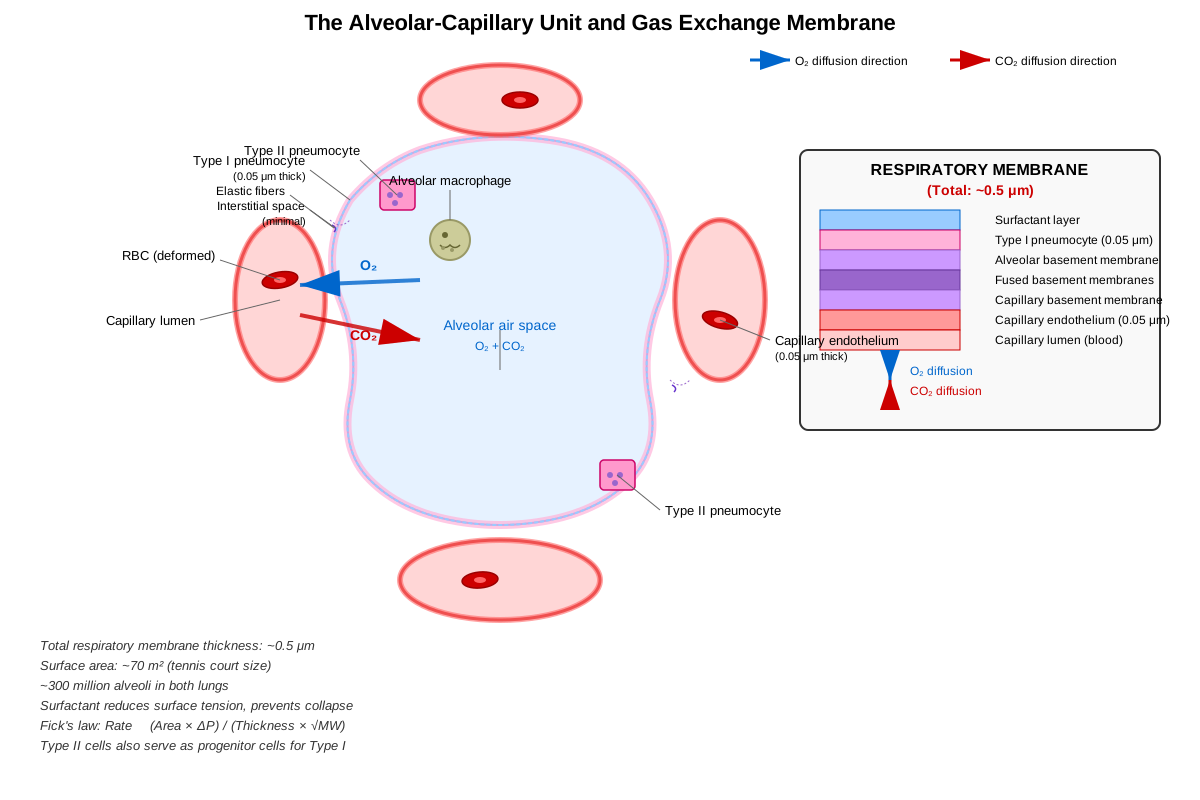
Each alveolus is a thin-walled, cup-shaped structure optimized for gas exchange. The alveolar wall contains three cell types:
Type I pneumocytes (95% of alveolar surface area): Extremely thin squamous cells that form the primary gas exchange surface. Their thinness minimizes diffusion distance.
Type II pneumocytes (5% of surface area but more numerous): Cuboidal cells that secrete pulmonary surfactant, a phospholipid-protein mixture that reduces surface tension and prevents alveolar collapse. Type II cells also serve as progenitor cells that can differentiate into Type I cells after injury.
Alveolar macrophages (dust cells): Mobile phagocytic cells that patrol alveolar surfaces, engulfing inhaled particles and pathogens. These cells represent the final line of defense in the respiratory system's immune protection.
Respiratory Membrane Structure
The respiratory membrane (blood-gas barrier) consists of three layers that gases must cross during diffusion:
- Alveolar epithelium (Type I pneumocyte)
- Fused basement membranes of epithelium and endothelium
- Capillary endothelium
The total thickness averages only 0.5 micrometers, facilitating rapid diffusion. The extensive capillary network surrounding alveoli ensures that blood is exposed to alveolar air for sufficient time (approximately 0.75 seconds at rest) for complete equilibration of oxygen and carbon dioxide.
Pulmonary Vasculature
The lungs receive blood from two sources, creating a dual circulation:
Pulmonary circulation: Deoxygenated blood from the right ventricle travels via pulmonary arteries to the alveolar capillary network for gas exchange, then returns oxygenated blood via pulmonary veins to the left atrium. This is a low-pressure, high-flow system.
Bronchial circulation: Oxygenated blood from the thoracic aorta supplies the bronchi and connective tissue of the lungs via bronchial arteries. This represents only 1-2% of cardiac output and provides metabolic support to lung tissue.
Understanding this dual circulation is essential for comprehending pulmonary embolism (blockage of pulmonary arteries) versus bronchial artery bleeding in certain pathologies.
Concept Relationships
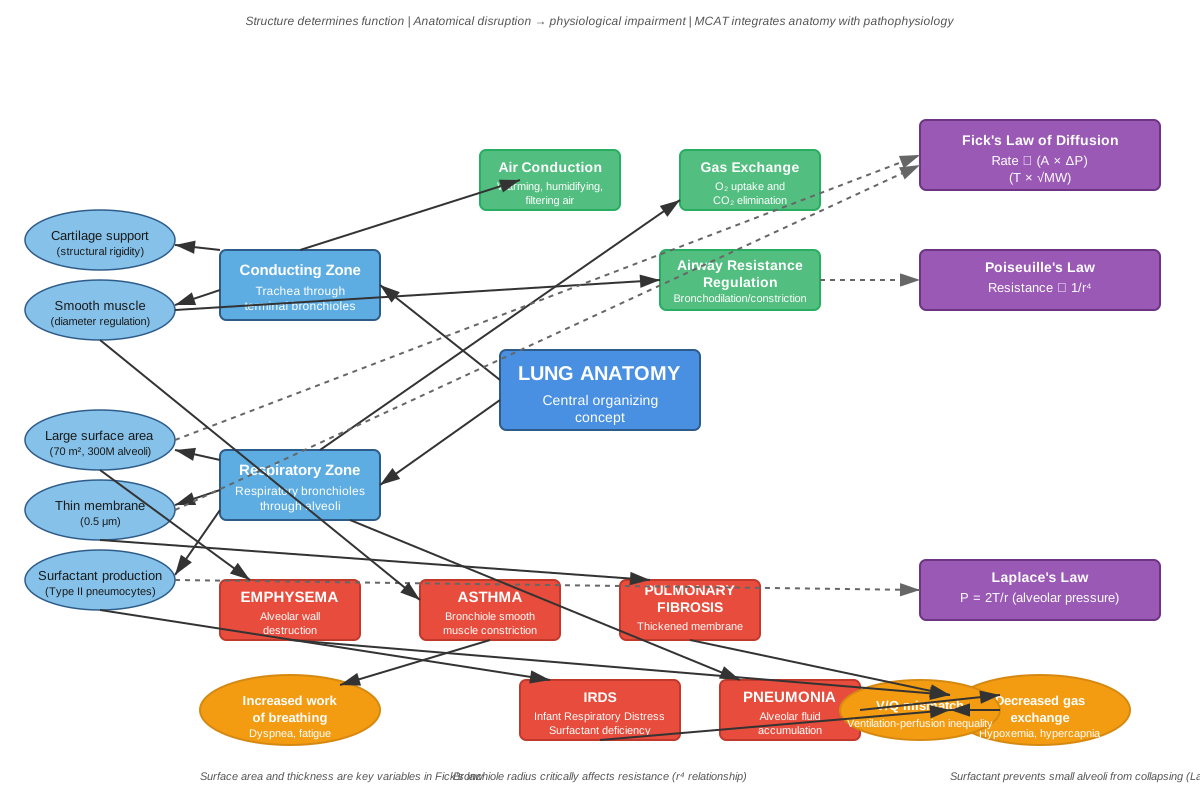
The hierarchical organization of lung anatomy creates a functional cascade: Gross anatomical structure (lobes, pleura) → Bronchial tree branching → Histological specialization → Alveolar microanatomy → Gas exchange efficiency. Each level of organization enables the next level's function.
The transition from conducting to respiratory zones represents a fundamental shift from air conditioning and protection to gas exchange optimization. The progressive loss of cartilage and increase in smooth muscle in bronchioles connects to autonomic nervous system control of airway diameter, which in turn affects airway resistance and ventilation distribution.
Alveolar anatomy directly connects to multiple physiological principles: the enormous surface area relates to surface area-to-volume ratios in cell biology; the thin respiratory membrane exemplifies diffusion optimization according to Fick's law; surfactant production by Type II pneumocytes connects to surface tension and LaPlace's law; and the extensive capillary network relates to perfusion and ventilation-perfusion matching.
Understanding lung anatomy enables comprehension of pathophysiology: emphysema destroys alveolar walls (reducing surface area), pulmonary fibrosis thickens the respiratory membrane (increasing diffusion distance), asthma causes bronchiolar smooth muscle constriction (increasing airway resistance), and pneumonia fills alveoli with fluid (creating shunt and reducing functional surface area).
Quick check — test yourself on Lung anatomy so far.
Try Flashcards →High-Yield Facts
⭐ The right lung has three lobes while the left lung has two lobes to accommodate the cardiac notch
⭐ The right primary bronchus is wider, shorter, and more vertical than the left, making it the preferential site for aspirated foreign bodies
⭐ Cartilage disappears at the level of bronchioles, making these airways dependent on radial traction from surrounding lung tissue to remain patent
⭐ The conducting zone (generations 0-16) constitutes anatomical dead space of approximately 150 mL and does not participate in gas exchange
⭐ Type II pneumocytes secrete pulmonary surfactant, which reduces surface tension and prevents alveolar collapse, particularly in small alveoli
- The respiratory membrane is only 0.5 micrometers thick, optimizing conditions for rapid gas diffusion
- Approximately 300 million alveoli provide a total surface area of 50-100 square meters for gas exchange
- Clara cells in terminal bronchioles secrete surfactant components and detoxifying enzymes
- The intrapleural space maintains negative pressure (approximately -5 cm H₂O at rest) essential for lung inflation
- Alveolar macrophages serve as the final immune defense mechanism, phagocytosing inhaled particles and pathogens
Common Misconceptions
Misconception: All airways participate in gas exchange.
Correction: Only the respiratory zone (respiratory bronchioles, alveolar ducts, and alveolar sacs) participates in gas exchange. The conducting zone serves only for air transport and conditioning, constituting anatomical dead space.
Misconception: The lungs are symmetrical organs with identical structure.
Correction: The right lung has three lobes while the left has only two. The left lung is smaller and has a cardiac notch to accommodate the heart. The right primary bronchus is also structurally different from the left (wider, shorter, more vertical).
Misconception: Cartilage extends throughout the entire bronchial tree to the alveoli.
Correction: Cartilage disappears at the level of bronchioles. Bronchioles and smaller airways lack cartilage and rely on smooth muscle and radial traction from surrounding elastic tissue to maintain patency.
Misconception: Type I pneumocytes produce surfactant.
Correction: Type II pneumocytes produce and secrete pulmonary surfactant. Type I pneumocytes are extremely thin squamous cells specialized for gas diffusion, not secretion.
Misconception: The pleural space is a large, air-filled cavity.
Correction: The intrapleural space is a potential space containing only a thin film of serous fluid (approximately 10-20 mL). It normally contains no air; the presence of air indicates pathology (pneumothorax).
Misconception: Smooth muscle is most abundant in the trachea and large bronchi.
Correction: Smooth muscle becomes progressively more prominent in smaller airways, reaching maximum relative abundance in bronchioles. This makes bronchioles particularly susceptible to bronchoconstriction in conditions like asthma.
Misconception: All blood flowing through the lungs participates in gas exchange.
Correction: While pulmonary circulation blood undergoes gas exchange, bronchial circulation blood (1-2% of cardiac output) supplies the airways themselves and does not participate in gas exchange at the alveolar level.
Worked Examples
Example 1: Clinical Vignette Analysis
Question: A 4-year-old child is brought to the emergency department after aspirating a peanut. Chest X-ray reveals the foreign body lodged in the right lung. Based on anatomical considerations, which bronchus did the peanut most likely enter, and why?
Step 1 - Identify relevant anatomy: The question requires knowledge of the bronchial tree structure, specifically the differences between right and left primary bronchi.
Step 2 - Recall structural differences: The right primary bronchus is wider, shorter, and more vertically oriented compared to the left primary bronchus, which is narrower, longer, and more horizontal.
Step 3 - Apply functional reasoning: The more vertical orientation of the right primary bronchus means that aspirated objects falling down the trachea are more likely to continue straight into the right bronchus due to gravity and airflow patterns.
Step 4 - Formulate answer: The peanut most likely entered the right primary bronchus because its wider diameter and more vertical orientation (approximately 25° from vertical compared to 45° for the left) make it the preferential pathway for aspirated foreign bodies.
Connection to learning objectives: This example demonstrates application of lung anatomy to clinical scenarios, a common MCAT question format that tests both anatomical knowledge and reasoning ability.
Example 2: Experimental Data Interpretation
Question: Researchers measure the total cross-sectional area at different levels of the bronchial tree. They find that despite individual airways becoming smaller with each generation, the total cross-sectional area increases dramatically from trachea to alveoli. How does this anatomical feature affect air velocity and gas exchange?
Step 1 - Understand the anatomical principle: While individual airways decrease in diameter with branching, the number of airways increases exponentially (each airway branches into two or more), resulting in enormous total cross-sectional area at the alveolar level.
Step 2 - Apply fluid dynamics: According to the continuity equation (A₁V₁ = A₂V₂), when cross-sectional area increases, velocity must decrease if flow rate remains constant.
Step 3 - Connect to function: As air moves from trachea (small total cross-sectional area, high velocity) to alveoli (enormous total cross-sectional area, very low velocity), air velocity decreases dramatically. At the alveolar level, air moves very slowly, allowing sufficient time for diffusion equilibrium.
Step 4 - Synthesize answer: The exponential increase in total cross-sectional area from conducting zone to respiratory zone causes air velocity to decrease from approximately 150 cm/sec in the trachea to nearly zero in alveoli. This slow movement maximizes contact time between alveolar air and capillary blood (approximately 0.75 seconds), ensuring complete equilibration of oxygen and carbon dioxide across the respiratory membrane.
Connection to learning objectives: This example integrates anatomical structure with physical principles and physiological function, demonstrating how the MCAT tests conceptual understanding rather than memorization.
Exam Strategy
When approaching MCAT questions on lung anatomy, first identify whether the question focuses on structure-function relationships, clinical applications, or comparative anatomy. Questions rarely test pure memorization; instead, they require applying anatomical knowledge to novel scenarios.
Trigger words to recognize:
- "Aspirated foreign body" → think right primary bronchus anatomy
- "Surface area for gas exchange" → think alveolar number and structure
- "Anatomical dead space" → think conducting zone
- "Surfactant deficiency" → think Type II pneumocytes and premature infants
- "Pneumothorax" → think pleural anatomy and negative pressure
- "Airway resistance" → think bronchiolar smooth muscle and cartilage absence
Process-of-elimination strategies:
- Eliminate options that confuse conducting and respiratory zones
- Eliminate options that attribute surfactant production to Type I pneumocytes
- Eliminate options suggesting symmetry between right and left lungs
- Eliminate options that place cartilage in bronchioles or alveoli
Time allocation: Spend 10-15 seconds identifying the anatomical structure in question, then 30-45 seconds connecting that structure to the functional or clinical scenario presented. Don't get bogged down trying to recall every detail; focus on the functional significance of the structure mentioned.
Common question formats:
- Clinical vignettes requiring anatomical knowledge to explain symptoms
- Experimental passages manipulating specific anatomical features
- Comparative anatomy passages contrasting mammalian and other respiratory systems
- Graph interpretation showing relationships between anatomical measurements and physiological variables
Exam Tip: When a passage describes a respiratory disease, immediately consider which anatomical structures are affected and how that disruption would alter normal function. The MCAT rewards this structure-function thinking.
Memory Techniques
Mnemonic for right vs. left lung lobes: "The RIGHT lung is RIGHT-handed" (3 lobes, like 3 fingers plus thumb and pinky on right hand), while "LEFT has LESS" (2 lobes)
Mnemonic for bronchial tree generations: "Can't Breathe Properly Before Reaching Alveolar Air"
- Conducting zone (0-16)
- Bronchioles (4-16)
- Purely conducting ends at terminal Bronchioles (16)
- Respiratory zone begins (17)
- Alveoli appear
- Alveolar sacs terminate (23)
Visualization for Type I vs. Type II pneumocytes: Picture Type I as "Incredibly thin" (for gas exchange), and Type II as "IIssuing surfactant" (secretory function)
Acronym for respiratory membrane layers: ABE (from alveolar air to blood)
- Alveolar epithelium
- Basement membranes (fused)
- Endothelium (capillary)
Memory aid for cartilage distribution: "Cartilage Ceases at Conducting zone's Conclusion" (cartilage disappears when bronchioles begin)
Conceptual visualization: Imagine the bronchial tree as an inverted tree where the trunk (trachea) branches into progressively smaller branches (bronchi, bronchioles), ending in leaves (alveoli). The trunk and major branches have rigid support (cartilage), while smaller branches are flexible (smooth muscle), and leaves are delicate and numerous (thin alveolar walls).
Summary
Lung anatomy encompasses the structural organization of the respiratory system from gross anatomical features down to microscopic alveolar architecture. The lungs are asymmetric organs—the right lung contains three lobes while the left contains two—surrounded by pleural membranes that create negative intrapleural pressure essential for ventilation. The bronchial tree undergoes approximately 23 generations of branching, transitioning from cartilage-supported conducting airways to smooth muscle-rich bronchioles to alveoli-lined respiratory structures. The conducting zone (generations 0-16) serves air transport and conditioning without participating in gas exchange, while the respiratory zone (generations 17-23) contains approximately 300 million alveoli providing enormous surface area for gas diffusion. Systematic histological changes occur throughout the bronchial tree, with progressive loss of cartilage, increase in smooth muscle, and simplification of epithelium optimizing distal airways for gas exchange. Type II pneumocytes produce surfactant that prevents alveolar collapse, while the extremely thin respiratory membrane (0.5 micrometers) facilitates rapid gas diffusion. Understanding these structural features and their functional implications is essential for answering MCAT questions involving respiratory physiology, pathophysiology, and clinical scenarios.
Key Takeaways
- The right lung has three lobes and a wider, more vertical primary bronchus, making it the preferential site for aspirated foreign bodies
- The conducting zone (generations 0-16) constitutes anatomical dead space and does not participate in gas exchange
- Cartilage disappears at the bronchiolar level, making these airways dependent on smooth muscle tone and radial traction for patency
- Type II pneumocytes secrete pulmonary surfactant, which reduces surface tension and prevents alveolar collapse according to LaPlace's law
- Approximately 300 million alveoli provide 50-100 square meters of surface area, and the 0.5-micrometer-thick respiratory membrane optimizes gas diffusion
- The intrapleural space maintains negative pressure essential for lung inflation; disruption causes pneumothorax
- Systematic histological transitions throughout the bronchial tree reflect functional specialization from air conditioning to gas exchange
Related Topics
Respiratory Physiology: Understanding lung anatomy provides the structural foundation for studying ventilation mechanics, gas exchange, and ventilation-perfusion matching. Mastery of anatomical features like pleural pressure and alveolar structure is prerequisite for understanding compliance, resistance, and diffusion capacity.
Pulmonary Pathophysiology: Diseases like emphysema, asthma, pneumonia, and pulmonary fibrosis all involve disruption of normal lung anatomy. Understanding baseline structure enables prediction of how various pathologies alter function.
Cardiovascular Physiology: The pulmonary circulation and its relationship to systemic circulation requires integration of lung anatomy with cardiac output, blood pressure regulation, and oxygen transport.
Acid-Base Balance: The lungs' role in regulating blood pH through CO₂ elimination depends on efficient gas exchange enabled by optimal anatomical structure.
Comparative Anatomy: Understanding mammalian lung structure provides context for comparing respiratory adaptations across species, a topic that occasionally appears in MCAT passages.
Practice CTA
Now that you've mastered the structural foundation of the respiratory system, test your understanding with practice questions and flashcards focusing on lung anatomy. Challenge yourself with clinical vignettes that require applying anatomical knowledge to novel scenarios—this is exactly how the MCAT will test this material. Remember, the goal isn't just memorizing structures, but understanding how anatomical features enable physiological functions and how disruptions cause disease. Your solid grasp of lung anatomy will serve as the foundation for mastering respiratory physiology and pathophysiology. Keep pushing forward—you're building the comprehensive knowledge base needed for MCAT success!
Sign up free to keep reading
Create a free AnvayaPrep account to finish this MCAT guide on Lung anatomy — plus flashcards and practice questions.