Overview
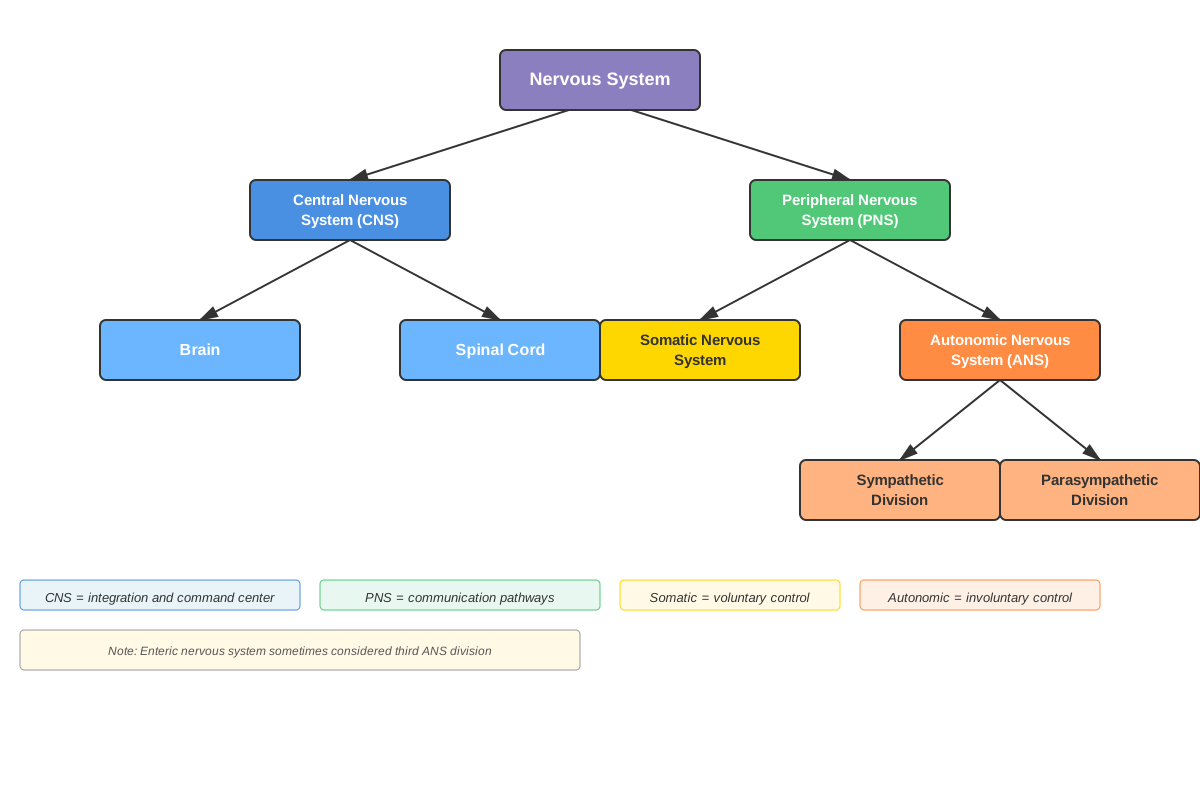
The nervous system organization represents one of the most fundamental frameworks in human physiology and organ systems, serving as the body's primary communication and control network. Understanding how the nervous system is structurally and functionally divided is essential for mastering Biology concepts tested on the MCAT, particularly those involving sensory processing, motor control, homeostasis, and integration of physiological responses. The nervous system's hierarchical organization—from the central nervous system (CNS) to the peripheral nervous system (PNS), and further subdivisions into somatic, autonomic, sympathetic, and parasympathetic components—provides the architectural blueprint for understanding how organisms detect environmental changes, process information, and execute appropriate responses.
For MCAT success, students must grasp not only the anatomical divisions of the nervous system organization but also the functional relationships between these divisions. This topic frequently appears in passages involving reflex arcs, autonomic regulation of organ systems, neurotransmitter function, and disease states affecting specific nervous system components. The MCAT tests this material through both discrete questions and passage-based questions that integrate nervous system function with cardiovascular, respiratory, digestive, and endocrine systems.
The nervous system organization serves as a conceptual foundation for understanding neurophysiology, neurotransmission, sensory systems, and behavioral responses—all high-yield MCAT topics. Mastery of this organizational framework enables students to predict physiological outcomes, understand drug mechanisms, interpret experimental data involving neural pathways, and analyze clinical scenarios. This topic bridges cellular neuroscience (action potentials, synaptic transmission) with systems-level physiology (organ regulation, homeostatic control), making it an integrative cornerstone of Biology knowledge required for the exam.
Learning Objectives
- [ ] Define nervous system organization using accurate Biology terminology
- [ ] Explain why nervous system organization matters for the MCAT
- [ ] Apply nervous system organization to exam-style questions
- [ ] Identify common mistakes related to nervous system organization
- [ ] Connect nervous system organization to related Biology concepts
- [ ] Distinguish between structural and functional divisions of the nervous system
- [ ] Predict physiological outcomes based on activation of specific nervous system divisions
- [ ] Analyze experimental scenarios involving nervous system pathways and their effects on target organs
Prerequisites
- Basic cell biology: Understanding of cell membranes, ion gradients, and cellular communication is essential for comprehending how neurons transmit signals across the nervous system
- Action potential physiology: Knowledge of depolarization, repolarization, and propagation of electrical signals provides the mechanistic basis for neural communication within organized pathways
- Neurotransmitter basics: Familiarity with chemical messengers enables understanding of how different nervous system divisions communicate with target tissues
- Anatomical terminology: Directional terms (anterior/posterior, superior/inferior, proximal/distal) and basic body organization facilitate navigation through nervous system structures
Why This Topic Matters
Clinical and Real-World Significance
Nervous system organization underpins virtually every clinical condition involving neurological or psychiatric dysfunction. Stroke patients experience deficits corresponding to specific CNS regions; spinal cord injuries produce predictable patterns of sensory and motor loss based on the level of damage; autonomic dysfunction affects cardiovascular regulation, digestion, and thermoregulation. Pharmacological interventions targeting the nervous system—from beta-blockers affecting sympathetic activity to anticholinergics modulating parasympathetic function—require understanding of nervous system divisions to predict therapeutic effects and side effects. Anesthesiologists manipulate different nervous system components to achieve desired levels of consciousness, analgesia, and muscle relaxation.
MCAT Exam Statistics and Question Types
Nervous system organization appears in approximately 8-12% of Biology/Biochemistry section questions, either as discrete items or integrated within passages. The MCAT frequently tests this topic through:
- Experimental passages describing neural pathway manipulations and asking students to predict outcomes
- Clinical vignettes presenting symptoms and requiring identification of affected nervous system divisions
- Data interpretation questions involving autonomic measurements (heart rate, blood pressure, pupil diameter)
- Mechanism questions asking how drugs or diseases affect specific nervous system components
Questions often integrate nervous system organization with endocrine function (hypothalamic-pituitary axis), cardiovascular physiology (baroreceptor reflexes), or behavioral science (stress responses). The MCAT particularly favors questions requiring students to distinguish between sympathetic and parasympathetic effects on various organs, making this a high-yield area for focused study.
Core Concepts
Major Structural Divisions
The nervous system organization begins with two primary structural divisions: the central nervous system (CNS) and the peripheral nervous system (PNS). The CNS comprises the brain and spinal cord, serving as the integrative and command center for all neural activity. Protected by bone (skull and vertebral column), meninges (dura mater, arachnoid mater, pia mater), and cerebrospinal fluid, the CNS processes sensory information, generates motor commands, and coordinates higher-order functions including cognition, emotion, and memory.
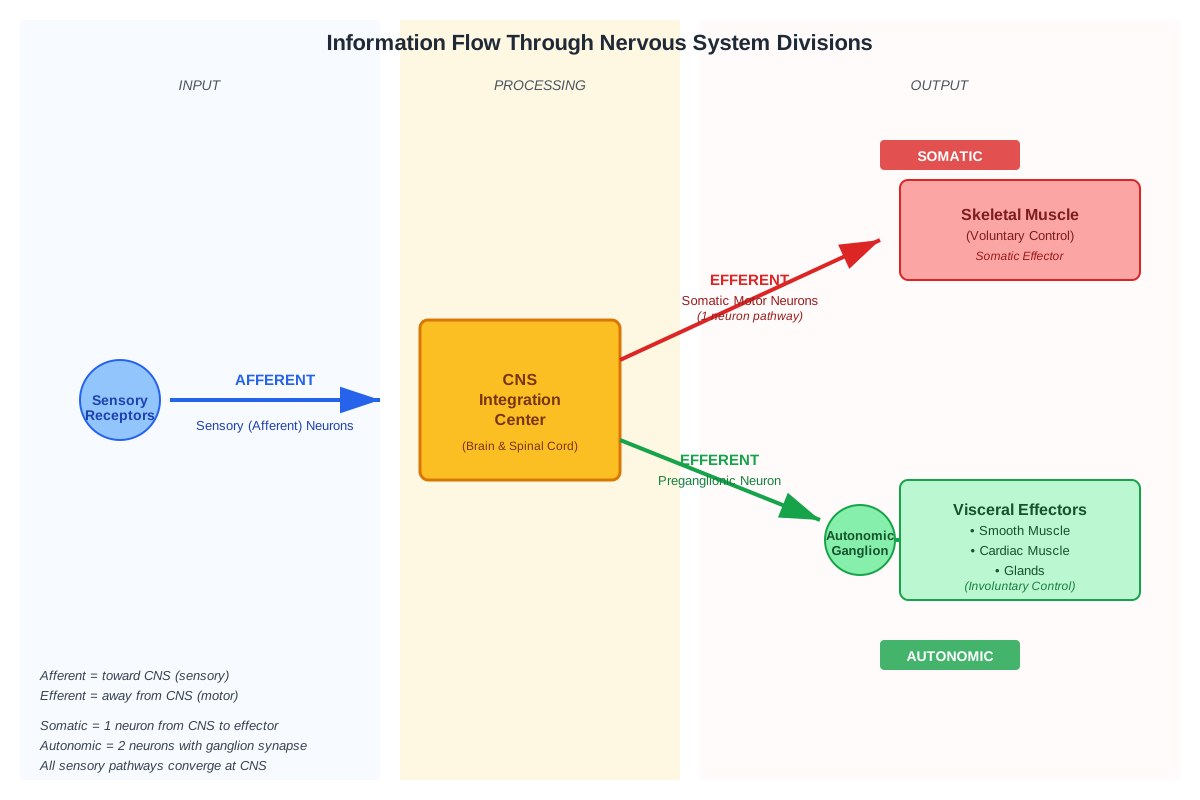
The PNS consists of all neural tissue outside the CNS, including cranial nerves (12 pairs emerging from the brain), spinal nerves (31 pairs emerging from the spinal cord), and their associated ganglia. The PNS serves as the communication highway between the CNS and the rest of the body, carrying sensory information toward the CNS (afferent pathways) and motor commands away from the CNS (efferent pathways). This bidirectional flow of information enables the nervous system to monitor internal and external environments while executing appropriate responses.
Functional Divisions of the Peripheral Nervous System
The PNS divides functionally into the somatic nervous system and the autonomic nervous system, each serving distinct roles in organismal function.
Somatic Nervous System
The somatic nervous system controls voluntary movements and processes conscious sensory information. Its motor component innervates skeletal muscles through single-neuron pathways extending from the CNS directly to neuromuscular junctions. Somatic motor neurons release acetylcholine at these junctions, causing muscle contraction. The somatic sensory component carries information about touch, pressure, temperature, pain, and proprioception from skin, joints, and skeletal muscles to the CNS for conscious perception. This system enables deliberate interaction with the environment—reaching for objects, walking, speaking, and responding to sensory stimuli.
Autonomic Nervous System
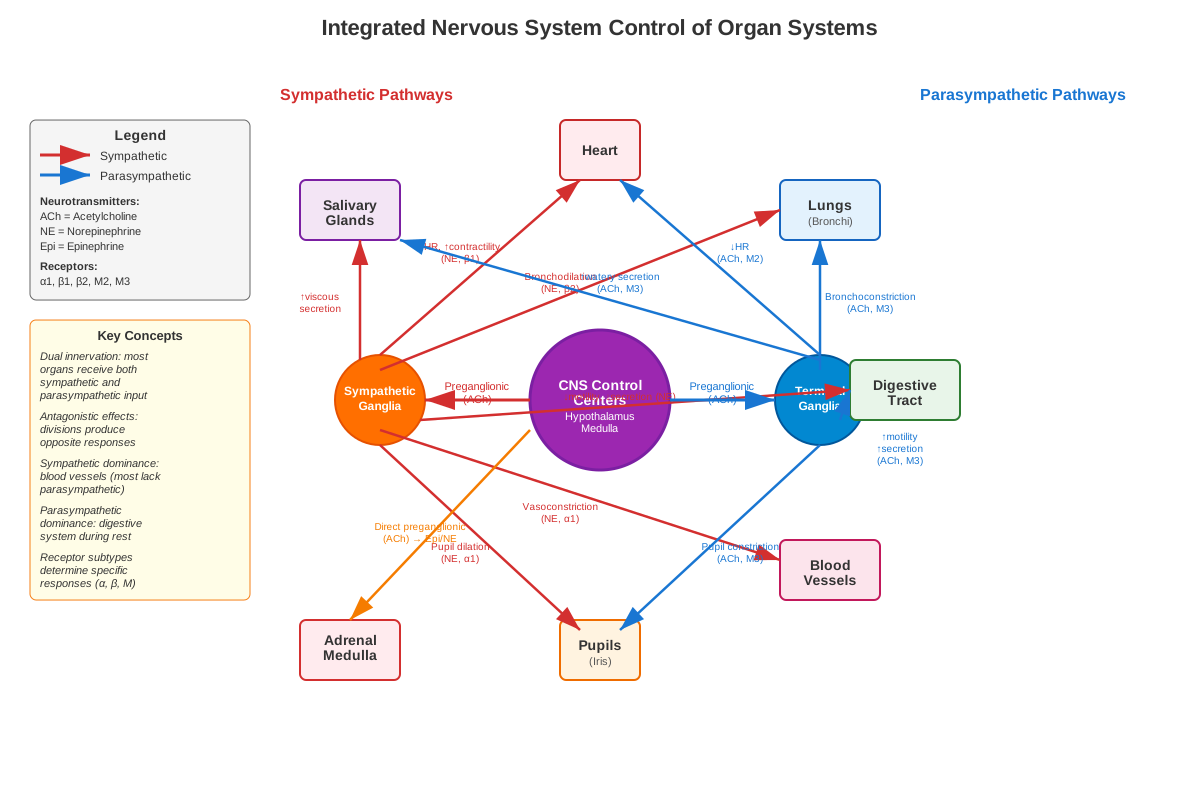
The autonomic nervous system (ANS) regulates involuntary functions, maintaining homeostasis by controlling smooth muscle, cardiac muscle, and glands. Unlike the somatic system's single-neuron motor pathway, autonomic pathways involve two neurons: a preganglionic neuron with its cell body in the CNS and a postganglionic neuron with its cell body in an autonomic ganglion. This two-neuron arrangement allows for integration and modulation of autonomic signals before they reach target organs.
The ANS subdivides into three components: sympathetic, parasympathetic, and enteric divisions, each with distinct anatomical origins, neurotransmitter profiles, and physiological effects.
Sympathetic Division
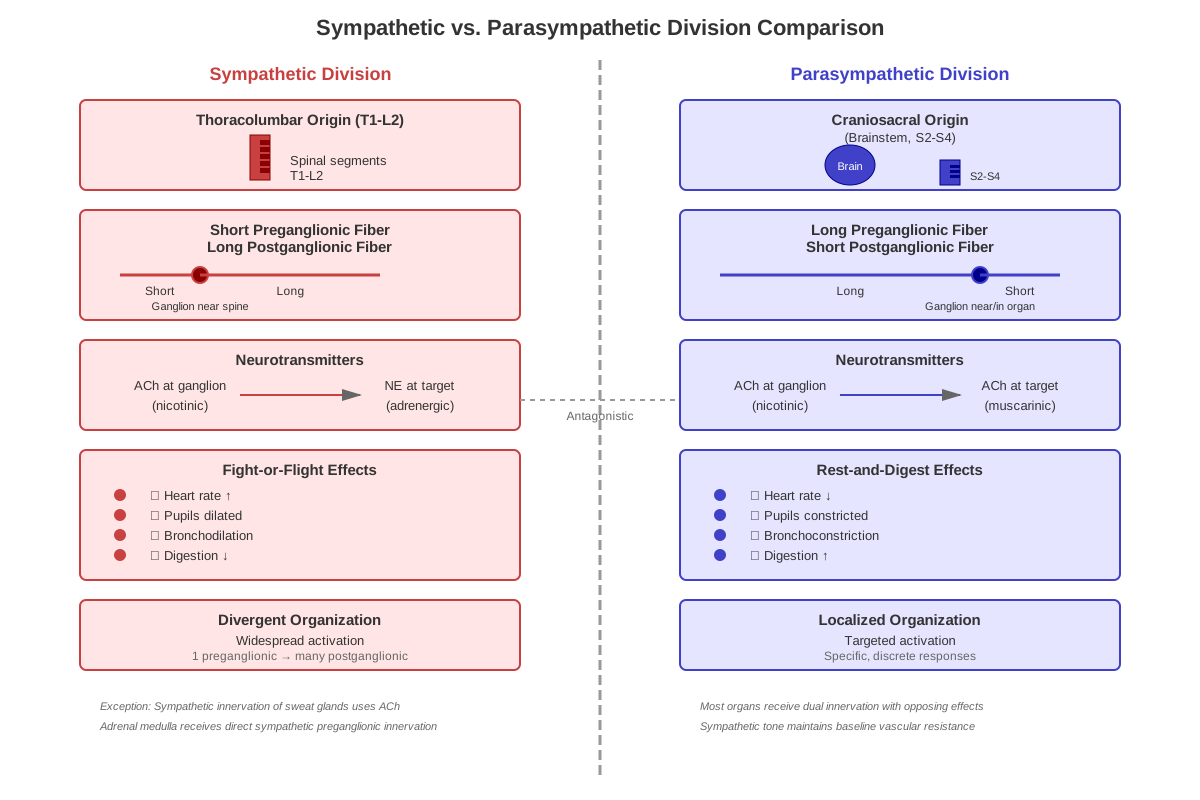
The sympathetic division originates from the thoracolumbar region of the spinal cord (T1-L2), earning it the designation "thoracolumbar outflow." Preganglionic sympathetic neurons are relatively short, synapsing in ganglia close to the spinal cord (paravertebral chain ganglia or prevertebral ganglia). Postganglionic neurons are correspondingly long, extending from these ganglia to target organs throughout the body.
Preganglionic sympathetic neurons release acetylcholine at nicotinic receptors on postganglionic neurons. Most postganglionic sympathetic neurons release norepinephrine (noradrenaline) at target organs, binding to adrenergic receptors (α and β subtypes). Notable exceptions include sympathetic innervation of sweat glands (which release acetylcholine at muscarinic receptors) and the adrenal medulla (where preganglionic neurons directly stimulate chromaffin cells to release epinephrine and norepinephrine into the bloodstream).
The sympathetic division mediates the "fight-or-flight" response, preparing the body for physical activity and stress. Activation produces:
- Increased heart rate and contractility
- Bronchodilation
- Pupil dilation (mydriasis)
- Decreased digestive activity
- Increased glucose mobilization
- Redirection of blood flow from digestive organs to skeletal muscles
- Piloerection (goosebumps)
- Increased metabolic rate
Parasympathetic Division
The parasympathetic division originates from the craniosacral region—cranial nerves (particularly CN III, VII, IX, and X) and sacral spinal cord segments (S2-S4). This anatomical distribution gives rise to the term "craniosacral outflow." Preganglionic parasympathetic neurons are relatively long, synapsing in ganglia located near or within target organs. Postganglionic neurons are correspondingly short.
Both preganglionic and postganglionic parasympathetic neurons release acetylcholine. Preganglionic neurons act on nicotinic receptors, while postganglionic neurons act on muscarinic receptors at target organs. The vagus nerve (CN X) provides approximately 75% of all parasympathetic innervation, reaching thoracic and abdominal organs including the heart, lungs, and digestive tract down to the splenic flexure of the colon.
The parasympathetic division mediates "rest-and-digest" functions, promoting energy conservation and restoration. Activation produces:
- Decreased heart rate
- Bronchoconstriction
- Pupil constriction (miosis)
- Increased digestive activity (secretion and motility)
- Increased salivation and lacrimation
- Bladder contraction
- Sexual arousal (erection)
Enteric Nervous System
The enteric nervous system represents a semi-autonomous network of neurons embedded in the walls of the gastrointestinal tract. Containing approximately 100 million neurons organized into the myenteric (Auerbach's) plexus and submucosal (Meissner's) plexus, this "brain of the gut" can function independently of CNS input, though it receives modulatory signals from sympathetic and parasympathetic divisions. The enteric nervous system coordinates peristalsis, secretion, and blood flow in the digestive tract.
Comparative Table of Autonomic Divisions
| Feature | Sympathetic | Parasympathetic |
|---|---|---|
| Origin | Thoracolumbar (T1-L2) | Craniosacral (CN III, VII, IX, X; S2-S4) |
| Preganglionic length | Short | Long |
| Postganglionic length | Long | Short |
| Ganglion location | Near spinal cord | Near/in target organ |
| Preganglionic neurotransmitter | Acetylcholine (nicotinic) | Acetylcholine (nicotinic) |
| Postganglionic neurotransmitter | Norepinephrine (mostly) | Acetylcholine (muscarinic) |
| General function | Fight-or-flight | Rest-and-digest |
| Heart rate | Increases | Decreases |
| Pupil size | Dilates | Constricts |
| Bronchi | Dilates | Constricts |
| Digestion | Inhibits | Stimulates |
| Salivation | Thick, viscous | Watery, copious |
Dual Innervation and Antagonistic Control
Most visceral organs receive dual innervation from both sympathetic and parasympathetic divisions, which typically exert opposing (antagonistic) effects. This arrangement allows for fine-tuned control of organ function. For example, heart rate increases with sympathetic stimulation (via β1-adrenergic receptors) and decreases with parasympathetic stimulation (via muscarinic M2 receptors). The balance between these opposing influences determines the organ's functional state at any given moment.
Some organs receive predominantly one type of innervation. Blood vessels (except those in erectile tissue) receive primarily sympathetic innervation; vasoconstriction results from sympathetic activation, while vasodilation occurs through decreased sympathetic tone. The adrenal medulla receives only sympathetic innervation (preganglionic fibers directly stimulating hormone release).
Integration and Reflex Arcs
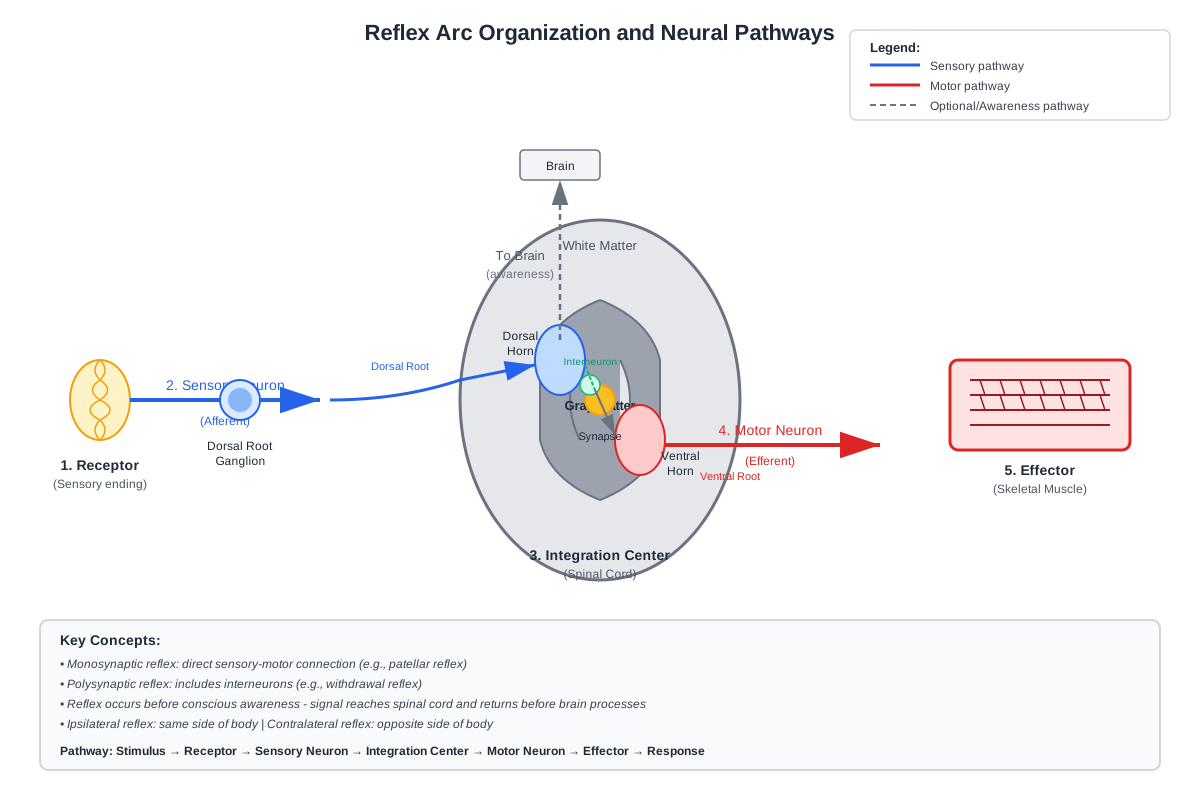
The nervous system organization enables rapid, coordinated responses through reflex arcs—neural pathways that produce automatic responses to specific stimuli. A complete reflex arc includes:
- Receptor (detects stimulus)
- Sensory (afferent) neuron (transmits signal to CNS)
- Integration center (processes information in CNS)
- Motor (efferent) neuron (transmits command from CNS)
- Effector (muscle or gland that executes response)
Somatic reflexes (e.g., patellar reflex, withdrawal reflex) involve skeletal muscle effectors and can be monosynaptic (direct sensory-motor connection) or polysynaptic (involving interneurons). Autonomic reflexes (e.g., baroreceptor reflex, pupillary light reflex) involve smooth muscle, cardiac muscle, or glands as effectors and help maintain homeostasis without conscious effort.
Concept Relationships
The hierarchical organization of the nervous system creates a logical flow of information and control. The CNS (brain and spinal cord) serves as the central hub, receiving sensory input through afferent pathways of the PNS and sending motor commands through efferent pathways. This bidirectional communication enables the nervous system to monitor conditions and respond appropriately.
Within the efferent division, the somatic nervous system and autonomic nervous system represent parallel but distinct control systems. The somatic system provides voluntary control over skeletal muscles, enabling conscious interaction with the environment, while the autonomic system maintains involuntary control over internal organs, supporting homeostasis.
The autonomic system's subdivision into sympathetic and parasympathetic divisions creates a balanced control mechanism. These divisions often work antagonistically on the same organs, with the sympathetic system preparing for activity and stress while the parasympathetic system promotes recovery and energy conservation. This relationship connects directly to the concept of homeostasis—the sympathetic and parasympathetic divisions act as opposing forces that can be adjusted to maintain physiological equilibrium.
The enteric nervous system represents a specialized subdivision that demonstrates both autonomy and integration, capable of independent function while receiving modulatory input from the CNS through sympathetic and parasympathetic pathways. This illustrates how nervous system organization balances centralized control with local autonomy.
These organizational principles connect to prerequisite knowledge of action potentials (the electrical signals transmitted along neurons within these pathways) and neurotransmitters (the chemical messengers that allow communication between neurons and between neurons and effectors). The organization also relates to endocrine system function, as the hypothalamus (part of the CNS) controls the pituitary gland, and the sympathetic division controls the adrenal medulla, demonstrating neuroendocrine integration.
Understanding nervous system organization enables prediction of physiological responses: CNS damage → loss of function in PNS territories; sympathetic activation → fight-or-flight responses; parasympathetic activation → rest-and-digest responses; autonomic dysfunction → homeostatic imbalances.
Quick check — test yourself on Nervous system organization so far.
Try Flashcards →High-Yield Facts
⭐ The CNS consists of the brain and spinal cord; the PNS consists of all neural tissue outside the CNS, including cranial and spinal nerves.
⭐ The sympathetic division originates from thoracolumbar regions (T1-L2) and uses norepinephrine as its primary postganglionic neurotransmitter.
⭐ The parasympathetic division originates from craniosacral regions (CN III, VII, IX, X; S2-S4) and uses acetylcholine at both preganglionic and postganglionic synapses.
⭐ Sympathetic preganglionic neurons are short (synapse near spinal cord); parasympathetic preganglionic neurons are long (synapse near target organs).
⭐ Most organs receive dual innervation with antagonistic effects from sympathetic and parasympathetic divisions.
- The somatic nervous system controls voluntary skeletal muscle contraction and processes conscious sensory information.
- The autonomic nervous system controls involuntary functions of smooth muscle, cardiac muscle, and glands.
- All preganglionic autonomic neurons (both sympathetic and parasympathetic) release acetylcholine at nicotinic receptors.
- The vagus nerve (CN X) provides approximately 75% of parasympathetic innervation to thoracic and abdominal organs.
- Sympathetic activation of the adrenal medulla causes release of epinephrine and norepinephrine into the bloodstream, amplifying the fight-or-flight response.
- The enteric nervous system can function independently of CNS input but receives modulatory signals from sympathetic and parasympathetic divisions.
- Reflex arcs enable rapid, automatic responses by processing information at the spinal cord level without requiring conscious brain involvement.
- Blood vessels receive primarily sympathetic innervation; vasodilation occurs through decreased sympathetic tone rather than parasympathetic activation.
Common Misconceptions
Misconception: The sympathetic nervous system always uses norepinephrine as its neurotransmitter.
Correction: While most postganglionic sympathetic neurons release norepinephrine, there are important exceptions. Sympathetic neurons innervating sweat glands release acetylcholine at muscarinic receptors. Additionally, preganglionic sympathetic neurons (like all preganglionic autonomic neurons) release acetylcholine at nicotinic receptors. The adrenal medulla receives preganglionic sympathetic innervation and releases epinephrine and norepinephrine as hormones into the bloodstream.
Misconception: The parasympathetic nervous system always opposes sympathetic effects.
Correction: While sympathetic and parasympathetic divisions often have antagonistic effects on organs with dual innervation, this is not universal. Some organs receive predominantly or exclusively one type of innervation. For example, most blood vessels receive only sympathetic innervation. Additionally, in some cases, the divisions work cooperatively rather than antagonistically—both contribute to sexual function, with parasympathetic activity promoting erection and sympathetic activity promoting ejaculation.
Misconception: The autonomic nervous system is completely involuntary and cannot be consciously controlled.
Correction: While autonomic functions typically operate without conscious awareness, some degree of voluntary influence is possible through techniques like biofeedback, meditation, and breathing exercises. Additionally, voluntary somatic actions can indirectly affect autonomic function—for example, voluntarily holding one's breath affects heart rate through autonomic reflexes.
Misconception: Sympathetic ganglia are always located in the paravertebral chain.
Correction: While many sympathetic ganglia form the paravertebral sympathetic chain (running alongside the vertebral column), important prevertebral ganglia exist in the abdomen, including the celiac, superior mesenteric, and inferior mesenteric ganglia. These prevertebral ganglia receive preganglionic fibers that pass through the paravertebral chain without synapsing and send postganglionic fibers to abdominal and pelvic organs.
Misconception: The enteric nervous system is simply part of the parasympathetic division.
Correction: The enteric nervous system is a distinct division of the autonomic nervous system with its own complex neural networks capable of independent function. While it receives input from both sympathetic and parasympathetic divisions, it contains its own sensory neurons, interneurons, and motor neurons that can coordinate digestive functions without CNS input. This semi-autonomy distinguishes it from the parasympathetic division.
Misconception: All reflexes are processed in the brain.
Correction: Many reflexes are processed at the spinal cord level (spinal reflexes) without involving the brain, enabling faster responses. Examples include the patellar reflex, withdrawal reflex, and many autonomic reflexes. While the brain may receive information about these reflexes after they occur, the reflex response itself is generated by spinal cord circuitry. This organization allows for rapid protective responses while the brain processes more complex information.
Worked Examples
Example 1: Predicting Physiological Responses
Question: A patient is administered a drug that blocks all nicotinic acetylcholine receptors. Which of the following physiological effects would be expected?
A) Increased heart rate only
B) Decreased heart rate only
C) Both increased and decreased heart rate responses would be blocked
D) No effect on heart rate
Solution:
Step 1: Identify where nicotinic receptors are located in nervous system organization.
- Nicotinic receptors are found at all autonomic ganglia (both sympathetic and parasympathetic)
- They are the receptors for preganglionic neurons synapsing onto postganglionic neurons
- They are also found at the neuromuscular junction (somatic nervous system)
Step 2: Determine the effect on autonomic control of heart rate.
- Sympathetic control: Preganglionic neurons release ACh at nicotinic receptors on postganglionic neurons → blocking these receptors prevents sympathetic signals from reaching the heart → blocks sympathetic increase in heart rate
- Parasympathetic control: Preganglionic neurons release ACh at nicotinic receptors on postganglionic neurons → blocking these receptors prevents parasympathetic signals from reaching the heart → blocks parasympathetic decrease in heart rate
Step 3: Integrate the effects.
- Both sympathetic (heart rate increase) and parasympathetic (heart rate decrease) pathways require nicotinic receptor activation at ganglia
- Blocking all nicotinic receptors would prevent both divisions from affecting heart rate
- The heart would beat at its intrinsic rate (approximately 100 bpm, faster than normal resting rate because tonic parasympathetic activity normally slows it)
Answer: C) Both increased and decreased heart rate responses would be blocked
Key Learning Point: This question tests understanding that both sympathetic and parasympathetic pathways use nicotinic receptors at ganglia. Blocking these receptors eliminates autonomic control, not just one division's effects. This connects to the concept that the two-neuron autonomic pathway requires ganglionic transmission via nicotinic receptors.
Example 2: Analyzing a Clinical Scenario
Question: A patient presents with the following symptoms after a spinal cord injury: loss of voluntary movement below the waist, loss of sensation below the waist, but intact autonomic reflexes (bladder emptying, blood pressure regulation) below the injury level. Which of the following best explains this presentation?
A) Complete destruction of all neural tissue at the injury level
B) Damage to descending motor pathways and ascending sensory pathways with intact spinal reflex circuits
C) Selective damage to autonomic pathways only
D) Damage to peripheral nerves but intact spinal cord
Solution:
Step 1: Analyze the symptoms systematically.
- Loss of voluntary movement → disruption of somatic motor pathways from brain to lower body
- Loss of sensation → disruption of sensory pathways from lower body to brain
- Intact autonomic reflexes → spinal reflex circuits below injury remain functional
Step 2: Apply knowledge of nervous system organization.
- Voluntary movement requires intact pathways from motor cortex through spinal cord to somatic motor neurons
- Conscious sensation requires intact pathways from sensory receptors through spinal cord to brain
- Autonomic reflexes can be processed at spinal cord level without brain involvement (reflex arc organization)
Step 3: Evaluate each answer choice.
- A) Complete destruction would eliminate all function, including reflexes → inconsistent with intact autonomic reflexes
- B) Damage to descending/ascending pathways would disconnect brain from lower body but preserve local spinal circuits → consistent with all symptoms
- C) Autonomic pathways are intact (reflexes work) → inconsistent with selective autonomic damage
- D) Peripheral nerve damage wouldn't explain the specific pattern of deficits → inconsistent
Step 4: Confirm the mechanism.
- The spinal cord contains both through-conducting pathways (connecting brain and body) and local circuits (processing reflexes)
- Injury can damage through-conducting pathways while preserving local circuits
- This explains loss of voluntary/conscious functions with preserved reflexes
Answer: B) Damage to descending motor pathways and ascending sensory pathways with intact spinal reflex circuits
Key Learning Point: This question integrates nervous system organization with clinical presentation. Understanding that the spinal cord contains both relay pathways (for brain-body communication) and local processing circuits (for reflexes) explains how specific injury patterns produce characteristic symptom combinations. This demonstrates the hierarchical organization of the nervous system and the autonomy of spinal reflex circuits.
Exam Strategy
Approaching MCAT Questions on Nervous System Organization
When encountering questions about nervous system organization, first identify which division or pathway is being tested. Look for keywords indicating:
- Structural divisions: CNS vs. PNS, brain vs. spinal cord
- Functional divisions: somatic vs. autonomic, sympathetic vs. parasympathetic
- Pathway direction: afferent (sensory, toward CNS) vs. efferent (motor, away from CNS)
Trigger Words and Phrases
Sympathetic indicators: "fight-or-flight," "stress response," "increased heart rate," "pupil dilation," "decreased digestion," "norepinephrine," "thoracolumbar," "adrenal medulla"
Parasympathetic indicators: "rest-and-digest," "decreased heart rate," "increased digestion," "pupil constriction," "acetylcholine," "muscarinic," "craniosacral," "vagus nerve"
Somatic indicators: "voluntary," "skeletal muscle," "conscious sensation," "neuromuscular junction"
Autonomic indicators: "involuntary," "smooth muscle," "cardiac muscle," "glands," "homeostasis," "two-neuron pathway," "ganglia"
Process-of-Elimination Tips
- Neurotransmitter questions: If a question asks about effects of blocking or enhancing a specific neurotransmitter, immediately identify where that neurotransmitter is used:
- Acetylcholine at nicotinic receptors → all autonomic ganglia and neuromuscular junction
- Acetylcholine at muscarinic receptors → parasympathetic targets and sympathetic sweat glands
- Norepinephrine → most sympathetic targets
- Anatomical origin questions: Eliminate answers inconsistent with the anatomical origin:
- Thoracolumbar = sympathetic only
- Craniosacral = parasympathetic only
- If a question mentions spinal segments T1-L2, it must involve sympathetic division
- Dual innervation questions: Remember that most organs have dual innervation with antagonistic effects. If a question asks about an organ's response to autonomic stimulation, consider both divisions:
- If one division is blocked, the other's effects become more prominent
- If both are blocked, the organ operates at its intrinsic rate/tone
- Reflex arc questions: Identify all five components (receptor, sensory neuron, integration center, motor neuron, effector). If any component is disrupted, the reflex cannot occur.
Time Allocation Advice
Nervous system organization questions typically require 60-90 seconds. Discrete questions can often be answered quickly (30-45 seconds) if you've memorized key facts. Passage-based questions may require more time to integrate information, but the organizational framework should guide your analysis efficiently. If a question requires drawing out a pathway or reflex arc, invest 15-20 seconds in a quick sketch—this often clarifies the answer and prevents errors.
Memory Techniques
Mnemonic for Cranial Nerves with Parasympathetic Function
"3, 7, 9, 10 - Parasympathetic again!"
- CN III (Oculomotor): pupil constriction
- CN VII (Facial): salivation and lacrimation
- CN IX (Glossopharyngeal): salivation
- CN X (Vagus): thoracic and abdominal organs
Mnemonic for Sympathetic vs. Parasympathetic Origin
"Sympathetic: Thoracic and Lumbar (T-L)"
"Parasympathetic: Cranial and Sacral (C-S)"
The first letters (T-L vs. C-S) help distinguish the anatomical origins.
Visualization Strategy for Dual Innervation
Picture a balance scale with sympathetic on one side and parasympathetic on the other. When sympathetic "weight" increases, the scale tips toward fight-or-flight effects. When parasympathetic "weight" increases, it tips toward rest-and-digest effects. Most organs sit on this balance, with their function determined by which side is heavier at any moment.
Acronym for Sympathetic Effects: "DILATES"
- Dilates pupils
- Increases heart rate
- Liberates glucose
- Activates sweat glands
- Tenses muscles (piloerection)
- Elevates blood pressure
- Suppresses digestion
Memory Aid for Preganglionic vs. Postganglionic Length
"Sympathetic: Short Pre, Long Post" (both start with same letter)
"Parasympathetic: Long Pre, Short Post" (opposite pattern)
Visualize sympathetic ganglia as a chain close to the spinal cord (short preganglionic fibers reaching them, long postganglionic fibers extending to distant organs). Visualize parasympathetic ganglia as embedded in or near organs (long preganglionic fibers reaching them, short postganglionic fibers to nearby tissue).
Summary
Nervous system organization provides the structural and functional framework for understanding how the body detects, processes, and responds to information. The nervous system divides structurally into the CNS (brain and spinal cord) and PNS (cranial and spinal nerves), with the PNS further subdividing functionally into somatic and autonomic components. The somatic nervous system controls voluntary skeletal muscle movement and conscious sensation, while the autonomic nervous system regulates involuntary functions of smooth muscle, cardiac muscle, and glands. The autonomic system's sympathetic division (thoracolumbar origin, norepinephrine release, fight-or-flight effects) and parasympathetic division (craniosacral origin, acetylcholine release, rest-and-digest effects) typically exert antagonistic control over organs with dual innervation, enabling fine-tuned homeostatic regulation. Understanding this hierarchical organization—from major divisions through specific pathways to neurotransmitter mechanisms—enables prediction of physiological responses, interpretation of clinical presentations, and analysis of experimental manipulations. For MCAT success, students must master the anatomical origins, neurotransmitter profiles, and functional effects of each division, along with the integrative principles that coordinate nervous system activity.
Key Takeaways
- The nervous system divides structurally into CNS (brain and spinal cord) and PNS (all neural tissue outside CNS), with the PNS functionally divided into somatic and autonomic components
- Sympathetic division originates from thoracolumbar regions (T1-L2), uses short preganglionic and long postganglionic neurons, releases norepinephrine at most targets, and mediates fight-or-flight responses
- Parasympathetic division originates from craniosacral regions (CN III, VII, IX, X; S2-S4), uses long preganglionic and short postganglionic neurons, releases acetylcholine at all synapses, and mediates rest-and-digest responses
- All preganglionic autonomic neurons release acetylcholine at nicotinic receptors in ganglia, making ganglionic transmission a common target for pharmacological intervention
- Most organs receive dual innervation with antagonistic effects from sympathetic and parasympathetic divisions, enabling balanced homeostatic control
- Reflex arcs enable rapid, automatic responses by processing information at the spinal cord level without requiring conscious brain involvement
- Understanding nervous system organization enables prediction of drug effects, interpretation of disease presentations, and analysis of physiological responses to various stimuli
Related Topics
Neurotransmitter Systems: Building on nervous system organization, detailed study of acetylcholine, norepinephrine, dopamine, serotonin, and other neurotransmitters explains how chemical signals mediate communication within organized neural pathways. Mastering nervous system organization provides the anatomical framework for understanding where specific neurotransmitters function.
Cardiovascular Regulation: The autonomic nervous system's control of heart rate, contractility, and vascular tone demonstrates practical application of nervous system organization. Understanding sympathetic and parasympathetic effects on the cardiovascular system enables analysis of blood pressure regulation, baroreceptor reflexes, and cardiovascular pharmacology.
Sensory Systems: The pathways carrying visual, auditory, somatosensory, and other sensory information from receptors through the PNS to CNS processing centers exemplify the afferent component of nervous system organization. This topic builds directly on understanding of CNS-PNS relationships.
Motor Systems: Descending motor pathways from the brain through the spinal cord to somatic motor neurons illustrate the efferent component of nervous system organization. Understanding these pathways requires mastery of CNS-PNS connections and somatic nervous system function.
Endocrine System Integration: The hypothalamic-pituitary axis and sympathetic control of the adrenal medulla demonstrate neuroendocrine integration, showing how nervous system organization interfaces with hormonal control systems. This topic extends understanding of how the nervous system coordinates whole-body responses.
Practice CTA
Now that you've mastered the organizational framework of the nervous system, test your understanding with practice questions and flashcards. Focus on questions requiring you to predict physiological outcomes based on activation or inhibition of specific nervous system divisions—this skill is essential for MCAT success. Challenge yourself with passage-based questions integrating nervous system organization with other physiological systems. Remember, understanding the organization is the foundation for all higher-level neurophysiology concepts. Your investment in mastering this topic will pay dividends throughout your MCAT preparation and medical education!
Sign up free to keep reading
Create a free AnvayaPrep account to finish this MCAT guide on Nervous system organization — plus flashcards and practice questions.