Overview
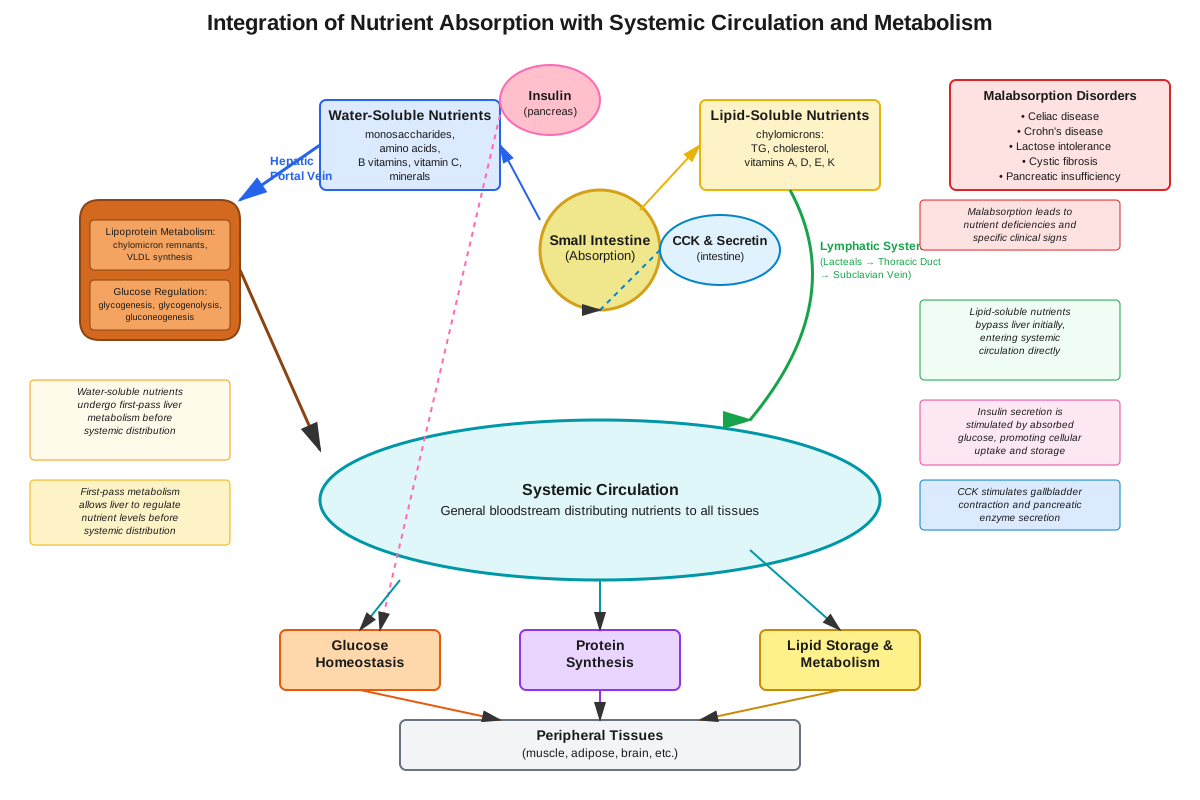
Nutrient absorption is a fundamental physiological process by which the products of digestion are transported from the gastrointestinal tract into the bloodstream or lymphatic system for distribution throughout the body. This complex process occurs primarily in the small intestine, where specialized epithelial cells and structural adaptations maximize the surface area available for absorption. Understanding nutrient absorption requires integration of multiple biological concepts including membrane transport mechanisms, cellular biology, and organ system physiology. The small intestine's remarkable absorptive capacity—processing approximately 9 liters of fluid and hundreds of grams of nutrients daily—depends on coordinated interactions between digestive enzymes, transport proteins, and the intestinal epithelium.
For the MCAT, nutrient absorption Biology represents a high-yield intersection of biochemistry, cell biology, and Physiology and Organ Systems. Questions frequently test students' understanding of how different nutrient classes (carbohydrates, proteins, lipids, vitamins, and minerals) are absorbed through distinct mechanisms. The MCAT emphasizes the relationship between molecular structure and absorption pathway, requiring students to predict absorption mechanisms based on a molecule's chemical properties. Additionally, this topic connects to broader themes including homeostasis, membrane transport, and the integration of multiple organ systems in maintaining metabolic balance.
The study of nutrient absorption MCAT content bridges multiple disciplines tested on the exam. It connects digestive system anatomy to cellular transport mechanisms, links biochemical structure to physiological function, and demonstrates how the body maintains homeostasis through regulated absorption processes. Mastery of this topic enables students to tackle complex passage-based questions that integrate nutritional biochemistry, gastrointestinal physiology, and clinical scenarios involving malabsorption disorders or nutritional deficiencies.
Learning Objectives
- [ ] Define nutrient absorption using accurate Biology terminology
- [ ] Explain why nutrient absorption matters for the MCAT
- [ ] Apply nutrient absorption concepts to exam-style questions
- [ ] Identify common mistakes related to nutrient absorption
- [ ] Connect nutrient absorption to related Biology concepts
- [ ] Distinguish between active and passive absorption mechanisms for different nutrient classes
- [ ] Predict the absorption pathway for a given nutrient based on its chemical structure and properties
- [ ] Analyze how structural adaptations of the small intestine maximize absorptive efficiency
Prerequisites
- Basic cell membrane structure and function: Understanding phospholipid bilayers, membrane proteins, and selective permeability is essential for comprehending how nutrients cross intestinal epithelial cells
- Fundamental transport mechanisms: Knowledge of diffusion, facilitated diffusion, active transport, and endocytosis provides the foundation for understanding specific nutrient absorption pathways
- Digestive system anatomy: Familiarity with the structure of the small intestine, including villi and microvilli, is necessary to understand where and how absorption occurs
- Basic biochemistry of macromolecules: Recognition of carbohydrates, proteins, and lipids and their digestion products enables understanding of what forms nutrients take when absorbed
- Concepts of concentration gradients and electrochemical gradients: These principles underlie both passive and active transport mechanisms in nutrient absorption
Why This Topic Matters
Clinical and Real-World Significance: Nutrient absorption disorders affect millions of people worldwide and represent significant clinical challenges. Conditions such as celiac disease, Crohn's disease, lactose intolerance, and cystic fibrosis all involve impaired nutrient absorption, leading to malnutrition, growth delays, and systemic complications. Understanding normal absorption mechanisms is essential for comprehending how these diseases disrupt nutritional status and why specific interventions (dietary modifications, enzyme supplementation, or vitamin injections) are therapeutically necessary. Additionally, the pharmaceutical industry relies heavily on understanding intestinal absorption when designing oral medications, as drugs must navigate the same absorption pathways as nutrients.
MCAT Exam Statistics: Nutrient absorption appears regularly on the MCAT, particularly in Biology and Biochemistry/Biology sections. Approximately 15-20% of physiology questions involve digestive system function, with nutrient absorption representing a substantial portion of these items. Questions typically appear in two formats: discrete questions testing specific absorption mechanisms (2-3 per exam) and passage-based questions integrating absorption with experimental data or clinical scenarios (1-2 passages per exam). The topic frequently appears alongside questions about enzyme function, pH effects on digestion, or hormonal regulation of gastrointestinal processes.
Common Exam Presentations: The MCAT presents nutrient absorption through several recurring frameworks. Research passages may describe experiments investigating transport protein function or comparing absorption rates under different conditions. Clinical vignettes often present patients with malabsorption syndromes, requiring students to identify which nutrients are affected and why. Biochemistry passages may focus on the relationship between molecular structure and absorption mechanism, asking students to predict how chemical modifications would affect bioavailability. Questions frequently require integration of multiple concepts, such as explaining how pH changes affect both digestion and absorption, or how hormones coordinate digestive processes with absorption capacity.
Core Concepts
Structural Adaptations for Absorption
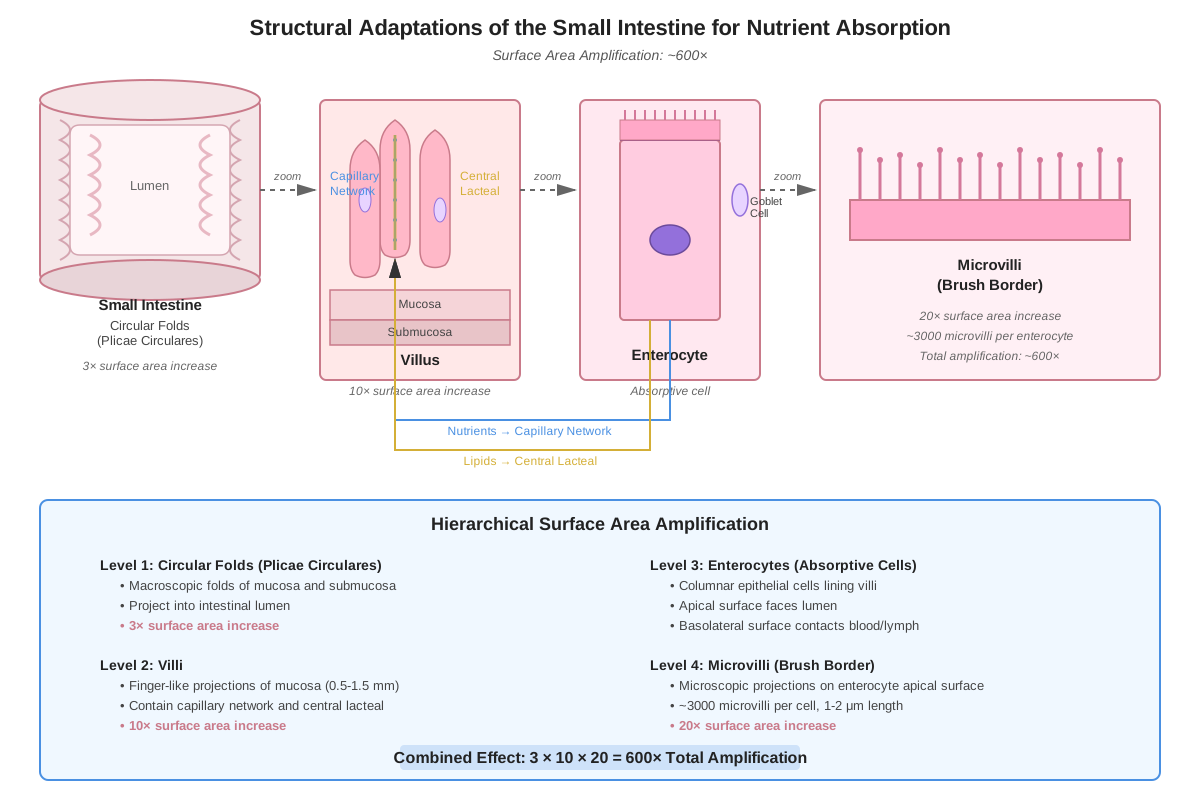
The small intestine exhibits remarkable structural specializations that maximize its absorptive surface area. The intestinal mucosa features three levels of structural organization: circular folds (plicae circulares), villi, and microvilli. These adaptations collectively increase the absorptive surface area approximately 600-fold compared to a simple tube. Each villus is a finger-like projection containing a capillary network and a central lacteal (lymphatic vessel), allowing absorbed nutrients immediate access to circulation. The epithelial cells (enterocytes) covering each villus possess thousands of microvilli forming the brush border, which contains digestive enzymes and transport proteins essential for final digestion and absorption.
The enterocyte represents the functional unit of absorption. These polarized epithelial cells feature distinct apical (facing the intestinal lumen) and basolateral (facing the bloodstream) membranes with different protein compositions. This polarity enables directional transport: nutrients enter through the apical membrane and exit through the basolateral membrane into circulation. Tight junctions between adjacent enterocytes create a selective barrier, controlling paracellular transport (movement between cells) while transcellular transport (movement through cells) remains the primary absorption route for most nutrients.
Carbohydrate Absorption
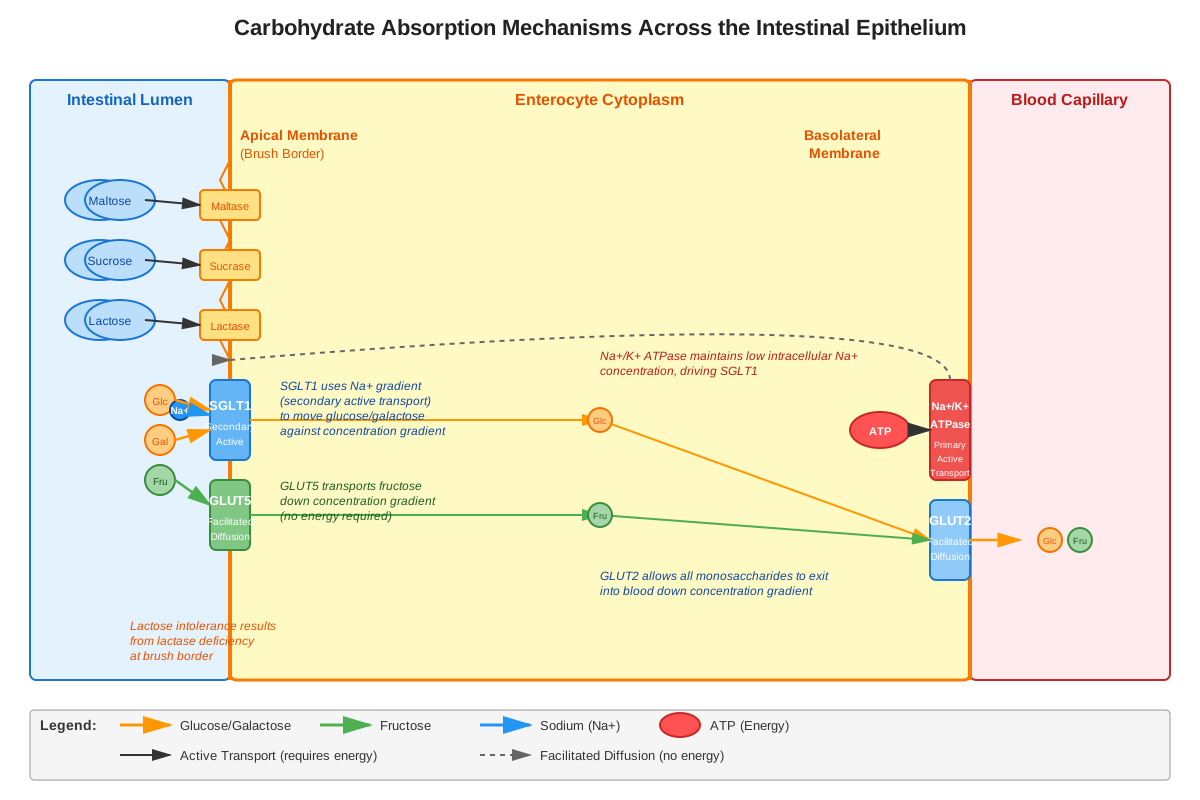
Carbohydrate absorption requires prior digestion to monosaccharides, as only glucose, galactose, and fructose can be absorbed. Glucose and galactose absorption occurs via secondary active transport through the sodium-glucose cotransporter (SGLT1) located on the apical membrane. This transporter couples the energetically favorable movement of sodium down its concentration gradient (maintained by the Na⁺/K⁺-ATPase on the basolateral membrane) with the uphill transport of glucose against its concentration gradient. This mechanism allows glucose absorption even when intestinal glucose concentrations fall below blood glucose levels.
Fructose absorption follows a different pathway, utilizing facilitated diffusion through the GLUT5 transporter on the apical membrane. This process is passive and depends on maintaining a concentration gradient. Once inside the enterocyte, all monosaccharides exit through the basolateral membrane via GLUT2 transporters through facilitated diffusion into the bloodstream. The differential absorption mechanisms for glucose/galactose versus fructose explain why excessive fructose consumption can overwhelm absorptive capacity, leading to osmotic diarrhea when unabsorbed fructose remains in the intestinal lumen.
Protein and Amino Acid Absorption
Proteins must be digested to amino acids, dipeptides, or tripeptides before absorption. Free amino acids are absorbed through multiple sodium-dependent cotransporters on the apical membrane, with different transporters showing specificity for neutral, acidic, or basic amino acids. Like glucose absorption, this represents secondary active transport powered by the sodium gradient. Small peptides (dipeptides and tripeptides) are absorbed through the PepT1 transporter, also a hydrogen ion-dependent cotransporter. Once inside enterocytes, cytoplasmic peptidases break down dipeptides and tripeptides into individual amino acids.
Amino acids exit enterocytes through various facilitated diffusion transporters on the basolateral membrane, entering the hepatic portal circulation. Interestingly, peptide-bound amino acids may be absorbed more efficiently than free amino acids, which has implications for protein supplement formulation and clinical nutrition. The existence of multiple transport systems with overlapping specificities ensures efficient absorption even when one transporter is saturated or defective, providing redundancy in this critical nutritional process.
Lipid Absorption
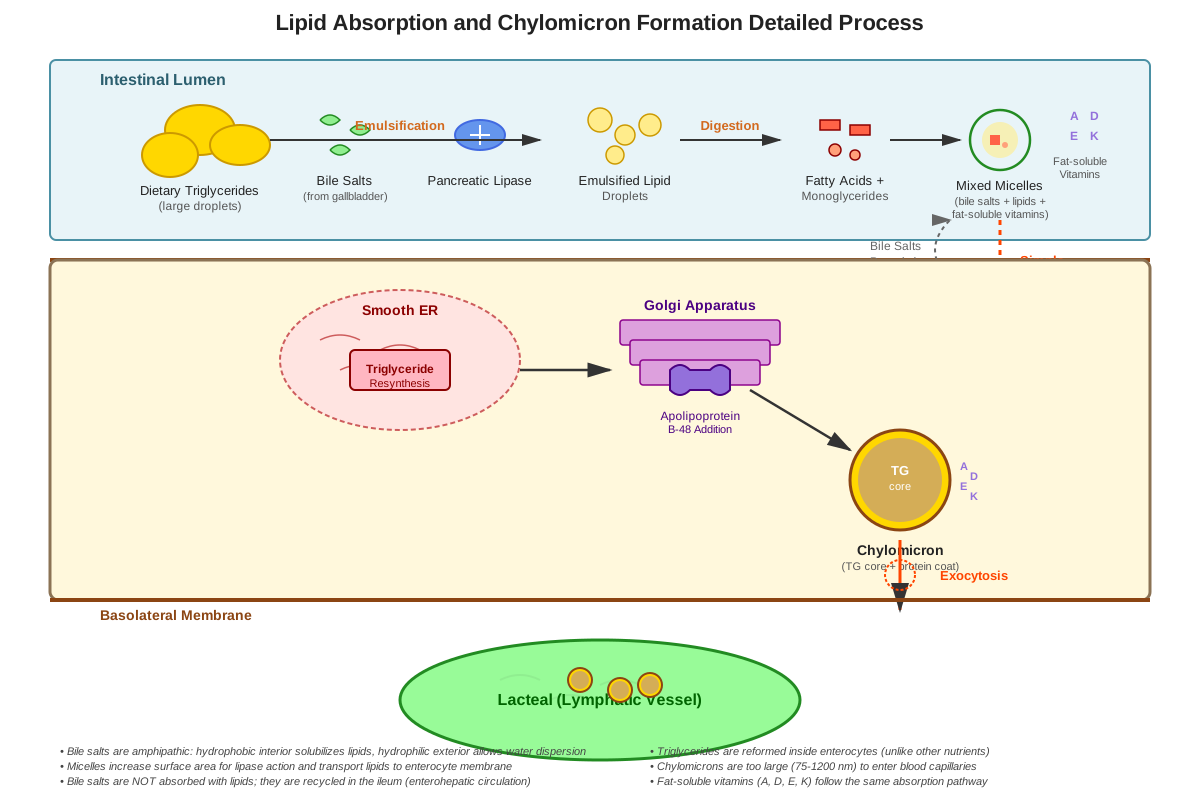
Lipid absorption is fundamentally different from water-soluble nutrient absorption due to lipids' hydrophobic nature. Dietary triglycerides are digested by pancreatic lipase into monoglycerides and fatty acids. These products, along with cholesterol, fat-soluble vitamins, and phospholipids, are incorporated into micelles—mixed aggregates with bile salts that make lipids soluble in the aqueous intestinal environment. Micelles transport lipids to the enterocyte apical membrane, where lipids diffuse directly through the phospholipid bilayer (passive diffusion), while bile salts remain in the lumen for recycling.
Inside enterocytes, fatty acids and monoglycerides are re-esterified into triglycerides in the smooth endoplasmic reticulum. These triglycerides, along with cholesterol, phospholipids, and fat-soluble vitamins, are packaged with apolipoprotein B-48 into chylomicrons—large lipoprotein particles. Chylomicrons are too large to enter blood capillaries directly; instead, they are secreted via exocytosis from the basolateral membrane into lacteals, entering the lymphatic system. This explains why lipid absorption bypasses the hepatic portal circulation initially, entering the bloodstream via the thoracic duct. Short- and medium-chain fatty acids (fewer than 12 carbons) represent an exception—they are sufficiently water-soluble to be absorbed directly into the portal blood without micelle formation or chylomicron packaging.
Vitamin Absorption
Vitamin absorption mechanisms vary based on water versus fat solubility. Fat-soluble vitamins (A, D, E, and K) follow the same pathway as dietary lipids: incorporation into micelles, passive diffusion across the apical membrane, packaging into chylomicrons, and transport via lymphatics. This explains why fat malabsorption disorders inevitably lead to fat-soluble vitamin deficiencies and why these vitamins require dietary fat for optimal absorption.
Water-soluble vitamins utilize specific transport mechanisms. Vitamin B12 (cobalamin) requires the most complex absorption process: it binds to intrinsic factor (secreted by gastric parietal cells) in the stomach, and this complex is absorbed via receptor-mediated endocytosis in the terminal ileum. Folate is absorbed through a carrier-mediated process in the jejunum. Most other B vitamins are absorbed through sodium-dependent cotransport mechanisms. Vitamin C (ascorbic acid) is absorbed via sodium-dependent cotransport at low concentrations and simple diffusion at high concentrations, explaining why megadoses provide diminishing returns.
Mineral Absorption
Iron absorption is tightly regulated because the body lacks an excretion mechanism for excess iron. Ferrous iron (Fe²⁺) is absorbed more efficiently than ferric iron (Fe³⁺). The divalent metal transporter 1 (DMT1) on the apical membrane transports Fe²⁺ into enterocytes. Inside the cell, iron can be stored bound to ferritin or transported across the basolateral membrane by ferroportin into the bloodstream, where it binds to transferrin. The hormone hepcidin regulates iron absorption by controlling ferroportin expression—high hepcidin levels decrease iron absorption by degrading ferroportin. Vitamin C enhances iron absorption by maintaining iron in the ferrous state, while calcium and tannins inhibit absorption through competitive binding.
Calcium absorption occurs through both active and passive mechanisms. Active transcellular absorption predominates when calcium intake is low and is stimulated by vitamin D (specifically, 1,25-dihydroxyvitamin D₃). Vitamin D increases expression of calbindin (an intracellular calcium-binding protein) and calcium channels on both apical and basolateral membranes. Passive paracellular absorption becomes significant when luminal calcium concentrations are high. Calcium absorption is most efficient in the duodenum and decreases distally along the small intestine. Various factors affect calcium absorption: vitamin D enhances it, while oxalates, phytates, and excessive fiber inhibit it by binding calcium in the intestinal lumen.
Regional Specialization of Absorption
Different regions of the small intestine show functional specialization. The duodenum is the primary site for iron and calcium absorption, where acidic pH from gastric emptying maintains minerals in soluble, absorbable forms. The jejunum handles the bulk of carbohydrate, protein, and fat absorption due to its extensive surface area and high density of transport proteins. The ileum specializes in vitamin B12 absorption (requiring intrinsic factor receptors found only here) and bile salt reabsorption through the enterohepatic circulation. This regional specialization means that surgical resection or disease affecting specific intestinal segments produces predictable nutritional deficiencies.
| Nutrient Class | Primary Absorption Site | Transport Mechanism | Energy Requirement |
|---|---|---|---|
| Glucose/Galactose | Jejunum | Secondary active transport (SGLT1) | Indirect (Na⁺ gradient) |
| Fructose | Jejunum | Facilitated diffusion (GLUT5) | None |
| Amino acids | Jejunum | Secondary active transport | Indirect (Na⁺ gradient) |
| Dipeptides/Tripeptides | Jejunum | H⁺-coupled cotransport | Indirect (H⁺ gradient) |
| Fatty acids (long-chain) | Jejunum | Passive diffusion (via micelles) | None for absorption; ATP for chylomicron synthesis |
| Fatty acids (short/medium-chain) | Jejunum | Passive diffusion | None |
| Fat-soluble vitamins | Jejunum | Passive diffusion (via micelles) | None for absorption; ATP for chylomicron synthesis |
| Vitamin B12 | Terminal ileum | Receptor-mediated endocytosis | Yes (ATP) |
| Iron | Duodenum | Facilitated diffusion (DMT1) | None for entry; regulated exit |
| Calcium | Duodenum (primarily) | Active transcellular + passive paracellular | Yes for active transport |
Concept Relationships
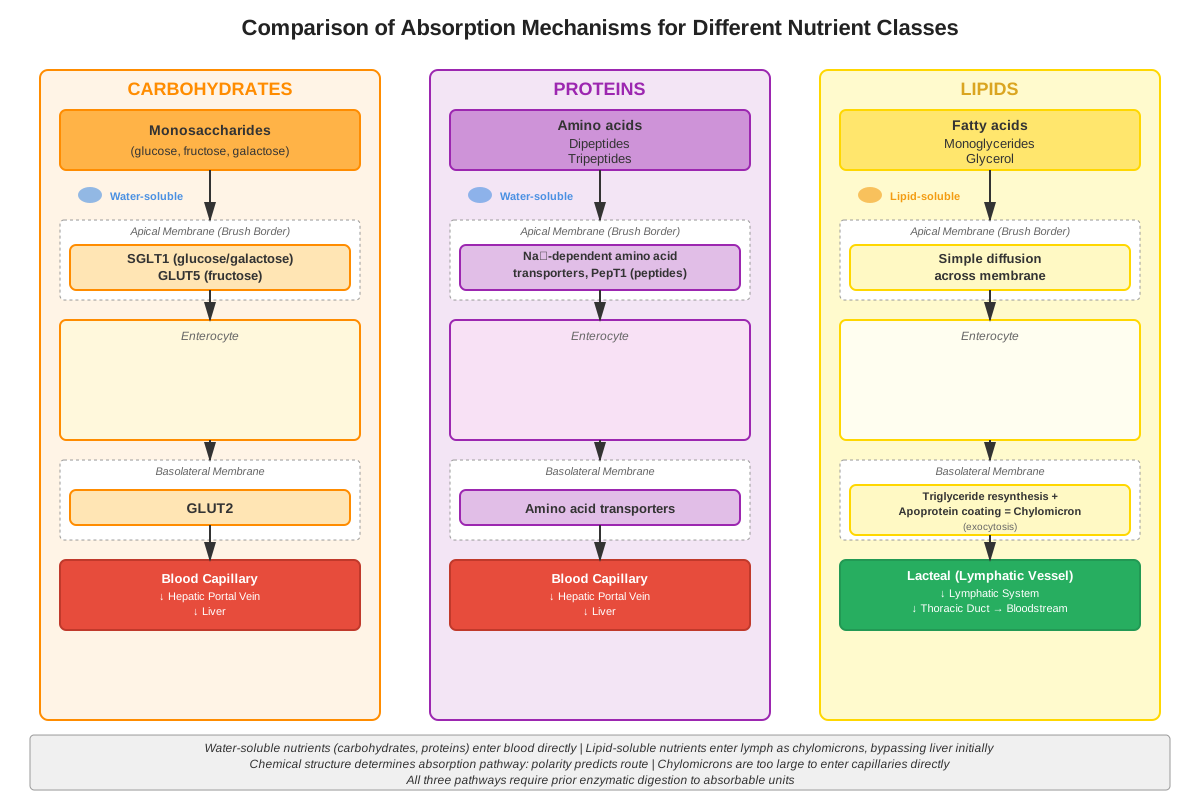
The concepts within nutrient absorption form an integrated network centered on the principle that molecular structure determines absorption mechanism. Hydrophilic molecules (monosaccharides, amino acids, water-soluble vitamins) require protein-mediated transport across the hydrophobic cell membrane, while hydrophobic molecules (lipids, fat-soluble vitamins) can diffuse through the membrane but require special packaging for transport in aqueous blood. This fundamental relationship drives all specific absorption mechanisms.
Structural adaptations → Enhanced absorption capacity: The villi and microvilli increase surface area, which directly increases the number of transport proteins and membrane available for absorption. This structural foundation enables the functional capacity of the small intestine.
Digestion → Absorption: Complete digestion to absorbable units (monosaccharides, amino acids, monoglycerides/fatty acids) is prerequisite to absorption. Brush border enzymes provide the final digestive step immediately before absorption, spatially coupling these processes.
Primary active transport (Na⁺/K⁺-ATPase) → Secondary active transport (nutrient cotransporters): The sodium gradient established by the basolateral Na⁺/K⁺-ATPase powers multiple apical cotransporters for glucose, amino acids, and various vitamins. This represents a cascade where one energy-requiring process enables multiple "downhill" transport processes that nonetheless move nutrients against their concentration gradients.
Bile secretion → Micelle formation → Lipid absorption → Chylomicron formation → Lymphatic transport: This sequence illustrates the multi-step process required for lipid absorption, with each step dependent on the previous one. Disruption at any point (liver disease affecting bile production, pancreatic insufficiency affecting lipase secretion, intestinal disease affecting enterocyte function) impairs the entire pathway.
Vitamin D → Calcium absorption → Bone health: This connection extends nutrient absorption beyond the intestine to whole-body homeostasis, demonstrating how absorption efficiency affects systemic physiology.
The relationship to prerequisite topics is equally important. Cell membrane structure explains why different nutrients require different transport mechanisms. Enzyme kinetics applies to both digestive enzymes and transport proteins (which show saturation kinetics). Acid-base chemistry relates to pH-dependent processes like iron solubility and bile salt function. Cellular respiration provides the ATP that powers active transport directly and maintains ion gradients indirectly.
Quick check — test yourself on Nutrient absorption so far.
Try Flashcards →High-Yield Facts
⭐ Glucose and galactose are absorbed via secondary active transport (SGLT1) coupled to sodium, while fructose uses facilitated diffusion (GLUT5), explaining why glucose absorption is more efficient and can occur against a concentration gradient.
⭐ Long-chain fatty acids and monoglycerides are packaged into chylomicrons and absorbed into lymphatic lacteals, not directly into blood capillaries, which is why lipid absorption bypasses first-pass hepatic metabolism.
⭐ Vitamin B12 requires intrinsic factor for absorption and is absorbed only in the terminal ileum, making this vitamin uniquely vulnerable to both gastric and ileal diseases.
⭐ The Na⁺/K⁺-ATPase on the basolateral membrane maintains the sodium gradient that drives secondary active transport of glucose, amino acids, and many vitamins, making this pump indirectly essential for multiple nutrient absorption processes.
⭐ Fat-soluble vitamins (A, D, E, K) require bile salts and micelle formation for absorption, explaining why fat malabsorption disorders cause deficiencies in these vitamins.
- Microvilli increase the small intestine's surface area approximately 600-fold, providing the structural basis for efficient absorption.
- Iron absorption is regulated by hepcidin, which controls ferroportin expression on the basolateral membrane, representing a key homeostatic mechanism since iron cannot be actively excreted.
- Vitamin D enhances calcium absorption by increasing calbindin expression and calcium channel density, explaining why vitamin D deficiency leads to calcium deficiency despite adequate dietary calcium.
- Short- and medium-chain fatty acids (fewer than 12 carbons) are absorbed directly into portal blood without micelle formation or chylomicron packaging, making them useful in treating fat malabsorption disorders.
- Dipeptides and tripeptides are absorbed more efficiently than free amino acids through the PepT1 transporter, which has implications for protein supplement formulation and clinical nutrition.
Common Misconceptions
Misconception: All nutrients are absorbed through the same mechanism.
Correction: Nutrient absorption mechanisms vary based on molecular properties. Water-soluble nutrients typically require protein-mediated transport (active or facilitated), while lipid-soluble nutrients can diffuse through membranes but require special packaging (micelles, chylomicrons) for transport in aqueous environments. The chemical structure of a nutrient determines its absorption pathway.
Misconception: Glucose absorption is always passive because glucose moves from high concentration (intestinal lumen) to low concentration (blood).
Correction: While glucose concentration may initially be higher in the lumen after a meal, the SGLT1 transporter enables glucose absorption even when luminal concentrations fall below blood levels. This secondary active transport couples glucose movement to sodium movement down its electrochemical gradient, allowing absorption against the glucose concentration gradient. This is energetically "active" even though it doesn't directly use ATP.
Misconception: All absorbed nutrients enter the hepatic portal circulation directly.
Correction: While most water-soluble nutrients (monosaccharides, amino acids, water-soluble vitamins, short- and medium-chain fatty acids) enter portal blood, long-chain fatty acids and fat-soluble vitamins are packaged into chylomicrons that enter lymphatic lacteals. These nutrients reach the bloodstream via the thoracic duct, bypassing the liver initially. This distinction is critical for understanding drug delivery, fat-soluble vitamin metabolism, and lipid transport disorders.
Misconception: Vitamin deficiencies always result from inadequate dietary intake.
Correction: Vitamin deficiencies can result from malabsorption even with adequate intake. For example, vitamin B12 deficiency can result from lack of intrinsic factor (pernicious anemia), terminal ileum disease (Crohn's disease), or gastric surgery. Fat-soluble vitamin deficiencies commonly result from fat malabsorption disorders (pancreatic insufficiency, celiac disease, cholestatic liver disease) rather than dietary insufficiency. Understanding absorption mechanisms is essential for diagnosing the cause of deficiency states.
Misconception: The small intestine absorbs nutrients uniformly along its entire length.
Correction: The small intestine shows regional specialization. The duodenum is the primary site for iron and calcium absorption (favored by acidic pH). The jejunum handles most carbohydrate, protein, and fat absorption. The ileum specializes in vitamin B12 and bile salt absorption. This specialization means that disease or surgical resection of specific segments produces predictable nutritional consequences.
Misconception: Increasing dietary intake of a nutrient always increases its absorption proportionally.
Correction: Many absorption mechanisms show saturation kinetics because they depend on carrier proteins with limited capacity. For example, calcium absorption becomes less efficient at high intakes as active transport mechanisms saturate, and passive absorption becomes relatively more important. Similarly, vitamin B12 absorption is limited by intrinsic factor availability. Understanding these limitations explains why megadoses of certain nutrients provide diminishing returns and why some deficiency states require parenteral supplementation.
Worked Examples
Example 1: Predicting Absorption Mechanisms
Question: A researcher is studying the absorption of three novel compounds: Compound A (a small, uncharged, lipid-soluble molecule), Compound B (a charged, water-soluble molecule similar in size to glucose), and Compound C (a large protein). Predict the most likely absorption mechanism for each compound and explain your reasoning.
Solution:
Step 1: Analyze Compound A's properties.
- Small size suggests it can cross membranes
- Uncharged and lipid-soluble means it can dissolve in the phospholipid bilayer
- Prediction: Passive diffusion through the membrane
- Reasoning: Lipid-soluble molecules can cross the hydrophobic core of the membrane without assistance. The rate will depend on the concentration gradient and the molecule's lipid solubility (partition coefficient).
Step 2: Analyze Compound B's properties.
- Charged and water-soluble means it cannot easily cross the hydrophobic membrane core
- Similar size to glucose suggests it might use similar transport mechanisms
- Prediction: Requires protein-mediated transport, likely facilitated diffusion or secondary active transport
- Reasoning: Charged, hydrophilic molecules require transport proteins to cross membranes. If the compound is structurally similar to glucose, it might use existing glucose transporters (GLUT or SGLT family). If it needs to be absorbed against a concentration gradient, secondary active transport would be necessary; if absorption follows a concentration gradient, facilitated diffusion would suffice.
Step 3: Analyze Compound C's properties.
- Large protein cannot cross membranes intact
- Prediction: Must be digested to amino acids or small peptides before absorption, then absorbed via amino acid transporters or PepT1
- Reasoning: Proteins are too large to cross cell membranes. Normal protein absorption requires digestion to amino acids (absorbed via sodium-dependent cotransporters) or dipeptides/tripeptides (absorbed via PepT1). Alternatively, in rare cases, intact proteins might be absorbed via receptor-mediated endocytosis, but this is not a significant nutritional pathway in adults.
Connection to Learning Objectives: This example demonstrates how to predict absorption mechanisms based on molecular properties (structure-function relationship), a critical skill for MCAT passages presenting novel compounds or experimental scenarios.
Example 2: Clinical Vignette Analysis
Question: A 45-year-old patient with chronic pancreatitis presents with weight loss, steatorrhea (fatty stools), and laboratory findings showing deficiencies in vitamins A, D, E, and K, but normal levels of B vitamins and vitamin C. Explain the pathophysiology connecting the pancreatic disease to the specific pattern of vitamin deficiencies observed.
Solution:
Step 1: Identify the primary pathophysiological problem.
- Chronic pancreatitis impairs pancreatic exocrine function
- Reduced secretion of pancreatic lipase and bicarbonate
- Result: Impaired fat digestion
Step 2: Connect fat digestion to fat absorption.
- Pancreatic lipase digests triglycerides to monoglycerides and fatty acids
- Without adequate lipase, dietary fats remain as triglycerides
- Triglycerides cannot be incorporated into micelles effectively
- Result: Fat malabsorption (steatorrhea)
Step 3: Explain the selective vitamin deficiencies.
- Vitamins A, D, E, and K are fat-soluble
- These vitamins require micelle formation for absorption
- Impaired fat digestion → impaired micelle formation → impaired fat-soluble vitamin absorption
- Result: Deficiencies in vitamins A, D, E, and K
Step 4: Explain why water-soluble vitamins are unaffected.
- B vitamins and vitamin C are water-soluble
- These vitamins are absorbed via specific transporters independent of fat digestion
- Pancreatic insufficiency does not directly impair these transport mechanisms
- Result: Normal levels of water-soluble vitamins
Step 5: Explain the weight loss.
- Fat provides 9 kcal/g, the most energy-dense macronutrient
- Malabsorption of dietary fat causes significant caloric loss
- Protein and carbohydrate digestion may also be partially impaired (reduced pancreatic proteases and amylase)
- Result: Negative energy balance and weight loss
Clinical Implications: This patient would benefit from pancreatic enzyme replacement therapy (PERT) to improve fat digestion and absorption. Additionally, supplementation with fat-soluble vitamins in water-soluble forms (or parenteral administration) may be necessary to correct deficiencies. This case illustrates how understanding normal absorption mechanisms enables prediction of clinical consequences when those mechanisms are disrupted.
Connection to Learning Objectives: This example demonstrates application of nutrient absorption concepts to clinical scenarios, integration of multiple concepts (fat digestion, micelle formation, vitamin absorption pathways), and identification of structure-function relationships (fat-soluble vs. water-soluble vitamin absorption mechanisms).
Exam Strategy
Approaching MCAT Questions on Nutrient Absorption:
- Identify the nutrient class first: Determine whether the question involves carbohydrates, proteins, lipids, or specific vitamins/minerals. Each class has characteristic absorption mechanisms.
- Consider molecular properties: For novel compounds or experimental scenarios, analyze whether the molecule is hydrophilic or hydrophobic, charged or uncharged, large or small. These properties predict absorption mechanisms.
- Map the absorption pathway systematically: For complex questions, trace the pathway from lumen → apical membrane → enterocyte interior → basolateral membrane → circulation (blood or lymph). Identify where in this pathway the question focuses.
- Watch for energy requirements: Questions often test understanding of which processes require ATP directly (primary active transport, endocytosis) versus indirectly (secondary active transport using ion gradients).
Trigger Words and Phrases:
- "Against a concentration gradient" → Indicates active transport (primary or secondary)
- "Sodium-dependent" → Signals secondary active transport using the sodium gradient
- "Lipid-soluble" or "hydrophobic" → Suggests passive diffusion or micelle-mediated absorption
- "Steatorrhea" or "fatty stools" → Indicates fat malabsorption; consider bile, pancreatic lipase, or enterocyte dysfunction
- "Intrinsic factor" → Specifically relates to vitamin B12 absorption
- "Terminal ileum" → Think vitamin B12 and bile salt absorption
- "Chylomicron" → Indicates lipid absorption pathway via lymphatics
Process-of-Elimination Tips:
- Eliminate answer choices suggesting that large molecules (intact proteins, triglycerides) are absorbed without digestion
- Eliminate choices confusing blood versus lymphatic absorption (lipids go to lymph; most other nutrients go to blood)
- Eliminate answers suggesting all nutrients use the same absorption mechanism
- For vitamin questions, eliminate choices that don't match fat-soluble versus water-soluble properties
- Watch for answers that confuse apical versus basolateral membrane locations of transporters
Time Allocation:
- Discrete questions on nutrient absorption: 60-90 seconds (straightforward mechanism recall)
- Passage-based questions: 90-120 seconds per question (requires integration and analysis)
- If a question requires drawing out a multi-step pathway, invest the time—these questions often have high point value and eliminating wrong answers becomes easier with a clear pathway map
Memory Techniques
Mnemonic for Fat-Soluble Vitamins: "ADEK" (Vitamins A, D, E, K)
- These vitamins require fat for absorption and are stored in adipose tissue
- Deficiency occurs with fat malabsorption disorders
Mnemonic for Glucose Absorption: "Sodium Glucose Love Together" (SGLT)
- Emphasizes that glucose and sodium are cotransported
- The "love" reminds you this is a coupled process—both must move together
Visualization Strategy for Lipid Absorption:
Picture a "Micelle Taxi" picking up lipid passengers (fatty acids, monoglycerides, fat-soluble vitamins) and driving them to the enterocyte membrane, where passengers get out (lipids diffuse into the cell) but the taxi (bile salts) stays outside to pick up more passengers. Inside the cell, picture a "Chylomicron Bus" being loaded with lipid passengers for a trip through the lymphatic system.
Acronym for Regional Specialization: "DIJ" (Duodenum-Iron, Ileum-B12, Jejunum-everything else)
- Duodenum: Iron and calcium (acidic environment helps)
- Ileum: B12 and bile salts (specialized receptors)
- Jejunum: Just about everything else (bulk absorption)
Memory Aid for Secondary Active Transport:
Think of sodium as a "downhill skier" pulling glucose or amino acids "uphill" on a rope. The Na⁺/K⁺-ATPase is the "ski lift" that brings sodium back to the top of the hill (high concentration outside the cell) so it can ski down again.
Mnemonic for Vitamin B12 Absorption: "IF you want B12, go to the END"
- IF = Intrinsic Factor (required)
- END = Terminal ileum (absorption site)
Summary
Nutrient absorption is the process by which digested nutrients cross the intestinal epithelium to enter circulation. The small intestine's structural adaptations—circular folds, villi, and microvilli—create extensive surface area for absorption. Different nutrient classes utilize distinct absorption mechanisms based on their chemical properties. Water-soluble nutrients (monosaccharides, amino acids, water-soluble vitamins) typically require protein-mediated transport: glucose and galactose use secondary active transport via SGLT1, while fructose uses facilitated diffusion via GLUT5. Amino acids are absorbed through sodium-dependent cotransporters, while small peptides use the PepT1 transporter. Lipid absorption requires micelle formation with bile salts, passive diffusion across membranes, re-esterification within enterocytes, and packaging into chylomicrons for lymphatic transport. Fat-soluble vitamins follow the lipid absorption pathway, while water-soluble vitamins use specific transporters, with vitamin B12 requiring intrinsic factor and terminal ileum receptors. Mineral absorption is tightly regulated: iron absorption involves DMT1 and ferroportin under hepcidin control, while calcium absorption is enhanced by vitamin D through increased calbindin expression. Regional specialization exists, with the duodenum favoring iron and calcium absorption, the jejunum handling bulk nutrient absorption, and the ileum specializing in vitamin B12 and bile salt absorption. Understanding these mechanisms enables prediction of absorption pathways for novel compounds and analysis of clinical malabsorption disorders.
Key Takeaways
- Molecular structure determines absorption mechanism: hydrophilic molecules require protein-mediated transport, while hydrophobic molecules can diffuse through membranes but may require special packaging for aqueous transport
- The Na⁺/K⁺-ATPase on the basolateral membrane indirectly powers multiple nutrient absorption processes by maintaining the sodium gradient that drives secondary active transport of glucose, amino acids, and various vitamins
- Lipid absorption is fundamentally different from water-soluble nutrient absorption: it requires bile salts, micelle formation, chylomicron packaging, and lymphatic transport rather than direct entry into blood capillaries
- Fat-soluble vitamins (A, D, E, K) follow the lipid absorption pathway, explaining why fat malabsorption disorders cause deficiencies in these specific vitamins
- Regional specialization in the small intestine means that disease or resection of specific segments produces predictable nutritional deficiencies: duodenum for iron/calcium, jejunum for bulk absorption, ileum for vitamin B12 and bile salts
- Vitamin B12 has the most complex absorption mechanism, requiring intrinsic factor from the stomach and specific receptors in the terminal ileum, making it uniquely vulnerable to both gastric and ileal pathology
- Understanding normal absorption mechanisms enables prediction of clinical consequences when those mechanisms are disrupted by disease, surgery, or medication
Related Topics
- Digestive enzyme function and regulation: Understanding how proteins, carbohydrates, and lipids are digested to absorbable units is prerequisite to understanding absorption; mastering absorption enables deeper understanding of integrated digestive physiology
- Membrane transport mechanisms: The general principles of diffusion, facilitated diffusion, active transport, and endocytosis learned in cell biology directly apply to specific nutrient absorption pathways
- Gastrointestinal hormones: Hormones like gastrin, secretin, and cholecystokinin coordinate digestion and absorption; understanding absorption mechanisms provides context for how these hormones optimize nutrient uptake
- Lipid metabolism and lipoprotein transport: Chylomicron formation during lipid absorption represents the first step in lipid transport; mastering absorption enables understanding of broader lipid metabolism
- Vitamin and mineral metabolism: Understanding absorption mechanisms is essential for comprehending deficiency states, toxicity, and therapeutic interventions
- Malabsorption disorders: Clinical conditions like celiac disease, Crohn's disease, pancreatic insufficiency, and lactose intolerance directly involve impaired absorption mechanisms; mastering normal absorption enables understanding of pathophysiology
Practice CTA
Now that you've mastered the core concepts of nutrient absorption, it's time to reinforce your understanding through active practice. Attempt the practice questions and flashcards associated with this topic to test your ability to apply these concepts to MCAT-style scenarios. Focus particularly on questions requiring you to predict absorption mechanisms based on molecular properties, trace multi-step absorption pathways, and analyze clinical vignettes involving malabsorption. Remember that nutrient absorption frequently appears in integrated passages combining biochemistry, physiology, and clinical reasoning—exactly the type of synthesis the MCAT rewards. Your thorough understanding of these mechanisms will serve as a foundation for tackling complex, high-yield questions on test day. Keep pushing forward—you're building the comprehensive knowledge base that leads to MCAT success!
Sign up free to keep reading
Create a free AnvayaPrep account to finish this MCAT guide on Nutrient absorption — plus flashcards and practice questions.