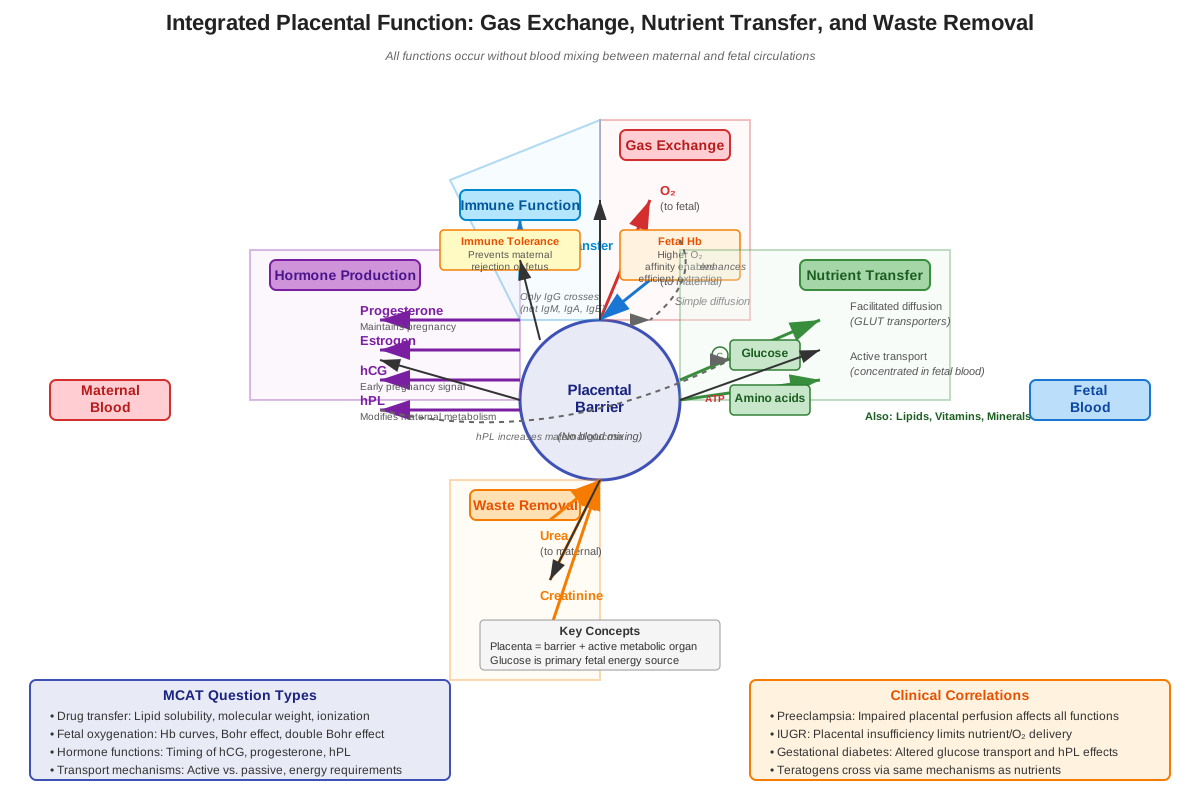
Overview
The placenta is a remarkable temporary organ that forms during pregnancy, serving as the critical interface between maternal and fetal circulatory systems. This specialized structure enables the developing fetus to receive oxygen and nutrients while eliminating metabolic waste products—all without direct mixing of maternal and fetal blood. Understanding placenta biology is essential for MCAT success because it integrates multiple physiological systems including cardiovascular, respiratory, endocrine, and immune function. The placenta exemplifies how the body creates specialized structures to solve complex physiological challenges, making it a favorite topic for MCAT passage-based questions that test integrated reasoning.
For the MCAT, the placenta represents more than just an anatomical structure—it embodies fundamental principles of gas exchange, hormone regulation, selective permeability, and maternal-fetal physiology. Questions about the placenta MCAT content frequently appear in both the Biological and Biochemical Foundations of Living Systems section and occasionally in passages that integrate psychology and sociology concepts related to prenatal development. The placenta's role in maintaining pregnancy through hormone production, its selective barrier function, and its involvement in fetal development make it a high-yield topic that connects to broader themes in physiology and organ systems.
The placenta's significance extends beyond pregnancy physiology to encompass immunology (how the fetus avoids maternal immune rejection), pharmacology (drug transfer across the placental barrier), and pathophysiology (conditions like preeclampsia and placental insufficiency). This multifaceted nature makes placental function an ideal framework for MCAT passages that require students to apply knowledge across multiple biological domains, analyze experimental data, and make predictions about physiological outcomes.
Learning Objectives
- [ ] Define placenta using accurate Biology terminology
- [ ] Explain why placenta matters for the MCAT
- [ ] Apply placenta concepts to exam-style questions
- [ ] Identify common mistakes related to placenta
- [ ] Connect placenta to related Biology concepts
- [ ] Describe the structural organization of the placenta and its functional zones
- [ ] Analyze the mechanisms of substance exchange across the placental barrier
- [ ] Evaluate the endocrine functions of the placenta throughout pregnancy
- [ ] Compare and contrast maternal and fetal circulation within the placenta
Prerequisites
- Basic cardiovascular anatomy and physiology: Understanding blood flow, pressure gradients, and gas exchange principles is essential for comprehending placental circulation
- Cell membrane transport mechanisms: Knowledge of diffusion, facilitated diffusion, active transport, and endocytosis underlies placental substance transfer
- Hormone function and regulation: Familiarity with steroid and peptide hormones provides context for placental endocrine activity
- Fetal development stages: Basic embryology helps situate when and how the placenta forms
- Respiratory physiology: Gas exchange principles apply directly to oxygen and carbon dioxide transfer across the placenta
Why This Topic Matters
The placenta represents a clinically significant organ whose dysfunction can lead to serious maternal and fetal complications including preeclampsia, intrauterine growth restriction, and pregnancy loss. Understanding placental physiology is fundamental for medical professionals in obstetrics, pediatrics, and family medicine. The placenta's unique immunological properties—allowing a semi-allogeneic fetus to develop without maternal rejection—have implications for transplant medicine and autoimmune disease research.
On the MCAT, placenta-related content appears with moderate frequency, typically in 2-4 questions per exam either as discrete questions or within biological passages. Questions most commonly test understanding of gas and nutrient exchange mechanisms, hormone production (especially hCG and progesterone), and the structural-functional relationship of the placental barrier. The MCAT favors questions that require students to apply principles rather than memorize facts, such as predicting how changes in maternal blood flow would affect fetal oxygenation or analyzing experimental data about substance transfer rates.
Placental topics commonly appear in MCAT passages that present research scenarios investigating drug transfer, maternal-fetal disease transmission, or hormonal regulation of pregnancy. These passages often include graphs showing concentration gradients, experimental manipulations of placental perfusion, or comparative studies across species with different placental types. The integrative nature of placental function makes it ideal for testing students' ability to connect multiple physiological systems and apply reasoning to novel scenarios.
Core Concepts
Definition and Basic Structure
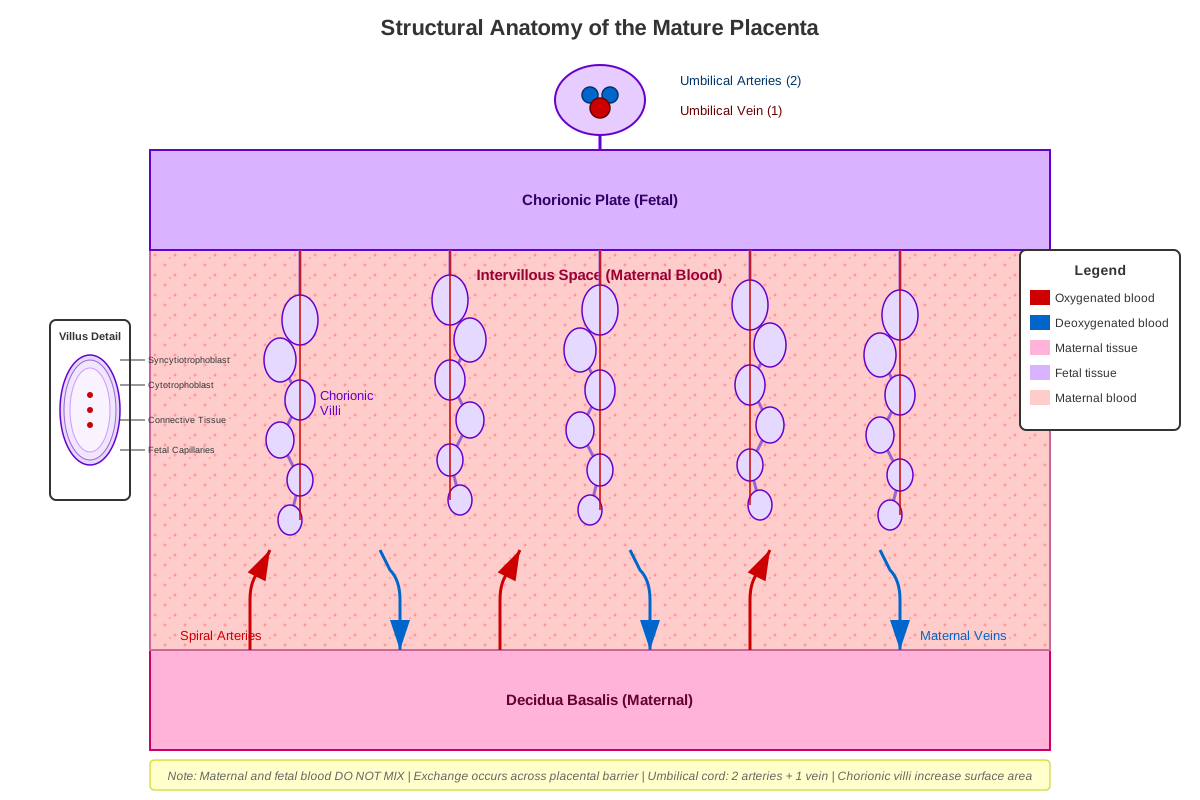
The placenta is a temporary, disc-shaped organ that develops during pregnancy to facilitate physiological exchange between maternal and fetal circulatory systems while maintaining separation of their blood supplies. This organ typically weighs 500-600 grams at term and measures approximately 20 cm in diameter and 2-3 cm in thickness. The placenta consists of both maternal tissue (decidua basalis from the uterine lining) and fetal tissue (chorionic villi derived from the trophoblast layer of the blastocyst).
The functional unit of the placenta is the chorionic villus, a finger-like projection of fetal tissue that extends into maternal blood-filled spaces called intervillous spaces. Each villus contains fetal capillaries surrounded by layers of trophoblast cells. The placental barrier separating maternal and fetal blood consists of several layers: the syncytiotrophoblast (outer layer in contact with maternal blood), cytotrophoblast cells (inner layer), connective tissue, and fetal capillary endothelium. As pregnancy progresses, this barrier thins to optimize exchange efficiency, with the cytotrophoblast layer becoming discontinuous by the third trimester.
Placental Circulation
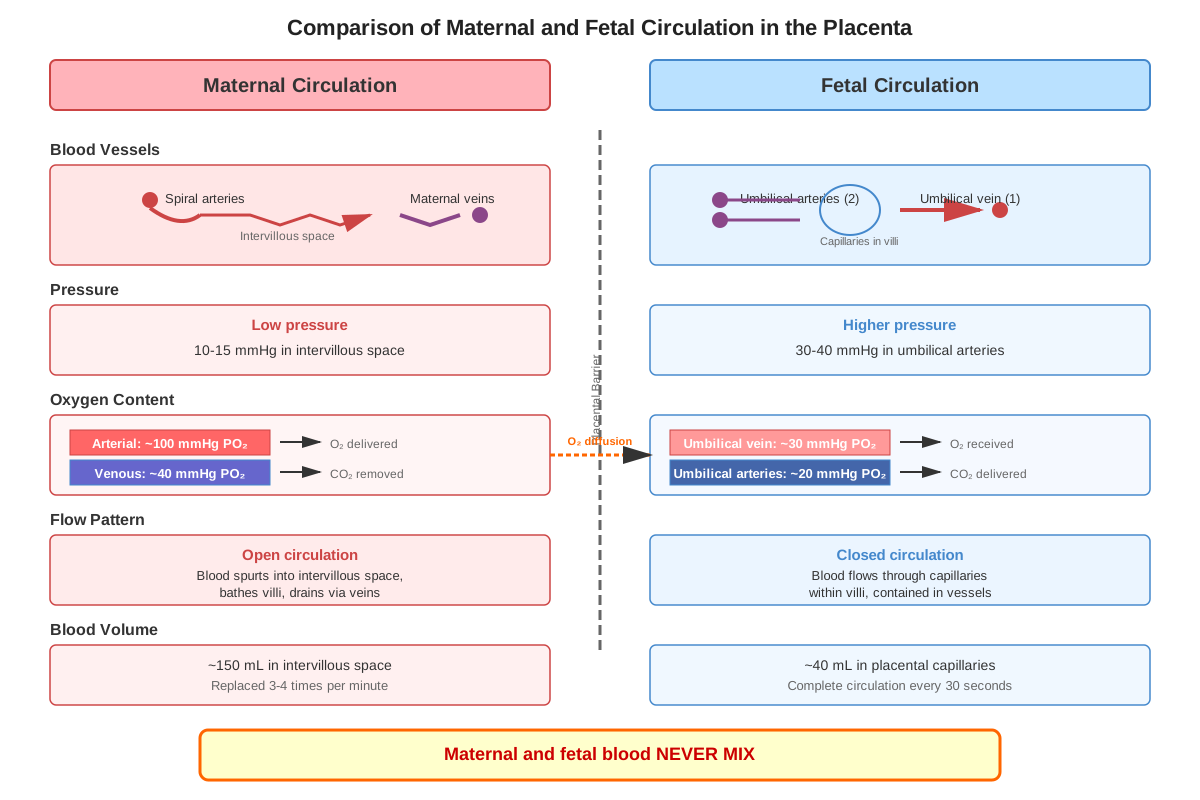
The placenta receives blood from two distinct circulatory systems that never directly mix under normal conditions. Maternal blood enters the intervillous spaces through spiral arteries in the uterine wall, which have been remodeled during early pregnancy to become low-resistance, high-flow vessels. Maternal blood bathes the chorionic villi at relatively low pressure (compared to systemic arterial pressure), then drains through uterine veins back to the maternal circulation. This arrangement creates a blood pool around the villi, maximizing contact time for exchange.
Fetal blood reaches the placenta through two umbilical arteries (carrying deoxygenated blood from the fetus) and returns via a single umbilical vein (carrying oxygenated, nutrient-rich blood to the fetus). Within the placenta, these vessels branch extensively into capillary networks within each villus. The countercurrent-like arrangement, where maternal and fetal blood flow in different directions, enhances exchange efficiency by maintaining concentration gradients along the length of the villi.
Gas Exchange Mechanisms
Oxygen and carbon dioxide cross the placental barrier primarily through simple diffusion down their concentration gradients. The placenta functions analogously to the lungs, though with important differences. Maternal blood entering the intervillous spaces has a PO₂ of approximately 100 mmHg, while fetal blood in the umbilical arteries has a PO₂ of only 20-30 mmHg. This substantial gradient drives oxygen transfer to the fetus.
Several adaptations compensate for the relatively low fetal PO₂:
- Fetal hemoglobin (HbF) has higher oxygen affinity than adult hemoglobin due to reduced binding of 2,3-BPG, shifting the oxygen-hemoglobin dissociation curve leftward
- The Bohr effect facilitates oxygen transfer: as CO₂ diffuses from fetal to maternal blood, maternal blood becomes more acidic (decreasing its oxygen affinity), while fetal blood becomes more alkaline (increasing its oxygen affinity)
- The double Bohr effect occurs because both maternal and fetal blood experience pH changes that favor oxygen transfer to the fetus
- Higher fetal hemoglobin concentration (approximately 50% higher than maternal) increases oxygen-carrying capacity
Carbon dioxide transfer occurs even more readily than oxygen due to CO₂'s higher solubility in biological membranes. The PCO₂ gradient (fetal blood ~48 mmHg, maternal blood ~40 mmHg) drives diffusion from fetus to mother.
Nutrient and Waste Transfer
The placenta employs multiple transport mechanisms to transfer substances between maternal and fetal circulations:
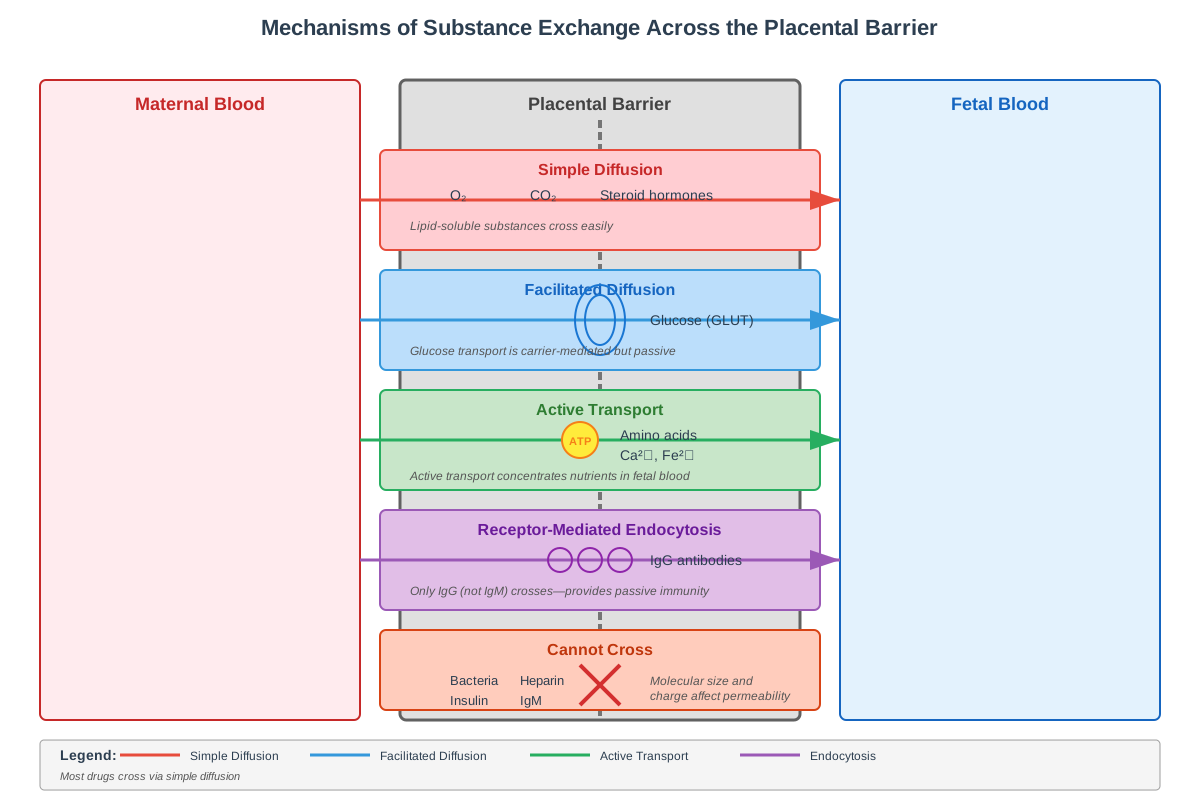
| Substance | Transport Mechanism | Direction |
|---|---|---|
| Glucose | Facilitated diffusion (GLUT transporters) | Mother → Fetus |
| Amino acids | Active transport (various carriers) | Mother → Fetus |
| Fatty acids | Simple diffusion (short chain); protein-mediated (long chain) | Mother → Fetus |
| Water | Osmosis and bulk flow | Bidirectional |
| Electrolytes (Na⁺, K⁺, Cl⁻) | Active transport and diffusion | Bidirectional |
| Urea | Simple diffusion | Fetus → Mother |
| Bilirubin | Facilitated diffusion | Fetus → Mother |
| IgG antibodies | Receptor-mediated endocytosis | Mother → Fetus |
Glucose serves as the primary fetal energy source and crosses via facilitated diffusion through GLUT1 transporters. Fetal glucose concentration remains approximately 70-80% of maternal levels. Amino acids require active transport against concentration gradients, with fetal amino acid levels exceeding maternal concentrations—essential for protein synthesis and growth. Lipids cross the placenta through various mechanisms depending on chain length and saturation, with essential fatty acids particularly important for fetal brain development.
The placenta protects the fetus by limiting transfer of many potentially harmful substances, though this barrier is imperfect. Lipid-soluble molecules generally cross more easily than water-soluble ones. Small molecules (< 500 Da) typically cross readily, while larger molecules face increasing restriction. However, some large molecules like maternal IgG antibodies cross via specific receptor-mediated mechanisms, providing passive immunity to the fetus.
Endocrine Functions
The placenta functions as a major endocrine organ, producing numerous hormones essential for maintaining pregnancy and supporting fetal development:
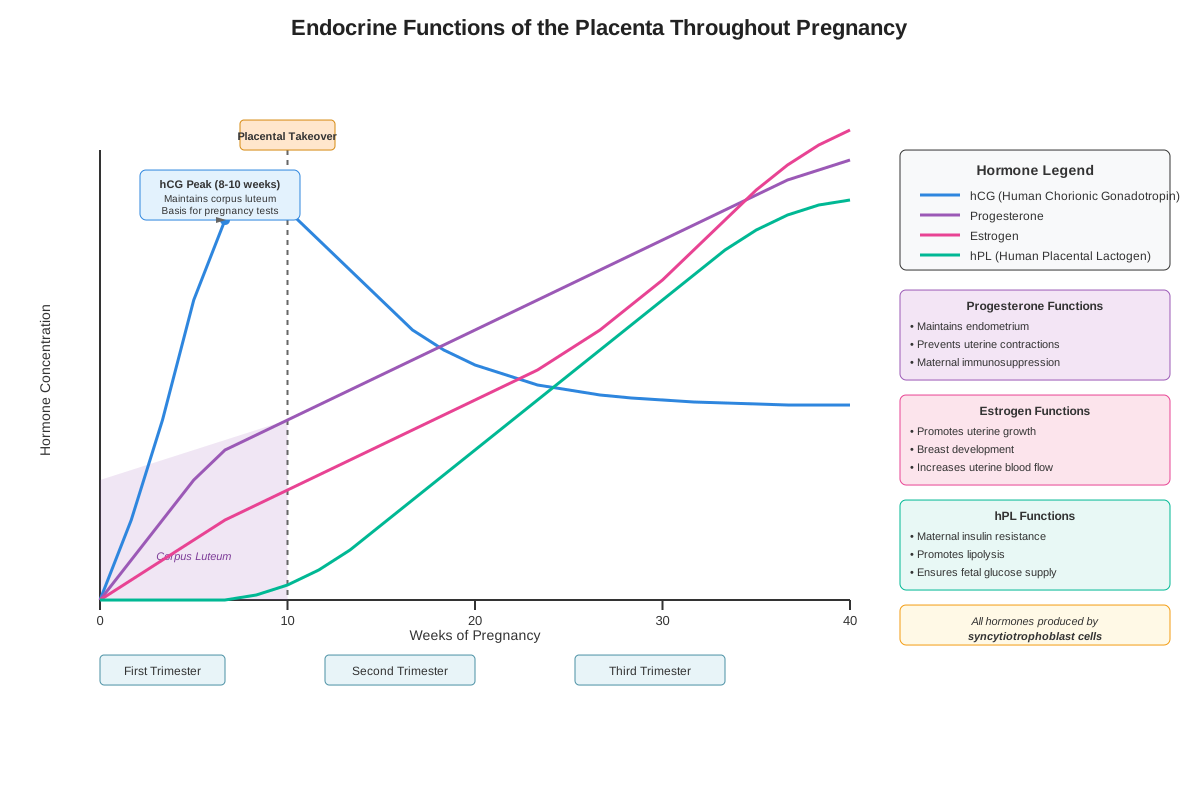
Human chorionic gonadotropin (hCG) is produced by syncytiotrophoblast cells beginning shortly after implantation. This glycoprotein hormone maintains the corpus luteum during early pregnancy, ensuring continued progesterone production until the placenta assumes this role (around 8-10 weeks). The hCG level doubles approximately every 48-72 hours in early pregnancy and peaks at 8-10 weeks, making it the basis for pregnancy tests. Structurally similar to LH, hCG binds to LH receptors on corpus luteum cells.
Progesterone production by the placenta increases throughout pregnancy, reaching levels of 250 mg/day by term. This steroid hormone maintains uterine quiescence by reducing myometrial contractility, supports endometrial function, and contributes to immunological tolerance of the fetus. The placenta synthesizes progesterone from maternal cholesterol, as it lacks certain enzymes needed for complete steroid synthesis from acetate.
Estrogens (primarily estriol) are produced through a cooperative effort between the placenta and fetal adrenal glands—the fetoplacental unit. The fetal adrenals produce DHEA-S (dehydroepiandrosterone sulfate), which the placenta converts to estrogens. Estrogen levels rise progressively throughout pregnancy, promoting uterine growth, breast development, and increased blood flow.
Human placental lactogen (hPL), also called human chorionic somatomammotropin, is produced in large quantities (1-2 g/day by term). This protein hormone has both growth-promoting and metabolic effects, inducing insulin resistance in the mother to ensure adequate glucose availability for the fetus. It also stimulates breast development in preparation for lactation.
Additional placental hormones include corticotropin-releasing hormone (CRH), which increases exponentially in late pregnancy and may play a role in timing parturition, and various growth factors that regulate placental development and function.
Immunological Functions
The placenta creates an immunologically privileged site that prevents maternal immune rejection of the semi-allogeneic fetus (which expresses paternal antigens). Several mechanisms contribute to this tolerance:
- Trophoblast cells express non-classical MHC molecules (HLA-G) rather than classical MHC class I and II molecules, reducing recognition by maternal T cells
- The syncytiotrophoblast lacks MHC expression entirely, as it forms a multinucleated syncytium
- Local immunosuppressive factors including progesterone, hCG, and specific cytokines create a tolerogenic environment
- Regulatory T cells accumulate at the maternal-fetal interface, suppressing immune responses
The placenta selectively transfers maternal IgG antibodies to the fetus via FcRn (neonatal Fc receptor), providing passive immunity against pathogens the mother has encountered. This transfer increases dramatically in the third trimester, with term infants receiving substantial antibody protection. However, this mechanism can also transfer harmful antibodies, as occurs in Rh disease or neonatal lupus.
Placental Development and Maturation
Placental formation begins when the blastocyst implants into the uterine wall around day 6-7 post-fertilization. The outer trophoblast layer differentiates into cytotrophoblast and syncytiotrophoblast, with the latter invading the maternal decidua. By the end of the second week, primitive villi form, and by the third week, these villi become vascularized with fetal blood vessels, establishing the basic structure for exchange.
During the first trimester, cytotrophoblast cells invade maternal spiral arteries, replacing the endothelium and smooth muscle. This vascular remodeling converts these vessels from high-resistance to low-resistance conduits, increasing blood flow to the placenta. Inadequate remodeling is associated with pregnancy complications like preeclampsia and intrauterine growth restriction.
The placenta continues growing throughout pregnancy, though its growth rate slows relative to fetal growth in the third trimester. The surface area for exchange increases through branching of villi and thinning of the placental barrier. At term, the placenta has approximately 10-14 square meters of exchange surface.
Concept Relationships
The placenta integrates multiple physiological systems into a cohesive functional unit. Placental circulation depends on cardiovascular principles, with maternal blood flow determined by cardiac output and vascular resistance, while fetal blood flow depends on umbilical vessel resistance and fetal cardiac function. These circulatory systems connect to gas exchange mechanisms, which apply respiratory physiology principles (partial pressure gradients, hemoglobin-oxygen binding) in a novel context.
Nutrient transfer mechanisms link to cell biology and biochemistry, employing the same transport proteins and processes found in other organs but adapted for the unique placental environment. These transport processes support fetal metabolism and growth, connecting placental function to developmental biology. The endocrine functions of the placenta tie into reproductive endocrinology, with placental hormones regulating both maternal physiology and fetal development through feedback loops involving the hypothalamic-pituitary axis.
The relationship map flows as follows: Implantation → Placental development → Establishment of maternal-fetal circulation → Gas and nutrient exchange → Fetal growth and development. Simultaneously, Trophoblast differentiation → Hormone production → Maintenance of pregnancy and Metabolic adaptations. The immunological functions operate in parallel, with Immune tolerance mechanisms → Prevention of fetal rejection and Antibody transfer → Passive fetal immunity.
Understanding these relationships enables students to approach MCAT questions systematically. For example, a question about how maternal diabetes affects the fetus requires connecting maternal glucose levels → placental glucose transfer → fetal hyperglycemia → fetal hyperinsulinemia → macrosomia. Similarly, questions about drug transfer require understanding lipid solubility → membrane permeability → placental barrier crossing → fetal exposure.
Quick check — test yourself on Placenta so far.
Try Flashcards →High-Yield Facts
⭐ The placental barrier consists of syncytiotrophoblast, cytotrophoblast (in early pregnancy), connective tissue, and fetal capillary endothelium, separating maternal and fetal blood while allowing selective exchange.
⭐ Fetal hemoglobin (HbF) has higher oxygen affinity than adult hemoglobin due to decreased 2,3-BPG binding, compensating for lower fetal PO₂ (20-30 mmHg vs. maternal 100 mmHg).
⭐ Human chorionic gonadotropin (hCG) maintains the corpus luteum in early pregnancy until the placenta takes over progesterone production around 8-10 weeks gestation.
⭐ Glucose crosses the placenta via facilitated diffusion through GLUT transporters, while amino acids require active transport, resulting in higher fetal than maternal amino acid concentrations.
⭐ The placenta functions as the fetal "lung," "kidney," and "gut," handling gas exchange, waste removal, and nutrient acquisition respectively.
- Maternal and fetal blood never directly mix in the normal placenta; exchange occurs across the placental barrier
- The double Bohr effect enhances oxygen transfer: maternal blood becomes acidic (releasing O₂) while fetal blood becomes alkaline (binding O₂)
- Only IgG antibodies cross the placenta (via receptor-mediated endocytosis), not IgM, IgA, IgD, or IgE
- Human placental lactogen (hPL) induces maternal insulin resistance, prioritizing glucose availability for the fetus
- Lipid-soluble substances (including many drugs, alcohol, and steroid hormones) cross the placenta more readily than water-soluble substances
- The placenta produces progesterone from maternal cholesterol but requires fetal precursors (DHEA-S) to synthesize estrogens—the fetoplacental unit
- Inadequate spiral artery remodeling in early pregnancy is associated with preeclampsia and intrauterine growth restriction
- The umbilical vein carries oxygenated blood TO the fetus, while umbilical arteries carry deoxygenated blood FROM the fetus (opposite of typical naming)
- Placental surface area for exchange is approximately 10-14 square meters at term
- The placenta metabolizes some substances, providing a degree of protection beyond simple barrier function
Common Misconceptions
Misconception: Maternal and fetal blood mix in the placenta.
Correction: Maternal and fetal blood remain separated by the placental barrier under normal conditions. Exchange occurs through diffusion, active transport, and other mechanisms across this barrier, not through direct blood mixing. Direct mixing would trigger maternal immune rejection and cause other serious complications.
Misconception: The placenta provides complete protection against harmful substances reaching the fetus.
Correction: The placental barrier is selectively permeable, not impermeable. Many substances cross readily, including alcohol, nicotine, many medications, and some pathogens. Lipid-soluble molecules and small molecules generally cross more easily. The placenta provides some protection through limited permeability and metabolic activity, but this protection is incomplete.
Misconception: Fetal blood has the same oxygen saturation as maternal arterial blood.
Correction: Fetal blood has much lower PO₂ (20-30 mmHg) than maternal arterial blood (100 mmHg), but achieves adequate oxygen content through compensatory mechanisms: higher hemoglobin concentration, fetal hemoglobin with increased oxygen affinity, and the double Bohr effect. Fetal oxygen saturation is typically 60-70% compared to maternal 95-98%.
Misconception: The placenta only functions in nutrient and gas exchange.
Correction: The placenta is a multifunctional organ serving as an endocrine gland (producing hCG, progesterone, estrogens, hPL, and other hormones), an immunological barrier (preventing fetal rejection while transferring antibodies), a metabolic organ (synthesizing glycogen and cholesterol), and a protective barrier (metabolizing some toxins). Its functions extend far beyond simple exchange.
Misconception: All maternal antibodies cross the placenta to protect the fetus.
Correction: Only IgG antibodies cross the placenta via specific FcRn receptor-mediated transport. IgM, IgA, IgD, and IgE do not cross. This selective transfer provides passive immunity against many pathogens but also means the fetus lacks protection against some infections and can be harmed by pathogenic maternal IgG antibodies (as in Rh disease).
Misconception: The placenta is entirely a fetal organ.
Correction: The placenta is a composite organ with both fetal components (chorionic villi derived from trophoblast) and maternal components (decidua basalis from the uterine lining). The functional exchange surface involves intimate contact between these fetal and maternal tissues.
Misconception: Placental hormone production is constant throughout pregnancy.
Correction: Placental hormone production changes dramatically across pregnancy. hCG peaks at 8-10 weeks then declines, progesterone production increases steadily after the placenta assumes this role from the corpus luteum, estrogen production rises progressively, and hPL increases throughout pregnancy. These dynamic changes reflect the evolving needs of pregnancy maintenance and fetal development.
Worked Examples
Example 1: Gas Exchange Analysis
Question: A researcher measures oxygen partial pressures in maternal and fetal blood at the placenta. Maternal blood entering the intervillous space has PO₂ = 95 mmHg, while fetal blood in the umbilical arteries has PO₂ = 25 mmHg. Despite this large difference, both maternal and fetal hemoglobin are approximately 90% saturated with oxygen in their respective circulations. Explain how the fetus achieves similar oxygen saturation despite much lower PO₂.
Solution:
Step 1: Identify the key physiological principle. The oxygen-hemoglobin dissociation curve describes the relationship between PO₂ and hemoglobin saturation. Different forms of hemoglobin have different curves.
Step 2: Recognize fetal adaptations. Fetal hemoglobin (HbF) has a higher oxygen affinity than adult hemoglobin (HbA), meaning it binds oxygen more tightly at any given PO₂. This shifts the oxygen-hemoglobin dissociation curve to the left.
Step 3: Explain the mechanism. HbF has reduced binding affinity for 2,3-BPG (2,3-bisphosphoglycerate) compared to HbA. Since 2,3-BPG normally decreases hemoglobin's oxygen affinity, reduced 2,3-BPG binding means HbF maintains higher oxygen affinity. The gamma chains in HbF (α₂γ₂) have different amino acid sequences than the beta chains in HbA (α₂β₂), particularly in the 2,3-BPG binding pocket.
Step 4: Apply to the scenario. At PO₂ = 25 mmHg, HbA would be only about 50% saturated, but HbF achieves approximately 90% saturation due to its leftward-shifted curve. This adaptation allows the fetus to extract sufficient oxygen from maternal blood despite the lower driving pressure.
Step 5: Consider additional factors. The fetus also has higher hemoglobin concentration (approximately 16-18 g/dL vs. maternal 12-14 g/dL), increasing total oxygen-carrying capacity. The double Bohr effect further enhances transfer at the placental interface.
Connection to learning objectives: This example demonstrates application of placental physiology to analyze experimental data, integrating respiratory physiology principles with fetal adaptations.
Example 2: Hormone Production and Pregnancy Maintenance
Question: A 28-year-old woman undergoes surgical removal of her corpus luteum at 6 weeks gestation due to a ruptured ovarian cyst. At 12 weeks gestation, the same procedure would likely have different consequences. Explain the physiological basis for this difference and predict the outcomes at each timepoint.
Solution:
Step 1: Identify the critical hormone. Progesterone is essential for maintaining pregnancy by supporting the endometrium and reducing uterine contractility. The question centers on progesterone sources at different gestational ages.
Step 2: Analyze early pregnancy (6 weeks). At 6 weeks gestation, the corpus luteum is the primary source of progesterone. The placenta is still developing and produces insufficient progesterone to maintain pregnancy independently. The corpus luteum is maintained by hCG from the developing placenta.
Step 3: Predict outcome at 6 weeks. Removal of the corpus luteum at 6 weeks would cause progesterone levels to drop precipitously. Without adequate progesterone, the endometrium cannot be maintained, uterine contractility increases, and pregnancy loss (miscarriage) would likely occur.
Step 4: Analyze later pregnancy (12 weeks). By 12 weeks gestation, the "luteal-placental shift" has occurred. The placenta has developed sufficient capacity to produce progesterone independently (approximately 250 mg/day by term, starting from ~50 mg/day at 8-10 weeks). The placenta synthesizes progesterone from maternal cholesterol using its own enzymatic machinery.
Step 5: Predict outcome at 12 weeks. Removal of the corpus luteum at 12 weeks would have minimal effect on pregnancy because the placenta has assumed the role of progesterone production. Progesterone levels would remain adequate to maintain pregnancy.
Step 6: Consider the mechanism. The transition occurs because placental mass and syncytiotrophoblast surface area increase dramatically during the first trimester, with corresponding increases in enzyme expression for steroid synthesis. The placenta expresses cholesterol side-chain cleavage enzyme (P450scc) and 3β-hydroxysteroid dehydrogenase, enabling progesterone synthesis from cholesterol.
Connection to learning objectives: This example requires understanding placental endocrine function, temporal changes in hormone production, and the relationship between placental development and pregnancy maintenance—key concepts for MCAT passages involving reproductive physiology.
Exam Strategy
When approaching MCAT questions about the placenta, first identify which physiological system is being tested: circulation, gas exchange, nutrient transport, endocrine function, or immunology. Many questions integrate multiple systems, so look for the primary focus in the question stem.
Trigger words and phrases to watch for:
- "Maternal-fetal exchange" → Think about barrier structure and transport mechanisms
- "Oxygen delivery to the fetus" → Consider PO₂ gradients, fetal hemoglobin, and Bohr effect
- "Early pregnancy" vs. "late pregnancy" → Temporal changes in placental function, especially hormone production
- "Lipid-soluble substance" → Likely crosses placenta readily
- "Maintains pregnancy" → Progesterone and its sources
- "Pregnancy test" → hCG detection
- "Passive immunity" → IgG transfer
- "Spiral arteries" → Vascular remodeling and blood flow to placenta
For process-of-elimination, remember these principles:
- Eliminate answers suggesting maternal-fetal blood mixing (unless describing pathology)
- Eliminate answers treating the placenta as a perfect barrier (it's selective, not impermeable)
- Eliminate answers suggesting all antibodies cross (only IgG)
- Eliminate answers confusing umbilical vessel function (vein carries oxygenated blood TO fetus)
- Eliminate answers suggesting the placenta produces all steroid hormones independently (requires fetal precursors for estrogen)
Time allocation: Discrete questions about placental function should take 60-90 seconds. For passage-based questions, spend 1-2 minutes reading the passage to identify the experimental setup or clinical scenario, then 60-90 seconds per question. If a question requires complex calculations or multi-step reasoning about transport mechanisms, allocate up to 2 minutes.
Approach strategy: For transport mechanism questions, create a quick mental table of the substance's properties (size, charge, lipid solubility) and match to appropriate transport type. For hormone questions, establish the timeline first (early vs. late pregnancy) before analyzing function. For gas exchange questions, always consider both the gradient and the hemoglobin properties. When passages present experimental data, look for how manipulations affect gradients, blood flow, or barrier properties.
Memory Techniques
Mnemonic for placental hormones: "Happy Pregnant Elephants Love Cake"
- Human chorionic gonadotropin (hCG)
- Progesterone
- Estrogens (especially estriol)
- Lactogen (human placental lactogen/hPL)
- Corticotropin-releasing hormone (CRH)
Mnemonic for placental barrier layers (from maternal to fetal blood): "Some Cells Can't Exchange"
- Syncytiotrophoblast
- Cytotrophoblast (early pregnancy)
- Connective tissue
- Endothelium (fetal capillary)
Visualization for umbilical vessels: Picture the umbilical cord as a "two-lane highway TO the fetus (one vein with oxygenated blood) and a divided highway FROM the fetus (two arteries with deoxygenated blood)." This reverses the typical artery-vein oxygen content relationship.
Acronym for fetal oxygen adaptations: "FETAL"
- Fetal hemoglobin (higher O₂ affinity)
- Elevated hemoglobin concentration
- Transfer enhanced by double Bohr effect
- Alkaline shift in fetal blood (from CO₂ loss)
- Large surface area for exchange
Memory aid for hCG function: "hCG Continues the Corpus luteum" (both start with C)
Timeline visualization: Create a mental timeline with three zones:
- Weeks 1-8: Corpus luteum dominant for progesterone, hCG rising
- Weeks 8-12: Transition period (luteal-placental shift)
- Weeks 12-40: Placenta dominant for all hormones, hCG declining
Summary
The placenta is a temporary, multifunctional organ that serves as the critical interface between maternal and fetal physiological systems throughout pregnancy. Structurally, it consists of fetal chorionic villi bathed in maternal blood within intervillous spaces, creating a large surface area for exchange while maintaining separation of maternal and fetal circulations. The placental barrier employs multiple transport mechanisms—simple diffusion for gases, facilitated diffusion for glucose, active transport for amino acids, and receptor-mediated endocytosis for antibodies—to selectively regulate substance transfer. Fetal adaptations including fetal hemoglobin with increased oxygen affinity, higher hemoglobin concentration, and the double Bohr effect compensate for low fetal PO₂ to ensure adequate oxygenation. As an endocrine organ, the placenta produces hCG to maintain the corpus luteum initially, then assumes progesterone and estrogen production itself through the fetoplacental unit, while also secreting hPL and other hormones that regulate maternal metabolism and fetal growth. The placenta creates an immunologically privileged site preventing maternal rejection of the semi-allogeneic fetus while selectively transferring maternal IgG antibodies to provide passive immunity. Understanding these integrated functions—circulation, exchange, endocrine activity, and immunology—is essential for MCAT success and provides a foundation for clinical medicine.
Key Takeaways
- The placenta maintains strict separation of maternal and fetal blood while facilitating selective bidirectional exchange through a multi-layered barrier using various transport mechanisms
- Fetal hemoglobin's increased oxygen affinity (due to reduced 2,3-BPG binding) and the double Bohr effect enable adequate fetal oxygenation despite low PO₂ (20-30 mmHg)
- The placenta transitions from hCG production (maintaining corpus luteum) in early pregnancy to independent progesterone synthesis by 8-10 weeks, with estrogen production requiring fetal adrenal precursors (fetoplacental unit)
- Only IgG antibodies cross the placenta via receptor-mediated transport, providing passive immunity but also potentially transferring harmful antibodies
- Lipid-soluble and small molecules generally cross the placental barrier more readily than water-soluble and large molecules, though specific transporters exist for essential nutrients like glucose and amino acids
- The placenta integrates cardiovascular, respiratory, endocrine, metabolic, and immunological functions, making it a high-yield topic for integrated MCAT questions
- Inadequate spiral artery remodeling and placental dysfunction underlie major pregnancy complications, connecting basic physiology to clinical pathology
Related Topics
Fetal Circulation: Understanding the unique features of fetal cardiovascular anatomy (foramen ovale, ductus arteriosus, ductus venosus) and how they complement placental function provides a complete picture of fetal physiology. The placenta's role as the fetal "lung" makes sense only in the context of these cardiovascular adaptations.
Reproductive Endocrinology: The placenta's hormone production connects to broader concepts of the hypothalamic-pituitary-gonadal axis, steroid hormone synthesis pathways, and feedback regulation. Mastering placental endocrine function builds on and reinforces understanding of ovarian and testicular steroid production.
Immunology and Transplantation: The mechanisms by which the placenta prevents maternal immune rejection of the fetus relate directly to transplant immunology, autoimmunity, and immune tolerance. These concepts appear frequently in MCAT passages about immune system regulation.
Membrane Transport: The various transport mechanisms employed by the placenta exemplify principles of cell membrane physiology applicable throughout biology. Understanding placental transport reinforces knowledge of channels, carriers, pumps, and endocytosis.
Respiratory Physiology: Gas exchange principles, hemoglobin-oxygen binding curves, and the Bohr effect apply to both pulmonary and placental function. Comparing these systems deepens understanding of both and prepares students for comparative physiology questions.
Practice CTA
Now that you've mastered the core concepts of placental structure and function, it's time to reinforce your learning through active practice. Challenge yourself with MCAT-style practice questions that test your ability to apply these principles to novel scenarios, analyze experimental data, and integrate multiple physiological systems. Use flashcards to drill high-yield facts, especially the transport mechanisms, hormone functions, and fetal adaptations that appear frequently on the exam. Remember, understanding the placenta isn't just about memorizing facts—it's about developing the integrated reasoning skills that will serve you throughout medical school and clinical practice. You've built a strong foundation; now strengthen it through deliberate practice and spaced repetition. Your investment in mastering this topic will pay dividends not only on test day but throughout your medical career!
Sign up free to keep reading
Create a free AnvayaPrep account to finish this MCAT guide on Placenta — plus flashcards and practice questions.