Overview
Platelets, also known as thrombocytes, are small, anucleate cell fragments derived from megakaryocytes in the bone marrow that play a critical role in hemostasis and blood clotting. These disc-shaped structures circulate in the bloodstream at concentrations of approximately 150,000–400,000 per microliter and represent a fundamental component of the body's defense against blood loss. Understanding Platelets Biology requires mastery of their formation, structure, activation mechanisms, and integration into the coagulation cascade—all of which are testable concepts within Physiology and Organ Systems on the MCAT.
For the Platelets MCAT content, students must recognize that these cellular fragments bridge multiple biological systems: hematology, cardiovascular physiology, cell biology, and biochemistry. Platelets exemplify how the body maintains homeostasis through coordinated cellular responses to injury. The MCAT frequently tests platelet function within the context of wound healing, vascular integrity, and the distinction between primary and secondary hemostasis. Questions may appear as standalone discrete items or embedded within passages discussing cardiovascular disease, bleeding disorders, or pharmacological interventions affecting coagulation.
The significance of platelets extends beyond their immediate hemostatic function. They serve as a model system for understanding cell signaling, receptor-ligand interactions, and the conversion of extracellular signals into coordinated cellular responses. Mastery of platelet biology provides a foundation for understanding related topics including the coagulation cascade, endothelial function, inflammatory responses, and hematologic disorders. This topic integrates seamlessly with cardiovascular physiology, making it essential for comprehensive MCAT preparation in Biology.
Learning Objectives
- [ ] Define Platelets using accurate Biology terminology
- [ ] Explain why Platelets matters for the MCAT
- [ ] Apply Platelets to exam-style questions
- [ ] Identify common mistakes related to Platelets
- [ ] Connect Platelets to related Biology concepts
- [ ] Describe the process of platelet formation (thrombopoiesis) and the role of thrombopoietin
- [ ] Explain the molecular mechanisms of platelet activation, adhesion, and aggregation
- [ ] Distinguish between primary and secondary hemostasis and identify where platelets function in each
- [ ] Analyze how antiplatelet medications interfere with normal platelet function
Prerequisites
- Basic cell biology: Understanding of cell membranes, receptors, and intracellular signaling is essential for comprehending platelet activation mechanisms
- Cardiovascular anatomy and physiology: Knowledge of blood vessel structure and blood flow dynamics provides context for where and why platelets function
- Protein structure and function: Familiarity with glycoproteins and their roles in cell adhesion helps explain platelet-endothelium interactions
- Basic biochemistry: Understanding of calcium signaling, phospholipid metabolism, and enzyme cascades underlies platelet activation pathways
- Blood composition: Knowledge of formed elements in blood (erythrocytes, leukocytes, platelets) and plasma components establishes the hematologic context
Why This Topic Matters
Clinical Significance
Platelet disorders represent some of the most common hematologic conditions encountered in clinical medicine. Thrombocytopenia (low platelet count) can result from decreased production, increased destruction, or sequestration, leading to spontaneous bleeding, petechiae, and purpura. Conversely, thrombocytosis (elevated platelet count) or hyperactive platelets contribute to pathological thrombosis, including myocardial infarction and stroke—leading causes of mortality worldwide. Antiplatelet therapy with aspirin or clopidogrel represents one of the most widely prescribed medication classes, preventing cardiovascular events in millions of patients. Understanding platelet biology is fundamental to comprehending bleeding disorders like von Willebrand disease, immune thrombocytopenic purpura (ITP), and thrombotic thrombocytopenic purpura (TTP).
MCAT Relevance
Platelet-related content appears on the MCAT with medium frequency, typically in 2–4 questions per exam across both passage-based and discrete formats. Questions most commonly test: (1) the distinction between primary and secondary hemostasis, (2) the sequence of events in platelet plug formation, (3) the mechanism of action of antiplatelet drugs, and (4) the interpretation of bleeding time versus clotting time in diagnostic scenarios. Approximately 60% of platelet questions appear within passages discussing cardiovascular pathology, pharmacology, or experimental studies of coagulation. The remaining 40% appear as discrete questions testing fundamental knowledge of platelet structure and function.
Common Exam Contexts
The MCAT presents platelet biology through several recurring frameworks: (1) experimental passages describing novel anticoagulants or antiplatelet agents requiring students to predict effects on hemostasis, (2) clinical vignettes presenting patients with bleeding or clotting disorders where platelet count and function must be interpreted, (3) biochemistry passages exploring cell signaling pathways where platelet activation serves as the model system, and (4) comparative physiology passages contrasting hemostatic mechanisms across species. Recognition of these patterns enables strategic preparation and efficient question analysis during the exam.
Core Concepts
Platelet Structure and Origin
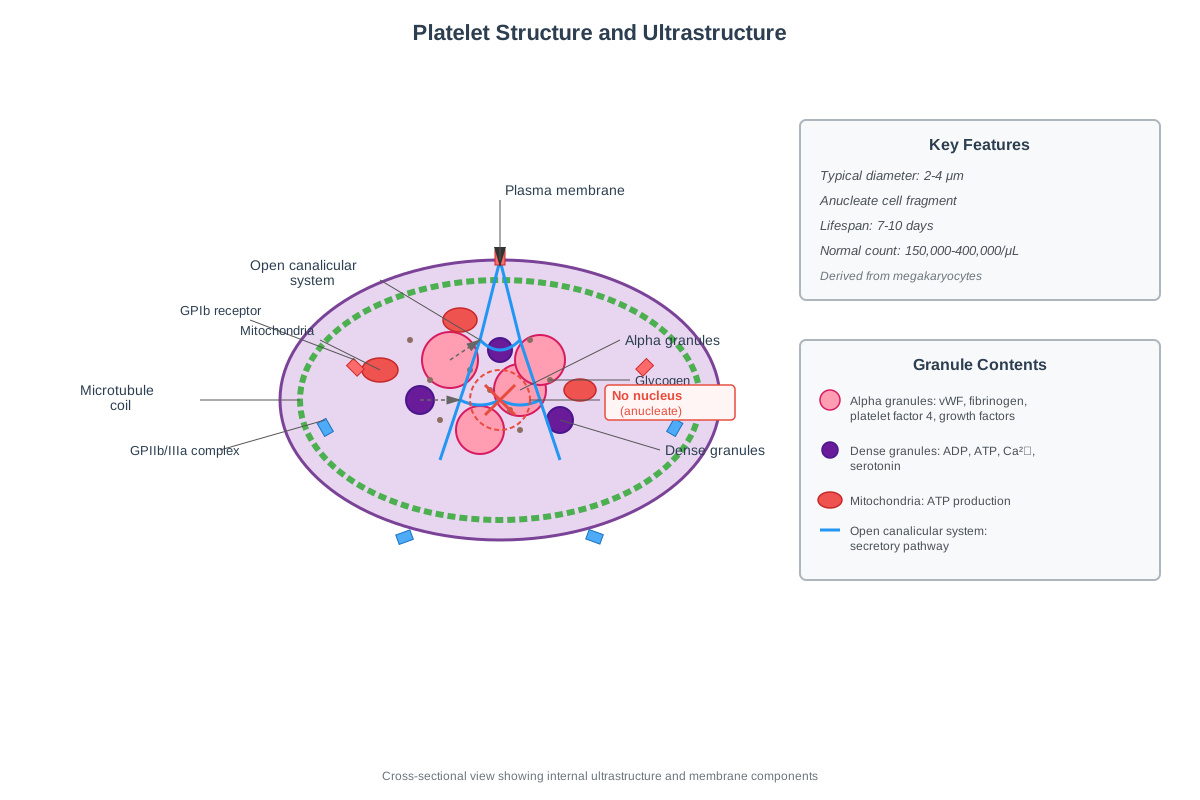
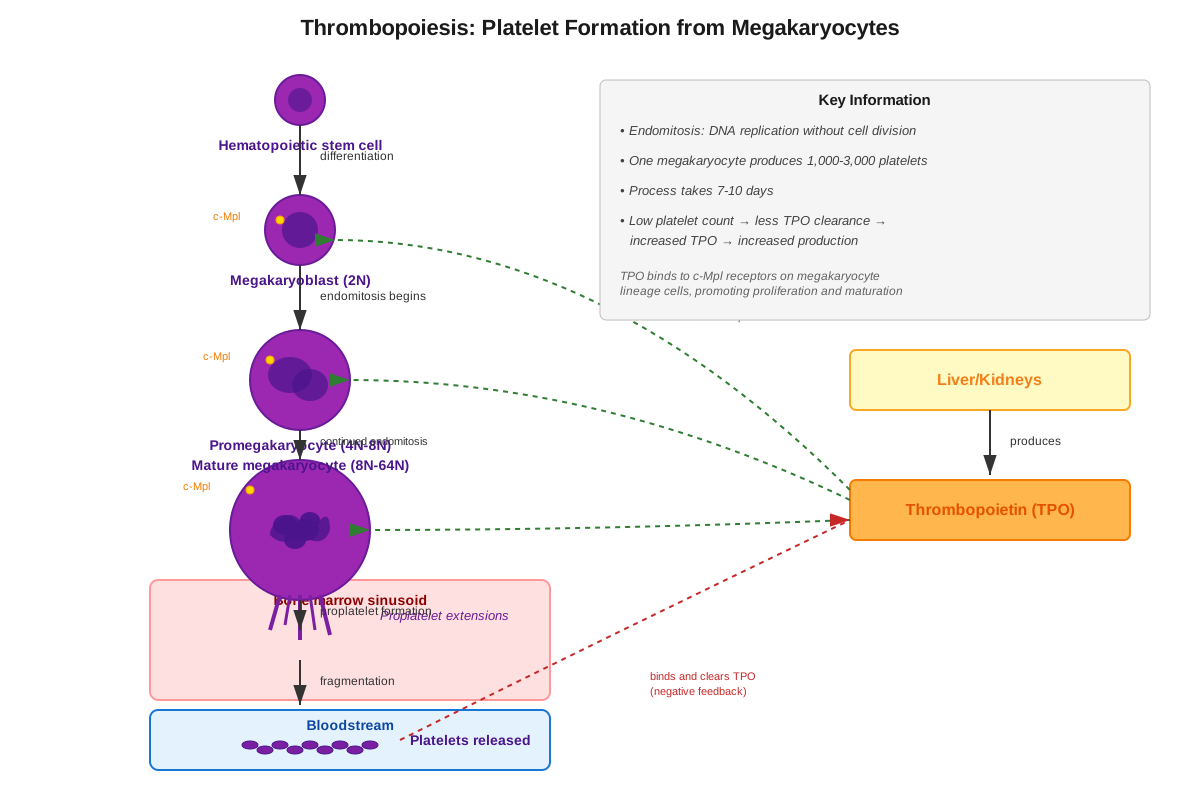
Platelets are anucleate cytoplasmic fragments measuring 2–4 micrometers in diameter, derived from megakaryocytes through a process called thrombopoiesis. Megakaryocytes are large, polyploid cells residing in the bone marrow that undergo endomitosis (nuclear division without cell division), resulting in cells with DNA content up to 64N. Under the influence of thrombopoietin (TPO), a cytokine produced primarily by the liver and kidneys, megakaryocytes extend long cytoplasmic projections called proplatelets into bone marrow sinusoids. These proplatelets fragment into individual platelets that enter the circulation, where they survive for approximately 7–10 days before being removed by splenic macrophages.
Despite lacking a nucleus, platelets contain numerous organelles and structures essential for their function. The platelet cytoplasm houses mitochondria for ATP production, a dense tubular system (residual smooth endoplasmic reticulum) for calcium storage, and three types of granules: alpha granules containing adhesive proteins (fibrinogen, von Willebrand factor, fibronectin) and growth factors (PDGF, TGF-β), dense granules storing ADP, ATP, serotonin, and calcium, and lysosomes containing hydrolytic enzymes. The platelet membrane features numerous glycoprotein receptors critical for activation and adhesion, including GPIb-IX-V complex (binds von Willebrand factor), GPIIb/IIIa (binds fibrinogen), and receptors for thrombin, collagen, ADP, and thromboxane A₂.
Primary Hemostasis: Platelet Plug Formation
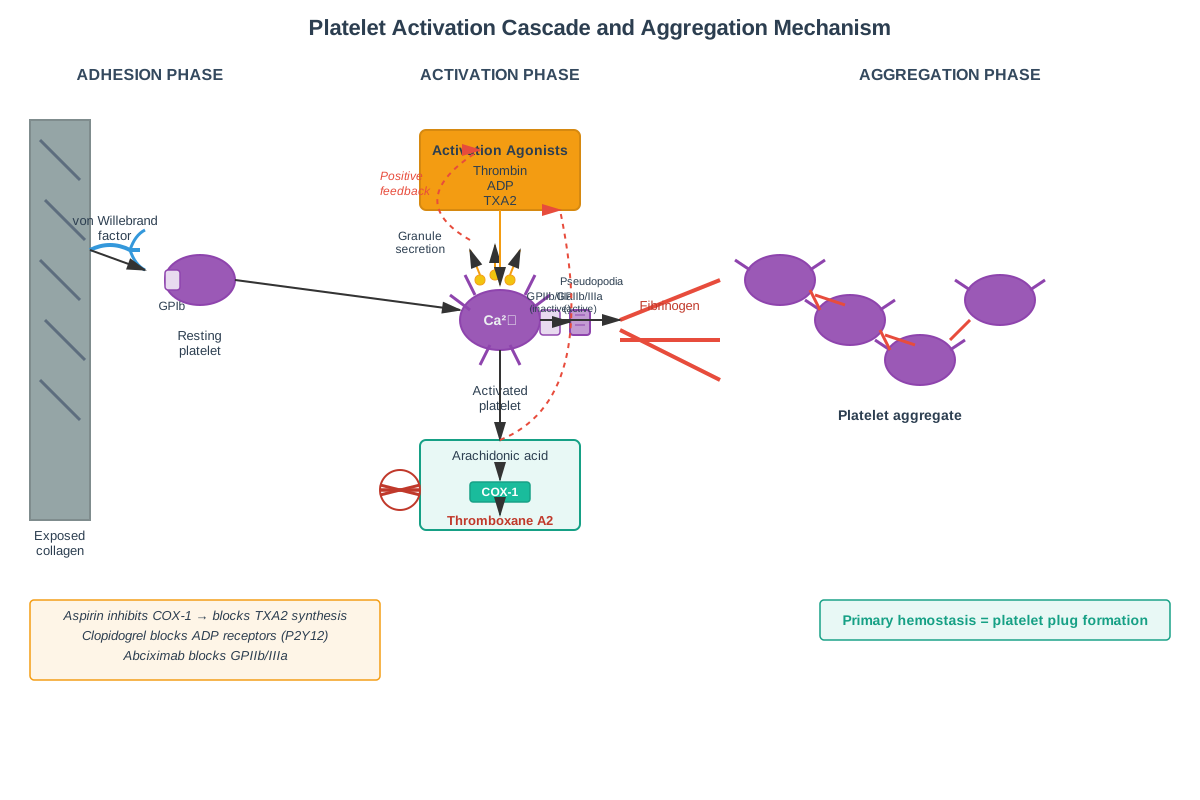
Primary hemostasis refers to the formation of a temporary platelet plug at sites of vascular injury, occurring within seconds to minutes of vessel damage. This process involves three sequential and overlapping phases: adhesion, activation, and aggregation.
Adhesion begins immediately when endothelial damage exposes subendothelial collagen and von Willebrand factor (vWF). Circulating platelets bind to vWF via their GPIb-IX-V receptors, creating an initial tether that slows platelet movement despite high shear forces in flowing blood. This interaction is particularly crucial in arteries where blood flow velocity is high. Platelets also bind directly to exposed collagen through GPVI receptors and integrin α₂β₁, strengthening adhesion.
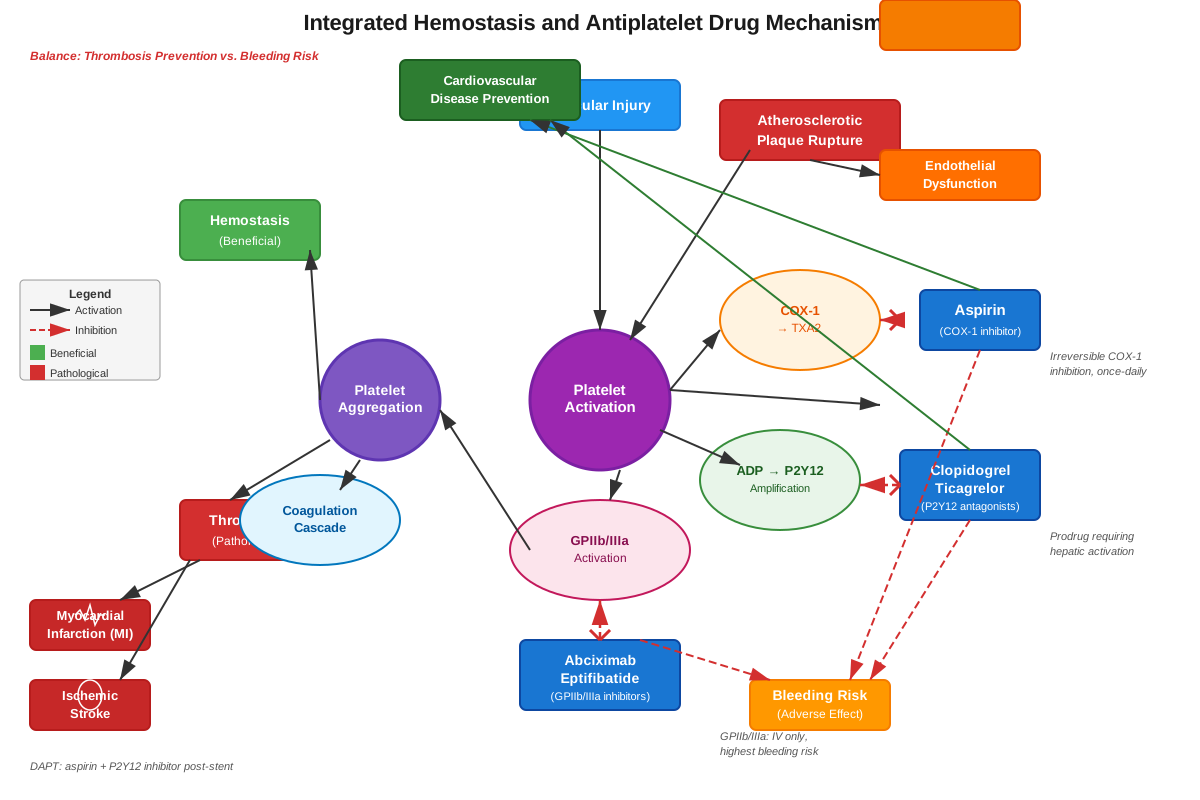
Activation occurs when adhered platelets undergo dramatic morphological and biochemical changes. Binding to collagen and vWF triggers intracellular signaling cascades involving phospholipase C, which cleaves membrane phospholipids to generate inositol trisphosphate (IP₃) and diacylglycerol (DAG). IP₃ releases calcium from the dense tubular system, while DAG activates protein kinase C. Elevated intracellular calcium causes shape change (from discoid to stellate with extended pseudopodia), degranulation of alpha and dense granules, and activation of phospholipase A₂. This enzyme liberates arachidonic acid from membrane phospholipids, which cyclooxygenase-1 (COX-1) converts to prostaglandin H₂, then to thromboxane A₂ (TXA₂) via thromboxane synthase. TXA₂ is a potent vasoconstrictor and platelet activator that amplifies the activation response.
Aggregation represents the final phase where activated platelets recruit additional platelets to form a cohesive plug. Released ADP and TXA₂ activate nearby platelets through their respective receptors (P2Y₁ and P2Y₁₂ for ADP; TP receptors for TXA₂). Thrombin generated by the coagulation cascade also powerfully activates platelets via protease-activated receptors (PARs). The critical molecular event in aggregation is the conformational activation of GPIIb/IIIa receptors (integrin αIIbβ₃), which transition from a low-affinity to high-affinity state for fibrinogen. Fibrinogen, a dimeric protein with binding sites at both ends, cross-links adjacent platelets by simultaneously binding GPIIb/IIIa on multiple cells, creating a three-dimensional platelet mesh.
Integration with Secondary Hemostasis
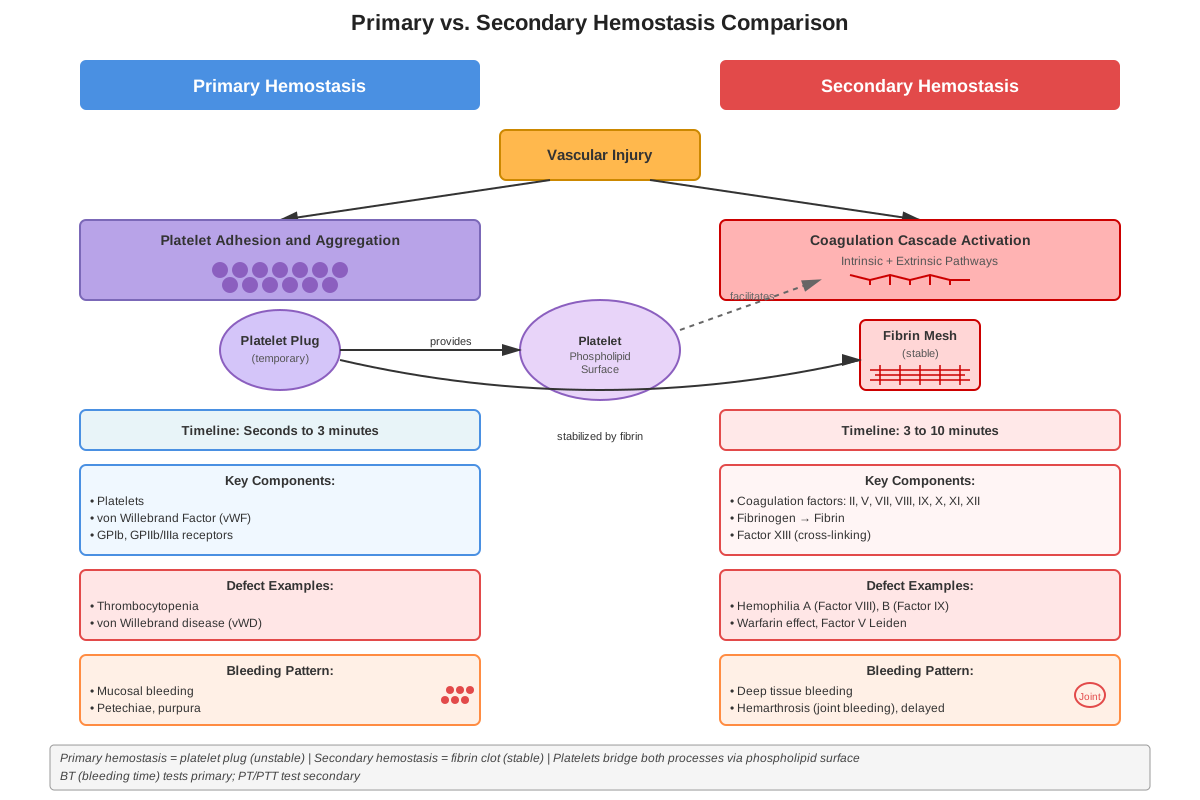
While primary hemostasis forms a temporary platelet plug, secondary hemostasis (the coagulation cascade) generates a stable fibrin clot that reinforces the platelet plug. Platelets actively participate in secondary hemostasis by providing a negatively charged phospholipid surface for assembly of coagulation factor complexes. Activated platelets expose phosphatidylserine on their outer membrane leaflet (normally restricted to the inner leaflet), creating binding sites for the tenase complex (factors VIIIa, IXa, and X) and prothrombinase complex (factors Va, Xa, and prothrombin). This membrane surface accelerates coagulation reactions by several orders of magnitude compared to reactions in solution.
The distinction between primary and secondary hemostasis has clinical and diagnostic significance:
| Feature | Primary Hemostasis | Secondary Hemostasis |
|---|---|---|
| Primary components | Platelets, von Willebrand factor, vessel wall | Coagulation factors (II, V, VII, VIII, IX, X, XI, XII, XIII) |
| Time frame | Seconds to minutes | Minutes to hours |
| Laboratory test | Bleeding time (historical), platelet function assays | PT/INR (extrinsic pathway), aPTT (intrinsic pathway) |
| Defect manifestations | Mucosal bleeding, petechiae, purpura, immediate bleeding after trauma | Deep tissue bleeding, hemarthroses, delayed bleeding after trauma |
| Example disorders | Thrombocytopenia, von Willebrand disease, aspirin use | Hemophilia A/B, warfarin use, vitamin K deficiency |
Regulation and Termination of Platelet Activity
Uncontrolled platelet activation would lead to pathological thrombosis, so multiple regulatory mechanisms limit platelet plug formation to injury sites. Intact endothelium actively inhibits platelet activation through several mechanisms: (1) production of prostacyclin (PGI₂), which increases platelet cAMP and inhibits activation, (2) release of nitric oxide (NO), which increases platelet cGMP and prevents adhesion, (3) expression of CD39, an ectonucleotidase that degrades ADP, and (4) production of antithrombin and thrombomodulin, which inhibit thrombin generation.
Platelet activation is also self-limiting. TXA₂ has a half-life of only 30 seconds, and ADP is rapidly degraded by plasma enzymes. As the platelet plug forms and covers exposed subendothelium, the stimulus for further activation diminishes. Additionally, activated protein C (generated through the thrombomodulin-thrombin complex) inactivates factors Va and VIIIa, reducing thrombin generation and subsequent platelet activation.
Pharmacological Modulation
Understanding platelet function is essential for comprehending antiplatelet therapy, a cornerstone of cardiovascular disease prevention. Aspirin irreversibly acetylates serine 530 of COX-1, preventing arachidonic acid access to the catalytic site and blocking TXA₂ synthesis. Because platelets lack nuclei and cannot synthesize new COX-1, aspirin's effect persists for the platelet's 7–10 day lifespan. Clopidogrel, prasugrel, and ticagrelor are P2Y₁₂ receptor antagonists that prevent ADP-mediated platelet activation. Abciximab, eptifibatide, and tirofiban are GPIIb/IIIa inhibitors that directly block the final common pathway of platelet aggregation by preventing fibrinogen binding.
Concept Relationships
The concepts within platelet biology form an integrated cascade: Thrombopoietin → stimulates megakaryocyte maturation → produces platelets → which circulate until vascular injury → exposes subendothelial collagen and vWF → triggers platelet adhesion → initiates intracellular signaling → causes platelet activation → releases ADP and TXA₂ → recruits additional platelets → activates GPIIb/IIIa receptors → binds fibrinogen → creates platelet aggregation → forms primary hemostatic plug → provides phospholipid surface → accelerates coagulation cascade → generates thrombin and fibrin → stabilizes platelet plug → achieves hemostasis.
Platelet biology connects to prerequisite knowledge of cell signaling (G-protein coupled receptors, calcium signaling, phospholipid metabolism), cardiovascular physiology (endothelial function, blood flow dynamics), and biochemistry (prostaglandin synthesis, enzyme cascades). It serves as a foundation for understanding related topics including the coagulation cascade (factors II, V, VII, VIII, IX, X), fibrinolysis (plasmin, tissue plasminogen activator), bleeding disorders (hemophilia, von Willebrand disease, thrombocytopenia), thrombotic disorders (deep vein thrombosis, pulmonary embolism), and cardiovascular pharmacology (antiplatelet agents, anticoagulants, thrombolytics).
The relationship between platelet count and function is particularly important: normal platelet count (150,000–400,000/μL) does not guarantee normal function, as qualitative platelet defects can cause bleeding despite adequate numbers. Conversely, mild thrombocytopenia (50,000–100,000/μL) may not cause spontaneous bleeding if platelet function is normal. This distinction frequently appears in MCAT questions requiring interpretation of laboratory values in clinical contexts.
Quick check — test yourself on Platelets so far.
Try Flashcards →High-Yield Facts
⭐ Platelets are anucleate cell fragments derived from megakaryocytes in bone marrow under the influence of thrombopoietin
⭐ Primary hemostasis involves three sequential steps: adhesion (via GPIb-vWF binding), activation (shape change and degranulation), and aggregation (via GPIIb/IIIa-fibrinogen cross-linking)
⭐ Von Willebrand factor serves as a bridge between subendothelial collagen and platelet GPIb receptors, particularly important under high shear stress conditions
⭐ Activated platelets release ADP and synthesize thromboxane A₂, both of which recruit and activate additional platelets in a positive feedback mechanism
⭐ GPIIb/IIIa (integrin αIIbβ₃) is the final common pathway of platelet aggregation; its activation allows fibrinogen binding and platelet cross-linking
- Platelets survive approximately 7–10 days in circulation before removal by splenic macrophages
- Aspirin irreversibly inhibits COX-1, preventing thromboxane A₂ synthesis for the platelet's entire lifespan
- Activated platelets expose phosphatidylserine on their surface, providing a catalytic surface for coagulation factor complexes
- Normal platelet count ranges from 150,000–400,000 per microliter; counts below 50,000/μL increase bleeding risk
- Bleeding time tests primary hemostasis (platelet function), while PT and aPTT test secondary hemostasis (coagulation factors)
- Intact endothelium inhibits platelet activation through prostacyclin (PGI₂) and nitric oxide (NO) production
- Dense granules contain ADP, ATP, serotonin, and calcium; alpha granules contain fibrinogen, vWF, and growth factors
- Thrombin is the most potent platelet activator, acting through protease-activated receptors (PARs)
- Clopidogrel and ticagrelor block P2Y₁₂ receptors, preventing ADP-mediated platelet activation
- Platelet plug formation (primary hemostasis) occurs within seconds to minutes, while fibrin clot formation (secondary hemostasis) takes minutes to hours
Common Misconceptions
Misconception: Platelets are cells with nuclei like other blood cells. → Correction: Platelets are anucleate cytoplasmic fragments, not complete cells. They lack nuclei because they are formed by fragmentation of megakaryocyte cytoplasm. This distinction is important because it explains why aspirin's effects are irreversible in platelets (they cannot synthesize new COX-1 enzyme) but reversible in nucleated cells that can produce new protein.
Misconception: Platelet adhesion and aggregation are the same process. → Correction: Adhesion refers to platelets binding to the vessel wall (specifically to vWF and collagen), while aggregation refers to platelets binding to each other (via fibrinogen bridges between GPIIb/IIIa receptors). Adhesion occurs first and is necessary for activation, which then enables aggregation. Von Willebrand disease impairs adhesion, while Glanzmann thrombasthenia (GPIIb/IIIa deficiency) impairs aggregation.
Misconception: Primary hemostasis and secondary hemostasis occur sequentially without overlap. → Correction: While primary hemostasis (platelet plug) begins first, the two processes overlap extensively. Activated platelets provide the phospholipid surface necessary for efficient coagulation factor assembly, and thrombin generated by the coagulation cascade is one of the most potent platelet activators. The processes are interdependent and mutually reinforcing.
Misconception: A normal platelet count guarantees normal hemostasis. → Correction: Normal platelet count (150,000–400,000/μL) indicates adequate platelet numbers but does not assess platelet function. Qualitative platelet defects (e.g., from aspirin, uremia, or inherited disorders like Bernard-Soulier syndrome) can cause bleeding despite normal counts. Conversely, mild thrombocytopenia may not cause bleeding if platelet function is preserved.
Misconception: Aspirin and warfarin work through the same mechanism. → Correction: Aspirin is an antiplatelet agent that inhibits COX-1 and prevents thromboxane A₂ synthesis, affecting primary hemostasis. Warfarin is an anticoagulant that inhibits vitamin K-dependent synthesis of factors II, VII, IX, and X, affecting secondary hemostasis. They target different components of the hemostatic system and are monitored by different laboratory tests (bleeding time/platelet function assays for aspirin; PT/INR for warfarin).
Misconception: Thromboxane A₂ and prostacyclin have the same effects on platelets. → Correction: Thromboxane A₂ (produced by platelets) promotes platelet activation and vasoconstriction, while prostacyclin/PGI₂ (produced by endothelium) inhibits platelet activation and causes vasodilation. Both are derived from arachidonic acid via cyclooxygenase, but different synthases (thromboxane synthase vs. prostacyclin synthase) produce opposite effects, creating a balance between thrombosis and hemorrhage.
Worked Examples
Example 1: Interpreting a Bleeding Disorder Case
Clinical Vignette: A 6-year-old boy presents with easy bruising and frequent nosebleeds since early childhood. Laboratory studies reveal: platelet count 280,000/μL (normal), PT 12 seconds (normal), aPTT 28 seconds (normal), bleeding time 12 minutes (prolonged; normal <7 minutes). Peripheral blood smear shows abnormally large platelets. Which component of hemostasis is most likely defective?
Analysis:
Step 1: Identify what each laboratory value assesses.
- Platelet count: quantitative assessment of platelets (normal here)
- PT: extrinsic and common coagulation pathways (normal here)
- aPTT: intrinsic and common coagulation pathways (normal here)
- Bleeding time: primary hemostasis/platelet function (prolonged here)
Step 2: Interpret the pattern. Normal platelet count with prolonged bleeding time indicates a qualitative platelet defect (abnormal function despite adequate numbers). Normal PT and aPTT indicate intact coagulation factors (secondary hemostasis is normal).
Step 3: Consider the clinical clue. Abnormally large platelets suggest a defect in platelet production or structure. The combination of large platelets with impaired function suggests Bernard-Soulier syndrome, caused by deficiency of the GPIb-IX-V complex.
Step 4: Connect to mechanism. Without functional GPIb receptors, platelets cannot bind von Willebrand factor, impairing adhesion to damaged endothelium. This prevents the initial step of primary hemostasis, explaining the prolonged bleeding time despite normal platelet numbers.
Answer: Primary hemostasis is defective, specifically the adhesion phase. The most likely diagnosis is Bernard-Soulier syndrome (GPIb-IX-V deficiency), which impairs platelet-vWF interaction.
Learning Objective Connection: This example demonstrates application of platelet biology to clinical scenarios (LO: Apply Platelets to exam-style questions) and distinguishes between quantitative and qualitative platelet defects (LO: Connect Platelets to related Biology concepts).
Example 2: Predicting Drug Effects
Experimental Scenario: Researchers develop a novel antiplatelet drug that selectively inhibits thromboxane synthase without affecting cyclooxygenase. Compared to aspirin, how would this drug's effects on hemostasis differ?
Analysis:
Step 1: Review aspirin's mechanism. Aspirin irreversibly acetylates COX-1, blocking conversion of arachidonic acid to prostaglandin H₂ (PGH₂). This prevents synthesis of both thromboxane A₂ (in platelets) and prostacyclin (in endothelium), though the effect on platelets predominates clinically because platelets cannot synthesize new enzyme.
Step 2: Analyze the novel drug's mechanism. Thromboxane synthase converts PGH₂ to TXA₂. Inhibiting this enzyme would prevent TXA₂ synthesis in platelets but would not affect prostacyclin synthesis in endothelium (which uses prostacyclin synthase, not thromboxane synthase).
Step 3: Predict differential effects. The novel drug would:
- Reduce platelet activation (like aspirin) by preventing TXA₂ synthesis
- Preserve or potentially increase prostacyclin production (unlike aspirin) because accumulated PGH₂ could be shunted to prostacyclin synthesis
- Potentially have a more favorable safety profile with less bleeding risk because prostacyclin's antiplatelet effects would be preserved while TXA₂'s proplatelet effects would be blocked
Step 4: Consider clinical implications. The novel drug might provide antiplatelet effects with better preservation of the prostacyclin-thromboxane balance, potentially reducing bleeding complications compared to aspirin.
Answer: The novel drug would selectively inhibit platelet activation (via reduced TXA₂) while preserving or enhancing endothelial antiplatelet effects (via maintained or increased prostacyclin). This could provide antiplatelet efficacy with potentially fewer bleeding complications than aspirin, which inhibits both pathways.
Learning Objective Connection: This example requires understanding of platelet activation mechanisms and arachidonic acid metabolism (LO: Explain molecular mechanisms of platelet activation), demonstrates application to pharmacology (LO: Apply Platelets to exam-style questions), and connects to related biochemistry concepts (LO: Connect Platelets to related Biology concepts).
Exam Strategy
Question Recognition
MCAT questions on platelets typically contain trigger words and phrases that signal the topic: "bleeding time," "platelet plug," "primary hemostasis," "GPIIb/IIIa," "von Willebrand factor," "thromboxane," "antiplatelet," "petechiae," "purpura," or "thrombocytopenia." When these appear, immediately activate your mental framework: adhesion → activation → aggregation, and consider whether the question addresses platelet number (quantitative) or function (qualitative).
Systematic Approach
For passage-based questions:
- Identify whether the passage discusses primary hemostasis (platelets), secondary hemostasis (coagulation factors), or both
- Note any laboratory values provided (platelet count, bleeding time, PT, aPTT) and interpret each
- Determine if the scenario involves a deficiency (bleeding disorder) or excess (thrombotic disorder)
- Map any novel drug or intervention to a specific step in platelet function
For discrete questions:
- Determine if the question asks about structure, formation, activation mechanism, or clinical correlation
- Eliminate answers that confuse primary and secondary hemostasis
- Watch for answers that incorrectly attribute nuclear functions to platelets
- Consider whether the question requires distinguishing between adhesion and aggregation
Process of Elimination
Common wrong answer patterns in platelet questions include:
- Confusing platelet adhesion (to vessel wall via vWF) with aggregation (to each other via fibrinogen)
- Attributing coagulation factor deficiencies to platelet disorders or vice versa
- Incorrectly stating that platelets contain nuclei or can synthesize new proteins after drug exposure
- Confusing thromboxane A₂ (pro-platelet) with prostacyclin (anti-platelet)
- Misidentifying which laboratory test assesses which component of hemostasis
Time Management
Platelet questions are typically medium difficulty and should take 60–90 seconds for discrete questions and 90–120 seconds for passage-based questions. If a question requires detailed knowledge of specific glycoprotein receptors beyond GPIb and GPIIb/IIIa, or asks about rare platelet disorders not covered in standard MCAT content, consider flagging and returning if time permits. Focus on high-yield concepts (adhesion-activation-aggregation sequence, primary vs. secondary hemostasis, aspirin mechanism) that appear most frequently.
Memory Techniques
Mnemonic for Platelet Activation Sequence
"AAA" - Adhesion, Activation, Aggregation (the three sequential steps of primary hemostasis)
Mnemonic for Platelet Granule Contents
"Dense granules are CATS": Calcium, ADP, ATP (note the second A), Thromboxane precursors, Serotonin
"Alpha granules are FAB": Fibrinogen, Adhesive proteins (vWF, fibronectin), Basic growth factors (PDGF, TGF-β)
Visualization Strategy
Picture a damaged blood vessel as a broken dam. Platelets are emergency repair workers who:
- Rush to the scene (adhesion - they stick to the exposed foundation/collagen)
- Call for backup (activation - they release signals like ADP and TXA₂)
- Link arms together (aggregation - they connect via fibrinogen bridges)
- Lay down permanent concrete (secondary hemostasis - fibrin reinforces the platelet plug)
Receptor Memory Aid
"GP-1-b binds 1 thing (vWF); GP-2-b/3-a binds 2 platelets together (via fibrinogen)"
This helps distinguish GPIb (adhesion receptor) from GPIIb/IIIa (aggregation receptor).
Aspirin vs. Clopidogrel
"Aspirin Cuts Off X" - Aspirin inhibits Cyclooxygenase, blocking thromboXane
"Clopidogrel Attacks ADP" - Clopidogrel Antagonizes ADP receptors (P2Y₁₂)
Summary
Platelets are anucleate cytoplasmic fragments derived from megakaryocytes that serve as the primary cellular mediators of hemostasis. Upon vascular injury, platelets undergo a coordinated three-step response: adhesion to exposed subendothelial von Willebrand factor and collagen via GPIb receptors, activation involving shape change and release of ADP and thromboxane A₂, and aggregation through fibrinogen cross-linking of GPIIb/IIIa receptors on adjacent platelets. This primary hemostatic response forms a temporary platelet plug within seconds to minutes, which is subsequently reinforced by the fibrin mesh generated through secondary hemostasis. Activated platelets also provide a phospholipid surface that accelerates coagulation factor assembly, integrating primary and secondary hemostasis. Understanding the molecular mechanisms of platelet function is essential for interpreting bleeding disorders, thrombotic conditions, and the pharmacology of antiplatelet agents like aspirin and clopidogrel. For the MCAT, students must distinguish between quantitative and qualitative platelet defects, differentiate primary from secondary hemostasis, and apply platelet biology to clinical vignettes and experimental scenarios.
Key Takeaways
- Platelets are anucleate cell fragments from megakaryocytes; they lack nuclei but contain granules, mitochondria, and a dense tubular system for calcium storage
- Primary hemostasis follows the sequence: adhesion (GPIb-vWF binding) → activation (degranulation, TXA₂ synthesis) → aggregation (GPIIb/IIIa-fibrinogen cross-linking)
- Von Willebrand factor bridges subendothelial collagen and platelet GPIb receptors, particularly crucial under high shear stress in arteries
- Activated platelets release ADP and synthesize thromboxane A₂, creating positive feedback that recruits additional platelets to the injury site
- GPIIb/IIIa is the final common pathway of aggregation; its activation allows fibrinogen binding and platelet cross-linking
- Bleeding time assesses primary hemostasis (platelet function), while PT/aPTT assess secondary hemostasis (coagulation factors)
- Aspirin irreversibly inhibits COX-1, preventing TXA₂ synthesis for the platelet's 7–10 day lifespan; clopidogrel blocks P2Y₁₂ ADP receptors
Related Topics
Coagulation Cascade: The enzymatic cascade of clotting factors that generates thrombin and fibrin, representing secondary hemostasis. Mastery of platelet biology provides the foundation for understanding how the coagulation cascade integrates with primary hemostasis to achieve complete hemostasis.
Von Willebrand Disease: The most common inherited bleeding disorder, caused by deficiency or dysfunction of von Willebrand factor. Understanding platelet adhesion mechanisms is essential for comprehending why vWF deficiency causes bleeding despite normal platelet numbers.
Endothelial Function: The multiple roles of vascular endothelium in regulating hemostasis, including production of prostacyclin, nitric oxide, and antithrombotic factors. Platelet biology connects directly to endothelial physiology in maintaining the balance between hemostasis and thrombosis.
Cardiovascular Pharmacology: Antiplatelet agents (aspirin, clopidogrel, GPIIb/IIIa inhibitors), anticoagulants (heparin, warfarin, DOACs), and thrombolytics (tPA, streptokinase). Understanding platelet mechanisms enables prediction of drug effects and adverse reactions.
Hematologic Disorders: Thrombocytopenia (ITP, TTP, HIT), thrombocytosis, and qualitative platelet defects (Bernard-Soulier syndrome, Glanzmann thrombasthenia). Platelet biology provides the mechanistic foundation for understanding these clinical conditions.
Practice CTA
Now that you've mastered the core concepts of platelet biology, test your understanding with practice questions and flashcards. Focus on distinguishing primary from secondary hemostasis, identifying the molecular mechanisms of platelet activation, and applying your knowledge to clinical scenarios involving bleeding disorders and antiplatelet therapy. Remember that platelet questions frequently appear in integrated passages combining physiology, pharmacology, and pathology—exactly the type of synthesis the MCAT rewards. Your solid foundation in platelet biology will serve you well not only on discrete questions but also in complex passage-based scenarios. Keep practicing, and you'll recognize platelet-related content instantly on test day!
Sign up free to keep reading
Create a free AnvayaPrep account to finish this MCAT guide on Platelets — plus flashcards and practice questions.