Overview
The renal system overview provides a foundational understanding of one of the body's most critical regulatory systems. The kidneys and associated structures form an elegant biological solution to the challenge of maintaining homeostasis in a constantly changing internal environment. For MCAT preparation, understanding the renal system is essential because it integrates multiple physiological concepts including fluid balance, electrolyte regulation, acid-base homeostasis, blood pressure control, and waste elimination. The Biology tested on the MCAT frequently includes questions that require students to understand how the kidneys filter blood, reabsorb essential nutrients, secrete waste products, and produce hormones that affect distant organ systems.
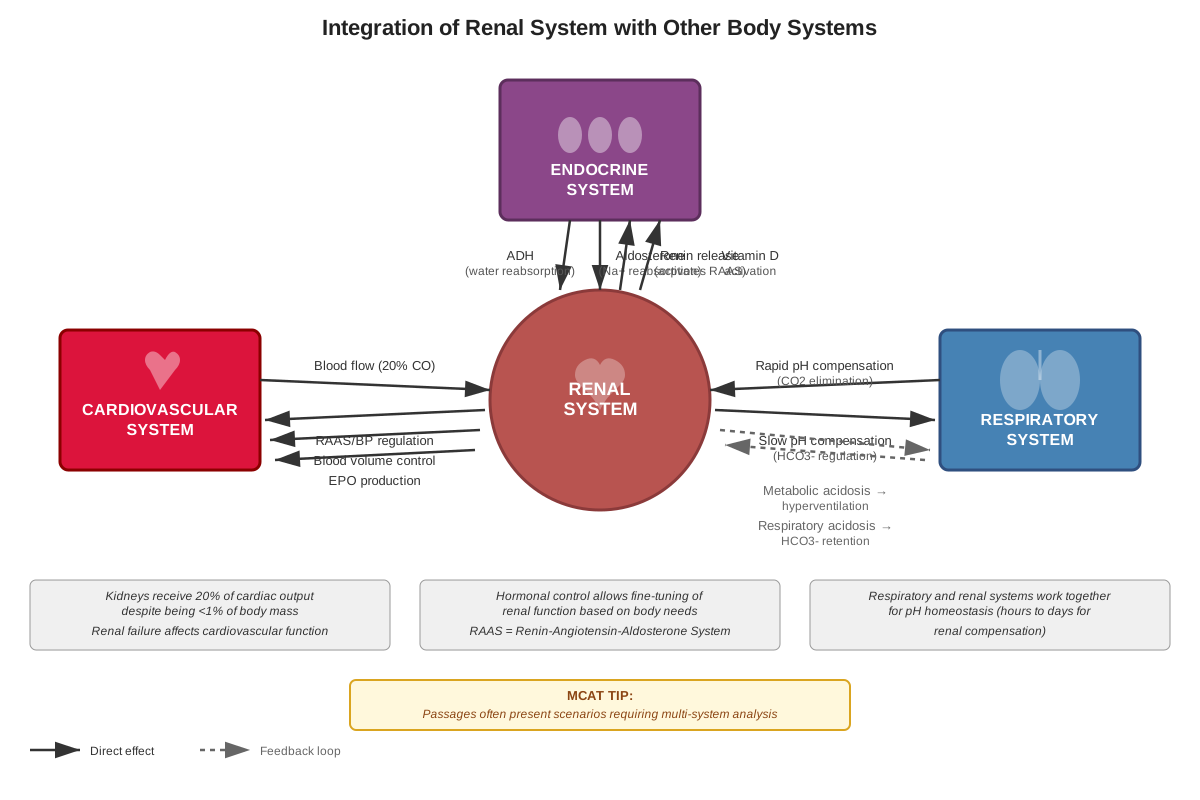
The renal system overview serves as the gateway to more detailed topics in Physiology and Organ Systems, including nephron function, hormonal regulation of kidney function, and clinical pathologies. Questions on the MCAT often present clinical vignettes involving dehydration, electrolyte imbalances, or blood pressure abnormalities that require students to apply their understanding of renal physiology. The kidneys don't function in isolation—they interact intimately with the cardiovascular system, endocrine system, and respiratory system to maintain the precise internal conditions necessary for cellular function.
From an MCAT strategy perspective, the renal system appears in both passage-based and discrete questions across the Biological and Biochemical Foundations of Living Systems section. Understanding the big picture of renal anatomy, the basic filtration-reabsorption-secretion model, and the kidney's role in homeostasis provides the framework needed to tackle more complex questions about specific transport mechanisms, hormonal regulation, or disease states. This overview establishes the conceptual scaffold upon which all other renal physiology knowledge builds.
Learning Objectives
- [ ] Define renal system overview using accurate Biology terminology
- [ ] Explain why renal system overview matters for the MCAT
- [ ] Apply renal system overview to exam-style questions
- [ ] Identify common mistakes related to renal system overview
- [ ] Connect renal system overview to related Biology concepts
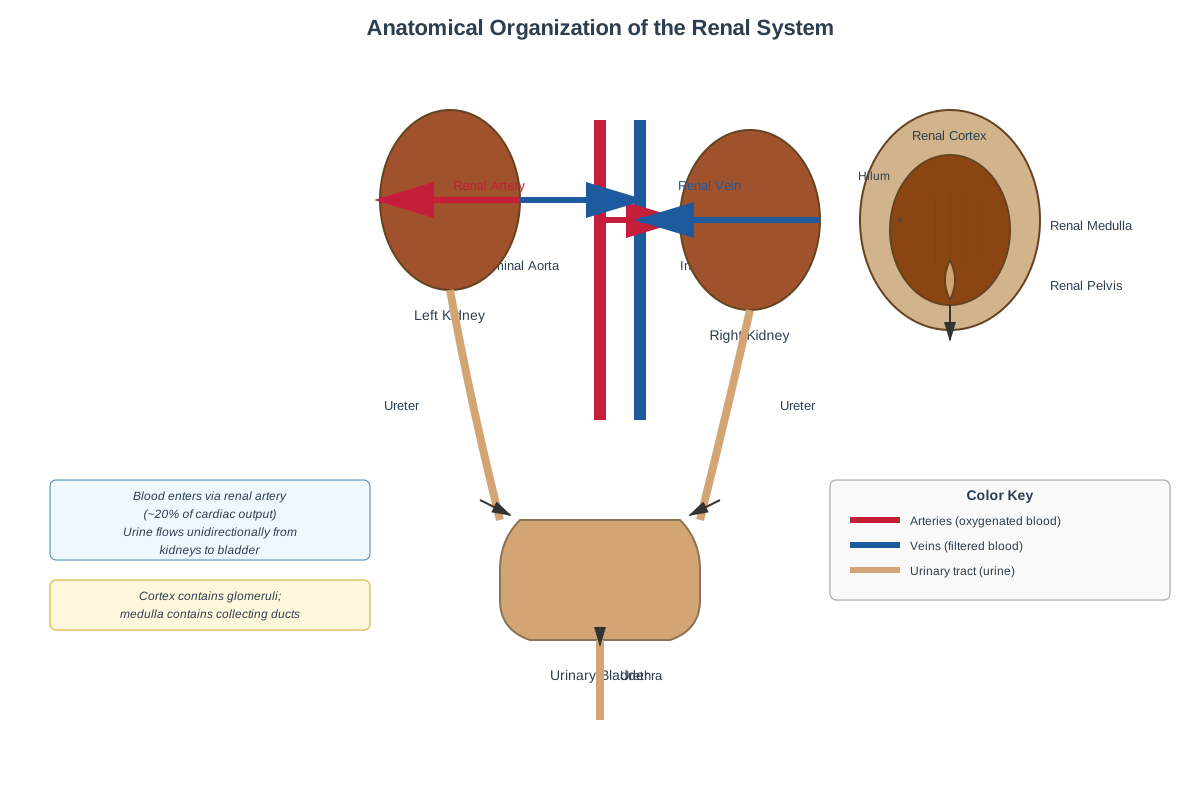
- [ ] Describe the anatomical organization of the renal system from kidneys to urethra
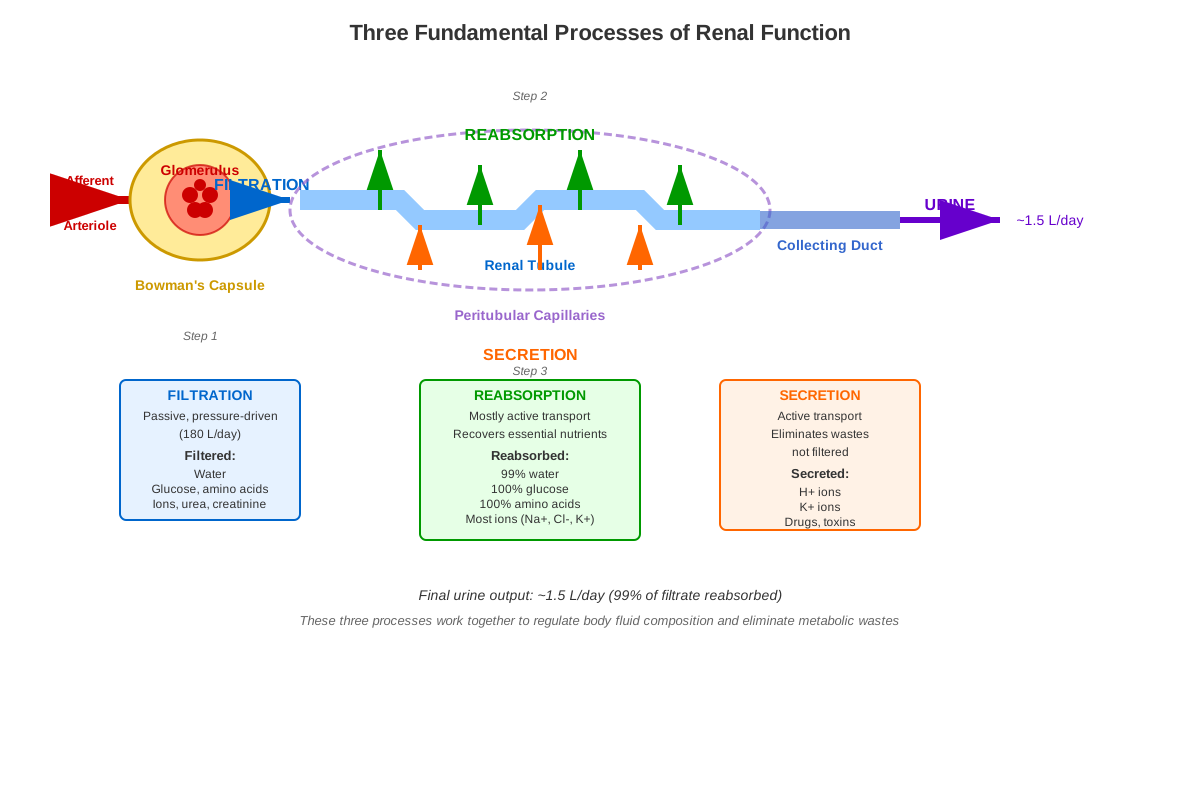
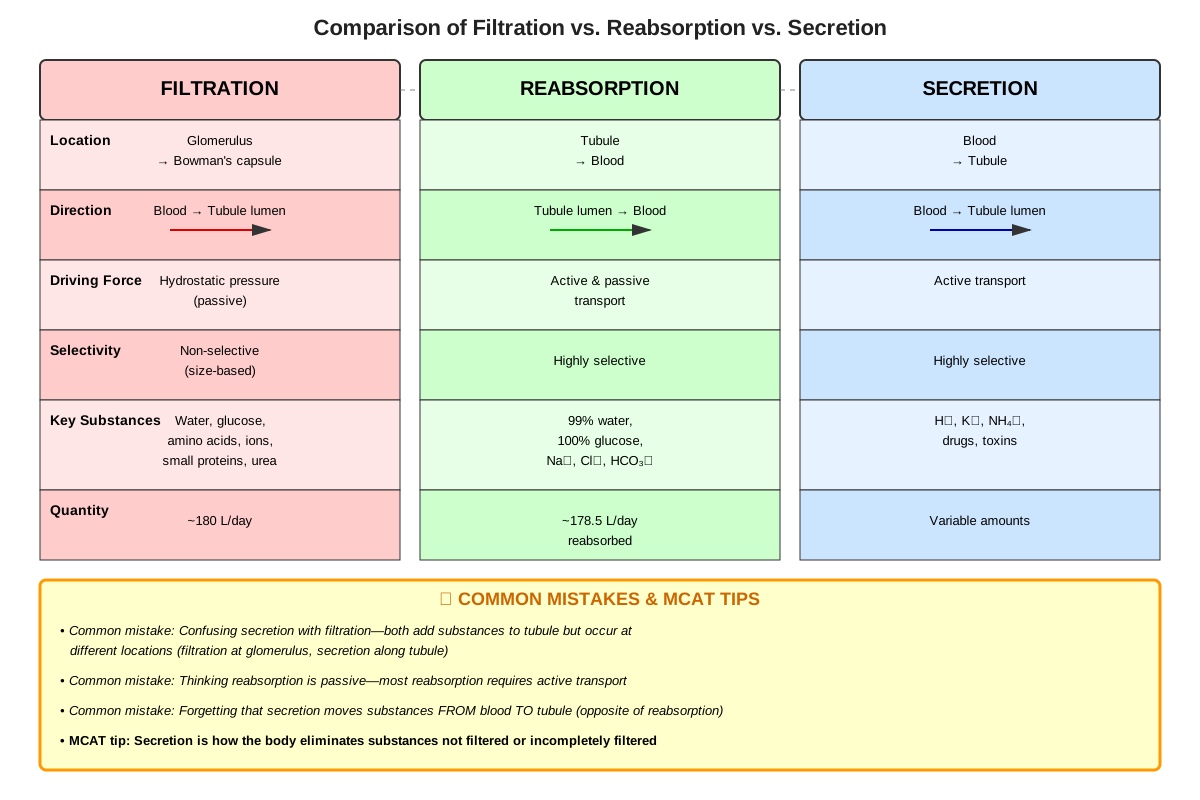
- [ ] Explain the three fundamental processes of renal function: filtration, reabsorption, and secretion
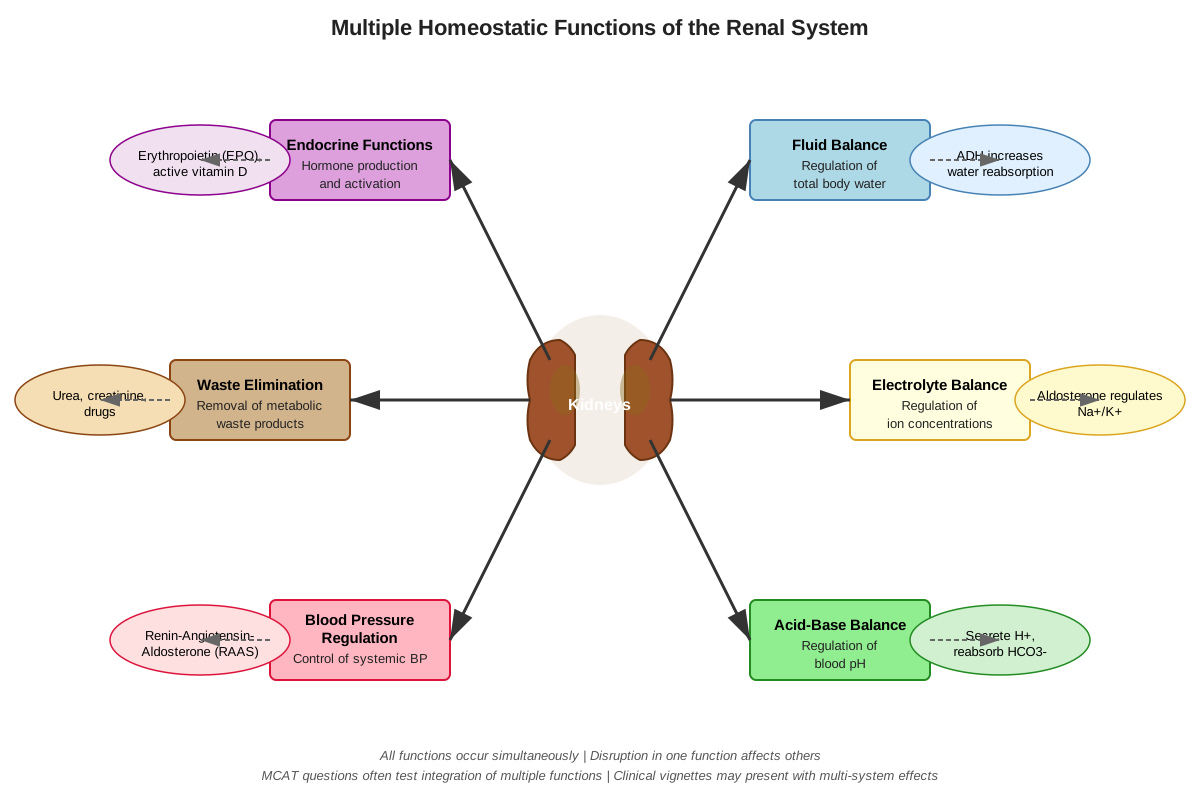
- [ ] Analyze how the renal system contributes to multiple homeostatic functions simultaneously
Prerequisites
- Basic cell membrane transport mechanisms (active transport, passive diffusion, osmosis): Essential for understanding how substances move across nephron epithelial cells during reabsorption and secretion
- Cardiovascular system fundamentals (blood pressure, cardiac output): Necessary because renal function depends on adequate blood flow and the kidneys regulate blood pressure
- Basic endocrine principles (hormone signaling, negative feedback): Required to understand hormonal regulation of kidney function
- Acid-base chemistry (pH, buffers): Foundational for comprehending the kidney's role in acid-base balance
- Basic anatomical terminology (anterior/posterior, medial/lateral): Needed to understand spatial relationships of renal structures
Why This Topic Matters
The renal system represents one of the most clinically relevant topics in human physiology. Kidney disease affects millions of people worldwide, and renal failure requires dialysis or transplantation—interventions that directly apply the principles of filtration and solute movement tested on the MCAT. Understanding renal physiology is essential for interpreting laboratory values (creatinine, blood urea nitrogen, electrolytes) that appear frequently in clinical vignettes on the exam.
On the MCAT, renal system questions appear with moderate frequency, typically comprising 3-5% of the Biological and Biochemical Foundations section. Questions may be discrete (testing specific facts about kidney structure or function) or passage-based (requiring application of renal principles to experimental data or clinical scenarios). The renal system is particularly high-yield because it integrates multiple organ systems—questions often combine renal physiology with cardiovascular, endocrine, or respiratory concepts, testing students' ability to synthesize information across domains.
Common MCAT passage themes include: experimental manipulations of renal blood flow, effects of diuretic medications, hormonal regulation of water balance, acid-base disturbances, and clinical presentations of kidney disease. The exam frequently tests whether students can predict the consequences of disrupting normal renal function—for example, what happens to blood pressure when the kidneys retain sodium, or how the body compensates when kidney function declines. Understanding the renal system overview provides the conceptual foundation needed to reason through these complex scenarios rather than relying on pure memorization.
Core Concepts
Anatomical Organization of the Renal System
The renal system consists of the kidneys, ureters, urinary bladder, and urethra—collectively forming the urinary tract. The two kidneys are retroperitoneal organs located on either side of the vertebral column, typically at the level of T12-L3 vertebrae. Each kidney receives blood through a renal artery (branching directly from the abdominal aorta) and returns filtered blood via a renal vein (draining to the inferior vena cava). This direct connection to major blood vessels reflects the kidney's role in continuously filtering the entire blood volume.
The kidney's internal structure consists of an outer renal cortex and inner renal medulla. The cortex contains the majority of the nephrons' filtering apparatus, while the medulla contains the collecting ducts and loops of Henle that concentrate urine. The medulla is organized into pyramidal structures called renal pyramids, with their tips (renal papillae) projecting into cup-like structures called calyces. The calyces merge to form the renal pelvis, which funnels urine into the ureter. Each ureter is a muscular tube that uses peristaltic contractions to propel urine toward the urinary bladder, where it is stored until voluntary elimination through the urethra.
The Nephron: Functional Unit of the Kidney
Each kidney contains approximately one million nephrons, the microscopic functional units responsible for filtering blood and forming urine. Understanding nephron structure is essential for the MCAT because different segments perform distinct functions. The nephron consists of:
- Renal corpuscle (glomerulus + Bowman's capsule): Site of blood filtration
- Proximal convoluted tubule (PCT): Site of bulk reabsorption
- Loop of Henle (descending and ascending limbs): Creates osmotic gradient for water reabsorption
- Distal convoluted tubule (DCT): Site of regulated reabsorption and secretion
- Collecting duct: Final site of water reabsorption and urine concentration
The nephron begins with the renal corpuscle, where blood enters through an afferent arteriole into a specialized capillary bed called the glomerulus. The glomerular capillaries are fenestrated (have pores) and surrounded by Bowman's capsule, a cup-like structure that collects the filtrate. The filtration barrier consists of three layers: the fenestrated endothelium, the basement membrane, and the podocytes (specialized epithelial cells with foot processes). This barrier allows water and small solutes to pass while retaining blood cells and large proteins.
Three Fundamental Processes of Renal Function
The kidney accomplishes its diverse functions through three coordinated processes that occur along the nephron:
1. Glomerular Filtration: Blood pressure forces water and small solutes from glomerular capillaries into Bowman's capsule. Approximately 180 liters of filtrate are produced daily, though only 1-2 liters become urine. The glomerular filtration rate (GFR) is the volume of filtrate formed per unit time and serves as a key indicator of kidney function. GFR depends on:
- Net filtration pressure (determined by hydrostatic and osmotic pressures)
- Permeability of the filtration barrier
- Surface area available for filtration
2. Tubular Reabsorption: As filtrate flows through the nephron tubules, approximately 99% of the filtered water and virtually all glucose and amino acids are reabsorbed back into the blood. Reabsorption can be active (requiring ATP) or passive (following concentration gradients). The proximal convoluted tubule reabsorbs the bulk of filtered substances, including:
- 65-70% of filtered sodium and water
- 100% of glucose and amino acids (under normal conditions)
- Most bicarbonate ions
- Many other solutes
3. Tubular Secretion: Substances are actively transported from peritubular capillaries into the tubular fluid for elimination. Secretion allows the kidney to eliminate substances that weren't filtered (because they were protein-bound) or to fine-tune the composition of urine. Important secreted substances include:
- Hydrogen ions (for acid-base regulation)
- Potassium ions (for electrolyte balance)
- Organic acids and bases (including many drugs)
- Ammonia (produced by tubular cells for acid buffering)
Homeostatic Functions of the Renal System
The kidneys serve multiple homeostatic functions that extend far beyond simple waste elimination:
| Function | Mechanism | Clinical Significance |
|---|---|---|
| Fluid balance | Regulates water reabsorption via ADH | Prevents dehydration or overhydration |
| Electrolyte balance | Controls Na⁺, K⁺, Ca²⁺, PO₄³⁻ reabsorption/secretion | Maintains proper nerve and muscle function |
| Acid-base balance | Secretes H⁺, reabsorbs/generates HCO₃⁻ | Maintains blood pH 7.35-7.45 |
| Blood pressure regulation | Renin-angiotensin-aldosterone system | Long-term BP control |
| Waste elimination | Filters urea, creatinine, uric acid | Prevents toxic accumulation |
| Hormone production | Erythropoietin, calcitriol | Stimulates RBC production, calcium absorption |
| Gluconeogenesis | Synthesizes glucose during fasting | Contributes to blood glucose maintenance |
The kidney's role in blood pressure regulation deserves special attention for the MCAT. When blood pressure drops or sodium delivery to the distal tubule decreases, specialized cells in the juxtaglomerular apparatus release renin. Renin initiates a cascade: it converts angiotensinogen (from the liver) to angiotensin I, which is then converted to angiotensin II by angiotensin-converting enzyme (ACE) in the lungs. Angiotensin II causes vasoconstriction (raising blood pressure) and stimulates aldosterone release from the adrenal cortex. Aldosterone increases sodium reabsorption in the distal tubule and collecting duct, which increases water retention and blood volume, further elevating blood pressure.
Urine Formation and Concentration
The final composition of urine reflects the integrated effects of filtration, reabsorption, and secretion. Normal urine contains water, urea (from protein metabolism), creatinine (from muscle metabolism), uric acid (from nucleic acid metabolism), and various ions. It should NOT contain glucose, amino acids, proteins, or blood cells under healthy conditions—the presence of these substances indicates pathology.
The kidney's ability to produce concentrated urine (when water must be conserved) or dilute urine (when excess water must be eliminated) depends on the countercurrent multiplication system in the loop of Henle and the action of antidiuretic hormone (ADH) on the collecting duct. This mechanism allows urine osmolarity to vary from 50 mOsm/L (very dilute) to 1200 mOsm/L (very concentrated) depending on the body's hydration status.
Concept Relationships
The renal system overview concepts form an interconnected network where anatomical structure determines physiological function. The relationship flows as follows:
Kidney anatomy (cortex and medulla organization) → determines → nephron distribution and function → enables → three fundamental processes (filtration, reabsorption, secretion) → accomplish → multiple homeostatic functions → maintain → whole-body homeostasis
Within this framework, the nephron's segmental organization directly relates to its functional specialization. The renal corpuscle's structure (fenestrated capillaries, filtration barrier) enables high-volume filtration. The proximal tubule's extensive microvilli and abundant mitochondria support its role in bulk reabsorption. The loop of Henle's countercurrent arrangement creates the osmotic gradient necessary for water conservation. The distal tubule and collecting duct's responsiveness to hormones allows fine-tuning of final urine composition.
The renal system connects to prerequisite knowledge of cardiovascular physiology because adequate renal blood flow (approximately 20-25% of cardiac output) is essential for filtration. It connects to endocrine physiology through multiple hormones: ADH (from the posterior pituitary), aldosterone (from the adrenal cortex), parathyroid hormone (affecting calcium handling), and atrial natriuretic peptide (promoting sodium excretion). The connection to acid-base chemistry is direct—the kidneys provide the slow but powerful mechanism for pH regulation by adjusting hydrogen ion secretion and bicarbonate reabsorption.
Understanding these relationships prepares students for more advanced topics including detailed nephron physiology, specific transport mechanisms, clinical disorders (acute kidney injury, chronic kidney disease, nephrotic syndrome), and pharmacological interventions (diuretics, ACE inhibitors).
Quick check — test yourself on Renal system overview so far.
Try Flashcards →High-Yield Facts
⭐ The kidneys receive approximately 20-25% of cardiac output despite representing only 0.5% of body weight, reflecting their high metabolic activity and filtration demands.
⭐ Glomerular filtration rate (GFR) averages 125 mL/min or 180 L/day, but only 1-2 liters of urine are produced daily because 99% of filtrate is reabsorbed.
⭐ The three layers of the glomerular filtration barrier are: fenestrated endothelium, basement membrane, and podocyte foot processes—together they prevent passage of blood cells and large proteins.
⭐ The proximal convoluted tubule reabsorbs approximately 65-70% of filtered sodium and water, plus 100% of glucose and amino acids under normal conditions.
⭐ The renin-angiotensin-aldosterone system (RAAS) is the kidney's primary mechanism for long-term blood pressure regulation, with aldosterone increasing sodium reabsorption in the distal tubule and collecting duct.
- The juxtaglomerular apparatus consists of juxtaglomerular cells (in the afferent arteriole) and the macula densa (in the distal tubule), forming a feedback system that regulates GFR and renin release.
- Antidiuretic hormone (ADH/vasopressin) increases water permeability of the collecting duct by inserting aquaporin-2 channels, allowing water reabsorption and urine concentration.
- The kidneys produce erythropoietin in response to hypoxia, stimulating red blood cell production in bone marrow—this explains why chronic kidney disease often causes anemia.
- The kidneys activate vitamin D to calcitriol (1,25-dihydroxyvitamin D₃), which increases intestinal calcium absorption and is essential for bone health.
- Creatinine clearance is used clinically to estimate GFR because creatinine is freely filtered, not reabsorbed, and minimally secreted—making it an excellent marker of kidney function.
- The kidneys can perform gluconeogenesis during prolonged fasting, contributing up to 20% of blood glucose in the post-absorptive state.
- Normal urine pH ranges from 4.5 to 8.0, with the kidneys capable of producing very acidic urine to eliminate excess hydrogen ions during metabolic acidosis.
Common Misconceptions
Misconception: The kidneys only filter waste products from the blood.
Correction: While waste elimination is important, the kidneys perform multiple critical homeostatic functions including fluid balance, electrolyte regulation, acid-base balance, blood pressure control, and hormone production. Waste elimination is just one of many essential roles.
Misconception: Everything filtered at the glomerulus is excreted in urine.
Correction: Approximately 99% of the glomerular filtrate is reabsorbed. Of the 180 liters filtered daily, only 1-2 liters become urine. Essential substances like glucose, amino acids, and most sodium and water are reabsorbed back into the blood.
Misconception: The kidneys can only remove substances that were filtered at the glomerulus.
Correction: Tubular secretion allows the kidneys to actively transport substances from blood into the tubular fluid even if they weren't filtered. This is particularly important for eliminating protein-bound drugs and for secreting hydrogen and potassium ions.
Misconception: Urine formation is a passive process driven only by blood pressure.
Correction: While blood pressure drives initial filtration, urine formation requires extensive active transport processes that consume significant ATP. The proximal tubule alone uses enormous amounts of energy to reabsorb sodium via Na⁺/K⁺-ATPase pumps, which then drives secondary active transport of glucose, amino acids, and other substances.
Misconception: The kidneys and ureters are the same structure.
Correction: The kidneys are the organs that filter blood and produce urine, while the ureters are muscular tubes that transport urine from the kidneys to the bladder. Each kidney has one ureter, and the two ureters are separate from the kidneys themselves.
Misconception: Drinking more water always increases urine output proportionally.
Correction: The relationship between water intake and urine output is regulated by ADH. When well-hydrated, ADH secretion decreases, producing dilute urine. When dehydrated, ADH increases, causing water reabsorption and concentrated urine. The kidneys adjust urine concentration to maintain homeostasis, not simply to match intake with output.
Worked Examples
Example 1: Predicting Effects of Reduced Renal Blood Flow
Clinical Vignette: A patient experiences severe hemorrhage, reducing blood pressure from 120/80 to 80/50 mmHg. Predict the renal system's response and explain the physiological rationale.
Step 1 - Identify the primary problem: Reduced blood pressure means reduced renal perfusion pressure, which will decrease glomerular filtration rate (GFR). Lower GFR means less sodium is filtered and delivered to the distal tubule.
Step 2 - Predict the juxtaglomerular apparatus response: The macula densa cells in the distal tubule detect decreased sodium delivery. This triggers juxtaglomerular cells to release renin.
Step 3 - Trace the RAAS cascade:
- Renin converts angiotensinogen → angiotensin I
- ACE converts angiotensin I → angiotensin II
- Angiotensin II causes systemic vasoconstriction (increases blood pressure)
- Angiotensin II stimulates aldosterone release from adrenal cortex
Step 4 - Predict aldosterone's effects: Aldosterone increases sodium reabsorption in the distal tubule and collecting duct. Water follows sodium osmotically, increasing blood volume and blood pressure.
Step 5 - Consider additional responses: The posterior pituitary will release ADH in response to decreased blood volume (detected by atrial stretch receptors). ADH increases water reabsorption in the collecting duct, further increasing blood volume.
Conclusion: The renal system responds to hemorrhage by activating RAAS and ADH release, which together increase blood pressure through vasoconstriction and increase blood volume through sodium and water retention. This compensatory mechanism helps maintain adequate renal perfusion and systemic blood pressure.
Connection to learning objectives: This example demonstrates how the renal system maintains homeostasis (blood pressure regulation) and shows the integration of multiple concepts (GFR, RAAS, hormonal regulation).
Example 2: Analyzing Abnormal Urinalysis Results
Clinical Vignette: A urinalysis reveals the presence of glucose and protein in a patient's urine. Explain what these findings indicate about renal function.
Step 1 - Recall normal filtration and reabsorption: Under normal conditions, glucose is freely filtered at the glomerulus but 100% reabsorbed in the proximal tubule via sodium-glucose cotransporters (SGLT). Large proteins are normally NOT filtered because they cannot pass through the filtration barrier.
Step 2 - Analyze glucose presence (glucosuria): Glucose in urine indicates either:
- Blood glucose exceeds the renal threshold (~180 mg/dL), saturating all available SGLT transporters (as in uncontrolled diabetes mellitus), OR
- Proximal tubule dysfunction preventing normal glucose reabsorption
Step 3 - Analyze protein presence (proteinuria): Protein in urine indicates damage to the glomerular filtration barrier, allowing large molecules to pass. This could result from:
- Glomerular disease (glomerulonephritis)
- Damage to podocytes or basement membrane
- Increased glomerular permeability
Step 4 - Consider combined findings: The presence of BOTH glucose and protein suggests either:
- Severe diabetes with both hyperglycemia (causing glucosuria) and diabetic nephropathy (causing proteinuria), OR
- Generalized proximal tubule dysfunction affecting both filtration barrier integrity and reabsorption capacity
Step 5 - Predict additional findings: If this is diabetic nephropathy, expect:
- Elevated blood glucose
- Decreased GFR (as disease progresses)
- Possible hypertension (from fluid retention)
- Eventually, decreased urine output as kidney function declines
Conclusion: Abnormal urinalysis findings provide important clues about kidney function. Glucose and protein in urine are never normal and indicate either systemic disease (diabetes) affecting the kidneys or primary kidney disease. These findings warrant further investigation of kidney function through blood tests (creatinine, BUN) and possibly kidney biopsy.
Connection to learning objectives: This example applies renal system knowledge to interpret clinical data, demonstrates understanding of filtration and reabsorption processes, and shows how disruption of normal function produces detectable abnormalities.
Exam Strategy
When approaching MCAT questions on the renal system, use this systematic strategy:
1. Identify the nephron segment or process involved: Questions often describe a scenario and ask about consequences. Determine whether the question involves filtration (glomerulus), bulk reabsorption (proximal tubule), concentration (loop of Henle), or fine-tuning (distal tubule/collecting duct).
2. Watch for trigger words:
- "Filtration" → think glomerulus, blood pressure, GFR
- "Reabsorption" → think moving from tubule back to blood
- "Secretion" → think moving from blood into tubule
- "Concentrated urine" → think ADH, collecting duct, loop of Henle
- "Blood pressure regulation" → think RAAS, renin, aldosterone
- "Acid-base balance" → think H⁺ secretion, HCO₃⁻ reabsorption
3. Apply the filtration-reabsorption-secretion framework: For any substance in urine, its amount equals: (Amount filtered) - (Amount reabsorbed) + (Amount secreted). This formula helps predict how changes in any process affect final urine composition.
4. Consider homeostatic feedback loops: The renal system rarely acts in isolation. If a question describes a change in one parameter (blood pressure, blood pH, plasma osmolarity), predict the compensatory renal response. Remember that the kidneys provide slow but powerful long-term regulation.
5. Use process of elimination strategically:
- Eliminate answers that violate basic principles (e.g., glucose in urine under normal conditions)
- Eliminate answers that confuse filtration with reabsorption or secretion
- Eliminate answers that ignore the direction of homeostatic feedback (e.g., suggesting the kidneys would worsen rather than correct an imbalance)
6. Time allocation: For discrete questions on renal anatomy or basic processes, spend 30-45 seconds. For passage-based questions requiring integration of multiple concepts or analysis of experimental data, allocate 60-90 seconds. Don't get bogged down trying to remember every detail—focus on applying core principles.
7. Passage-reading strategy: When encountering a renal physiology passage, quickly identify:
- What aspect of renal function is being studied (filtration, specific transport mechanism, hormonal regulation)?
- What is being manipulated (drug, hormone, blood pressure)?
- What is being measured (urine output, electrolyte concentrations, GFR)?
- How do the figures/tables show changes from baseline?
Memory Techniques
Mnemonic for nephron segments in order: "Grandma Puts Lots of Dressing on Corn"
- Glomerulus
- Proximal convoluted tubule
- Loop of Henle
- Distal convoluted tubule
- Collecting duct
Mnemonic for RAAS cascade: "Really Angry Alligators Always Attack"
- Renin (released by juxtaglomerular cells)
- Angiotensinogen → Angiotensin I (by renin)
- Angiotensin I → Angiotensin II (by ACE)
- Aldosterone (stimulated by angiotensin II)
Visualization for filtration barrier: Picture a three-layer security system:
- First checkpoint: fenestrated endothelium (holes let small things through)
- Second checkpoint: basement membrane (mesh catches medium-sized molecules)
- Third checkpoint: podocyte foot processes (final filter with filtration slits)
Blood cells and large proteins can't pass all three checkpoints.
Acronym for kidney functions: "Five Essential Body Processes Work Here"
- Fluid balance
- Electrolyte balance
- Blood pressure regulation
- PH (acid-base) balance
- Waste elimination
- Hormone production
Memory aid for reabsorption vs. secretion:
- Reabsorption = REturn to blood (both start with "RE")
- Secretion = Send into tubule (both start with "S")
Summary
The renal system overview provides essential foundational knowledge for understanding how the kidneys maintain homeostasis through filtration, reabsorption, and secretion. The anatomical organization—from the gross structure of kidneys, ureters, bladder, and urethra down to the microscopic nephron—directly supports physiological function. Each nephron segment performs specialized tasks: the glomerulus filters blood under pressure, the proximal tubule reabsorbs the bulk of filtered substances, the loop of Henle creates an osmotic gradient for water conservation, and the distal tubule and collecting duct fine-tune final urine composition under hormonal control. The kidneys accomplish multiple homeostatic functions simultaneously, including fluid balance, electrolyte regulation, acid-base balance, blood pressure control, waste elimination, and hormone production. Understanding the RAAS cascade and ADH action is particularly high-yield for the MCAT. The integration of renal function with cardiovascular, endocrine, and respiratory systems makes this topic ideal for testing students' ability to synthesize information across domains. Mastering these core concepts enables students to reason through complex clinical vignettes and experimental scenarios rather than relying on pure memorization.
Key Takeaways
- The nephron is the functional unit of the kidney, with each kidney containing approximately one million nephrons that filter blood and form urine through filtration, reabsorption, and secretion.
- Glomerular filtration rate (GFR) averages 180 L/day, but 99% is reabsorbed, producing only 1-2 L of urine daily—this massive filtration and reabsorption allows precise control of body fluid composition.
- The three-layer glomerular filtration barrier (fenestrated endothelium, basement membrane, podocytes) prevents blood cells and large proteins from entering the filtrate under normal conditions.
- The renin-angiotensin-aldosterone system (RAAS) provides long-term blood pressure regulation by increasing sodium reabsorption, water retention, and vasoconstriction.
- The kidneys perform multiple homeostatic functions beyond waste elimination: fluid and electrolyte balance, acid-base regulation, blood pressure control, and hormone production (erythropoietin, calcitriol).
- ADH (antidiuretic hormone) regulates water reabsorption in the collecting duct, allowing urine concentration to vary from very dilute to very concentrated depending on hydration status.
- Understanding the relationship between nephron anatomy and function is essential for predicting the consequences of disease, drugs, or physiological changes on kidney function and urine composition.
Related Topics
Detailed Nephron Physiology: Builds on this overview by examining specific transport mechanisms in each nephron segment, including the sodium-glucose cotransporter, sodium-potassium-chloride cotransporter, and various ion channels. Mastering the overview enables understanding of how each segment contributes to overall kidney function.
Hormonal Regulation of Kidney Function: Expands on ADH and aldosterone to include parathyroid hormone (calcium regulation), atrial natriuretic peptide (sodium excretion), and the detailed mechanisms of RAAS. The overview provides the framework for understanding where and how these hormones act.
Acid-Base Physiology: Integrates renal and respiratory mechanisms for pH regulation. Understanding the kidney's role in bicarbonate reabsorption and hydrogen ion secretion (from this overview) is essential for analyzing acid-base disorders.
Renal Pathophysiology: Applies normal renal physiology to disease states including acute kidney injury, chronic kidney disease, nephrotic syndrome, and glomerulonephritis. The overview provides the baseline against which pathological changes are understood.
Cardiovascular-Renal Integration: Examines the intimate relationship between cardiac output, blood pressure, and renal function, including concepts like renal autoregulation and the cardiorenal syndrome. This overview establishes the foundation for understanding these complex interactions.
Practice CTA
Now that you've mastered the renal system overview, it's time to reinforce your understanding through active practice. Attempt the practice questions and flashcards associated with this topic to test your ability to apply these concepts to MCAT-style scenarios. Focus particularly on questions that require you to predict the consequences of disrupting normal renal function or to integrate renal physiology with other organ systems. Remember, understanding the big picture of how the kidneys maintain homeostasis will serve you well not only on discrete questions but also on complex passage-based questions that test your ability to reason through novel scenarios. You've built a strong foundation—now strengthen it through deliberate practice!
Sign up free to keep reading
Create a free AnvayaPrep account to finish this MCAT guide on Renal system overview — plus flashcards and practice questions.