Overview
The reproductive system overview is a foundational topic in Biology that encompasses the anatomical structures, physiological processes, and hormonal regulation involved in human reproduction. For the MCAT, understanding the reproductive system is essential because it integrates multiple biological disciplines including anatomy, endocrinology, developmental biology, and genetics. This topic appears regularly in the Biological and Biochemical Foundations of Living Systems section, often embedded within passages discussing hormonal regulation, embryonic development, or evolutionary biology concepts.
The reproductive system represents one of the most hormonally complex Physiology and Organ Systems topics tested on the MCAT. Questions frequently require students to trace hormonal feedback loops, understand the timing of reproductive cycles, and connect structural features to their functional significance. The reproductive system also serves as an excellent model for understanding negative feedback mechanisms, cell differentiation, and the interplay between the nervous and endocrine systems—all high-yield concepts that appear across multiple MCAT topics.
Mastering reproductive system overview Biology provides the foundation for understanding related topics including embryology, genetics, and evolutionary fitness. The MCAT often tests reproductive concepts in the context of disease states, contraceptive mechanisms, or evolutionary advantages, making this topic particularly important for passage-based questions that require integration of multiple biological principles. Students who thoroughly understand reproductive anatomy and physiology will find themselves better equipped to tackle complex passages involving hormonal disorders, fertility treatments, and developmental abnormalities.
Learning Objectives
- [ ] Define reproductive system overview using accurate Biology terminology
- [ ] Explain why reproductive system overview matters for the MCAT
- [ ] Apply reproductive system overview to exam-style questions
- [ ] Identify common mistakes related to reproductive system overview
- [ ] Connect reproductive system overview to related Biology concepts
- [ ] Diagram and explain the hormonal feedback loops controlling both male and female reproductive systems
- [ ] Compare and contrast the structural and functional differences between male and female reproductive anatomy
- [ ] Trace the pathway of gamete development from primordial germ cells to mature gametes in both sexes
Prerequisites
- Basic endocrinology: Understanding hormone signaling, receptors, and feedback mechanisms is essential for comprehending reproductive hormone regulation
- Cell biology and meiosis: Knowledge of cell division, particularly meiosis, is necessary to understand gametogenesis
- Anatomy terminology: Familiarity with directional terms and basic organ system organization helps in learning reproductive structures
- Hypothalamic-pituitary axis: Understanding how the hypothalamus and pituitary gland regulate other endocrine organs provides context for reproductive hormone cascades
Why This Topic Matters
The reproductive system holds significant clinical relevance as reproductive health affects millions of individuals worldwide. Conditions such as polycystic ovary syndrome (PCOS), endometriosis, erectile dysfunction, and infertility are common clinical presentations that physicians encounter regularly. Understanding the normal physiology of reproduction is essential for recognizing pathological states and their treatments. Additionally, contraceptive methods, assisted reproductive technologies, and hormone replacement therapies all rely on manipulating normal reproductive physiology.
From an MCAT perspective, reproductive system questions appear in approximately 5-8% of Biology/Biochemistry section questions, making it a medium-yield topic that cannot be ignored. The exam frequently tests this material through passage-based questions that present experimental data about hormonal treatments, genetic disorders affecting reproduction, or evolutionary scenarios involving reproductive strategies. Discrete questions often focus on hormonal feedback loops, the menstrual cycle phases, or spermatogenesis stages.
Exam Tip: Reproductive system questions commonly appear disguised within passages about endocrine disorders, developmental biology experiments, or population genetics scenarios. Always look for connections to hormonal regulation when analyzing these passages.
The MCAT particularly favors questions that require students to integrate reproductive physiology with other topics such as genetics (sex-linked inheritance), evolution (sexual selection), or biochemistry (steroid hormone synthesis). Passages may present data from fertility studies, hormonal assays, or genetic screening results, requiring students to interpret graphs and experimental designs while applying their knowledge of reproductive biology.
Core Concepts
Male Reproductive Anatomy
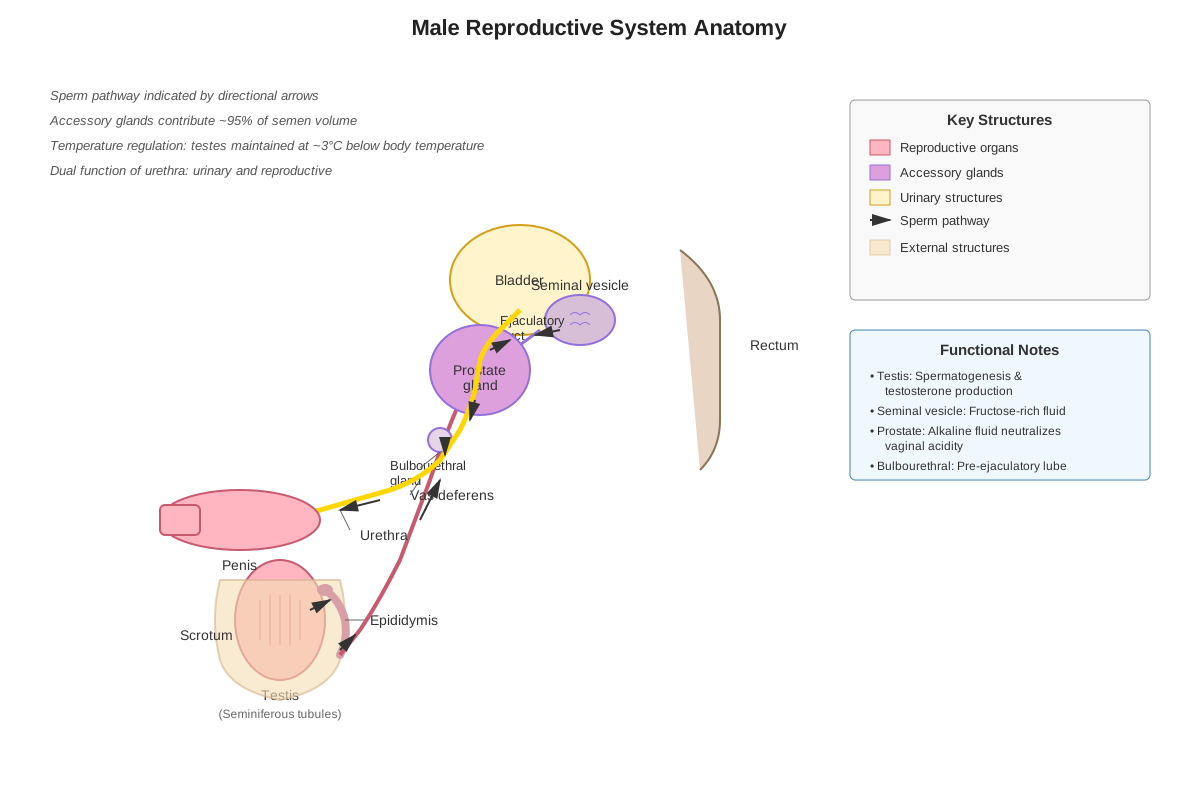
The male reproductive system consists of both internal and external structures designed for sperm production, maturation, and delivery. The primary organs include the testes (singular: testis), which serve dual functions as both exocrine glands (producing sperm) and endocrine glands (producing testosterone). Each testis contains approximately 250 compartments called lobules, which house tightly coiled seminiferous tubules—the sites of sperm production.
The epididymis is a coiled tube attached to the posterior surface of each testis where sperm mature and gain motility over approximately 20 days. From the epididymis, sperm travel through the vas deferens (ductus deferens), a muscular tube that propels sperm during ejaculation. The vas deferens joins with the duct from the seminal vesicle to form the ejaculatory duct, which passes through the prostate gland before emptying into the urethra.
Accessory glands contribute fluids that nourish and protect sperm. The seminal vesicles produce approximately 60% of semen volume, contributing fructose (energy source), prostaglandins, and clotting factors. The prostate gland secretes a milky, slightly acidic fluid containing enzymes that help liquefy semen after ejaculation. The bulbourethral glands (Cowper's glands) produce a clear, alkaline mucus that neutralizes acidic urine residue in the urethra and provides lubrication.
Female Reproductive Anatomy
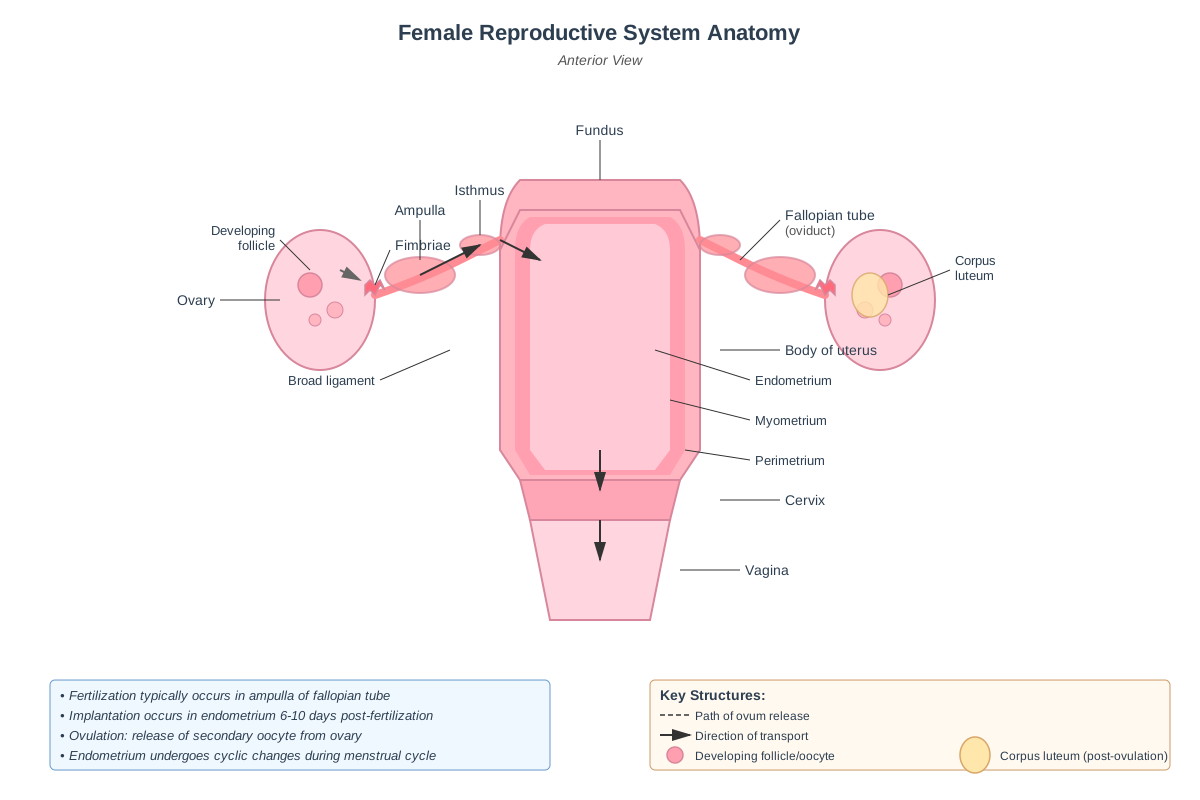
The female reproductive system includes the ovaries, fallopian tubes (oviducts or uterine tubes), uterus, cervix, and vagina. The ovaries serve as the primary reproductive organs, producing oocytes (egg cells) and secreting the hormones estrogen and progesterone. Each ovary contains thousands of follicles—structures consisting of an oocyte surrounded by supporting cells.
The fallopian tubes extend from the upper corners of the uterus and feature finger-like projections called fimbriae that sweep over the ovary surface to capture released oocytes. The tubes' inner lining contains cilia that help transport the oocyte toward the uterus. Fertilization typically occurs in the ampulla, the widest portion of the fallopian tube.
The uterus is a muscular organ with three layers: the outer perimetrium, the thick muscular myometrium, and the inner endometrium. The endometrium undergoes cyclic changes in response to hormones, thickening to prepare for potential embryo implantation and shedding during menstruation if pregnancy does not occur. The lower portion of the uterus, the cervix, connects to the vagina and produces mucus that changes consistency throughout the reproductive cycle.
Hormonal Regulation in Males
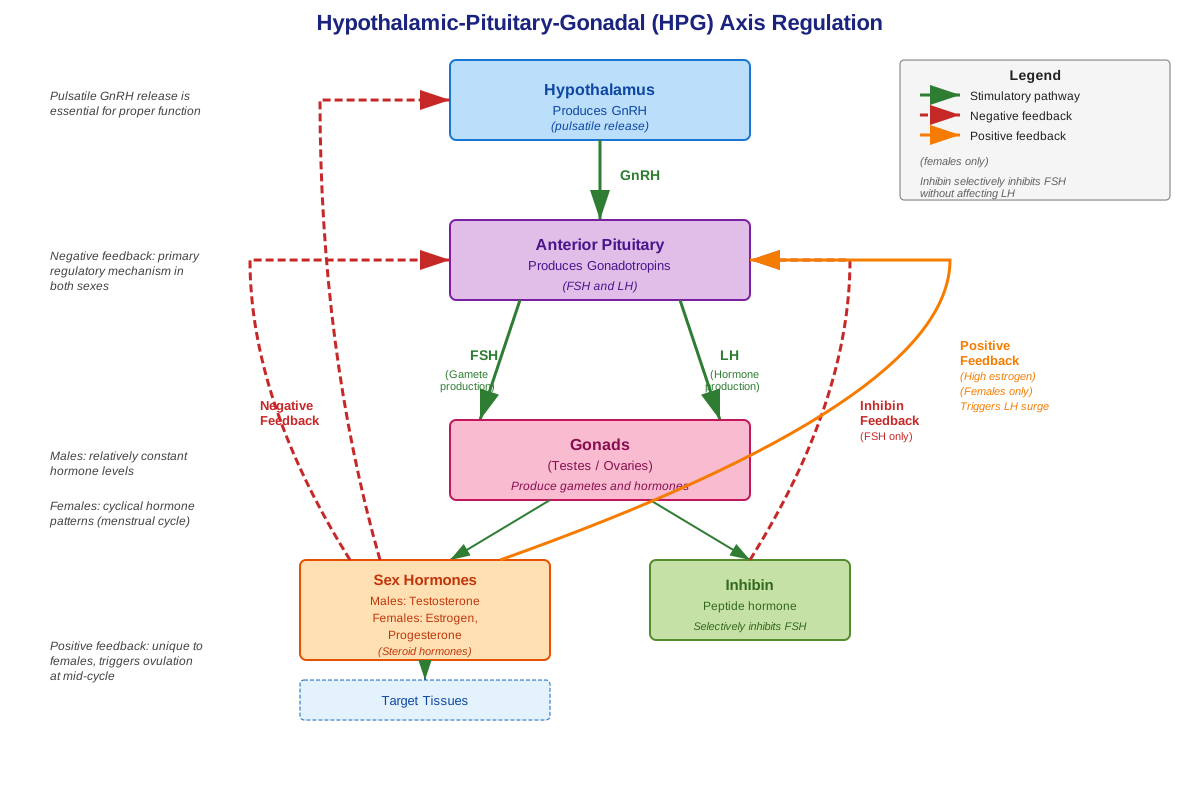
Male reproductive function is controlled by the hypothalamic-pituitary-gonadal (HPG) axis. The hypothalamus secretes gonadotropin-releasing hormone (GnRH) in pulsatile fashion, stimulating the anterior pituitary to release two gonadotropins: luteinizing hormone (LH) and follicle-stimulating hormone (FSH).
LH acts on Leydig cells (interstitial cells) located between seminiferous tubules, stimulating them to produce testosterone. Testosterone is essential for spermatogenesis, development of male secondary sexual characteristics, and maintenance of libido. FSH acts on Sertoli cells (sustentacular cells) within seminiferous tubules, which support developing sperm cells and produce inhibin, a hormone that provides negative feedback to the pituitary.
The system maintains homeostasis through negative feedback: elevated testosterone inhibits GnRH and LH secretion, while inhibin specifically suppresses FSH release. This dual feedback mechanism allows independent regulation of testosterone production and sperm production.
Hormonal Regulation in Females
The female reproductive cycle is more complex, involving coordinated changes in hormone levels that produce the ovarian cycle and the menstrual cycle (or uterine cycle). The cycle typically lasts 28 days, though normal variation ranges from 21-35 days.
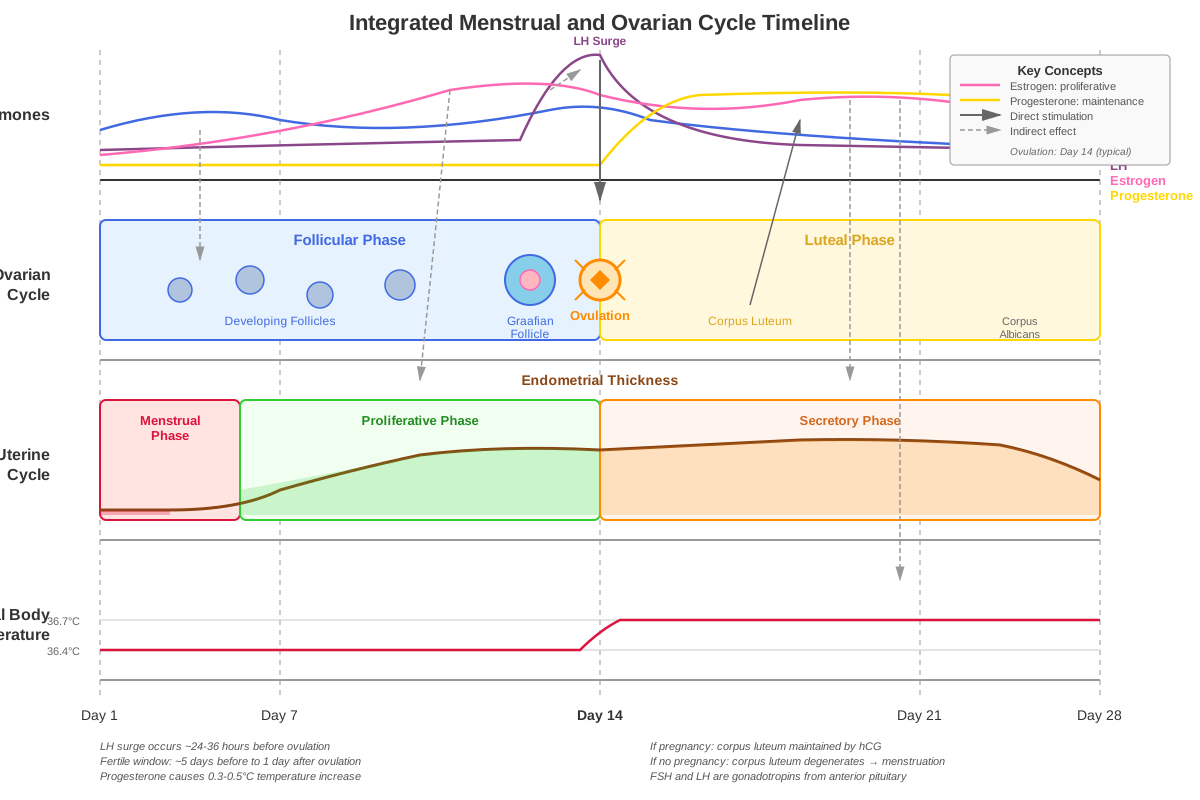
The follicular phase (days 1-14) begins with menstruation. Low estrogen and progesterone levels allow the hypothalamus to increase GnRH secretion, stimulating FSH and LH release. FSH promotes follicle development in the ovaries, and the growing follicles secrete increasing amounts of estrogen. Rising estrogen causes the endometrium to proliferate (thicken) and exerts negative feedback on FSH, causing FSH levels to decline mid-cycle.
When estrogen reaches a critical threshold for approximately 2 days, it switches from negative to positive feedback, triggering a massive LH surge (and smaller FSH surge) from the anterior pituitary. This surge causes ovulation—the release of a secondary oocyte from the dominant follicle—approximately 24-36 hours later, marking the transition to the luteal phase.
The luteal phase (days 14-28) is characterized by the transformation of the ruptured follicle into the corpus luteum, which secretes high levels of progesterone and moderate levels of estrogen. Progesterone prepares the endometrium for implantation by stimulating secretory changes. If fertilization and implantation do not occur, the corpus luteum degenerates after approximately 14 days, causing progesterone and estrogen levels to plummet. This hormonal withdrawal triggers menstruation, and the cycle begins again.
Gametogenesis
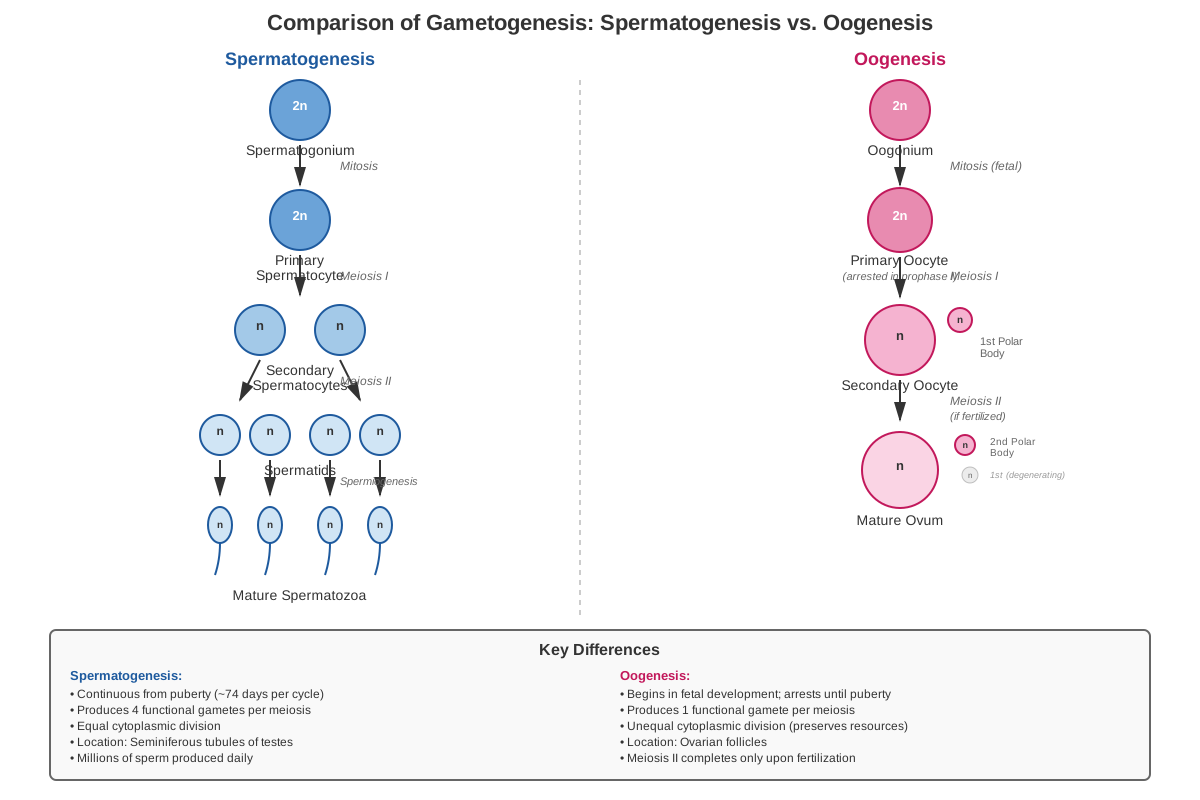
Spermatogenesis is the process of sperm production occurring continuously in the seminiferous tubules from puberty throughout life. The process takes approximately 74 days and involves several stages:
- Spermatogonial phase: Diploid spermatogonia undergo mitosis to maintain the stem cell population and produce primary spermatocytes
- Meiotic phase: Primary spermatocytes undergo meiosis I to form secondary spermatocytes, which complete meiosis II to form haploid spermatids
- Spermiogenesis: Spermatids differentiate into mature spermatozoa, developing a flagellum, acrosome (enzyme-containing cap), and condensed nucleus
Oogenesis is the process of oocyte development, which begins during fetal development but is not completed until fertilization occurs. Key differences from spermatogenesis include:
- Oogenesis produces one functional gamete (and polar bodies) per meiotic cycle, while spermatogenesis produces four functional sperm
- Oogenesis involves two arrest points: prophase I (from fetal development until ovulation) and metaphase II (from ovulation until fertilization)
- Primary oocytes are formed before birth; no new oocytes are generated after birth
- Meiosis I is completed just before ovulation, producing a secondary oocyte and first polar body
- Meiosis II is completed only if fertilization occurs
Comparison Table: Male vs. Female Reproductive Systems
| Feature | Male | Female |
|---|---|---|
| Primary organs | Testes | Ovaries |
| Gamete production | Continuous from puberty | Cyclic, limited supply |
| Gametes per cycle | Millions per day | Typically one per month |
| Hormone cycles | Relatively constant | Cyclic (monthly) |
| Major hormones | Testosterone, inhibin | Estrogen, progesterone |
| Meiosis completion | Before gamete release | After fertilization |
| Gonadotropin targets | LH→Leydig cells; FSH→Sertoli cells | LH→corpus luteum; FSH→follicles |
Concept Relationships
The reproductive system concepts form an integrated network centered on the HPG axis. The hypothalamus serves as the master regulator, responding to both internal hormonal signals and external factors (stress, nutrition, photoperiod) to modulate GnRH secretion → GnRH stimulates anterior pituitary gonadotropin release → LH and FSH act on gonads to stimulate both gametogenesis and sex hormone production → sex hormones provide negative feedback to hypothalamus and pituitary, completing the regulatory loop.
Within the male system: Testosterone production (Leydig cells) → supports spermatogenesis (seminiferous tubules) → Sertoli cells nurture developing sperm and produce inhibin → inhibin provides specific feedback to regulate FSH. Within the female system: Follicle development → estrogen production → endometrial proliferation and LH surge → ovulation → corpus luteum formation → progesterone secretion → endometrial secretory changes → either implantation (pregnancy) or corpus luteum degeneration (menstruation).
These reproductive concepts connect to prerequisite knowledge of endocrinology (hormone signaling mechanisms, feedback loops), cell biology (meiosis, cell differentiation), and anatomy (organ systems, tissue types). They also enable understanding of advanced topics including embryonic development (fertilization initiates development), genetics (gamete formation explains Mendelian inheritance), and evolution (reproductive strategies affect fitness).
The negative feedback mechanisms in reproductive endocrinology exemplify homeostatic regulation principles that apply across all organ systems. The positive feedback mechanism triggering ovulation represents one of the few positive feedback loops in human physiology, making it particularly high-yield for MCAT questions about feedback regulation.
Quick check — test yourself on Reproductive system overview so far.
Try Flashcards →High-Yield Facts
⭐ GnRH is released in pulsatile fashion from the hypothalamus and stimulates both LH and FSH release from the anterior pituitary in both sexes
⭐ In males, LH stimulates testosterone production by Leydig cells, while FSH acts on Sertoli cells to support spermatogenesis
⭐ In females, the LH surge triggered by high estrogen levels causes ovulation approximately 24-36 hours later
⭐ The corpus luteum secretes progesterone during the luteal phase; its degeneration causes menstruation if pregnancy does not occur
⭐ Spermatogenesis occurs continuously from puberty onward, while oogenesis begins before birth and arrests at prophase I until ovulation
- Testosterone and estrogen are both steroid hormones derived from cholesterol and can cross cell membranes to bind intracellular receptors
- The seminal vesicles contribute fructose to semen, providing energy for sperm motility
- Fertilization typically occurs in the ampulla of the fallopian tube, not in the uterus
- Inhibin from Sertoli cells (males) or corpus luteum (females) specifically inhibits FSH secretion without affecting LH
- The endometrium consists of a functional layer that sheds during menstruation and a basal layer that regenerates the functional layer
- Estrogen causes proliferation of the endometrium during the follicular phase, while progesterone causes secretory changes during the luteal phase
- The acrosome of sperm contains enzymes necessary for penetrating the zona pellucida of the oocyte during fertilization
Common Misconceptions
Misconception: The ovaries release eggs monthly in alternating fashion (left ovary one month, right ovary the next).
Correction: Ovulation occurs from whichever ovary contains the dominant follicle that cycle; there is no predetermined alternating pattern. Multiple follicles begin developing each cycle, but typically only one becomes dominant and ovulates.
Misconception: Testosterone is exclusively a male hormone and estrogen is exclusively a female hormone.
Correction: Both sexes produce both hormones, though in different quantities. Males produce estrogen through aromatization of testosterone, and females produce small amounts of testosterone in the ovaries and adrenal glands. The ratio and absolute levels differ between sexes, not the presence or absence of these hormones.
Misconception: Menstruation occurs because the uterus is "shedding toxins" or "cleansing itself."
Correction: Menstruation results from the withdrawal of progesterone and estrogen support when the corpus luteum degenerates, causing the functional layer of the endometrium to break down and shed. This is a hormonal consequence of the absence of pregnancy, not a detoxification process.
Misconception: The LH surge causes the corpus luteum to form.
Correction: The LH surge triggers ovulation (follicle rupture and oocyte release). After ovulation, the ruptured follicle transforms into the corpus luteum under the influence of LH. The surge causes ovulation; continued LH maintains the corpus luteum afterward.
Misconception: Sperm are produced in the epididymis.
Correction: Sperm are produced in the seminiferous tubules of the testes through spermatogenesis. The epididymis is where sperm mature and gain motility after production, but it is not the site of sperm production itself.
Misconception: Oocytes complete meiosis before ovulation.
Correction: Primary oocytes arrest in prophase I until just before ovulation, when they complete meiosis I to become secondary oocytes. The secondary oocyte arrests in metaphase II and is ovulated in this state. Meiosis II is only completed if fertilization occurs.
Worked Examples
Example 1: Hormonal Feedback Analysis
Question: A researcher administers a drug that blocks GnRH receptors in the anterior pituitary to male subjects. Which of the following would be expected consequences?
A) Increased testosterone, decreased sperm production
B) Decreased testosterone, decreased sperm production
C) Increased testosterone, increased sperm production
D) Decreased testosterone, increased sperm production
Solution:
Step 1: Identify what GnRH normally does. GnRH from the hypothalamus stimulates the anterior pituitary to release LH and FSH.
Step 2: Determine the effect of blocking GnRH receptors. If GnRH receptors are blocked, the anterior pituitary cannot respond to GnRH, so LH and FSH secretion will decrease.
Step 3: Trace the downstream effects of decreased LH and FSH. In males, LH stimulates Leydig cells to produce testosterone, so decreased LH leads to decreased testosterone. FSH acts on Sertoli cells to support spermatogenesis, so decreased FSH leads to decreased sperm production.
Step 4: Select the answer. Both testosterone and sperm production would decrease.
Answer: B
This question tests understanding of the HPG axis and the specific roles of LH and FSH in male reproductive physiology. It requires students to trace a hormonal cascade from the hypothalamus through the pituitary to the testes, demonstrating the interconnected nature of reproductive endocrinology.
Example 2: Menstrual Cycle Timing
Question: A woman with a regular 28-day menstrual cycle has day 1 as the first day of menstruation. On which day would her endometrium be thickest and most receptive to implantation?
A) Day 7
B) Day 14
C) Day 21
D) Day 28
Solution:
Step 1: Understand what makes the endometrium receptive to implantation. The endometrium must be in its secretory phase, characterized by progesterone-induced changes including increased vascularity and glycogen storage.
Step 2: Identify when the secretory phase occurs. The secretory phase corresponds to the luteal phase of the ovarian cycle, which begins after ovulation and lasts approximately 14 days.
Step 3: Determine when ovulation occurs. In a 28-day cycle, ovulation typically occurs around day 14.
Step 4: Calculate peak endometrial receptivity. The endometrium continues to thicken throughout the luteal phase under progesterone influence. Maximum thickness and receptivity occur in the mid-luteal phase, approximately 7 days after ovulation, which would be around day 21.
Step 5: Evaluate the options. Day 7 is during the follicular phase (proliferative endometrium, not yet optimal). Day 14 is ovulation day (endometrium is proliferative but not yet secretory). Day 21 is mid-luteal phase (peak secretory endometrium). Day 28 is just before menstruation (corpus luteum is degenerating, hormone levels falling).
Answer: C
This question integrates knowledge of the ovarian cycle, uterine cycle, and hormonal regulation. It requires understanding that implantation occurs approximately 6-7 days after fertilization, which itself occurs around ovulation, making the mid-luteal phase the optimal window for implantation.
Exam Strategy
When approaching MCAT questions on reproductive system overview, first identify whether the question focuses on anatomy, hormonal regulation, or gametogenesis. Anatomical questions often test pathway tracing (e.g., "trace the path of sperm from production to ejaculation") or structure-function relationships. Hormonal questions typically require understanding feedback loops and the timing of hormone surges. Gametogenesis questions focus on meiotic stages and the differences between spermatogenesis and oogenesis.
Trigger Words: Watch for "LH surge" (indicates ovulation timing), "corpus luteum" (indicates luteal phase), "negative feedback" (usually refers to sex hormone effects on hypothalamus/pituitary), "positive feedback" (specifically refers to estrogen triggering LH surge), and "day 1" (first day of menstruation, start of follicular phase).
For passage-based questions, quickly identify the experimental manipulation or clinical scenario. If a passage describes hormone administration, immediately consider how that hormone fits into the HPG axis and what feedback effects it might trigger. If a passage presents a genetic disorder, consider which reproductive structures or processes might be affected and trace the downstream consequences.
Process-of-elimination strategies work well for reproductive system questions. Eliminate answers that violate feedback principles (e.g., if an answer suggests that blocking testosterone would increase LH, eliminate it because testosterone normally inhibits LH through negative feedback). Eliminate answers that confuse male and female anatomy or hormonal patterns. Eliminate answers that place events in the wrong phase of the menstrual cycle.
Time allocation for reproductive system questions should be standard: approximately 1 minute for discrete questions and 1.5 minutes per question for passage-based questions. However, if a question requires tracing a complex hormonal cascade or comparing multiple cycle phases, allocate an extra 15-30 seconds to carefully work through the logic rather than rushing to an incorrect answer.
Memory Techniques
Mnemonic for anterior pituitary hormones: "FLAT PEG"
- FSH
- LH
- ACTH
- TSH
- Prolactin
- Endorphins
- GH (Growth Hormone)
This helps remember that FSH and LH are both anterior pituitary hormones controlled by hypothalamic GnRH.
Mnemonic for male reproductive pathway: "SEVEN UP"
- Seminiferous tubules
- Epididymis
- Vas deferens
- Ejaculatory duct
- Nothing (placeholder)
- Urethra
- Penis
Visualization for menstrual cycle: Picture a roller coaster with two peaks. The first peak (day 14) represents the LH surge and ovulation. The second, broader peak (days 15-28) represents progesterone levels during the luteal phase. When the roller coaster drops (day 28/1), menstruation occurs.
Acronym for follicle stages: "Pretty Girls Often Attract"
- Primordial follicle
- Primary follicle
- Secondary follicle
- Tertiary (Graafian) follicle
Memory aid for LH and FSH targets: "LH Loves Leydig" (in males) and "FSH Favors Follicles" (in females). This helps remember that LH acts on Leydig cells in males and triggers ovulation from follicles in females, while FSH acts on Sertoli cells in males and promotes follicle development in females.
Summary
The reproductive system overview encompasses the anatomical structures, hormonal regulation, and cellular processes involved in human reproduction. The male system continuously produces sperm in the seminiferous tubules under the influence of FSH (acting on Sertoli cells) and testosterone (produced by Leydig cells in response to LH). The female system operates cyclically, with the follicular phase characterized by follicle development and rising estrogen, culminating in an LH surge that triggers ovulation around day 14. The luteal phase features corpus luteum formation and progesterone secretion, preparing the endometrium for potential implantation. Both systems are regulated by the hypothalamic-pituitary-gonadal axis, with GnRH stimulating gonadotropin release and sex hormones providing negative feedback. Understanding these interconnected processes, the timing of the menstrual cycle, and the differences between spermatogenesis and oogenesis is essential for MCAT success, as questions frequently test hormonal feedback loops, cycle timing, and the integration of reproductive physiology with other biological concepts.
Key Takeaways
- The HPG axis controls reproduction in both sexes through GnRH → LH/FSH → sex hormones, with negative feedback maintaining homeostasis
- In males, LH stimulates testosterone production (Leydig cells) and FSH supports spermatogenesis (Sertoli cells); the process is continuous from puberty
- In females, the menstrual cycle consists of a follicular phase (days 1-14, rising estrogen, endometrial proliferation) and luteal phase (days 14-28, progesterone dominance, secretory endometrium)
- The LH surge triggered by high estrogen causes ovulation approximately 24-36 hours later, representing a rare positive feedback mechanism
- Spermatogenesis produces four functional gametes continuously, while oogenesis produces one functional gamete cyclically with two meiotic arrest points
- The corpus luteum maintains the luteal phase through progesterone secretion; its degeneration causes menstruation if pregnancy does not occur
- Understanding reproductive hormone feedback loops is essential for predicting the effects of hormonal manipulations and clinical interventions
Related Topics
Embryonic Development: Mastering reproductive system overview provides the foundation for understanding fertilization, implantation, and early embryonic development. The hormonal changes of early pregnancy (hCG maintaining the corpus luteum) directly build on luteal phase physiology.
Endocrine System: The reproductive system exemplifies endocrine principles including hormone synthesis, receptor signaling, and feedback regulation. Understanding reproductive hormones deepens comprehension of steroid hormone mechanisms applicable to adrenal and thyroid hormones.
Genetics and Inheritance: Gametogenesis through meiosis explains how genetic variation arises and how Mendelian inheritance patterns emerge. Sex-linked inheritance patterns directly relate to sex chromosome segregation during oogenesis and spermatogenesis.
Evolutionary Biology: Reproductive strategies, sexual selection, and fitness concepts all depend on understanding basic reproductive physiology. The costs and benefits of different reproductive patterns become clearer with solid foundational knowledge.
Practice CTA
Now that you have thoroughly reviewed the reproductive system overview, challenge yourself with practice questions and flashcards to reinforce these concepts. Focus particularly on tracing hormonal pathways, timing events in the menstrual cycle, and comparing male and female reproductive processes. The more you actively apply this knowledge to MCAT-style questions, the more automatic your recall will become on test day. Remember: understanding the "why" behind reproductive physiology will serve you better than memorizing isolated facts. You've built a strong foundation—now strengthen it through deliberate practice!
Sign up free to keep reading
Create a free AnvayaPrep account to finish this MCAT guide on Reproductive system overview — plus flashcards and practice questions.