Overview
Secretion is a fundamental physiological process by which cells and glands produce and release specific substances—such as hormones, enzymes, mucus, and ions—into the bloodstream, body cavities, or external environment. This process is essential for maintaining homeostasis, facilitating digestion, enabling communication between organ systems, and coordinating complex physiological responses. In Biology, secretion represents a critical mechanism through which the body regulates metabolism, responds to environmental changes, and maintains the internal milieu necessary for survival.
For the MCAT, understanding secretion is crucial because it integrates multiple biological disciplines including cell biology, biochemistry, and Physiology and Organ Systems. Questions on Secretion MCAT topics frequently appear in passages discussing endocrine function, digestive physiology, renal function, and neural signaling. The exam tests not only the mechanisms of secretion at the cellular level but also the systemic consequences of secretory dysfunction and the regulatory feedback loops that control secretory processes.
Secretion Biology connects intimately with concepts such as membrane transport, signal transduction, exocytosis, and organ system integration. Mastery of secretion enables students to understand how the pancreas releases insulin in response to glucose, how gastric cells produce hydrochloric acid for digestion, how the kidneys regulate electrolyte balance through tubular secretion, and how neurons release neurotransmitters at synapses. This topic serves as a conceptual bridge between molecular mechanisms and whole-organism physiology, making it indispensable for achieving a comprehensive understanding of human biology tested on the MCAT.
Learning Objectives
- [ ] Define Secretion using accurate Biology terminology
- [ ] Explain why Secretion matters for the MCAT
- [ ] Apply Secretion to exam-style questions
- [ ] Identify common mistakes related to Secretion
- [ ] Connect Secretion to related Biology concepts
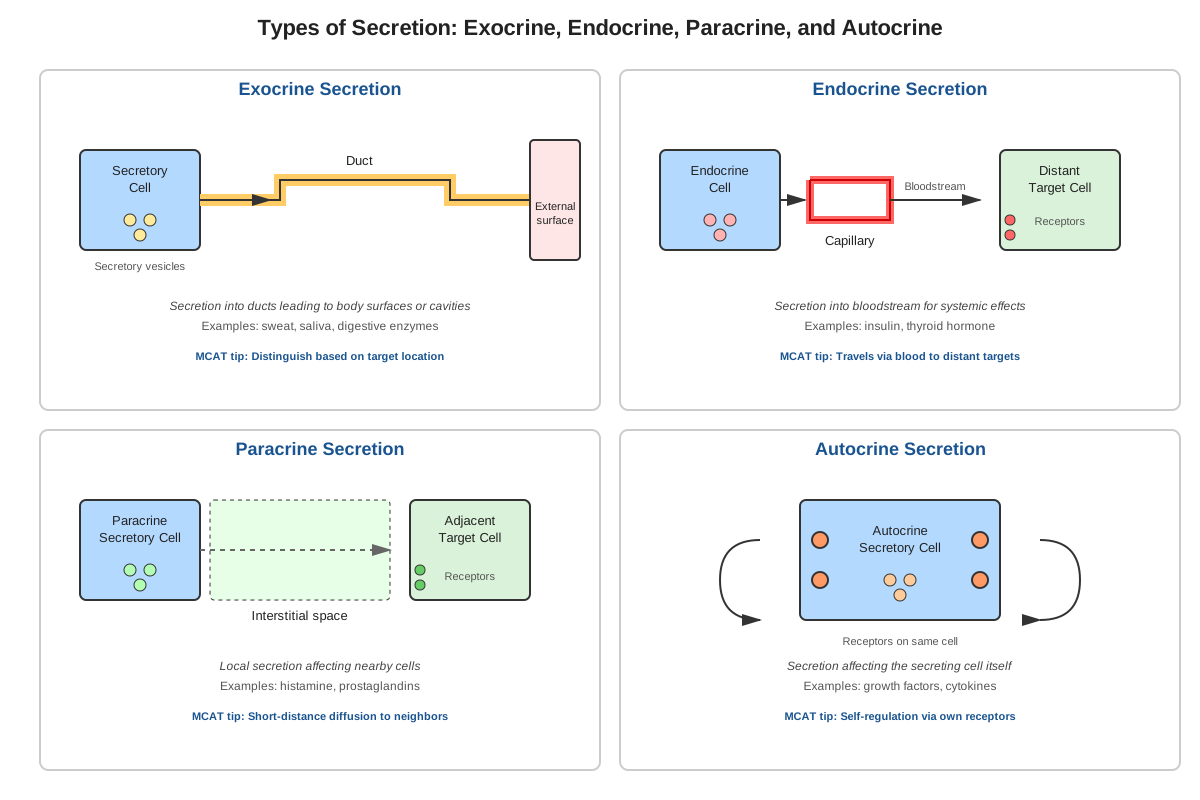
- [ ] Distinguish between different types of secretion (exocrine, endocrine, paracrine, autocrine)
- [ ] Describe the cellular mechanisms underlying secretory processes, including exocytosis and membrane transport
- [ ] Analyze the regulatory mechanisms controlling secretion in major organ systems
Prerequisites
- Cell membrane structure and function: Understanding lipid bilayers, membrane proteins, and selective permeability is essential for comprehending how secretory products cross cellular barriers
- Protein synthesis and processing: Knowledge of transcription, translation, and post-translational modifications explains how secretory proteins are produced and prepared for release
- Cellular organelles: Familiarity with the endoplasmic reticulum, Golgi apparatus, and secretory vesicles is necessary to understand the secretory pathway
- Basic endocrine system organization: Awareness of hormone types and general endocrine function provides context for endocrine secretion
- Membrane transport mechanisms: Understanding active transport, facilitated diffusion, and vesicular transport underpins secretory mechanisms
- Signal transduction pathways: Knowledge of receptor-ligand interactions and second messenger systems explains how secretion is regulated
Why This Topic Matters
Clinical and Real-World Significance
Secretion is fundamental to human health and disease. Diabetes mellitus results from defective insulin secretion or action; cystic fibrosis involves abnormal chloride secretion leading to thick mucus accumulation; peptic ulcers can arise from excessive gastric acid secretion; and many cancers involve dysregulated hormone secretion. Understanding secretory mechanisms enables comprehension of pharmacological interventions—proton pump inhibitors reduce gastric acid secretion, sulfonylureas stimulate insulin secretion, and anticholinergics reduce various exocrine secretions. Physicians regularly assess secretory function through tests measuring hormone levels, digestive enzyme activity, and electrolyte balance.
MCAT Exam Statistics and Question Types
Secretion appears in approximately 8-12% of MCAT Biology/Biochemistry questions, with particular emphasis in passages about the digestive system, endocrine system, and renal physiology. Questions typically present in three formats: (1) passage-based questions requiring integration of secretory mechanisms with experimental data or clinical scenarios, (2) discrete questions testing specific secretory processes or regulatory pathways, and (3) questions requiring students to predict physiological consequences of altered secretion. The MCAT frequently tests the distinction between secretion and excretion, the differences among secretion types, and the hormonal regulation of secretory processes.
Common Exam Passage Contexts
MCAT passages commonly present secretion in contexts such as: pancreatic function and glucose homeostasis (insulin and glucagon secretion), gastric physiology and acid-base balance (HCl and bicarbonate secretion), renal tubular function and drug clearance (tubular secretion of organic compounds), salivary and digestive enzyme release (exocrine secretion mechanisms), and neuroendocrine integration (hypothalamic-pituitary axis). Experimental passages may describe studies manipulating secretory pathways using pharmacological agents, genetic modifications, or physiological challenges, requiring students to interpret data about secretory rates, hormone concentrations, or downstream physiological effects.
Core Concepts
Definition and Fundamental Characteristics
Secretion is the active, energy-requiring process by which cells synthesize and release specific substances for functional purposes. Unlike excretion (the removal of metabolic waste products), secretion produces useful molecules that serve regulatory, digestive, protective, or communicative functions. The secretory process involves multiple steps: synthesis of the secretory product, packaging into vesicles or transport across membranes, storage (in some cases), and regulated or constitutive release.
Secretory cells are typically specialized epithelial cells organized into glands or distributed within epithelial linings. These cells possess abundant rough endoplasmic reticulum (for protein synthesis), prominent Golgi apparatus (for processing and packaging), and numerous secretory vesicles or granules. The high metabolic demands of secretion require substantial ATP production, reflected in the abundance of mitochondria in secretory cells.
Types of Secretion by Destination
Exocrine secretion involves the release of substances through ducts onto epithelial surfaces or into body cavities. Exocrine glands include salivary glands (releasing saliva into the mouth), pancreatic acinar cells (releasing digestive enzymes into the small intestine), sweat glands (releasing sweat onto skin), and mammary glands (releasing milk). Exocrine secretions typically contain enzymes, mucus, electrolytes, or antimicrobial substances that act locally at the site of release.
Endocrine secretion involves the release of hormones directly into the bloodstream without ducts, allowing systemic distribution to distant target organs. Endocrine glands include the pituitary, thyroid, adrenal glands, and pancreatic islets. Endocrine secretions coordinate long-term physiological processes such as growth, metabolism, reproduction, and stress responses. The bloodstream serves as the transport medium, and hormones bind to specific receptors on target cells, often at considerable distances from the secretory source.
Paracrine secretion involves the release of signaling molecules that affect nearby cells within the same tissue. Examples include histamine release from mast cells affecting local blood vessels, somatostatin release from pancreatic delta cells inhibiting nearby alpha and beta cells, and growth factors released by cells to influence neighboring cell proliferation. Paracrine signals diffuse through the extracellular space over short distances, typically affecting cells within a few cell diameters.
Autocrine secretion involves cells releasing signals that bind to receptors on the same cell that produced them, creating self-regulatory feedback loops. Examples include T-cell production of interleukin-2 (IL-2) that stimulates the same T-cell's proliferation, and cancer cells secreting growth factors that stimulate their own division. Autocrine signaling is particularly important in immune responses and pathological conditions like cancer.
Mechanisms of Secretion
| Mechanism | Description | Examples | Energy Requirement |
|---|---|---|---|
| Exocytosis | Vesicle fusion with plasma membrane releasing contents | Insulin release, neurotransmitter release, digestive enzyme secretion | High (ATP for vesicle formation and fusion) |
| Active transport | Membrane pumps move ions or small molecules against gradients | H+/K+-ATPase secreting H+ in stomach, Na+/K+-ATPase in all cells | High (direct ATP hydrolysis) |
| Channel-mediated | Regulated channels allow ion movement down gradients | Cl- secretion in intestinal epithelium, Ca2+ release triggering secretion | Moderate (ATP for maintaining gradients) |
| Constitutive secretion | Continuous, unregulated release as products are synthesized | Extracellular matrix proteins, some plasma proteins | Moderate (ongoing synthesis) |
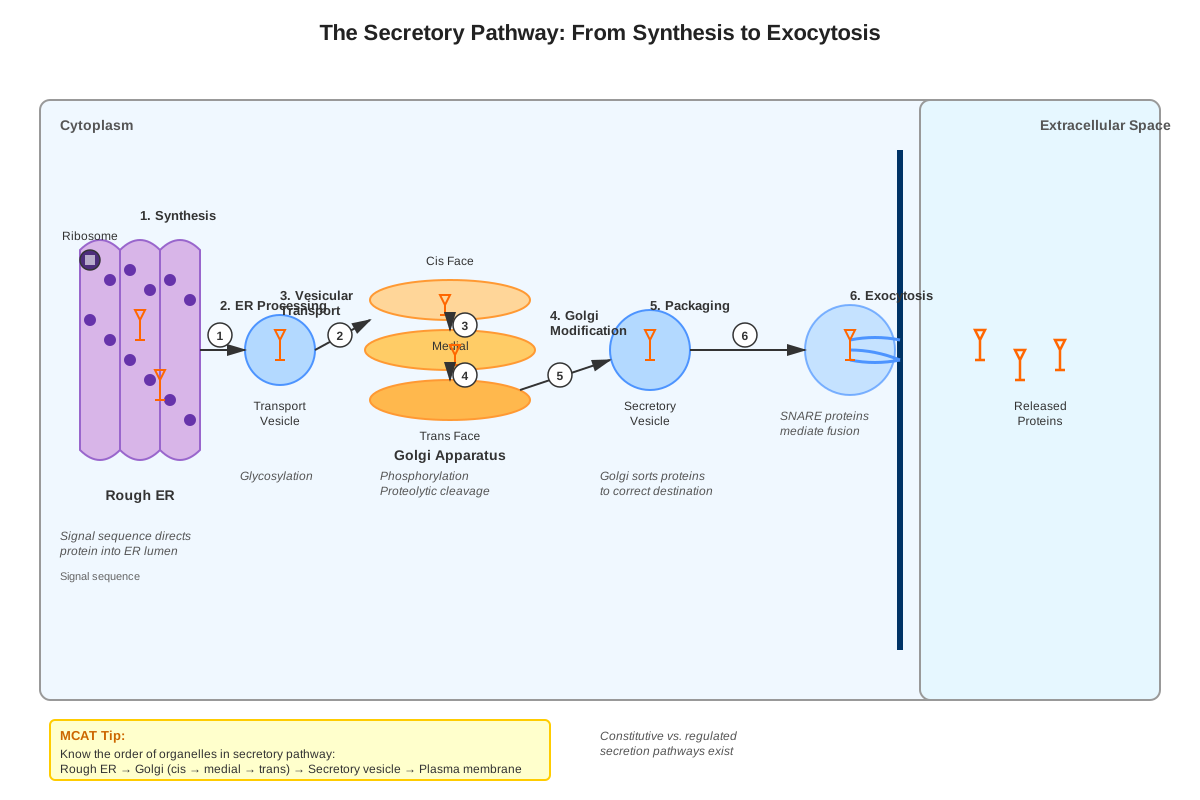
Exocytosis represents the primary mechanism for secreting large molecules, particularly proteins and peptides. The process involves several steps:
- Synthesis of secretory proteins on ribosomes of the rough endoplasmic reticulum (RER)
- Translocation into the RER lumen and initial glycosylation
- Transport to the Golgi apparatus via transport vesicles
- Further processing, modification, and sorting in the Golgi
- Packaging into secretory vesicles that bud from the trans-Golgi network
- Transport of vesicles to the plasma membrane
- Docking and priming of vesicles at the membrane
- Calcium-triggered fusion of vesicle and plasma membranes
- Release of vesicle contents into extracellular space
Regulated exocytosis occurs in response to specific signals (hormones, neurotransmitters, or changes in metabolite concentrations), with secretory products stored in vesicles until stimulation occurs. Constitutive exocytosis occurs continuously without specific triggering signals, with newly synthesized products immediately packaged and released.
Regulation of Secretion
Secretory processes are tightly regulated through multiple mechanisms:
Neural regulation involves direct innervation of secretory cells by the autonomic nervous system. Parasympathetic stimulation generally increases secretion in digestive glands (salivary, gastric, pancreatic), while sympathetic stimulation may increase or decrease secretion depending on the organ. Neurotransmitters bind to receptors on secretory cells, triggering intracellular signaling cascades that culminate in secretion.
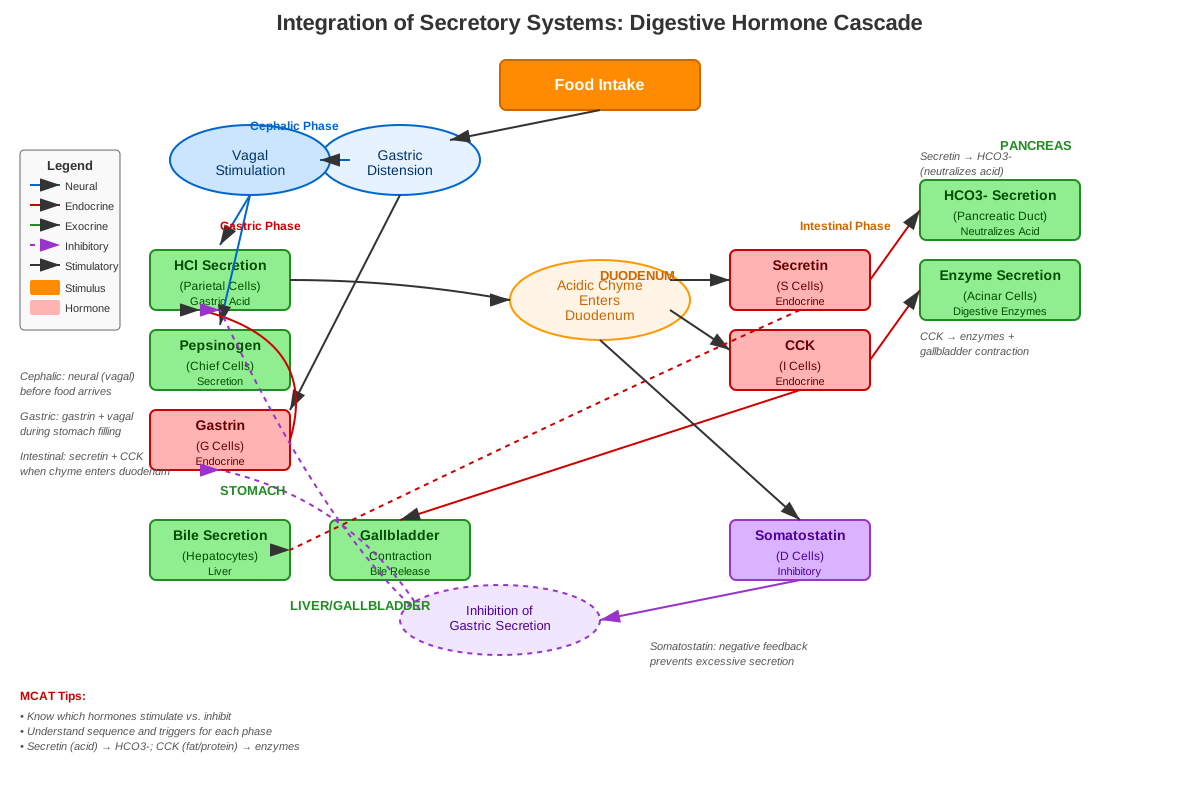
Hormonal regulation involves endocrine signals that modulate secretory activity. For example, secretin stimulates pancreatic bicarbonate secretion, cholecystokinin (CCK) stimulates pancreatic enzyme secretion and gallbladder contraction, and gastrin stimulates gastric acid secretion. Hormones typically act through G-protein coupled receptors or receptor tyrosine kinases, activating second messenger systems.
Substrate regulation involves direct sensing of metabolites or ions by secretory cells. Pancreatic beta cells detect elevated blood glucose and respond by secreting insulin; parathyroid cells detect low blood calcium and secrete parathyroid hormone (PTH); and carotid body cells detect low blood oxygen and trigger compensatory responses. This direct sensing enables rapid, localized responses to physiological changes.
Feedback regulation involves secretory products or their downstream effects inhibiting further secretion. Negative feedback is common: insulin lowers blood glucose, which then reduces further insulin secretion; thyroid hormones inhibit TSH secretion from the pituitary; and cortisol inhibits ACTH secretion. Positive feedback is rarer but occurs in oxytocin secretion during childbirth, where uterine contractions stimulate more oxytocin release.
Major Secretory Systems
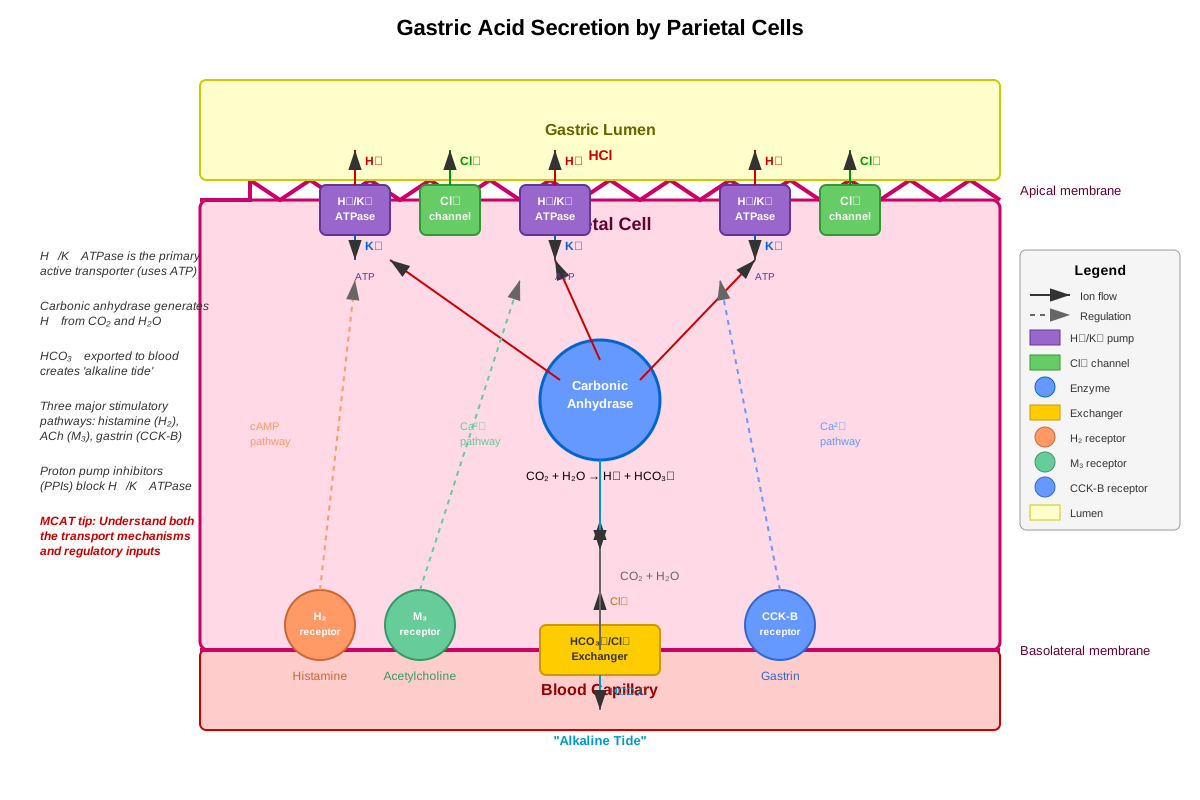
Gastric secretion involves multiple cell types in the stomach lining. Parietal cells secrete hydrochloric acid (HCl) via H+/K+-ATPase proton pumps, creating the acidic environment necessary for pepsin activation and antimicrobial defense. Chief cells secrete pepsinogen, the inactive precursor of the protein-digesting enzyme pepsin. Mucous cells secrete mucus and bicarbonate, protecting the stomach lining from acid damage. G cells secrete gastrin, a hormone that stimulates acid secretion. This coordinated secretion is regulated by neural (vagal), hormonal (gastrin), and paracrine (histamine, somatostatin) signals.
Pancreatic secretion has both exocrine and endocrine components. Exocrine pancreatic acinar cells secrete digestive enzymes (amylase, lipase, proteases) into the pancreatic duct, while ductal cells secrete bicarbonate-rich fluid to neutralize gastric acid entering the duodenum. Endocrine pancreatic islet cells secrete hormones: beta cells secrete insulin (lowers blood glucose), alpha cells secrete glucagon (raises blood glucose), delta cells secrete somatostatin (inhibits insulin and glucagon), and PP cells secrete pancreatic polypeptide (regulates pancreatic secretion).
Renal tubular secretion involves the active transport of substances from peritubular capillaries into the tubular lumen, complementing glomerular filtration. The proximal tubule secretes organic acids (including many drugs and toxins), organic bases, and hydrogen ions. The distal tubule and collecting duct secrete potassium and hydrogen ions under hormonal regulation (aldosterone, ADH). Tubular secretion is crucial for drug elimination, acid-base balance, and potassium homeostasis.
Salivary secretion produces saliva containing water, electrolytes, mucus, and enzymes (primarily salivary amylase and lingual lipase). Salivary glands demonstrate a two-stage secretion process: acinar cells produce an isotonic, plasma-like primary secretion, and ductal cells modify it by reabsorbing sodium and chloride while secreting potassium and bicarbonate, producing hypotonic saliva. Parasympathetic stimulation (via acetylcholine) strongly increases salivary secretion, while sympathetic stimulation produces smaller volumes of protein-rich saliva.
Concept Relationships
Secretion integrates multiple biological concepts into a coherent physiological framework. At the cellular level, secretion depends on protein synthesis (transcription and translation) → protein processing (in ER and Golgi) → vesicular transport (exocytosis) → membrane fusion (SNARE proteins). This sequence connects molecular biology to cell biology.
Secretion enables endocrine signaling → which regulates metabolism → affecting energy homeostasis → influencing organ system function. This pathway illustrates how secretion bridges cellular processes and whole-organism physiology. For example, insulin secretion → glucose uptake by cells → decreased blood glucose → metabolic shift toward anabolism.
Neural regulation of secretion connects the nervous system to other organ systems: autonomic nervous system activation → neurotransmitter release → receptor binding on secretory cells → second messenger activation → secretion. This demonstrates neuroendocrine integration, particularly evident in the hypothalamic-pituitary axis where neural signals are converted to hormonal signals.
Secretion relates to membrane transport through shared mechanisms: both involve moving substances across membranes, require energy, and utilize specific transport proteins. However, secretion specifically involves producing and releasing functional molecules, while transport may simply move existing substances. Understanding this distinction prevents confusion between secretion and other transport processes.
Feedback regulation of secretion connects to homeostasis: stimulus → secretion → physiological effect → feedback signal → modulation of secretion. This closed-loop system maintains physiological parameters within narrow ranges, exemplified by glucose-insulin-glucose feedback, calcium-PTH-calcium feedback, and thyroid hormone feedback loops.
Quick check — test yourself on Secretion so far.
Try Flashcards →High-Yield Facts
⭐ Secretion is an active, energy-requiring process that produces and releases functional molecules, distinguishing it from passive excretion of waste products.
⭐ Exocrine secretion releases products through ducts onto surfaces; endocrine secretion releases hormones directly into the bloodstream without ducts.
⭐ Regulated exocytosis requires specific triggering signals (often calcium influx), while constitutive exocytosis occurs continuously without specific triggers.
⭐ Parietal cells in the stomach secrete HCl via H+/K+-ATPase proton pumps, creating an acidic environment with pH 1.5-3.5.
⭐ Pancreatic beta cells secrete insulin in response to elevated blood glucose, detected by GLUT2 glucose transporters and glucokinase acting as a glucose sensor.
- Paracrine secretion affects nearby cells within the same tissue, while autocrine secretion affects the same cell that released the signal.
- The secretory pathway involves: RER (synthesis) → Golgi (processing) → secretory vesicles (storage) → plasma membrane (exocytosis).
- Tubular secretion in the kidney actively transports substances from blood into the tubular lumen, complementing glomerular filtration for waste elimination.
- Chief cells secrete pepsinogen (inactive), which is converted to pepsin (active) by the acidic environment created by parietal cell HCl secretion.
- Cholecystokinin (CCK) stimulates pancreatic enzyme secretion and gallbladder contraction, while secretin stimulates pancreatic bicarbonate secretion.
- Salivary glands produce hypotonic saliva through a two-stage process: isotonic primary secretion by acini, followed by ion modification by ducts.
- SNARE proteins (SNAPs and SNAREs) mediate vesicle docking and fusion with the plasma membrane during exocytosis.
- Aldosterone increases sodium reabsorption and potassium secretion in the distal tubule and collecting duct of the kidney.
- Mucous cells throughout the digestive tract secrete mucus (for lubrication and protection) and bicarbonate (for neutralization).
- Negative feedback regulation is the predominant mechanism controlling endocrine secretion, maintaining homeostasis by preventing excessive hormone levels.
Common Misconceptions
Misconception: Secretion and excretion are the same process.
Correction: Secretion is the active production and release of functional molecules (enzymes, hormones, mucus) that serve specific physiological purposes. Excretion is the elimination of metabolic waste products (urea, CO2, excess ions) that have no further use. Secretion creates useful products; excretion removes waste.
Misconception: All secretion requires exocytosis.
Correction: While many secretory products (proteins, peptides) are released via exocytosis, other secretory mechanisms exist. Small molecules and ions can be secreted through active transport pumps (H+ secretion by parietal cells), channels (Cl- secretion in intestinal epithelium), or carriers. Steroid hormones, being lipophilic, diffuse directly across membranes without vesicular transport.
Misconception: Endocrine and exocrine secretion differ only in the presence or absence of ducts.
Correction: While the duct distinction is anatomically correct, the functional differences are more profound. Endocrine secretions (hormones) act systemically on distant targets via bloodstream transport and typically regulate long-term processes. Exocrine secretions act locally at the site of release and typically perform immediate functions (digestion, lubrication, protection). The chemical nature, regulation, and physiological roles differ substantially.
Misconception: Constitutive secretion is unregulated and therefore unimportant.
Correction: Constitutive secretion, while not requiring specific triggering signals, is highly regulated at the level of gene expression and protein synthesis. Cells adjust the rate of constitutive secretion by modulating transcription and translation of secretory proteins. This mechanism is crucial for maintaining extracellular matrix, plasma proteins, and membrane components. The term "constitutive" refers to continuous release, not lack of regulation.
Misconception: Tubular secretion in the kidney is the same as glomerular filtration.
Correction: Glomerular filtration is a passive process driven by hydrostatic pressure, moving water and small solutes from blood into Bowman's capsule. Tubular secretion is an active process occurring along the tubule, selectively transporting specific substances (organic acids, bases, K+, H+) from peritubular capillaries into the tubular lumen. Secretion is selective, energy-requiring, and can move substances against concentration gradients, while filtration is non-selective and passive.
Misconception: Calcium triggers secretion by directly causing vesicle fusion.
Correction: Calcium acts as a second messenger that binds to calcium-sensing proteins (particularly synaptotagmin in neurons), which then interact with SNARE proteins to facilitate vesicle-membrane fusion. Calcium doesn't directly fuse membranes; it triggers a cascade of protein-protein interactions that culminate in fusion. The process requires multiple proteins including SNAREs (syntaxin, SNAP-25, synaptobrevin), synaptotagmin, and complexin.
Misconception: All hormones are secreted by dedicated endocrine glands.
Correction: While classical endocrine glands (pituitary, thyroid, adrenals) are major hormone sources, many organs with other primary functions also secrete hormones. The heart secretes atrial natriuretic peptide (ANP), the stomach secretes gastrin and ghrelin, adipose tissue secretes leptin and adiponectin, and the kidney secretes erythropoietin and renin. This distributed endocrine function reflects the integration of hormonal regulation throughout the body.
Worked Examples
Example 1: Gastric Acid Secretion Mechanism
Question: A researcher is studying gastric acid secretion in parietal cells. She observes that blocking H+/K+-ATPase completely eliminates acid secretion, while blocking carbonic anhydrase reduces but doesn't eliminate it. Explain the mechanism of gastric acid secretion and why these interventions have different effects.
Solution:
Step 1: Identify the secretory cell and product
Parietal cells in the gastric mucosa secrete hydrochloric acid (HCl), creating the acidic gastric environment (pH 1.5-3.5).
Step 2: Describe the mechanism
Gastric acid secretion involves several coordinated steps:
- CO2 and H2O combine in parietal cells, catalyzed by carbonic anhydrase, forming H2CO3
- H2CO3 dissociates into H+ and HCO3-
- H+ is actively secreted into the gastric lumen via H+/K+-ATPase (the proton pump), exchanging extracellular K+ for intracellular H+
- HCO3- exits the basolateral membrane into blood via Cl-/HCO3- exchanger (creating the "alkaline tide")
- Cl- enters the cell via the basolateral Cl-/HCO3- exchanger and exits into the gastric lumen through apical Cl- channels
- H+ and Cl- combine in the lumen to form HCl
Step 3: Explain the H+/K+-ATPase blockade effect
H+/K+-ATPase is the only mechanism for moving H+ from the parietal cell into the gastric lumen against the enormous concentration gradient (pH 7.4 inside the cell to pH 2 in the lumen represents a million-fold gradient). Blocking this pump completely eliminates the ability to secrete H+, thus completely eliminating acid secretion. This is the mechanism of proton pump inhibitors (PPIs) like omeprazole.
Step 4: Explain the carbonic anhydrase blockade effect
Carbonic anhydrase accelerates the formation of H2CO3 from CO2 and H2O, providing H+ for secretion. However, this reaction can occur spontaneously, albeit much more slowly, even without the enzyme. Additionally, cells can generate H+ through other metabolic processes. Therefore, blocking carbonic anhydrase reduces the rate of H+ production but doesn't completely eliminate it, resulting in reduced but not absent acid secretion.
Step 5: Connect to learning objectives
This example demonstrates: (1) the active, energy-requiring nature of secretion (H+/K+-ATPase uses ATP), (2) the integration of multiple transport mechanisms in secretory processes, (3) the importance of enzymes in facilitating secretion, and (4) how pharmacological interventions can target specific steps in secretory pathways.
Example 2: Insulin Secretion and Glucose Sensing
Question: A medical student is reviewing a case of a patient with a mutation in the KATP channel of pancreatic beta cells that keeps the channel constitutively open. Predict the effect on insulin secretion and blood glucose levels. Explain the normal mechanism of glucose-stimulated insulin secretion.
Solution:
Step 1: Describe normal glucose-stimulated insulin secretion
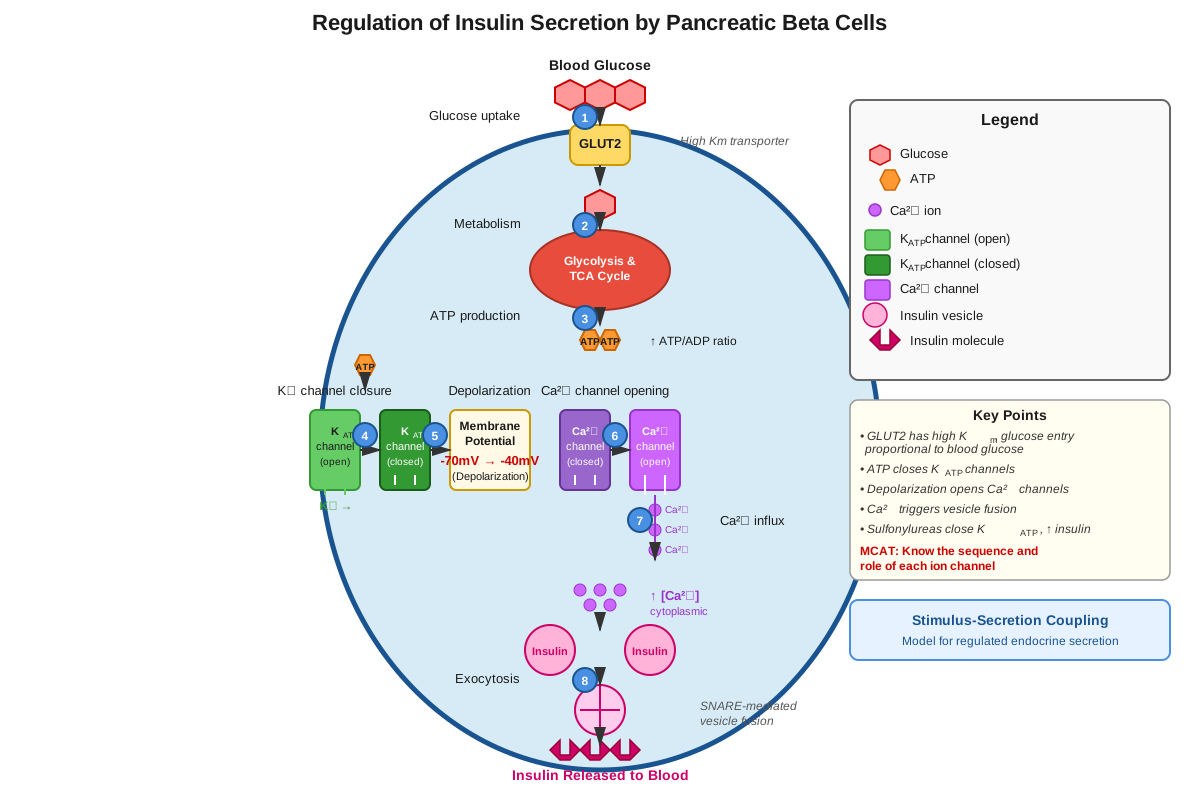
The mechanism involves the following sequence:
- Glucose enters beta cells through GLUT2 transporters (high Km, allowing glucose sensing)
- Glucokinase phosphorylates glucose to glucose-6-phosphate (rate-limiting step; glucokinase acts as the "glucose sensor")
- Glucose metabolism through glycolysis and the citric acid cycle increases ATP production
- Elevated ATP/ADP ratio causes ATP-sensitive K+ channels (KATP channels) to close
- Closure of KATP channels prevents K+ efflux, causing membrane depolarization
- Depolarization opens voltage-gated Ca2+ channels
- Ca2+ influx triggers exocytosis of insulin-containing secretory granules
- Insulin is released into the bloodstream
Step 2: Analyze the mutation effect
If KATP channels are constitutively open (cannot close), they will continuously allow K+ efflux regardless of ATP levels. This prevents membrane depolarization even when glucose is elevated and ATP increases.
Step 3: Predict consequences
- Without depolarization, voltage-gated Ca2+ channels remain closed
- Without Ca2+ influx, insulin secretory vesicles are not triggered to undergo exocytosis
- Insulin secretion is severely impaired or absent
- Blood glucose levels remain elevated (hyperglycemia) because insulin is not released to promote glucose uptake by tissues
- This mimics a form of diabetes mellitus (specifically, neonatal diabetes caused by KATP channel mutations)
Step 4: Connect to broader concepts
This example illustrates:
- The coupling of metabolism to secretion (ATP production → channel closure → depolarization → secretion)
- The role of ion channels in regulating secretion
- The importance of calcium as a trigger for exocytosis
- How genetic mutations affecting secretory mechanisms cause disease
- The distinction between stimulus-secretion coupling and the secretory machinery itself
Step 5: Clinical relevance
Sulfonylurea drugs (used to treat type 2 diabetes) work by closing KATP channels, promoting insulin secretion even at lower glucose levels. Conversely, diazoxide opens KATP channels and is used to treat hyperinsulinemic hypoglycemia. Understanding the mechanism of glucose-stimulated insulin secretion is essential for understanding diabetes pathophysiology and pharmacotherapy.
Exam Strategy
Approaching MCAT Secretion Questions
When encountering secretion questions on the MCAT, employ this systematic approach:
- Identify the secretory cell/organ: Determine what structure is performing the secretion (parietal cells, beta cells, renal tubule, etc.)
- Identify the secretory product: What substance is being secreted (HCl, insulin, K+, enzymes)?
- Determine the secretion type: Is this exocrine, endocrine, paracrine, or autocrine?
- Analyze the mechanism: Does secretion occur via exocytosis, active transport, or channels?
- Consider regulation: What stimulates or inhibits this secretion (neural, hormonal, substrate)?
- Predict consequences: What physiological effects result from this secretion?
Trigger Words and Phrases
Watch for these high-yield terms that signal secretion-related content:
- "Release," "secrete," "produce": Indicate secretory processes
- "Gland," "acinar cells," "islet cells": Identify secretory structures
- "Hormone," "enzyme," "mucus": Common secretory products
- "Stimulated by," "inhibited by," "in response to": Signal regulatory mechanisms
- "Exocytosis," "vesicle fusion," "granule release": Indicate mechanism
- "Duct," "bloodstream," "local tissue": Indicate secretion destination/type
- "Calcium influx," "depolarization," "ATP": Suggest stimulus-secretion coupling
- "Feedback," "homeostasis," "regulation": Indicate control mechanisms
Process-of-Elimination Tips
When uncertain about secretion questions:
- Eliminate options confusing secretion with excretion: If an answer choice describes waste removal rather than production of functional molecules, eliminate it
- Eliminate options with incorrect energy requirements: Secretion is active and requires energy; eliminate passive or energy-free mechanisms
- Check anatomical accuracy: Endocrine glands don't have ducts; exocrine glands do. Eliminate options violating this distinction
- Verify directional accuracy: Secretion moves substances out of cells; eliminate options describing uptake or absorption
- Consider physiological logic: Does the proposed secretion make sense for maintaining homeostasis? Eliminate physiologically implausible options
Time Allocation Advice
For discrete secretion questions, allocate 60-90 seconds. These typically test straightforward knowledge of secretory mechanisms, products, or regulation. For passage-based questions involving secretion, allocate 90-120 seconds per question. These require integrating passage information with secretion knowledge, often involving experimental data interpretation or clinical scenario analysis. If a question requires detailed mechanism tracing (like stimulus-secretion coupling), ensure you have 2 minutes to work through the sequence systematically.
Exam Tip: When passages describe experimental manipulations of secretion (blocking channels, adding hormones, measuring secretory products), create a quick flowchart of the normal pathway, then mark where the manipulation intervenes. This visual approach prevents confusion and helps predict experimental outcomes.
Memory Techniques
Mnemonics for Secretion Types
"EEPA" for secretion destinations:
- Exocrine: External (through ducts to surfaces)
- Endocrine: Enter bloodstream (no ducts, systemic)
- Paracrine: Proximal cells (nearby, same tissue)
- Autocrine: Acts on self (same cell)
Gastric Secretion Cells
"PMG-Chief" for gastric cell types:
- Parietal cells: HCl and intrinsic factor
- Mucous cells: Mucus and bicarbonate
- G cells: Gastrin
- Chief cells: Pepsinogen
Insulin Secretion Sequence
"Glucose Gets Kinase, Closes Potassium, Calcium Comes, Insulin Exits":
- Glucose enters via GLUT2
- Glucokinase phosphorylates glucose
- KATP channels close
- Potassium efflux stops (depolarization)
- Calcium channels open
- Calcium enters
- Insulin vesicles undergo exocytosis
- Exit into bloodstream
Pancreatic Hormones
"ABCD" for pancreatic islet cells:
- Alpha cells: glucAgon (raises glucose)
- Beta cells: insulin (lowers glucose)
- Delta cells: somatostatin (inhibits both)
Visualization Strategy
For complex secretory pathways, visualize the secretory cell as a factory:
- Nucleus: Management office (controls production via gene expression)
- RER: Assembly line (protein synthesis)
- Golgi: Packaging department (processing and sorting)
- Secretory vesicles: Delivery trucks (transport to membrane)
- Plasma membrane: Loading dock (exocytosis releases products)
- Regulatory signals: Customer orders (stimulate or inhibit production)
This factory metaphor helps remember the sequence and organization of secretory processes.
Acronym for Secretion Regulation
"NHS-F" for regulatory mechanisms:
- Neural: Autonomic nervous system control
- Hormonal: Endocrine signals
- Substrate: Direct metabolite sensing
- Feedback: Product or effect modulates secretion
Summary
Secretion is the active, energy-dependent process by which specialized cells produce and release functional molecules including hormones, enzymes, ions, and mucus. This fundamental physiological mechanism enables communication between organ systems, facilitates digestion, maintains homeostasis, and coordinates complex physiological responses. The four major types of secretion—exocrine (through ducts to surfaces), endocrine (into bloodstream), paracrine (to nearby cells), and autocrine (to same cell)—serve distinct functional roles. Secretory mechanisms include exocytosis for large molecules, active transport for ions, and channel-mediated release, all requiring cellular energy. Regulation occurs through neural, hormonal, substrate, and feedback mechanisms, ensuring appropriate secretory responses to physiological demands. Major secretory systems tested on the MCAT include gastric secretion (HCl, pepsinogen, mucus), pancreatic secretion (digestive enzymes, insulin, glucagon), renal tubular secretion (organic compounds, ions), and salivary secretion (enzymes, electrolytes). Understanding secretion requires integrating knowledge of cell biology, membrane transport, signal transduction, and organ system physiology, making it a high-yield topic that bridges multiple biological disciplines essential for MCAT success.
Key Takeaways
- Secretion is active and energy-requiring, producing functional molecules (not waste), distinguishing it fundamentally from excretion
- Exocrine secretion uses ducts to reach surfaces; endocrine secretion releases hormones directly into blood without ducts
- Regulated exocytosis requires specific triggers (especially calcium), while constitutive exocytosis occurs continuously
- The secretory pathway follows the sequence: RER → Golgi → secretory vesicles → plasma membrane → exocytosis
- Major secretory systems include gastric (HCl, pepsinogen), pancreatic (enzymes, insulin, glucagon), renal tubular (ions, organic compounds), and salivary (enzymes, electrolytes)
- Secretion is regulated by neural signals, hormones, substrate levels, and feedback mechanisms to maintain homeostasis
- Understanding stimulus-secretion coupling (stimulus → signal transduction → calcium influx → exocytosis) is essential for predicting secretory responses
Related Topics
Membrane Transport Mechanisms: Understanding active transport, facilitated diffusion, and vesicular transport provides the foundation for comprehending how secretory products cross cellular membranes. Mastering secretion enables deeper understanding of specialized transport processes.
Endocrine System: Secretion is the fundamental mechanism by which endocrine glands release hormones. Understanding secretion mechanisms is prerequisite for comprehending hormone synthesis, release, and regulation throughout the endocrine system.
Digestive System Physiology: Multiple digestive organs (salivary glands, stomach, pancreas, liver, intestines) rely on coordinated secretion of enzymes, acid, bicarbonate, and mucus. Secretion knowledge enables understanding of digestive regulation and pathophysiology.
Renal Physiology: Tubular secretion complements glomerular filtration in forming urine and eliminating wastes. Understanding secretion mechanisms in the kidney is essential for comprehending drug clearance, acid-base balance, and electrolyte homeostasis.
Neurophysiology: Neurotransmitter release at synapses occurs via regulated exocytosis, the same mechanism underlying hormone secretion. Understanding secretion provides foundation for comprehending synaptic transmission and neural communication.
Cell Signaling: Paracrine and autocrine secretion are forms of cell signaling. Understanding secretion mechanisms connects to broader concepts of receptor-ligand interactions, signal transduction pathways, and cellular communication.
Practice CTA
Now that you've mastered the core concepts of secretion, it's time to reinforce your understanding through active practice. Complete the practice questions to test your ability to apply secretion concepts to MCAT-style scenarios, and use the flashcards to solidify high-yield facts and mechanisms. Remember, understanding secretion provides a crucial foundation for integrating multiple organ systems and physiological processes—concepts that appear frequently throughout the MCAT Biology/Biochemistry section. Your investment in mastering this topic will pay dividends across numerous question types. Stay focused, practice deliberately, and watch your confidence grow as you connect secretion to the broader framework of human physiology!
Sign up free to keep reading
Create a free AnvayaPrep account to finish this MCAT guide on Secretion — plus flashcards and practice questions.