Overview
Lipid chemistry represents a critical intersection of Organic Chemistry and biochemistry on the MCAT, encompassing the structure, properties, and reactions of a diverse class of biological molecules unified by their hydrophobic character. Unlike carbohydrates and proteins, lipids are defined not by a common structural motif but by their solubility characteristics—they are predominantly nonpolar and hydrophobic, making them soluble in organic solvents but largely insoluble in water. This fundamental property drives their biological functions, from forming cellular membranes to serving as signaling molecules and energy storage depots.
For the MCAT, lipid chemistry bridges multiple testable domains. The Chemical and Physical Foundations section tests understanding of fatty acid structure, saturation effects on physical properties, and the chemistry of ester bonds in triglycerides and phospholipids. The Biological and Biochemical Foundations section emphasizes membrane structure, lipid metabolism, and the physiological roles of various lipid classes. Questions frequently integrate lipid chemistry with passage-based scenarios involving membrane transport, atherosclerosis, lipid-soluble vitamins, or metabolic disorders, making this a high-yield topic for interdisciplinary reasoning.
Within Biologically Relevant Organic Chemistry, lipid chemistry connects directly to ester and amide bond chemistry, stereochemistry of biological molecules, and the relationship between molecular structure and physical properties. Understanding how fatty acid chain length and degree of unsaturation affect melting points, how saponification cleaves ester bonds, and how amphipathic molecules self-assemble into micelles and bilayers provides essential foundations for both discrete questions and complex passage analysis. Mastery of lipid chemistry enables students to confidently approach questions spanning metabolism, cell biology, and organic reaction mechanisms.
Learning Objectives
- [ ] Define Lipid chemistry using accurate Organic Chemistry terminology
- [ ] Explain why Lipid chemistry matters for the MCAT
- [ ] Apply Lipid chemistry to exam-style questions
- [ ] Identify common mistakes related to Lipid chemistry
- [ ] Connect Lipid chemistry to related Organic Chemistry concepts
- [ ] Predict the physical properties of lipids based on structural features (chain length, saturation, functional groups)
- [ ] Distinguish between the major lipid classes (fatty acids, triglycerides, phospholipids, steroids, terpenes) based on structure and function
- [ ] Analyze the chemical reactivity of lipids in hydrolysis, saponification, and hydrogenation reactions
Prerequisites
- Functional group chemistry: Essential for recognizing ester bonds in triglycerides and phospholipids, carboxylic acids in fatty acids, and alcohol groups in glycerol
- Acid-base chemistry: Necessary for understanding fatty acid ionization states at physiological pH and the amphipathic nature of membrane lipids
- Intermolecular forces: Critical for predicting lipid solubility, melting points, and self-assembly behavior based on London dispersion forces, dipole interactions, and hydrogen bonding
- Stereochemistry: Required for understanding the configuration of double bonds (cis vs. trans) in unsaturated fatty acids and the stereochemistry of cholesterol
- Ester chemistry: Fundamental for comprehending triglyceride formation, phospholipid structure, and saponification reactions
Why This Topic Matters
Lipid chemistry appears consistently across MCAT sections, making it a medium-to-high yield topic that rewards thorough preparation. Clinically, lipid disorders represent some of the most prevalent health conditions worldwide—atherosclerosis, hypercholesterolemia, and obesity all involve lipid metabolism and transport. Understanding the chemical basis of lipid behavior enables students to reason through passages about cardiovascular disease, fat-soluble vitamin deficiencies, membrane receptor function, and metabolic syndromes.
On the MCAT, lipid chemistry appears in approximately 3-5 questions per exam, distributed across both science sections. Questions may present as discrete items testing fatty acid nomenclature or saturation effects, or as passage-based scenarios involving lipoprotein transport, membrane fluidity experiments, or lipid extraction techniques. The Biochemistry subsection frequently integrates lipid metabolism pathways (beta-oxidation, ketogenesis, fatty acid synthesis) with the underlying organic chemistry of the molecules involved.
Common passage contexts include: experimental manipulation of membrane composition to study fluidity; clinical vignettes involving lipid panel results and cardiovascular risk; research on lipid signaling molecules (prostaglandins, leukotrienes); and studies of lipid-soluble drug delivery or vitamin absorption. The interdisciplinary nature of lipid chemistry makes it particularly valuable—students who master the organic chemistry foundations can more confidently approach biochemistry and physiology questions involving these molecules.
Core Concepts
Definition and Classification of Lipids
Lipids constitute a structurally diverse class of biological molecules defined by their predominantly hydrophobic character and solubility in nonpolar organic solvents (chloroform, benzene, ether) rather than water. This operational definition distinguishes lipids from other biomolecules and reflects their shared chemical property: extensive nonpolar hydrocarbon regions that interact favorably with other nonpolar substances through London dispersion forces.
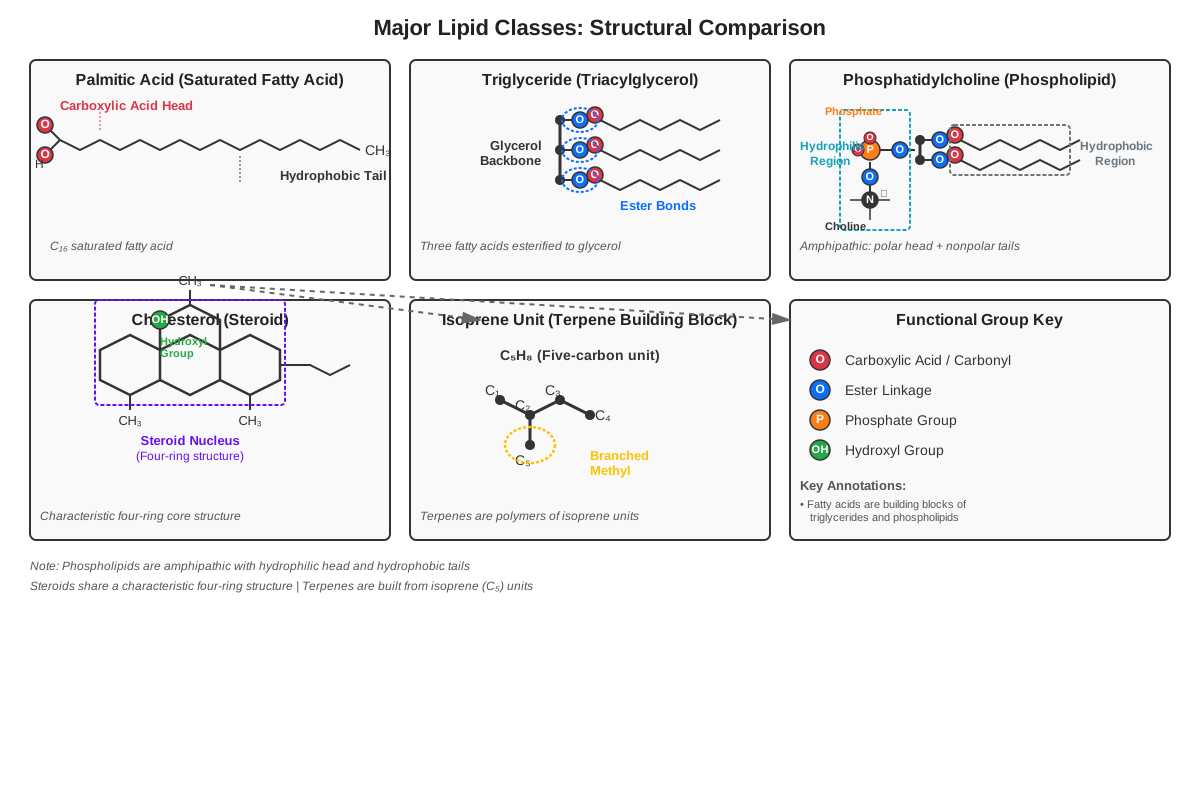
The major lipid classes include:
| Lipid Class | Core Structure | Key Features | Primary Functions |
|---|---|---|---|
| Fatty acids | Long-chain carboxylic acids | 12-24 carbons, saturated or unsaturated | Energy storage precursors, signaling |
| Triglycerides (triacylglycerols) | Glycerol + 3 fatty acids | Ester linkages, highly reduced | Long-term energy storage |
| Phospholipids | Glycerol + 2 fatty acids + phosphate group | Amphipathic structure | Membrane structural components |
| Sphingolipids | Sphingosine backbone + fatty acid | Amide linkage, often with carbohydrate | Membrane components, cell recognition |
| Steroids | Four fused rings (steroid nucleus) | Rigid, hydrophobic core | Hormones, membrane fluidity modulation |
| Terpenes | Isoprene (C₅H₈) units | Branched hydrocarbons | Vitamins, pigments, fragrances |
Fatty Acid Structure and Properties
Fatty acids are carboxylic acids with hydrocarbon chains typically containing an even number of carbons (12-24, most commonly 16 or 18). The general structure is CH₃(CH₂)ₙCOOH, where the carboxyl group provides the only significant polar region. At physiological pH (~7.4), the carboxyl group exists predominantly in its ionized form (COO⁻), creating an amphipathic molecule with a hydrophilic "head" and hydrophobic "tail."
Saturated fatty acids contain only single bonds between carbon atoms, allowing maximum flexibility and close packing. Common examples include:
- Palmitic acid (16:0): CH₃(CH₂)₁₄COOH
- Stearic acid (18:0): CH₃(CH₂)₁₆COOH
The notation "16:0" indicates 16 carbons with 0 double bonds.
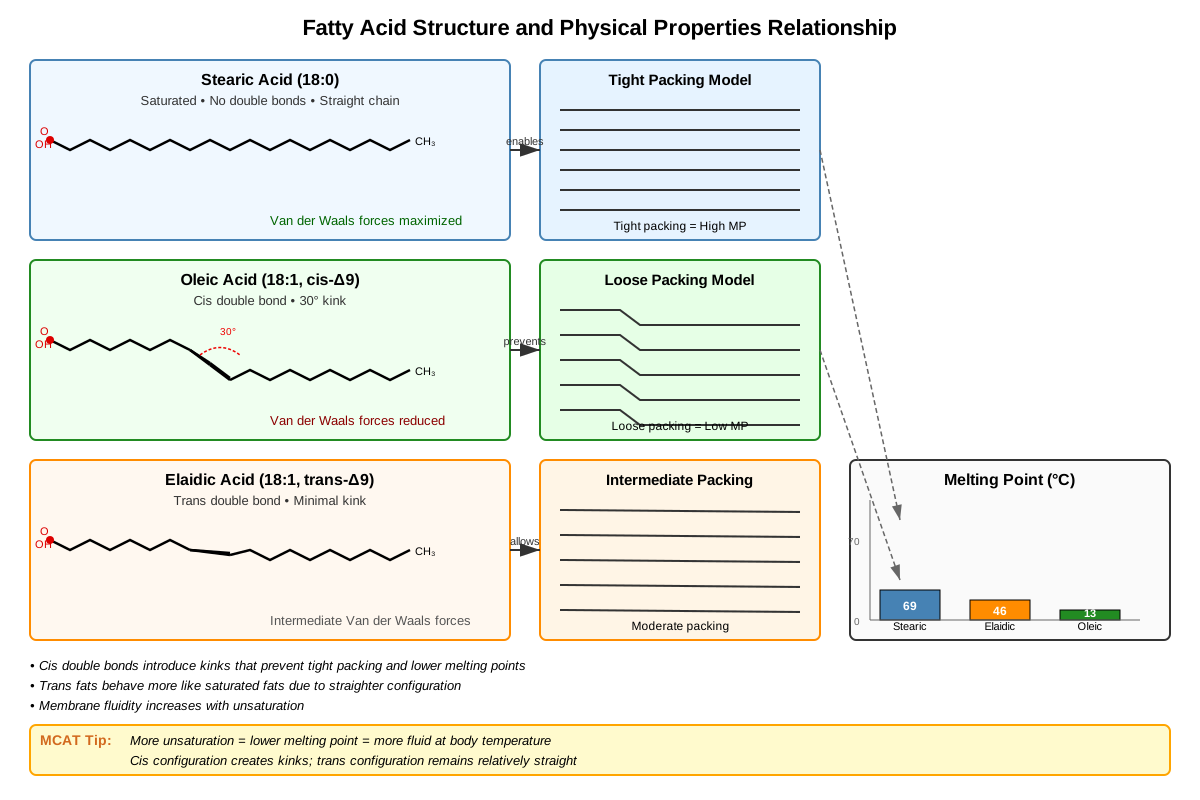
Unsaturated fatty acids contain one or more carbon-carbon double bonds, which introduce kinks in the hydrocarbon chain. The MCAT focuses on cis double bonds, which are predominant in nature and create a ~30° bend in the chain. Common examples include:
- Oleic acid (18:1, Δ⁹): One cis double bond at carbon 9
- Linoleic acid (18:2, Δ⁹'¹²): Two cis double bonds at carbons 9 and 12
- Linolenic acid (18:3, Δ⁹'¹²'¹⁵): Three cis double bonds
The degree of unsaturation profoundly affects physical properties. Saturated fatty acids pack tightly due to their linear structure, maximizing van der Waals interactions and resulting in higher melting points. Unsaturated fatty acids cannot pack as efficiently due to kinks from cis double bonds, reducing intermolecular forces and lowering melting points. This explains why saturated fats (butter, lard) are solid at room temperature while unsaturated fats (olive oil, fish oil) are liquid.
Triglycerides (Triacylglycerols)
Triglycerides are the primary form of long-term energy storage in animals, formed by esterification of glycerol (a three-carbon triol) with three fatty acid molecules. The reaction involves condensation between each hydroxyl group of glycerol and the carboxyl group of a fatty acid, releasing three water molecules and forming three ester bonds:
Glycerol + 3 Fatty Acids → Triglyceride + 3 H₂OTriglycerides are extremely hydrophobic because the polar carboxyl groups are converted to ester linkages, leaving only nonpolar hydrocarbon chains exposed. This makes them ideal for compact energy storage—they can be packed into adipocytes without requiring hydration shells, storing more than twice the energy per gram compared to carbohydrates.
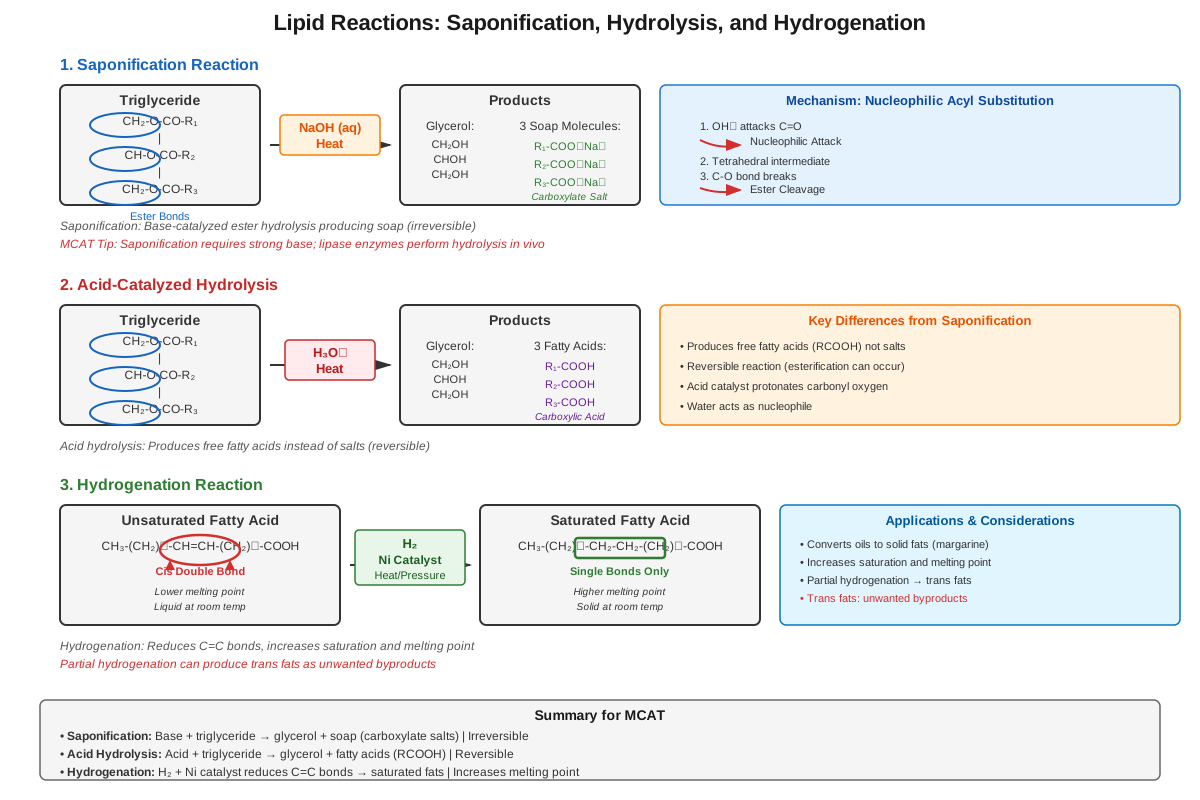
Saponification is the base-catalyzed hydrolysis of triglycerides, producing glycerol and three fatty acid salts (soaps):
Triglyceride + 3 NaOH → Glycerol + 3 Fatty Acid Salts (Soap)This reaction is the chemical basis of soap-making. The fatty acid salts are amphipathic, with the carboxylate anion serving as the hydrophilic head and the hydrocarbon chain as the hydrophobic tail, enabling them to emulsify oils and fats in water.
Hydrogenation is the addition of hydrogen across carbon-carbon double bonds in unsaturated fatty acids, converting them to saturated fatty acids. This industrial process (using H₂ gas and a metal catalyst like Ni or Pt) increases the melting point of oils, converting liquid vegetable oils into solid or semi-solid fats (margarine, shortening). Partial hydrogenation can produce trans fatty acids, where some double bonds adopt the trans configuration, eliminating the kink and allowing tighter packing—these have been linked to adverse health effects.
Phospholipids and Membrane Structure
Phospholipids are the primary structural components of biological membranes, featuring a glycerol backbone esterified to two fatty acids and one phosphate group. The phosphate is further esterified to an alcohol (choline, serine, ethanolamine, or inositol), creating a polar, charged head group. The most common phospholipid is phosphatidylcholine (lecithin), where the phosphate is linked to choline.
The structure creates a strongly amphipathic molecule:
- Hydrophilic head: Phosphate group (negatively charged) and attached alcohol (often positively charged), making the head region zwitterionic
- Hydrophobic tails: Two fatty acid chains (typically one saturated, one unsaturated)
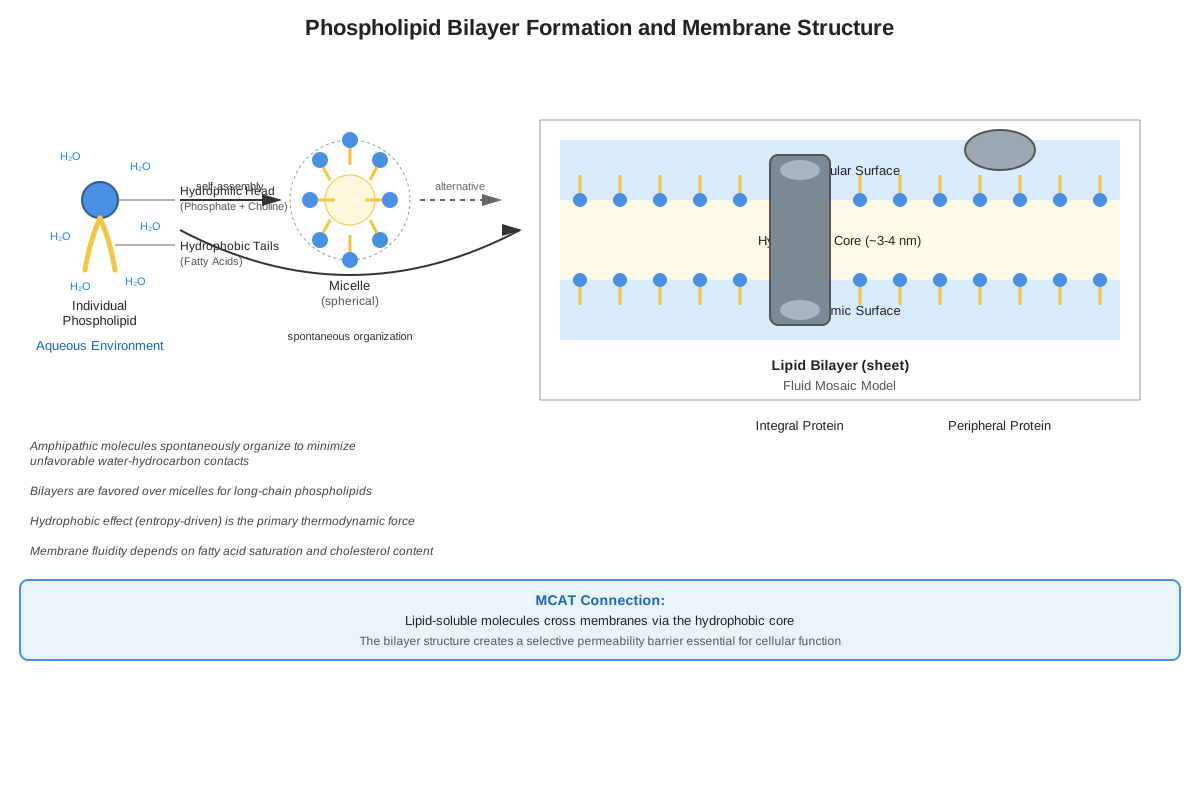
In aqueous environments, phospholipids spontaneously self-assemble into structures that minimize unfavorable interactions between hydrophobic tails and water:
- Micelles: Spherical structures with tails pointing inward (formed by single-tailed amphipaths like fatty acids or detergents)
- Bilayers: Double-layered sheets with tails pointing toward each other and heads facing the aqueous environment on both sides (formed by double-tailed phospholipids)
The lipid bilayer forms the basis of all biological membranes, creating a hydrophobic barrier that is impermeable to most polar molecules and ions. Membrane fluidity depends on:
- Fatty acid saturation: More unsaturated fatty acids increase fluidity by preventing tight packing
- Fatty acid chain length: Shorter chains increase fluidity by reducing van der Waals interactions
- Temperature: Higher temperatures increase kinetic energy and fluidity
- Cholesterol content: Cholesterol moderates fluidity—it decreases fluidity at high temperatures by restricting motion but prevents tight packing at low temperatures, preventing solidification
Sphingolipids
Sphingolipids are membrane lipids built on a sphingosine backbone (an amino alcohol with a long hydrocarbon chain) rather than glycerol. A fatty acid is attached to the amino group via an amide bond (not an ester), forming ceramide, the core structure of all sphingolipids.
Key sphingolipid classes:
- Sphingomyelins: Ceramide + phosphocholine or phosphoethanolamine; major component of myelin sheaths
- Glycosphingolipids: Ceramide + one or more sugar residues
- Cerebrosides: Single sugar (glucose or galactose)
- Gangliosides: Oligosaccharide chain with one or more sialic acid residues; abundant in nerve cell membranes
The amide linkage in sphingolipids is more stable than the ester linkages in glycerophospholipids, contributing to the structural integrity of myelin. Glycosphingolipids play crucial roles in cell recognition and signaling, with their carbohydrate portions extending into the extracellular space.
Steroids
Steroids are lipids characterized by a four-ring core structure (three cyclohexane rings and one cyclopentane ring fused together), called the steroid nucleus or gonane. Unlike other lipids, steroids are relatively rigid and planar due to the fused ring system.
Cholesterol is the most important steroid in animal cells, serving as:
- A membrane component that modulates fluidity
- The precursor for all steroid hormones (cortisol, aldosterone, testosterone, estrogen, progesterone)
- The precursor for bile acids (aid in lipid digestion)
- The precursor for vitamin D
Cholesterol's structure includes:
- The four-ring steroid nucleus
- A hydroxyl group at C3 (the only polar region)
- A branched hydrocarbon tail at C17
- A double bond in one ring
The hydroxyl group allows cholesterol to orient in membranes with the OH near the polar head groups of phospholipids and the rigid ring system and tail embedded among the fatty acid chains. This positioning allows cholesterol to restrict phospholipid movement (decreasing fluidity at high temperatures) while preventing tight packing (maintaining fluidity at low temperatures).
Terpenes and Isoprenoids
Terpenes are lipids constructed from five-carbon isoprene units (C₅H₈). These molecules are classified by the number of isoprene units:
- Monoterpenes (C₁₀): Two isoprene units (menthol, limonene)
- Sesquiterpenes (C₁₅): Three isoprene units (farnesol)
- Diterpenes (C₂₀): Four isoprene units (vitamin A, retinol)
- Triterpenes (C₃₀): Six isoprene units (squalene, precursor to cholesterol)
- Tetraterpenes (C₄₀): Eight isoprene units (β-carotene)
For the MCAT, the most important terpenes are the fat-soluble vitamins:
- Vitamin A (retinol): Vision, gene expression
- Vitamin D (cholecalciferol): Calcium homeostasis (technically a steroid derivative)
- Vitamin E (tocopherol): Antioxidant
- Vitamin K (phylloquinone): Blood clotting
These vitamins require dietary fat for absorption and can accumulate to toxic levels (hypervitaminosis) because they are not readily excreted in urine like water-soluble vitamins.
Lipid Reactions and Chemical Properties
Key reactions for the MCAT:
- Esterification: Formation of triglycerides and phospholipids through condensation reactions between alcohols and carboxylic acids
- Hydrolysis: Cleavage of ester bonds using water (acid- or base-catalyzed, or enzymatic via lipases)
- Saponification: Base-catalyzed hydrolysis producing soaps
- Hydrogenation: Addition of H₂ across C=C double bonds, converting unsaturated to saturated fatty acids
- Oxidation: Fatty acids undergo β-oxidation in metabolism; unsaturated fatty acids are susceptible to lipid peroxidation (free radical damage)
Quick check — test yourself on Lipid chemistry so far.
Try Flashcards →Concept Relationships
The core concepts in lipid chemistry form an interconnected network centered on the relationship between molecular structure and physical properties. Fatty acid structure (saturation, chain length) → determines → physical properties (melting point, fluidity) → influences → biological function (membrane fluidity, energy storage efficiency).
Amphipathic character connects multiple lipid classes: fatty acids at physiological pH are amphipathic → this property is amplified in phospholipids → leading to spontaneous bilayer formation → creating the foundation for membrane structure. The same amphipathic principle explains soap function in saponification reactions.
Ester chemistry from prerequisite organic chemistry knowledge → applies directly to → triglyceride and phospholipid structure → enabling understanding of → saponification and lipase-catalyzed hydrolysis → connecting to → lipid digestion and metabolism in biochemistry.
Cholesterol bridges multiple concepts: it's a steroid (distinct structural class) → but functions as a membrane component (like phospholipids) → modulating fluidity (physical property) → and serves as a precursor (biosynthetic relationship) → to steroid hormones, bile acids, and vitamin D (signaling and physiological functions).
The progression from simple to complex: fatty acids (building blocks) → triglycerides (simple storage form) → phospholipids (membrane components with added complexity) → sphingolipids (alternative backbone, additional functions) represents increasing structural and functional sophistication while maintaining the core principle of hydrophobic character.
High-Yield Facts
⭐ Saturated fatty acids have higher melting points than unsaturated fatty acids of the same chain length due to more efficient packing and stronger van der Waals forces
⭐ Cis double bonds in unsaturated fatty acids create kinks that prevent tight packing, while trans double bonds allow linear structures similar to saturated fatty acids
⭐ Phospholipids spontaneously form bilayers in aqueous solution due to their amphipathic nature, with hydrophobic tails facing inward and hydrophilic heads facing outward
⭐ Cholesterol moderates membrane fluidity—decreasing it at high temperatures and increasing it at low temperatures—by fitting between phospholipid fatty acid chains
⭐ Saponification is the base-catalyzed hydrolysis of triglycerides, producing glycerol and three fatty acid salts (soaps)
- Triglycerides store more than twice the energy per gram compared to carbohydrates because they are more reduced and do not require hydration
- The most common fatty acids in human physiology are palmitic acid (16:0), stearic acid (18:0), and oleic acid (18:1)
- Sphingolipids contain an amide bond (more stable) rather than ester bonds, contributing to myelin sheath stability
- Fat-soluble vitamins (A, D, E, K) are terpenes or steroid derivatives that require dietary lipids for absorption and can accumulate to toxic levels
- Hydrogenation of unsaturated fatty acids increases melting point by converting C=C double bonds to C-C single bonds, allowing tighter packing
- Gangliosides are sphingolipids with oligosaccharide chains containing sialic acid, important for cell recognition and signaling
- The fatty acid notation "18:2, Δ⁹'¹²" indicates 18 carbons, 2 double bonds, located at positions 9 and 12
Common Misconceptions
Misconception: All lipids are fats or oils.
Correction: Lipids are a diverse class defined by solubility properties, not structure. Steroids like cholesterol and fat-soluble vitamins are lipids but are structurally distinct from fats (triglycerides). The unifying feature is hydrophobic character and solubility in organic solvents, not a common structural motif.
Misconception: Unsaturated fatty acids are always healthier than saturated fatty acids.
Correction: While naturally occurring cis-unsaturated fatty acids are generally associated with better health outcomes, trans-unsaturated fatty acids (produced by partial hydrogenation) behave more like saturated fats structurally and are associated with increased cardiovascular risk. The configuration of the double bond matters significantly.
Misconception: Phospholipids and triglycerides have the same basic structure with minor modifications.
Correction: While both contain glycerol, phospholipids have only two fatty acids plus a phosphate group (making them amphipathic), whereas triglycerides have three fatty acids (making them completely hydrophobic). This structural difference creates fundamentally different properties—phospholipids form bilayers while triglycerides form oil droplets.
Misconception: Cholesterol is harmful and should be eliminated from the diet.
Correction: Cholesterol is essential for membrane structure, steroid hormone synthesis, bile acid production, and vitamin D synthesis. The body synthesizes most of its cholesterol endogenously. The health concern relates to elevated LDL cholesterol levels and oxidized cholesterol, not dietary cholesterol per se. Complete elimination would be physiologically impossible and harmful.
Misconception: Longer fatty acid chains always result in higher melting points.
Correction: While longer chains generally increase melting points due to greater van der Waals interactions, the presence of double bonds has a more dramatic effect. An 18-carbon unsaturated fatty acid (oleic acid, 18:1) has a much lower melting point than a 16-carbon saturated fatty acid (palmitic acid, 16:0), despite being longer.
Misconception: Saponification and hydrolysis are the same reaction.
Correction: Saponification specifically refers to base-catalyzed hydrolysis of esters, producing carboxylate salts (soaps). Hydrolysis is a broader term that includes acid-catalyzed and enzymatic cleavage of ester bonds, producing carboxylic acids rather than salts. The products and mechanisms differ.
Worked Examples
Example 1: Predicting Physical Properties from Structure
Question: Three fatty acids are isolated from a biological sample:
- Compound A: CH₃(CH₂)₁₄COOH
- Compound B: CH₃(CH₂)₇CH=CH(CH₂)₇COOH (cis double bond)
- Compound C: CH₃(CH₂)₄(CH=CHCH₂)₃(CH₂)₃COOH (three cis double bonds)
Rank these compounds from highest to lowest melting point and explain your reasoning.
Solution:
Step 1: Identify the structural features.
- Compound A: 16 carbons, fully saturated (palmitic acid, 16:0)
- Compound B: 18 carbons, one cis double bond (oleic acid, 18:1)
- Compound C: 18 carbons, three cis double bonds (linolenic acid, 18:3)
Step 2: Apply the principle that saturation and chain length affect melting point.
- Saturated fatty acids pack more efficiently → stronger van der Waals forces → higher melting point
- Each cis double bond introduces a kink → reduces packing efficiency → lowers melting point
- Longer chains have more surface area for van der Waals interactions → higher melting point
Step 3: Compare the compounds.
- Compound A is fully saturated, so it will have the highest melting point despite being slightly shorter
- Compound B has one double bond, creating one kink
- Compound C has three double bonds, creating three kinks and the most disrupted packing
Answer: A > B > C (highest to lowest melting point)
Reasoning: The degree of unsaturation is the dominant factor. Compound A's saturated structure allows tight packing and maximum intermolecular forces. Compound B's single cis double bond disrupts packing moderately. Compound C's three cis double bonds create multiple kinks, severely disrupting packing and resulting in the lowest melting point. This explains why palmitic acid (A) is solid at room temperature, oleic acid (B) is liquid, and linolenic acid (C) is even more fluid.
Example 2: Analyzing a Saponification Reaction
Question: A triglyceride containing three identical fatty acid chains (each 18:1) undergoes complete saponification with excess NaOH. Calculate the number of moles of NaOH required to saponify 2 moles of this triglyceride, and identify all products.
Solution:
Step 1: Write the general saponification equation.
Triglyceride + 3 NaOH → Glycerol + 3 Fatty Acid SaltsStep 2: Recognize the stoichiometry.
- Each triglyceride molecule contains three ester bonds
- Each ester bond requires one equivalent of NaOH for saponification
- Therefore, 1 mole of triglyceride requires 3 moles of NaOH
Step 3: Calculate for 2 moles of triglyceride.
- 2 moles triglyceride × 3 moles NaOH/mole triglyceride = 6 moles NaOH
Step 4: Identify the products.
- Glycerol: 2 moles (one per triglyceride molecule)
- Sodium oleate (the sodium salt of oleic acid, 18:1): 6 moles (three per triglyceride molecule)
Answer: 6 moles of NaOH are required. Products are 2 moles of glycerol and 6 moles of sodium oleate.
Key Insight: This reaction is the basis of soap-making. The sodium oleate produced is a soap—its carboxylate head is hydrophilic and its 18-carbon tail is hydrophobic, making it an effective emulsifier. The single cis double bond in oleic acid makes this soap more fluid and better at forming micelles compared to soaps made from saturated fatty acids.
Exam Strategy
When approaching MCAT questions on lipid chemistry, begin by identifying the lipid class mentioned or depicted. Trigger words include "fatty acid," "triglyceride," "phospholipid," "cholesterol," "membrane," "hydrophobic," and "amphipathic." Each class has characteristic properties and reactions that narrow answer choices.
For structure-property questions, immediately assess:
- Saturation: Count double bonds—more unsaturation = lower melting point, greater fluidity
- Chain length: Longer chains = higher melting point, more hydrophobic
- Functional groups: Identify ester bonds (cleavable by hydrolysis/saponification), amide bonds (more stable), phosphate groups (charged, hydrophilic)
For membrane-related passages, watch for experimental manipulations of temperature, fatty acid composition, or cholesterol content. The question will likely test understanding of how these factors affect fluidity. Remember: unsaturation increases fluidity, cholesterol moderates fluidity, temperature increases fluidity.
Process-of-elimination strategies:
- Eliminate answers that confuse saturated with unsaturated properties
- Eliminate answers that ignore the amphipathic nature of membrane lipids
- Eliminate answers that suggest phospholipids form micelles (they form bilayers; single-tailed amphipaths form micelles)
- Eliminate answers that treat all lipids as having the same structure or function
For reaction mechanism questions, focus on the ester bond as the reactive site in triglycerides and phospholipids. Base-catalyzed hydrolysis (saponification) produces salts; acid-catalyzed or enzymatic hydrolysis produces carboxylic acids. Hydrogenation targets C=C double bonds, not ester bonds.
Time allocation: Discrete lipid chemistry questions should take 60-90 seconds. Passage-based questions may require 90-120 seconds, with time spent identifying the experimental manipulation and connecting it to structural principles. If a question requires detailed calculation (e.g., saponification stoichiometry), budget 90 seconds but recognize these are rare.
Red flag phrases that indicate common traps:
- "Trans fatty acids are healthier because they're unsaturated" (wrong—trans fats behave like saturated fats)
- "Cholesterol increases membrane fluidity" (incomplete—it moderates fluidity, decreasing it at high temps, increasing it at low temps)
- "Phospholipids are completely hydrophobic" (wrong—they're amphipathic)
Memory Techniques
Mnemonic for fat-soluble vitamins: "All Dogs Eat Kibble" = Vitamins A, D, E, K
Mnemonic for saturated vs. unsaturated properties: "Saturated = Straight = Solid" (saturated fatty acids are straight, pack tightly, and are solid at room temperature)
Visualization for membrane fluidity factors: Picture a crowded dance floor:
- Saturated fatty acids = people standing straight and close together (rigid, less fluid)
- Unsaturated fatty acids = people with bent arms creating space (kinked, more fluid)
- Cholesterol = a moderator who prevents both overcrowding and excessive spreading
Acronym for phospholipid head groups: "CSEI" = Choline, Serine, Ethanolamine, Inositol (the four major alcohols attached to the phosphate group)
Mnemonic for saponification products: "Grease + Base = Glycerol + Soap" (helps remember that base-catalyzed hydrolysis of fats produces glycerol and fatty acid salts)
Memory aid for steroid functions: "Cholesterol is the Mother of all Steroids" (emphasizes that cholesterol is the precursor for all steroid hormones, bile acids, and vitamin D)
Visualization for cis vs. trans double bonds:
- Cis = "same side" = creates a kink (like a bent elbow)
- Trans = "across" = remains straight (like an extended arm)
Summary
Lipid chemistry encompasses a structurally diverse class of biological molecules unified by their hydrophobic character and solubility in organic solvents. The major classes—fatty acids, triglycerides, phospholipids, sphingolipids, steroids, and terpenes—each serve distinct biological roles determined by their molecular structure. Fatty acid saturation profoundly affects physical properties: saturated fatty acids pack tightly with high melting points, while cis-unsaturated fatty acids contain kinks that reduce packing efficiency and lower melting points. Triglycerides serve as energy storage molecules, while phospholipids' amphipathic nature drives spontaneous bilayer formation, creating the foundation of biological membranes. Cholesterol, a steroid, moderates membrane fluidity and serves as the precursor for steroid hormones, bile acids, and vitamin D. Key reactions include esterification (forming triglycerides and phospholipids), saponification (base-catalyzed hydrolysis producing soaps), and hydrogenation (converting unsaturated to saturated fatty acids). Understanding the relationship between lipid structure and properties enables prediction of biological behavior and confident analysis of MCAT passages involving membrane dynamics, lipid metabolism, and cardiovascular physiology.
Key Takeaways
- Lipids are defined by hydrophobic character and solubility in organic solvents, not by a common structural motif
- Saturated fatty acids have higher melting points than unsaturated fatty acids due to efficient packing; cis double bonds create kinks that disrupt packing
- Phospholipids are amphipathic molecules that spontaneously form bilayers in aqueous environments, with hydrophobic tails facing inward and hydrophilic heads facing outward
- Cholesterol moderates membrane fluidity by restricting phospholipid movement at high temperatures and preventing tight packing at low temperatures
- Saponification is base-catalyzed hydrolysis of triglycerides, producing glycerol and fatty acid salts (soaps) with amphipathic properties
- Triglycerides store more energy per gram than carbohydrates because they are highly reduced and do not require hydration
- Fat-soluble vitamins (A, D, E, K) are lipids that require dietary fat for absorption and can accumulate to toxic levels
Related Topics
Membrane Transport and Permeability: Mastery of lipid bilayer structure enables understanding of passive diffusion, facilitated diffusion, and active transport mechanisms. The hydrophobic core of membranes determines which molecules can cross freely versus requiring protein channels or carriers.
Lipid Metabolism: Beta-oxidation of fatty acids, ketogenesis, and fatty acid synthesis build directly on understanding of fatty acid structure and the chemistry of ester bonds. These pathways represent major energy metabolism routes tested on the MCAT.
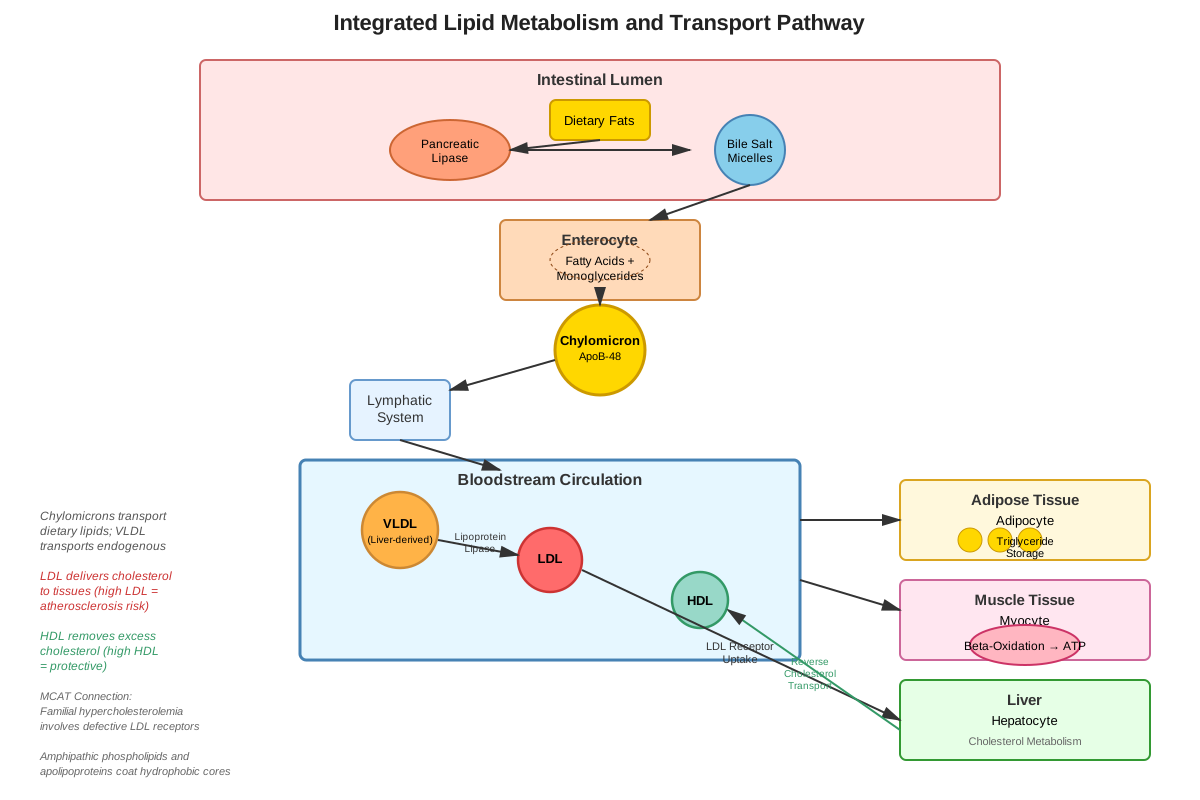
Lipoprotein Structure and Function: Chylomicrons, VLDL, LDL, and HDL transport lipids through the aqueous bloodstream using amphipathic structures. Understanding phospholipid and cholesterol chemistry is essential for analyzing cardiovascular disease mechanisms.
Steroid Hormone Signaling: Cortisol, aldosterone, testosterone, estrogen, and progesterone are all synthesized from cholesterol. Their lipophilic nature allows membrane crossing and intracellular receptor binding, contrasting with peptide hormone mechanisms.
Prostaglandins and Eicosanoids: These signaling molecules are synthesized from arachidonic acid (20:4), connecting fatty acid chemistry to inflammation, pain, and fever pathways frequently tested in physiology passages.
Practice CTA
Now that you've mastered the core concepts of lipid chemistry, it's time to reinforce your understanding through active practice. Attempt the practice questions and flashcards associated with this topic to test your ability to apply these principles to MCAT-style scenarios. Focus on questions involving membrane fluidity experiments, fatty acid structure-property relationships, and saponification reactions. Each practice problem you work through strengthens your pattern recognition and builds the confidence needed to excel on test day. Remember: understanding the "why" behind lipid behavior—not just memorizing facts—is what separates top scorers from the rest. You've built a strong foundation; now apply it!
Sign up free to keep reading
Create a free AnvayaPrep account to finish this MCAT guide on Lipid chemistry — plus flashcards and practice questions.