Overview
Stress is a fundamental concept in Psychology that represents the physiological and psychological response to perceived threats, challenges, or demands. In the context of the MCAT, stress sits at the intersection of biological processes, cognitive appraisal, and behavioral responses, making it a high-yield topic that frequently appears in both Psychology/Sociology and Biological/Biochemical Foundations sections. Understanding stress requires integrating knowledge of the nervous system, endocrine function, cognitive processes, and social factors—all core competencies tested on the MCAT.
The study of Stress Psychology encompasses multiple theoretical frameworks, from Hans Selye's General Adaptation Syndrome to Richard Lazarus's cognitive appraisal theory. These models explain how individuals perceive, interpret, and respond to stressors in their environment. The MCAT tests not only factual knowledge of stress mechanisms but also the ability to apply these concepts to clinical scenarios, research study designs, and real-world situations. Students must understand both the acute stress response (fight-or-flight) and chronic stress effects on physical and mental health.
Within the broader unit of Emotion Motivation and Stress, stress represents a critical adaptive mechanism that has evolved to promote survival. However, when stress responses become chronic or maladaptive, they contribute to numerous health conditions including cardiovascular disease, immune dysfunction, and psychiatric disorders. The MCAT frequently presents passages examining stress in medical contexts—from the physiological cascade of cortisol release to the psychological impact of chronic stressors on vulnerable populations. Mastering this topic requires understanding both the biological substrates and the psychosocial dimensions of stress, positioning it as an integrative concept that connects multiple domains of MCAT content.
Learning Objectives
- [ ] Define Stress using accurate Psychology terminology
- [ ] Explain why Stress matters for the MCAT
- [ ] Apply Stress to exam-style questions
- [ ] Identify common mistakes related to Stress
- [ ] Connect Stress to related Psychology concepts
- [ ] Distinguish between different types of stressors and stress responses
- [ ] Analyze the physiological pathways involved in the stress response, including HPA axis and sympathetic nervous system activation
- [ ] Evaluate the relationship between stress appraisal and coping strategies
- [ ] Compare and contrast major theoretical models of stress (General Adaptation Syndrome, cognitive appraisal theory)
Prerequisites
- Basic nervous system anatomy: Understanding of the sympathetic and parasympathetic divisions is essential for comprehending the fight-or-flight response and physiological stress mechanisms
- Endocrine system fundamentals: Knowledge of hormones, particularly cortisol and epinephrine, provides the foundation for understanding the biochemical stress cascade
- Basic emotion concepts: Familiarity with emotional processing helps contextualize stress as both a physiological and psychological phenomenon
- Homeostasis: Understanding the body's tendency to maintain equilibrium is crucial for grasping how stress represents a disruption to homeostatic balance
Why This Topic Matters
Stress appears with moderate-to-high frequency on the MCAT, particularly in passages that integrate biological and psychological perspectives. According to AAMC content guidelines, stress-related questions commonly test students' ability to connect physiological mechanisms (cortisol release, immune suppression) with psychological processes (cognitive appraisal, coping strategies). The topic appears in approximately 3-5% of Psychology/Sociology questions and frequently serves as the foundation for passage-based questions that require multi-level analysis.
Clinically, stress represents one of the most significant contributors to disease burden in modern society. Chronic stress has been implicated in cardiovascular disease, metabolic syndrome, depression, anxiety disorders, and immune dysfunction. Medical professionals must understand stress mechanisms to provide comprehensive patient care, making this a practical topic that extends beyond exam preparation. The MCAT frequently presents clinical vignettes involving patients experiencing stress-related symptoms, requiring students to identify physiological markers, psychological interventions, or social determinants of health.
On the exam, stress appears in multiple question formats. Discrete questions may test factual knowledge of the HPA axis or definitions of eustress versus distress. Passage-based questions often present research studies examining stress interventions, correlational studies linking stress to health outcomes, or clinical scenarios requiring application of stress theories. Students should expect to analyze graphs showing cortisol levels over time, interpret study designs measuring stress responses, and evaluate the effectiveness of various coping mechanisms. The interdisciplinary nature of stress makes it a favorite topic for MCAT test writers seeking to assess integrated scientific reasoning.
Core Concepts
Definition and Types of Stress
Stress is defined as the physiological and psychological response that occurs when an individual perceives that environmental demands exceed their adaptive capacity. This definition emphasizes two critical components: the objective stressor (the environmental demand) and the subjective appraisal (the individual's perception of their ability to cope). The MCAT frequently tests the distinction between the stressor itself and the stress response it produces.
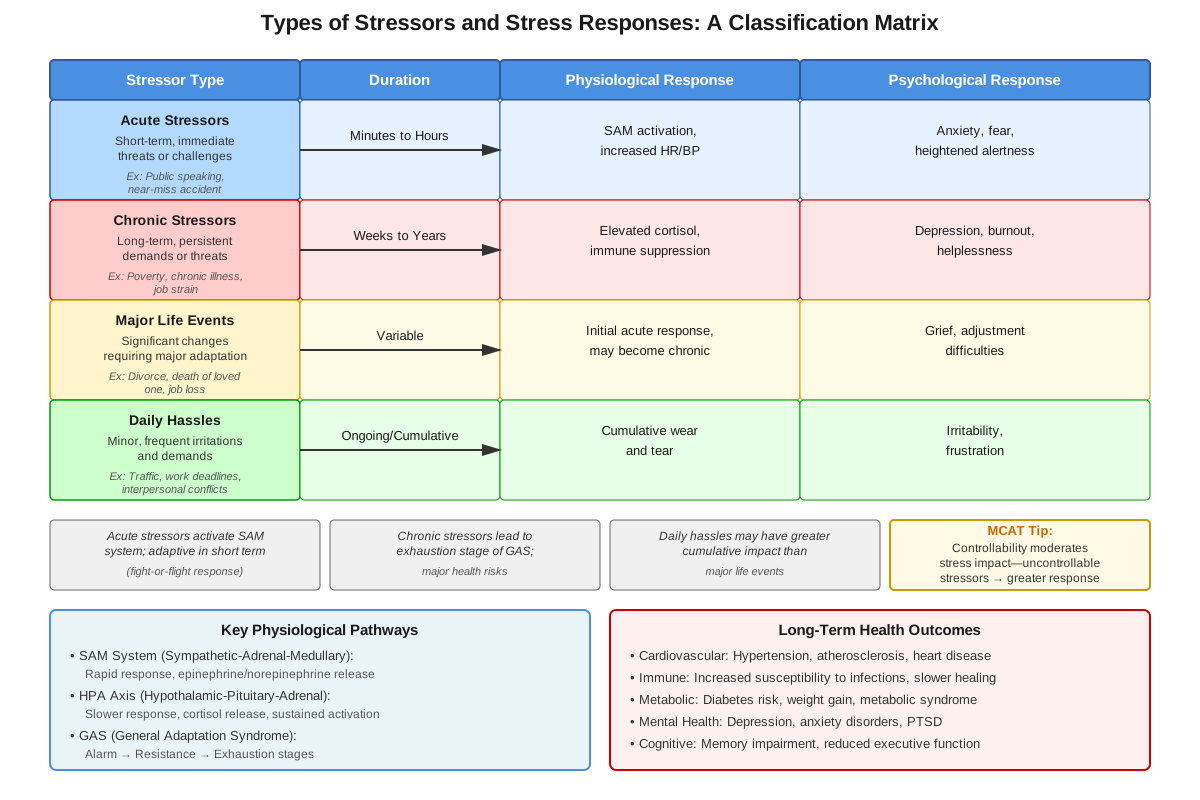
Stressors can be categorized along multiple dimensions. Acute stressors are time-limited events (e.g., taking an exam, giving a presentation), while chronic stressors persist over extended periods (e.g., caring for an ill family member, living in poverty). Eustress refers to positive stress that motivates and energizes (e.g., getting married, starting a new job), whereas distress represents negative stress that overwhelms coping resources. The MCAT may present scenarios requiring students to classify stressors or predict differential health outcomes based on stressor type.
Stressors can also be classified as physical (injury, illness, extreme temperatures) or psychological (social rejection, financial worry, academic pressure). Additionally, stressors may be predictable versus unpredictable, with research showing that unpredictable stressors generally produce more severe stress responses. The concept of microstressors (daily hassles) versus major life events represents another important distinction, with cumulative daily hassles sometimes producing greater health impacts than isolated major events.
The Physiological Stress Response
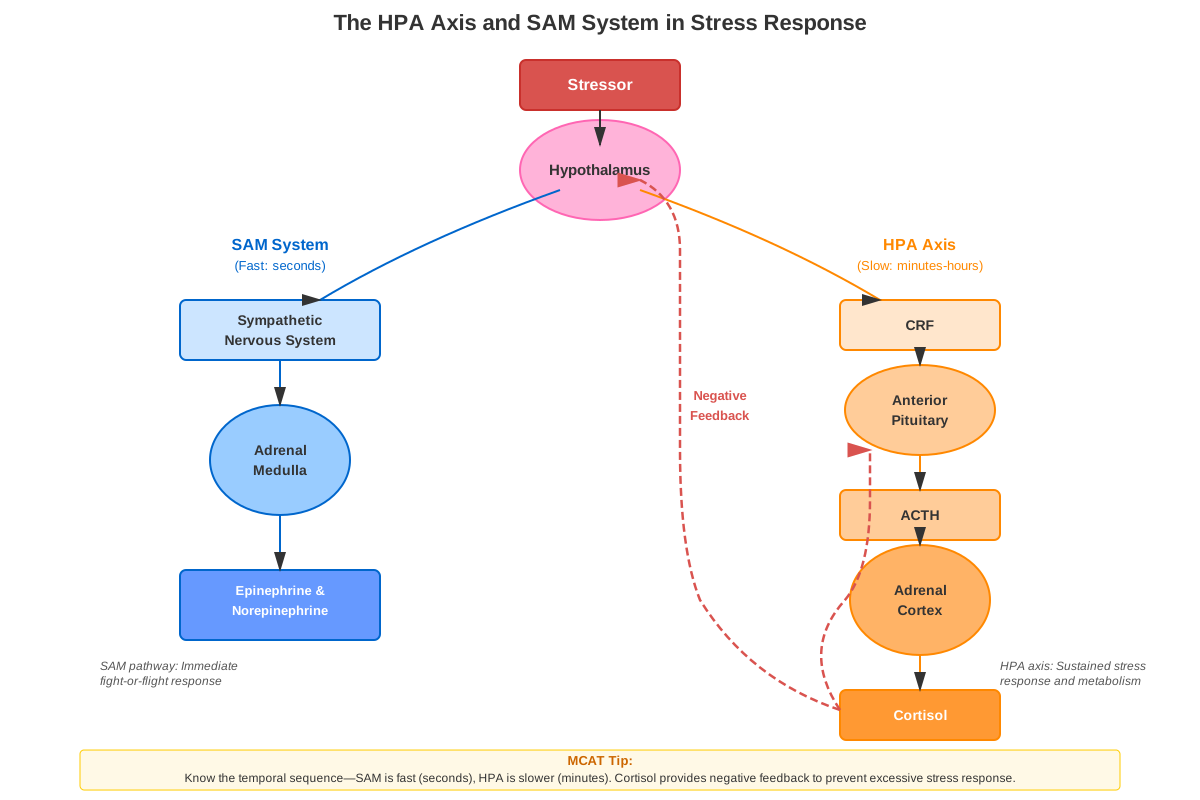
The body's stress response involves two primary pathways: the sympathetic-adrenal-medullary (SAM) system and the hypothalamic-pituitary-adrenal (HPA) axis. Understanding these pathways is essential for Stress MCAT questions that test physiological mechanisms.
The SAM system produces the immediate "fight-or-flight" response. When a stressor is perceived, the hypothalamus activates the sympathetic nervous system, which stimulates the adrenal medulla to release epinephrine (adrenaline) and norepinephrine (noradrenaline). These catecholamines produce rapid physiological changes:
- Increased heart rate and blood pressure
- Bronchodilation (increased oxygen intake)
- Pupil dilation
- Increased blood glucose (via glycogenolysis)
- Decreased digestive activity
- Increased blood flow to skeletal muscles
The HPA axis produces a slower, more sustained stress response. The hypothalamus releases corticotropin-releasing hormone (CRH), which stimulates the anterior pituitary to secrete adrenocorticotropic hormone (ACTH). ACTH then triggers the adrenal cortex to release cortisol, the primary stress hormone. Cortisol produces numerous effects:
- Increased blood glucose (via gluconeogenesis)
- Suppression of immune system function
- Anti-inflammatory effects
- Enhanced memory consolidation for stressful events
- Negative feedback to hypothalamus and pituitary (regulation)
| System | Speed | Primary Hormones | Duration | Key Effects |
|---|---|---|---|---|
| SAM | Seconds | Epinephrine, Norepinephrine | Minutes | Immediate arousal, cardiovascular activation |
| HPA Axis | Minutes | CRH, ACTH, Cortisol | Hours to days | Sustained energy mobilization, immune suppression |
General Adaptation Syndrome (GAS)
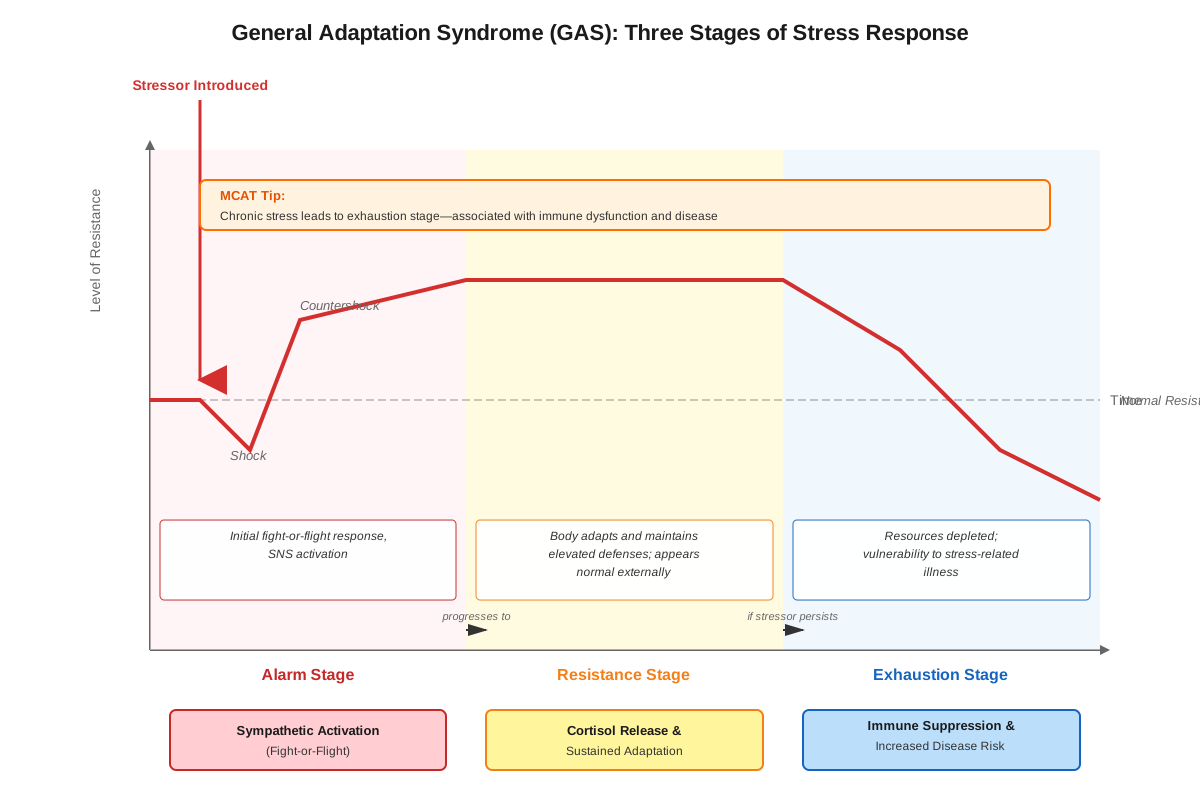
Hans Selye's General Adaptation Syndrome describes three stages of physiological response to prolonged stress:
- Alarm Stage: Initial shock and counter-shock response; SAM system activation; fight-or-flight response engaged; resistance to stressor is below normal
- Resistance Stage: Body adapts to continued stressor; cortisol levels remain elevated; physiological arousal decreases but remains above baseline; resources are mobilized to cope
- Exhaustion Stage: Adaptive resources are depleted; immune system compromised; increased vulnerability to illness; potential for stress-related diseases
The MCAT frequently tests understanding of which physiological changes occur in each stage and the health consequences of reaching the exhaustion stage. Chronic stress that progresses to exhaustion is associated with allostatic load—the cumulative wear and tear on body systems from chronic overactivity or inactivity of stress response systems.
Cognitive Appraisal Theory
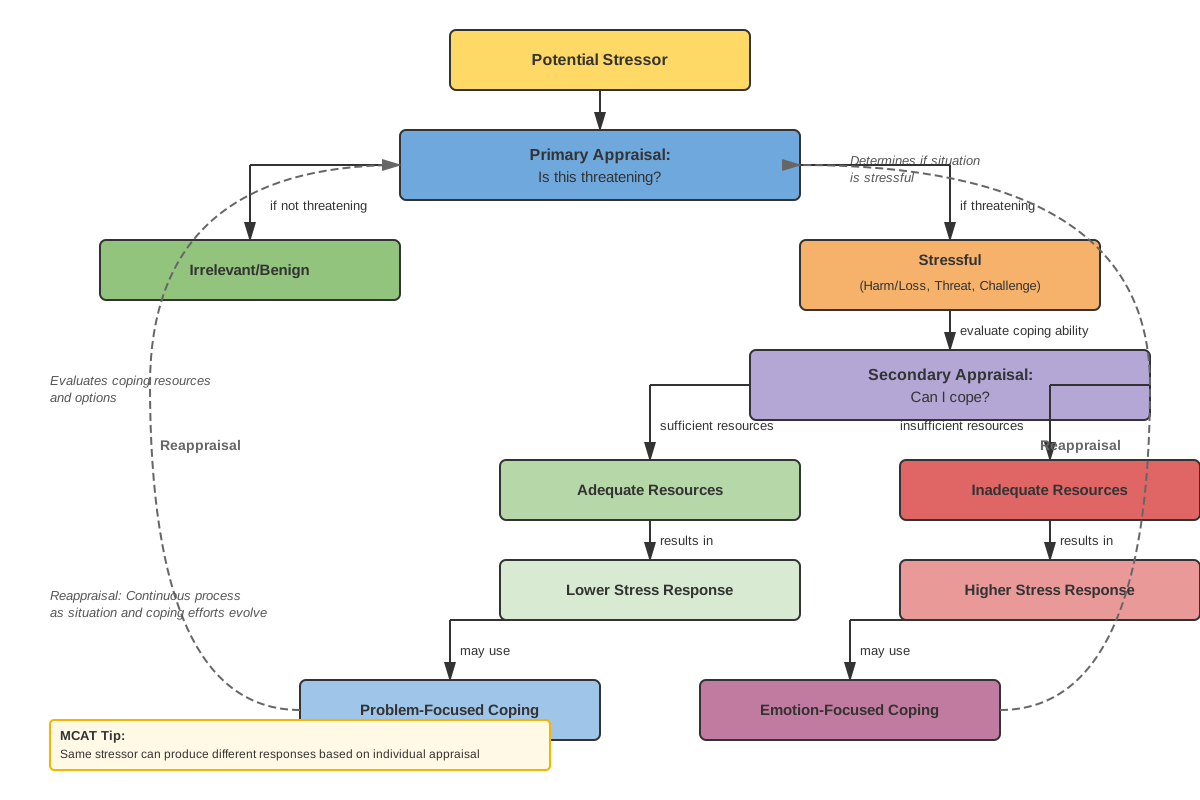
Richard Lazarus's cognitive appraisal theory emphasizes that stress results not from the stressor itself but from how individuals perceive and interpret the stressor. This theory involves two stages:
Primary appraisal: The individual evaluates whether a situation is irrelevant, benign-positive, or stressful. If stressful, they further classify it as:
- Harm/loss: Damage has already occurred
- Threat: Potential for future harm
- Challenge: Opportunity for growth or gain
Secondary appraisal: The individual evaluates their coping resources and options. This involves assessing:
- Available coping strategies
- Social support
- Personal competencies
- Material resources
The interaction between primary and secondary appraisal determines the intensity of the stress response. If perceived demands exceed perceived resources, significant stress results. If resources are deemed adequate, stress is minimal. The MCAT often presents scenarios requiring students to identify which type of appraisal is occurring or to predict stress levels based on appraisal patterns.
Coping Strategies
Coping refers to cognitive and behavioral efforts to manage stressful demands. Coping strategies are typically categorized as:
Problem-focused coping: Directly addressing the stressor to reduce or eliminate it. Examples include:
- Creating a study schedule to manage academic stress
- Seeking medical treatment for illness
- Developing new skills to meet job demands
- Problem-solving and planning
Emotion-focused coping: Managing emotional responses to the stressor rather than changing the stressor itself. Examples include:
- Seeking social support for emotional comfort
- Reframing the situation (cognitive reappraisal)
- Meditation and relaxation techniques
- Venting emotions
Research indicates that problem-focused coping is generally more effective for controllable stressors, while emotion-focused coping is more adaptive for uncontrollable stressors. However, most stressful situations benefit from a combination of both approaches.
Maladaptive coping strategies provide temporary relief but create long-term problems:
- Substance use (alcohol, drugs)
- Avoidance and denial
- Rumination (repetitive negative thinking)
- Aggression and hostility
The MCAT may present scenarios requiring students to identify coping strategies and evaluate their effectiveness or appropriateness for specific situations.
Stress and Health
Chronic stress contributes to numerous health conditions through multiple pathways:
Cardiovascular effects: Prolonged elevation of blood pressure and heart rate increases risk of hypertension, atherosclerosis, heart attack, and stroke. Stress-induced inflammation damages blood vessel walls.
Immune dysfunction: Cortisol suppresses immune function, increasing susceptibility to infections and slowing wound healing. Chronic stress is associated with reduced natural killer cell activity and decreased antibody production.
Metabolic effects: Chronic cortisol elevation promotes abdominal fat deposition, insulin resistance, and increased risk of type 2 diabetes and metabolic syndrome.
Mental health: Chronic stress is a significant risk factor for depression, anxiety disorders, and post-traumatic stress disorder (PTSD). Stress-induced changes in neurotransmitter systems (particularly serotonin and dopamine) contribute to mood disorders.
Cognitive effects: While acute stress can enhance memory consolidation, chronic stress impairs hippocampal function, leading to memory problems and reduced neurogenesis.
Social and Cultural Dimensions of Stress
Social support serves as a critical buffer against stress. The buffering hypothesis proposes that social support protects against the negative effects of stress by providing emotional comfort, practical assistance, and alternative perspectives. Types of social support include:
- Emotional support (empathy, caring)
- Instrumental support (tangible assistance)
- Informational support (advice, guidance)
- Appraisal support (feedback, affirmation)
Socioeconomic status (SES) significantly influences stress exposure and stress responses. Lower SES is associated with greater exposure to chronic stressors (financial insecurity, unsafe neighborhoods, job instability) and fewer coping resources. This contributes to health disparities observed across socioeconomic groups.
Cultural factors influence both stress appraisal and coping preferences. Individualistic cultures may emphasize personal control and problem-focused coping, while collectivistic cultures may prioritize social harmony and emotion-focused coping. The MCAT may present cross-cultural scenarios requiring students to recognize how cultural context shapes stress experiences.
Quick check — test yourself on Stress so far.
Try Flashcards →Concept Relationships
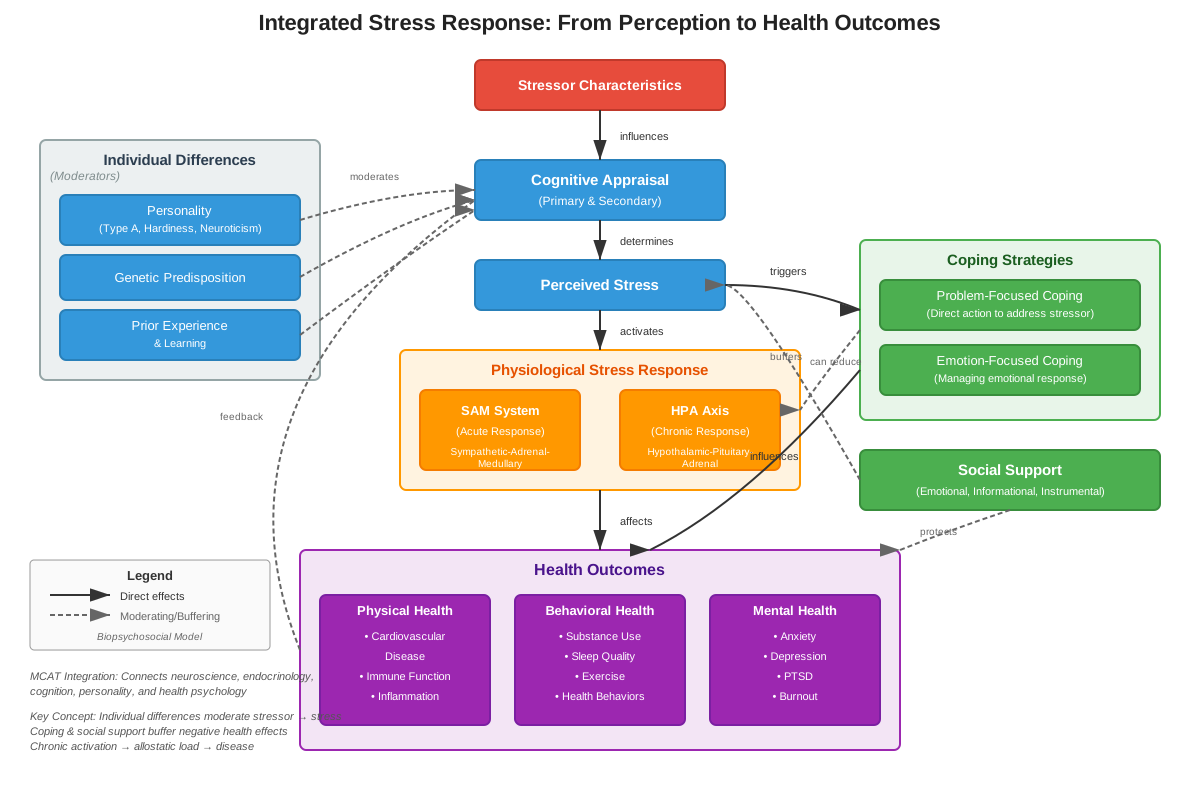
The concepts within stress psychology form an integrated system. Stressors (environmental demands) trigger cognitive appraisal (evaluation of threat and resources), which determines the intensity of the physiological stress response (SAM system and HPA axis activation). The physiological response follows the pattern described by General Adaptation Syndrome (alarm → resistance → exhaustion), with chronic activation leading to allostatic load and health consequences.
Coping strategies mediate the relationship between stressors and health outcomes. Effective coping (problem-focused or emotion-focused, depending on stressor controllability) can interrupt the progression through GAS stages and reduce allostatic load. Social support enhances coping effectiveness and directly buffers physiological stress responses.
The relationship map flows as follows:
Stressor → Primary Appraisal (threat assessment) → Secondary Appraisal (resource evaluation) → Stress Response (if demands exceed resources) → SAM Activation (immediate) + HPA Activation (sustained) → GAS Stages (alarm → resistance → exhaustion) → Health Outcomes (positive if resolved; negative if chronic)
This sequence is moderated by:
- Coping strategies (can reduce perceived demands or enhance perceived resources)
- Social support (buffers stress response and enhances coping)
- Individual differences (personality, prior experience, genetic factors)
Stress connects to prerequisite topics through the autonomic nervous system (sympathetic activation in fight-or-flight), endocrine system (HPA axis hormones), and emotion (stress as an emotional state with physiological components). Stress also connects forward to topics including health psychology (stress-disease relationships), psychological disorders (stress as risk factor), and social psychology (social determinants of stress).
High-Yield Facts
⭐ The HPA axis produces cortisol through the sequence: hypothalamus (CRH) → anterior pituitary (ACTH) → adrenal cortex (cortisol)
⭐ General Adaptation Syndrome consists of three stages: alarm, resistance, and exhaustion
⭐ Primary appraisal evaluates whether a situation is threatening; secondary appraisal evaluates available coping resources
⭐ Problem-focused coping addresses the stressor directly; emotion-focused coping manages emotional responses
⭐ Chronic stress suppresses immune function, increases cardiovascular disease risk, and impairs memory
- The SAM system produces immediate stress response via epinephrine and norepinephrine from the adrenal medulla
- Eustress is positive, motivating stress; distress is negative, overwhelming stress
- Social support buffers the negative health effects of stress through the buffering hypothesis
- Allostatic load refers to cumulative physiological wear from chronic stress
- Cortisol provides negative feedback to the hypothalamus and pituitary to regulate the HPA axis
- Unpredictable stressors generally produce more severe stress responses than predictable ones
- Lower socioeconomic status is associated with greater chronic stress exposure and fewer coping resources
- Acute stress can enhance memory consolidation, while chronic stress impairs hippocampal function
- The fight-or-flight response includes increased heart rate, blood pressure, blood glucose, and decreased digestive activity
- Maladaptive coping strategies (substance use, avoidance) provide temporary relief but worsen long-term outcomes
Common Misconceptions
Misconception: All stress is harmful and should be eliminated.
Correction: Eustress (positive stress) can be motivating and performance-enhancing. Moderate stress levels often optimize performance according to the Yerkes-Dodson law. Complete absence of stress would eliminate important adaptive responses and growth opportunities.
Misconception: The stress response is purely psychological.
Correction: Stress involves integrated physiological responses including hormonal changes (cortisol, epinephrine), cardiovascular activation, immune modulation, and metabolic shifts. The mind-body connection means psychological perception triggers concrete biological changes.
Misconception: Cortisol is always released immediately when stress occurs.
Correction: The HPA axis produces cortisol over minutes to hours, not seconds. The immediate stress response is mediated by the SAM system (epinephrine/norepinephrine). Cortisol represents the sustained, slower stress response.
Misconception: Problem-focused coping is always superior to emotion-focused coping.
Correction: The effectiveness of coping strategies depends on stressor controllability. Problem-focused coping works best for controllable stressors, while emotion-focused coping is more adaptive for uncontrollable stressors. Optimal coping often involves both approaches.
Misconception: The exhaustion stage of GAS means the person becomes physically tired.
Correction: Exhaustion in GAS refers to depletion of adaptive physiological resources and breakdown of stress resistance, leading to increased disease vulnerability. It represents systemic failure of stress adaptation mechanisms, not simple fatigue.
Misconception: Stress appraisal is a conscious, deliberate process.
Correction: While some appraisal involves conscious evaluation, much of primary and secondary appraisal occurs automatically and unconsciously, based on past experiences, learned associations, and rapid threat detection systems in the brain (particularly the amygdala).
Misconception: Social support always reduces stress.
Correction: While generally beneficial, social support can sometimes increase stress if it comes with obligations, unwanted advice, or social comparison. The quality and appropriateness of support matter more than quantity. Additionally, some individuals prefer solitary coping for certain stressors.
Worked Examples
Example 1: Physiological Pathway Analysis
Question: A medical student is about to take a high-stakes examination. Within seconds of entering the testing room, her heart rate increases, her pupils dilate, and she feels a surge of energy. Twenty minutes into the exam, blood tests would likely show elevated levels of which hormone?
Step 1 - Identify the time course: The question describes two time points: immediate response (seconds) and sustained response (20 minutes).
Step 2 - Match physiological systems to time course: The immediate symptoms (increased heart rate, pupil dilation, energy surge) indicate SAM system activation, which releases epinephrine and norepinephrine within seconds. However, the question asks about hormone levels at 20 minutes.
Step 3 - Consider the HPA axis: The HPA axis produces a slower response over minutes to hours. At 20 minutes, cortisol levels would be elevated as the sustained stress response continues.
Step 4 - Eliminate alternatives: While epinephrine would have been elevated immediately, it has a short half-life and would be declining by 20 minutes. Cortisol remains elevated for hours during sustained stress.
Answer: Cortisol would be elevated at 20 minutes. This question tests understanding of the temporal dynamics of stress response systems—SAM for immediate response, HPA axis for sustained response.
Connection to learning objectives: This example applies stress concepts to an exam-style question by requiring students to distinguish between immediate (SAM) and sustained (HPA) stress responses and to connect physiological symptoms with specific hormonal pathways.
Example 2: Cognitive Appraisal Application
Question: Two students receive identical grades of 85% on an exam. Student A feels relieved and satisfied, while Student B feels anxious and disappointed. According to cognitive appraisal theory, what best explains this difference?
Step 1 - Identify the theoretical framework: The question explicitly references cognitive appraisal theory, which emphasizes subjective interpretation over objective circumstances.
Step 2 - Analyze primary appraisal: Both students must evaluate whether the grade represents a threat, challenge, or benign outcome. Student A likely appraises the grade as benign-positive or a successfully met challenge. Student B likely appraises it as a threat (to GPA, medical school admission, self-concept).
Step 3 - Consider secondary appraisal: The students may differ in their evaluation of coping resources. Student A may feel confident in their ability to maintain or improve performance. Student B may doubt their ability to achieve their goals.
Step 4 - Recognize individual differences: The students likely have different goals, expectations, or standards. Student A may have expected 80% (making 85% a positive outcome), while Student B may have expected 95% (making 85% a failure relative to expectations).
Answer: The difference reflects different primary appraisals of the same objective event. Student A appraises the grade as meeting expectations (benign-positive), while Student B appraises it as threatening to goals. This demonstrates that stress results from subjective interpretation, not objective circumstances.
Connection to learning objectives: This example illustrates how cognitive appraisal theory explains individual differences in stress responses and demonstrates that identical stressors can produce different stress levels based on perception and interpretation.
Exam Strategy
When approaching Stress MCAT questions, begin by identifying whether the question focuses on physiological mechanisms, psychological processes, or health outcomes. Questions about hormones, brain regions, or bodily responses require knowledge of the SAM system and HPA axis. Questions about perception, interpretation, or coping require application of cognitive appraisal theory.
Trigger words that signal stress content include:
- "Stressor," "stress response," "coping"
- "Cortisol," "epinephrine," "HPA axis," "fight-or-flight"
- "Appraisal," "perceived threat," "resources"
- "Chronic stress," "allostatic load," "General Adaptation Syndrome"
- "Social support," "buffering"
For passage-based questions, pay attention to study designs examining stress. Common experimental manipulations include:
- Acute stress induction (public speaking, cold pressor test)
- Measurement of cortisol (saliva samples, blood tests)
- Assessment of coping strategies (questionnaires, behavioral observation)
- Correlation studies linking stress to health outcomes
When eliminating answer choices, watch for:
- Time course errors: Confusing immediate (SAM) versus sustained (HPA) responses
- Causation confusion: Mistaking correlation for causation in stress-health relationships
- Overgeneralization: Assuming all stress is harmful or all coping strategies work equally
- Mechanism misattribution: Attributing effects to the wrong hormone or brain region
For questions about coping strategies, determine whether the stressor is controllable or uncontrollable. This helps predict which coping approach (problem-focused versus emotion-focused) would be most effective. Remember that the MCAT favors evidence-based answers—if research shows emotion-focused coping is more effective for uncontrollable stressors, choose that answer even if problem-focused coping seems more intuitive.
Time allocation: Discrete stress questions should take 60-90 seconds. Passage-based questions may require 90-120 seconds, with additional time for analyzing graphs or study designs. If a question requires detailed physiological pathway knowledge, sketch a quick diagram of the HPA axis or SAM system to organize your thinking.
Memory Techniques
HPA Axis Sequence Mnemonic: "Can All Cats" = CRH → ACTH → Cortisol
- Hypothalamus releases CRH
- Anterior pituitary releases ACTH
- Adrenal cortex releases Cortisol
General Adaptation Syndrome Mnemonic: "All Really Exhausted" = Alarm → Resistance → Exhaustion
SAM System Visualization: Picture a SAMurai warrior responding instantly to threat—this represents the immediate, rapid response of the Sympathetic-Adrenal-Medullary system. The warrior's quick sword strike = quick epinephrine release.
Cortisol Effects Mnemonic: "GRIM" effects of chronic cortisol:
- Glucose elevation (gluconeogenesis)
- Reduced immune function
- Inflammation (paradoxically both pro- and anti-inflammatory)
- Memory impairment (hippocampal damage)
Appraisal Sequence: "People See Stress" = Primary appraisal → Secondary appraisal → Stress response
Coping Strategy Distinction:
- Problem-focused = Practical action on the problem
- Emotion-focused = Emotional regulation
Fight-or-Flight Effects: Visualize preparing to run from a predator—everything that helps you run increases (heart rate, breathing, blood to muscles, glucose), everything that doesn't help decreases (digestion, immune function, reproductive function).
Summary
Stress represents the integrated physiological and psychological response to perceived environmental demands that exceed coping resources. The stress response involves two primary systems: the rapid SAM system (releasing epinephrine and norepinephrine for immediate fight-or-flight response) and the slower HPA axis (releasing cortisol for sustained stress response). Hans Selye's General Adaptation Syndrome describes three stages of prolonged stress: alarm, resistance, and exhaustion, with the exhaustion stage representing depletion of adaptive resources and increased disease vulnerability. Richard Lazarus's cognitive appraisal theory emphasizes that stress results from subjective interpretation rather than objective circumstances, involving primary appraisal (threat evaluation) and secondary appraisal (resource evaluation). Coping strategies include problem-focused approaches (addressing the stressor directly) and emotion-focused approaches (managing emotional responses), with effectiveness depending on stressor controllability. Chronic stress contributes to numerous health problems including cardiovascular disease, immune suppression, metabolic dysfunction, and mental health disorders through accumulated allostatic load. Social support buffers stress effects, while socioeconomic and cultural factors influence both stress exposure and coping patterns. For the MCAT, students must integrate physiological mechanisms with psychological processes and apply stress concepts to clinical scenarios, research designs, and health outcome predictions.
Key Takeaways
- Stress involves both physiological responses (SAM system and HPA axis) and psychological processes (cognitive appraisal and coping)
- The HPA axis sequence—hypothalamus (CRH) → anterior pituitary (ACTH) → adrenal cortex (cortisol)—produces the sustained stress response over minutes to hours
- General Adaptation Syndrome progresses through alarm, resistance, and exhaustion stages, with chronic stress leading to health consequences
- Cognitive appraisal theory explains that stress results from perceived imbalance between demands and resources, not from objective stressor characteristics alone
- Problem-focused coping works best for controllable stressors; emotion-focused coping is more effective for uncontrollable stressors
- Chronic stress suppresses immune function, increases cardiovascular disease risk, promotes metabolic dysfunction, and impairs hippocampal-dependent memory
- Social support buffers stress effects through emotional, instrumental, informational, and appraisal support mechanisms
Related Topics
Health Psychology: Stress serves as a foundation for understanding the biopsychosocial model of health and disease. Mastering stress mechanisms enables deeper understanding of how psychological factors influence physical health outcomes and disease progression.
Psychological Disorders: Stress functions as a significant risk factor for depression, anxiety disorders, and PTSD. Understanding stress responses helps explain the etiology and maintenance of these conditions.
Social Psychology: Stress connects to social determinants of health, including socioeconomic status, discrimination, and social support networks. These social factors influence both stress exposure and stress resilience.
Neuroscience: The neural substrates of stress, particularly the roles of the amygdala, hippocampus, and prefrontal cortex in stress perception and regulation, represent important connections between stress psychology and brain function.
Behavioral Medicine: Stress management interventions, including relaxation techniques, cognitive-behavioral therapy, and mindfulness-based stress reduction, apply stress concepts to clinical practice.
Practice CTA
Now that you've mastered the core concepts of stress psychology, it's time to solidify your understanding through active practice. Complete the associated practice questions to test your ability to apply stress concepts to MCAT-style scenarios, and use the flashcards to reinforce high-yield facts about physiological pathways, theoretical models, and stress-health relationships. Remember that stress appears frequently on the MCAT in integrated, multi-concept questions—the more you practice applying these concepts to novel scenarios, the more confident and prepared you'll be on test day. Your investment in understanding stress psychology will pay dividends not only for MCAT success but also for your future medical career, where recognizing and addressing stress in patients becomes a daily responsibility.
Sign up free to keep reading
Create a free AnvayaPrep account to finish this MCAT guide on Stress — plus flashcards and practice questions.