Overview
The biomedical model represents a foundational framework in understanding how psychological disorders are conceptualized, diagnosed, and treated within the medical establishment. This model views mental illness through a strictly biological lens, emphasizing that psychological disorders arise from physiological abnormalities such as genetic predispositions, neurochemical imbalances, structural brain abnormalities, or other biological dysfunctions. Within the context of Biomedical model Psychology, this approach treats mental health conditions similarly to physical diseases—as discrete entities with identifiable biological causes that can be diagnosed through objective criteria and treated primarily through biological interventions such as medication, electroconvulsive therapy, or neurosurgery.
For the MCAT, understanding the biomedical model is essential because it represents one of several competing paradigms for understanding Psychological Disorders and Treatment. The MCAT frequently tests students' ability to distinguish between different theoretical models (biomedical, biopsychosocial, cognitive-behavioral, psychodynamic) and to recognize the strengths and limitations of each approach. Questions may present clinical vignettes requiring students to identify which treatment approach aligns with which theoretical model, or passages may critique the reductionist nature of purely biological explanations for complex behavioral phenomena.
The biomedical model's relationship to broader Psychology concepts is particularly important for exam success. This model contrasts sharply with psychological and social explanations for mental illness, yet it also forms the foundation for understanding psychopharmacology, the medical classification systems like the DSM-5, and the historical evolution of psychiatric treatment. Recognizing when the Biomedical model MCAT questions appear—and understanding both its explanatory power and its limitations—enables students to navigate complex passages that discuss treatment efficacy, healthcare disparities, and the ongoing debate about the nature of mental illness.
Learning Objectives
- [ ] Define Biomedical model using accurate Psychology terminology
- [ ] Explain why Biomedical model matters for the MCAT
- [ ] Apply Biomedical model to exam-style questions
- [ ] Identify common mistakes related to Biomedical model
- [ ] Connect Biomedical model to related Psychology concepts
- [ ] Compare and contrast the biomedical model with the biopsychosocial model
- [ ] Analyze the historical development and critique of the biomedical approach to mental illness
- [ ] Evaluate the appropriateness of biomedical interventions for different psychological disorders
Prerequisites
- Basic neuroanatomy and brain structure: Understanding brain regions is essential because the biomedical model attributes disorders to specific neural abnormalities
- Neurotransmitter systems (dopamine, serotonin, GABA, etc.): The biomedical model frequently explains disorders through neurotransmitter imbalances
- Basic genetics and heritability: Many biomedical explanations invoke genetic predispositions and hereditary factors
- Definition of psychological disorders: Familiarity with major disorder categories (mood, anxiety, psychotic, etc.) provides context for biomedical explanations
- Scientific method and reductionism: Understanding these philosophical concepts helps grasp both the strengths and criticisms of the biomedical approach
Why This Topic Matters
Clinical and Real-World Significance
The biomedical model has profoundly shaped modern psychiatric practice and mental health treatment. It legitimized mental illness as "real" medical conditions deserving of research funding, insurance coverage, and reduced stigma. This framework enabled the development of psychopharmacology—the use of medications to treat conditions like schizophrenia, depression, and bipolar disorder—which has provided relief to millions of patients. However, the model's limitations have become increasingly apparent: it may oversimplify complex disorders, lead to over-reliance on medication, neglect social determinants of mental health, and fail to account for cultural variations in symptom expression and treatment response.
MCAT Exam Statistics and Question Types
The biomedical model appears in approximately 10-15% of Psychology/Sociology section questions, either directly or as part of broader questions about treatment approaches and theoretical frameworks. Common question formats include:
- Discrete questions asking students to identify which treatment approach corresponds to which theoretical model
- Passage-based questions presenting research studies that either support or challenge biomedical explanations
- Critical analysis questions requiring students to evaluate the limitations of purely biological explanations
- Application questions where students must predict which treatment a clinician using the biomedical model would recommend
Common Exam Passage Contexts
MCAT passages featuring the biomedical model often appear in contexts discussing:
- Comparative effectiveness of medication versus psychotherapy
- Healthcare disparities and differential access to psychiatric medication
- Historical evolution of mental health treatment (from asylums to deinstitutionalization)
- Debates about the validity of psychiatric diagnoses
- Neuroimaging studies correlating brain abnormalities with specific disorders
- Genetic studies examining heritability of mental illness
Core Concepts
Definition and Fundamental Principles
The biomedical model is a theoretical framework that conceptualizes disease—including mental illness—as arising from biological abnormalities that can be identified, measured, and corrected through medical interventions. This model operates on several core assumptions:
- Reductionism: Complex phenomena can be understood by reducing them to their biological components
- Mind-body dualism: Mental processes are ultimately reducible to brain processes
- Disease specificity: Each disorder has a distinct biological cause
- Objective diagnosis: Disorders can be identified through observable, measurable criteria
- Medical treatment: Biological interventions (medication, surgery, etc.) are the primary treatment modality
Within psychiatry specifically, the biomedical model posits that psychological disorders result from neurochemical imbalances, genetic vulnerabilities, structural brain abnormalities, or physiological dysfunctions. For example, depression is often explained through the "monoamine hypothesis"—the idea that insufficient levels of serotonin, norepinephrine, or dopamine cause depressive symptoms. Similarly, schizophrenia has been attributed to excessive dopamine activity in certain brain pathways.
Historical Development
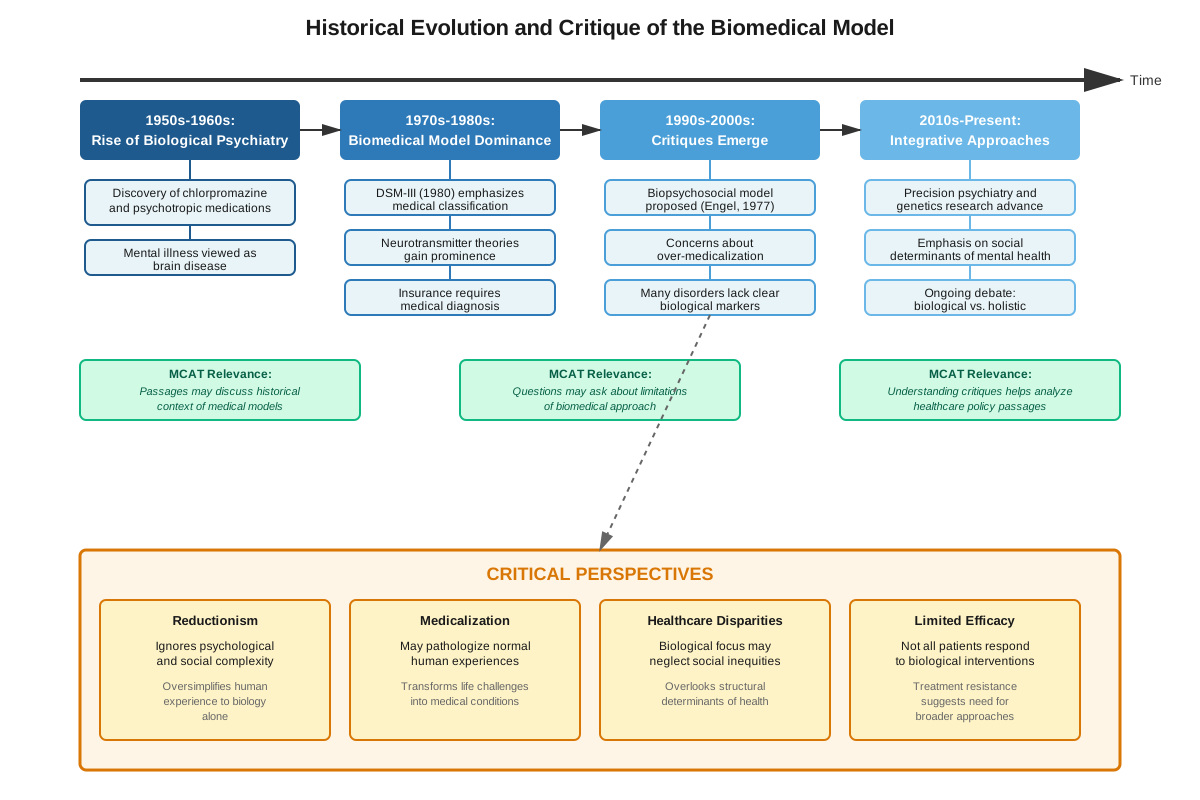
The biomedical model gained prominence in the mid-20th century as psychiatry sought to establish itself as a legitimate medical specialty. Prior to this period, mental illness was often attributed to moral failings, demonic possession, or psychoanalytic conflicts. The discovery of chlorpromazine's effectiveness for schizophrenia in the 1950s and the development of antidepressants in the 1960s provided empirical support for biological explanations and treatments.
The medical model (a term often used interchangeably with biomedical model) became institutionalized through:
- The development of standardized diagnostic criteria (DSM)
- Insurance reimbursement structures favoring medication over psychotherapy
- Pharmaceutical industry investment in psychotropic drug development
- Medical training emphasizing biological mechanisms over psychological or social factors
Biological Explanations for Psychological Disorders
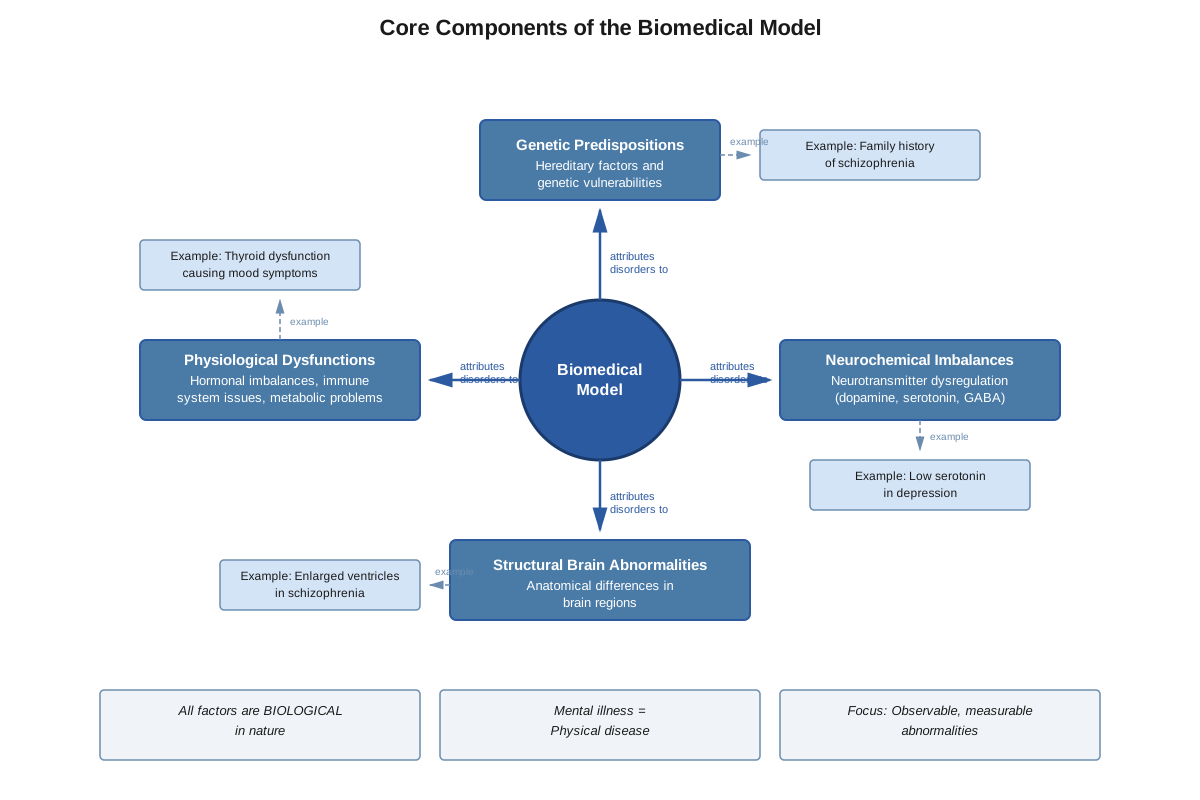
The biomedical model attributes mental illness to four primary categories of biological dysfunction:
| Biological Factor | Mechanism | Example Disorders |
|---|---|---|
| Neurochemical imbalances | Excess or deficiency of neurotransmitters | Depression (low serotonin), Schizophrenia (excess dopamine) |
| Genetic predisposition | Inherited vulnerabilities increasing disorder risk | Bipolar disorder (high heritability), Schizophrenia |
| Structural abnormalities | Physical differences in brain anatomy | Schizophrenia (enlarged ventricles), OCD (hyperactive caudate nucleus) |
| Physiological dysfunction | Hormonal imbalances, immune system problems | Postpartum depression (hormonal changes), inflammation hypothesis of depression |
Treatment Approaches Within the Biomedical Framework
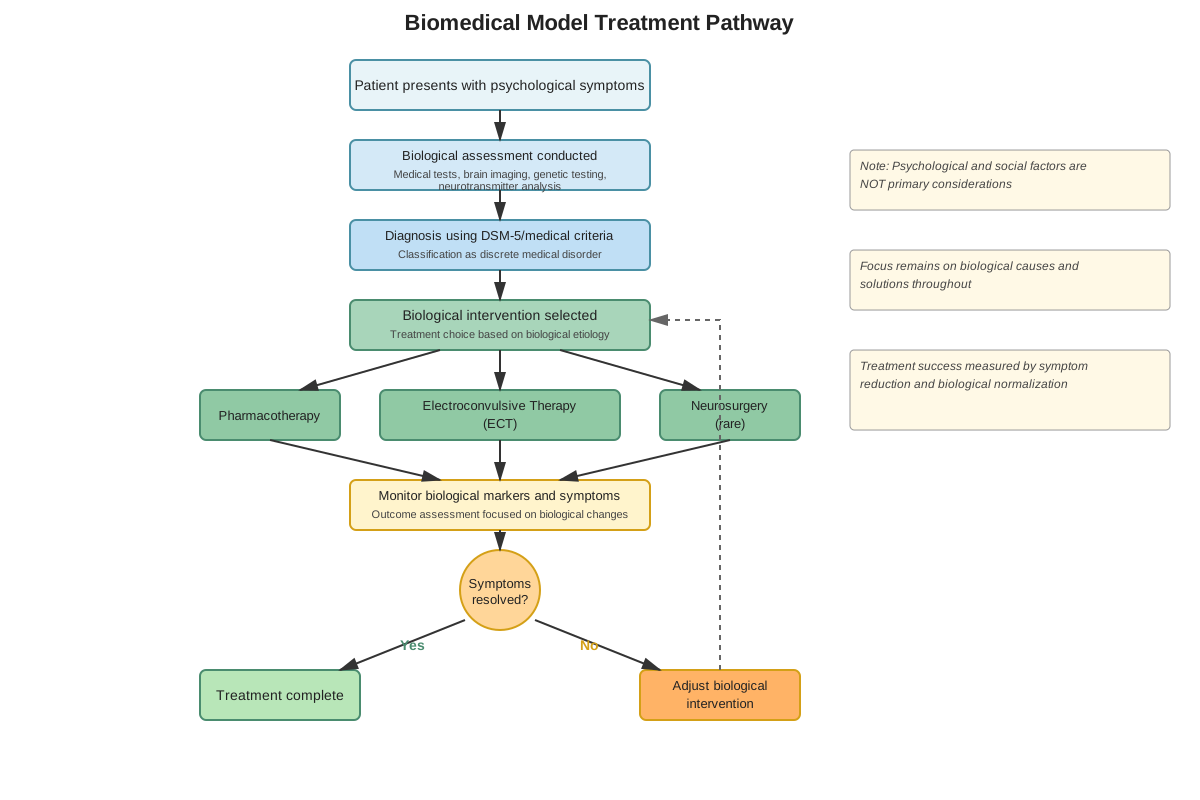
The biomedical model prioritizes somatic treatments—interventions that directly target the body's biological systems:
- Psychopharmacology: Medications that alter neurotransmitter function
- Antidepressants (SSRIs, SNRIs, MAOIs, tricyclics)
- Antipsychotics (typical and atypical)
- Anxiolytics (benzodiazepines, buspirone)
- Mood stabilizers (lithium, anticonvulsants)
- Electroconvulsive therapy (ECT): Electrical stimulation of the brain to induce controlled seizures, primarily used for severe depression
- Transcranial magnetic stimulation (TMS): Non-invasive brain stimulation using magnetic fields
- Psychosurgery: Surgical interventions (now rare) such as lobotomy or modern procedures like deep brain stimulation
- Lifestyle interventions with biological mechanisms: Exercise, sleep regulation, and dietary changes that affect neurotransmitter systems
Strengths of the Biomedical Model
The biomedical approach offers several important advantages:
- Destigmatization: Framing mental illness as biological reduces blame and moral judgment
- Empirical foundation: Biological mechanisms can be studied scientifically and objectively
- Effective treatments: Psychotropic medications have demonstrably helped millions of patients
- Predictive power: Genetic and neurobiological research can identify risk factors
- Insurance coverage: Medical framing facilitates reimbursement for treatment
- Rapid symptom relief: Medications can provide faster relief than psychotherapy for some conditions
Limitations and Criticisms
Despite its contributions, the biomedical model faces substantial criticism:
Reductionism: The model may oversimplify complex disorders by ignoring psychological, social, and cultural factors. Depression, for instance, often involves cognitive patterns, stressful life events, and social isolation—factors not captured by neurotransmitter explanations alone.
Correlation versus causation: Brain differences associated with disorders may be consequences rather than causes. For example, chronic stress can alter brain structure, meaning observed abnormalities might result from the disorder rather than cause it.
Limited treatment efficacy: Medications don't work for everyone. Approximately 30-40% of patients with depression don't respond adequately to antidepressants, suggesting biological interventions alone are insufficient.
Side effects: Psychotropic medications can cause significant adverse effects, from weight gain and sexual dysfunction to movement disorders and metabolic syndrome.
Neglect of prevention: By focusing on treatment of existing disorders, the biomedical model may underemphasize prevention through social and psychological interventions.
Cultural bias: The model assumes universal biological mechanisms but may not account for cultural variations in symptom expression, help-seeking behavior, and treatment response.
Pharmaceutical industry influence: Critics argue that drug companies have promoted biological explanations to expand medication markets, potentially leading to overdiagnosis and overtreatment.
The Biopsychosocial Alternative
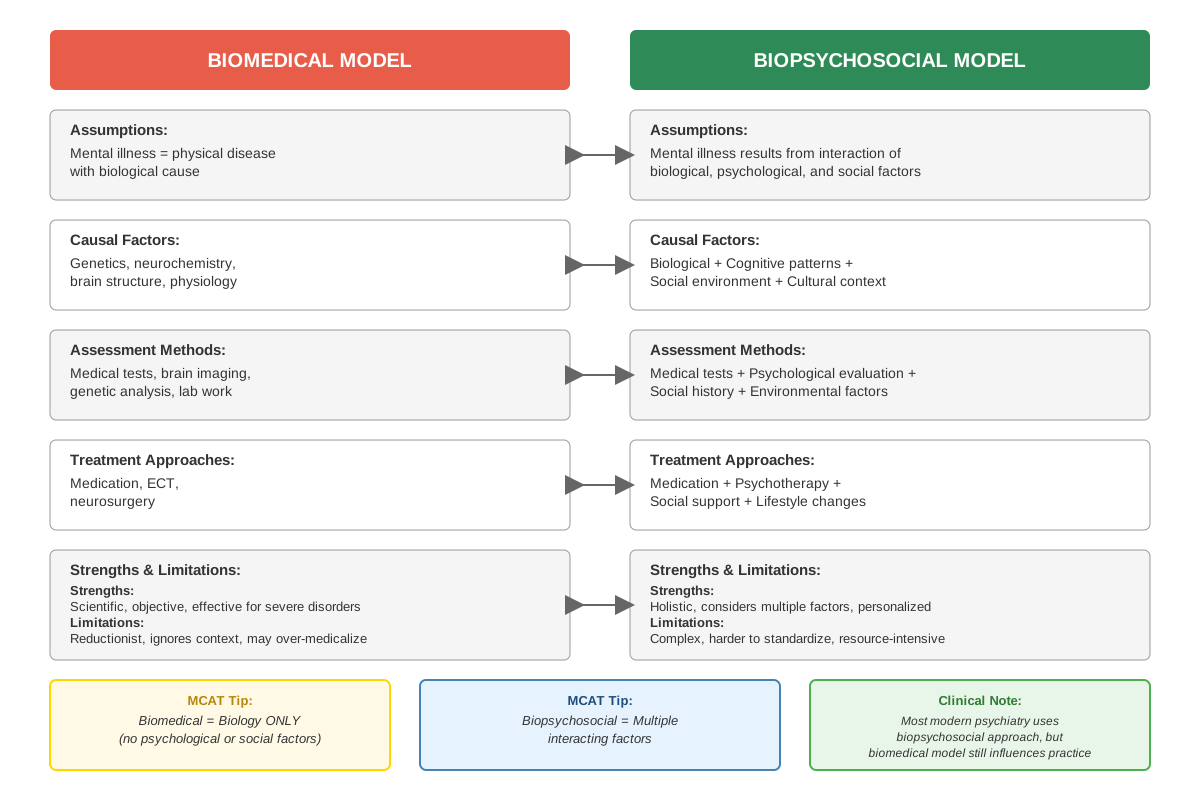
In response to the biomedical model's limitations, George Engel proposed the biopsychosocial model in 1977. This integrative framework acknowledges biological factors while also incorporating:
- Psychological factors: Cognitions, emotions, behaviors, personality traits
- Social factors: Relationships, socioeconomic status, culture, life stressors
The biopsychosocial model views mental illness as arising from complex interactions among all three domains, requiring comprehensive assessment and multimodal treatment. For MCAT purposes, students must be able to distinguish between these models and recognize when each is being applied.
Concept Relationships
The biomedical model connects to numerous other concepts within psychology and the broader MCAT curriculum:
Within Psychological Disorders: The biomedical model → provides theoretical foundation for → diagnostic classification systems (DSM-5) → which guide → treatment selection → which determines → patient outcomes
Connection to Neuroscience: Neuroanatomy and neurotransmitter systems → provide mechanistic basis for → biomedical explanations → which inform → psychopharmacological interventions
Relationship to Research Methods: Biological psychiatry → relies on → neuroimaging studies, genetic research, and randomized controlled trials → which generate → evidence for biological mechanisms → which either support or challenge → biomedical assumptions
Contrast with Other Models: Biomedical model (biological causes) ↔ contrasts with ↔ psychodynamic model (unconscious conflicts), cognitive-behavioral model (maladaptive thoughts/behaviors), and humanistic model (blocked self-actualization)
Connection to Social Psychology: Biomedical model's emphasis on individual biology → may neglect → social determinants of health → leading to → healthcare disparities → which are better explained by → biopsychosocial or social-ecological models
Link to Medical Sociology: The biomedical model → represents → medicalization of deviance → which affects → social construction of illness → and influences → stigma, labeling, and sick role behavior
Quick check — test yourself on Biomedical model so far.
Try Flashcards →High-Yield Facts
⭐ The biomedical model attributes psychological disorders primarily to biological causes: genetic factors, neurochemical imbalances, structural brain abnormalities, or physiological dysfunctions.
⭐ The biomedical model emphasizes somatic treatments, particularly psychopharmacology, as the primary intervention for mental illness.
⭐ The biopsychosocial model was developed as an alternative to the biomedical model, incorporating psychological and social factors alongside biological ones.
⭐ A key strength of the biomedical model is destigmatization—framing mental illness as biological reduces moral blame and legitimizes treatment.
⭐ A major criticism of the biomedical model is reductionism—oversimplifying complex disorders by ignoring psychological, social, and cultural factors.
- The biomedical model operates on the assumption of disease specificity—each disorder has a distinct biological cause that can be identified and treated.
- Historical support for the biomedical model came from the discovery of effective psychotropic medications in the 1950s-1960s (chlorpromazine, antidepressants).
- The biomedical model aligns with the medical model of illness, treating mental disorders similarly to physical diseases.
- Critics argue the biomedical model confuses correlation with causation—brain differences may be consequences rather than causes of disorders.
- The biomedical model has been criticized for potential overreliance on medication and underemphasis on psychotherapy and social interventions.
- Insurance reimbursement structures often favor biomedical treatments (medication) over psychological interventions, reflecting the model's institutional dominance.
- The biomedical model may not adequately account for cultural variations in symptom expression and treatment response.
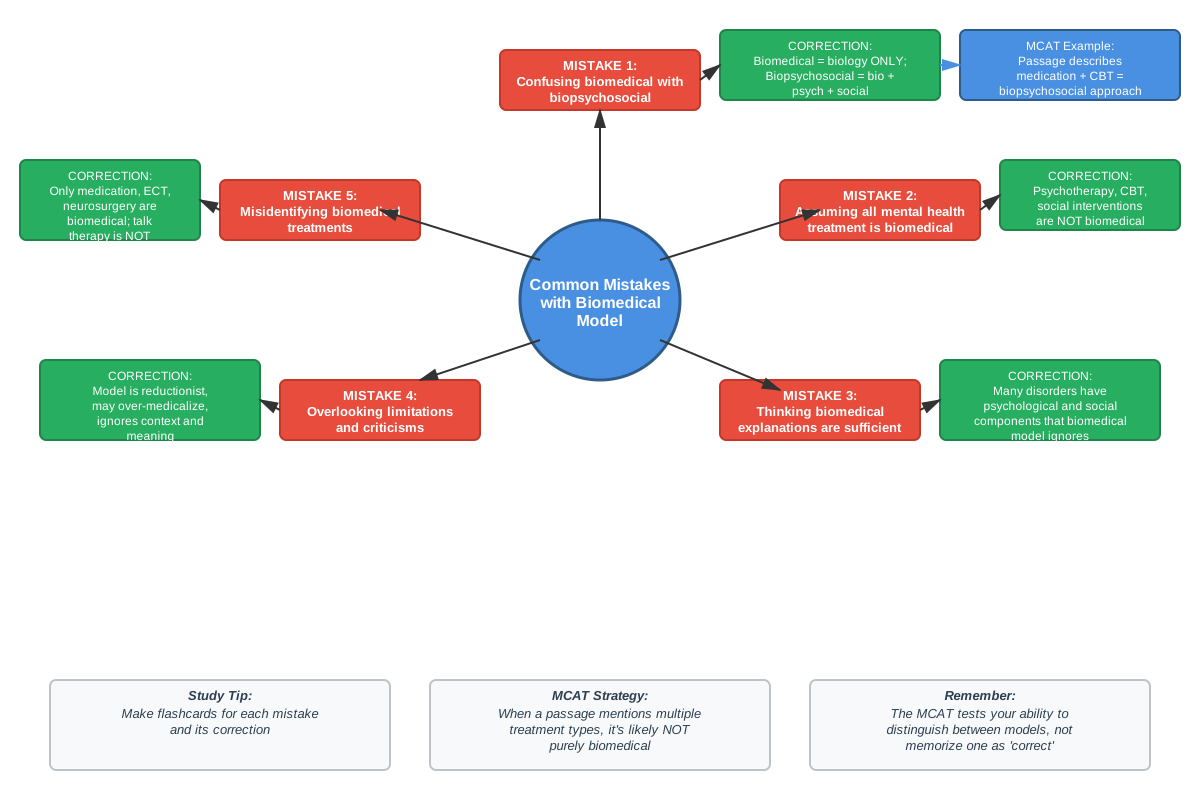
Common Misconceptions
Misconception: The biomedical model claims that all mental illness is purely genetic.
Correction: While the biomedical model emphasizes biological factors including genetics, it also considers neurochemical imbalances, structural abnormalities, and physiological dysfunctions. Not all biological causes are genetic; environmental factors can alter brain chemistry and structure.
Misconception: Using medication to treat a disorder proves the biomedical model is correct.
Correction: Treatment efficacy doesn't necessarily validate causal theory. Aspirin relieves headaches, but headaches aren't caused by "aspirin deficiency." Similarly, antidepressants may alleviate symptoms through various mechanisms without proving that depression is caused solely by serotonin deficiency.
Misconception: The biomedical model and biopsychosocial model are completely incompatible.
Correction: The biopsychosocial model incorporates biological factors as one component; it doesn't reject biology but rather integrates it with psychological and social factors. These models exist on a continuum rather than as mutually exclusive alternatives.
Misconception: Psychiatrists only use the biomedical model while psychologists only use psychological models.
Correction: Modern psychiatrists increasingly adopt biopsychosocial approaches, and many psychologists recognize the importance of biological factors. Professional identity doesn't rigidly determine theoretical orientation, though training differences do influence emphasis.
Misconception: The biomedical model is outdated and no longer used.
Correction: While the biopsychosocial model has gained prominence, the biomedical model remains influential in psychiatric practice, research funding priorities, pharmaceutical development, and insurance reimbursement structures. Understanding both models is essential for the MCAT.
Misconception: Brain imaging that shows differences in patients with mental illness proves the biomedical model is correct.
Correction: Neuroimaging findings demonstrate brain correlates of disorders but don't establish causation or rule out psychological and social contributions. Brain changes can result from experience (neuroplasticity), meaning observed differences might be effects rather than causes.
Worked Examples
Example 1: Identifying Theoretical Models in Treatment Scenarios
Question: A patient presents with major depressive disorder. Four different clinicians recommend different treatments. Which clinician is most clearly operating from a biomedical model framework?
A) Dr. Adams recommends cognitive-behavioral therapy to address negative thought patterns
B) Dr. Brown prescribes an SSRI antidepressant and schedules monthly medication management appointments
C) Dr. Chen suggests family therapy to address relationship conflicts contributing to depression
D) Dr. Davis recommends a combination of medication, psychotherapy, and stress management techniques
Analysis:
Step 1: Identify the key feature of the biomedical model—emphasis on biological causes and somatic treatments, particularly medication.
Step 2: Evaluate each option:
- Option A focuses on cognitive factors (thoughts), aligning with cognitive-behavioral model
- Option B emphasizes medication (biological intervention) as the primary treatment
- Option C focuses on social/relational factors, aligning with family systems approach
- Option D represents an integrative approach consistent with biopsychosocial model
Step 3: Select the option that most purely reflects biomedical assumptions.
Answer: B. Dr. Brown's approach—prescribing medication as the primary intervention with minimal attention to psychological or social factors—most clearly reflects the biomedical model. The monthly medication management suggests monitoring biological response rather than addressing psychological or social dimensions.
Connection to Learning Objectives: This example demonstrates application of the biomedical model to exam-style questions by requiring students to distinguish between theoretical frameworks based on treatment approach.
Example 2: Evaluating Critiques of the Biomedical Model
Passage Summary: A research study finds that patients with depression show reduced hippocampal volume compared to healthy controls. The researchers conclude that depression is caused by structural brain abnormalities and recommend medication as first-line treatment.
Question: Which of the following represents the most valid criticism of the researchers' conclusion from a biopsychosocial perspective?
A) The study fails to account for the possibility that chronic stress (a psychological/social factor) may have caused the observed brain changes
B) The sample size was too small to draw meaningful conclusions
C) The researchers should have used fMRI instead of structural MRI
D) Medication is never appropriate for treating depression
Analysis:
Step 1: Identify what the question is asking—a critique of biomedical reasoning from a biopsychosocial perspective.
Step 2: Recognize the logical flaw in the researchers' conclusion—they assume brain differences cause depression (biomedical assumption) without considering alternative causal pathways.
Step 3: Evaluate each option:
- Option A addresses the correlation-causation problem and acknowledges that psychological/social factors (stress) can alter brain structure—a key biopsychosocial critique
- Option B is a methodological concern but doesn't specifically critique biomedical assumptions
- Option C is a technical detail that doesn't challenge the theoretical framework
- Option D is an extreme overstatement; biopsychosocial model doesn't reject medication entirely
Step 4: Select the option that best represents biopsychosocial critique of biomedical reductionism.
Answer: A. This option correctly identifies that the researchers have confused correlation with causation and have neglected the possibility that psychological and social factors (chronic stress) may have caused the observed brain changes through neuroplasticity. This represents a fundamental critique of biomedical reductionism—the failure to consider bidirectional relationships between biological, psychological, and social factors.
Connection to Learning Objectives: This example requires students to identify common mistakes related to the biomedical model (assuming causation from correlation, neglecting non-biological factors) and to connect the biomedical model to related concepts (biopsychosocial model, neuroplasticity).
Exam Strategy
Approaching MCAT Questions on the Biomedical Model
Step 1: Identify trigger words that signal biomedical model content:
- "Biological basis," "genetic factors," "neurochemical imbalance"
- "Medication," "pharmacological treatment," "psychotropic drugs"
- "Brain abnormalities," "structural differences," "neurotransmitter dysfunction"
- "Medical model," "disease model," "psychiatric diagnosis"
Step 2: Determine what the question is asking:
- Identification questions: Which approach represents the biomedical model?
- Application questions: What would a biomedical practitioner recommend?
- Evaluation questions: What are the strengths/limitations of this approach?
- Comparison questions: How does this differ from biopsychosocial/other models?
Step 3: Watch for nuance:
- Questions may present scenarios where biomedical approach is appropriate (severe psychotic symptoms requiring medication) versus inappropriate (mild adjustment disorder better treated with counseling)
- Passages may critique the biomedical model—don't assume it's always the "correct" answer
- Integration of biological with psychological/social factors suggests biopsychosocial, not purely biomedical
Process of Elimination Tips
Eliminate options that:
- Emphasize psychological interventions (therapy, counseling) without biological component
- Focus exclusively on social factors (poverty, discrimination, family dynamics)
- Suggest that biological and psychological factors are equally important (this is biopsychosocial)
- Reject the validity of biological factors entirely
Keep options that:
- Prioritize medication or other somatic treatments
- Attribute disorders primarily to biological causes
- Emphasize objective diagnosis and medical treatment
- Minimize attention to psychological or social factors
Time Allocation
For discrete questions on the biomedical model: 60-90 seconds
- These are typically straightforward identification or application questions
- Quick recognition of key features should allow rapid answering
For passage-based questions: 90-120 seconds per question
- May require integrating passage information with theoretical knowledge
- Often involve more complex evaluation or comparison
Exam Tip: If a question asks about "limitations" or "criticisms" of the biomedical model, the correct answer will likely involve reductionism, neglect of psychological/social factors, or confusion of correlation with causation. These are the most commonly tested critiques.
Memory Techniques
Mnemonic for Biomedical Model Core Assumptions
"BORED MD"
- Biological causes (not psychological or social)
- Objective diagnosis (measurable, observable)
- Reductionism (complex → simple biological components)
- Empirical (scientific, testable)
- Disease specificity (distinct causes for each disorder)
- Medical treatment (somatic interventions)
- Dualism (mind = brain)
Visualization Strategy
Picture a medical doctor in a white coat looking only at brain scans and prescription pads, ignoring the patient's life story, relationships, and thoughts. This image captures the biomedical model's emphasis on biological factors and medical treatment while neglecting psychological and social dimensions.
Contrast Mnemonic: Biomedical vs. Biopsychosocial
Biomedical = "BIO only" (just biological factors)
Biopsychosocial = "BPS all" (Biological + Psychological + Social, all integrated)
Acronym for Common Criticisms
"RINO" (Remember It's Not Only biological)
- Reductionism (oversimplifies)
- Ignores psychological/social factors
- Neglects cultural variation
- Overreliance on medication
Summary
The biomedical model represents a theoretical framework that conceptualizes psychological disorders as arising from biological abnormalities—genetic predispositions, neurochemical imbalances, structural brain differences, or physiological dysfunctions. This model emphasizes objective diagnosis through measurable criteria and prioritizes somatic treatments, particularly psychopharmacology, as the primary intervention. While the biomedical approach has contributed significantly to destigmatizing mental illness, enabling scientific research, and developing effective medications, it faces substantial criticism for reductionism, neglect of psychological and social factors, and potential overreliance on medication. For the MCAT, students must be able to define the biomedical model, distinguish it from alternative frameworks (especially the biopsychosocial model), recognize its strengths and limitations, and apply this knowledge to clinical scenarios and research interpretations. Understanding when the biomedical approach is appropriate versus when integrated biopsychosocial approaches are preferable is essential for success on Psychology/Sociology section questions addressing psychological disorders and treatment.
Key Takeaways
- The biomedical model attributes psychological disorders primarily to biological causes and emphasizes medical treatments, particularly medication
- Key strengths include destigmatization of mental illness, empirical foundation, and development of effective psychotropic medications
- Major criticisms include reductionism, neglect of psychological/social factors, and confusion of correlation with causation
- The biopsychosocial model was developed as an integrative alternative that incorporates biological, psychological, and social factors
- For the MCAT, students must distinguish between biomedical and biopsychosocial approaches and recognize when each is being applied
- Common exam questions involve identifying which treatment approach aligns with which theoretical model or evaluating limitations of purely biological explanations
- Understanding the biomedical model requires recognizing both its historical contributions and its contemporary limitations in explaining complex mental health phenomena
Related Topics
Biopsychosocial Model: The primary alternative to the biomedical model, integrating biological, psychological, and social factors. Mastering the biomedical model provides the foundation for understanding how the biopsychosocial model expands and improves upon purely biological explanations.
Psychopharmacology: The study of how medications affect mood, cognition, and behavior. Understanding the biomedical model explains why medication development has been prioritized and how drugs are thought to work by correcting biological abnormalities.
Diagnostic Classification Systems (DSM-5): The biomedical model heavily influenced the development of standardized diagnostic criteria, making this connection essential for understanding how disorders are defined and categorized.
Social Determinants of Health: Factors like socioeconomic status, education, and environment that influence health outcomes. This topic contrasts with the biomedical model's emphasis on individual biology and highlights what the model may neglect.
Stigma and Mental Illness: The biomedical model's impact on reducing stigma (by framing disorders as medical conditions) versus potentially increasing it (through labeling and medicalization) is an important area for further study.
Treatment Modalities: Understanding various psychotherapies (cognitive-behavioral, psychodynamic, humanistic) and how they differ from biomedical approaches provides important context for comprehensive treatment planning.
Practice CTA
Now that you've mastered the core concepts of the biomedical model, it's time to test your understanding! Work through the practice questions and flashcards to reinforce your knowledge and identify any remaining gaps. Pay special attention to questions that ask you to distinguish between theoretical models or evaluate the appropriateness of different treatment approaches—these are high-yield question types on the MCAT. Remember, understanding both the strengths and limitations of the biomedical model will enable you to think critically about complex passages and answer questions with confidence. You've got this!
Sign up free to keep reading
Create a free AnvayaPrep account to finish this MCAT guide on Biomedical model — plus flashcards and practice questions.