Overview
The DSM overview (Diagnostic and Statistical Manual of Mental Disorders) represents one of the foundational frameworks in clinical psychology and psychiatry that MCAT test-takers must understand to excel in the Psychological Disorders and Treatment section. The DSM is the authoritative classification system published by the American Psychiatric Association that provides standardized criteria for diagnosing mental disorders. Understanding the DSM's structure, purpose, and evolution is essential for interpreting clinical vignettes, recognizing diagnostic criteria, and distinguishing between different psychological conditions on the MCAT.
For the MCAT Psychology section, the DSM serves as the common language through which mental health professionals communicate about psychological disorders. The exam frequently presents passages describing patients with various symptoms, and students must apply their knowledge of DSM-based diagnostic categories to identify disorders, understand comorbidities, and evaluate treatment approaches. The DSM's multiaxial system (in previous editions) and current dimensional approach reflect the field's evolving understanding of mental illness as existing on continuums rather than as discrete categories.
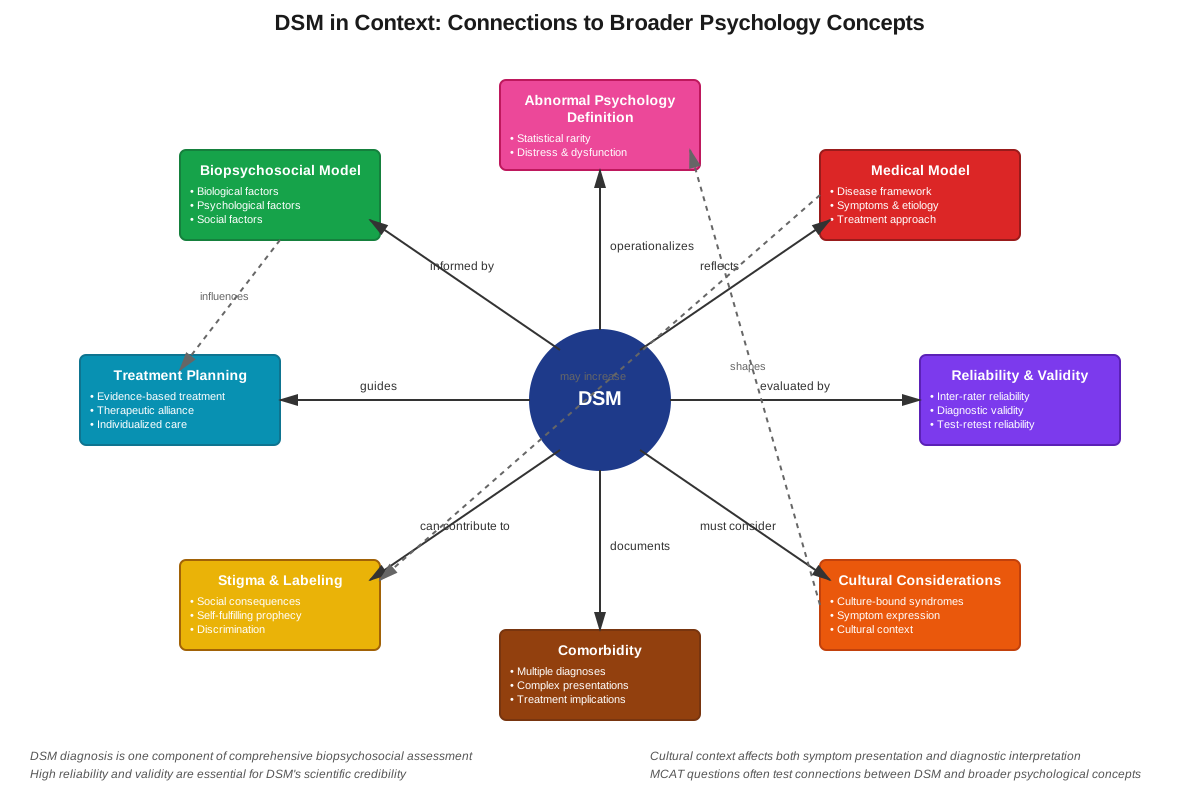
The DSM overview connects to broader themes in psychology including the biopsychosocial model, the nature-nurture debate in psychopathology, cultural considerations in diagnosis, and the ongoing discussion about what constitutes "abnormal" behavior. Mastery of this topic enables students to approach questions about specific disorders (depression, anxiety, schizophrenia, etc.) with a systematic framework, understand how diagnoses are made in clinical practice, and critically evaluate the strengths and limitations of categorical diagnostic systems. This foundational knowledge supports understanding of virtually every topic within psychological disorders and their treatment.
Learning Objectives
- [ ] Define DSM overview using accurate Psychology terminology
- [ ] Explain why DSM overview matters for the MCAT
- [ ] Apply DSM overview to exam-style questions
- [ ] Identify common mistakes related to DSM overview
- [ ] Connect DSM overview to related Psychology concepts
- [ ] Distinguish between different editions of the DSM and their key changes
- [ ] Evaluate the strengths and limitations of categorical diagnostic systems
- [ ] Analyze how cultural factors influence DSM diagnostic criteria and application
Prerequisites
- Basic understanding of psychological terminology: Familiarity with terms like "disorder," "symptom," and "diagnosis" provides the foundation for understanding classification systems
- Awareness of major psychological disorders: General knowledge of conditions like depression, anxiety, and schizophrenia helps contextualize why standardized diagnostic criteria are necessary
- Understanding of the scientific method: Recognizing how reliability and validity apply to diagnostic tools is essential for evaluating the DSM's utility
- Basic knowledge of the biopsychosocial model: This framework underlies modern approaches to understanding and diagnosing mental disorders
Why This Topic Matters
Clinical and Real-World Significance
The DSM serves as the primary diagnostic tool used by mental health professionals worldwide, directly impacting how millions of people receive diagnoses, access treatment, and obtain insurance coverage for mental health services. Understanding the DSM helps future healthcare professionals communicate effectively across disciplines, conduct research using standardized criteria, and appreciate the complexities of diagnosing psychological conditions. The manual's evolution reflects changing societal attitudes toward mental illness, advances in neuroscience and psychology research, and ongoing debates about the medicalization of human behavior.
MCAT Exam Statistics
The DSM overview appears in approximately 10-15% of Psychology and Sociology section questions, either directly or as background knowledge necessary to interpret clinical vignettes. Questions typically fall into three categories: (1) identifying which disorder best matches a described symptom pattern, (2) understanding the purpose and limitations of diagnostic classification systems, and (3) applying knowledge of specific diagnostic criteria to novel scenarios. The topic frequently appears in passage-based questions where students must integrate information about symptoms, duration, and functional impairment to arrive at correct diagnoses.
Common Exam Appearances
MCAT passages often present case studies describing individuals with various symptoms, requiring students to recognize diagnostic patterns consistent with DSM criteria. Questions may ask students to identify which symptoms are necessary versus sufficient for diagnosis, distinguish between similar disorders (e.g., major depressive disorder versus persistent depressive disorder), or evaluate how cultural factors might influence symptom presentation and diagnosis. The exam also tests understanding of the DSM's categorical approach versus dimensional models of psychopathology, and how comorbidity complicates diagnosis and treatment.
Core Concepts
What is the DSM?
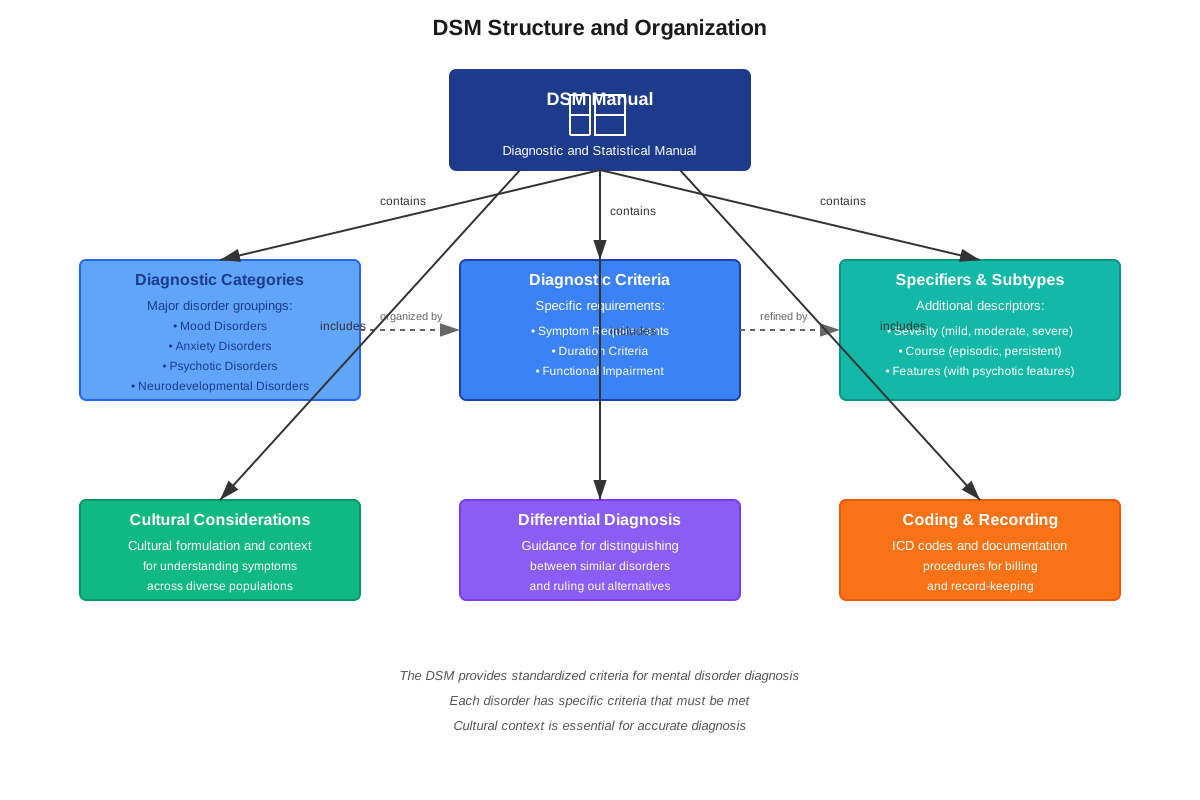
The Diagnostic and Statistical Manual of Mental Disorders (DSM) is a comprehensive classification system that provides standardized criteria for diagnosing mental disorders. Published by the American Psychiatric Association, the DSM serves multiple functions: it establishes a common language for mental health professionals, facilitates research by ensuring consistent diagnostic practices, guides treatment planning, and provides a framework for understanding psychopathology. The manual includes detailed descriptions of each disorder, including essential diagnostic features, associated features, prevalence rates, developmental considerations, and differential diagnosis guidelines.
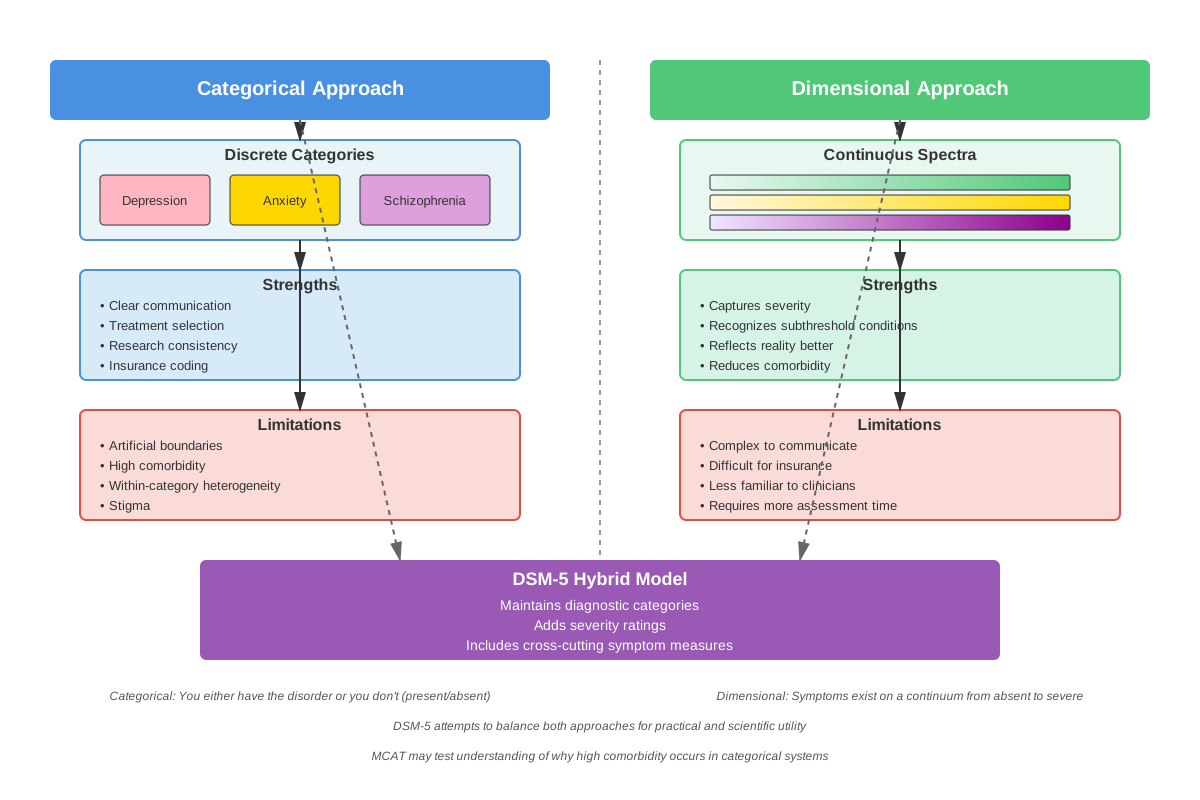
The DSM employs a categorical approach to diagnosis, meaning disorders are conceptualized as discrete entities that individuals either have or do not have. This contrasts with dimensional approaches that view psychological symptoms as existing on continuums. Each disorder in the DSM includes specific diagnostic criteria that must be met for a diagnosis to be assigned, typically including symptom requirements, duration criteria, and functional impairment specifications. The manual emphasizes that symptoms must cause clinically significant distress or impairment in social, occupational, or other important areas of functioning.
Evolution of the DSM
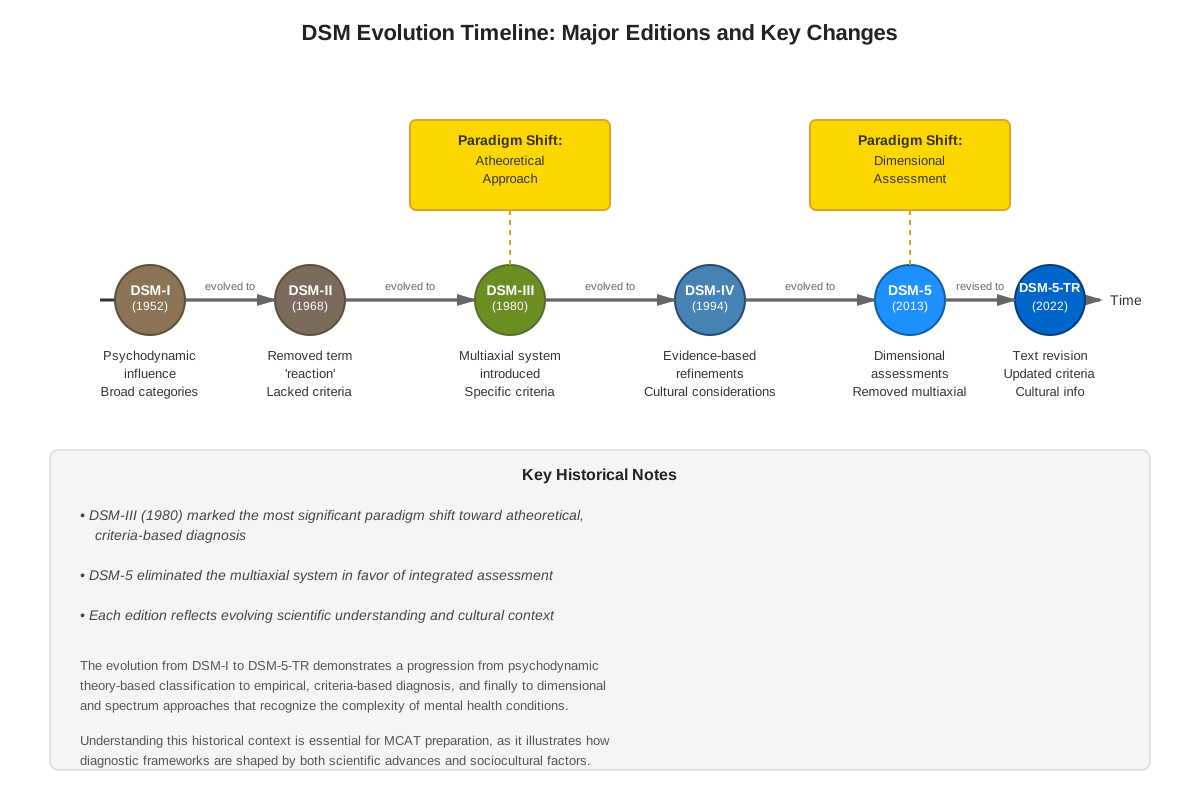
The DSM has undergone multiple revisions since its first publication in 1952, with each edition reflecting advances in psychological and psychiatric research:
| Edition | Year | Key Features |
|---|---|---|
| DSM-I | 1952 | First standardized classification; psychoanalytic influence; 106 disorders |
| DSM-II | 1968 | Aligned with ICD-8; maintained psychoanalytic terminology; 182 disorders |
| DSM-III | 1980 | Revolutionary shift to descriptive, atheoretical approach; introduced multiaxial system; operational criteria; 265 disorders |
| DSM-IV | 1994 | Evidence-based revisions; refined criteria; 297 disorders |
| DSM-5 | 2013 | Eliminated multiaxial system; dimensional assessments; reorganized structure; Arabic numeral (not Roman) to allow incremental updates |
The transition from DSM-IV-TR (Text Revision, 2000) to DSM-5 (2013) represented significant conceptual shifts. The DSM-5 eliminated the multiaxial system that previously organized clinical information across five axes, integrated dimensional assessments for certain disorders, reorganized chapters to reflect developmental and etiological relationships between disorders, and revised diagnostic criteria for numerous conditions based on research evidence.
Structure and Organization of DSM-5
The current edition organizes disorders into chapters based on shared features, developmental patterns, or underlying vulnerabilities. The structure reflects a lifespan developmental approach, with disorders typically diagnosed in childhood (like neurodevelopmental disorders) appearing first, followed by disorders more commonly diagnosed in adolescence and adulthood. Major categories include:
- Neurodevelopmental Disorders (e.g., autism spectrum disorder, ADHD)
- Schizophrenia Spectrum and Other Psychotic Disorders
- Bipolar and Related Disorders
- Depressive Disorders
- Anxiety Disorders
- Obsessive-Compulsive and Related Disorders
- Trauma- and Stressor-Related Disorders
- Dissociative Disorders
- Somatic Symptom and Related Disorders
- Feeding and Eating Disorders
- Elimination Disorders
- Sleep-Wake Disorders
- Sexual Dysfunctions
- Gender Dysphoria
- Disruptive, Impulse-Control, and Conduct Disorders
- Substance-Related and Addictive Disorders
- Neurocognitive Disorders
- Personality Disorders
- Paraphilic Disorders
Diagnostic Criteria and Specifiers
Each disorder in the DSM-5 includes specific diagnostic criteria labeled with letters (A, B, C, etc.). Criterion A typically describes the core symptoms, while subsequent criteria address duration, exclusion of other conditions, and functional impairment. For example, Major Depressive Disorder requires five or more specific symptoms during a two-week period (Criterion A), with at least one symptom being either depressed mood or loss of interest/pleasure, plus additional criteria excluding other medical conditions and substance effects.
Specifiers provide additional detail about the presentation, severity, or course of a disorder. Common specifiers include:
- Severity: Mild, moderate, or severe based on symptom count and functional impairment
- Course: First episode, recurrent, in partial remission, in full remission
- Features: With anxious distress, with mixed features, with melancholic features, etc.
- Context: With peripartum onset, with seasonal pattern
Reliability and Validity Considerations
The DSM's utility depends on its reliability (consistency of diagnoses across different clinicians and time points) and validity (accuracy in identifying true cases of disorders). The DSM-III's introduction of operational criteria significantly improved inter-rater reliability, meaning different clinicians were more likely to assign the same diagnosis to the same patient. However, reliability varies across disorders, with some conditions (like major depressive disorder) showing higher reliability than others (like personality disorders).
Validity remains more challenging to establish because mental disorders lack definitive biological markers or "gold standard" tests. The DSM employs several types of validity: content validity (criteria comprehensively capture the disorder), criterion validity (diagnoses predict outcomes or treatment response), and construct validity (the disorder represents a coherent syndrome distinct from other conditions). Critics argue that the categorical approach may artificially divide conditions that exist on continuums and that high comorbidity rates suggest diagnostic boundaries may not reflect natural categories.
Cultural Considerations
The DSM-5 emphasizes cultural formulation and includes a Cultural Formulation Interview to help clinicians assess how cultural factors influence symptom presentation, interpretation, and help-seeking behavior. Cultural concepts of distress—ways that cultural groups experience and express psychological suffering—may not align perfectly with DSM categories. For example, "ataque de nervios" in Latino cultures involves symptoms of anxiety, anger, and dissociation that might be diagnosed as panic disorder, but the cultural context and meaning differ significantly.
The manual acknowledges that culture influences: (1) which symptoms are considered problematic, (2) how symptoms are expressed and communicated, (3) when individuals seek help, (4) what types of help are sought, and (5) how clinicians interpret symptoms. Effective use of the DSM requires cultural competence and awareness that diagnostic criteria developed primarily in Western contexts may not universally apply.
Limitations and Criticisms
Despite its widespread use, the DSM faces several criticisms:
- Categorical versus dimensional debate: Critics argue that most psychological symptoms exist on continuums rather than as present/absent categories
- Comorbidity: High rates of individuals meeting criteria for multiple disorders suggest diagnostic boundaries may be artificial
- Threshold effects: Arbitrary cutoffs (e.g., five symptoms instead of four) can result in similar individuals receiving different diagnoses
- Medicalization: Concerns that normal variations in behavior and emotion are increasingly pathologized
- Pharmaceutical influence: Questions about whether diagnostic expansion serves commercial interests
- Limited etiological information: The DSM describes symptoms but provides limited guidance about causes or mechanisms
- Stigma: Diagnostic labels can lead to discrimination and self-fulfilling prophecies
Concept Relationships
The DSM overview connects to virtually every topic within psychological disorders and treatment. Understanding the DSM's structure and purpose enables comprehension of specific disorder categories → which leads to → recognition of diagnostic criteria for individual disorders → which supports → differential diagnosis (distinguishing between similar conditions) → which informs → treatment planning and prognosis.
The DSM relates to research methods in psychology through its emphasis on operational definitions and standardized criteria, which enable systematic research on prevalence, etiology, and treatment effectiveness. It connects to biological psychology through recognition that many disorders have neurobiological components, even though the DSM primarily uses descriptive rather than etiological criteria. The manual's cultural considerations link to social psychology and sociology, highlighting how cultural context shapes the experience and expression of psychological distress.
The evolution from DSM-IV to DSM-5 reflects the broader shift in psychology toward dimensional models and recognition of spectrum disorders, acknowledging that psychopathology often exists on continuums rather than as discrete categories. This connects to personality psychology's dimensional models and developmental psychology's recognition that symptoms and functioning change across the lifespan. Understanding the DSM's limitations prepares students to think critically about psychiatric classification and appreciate alternative frameworks like the Research Domain Criteria (RDoC) that organize psychopathology around dimensions of functioning rather than symptom clusters.
Quick check — test yourself on DSM overview so far.
Try Flashcards →High-Yield Facts
⭐ The DSM-5 uses a categorical approach to diagnosis, requiring specific criteria to be met for each disorder
⭐ Diagnostic criteria typically include symptom requirements, duration specifications, and functional impairment
⭐ The DSM-5 eliminated the multiaxial system used in DSM-IV, which organized information across five axes
⭐ Cultural factors significantly influence symptom presentation, interpretation, and help-seeking behavior
⭐ High comorbidity rates (multiple co-occurring disorders) are common and complicate diagnosis and treatment
- The DSM-5 was published in 2013 and uses Arabic numerals to allow for incremental updates (e.g., DSM-5.1)
- The DSM-III (1980) represented a revolutionary shift toward descriptive, atheoretical diagnostic criteria
- Specifiers provide additional detail about severity, course, and features of disorders
- Inter-rater reliability (consistency across clinicians) improved significantly with operational criteria in DSM-III
- The DSM is published by the American Psychiatric Association, while the ICD (International Classification of Diseases) is published by the World Health Organization
- Dimensional assessments in DSM-5 acknowledge that some symptoms exist on continuums
- The manual emphasizes that symptoms must cause clinically significant distress or functional impairment for diagnosis
Common Misconceptions
Misconception: The DSM provides definitive biological tests for mental disorders → Correction: The DSM uses descriptive criteria based on symptoms and behavior; most mental disorders lack definitive biological markers or laboratory tests. Diagnosis relies on clinical judgment and patient report.
Misconception: Meeting some criteria for a disorder means you have that disorder → Correction: All specified criteria must be met for a diagnosis, including symptom count, duration, functional impairment, and exclusion criteria. Subthreshold symptoms do not warrant a diagnosis.
Misconception: The DSM-5 multiaxial system organizes diagnoses across five axes → Correction: The DSM-5 eliminated the multiaxial system used in DSM-IV. Previous axes included Axis I (clinical disorders), Axis II (personality disorders and intellectual disabilities), Axis III (medical conditions), Axis IV (psychosocial stressors), and Axis V (global functioning), but these are no longer used.
Misconception: DSM diagnoses explain the cause of mental disorders → Correction: The DSM is largely atheoretical and descriptive, focusing on symptom patterns rather than etiology. It describes what disorders look like, not why they occur.
Misconception: Cultural differences don't affect DSM diagnoses → Correction: Culture profoundly influences how symptoms are experienced, expressed, and interpreted. The DSM-5 includes extensive cultural considerations and a Cultural Formulation Interview to address these factors.
Misconception: Once diagnosed, a person always has that disorder → Correction: Many disorders are episodic or can remit with treatment. The DSM includes specifiers for course (in partial remission, in full remission) recognizing that disorders change over time.
Misconception: The DSM is only used by psychiatrists → Correction: The DSM is used by psychologists, social workers, counselors, researchers, and other mental health professionals across disciplines for diagnosis, treatment planning, research, and communication.
Worked Examples
Example 1: Applying Diagnostic Criteria
Clinical Vignette: A 28-year-old woman reports feeling sad most of the day, nearly every day for the past three weeks. She has lost interest in activities she previously enjoyed, has difficulty sleeping, feels fatigued, has difficulty concentrating, and has lost 10 pounds without trying. She reports these symptoms are affecting her work performance. She denies any history of manic episodes and is not taking any medications.
Analysis:
Step 1: Identify the symptom cluster. The patient presents with depressed mood, anhedonia (loss of interest), sleep disturbance, fatigue, concentration difficulties, and significant weight loss—all symptoms associated with depressive disorders.
Step 2: Count symptoms against Major Depressive Disorder criteria. Criterion A requires five or more symptoms during a two-week period, with at least one being depressed mood or loss of interest. This patient has six symptoms: (1) depressed mood, (2) anhedonia, (3) insomnia, (4) fatigue, (5) diminished concentration, (6) weight loss. Both required symptoms are present.
Step 3: Check duration. The symptoms have persisted for three weeks, exceeding the two-week minimum required by Criterion B.
Step 4: Assess functional impairment. The patient reports work performance is affected, meeting Criterion C (clinically significant distress or impairment).
Step 5: Rule out other causes. The patient denies medication use and presumably has no medical condition causing symptoms (Criterion D). No history of manic episodes rules out Bipolar Disorder (Criterion E).
Conclusion: This presentation meets criteria for Major Depressive Disorder, single episode. The systematic application of DSM criteria ensures accurate diagnosis and guides treatment planning.
Example 2: Differential Diagnosis Using DSM Framework
Clinical Vignette: A 35-year-old man reports persistent worry about multiple concerns (work, finances, health) for the past eight months. He finds it difficult to control the worry, feels restless, has muscle tension, and experiences sleep disturbance. He also reports occasional panic attacks when in crowded places, which he now avoids. How would you approach this diagnostically?
Analysis:
Step 1: Identify multiple symptom clusters. The patient presents with two distinct patterns: (1) persistent, excessive worry with associated symptoms, and (2) panic attacks with avoidance behavior.
Step 2: Evaluate Generalized Anxiety Disorder (GAD) criteria. The patient has excessive worry about multiple events for more than six months (meeting duration requirement), difficulty controlling worry, and at least three associated symptoms (restlessness, muscle tension, sleep disturbance). This meets GAD criteria.
Step 3: Evaluate Panic Disorder and Agoraphobia criteria. The patient experiences panic attacks and avoids situations where they occur (crowded places). However, we need more information about panic attack frequency and whether fear of future attacks is present for Panic Disorder diagnosis. The avoidance of crowded places suggests possible Agoraphobia.
Step 4: Consider comorbidity. The DSM-5 allows multiple diagnoses when criteria for distinct disorders are met. Anxiety disorders frequently co-occur, with comorbidity rates exceeding 50% in some studies.
Step 5: Apply hierarchical rules and differential diagnosis. The DSM provides guidance on when symptoms of one disorder are better explained by another. In this case, if panic attacks occur exclusively in crowded places, they might be better conceptualized as part of Agoraphobia rather than Panic Disorder. However, if panic attacks also occur unexpectedly in other contexts, both diagnoses may be warranted.
Conclusion: This case likely represents comorbid GAD and Agoraphobia, illustrating how the DSM framework guides systematic evaluation of complex presentations. Additional assessment would clarify whether Panic Disorder criteria are also met, demonstrating the importance of thorough evaluation before finalizing diagnoses.
Exam Strategy
Approaching DSM Questions on the MCAT
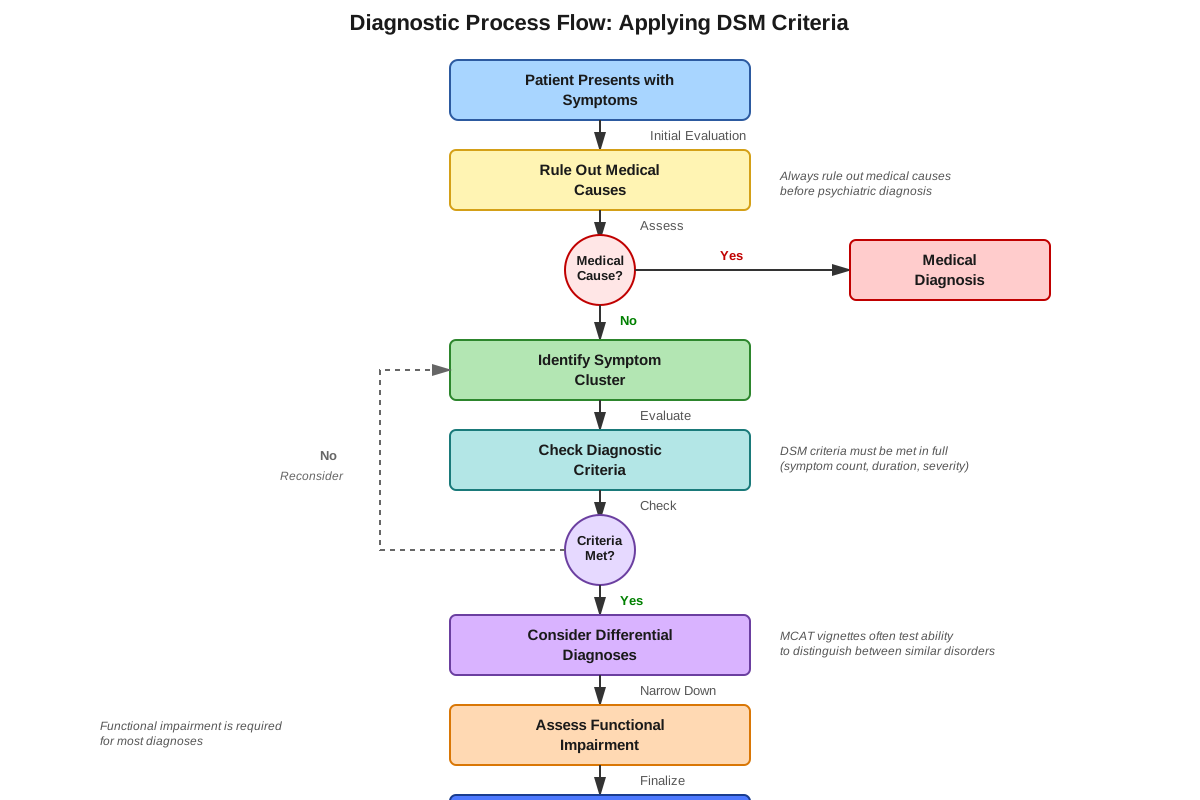
When encountering questions about the DSM or diagnostic criteria, follow this systematic approach:
- Read the vignette carefully for symptom count, duration, and functional impairment—these are the three pillars of most diagnoses
- Identify the primary symptom cluster (mood, anxiety, psychotic, etc.) to narrow diagnostic possibilities
- Count specific symptoms mentioned and compare to the required number for each disorder
- Check duration criteria explicitly stated or implied in the passage
- Look for exclusion criteria such as substance use, medical conditions, or other mental disorders that better explain symptoms
- Consider developmental and cultural context when interpreting symptom significance
Trigger Words and Phrases
Watch for these high-yield phrases that signal specific diagnostic considerations:
- "Most of the day, nearly every day": Suggests Major Depressive Disorder
- "For at least two weeks": Minimum duration for Major Depressive Episode
- "For at least six months": Duration requirement for GAD, Persistent Depressive Disorder, and many other conditions
- "Clinically significant distress or impairment": Essential criterion for virtually all diagnoses
- "Not attributable to substance use or medical condition": Exclusion criterion
- "Excessive and difficult to control": Key feature of Generalized Anxiety Disorder
- "Recurrent and unexpected": Describes panic attacks in Panic Disorder
- "Pervasive pattern": Indicates personality disorder rather than episodic condition
Process of Elimination Tips
When multiple answer choices seem plausible:
- Eliminate options that don't meet duration criteria first—this is often the quickest way to narrow choices
- Rule out diagnoses when required symptoms are absent—if a disorder requires specific symptoms and they're not mentioned, eliminate it
- Choose the most specific diagnosis when hierarchical rules apply—for example, if symptoms occur exclusively during depressive episodes, diagnose the mood disorder rather than a separate anxiety disorder
- Consider comorbidity if the question asks "which is most likely" versus "which could be diagnosed"—the most common comorbid condition may be the answer
- Watch for distractors that include symptoms not actually required for diagnosis—knowing precise criteria prevents this trap
Time Allocation
DSM-related questions typically require 60-90 seconds:
- 30 seconds: Read vignette and identify key symptoms, duration, and impairment
- 20 seconds: Match symptoms to diagnostic criteria and count requirements
- 10-20 seconds: Eliminate incorrect options using exclusion criteria
- 10-20 seconds: Confirm answer and check for overlooked details
Don't spend excessive time on these questions—if you know the diagnostic criteria, the answer should be relatively straightforward. If uncertain, flag and return after completing easier questions.
Memory Techniques
Mnemonic for DSM-5 Major Changes
"DADS Reorganized":
- Dimensional assessments added
- Axes eliminated (multiaxial system removed)
- Developmental organization (lifespan approach)
- Specifiers expanded
- Reorganized chapter structure
Mnemonic for Essential Diagnostic Components
"SID" - Remember that most diagnoses require:
- Symptoms (specific number and type)
- Impairment (functional impact)
- Duration (time criteria met)
Visualization Strategy for DSM Structure
Picture the DSM as a developmental timeline from left to right:
- Left side: Childhood disorders (neurodevelopmental)
- Middle: Adolescent/young adult onset (mood, anxiety, psychotic)
- Right side: Later life disorders (neurocognitive)
This spatial organization mirrors the DSM-5's developmental approach and helps recall which disorders typically emerge at different life stages.
Acronym for Cultural Considerations
"RESPECT" cultural factors in diagnosis:
- Recognize cultural concepts of distress
- Explore cultural identity
- Symptom expression varies by culture
- Perceptions of cause differ
- Environmental stressors and supports
- Coping and help-seeking patterns
- Treatment expectations and preferences
Summary
The DSM overview provides the foundational framework for understanding how mental disorders are classified, diagnosed, and communicated in clinical practice and research. The current edition, DSM-5, represents the culmination of decades of refinement, moving from psychoanalytic conceptualizations to descriptive, evidence-based criteria that emphasize reliability and standardization. Understanding the DSM's categorical approach, diagnostic criteria structure (symptoms, duration, impairment), and organizational framework is essential for MCAT success, as questions frequently require application of diagnostic criteria to clinical vignettes. The manual's evolution reflects psychology's development as a science, with increasing emphasis on operational definitions, cultural considerations, and dimensional assessments. While the DSM has limitations—including debates about categorical versus dimensional approaches, high comorbidity rates, and concerns about medicalization—it remains the primary diagnostic tool in mental health. MCAT students must master the DSM's structure, understand how to apply diagnostic criteria systematically, and recognize cultural and contextual factors that influence diagnosis to excel on exam questions related to psychological disorders.
Key Takeaways
- The DSM-5 is the current authoritative classification system for mental disorders, using categorical diagnoses with specific symptom, duration, and impairment criteria
- Diagnostic criteria typically follow a pattern: core symptoms (Criterion A), duration (Criterion B), functional impairment (Criterion C), and exclusion of other causes (Criteria D-E)
- The DSM-5 eliminated the multiaxial system, added dimensional assessments, and reorganized chapters using a developmental/lifespan approach
- Cultural factors profoundly influence symptom presentation, interpretation, and help-seeking, requiring cultural competence in diagnosis
- High comorbidity rates and the categorical approach's limitations have led to ongoing debates about alternative classification systems
- MCAT questions test application of diagnostic criteria to vignettes, requiring systematic evaluation of symptoms, duration, and impairment
- Understanding the DSM framework enables mastery of specific disorder categories and supports differential diagnosis skills essential for exam success
Related Topics
Specific Disorder Categories: After mastering the DSM overview, students should study individual disorder categories in depth, including Major Depressive Disorder, Generalized Anxiety Disorder, Schizophrenia Spectrum Disorders, and others. Each category builds on the foundational understanding of diagnostic criteria structure.
Biopsychosocial Model: This integrative framework complements the DSM by explaining how biological, psychological, and social factors interact to produce mental disorders, providing etiological context the DSM largely omits.
Psychological Assessment and Testing: Understanding how clinicians gather information to apply DSM criteria, including clinical interviews, psychological tests, and behavioral observations, extends knowledge of the diagnostic process.
Treatment Approaches: Knowledge of DSM diagnoses directly informs treatment planning, as different disorders respond to specific therapeutic interventions (psychotherapy, pharmacotherapy, or combined approaches).
Research Methods in Psychology: The DSM's emphasis on operational definitions and standardized criteria connects to broader methodological considerations in psychological research, including reliability, validity, and measurement.
Practice CTA
Now that you've mastered the DSM overview, test your understanding with practice questions and flashcards! Apply your knowledge of diagnostic criteria to clinical vignettes, practice distinguishing between similar disorders, and reinforce your memory of the DSM's structure and evolution. Consistent practice with exam-style questions is the key to translating conceptual knowledge into test-day success. Remember: understanding the DSM framework is your foundation for mastering all psychological disorders on the MCAT—invest the time now to build expertise that will serve you throughout the exam and your future medical career!
Sign up free to keep reading
Create a free AnvayaPrep account to finish this MCAT guide on DSM overview — plus flashcards and practice questions.