Overview
Psychotherapy represents a cornerstone of modern mental health treatment and is a critical topic within the MCAT's Psychology section, specifically under Psychological Disorders and Treatment. Psychotherapy encompasses a diverse array of systematic, evidence-based interventions designed to alleviate psychological distress, modify maladaptive behaviors, and promote mental wellness through structured therapeutic relationships. Unlike biological interventions such as psychopharmacology, psychotherapy relies primarily on verbal communication, behavioral techniques, and the therapeutic alliance between clinician and client to achieve meaningful change. Understanding the major schools of psychotherapy—including psychodynamic, humanistic, behavioral, cognitive, and biomedical approaches—is essential for MCAT success, as test questions frequently require students to distinguish between therapeutic modalities, identify appropriate interventions for specific disorders, and analyze treatment scenarios presented in clinical vignettes.
The MCAT tests Psychotherapy Psychology concepts through multiple question formats, including discrete questions about theoretical foundations, passage-based analyses of treatment outcomes, and application questions requiring students to match therapeutic techniques with underlying psychological principles. This topic integrates seamlessly with broader themes in abnormal psychology, learning theory, social psychology, and neuroscience, making it a high-yield area for interdisciplinary questions. Students must not only memorize the characteristics of each therapeutic approach but also understand the theoretical assumptions, mechanisms of change, and empirical support underlying different treatment modalities.
Mastery of psychotherapy concepts enables students to navigate complex MCAT scenarios involving treatment selection, therapeutic relationships, cultural considerations in mental health care, and the integration of biological and psychological interventions. This topic connects directly to foundational concepts in classical and operant conditioning, cognitive processes, social influence, and the biopsychosocial model of health—all frequently tested domains on the Psychotherapy MCAT section. By developing a comprehensive understanding of psychotherapy's theoretical foundations and practical applications, students position themselves to excel on questions that assess both factual knowledge and higher-order analytical skills.
Learning Objectives
- [ ] Define Psychotherapy using accurate Psychology terminology
- [ ] Explain why Psychotherapy matters for the MCAT
- [ ] Apply Psychotherapy to exam-style questions
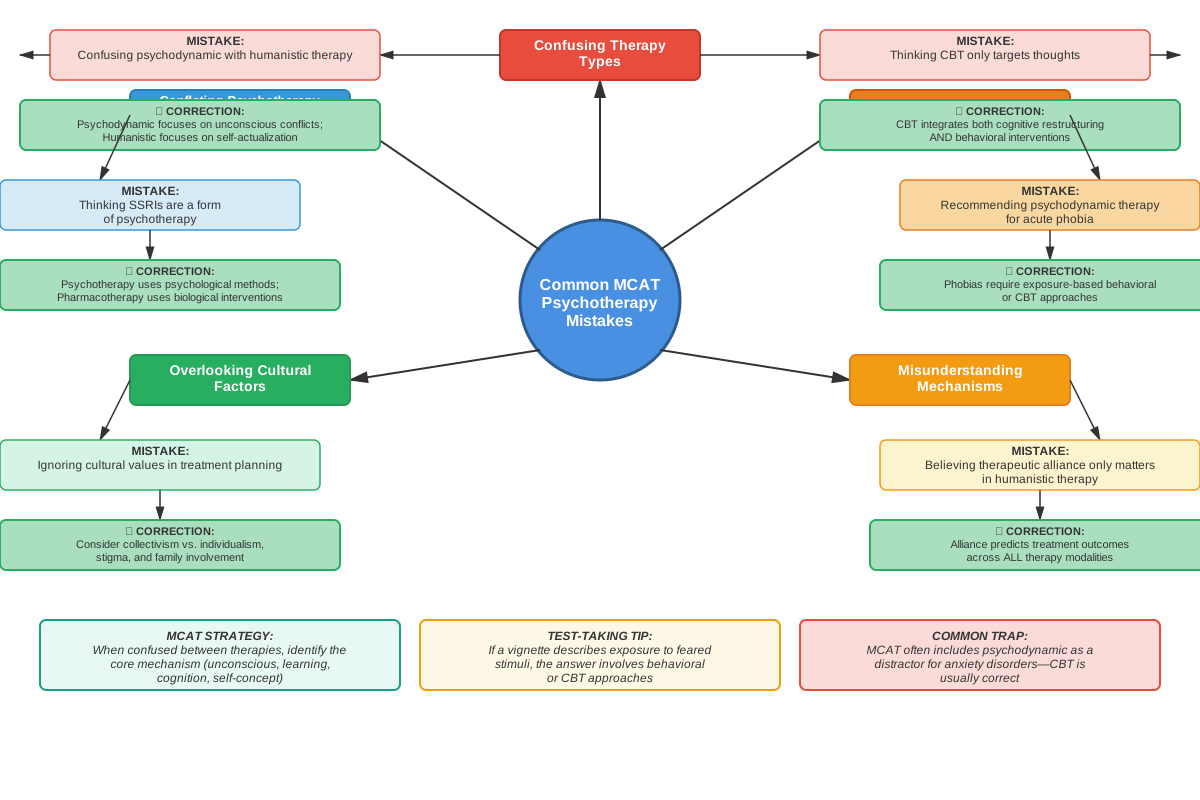
- [ ] Identify common mistakes related to Psychotherapy
- [ ] Connect Psychotherapy to related Psychology concepts
- [ ] Compare and contrast major psychotherapeutic approaches based on theoretical foundations and techniques
- [ ] Analyze clinical vignettes to determine the most appropriate therapeutic intervention
- [ ] Evaluate the effectiveness and limitations of different psychotherapy modalities for specific psychological disorders
Prerequisites
- Classical and Operant Conditioning: Behavioral therapies directly apply learning principles, including reinforcement schedules, extinction, and stimulus generalization
- Cognitive Processes: Cognitive therapies target maladaptive thought patterns, requiring understanding of schemas, cognitive biases, and information processing
- Psychological Disorders: Familiarity with DSM-5 diagnostic criteria enables appropriate matching of treatments to specific conditions
- Social Psychology: Therapeutic alliance, group dynamics, and social influence mechanisms underpin many psychotherapeutic interventions
- Biological Bases of Behavior: Understanding neurotransmitter systems and brain structures helps distinguish psychotherapy from pharmacological interventions
Why This Topic Matters
Clinical and Real-World Significance
Psychotherapy represents one of the most widely utilized and empirically validated approaches to treating mental health conditions, affecting millions of individuals worldwide. Mental health disorders constitute a leading cause of disability globally, and psychotherapy offers effective, often first-line treatment for conditions ranging from depression and anxiety to personality disorders and trauma-related conditions. The therapeutic relationship itself—independent of specific techniques—accounts for a substantial portion of treatment outcomes, highlighting the importance of understanding interpersonal dynamics in healthcare. For future physicians, knowledge of psychotherapy enables appropriate referrals, collaborative care with mental health professionals, and recognition of psychological factors influencing medical conditions.
Exam Statistics and Question Types
Psychotherapy appears in approximately 5-8% of MCAT Psychology/Sociology section questions, with medium-to-high yield status. Questions typically fall into three categories: (1) identification questions requiring students to recognize specific therapeutic techniques or approaches from descriptions, (2) application questions presenting clinical scenarios where students must select appropriate interventions, and (3) comparison questions asking students to distinguish between therapeutic modalities based on theoretical assumptions or mechanisms. Passage-based questions often embed psychotherapy concepts within research studies examining treatment efficacy, requiring integration of experimental design principles with therapeutic knowledge.
Common Exam Appearances
MCAT passages frequently present psychotherapy concepts through: research studies comparing treatment outcomes across different modalities; clinical vignettes describing patient-therapist interactions requiring technique identification; sociocultural analyses examining barriers to mental health treatment access; and integrated scenarios combining biological and psychological interventions. Discrete questions commonly test students' ability to match specific techniques (e.g., systematic desensitization, free association, unconditional positive regard) with their corresponding therapeutic schools. Understanding the theoretical foundations distinguishing approaches—such as the role of unconscious processes in psychodynamic therapy versus conscious thought patterns in cognitive therapy—proves essential for answering higher-order analytical questions.
Core Concepts
Definition and Fundamental Principles
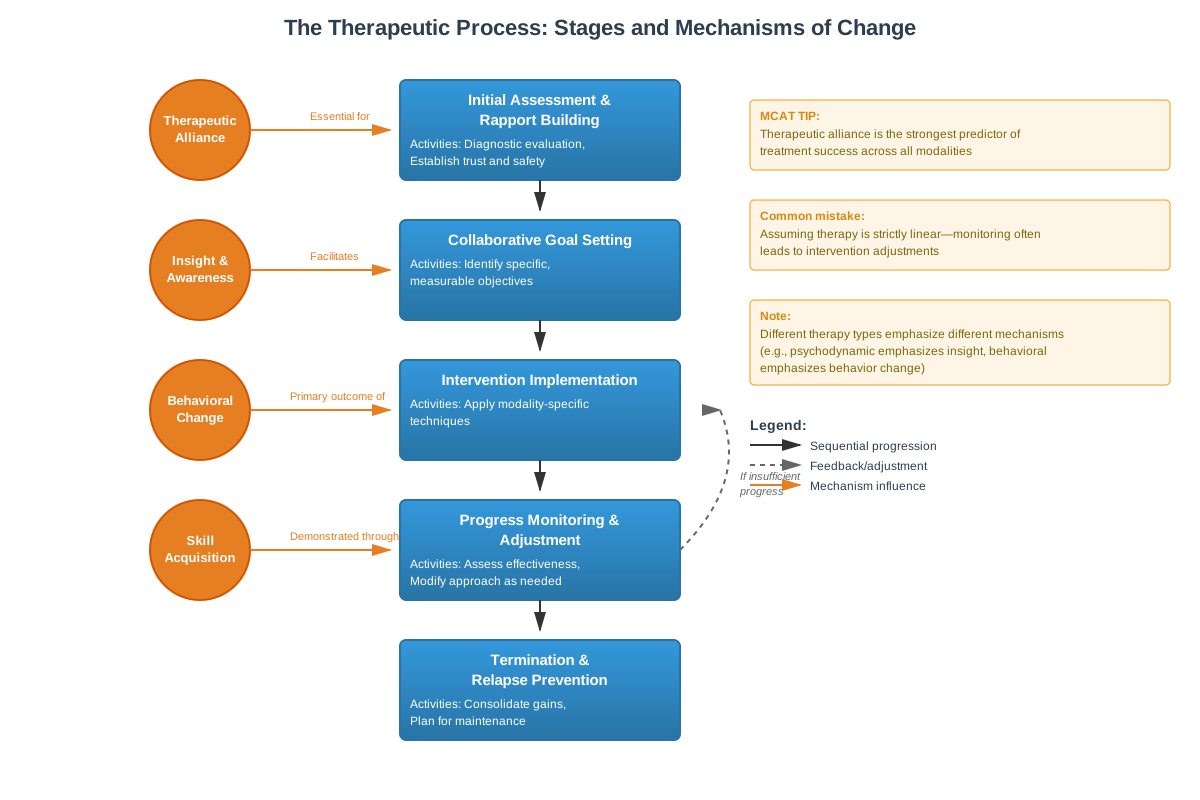
Psychotherapy is defined as the systematic application of psychological principles and techniques to treat mental health disorders, reduce psychological distress, and promote adaptive functioning through a professional therapeutic relationship. The term encompasses diverse treatment modalities unified by several core elements: (1) a trained mental health professional, (2) a client or patient seeking help, (3) a structured therapeutic relationship, (4) systematic application of psychological theory, and (5) goals of symptom reduction and improved functioning. The therapeutic alliance—the collaborative bond between therapist and client characterized by mutual trust, agreement on goals, and shared commitment to the therapeutic process—represents a common factor across all psychotherapy approaches and consistently predicts treatment outcomes regardless of specific techniques employed.
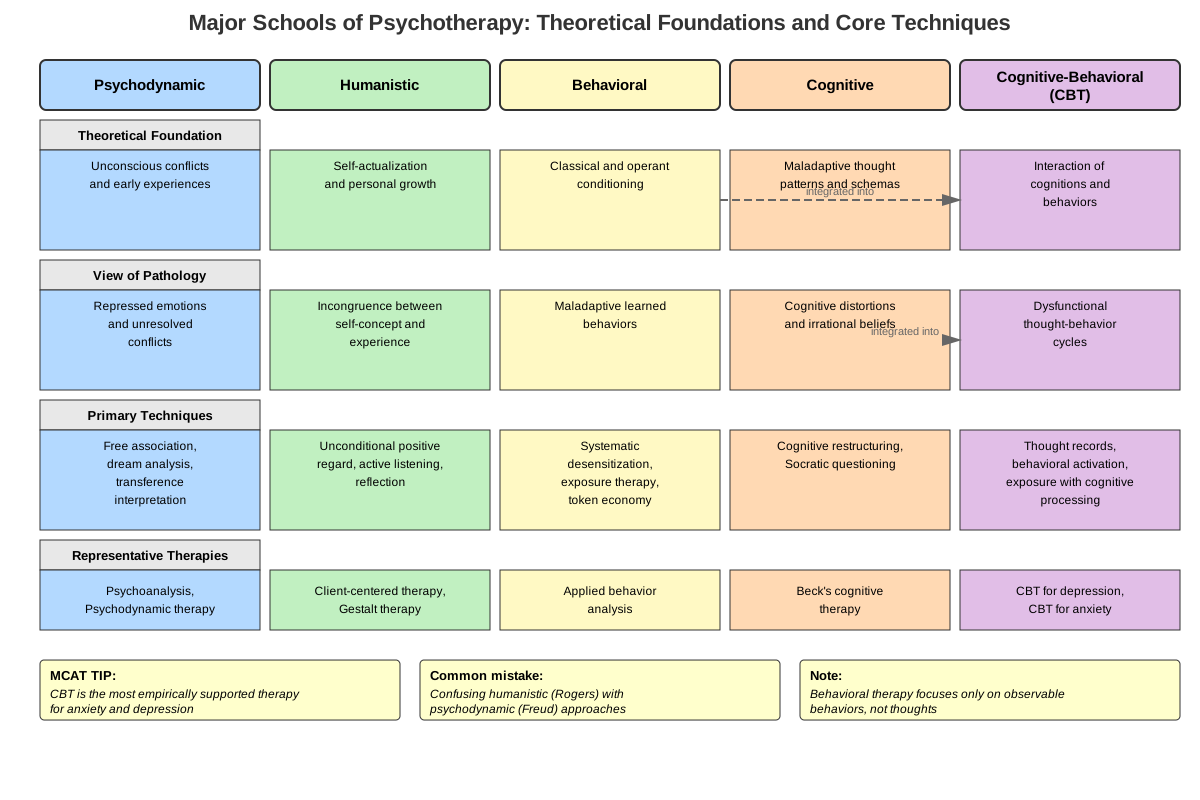
Psychodynamic Therapy
Psychodynamic therapy, rooted in Freudian psychoanalysis, operates on the fundamental assumption that unconscious conflicts, early childhood experiences, and unresolved developmental issues drive current psychological symptoms. This approach emphasizes bringing unconscious material into conscious awareness through techniques including free association (saying whatever comes to mind without censorship), dream analysis (interpreting symbolic content of dreams), interpretation (therapist explanations of unconscious meanings), and analysis of transference (client's projection of feelings about significant others onto the therapist) and countertransference (therapist's emotional reactions to the client).
Modern psychodynamic approaches, including brief psychodynamic therapy and interpersonal therapy, have evolved from classical psychoanalysis to focus more on current relationships and time-limited interventions. The therapeutic mechanism centers on insight—achieving conscious understanding of unconscious conflicts—which theoretically enables symptom resolution. Psychodynamic therapy typically requires longer treatment duration compared to other modalities and emphasizes the therapist's interpretive role in uncovering hidden meanings.
Humanistic and Person-Centered Therapy
Humanistic therapy, particularly person-centered therapy developed by Carl Rogers, fundamentally differs from psychodynamic approaches by emphasizing conscious experience, personal growth, and inherent human capacity for self-actualization. This approach assumes that psychological problems arise from incongruence between the real self (actual experiences and feelings) and the ideal self (internalized standards and expectations), often resulting from conditions of worth (conditional acceptance based on meeting others' expectations).
Person-centered therapy employs three core therapeutic conditions: (1) unconditional positive regard (complete acceptance without judgment), (2) empathy (accurate understanding of the client's subjective experience), and (3) genuineness/congruence (therapist authenticity and transparency). Unlike psychodynamic therapy, the therapist adopts a nondirective stance, trusting the client's innate tendency toward growth and self-healing. The therapeutic mechanism emphasizes providing a safe, accepting environment where clients can explore feelings, achieve self-acceptance, and resolve incongruence. Gestalt therapy, another humanistic approach, focuses on present-moment awareness and personal responsibility through techniques like the "empty chair" exercise.
Behavioral Therapy
Behavioral therapy applies learning principles—particularly classical and operant conditioning—to modify maladaptive behaviors without necessarily addressing underlying thoughts or unconscious processes. This approach assumes that problematic behaviors are learned through environmental interactions and can therefore be unlearned or replaced through systematic application of conditioning principles.
Key behavioral techniques include:
| Technique | Mechanism | Primary Application |
|---|---|---|
| Systematic Desensitization | Gradual exposure to feared stimuli paired with relaxation (counterconditioning) | Phobias, anxiety disorders |
| Flooding/Exposure Therapy | Intense, prolonged exposure to feared stimuli until anxiety extinguishes | PTSD, OCD, specific phobias |
| Aversion Therapy | Pairing undesired behavior with unpleasant stimulus | Substance use disorders |
| Token Economy | Operant conditioning using secondary reinforcers exchangeable for rewards | Institutional settings, developmental disorders |
| Contingency Management | Systematic reinforcement of desired behaviors | Substance use, behavioral problems |
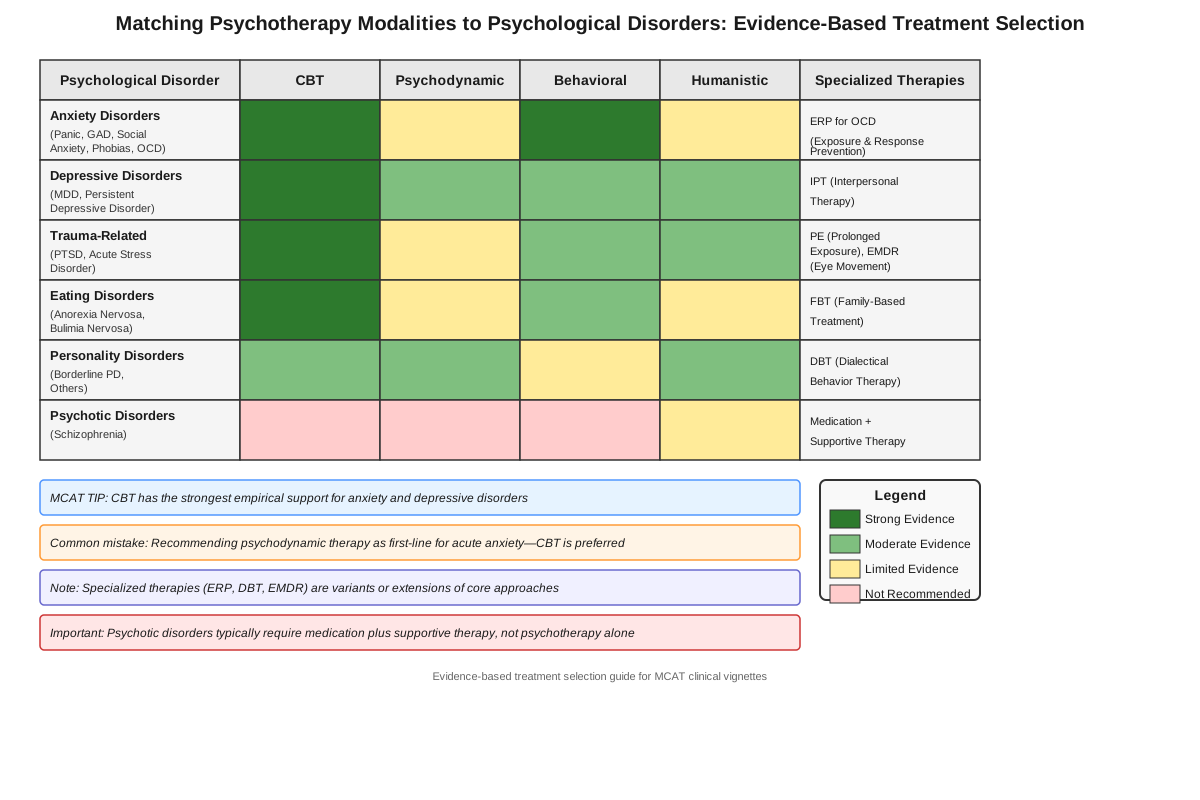
Exposure therapy with response prevention represents the gold-standard treatment for obsessive-compulsive disorder, preventing compulsive rituals while exposing clients to anxiety-provoking obsessions, thereby facilitating extinction. Behavioral approaches emphasize observable, measurable outcomes and typically involve shorter treatment duration than insight-oriented therapies.
Cognitive Therapy
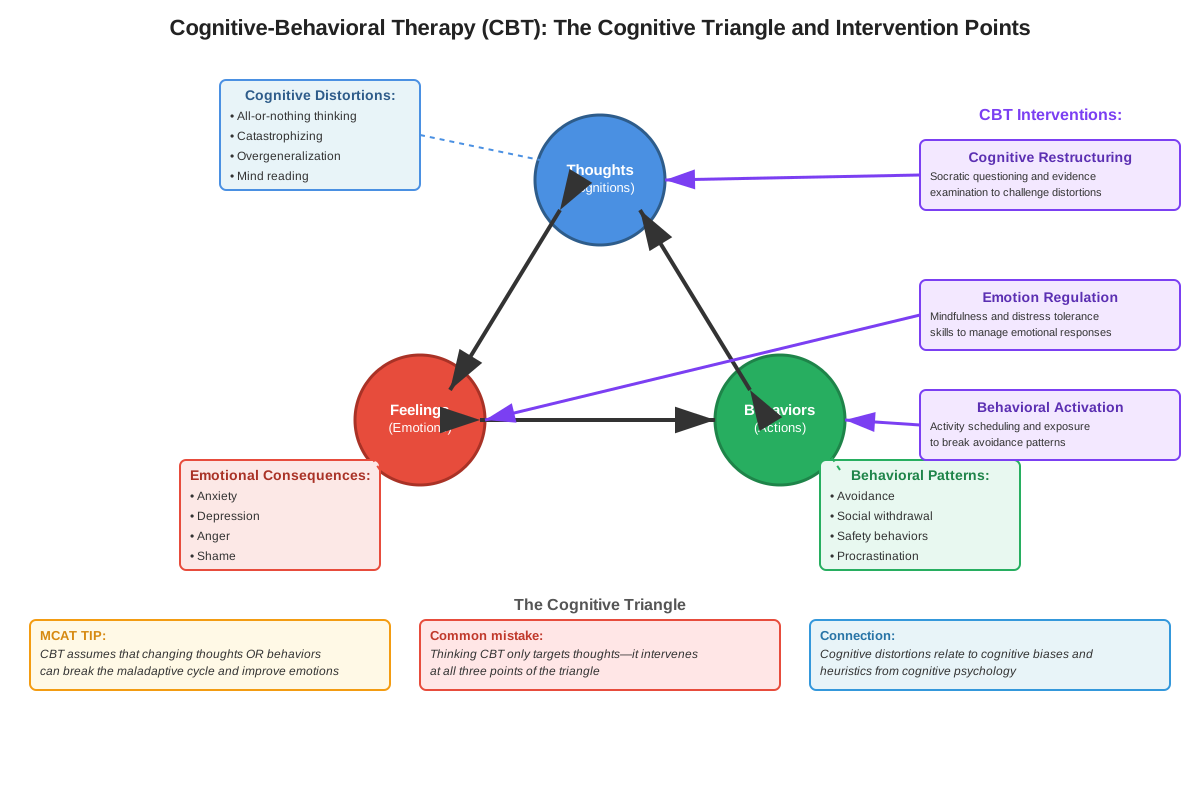
Cognitive therapy, pioneered by Aaron Beck, targets maladaptive thought patterns as the primary mechanism driving emotional and behavioral problems. This approach assumes that psychological distress results not from situations themselves but from interpretations and beliefs about those situations. Cognitive distortions—systematic errors in thinking—maintain psychological symptoms and represent primary treatment targets.
Common cognitive distortions include:
- All-or-nothing thinking: Viewing situations in extreme, dichotomous categories
- Overgeneralization: Drawing broad conclusions from single events
- Mental filter: Focusing exclusively on negative details while ignoring positive aspects
- Catastrophizing: Expecting worst-case scenarios
- Personalization: Assuming excessive responsibility for negative events
- Should statements: Rigid rules about how things "should" be
Cognitive therapy employs Socratic questioning (guided discovery through questions), cognitive restructuring (identifying and challenging distorted thoughts), behavioral experiments (testing validity of beliefs), and thought records (systematic documentation of situations, thoughts, emotions, and evidence). The therapeutic mechanism emphasizes collaborative empiricism—therapist and client working together as scientists to test the accuracy of thoughts and develop more adaptive thinking patterns.
Cognitive-Behavioral Therapy (CBT)
Cognitive-behavioral therapy (CBT) integrates cognitive and behavioral approaches, addressing both maladaptive thought patterns and problematic behaviors through structured, goal-oriented interventions. CBT represents the most extensively researched psychotherapy modality with strong empirical support for treating depression, anxiety disorders, eating disorders, and numerous other conditions. This approach assumes reciprocal relationships among thoughts, emotions, and behaviors, with interventions targeting multiple components simultaneously.
CBT typically follows a structured format including: (1) psychoeducation about the cognitive-behavioral model, (2) identification of specific target symptoms and goals, (3) monitoring thoughts and behaviors, (4) cognitive restructuring and behavioral experiments, (5) skills training and homework assignments, and (6) relapse prevention. Treatment duration typically ranges from 12-20 sessions, making CBT more time-limited than psychodynamic approaches. Dialectical behavior therapy (DBT), developed for borderline personality disorder, represents a specialized CBT variant incorporating mindfulness, distress tolerance, emotion regulation, and interpersonal effectiveness skills.
Group Therapy and Family Therapy
Group therapy involves simultaneous treatment of multiple clients (typically 6-12 individuals) who share common concerns or diagnoses. This modality offers unique therapeutic factors including universality (recognition that others share similar problems), altruism (helping others), interpersonal learning (receiving feedback about social behaviors), group cohesion (sense of belonging), and vicarious learning (observing others' progress). Group therapy proves particularly effective for social anxiety, substance use disorders, and conditions where interpersonal functioning represents a primary concern.
Family therapy conceptualizes psychological problems within the context of family systems rather than individual pathology. This approach examines communication patterns, boundaries, roles, and homeostatic mechanisms maintaining dysfunction. Structural family therapy focuses on reorganizing family hierarchies and boundaries, while strategic family therapy employs paradoxical interventions and reframing. Family therapy proves especially valuable for childhood disorders, eating disorders, and situations where family dynamics contribute significantly to symptom maintenance.
Biomedical Therapies
While not strictly psychotherapy, biomedical therapies represent important treatment modalities often combined with psychological interventions. Psychopharmacology employs medications targeting neurotransmitter systems: SSRIs and SNRIs for depression and anxiety, antipsychotics for schizophrenia, mood stabilizers for bipolar disorder, and stimulants for ADHD. Electroconvulsive therapy (ECT) induces controlled seizures to treat severe, treatment-resistant depression, while transcranial magnetic stimulation (TMS) uses magnetic fields to stimulate specific brain regions. Understanding biomedical approaches enables recognition of integrated treatment models combining medication and psychotherapy, which often produces superior outcomes compared to either intervention alone.
Evidence-Based Practice and Treatment Selection
Evidence-based practice integrates best available research evidence, clinical expertise, and patient values/preferences to guide treatment decisions. Certain psychotherapy approaches demonstrate superior efficacy for specific disorders: CBT for depression and anxiety disorders, exposure therapy for PTSD and OCD, DBT for borderline personality disorder, and family-based treatment for adolescent eating disorders. However, the common factors model suggests that therapeutic alliance, therapist empathy, and client expectations account for substantial variance in outcomes across different modalities, sometimes exceeding the contribution of specific techniques.
Quick check — test yourself on Psychotherapy so far.
Try Flashcards →Concept Relationships
The various psychotherapy approaches exist along multiple conceptual dimensions that illuminate their relationships and distinctions. Psychodynamic therapy → emphasizes unconscious processes → contrasts with cognitive therapy → which focuses on conscious thoughts → both differ from behavioral therapy → which targets observable behaviors without necessarily addressing internal experiences. Humanistic therapy shares with cognitive approaches an emphasis on conscious experience but diverges by prioritizing self-actualization and nondirective facilitation rather than structured cognitive restructuring.
CBT represents a synthesis → integrating behavioral techniques (exposure, reinforcement) with cognitive interventions (restructuring, challenging distortions) → producing a comprehensive approach addressing multiple symptom dimensions. The therapeutic alliance functions as a common factor → cutting across all modalities → predicting outcomes regardless of specific techniques → connecting to social psychology concepts including trust, rapport, and interpersonal influence.
Treatment selection connects to psychological disorders → with specific modalities demonstrating superior efficacy for particular conditions → requiring integration of diagnostic knowledge with therapeutic understanding. Group therapy and family therapy extend individual approaches → incorporating social psychology principles including group dynamics, social support, and systemic interactions → demonstrating how interpersonal context influences psychological functioning.
Biomedical therapies interact with psychotherapy → through integrated treatment models → requiring understanding of neuroscience and psychopharmacology → illustrating the biopsychosocial model where biological, psychological, and social factors converge. Evidence-based practice synthesizes these relationships → requiring critical evaluation of research → connecting to research methods and statistics → demonstrating how empirical evidence guides clinical decision-making.
High-Yield Facts
⭐ Psychotherapy is the systematic application of psychological principles to treat mental disorders through a professional therapeutic relationship, distinct from biomedical interventions.
⭐ Psychodynamic therapy emphasizes unconscious conflicts and uses techniques including free association, dream analysis, and transference interpretation to achieve insight.
⭐ Person-centered therapy employs unconditional positive regard, empathy, and genuineness as core therapeutic conditions, adopting a nondirective approach trusting client self-actualization.
⭐ Systematic desensitization pairs gradual exposure to feared stimuli with relaxation training, applying counterconditioning principles to treat phobias and anxiety.
⭐ Cognitive therapy targets cognitive distortions (all-or-nothing thinking, catastrophizing, overgeneralization) through cognitive restructuring and Socratic questioning.
- CBT integrates cognitive and behavioral techniques, representing the most extensively researched psychotherapy with strong empirical support for depression and anxiety disorders.
- Exposure therapy with response prevention constitutes the gold-standard treatment for OCD, preventing compulsive rituals while exposing clients to anxiety-provoking obsessions.
- Therapeutic alliance—the collaborative bond between therapist and client—predicts treatment outcomes across all psychotherapy modalities regardless of specific techniques.
- Group therapy offers unique therapeutic factors including universality, altruism, interpersonal learning, and vicarious learning unavailable in individual treatment.
- DBT (dialectical behavior therapy) was specifically developed for borderline personality disorder, incorporating mindfulness, distress tolerance, emotion regulation, and interpersonal effectiveness.
- Family therapy conceptualizes problems within family systems rather than individual pathology, examining communication patterns, boundaries, and homeostatic mechanisms.
- Evidence-based practice integrates research evidence, clinical expertise, and patient preferences, with certain therapies demonstrating superior efficacy for specific disorders.
Common Misconceptions
Misconception: All psychotherapy involves lying on a couch and talking about childhood experiences.
Correction: Only classical psychoanalysis (a specific type of psychodynamic therapy) traditionally used the couch. Most modern psychotherapy involves face-to-face conversation, and many approaches (behavioral, cognitive, CBT) focus primarily on current problems rather than childhood experiences.
Misconception: Psychotherapy and counseling are completely different from medication, so they cannot be combined.
Correction: Integrated treatment combining psychotherapy with psychopharmacology often produces superior outcomes compared to either intervention alone, particularly for moderate-to-severe depression, bipolar disorder, and schizophrenia. The biopsychosocial model explicitly supports multimodal treatment.
Misconception: Behavioral therapy only addresses surface symptoms without treating underlying causes, so problems will return.
Correction: Behavioral therapy operates on the principle that maladaptive behaviors are the problem (not symptoms of deeper issues), having been learned through conditioning. Changing these behaviors through extinction, counterconditioning, or reinforcement constitutes genuine treatment, not superficial symptom management. Research demonstrates lasting effects for many conditions.
Misconception: The therapist's role in person-centered therapy is passive since the approach is nondirective.
Correction: While person-centered therapists avoid directing clients toward specific solutions, they actively provide empathy, unconditional positive regard, and genuineness—demanding skills requiring intense attention, emotional attunement, and authentic engagement. "Nondirective" refers to not imposing solutions, not to passive listening.
Misconception: Cognitive therapy claims that thinking positively will cure mental illness.
Correction: Cognitive therapy does not promote "positive thinking" but rather realistic thinking. The goal is identifying and correcting cognitive distortions (systematic errors in thinking) with evidence-based, balanced thoughts—not replacing negative thoughts with unrealistically positive ones. This distinction is critical for MCAT questions.
Misconception: Psychodynamic therapy always requires years of treatment and focuses exclusively on sexual conflicts.
Correction: While classical psychoanalysis was lengthy and emphasized psychosexual development, modern psychodynamic approaches include brief psychodynamic therapy (12-20 sessions) and interpersonal therapy focusing on current relationships. Contemporary psychodynamic therapy addresses diverse conflicts beyond sexuality, including attachment, identity, and interpersonal patterns.
Worked Examples
Example 1: Identifying Therapeutic Approach from Clinical Vignette
Question: A therapist working with a client experiencing social anxiety asks the client to keep a daily log recording social situations, thoughts occurring in those situations, associated emotions, and evidence supporting or contradicting those thoughts. The therapist then collaboratively examines these logs with the client, asking questions like "What evidence supports this thought?" and "Are there alternative explanations?" Which therapeutic approach is the therapist most likely using?
Step 1 - Identify Key Techniques: The question describes thought records (documenting situations, thoughts, emotions, and evidence) and Socratic questioning (guided discovery through questions examining evidence).
Step 2 - Match Techniques to Theoretical Approach: Thought records and Socratic questioning are signature techniques of cognitive therapy and CBT, which target maladaptive thought patterns through cognitive restructuring.
Step 3 - Eliminate Alternatives:
- Psychodynamic therapy would emphasize unconscious conflicts and use free association or dream analysis
- Behavioral therapy would focus on exposure or reinforcement without necessarily addressing thoughts
- Person-centered therapy would be nondirective, not actively questioning thoughts
- The collaborative, structured examination of thoughts points specifically to cognitive/CBT approaches
Step 4 - Consider Context: Social anxiety involves cognitive distortions about social evaluation, making cognitive approaches particularly appropriate. The structured, evidence-based examination of thoughts aligns with CBT's empirical approach.
Answer: Cognitive therapy or cognitive-behavioral therapy (CBT). The systematic examination of thought patterns, use of thought records, and Socratic questioning to evaluate evidence represent core cognitive therapy techniques targeting the cognitive distortions maintaining social anxiety.
Connection to Learning Objectives: This example demonstrates application of psychotherapy concepts to exam-style questions by requiring identification of therapeutic approaches from clinical descriptions—a common MCAT question format.
Example 2: Selecting Appropriate Treatment Based on Disorder and Mechanism
Question: A patient with obsessive-compulsive disorder experiences intrusive thoughts about contamination and spends 4-5 hours daily washing hands and cleaning. Research indicates that which therapeutic approach would be most effective, and what is the primary mechanism of change?
Step 1 - Identify Disorder Characteristics: OCD involves obsessions (intrusive thoughts) and compulsions (repetitive behaviors performed to reduce anxiety). The compulsions are maintained through negative reinforcement—performing the ritual reduces anxiety temporarily, strengthening the behavior.
Step 2 - Consider Evidence-Based Treatments: Exposure therapy with response prevention represents the gold-standard psychological treatment for OCD with the strongest empirical support.
Step 3 - Analyze Mechanism: Exposure therapy with response prevention works through:
- Exposure to anxiety-provoking obsessions (contamination thoughts) without performing compulsions
- Response prevention blocks the compulsive rituals (hand washing)
- Extinction occurs as the patient learns that anxiety decreases naturally without performing rituals
- The negative reinforcement cycle maintaining compulsions is broken
Step 4 - Eliminate Less Effective Approaches:
- Psychodynamic therapy lacks strong empirical support for OCD
- Cognitive therapy alone (without behavioral exposure) shows weaker effects than exposure-based approaches
- Person-centered therapy would not provide the structured exposure necessary
- Medication (SSRIs) can help but behavioral therapy shows comparable or superior long-term outcomes
Answer: Exposure therapy with response prevention (a behavioral/CBT technique) would be most effective. The primary mechanism involves extinction of the anxiety response through prolonged exposure to obsessions while preventing compulsive rituals, breaking the negative reinforcement cycle maintaining the disorder.
Connection to Learning Objectives: This example demonstrates connecting psychotherapy to related psychology concepts (learning theory, reinforcement), applying knowledge to treatment selection, and understanding mechanisms of therapeutic change—all critical for MCAT success.
Exam Strategy
Approaching MCAT Psychotherapy Questions
When encountering psychotherapy questions, first determine the question type: (1) identification (which therapy is being described?), (2) application (which therapy would be most appropriate?), or (3) mechanism (how does this therapy work?). For identification questions, focus on signature techniques and theoretical assumptions rather than superficial features. Create a mental checklist: Does the description mention unconscious processes (psychodynamic)? Unconditional positive regard (person-centered)? Thought patterns and cognitive distortions (cognitive/CBT)? Conditioning principles and observable behaviors (behavioral)?
Trigger Words and Phrases
Develop sensitivity to trigger words signaling specific approaches:
- Psychodynamic: unconscious, insight, free association, transference, childhood experiences, defense mechanisms, interpretation
- Person-centered: unconditional positive regard, empathy, genuineness, self-actualization, nondirective, congruence
- Behavioral: conditioning, reinforcement, extinction, exposure, systematic desensitization, observable behavior
- Cognitive/CBT: cognitive distortions, thought records, Socratic questioning, cognitive restructuring, maladaptive thoughts
- Group therapy: universality, group cohesion, interpersonal learning, vicarious learning
Process-of-Elimination Strategies
When uncertain, eliminate options systematically:
- Eliminate based on directive vs. nondirective: If the therapist is actively directing, challenging, or interpreting, eliminate person-centered therapy
- Eliminate based on conscious vs. unconscious focus: If the question emphasizes conscious thoughts or current problems, eliminate psychodynamic approaches
- Eliminate based on internal vs. external focus: If only observable behaviors are mentioned without reference to thoughts or feelings, eliminate cognitive approaches
- Eliminate based on empirical support: For questions about "most effective" treatment, favor CBT and exposure-based approaches for anxiety/depression, as these have strongest research support
Time Allocation
Psychotherapy questions typically require 60-90 seconds. Spend 20-30 seconds carefully reading the vignette, identifying key techniques or theoretical assumptions. Spend 20-30 seconds matching these features to therapeutic approaches. Use remaining time to eliminate incorrect options and verify your answer against the question stem. Avoid overthinking—MCAT questions test straightforward application of core concepts rather than nuanced clinical judgment.
Exam Tip: When a question asks about "most effective" treatment, default to evidence-based approaches (CBT for depression/anxiety, exposure for phobias/OCD, DBT for borderline personality disorder) unless the question specifically asks about theoretical mechanisms rather than empirical outcomes.
Memory Techniques
Mnemonic for Person-Centered Core Conditions
GEU - Genuineness, Empathy, Unconditional positive regard (the three core conditions Carl Rogers identified as necessary and sufficient for therapeutic change)
Mnemonic for Common Cognitive Distortions
CAMO POPS:
- Catastrophizing
- All-or-nothing thinking
- Mental filter
- Overgeneralization
- Personalization
- Overgeneralization (alternate: Overgeneralization)
- Personalization (alternate: should statements)
- Should statements
Visualization for Therapeutic Approaches
Visualize a spectrum from past to present, unconscious to conscious:
- Far left: Psychodynamic (past-focused, unconscious)
- Center-left: Humanistic (present-focused, conscious experience, internal)
- Center-right: Cognitive (present-focused, conscious thoughts)
- Far right: Behavioral (present-focused, observable actions)
Acronym for Behavioral Techniques
SAFE behaviors:
- Systematic desensitization
- Aversion therapy
- Flooding/exposure
- Extinction procedures
Memory Palace for Group Therapy Factors
Imagine walking through a support group meeting room:
- Entrance (arriving): Universality—"I'm not alone"
- Circle of chairs: Group cohesion—sense of belonging
- Listening to others: Vicarious learning—observing others' progress
- Sharing your story: Altruism—helping others
- Receiving feedback: Interpersonal learning—understanding social impact
Summary
Psychotherapy encompasses diverse systematic approaches to treating psychological disorders through professional therapeutic relationships, representing a critical MCAT topic requiring both factual knowledge and analytical application skills. The major therapeutic modalities—psychodynamic, humanistic/person-centered, behavioral, cognitive, and cognitive-behavioral—differ fundamentally in their theoretical assumptions, target mechanisms, and specific techniques, yet share the common factor of therapeutic alliance predicting outcomes across approaches. Psychodynamic therapy emphasizes unconscious conflicts and insight through techniques like free association and transference analysis, while person-centered therapy provides unconditional positive regard, empathy, and genuineness to facilitate self-actualization. Behavioral approaches apply conditioning principles through systematic desensitization, exposure therapy, and reinforcement procedures, whereas cognitive therapy targets maladaptive thought patterns through cognitive restructuring and Socratic questioning. CBT integrates cognitive and behavioral techniques, demonstrating strong empirical support for depression and anxiety disorders. Understanding the distinctive features, mechanisms, and evidence base for each approach enables successful navigation of MCAT questions requiring identification of therapeutic techniques, selection of appropriate interventions, and analysis of treatment mechanisms within the broader context of psychological disorders and treatment.
Key Takeaways
- Psychotherapy is the systematic application of psychological principles to treat mental disorders through professional therapeutic relationships, distinct from biomedical interventions
- Psychodynamic therapy targets unconscious conflicts through insight-oriented techniques (free association, dream analysis, transference), while person-centered therapy provides core conditions (unconditional positive regard, empathy, genuineness) facilitating self-actualization
- Behavioral therapy applies conditioning principles (systematic desensitization, exposure, reinforcement) to modify observable behaviors, with exposure therapy with response prevention representing the gold standard for OCD
- Cognitive therapy and CBT target maladaptive thought patterns (cognitive distortions) through cognitive restructuring, Socratic questioning, and behavioral experiments, demonstrating strong empirical support for depression and anxiety
- Therapeutic alliance predicts outcomes across all modalities regardless of specific techniques, representing a critical common factor in psychotherapy effectiveness
- Evidence-based practice guides treatment selection, with specific therapies showing superior efficacy for particular disorders (CBT for depression/anxiety, DBT for borderline personality disorder, family-based treatment for eating disorders)
- MCAT questions require distinguishing therapeutic approaches based on signature techniques, theoretical assumptions, and mechanisms of change rather than superficial features
Related Topics
- Psychological Disorders: Understanding specific diagnostic criteria (DSM-5) for depression, anxiety disorders, OCD, PTSD, personality disorders, and schizophrenia enables appropriate matching of treatments to conditions and analysis of treatment outcome research
- Learning Theory: Classical and operant conditioning principles directly underpin behavioral therapies, with concepts like extinction, counterconditioning, reinforcement schedules, and stimulus generalization explaining therapeutic mechanisms
- Social Psychology: Therapeutic alliance, group dynamics, social support, and interpersonal influence mechanisms connect to psychotherapy through group therapy, family therapy, and the common factors model
- Biological Bases of Behavior: Neurotransmitter systems, brain structures, and psychopharmacology enable understanding of integrated treatment models combining medication and psychotherapy
- Research Methods and Statistics: Evaluating psychotherapy efficacy requires understanding experimental design, control groups, effect sizes, and meta-analyses—critical for evidence-based practice questions
Practice CTA
Now that you have mastered the core concepts of psychotherapy, challenge yourself with practice questions and flashcards to solidify your understanding and develop rapid recognition of therapeutic approaches in clinical vignettes. Focus particularly on distinguishing signature techniques across modalities and matching evidence-based treatments to specific disorders—these represent the highest-yield applications for MCAT success. Remember that psychotherapy questions reward systematic analysis of theoretical assumptions and mechanisms rather than superficial memorization. Your investment in deeply understanding these therapeutic approaches will pay dividends not only on test day but throughout your medical career as you collaborate with mental health professionals and recognize psychological factors influencing patient care. You've got this!
Sign up free to keep reading
Create a free AnvayaPrep account to finish this MCAT guide on Psychotherapy — plus flashcards and practice questions.