Overview
Amino acid three letter codes represent a standardized abbreviation system used throughout Biochemistry to denote the 20 standard amino acids that form the building blocks of proteins. This nomenclature system assigns a unique three-letter abbreviation to each amino acid, typically derived from the first three letters of the amino acid's name (e.g., Ala for alanine, Gly for glycine). Mastery of these codes is fundamental for interpreting protein sequences, understanding experimental data, and analyzing biochemical pathways presented in MCAT passages.
For the MCAT, fluency with amino acid three letter codes is not merely about memorization—it represents a gateway to efficiently processing complex biochemical information under time pressure. The exam frequently presents protein sequences, experimental results from site-directed mutagenesis studies, and structural diagrams that utilize these abbreviations. Students who can rapidly decode these codes gain precious seconds on each question and can focus cognitive resources on higher-order analysis rather than struggling to identify which amino acid is being discussed. This topic appears across multiple sections of the MCAT, particularly in Biochemistry passages involving protein structure, enzyme mechanisms, and molecular biology techniques.
Within the broader context of Amino Acids and Proteins, the three letter code system serves as the linguistic foundation for discussing protein primary structure, post-translational modifications, and amino acid substitutions in genetic mutations. This nomenclature connects directly to understanding peptide bond formation, protein folding, enzyme active sites, and the relationship between DNA codons and their corresponding amino acids. The ability to quickly recognize these codes enables students to navigate complex passages about protein engineering, disease-causing mutations, and biochemical assays with confidence and accuracy.
Learning Objectives
- [ ] Define amino acid three letter codes using accurate Biochemistry terminology
- [ ] Explain why amino acid three letter codes matter for the MCAT
- [ ] Apply amino acid three letter codes to exam-style questions
- [ ] Identify common mistakes related to amino acid three letter codes
- [ ] Connect amino acid three letter codes to related Biochemistry concepts
- [ ] Rapidly convert between amino acid full names, three letter codes, and one letter codes
- [ ] Recognize amino acid abbreviations within protein sequences and experimental data presentations
- [ ] Correlate three letter codes with amino acid chemical properties and classifications
Prerequisites
- Basic amino acid structure: Understanding the general structure of amino acids (amino group, carboxyl group, alpha carbon, R group) is essential because the three letter codes represent these complete molecular entities
- Amino acid classification: Familiarity with grouping amino acids by properties (polar, nonpolar, charged, aromatic) helps organize memorization and predict functional roles when codes appear in passages
- Protein primary structure: Knowledge that proteins are linear polymers of amino acids connected by peptide bonds provides context for why abbreviation systems are necessary for representing sequences
- Reading comprehension of scientific notation: Ability to interpret abbreviated scientific terminology ensures students can process the condensed information format typical of MCAT passages
Why This Topic Matters
Clinical and Real-World Significance
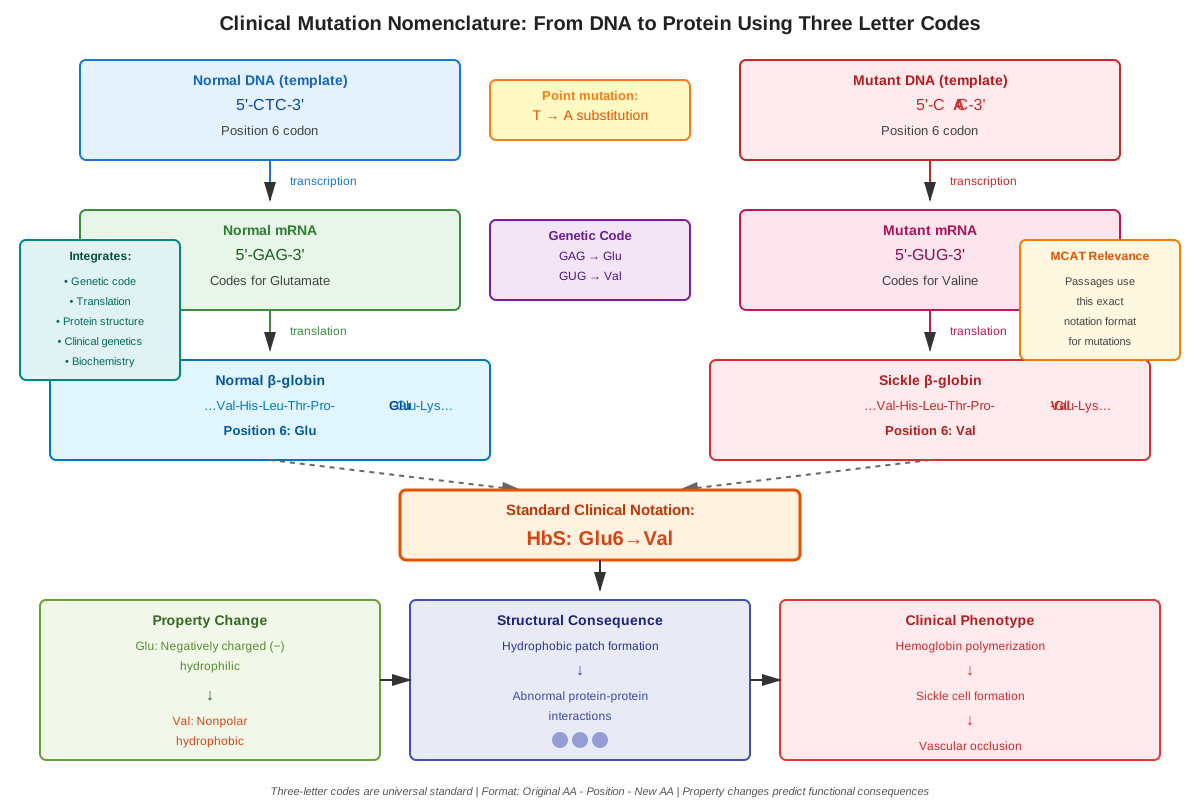
Amino acid three letter codes form the universal language of protein science across research, clinical diagnostics, and pharmaceutical development. Genetic counselors use these codes when explaining mutations to patients (e.g., "The mutation changes Glu to Val at position 6" in sickle cell disease). Pharmaceutical researchers employ this nomenclature when designing drugs that target specific amino acid residues in enzyme active sites. Clinical laboratory reports describing hemoglobin variants, clotting factor deficiencies, and metabolic disorders routinely use three letter codes to specify which amino acid substitutions cause disease.
MCAT Exam Statistics and Question Types
Amino acid three letter codes appear in approximately 60-70% of Biochemistry passages on the MCAT, making this one of the highest-yield memorization tasks for the exam. Questions may directly test code recognition or, more commonly, embed codes within experimental descriptions where students must quickly identify amino acid properties to answer questions about protein function, stability, or experimental outcomes. The codes appear in:
- Discrete questions asking about amino acid properties or classifications
- Passage-based questions presenting mutagenesis experiments (e.g., "Researchers replaced Ser-195 with Ala-195...")
- Data interpretation questions showing protein sequences with specific residues highlighted
- Mechanism questions describing catalytic triads or binding sites using abbreviated notation
Common Passage Contexts
MCAT passages frequently present amino acid codes in several recurring formats: site-directed mutagenesis studies comparing wild-type and mutant proteins, sequence alignments showing evolutionary conservation, structural biology descriptions identifying key residues in active sites, and biochemical assays measuring the effects of specific amino acid substitutions on enzyme kinetics or protein stability. Recognizing these codes instantly allows students to focus on the experimental design and data interpretation rather than decoding basic nomenclature.
Core Concepts
The Standard Three Letter Code System
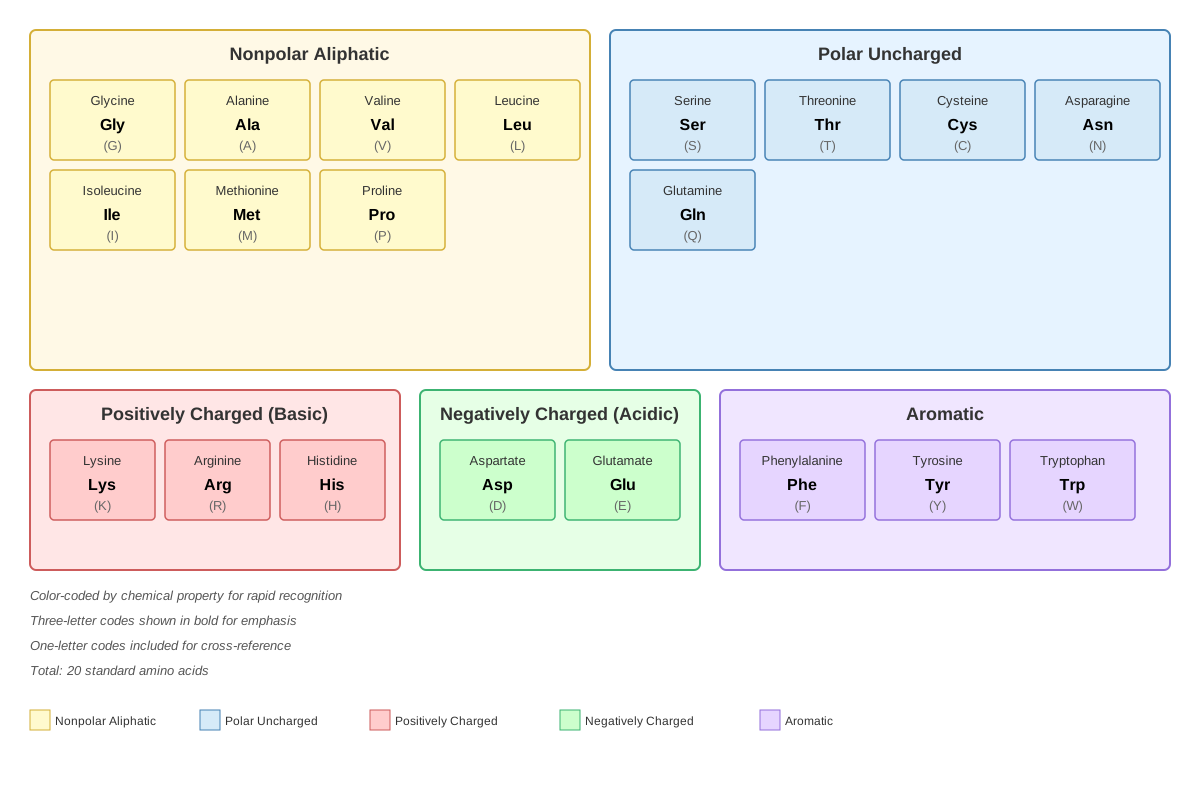
The amino acid three letter codes Biochemistry system assigns each of the 20 standard amino acids a unique three-letter abbreviation. This nomenclature was established by the International Union of Pure and Applied Chemistry (IUPAC) and the International Union of Biochemistry and Molecular Biology (IUBMB) to create a standardized, unambiguous method for representing amino acids in scientific communication. The codes are designed to be intuitive, with most derived from the first three letters of the amino acid's common name, though several exceptions exist for historical or disambiguation reasons.
Complete List of Standard Amino Acid Three Letter Codes
| Amino Acid | Three Letter Code | One Letter Code | Chemical Classification |
|---|---|---|---|
| Alanine | Ala | A | Nonpolar, aliphatic |
| Arginine | Arg | R | Positively charged |
| Asparagine | Asn | N | Polar, uncharged |
| Aspartic acid | Asp | D | Negatively charged |
| Cysteine | Cys | C | Polar, uncharged (contains thiol) |
| Glutamine | Gln | Q | Polar, uncharged |
| Glutamic acid | Glu | E | Negatively charged |
| Glycine | Gly | G | Nonpolar, aliphatic (smallest) |
| Histidine | His | H | Positively charged (at physiological pH) |
| Isoleucine | Ile | I | Nonpolar, aliphatic (branched) |
| Leucine | Leu | L | Nonpolar, aliphatic (branched) |
| Lysine | Lys | K | Positively charged |
| Methionine | Met | M | Nonpolar, sulfur-containing |
| Phenylalanine | Phe | F | Nonpolar, aromatic |
| Proline | Pro | P | Nonpolar, cyclic (imino acid) |
| Serine | Ser | S | Polar, uncharged (hydroxyl group) |
| Threonine | Thr | T | Polar, uncharged (hydroxyl group) |
| Tryptophan | Trp | W | Nonpolar, aromatic (largest) |
| Tyrosine | Tyr | Y | Polar, aromatic (hydroxyl group) |
| Valine | Val | V | Nonpolar, aliphatic (branched) |
Pattern Recognition in Three Letter Codes
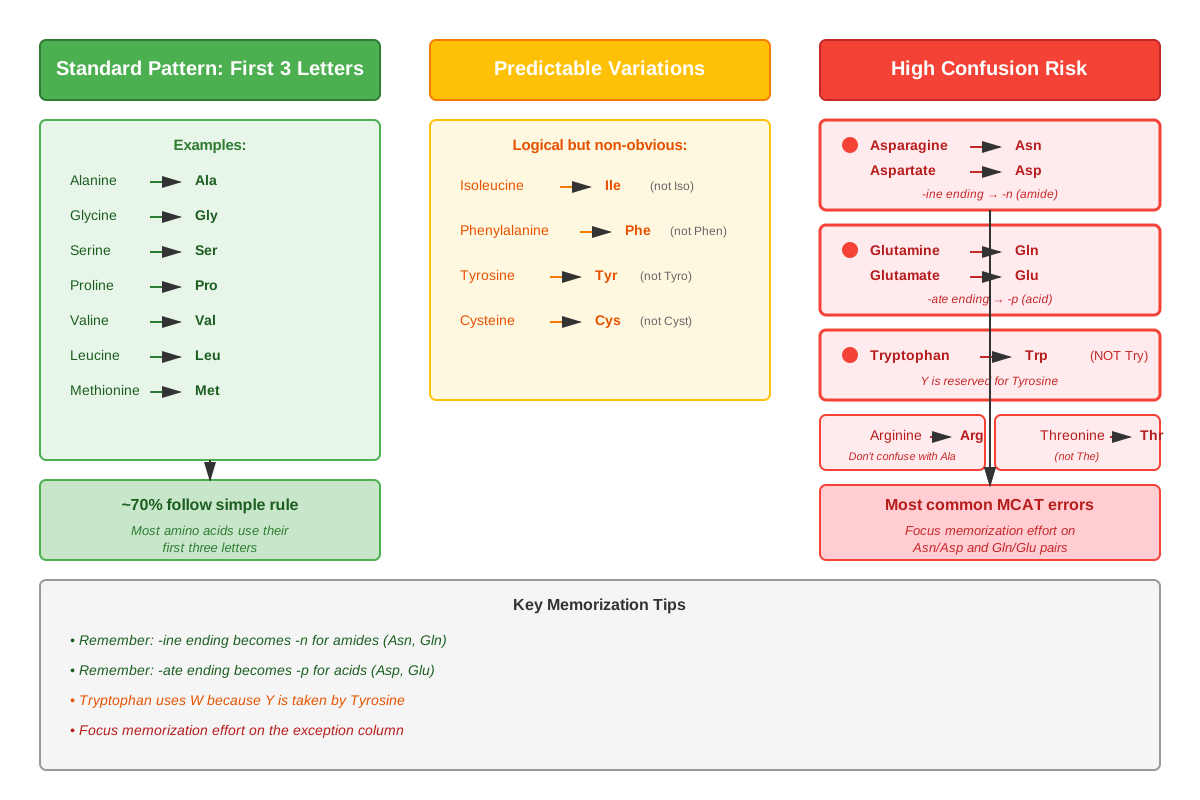
Most three letter codes follow predictable patterns that facilitate memorization. The majority use the first three letters of the amino acid name: Alanine, Glycine, Serine, Threonine, Cysteine, Valine, Leucine, Methionine, and Proline all follow this straightforward pattern. For amino acids with similar names, the codes differentiate by using additional letters: Asn (asparagine) versus Asp (aspartic acid), and Gln (glutamine) versus Glu (glutamic acid). The aromatic amino acids use distinctive codes: Phe (phenylalanine), Tyr (tyrosine), and Trp (tryptophan), with tryptophan's code being particularly unique as it doesn't follow the first-three-letters pattern.
Relationship to One Letter Codes
While three letter codes provide clarity and are less ambiguous, amino acid three letter codes MCAT passages sometimes also include one letter codes, particularly when displaying long protein sequences. Understanding the relationship between these systems is crucial. The one letter code system uses the first letter of the amino acid name when possible (A for Ala, G for Gly, V for Val), but employs alternative letters when conflicts arise (K for Lys instead of L, which is used for Leu; W for Trp; Y for Tyr). Students should be able to convert between both systems rapidly, as MCAT passages may use either format or mix both within the same experimental description.
Functional Context in Protein Sequences
When three letter codes appear in MCAT passages, they typically indicate specific amino acid positions within a protein sequence, often numbered from the N-terminus. For example, "Ser-195" refers to a serine residue at position 195 in the protein sequence. This notation is critical for understanding site-directed mutagenesis experiments, where researchers systematically replace specific amino acids to probe their functional importance. A passage might state: "The catalytic triad consists of Ser-195, His-57, and Asp-102," requiring students to recognize these as serine, histidine, and aspartic acid residues and recall their chemical properties to understand the catalytic mechanism.
Special Cases and Modified Amino Acids
While the MCAT primarily focuses on the 20 standard amino acids, passages occasionally reference modified or non-standard amino acids using extended notation. Hydroxyproline (Hyp), hydroxylysine (Hyl), and selenocysteine (Sec) represent post-translational modifications or rare amino acids that may appear in specialized contexts. Additionally, the codes Asx (Asp or Asn, when the specific identity is uncertain) and Glx (Glu or Gln, when uncertain) appear in experimental contexts where analytical methods cannot distinguish between the amide and acid forms. Understanding that these represent ambiguous cases helps students interpret experimental limitations described in passages.
Application in Experimental Descriptions
MCAT passages frequently describe experiments using three letter codes in specific formats. Common patterns include:
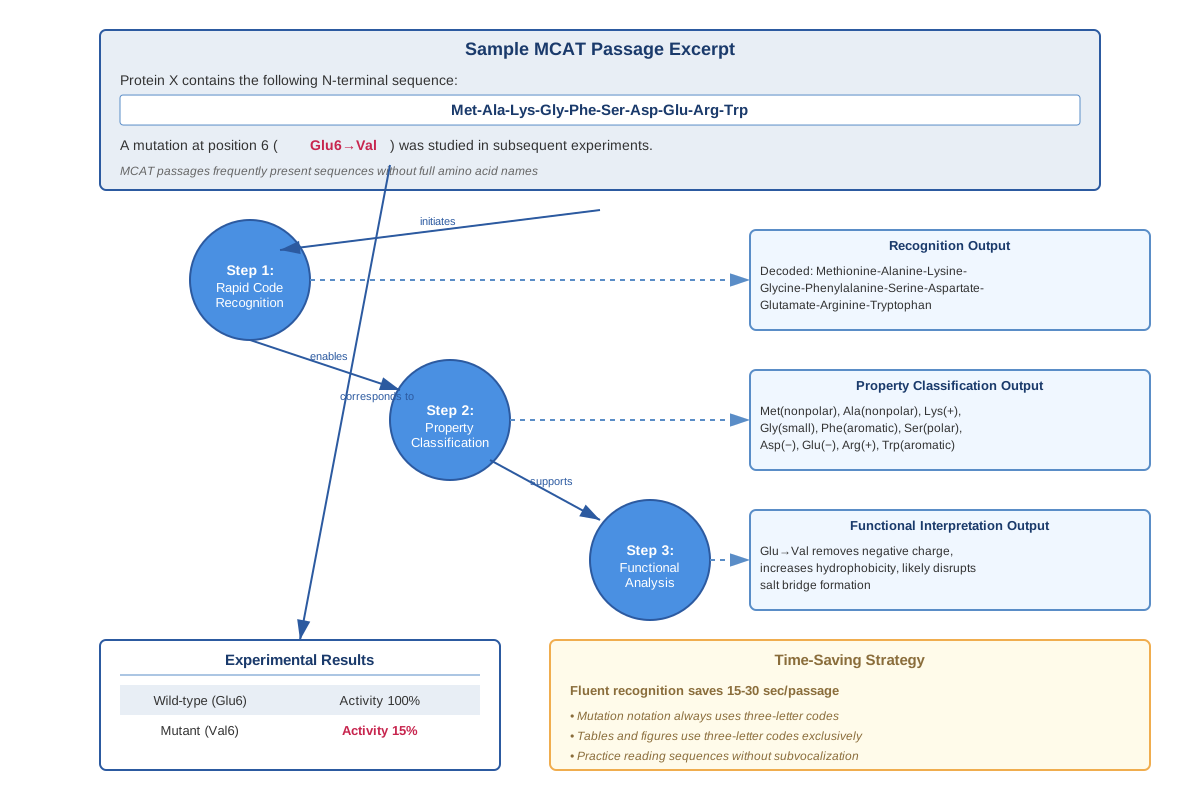
- Mutation notation: "The Glu6Val mutation" or "E6V" indicates glutamic acid at position 6 replaced by valine
- Active site descriptions: "The catalytic mechanism requires Ser-195, His-57, and Asp-102"
- Binding site characterization: "The substrate binds through interactions with Arg-145 and Glu-203"
- Sequence comparisons: "Human and mouse proteins differ at positions Lys-42 and Thr-89"
Recognizing these formats allows rapid extraction of relevant information about protein structure-function relationships, which is essential for answering passage-based questions efficiently.
Concept Relationships
The amino acid three letter codes system serves as a central hub connecting multiple biochemistry concepts. At the most fundamental level, these codes link to amino acid structure and properties—each three letter abbreviation represents a complete amino acid molecule with specific chemical characteristics (charge, polarity, size, hydrophobicity). This connection is bidirectional: seeing "Asp" should immediately trigger recall of a negatively charged, acidic residue with a carboxyl group in its side chain.
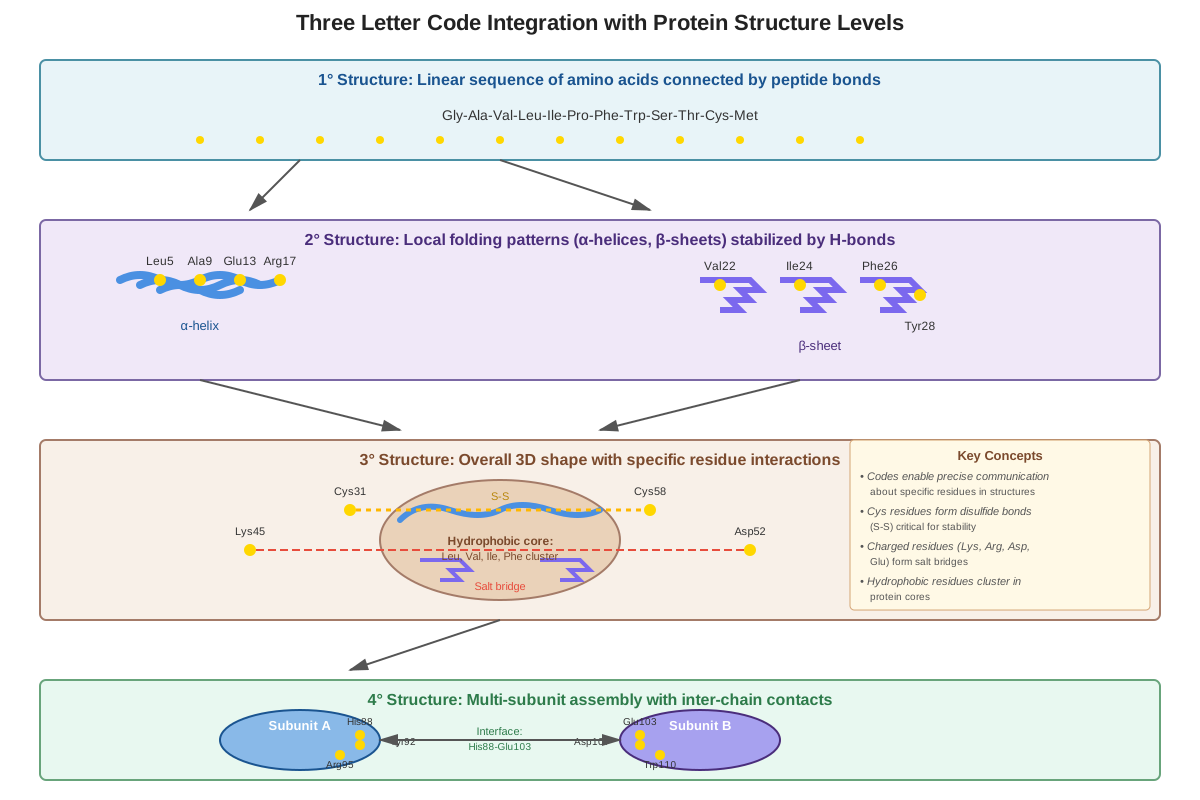
The codes connect upward to protein primary structure, as sequences of three letter codes represent the linear order of amino acids in a polypeptide chain. This relationship extends further to protein secondary and tertiary structure, since specific amino acids at particular positions (identified by their codes) determine folding patterns, disulfide bond formation (Cys residues), and structural stability. For example, recognizing multiple Pro residues in a sequence suggests potential disruption of alpha-helical structure.
Horizontally, three letter codes connect to genetic information flow. Each amino acid code corresponds to one or more DNA/RNA codons, linking protein sequence to nucleic acid sequence. Understanding that "Met" represents the start codon amino acid connects translation initiation to protein sequence notation. Similarly, recognizing "Trp" as the amino acid with only one codon (UGG) connects to genetic code degeneracy concepts.
The codes also bridge to enzyme mechanisms and catalysis. Descriptions of catalytic triads (Ser-His-Asp in serine proteases), metal coordination sites (His and Cys residues), or substrate binding pockets all use three letter codes to specify functionally critical residues. This creates a pathway: three letter code → amino acid identity → chemical properties → catalytic function.
Finally, these codes connect to clinical biochemistry and disease. Genetic diseases caused by single amino acid substitutions (e.g., Glu6Val in sickle cell disease, Phe deletion in cystic fibrosis) are described using this nomenclature, linking molecular changes to pathophysiology.
Relationship Map:
DNA/RNA codons → Amino acid identity → Three letter codes → Protein sequence → Protein structure → Protein function → Enzyme mechanisms → Clinical manifestations
High-Yield Facts
⭐ The three letter codes for the charged amino acids are: Asp, Glu (negative); Arg, Lys, His (positive)—these appear frequently in questions about electrostatic interactions and pH effects
⭐ Cys (cysteine) is the only standard amino acid capable of forming disulfide bonds—critical for protein stability questions
⭐ Gly (glycine) is the smallest amino acid and provides maximum conformational flexibility—appears in questions about protein folding and tight turns
⭐ Pro (proline) is a cyclic imino acid that disrupts alpha-helices and beta-sheets—key for secondary structure questions
⭐ The aromatic amino acids are Phe, Tyr, and Trp—important for UV absorption, hydrophobic interactions, and protein detection methods
- Met (methionine) is always the first amino acid in eukaryotic protein synthesis—relevant to translation questions
- Ser, Thr, and Tyr contain hydroxyl groups that can be phosphorylated—critical for signal transduction and regulation questions
- The branched-chain amino acids are Val, Leu, and Ile—appear in metabolism questions and maple syrup urine disease
- Asn and Gln are the amide derivatives of Asp and Glu respectively—helps distinguish similar codes
- Trp is the largest amino acid and has the most complex side chain structure—relevant to protein size and hydrophobic core questions
- His has a pKa near physiological pH (~6.0)—makes it ideal for catalytic mechanisms and pH-dependent conformational changes
- The nonpolar aliphatic amino acids (Ala, Val, Leu, Ile, Met) typically cluster in protein hydrophobic cores—important for protein folding and stability
Quick check — test yourself on Amino acid three letter codes so far.
Try Flashcards →Common Misconceptions
Misconception: All three letter codes simply use the first three letters of the amino acid name.
Correction: While many codes follow this pattern (Ala, Gly, Ser), several important exceptions exist. Tryptophan uses Trp (not Try), asparagine uses Asn (not Asp, which is aspartic acid), and glutamine uses Gln (not Glu, which is glutamic acid). These exceptions prevent ambiguity between similar amino acids.
Misconception: Three letter codes and one letter codes can be used interchangeably in all contexts.
Correction: While both systems represent the same amino acids, they serve different purposes. Three letter codes (Ser-195) are preferred for clarity when discussing specific residues in mechanisms or structures, while one letter codes are more efficient for displaying long sequences. MCAT passages use three letter codes when emphasizing specific functional residues.
Misconception: Histidine (His) is always positively charged like lysine and arginine.
Correction: Histidine's imidazole side chain has a pKa around 6.0, meaning it can be either protonated (positively charged) or deprotonated (neutral) depending on the local pH environment. This unique property makes His ideal for catalytic mechanisms where proton transfer is required, distinguishing it from the permanently charged Lys and Arg.
Misconception: The three letter code "Cys" can refer to either cysteine or cystine.
Correction: Cys specifically refers to the amino acid cysteine. When two cysteine residues form a disulfide bond, the resulting structure is called a disulfide bridge or cystine, but in sequence notation, both residues are still labeled as Cys. The disulfide bond is indicated separately (e.g., "Cys-22 to Cys-95 disulfide bond").
Misconception: Memorizing three letter codes is sufficient without knowing amino acid properties.
Correction: The MCAT never tests rote memorization of codes in isolation. Questions always require connecting the code to the amino acid's chemical properties, structural role, or functional significance. Seeing "Asp-102" in a passage should trigger immediate recall that this is a negatively charged, acidic residue capable of accepting protons or coordinating positive charges—information essential for answering mechanism questions.
Misconception: Modified amino acids like hydroxyproline use the same three letter codes as their parent amino acids.
Correction: Modified amino acids typically use distinct codes to avoid confusion. Hydroxyproline uses Hyp (not Pro), and selenocysteine uses Sec (not Cys). This distinction is important when passages discuss post-translational modifications or specialized proteins like collagen.
Misconception: The position number in notation like "Ser-195" is arbitrary or just for reference.
Correction: Position numbers are functionally significant and counted from the N-terminus of the protein. Ser-195 means this serine is the 195th amino acid from the start of the chain. This specific position often indicates a functionally critical residue whose location in three-dimensional space is essential for protein function. Mutations at these numbered positions typically have significant functional consequences.
Worked Examples
Example 1: Interpreting a Mutagenesis Experiment
Passage excerpt: "Researchers investigated the catalytic mechanism of chymotrypsin by creating three mutant variants. In Mutant A, Ser-195 was replaced with Ala-195. In Mutant B, His-57 was replaced with Asn-57. In Mutant C, Asp-102 was replaced with Asn-102. All three mutants showed complete loss of proteolytic activity compared to wild-type enzyme."
Question: Based on the mutagenesis results, which statement best explains the loss of activity in Mutant A?
Step 1 - Decode the three letter codes:
- Ser-195 → Serine at position 195 (polar, uncharged, contains hydroxyl group)
- Ala-195 → Alanine at position 195 (nonpolar, small, no functional groups)
Step 2 - Identify the chemical change:
The mutation removes the hydroxyl (-OH) group present in serine's side chain, replacing it with alanine's simple methyl group. This eliminates a nucleophilic group capable of attacking peptide bonds.
Step 3 - Connect to mechanism:
Serine proteases like chymotrypsin use the Ser-195 hydroxyl as the nucleophile that attacks the carbonyl carbon of peptide bonds during catalysis. The catalytic triad (Ser-His-Asp) activates this hydroxyl group. Replacing serine with alanine removes the nucleophile entirely, explaining complete activity loss.
Step 4 - Evaluate answer choices:
The correct answer would state that removing the serine hydroxyl eliminates the nucleophile required for the first step of the catalytic mechanism, preventing formation of the tetrahedral intermediate.
Learning objective connection: This example demonstrates applying three letter codes to interpret experimental data and connecting amino acid identity to functional role.
Example 2: Analyzing Protein Stability
Passage excerpt: "A thermostable enzyme from a hyperthermophilic bacterium was compared to its mesophilic homolog. Sequence analysis revealed that the thermostable variant contained 12 additional Cys residues distributed throughout the structure, forming 6 additional disulfide bonds. Additionally, the thermostable enzyme showed increased frequency of Pro residues in loop regions and higher proportions of Arg and Glu residues on the surface."
Question: Which structural feature most directly contributes to the increased thermal stability through covalent interactions?
Step 1 - Decode relevant codes and identify properties:
- Cys (cysteine) → Contains thiol (-SH) groups that can form disulfide bonds (covalent S-S bridges)
- Pro (proline) → Cyclic structure restricts conformational flexibility
- Arg (arginine) → Positively charged, can form ionic interactions
- Glu (glutamic acid) → Negatively charged, can form ionic interactions
Step 2 - Categorize interaction types:
- Disulfide bonds (Cys-Cys) = covalent interactions
- Proline conformational restriction = structural constraint (not directly covalent)
- Arg-Glu interactions = ionic interactions (non-covalent)
Step 3 - Match question requirement:
The question specifically asks for "covalent interactions," which eliminates the ionic interactions between Arg and Glu, despite their contribution to stability.
Step 4 - Select answer:
The 6 additional disulfide bonds formed by the 12 extra Cys residues represent covalent cross-links that stabilize the protein structure against thermal denaturation. These are the only covalent interactions mentioned.
Learning objective connection: This example shows how recognizing three letter codes enables rapid identification of amino acid properties and their structural roles, connecting to protein stability concepts.
Exam Strategy
Approaching MCAT Questions on Three Letter Codes
When encountering three letter codes in MCAT passages or questions, implement a systematic three-step approach: (1) Decode - immediately translate the code to the full amino acid name, (2) Recall properties - activate knowledge of that amino acid's chemical characteristics (charge, polarity, size, special features), and (3) Apply context - determine why that specific amino acid matters for the experimental setup or question being asked.
Trigger Words and Phrases
Watch for these high-yield phrases that signal three letter codes will be functionally important:
- "Catalytic triad" or "active site residues" → Expect Ser, His, Asp, or Cys codes identifying mechanistically critical amino acids
- "Site-directed mutagenesis" → Codes will indicate which residues were changed and to what
- "Conserved residues" → Codes highlight functionally essential amino acids preserved across species
- "Disulfide bond formation" → Look for Cys residues and their position numbers
- "Substrate binding pocket" → Codes identify amino acids that interact with substrates
- "pH-dependent activity" → Expect His, Asp, Glu, or Lys codes for ionizable residues
Process of Elimination Strategies
When answer choices reference specific amino acids by their three letter codes:
- Eliminate based on charge: If the question involves electrostatic interactions, immediately eliminate nonpolar amino acids (Ala, Val, Leu, Ile, Phe, Trp, Met)
- Eliminate based on special features: If the question asks about disulfide bonds, only Cys is possible; for phosphorylation, only Ser, Thr, or Tyr work
- Eliminate based on size: Questions about steric hindrance or tight binding pockets may eliminate large residues (Trp, Phe, Tyr, Arg) or specifically require small ones (Gly, Ala)
- Eliminate based on chemical reactivity: Nucleophilic mechanisms require Ser, Cys, or His; acid-base catalysis requires His, Asp, Glu, Lys, or Arg
Time Allocation Advice
Do not spend time during the exam trying to memorize or look up three letter codes—this knowledge must be automatic before test day. If a code is unfamiliar during practice, mark it for review, but on exam day, make your best educated guess based on similar codes and move forward. Spending more than 5-10 seconds decoding any single amino acid code represents inefficient time use. The goal is instant recognition that allows focus on higher-order analysis of experimental design, data interpretation, and mechanism questions.
Exam Tip: Create a mental "quick reference" for the most commonly tested amino acids in MCAT passages: Ser, Cys, His, Asp, Glu, Lys, Arg, Gly, and Pro. These nine amino acids appear disproportionately in mechanism questions, structural questions, and experimental descriptions.
Memory Techniques
Mnemonic for Charged Amino Acids
"DARK Bases" - The negatively charged (acidic) amino acids:
- D: Asp (aspartic acid)
- And
- Really
- Keen: Glu (glutamic acid) - "K" sounds like "Q" in Glu
"HARK! Positive!" - The positively charged (basic) amino acids:
- H: His (histidine)
- And
- R: Arg (arginine)
- K: Lys (lysine)
Mnemonic for Aromatic Amino Acids
"FYI, We're Aromatic":
- F: Phe (phenylalanine)
- Y: Tyr (tyrosine)
- I: (filler)
- W: Trp (tryptophan)
Mnemonic for Branched-Chain Amino Acids
"VILe branches":
- V: Val (valine)
- I: Ile (isoleucine)
- L: Leu (leucine)
Visualization Strategy for Similar Codes
Create mental images to distinguish easily confused pairs:
- Asn vs. Asp: "AsN has an NH₂ (amide), AsP has a Proton to donate (acid)"
- Gln vs. Glu: "GlN has an NH₂ (amide), GlU is Unpleasant/acidic"
- Ser vs. Thr: "Serine is Simpler (just -OH), Threonine is Thrickier (has -OH and methyl)"
Acronym for Hydroxyl-Containing Amino Acids
"STY phosphorylation" - The three amino acids that can be phosphorylated:
- S: Ser (serine)
- T: Thr (threonine)
- Y: Tyr (tyrosine)
Pattern Recognition Strategy
Group codes by their first letter to reduce cognitive load:
- A-codes: Ala, Arg, Asn, Asp (4 amino acids)
- G-codes: Gly, Gln, Glu (3 amino acids)
- Single representatives: Cys, His, Ile, Leu, Lys, Met, Phe, Pro, Ser, Thr, Trp, Tyr, Val
This grouping helps during rapid recall—if you see "A__" you know it's one of four possibilities, narrowing your search space.
Functional Association Strategy
Link codes to their most testable function:
- Cys → "Cysteine = Crosslinks" (disulfide bonds)
- Gly → "Glycine = Go anywhere" (flexibility)
- Pro → "Proline = Problems for helices" (breaks secondary structure)
- His → "Histidine = Helper in catalysis" (proton transfer)
- Met → "Methionine = Must start" (translation initiation)
Summary
Amino acid three letter codes represent the standardized abbreviation system essential for interpreting protein sequences, experimental descriptions, and biochemical mechanisms on the MCAT. Mastery requires not merely memorizing the 20 codes but instantly connecting each abbreviation to its corresponding amino acid's chemical properties, structural characteristics, and functional roles. The codes appear throughout Biochemistry passages in contexts including site-directed mutagenesis experiments, catalytic mechanism descriptions, protein structure analyses, and genetic disease discussions. Success on MCAT questions involving these codes depends on rapid, automatic recognition that frees cognitive resources for higher-order analysis of experimental design and data interpretation. The most frequently tested codes—Ser, Cys, His, Asp, Glu, Lys, Arg, Gly, and Pro—warrant particular attention due to their roles in catalysis, structure, and regulation. Understanding the relationship between three letter codes and one letter codes, recognizing common notation patterns (e.g., Ser-195 indicating position), and connecting codes to amino acid classifications (charged, polar, nonpolar, aromatic) enables efficient processing of complex biochemical information under time pressure.
Key Takeaways
- Amino acid three letter codes are standardized abbreviations (Ala, Gly, Ser, etc.) that appear in 60-70% of MCAT Biochemistry passages, making them essential for exam success
- Each code must trigger immediate recall of the amino acid's chemical properties (charge, polarity, size, functional groups) to answer mechanism and structure questions
- The most testable codes involve functionally critical amino acids: Ser/Cys/His (catalysis), Asp/Glu/Lys/Arg (charged interactions), Gly (flexibility), Pro (structural constraints), and Cys (disulfide bonds)
- Three letter codes appear in specific MCAT contexts: mutagenesis experiments, active site descriptions, sequence comparisons, and disease-causing mutations
- Distinguishing similar codes (Asn/Asp, Gln/Glu) and recognizing exceptions (Trp, not Try) prevents common errors
- Connecting codes to amino acid classifications (aromatic: Phe/Tyr/Trp; branched: Val/Ile/Leu; charged: Asp/Glu/Arg/Lys/His) organizes knowledge efficiently
- Automatic recognition of codes—achieved through deliberate practice and mnemonics—enables focus on experimental analysis rather than basic decoding during the exam
Related Topics
One Letter Amino Acid Codes: The single-letter abbreviation system (A, G, S, etc.) used for displaying long protein sequences; mastering the relationship between three letter and one letter codes enables interpretation of both notation systems commonly mixed in MCAT passages.
Amino Acid Chemical Properties: Detailed understanding of side chain structures, pKa values, hydrophobicity scales, and functional group reactivity; this knowledge transforms three letter codes from arbitrary symbols into meaningful chemical information.
Protein Primary Structure: The linear sequence of amino acids connected by peptide bonds; three letter codes provide the notation system for representing and analyzing primary structure, which determines all higher-order protein properties.
Site-Directed Mutagenesis: The experimental technique of systematically replacing specific amino acids to probe their functional importance; interpreting these experiments requires fluency with three letter codes to understand which residues were changed and predict functional consequences.
Enzyme Catalytic Mechanisms: Detailed mechanisms of enzyme classes (serine proteases, cysteine proteases, etc.) that rely on specific amino acid residues; three letter codes identify the catalytic residues whose chemical properties enable enzymatic reactions.
Practice CTA
Now that you've mastered the fundamentals of amino acid three letter codes, it's time to solidify this knowledge through active practice. Complete the associated practice questions to test your ability to rapidly decode amino acid abbreviations, connect codes to chemical properties, and apply this knowledge to MCAT-style experimental scenarios. Use the flashcards to achieve automatic recognition of all 20 standard codes—your goal is instant recall without conscious effort. Remember, this foundational knowledge unlocks efficient processing of complex Biochemistry passages, giving you a significant advantage on test day. The time invested in mastering these codes now will save precious minutes during the actual exam and boost your confidence when facing protein-related questions. You've got this!
Sign up free to keep reading
Create a free AnvayaPrep account to finish this MCAT guide on Amino acid three letter codes — plus flashcards and practice questions.