Overview
Chaperones are a critical class of proteins that play an indispensable role in cellular protein homeostasis by assisting other proteins in achieving their correct three-dimensional conformations. In the context of Biochemistry and specifically Amino Acids and Proteins, chaperones represent a sophisticated quality control mechanism that ensures newly synthesized polypeptide chains fold properly, prevents aggregation of misfolded proteins, and facilitates the refolding of proteins that have been denatured by cellular stress. Understanding chaperones is essential for comprehending how cells maintain functional protein populations despite the thermodynamic challenges of protein folding and the constant threat of protein misfolding diseases.
For the MCAT, chaperones represent a high-yield topic that bridges multiple disciplines including biochemistry, cell biology, and molecular biology. The exam frequently tests students' understanding of protein structure and function, and chaperones exemplify the cellular mechanisms that ensure proteins achieve their native conformations. Questions may appear in passage-based formats discussing heat shock responses, protein folding diseases like Alzheimer's or cystic fibrosis, or experimental scenarios involving protein purification and refolding. The topic also connects to broader themes of cellular stress responses, gene expression regulation, and the relationship between protein structure and function.
The significance of Chaperones MCAT content extends beyond isolated factual recall. This topic integrates fundamental concepts about protein structure (primary through quaternary), thermodynamics of folding, ATP hydrolysis as an energy source for cellular work, and the consequences of protein misfolding. Mastering chaperones provides a framework for understanding how cells actively manage one of their most complex challenges: converting linear amino acid sequences into functional three-dimensional structures in a crowded, potentially hostile intracellular environment.
Learning Objectives
- [ ] Define Chaperones using accurate Biochemistry terminology
- [ ] Explain why Chaperones matters for the MCAT
- [ ] Apply Chaperones to exam-style questions
- [ ] Identify common mistakes related to Chaperones
- [ ] Connect Chaperones to related Biochemistry concepts
- [ ] Distinguish between different classes of molecular chaperones and their specific functions
- [ ] Explain the ATP-dependent mechanism by which chaperones facilitate protein folding
- [ ] Analyze the role of chaperones in cellular stress responses and disease pathology
- [ ] Predict the consequences of chaperone dysfunction on cellular protein homeostasis
Prerequisites
- Protein structure levels (primary, secondary, tertiary, quaternary): Chaperones assist in achieving higher-order structures from primary sequences
- Thermodynamics and Gibbs free energy: Understanding why protein folding is thermodynamically favorable but kinetically challenging
- Hydrophobic effect: Chaperones often work by shielding hydrophobic regions that drive both proper folding and aggregation
- ATP structure and hydrolysis: Many chaperones are ATPases that use energy to drive conformational changes
- Translation and ribosome function: Chaperones often begin working on nascent polypeptides during translation
- Denaturation and renaturation: Chaperones facilitate refolding of denatured proteins under stress conditions
Why This Topic Matters
Clinical and Real-World Significance
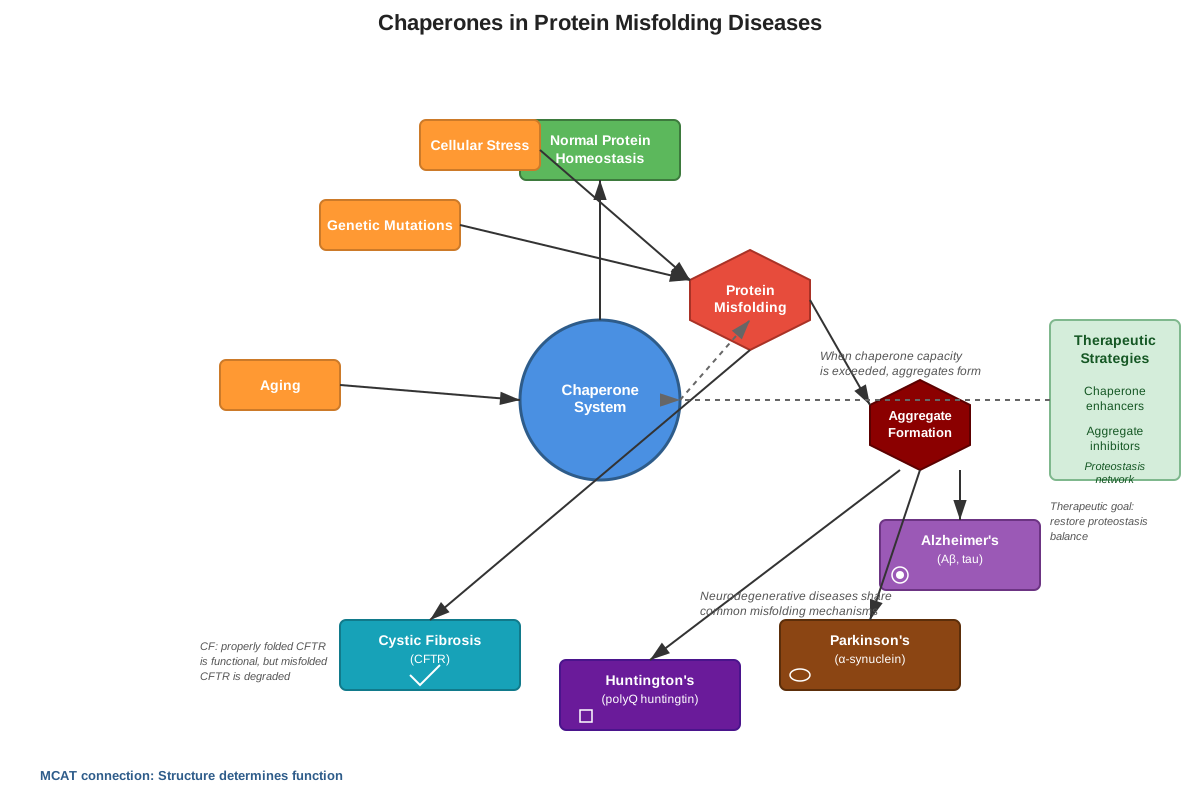
Chaperone dysfunction underlies numerous human diseases, making this topic clinically relevant and frequently featured in MCAT passages. Neurodegenerative diseases including Alzheimer's, Parkinson's, and Huntington's disease all involve protein misfolding and aggregation that overwhelms or evades chaperone systems. Cystic fibrosis results from misfolding of the CFTR protein, which is then targeted for degradation rather than being rescued by chaperones. Cancer cells often overexpress heat shock proteins (a major chaperone class) to survive the stress of rapid proliferation, making chaperones potential therapeutic targets. Understanding chaperones provides insight into how cells maintain proteostasis (protein homeostasis) and what happens when this system fails.
MCAT Exam Statistics and Question Types
Chaperones appear in approximately 3-5% of MCAT Biochemistry questions, with higher frequency in passage-based questions than discrete items. The topic most commonly appears in:
- Passage-based questions discussing experimental protein folding studies or disease mechanisms
- Research-style passages presenting data about heat shock responses or protein aggregation
- Clinical vignettes describing protein misfolding diseases
- Questions integrating multiple concepts such as protein structure, cellular stress, and gene regulation
The MCAT particularly favors questions that require students to apply their understanding of chaperones to novel situations rather than simple recall, such as predicting experimental outcomes or explaining disease mechanisms.
Common Exam Contexts
Expect to encounter chaperones in passages about: heat shock protein expression during fever or cellular stress; experimental refolding of denatured proteins in vitro; quality control mechanisms in the endoplasmic reticulum; protein aggregation diseases; bacterial survival under extreme conditions; and the unfolded protein response. Questions often ask students to identify the role of ATP in chaperone function, explain why chaperones don't determine final protein structure, or predict consequences of chaperone inhibition.
Core Concepts
Definition and Function of Molecular Chaperones
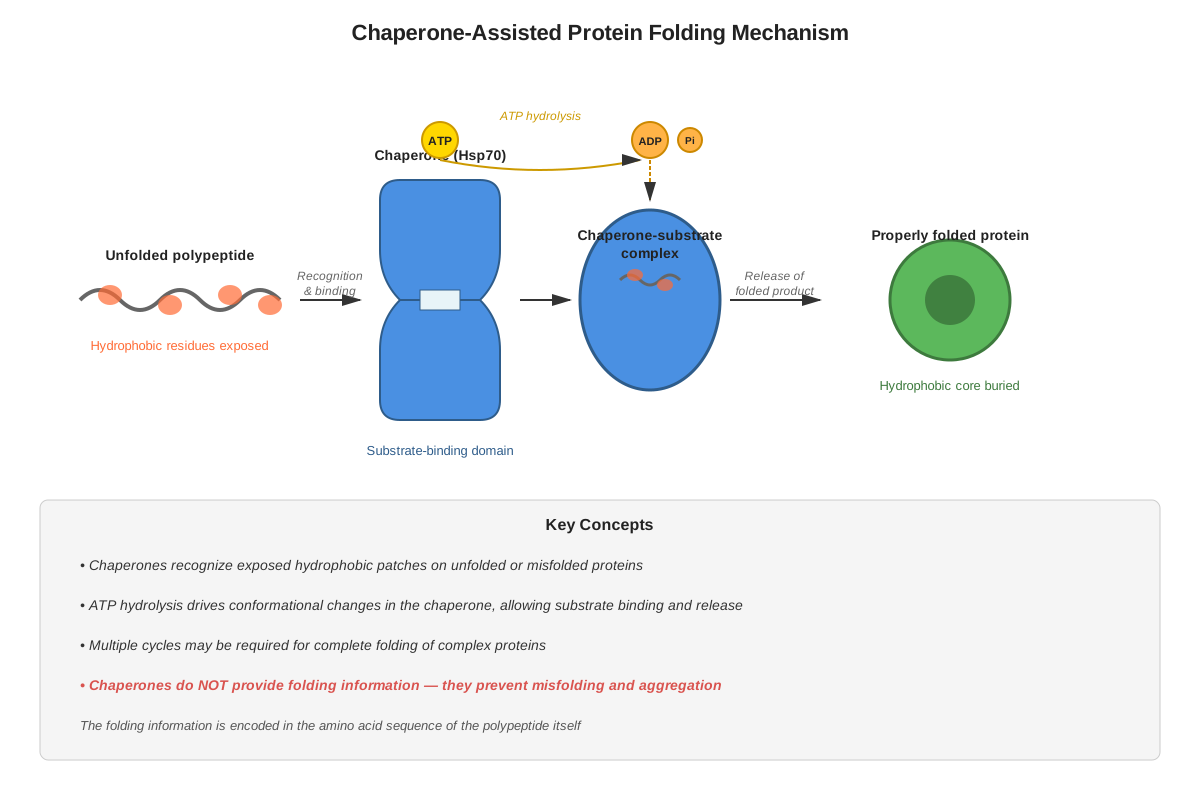
Molecular chaperones are proteins that assist other proteins in achieving their proper three-dimensional conformations without becoming part of the final folded structure. This definition contains several critical elements that distinguish chaperones from other cellular proteins. First, chaperones are catalytic in the sense that they facilitate a process (folding) without being consumed or incorporated into the product. Second, they do not dictate the final structure of their substrate proteins—the amino acid sequence itself contains all information necessary for proper folding (Anfinsen's principle). Instead, chaperones prevent off-pathway reactions, particularly aggregation, and provide a protected environment for folding to occur.
The primary functions of chaperones include: (1) assisting nascent polypeptide chains emerging from ribosomes to fold correctly, (2) preventing aggregation of partially folded or misfolded proteins by binding exposed hydrophobic regions, (3) facilitating refolding of proteins denatured by cellular stress such as heat shock, (4) assisting in protein translocation across membranes, and (5) targeting irreversibly misfolded proteins for degradation. These functions are essential because the cellular environment is crowded with macromolecules (protein concentration can exceed 300 mg/mL), creating conditions where exposed hydrophobic surfaces readily interact, leading to non-productive aggregation rather than proper folding.
Major Classes of Chaperones
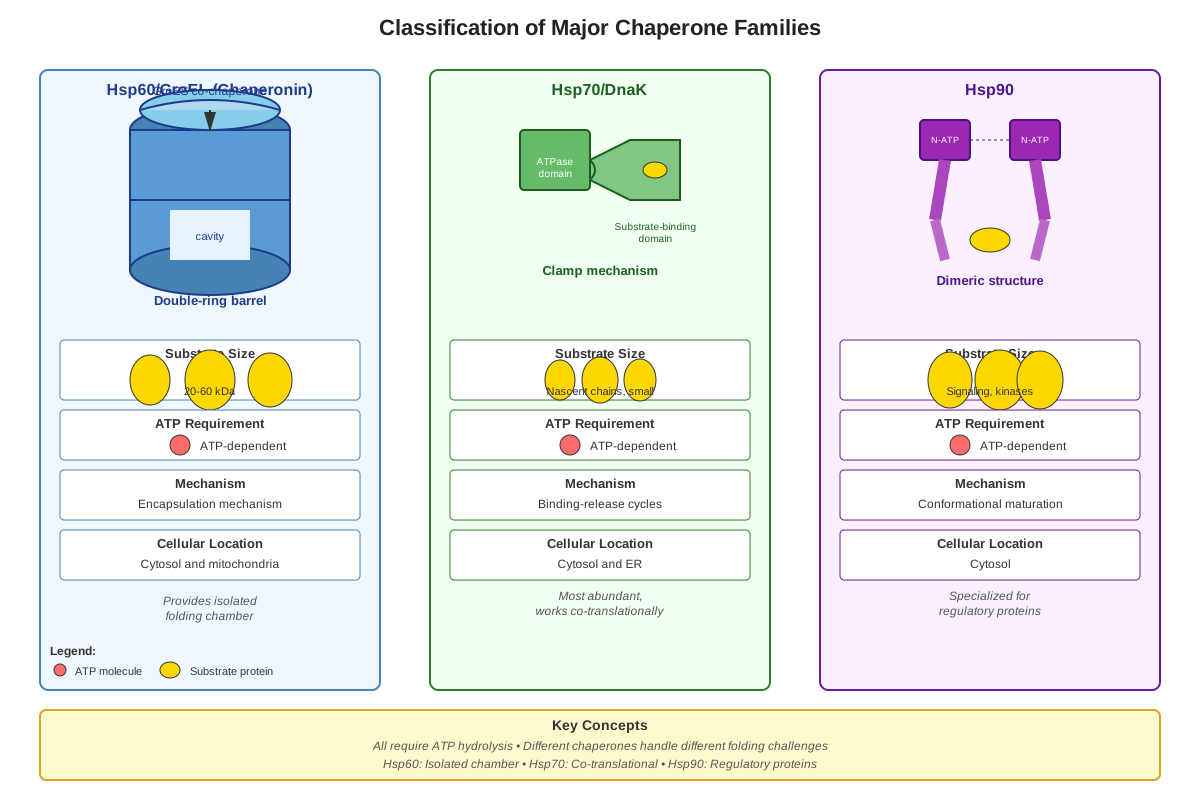
Heat shock proteins (HSPs) represent the most extensively studied chaperone families, named for their dramatic upregulation during heat stress. These proteins are classified by molecular weight:
| Chaperone Class | Molecular Weight | ATP Requirement | Primary Function | Key Examples |
|---|---|---|---|---|
| HSP70 | ~70 kDa | Yes | Binds nascent chains and misfolded proteins | DnaK (bacteria), BiP (ER) |
| HSP60 | ~60 kDa | Yes | Provides folding chamber | GroEL (bacteria), mitochondrial HSP60 |
| HSP90 | ~90 kDa | Yes | Folds signaling proteins and steroid receptors | Cytosolic HSP90 |
| Small HSPs | 15-30 kDa | No | Prevents aggregation, holds proteins for refolding | HSP27, α-crystallin |
| HSP100 | ~100 kDa | Yes | Disaggregates protein aggregates | ClpB (bacteria) |
HSP70 family members are among the most abundant and versatile chaperones. They function by binding to extended hydrophobic segments (typically 7 amino acids) in substrate proteins, preventing aggregation and maintaining proteins in an unfolded state competent for translocation or refolding. HSP70 operates through an ATP-dependent cycle: ATP-bound HSP70 has low affinity for substrates and rapid binding/release kinetics, while ADP-bound HSP70 has high affinity and slow kinetics. Co-chaperones called J-proteins (HSP40 family) deliver substrates to HSP70 and stimulate ATP hydrolysis, trapping the substrate. Nucleotide exchange factors then promote ADP release and ATP binding, releasing the substrate for another folding attempt or transfer to other chaperones.
Chaperonins (HSP60 family) represent a distinct architectural class that provides an enclosed chamber for protein folding. The bacterial chaperonin GroEL forms a barrel-shaped complex of 14 subunits arranged in two stacked rings, each creating a central cavity. The co-chaperone GroES acts as a lid, capping one end of the cylinder. Unfolded proteins enter the cavity, GroES binds in an ATP-dependent manner, and the enclosed protein is given time to fold in isolation from the crowded cytoplasm. After approximately 10 seconds, ATP hydrolysis triggers GroES release and the folding cycle can repeat if necessary. This mechanism is particularly important for proteins in the 20-60 kDa range that cannot fold efficiently in the open cytoplasm.
ATP-Dependent Chaperone Mechanisms
The requirement for ATP hydrolysis in many chaperone systems is a crucial concept for the MCAT. ATP does not provide energy to overcome thermodynamic barriers to folding—properly folded proteins are thermodynamically stable and fold spontaneously under appropriate conditions. Instead, ATP hydrolysis drives conformational changes in the chaperone itself, allowing it to bind and release substrates in a controlled manner. This creates a kinetic mechanism that prevents aggregation and gives proteins multiple attempts to reach their native state.
The general ATP-dependent chaperone cycle follows these steps:
- Substrate recognition: Chaperone in ATP-bound state recognizes exposed hydrophobic regions on unfolded or misfolded substrate
- Substrate binding: Co-chaperones or substrate binding stimulates ATP hydrolysis
- Conformational change: ADP-bound state clamps onto substrate, preventing aggregation
- Substrate release: Nucleotide exchange (ADP → ATP) causes conformational change that releases substrate
- Folding attempt: Released substrate attempts to fold; if unsuccessful, cycle repeats
This mechanism explains why chaperones can facilitate folding without determining final structure—they simply provide multiple opportunities for the protein to find its thermodynamically favorable native state while preventing the kinetic trap of aggregation.
Heat Shock Response and Cellular Stress
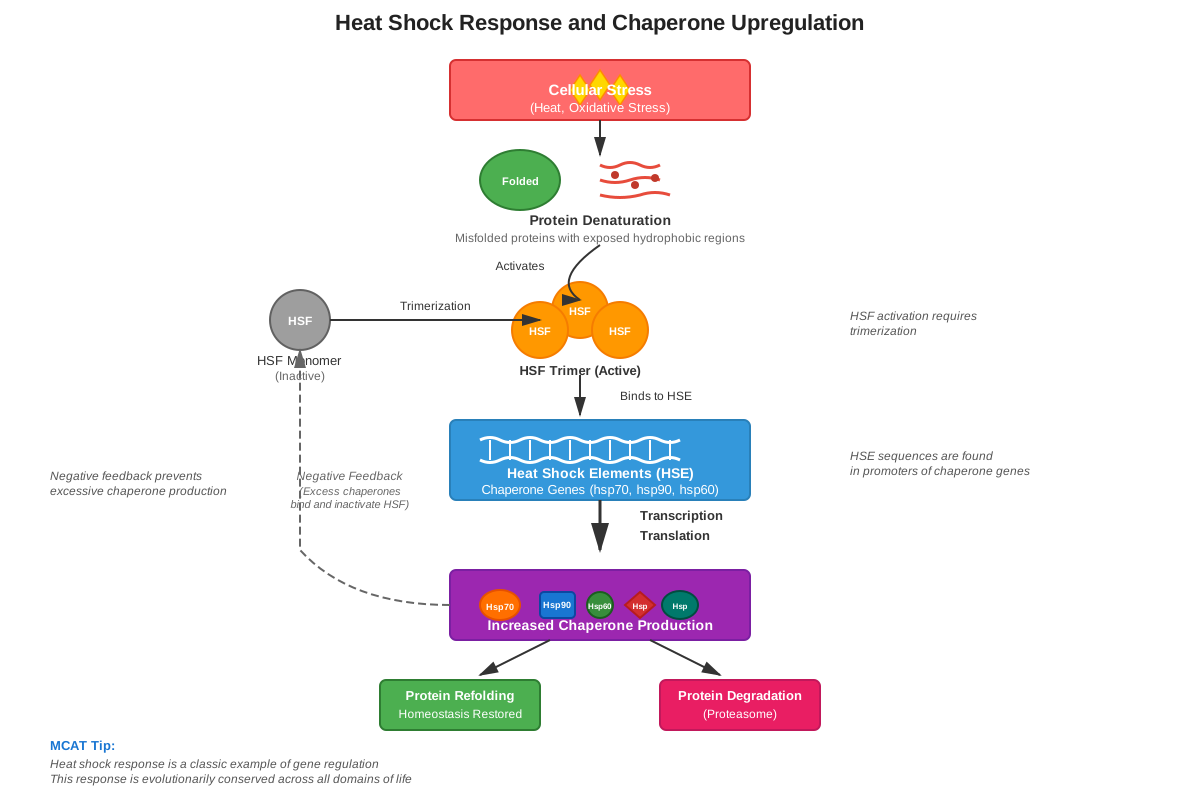
The heat shock response is a conserved cellular program that dramatically upregulates chaperone expression in response to proteotoxic stress. When cells experience elevated temperature, oxidative stress, heavy metals, or other conditions that cause protein denaturation, a transcription factor called heat shock factor (HSF) becomes activated. Under normal conditions, HSF is kept inactive by binding to HSP70 and HSP90. When misfolded proteins accumulate, these chaperones are recruited away from HSF to deal with the crisis, allowing HSF to trimerize, enter the nucleus, and bind to heat shock elements (HSEs) in the promoters of heat shock protein genes.
This regulatory mechanism creates an elegant feedback system: chaperone availability is automatically adjusted based on the cellular burden of misfolded proteins. When the crisis is resolved and chaperones are no longer saturated with substrates, they rebind HSF, shutting down the heat shock response. This concept frequently appears in MCAT passages as an example of gene regulation responding to cellular conditions.
Chaperones and Protein Quality Control
Chaperones work in concert with the ubiquitin-proteasome system to maintain protein quality control. When proteins are irreversibly misfolded or damaged, continued chaperone binding signals for degradation rather than refolding. E3 ubiquitin ligases recognize chaperone-substrate complexes and attach ubiquitin chains to the misfolded protein, targeting it for proteasomal degradation. This decision between refolding and degradation is critical for cellular health—attempting to refold hopelessly damaged proteins wastes energy and allows toxic aggregates to form.
In the endoplasmic reticulum (ER), a specialized chaperone system ensures proper folding of secreted and membrane proteins. BiP (an HSP70 family member) and other ER chaperones assist folding and prevent aggregation. Proteins that fail to fold properly are retained in the ER and eventually targeted for ER-associated degradation (ERAD), where they are retrotranslocated to the cytoplasm, ubiquitinated, and degraded. When misfolded protein accumulation overwhelms ER capacity, the unfolded protein response (UPR) is activated, upregulating chaperone expression, attenuating translation, and enhancing degradation capacity.
Chaperones in Disease
Protein misfolding diseases, or proteinopathies, result from chaperone system failure or overwhelming of chaperone capacity. In Alzheimer's disease, amyloid-β peptides and tau protein misfold and aggregate despite chaperone activity. Parkinson's disease involves α-synuclein aggregation into Lewy bodies. Huntington's disease results from polyglutamine expansion in huntingtin protein, creating aggregation-prone species that sequester chaperones and impair their function for other substrates.
In cystic fibrosis, the most common mutation (ΔF508) causes CFTR protein to misfold in the ER. Although the mutant protein retains some function, it is recognized as misfolded by ER quality control, bound by BiP, and targeted for ERAD rather than being trafficked to the plasma membrane. Interestingly, chemical chaperones or reduced temperature can sometimes rescue ΔF508-CFTR folding, demonstrating that the mutation creates a kinetic rather than absolute folding defect.
Concept Relationships
The core concepts of chaperone biology form an interconnected network centered on protein homeostasis. Protein primary structure (amino acid sequence) contains all information for folding → thermodynamic favorability drives spontaneous folding → kinetic barriers and aggregation prevent efficient folding in vivo → chaperones overcome kinetic barriers without changing thermodynamics → ATP hydrolysis powers chaperone conformational changes → heat shock response upregulates chaperones during stress → quality control systems degrade proteins that cannot be refolded.
Chaperones connect to prerequisite knowledge of protein structure by demonstrating how cells ensure that primary sequences achieve proper tertiary and quaternary structures. The relationship to thermodynamics is crucial: chaperones do not make unfavorable folding reactions favorable; they prevent kinetic traps. Connection to translation occurs because many chaperones bind nascent chains co-translationally. The link to cellular stress responses shows how gene expression adapts to environmental challenges.
Within the broader context of Amino Acids and Proteins, chaperones illustrate that protein function depends not just on sequence but on achieving and maintaining proper conformation. This connects forward to topics like enzyme regulation (some chaperones regulate enzyme activity), signal transduction (HSP90 is essential for many signaling proteins), and membrane transport (chaperones assist protein translocation).
Quick check — test yourself on Chaperones so far.
Try Flashcards →High-Yield Facts
⭐ Chaperones facilitate protein folding without determining final structure—the amino acid sequence alone dictates native conformation (Anfinsen's principle)
⭐ ATP hydrolysis in chaperone function drives conformational changes in the chaperone, not the substrate—it provides kinetic assistance, not thermodynamic driving force
⭐ HSP70 binds extended hydrophobic segments in substrate proteins, preventing aggregation and maintaining folding competence
⭐ Heat shock response is regulated by sequestration of heat shock factor (HSF) by chaperones—when chaperones are busy with misfolded proteins, HSF is released to activate transcription
⭐ Chaperonins like GroEL/GroES provide an enclosed chamber where proteins can fold in isolation from the crowded cytoplasm
- Small heat shock proteins (sHSPs) function ATP-independently by binding misfolded proteins and holding them for later refolding by ATP-dependent chaperones
- BiP is the major ER chaperone (HSP70 family member) that assists folding of secreted and membrane proteins
- Co-chaperones like J-proteins (HSP40) deliver substrates to HSP70 and stimulate ATP hydrolysis
- Chaperones work with the ubiquitin-proteasome system to degrade irreversibly misfolded proteins
- Many neurodegenerative diseases involve protein aggregation that overwhelms or evades chaperone systems
- HSP90 is particularly important for folding signaling proteins, steroid hormone receptors, and kinases
- Chemical chaperones (small molecules like glycerol or TMAO) can stabilize protein folding through non-specific mechanisms
Common Misconceptions
Misconception: Chaperones provide the information or template for how proteins should fold.
Correction: Chaperones do not determine protein structure. The amino acid sequence contains all necessary information for proper folding (Anfinsen's principle). Chaperones simply prevent misfolding and aggregation, allowing the thermodynamically favorable native state to be reached.
Misconception: ATP hydrolysis by chaperones provides energy to force proteins into their folded conformation.
Correction: Protein folding is thermodynamically favorable and releases energy (negative ΔG). ATP hydrolysis powers conformational changes in the chaperone itself, controlling substrate binding and release cycles. The energy is used to overcome kinetic barriers and prevent aggregation, not to drive thermodynamically unfavorable folding.
Misconception: All chaperones require ATP to function.
Correction: While major chaperone families like HSP70, HSP60, and HSP90 are ATP-dependent, small heat shock proteins (sHSPs) function without ATP. They bind misfolded proteins and prevent aggregation, then transfer substrates to ATP-dependent chaperones for active refolding.
Misconception: Heat shock proteins are only expressed during heat stress.
Correction: Heat shock proteins are constitutively expressed at significant levels under normal conditions, performing essential housekeeping functions in protein folding. Their expression is dramatically upregulated during stress, but they are always present and active in healthy cells.
Misconception: Chaperones can refold any misfolded protein back to its native state.
Correction: Chaperones have limits. Some proteins are irreversibly misfolded or damaged and cannot be rescued. In these cases, chaperones work with the ubiquitin-proteasome system to target proteins for degradation. Additionally, some aggregated proteins (like amyloid fibrils) are extremely stable and resistant to chaperone-mediated disaggregation.
Misconception: The heat shock response is triggered directly by temperature sensing.
Correction: Cells don't have direct temperature sensors for the heat shock response. Instead, elevated temperature causes protein denaturation, and the accumulation of misfolded proteins titrates chaperones away from heat shock factor (HSF), indirectly activating the response. The system responds to proteotoxic stress, not temperature per se.
Worked Examples
Example 1: Experimental Analysis of Chaperone Function
Question: Researchers are studying protein folding in bacteria. They purify a protein that forms insoluble aggregates when expressed at 37°C but folds properly when expressed at 20°C. When they co-express the protein with GroEL/GroES at 37°C, soluble, functional protein is obtained. When they add a non-hydrolyzable ATP analog, the protein again forms aggregates despite GroEL/GroES presence. Which of the following best explains these observations?
A) GroEL/GroES changes the thermodynamic stability of the native protein structure
B) Lower temperature increases the rate of protein folding
C) GroEL/GroES requires ATP hydrolysis to complete its binding and release cycle
D) The ATP analog prevents the protein from folding into its native conformation
Worked Solution:
First, identify what the data tells us:
- At 20°C: protein folds properly (baseline capability)
- At 37°C alone: protein aggregates (kinetic problem, not thermodynamic)
- At 37°C with GroEL/GroES and normal ATP: protein folds properly (chaperone rescues folding)
- At 37°C with GroEL/GroES and non-hydrolyzable ATP: protein aggregates (chaperone cannot function)
Analyze each answer choice:
Choice A is incorrect because chaperones do not alter thermodynamic stability. The fact that the protein folds properly at 20°C demonstrates that the native state is thermodynamically favorable. Temperature affects kinetics (aggregation rate) not thermodynamics.
Choice B is incorrect and actually backwards. Lower temperature generally decreases reaction rates, including folding rates. The benefit of lower temperature is that it also decreases the rate of competing aggregation reactions, giving the protein more time to find its native state.
Choice C is correct. GroEL/GroES operates through an ATP-dependent cycle: ATP binding causes conformational changes that allow substrate entry and GroES capping, creating an enclosed folding chamber. ATP hydrolysis is required for GroES release and substrate exit. With non-hydrolyzable ATP, the chaperone becomes stuck in one conformational state and cannot complete its functional cycle, preventing it from assisting folding.
Choice D is incorrect because ATP (or its analog) interacts with GroEL/GroES, not directly with the substrate protein. The substrate's folding is determined by its amino acid sequence, not by nucleotides.
Key Concept: This question tests understanding that chaperones function through ATP-dependent conformational cycles and that they address kinetic (not thermodynamic) barriers to folding.
Example 2: Clinical Application of Chaperone Biology
Question: A patient with cystic fibrosis has the ΔF508 mutation in the CFTR gene, which causes the protein to misfold in the endoplasmic reticulum. Researchers find that treating patient cells with a chemical that inhibits BiP (an ER chaperone) actually increases the amount of CFTR reaching the cell surface, though the protein is still partially misfolded. Which of the following best explains this observation?
A) BiP inhibition allows the protein to fold more rapidly
B) BiP normally prevents CFTR from being synthesized
C) Inhibiting BiP impairs ER quality control, allowing misfolded CFTR to escape degradation
D) BiP inhibition increases the expression of other chaperones that fold CFTR correctly
Worked Solution:
Analyze the scenario:
- ΔF508-CFTR misfolds in the ER
- Normally, this mutant protein doesn't reach the cell surface (retained and degraded)
- BiP inhibition increases surface expression
- The protein reaching the surface is still partially misfolded
Consider the normal role of BiP:
- BiP is an HSP70 family member in the ER
- It binds misfolded proteins and retains them in the ER
- It participates in ER quality control and ERAD (ER-associated degradation)
Evaluate each choice:
Choice A is incorrect. BiP doesn't slow folding; it prevents aggregation and assists proper folding. More importantly, the question states the protein reaching the surface is still misfolded, indicating that BiP inhibition didn't improve folding.
Choice B is incorrect. Chaperones like BiP function post-translationally; they don't regulate translation or synthesis of their substrate proteins.
Choice C is correct. BiP is part of the ER quality control system that recognizes misfolded proteins and retains them for ERAD. By inhibiting BiP, the quality control system is impaired, allowing the misfolded ΔF508-CFTR to escape retention and proceed through the secretory pathway to the plasma membrane. This explains why surface expression increases even though the protein remains misfolded. This is actually the basis for some therapeutic approaches—if the mutant protein retains partial function, getting it to the cell surface (even if misfolded) may provide clinical benefit.
Choice D is incorrect. While ER stress can activate the unfolded protein response and upregulate other chaperones, the question states the protein is still misfolded, indicating it wasn't properly folded by other chaperones. The increase in surface expression is better explained by escape from quality control rather than improved folding.
Key Concept: This question integrates chaperone function with quality control mechanisms and disease pathology, demonstrating that chaperones can sometimes prevent functional (even if misfolded) proteins from reaching their destination.
Exam Strategy
Approaching MCAT Questions on Chaperones
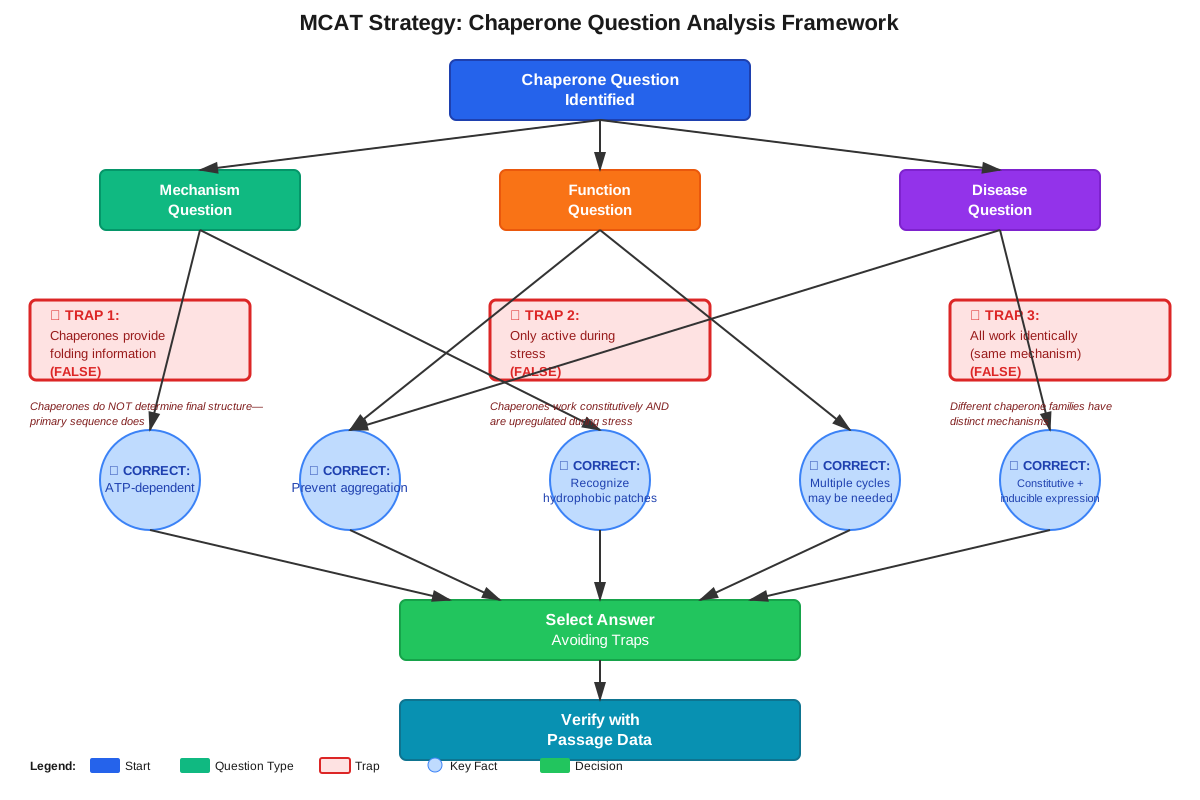
When encountering chaperone-related questions, first identify whether the question is asking about:
- Mechanism: How do chaperones work? (Focus on ATP cycle, substrate binding, conformational changes)
- Function: What do chaperones do? (Prevent aggregation, assist folding, quality control)
- Regulation: How is chaperone expression controlled? (Heat shock response, HSF regulation)
- Disease: What happens when chaperones fail? (Aggregation diseases, quality control defects)
Trigger Words and Phrases
Watch for these key phrases that signal chaperone involvement:
- "Protein aggregation" or "insoluble aggregates" → chaperones prevent this
- "Heat shock" or "cellular stress" → heat shock proteins/chaperones upregulated
- "Protein folding in vitro vs. in vivo" → in vivo requires chaperones due to crowding
- "Nascent polypeptide" or "emerging from ribosome" → co-translational chaperone binding
- "ER retention" or "quality control" → BiP and ER chaperone system
- "ATP-dependent" in context of protein folding → chaperone mechanism
- "Misfolded protein diseases" → chaperone system overwhelmed or evaded
Process of Elimination Tips
When answers mention thermodynamics: Remember that chaperones do NOT change the thermodynamic stability of folded proteins or make unfavorable folding favorable. Eliminate answers suggesting chaperones alter ΔG of folding.
When answers mention protein structure determination: Eliminate answers suggesting chaperones provide information for folding or act as templates. The amino acid sequence alone determines structure.
When answers mention ATP: Correct answers will indicate ATP hydrolysis drives chaperone conformational changes, not substrate folding. Eliminate answers suggesting ATP directly affects substrate structure.
When comparing in vitro and in vivo folding: In vitro (dilute, controlled conditions) many proteins fold spontaneously. In vivo (crowded, complex environment) chaperones are essential. Choose answers reflecting this distinction.
Time Allocation
For discrete questions on chaperones: 60-90 seconds. These typically test straightforward conceptual understanding.
For passage-based questions: Read the passage carefully for experimental details (temperature, ATP conditions, mutations, etc.). Allocate 1.5-2 minutes per question. Often the passage provides data that must be interpreted using chaperone principles rather than testing pure recall.
Memory Techniques
Mnemonic for Major Chaperone Functions
"CHAPERONES PREVENT AGGREGATION"
- Co-translational folding assistance
- Heat shock response activation
- ATP-dependent binding cycles
- Protein translocation assistance
- ER quality control
- Refolding of denatured proteins
- Oligomeric assembly assistance
- Nascent chain binding
- Enclosed chamber (chaperonins)
- Substrate release after folding
Visualization Strategy for HSP70 Cycle
Picture HSP70 as a "molecular clamp" with two states:
- ATP-bound = clamp OPEN (weak grip, fast on/off, like a loose handshake)
- ADP-bound = clamp CLOSED (tight grip, slow release, like a firm handshake)
J-protein (HSP40) acts as a "delivery service" bringing substrates and triggering the clamp to close (ATP → ADP). Nucleotide exchange factor acts as a "release button" opening the clamp (ADP → ATP).
Acronym for Heat Shock Response
HSF-CAT for the Heat Shock Factor regulation:
- HSP70 and HSP90 bind HSF
- Stress causes protein misfolding
- Free HSF when chaperones are busy
- Chaperones sequester HSF normally
- Activation when released
- Transcription of heat shock genes
Memory Aid for Chaperone vs. Enzyme Distinction
"Chaperones are like wedding planners—they help everything come together properly but aren't part of the final married couple. Enzymes are like wedding guests—they participate in the reaction/celebration."
Summary
Molecular chaperones are essential proteins that facilitate proper protein folding without determining final structure or becoming incorporated into folded products. They function primarily by preventing aggregation of exposed hydrophobic regions on unfolded or misfolded proteins, providing multiple opportunities for proteins to achieve their thermodynamically favorable native states. Major chaperone families include HSP70 (binds extended hydrophobic segments), HSP60/chaperonins (provides enclosed folding chambers), and HSP90 (folds signaling proteins), with most requiring ATP hydrolysis to drive conformational changes that control substrate binding and release cycles. The heat shock response upregulates chaperone expression during proteotoxic stress through release of heat shock factor from chaperone sequestration. Chaperones work in concert with quality control systems to either refold or target for degradation misfolded proteins, and failure of these systems underlies protein aggregation diseases including Alzheimer's, Parkinson's, and cystic fibrosis. For the MCAT, understanding that chaperones address kinetic rather than thermodynamic barriers, require ATP for conformational cycling rather than substrate folding, and function as part of integrated cellular stress responses is essential for answering both discrete and passage-based questions on protein homeostasis.
Key Takeaways
- Chaperones facilitate but do not determine protein folding—amino acid sequence alone contains all structural information (Anfinsen's principle)
- ATP hydrolysis powers chaperone conformational changes, not substrate folding; it provides kinetic assistance by controlling binding/release cycles
- HSP70 family members bind extended hydrophobic segments to prevent aggregation; HSP60/chaperonins provide enclosed chambers for folding in isolation
- Heat shock response is regulated by chaperone sequestration of HSF—when chaperones are saturated with misfolded proteins, HSF is released to activate transcription
- Chaperones integrate with quality control systems to either refold or degrade misfolded proteins, maintaining cellular proteostasis
- Protein misfolding diseases result from chaperone system failure or overwhelming, with clinical relevance to neurodegenerative diseases and cystic fibrosis
- Chaperones address kinetic barriers (aggregation) not thermodynamic barriers to folding—properly folded proteins are thermodynamically stable
Related Topics
Protein Structure and Folding: Mastering chaperones builds on understanding of how primary sequence determines higher-order structure and prepares for deeper study of folding pathways and energy landscapes.
Ubiquitin-Proteasome System: Chaperones work closely with this degradation machinery to eliminate proteins that cannot be properly folded, forming an integrated quality control network.
Endoplasmic Reticulum and Protein Trafficking: ER chaperones like BiP and the unfolded protein response represent specialized applications of chaperone principles to secretory pathway proteins.
Cellular Stress Responses: The heat shock response exemplifies how cells sense and respond to environmental challenges through coordinated changes in gene expression.
Neurodegenerative Diseases: Understanding chaperone function provides mechanistic insight into Alzheimer's, Parkinson's, and other proteinopathies involving protein aggregation.
Enzyme Kinetics and Regulation: Some chaperones (particularly HSP90) regulate enzyme activity, connecting protein folding to functional regulation of cellular processes.
Practice CTA
Now that you've mastered the core concepts of molecular chaperones, it's time to reinforce your understanding through active practice. Work through the practice questions to apply these principles to MCAT-style scenarios, and use the flashcards to solidify high-yield facts for rapid recall on test day. Remember, chaperones represent a high-yield topic that integrates protein structure, cellular stress responses, and disease mechanisms—concepts that appear frequently across multiple MCAT sections. Your investment in truly understanding chaperone biology will pay dividends not only in Biochemistry questions but also in passages spanning cell biology, molecular biology, and even clinical scenarios. You've got this!
Sign up free to keep reading
Create a free AnvayaPrep account to finish this MCAT guide on Chaperones — plus flashcards and practice questions.