Overview
Protein function represents one of the most clinically relevant and heavily tested concepts in Biochemistry on the MCAT. Proteins are the molecular workhorses of biological systems, executing virtually every critical task required for life—from catalyzing biochemical reactions and transporting molecules across membranes to defending against pathogens and coordinating cellular communication. Understanding protein function requires integrating knowledge of amino acid properties, three-dimensional protein structure, and the relationship between structure and biological activity. The MCAT consistently tests not only the classification of protein functions but also the mechanistic basis for how proteins accomplish their diverse roles and how structural changes affect functional capacity.
The study of protein function Biochemistry bridges multiple MCAT disciplines. Questions frequently integrate biochemistry with biology (enzyme kinetics, signal transduction), organic chemistry (binding interactions, pH effects), and physics (thermodynamics of protein folding). A solid grasp of protein function enables students to tackle complex passage-based questions that present experimental data about protein behavior, disease states caused by protein dysfunction, or novel therapeutic interventions targeting specific proteins. This topic appears across all four MCAT sections, making it truly high-yield content.
Within the broader context of Amino Acids and Proteins, protein function represents the culmination of understanding how primary structure (amino acid sequence) determines secondary and tertiary structure, which in turn dictates biological activity. This topic connects directly to enzyme kinetics, protein purification techniques, post-translational modifications, and cellular signaling pathways. Mastering protein function MCAT concepts provides the foundation for understanding metabolism, molecular biology, and physiological systems that dominate the Biological and Biochemical Foundations section of the exam.
Learning Objectives
- [ ] Define protein function using accurate Biochemistry terminology
- [ ] Explain why protein function matters for the MCAT
- [ ] Apply protein function to exam-style questions
- [ ] Identify common mistakes related to protein function
- [ ] Connect protein function to related Biochemistry concepts
- [ ] Classify proteins into functional categories and predict their structural requirements
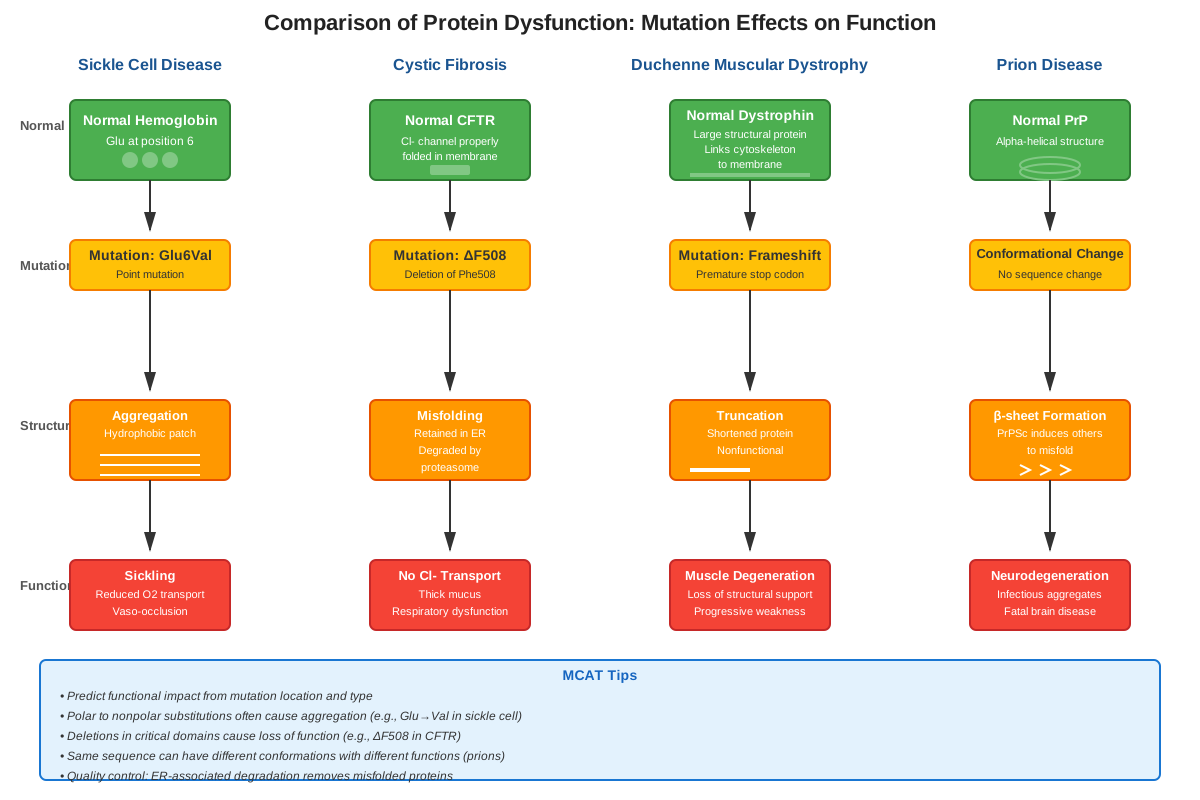
- [ ] Analyze how mutations or environmental changes affect protein function
- [ ] Evaluate experimental data to determine protein function and mechanism of action
Prerequisites
- Amino acid structure and properties: Understanding the 20 standard amino acids, their side chain characteristics (polar, nonpolar, charged), and how these properties influence protein behavior is essential for predicting functional capabilities.
- Protein structure hierarchy: Knowledge of primary, secondary, tertiary, and quaternary structure provides the framework for understanding how three-dimensional architecture enables specific functions.
- Chemical bonding and intermolecular forces: Familiarity with hydrogen bonds, ionic interactions, disulfide bridges, and hydrophobic effects explains how proteins maintain their functional conformations and interact with ligands.
- Basic thermodynamics: Understanding free energy, equilibrium, and the relationship between stability and function helps explain protein folding and binding phenomena.
Why This Topic Matters
Clinical and Real-World Significance
Protein dysfunction underlies countless human diseases, making this topic directly relevant to medical practice. Sickle cell anemia results from a single amino acid substitution in hemoglobin that alters its oxygen-transport function. Cystic fibrosis stems from mutations in the CFTR chloride channel protein. Alzheimer's disease involves misfolded proteins forming toxic aggregates. Antibody-based therapies (monoclonal antibodies) represent one of the fastest-growing classes of pharmaceuticals, directly exploiting protein function for therapeutic benefit. Understanding protein function provides the conceptual foundation for comprehending disease mechanisms, diagnostic tests (enzyme assays, immunoassays), and therapeutic interventions (enzyme inhibitors, receptor antagonists).
MCAT Exam Statistics
Protein function appears in approximately 15-20% of Biochemistry questions on the MCAT, making it one of the highest-yield topics. Questions span multiple formats: discrete questions testing classification and properties, passage-based questions analyzing experimental data about protein behavior, and integrated questions connecting protein function to physiological systems. The topic appears most frequently in the Chemical and Physical Foundations of Biological Systems and Biological and Biochemical Foundations of Living Systems sections, but also surfaces in Critical Analysis and Reasoning Skills passages discussing medical research.
Common Exam Presentations
The MCAT presents protein function through several recurring formats: (1) experimental passages describing protein purification or characterization studies requiring interpretation of gel electrophoresis, chromatography, or spectroscopy data; (2) clinical vignettes describing disease states caused by protein mutations, requiring prediction of functional consequences; (3) mechanism-based questions about enzyme catalysis, receptor-ligand binding, or motor protein movement; (4) comparative questions asking students to distinguish between protein classes based on structural or functional characteristics; (5) data analysis questions presenting binding curves, kinetic plots, or structural models requiring functional interpretation.
Core Concepts
Classification of Protein Functions
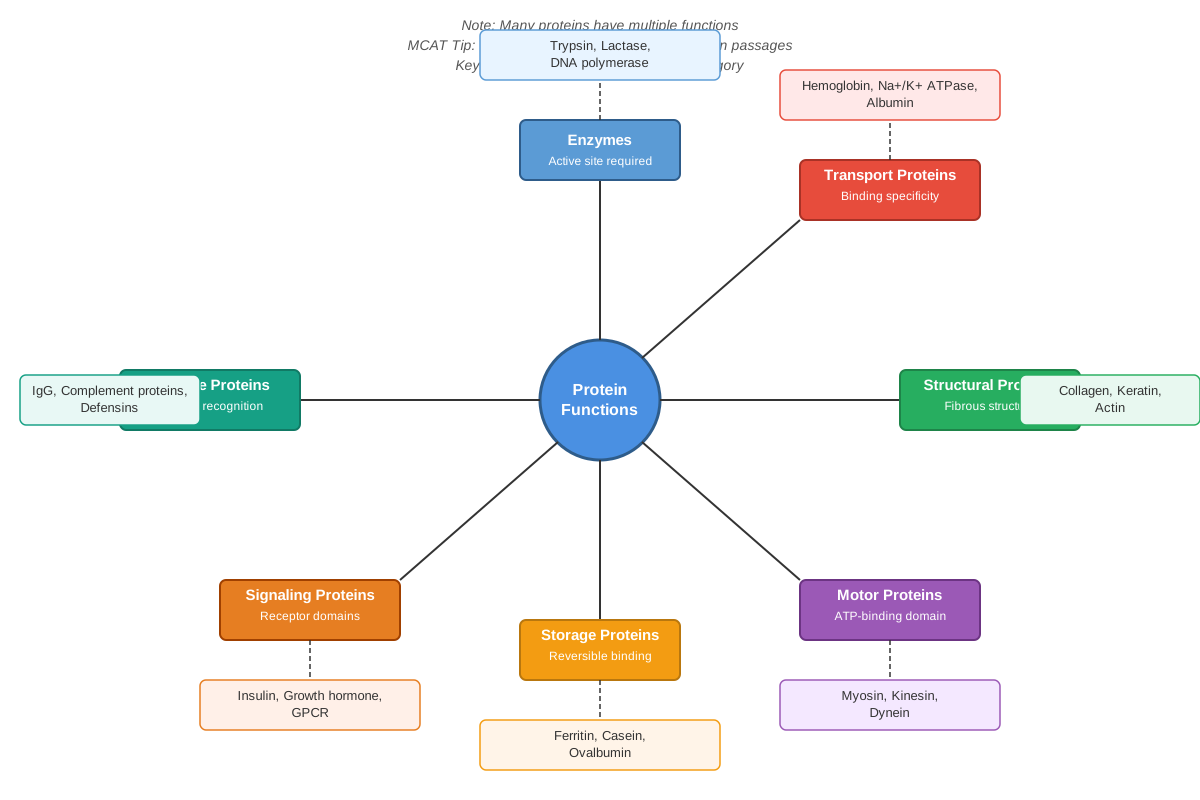
Proteins perform seven major functional categories, each with distinct structural requirements and mechanisms. Enzymatic proteins catalyze biochemical reactions by lowering activation energy, representing the largest functional class. Examples include digestive enzymes (pepsin, trypsin), metabolic enzymes (hexokinase, citrate synthase), and regulatory enzymes (protein kinases). These proteins require active sites with precise three-dimensional geometry to position substrates and stabilize transition states.
Structural proteins provide mechanical support and shape to cells and tissues. Collagen forms the extracellular matrix scaffold in connective tissue, featuring a distinctive triple-helix structure with glycine at every third position. Keratin comprises hair and nails, utilizing extensive disulfide cross-linking for strength. Elastin provides elastic recoil in blood vessels and lungs. These proteins typically feature repetitive sequences and extensive cross-linking to achieve mechanical properties.
Transport and storage proteins bind and carry specific molecules throughout the body or within cells. Hemoglobin transports oxygen in blood, utilizing cooperative binding through its quaternary structure. Myoglobin stores oxygen in muscle tissue. Serum albumin carries fatty acids, hormones, and drugs in blood. Transferrin transports iron. These proteins feature binding pockets with complementary shape and chemical properties to their cargo molecules.
Defensive proteins protect organisms from disease and injury. Antibodies (immunoglobulins) recognize and neutralize foreign antigens through highly specific binding sites created by variable regions. Fibrinogen and thrombin participate in blood clotting cascades. Complement proteins destroy pathogens. These proteins often feature modular domain structures allowing diverse recognition capabilities.
Regulatory proteins control physiological processes through signaling and gene expression. Hormones like insulin and growth hormone bind cell-surface receptors to trigger intracellular responses. Transcription factors like p53 regulate gene expression by binding DNA. These proteins feature specific binding domains for their target molecules and often undergo conformational changes upon binding.
Contractile and motor proteins generate movement through ATP-dependent conformational changes. Actin and myosin create muscle contraction through sliding filament mechanisms. Kinesin and dynein transport cargo along microtubules. These proteins convert chemical energy into mechanical work through cyclic binding and conformational changes.
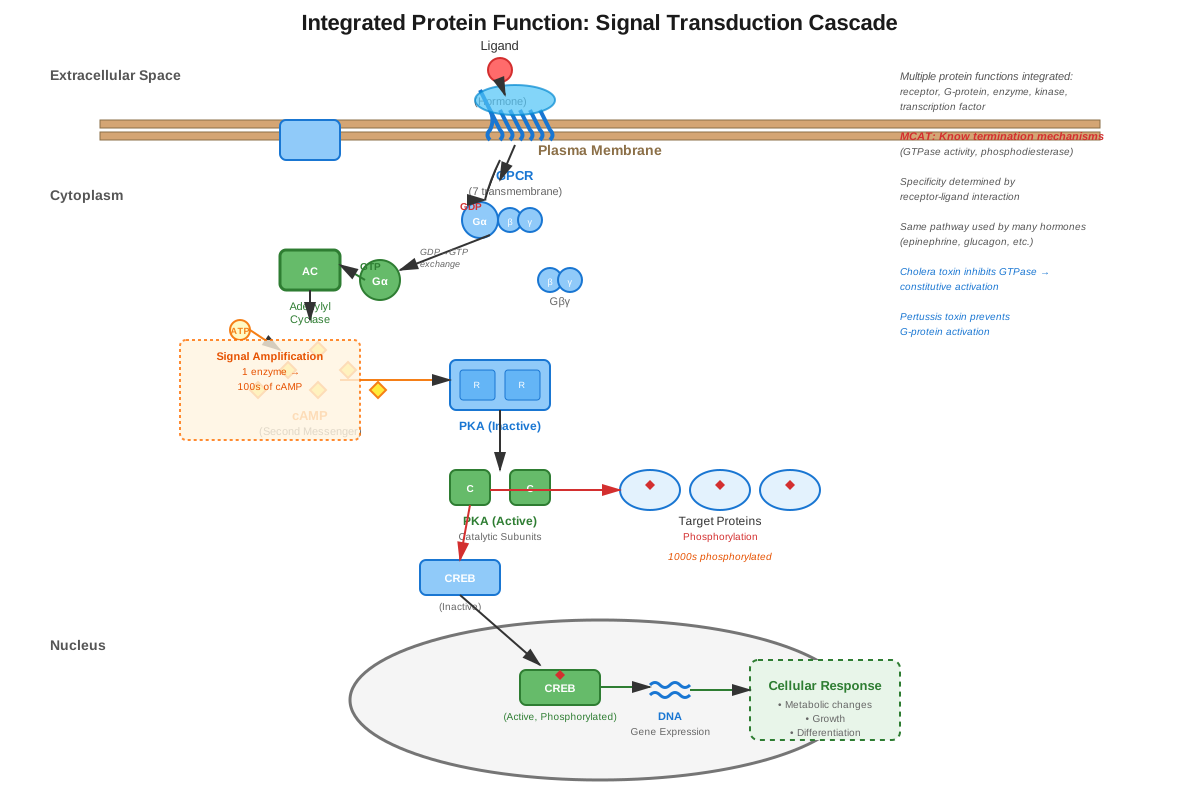
Receptor proteins detect signals and transmit information across membranes. G-protein coupled receptors (GPCRs) span membranes seven times and activate intracellular signaling cascades. Receptor tyrosine kinases (RTKs) undergo dimerization and autophosphorylation upon ligand binding. Ion channels open or close in response to specific stimuli. These proteins feature transmembrane domains and undergo conformational changes that propagate signals.
Structure-Function Relationships
The fundamental principle governing protein function states that three-dimensional structure determines biological activity. The amino acid sequence (primary structure) dictates how the polypeptide folds into secondary structures (α-helices, β-sheets), which pack into tertiary structure, and potentially assemble into quaternary structures. Each functional class requires specific structural features.
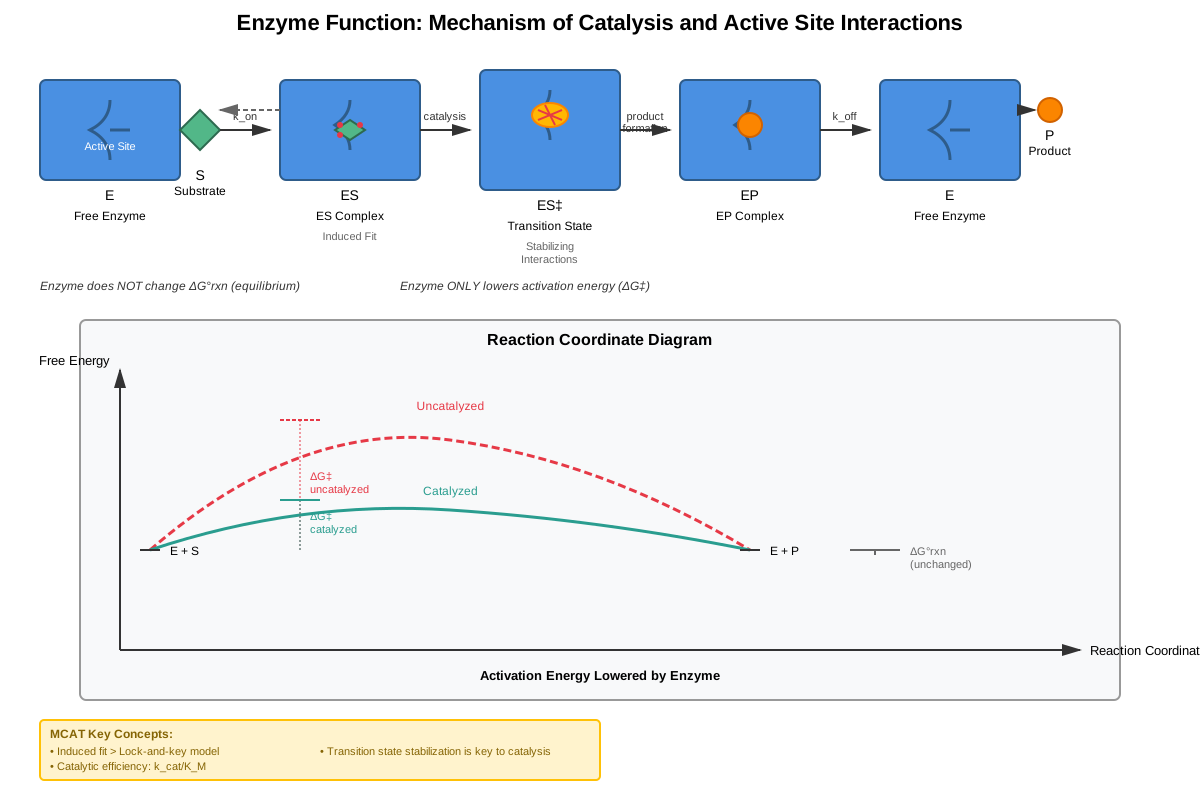
Enzymatic function requires an active site—a three-dimensional pocket or cleft where substrate binding and catalysis occur. Active sites position catalytic residues (often serine, histidine, aspartate, cysteine, or lysine) precisely to facilitate bond breaking or formation. The induced fit model describes how enzymes undergo conformational changes upon substrate binding to optimize catalysis. Cofactors (metal ions) or coenzymes (organic molecules) often participate in catalysis, requiring binding sites within or near the active site.
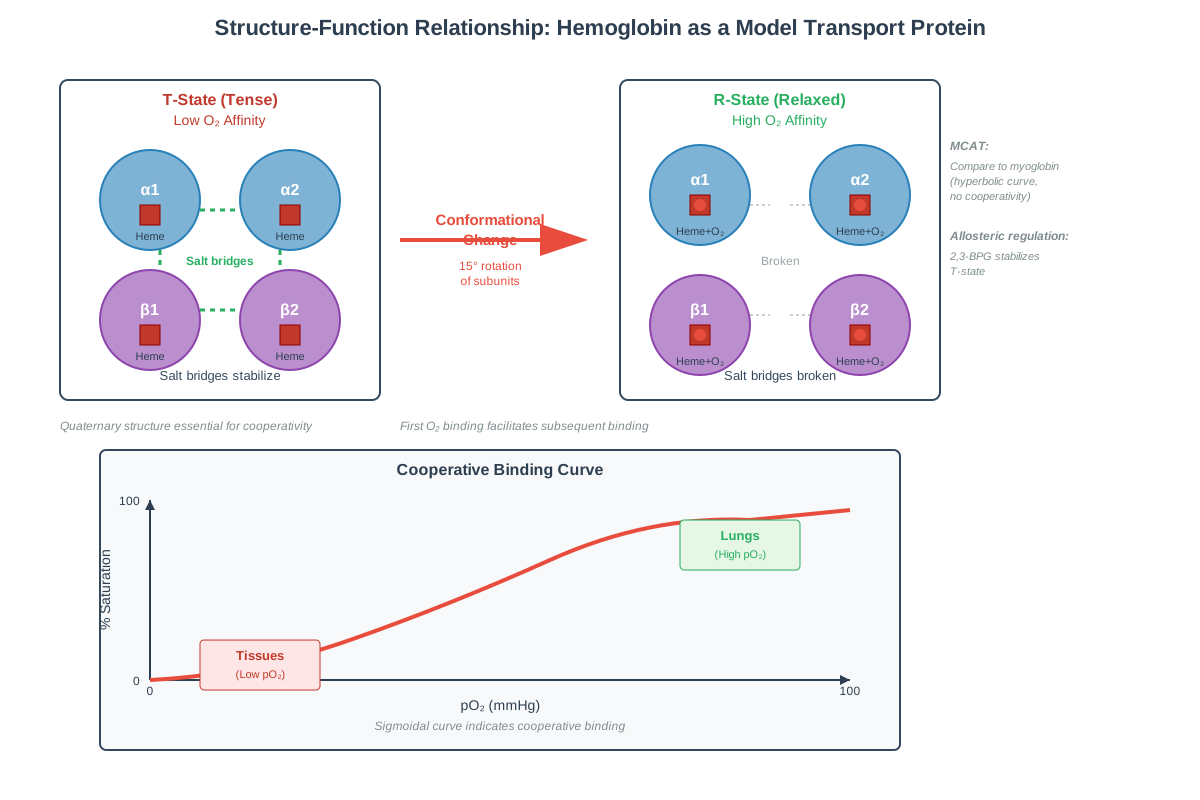
Transport proteins require binding sites with appropriate affinity and specificity. Hemoglobin's heme groups bind oxygen through iron coordination, while surrounding amino acids modulate binding affinity. The protein must balance tight enough binding to capture ligands at source locations with weak enough binding to release ligands at destination sites. Allosteric regulation, where binding at one site affects binding at distant sites, enables cooperative behavior and regulatory control.
Structural proteins achieve mechanical strength through extensive cross-linking and repetitive structures. Collagen's triple helix provides tensile strength, with covalent cross-links between lysine residues stabilizing the structure. Keratin's α-helical coiled-coils feature disulfide bonds between cysteine residues, creating rigid structures resistant to deformation. These proteins sacrifice flexibility for mechanical stability.
Antibodies achieve specificity through variable regions formed by hypervariable loops that create unique binding surfaces complementary to specific antigens. The constant regions mediate effector functions like complement activation. This modular design allows the immune system to generate millions of different antibodies from limited genetic information through recombination.
Protein-Ligand Interactions
Protein function fundamentally depends on specific, reversible binding to other molecules (ligands). Binding occurs through multiple weak interactions—hydrogen bonds, ionic interactions, van der Waals forces, and hydrophobic effects—that collectively provide specificity and appropriate affinity. The binding site features complementary shape (geometric complementarity) and chemical properties (electrostatic complementarity) to the ligand.
Binding affinity is quantified by the dissociation constant (Kd), representing the ligand concentration at which half the binding sites are occupied. Lower Kd values indicate tighter binding. The association constant (Ka) equals 1/Kd. Binding follows the law of mass action, with equilibrium determined by on-rates (kon) and off-rates (koff): Kd = koff/kon.
Specificity arises from the precise three-dimensional arrangement of amino acid side chains in the binding site. Even small changes in ligand structure can dramatically reduce binding if they disrupt complementarity. Lock-and-key and induced-fit models describe binding mechanisms. The induced-fit model, more accurate for most proteins, describes conformational changes upon binding that optimize interactions.
Cooperativity occurs in multimeric proteins when ligand binding at one subunit affects binding at other subunits. Positive cooperativity (hemoglobin binding oxygen) shows sigmoidal binding curves, while negative cooperativity shows decreased affinity at subsequent sites. Cooperativity enables sensitive responses to small changes in ligand concentration and provides regulatory control.
Allosteric Regulation
Allosteric regulation represents a crucial mechanism controlling protein function through binding of regulatory molecules at sites distinct from the active or primary binding site. Allosteric effectors induce conformational changes that propagate through the protein structure, altering activity at distant sites. This mechanism enables sophisticated regulatory control without competing with substrates or primary ligands.
Allosteric proteins exist in equilibrium between different conformational states (often designated T for tense/inactive and R for relaxed/active). Allosteric activators stabilize the active conformation, while allosteric inhibitors stabilize the inactive conformation. The conformational change affects all subunits in multimeric proteins, explaining cooperative behavior.
Hemoglobin exemplifies allosteric regulation: oxygen binding shifts the T→R equilibrium, increasing oxygen affinity at remaining sites (positive cooperativity). 2,3-bisphosphoglycerate (2,3-BPG) acts as an allosteric inhibitor, stabilizing the T state and decreasing oxygen affinity—physiologically important for oxygen delivery to tissues. Carbon dioxide and protons also act as allosteric inhibitors (Bohr effect), enhancing oxygen release in metabolically active tissues.
Post-Translational Modifications
Protein function is extensively regulated through covalent modifications occurring after translation. Phosphorylation, the addition of phosphate groups to serine, threonine, or tyrosine residues by kinases, represents the most common regulatory modification. The negatively charged phosphate group induces conformational changes, activating or inhibiting protein function. Phosphatases remove phosphate groups, reversing the effect. This reversible modification enables rapid, dynamic regulation of cellular processes.
Glycosylation, the addition of carbohydrate groups, affects protein folding, stability, and recognition. N-linked glycosylation occurs at asparagine residues, while O-linked glycosylation occurs at serine or threonine. Glycosylation is particularly important for extracellular and membrane proteins, affecting their trafficking, stability, and interactions.
Acetylation of lysine residues neutralizes positive charges, affecting protein-DNA interactions (histones) and protein stability. Methylation also modifies lysine and arginine residues, affecting gene expression and signal transduction. Ubiquitination tags proteins for degradation by the proteasome, controlling protein levels. Proteolytic cleavage irreversibly activates or inactivates proteins, exemplified by digestive enzyme activation (pepsinogen→pepsin) and blood clotting cascades.
Environmental Effects on Protein Function
Protein function is exquisitely sensitive to environmental conditions. Temperature affects protein function through its influence on molecular motion and structural stability. Moderate temperature increases enhance reaction rates by increasing molecular collisions and conformational flexibility. However, excessive heat causes denaturation—loss of native structure and function—as thermal energy overcomes the weak interactions maintaining protein structure. Most human proteins function optimally near 37°C, with denaturation occurring above 40-45°C.
pH affects protein function by altering the protonation state of ionizable amino acid side chains (aspartate, glutamate, histidine, lysine, arginine, cysteine). Changes in charge distribution affect electrostatic interactions, hydrogen bonding, and overall protein conformation. Each protein has an optimal pH range where its structure and function are maintained. Extreme pH values cause denaturation. Enzymes show pH-dependent activity profiles reflecting the protonation states required for catalysis.
Ionic strength affects electrostatic interactions between charged residues. Very low ionic strength strengthens electrostatic interactions, potentially causing aggregation. High ionic strength shields charges, weakening electrostatic interactions and potentially disrupting protein structure. Physiological ionic strength (~150 mM) represents a balance maintaining proper protein function.
Denaturants like urea and guanidinium chloride disrupt hydrogen bonds and hydrophobic interactions, causing protein unfolding. Heavy metals (mercury, lead) bind cysteine residues, disrupting disulfide bonds and protein structure. Organic solvents disrupt hydrophobic cores. Understanding these effects is crucial for protein purification, storage, and experimental manipulation.
Concept Relationships
The concepts within protein function form an interconnected network where structure determines function, and environmental factors modulate both. The relationship flows: Amino acid sequence → Protein structure → Binding site formation → Ligand interaction → Biological function → Regulation by environmental factors and modifications.
Protein classification connects directly to structure-function relationships: each functional class (enzymatic, transport, structural, etc.) requires specific structural features (active sites, binding pockets, cross-linking patterns). These structural requirements emerge from the amino acid sequence, linking back to prerequisite knowledge of amino acid properties. For example, enzymatic function requires active site formation, which depends on precise three-dimensional positioning of catalytic residues—a consequence of proper protein folding.
Protein-ligand interactions underlie multiple functional classes: enzymes bind substrates, transport proteins bind cargo, receptors bind signals, and antibodies bind antigens. The principles governing these interactions (complementarity, affinity, specificity) apply universally across functional classes. Allosteric regulation represents a specialized form of protein-ligand interaction where regulatory ligand binding affects function at distant sites.
Post-translational modifications and environmental effects represent regulatory layers superimposed on the fundamental structure-function relationship. Phosphorylation can activate or inhibit function by inducing conformational changes—essentially modulating the structure-function relationship dynamically. pH and temperature effects operate by altering the structural stability and conformational dynamics that enable function.
This topic connects forward to enzyme kinetics (Michaelis-Menten kinetics describe enzymatic protein function quantitatively), metabolism (metabolic pathways consist of sequential enzymatic protein functions), and cell signaling (receptor proteins initiate signaling cascades). Understanding protein function provides the mechanistic foundation for these more complex topics.
Quick check — test yourself on Protein function so far.
Try Flashcards →High-Yield Facts
⭐ Protein function is determined by three-dimensional structure, which arises from amino acid sequence; disruption of structure through mutation, denaturation, or misfolding abolishes function.
⭐ The seven major protein functional classes are: enzymatic, structural, transport/storage, defensive, regulatory, contractile/motor, and receptor proteins—each with characteristic structural requirements.
⭐ Active sites in enzymes feature precise three-dimensional geometry positioning catalytic residues to stabilize transition states and lower activation energy.
⭐ Hemoglobin demonstrates positive cooperativity through allosteric interactions: oxygen binding at one subunit increases affinity at remaining subunits, producing a sigmoidal binding curve.
⭐ Allosteric regulation occurs when binding at one site affects activity at a distant site through conformational changes, enabling regulatory control without competing with substrates.
- Binding affinity is quantified by Kd (dissociation constant); lower Kd indicates tighter binding, with Kd representing the ligand concentration at half-maximal binding.
- Antibodies achieve specificity through variable regions containing hypervariable loops that create unique binding surfaces complementary to specific antigens.
- Structural proteins like collagen and keratin achieve mechanical strength through repetitive sequences, extensive cross-linking (disulfide bonds, covalent cross-links), and sacrificing conformational flexibility.
- Phosphorylation by kinases adds negatively charged phosphate groups to serine, threonine, or tyrosine residues, inducing conformational changes that activate or inhibit protein function.
- Denaturation—loss of native structure and function—occurs with extreme temperature, pH, or exposure to denaturants, disrupting the weak interactions maintaining protein structure while leaving peptide bonds intact.
Common Misconceptions
Misconception: All proteins are enzymes that catalyze reactions.
Correction: Enzymes represent only one functional class of proteins. Proteins perform diverse functions including structural support (collagen), transport (hemoglobin), defense (antibodies), signaling (insulin), movement (myosin), and reception (GPCRs). Each functional class has distinct structural requirements and mechanisms.
Misconception: Protein function depends only on amino acid sequence, not on three-dimensional structure.
Correction: While amino acid sequence determines structure, it is the three-dimensional structure that directly enables function. Proteins with identical sequences but different conformations (misfolded proteins) lose function. Denaturation destroys function by disrupting structure while leaving sequence intact, demonstrating that structure, not just sequence, determines function.
Misconception: Stronger binding (lower Kd) is always better for protein function.
Correction: Optimal binding affinity depends on functional context. Transport proteins must balance capturing ligands at source locations with releasing them at destinations—excessively tight binding prevents release. Enzymes must release products to continue catalyzing reactions. Regulatory proteins need appropriate affinity for sensitive responses to concentration changes.
Misconception: Allosteric regulation and competitive inhibition are the same thing.
Correction: Allosteric regulation involves binding at sites distinct from the active site, causing conformational changes that affect activity. Competitive inhibition involves binding at the active site, directly blocking substrate access. Allosteric effectors don't compete with substrates and can affect proteins lacking active sites (like hemoglobin), while competitive inhibitors only affect enzymes and directly compete with substrates.
Misconception: Denaturation breaks peptide bonds and destroys the primary structure.
Correction: Denaturation disrupts secondary, tertiary, and quaternary structure by breaking weak interactions (hydrogen bonds, ionic interactions, hydrophobic effects) but leaves peptide bonds intact, preserving primary structure. The amino acid sequence remains unchanged, but the protein loses its functional three-dimensional conformation. Some denatured proteins can refold (renature) if conditions return to normal, demonstrating that primary structure is preserved.
Misconception: Post-translational modifications permanently alter protein function.
Correction: Many post-translational modifications are reversible, enabling dynamic regulation. Phosphorylation is reversed by phosphatases, acetylation by deacetylases, and methylation by demethylases. This reversibility allows rapid, responsive regulation of protein function in response to cellular signals. Only some modifications (like proteolytic cleavage) are irreversible.
Worked Examples
Example 1: Analyzing Hemoglobin Function and Regulation
Question: A researcher studies hemoglobin oxygen binding under different conditions. At sea level (normal oxygen pressure), hemoglobin shows a sigmoidal oxygen binding curve with 50% saturation at 27 mmHg O₂. At high altitude, the same individual's hemoglobin shows 50% saturation at 35 mmHg O₂. Additionally, fetal hemoglobin shows 50% saturation at 20 mmHg O₂ under the same conditions as adult hemoglobin. Explain these observations in terms of protein function principles.
Solution:
Step 1: Identify the functional class and mechanism. Hemoglobin is a transport protein that binds and carries oxygen. The sigmoidal binding curve indicates positive cooperativity—oxygen binding at one subunit increases affinity at remaining subunits through allosteric conformational changes (T→R state transition).
Step 2: Interpret the shift at high altitude. The rightward shift (increased O₂ pressure needed for 50% saturation) indicates decreased oxygen affinity. At high altitude, the body increases 2,3-BPG production in response to hypoxia. 2,3-BPG acts as an allosteric inhibitor, binding in the central cavity of hemoglobin and stabilizing the T (tense, low-affinity) state. This physiological adaptation facilitates oxygen release to tissues despite lower arterial oxygen levels.
Step 3: Interpret fetal hemoglobin behavior. The leftward shift (lower O₂ pressure needed for 50% saturation) indicates higher oxygen affinity. Fetal hemoglobin (HbF) contains γ-subunits instead of β-subunits, which have fewer positively charged residues in the 2,3-BPG binding site. This reduces 2,3-BPG binding, stabilizing the R (relaxed, high-affinity) state. Higher affinity enables fetal hemoglobin to extract oxygen from maternal hemoglobin across the placenta—a critical adaptation for fetal oxygen delivery.
Step 4: Connect to broader principles. This example demonstrates how protein function depends on three-dimensional structure (subunit composition affects binding site properties), how allosteric regulation modulates function (2,3-BPG shifts T-R equilibrium), and how structure-function relationships enable physiological adaptation (different hemoglobin variants optimize oxygen delivery in different contexts).
Example 2: Predicting Effects of Mutation on Enzyme Function
Question: An enzyme contains a serine residue in its active site that acts as a nucleophile during catalysis. A mutation changes this serine to alanine. Separately, a different mutation changes a leucine residue in the hydrophobic core to proline. Predict the functional consequences of each mutation and explain your reasoning.
Solution:
Step 1: Analyze the serine→alanine mutation. Serine contains a hydroxyl (-OH) group that can act as a nucleophile, donating electrons to form covalent intermediates during catalysis. Alanine has only a methyl (-CH₃) group, lacking nucleophilic capability. This mutation eliminates the catalytic residue, completely abolishing enzymatic activity. The protein may fold normally (alanine is similar in size to serine), but the active site cannot perform catalysis. This represents a loss-of-function mutation affecting the chemical mechanism.
Step 2: Analyze the leucine→proline mutation. Leucine is a hydrophobic amino acid typically found in protein cores, contributing to structural stability through hydrophobic interactions. Proline is unique because its cyclic structure restricts backbone flexibility and disrupts α-helices and β-sheets. Introducing proline into the hydrophobic core likely disrupts proper folding, causing misfolding or structural instability. The protein may not achieve its native three-dimensional structure, preventing active site formation. This mutation affects function indirectly by disrupting the structure required for function.
Step 3: Compare the mechanisms. The serine→alanine mutation affects function directly by eliminating a catalytic residue while potentially preserving overall structure. The leucine→proline mutation affects function indirectly by disrupting the structural foundation required for active site formation. Both abolish function but through different mechanisms—one chemical, one structural.
Step 4: Connect to clinical relevance. Many genetic diseases result from mutations affecting protein function through these mechanisms. Some mutations directly affect active sites (like the serine→alanine example), while others cause misfolding (like the leucine→proline example). Understanding these mechanisms helps predict disease severity and potential therapeutic approaches (small molecule chaperones to stabilize misfolded proteins vs. enzyme replacement therapy for catalytically dead enzymes).
Exam Strategy
Approaching MCAT Questions on Protein Function
When encountering protein function questions, first identify the functional class (enzymatic, transport, structural, etc.) as this immediately suggests relevant structural features and mechanisms. Read carefully for clues about structure: mentions of "active site" indicate enzymatic function, "binding site" suggests transport or receptor function, and "subunits" implies quaternary structure with potential for cooperativity or allosteric regulation.
For passage-based questions, pay attention to experimental manipulations. If the passage describes pH changes, temperature variations, or addition of denaturants, expect questions about environmental effects on protein structure and function. If mutations are introduced, predict whether they affect structure (core residues, proline insertions) or function directly (active site residues, binding site residues). Data showing sigmoidal curves indicates cooperativity; hyperbolic curves suggest non-cooperative binding or Michaelis-Menten kinetics.
Trigger Words and Phrases
Watch for these high-yield trigger words: "allosteric" signals regulation through conformational changes at distant sites; "cooperative" indicates multimeric proteins with subunit interactions affecting binding; "denature" means loss of structure (but not primary structure); "Kd" or "dissociation constant" relates to binding affinity (lower = tighter); "post-translational modification" suggests regulatory mechanisms like phosphorylation; "quaternary structure" implies multiple subunits with potential for cooperativity.
Phrases like "loss of function" suggest mutations affecting critical residues or structural stability. "Increased/decreased affinity" relates to Kd changes and binding curve shifts. "Conformational change" indicates induced fit, allosteric regulation, or activation mechanisms. "Specific binding" emphasizes complementarity between protein and ligand.
Process of Elimination Tips
When evaluating answer choices, eliminate options that confuse functional classes (e.g., claiming all proteins are enzymes). Eliminate choices that suggest denaturation breaks peptide bonds or destroys primary structure—denaturation only disrupts higher-order structure. Eliminate options claiming stronger binding is always better; optimal affinity depends on functional context.
For questions about mutations, eliminate choices that don't consider whether the mutation affects structure or function directly. A mutation in the hydrophobic core likely affects folding (structure), while a mutation in the active site likely affects catalysis (function). For allosteric regulation questions, eliminate choices suggesting the regulator binds at the active site—that would be competitive inhibition, not allosteric regulation.
Time Allocation
Discrete questions on protein function typically require 60-90 seconds: quickly identify the functional class, apply relevant principles, and select the answer. Passage-based questions require more time (90-120 seconds per question) because you must integrate passage information with content knowledge. For complex data interpretation questions (binding curves, kinetic plots), allocate 2 minutes to carefully analyze the data before answering.
Don't spend excessive time on questions requiring detailed memorization of specific proteins beyond high-yield examples (hemoglobin, collagen, antibodies, common enzymes). The MCAT tests principles and reasoning more than exhaustive factual recall. If a question seems to require obscure knowledge, look for clues in the passage or question stem that provide the necessary information.
Memory Techniques
Mnemonic for Protein Functional Classes
"Every Student Takes Difficult Regulatory Chemistry Regularly" helps remember the seven major functional classes:
- Enzymatic
- Structural
- Transport/storage
- Defensive
- Regulatory
- Contractile/motor
- Receptor
Visualizing Structure-Function Relationships
Create a mental image of a lock and key for protein-ligand interactions, but remember to modify it to induced fit: imagine the lock (protein) slightly reshaping as the key (ligand) enters, optimizing the fit. This visualization helps remember that proteins aren't rigid structures but dynamic molecules that adjust conformation upon binding.
For cooperativity, visualize hemoglobin as four people holding hands in a circle. When one person (subunit) grabs an oxygen molecule, they pull on their neighbors, making it easier for them to grab oxygen too. This represents positive cooperativity and the T→R conformational change.
Acronym for Denaturation Factors
"HOTT pH" reminds you of factors causing denaturation:
- Heat (high temperature)
- Organic solvents
- Toxic heavy metals
- Too extreme
- pH (too acidic or basic)
Remembering Allosteric vs. Competitive Inhibition
"Allosteric = Alternative site" – both start with "Al" and allosteric regulators bind at alternative (not active) sites. Competitive inhibitors compete for the active site, so they're "competing" directly with substrate.
Summary
Protein function represents the culmination of how amino acid sequence determines three-dimensional structure, which in turn enables specific biological activities. The seven major functional classes—enzymatic, structural, transport, defensive, regulatory, contractile, and receptor proteins—each require distinct structural features optimized for their roles. Enzymatic proteins need precisely positioned active sites; transport proteins require binding sites with appropriate affinity; structural proteins achieve mechanical strength through cross-linking and repetitive sequences; defensive proteins like antibodies feature variable regions for antigen recognition; regulatory proteins undergo conformational changes to transmit signals; contractile proteins convert chemical energy to mechanical work; and receptor proteins detect and transmit signals across membranes. Protein-ligand interactions depend on complementarity, with binding affinity quantified by Kd. Allosteric regulation enables sophisticated control through conformational changes propagating from regulatory sites to functional sites. Post-translational modifications like phosphorylation provide dynamic, reversible regulation. Environmental factors—temperature, pH, ionic strength, and denaturants—affect protein function by altering structure and stability. Understanding these principles enables prediction of how mutations, environmental changes, and regulatory mechanisms affect protein function, forming the foundation for comprehending metabolism, signaling, and disease mechanisms tested extensively on the MCAT.
Key Takeaways
- Three-dimensional structure determines protein function; disruption of structure through mutation, denaturation, or misfolding abolishes biological activity regardless of preserved amino acid sequence.
- Seven functional classes (enzymatic, structural, transport, defensive, regulatory, contractile, receptor) each have characteristic structural requirements and mechanisms optimized for their specific roles.
- Allosteric regulation occurs through binding at sites distinct from active sites, causing conformational changes that modulate function without competing with substrates—exemplified by hemoglobin's cooperative oxygen binding.
- Binding affinity (Kd) and specificity arise from complementarity between protein binding sites and ligands; optimal affinity depends on functional context, not simply "tighter is better."
- Post-translational modifications like phosphorylation provide reversible, dynamic regulation of protein function through conformational changes induced by covalent modifications.
- Environmental factors (temperature, pH, ionic strength, denaturants) affect protein function by altering structure and stability; denaturation disrupts higher-order structure while preserving primary structure.
- Structure-function relationships connect amino acid properties → protein folding → binding site formation → ligand interaction → biological activity, with regulation superimposed through modifications and environmental factors.
Related Topics
Enzyme Kinetics and Inhibition: Building on enzymatic protein function, this topic quantitatively describes reaction rates, Michaelis-Menten kinetics, and mechanisms of enzyme inhibition (competitive, noncompetitive, uncompetitive). Mastering protein function provides the conceptual foundation for understanding how enzymes work and how their activity is regulated.
Protein Structure and Folding: This prerequisite topic becomes more meaningful after understanding function—the "why" behind structural requirements. Advanced study includes protein folding pathways, chaperones, and diseases of protein misfolding (amyloidosis, prion diseases).
Cell Signaling and Signal Transduction: Receptor proteins initiate signaling cascades involving protein kinases, G-proteins, and second messengers. Understanding receptor protein function enables comprehension of how cells detect and respond to external signals.
Metabolism and Metabolic Pathways: Metabolic pathways consist of sequential enzymatic reactions. Understanding enzyme function provides the mechanistic basis for comprehending glycolysis, citric acid cycle, oxidative phosphorylation, and biosynthetic pathways.
Immunology and Antibody Function: Defensive proteins, particularly antibodies, form the foundation of adaptive immunity. Understanding antibody structure and function enables comprehension of immune responses, vaccines, and antibody-based therapies.
Practice CTA
Now that you've mastered the core concepts of protein function, it's time to reinforce your understanding through active practice. Attempt the practice questions and flashcards associated with this topic to test your ability to apply these principles to MCAT-style scenarios. Focus particularly on questions involving experimental data interpretation, mutation analysis, and allosteric regulation—these represent the highest-yield question types. Remember that understanding protein function provides the foundation for enzyme kinetics, metabolism, and cell signaling, so solidifying this knowledge now will accelerate your mastery of subsequent topics. Challenge yourself to explain the reasoning behind each answer, not just select the correct option. You've got this!
Sign up free to keep reading
Create a free AnvayaPrep account to finish this MCAT guide on Protein function — plus flashcards and practice questions.