Overview
Glycoproteins represent a crucial class of biomolecules where carbohydrate chains (oligosaccharides) are covalently attached to protein structures. These conjugated proteins play indispensable roles throughout biological systems, from cell-cell recognition and immune function to blood typing and hormone activity. Understanding glycoproteins requires integrating knowledge from both carbohydrate chemistry and protein structure, making this topic a natural bridge between multiple Biochemistry domains tested on the MCAT.
For the MCAT, glycoproteins appear frequently in passages involving cell biology, immunology, and molecular recognition. The exam tests not only structural knowledge but also functional understanding—how glycosylation affects protein folding, stability, and biological activity. Questions may present clinical scenarios involving blood transfusions (ABO blood groups), viral infections (glycoprotein envelope proteins), or hormonal signaling (glycoprotein hormones like FSH and LH). The ability to recognize glycoproteins in experimental contexts and predict how carbohydrate modifications influence protein function distinguishes high-scoring students.
Within the broader Biochemistry curriculum, glycoproteins connect carbohydrate chemistry to protein structure and function, membrane biology, and cellular communication. They exemplify post-translational modifications—changes to proteins after ribosomal synthesis—and demonstrate how relatively small structural additions can dramatically alter biological properties. Mastering this topic strengthens understanding of molecular recognition, specificity in biological systems, and the structural diversity that enables complex multicellular life.
Learning Objectives
- [ ] Define Glycoproteins using accurate Biochemistry terminology
- [ ] Explain why Glycoproteins matters for the MCAT
- [ ] Apply Glycoproteins to exam-style questions
- [ ] Identify common mistakes related to Glycoproteins
- [ ] Connect Glycoproteins to related Biochemistry concepts
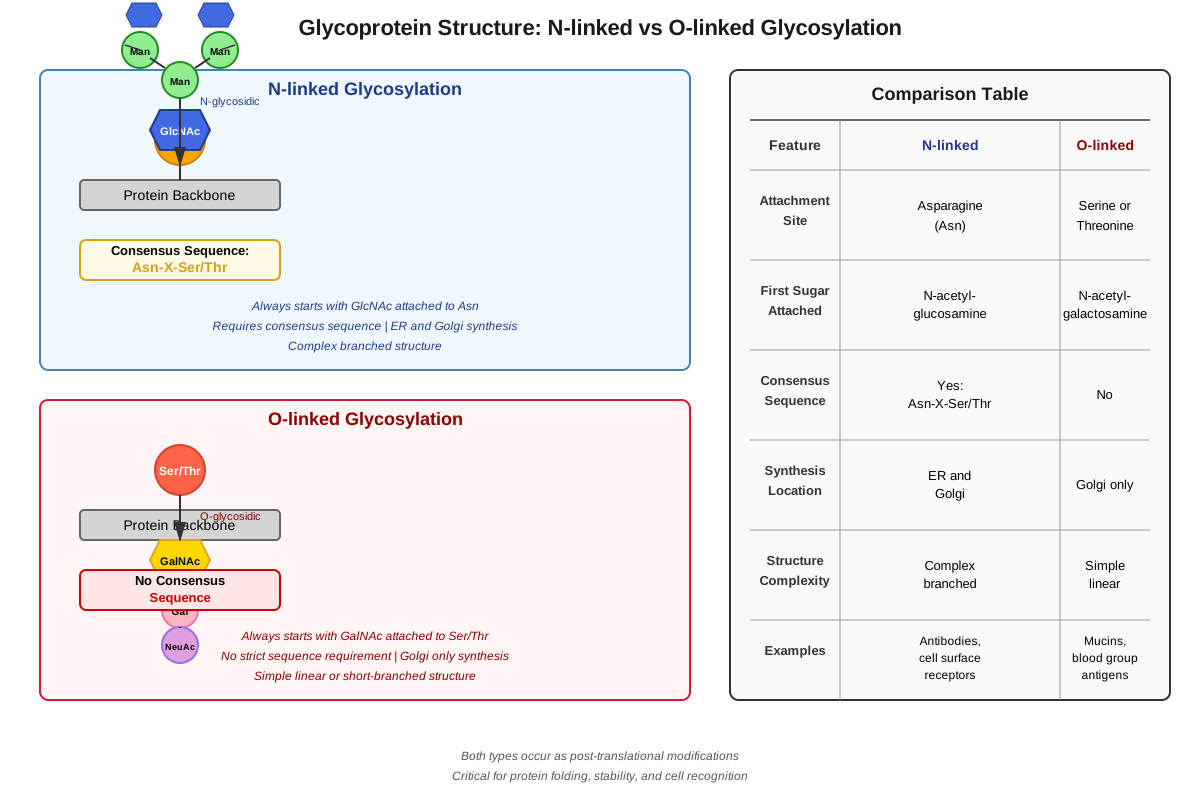
- [ ] Distinguish between N-linked and O-linked glycosylation mechanisms and their structural characteristics
- [ ] Predict how glycosylation affects protein properties including solubility, stability, and immunogenicity
- [ ] Analyze experimental scenarios involving glycoprotein function in cell recognition and signaling
Prerequisites
- Amino acid structure and protein synthesis: Glycoproteins are proteins with carbohydrate modifications, requiring understanding of the protein backbone to which sugars attach
- Monosaccharide and disaccharide chemistry: The carbohydrate portions of glycoproteins consist of sugar units whose structures and linkages determine glycoprotein properties
- Post-translational modifications: Glycosylation occurs after translation in the ER and Golgi, requiring familiarity with protein processing pathways
- Membrane structure: Many glycoproteins are membrane-bound, necessitating understanding of lipid bilayers and membrane protein topology
- Basic immunology concepts: Glycoproteins function prominently in immune recognition, blood typing, and antibody structure
Why This Topic Matters
Clinical and Real-World Significance: Glycoproteins are ubiquitous in human physiology and medicine. Blood type determination relies on glycoprotein antigens on erythrocyte surfaces—mismatched transfusions can be fatal due to immune reactions against foreign glycoproteins. Many therapeutic proteins (erythropoietin, monoclonal antibodies) are glycoproteins whose carbohydrate modifications affect half-life and efficacy. Viral envelope proteins like influenza hemagglutinin and HIV gp120 are glycoproteins that mediate host cell entry, making them vaccine and drug targets. Congenital disorders of glycosylation (CDGs) cause severe developmental abnormalities, highlighting the essential nature of proper glycosylation.
Exam Statistics and Frequency: Glycoproteins appear in approximately 3-5% of MCAT Biochemistry questions, with higher representation in passage-based questions involving cell biology or immunology. The topic frequently appears integrated with other concepts rather than as standalone questions. Common question formats include: identifying glycoproteins from experimental data (lectin binding, molecular weight shifts after enzymatic deglycosylation), predicting functional consequences of glycosylation mutations, analyzing blood typing scenarios, and interpreting passage information about cell surface receptors or antibodies.
Common Exam Contexts: MCAT passages featuring glycoproteins often present research on cell adhesion molecules, immune system components (antibodies, MHC proteins), hormone signaling (FSH, LH, hCG, TSH), or viral pathogenesis. Discrete questions may test blood group genetics and transfusion compatibility. Experimental passages might describe techniques like lectin affinity chromatography, Western blotting with glycosidase treatment, or site-directed mutagenesis of glycosylation sites. Recognition of glycoproteins in these contexts and understanding how carbohydrate modifications influence experimental results are key skills.
Core Concepts
Definition and Basic Structure
Glycoproteins are conjugated proteins containing one or more covalently attached oligosaccharide chains (glycans). Unlike proteoglycans, which contain predominantly carbohydrate by mass (often >95%), glycoproteins typically contain 1-60% carbohydrate by weight, with protein comprising the majority of the molecule. The carbohydrate portions are called glycans or oligosaccharides, typically containing 2-15 monosaccharide units, though some glycoproteins have much longer chains.
The attachment of carbohydrates to proteins occurs through specific amino acid residues via two major linkage types: N-linked glycosylation (attachment to asparagine residues) and O-linked glycosylation (attachment to serine or threonine residues). These post-translational modifications occur in the endoplasmic reticulum (ER) and Golgi apparatus, not during ribosomal protein synthesis. The resulting glycoproteins display enormous structural diversity because multiple glycosylation sites may exist on a single protein, and each site can be modified with different oligosaccharide structures.
N-Linked Glycosylation
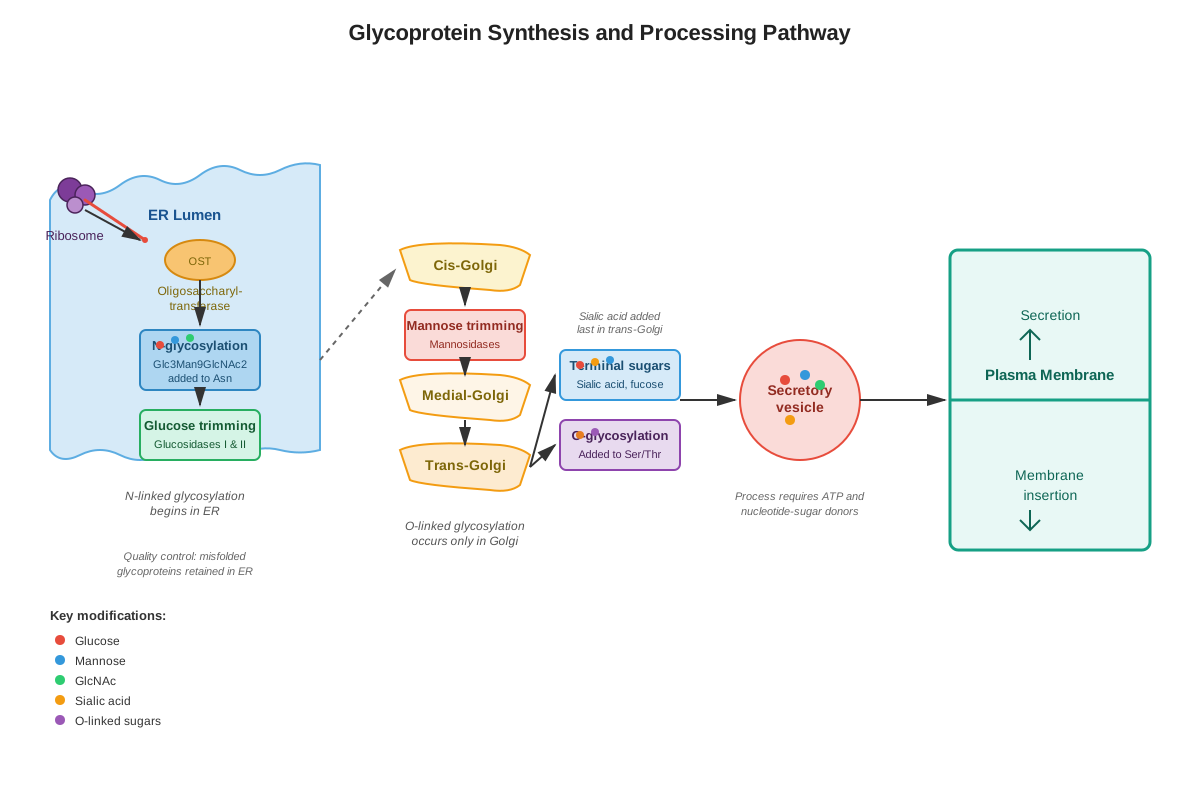
N-linked glycosylation involves attachment of oligosaccharides to the nitrogen atom of asparagine (Asn) side chains. This modification occurs at specific consensus sequences: Asn-X-Ser/Thr, where X can be any amino acid except proline. The process begins in the ER lumen where a preformed oligosaccharide (containing 14 sugar residues: 2 N-acetylglucosamine, 9 mannose, and 3 glucose units) is transferred en bloc from a lipid carrier (dolichol pyrophosphate) to the asparagine residue of the nascent polypeptide.
Following initial transfer, the oligosaccharide undergoes extensive processing:
- ER processing: Glucose residues are sequentially removed by glucosidases, and some mannose residues are trimmed by mannosidases
- Quality control: Partially trimmed glycoproteins interact with chaperones (calnexin, calreticulin) that assist proper folding
- Golgi processing: Further mannose trimming occurs, followed by addition of N-acetylglucosamine, galactose, fucose, and sialic acid residues by specific glycosyltransferases
The final N-linked glycan structures fall into three categories:
| Type | Structure | Characteristics |
|---|---|---|
| High-mannose | Contains primarily mannose residues | Minimal Golgi processing; found on some immune proteins |
| Complex | Contains diverse sugars including GlcNAc, galactose, fucose, sialic acid | Extensive Golgi processing; most common type |
| Hybrid | Combination of high-mannose and complex features | Intermediate processing |
O-Linked Glycosylation
O-linked glycosylation involves attachment of sugars to the oxygen atom of serine (Ser) or threonine (Thr) hydroxyl groups. Unlike N-linked glycosylation, O-linked modifications lack a universal consensus sequence, though regions rich in serine and threonine are common sites. The process occurs exclusively in the Golgi apparatus and proceeds by sequential addition of individual monosaccharides—there is no preformed oligosaccharide transferred en bloc.
The most common O-linked structure begins with N-acetylgalactosamine (GalNAc) attached to Ser/Thr, followed by addition of other sugars. Common O-linked glycan types include:
- Mucin-type O-glycans: Begin with GalNAc-Ser/Thr; extended with galactose, GlcNAc, fucose, and sialic acid
- O-GlcNAc modification: Single GlcNAc residue attached to Ser/Thr; functions in intracellular signaling rather than secreted proteins
- Glycosaminoglycan attachment: Proteoglycans use O-linked xylose as the initial sugar for GAG chain attachment
O-linked glycosylation is particularly abundant in mucins (heavily glycosylated proteins in mucus), where dense glycosylation creates extended, rigid structures that provide protective barriers on epithelial surfaces.
Functional Roles of Glycoproteins
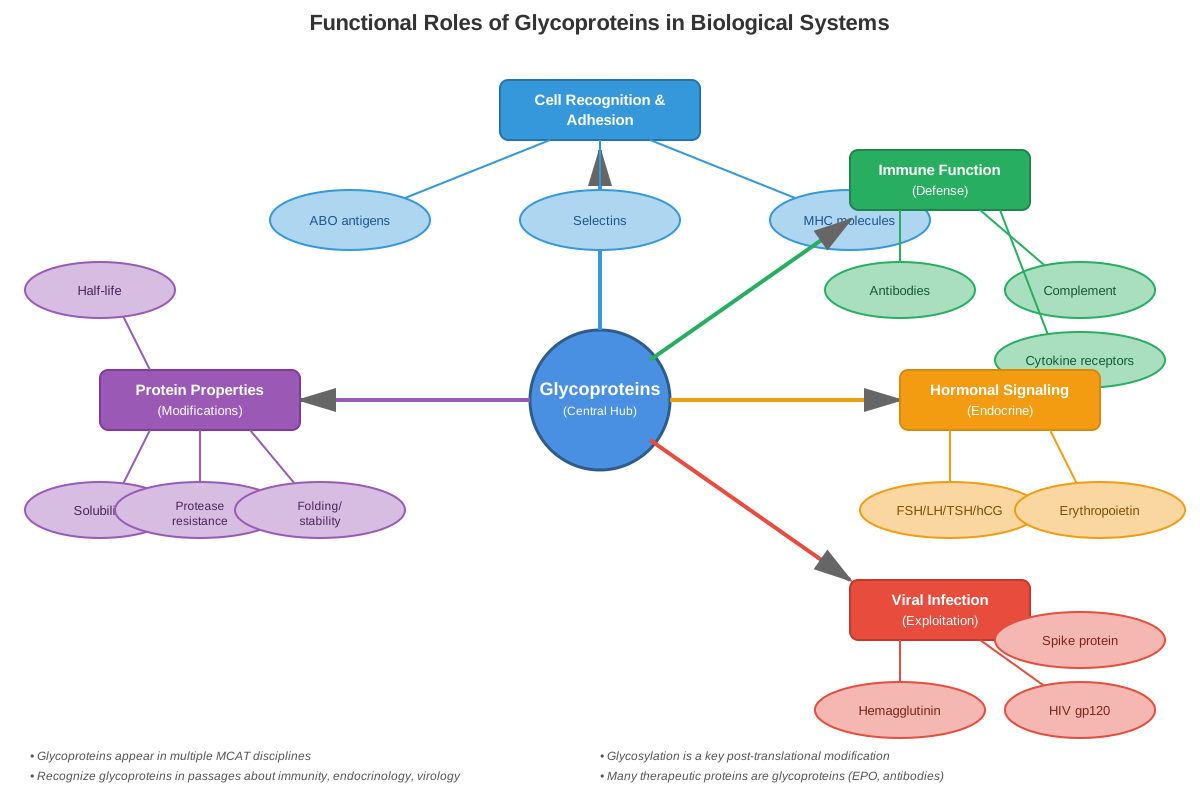
Glycosylation profoundly affects protein properties and enables diverse biological functions:
Structural and Physical Effects:
- Increased solubility: Hydrophilic carbohydrate chains enhance aqueous solubility
- Protease resistance: Glycans sterically hinder protease access, increasing protein half-life
- Protein folding: N-linked glycans interact with ER chaperones, facilitating proper folding
- Thermal stability: Glycosylation can stabilize protein tertiary structure
Biological Recognition and Signaling:
- Cell-cell recognition: Glycoproteins on cell surfaces mediate adhesion and communication
- Immune recognition: Antibodies (IgG, IgA, IgM, IgE) are glycoproteins; glycans affect antibody effector functions
- Pathogen binding: Viruses and bacteria recognize host glycoproteins as entry receptors
- Hormone activity: Glycoprotein hormones (FSH, LH, hCG, TSH) require glycosylation for receptor binding and biological activity
Targeting and Localization:
- Lysosomal targeting: Mannose-6-phosphate tags direct glycoproteins to lysosomes
- Secretion: Glycosylation can influence whether proteins are secreted or membrane-retained
- Membrane orientation: Glycosylation occurs only on extracellular/luminal domains, establishing membrane protein topology
Clinically Important Glycoproteins
Several glycoproteins are particularly relevant for MCAT contexts:
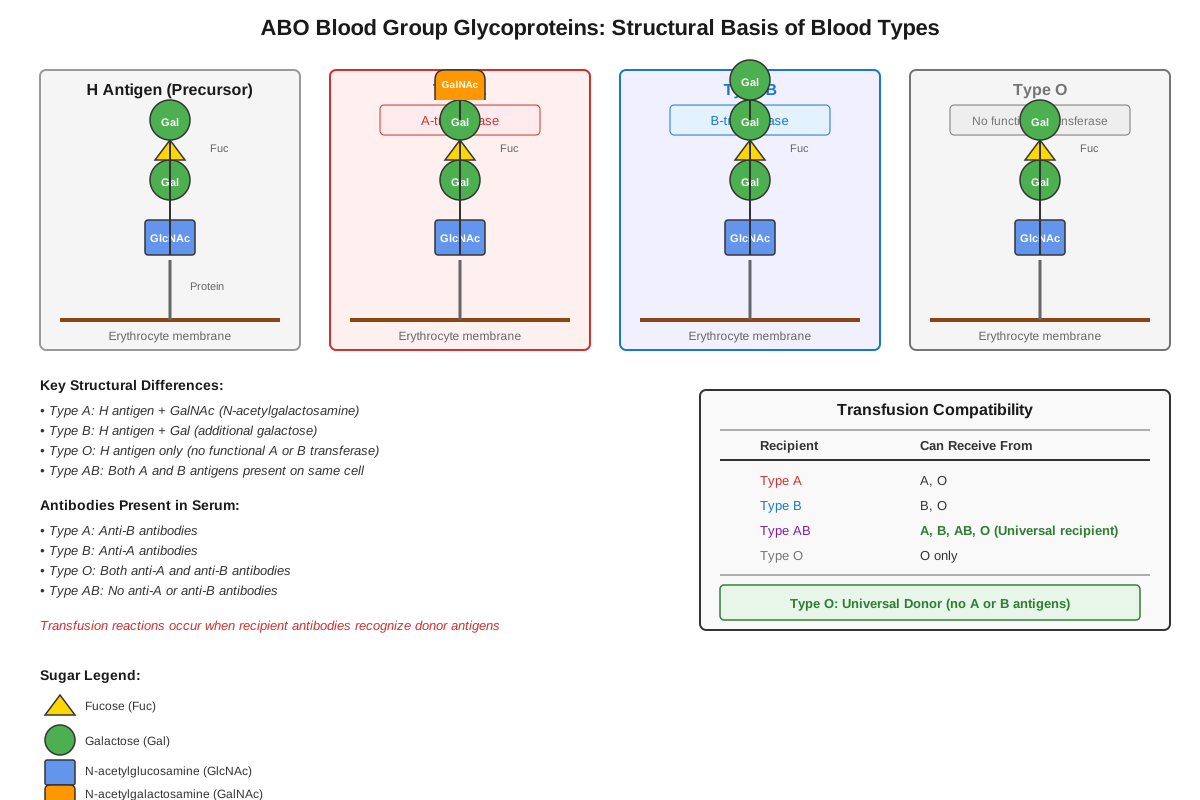
Blood Group Antigens: The ABO blood group system involves glycoproteins and glycolipids on erythrocyte surfaces. The H antigen (fucose attached to galactose) serves as the precursor. Type A individuals add N-acetylgalactosamine; type B individuals add galactose; type O individuals have only the H antigen. These differences determine transfusion compatibility and explain why type O is the universal donor (lacks A and B antigens) and type AB is the universal recipient (produces no anti-A or anti-B antibodies).
Immunoglobulins: All antibody classes are glycoproteins with N-linked glycans in the Fc (constant) region. These glycans influence antibody half-life, complement activation, and binding to Fc receptors on immune cells. Therapeutic monoclonal antibodies require careful glycosylation control during manufacturing.
Viral Envelope Proteins: Influenza hemagglutinin, HIV gp120, and coronavirus spike proteins are heavily glycosylated. The glycans help evade immune recognition (glycan shield) and mediate host cell receptor binding. Influenza hemagglutinin binds sialic acid residues on host glycoproteins, determining host and tissue tropism.
Hormones: Follicle-stimulating hormone (FSH), luteinizing hormone (LH), human chorionic gonadotropin (hCG), and thyroid-stimulating hormone (TSH) are glycoprotein hormones sharing a common α-subunit but differing in their β-subunits. Glycosylation affects their circulatory half-life and receptor activation potency.
Experimental Detection and Analysis
MCAT passages may describe techniques for studying glycoproteins:
Lectin Binding: Lectins are proteins that specifically bind particular carbohydrate structures. Different lectins recognize different glycan motifs, allowing glycoprotein identification and characterization. Lectin affinity chromatography can purify glycoproteins.
Glycosidase Treatment: Enzymes that cleave specific glycosidic bonds can remove carbohydrate chains. PNGase F removes N-linked glycans; various glycosidases remove specific monosaccharides. Comparing protein mobility on SDS-PAGE before and after glycosidase treatment reveals glycosylation (glycoproteins migrate faster after deglycosylation due to reduced molecular weight).
Metabolic Labeling: Cells can be cultured with radioactive or fluorescent sugar analogs that incorporate into glycoproteins, allowing tracking and visualization.
Concept Relationships
The core concepts within glycoproteins form an interconnected network. Glycoprotein structure (protein backbone + oligosaccharide chains) determines glycoprotein function (recognition, signaling, protection). The mechanism of glycosylation (N-linked vs. O-linked) influences where glycosylation occurs (ER/Golgi compartmentalization) and what structures result (high-mannose vs. complex glycans). These structural variations enable diverse biological roles from immune recognition to hormone signaling.
Glycoproteins connect to prerequisite topics through multiple pathways: Protein synthesis → Post-translational modification (glycosylation) → Protein folding and quality control → Functional glycoprotein. The carbohydrate chemistry prerequisite connects through: Monosaccharide structure → Glycosidic bond formation → Oligosaccharide chains → Glycoprotein glycans. Membrane biology connects via: Membrane protein topology → Glycosylation on extracellular domains → Cell surface glycoproteins → Cell recognition and signaling.
Related topics that build on glycoprotein knowledge include: proteoglycans (more extensive glycosylation), glycolipids (carbohydrates attached to lipids rather than proteins), cell adhesion molecules (many are glycoproteins), and immune system components (antibodies, MHC proteins, complement proteins are glycoproteins). Understanding glycoproteins also supports learning about protein trafficking (ER → Golgi → destination), enzyme kinetics (glycosylation affects enzyme properties), and molecular recognition (specificity in biological systems).
High-Yield Facts
⭐ Glycoproteins are proteins with covalently attached oligosaccharide chains, typically 1-60% carbohydrate by weight
⭐ N-linked glycosylation occurs at Asn-X-Ser/Thr consensus sequences; O-linked glycosylation occurs at Ser/Thr residues without strict consensus
⭐ N-linked glycosylation begins in the ER with en bloc transfer of a 14-sugar oligosaccharide; O-linked glycosylation occurs in the Golgi by sequential sugar addition
⭐ ABO blood group antigens are glycoproteins/glycolipids differing by terminal sugar: type A has GalNAc, type B has Gal, type O has neither
⭐ All antibody classes (immunoglobulins) are glycoproteins with N-linked glycans in the Fc region affecting effector functions
- Glycosylation increases protein solubility, stability, and protease resistance
- Glycoprotein hormones (FSH, LH, hCG, TSH) share a common α-subunit but have unique β-subunits
- Viral envelope proteins (influenza hemagglutinin, HIV gp120) are heavily glycosylated and mediate host cell entry
- Mannose-6-phosphate tags on N-linked glycans target proteins to lysosomes
- Glycosylation occurs only on the extracellular or luminal side of membranes, establishing protein topology
- Lectins are proteins that bind specific carbohydrate structures and are used experimentally to detect and purify glycoproteins
- Congenital disorders of glycosylation (CDGs) cause severe developmental abnormalities, demonstrating the essential nature of proper glycosylation
- Mucins are heavily O-glycosylated proteins that form protective barriers on epithelial surfaces
- Glycosidase treatment removes carbohydrate chains, causing glycoproteins to migrate faster on SDS-PAGE
- The glycan shield on viral proteins helps pathogens evade immune recognition by masking protein epitopes
Quick check — test yourself on Glycoproteins so far.
Try Flashcards →Common Misconceptions
Misconception: Glycoproteins and proteoglycans are the same thing.
Correction: While both are proteins with attached carbohydrates, proteoglycans contain predominantly carbohydrate (>95% by mass) in the form of long glycosaminoglycan chains, whereas glycoproteins contain mostly protein (40-99%) with shorter oligosaccharide chains. They also differ in synthesis location and biological functions.
Misconception: Glycosylation occurs during translation on ribosomes.
Correction: Glycosylation is a post-translational modification occurring after the polypeptide chain is synthesized. N-linked glycosylation begins in the ER lumen as the protein is being translocated, but the sugar attachment happens after peptide bond formation. O-linked glycosylation occurs entirely in the Golgi, well after translation is complete.
Misconception: All asparagine residues in proteins are N-glycosylated.
Correction: Only asparagine residues within the Asn-X-Ser/Thr consensus sequence (where X ≠ Pro) are potential N-glycosylation sites, and not all consensus sequences are actually glycosylated. Factors including local protein structure, accessibility, and cellular context determine which sites are modified.
Misconception: The carbohydrate portion of glycoproteins provides energy storage like glycogen.
Correction: Glycoproteins do not function in energy storage. Their carbohydrate chains serve structural and recognition roles—mediating protein folding, stability, cell-cell interactions, and molecular recognition. The oligosaccharides are not mobilized for energy production.
Misconception: Type O blood has no antigens on red blood cells.
Correction: Type O individuals lack A and B antigens but possess the H antigen (the precursor structure consisting of fucose attached to galactose). Type O is defined by the absence of A and B modifications to the H antigen, not the complete absence of carbohydrate antigens. Additionally, all blood types have numerous other glycoprotein and glycolipid antigens beyond the ABO system.
Misconception: Removing glycans from a glycoprotein doesn't significantly affect protein function.
Correction: Glycosylation profoundly affects protein properties. Removing glycans can impair protein folding, reduce stability, increase protease susceptibility, decrease circulatory half-life, alter receptor binding, and eliminate biological activity. For example, deglycosylated erythropoietin has drastically reduced half-life and therapeutic efficacy.
Misconception: N-linked and O-linked glycosylation produce identical oligosaccharide structures.
Correction: N-linked and O-linked glycans have distinct structures. N-linked glycans always have a core structure of two GlcNAc residues attached to asparagine, with mannose residues extending from this core. O-linked glycans typically begin with GalNAc attached to Ser/Thr and have different branching patterns and sugar compositions.
Worked Examples
Example 1: Blood Transfusion Compatibility
Question: A patient with blood type B requires a transfusion. The hospital has available donors with blood types A, B, AB, and O. Which donor blood types are compatible, and why? Explain the molecular basis involving glycoproteins.
Solution:
Step 1 - Identify the patient's antigens and antibodies:
Type B individuals have:
- B antigens (glycoproteins/glycolipids with terminal galactose) on their red blood cells
- Anti-A antibodies in their plasma (because they've never been exposed to A antigens and produce antibodies against them)
- No anti-B antibodies (immune tolerance to self-antigens)
Step 2 - Analyze each potential donor:
- Type A donor: Red cells have A antigens (terminal GalNAc). The patient's anti-A antibodies would recognize and attack these cells, causing agglutination and hemolysis. NOT compatible.
- Type B donor: Red cells have B antigens (terminal Gal), matching the patient's own antigens. No immune reaction occurs. Compatible.
- Type AB donor: Red cells have both A and B antigens. The patient's anti-A antibodies would attack the A antigens. NOT compatible.
- Type O donor: Red cells have only H antigen (no A or B modifications). The patient has no antibodies against H antigen. Compatible (Type O is the universal donor for red cells).
Step 3 - Molecular explanation:
The ABO blood group system involves glycoproteins and glycolipids on erythrocyte surfaces. All individuals produce the H antigen (fucose-Gal structure). Type A individuals have an enzyme (A transferase) that adds GalNAc to H antigen. Type B individuals have a different enzyme (B transferase) that adds Gal to H antigen. Type O individuals lack functional transferases, leaving only H antigen. The immune system produces antibodies against any ABO antigens not present on one's own cells.
Answer: Type B and Type O donors are compatible. Type B matches the patient's antigens exactly, while Type O lacks the A antigen that would trigger the patient's anti-A antibodies.
Connection to learning objectives: This example applies glycoprotein knowledge to a clinical scenario, demonstrating how carbohydrate structure differences (terminal GalNAc vs. Gal vs. neither) create distinct molecular identities recognized by the immune system.
Example 2: Experimental Analysis of Glycosylation
Question: Researchers studying a newly discovered membrane protein observe the following:
- Western blot shows a band at 85 kDa
- After treatment with PNGase F (removes N-linked glycans), the band shifts to 70 kDa
- After treatment with O-glycosidase (removes O-linked glycans), the band shifts to 80 kDa
- After treatment with both enzymes, the band shifts to 65 kDa
- The protein sequence contains three Asn-X-Ser/Thr motifs and multiple Ser/Thr-rich regions
What can you conclude about this protein's glycosylation?
Solution:
Step 1 - Analyze the molecular weight changes:
- Native protein: 85 kDa
- After PNGase F: 70 kDa (15 kDa decrease)
- After O-glycosidase: 80 kDa (5 kDa decrease)
- After both enzymes: 65 kDa (20 kDa total decrease)
Step 2 - Calculate glycan contributions:
- N-linked glycans contribute: 85 - 70 = 15 kDa
- O-linked glycans contribute: 85 - 80 = 5 kDa
- Total glycan mass: 85 - 65 = 20 kDa
- Unglycosylated protein core: 65 kDa
- Check: 15 + 5 = 20 kDa ✓ (consistent)
Step 3 - Determine glycosylation characteristics:
- The protein is a glycoprotein (contains both N-linked and O-linked glycans)
- Glycans comprise 20/85 ≈ 24% of total mass (typical for glycoproteins, not proteoglycans)
- N-linked glycosylation is more extensive than O-linked (15 kDa vs. 5 kDa)
- The presence of Asn-X-Ser/Thr consensus sequences supports N-glycosylation
- Ser/Thr-rich regions support O-glycosylation
Step 4 - Predict cellular localization:
Since the protein is glycosylated, it must have passed through the ER (for N-glycosylation) and Golgi (for O-glycosylation). As a membrane protein, glycosylation occurs on the extracellular or luminal domain. The protein is likely:
- A plasma membrane protein with extracellular glycosylated domains
- A secreted protein
- A protein in the secretory pathway (ER, Golgi, lysosomes, vesicles)
Answer: This is a glycoprotein with both N-linked (~15 kDa) and O-linked (~5 kDa) glycosylation, comprising approximately 24% carbohydrate by mass. The unglycosylated protein core is 65 kDa. The glycosylation pattern indicates the protein traffics through the ER and Golgi, with glycans on extracellular or luminal domains.
Connection to learning objectives: This example demonstrates application of glycoprotein concepts to experimental data interpretation, requiring understanding of glycosylation types, enzymatic analysis methods, and the relationship between glycosylation and protein localization—all common MCAT passage themes.
Exam Strategy
Approaching MCAT Glycoprotein Questions:
- Identify the context: Determine whether the question involves structure (N- vs. O-linked), function (recognition, signaling), clinical application (blood typing, hormones), or experimental analysis (enzyme treatment, molecular weight).
- Look for trigger words:
- "Asparagine" or "Asn-X-Ser/Thr" → N-linked glycosylation
- "Serine/threonine" → O-linked glycosylation
- "Endoplasmic reticulum" → N-linked glycosylation initiation
- "Golgi apparatus" → glycan processing (both types)
- "Lectin," "glycosidase," or "PNGase" → experimental glycoprotein analysis
- "Blood type," "transfusion," or "agglutination" → ABO glycoprotein antigens
- "Antibody," "immunoglobulin," or "IgG" → glycoprotein structure and function
- Process of elimination strategies:
- If a question asks about consensus sequences, eliminate options mentioning O-linked glycosylation (no strict consensus)
- If a passage describes en bloc oligosaccharide transfer, eliminate O-linked options (sequential addition)
- For blood typing questions, remember Type O is universal donor (lacks A and B), Type AB is universal recipient (no anti-A or anti-B antibodies)
- If molecular weight decreases after enzyme treatment, glycans were removed; if no change, that glycosylation type wasn't present
- Time allocation:
- Discrete glycoprotein questions (30-45 seconds): Quickly identify the concept being tested and apply memorized facts
- Passage-based questions (60-90 seconds): Integrate passage information with glycoprotein knowledge; often requires analyzing experimental data or clinical scenarios
- Don't overthink: MCAT glycoprotein questions test fundamental concepts, not obscure details
- Common question patterns:
- Structure-function relationships: "How would removing N-linked glycans affect this protein?" → Consider stability, folding, recognition
- Experimental interpretation: "What explains the molecular weight shift?" → Glycosylation adds mass; removal decreases mass
- Clinical application: "Why is this transfusion incompatible?" → Antigen-antibody mismatch
- Mechanism questions: "Where does this modification occur?" → N-linked begins in ER; O-linked in Golgi
Exam Tip: When passages describe proteins involved in cell recognition, immune function, or hormonal signaling, assume they're glycoproteins unless stated otherwise. Most membrane and secreted proteins are glycosylated.
Memory Techniques
Mnemonic for N-linked Glycosylation Consensus Sequence:
"Nancy's X-ray Shows Tumors"
- Nancy = N(asparagine)
- X-ray = X (any amino acid except proline)
- Shows = S(erine)
- Tumors = T(hreonine)
- Consensus: Asn-X-Ser/Thr
Mnemonic for Glycosylation Location:
"Never Overlook Golgi"
- Never = N-linked starts in ER (Never → N → ER)
- Overlook = O-linked in Golgi
- Golgi = Both types processed in Golgi
Visualization for Blood Types:
Picture four houses (blood types) with different decorations (antigens):
- House O: Plain house with basic foundation (H antigen only) - can visit anyone (universal donor)
- House A: House O + Apple tree (GalNAc added)
- House B: House O + Banana tree (Gal added)
- House AB: Both apple and banana trees (both antigens) - accepts visitors from all houses (universal recipient)
Acronym for Glycoprotein Functions:
"SCRIPT"
- Stability (protease resistance, thermal stability)
- Cell recognition (adhesion, signaling)
- Receptor binding (hormones, growth factors)
- Immune function (antibodies, MHC proteins)
- Protein folding (chaperone interactions)
- Targeting (lysosomal sorting, membrane orientation)
Memory Aid for N-linked vs. O-linked Differences:
| Feature | N-linked | O-linked |
|---|---|---|
| Attachment | Nitrogen (Asn) | Oxygen (Ser/Thr) |
| Location start | ER (Early) | Golgi (Goes later) |
| Transfer | En bloc (Entire oligosaccharide) | Sequential (Single sugars) |
| Consensus | Yes (Asn-X-Ser/Thr) | No strict sequence |
Rhyme for Glycosidase Effects:
"When glycosidase does its deed,
Proteins run faster with increased speed"
(Removing glycans reduces molecular weight, increasing migration speed in electrophoresis)
Summary
Glycoproteins are conjugated proteins containing covalently attached oligosaccharide chains, representing a crucial intersection of carbohydrate and protein biochemistry. These molecules undergo post-translational modification through two major pathways: N-linked glycosylation (attachment to asparagine in Asn-X-Ser/Thr sequences, beginning in the ER with en bloc transfer) and O-linked glycosylation (attachment to serine/threonine, occurring in the Golgi through sequential sugar addition). Glycosylation profoundly affects protein properties including solubility, stability, folding, and biological recognition. Clinically important glycoproteins include blood group antigens (ABO system), immunoglobulins, viral envelope proteins, and glycoprotein hormones. For the MCAT, students must understand structural features distinguishing N- and O-linked glycosylation, predict functional consequences of glycosylation, analyze experimental data involving glycoprotein detection and characterization, and apply knowledge to clinical scenarios particularly involving blood transfusions and immune recognition. Mastery requires integrating carbohydrate chemistry, protein structure, cellular trafficking, and molecular recognition principles.
Key Takeaways
- Glycoproteins are proteins with covalently attached oligosaccharides (1-60% carbohydrate), modified post-translationally in the ER and Golgi
- N-linked glycosylation attaches to Asn in Asn-X-Ser/Thr sequences via en bloc transfer in the ER; O-linked glycosylation attaches to Ser/Thr via sequential addition in the Golgi
- Glycosylation increases protein stability, solubility, and protease resistance while enabling cell recognition, immune function, and molecular signaling
- ABO blood groups result from different terminal sugars on glycoproteins/glycolipids: Type A has GalNAc, Type B has Gal, Type O has neither, Type AB has both
- Clinically important glycoproteins include antibodies (all immunoglobulin classes), viral envelope proteins (influenza, HIV), and glycoprotein hormones (FSH, LH, hCG, TSH)
- Experimental detection uses lectins (carbohydrate-binding proteins), glycosidases (remove specific glycans causing molecular weight shifts), and metabolic labeling
- Glycosylation occurs only on extracellular or luminal protein domains, establishing membrane protein topology and indicating secretory pathway trafficking
Related Topics
Proteoglycans: While glycoproteins contain primarily protein with oligosaccharide modifications, proteoglycans consist predominantly of carbohydrate in the form of long glycosaminoglycan chains. Understanding glycoproteins provides foundation for distinguishing these related but distinct conjugated proteins.
Glycolipids: Carbohydrates attached to lipids rather than proteins; share functional roles with glycoproteins in cell recognition and membrane structure. The ABO blood group system involves both glycoproteins and glycolipids.
Protein Trafficking and Secretory Pathway: Glycosylation occurs during protein transit through the ER and Golgi, making understanding of vesicular transport, signal sequences, and organelle-specific modifications essential for comprehensive glycoprotein knowledge.
Post-Translational Modifications: Glycosylation represents one of many modifications proteins undergo after synthesis, including phosphorylation, acetylation, ubiquitination, and proteolytic cleavage. Comparing these modifications reveals diverse regulatory mechanisms.
Immunology and Antibody Structure: All antibody classes are glycoproteins; understanding glycosylation enhances comprehension of antibody function, therapeutic antibody design, and immune recognition mechanisms.
Cell Adhesion and Signaling: Many cell surface receptors, adhesion molecules, and signaling proteins are glycoproteins. Mastering glycoprotein structure enables deeper understanding of cell-cell communication and tissue organization.
Practice CTA
Now that you've mastered the core concepts of glycoproteins, it's time to solidify your understanding through active practice. Challenge yourself with MCAT-style questions covering N-linked and O-linked glycosylation mechanisms, blood typing scenarios, experimental interpretation, and clinical applications. Use flashcards to memorize high-yield facts like the Asn-X-Ser/Thr consensus sequence, glycoprotein functions, and key examples. The more you practice applying these concepts to varied question formats, the more confident and efficient you'll become on test day. Remember: understanding glycoproteins strengthens your grasp of protein biochemistry, cellular biology, and molecular recognition—concepts that appear throughout the MCAT. You've got this!
Sign up free to keep reading
Create a free AnvayaPrep account to finish this MCAT guide on Glycoproteins — plus flashcards and practice questions.