Overview
Lactose is a disaccharide carbohydrate that serves as a critical topic within MCAT Biochemistry, particularly in the study of carbohydrates and their metabolism. This sugar molecule, commonly known as "milk sugar," consists of two monosaccharide units—glucose and galactose—joined by a β-1,4-glycosidic bond. Understanding lactose extends beyond simple structural knowledge; it encompasses enzymatic digestion, metabolic pathways, genetic regulation, and clinical manifestations of lactose intolerance, all of which represent high-yield testable material on the MCAT.
The significance of lactose for the MCAT lies in its multidisciplinary nature. Questions involving lactose frequently integrate biochemistry with genetics (lactase persistence alleles), physiology (intestinal absorption), and even evolutionary biology (selective pressures for lactase production in adult populations). The MCAT tests not only the structural features of lactose but also the consequences of its malabsorption, the regulation of lactase enzyme expression, and the metabolic fate of its constituent monosaccharides. Students must understand both the molecular details and the broader physiological context to excel on exam questions involving this disaccharide.
Within the broader framework of carbohydrates in Biochemistry, lactose represents an essential example of disaccharide structure and function. It connects to fundamental concepts including glycosidic bond formation, reducing sugar chemistry, carbohydrate digestion, and monosaccharide metabolism (particularly galactose metabolism through the Leloir pathway). Mastery of lactose provides a foundation for understanding other disaccharides, oligosaccharides, and the general principles of carbohydrate biochemistry that appear throughout the MCAT biological sciences sections.
Learning Objectives
- [ ] Define Lactose using accurate Biochemistry terminology
- [ ] Explain why Lactose matters for the MCAT
- [ ] Apply Lactose to exam-style questions
- [ ] Identify common mistakes related to Lactose
- [ ] Connect Lactose to related Biochemistry concepts
- [ ] Describe the structure of lactose including the specific glycosidic linkage and its stereochemistry
- [ ] Explain the enzymatic mechanism of lactase and the consequences of lactase deficiency
- [ ] Trace the metabolic pathway of galactose from lactose hydrolysis through the Leloir pathway
- [ ] Analyze the genetic and evolutionary basis of lactase persistence in human populations
Prerequisites
- Monosaccharide structure and nomenclature: Understanding glucose and galactose structures is essential because lactose is composed of these two monosaccharides
- Glycosidic bond formation: Knowledge of how monosaccharides link through dehydration reactions provides the foundation for disaccharide structure
- Enzyme kinetics and mechanism: Familiarity with enzyme function is necessary to understand lactase activity and its deficiency
- Basic genetics and gene expression: Understanding transcriptional regulation helps explain lactase persistence and the molecular basis of lactose intolerance
- Carbohydrate classification: Knowing the distinction between monosaccharides, disaccharides, and polysaccharides provides context for lactose's role
Why This Topic Matters
Lactose holds substantial clinical relevance that makes it a favorite topic for MCAT passage-based questions. Lactose intolerance affects approximately 65% of the global adult population, with significant variation across ethnic groups—a fact that connects biochemistry to population genetics and evolutionary biology. The condition results from decreased lactase enzyme production after weaning, leading to gastrointestinal symptoms when lactose-containing foods are consumed. This clinical presentation allows the MCAT to test students' understanding of enzyme deficiency, osmotic effects in the intestine, and bacterial fermentation of undigested carbohydrates.
From an exam statistics perspective, lactose appears in approximately 3-5% of MCAT biochemistry questions, either as a primary topic or integrated into broader passages about carbohydrate metabolism, digestive physiology, or genetic variation. Questions typically fall into several categories: structural identification and nomenclature, enzyme kinetics of lactase, metabolic consequences of lactose malabsorption, and genetic regulation of lactase expression. The topic frequently appears in passage-based questions that present experimental data about lactase activity, population studies of lactose tolerance, or clinical vignettes describing patients with digestive symptoms.
Common MCAT passage formats include: (1) research studies comparing lactase activity across different populations or age groups, (2) experiments investigating factors that affect lactase expression or activity, (3) clinical scenarios requiring students to distinguish between lactose intolerance and other gastrointestinal conditions, and (4) evolutionary biology passages exploring the selective advantage of lactase persistence in dairy-farming populations. The interdisciplinary nature of lactose makes it an ideal vehicle for testing multiple competencies within a single passage, which is why it appears regularly on the exam.
Core Concepts
Lactose Structure and Chemical Properties
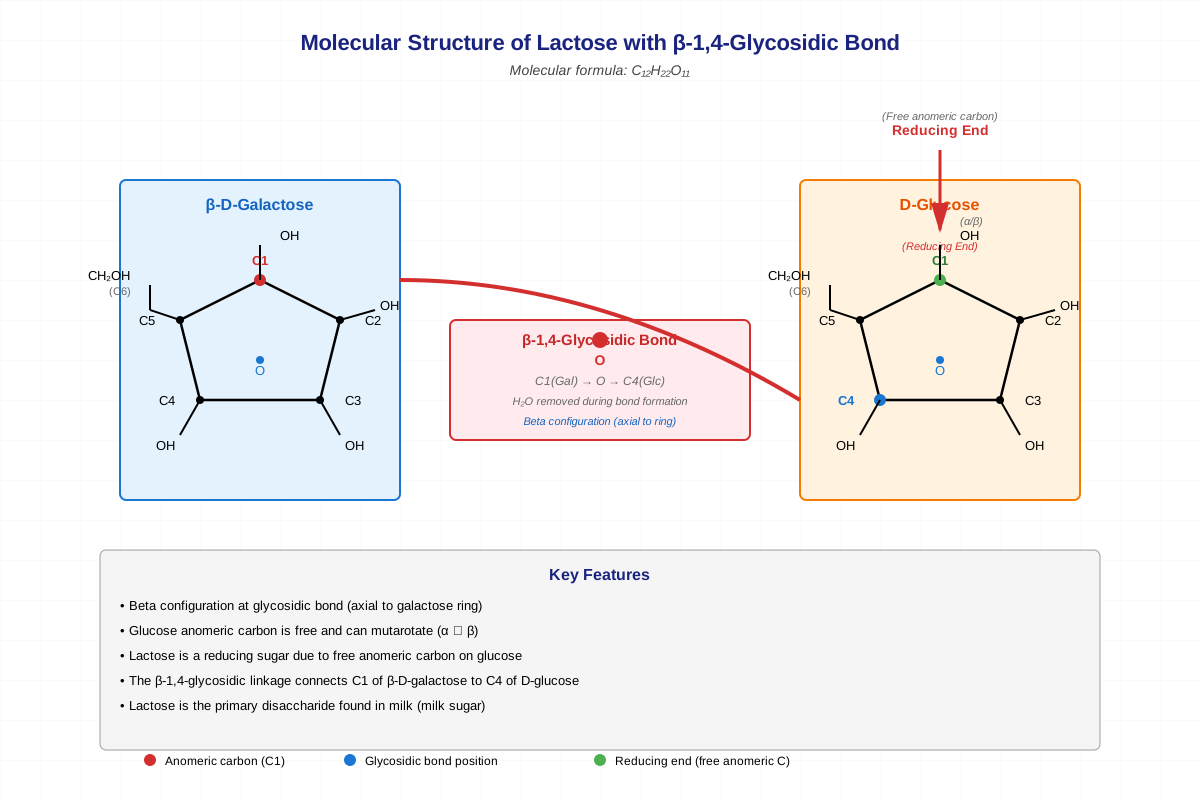
Lactose is a disaccharide with the molecular formula C₁₂H₂₂O₁₁, composed of one glucose molecule and one galactose molecule. The two monosaccharides are joined by a β-1,4-glycosidic bond, meaning the anomeric carbon (C1) of galactose forms a glycosidic linkage with the C4 hydroxyl group of glucose, and the galactose is in the beta configuration at its anomeric carbon. This specific linkage is crucial because it determines both the three-dimensional structure of lactose and its susceptibility to enzymatic hydrolysis by lactase.
The systematic name for lactose is β-D-galactopyranosyl-(1→4)-D-glucopyranose, which precisely describes the linkage. The glucose unit in lactose retains a free anomeric carbon at C1, which can exist in equilibrium between α and β anomeric forms. This free anomeric carbon makes lactose a reducing sugar—it can act as a reducing agent in chemical tests like Benedict's test or Fehling's test. This property distinguishes lactose from non-reducing disaccharides like sucrose, where both anomeric carbons are involved in the glycosidic bond.
The β-1,4-glycosidic linkage in lactose creates a specific three-dimensional orientation that requires a specialized enzyme for hydrolysis. Unlike α-glycosidic bonds (found in maltose and sucrose), β-glycosidic bonds cannot be cleaved by the enzymes that digest starch. This specificity explains why lactase (β-galactosidase) is necessary for lactose digestion and why its absence leads to lactose intolerance.
Lactase Enzyme and Lactose Digestion
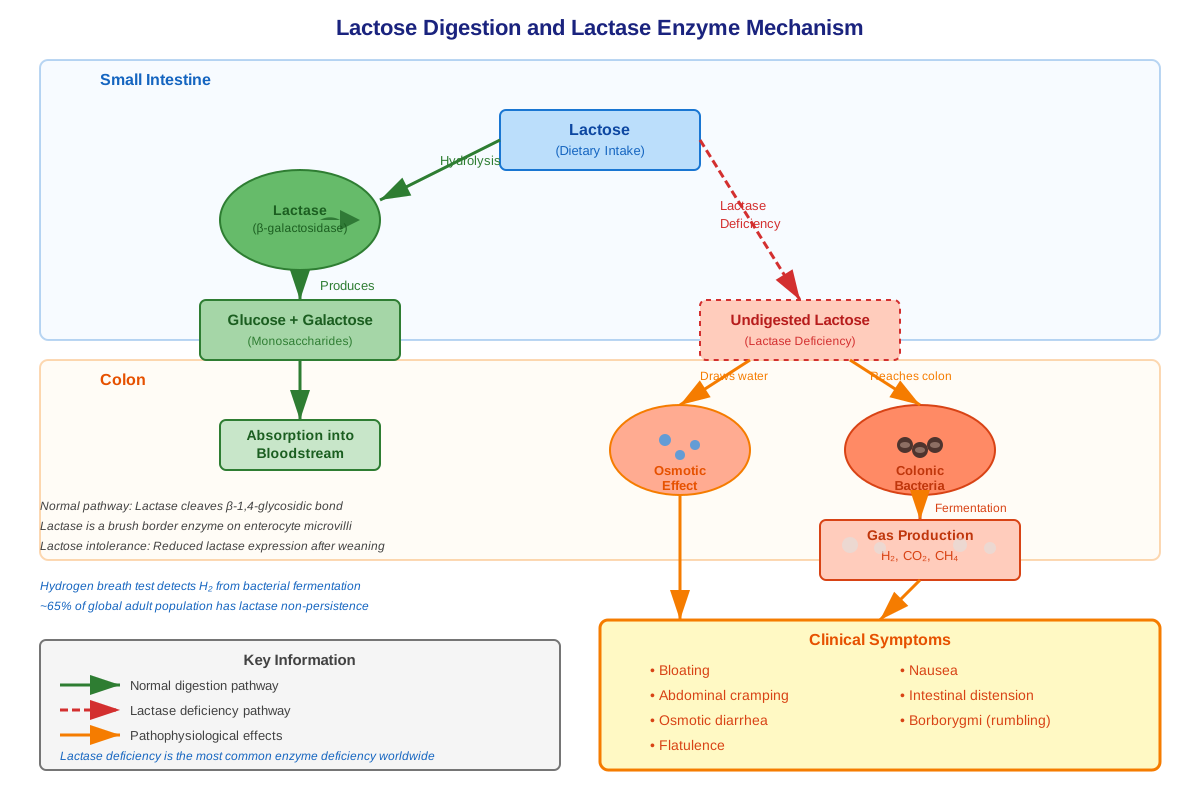
Lactase (also called lactase-phlorizin hydrolase or β-galactosidase in the intestinal context) is a brush border enzyme located on the surface of enterocytes in the small intestine, particularly in the jejunum. This enzyme catalyzes the hydrolysis of lactose into its constituent monosaccharides:
Lactose + H₂O → Glucose + GalactoseThe enzyme exhibits optimal activity at pH 6.0 and requires no cofactors for its catalytic function. Lactase is a glycoprotein that undergoes post-translational modification in the endoplasmic reticulum and Golgi apparatus before being transported to the brush border membrane. The enzyme's active site specifically recognizes the β-1,4-glycosidic bond, positioning a water molecule for nucleophilic attack on the anomeric carbon of galactose.
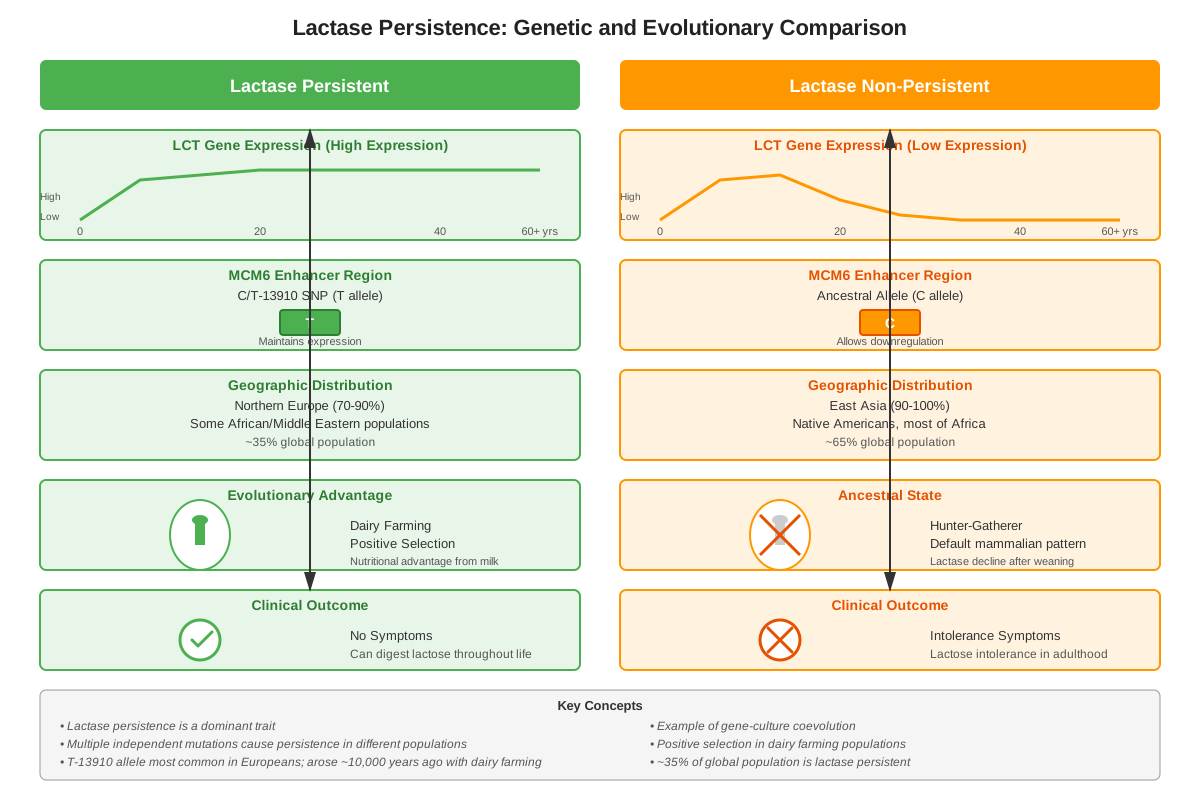
The regulation of lactase expression represents a critical concept for the MCAT. In most mammals, including most humans, lactase expression is high during infancy when milk is the primary food source, then declines after weaning—a phenomenon called lactase non-persistence. However, some human populations have evolved lactase persistence, maintaining high lactase expression into adulthood. This trait is controlled by regulatory variants located in an enhancer region approximately 14 kilobases upstream of the lactase gene (LCT). The most common variant associated with lactase persistence in European populations is the -13910*T allele, which maintains transcription of the lactase gene throughout life.
Lactose Intolerance: Mechanisms and Manifestations
Lactose intolerance occurs when insufficient lactase enzyme is present to hydrolyze ingested lactose. The undigested lactose remains in the intestinal lumen and creates two primary problems. First, lactose is osmotically active, drawing water into the intestinal lumen and causing osmotic diarrhea. Second, colonic bacteria ferment the undigested lactose, producing short-chain fatty acids, hydrogen gas, carbon dioxide, and methane. These fermentation products cause bloating, flatulence, abdominal cramping, and further contribute to diarrhea.
The MCAT distinguishes between several types of lactase deficiency:
| Type | Mechanism | Onset | Reversibility |
|---|---|---|---|
| Primary lactase deficiency | Genetically programmed decline in lactase expression after weaning | Childhood to adolescence | Permanent |
| Secondary lactase deficiency | Damage to intestinal mucosa from infection, celiac disease, or inflammatory bowel disease | Any age | Often reversible with treatment of underlying condition |
| Congenital lactase deficiency | Rare autosomal recessive mutation in LCT gene | Birth | Permanent |
| Developmental lactase deficiency | Immature enzyme expression in premature infants | Birth (premature) | Resolves with maturation |
The hydrogen breath test is commonly used to diagnose lactose intolerance. After ingesting a lactose load, patients with lactase deficiency will have elevated hydrogen in their breath due to bacterial fermentation of undigested lactose in the colon. This diagnostic test frequently appears in MCAT passages as experimental data that students must interpret.
Galactose Metabolism: The Leloir Pathway
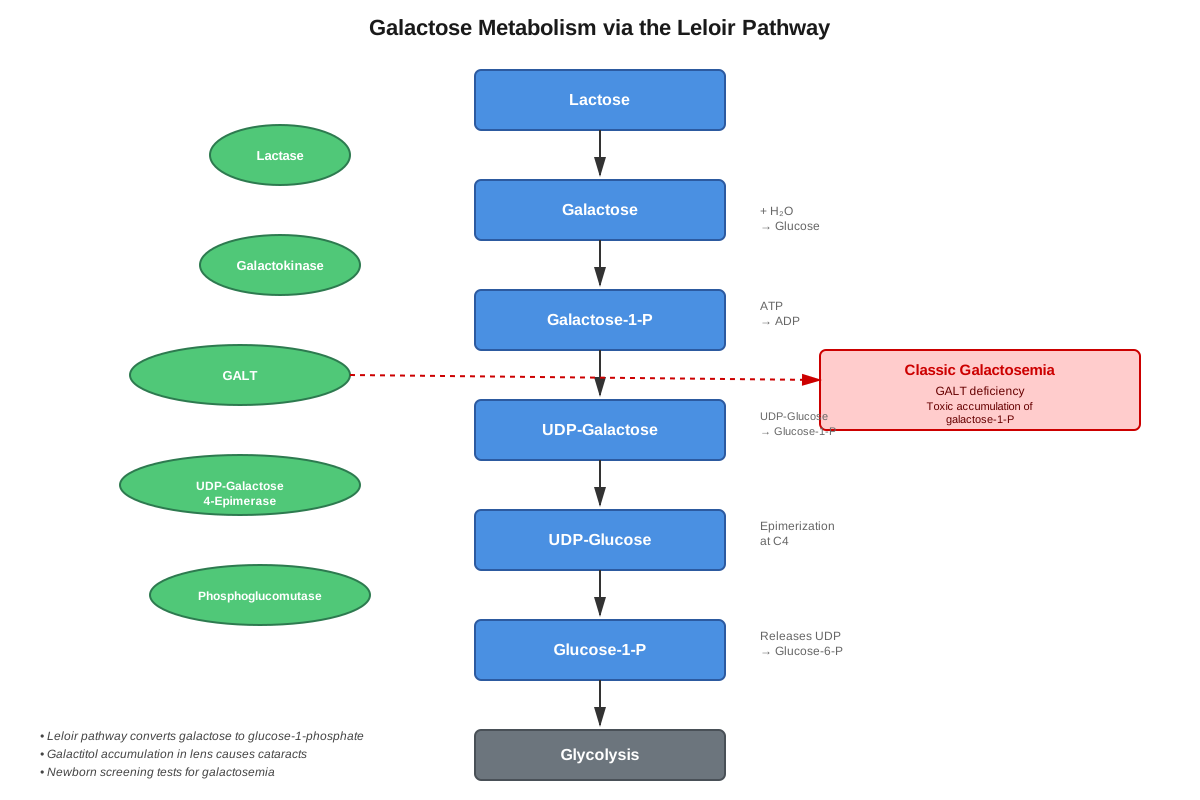
After lactase hydrolyzes lactose, the resulting galactose must be metabolized. Galactose cannot be directly used in glycolysis; it must first be converted to glucose-6-phosphate through the Leloir pathway. This four-step pathway is clinically significant because enzyme deficiencies cause galactosemia, a condition that can appear in MCAT clinical vignettes.
The Leloir pathway proceeds as follows:
- Galactokinase phosphorylates galactose to galactose-1-phosphate, using ATP
- Galactose-1-phosphate uridylyltransferase (GALT) transfers a UDP group from UDP-glucose to galactose-1-phosphate, forming UDP-galactose and releasing glucose-1-phosphate
- UDP-galactose 4-epimerase converts UDP-galactose to UDP-glucose by epimerizing the hydroxyl group at C4
- The regenerated UDP-glucose can participate in another cycle
Deficiency of GALT causes classic galactosemia, the most severe form. Infants with this condition cannot metabolize galactose-1-phosphate, which accumulates to toxic levels, causing hepatomegaly, cataracts, intellectual disability, and potentially death if not treated. Treatment requires strict elimination of lactose and galactose from the diet. The MCAT may present galactosemia in the context of newborn screening, metabolic pathways, or genetic counseling scenarios.
Lactose in Evolutionary and Population Genetics
The evolution of lactase persistence represents one of the strongest examples of recent positive selection in human populations. Approximately 10,000 years ago, following the domestication of dairy animals, populations that relied heavily on dairy products experienced strong selective pressure favoring individuals who could digest lactose as adults. This provided a significant nutritional advantage, particularly in northern European populations where vitamin D synthesis from sunlight was limited and dairy provided essential calcium and vitamin D.
The frequency of lactase persistence varies dramatically across populations: approximately 90% in northern Europeans, 50% in Mediterranean populations, 30% in some African and Middle Eastern populations, and less than 10% in most East Asian populations. Multiple independent mutations have arisen in different populations, all affecting the same regulatory region of the LCT gene but representing different genetic variants—a phenomenon called convergent evolution.
This evolutionary context frequently appears in MCAT passages that integrate biochemistry with evolution, population genetics, and anthropology. Students should understand that lactase persistence is the derived trait (the evolutionary novelty), while lactase non-persistence is the ancestral condition shared with other mammals.
Concept Relationships
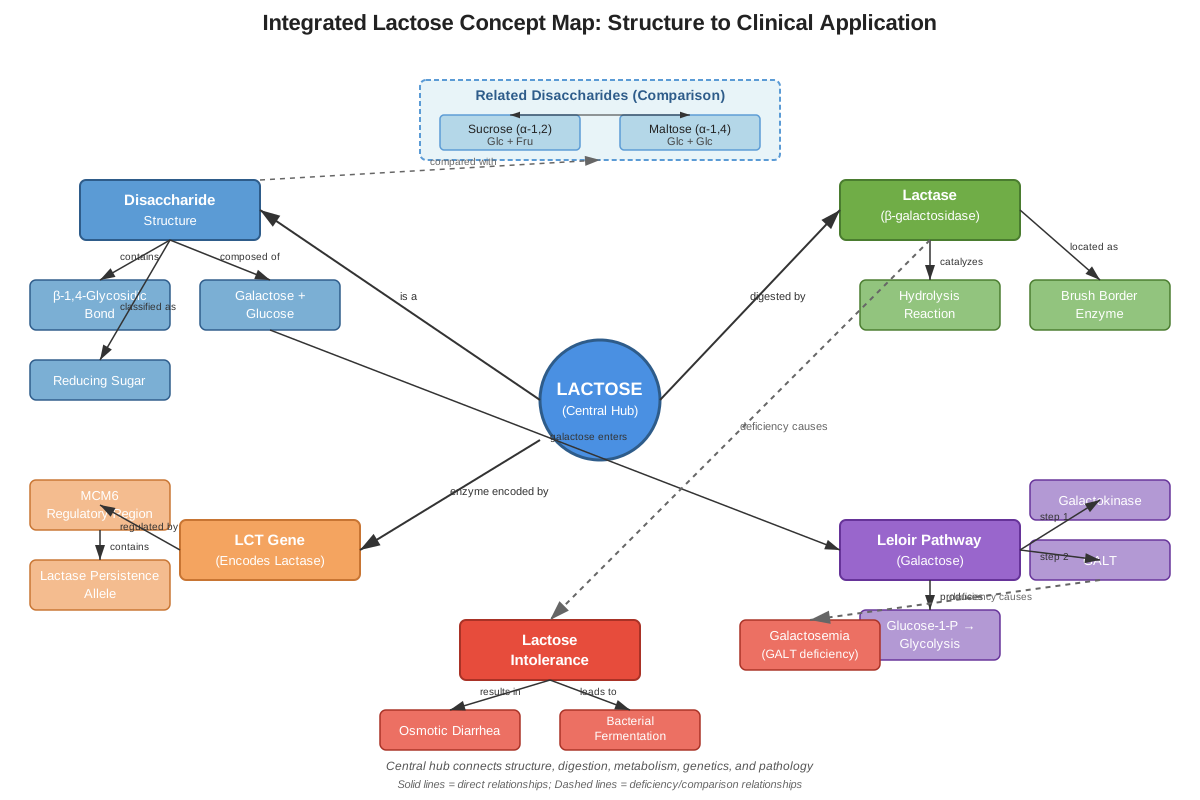
The concepts within lactose biochemistry form an interconnected network. Lactose structure (β-1,4-glycosidic bond between galactose and glucose) → determines → substrate specificity for lactase enzyme → which catalyzes → hydrolysis into constituent monosaccharides → leading to → galactose metabolism via the Leloir pathway and glucose entry into glycolysis.
When lactase is deficient, this pathway is disrupted: Insufficient lactase → results in → undigested lactose in intestinal lumen → causes → osmotic water retention and → bacterial fermentation → producing → clinical symptoms of lactose intolerance (diarrhea, bloating, gas).
The genetic regulation connects to the biochemical function: Regulatory variants in LCT enhancer region → control → lactase gene expression → determining → lactase persistence or non-persistence phenotype → which affects → ability to digest lactose in adulthood.
Lactose connects to prerequisite topics through multiple pathways. Understanding monosaccharide structure is essential for recognizing the glucose and galactose components. Knowledge of glycosidic bond formation explains how lactose is synthesized in mammary glands and hydrolyzed in the intestine. Enzyme kinetics principles apply to lactase function, including concepts of substrate specificity, optimal pH, and competitive inhibition (relevant when considering lactase supplements).
Related topics that build on lactose knowledge include: other disaccharides (maltose, sucrose) for structural comparison; carbohydrate digestion and absorption for physiological context; galactosemia and other inborn errors of metabolism; and the broader topic of gene regulation and genetic variation in human populations.
Quick check — test yourself on Lactose so far.
Try Flashcards →High-Yield Facts
⭐ Lactose is a reducing sugar composed of galactose and glucose joined by a β-1,4-glycosidic bond, with a free anomeric carbon on the glucose unit.
⭐ Lactase (β-galactosidase) is a brush border enzyme in the small intestine that hydrolyzes lactose into glucose and galactose.
⭐ Lactose intolerance results from lactase deficiency, causing undigested lactose to remain in the intestinal lumen where it draws water osmotically and undergoes bacterial fermentation.
⭐ Primary lactase deficiency is the genetically programmed decline in lactase expression after weaning, affecting approximately 65% of the global adult population.
⭐ Lactase persistence is the derived evolutionary trait controlled by regulatory variants (such as -13910*T) in an enhancer region upstream of the LCT gene.
- The hydrogen breath test detects lactose intolerance by measuring hydrogen gas produced from bacterial fermentation of undigested lactose.
- Galactose from lactose hydrolysis is converted to glucose-6-phosphate through the Leloir pathway, involving galactokinase, GALT, and UDP-galactose 4-epimerase.
- Classic galactosemia results from GALT deficiency, causing toxic accumulation of galactose-1-phosphate and requiring strict dietary restriction of lactose and galactose.
- Lactase persistence evolved independently in multiple populations (convergent evolution) following dairy animal domestication approximately 10,000 years ago.
- Secondary lactase deficiency can result from intestinal damage (infection, celiac disease, Crohn's disease) and may be reversible with treatment of the underlying condition.
- The symptoms of lactose intolerance (bloating, diarrhea, flatulence, cramping) typically occur 30 minutes to 2 hours after consuming lactose-containing foods.
- Lactose is synthesized in mammary glands by lactose synthase, which consists of galactosyltransferase and α-lactalbumin.
Common Misconceptions
Misconception: Lactose intolerance is the same as milk allergy.
Correction: Lactose intolerance is a digestive issue caused by insufficient lactase enzyme, resulting in carbohydrate malabsorption. Milk allergy is an immune response to milk proteins (casein or whey), involving IgE antibodies and potentially causing severe allergic reactions including anaphylaxis. The mechanisms, symptoms, and treatments are completely different.
Misconception: Lactose is a non-reducing sugar because it is a disaccharide.
Correction: Lactose is a reducing sugar because the glucose unit retains a free anomeric carbon that can exist in equilibrium between hemiacetal forms. This free anomeric carbon can be oxidized, making lactose capable of reducing Benedict's reagent. Only disaccharides where both anomeric carbons participate in the glycosidic bond (like sucrose) are non-reducing.
Misconception: All humans lose the ability to produce lactase after childhood.
Correction: While lactase non-persistence is the ancestral condition, approximately 35% of the global population has lactase persistence, maintaining high lactase expression throughout life due to regulatory genetic variants. This trait is particularly common in populations with a history of dairy farming.
Misconception: Lactose intolerance means complete inability to consume any dairy products.
Correction: Most individuals with lactose intolerance retain some lactase activity and can tolerate small amounts of lactose, especially when consumed with other foods that slow gastric emptying. Many can consume fermented dairy products (yogurt, aged cheese) that contain less lactose or have bacterial lactase. The severity varies considerably among individuals.
Misconception: The β-1,4-glycosidic bond in lactose is the same as the β-1,4-glycosidic bonds in cellulose.
Correction: While both involve β-1,4-glycosidic linkages, lactose contains a bond between galactose and glucose, while cellulose contains bonds between glucose units. The different monosaccharides mean different enzymes are required: lactase (β-galactosidase) for lactose and cellulase (β-glucosidase) for cellulose. Humans produce lactase but not cellulase.
Misconception: Galactose from lactose digestion is immediately toxic and must be rapidly eliminated.
Correction: Galactose is a normal dietary monosaccharide that is efficiently converted to glucose-6-phosphate through the Leloir pathway in healthy individuals. It only becomes problematic when there are enzyme deficiencies in this pathway (galactosemia), causing accumulation of galactose or galactose-1-phosphate to toxic levels.
Worked Examples
Example 1: Interpreting Lactase Activity Data
Question: Researchers measured lactase activity in intestinal biopsies from individuals of different ages and genetic backgrounds. The data showed that individuals with the -13910T allele maintained lactase activity of 40-50 units throughout adulthood, while individuals homozygous for the -13910C allele showed activity declining from 45 units at age 5 to 8 units by age 20. After consuming 25g of lactose, individuals with low lactase activity showed breath hydrogen levels of 80 ppm, while those with high lactase activity showed levels of 15 ppm. Explain these findings.
Solution:
Step 1: Identify the genetic basis. The -13910T allele is a regulatory variant associated with lactase persistence, maintaining transcription of the LCT gene. The -13910C allele is the ancestral variant associated with lactase non-persistence, where expression declines after weaning.
Step 2: Connect genotype to phenotype. Individuals with -13910T maintain high lactase enzyme activity (40-50 units) throughout life, allowing them to efficiently hydrolyze lactose. Individuals homozygous for -13910C show the typical mammalian pattern of declining lactase expression, dropping from childhood levels (45 units) to very low adult levels (8 units).
Step 3: Explain the breath hydrogen test results. When lactase activity is high, ingested lactose is efficiently hydrolyzed in the small intestine into glucose and galactose, which are absorbed. Little lactose reaches the colon, so bacterial fermentation is minimal, resulting in low breath hydrogen (15 ppm). When lactase activity is low, most lactose passes undigested into the colon where bacteria ferment it, producing hydrogen gas that is absorbed into the bloodstream and exhaled, resulting in high breath hydrogen (80 ppm).
Step 4: Synthesize the connection. This data demonstrates how genetic variation in a regulatory region controls enzyme expression, which determines the biochemical capacity to digest lactose, which can be measured by the physiological consequence (hydrogen production from bacterial fermentation).
Learning objectives addressed: This example applies lactose concepts to interpret experimental data, connects genetic regulation to enzyme activity and physiological outcomes, and demonstrates the type of integrated reasoning required for MCAT passages.
Example 2: Clinical Vignette Analysis
Question: A 3-week-old infant presents with jaundice, hepatomegaly, and cataracts. Laboratory tests show elevated galactose-1-phosphate in red blood cells and galactose in the urine. The infant has been exclusively breastfed. Enzyme assays reveal absent GALT activity. What is the diagnosis, what is the biochemical basis, and what treatment is required?
Solution:
Step 1: Identify the condition. The combination of hepatomegaly, cataracts, elevated galactose-1-phosphate, and absent GALT (galactose-1-phosphate uridylyltransferase) activity indicates classic galactosemia, an autosomal recessive disorder.
Step 2: Explain the biochemical mechanism. Breast milk contains lactose, which is hydrolyzed by the infant's lactase into glucose and galactose. Normally, galactose would be metabolized through the Leloir pathway. The second step of this pathway requires GALT to convert galactose-1-phosphate to UDP-galactose. Without functional GALT, galactose-1-phosphate accumulates to toxic levels.
Step 3: Connect biochemical defect to clinical manifestations. Accumulated galactose-1-phosphate is toxic to hepatocytes (causing hepatomegaly and jaundice), lens cells (causing cataracts through osmotic stress when galactose is converted to galactitol by aldose reductase), and other tissues. Galactose also accumulates and appears in urine (galactosuria).
Step 4: Determine appropriate treatment. The infant must be immediately switched to a lactose-free, galactose-free formula. This eliminates the dietary source of galactose, preventing further accumulation of toxic metabolites. The infant will require lifelong dietary restriction of lactose and galactose. Even with treatment, some individuals develop long-term complications including learning disabilities and ovarian failure in females.
Step 5: Distinguish from lactose intolerance. Unlike lactose intolerance (which involves lactase deficiency and causes gastrointestinal symptoms), galactosemia involves a defect in galactose metabolism after lactose has been successfully digested. The consequences are much more severe and systemic rather than limited to the GI tract.
Learning objectives addressed: This example applies knowledge of lactose digestion and galactose metabolism to a clinical scenario, demonstrates the consequences of enzyme deficiencies in the Leloir pathway, and requires distinguishing between different disorders related to lactose/galactose metabolism.
Exam Strategy
When approaching MCAT questions about lactose, first identify what aspect of lactose biochemistry is being tested: structure, digestion, metabolism of products, genetic regulation, or clinical manifestations. Questions often integrate multiple levels, so mapping out the pathway from lactose ingestion through final metabolic products helps organize your thinking.
Trigger words and phrases to watch for include:
- "Milk sugar" or "dairy products" → immediately think lactose
- "β-1,4-glycosidic bond" → lactose structure
- "Brush border enzyme" in the context of carbohydrates → likely lactase
- "Hydrogen breath test" → lactose intolerance diagnosis
- "Galactose-1-phosphate" → Leloir pathway or galactosemia
- "Lactase persistence" or "adult-type hypolactasia" → genetic regulation
- "Osmotic diarrhea" after dairy consumption → lactose intolerance mechanism
- Population genetics with dairy farming → lactase persistence evolution
For process-of-elimination strategies, remember these key distinctions:
- Lactose intolerance is NOT an allergy (eliminate immune-mediated options)
- Lactose IS a reducing sugar (eliminate answers stating it's non-reducing)
- Lactase deficiency affects the small intestine, not the stomach (eliminate gastric options)
- Galactosemia is NOT the same as lactose intolerance (eliminate answers conflating these)
- The β-linkage in lactose requires a specific enzyme (eliminate answers suggesting any glycosidase works)
Time allocation: Structural questions about lactose should take 30-45 seconds—quickly identify the glycosidic bond and reducing end. Passage-based questions integrating multiple concepts may require 90-120 seconds—take time to map the pathway from the passage information to the question being asked. If a question involves interpreting experimental data about lactase activity or lactose tolerance, spend 15-20 seconds analyzing the data before looking at answer choices.
When passages present research on lactose, they often test your ability to: (1) interpret enzyme kinetics data, (2) connect genetic variants to phenotypes, (3) distinguish between different types of lactase deficiency, or (4) predict metabolic consequences of enzyme deficiencies. Quickly sketch out the relevant pathway (lactose → glucose + galactose → Leloir pathway → glucose-6-phosphate) to anchor your reasoning.
Memory Techniques
Mnemonic for Leloir Pathway enzymes: "Kids Take Umbrellas Everywhere"
- Kinase (galactokinase)
- Transferase (galactose-1-phosphate uridylyltransferase/GALT)
- UDP (UDP-galactose, the product)
- Epimerase (UDP-galactose 4-epimerase)
Visualization for lactose structure: Picture a "GALaxy" (galactose) connected to a "GLUe stick" (glucose) with a β-1,4 bridge. The glue stick has a free end (the free anomeric carbon), making it "sticky" (reducing).
Acronym for lactose intolerance symptoms: "BDFG" = Bloating, Diarrhea, Flatulence, Gas/cramping
Memory aid for lactase persistence: "TENT" = T-allele, Enhancer region, Northern Europeans, Transcription maintained. The -13910T allele in the enhancer keeps the transcription "tent" up (maintained).
Conceptual anchor: Remember that lactose intolerance is the NORM for mammals—lactase persistence is the evolutionary EXCEPTION. This helps you remember that lactase non-persistence is the ancestral state and that most of the world's population has declining lactase expression after childhood.
Distinguishing lactose from other disaccharides:
- Lactose = Lactating mammals → Linkage is β-1,4 → Lactase needed
- Maltose = Malt/starch breakdown → Mostly α-1,4 → Maltase needed
- Sucrose = Sugar cane/table sugar → α-1,2 → Sucrase needed
Summary
Lactose is a disaccharide composed of galactose and glucose joined by a β-1,4-glycosidic bond, making it a reducing sugar with the free anomeric carbon on the glucose unit. Digestion requires lactase, a brush border enzyme in the small intestine that hydrolyzes lactose into its constituent monosaccharides. Lactase deficiency leads to lactose intolerance, where undigested lactose causes osmotic diarrhea and bacterial fermentation produces gas and bloating. The genetic regulation of lactase expression determines whether individuals maintain enzyme production into adulthood (lactase persistence) or experience the typical mammalian decline after weaning (lactase non-persistence). Lactase persistence evolved independently in multiple populations following dairy animal domestication, representing strong recent positive selection. After hydrolysis, galactose is metabolized through the Leloir pathway to glucose-6-phosphate; deficiencies in this pathway cause galactosemia. Understanding lactose requires integrating structural biochemistry, enzyme function, genetic regulation, metabolic pathways, and evolutionary biology—making it a high-yield topic that tests multiple MCAT competencies simultaneously.
Key Takeaways
- Lactose is a β-1,4-linked disaccharide of galactose and glucose with a free anomeric carbon, making it a reducing sugar
- Lactase (β-galactosidase) is the brush border enzyme required to hydrolyze lactose; its deficiency causes lactose intolerance through osmotic effects and bacterial fermentation
- Primary lactase deficiency (lactase non-persistence) is the genetically programmed decline in enzyme expression after weaning, affecting most of the global population
- Lactase persistence is controlled by regulatory variants in an enhancer region upstream of the LCT gene and evolved independently in multiple populations
- Galactose from lactose digestion is metabolized through the Leloir pathway; GALT deficiency causes classic galactosemia with severe clinical consequences
- Lactose intolerance is distinct from milk allergy (immune-mediated) and galactosemia (metabolic defect downstream of lactose digestion)
- The MCAT tests lactose through integrated questions involving structure, enzyme kinetics, genetic regulation, clinical manifestations, and evolutionary biology
Related Topics
Other Disaccharides (Maltose, Sucrose): Understanding lactose structure and digestion provides a framework for comparing other disaccharides, their glycosidic linkages, specific enzymes, and whether they are reducing or non-reducing sugars.
Carbohydrate Digestion and Absorption: Lactose digestion is part of the broader process of carbohydrate breakdown in the GI tract, connecting to salivary and pancreatic amylase, brush border enzymes, and monosaccharide transporters (SGLT1, GLUT5).
Galactosemia and Inborn Errors of Metabolism: The Leloir pathway and its enzyme deficiencies represent one example of metabolic disorders, connecting to broader concepts of enzyme deficiency diseases, newborn screening, and dietary management.
Gene Regulation and Genetic Variation: Lactase persistence illustrates how regulatory variants control gene expression and how genetic variation affects phenotype, connecting to transcriptional regulation, enhancers, and pharmacogenomics.
Evolutionary Biology and Population Genetics: The evolution of lactase persistence demonstrates natural selection, gene-culture coevolution, convergent evolution, and how allele frequencies vary across populations based on selective pressures.
Practice CTA
Now that you have mastered the biochemistry of lactose, its digestion, metabolism, and clinical significance, test your knowledge with practice questions and flashcards. Focus on questions that integrate multiple concepts—structure, enzyme function, genetic regulation, and clinical manifestations—as these reflect the interdisciplinary nature of MCAT passages. Pay special attention to data interpretation questions involving lactase activity, hydrogen breath tests, and population genetics studies. The more you practice applying these concepts to novel scenarios, the more confident you'll become in tackling any lactose-related question on test day. You've got this!
Sign up free to keep reading
Create a free AnvayaPrep account to finish this MCAT guide on Lactose — plus flashcards and practice questions.