Overview
Coenzymes are organic, non-protein molecules that bind to enzymes and are essential for catalytic activity. Unlike the protein component of an enzyme (the apoenzyme), coenzymes are typically derived from vitamins and serve as carriers of chemical groups or electrons during enzymatic reactions. When a coenzyme binds to an apoenzyme, the resulting catalytically active complex is called a holoenzyme. Understanding coenzymes is fundamental to mastering Enzymes and Biochemistry for the MCAT, as they appear frequently in questions about metabolism, vitamin deficiencies, and enzyme kinetics.
The MCAT extensively tests coenzymes because they represent a critical intersection between nutrition, metabolism, and cellular function. Questions may present clinical vignettes involving vitamin deficiencies, ask students to identify which coenzyme participates in a specific metabolic pathway, or require understanding of how coenzymes facilitate electron transfer or group transfer reactions. Coenzymes Biochemistry concepts appear across multiple MCAT sections, particularly in passages about cellular respiration, biosynthesis, and metabolic disorders.
Coenzymes bridge several high-yield biochemistry topics including enzyme function, metabolic pathways (glycolysis, citric acid cycle, electron transport chain), and vitamin biochemistry. They are mechanistically distinct from cofactors (which may be inorganic ions) and prosthetic groups (which bind tightly or covalently to enzymes). Mastering Coenzymes MCAT content requires understanding both their chemical structures and their specific roles in metabolism, making this topic essential for achieving a competitive score on the biochemistry section.
Learning Objectives
- [ ] Define Coenzymes using accurate Biochemistry terminology
- [ ] Explain why Coenzymes matters for the MCAT
- [ ] Apply Coenzymes to exam-style questions
- [ ] Identify common mistakes related to Coenzymes
- [ ] Connect Coenzymes to related Biochemistry concepts
- [ ] Distinguish between coenzymes, cofactors, and prosthetic groups based on binding characteristics and chemical nature
- [ ] Identify the vitamin precursor for each major coenzyme and predict deficiency symptoms
- [ ] Trace the role of specific coenzymes through major metabolic pathways (glycolysis, TCA cycle, oxidative phosphorylation)
Prerequisites
- Basic enzyme structure and function: Understanding apoenzymes, active sites, and enzyme-substrate interactions is necessary to comprehend how coenzymes enhance catalytic activity
- Fundamental organic chemistry: Knowledge of functional groups, oxidation-reduction reactions, and chemical bonding helps explain coenzyme mechanisms
- Vitamin classification: Familiarity with water-soluble and fat-soluble vitamins provides context for coenzyme biosynthesis
- Basic metabolic pathways: General awareness of glycolysis, citric acid cycle, and electron transport chain allows recognition of where coenzymes function
- Thermodynamics and energy coupling: Understanding of free energy changes explains why coenzymes like ATP and NADH are "high-energy" molecules
Why This Topic Matters
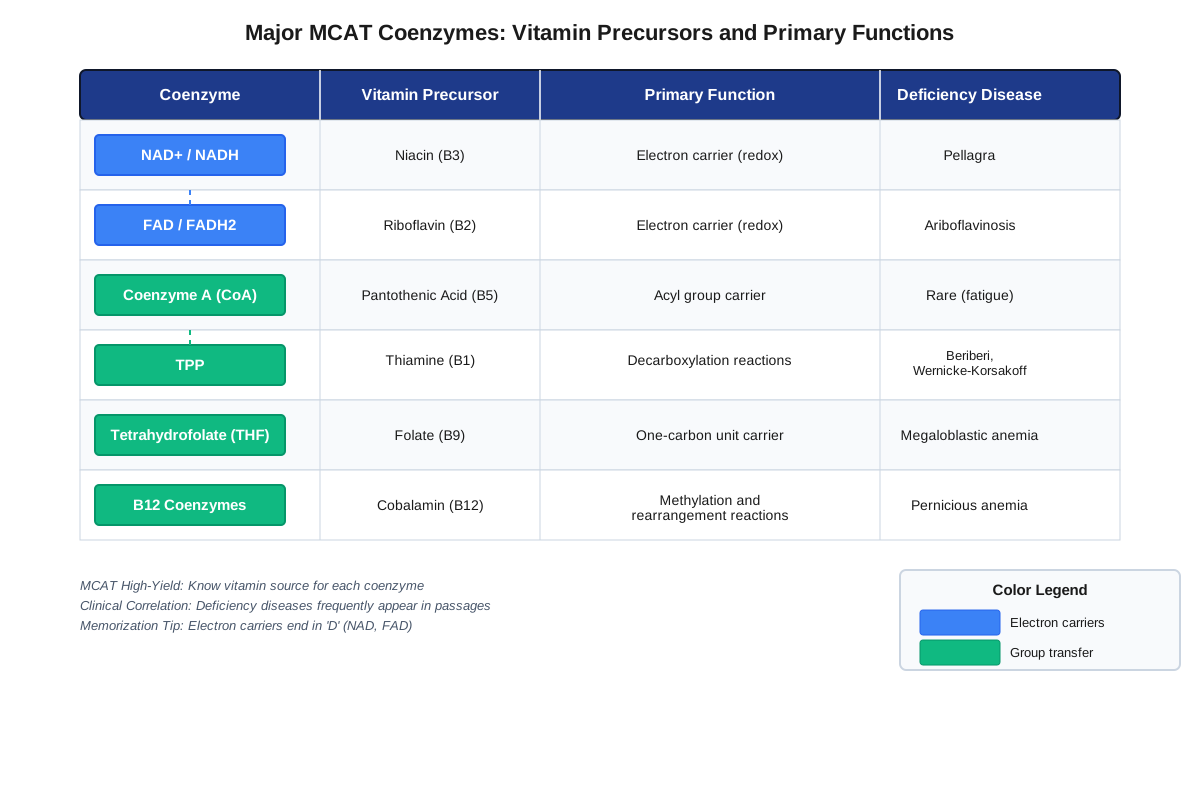
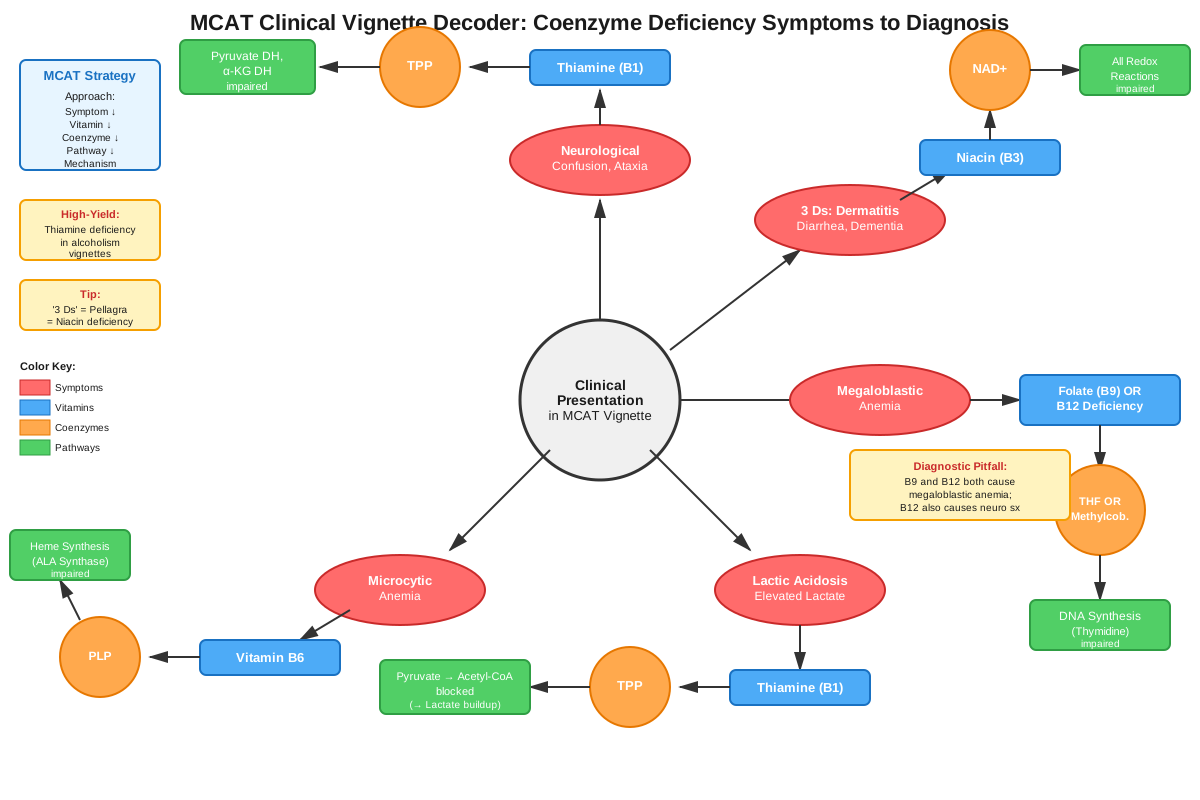
Coenzymes represent one of the most clinically relevant biochemistry topics tested on the MCAT. Vitamin deficiencies that impair coenzyme synthesis lead to serious metabolic diseases: thiamine deficiency causes beriberi and Wernicke-Korsakoff syndrome, niacin deficiency causes pellagra, and cobalamin deficiency causes pernicious anemia. The MCAT frequently presents clinical vignettes describing patients with these conditions and expects students to identify the affected coenzyme and metabolic pathway.
From an exam statistics perspective, coenzymes appear in approximately 15-20% of biochemistry passages on the MCAT, either as the primary focus or as supporting information for metabolism questions. Questions may be discrete (asking about specific coenzyme functions) or passage-based (requiring students to analyze experimental data about enzyme activity with and without coenzymes). The topic bridges multiple disciplines: biochemistry (enzyme mechanisms), biology (cellular metabolism), and organic chemistry (redox reactions and functional group transfers).
Common MCAT question formats include: identifying which coenzyme is required for a specific enzyme, predicting the metabolic consequences of coenzyme deficiency, analyzing experimental data showing enzyme activity dependence on coenzyme concentration, and connecting vitamin intake to metabolic function. Passages may describe research on enzyme kinetics, present clinical cases of metabolic disorders, or explore biotechnology applications involving coenzyme-dependent enzymes. Understanding coenzymes is also essential for interpreting graphs showing enzyme activity under various conditions, a frequent MCAT question type.
Core Concepts
Definition and Classification of Coenzymes
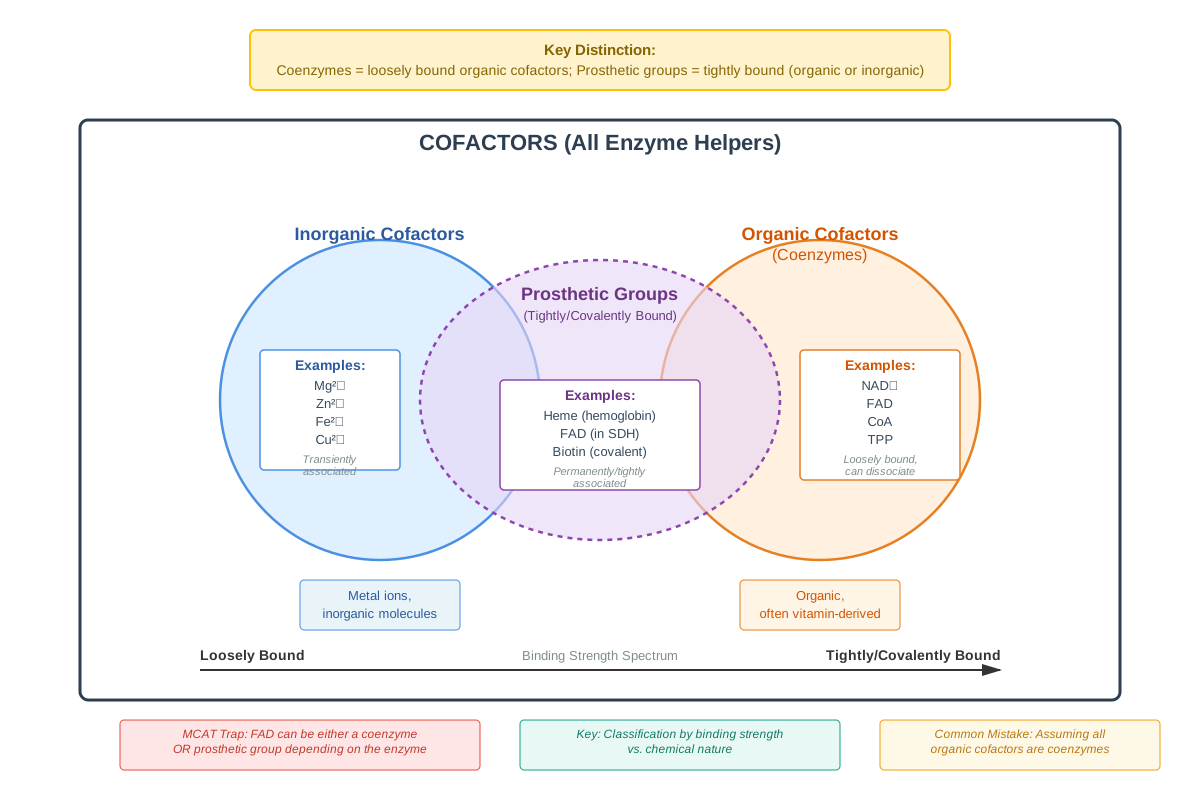
Coenzymes are organic molecules, typically derived from vitamins, that bind reversibly to enzymes and are required for catalytic activity. They differ from cofactors, which is a broader term encompassing both organic coenzymes and inorganic metal ions (such as Mg²⁺, Zn²⁺, or Fe²⁺). The enzyme protein without its coenzyme is called an apoenzyme and is catalytically inactive. When the apoenzyme binds its coenzyme, the resulting active complex is termed a holoenzyme.
Coenzymes can be further classified based on their binding characteristics:
- Cosubstrates: Coenzymes that bind loosely and transiently to the enzyme, are chemically modified during the reaction, and dissociate in an altered form (e.g., NAD⁺, NADP⁺, CoA)
- Prosthetic groups: Coenzymes that bind tightly or covalently to the enzyme and remain attached throughout multiple catalytic cycles (e.g., FAD, heme, biotin)
This distinction is functionally important: cosubstrates must be regenerated by other enzymes to maintain metabolic flux, while prosthetic groups are recycled within the same enzyme complex.
Major Coenzymes and Their Functions
NAD⁺ and NADH (Nicotinamide Adenine Dinucleotide)
NAD⁺ (oxidized form) and NADH (reduced form) are derived from niacin (vitamin B₃) and serve as the primary electron carriers in catabolic reactions. NAD⁺ accepts two electrons and one proton (H⁺) to form NADH during oxidation reactions. The nicotinamide ring undergoes reversible reduction:
NAD⁺ + 2e⁻ + H⁺ → NADH
Key metabolic roles include:
- Glycolysis (glyceraldehyde-3-phosphate dehydrogenase)
- Pyruvate dehydrogenase complex
- Citric acid cycle (isocitrate dehydrogenase, α-ketoglutarate dehydrogenase, malate dehydrogenase)
- β-oxidation of fatty acids
- Alcohol dehydrogenase in ethanol metabolism
NADH generated in these pathways delivers electrons to Complex I of the electron transport chain, ultimately producing ATP through oxidative phosphorylation.
NADP⁺ and NADPH (Nicotinamide Adenine Dinucleotide Phosphate)
NADP⁺ differs from NAD⁺ by a phosphate group on the 2' position of the adenosine ribose. This structural difference allows cells to maintain separate NAD⁺/NADH and NADP⁺/NADPH pools with distinct metabolic roles. NADPH primarily functions in anabolic (biosynthetic) reactions and antioxidant defense:
- Fatty acid synthesis (fatty acid synthase)
- Cholesterol synthesis
- Nucleotide synthesis
- Glutathione reduction (antioxidant regeneration)
- Cytochrome P450 reactions (drug metabolism)
- Pentose phosphate pathway (primary source of NADPH)
The NADPH/NADP⁺ ratio is kept high in cells to drive reductive biosynthesis, while the NADH/NAD⁺ ratio is kept low to favor oxidative catabolism.
FAD and FADH₂ (Flavin Adenine Dinucleotide)
FAD is synthesized from riboflavin (vitamin B₂) and functions as a prosthetic group tightly bound to flavoproteins. Unlike NAD⁺, FAD can accept two electrons and two protons to form FADH₂:
FAD + 2e⁻ + 2H⁺ → FADH₂
FAD is particularly important in reactions involving:
- Succinate dehydrogenase (Complex II) in the citric acid cycle
- Acyl-CoA dehydrogenase in fatty acid β-oxidation
- Electron-transferring flavoprotein (ETF)
- Amino acid oxidases
FADH₂ delivers electrons to Complex II of the electron transport chain, generating fewer ATP molecules than NADH (approximately 1.5 ATP per FADH₂ versus 2.5 ATP per NADH) because it enters the chain at a later point.
Coenzyme A (CoA)
Coenzyme A is derived from pantothenic acid (vitamin B₅) and contains a reactive thiol (-SH) group that forms high-energy thioester bonds with acyl groups. The resulting acyl-CoA derivatives are activated for various metabolic reactions:
- Acetyl-CoA: central metabolite linking glycolysis, citric acid cycle, and fatty acid synthesis
- Fatty acyl-CoA: activated fatty acids for β-oxidation or lipid synthesis
- Succinyl-CoA: intermediate in citric acid cycle and heme synthesis
- Malonyl-CoA: substrate for fatty acid synthesis
The thioester bond in acyl-CoA compounds has a high negative free energy of hydrolysis (ΔG°' ≈ -31 kJ/mol), making these molecules thermodynamically favorable for group transfer reactions.
Thiamine Pyrophosphate (TPP)
Thiamine pyrophosphate is the active form of thiamine (vitamin B₁) and is essential for decarboxylation reactions involving α-keto acids. The thiazolium ring of TPP stabilizes carbanion intermediates formed during decarboxylation:
Key enzymes requiring TPP:
- Pyruvate dehydrogenase (converts pyruvate to acetyl-CoA)
- α-ketoglutarate dehydrogenase (citric acid cycle)
- Transketolase (pentose phosphate pathway)
- Branched-chain α-keto acid dehydrogenase (amino acid catabolism)
Thiamine deficiency impairs these reactions, leading to accumulation of pyruvate and lactate, causing lactic acidosis and neurological symptoms (beriberi, Wernicke-Korsakoff syndrome).
Biotin
Biotin (vitamin B₇) is covalently attached to lysine residues in carboxylase enzymes, forming a prosthetic group. Biotin carries activated CO₂ (as carboxybiotin) and transfers it to substrates in carboxylation reactions:
- Pyruvate carboxylase (gluconeogenesis): pyruvate → oxaloacetate
- Acetyl-CoA carboxylase (fatty acid synthesis): acetyl-CoA → malonyl-CoA
- Propionyl-CoA carboxylase (odd-chain fatty acid metabolism)
- β-methylcrotonyl-CoA carboxylase (leucine catabolism)
Biotin deficiency is rare but can occur with excessive raw egg white consumption (avidin binds biotin) or in patients on long-term parenteral nutrition.
Tetrahydrofolate (THF)
Tetrahydrofolate is derived from folic acid (vitamin B₉) and carries and transfers one-carbon units at various oxidation states (methyl, methylene, methenyl, formyl, formimino). These one-carbon transfers are essential for:
- Nucleotide synthesis (purines and thymidine)
- Amino acid metabolism (serine ↔ glycine interconversion)
- Methionine regeneration (with vitamin B₁₂)
The enzyme dihydrofolate reductase (DHFR) maintains the THF pool by reducing dihydrofolate back to tetrahydrofolate. This enzyme is the target of methotrexate (cancer chemotherapy) and trimethoprim (antibiotic).
Cobalamin (Vitamin B₁₂)
Cobalamin contains a cobalt ion coordinated in a corrin ring and participates in only two reactions in humans:
- Methylcobalamin (cofactor for methionine synthase): transfers a methyl group from N⁵-methyl-THF to homocysteine, forming methionine and regenerating THF
- Adenosylcobalamin (cofactor for methylmalonyl-CoA mutase): converts methylmalonyl-CoA to succinyl-CoA in odd-chain fatty acid and amino acid metabolism
Vitamin B₁₂ deficiency causes megaloblastic anemia (due to impaired DNA synthesis from trapped folate) and neurological damage (due to impaired methylmalonyl-CoA mutase activity affecting myelin synthesis).
Coenzyme Regeneration and Metabolic Balance
For metabolism to proceed continuously, coenzymes that function as cosubstrates must be regenerated. This creates metabolic coupling between different pathways:
| Coenzyme | Oxidized Form | Reduced Form | Primary Regeneration Pathway |
|---|---|---|---|
| NAD⁺/NADH | NAD⁺ | NADH | Electron transport chain (aerobic); lactate dehydrogenase (anaerobic) |
| NADP⁺/NADPH | NADP⁺ | NADPH | Pentose phosphate pathway; malic enzyme |
| FAD/FADH₂ | FAD | FADH₂ | Electron transport chain |
| CoA | Free CoA | Acyl-CoA | Citric acid cycle; β-oxidation |
Under anaerobic conditions, cells cannot regenerate NAD⁺ through the electron transport chain, necessitating fermentation reactions (lactate or ethanol production) to maintain glycolytic flux. This principle explains why lactate accumulates during intense exercise and why yeast produce ethanol during anaerobic fermentation.
Concept Relationships
The concepts within coenzyme biochemistry are hierarchically organized: the fundamental distinction between apoenzymes, coenzymes, and holoenzymes provides the foundation for understanding how specific coenzymes function in metabolism. Each major coenzyme (NAD⁺, FAD, CoA, TPP, biotin, THF, cobalamin) has a unique chemical mechanism that determines which types of reactions it catalyzes.
The relationship map flows as follows:
Vitamin intake → Coenzyme biosynthesis → Holoenzyme formation → Metabolic pathway function → Cellular energy and biosynthesis
Coenzymes connect to prerequisite enzyme concepts through the apoenzyme-holoenzyme relationship: understanding enzyme active sites and catalytic mechanisms is essential for appreciating how coenzymes participate in catalysis. The organic chemistry prerequisite becomes relevant when examining the specific chemical transformations coenzymes undergo (redox reactions for NAD⁺/FAD, acyl transfers for CoA, decarboxylations for TPP).
Coenzymes also connect forward to major metabolic pathways:
- Glycolysis requires NAD⁺ (glyceraldehyde-3-phosphate dehydrogenase) and regenerates it through lactate dehydrogenase or the electron transport chain
- Citric acid cycle requires NAD⁺ (three enzymes), FAD (succinate dehydrogenase), CoA (citrate synthase), and TPP (α-ketoglutarate dehydrogenase)
- Fatty acid metabolism requires CoA (activation), FAD and NAD⁺ (β-oxidation), biotin (synthesis initiation), and NADPH (synthesis elongation)
- Amino acid metabolism requires TPP, biotin, THF, and cobalamin for various reactions
The vitamin-coenzyme connection creates a bridge to nutrition and clinical medicine: deficiency of water-soluble vitamins (B vitamins and vitamin C) rapidly depletes coenzyme pools because these vitamins are not stored, leading to metabolic dysfunction. This relationship frequently appears in MCAT clinical vignettes.
Quick check — test yourself on Coenzymes so far.
Try Flashcards →High-Yield Facts
⭐ NAD⁺ is the primary electron acceptor in catabolic pathways, while NADPH is the primary electron donor in anabolic pathways
⭐ FAD is a prosthetic group that binds tightly to enzymes, while NAD⁺ is a cosubstrate that binds transiently
⭐ Thiamine pyrophosphate (TPP) is required for all decarboxylation reactions of α-keto acids, including pyruvate dehydrogenase and α-ketoglutarate dehydrogenase
⭐ Coenzyme A forms high-energy thioester bonds with acyl groups, activating them for metabolic reactions
⭐ Biotin is the coenzyme for all carboxylation reactions in human metabolism
- NADH delivers electrons to Complex I of the electron transport chain, generating approximately 2.5 ATP per NADH
- FADH₂ delivers electrons to Complex II, generating approximately 1.5 ATP per FADH₂
- The pentose phosphate pathway is the primary source of NADPH for biosynthetic reactions and antioxidant defense
- Tetrahydrofolate (THF) carries one-carbon units essential for nucleotide synthesis; folate deficiency impairs DNA synthesis
- Vitamin B₁₂ (cobalamin) is required for only two reactions in humans: methionine synthase and methylmalonyl-CoA mutase
- Niacin (vitamin B₃) is the precursor for both NAD⁺ and NADP⁺; it can be synthesized from tryptophan
- Riboflavin (vitamin B₂) is the precursor for FAD and FMN (flavin mononucleotide)
- Pantothenic acid (vitamin B₅) is the precursor for coenzyme A and is required for all acyl transfer reactions
- Avidin in raw egg whites binds biotin and can cause biotin deficiency if consumed in large quantities
- Methotrexate inhibits dihydrofolate reductase, depleting the THF pool and impairing nucleotide synthesis (mechanism of chemotherapy action)
Common Misconceptions
Misconception: Coenzymes and cofactors are the same thing.
Correction: Cofactors is a broader term that includes both organic coenzymes (like NAD⁺ and CoA) and inorganic metal ions (like Mg²⁺ and Zn²⁺). All coenzymes are cofactors, but not all cofactors are coenzymes.
Misconception: NAD⁺ and NADP⁺ are interchangeable in metabolic reactions.
Correction: Although structurally similar, NAD⁺ and NADP⁺ have distinct metabolic roles. NAD⁺ primarily functions in catabolic oxidation reactions, while NADP⁺ primarily functions in anabolic reduction reactions. Enzymes are specific for one or the other due to the phosphate group on NADP⁺.
Misconception: All coenzymes bind loosely to enzymes and dissociate after each catalytic cycle.
Correction: Coenzymes are classified as either cosubstrates (bind loosely, dissociate in altered form) or prosthetic groups (bind tightly or covalently, remain attached). FAD, biotin, and heme are prosthetic groups, while NAD⁺, NADP⁺, and CoA are cosubstrates.
Misconception: FADH₂ and NADH generate the same amount of ATP through oxidative phosphorylation.
Correction: FADH₂ generates approximately 1.5 ATP per molecule because it donates electrons to Complex II (bypassing Complex I), while NADH generates approximately 2.5 ATP per molecule by donating electrons to Complex I. This difference is clinically significant in metabolic calculations.
Misconception: Vitamin deficiencies cause immediate coenzyme depletion and metabolic dysfunction.
Correction: The time course of deficiency symptoms depends on body stores and turnover rates. Fat-soluble vitamins (A, D, E, K) are stored and deficiency develops slowly. Water-soluble vitamins (B vitamins, C) are not stored significantly, so deficiency develops more rapidly, but some coenzymes (like cobalamin) have sufficient body stores to last years.
Misconception: Coenzymes directly catalyze reactions without enzymes.
Correction: Coenzymes require the protein component (apoenzyme) to function. The apoenzyme provides substrate specificity, proper orientation, and additional catalytic residues. The coenzyme typically performs the actual chemical transformation (electron transfer, group transfer), but cannot do so efficiently without the enzyme scaffold.
Misconception: All B vitamins function as coenzymes.
Correction: Most B vitamins are coenzyme precursors (B₁, B₂, B₃, B₅, B₆, B₇, B₉, B₁₂), but the term "B vitamins" historically included some compounds that are not actually vitamins or coenzyme precursors (like B₄, B₈, B₁₀, B₁₁), which have been removed from the official list.
Worked Examples
Example 1: Metabolic Pathway Analysis
Question: A patient presents with severe lactic acidosis, neurological symptoms, and elevated blood pyruvate levels. Genetic testing reveals a deficiency in pyruvate dehydrogenase complex activity. Which coenzyme deficiency could produce similar symptoms, and what is the biochemical rationale?
Solution:
Step 1: Identify the reaction catalyzed by pyruvate dehydrogenase complex.
- Pyruvate dehydrogenase converts pyruvate to acetyl-CoA, linking glycolysis to the citric acid cycle
- This is a decarboxylation reaction of an α-keto acid
Step 2: Determine which coenzymes are required by pyruvate dehydrogenase.
- The pyruvate dehydrogenase complex requires five coenzymes: TPP (thiamine pyrophosphate), lipoic acid, CoA (from pantothenic acid), FAD (from riboflavin), and NAD⁺ (from niacin)
- TPP is specifically required for the decarboxylation step
Step 3: Predict the consequences of coenzyme deficiency.
- Thiamine (vitamin B₁) deficiency would impair TPP synthesis, reducing pyruvate dehydrogenase activity
- This would cause pyruvate accumulation, which is converted to lactate by lactate dehydrogenase, causing lactic acidosis
- Neurological symptoms occur because the brain relies heavily on aerobic glucose metabolism
Step 4: Connect to clinical presentation.
- The symptoms match those of beriberi (thiamine deficiency) or Wernicke-Korsakoff syndrome (acute thiamine deficiency in alcoholics)
- Thiamine deficiency also affects α-ketoglutarate dehydrogenase (citric acid cycle) and transketolase (pentose phosphate pathway), further impairing energy metabolism
Answer: Thiamine (vitamin B₁) deficiency would produce similar symptoms because TPP is required for pyruvate dehydrogenase activity. Without adequate TPP, pyruvate cannot be converted to acetyl-CoA, leading to pyruvate and lactate accumulation and impaired ATP production, particularly affecting the nervous system.
Example 2: Experimental Data Interpretation
Question: Researchers measure the activity of succinate dehydrogenase in isolated mitochondria under different conditions:
- Condition A (complete system): 100% activity
- Condition B (riboflavin-deficient diet for 4 weeks): 35% activity
- Condition C (addition of FAD to Condition B mitochondria): 40% activity
- Condition D (addition of FMN to Condition B mitochondria): 38% activity
Explain these results and why adding FAD to deficient mitochondria does not fully restore activity.
Solution:
Step 1: Identify the coenzyme required by succinate dehydrogenase.
- Succinate dehydrogenase (Complex II) requires FAD as a prosthetic group
- FAD is synthesized from riboflavin (vitamin B₂)
Step 2: Explain Condition B results.
- Riboflavin deficiency reduces FAD synthesis, decreasing the amount of functional holoenzyme
- The 35% residual activity represents succinate dehydrogenase molecules that still contain FAD (either synthesized before deficiency or from residual riboflavin)
Step 3: Explain why adding FAD provides limited restoration (Condition C).
- FAD is a prosthetic group that binds tightly (often covalently) to succinate dehydrogenase
- Once the apoenzyme is synthesized without FAD, it is difficult to incorporate FAD post-translationally
- The slight increase (35% → 40%) may represent FAD binding to newly synthesized apoenzyme or a small population of enzymes with reversible FAD binding
Step 4: Explain FMN results (Condition D).
- FMN (flavin mononucleotide) is another riboflavin-derived coenzyme but is not the specific coenzyme for succinate dehydrogenase
- The minimal increase suggests FMN cannot substitute effectively for FAD in this enzyme
Step 5: Synthesize the biochemical principle.
- Prosthetic groups like FAD typically must be incorporated during or immediately after enzyme synthesis
- Nutritional deficiencies affecting prosthetic group synthesis have lasting effects even after supplementation because existing apoenzymes cannot easily acquire the prosthetic group
Answer: The limited restoration of activity after adding FAD occurs because FAD is a prosthetic group that binds tightly to succinate dehydrogenase, typically during enzyme synthesis. Apoenzymes synthesized during riboflavin deficiency cannot efficiently incorporate FAD post-translationally. This demonstrates the importance of continuous vitamin availability for maintaining holoenzyme levels.
Exam Strategy
When approaching MCAT questions about coenzymes, use this systematic strategy:
1. Identify the metabolic context: Determine which pathway or reaction is being discussed. Each major pathway has characteristic coenzyme requirements:
- Glycolysis → NAD⁺
- Citric acid cycle → NAD⁺, FAD, CoA, TPP
- Fatty acid oxidation → CoA, FAD, NAD⁺
- Fatty acid synthesis → CoA, biotin, NADPH
- Gluconeogenesis → biotin (pyruvate carboxylase)
2. Watch for trigger words:
- "Decarboxylation" → think TPP
- "Carboxylation" → think biotin
- "Electron transfer" or "oxidation-reduction" → think NAD⁺, NADP⁺, or FAD
- "Acyl transfer" or "activation" → think CoA
- "One-carbon transfer" → think THF or cobalamin
- "Vitamin deficiency" → connect to specific coenzyme
3. Use the vitamin-coenzyme connection: If a question mentions a vitamin, immediately recall its coenzyme form and metabolic function:
- B₁ (thiamine) → TPP → decarboxylations
- B₂ (riboflavin) → FAD/FMN → electron transfer
- B₃ (niacin) → NAD⁺/NADP⁺ → electron transfer
- B₅ (pantothenic acid) → CoA → acyl transfer
- B₆ (pyridoxine) → PLP → amino acid metabolism
- B₇ (biotin) → biotin → carboxylations
- B₉ (folate) → THF → one-carbon transfer
- B₁₂ (cobalamin) → methylcobalamin/adenosylcobalamin → methionine synthesis and methylmalonyl-CoA mutase
4. Process of elimination for coenzyme questions:
- Eliminate coenzymes that don't match the reaction type (e.g., eliminate NAD⁺ for carboxylation reactions)
- Eliminate coenzymes not present in the specified pathway
- For clinical vignettes, match symptoms to known deficiency syndromes
5. Time allocation: Coenzyme questions are typically straightforward if you know the associations. Spend 60-90 seconds on discrete questions, 90-120 seconds on passage-based questions. If you don't immediately recognize the coenzyme-pathway connection, flag the question and return to it after completing easier questions.
Exam Tip: If a passage describes an enzyme with reduced activity that is restored by adding a specific vitamin or coenzyme, the question is testing your knowledge of coenzyme-enzyme relationships. Focus on identifying which coenzyme is derived from the mentioned vitamin.
6. Common question formats and approaches:
- "Which coenzyme is required for this reaction?" → Identify reaction type (oxidation, carboxylation, etc.) and match to coenzyme
- "A patient with [symptoms] likely has a deficiency in..." → Match symptoms to known deficiency syndrome, then identify the vitamin/coenzyme
- "The graph shows enzyme activity vs. coenzyme concentration..." → Interpret whether the coenzyme is a cosubstrate (linear relationship) or prosthetic group (saturation curve)
- "Which statement about [coenzyme] is correct?" → Eliminate options that confuse coenzymes with similar structures or functions
Memory Techniques
Mnemonic for B Vitamin Coenzymes: "The Rhythm Never Pauses, Bringing Forth Constant Beats"
- Thiamine (B₁) → TPP
- Riboflavin (B₂) → FAD/FMN (Redox reactions)
- Niacin (B₃) → NAD⁺/NADP⁺
- Pantothenic acid (B₅) → CoA (Part of acyl groups)
- Biotin (B₇) → Biotin (carboxylations)
- Folate (B₉) → THF (For one-carbon transfers)
- Cobalamin (B₁₂) → Methylcobalamin/Adenosylcobalamin (Cobalt-containing)
Mnemonic for TPP-Dependent Enzymes: "PAKT"
- Pyruvate dehydrogenase
- Alpha-ketoglutarate dehydrogenase
- Ketoacid dehydrogenase (branched-chain)
- Transketolase
Mnemonic for Biotin-Dependent Carboxylases: "PAMP"
- Pyruvate carboxylase
- Acetyl-CoA carboxylase
- Methylcrotonyl-CoA carboxylase
- Propionyl-CoA carboxylase
Visualization Strategy for NAD⁺ vs. NADP⁺
Visualize NAD⁺ as "No Anabolic Duties" (catabolic) and NADP⁺ as "Needs A Phosphate" (anabolic). The extra phosphate on NADP⁺ represents the extra energy needed for biosynthesis.
Acronym for Coenzyme Classification: "COPS"
- Cosubstrates: NAD⁺, NADP⁺, CoA (bind loosely, dissociate)
- Organometallic: Cobalamin (contains metal)
- Prosthetic groups: FAD, biotin, heme (bind tightly)
- Specific: Each coenzyme has specific reaction types
Memory Palace Technique
Create a mental journey through a cell:
- Cytoplasm (glycolysis): See NAD⁺ molecules floating around, accepting electrons
- Mitochondrial matrix (citric acid cycle): Visualize a wheel with NAD⁺, FAD, CoA, and TPP at different spokes
- Inner mitochondrial membrane (ETC): Picture NADH and FADH₂ delivering electrons to protein complexes
- Cytoplasm (fatty acid synthesis): Imagine NADPH molecules building fatty acid chains
- Nucleus (DNA synthesis): Visualize THF carrying one-carbon units to build nucleotides
Summary
Coenzymes are organic molecules, typically derived from vitamins, that bind to enzymes and are essential for catalytic activity. The apoenzyme (protein alone) is inactive; only the holoenzyme (apoenzyme + coenzyme) can catalyze reactions. Coenzymes are classified as either cosubstrates (bind loosely, dissociate in altered form) or prosthetic groups (bind tightly, remain attached). Major coenzymes include NAD⁺/NADH and NADP⁺/NADPH (electron carriers from niacin), FAD/FADH₂ (electron carrier from riboflavin), CoA (acyl group carrier from pantothenic acid), TPP (decarboxylation reactions from thiamine), biotin (carboxylation reactions), THF (one-carbon transfers from folate), and cobalamin (methyl transfers and isomerization from vitamin B₁₂). Each coenzyme has specific metabolic roles: NAD⁺ in catabolism, NADPH in anabolism, TPP in decarboxylations, and biotin in carboxylations. Vitamin deficiencies impair coenzyme synthesis, causing metabolic dysfunction and characteristic clinical syndromes. Understanding coenzyme structure, function, and metabolic roles is essential for MCAT success, as these concepts integrate enzyme kinetics, metabolism, nutrition, and clinical medicine.
Key Takeaways
- Coenzymes are organic cofactors derived from vitamins that are required for enzyme catalytic activity; apoenzyme + coenzyme = holoenzyme
- NAD⁺ functions primarily in catabolic oxidation reactions, while NADPH functions primarily in anabolic reduction reactions
- TPP (from thiamine) is required for all decarboxylation reactions of α-keto acids, including pyruvate dehydrogenase and α-ketoglutarate dehydrogenase
- Biotin is the coenzyme for all carboxylation reactions, including pyruvate carboxylase and acetyl-CoA carboxylase
- FAD is a prosthetic group that binds tightly to enzymes, while NAD⁺ is a cosubstrate that binds transiently and must be regenerated
- Coenzyme A forms high-energy thioester bonds with acyl groups, activating them for metabolic reactions throughout metabolism
- Water-soluble vitamin deficiencies rapidly deplete coenzyme pools, causing metabolic dysfunction with characteristic clinical presentations
Related Topics
Enzyme Kinetics and Inhibition: Understanding how coenzyme concentration affects enzyme kinetics (Km, Vmax) and how competitive inhibitors can mimic coenzyme structure. Mastering coenzymes provides the foundation for analyzing enzyme kinetics experiments.
Metabolic Pathways: Coenzymes are integral to glycolysis, citric acid cycle, electron transport chain, fatty acid metabolism, and amino acid metabolism. Each pathway requires specific coenzymes, and understanding coenzyme function is essential for tracing metabolic flux.
Vitamin Biochemistry and Nutrition: The connection between dietary vitamin intake, coenzyme synthesis, and metabolic function. This topic extends coenzyme knowledge to clinical nutrition and deficiency diseases.
Oxidation-Reduction Reactions: The electron transfer mechanisms of NAD⁺, NADP⁺, and FAD involve organic chemistry redox principles. Understanding these mechanisms deepens comprehension of metabolic energy flow.
Bioenergetics and ATP Synthesis: NADH and FADH₂ deliver electrons to the electron transport chain, driving ATP synthesis. Coenzyme function directly connects to cellular energy production and thermodynamics.
Practice CTA
Now that you have mastered the core concepts of coenzymes, test your understanding with practice questions and flashcards. Focus on questions that require you to identify coenzymes in metabolic pathways, predict the consequences of vitamin deficiencies, and analyze experimental data about enzyme-coenzyme interactions. The more you practice applying these concepts to MCAT-style questions, the more automatic your recall will become on test day. Remember: coenzymes appear in approximately 15-20% of biochemistry questions, making this one of the highest-yield topics to master. You've built a strong foundation—now reinforce it through active practice!
Sign up free to keep reading
Create a free AnvayaPrep account to finish this MCAT guide on Coenzymes — plus flashcards and practice questions.