Overview
Essential fatty acids are polyunsaturated fatty acids that cannot be synthesized de novo by the human body and must be obtained through dietary sources. These critical lipid molecules play fundamental roles in cellular structure, signaling, and metabolic regulation. For the MCAT, understanding essential fatty acids represents a high-yield intersection of Biochemistry, nutrition, and physiology that frequently appears in both discrete questions and passage-based scenarios within the Lipids and Membranes unit.
The two primary essential fatty acids are linoleic acid (an omega-6 fatty acid) and alpha-linolenic acid (an omega-3 fatty acid). These molecules serve as precursors for longer-chain polyunsaturated fatty acids and bioactive signaling molecules called eicosanoids, which include prostaglandins, thromboxanes, and leukotrienes. The MCAT tests not only the structural characteristics and nomenclature of these fatty acids but also their metabolic fates, physiological functions, and clinical implications of deficiency or excess.
Understanding essential fatty acids Biochemistry connects directly to broader concepts including membrane fluidity, lipid metabolism, inflammatory responses, and cardiovascular physiology. This topic bridges organic chemistry (carbon chain structure and nomenclature), biochemistry (metabolic pathways and enzyme function), and biology (cell membrane composition and signaling cascades). Questions on the essential fatty acids MCAT often require integration of multiple knowledge domains, making thorough mastery of this topic crucial for achieving competitive scores in the Biological and Biochemical Foundations section.
Learning Objectives
- [ ] Define essential fatty acids using accurate Biochemistry terminology
- [ ] Explain why essential fatty acids matters for the MCAT
- [ ] Apply essential fatty acids to exam-style questions
- [ ] Identify common mistakes related to essential fatty acids
- [ ] Connect essential fatty acids to related Biochemistry concepts
- [ ] Distinguish between omega-3 and omega-6 fatty acid structures and nomenclature
- [ ] Describe the metabolic pathways that convert essential fatty acids to bioactive derivatives
- [ ] Analyze the physiological consequences of essential fatty acid deficiency
- [ ] Evaluate the role of essential fatty acids in membrane structure and function
Prerequisites
- Fatty acid structure and nomenclature: Understanding saturated vs. unsaturated fatty acids, cis/trans configurations, and carbon chain numbering systems is essential for identifying and classifying essential fatty acids
- Basic lipid chemistry: Knowledge of lipid classes (triglycerides, phospholipids, steroids) provides context for where essential fatty acids fit within broader lipid metabolism
- Cell membrane structure: Familiarity with the phospholipid bilayer model is necessary to understand how essential fatty acids influence membrane properties
- Enzyme kinetics and regulation: Understanding how enzymes are regulated helps explain why humans cannot synthesize certain fatty acids
- Basic inflammation concepts: Recognizing inflammation as a physiological response provides context for eicosanoid function
Why This Topic Matters
Clinical and Real-World Significance
Essential fatty acid deficiency, though rare in developed countries, causes serious clinical manifestations including dermatitis, impaired wound healing, growth retardation in children, and increased susceptibility to infections. Conversely, the balance between omega-6 and omega-3 fatty acids in the diet has profound implications for cardiovascular health, inflammatory diseases, and neurological function. The Western diet's high omega-6 to omega-3 ratio (often 15:1 or higher versus the recommended 4:1) contributes to chronic inflammatory conditions. Understanding essential fatty acids is crucial for interpreting nutritional research, evaluating dietary recommendations, and understanding the mechanism of action for anti-inflammatory medications like NSAIDs that target eicosanoid synthesis.
MCAT Exam Statistics and Question Types
Essential fatty acids appear in approximately 3-5% of MCAT Biochemistry questions, with particularly high representation in passages dealing with nutrition, inflammation, cardiovascular disease, and membrane biology. Questions typically fall into three categories: (1) structural identification and nomenclature problems requiring students to recognize omega-3 vs. omega-6 fatty acids from chemical structures, (2) metabolic pathway questions testing knowledge of desaturase and elongase enzymes or eicosanoid synthesis, and (3) application questions requiring students to predict physiological consequences of dietary changes or enzyme deficiencies.
Common Exam Passage Contexts
MCAT passages frequently present essential fatty acids within research scenarios examining dietary interventions for cardiovascular disease, studies on inflammatory mediators in immune responses, investigations of membrane fluidity in different cell types, or clinical cases of malabsorption syndromes. Passages may provide experimental data on prostaglandin levels, membrane composition analyses, or clinical outcomes from omega-3 supplementation, requiring students to interpret results through their understanding of essential fatty acid biochemistry.
Core Concepts
Definition and Classification of Essential Fatty Acids
Essential fatty acids are defined as polyunsaturated fatty acids (PUFAs) that cannot be synthesized by mammalian cells due to the absence of specific desaturase enzymes (Δ12 and Δ15 desaturases) and must therefore be obtained from dietary sources. The term "essential" in Biochemistry indicates nutritional essentiality—the organism requires these molecules for normal physiological function but lacks the enzymatic machinery to produce them endogenously.
Humans can synthesize saturated fatty acids and monounsaturated fatty acids through de novo fatty acid synthesis and the action of Δ9 desaturase (which introduces a double bond at the 9th carbon from the carboxyl end). However, we cannot introduce double bonds beyond the 9th carbon position, making certain polyunsaturated fatty acids nutritionally essential.
The two parent essential fatty acids are:
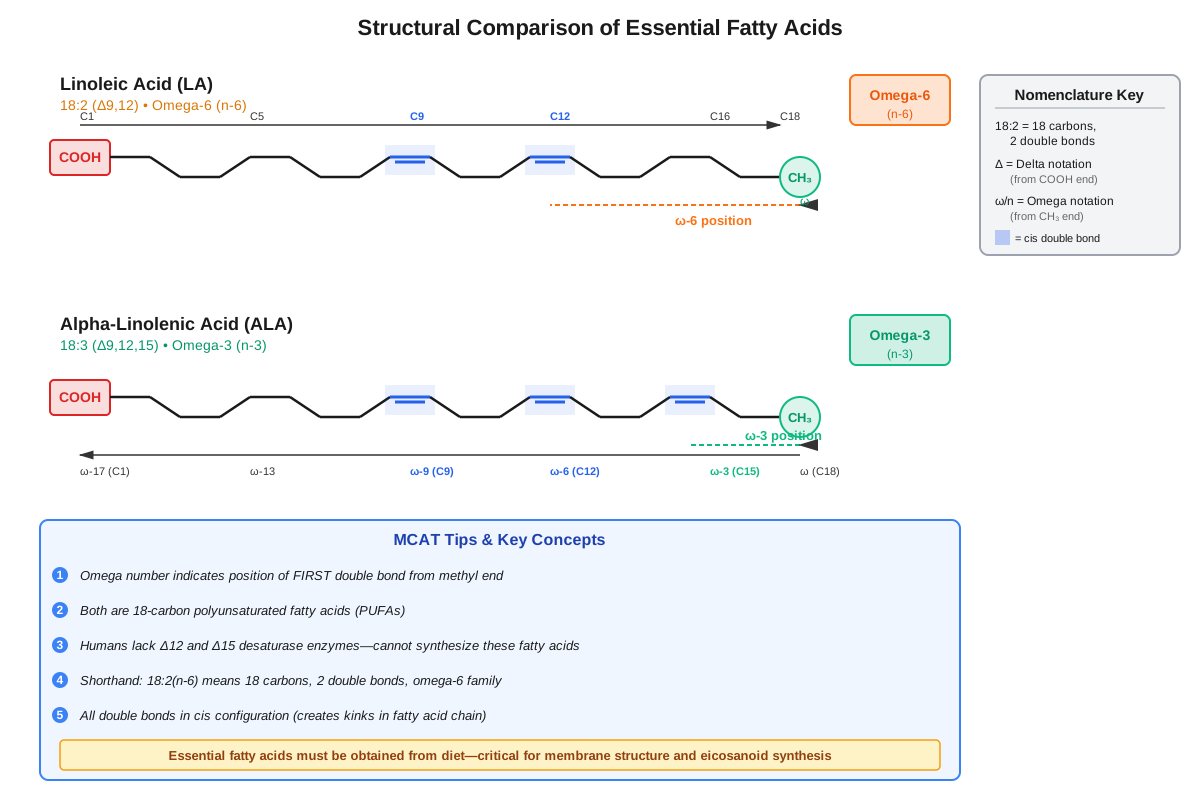
- Linoleic acid (LA): An 18-carbon omega-6 fatty acid with the systematic name 18:2(n-6) or 18:2Δ9,12
- Alpha-linolenic acid (ALA): An 18-carbon omega-3 fatty acid with the systematic name 18:3(n-3) or 18:3Δ9,12,15
Fatty Acid Nomenclature Systems
Understanding fatty acid nomenclature is crucial for the essential fatty acids MCAT questions. Three naming systems are commonly used:
| Nomenclature System | Linoleic Acid | Alpha-Linolenic Acid | Explanation |
|---|---|---|---|
| Shorthand | 18:2(n-6) | 18:3(n-3) | Format: carbons]:[double bonds |
| Delta notation | 18:2Δ9,12 | 18:3Δ9,12,15 | Δ indicates double bond positions from carboxyl end |
| Omega notation | Omega-6 | Omega-3 | Position of first double bond from methyl (ω) end |
The omega (ω) notation is particularly important because it remains constant even as fatty acids are elongated or further desaturated. An omega-6 fatty acid always has its first double bond at the 6th carbon from the methyl end, regardless of total chain length. This classification system divides essential fatty acids into two distinct families with different metabolic fates and physiological effects.
Structural Characteristics
All essential fatty acids share several structural features critical for their biological functions:
- Polyunsaturated structure: Multiple carbon-carbon double bonds create kinks in the hydrocarbon chain
- Cis configuration: All naturally occurring essential fatty acids have cis double bonds (hydrogen atoms on the same side), creating a bent molecular shape
- Methylene-interrupted pattern: Double bonds are separated by single methylene (-CH₂-) groups, not conjugated
- Long carbon chains: Typically 18-22 carbons in biologically active forms
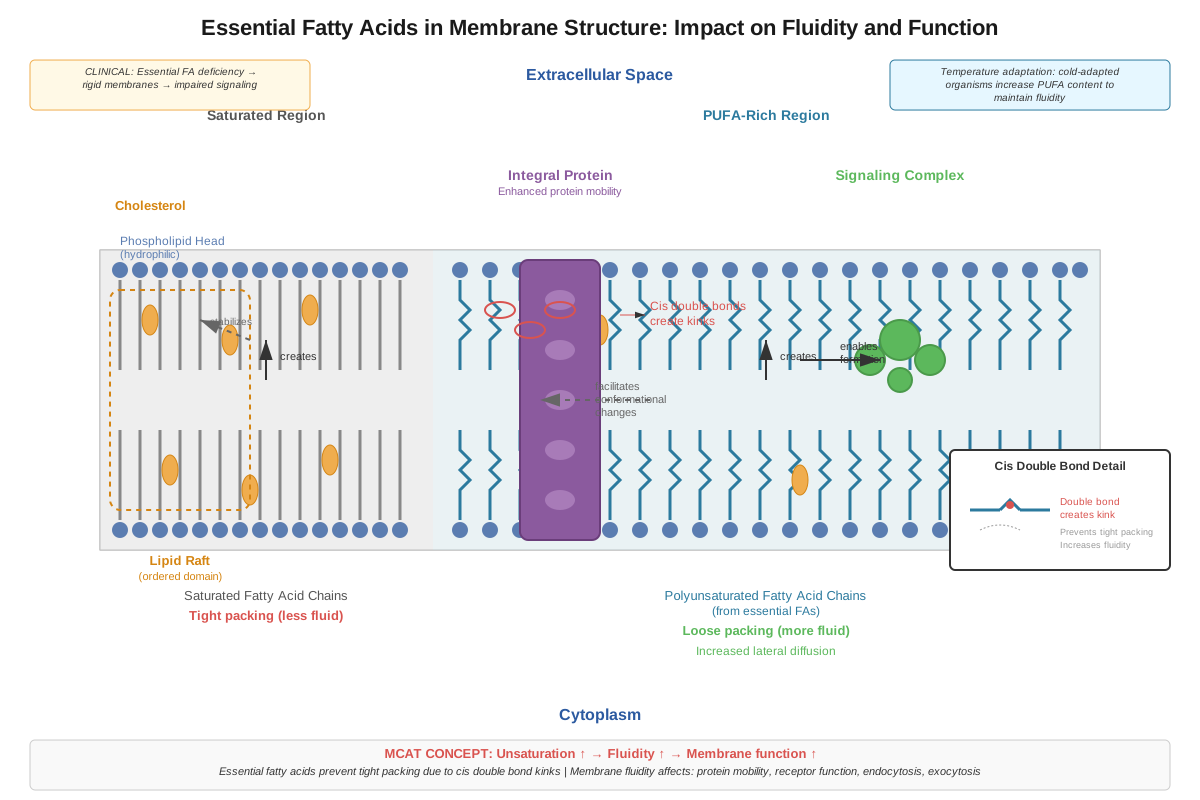
The cis double bonds prevent tight packing of fatty acid chains, which has profound implications for membrane fluidity—a key concept in Lipids and Membranes biochemistry.
Metabolic Pathways and Derivatives
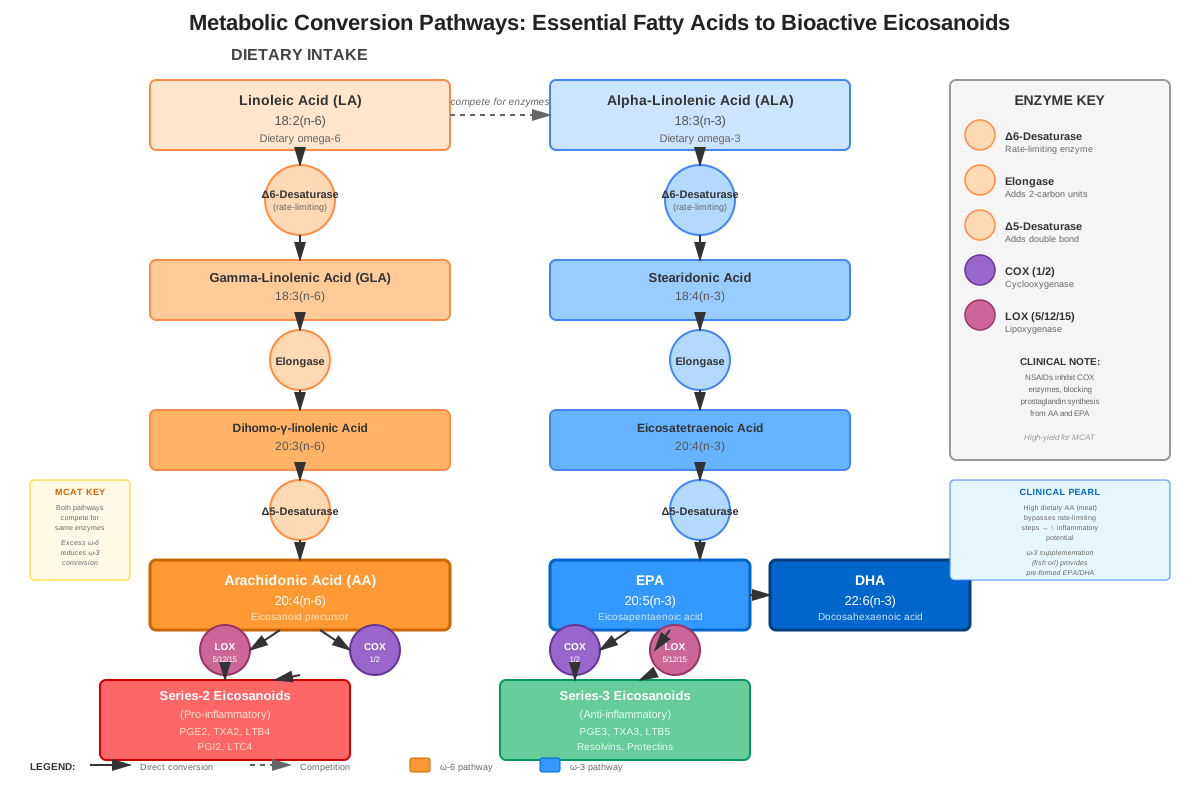
Both linoleic acid and alpha-linolenic acid serve as precursors for longer-chain, more highly unsaturated fatty acids through a series of desaturation (adding double bonds) and elongation (adding carbon units) reactions:
Omega-6 Pathway:
- Linoleic acid (18:2n-6)
- → γ-linolenic acid (18:3n-6) via Δ6 desaturase
- → Dihomo-γ-linolenic acid (20:3n-6) via elongase
- → Arachidonic acid (20:4n-6) via Δ5 desaturase
Omega-3 Pathway:
- Alpha-linolenic acid (18:3n-3)
- → Stearidonic acid (18:4n-3) via Δ6 desaturase
- → Eicosatetraenoic acid (20:4n-3) via elongase
- → Eicosapentaenoic acid (EPA, 20:5n-3) via Δ5 desaturase
- → Docosahexaenoic acid (DHA, 22:6n-3) via further elongation and desaturation
MCAT High-Yield: Both pathways compete for the same enzymes (Δ6 desaturase, elongase, Δ5 desaturase), with Δ6 desaturase being the rate-limiting step. This competition explains why dietary omega-6 to omega-3 ratio affects the production of downstream metabolites.
Eicosanoid Synthesis and Function
Eicosanoids are 20-carbon signaling molecules derived from 20-carbon polyunsaturated fatty acids, primarily arachidonic acid (from the omega-6 pathway) and EPA (from the omega-3 pathway). These bioactive lipids function as local hormones (autocrine and paracrine signaling) and mediate inflammation, pain, fever, blood pressure, blood clotting, and immune responses.
The three major classes of eicosanoids are:
- Prostaglandins (PGs): Synthesized via cyclooxygenase (COX) enzymes; regulate inflammation, pain, fever, and smooth muscle contraction
- Thromboxanes (TXs): Also synthesized via COX pathway; primarily involved in platelet aggregation and vasoconstriction
- Leukotrienes (LTs): Synthesized via lipoxygenase (LOX) enzymes; mediate allergic responses and bronchoconstriction
The synthesis pathway begins when phospholipase A₂ releases arachidonic acid from membrane phospholipids in response to cellular stimuli. The free arachidonic acid then serves as substrate for either COX enzymes (producing prostaglandins and thromboxanes) or LOX enzymes (producing leukotrienes).
Clinical Connection: Nonsteroidal anti-inflammatory drugs (NSAIDs) like aspirin and ibuprofen inhibit COX enzymes, blocking prostaglandin synthesis and reducing inflammation, pain, and fever. This mechanism is frequently tested on the MCAT.
Physiological Functions of Essential Fatty Acids
Essential fatty acids and their derivatives serve multiple critical physiological roles:
Structural Functions:
- Integral components of membrane phospholipids, affecting membrane fluidity and permeability
- Particularly abundant in neural tissue; DHA comprises 40% of brain polyunsaturated fatty acids
- Critical for retinal photoreceptor function
Signaling Functions:
- Precursors for eicosanoids that regulate inflammation, immunity, and vascular function
- Modulate gene expression through nuclear receptors (PPARs)
- Influence membrane protein function by altering lipid raft composition
Metabolic Functions:
- Regulate lipid metabolism and cholesterol homeostasis
- Influence insulin sensitivity and glucose metabolism
- Affect adipocyte differentiation and energy expenditure
Dietary Sources and Requirements
Understanding dietary sources is relevant for MCAT passages involving nutritional interventions:
Omega-6 Sources:
- Vegetable oils (corn, soybean, sunflower, safflower)
- Nuts and seeds
- Poultry and eggs
Omega-3 Sources:
- Fatty fish (salmon, mackerel, sardines) - rich in EPA and DHA
- Flaxseed, chia seeds, walnuts - contain ALA
- Algae - direct source of DHA (important for vegetarian diets)
The adequate intake (AI) for linoleic acid is approximately 12-17 grams per day for adults, while alpha-linolenic acid AI is 1.1-1.6 grams per day. The conversion efficiency of ALA to EPA and DHA is relatively low (5-10% for EPA, <5% for DHA), making direct dietary sources of long-chain omega-3s particularly important.
Essential Fatty Acid Deficiency
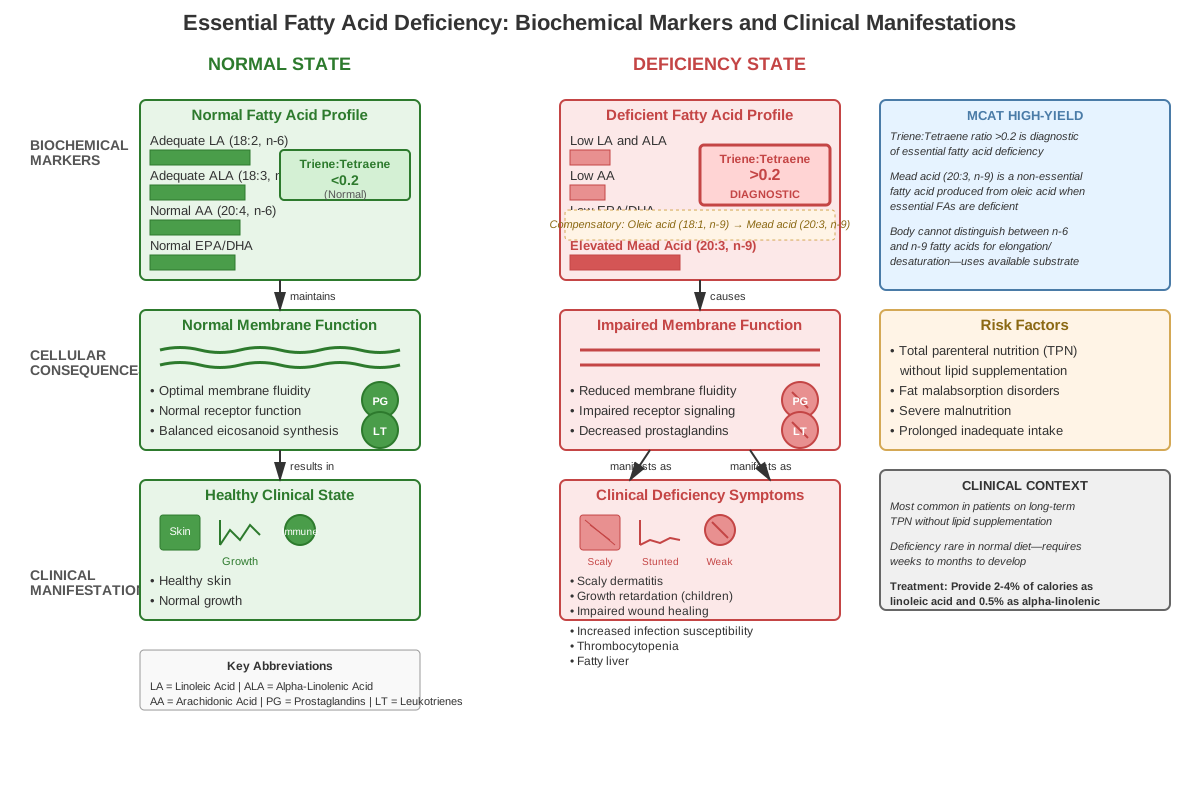
While rare in developed countries, essential fatty acid deficiency can occur in conditions of severe malnutrition, fat malabsorption disorders, or prolonged administration of fat-free parenteral nutrition. Clinical manifestations include:
- Scaly dermatitis and hair loss
- Impaired wound healing
- Growth retardation in infants
- Increased susceptibility to infections
- Neurological abnormalities
- Thrombocytopenia
A biochemical marker of essential fatty acid deficiency is an elevated triene-to-tetraene ratio (ratio of 20:3n-9 to 20:4n-6 greater than 0.2). When essential fatty acids are deficient, the body attempts to compensate by producing Mead acid (20:3n-9) from oleic acid, but this cannot substitute for true essential fatty acids.
Concept Relationships
The concepts within essential fatty acids form an interconnected network that builds from structure to function. Fatty acid structure (carbon chain length, degree of unsaturation, omega classification) → determines → metabolic fate (which desaturase and elongase pathways are accessible) → produces → bioactive derivatives (longer-chain PUFAs and eicosanoids) → which mediate → physiological effects (membrane properties, inflammatory responses, cardiovascular function).
The relationship between omega-6 and omega-3 pathways is characterized by competitive inhibition at the enzyme level. Both families compete for Δ6 desaturase, elongase, and Δ5 desaturase, meaning high dietary intake of one family can suppress metabolism of the other. This explains why the omega-6 to omega-3 ratio matters more than absolute amounts.
Essential fatty acids connect to prerequisite topics through multiple pathways. Cell membrane structure depends on essential fatty acids because their incorporation into phospholipids affects membrane fluidity—more unsaturated fatty acids increase fluidity by preventing tight packing. Lipid metabolism encompasses essential fatty acid pathways as specialized branches that require dietary input rather than complete de novo synthesis. Enzyme regulation concepts apply to understanding why humans lack certain desaturases and how dietary factors influence the rate-limiting Δ6 desaturase.
Connections to related topics include: Prostaglandin synthesis (direct product of arachidonic acid metabolism), inflammation (mediated by eicosanoids), cardiovascular physiology (affected by omega-3 fatty acids' effects on blood pressure, triglycerides, and platelet function), neurological development (dependent on DHA for brain and retinal structure), and gene expression (modulated by fatty acids binding to PPAR transcription factors).
The conceptual flow can be mapped as:
Dietary intake → Absorption and incorporation → Membrane integration → Release by phospholipase A₂ → Enzymatic conversion → Eicosanoid signaling → Physiological responses
High-Yield Facts
⭐ Linoleic acid (omega-6) and alpha-linolenic acid (omega-3) are the only two truly essential fatty acids that must be obtained from diet
⭐ Humans lack Δ12 and Δ15 desaturases, preventing synthesis of essential fatty acids but can perform Δ9, Δ6, and Δ5 desaturation
⭐ Arachidonic acid (20:4n-6) is the primary precursor for prostaglandins, thromboxanes, and leukotrienes in humans
⭐ COX enzymes convert arachidonic acid to prostaglandins and thromboxanes; NSAIDs inhibit COX enzymes
⭐ The omega number indicates the position of the first double bond from the methyl (ω) end and remains constant during elongation and desaturation
- Δ6 desaturase is the rate-limiting enzyme in essential fatty acid metabolism and is competitively shared by omega-3 and omega-6 pathways
- EPA (20:5n-3) from omega-3 metabolism competes with arachidonic acid for COX enzymes, producing less inflammatory eicosanoids
- DHA (22:6n-3) comprises approximately 40% of polyunsaturated fatty acids in the brain and is critical for neural development
- Essential fatty acid deficiency is characterized by a triene-to-tetraene ratio (20:3n-9/20:4n-6) greater than 0.2
- Cis double bonds in essential fatty acids create kinks that increase membrane fluidity by preventing tight packing of phospholipid tails
- Phospholipase A₂ releases arachidonic acid from the sn-2 position of membrane phospholipids, initiating eicosanoid synthesis
- Lipoxygenase enzymes convert arachidonic acid to leukotrienes, which mediate allergic responses and bronchoconstriction
- The conversion efficiency of ALA to EPA is only 5-10%, and to DHA is less than 5%, making dietary sources of long-chain omega-3s important
- Essential fatty acids influence gene expression by serving as ligands for PPAR (peroxisome proliferator-activated receptor) transcription factors
- The Western diet typically has an omega-6 to omega-3 ratio of 15:1 or higher, compared to the recommended ratio of approximately 4:1
Quick check — test yourself on Essential fatty acids so far.
Try Flashcards →Common Misconceptions
Misconception: All polyunsaturated fatty acids are essential fatty acids.
Correction: Only fatty acids that cannot be synthesized by the body are essential. While arachidonic acid, EPA, and DHA are polyunsaturated, they can be synthesized from linoleic acid and alpha-linolenic acid (though inefficiently), making only the parent compounds truly essential.
Misconception: The omega number changes as fatty acids are elongated or desaturated.
Correction: The omega (ω) designation remains constant throughout metabolic modifications because it refers to the position from the methyl end, which is not altered by elongation (adds carbons at the carboxyl end) or desaturation (adds double bonds between existing carbons). An omega-6 fatty acid remains omega-6 regardless of chain length.
Misconception: Omega-3 and omega-6 fatty acids can be interconverted in the body.
Correction: The omega classification is permanent because humans lack the enzymes to add or remove double bonds beyond the 9th carbon from the carboxyl end. An omega-6 fatty acid cannot be converted to an omega-3 fatty acid or vice versa; they represent distinct metabolic families.
Misconception: All eicosanoids are pro-inflammatory.
Correction: While many eicosanoids derived from arachidonic acid (omega-6) promote inflammation, those derived from EPA (omega-3) are generally less inflammatory or even anti-inflammatory. For example, prostaglandin E₃ (from EPA) is less inflammatory than prostaglandin E₂ (from arachidonic acid). Additionally, some prostaglandins like PGI₂ (prostacyclin) have anti-thrombotic effects.
Misconception: Essential fatty acid deficiency is common in developed countries.
Correction: Clinical essential fatty acid deficiency is rare in developed countries due to the widespread availability of vegetable oils and other fat sources. However, suboptimal omega-3 status (particularly low EPA and DHA) is common, and the omega-6 to omega-3 ratio is often far from ideal, which has different health implications than true deficiency.
Misconception: The body can efficiently convert plant-based ALA to EPA and DHA, making fish consumption unnecessary.
Correction: The conversion of ALA to EPA is only 5-10% efficient, and conversion to DHA is less than 5% efficient in most people. This low conversion rate means that direct dietary sources of EPA and DHA (primarily fatty fish or algae) are important for achieving optimal omega-3 status, particularly for DHA.
Misconception: Saturated fats are never essential nutrients.
Correction: While this is generally true (saturated fatty acids can be synthesized de novo), the statement correctly identifies that essential fatty acids must be polyunsaturated. However, students sometimes incorrectly extend this to believe all unsaturated fats are essential, which is false—oleic acid (18:1n-9) is monounsaturated but not essential.
Worked Examples
Example 1: Structural Identification and Metabolic Pathway
Question: A researcher is studying fatty acid metabolism in cultured hepatocytes. She adds a radiolabeled 18-carbon fatty acid with double bonds at positions Δ9, Δ12, and Δ15 (counting from the carboxyl end). After 24 hours, she detects radiolabeled 20-carbon and 22-carbon fatty acids with additional double bonds. Which of the following statements is most accurate?
A) The original fatty acid was linoleic acid, an omega-6 fatty acid
B) The original fatty acid was alpha-linolenic acid, an omega-3 fatty acid
C) The cells synthesized the original fatty acid de novo from acetyl-CoA
D) The elongated products would primarily be converted to pro-inflammatory eicosanoids
Solution:
Step 1: Identify the original fatty acid structure.
- 18 carbons with double bonds at Δ9, Δ12, and Δ15 = 18:3Δ9,12,15
- This matches alpha-linolenic acid (ALA)
Step 2: Determine the omega classification.
- Count from the methyl end: If the carboxyl end has double bonds at positions 9, 12, and 15 in an 18-carbon chain, the first double bond from the methyl end is at position 18-15 = 3
- This is an omega-3 fatty acid
Step 3: Predict metabolic products.
- Omega-3 fatty acids undergo elongation and desaturation to produce EPA (20:5n-3) and DHA (22:6n-3)
- The detection of 20- and 22-carbon products with additional double bonds confirms this pathway
Step 4: Evaluate answer choices.
- A is incorrect: Linoleic acid is 18:2Δ9,12 (omega-6), not 18:3Δ9,12,15
- B is correct: The structure matches alpha-linolenic acid, an omega-3 fatty acid
- C is incorrect: Humans cannot synthesize fatty acids with double bonds beyond Δ9
- D is incorrect: Omega-3 derivatives (EPA, DHA) generally produce less inflammatory eicosanoids than omega-6 derivatives
Answer: B
Key Concept Connection: This question tests structural identification, omega nomenclature, and knowledge of metabolic pathways—all core learning objectives for essential fatty acids.
Example 2: Clinical Application and Enzyme Competition
Question: A patient with chronic inflammatory bowel disease is advised to increase dietary omega-3 fatty acid intake while reducing omega-6 intake. The physician explains that this dietary modification may reduce inflammation. Which of the following best explains the biochemical mechanism underlying this recommendation?
A) Omega-3 fatty acids directly inhibit cyclooxygenase enzymes
B) Omega-3 and omega-6 fatty acids compete for the same desaturase and elongase enzymes
C) Omega-3 fatty acids are more efficiently incorporated into membrane phospholipids
D) Omega-6 fatty acids cannot be converted to eicosanoids
Solution:
Step 1: Recall the metabolic relationship between omega-3 and omega-6 pathways.
- Both pathways use the same enzymes: Δ6 desaturase, elongase, and Δ5 desaturase
- These enzymes have limited capacity and can be competitively inhibited
Step 2: Consider eicosanoid production.
- Omega-6 pathway produces arachidonic acid → pro-inflammatory eicosanoids (PGE₂, TXA₂, LTB₄)
- Omega-3 pathway produces EPA → less inflammatory eicosanoids (PGE₃, TXA₃, LTB₅)
- EPA also competes with arachidonic acid for COX and LOX enzymes
Step 3: Analyze the dietary intervention.
- Increasing omega-3 intake provides more substrate for the omega-3 pathway
- Reducing omega-6 intake decreases substrate for the omega-6 pathway
- The combination shifts enzyme activity toward omega-3 metabolism
- This reduces arachidonic acid production and increases EPA production
- Result: fewer pro-inflammatory eicosanoids, more anti-inflammatory mediators
Step 4: Evaluate answer choices.
- A is incorrect: Omega-3 fatty acids don't directly inhibit COX; they compete for it as substrates
- B is correct: Competitive enzyme use explains why changing the dietary ratio affects downstream products
- C is incorrect: While incorporation matters, this doesn't directly explain the anti-inflammatory effect
- D is incorrect: Omega-6 fatty acids are readily converted to eicosanoids (that's the problem)
Answer: B
Key Concept Connection: This question integrates metabolic pathways, enzyme competition, eicosanoid synthesis, and clinical application—demonstrating how essential fatty acid biochemistry relates to therapeutic interventions.
Exam Strategy
Approaching MCAT Questions on Essential Fatty Acids
Step 1: Identify the question type
- Structural identification: Look for fatty acid formulas or descriptions of double bond positions
- Metabolic pathway: Questions about enzymes, elongation, desaturation, or conversion products
- Physiological function: Questions about inflammation, membrane properties, or clinical effects
- Clinical application: Scenarios involving dietary interventions, deficiencies, or drug mechanisms
Step 2: Use systematic analysis for structural problems
- Always determine the omega number by counting from the methyl end
- Remember that omega classification is permanent (doesn't change with elongation/desaturation)
- Recognize that only omega-3 and omega-6 families contain essential fatty acids
- Use the shorthand notation (18:2n-6) to quickly identify chain length, unsaturation, and family
Step 3: Apply enzyme knowledge to pathway questions
- Δ6 desaturase is rate-limiting and competitively shared between pathways
- Humans have Δ9, Δ6, and Δ5 desaturases but lack Δ12 and Δ15
- Elongation adds 2-carbon units at the carboxyl end
- Desaturation adds double bonds between existing carbons
Step 4: Connect structure to function
- More double bonds = more membrane fluidity
- Omega-6 derivatives (especially arachidonic acid) = more pro-inflammatory
- Omega-3 derivatives (EPA, DHA) = less inflammatory, neuroprotective
- Eicosanoids = local signaling molecules from 20-carbon PUFAs
Trigger Words and Phrases
Watch for these high-yield terms that signal essential fatty acid content:
- "Cannot be synthesized" or "nutritionally essential" → thinking about linoleic and alpha-linolenic acid
- "Omega-3" or "omega-6" → family classification and competitive metabolism
- "Prostaglandin," "thromboxane," or "leukotriene" → eicosanoid synthesis from arachidonic acid or EPA
- "Membrane fluidity" → degree of unsaturation in phospholipid fatty acid tails
- "Anti-inflammatory" → likely discussing omega-3 fatty acids or COX inhibition
- "Desaturase" or "elongase" → metabolic conversion pathways
- "Dietary source" or "supplementation" → essential nature requiring external intake
Process of Elimination Tips
For structural identification questions:
- Eliminate options with incorrect carbon counts first
- Then eliminate based on number of double bonds
- Finally, verify omega classification by counting from the methyl end
- Remember: if synthesis from acetyl-CoA is mentioned, it cannot be an essential fatty acid
For metabolic pathway questions:
- Eliminate any answer suggesting interconversion between omega-3 and omega-6 families
- Eliminate options that place double bonds beyond position 9 through de novo synthesis
- Look for answers that recognize enzyme competition between pathways
- Verify that elongation adds carbons at the carboxyl end, not the methyl end
For physiological function questions:
- Eliminate extreme statements (e.g., "all eicosanoids are pro-inflammatory")
- Look for answers that distinguish between omega-3 and omega-6 effects
- Eliminate options that confuse direct enzyme inhibition with competitive substrate effects
- Verify that the answer connects structure (degree of unsaturation) to function (membrane fluidity, signaling)
Time Allocation Advice
Essential fatty acid questions typically require 60-90 seconds for discrete questions and 90-120 seconds for passage-based questions. Allocate time as follows:
- 15-20 seconds: Read and categorize the question type
- 20-30 seconds: Analyze the structure, pathway, or scenario
- 20-30 seconds: Evaluate answer choices systematically
- 10-15 seconds: Verify your answer and mark for review if uncertain
For passage-based questions, spend 3-4 minutes on the initial passage read, identifying key information about fatty acid structures, experimental conditions, or clinical scenarios before attempting questions.
Memory Techniques
Mnemonics for Essential Fatty Acids
"LA and ALA Are Essential"
- Linoleic Acid (omega-6)
- Alpha-Linolenic Acid (omega-3)
- These are the only two truly essential fatty acids
"6 is Sick, 3 is Free"
- Omega-6 fatty acids → more pro-inflammatory ("sick")
- Omega-3 fatty acids → anti-inflammatory ("free" from inflammation)
"Counting Omega: Methyl Matters Most"
- Omega counting starts at the Methyl end
- End that's Greatest distance from Acid group
- Remember: OME-GA = O-Methyl-End-Greatest-Away
Enzyme Pathway Mnemonic
"Desaturate 6, Elongate, Desaturate 5"
- The sequence for converting parent essential fatty acids to longer derivatives
- Δ6 desaturase (rate-limiting) → Elongase → Δ5 desaturase
- Works for both omega-3 and omega-6 pathways
Eicosanoid Classes
"Please Try Liking Eicosanoids"
- Prostaglandins (COX pathway)
- Thromboxanes (COX pathway)
- Leukotrienes (LOX pathway)
- Eicosanoids (umbrella term for all)
Visualization Strategy for Omega Classification
Visualize the fatty acid as a horizontal chain:
COOH-[carbon chain]-CH₃
(carboxyl end)      (methyl/omega end)
For omega counting, always start from the right (methyl end) and count to the first double bond. This number never changes, even when the chain gets longer or gains more double bonds.
Structural Memory Aid
Linoleic Acid (LA): Think "LA has 2 double bonds" (18:2n-6)
Alpha-Linolenic Acid (ALA): Think "ALA has 3 double bonds" (18:3n-3)
Notice the pattern: The number of double bonds (2 or 3) matches the last digit of the omega number (6 or 3) when you divide by 2 (6÷2=3, 3÷1.5≈2). While not mathematically precise, this association helps prevent confusion.
Summary
Essential fatty acids represent a critical intersection of nutrition, biochemistry, and physiology that is highly testable on the MCAT. The two parent essential fatty acids—linoleic acid (omega-6) and alpha-linolenic acid (omega-3)—cannot be synthesized by humans due to the absence of Δ12 and Δ15 desaturases and must be obtained through diet. These fatty acids undergo elongation and desaturation via shared enzymes (Δ6 desaturase, elongase, Δ5 desaturase) to produce longer-chain derivatives including arachidonic acid, EPA, and DHA. Arachidonic acid serves as the primary precursor for eicosanoids—prostaglandins, thromboxanes, and leukotrienes—which mediate inflammation, pain, and immune responses. The competitive relationship between omega-3 and omega-6 pathways for shared enzymes explains why dietary ratios matter for health outcomes. Essential fatty acids also play structural roles in cell membranes, where their degree of unsaturation affects membrane fluidity. Understanding the nomenclature (particularly omega classification), metabolic pathways, and physiological functions of essential fatty acids enables students to tackle diverse MCAT questions ranging from structural identification to clinical application scenarios.
Key Takeaways
- Linoleic acid (18:2n-6) and alpha-linolenic acid (18:3n-3) are the only two truly essential fatty acids that must be obtained from diet
- Omega classification is determined by counting from the methyl end and remains constant during metabolic modifications
- Humans lack Δ12 and Δ15 desaturases, preventing de novo synthesis of essential fatty acids but can perform Δ6 and Δ5 desaturation
- Omega-3 and omega-6 pathways compete for the same enzymes (Δ6 desaturase is rate-limiting), making dietary ratios physiologically significant
- Arachidonic acid (omega-6 derivative) is the primary precursor for pro-inflammatory eicosanoids; EPA (omega-3 derivative) produces less inflammatory mediators
- Essential fatty acids increase membrane fluidity through their polyunsaturated structure with cis double bonds that prevent tight packing
- COX enzymes convert arachidonic acid to prostaglandins and thromboxanes; NSAIDs inhibit COX to reduce inflammation
Related Topics
Prostaglandin Synthesis and Function: Building directly on essential fatty acid metabolism, this topic explores the detailed mechanisms of COX-1 and COX-2 enzymes, the structures of different prostaglandin classes, and their diverse physiological roles. Mastering essential fatty acids provides the foundation for understanding how NSAIDs, aspirin, and COX-2 selective inhibitors work.
Membrane Structure and Dynamics: Essential fatty acids are integral components of membrane phospholipids. Further study of membrane biology explores how fatty acid composition affects lipid rafts, membrane protein function, and cellular signaling platforms.
Lipid Metabolism Integration: Essential fatty acids connect to broader lipid metabolism including fatty acid oxidation (β-oxidation), de novo fatty acid synthesis, and triglyceride metabolism. Understanding where essential fatty acids fit within the larger metabolic network enhances comprehension of energy homeostasis.
Inflammation and Immune Response: The eicosanoids derived from essential fatty acids are central mediators of inflammation. Advanced study of immunology and inflammatory cascades builds on the biochemical foundation of essential fatty acid metabolism.
Cardiovascular Physiology: Omega-3 fatty acids have profound effects on cardiovascular health through multiple mechanisms including effects on blood pressure, triglyceride levels, platelet function, and endothelial function. This topic integrates biochemistry with physiology and clinical medicine.
Practice CTA
Now that you've mastered the core concepts of essential fatty acids, it's time to reinforce your understanding through active practice. Challenge yourself with MCAT-style practice questions that test structural identification, metabolic pathways, and clinical applications. Use flashcards to drill the high-yield facts, particularly the structures of linoleic and alpha-linolenic acid, the enzyme sequences in metabolic pathways, and the relationships between essential fatty acids and eicosanoids. Remember that essential fatty acids appear in approximately 3-5% of MCAT Biochemistry questions—mastering this topic will give you a competitive advantage. The integration of structure, metabolism, and function that essential fatty acids require is exactly the type of multidimensional thinking that separates high scorers from average performers. You've built the foundation; now solidify it through deliberate practice!
Sign up free to keep reading
Create a free AnvayaPrep account to finish this MCAT guide on Essential fatty acids — plus flashcards and practice questions.