Overview
Fatty acids are fundamental building blocks of biological systems and represent one of the most clinically and biochemically significant topics within the Lipids and Membranes unit of Biochemistry. These carboxylic acids with long hydrocarbon chains serve as the structural foundation for complex lipids, function as critical energy storage molecules, and act as signaling molecules in numerous physiological processes. Understanding fatty acid structure, nomenclature, properties, and metabolism is essential for mastering not only lipid biochemistry but also energy metabolism, membrane biology, and metabolic disease pathophysiology.
For the MCAT, fatty acids Biochemistry appears frequently across multiple question formats, from discrete questions testing structural knowledge to complex passage-based questions integrating fatty acid metabolism with cellular energetics, membrane dynamics, and disease states. The topic bridges organic chemistry concepts (functional groups, saturation, isomerism) with biochemical processes (beta-oxidation, lipogenesis, membrane fluidity), making it a high-yield integration point that the MCAT consistently exploits. Questions may ask students to predict physical properties based on structure, calculate ATP yield from oxidation, explain membrane behavior, or analyze experimental data involving lipid metabolism.
The fatty acids MCAT content connects intimately with carbohydrate metabolism (through acetyl-CoA), protein structure (lipid anchors and membrane proteins), cellular respiration (energy yield calculations), and membrane transport mechanisms. Mastery of fatty acids enables deeper understanding of ketone body metabolism, eicosanoid signaling, lipid storage diseases, atherosclerosis, and nutritional biochemistry—all topics that appear regularly in MCAT passages. This foundational knowledge serves as a gateway to understanding complex lipids including triglycerides, phospholipids, and cholesterol derivatives.
Learning Objectives
- [ ] Define fatty acids using accurate Biochemistry terminology, including structural components and classification systems
- [ ] Explain why fatty acids matters for the MCAT, including question frequency and integration with other topics
- [ ] Apply fatty acids concepts to exam-style questions involving structure-function relationships and metabolic calculations
- [ ] Identify common mistakes related to fatty acids, particularly in nomenclature, energy calculations, and membrane properties
- [ ] Connect fatty acids to related Biochemistry concepts including beta-oxidation, lipogenesis, and membrane structure
- [ ] Predict physical and chemical properties of fatty acids based on chain length and degree of saturation
- [ ] Calculate energy yield from complete oxidation of fatty acids of varying chain lengths
- [ ] Analyze the impact of fatty acid composition on membrane fluidity and cellular function
Prerequisites
- Basic organic chemistry functional groups: Fatty acids contain carboxylic acid groups, and understanding acid-base chemistry is essential for predicting ionization states and amphipathic behavior
- Hydrocarbon structure and nomenclature: The hydrocarbon chain constitutes the majority of fatty acid structure, requiring knowledge of alkanes and alkenes
- Isomerism (cis/trans): Double bond geometry dramatically affects fatty acid properties and biological function
- Thermodynamics and energy concepts: Understanding ATP, oxidation-reduction reactions, and energy yield calculations is necessary for metabolism discussions
- Basic cell biology: Knowledge of cellular compartments (mitochondria, cytoplasm) and membrane structure provides context for fatty acid function
Why This Topic Matters
Clinical and Real-World Significance
Fatty acids play central roles in human health and disease. Essential fatty acids (omega-3 and omega-6) must be obtained through diet and serve as precursors to inflammatory mediators like prostaglandins and leukotrienes. Imbalances in fatty acid metabolism contribute to obesity, type 2 diabetes, cardiovascular disease, and metabolic syndrome. Trans fatty acids, created through industrial hydrogenation, increase cardiovascular disease risk by raising LDL cholesterol and lowering HDL cholesterol. Medium-chain triglycerides (MCTs) are used therapeutically in malabsorption disorders and ketogenic diets for epilepsy. Understanding fatty acid biochemistry is fundamental to interpreting lipid panels, understanding atherosclerosis pathogenesis, and comprehending nutritional interventions.
MCAT Exam Statistics and Question Types
Fatty acids appear in approximately 8-12% of Biochemistry questions on the MCAT, making them a high-yield topic. Questions typically fall into several categories: (1) structure-property relationships asking students to predict melting points, solubility, or membrane effects based on fatty acid structure; (2) metabolic calculations requiring determination of ATP yield from beta-oxidation; (3) passage-based questions integrating fatty acid metabolism with experimental data on obesity, diabetes, or metabolic disorders; (4) membrane biology questions connecting fatty acid composition to fluidity, permeability, or protein function; and (5) comparative questions contrasting fatty acid metabolism with carbohydrate metabolism.
Common Exam Passage Contexts
MCAT passages frequently present fatty acids within contexts including: dietary studies comparing saturated versus unsaturated fat intake and cardiovascular outcomes; biochemical experiments measuring oxygen consumption during fatty acid oxidation; genetic studies of fatty acid metabolism disorders (MCAD deficiency, carnitine deficiency); pharmaceutical research on drugs affecting lipid metabolism; membrane fluidity experiments manipulating fatty acid composition; and comparative physiology examining adaptations to cold environments or hibernation involving fatty acid modifications.
Core Concepts
Definition and Basic Structure
Fatty acids are carboxylic acids consisting of a hydrophilic carboxyl group (-COOH) attached to a hydrophobic hydrocarbon chain, typically containing an even number of carbon atoms ranging from 4 to 36, though 16- and 18-carbon fatty acids predominate in human biology. The general formula is CH₃(CH₂)ₙCOOH, where n typically ranges from 2 to 34. This amphipathic structure—possessing both hydrophilic and hydrophobic regions—underlies many functional properties of fatty acids and their derivatives.
The carboxyl group has a pKa around 4.8, meaning fatty acids exist predominantly in their ionized (carboxylate) form at physiological pH (7.4), often referred to as "fatty acid salts" or simply "fatty acids" despite the deprotonated state. This ionization is crucial for their behavior in biological systems, affecting solubility, membrane interactions, and protein binding.
Classification Systems
Fatty acids are classified using multiple overlapping systems:
By Saturation Status:
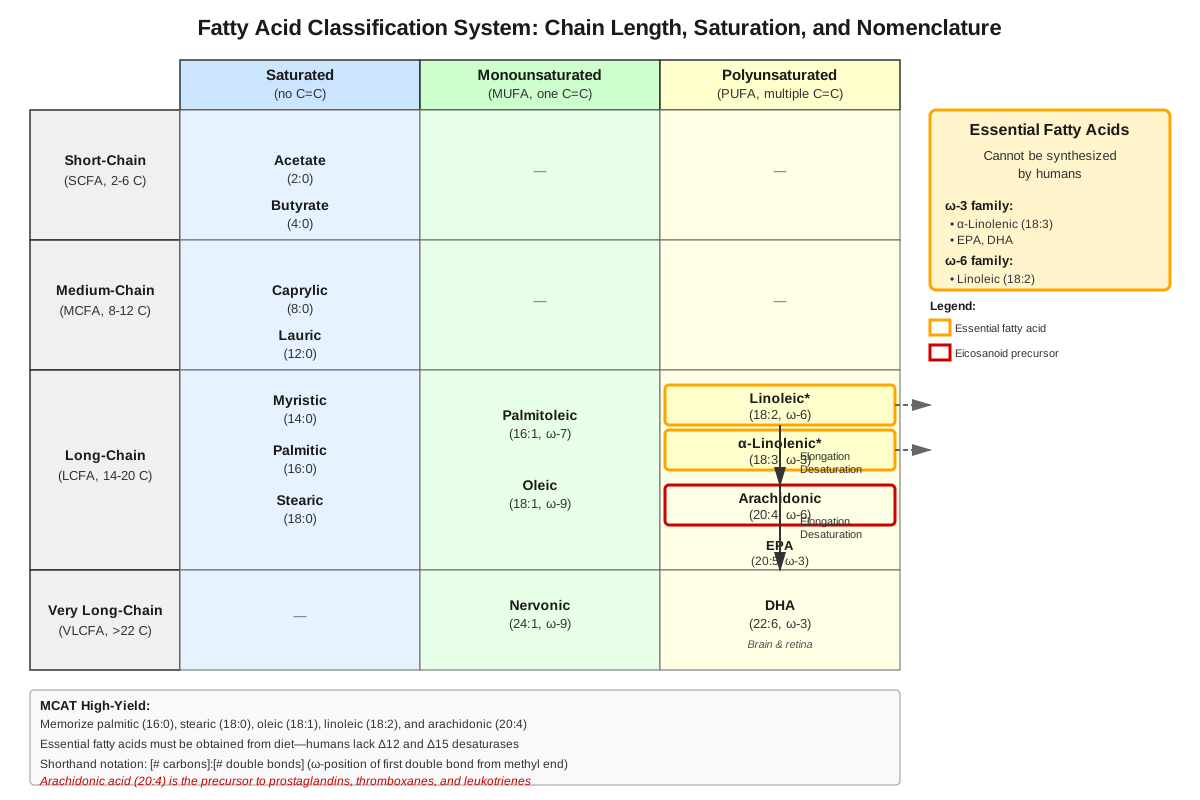
| Classification | Definition | Example | Notation |
|---|---|---|---|
| Saturated | No carbon-carbon double bonds | Palmitic acid | 16:0 |
| Monounsaturated | One carbon-carbon double bond | Oleic acid | 18:1 |
| Polyunsaturated | Multiple carbon-carbon double bonds | Linoleic acid | 18:2 |
By Chain Length:
- Short-chain fatty acids (SCFA): 2-6 carbons (e.g., butyric acid, 4:0)
- Medium-chain fatty acids (MCFA): 8-12 carbons (e.g., capric acid, 10:0)
- Long-chain fatty acids (LCFA): 14-20 carbons (e.g., palmitic acid, 16:0)
- Very long-chain fatty acids (VLCFA): >20 carbons (e.g., lignoceric acid, 24:0)
By Essentiality:
- Essential fatty acids: Cannot be synthesized by humans and must be obtained through diet (linoleic acid [omega-6] and alpha-linolenic acid [omega-3])
- Non-essential fatty acids: Can be synthesized endogenously through lipogenesis
Nomenclature Systems
Understanding fatty acid nomenclature is critical for MCAT success. Three systems are commonly used:
1. Common Names: Traditional names often derived from their source (e.g., palmitic acid from palm oil, oleic acid from olive oil). These are most frequently used in biological contexts.
2. Systematic (IUPAC) Names: Based on the parent hydrocarbon with the suffix "-oic acid" (e.g., hexadecanoic acid for palmitic acid, octadec-9-enoic acid for oleic acid).
3. Shorthand Notation: The format C:D or C:D(ω-x), where:
- C = number of carbon atoms
- D = number of double bonds
- ω-x (or n-x) = position of first double bond counting from the methyl (ω) end
For example, oleic acid is 18:1(ω-9) or 18:1(n-9), indicating 18 carbons, 1 double bond, with the double bond starting at carbon 9 from the methyl end.
Saturation and Double Bond Geometry
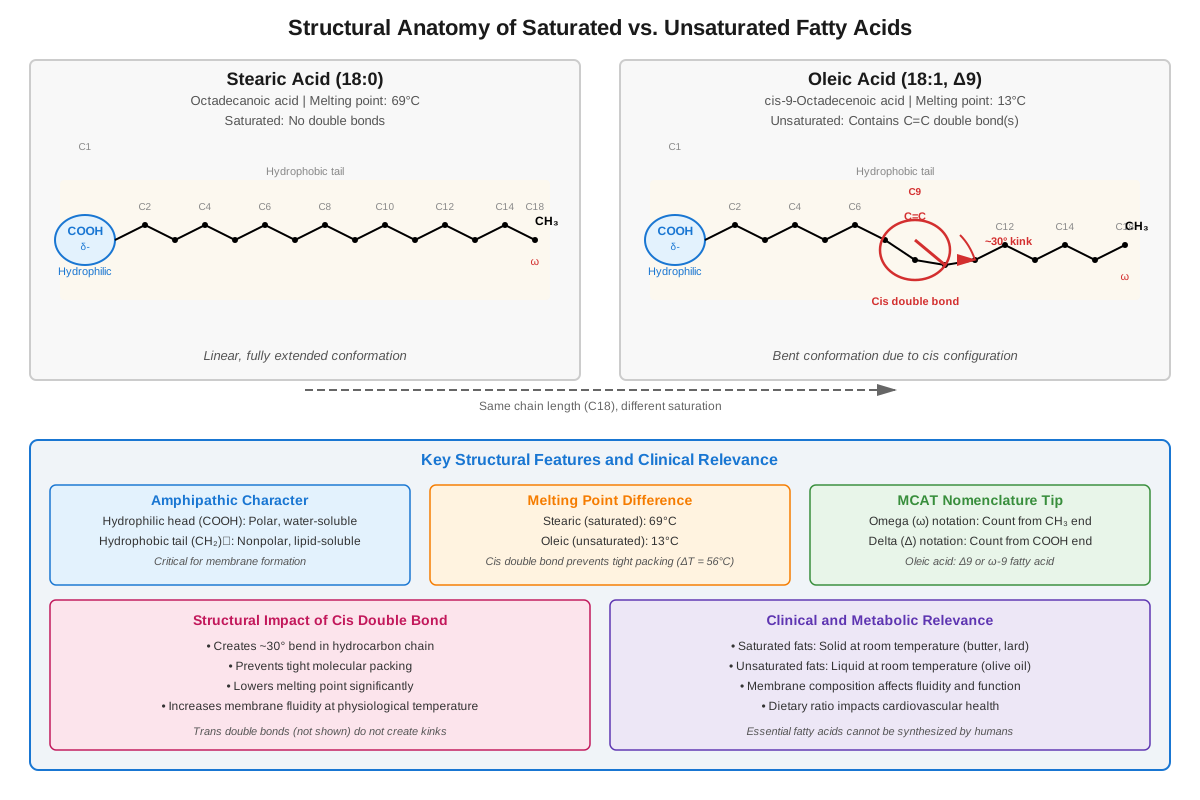
The presence and configuration of double bonds profoundly affect fatty acid properties. Saturated fatty acids contain only single bonds, allowing free rotation and extended, linear conformations that pack tightly together. This tight packing results in higher melting points and solid state at room temperature (fats).
Unsaturated fatty acids contain one or more carbon-carbon double bonds, which are typically in the cis configuration in naturally occurring fatty acids. Each cis double bond introduces a ~30° kink in the hydrocarbon chain, preventing tight packing and lowering melting points. Unsaturated fatty acids are typically liquid at room temperature (oils).
Trans fatty acids, with double bonds in trans configuration, maintain a more linear structure similar to saturated fatty acids, resulting in higher melting points. While rare in nature, trans fats are produced industrially through partial hydrogenation and have adverse health effects.
MCAT Exam Tip: Questions often ask you to rank fatty acids by melting point. Remember: saturated > trans > cis, and longer chains > shorter chains. More double bonds = lower melting point.
Physical and Chemical Properties
Solubility: Fatty acids exhibit amphipathic behavior. Short-chain fatty acids (≤6 carbons) are water-soluble due to the dominant influence of the polar carboxyl group. As chain length increases, hydrophobicity dominates, and long-chain fatty acids are essentially water-insoluble but dissolve readily in nonpolar solvents. In aqueous solution above critical micelle concentration, fatty acids form micelles with carboxyl groups facing outward.
Melting Point: Determined by two primary factors:
- Chain length: Longer chains have higher melting points due to increased van der Waals forces
- Degree of unsaturation: Each cis double bond lowers melting point by ~20-30°C by disrupting packing
Example comparison:
- Stearic acid (18:0): melting point 69°C
- Oleic acid (18:1): melting point 13°C
- Linoleic acid (18:2): melting point -5°C
Reactivity: The carboxyl group can form esters (with alcohols), amides (with amines), and anhydrides. Double bonds in unsaturated fatty acids are susceptible to oxidation, hydrogenation, and addition reactions. Polyunsaturated fatty acids are particularly vulnerable to lipid peroxidation, a free radical chain reaction that damages membranes and produces reactive aldehydes.
Biologically Important Fatty Acids
Palmitic Acid (16:0): The most abundant saturated fatty acid in humans; the primary product of fatty acid synthase; used for protein palmitoylation (lipid modification).
Stearic Acid (18:0): A major saturated fatty acid; can be desaturated to oleic acid by Δ9-desaturase (stearoyl-CoA desaturase).
Oleic Acid (18:1, ω-9): The most abundant monounsaturated fatty acid; major component of olive oil; considered heart-healthy.
Linoleic Acid (18:2, ω-6): An essential fatty acid; precursor to arachidonic acid and pro-inflammatory eicosanoids (prostaglandins, leukotrienes).
α-Linolenic Acid (18:3, ω-3): An essential fatty acid; precursor to EPA and DHA; anti-inflammatory effects.
Arachidonic Acid (20:4, ω-6): Precursor to eicosanoids (prostaglandins, thromboxanes, leukotrienes); released from membrane phospholipids by phospholipase A₂.
Fatty Acid Metabolism Overview
While detailed metabolism is covered in separate topics, understanding the basic framework is essential:
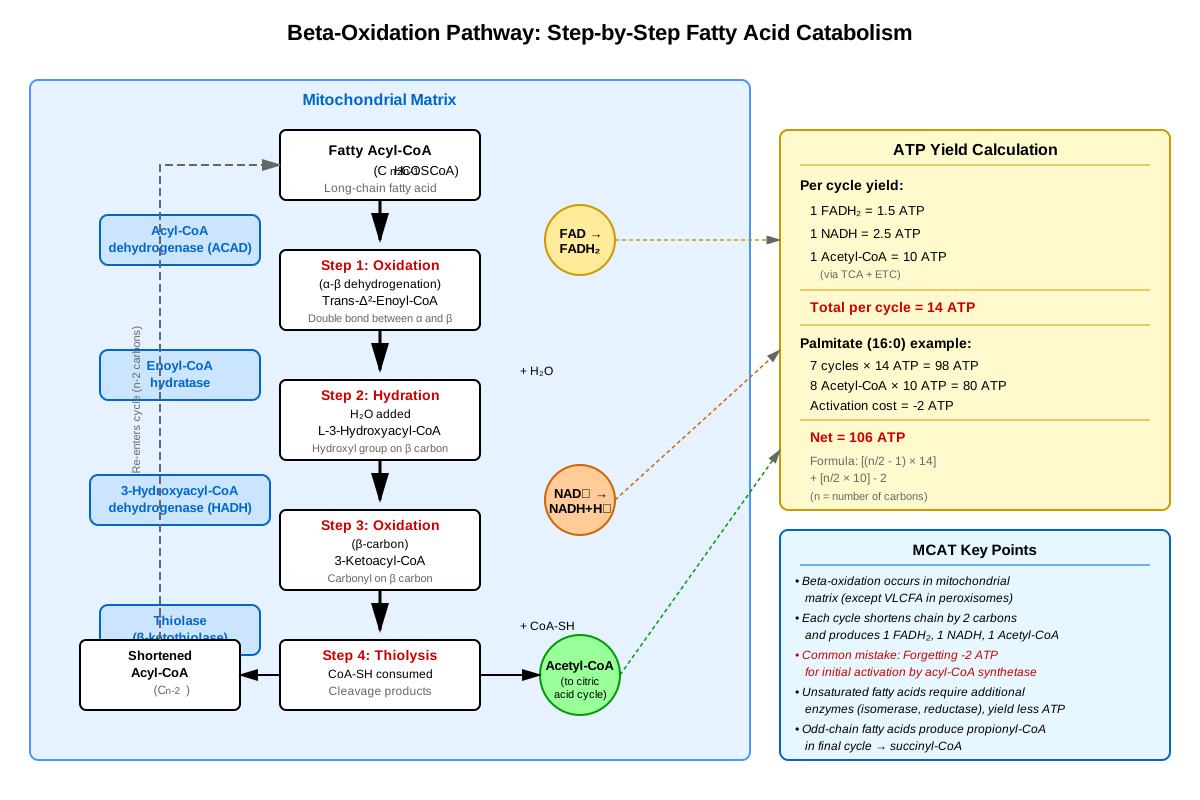
Beta-Oxidation: The catabolic pathway occurring in mitochondria that breaks down fatty acids into acetyl-CoA units, generating FADH₂ and NADH. Each cycle removes two carbons. For a saturated fatty acid with n carbons:
- Number of acetyl-CoA produced: n/2
- Number of beta-oxidation cycles: (n/2) - 1
- FADH₂ produced: (n/2) - 1
- NADH produced: (n/2) - 1
Lipogenesis: The anabolic pathway in the cytoplasm that synthesizes fatty acids from acetyl-CoA using fatty acid synthase, producing primarily palmitic acid (16:0).
Fatty Acid Activation: Before oxidation, fatty acids must be activated to fatty acyl-CoA by acyl-CoA synthetase (thiokinase) at the outer mitochondrial membrane, consuming 2 ATP equivalents (ATP → AMP + PPi).
Membrane Structure and Fluidity
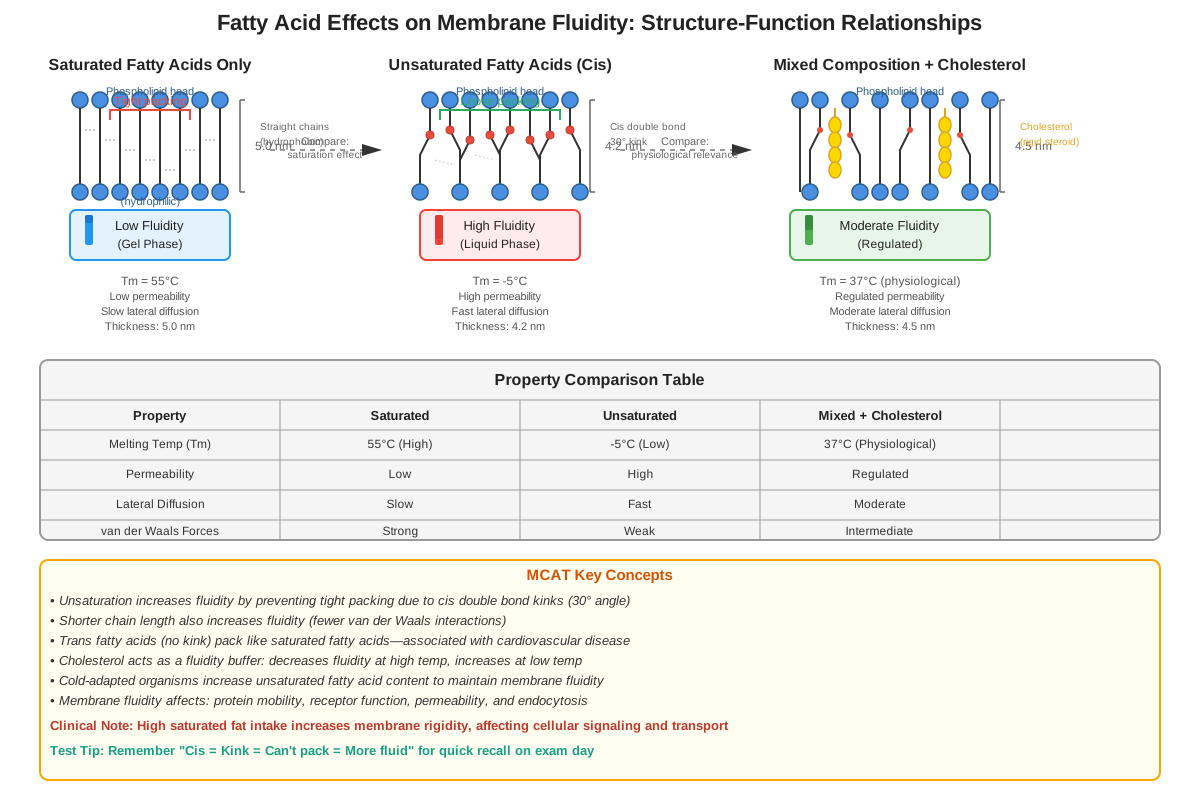
Fatty acids, as components of membrane phospholipids, critically determine membrane properties. Membrane fluidity—the ability of lipid molecules to move laterally within the bilayer—depends on fatty acid composition:
Factors Increasing Fluidity:
- Higher proportion of unsaturated fatty acids (cis double bonds prevent tight packing)
- Shorter fatty acid chains (fewer van der Waals interactions)
- Higher temperature
Factors Decreasing Fluidity:
- Higher proportion of saturated fatty acids
- Longer fatty acid chains
- Presence of cholesterol (at physiological temperatures, cholesterol decreases fluidity by restricting phospholipid movement)
- Lower temperature
Organisms adapt membrane composition to maintain appropriate fluidity under different conditions (homeoviscous adaptation). Cold-water fish increase unsaturated fatty acid content to prevent membrane solidification.
Concept Relationships
The study of fatty acids serves as a central hub connecting multiple biochemical pathways and concepts. Fatty acid structure directly determines physical properties (melting point, solubility), which in turn affect membrane fluidity and lipid storage characteristics. The amphipathic nature of fatty acids enables their role in micelle formation and membrane bilayer structure, connecting to topics in membrane biology and transport.
Fatty acid catabolism (beta-oxidation) connects to cellular respiration through the production of acetyl-CoA, which enters the citric acid cycle, and FADH₂/NADH, which feed into the electron transport chain. This relationship enables comparison of energy yield between fatty acids and carbohydrates—a common MCAT question type. The activation of fatty acids to acyl-CoA connects to concepts of energy investment and ATP hydrolysis.
Fatty acid synthesis (lipogenesis) connects to carbohydrate metabolism because acetyl-CoA from glucose serves as the building block, illustrating metabolic integration. The regulation of fatty acid metabolism connects to hormonal signaling (insulin promotes lipogenesis; glucagon and epinephrine promote lipolysis) and metabolic states (fed versus fasted).
Essential fatty acids connect to nutrition, eicosanoid signaling, and inflammation, while fatty acid composition of membranes connects to membrane protein function, signal transduction, and cellular adaptation to environmental stress.
Textual relationship map:
Dietary lipids → Digestion → Free fatty acids → Activation (acyl-CoA) → Beta-oxidation → Acetyl-CoA → Citric acid cycle → ATP production
Glucose → Glycolysis → Acetyl-CoA → Lipogenesis → Palmitic acid → Elongation/Desaturation → Diverse fatty acids → Incorporation into complex lipids → Membrane structure and function
Quick check — test yourself on Fatty acids so far.
Try Flashcards →High-Yield Facts
⭐ Fatty acids contain an even number of carbons (typically 16 or 18) because they are synthesized by adding two-carbon units and degraded by removing two-carbon units.
⭐ Saturated fatty acids have higher melting points than unsaturated fatty acids of the same chain length due to tighter packing; each cis double bond lowers melting point by approximately 20-30°C.
⭐ Complete oxidation of one palmitic acid (16:0) yields 129 ATP: 8 acetyl-CoA × 12.5 ATP = 100 ATP; 7 FADH₂ × 1.5 ATP = 10.5 ATP; 7 NADH × 2.5 ATP = 17.5 ATP; minus 2 ATP for activation = 106 ATP (note: exact values vary by source; some use 108 or 129 depending on shuttle systems).
⭐ Linoleic acid (ω-6) and α-linolenic acid (ω-3) are essential fatty acids that cannot be synthesized by humans due to lack of desaturases that introduce double bonds beyond carbon 9.
⭐ Cis double bonds in naturally occurring unsaturated fatty acids create kinks that decrease membrane packing and increase fluidity, while trans double bonds maintain linear structure similar to saturated fatty acids.
- Fatty acid activation to acyl-CoA consumes 2 ATP equivalents (ATP → AMP + PPi, with PPi hydrolyzed to 2 Pi), representing the energy investment required before beta-oxidation can proceed.
- Arachidonic acid (20:4, ω-6) is the precursor to eicosanoids including prostaglandins, thromboxanes, and leukotrienes, which mediate inflammation, pain, and fever.
- Medium-chain fatty acids (8-12 carbons) can enter mitochondria without the carnitine shuttle, unlike long-chain fatty acids, making them useful in carnitine deficiency disorders.
- Odd-chain fatty acids (rare in mammals) produce propionyl-CoA as the final product, which is converted to succinyl-CoA (a citric acid cycle intermediate) rather than acetyl-CoA.
- Unsaturated fatty acids require additional enzymes during beta-oxidation (enoyl-CoA isomerase and 2,4-dienoyl-CoA reductase) to handle double bonds, slightly reducing ATP yield compared to saturated fatty acids.
- Fatty acids are stored as triglycerides (three fatty acids esterified to glycerol) in adipose tissue, representing the most energy-dense form of biological energy storage at 9 kcal/g.
- The carboxyl group of fatty acids has a pKa around 4.8, meaning fatty acids are predominantly ionized (deprotonated) at physiological pH 7.4.
Common Misconceptions
Misconception: All fatty acids can be synthesized by the human body.
Correction: Humans lack the enzymes (Δ12 and Δ15 desaturases) to introduce double bonds beyond carbon 9 from the carboxyl end, making linoleic acid (18:2, ω-6) and α-linolenic acid (18:3, ω-3) essential fatty acids that must be obtained through diet.
Misconception: Trans fats are healthier than saturated fats because they are unsaturated.
Correction: Despite being unsaturated, trans fatty acids behave more like saturated fats due to their linear structure, raising LDL cholesterol and lowering HDL cholesterol, making them more harmful than saturated fats for cardiovascular health.
Misconception: Fatty acids produce more ATP per carbon than glucose solely because they contain more energy.
Correction: While fatty acids are more reduced than carbohydrates (more C-H bonds to oxidize), the higher ATP yield per carbon also results from the fact that beta-oxidation produces FADH₂ and NADH in addition to acetyl-CoA, whereas glucose oxidation to pyruvate produces only NADH before entering the citric acid cycle.
Misconception: The omega (ω) number indicates the position of the double bond from the carboxyl group.
Correction: The omega (ω) or n-number indicates the position of the first double bond counting from the methyl (ω) end, not the carboxyl end. This nomenclature is important because the position from the methyl end remains constant even as the fatty acid is elongated.
Misconception: All double bonds in fatty acids lower membrane fluidity.
Correction: Cis double bonds increase membrane fluidity by creating kinks that prevent tight packing, while trans double bonds (rare in natural membranes) maintain linear structure and would decrease fluidity similar to saturated fatty acids.
Misconception: The ATP cost of fatty acid activation is 1 ATP.
Correction: Fatty acid activation consumes 2 ATP equivalents because ATP is hydrolyzed to AMP + PPi (not ADP + Pi), and the pyrophosphate (PPi) is subsequently hydrolyzed to 2 Pi by pyrophosphatase, making the reaction irreversible and effectively costing 2 high-energy phosphate bonds.
Misconception: Longer fatty acid chains always have lower melting points than shorter chains.
Correction: Longer fatty acid chains have higher melting points than shorter chains of the same saturation status due to increased van der Waals forces. Chain length and saturation have opposite effects on melting point.
Worked Examples
Example 1: ATP Yield Calculation
Question: Calculate the net ATP yield from complete oxidation of myristic acid (14:0), a saturated fatty acid with 14 carbons. Assume the malate-aspartate shuttle and standard ATP yields: NADH = 2.5 ATP, FADH₂ = 1.5 ATP, acetyl-CoA = 10 ATP (from citric acid cycle and electron transport chain).
Solution:
Step 1: Determine the number of beta-oxidation cycles.
- For a fatty acid with n carbons, the number of cycles = (n/2) - 1
- For 14 carbons: (14/2) - 1 = 7 - 1 = 6 cycles
Step 2: Calculate products from beta-oxidation.
- Acetyl-CoA produced: n/2 = 14/2 = 7 acetyl-CoA
- FADH₂ produced: 6 (one per cycle)
- NADH produced: 6 (one per cycle)
Step 3: Calculate ATP from each product.
- From acetyl-CoA: 7 × 10 = 70 ATP
- From FADH₂: 6 × 1.5 = 9 ATP
- From NADH: 6 × 2.5 = 15 ATP
- Subtotal: 70 + 9 + 15 = 94 ATP
Step 4: Subtract activation cost.
- Activation consumes 2 ATP equivalents
- Net ATP: 94 - 2 = 92 ATP
Answer: Complete oxidation of myristic acid yields 92 net ATP.
Key Concept Connection: This problem integrates fatty acid structure (chain length), beta-oxidation stoichiometry, and cellular energetics—a classic MCAT integration point.
Example 2: Membrane Fluidity Analysis
Question: A researcher is studying membrane adaptation in bacteria exposed to decreasing temperatures. At 37°C, the membrane contains 40% palmitic acid (16:0), 30% stearic acid (18:0), and 30% oleic acid (18:1). When temperature drops to 15°C, the bacteria modify their membrane composition to 20% palmitic acid, 10% stearic acid, 50% oleic acid, and 20% linoleic acid (18:2). Explain the biochemical rationale for these changes and predict the effect on membrane fluidity.
Solution:
Step 1: Analyze initial composition.
- At 37°C: 70% saturated fatty acids (palmitic + stearic), 30% unsaturated (oleic)
- High saturation provides appropriate fluidity at higher temperature
Step 2: Analyze adapted composition.
- At 15°C: 30% saturated fatty acids, 70% unsaturated (oleic + linoleic)
- Dramatic increase in unsaturation and introduction of polyunsaturated fatty acid
Step 3: Apply structure-function principles.
- Saturated fatty acids pack tightly, decreasing fluidity
- Unsaturated fatty acids (especially polyunsaturated) have cis double bonds creating kinks
- Kinks prevent tight packing, increasing fluidity
- At lower temperature, membranes naturally become less fluid (more ordered)
Step 4: Predict outcome.
- By increasing unsaturated fatty acid content, bacteria compensate for temperature-induced rigidity
- The membrane maintains appropriate fluidity for proper protein function and transport
- This is an example of homeoviscous adaptation
Answer: The bacteria increase unsaturated fatty acid content to maintain membrane fluidity at lower temperatures. The cis double bonds in oleic and linoleic acids create molecular kinks that prevent tight packing, counteracting the rigidifying effect of decreased temperature. This adaptation ensures continued membrane protein function and cellular viability.
Key Concept Connection: This problem integrates fatty acid structure (saturation, double bonds), physical properties (melting point, packing), membrane biology (fluidity), and physiological adaptation—demonstrating how the MCAT tests multi-level understanding.
Exam Strategy
Approaching Fatty Acid Questions
Step 1: Identify the question type
- Structure-property relationship (predict melting point, solubility, membrane effect)
- Metabolic calculation (ATP yield, number of cycles)
- Nomenclature/classification (identify essential fatty acids, omega designation)
- Experimental analysis (interpret data on lipid metabolism or membrane studies)
Step 2: Extract key structural information
- Note chain length (affects melting point, energy yield)
- Count double bonds (affects melting point, fluidity, oxidation complexity)
- Identify saturation status (saturated vs. unsaturated)
- Check for special features (odd-chain, branched, trans configuration)
Step 3: Apply relevant principles systematically
- For melting point: longer chain = higher; more saturation = higher
- For ATP yield: use formula (n/2) - 1 for cycles; account for activation cost
- For membrane effects: more unsaturation = more fluidity
- For metabolism: consider compartment (mitochondria vs. cytoplasm) and cofactors
Trigger Words and Phrases
- "Essential fatty acid" → Think linoleic (ω-6) and α-linolenic (ω-3); cannot be synthesized
- "Membrane fluidity" → Consider saturation status and temperature; unsaturated increases fluidity
- "Complete oxidation" → Calculate total ATP including activation cost
- "Omega-3" or "omega-6" → Position of first double bond from methyl end; relates to essentiality
- "Trans fat" → Linear structure like saturated; adverse health effects
- "Amphipathic" → Has both hydrophobic (chain) and hydrophilic (carboxyl) regions
- "Eicosanoid" → Think arachidonic acid (20:4, ω-6) precursor
- "Carnitine" → Required for long-chain fatty acid transport into mitochondria
Process of Elimination Tips
When comparing fatty acids:
- Eliminate options with incorrect carbon count if the question specifies chain length
- Eliminate saturated fatty acids when the question asks about essential fatty acids (all essential fatty acids are polyunsaturated)
- Eliminate options suggesting trans fats are healthy (they raise LDL and lower HDL)
- Eliminate ATP calculations that forget the activation cost (should subtract 2 ATP)
- Eliminate options confusing omega numbering with delta numbering (omega counts from methyl end; delta from carboxyl end)
Time Allocation
- Discrete questions on fatty acid structure/properties: 45-60 seconds
- ATP yield calculations: 90-120 seconds (requires systematic calculation)
- Passage-based questions: 1.5-2 minutes per question (after reading passage)
- Complex integration questions: Up to 2 minutes (may require multiple concept connections)
MCAT Exam Tip: For ATP yield questions, write out the formula quickly: Acetyl-CoA = n/2; Cycles = (n/2) - 1; FADH₂ = cycles; NADH = cycles. This systematic approach prevents errors under time pressure.
Memory Techniques
Mnemonics
"SLOW" - Saturated, Long chains, Omega-3s are Wonderful
- Saturated fatty acids have higher melting points
- Longer chains have higher melting points
- Omega-3 fatty acids are anti-inflammatory (wonderful for health)
- Water solubility decreases with chain length
"PALE" - Palmitic Acid Lipogenesis End-product
- Palmitic acid (16:0)
- All fatty acid synthase produces
- Lipogenesis
- End-product (primary product of de novo synthesis)
"ELLA" - Essential Linoleic and Linolenic Acids
- Essential fatty acids are
- Linoleic (ω-6) and
- Linolenic (ω-3)
- Acids
Visualization Strategy
For membrane fluidity: Visualize saturated fatty acids as straight sticks that pack tightly like a box of pencils (rigid, less fluid). Visualize unsaturated fatty acids as bent sticks with kinks that cannot pack tightly, leaving gaps (flexible, more fluid). The more kinks (double bonds), the more gaps, the more fluid.
For beta-oxidation cycles: Visualize a fatty acid chain as a string of beads. Each cycle removes two beads (carbons) from the end. Count how many "cuts" are needed to separate all pairs—this equals (n/2) - 1 cycles.
For ATP yield: Create a mental table with three rows (acetyl-CoA, FADH₂, NADH) and multiply each by its ATP value, then subtract 2 for activation.
Acronyms
"FAME" - Fatty Acid Methyl Esters
- Common derivative used in gas chromatography analysis
- Helps remember that fatty acids can form esters
"PUFA" - PolyUnsaturated Fatty Acids
- Contains multiple double bonds
- More susceptible to oxidation
- Important for membrane fluidity
Summary
Fatty acids are carboxylic acids with long hydrocarbon chains that serve as fundamental building blocks of biological lipids, energy storage molecules, and signaling precursors. Their amphipathic structure—combining a hydrophilic carboxyl group with a hydrophobic hydrocarbon tail—enables critical functions in membrane structure and micelle formation. Classification by saturation status (saturated, monounsaturated, polyunsaturated), chain length, and essentiality provides a framework for predicting physical properties and biological roles. Saturated fatty acids pack tightly and have higher melting points, while cis double bonds in unsaturated fatty acids create kinks that decrease packing and lower melting points, directly affecting membrane fluidity. Essential fatty acids (linoleic and α-linolenic) cannot be synthesized by humans and must be obtained through diet. Beta-oxidation in mitochondria breaks down fatty acids into acetyl-CoA units, generating substantial ATP—more per carbon than glucose due to the highly reduced state of fatty acids. The MCAT frequently tests structure-property relationships, ATP yield calculations, membrane fluidity effects, and integration with metabolic pathways, making fatty acids a high-yield topic requiring both conceptual understanding and quantitative skills.
Key Takeaways
- Fatty acids are amphipathic molecules with a polar carboxyl head and nonpolar hydrocarbon tail, enabling their role in membrane structure and lipid metabolism
- Saturation status determines physical properties: saturated fatty acids have higher melting points and pack tightly; unsaturated fatty acids (with cis double bonds) have lower melting points and increase membrane fluidity
- Linoleic acid (ω-6) and α-linolenic acid (ω-3) are essential fatty acids that cannot be synthesized by humans due to lack of specific desaturases
- ATP yield from fatty acid oxidation follows the formula: [(n/2) × 10] + [(n/2 - 1) × 1.5] + [(n/2 - 1) × 2.5] - 2, where n is the number of carbons
- Fatty acid chain length and saturation affect membrane fluidity: shorter chains and more unsaturation increase fluidity; organisms adapt membrane composition to maintain appropriate fluidity under different conditions
- Beta-oxidation occurs in mitochondria and requires fatty acid activation (costing 2 ATP) and the carnitine shuttle for long-chain fatty acids
- Fatty acids connect to multiple metabolic pathways through acetyl-CoA production, linking lipid metabolism to the citric acid cycle, ketogenesis, and cellular respiration
Related Topics
Beta-Oxidation: The detailed catabolic pathway that breaks down fatty acids in mitochondria; builds directly on fatty acid structure knowledge and requires understanding of the enzymes, cofactors, and regulation involved in this process.
Lipogenesis (Fatty Acid Synthesis): The anabolic pathway that synthesizes fatty acids from acetyl-CoA in the cytoplasm; understanding fatty acid structure enables comprehension of how fatty acid synthase builds palmitic acid and how elongases and desaturases modify it.
Triglycerides and Lipid Storage: Fatty acids esterified to glycerol form triglycerides, the primary energy storage molecules in adipose tissue; mastering fatty acid properties enables understanding of lipid storage, mobilization, and energy density.
Phospholipids and Membrane Structure: Fatty acids as components of phospholipids determine membrane properties; this topic extends fatty acid knowledge to complex lipid structure and membrane dynamics.
Eicosanoids and Signaling: Arachidonic acid (20:4, ω-6) serves as precursor to prostaglandins, thromboxanes, and leukotrienes; understanding fatty acid structure enables comprehension of inflammatory signaling pathways.
Ketone Body Metabolism: During prolonged fasting or low carbohydrate states, acetyl-CoA from fatty acid oxidation is converted to ketone bodies; this topic integrates fatty acid catabolism with metabolic adaptation.
Lipid Metabolism Disorders: Genetic defects in fatty acid oxidation enzymes (MCAD deficiency, carnitine deficiency) cause clinical disease; understanding normal fatty acid metabolism enables comprehension of pathophysiology.
Practice CTA
Now that you have mastered the foundational concepts of fatty acids, it is time to solidify your understanding through active practice. Attempt the practice questions and flashcards associated with this topic to test your ability to apply these concepts under exam conditions. Focus particularly on ATP yield calculations, structure-property predictions, and membrane fluidity questions, as these represent the highest-yield question types on the MCAT. Remember that biochemistry mastery comes from repeated application of concepts to novel scenarios—exactly what the MCAT demands. Each practice question you complete strengthens your pattern recognition and builds the confidence needed for test day success. You have built a strong foundation; now reinforce it through deliberate practice!
Sign up free to keep reading
Create a free AnvayaPrep account to finish this MCAT guide on Fatty acids — plus flashcards and practice questions.