Overview
Phospholipids represent one of the most critical molecular classes in Biochemistry, serving as the fundamental building blocks of all biological membranes. These amphipathic molecules—possessing both hydrophobic and hydrophilic regions—spontaneously organize into bilayer structures that compartmentalize cells and organelles, regulate molecular transport, and provide platforms for countless biochemical reactions. Understanding phospholipid structure, properties, and behavior is essential for mastering membrane biology, signal transduction, and lipid metabolism on the MCAT.
For the MCAT, phospholipids appear frequently across multiple contexts within the Biochemistry section and often bridge into Biological and Biochemical Foundations of Living Systems passages. Test-makers favor questions that assess understanding of membrane structure, lipid bilayer properties, and how molecular modifications affect membrane behavior. Phospholipids also connect to broader topics including protein structure (membrane proteins), cell signaling (phospholipase cascades), and thermodynamics (spontaneous bilayer formation).
The study of phospholipids within Lipids and Membranes provides essential foundation for understanding cellular organization, membrane potential, receptor function, and drug delivery mechanisms. This topic integrates chemical principles (polarity, intermolecular forces), biological concepts (membrane fluidity, selective permeability), and physiological applications (nerve conduction, lipid rafts). Mastery of phospholipid biochemistry enables students to tackle complex passage-based questions that require integration of structure-function relationships and prediction of molecular behavior under varying conditions.
Learning Objectives
- [ ] Define Phospholipids using accurate Biochemistry terminology
- [ ] Explain why Phospholipids matters for the MCAT
- [ ] Apply Phospholipids to exam-style questions
- [ ] Identify common mistakes related to Phospholipids
- [ ] Connect Phospholipids to related Biochemistry concepts
- [ ] Predict how structural modifications to phospholipids affect membrane properties
- [ ] Analyze the thermodynamic driving forces behind bilayer formation
- [ ] Compare and contrast different phospholipid classes and their biological roles
- [ ] Evaluate how environmental factors (temperature, pH, cholesterol) influence membrane behavior
Prerequisites
- Fatty acid structure and nomenclature: Phospholipids contain fatty acid chains whose saturation state directly affects membrane fluidity
- Glycerol backbone chemistry: Understanding the three-carbon alcohol structure is essential for recognizing phospholipid architecture
- Ester and phosphoester bond formation: These linkages connect fatty acids and head groups to the glycerol backbone
- Polarity and intermolecular forces: Amphipathic behavior depends on understanding hydrophobic effects, hydrogen bonding, and electrostatic interactions
- Basic organic functional groups: Recognition of alcohols, amines, and phosphate groups enables identification of different phospholipid head groups
- Thermodynamic principles: Entropy and enthalpy considerations explain spontaneous bilayer formation
Why This Topic Matters
Clinical and Real-World Significance
Phospholipids are not merely structural components—they serve as signaling molecules, precursors to inflammatory mediators, and targets for pharmaceutical intervention. Phosphatidylcholine deficiency contributes to respiratory distress syndrome in premature infants due to inadequate lung surfactant. Phosphatidylinositol derivatives function as second messengers in critical signaling pathways controlling cell growth and metabolism. Phospholipase enzymes that cleave phospholipids generate arachidonic acid, the precursor to prostaglandins and leukotrienes involved in inflammation and pain. Many drugs, including anesthetics and chemotherapeutics, exert their effects by interacting with or disrupting membrane phospholipids.
MCAT Exam Statistics
Phospholipids appear in approximately 3-5% of Biochemistry questions on the MCAT, with additional indirect appearances in cell biology and physiology passages. Questions typically fall into three categories: (1) structure-function relationships requiring students to predict membrane behavior based on phospholipid composition, (2) experimental passages describing membrane studies using techniques like fluorescence recovery after photobleaching (FRAP), and (3) integrated questions connecting phospholipids to signal transduction or metabolism. The AAMC consistently tests understanding of amphipathic behavior, bilayer formation, and factors affecting membrane fluidity.
Common Exam Contexts
Phospholipids frequently appear in passages describing membrane protein studies, liposome drug delivery systems, or cellular signaling cascades. Discrete questions often present modified phospholipid structures and ask students to predict their behavior in aqueous solution. Experimental passages may describe techniques for measuring membrane fluidity or permeability, requiring interpretation of how phospholipid composition affects results. Integrated passages commonly connect phospholipids to topics like receptor-mediated endocytosis, action potential propagation, or lipid raft formation in specialized membrane domains.
Core Concepts
Phospholipid Structure and Classification
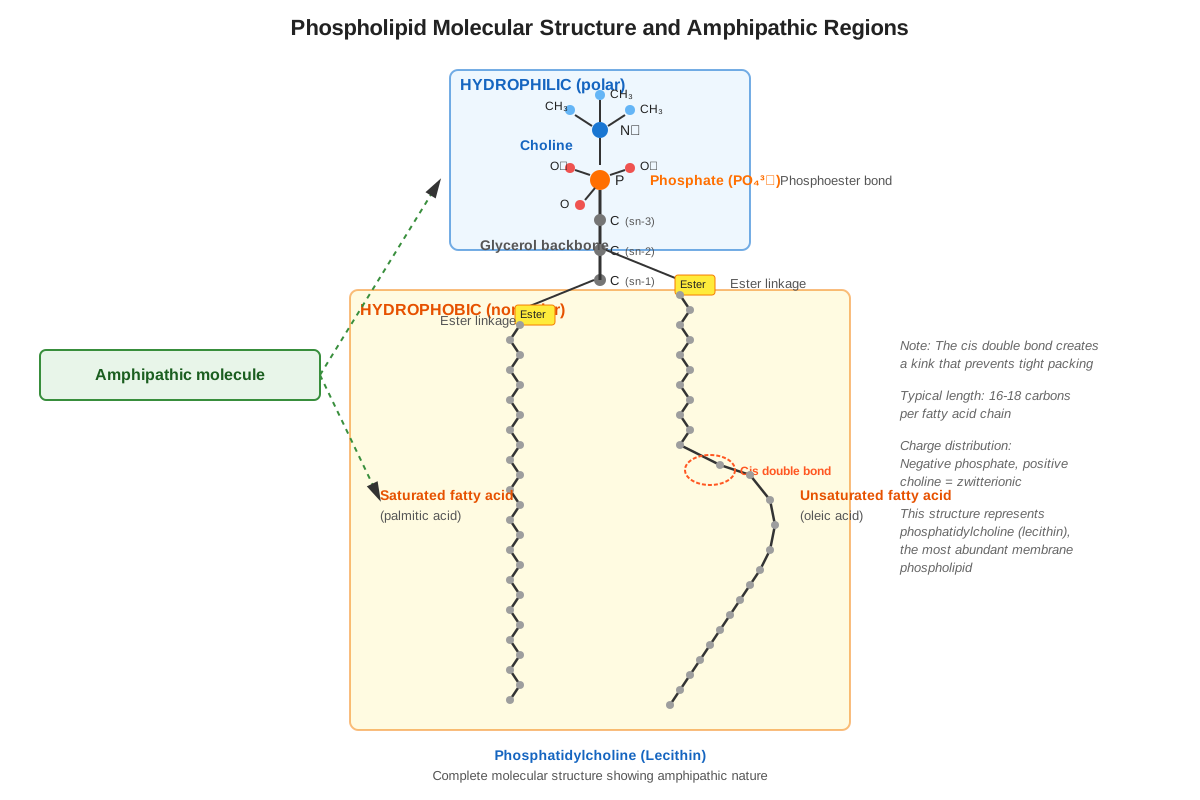
Phospholipids are amphipathic lipids containing a glycerol or sphingosine backbone, fatty acid chains, a phosphate group, and typically an additional polar head group. The two major classes are glycerophospholipids (phosphoglycerides) and sphingophospholipids.
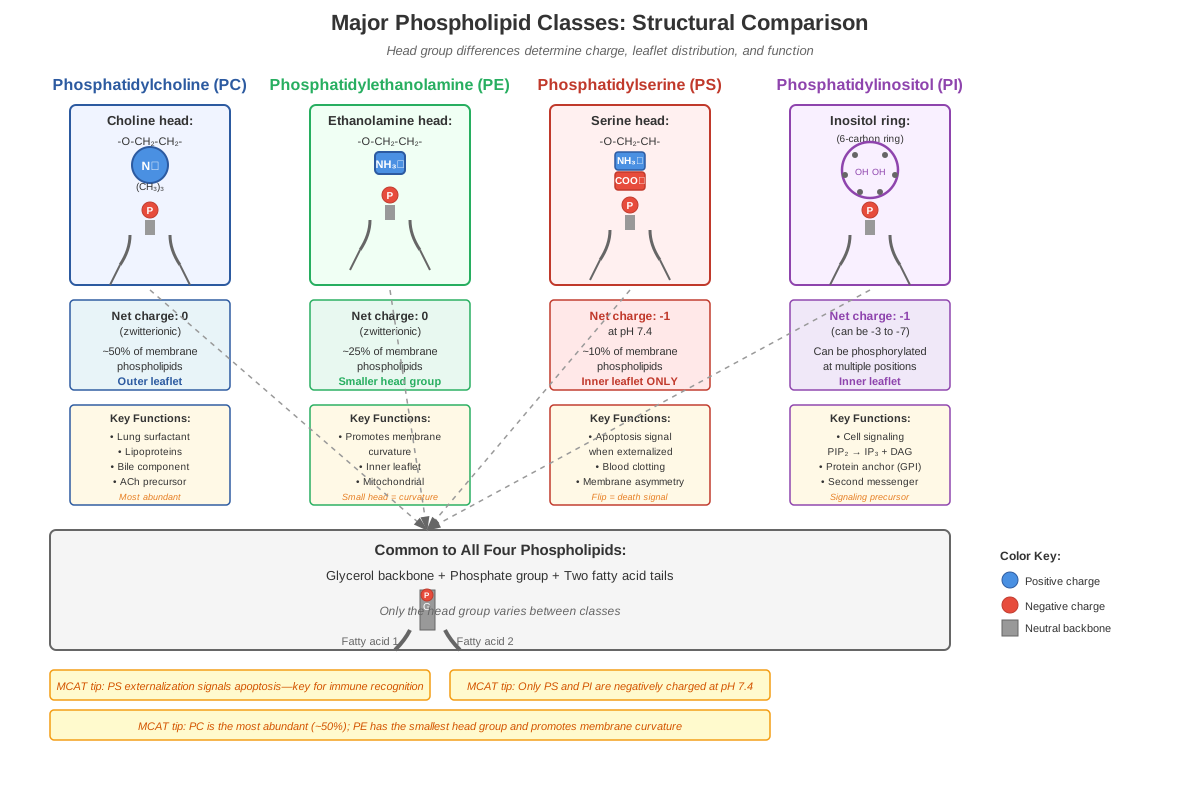
Glycerophospholipids consist of a glycerol-3-phosphate backbone with fatty acids esterified to the C-1 and C-2 positions (forming the hydrophobic tail region) and a phosphate group at C-3 (forming part of the hydrophilic head group). The phosphate group commonly links to additional polar molecules including choline, ethanolamine, serine, inositol, or glycerol, creating distinct phospholipid species.
| Phospholipid | Head Group | Charge at pH 7.4 | Key Functions |
|---|---|---|---|
| Phosphatidylcholine (PC) | Choline | Zwitterionic (neutral) | Most abundant membrane lipid; lung surfactant |
| Phosphatidylethanolamine (PE) | Ethanolamine | Zwitterionic (neutral) | Membrane curvature; abundant in brain |
| Phosphatidylserine (PS) | Serine | Negative | Apoptosis signal; inner leaflet marker |
| Phosphatidylinositol (PI) | Inositol | Negative | Signaling precursor (PIP₂, PIP₃) |
| Phosphatidylglycerol (PG) | Glycerol | Negative | Lung surfactant component |
| Cardiolipin | Two phosphatidylglycerols | Negative | Mitochondrial inner membrane |
Sphingomyelin, the primary sphingophospholipid, contains a sphingosine backbone (an amino alcohol with a long hydrocarbon chain) rather than glycerol. A fatty acid attaches via an amide linkage to the amino group, and phosphocholine attaches to the terminal hydroxyl group. Sphingomyelin is particularly abundant in myelin sheaths surrounding nerve axons, providing electrical insulation essential for rapid signal conduction.
Amphipathic Nature and Bilayer Formation
The defining characteristic of phospholipids is their amphipathic (amphiphilic) nature—possessing both hydrophobic (water-fearing) and hydrophilic (water-loving) regions within the same molecule. The fatty acid tails, typically 14-24 carbons long, constitute the hydrophobic region through extensive nonpolar C-H bonds. The phosphate-containing head group, often with additional charged or polar substituents, forms the hydrophilic region capable of hydrogen bonding and electrostatic interactions with water.
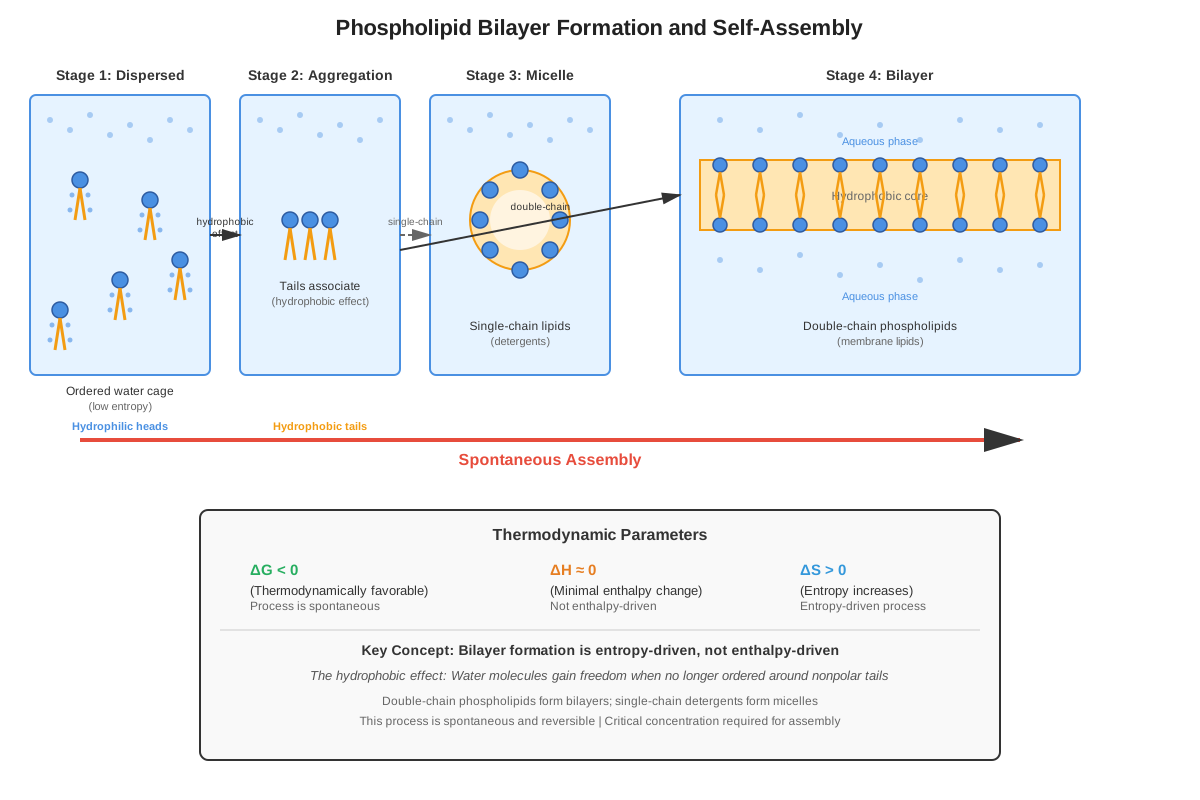
When phospholipids encounter aqueous environments, thermodynamic principles drive spontaneous self-assembly into organized structures. The hydrophobic effect—the tendency of nonpolar molecules to aggregate in water to minimize disruption of water's hydrogen bonding network—provides the primary driving force. Phospholipids spontaneously form bilayers (lipid bilayers) where hydrophobic tails face inward, shielded from water, while hydrophilic heads face outward, interacting with the aqueous environment on both sides.
This bilayer formation is thermodynamically favorable because:
- Entropy of water increases: Water molecules previously ordered around hydrophobic tails are released
- Van der Waals forces stabilize: Fatty acid tails interact through weak but numerous intermolecular forces
- Electrostatic interactions occur: Polar head groups interact with water and ions
- Hydrogen bonding maximizes: Head groups form extensive hydrogen bonds with water
The bilayer structure is self-sealing—any disruption exposing hydrophobic edges to water is energetically unfavorable, causing spontaneous closure into sealed vesicles or continuous sheets. This property is fundamental to membrane integrity and cellular compartmentalization.
Membrane Fluidity and Factors Affecting It
Membrane fluidity refers to the ease with which lipid molecules move within the bilayer plane. Fluidity is critical for membrane function, affecting protein mobility, membrane fusion, vesicle formation, and permeability. The fluid mosaic model describes biological membranes as two-dimensional fluids where lipids and proteins can diffuse laterally.
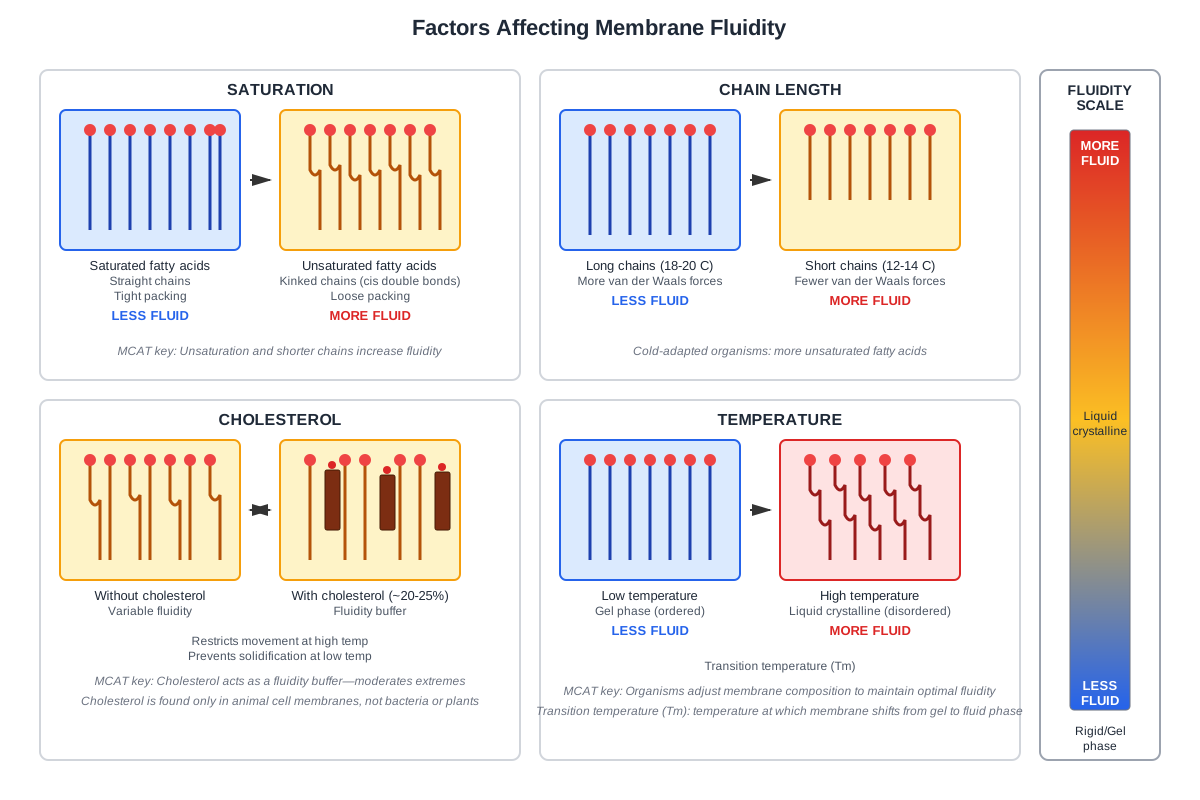
Fatty acid saturation profoundly affects fluidity. Saturated fatty acids (no double bonds) pack tightly together due to their straight, flexible chains, creating more rigid, less fluid membranes with higher melting temperatures. Unsaturated fatty acids contain one or more cis double bonds that introduce kinks in the hydrocarbon chain, preventing tight packing and increasing fluidity. Each cis double bond creates a ~30° bend, disrupting regular packing and lowering the membrane's transition temperature.
Temperature directly influences fluidity—higher temperatures increase kinetic energy and molecular motion, enhancing fluidity, while lower temperatures decrease motion, potentially causing transition to a rigid gel phase. Organisms adapt membrane composition to maintain appropriate fluidity across temperature ranges through homeoviscous adaptation.
Cholesterol modulates membrane fluidity in a temperature-dependent manner. At high temperatures, cholesterol's rigid steroid ring structure restricts fatty acid chain motion, decreasing fluidity. At low temperatures, cholesterol prevents tight packing and crystallization, maintaining fluidity. This bidirectional regulation makes cholesterol a "fluidity buffer" that maintains membranes in an optimal intermediate state across physiological temperature ranges.
Chain length also affects fluidity—longer fatty acid chains have more van der Waals interactions, decreasing fluidity, while shorter chains increase fluidity. Most biological membranes contain fatty acids of 16-18 carbons, balancing stability and fluidity.
Membrane Asymmetry and Lipid Distribution
Biological membranes exhibit lipid asymmetry—different phospholipid compositions in the inner (cytoplasmic) and outer (extracellular or luminal) leaflets of the bilayer. This asymmetry is functionally significant and actively maintained by enzymes.
In plasma membranes:
- Outer leaflet: Enriched in phosphatidylcholine and sphingomyelin
- Inner leaflet: Enriched in phosphatidylethanolamine and phosphatidylserine
Phosphatidylserine (PS) normally resides exclusively in the inner leaflet. During apoptosis (programmed cell death), PS flips to the outer leaflet, serving as an "eat me" signal for phagocytes. This externalization is a key marker of apoptotic cells and is exploited in laboratory assays using annexin V, a protein that binds PS.
Flippases, floppases, and scramblases are enzymes that regulate lipid distribution:
- Flippases: ATP-dependent enzymes that move specific phospholipids from outer to inner leaflet
- Floppases: ATP-dependent transporters moving lipids from inner to outer leaflet
- Scramblases: Bidirectional, non-specific lipid transporters activated during apoptosis
Phospholipid Derivatives and Signaling
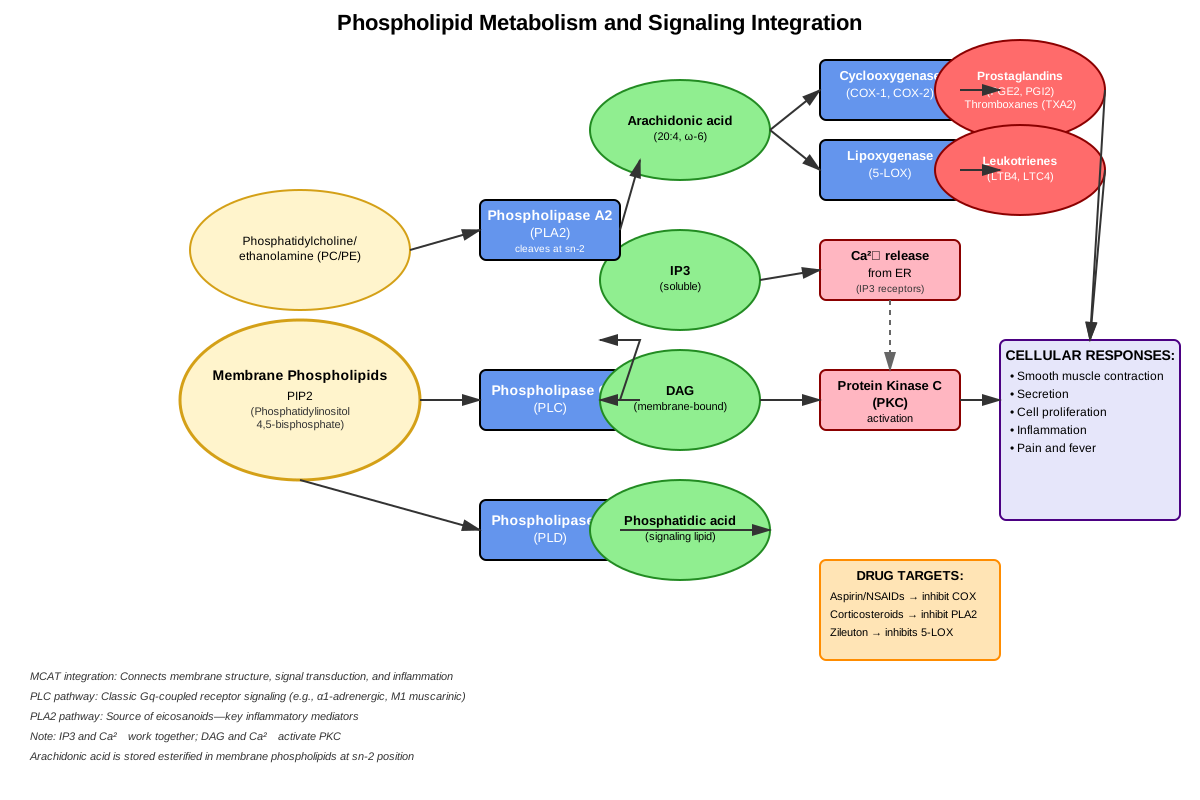
Phospholipids serve as precursors to critical signaling molecules. Phosphatidylinositol 4,5-bisphosphate (PIP₂) is a key signaling phospholipid in the inner leaflet of plasma membranes. Upon receptor activation, phospholipase C (PLC) cleaves PIP₂ into two second messengers:
- Inositol 1,4,5-trisphosphate (IP₃): Water-soluble molecule that diffuses through cytoplasm and binds receptors on the endoplasmic reticulum, triggering calcium release
- Diacylglycerol (DAG): Membrane-bound molecule that activates protein kinase C (PKC), initiating phosphorylation cascades
Phospholipase A₂ (PLA₂) cleaves the fatty acid at the C-2 position of phospholipids, releasing arachidonic acid, a 20-carbon polyunsaturated fatty acid. Arachidonic acid serves as the precursor for eicosanoids—bioactive lipids including prostaglandins, thromboxanes, and leukotrienes that mediate inflammation, pain, fever, and blood clotting. Nonsteroidal anti-inflammatory drugs (NSAIDs) like aspirin inhibit cyclooxygenase enzymes that convert arachidonic acid to prostaglandins.
Platelet-activating factor (PAF), a modified phospholipid with an ether linkage instead of an ester at C-1 and an acetyl group at C-2, is a potent signaling molecule involved in inflammation and allergic responses.
Specialized Phospholipid Structures
Lipid rafts are specialized membrane microdomains enriched in sphingomyelin, cholesterol, and specific proteins. These ordered regions exist in a more tightly packed, less fluid state than surrounding membrane. Lipid rafts concentrate signaling proteins, facilitate protein-protein interactions, and organize cellular processes including signal transduction and membrane trafficking.
Lung surfactant is a complex mixture of lipids (90%) and proteins (10%) that reduces surface tension in alveoli, preventing collapse during exhalation. Dipalmitoylphosphatidylcholine (DPPC), a saturated phosphatidylcholine, comprises ~50% of surfactant lipids. Its saturated chains pack tightly at the air-water interface, dramatically lowering surface tension. Premature infants often lack adequate surfactant, causing respiratory distress syndrome treated with exogenous surfactant administration.
Liposomes are artificial vesicles formed when phospholipids self-assemble in aqueous solution. These spherical structures with aqueous cores surrounded by lipid bilayers serve as drug delivery vehicles, encapsulating hydrophilic drugs in the aqueous interior or hydrophobic drugs within the bilayer. Liposomal formulations improve drug stability, reduce toxicity, and enable targeted delivery.
Concept Relationships
The core concepts of phospholipid biochemistry form an interconnected network essential for understanding membrane biology. Phospholipid structure (glycerol backbone, fatty acid chains, phosphate head group) directly determines amphipathic nature, which drives spontaneous bilayer formation through the hydrophobic effect. The fatty acid composition (saturation, chain length) influences membrane fluidity, which in turn affects protein function and membrane permeability.
Membrane asymmetry connects to cell signaling through phosphatidylserine externalization during apoptosis and to lipid metabolism through the action of flippases and floppases. Phospholipid derivatives (PIP₂, arachidonic acid) link membrane structure to signal transduction cascades and inflammatory responses, bridging structural biochemistry with cellular physiology.
The relationship map flows as follows:
Amphipathic structure → Bilayer formation → Membrane compartmentalization → Selective permeability → Cellular organization
Fatty acid composition → Membrane fluidity → Protein mobility → Receptor function → Signal transduction
Phospholipase activation → PIP₂ cleavage → IP₃ and DAG production → Calcium release and PKC activation → Cellular responses
PLA₂ activation → Arachidonic acid release → Eicosanoid synthesis → Inflammation and pain
These relationships emphasize that phospholipids are not merely structural components but dynamic participants in cellular regulation, connecting to prerequisite knowledge of fatty acids and extending to advanced topics in cell signaling, membrane transport, and pharmacology.
Quick check — test yourself on Phospholipids so far.
Try Flashcards →High-Yield Facts
⭐ Phospholipids are amphipathic molecules with hydrophobic fatty acid tails and hydrophilic phosphate-containing head groups
⭐ Phospholipids spontaneously form bilayers in aqueous solution due to the hydrophobic effect, with tails facing inward and heads facing outward
⭐ Unsaturated fatty acids (with cis double bonds) increase membrane fluidity by preventing tight packing; saturated fatty acids decrease fluidity
⭐ Cholesterol acts as a bidirectional fluidity buffer—decreasing fluidity at high temperatures and increasing it at low temperatures
⭐ Phosphatidylserine normally resides in the inner leaflet; its externalization to the outer leaflet signals apoptosis
- Phosphatidylcholine is the most abundant phospholipid in most mammalian membranes
- Sphingomyelin contains a sphingosine backbone rather than glycerol and is abundant in myelin sheaths
- Phospholipase C cleaves PIP₂ into IP₃ (triggers calcium release) and DAG (activates protein kinase C)
- Phospholipase A₂ releases arachidonic acid from the C-2 position, generating precursors for inflammatory mediators
- Cardiolipin, unique to mitochondrial inner membranes, contains four fatty acid chains and two phosphate groups
- Lung surfactant is primarily dipalmitoylphosphatidylcholine (DPPC), which reduces alveolar surface tension
- Lipid rafts are cholesterol- and sphingomyelin-rich membrane microdomains that organize signaling proteins
- Liposomes are artificial phospholipid vesicles used for drug delivery, encapsulating drugs in aqueous cores or bilayers
Common Misconceptions
Misconception: All phospholipids have the same head group and differ only in their fatty acid composition.
Correction: Phospholipids vary in both fatty acid composition AND head group identity. Different head groups (choline, ethanolamine, serine, inositol) create distinct phospholipid classes with different charges, functions, and distributions in membranes.
Misconception: Cholesterol always decreases membrane fluidity.
Correction: Cholesterol has bidirectional effects on fluidity depending on temperature. At high temperatures, it restricts motion and decreases fluidity; at low temperatures, it prevents tight packing and increases fluidity, acting as a fluidity buffer.
Misconception: Phospholipids can freely flip between membrane leaflets (flip-flop) as easily as they diffuse laterally.
Correction: Lateral diffusion within a leaflet is rapid (microseconds), but spontaneous flip-flop between leaflets is extremely slow (hours to days) because it requires moving the polar head group through the hydrophobic core. Flip-flop requires specific enzymes (flippases, floppases, scramblases).
Misconception: The hydrophobic effect is driven by attraction between nonpolar molecules.
Correction: The hydrophobic effect is primarily entropy-driven by water molecules. When nonpolar molecules aggregate, water molecules previously ordered around them are released, increasing entropy. The "attraction" between nonpolar molecules is actually water molecules pushing them together to maximize water's entropy.
Misconception: Membrane bilayers are static, rigid structures.
Correction: Membranes are dynamic, fluid structures described by the fluid mosaic model. Lipids and proteins undergo rapid lateral diffusion, rotation, and flexion. This fluidity is essential for membrane function, protein interactions, and cellular processes like endocytosis and exocytosis.
Misconception: All fatty acids in phospholipids are saturated.
Correction: Biological phospholipids typically contain one saturated fatty acid (usually at C-1) and one unsaturated fatty acid (usually at C-2). This mixed composition balances membrane stability and fluidity. The degree of unsaturation varies with organism, tissue, and environmental conditions.
Misconception: Phospholipids only serve structural roles in membranes.
Correction: Beyond structure, phospholipids are signaling precursors (PIP₂ → IP₃ and DAG), inflammatory mediator sources (phospholipids → arachidonic acid → eicosanoids), recognition signals (PS externalization in apoptosis), and functional molecules (lung surfactant).
Worked Examples
Example 1: Predicting Membrane Behavior from Phospholipid Composition
Question: A researcher synthesizes artificial membranes with varying compositions. Membrane A contains phospholipids with predominantly saturated 18-carbon fatty acids. Membrane B contains phospholipids with predominantly unsaturated 18-carbon fatty acids (two cis double bonds per chain). Both membranes are maintained at 37°C. Which membrane will have higher fluidity, and how would adding cholesterol affect each membrane?
Solution:
Step 1: Analyze fatty acid saturation effects.
- Membrane A (saturated fatty acids): Straight chains pack tightly together, maximizing van der Waals interactions. This creates a more ordered, less fluid membrane.
- Membrane B (unsaturated fatty acids): Cis double bonds create kinks (~30° bends) that prevent tight packing, reducing van der Waals interactions. This creates a more disordered, more fluid membrane.
Conclusion for first part: Membrane B will have higher fluidity due to unsaturated fatty acids preventing tight packing.
Step 2: Analyze cholesterol effects at 37°C (physiological temperature).
At this relatively high temperature, membranes are already quite fluid. Cholesterol's rigid steroid ring structure will:
- In Membrane A: Slightly increase fluidity by disrupting the tight packing of saturated chains, but primarily restrict motion, slightly decreasing fluidity
- In Membrane B: Restrict the motion of already-fluid unsaturated chains, decreasing fluidity more noticeably
Conclusion for second part: Cholesterol will decrease fluidity in both membranes at 37°C, with a more pronounced effect in Membrane B. However, cholesterol prevents extreme fluidity, maintaining membranes in an optimal intermediate state.
Key concept applied: Understanding how fatty acid saturation and cholesterol content affect membrane fluidity is essential for predicting membrane behavior—a common MCAT question type.
Example 2: Analyzing a Signaling Cascade Involving Phospholipids
Question: A hormone binds to a G-protein coupled receptor (GPCR), activating phospholipase C (PLC). Describe the molecular events that follow, identifying the phospholipid substrate, the products generated, and the downstream cellular effects.
Solution:
Step 1: Identify the phospholipid substrate.
Phospholipase C specifically cleaves phosphatidylinositol 4,5-bisphosphate (PIP₂), a phospholipid located in the inner leaflet of the plasma membrane. PIP₂ contains an inositol head group with phosphate groups at positions 4 and 5.
Step 2: Identify the cleavage products.
PLC cleaves the bond between the glycerol backbone and the phosphate group, generating two products:
- Inositol 1,4,5-trisphosphate (IP₃): A water-soluble molecule containing the inositol ring with three phosphate groups
- Diacylglycerol (DAG): A membrane-bound molecule containing the glycerol backbone with two fatty acid chains
Step 3: Describe downstream effects of IP₃.
IP₃ diffuses through the cytoplasm and binds to IP₃ receptors on the endoplasmic reticulum (ER) membrane. This binding opens calcium channels, releasing Ca²⁺ from ER stores into the cytoplasm. Elevated cytoplasmic calcium activates numerous calcium-dependent proteins including:
- Calmodulin (which activates various kinases)
- Calcium-dependent protein kinases
- Contractile proteins (in muscle cells)
Step 4: Describe downstream effects of DAG.
DAG remains in the plasma membrane and, together with calcium, activates protein kinase C (PKC). PKC phosphorylates serine and threonine residues on target proteins, initiating various cellular responses including:
- Gene transcription changes
- Metabolic enzyme regulation
- Cell growth and differentiation signals
Complete answer: Hormone binding activates PLC, which cleaves PIP₂ into IP₃ and DAG. IP₃ triggers calcium release from the ER, activating calcium-dependent processes. DAG activates PKC, initiating phosphorylation cascades. Together, these second messengers amplify the initial signal and coordinate diverse cellular responses.
Key concept applied: This example demonstrates how phospholipids serve as signaling precursors, connecting membrane structure to signal transduction—a high-yield integration point for MCAT passages.
Exam Strategy
Approaching MCAT Questions on Phospholipids
For structure-function questions: Always identify whether the question asks about head group properties (charge, polarity, size) or tail properties (saturation, length). Draw a quick sketch if needed, labeling hydrophobic and hydrophilic regions. Remember that modifications to tails affect fluidity and packing, while modifications to heads affect charge interactions and protein binding.
For experimental passages: Look for manipulations of membrane composition (changing saturation, adding cholesterol, varying temperature) and predict effects on fluidity, permeability, or protein function. Common techniques include fluorescence recovery after photobleaching (FRAP) to measure lateral diffusion, differential scanning calorimetry (DSC) to measure phase transitions, and permeability assays using fluorescent dyes.
For signaling questions: Identify which phospholipase is involved (PLC cleaves PIP₂; PLA₂ releases arachidonic acid; PLD produces phosphatidic acid). Trace the pathway from phospholipid substrate through products to downstream effects. Watch for questions asking about inhibitors (NSAIDs block prostaglandin synthesis from arachidonic acid).
Trigger Words and Phrases
- "Amphipathic," "amphiphilic": Signals questions about bilayer formation or membrane structure
- "Fluidity," "phase transition," "gel phase": Focus on fatty acid saturation, cholesterol, and temperature
- "Inner leaflet," "outer leaflet," "asymmetry": Consider PS distribution and apoptosis signaling
- "Second messenger," "signal transduction": Think PIP₂ cleavage into IP₃ and DAG
- "Inflammation," "prostaglandins," "NSAIDs": Connect to arachidonic acid release by PLA₂
- "Surfactant," "surface tension," "respiratory distress": Focus on DPPC and lung function
- "Liposome," "drug delivery": Consider amphipathic self-assembly and encapsulation
Process-of-Elimination Tips
When evaluating answer choices:
- Eliminate options that violate amphipathic principles: Phospholipids will never spontaneously form structures with heads facing inward or tails facing outward in aqueous solution
- Eliminate options that reverse saturation effects: Saturated fatty acids always decrease fluidity; unsaturated always increase it
- Eliminate options that misidentify products: PLC produces IP₃ and DAG, not arachidonic acid (that's PLA₂)
- Eliminate options that ignore charge: At physiological pH, PS is negative, PC and PE are zwitterionic (neutral overall)
Time Allocation
For discrete questions on phospholipids, allocate 60-90 seconds. Quickly identify what aspect is being tested (structure, fluidity, signaling) and apply the relevant principle. For passage-based questions, spend 30-45 seconds per question after thoroughly reading the passage. If a question requires detailed pathway tracing (e.g., from hormone binding through multiple signaling steps), budget up to 2 minutes and consider flagging for review if time is limited.
Memory Techniques
Mnemonics for Phospholipid Head Groups
"Can Every Student Pass Grad Courses?"
- Choline → Phosphatidylcholine (PC)
- Ethanolamine → Phosphatidylethanolamine (PE)
- Serine → Phosphatidylserine (PS)
- Phosphatidic acid (PA) - simplest form
- Glycerol → Phosphatidylglycerol (PG)
- Cardiolipin (two PG molecules)
Mnemonic for Charged Phospholipids
"SIP Negative" - Serine, Inositol, Phosphatidic acid are all negatively charged at physiological pH
"CE Neutral" - Choline and Ethanolamine are zwitterionic (neutral overall charge)
Visualization Strategy for Bilayer Formation
Imagine phospholipids as "molecular tadpoles" with round heads (hydrophilic) and wiggling tails (hydrophobic). When placed in water, tadpoles instinctively swim together, heads out toward water, tails together in the middle, forming a protective "school" (bilayer). This visualization reinforces the spontaneous nature of bilayer formation and the orientation of molecules.
Acronym for Fluidity Factors
"SCUTL" affects membrane fluidity:
- Saturation (less = more fluid)
- Cholesterol (buffers fluidity)
- Unsaturation (more = more fluid)
- Temperature (higher = more fluid)
- Length (shorter chains = more fluid)
Memory Aid for PIP₂ Cleavage Products
"I Dance" - IP₃ and DAG are the products when PLC cleaves PIP₂
"I Calls Calcium" - IP₃ Causes Calcium release from ER
"DAG Kicks PKC" - DAG activates PKC (protein kinase C)
Summary
Phospholipids are amphipathic molecules consisting of a glycerol or sphingosine backbone, fatty acid chains, and a phosphate-containing head group. Their dual nature—hydrophobic tails and hydrophilic heads—drives spontaneous bilayer formation in aqueous environments through the hydrophobic effect, creating the fundamental structure of all biological membranes. Membrane fluidity, critical for proper cellular function, is determined by fatty acid saturation (unsaturated increases fluidity), chain length (shorter increases fluidity), temperature (higher increases fluidity), and cholesterol content (acts as bidirectional buffer). Biological membranes exhibit lipid asymmetry, with phosphatidylserine normally restricted to the inner leaflet; its externalization signals apoptosis. Beyond structural roles, phospholipids serve as signaling precursors—PIP₂ cleavage generates IP₃ and DAG second messengers, while phospholipase A₂ releases arachidonic acid for eicosanoid synthesis. Understanding phospholipid structure, behavior, and metabolism is essential for MCAT success, as these molecules connect membrane biology, signal transduction, and cellular physiology.
Key Takeaways
- Phospholipids are amphipathic molecules that spontaneously form bilayers with hydrophobic tails facing inward and hydrophilic heads facing outward
- Unsaturated fatty acids increase membrane fluidity by introducing kinks that prevent tight packing; saturated fatty acids decrease fluidity
- Cholesterol acts as a bidirectional fluidity buffer, moderating membrane properties across temperature ranges
- Membrane asymmetry is functionally significant—phosphatidylserine externalization from inner to outer leaflet signals apoptosis
- Phospholipids are signaling precursors: PLC cleaves PIP₂ into IP₃ (triggers calcium release) and DAG (activates PKC)
- Phospholipase A₂ releases arachidonic acid, the precursor to inflammatory mediators (prostaglandins, leukotrienes)
- Specialized phospholipid structures include lipid rafts (signaling platforms), lung surfactant (reduces surface tension), and liposomes (drug delivery vehicles)
Related Topics
Membrane Proteins and Transport: Understanding phospholipid bilayers provides the foundation for studying integral and peripheral membrane proteins, channels, carriers, and pumps. Protein-lipid interactions determine membrane protein function and localization.
Cell Signaling Cascades: Phospholipid-derived second messengers (IP₃, DAG, arachidonic acid) connect to broader signal transduction pathways including GPCR signaling, receptor tyrosine kinases, and inflammatory responses.
Lipid Metabolism: Phospholipid synthesis and degradation pathways, including the Kennedy pathway for phosphatidylcholine synthesis and sphingomyelin metabolism, build on structural understanding of these molecules.
Membrane Dynamics: Topics including endocytosis, exocytosis, membrane fusion, and vesicle trafficking depend on phospholipid bilayer properties and the ability of membranes to curve, fuse, and reorganize.
Eicosanoid Biochemistry: The pathway from phospholipid-derived arachidonic acid through cyclooxygenase and lipoxygenase enzymes to prostaglandins, thromboxanes, and leukotrienes extends phospholipid biochemistry into pharmacology and inflammation.
Practice CTA
Now that you've mastered the core concepts of phospholipid biochemistry, it's time to reinforce your understanding through active practice. Attempt the practice questions and flashcards associated with this topic to test your ability to apply these concepts in exam-style scenarios. Focus on questions that integrate phospholipid structure with membrane function, fluidity factors, and signaling pathways—these represent the highest-yield applications for the MCAT. Remember, understanding phospholipids provides the foundation for membrane biology, cell signaling, and numerous physiological processes. Your investment in mastering this topic will pay dividends across multiple sections of the exam. Keep pushing forward—you're building the biochemistry expertise that will set you apart on test day!
Sign up free to keep reading
Create a free AnvayaPrep account to finish this MCAT guide on Phospholipids — plus flashcards and practice questions.