Overview
Amino acid metabolism represents one of the most clinically relevant and frequently tested areas within Biochemistry on the MCAT. This multifaceted topic encompasses the synthesis, degradation, and interconversion of amino acids, along with the disposal of nitrogen waste through the urea cycle. Understanding amino acid metabolism requires integration of multiple biochemical pathways, including connections to carbohydrate and lipid metabolism, making it a cornerstone of metabolic biochemistry. The MCAT tests not only the memorization of pathways but also the ability to predict metabolic consequences of enzyme deficiencies, nutritional states, and disease conditions.
The importance of amino acid metabolism extends beyond isolated pathway knowledge. This topic bridges fundamental biochemistry with clinical medicine, as defects in amino acid metabolism cause numerous genetic disorders such as phenylketonuria (PKU), maple syrup urine disease, and homocystinuria. The MCAT frequently presents passages describing patients with metabolic disorders, requiring students to trace biochemical consequences through interconnected pathways. Additionally, amino acid metabolism connects directly to energy metabolism, gluconeogenesis, and the citric acid cycle, making it essential for understanding whole-body metabolic regulation during fed and fasted states.
Mastery of amino acid metabolism provides the foundation for understanding nitrogen balance, protein turnover, and the metabolic adaptations that occur during starvation, exercise, and disease. The MCAT emphasizes the integration of amino acid catabolism with other metabolic pathways, particularly how carbon skeletons from amino acids feed into central energy-producing pathways. Students must understand both the biochemical mechanisms and their physiological context to excel on exam questions that test application rather than simple recall.
Learning Objectives
- [ ] Define amino acid metabolism using accurate Biochemistry terminology
- [ ] Explain why amino acid metabolism matters for the MCAT
- [ ] Apply amino acid metabolism to exam-style questions
- [ ] Identify common mistakes related to amino acid metabolism
- [ ] Connect amino acid metabolism to related Biochemistry concepts
- [ ] Trace the flow of nitrogen from amino acid degradation through the urea cycle
- [ ] Classify amino acids as glucogenic, ketogenic, or both, and predict their metabolic fates
- [ ] Analyze the metabolic consequences of enzyme deficiencies in amino acid metabolism pathways
Prerequisites
- Amino acid structure and classification: Understanding the 20 standard amino acids, their side chain properties, and functional groups is essential for predicting their metabolic fates
- Basic enzyme kinetics and regulation: Amino acid metabolism involves numerous regulated enzymes, requiring knowledge of allosteric regulation, feedback inhibition, and cofactor requirements
- Citric acid cycle: Many amino acid carbon skeletons enter metabolism through citric acid cycle intermediates, making this pathway foundational
- Gluconeogenesis: Glucogenic amino acids serve as substrates for glucose synthesis, requiring understanding of this anabolic pathway
- Oxidative phosphorylation: The energy yield from amino acid catabolism depends on understanding how reduced cofactors generate ATP
- Basic nitrogen chemistry: Understanding ammonia toxicity and nitrogen-containing functional groups is necessary for comprehending nitrogen disposal
Why This Topic Matters
Amino acid metabolism appears in approximately 8-12% of MCAT Biochemistry questions, making it a high-yield topic that demands thorough preparation. The clinical relevance of this topic ensures its frequent appearance in passage-based questions, where students must analyze patient presentations, laboratory values, and genetic defects to determine underlying biochemical abnormalities. Questions often integrate amino acid metabolism with endocrinology, requiring students to predict metabolic changes during different hormonal states (fed vs. fasted, insulin vs. glucagon dominance).
From a clinical perspective, amino acid metabolism disorders represent some of the most important inborn errors of metabolism. Phenylketonuria (PKU) affects approximately 1 in 10,000 births and serves as a classic example of how a single enzyme deficiency can cause devastating neurological consequences if untreated. The MCAT frequently uses PKU and other aminoacidopathies to test students' ability to trace metabolic consequences, predict accumulated substrates, and understand therapeutic interventions. Understanding these disorders also reinforces the concept that metabolism is not merely academic but has direct implications for patient care.
The MCAT presents amino acid metabolism through several question formats: discrete questions testing specific pathway knowledge, passage-based questions requiring integration of multiple concepts, and experimental passages describing novel research on metabolic regulation. Common passage themes include metabolic adaptations during starvation, the role of specific tissues (liver, muscle, brain) in amino acid metabolism, and the biochemical basis of dietary protein requirements. Students who master this topic gain a significant advantage in both the Biochemistry section and passages that bridge biochemistry with physiology.
Core Concepts
Amino Acid Catabolism Overview
Amino acid metabolism encompasses all biochemical transformations involving amino acids, including their synthesis (anabolism) and breakdown (catabolism). The catabolism of amino acids involves two major processes: removal of the amino group (deamination) and metabolism of the remaining carbon skeleton. Unlike carbohydrates and fats, amino acids contain nitrogen, which must be safely removed and excreted, adding complexity to their metabolic processing. The liver serves as the primary site for amino acid catabolism, though muscle, kidney, and intestinal tissues also play significant roles.
The general strategy for amino acid catabolism follows a consistent pattern: (1) removal of the α-amino group through transamination or oxidative deamination, (2) conversion of the amino group to urea for excretion, and (3) metabolism of the carbon skeleton to common metabolic intermediates. This systematic approach allows the body to extract energy from amino acids while safely disposing of toxic nitrogen waste. Understanding this general framework helps students predict the metabolic fate of any amino acid.
Transamination and Deamination
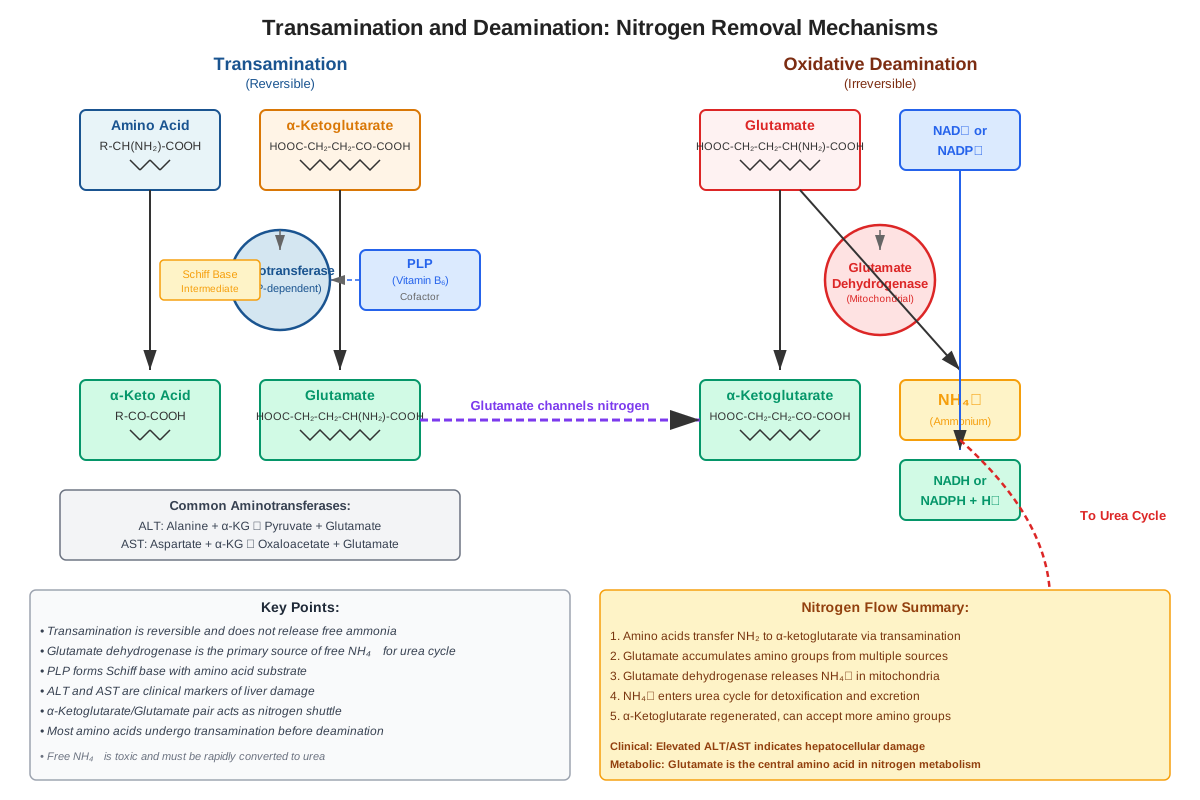
Transamination represents the primary mechanism for removing amino groups from amino acids. This reversible reaction transfers an amino group from an amino acid to an α-ketoacid (usually α-ketoglutarate), producing a new amino acid (usually glutamate) and a new α-ketoacid. Aminotransferases (also called transaminases) catalyze these reactions and require pyridoxal phosphate (PLP), the active form of vitamin B6, as a cofactor. The two most clinically important aminotransferases are alanine aminotransferase (ALT) and aspartate aminotransferase (AST), which are released into the bloodstream during liver damage, making them important diagnostic markers.
The general transamination reaction can be represented as:
Amino acid₁ + α-ketoglutarate ⇌ α-ketoacid₁ + GlutamateGlutamate serves as the central amino group collector in amino acid metabolism. After collecting amino groups through transamination, glutamate undergoes oxidative deamination in the mitochondria, catalyzed by glutamate dehydrogenase. This reaction releases free ammonia (NH₃) and regenerates α-ketoglutarate, which can accept more amino groups:
Glutamate + NAD⁺ + H₂O → α-ketoglutarate + NH₄⁺ + NADH + H⁺Glutamate dehydrogenase is allosterically regulated: activated by ADP and GDP (low energy signals) and inhibited by ATP and GTP (high energy signals), ensuring that amino acid catabolism increases when energy is needed.
The Urea Cycle
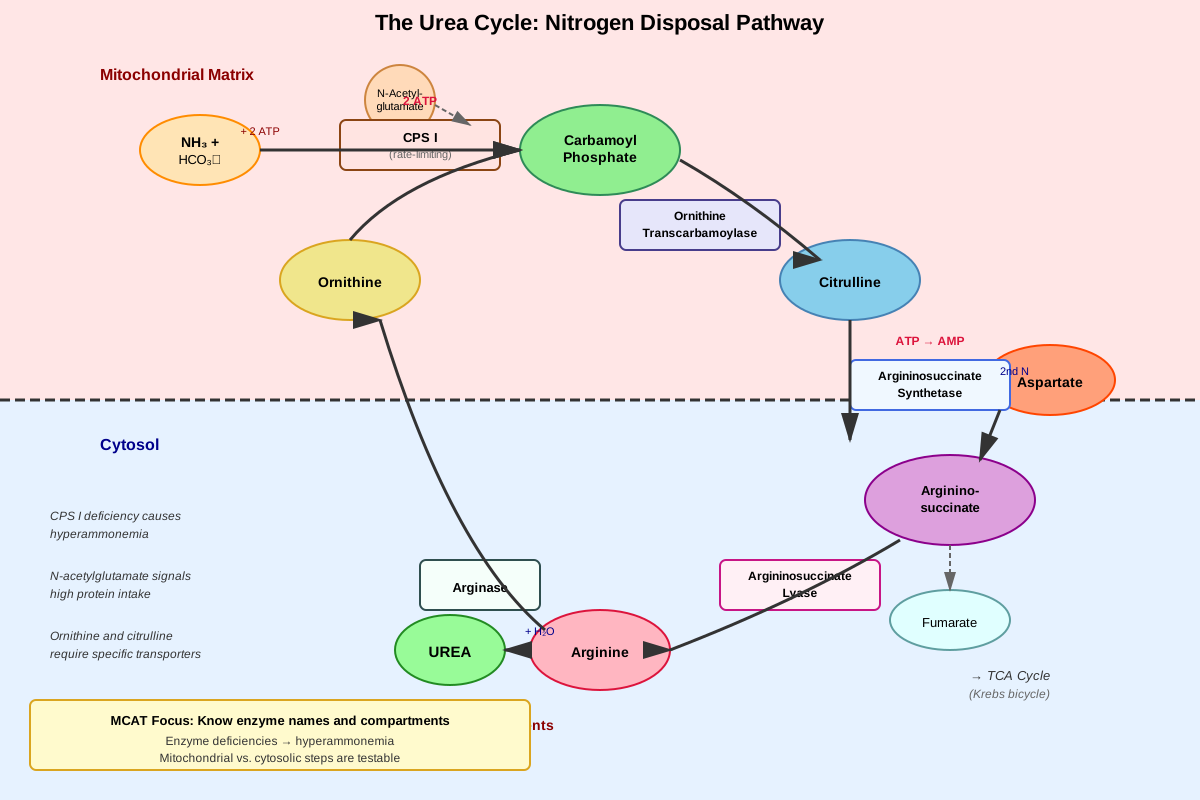
The urea cycle (also called the ornithine cycle) represents the primary mechanism for disposing of toxic ammonia generated from amino acid catabolism. This cycle occurs primarily in the liver and converts two nitrogen atoms (one from ammonia, one from aspartate) and one carbon atom (from CO₂) into urea, which is then excreted by the kidneys. The urea cycle involves both mitochondrial and cytoplasmic reactions, requiring transport of intermediates across the mitochondrial membrane.
The five enzymatic steps of the urea cycle are:
- Carbamoyl phosphate synthetase I (CPS I): Combines NH₄⁺ + CO₂ + 2 ATP → carbamoyl phosphate (mitochondrial; rate-limiting step; requires N-acetylglutamate as an allosteric activator)
- Ornithine transcarbamoylase: Carbamoyl phosphate + ornithine → citrulline (mitochondrial)
- Argininosuccinate synthetase: Citrulline + aspartate + ATP → argininosuccinate (cytoplasmic; introduces the second nitrogen)
- Argininosuccinate lyase: Argininosuccinate → arginine + fumarate (cytoplasmic; fumarate links to citric acid cycle)
- Arginase: Arginine + H₂O → urea + ornithine (cytoplasmic; ornithine returns to mitochondria to continue the cycle)
MCAT Exam Tip: The urea cycle consumes 4 high-energy phosphate bonds (3 ATP → 2 ADP + 1 AMP + 4 Pi) per urea molecule, making nitrogen disposal energetically expensive. Questions may ask about the energy cost of protein metabolism.
The urea cycle connects to the citric acid cycle through fumarate, which is converted to malate and then oxaloacetate. This oxaloacetate can be transaminated to form aspartate, which re-enters the urea cycle, creating an integrated "Krebs bicycle" that links nitrogen disposal with energy metabolism.
Classification of Amino Acids by Metabolic Fate
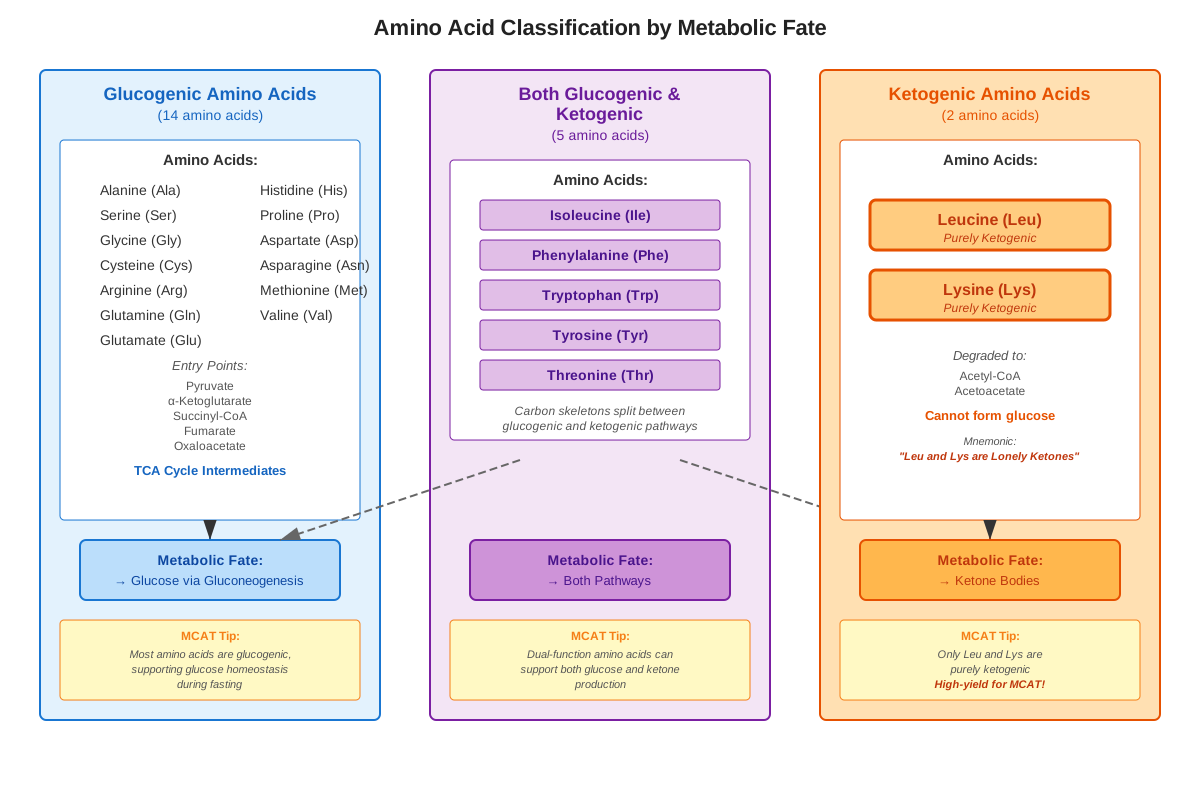
Amino acids are classified based on the metabolic fate of their carbon skeletons after deamination. Glucogenic amino acids produce intermediates that can be converted to glucose through gluconeogenesis, while ketogenic amino acids produce acetyl-CoA or acetoacetate, which can form ketone bodies but cannot be converted to glucose. Some amino acids are both glucogenic and ketogenic.
| Classification | Amino Acids | Metabolic Products |
|---|---|---|
| Purely Ketogenic | Leucine, Lysine | Acetyl-CoA, Acetoacetate |
| Purely Glucogenic | Most amino acids (14 total) | Pyruvate, α-ketoglutarate, Succinyl-CoA, Fumarate, Oxaloacetate |
| Both | Isoleucine, Phenylalanine, Tryptophan, Tyrosine, Threonine | Both glucogenic and ketogenic intermediates |
High-Yield Mnemonic: "Lazy Lysine is Ketogenic" (Leucine and Lysine are the only purely Ketogenic amino acids)
Understanding this classification is essential for predicting metabolic responses during different nutritional states. During starvation, glucogenic amino acids from muscle protein are broken down to provide substrates for hepatic gluconeogenesis, maintaining blood glucose for the brain. Ketogenic amino acids contribute to ketone body production, providing an alternative fuel source.
Carbon Skeleton Entry Points
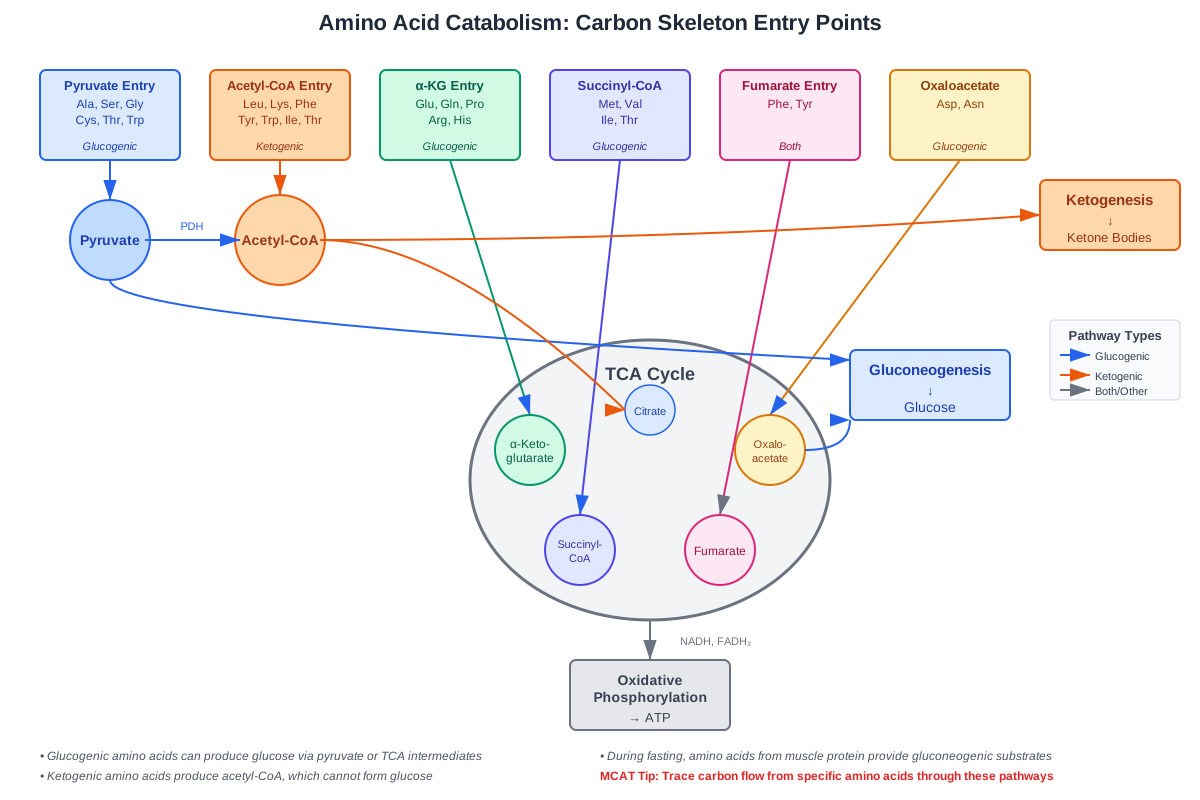
The carbon skeletons from amino acid catabolism enter central metabolic pathways at seven major points:
- Pyruvate: Alanine, serine, glycine, cysteine, threonine
- Acetyl-CoA: Leucine, lysine, phenylalanine, tyrosine, tryptophan, threonine, isoleucine
- α-ketoglutarate: Glutamate, glutamine, proline, arginine, histidine
- Succinyl-CoA: Methionine, valine, isoleucine, threonine (requires vitamin B12 for odd-chain fatty acid metabolism)
- Fumarate: Phenylalanine, tyrosine
- Oxaloacetate: Aspartate, asparagine
- Acetoacetate: Leucine, lysine, phenylalanine, tyrosine, tryptophan
The entry point determines the metabolic fate and energy yield of each amino acid. Amino acids entering as pyruvate or citric acid cycle intermediates can be completely oxidized to CO₂ and H₂O, generating ATP through oxidative phosphorylation. Those entering as acetyl-CoA during carbohydrate-sufficient conditions are typically oxidized in the citric acid cycle, but during starvation, they may be diverted to ketone body synthesis.
One-Carbon Metabolism
Several amino acids participate in one-carbon metabolism, transferring single carbon units for biosynthetic reactions. Serine and glycine are interconverted by serine hydroxymethyltransferase, with tetrahydrofolate (THF) serving as the one-carbon carrier. This reaction produces N⁵,N¹⁰-methylene-THF, which is essential for thymidine synthesis (DNA replication) and can be reduced to N⁵-methyl-THF for methionine synthesis.
Methionine metabolism involves conversion to S-adenosylmethionine (SAM), the universal methyl donor for numerous methylation reactions (DNA, RNA, proteins, neurotransmitters, phospholipids). After donating its methyl group, SAM becomes S-adenosylhomocysteine, which is hydrolyzed to homocysteine. Homocysteine can be remethylated to methionine (requiring N⁵-methyl-THF and vitamin B12) or converted to cysteine through the transsulfuration pathway (requiring vitamin B6).
Elevated homocysteine levels (hyperhomocysteinemia) are associated with cardiovascular disease and can result from deficiencies in folate, vitamin B12, or vitamin B6. This clinical connection frequently appears in MCAT passages linking nutrition, biochemistry, and disease.
Specialized Amino Acid Metabolism
Several amino acids have specialized metabolic roles beyond energy production:
Phenylalanine and Tyrosine: Phenylalanine is hydroxylated to tyrosine by phenylalanine hydroxylase (requires tetrahydrobiopterin, BH₄). Tyrosine serves as the precursor for catecholamine neurotransmitters (dopamine, norepinephrine, epinephrine), thyroid hormones (T3, T4), and melanin. Deficiency of phenylalanine hydroxylase causes phenylketonuria (PKU), leading to phenylalanine accumulation and intellectual disability if untreated.
Tryptophan: Serves as the precursor for serotonin (neurotransmitter) and melatonin (sleep regulation). Tryptophan can also be converted to NAD⁺ through the kynurenine pathway, providing a secondary source of this essential cofactor.
Glutamate: Beyond its role in transamination, glutamate serves as the precursor for γ-aminobutyric acid (GABA), the major inhibitory neurotransmitter, through decarboxylation by glutamate decarboxylase (requires vitamin B6).
Arginine: Serves as the substrate for nitric oxide synthase, producing nitric oxide (NO), a critical signaling molecule for vasodilation, neurotransmission, and immune function.
Branched-Chain Amino Acids
The branched-chain amino acids (BCAAs)—leucine, isoleucine, and valine—have unique metabolic characteristics. Unlike most amino acids, BCAAs are primarily catabolized in muscle rather than liver. The first step of BCAA catabolism is transamination, followed by oxidative decarboxylation by branched-chain α-ketoacid dehydrogenase, a multi-enzyme complex similar to pyruvate dehydrogenase and α-ketoglutarate dehydrogenase.
Deficiency of branched-chain α-ketoacid dehydrogenase causes maple syrup urine disease (MSUD), named for the characteristic sweet odor of the urine due to accumulated branched-chain ketoacids. This autosomal recessive disorder causes neurological damage and requires dietary restriction of BCAAs. The MCAT frequently tests the parallel between the three large dehydrogenase complexes (pyruvate, α-ketoglutarate, and branched-chain α-ketoacid), all of which require the same five cofactors: thiamine (B1), riboflavin (B2), niacin (B3), pantothenic acid (B5), and lipoic acid.
Tissue-Specific Amino Acid Metabolism
Different tissues play specialized roles in amino acid metabolism, creating an integrated whole-body system:
Liver: Primary site for amino acid catabolism, urea synthesis, and synthesis of non-essential amino acids. The liver maintains amino acid homeostasis by adjusting the rate of catabolism based on dietary intake and metabolic needs.
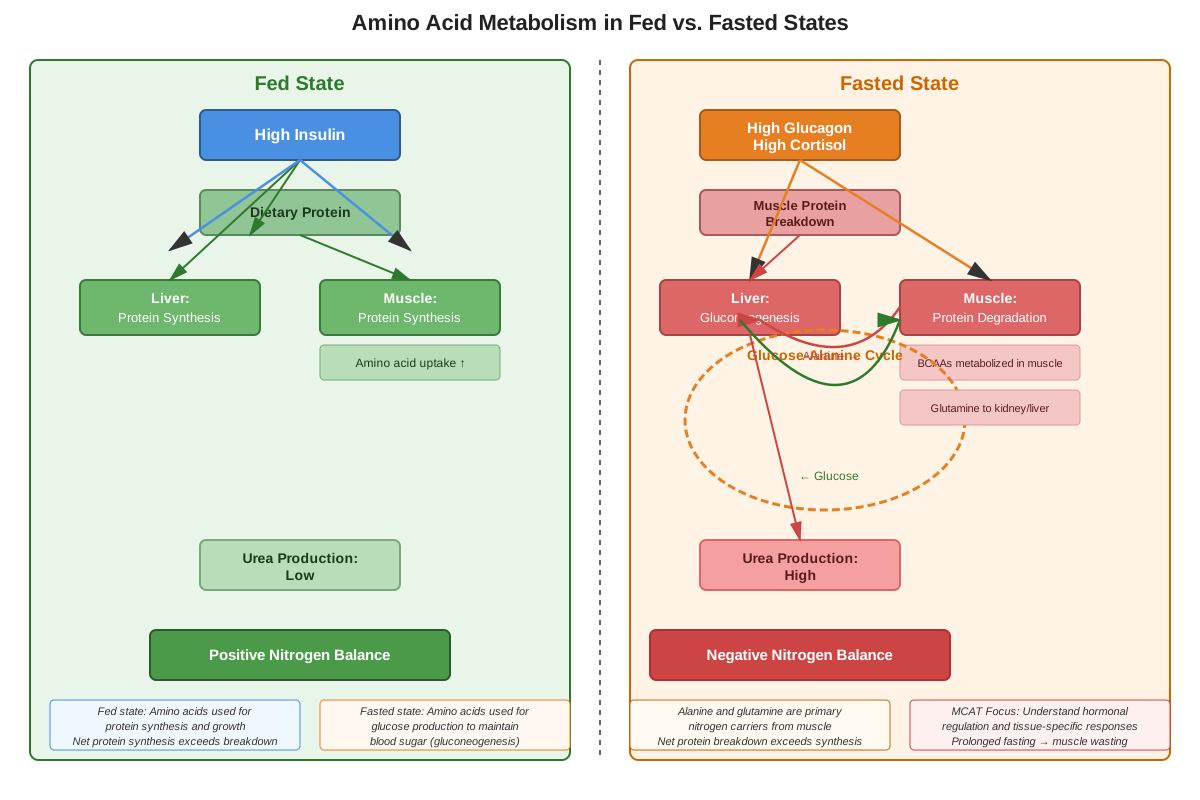
Muscle: Major site for BCAA catabolism and the primary reservoir of amino acids during starvation. During fasting, muscle protein is degraded, and amino acids are released. Alanine and glutamine are the major amino acids released from muscle, carrying nitrogen to other tissues.
Kidney: Performs gluconeogenesis from amino acids during prolonged fasting and regulates acid-base balance through glutamine metabolism. The kidney can deaminate glutamine to produce ammonia, which is excreted in urine to buffer excess acid.
Brain: Cannot catabolize amino acids for energy but requires specific amino acids as neurotransmitter precursors. The brain is particularly vulnerable to ammonia toxicity, as elevated ammonia can cross the blood-brain barrier and disrupt neurotransmitter metabolism.
The Glucose-Alanine Cycle
The glucose-alanine cycle (also called the Cahill cycle) transfers nitrogen from muscle to liver while providing substrates for hepatic gluconeogenesis. During muscle activity or fasting, muscle proteins are degraded, and the amino groups are transferred to pyruvate (from glycolysis) to form alanine. Alanine is released into the bloodstream and taken up by the liver, where it is transaminated back to pyruvate. The amino group enters the urea cycle, while pyruvate is converted to glucose through gluconeogenesis. This glucose can return to muscle, completing the cycle.
This cycle is analogous to the Cori cycle (which transfers lactate from muscle to liver) but additionally handles nitrogen disposal. Understanding both cycles is essential for comprehending whole-body metabolic integration during exercise and fasting.
Concept Relationships
Amino acid metabolism integrates with virtually every major metabolic pathway, making it a central hub in biochemistry. The transamination reactions connect amino acid metabolism to the citric acid cycle through α-ketoglutarate, which serves as both an amino group acceptor and a citric acid cycle intermediate. This connection allows amino acid carbon skeletons to feed into energy-producing pathways while channeling nitrogen toward disposal.
The urea cycle connects to the citric acid cycle through fumarate, creating the integrated "Krebs bicycle." This connection ensures that nitrogen disposal is coordinated with energy metabolism. Additionally, the urea cycle requires aspartate, which is produced from oxaloacetate through transamination, further linking these pathways.
Gluconeogenesis depends heavily on amino acid metabolism during fasting states. Glucogenic amino acids provide carbon skeletons that enter gluconeogenesis at various points (pyruvate, oxaloacetate, α-ketoglutarate → oxaloacetate). This connection explains why prolonged fasting leads to muscle wasting—muscle protein is sacrificed to maintain blood glucose for the brain.
The relationship between amino acid metabolism and vitamin cofactors is extensive. Vitamin B6 (pyridoxal phosphate) is required for transamination, decarboxylation, and transsulfuration reactions. Vitamin B12 and folate are essential for one-carbon metabolism and methionine/homocysteine interconversion. Deficiencies in these vitamins cause specific metabolic disruptions that the MCAT frequently tests.
Hormonal regulation connects amino acid metabolism to endocrinology. Insulin promotes amino acid uptake and protein synthesis while inhibiting protein degradation. Glucagon and cortisol promote protein degradation and amino acid catabolism, increasing gluconeogenesis during fasting or stress. Understanding these hormonal effects is essential for predicting metabolic changes in different physiological states.
The flow of concepts can be mapped as: Dietary protein → Amino acids → Transamination (requires B6) → Glutamate → Oxidative deamination → NH₄⁺ → Urea cycle (requires energy) → Urea excretion AND Carbon skeletons → Citric acid cycle intermediates OR Acetyl-CoA → Energy production OR Gluconeogenesis OR Ketogenesis
Quick check — test yourself on Amino acid metabolism so far.
Try Flashcards →High-Yield Facts
⭐ The urea cycle consumes 4 high-energy phosphate bonds per urea molecule (3 ATP → 2 ADP + 1 AMP + 4 Pi), making nitrogen disposal energetically expensive
⭐ Leucine and lysine are the only purely ketogenic amino acids; all others are glucogenic or both glucogenic and ketogenic
⭐ Carbamoyl phosphate synthetase I is the rate-limiting enzyme of the urea cycle and requires N-acetylglutamate as an allosteric activator
⭐ Glutamate dehydrogenase is activated by ADP/GDP and inhibited by ATP/GTP, linking amino acid catabolism to cellular energy status
⭐ Phenylketonuria (PKU) results from deficiency of phenylalanine hydroxylase, causing phenylalanine accumulation and requiring dietary restriction to prevent intellectual disability
- All transamination reactions require pyridoxal phosphate (vitamin B6) as a cofactor; B6 deficiency impairs amino acid metabolism
- The glucose-alanine cycle transfers nitrogen from muscle to liver while providing substrates for hepatic gluconeogenesis during fasting
- Branched-chain amino acids (leucine, isoleucine, valine) are primarily catabolized in muscle, not liver, unlike most other amino acids
- Maple syrup urine disease results from deficiency of branched-chain α-ketoacid dehydrogenase, causing accumulation of branched-chain ketoacids
- Elevated homocysteine levels can result from deficiencies in folate, vitamin B12, or vitamin B6 and are associated with cardiovascular disease
- S-adenosylmethionine (SAM) is the universal methyl donor for methylation reactions and is synthesized from methionine
- The liver is the only tissue capable of synthesizing urea; liver failure leads to hyperammonemia and hepatic encephalopathy
- Ammonia is toxic to the central nervous system because it disrupts the glutamate-glutamine cycle and depletes α-ketoglutarate, impairing the citric acid cycle
- Aspartate provides the second nitrogen atom in the urea cycle through the argininosuccinate synthetase reaction
Common Misconceptions
Misconception: All amino acids are broken down in the liver.
Correction: While the liver is the primary site for most amino acid catabolism, branched-chain amino acids (leucine, isoleucine, valine) are primarily catabolized in muscle tissue. This tissue-specific metabolism is important for understanding metabolic responses to exercise and fasting.
Misconception: Ketogenic amino acids can be converted to glucose.
Correction: By definition, ketogenic amino acids produce acetyl-CoA or acetoacetate, which cannot be converted to glucose in animals because there is no pathway to convert acetyl-CoA to pyruvate or oxaloacetate (the pyruvate dehydrogenase reaction is irreversible). Only glucogenic amino acids can contribute to net glucose synthesis.
Misconception: The urea cycle occurs entirely in the mitochondria.
Correction: The urea cycle involves both mitochondrial reactions (carbamoyl phosphate synthetase I and ornithine transcarbamoylase) and cytoplasmic reactions (argininosuccinate synthetase, argininosuccinate lyase, and arginase). Intermediates must be transported across the mitochondrial membrane, and defects in these transporters can cause urea cycle disorders.
Misconception: Ammonia is directly excreted by the kidneys.
Correction: While the kidneys can excrete some ammonia (particularly during acidosis to buffer excess acid), the primary mechanism for nitrogen disposal is conversion to urea in the liver through the urea cycle. Urea is then filtered by the kidneys and excreted in urine. Direct ammonia excretion is quantitatively minor compared to urea excretion in humans.
Misconception: Transamination and deamination are the same process.
Correction: Transamination transfers an amino group from one molecule to another (typically from an amino acid to α-ketoglutarate, forming glutamate), while deamination removes an amino group, releasing free ammonia. Transamination is reversible and does not release ammonia, whereas oxidative deamination (primarily of glutamate) is the main source of free ammonia that enters the urea cycle.
Misconception: Protein provides the same amount of ATP per gram as carbohydrates.
Correction: While both protein and carbohydrates provide approximately 4 kcal/g, the net energy yield from protein is lower because of the energy cost of nitrogen disposal through the urea cycle (4 ATP equivalents per urea). Additionally, not all amino acid carbon skeletons are completely oxidized, and some energy is lost in converting amino acids to metabolic intermediates.
Misconception: All amino acids can be synthesized by the human body.
Correction: Nine amino acids are essential (cannot be synthesized) and must be obtained from the diet: histidine, isoleucine, leucine, lysine, methionine, phenylalanine, threonine, tryptophan, and valine. The remaining eleven are non-essential (can be synthesized), though some become conditionally essential during growth, illness, or metabolic stress.
Worked Examples
Example 1: Tracing Nitrogen Flow in Amino Acid Catabolism
Question: A patient consumes a meal high in protein. Trace the flow of nitrogen from dietary alanine through its complete metabolism and excretion. Include all major intermediates, enzymes, and cofactors involved.
Solution:
Step 1: Dietary alanine is absorbed in the small intestine and transported to the liver via the hepatic portal vein.
Step 2: In the liver, alanine undergoes transamination catalyzed by alanine aminotransferase (ALT), which requires pyridoxal phosphate (vitamin B6) as a cofactor:
Alanine + α-ketoglutarate ⇌ Pyruvate + GlutamateThe amino group is transferred from alanine to α-ketoglutarate, producing glutamate and pyruvate.
Step 3: Glutamate enters the mitochondria and undergoes oxidative deamination catalyzed by glutamate dehydrogenase:
Glutamate + NAD⁺ + H₂O → α-ketoglutarate + NH₄⁺ + NADH + H⁺This reaction releases free ammonia (NH₄⁺) and regenerates α-ketoglutarate.
Step 4: The ammonia enters the urea cycle. First, carbamoyl phosphate synthetase I (CPS I) combines ammonia with CO₂ and 2 ATP to form carbamoyl phosphate in the mitochondrial matrix. This reaction requires N-acetylglutamate as an allosteric activator.
Step 5: Carbamoyl phosphate combines with ornithine (catalyzed by ornithine transcarbamoylase) to form citrulline, which is transported to the cytoplasm.
Step 6: In the cytoplasm, citrulline combines with aspartate (which provides the second nitrogen atom) to form argininosuccinate, catalyzed by argininosuccinate synthetase (consumes 1 ATP).
Step 7: Argininosuccinate is cleaved to arginine and fumarate by argininosuccinate lyase.
Step 8: Arginase hydrolyzes arginine to urea and ornithine. Ornithine returns to the mitochondria to continue the cycle.
Step 9: Urea is released into the bloodstream, filtered by the kidneys, and excreted in urine.
Energy accounting: The complete process consumes 4 high-energy phosphate bonds (3 ATP → 2 ADP + 1 AMP + 4 Pi) per urea molecule.
Connection to learning objectives: This example demonstrates the integration of transamination, oxidative deamination, and the urea cycle, showing how nitrogen flows from dietary amino acids to excretable urea. It also highlights the importance of cofactors (vitamin B6) and the energy cost of nitrogen disposal.
Example 2: Metabolic Consequences of Enzyme Deficiency
Question: A newborn is diagnosed with a urea cycle disorder affecting ornithine transcarbamoylase (OTC). The infant presents with hyperammonemia, lethargy, and poor feeding. Explain the biochemical basis for these symptoms, predict which metabolites will accumulate, and describe the rationale for the dietary treatment.
Solution:
Step 1 - Identify the defect: Ornithine transcarbamoylase catalyzes the second step of the urea cycle (mitochondrial), combining carbamoyl phosphate with ornithine to form citrulline. OTC deficiency is the most common urea cycle disorder and is X-linked.
Step 2 - Predict accumulating metabolites: With OTC deficiency, carbamoyl phosphate accumulates in the mitochondria because it cannot be converted to citrulline. The accumulated carbamoyl phosphate exits the mitochondria and enters the cytoplasm, where it is diverted into the pyrimidine synthesis pathway, forming carbamoyl aspartate. This leads to elevated orotic acid (an intermediate in pyrimidine synthesis) in the urine.
Additionally, ammonia accumulates because it cannot be efficiently incorporated into the urea cycle. Hyperammonemia results from the inability to convert nitrogen to urea.
Step 3 - Explain clinical symptoms: Ammonia is toxic to the central nervous system. It crosses the blood-brain barrier and disrupts several processes:
- Ammonia combines with α-ketoglutarate to form glutamate (via glutamate dehydrogenase), depleting α-ketoglutarate and impairing the citric acid cycle
- This reduces ATP production in neurons, causing lethargy and poor feeding
- Ammonia disrupts the glutamate-glutamine cycle, affecting neurotransmitter metabolism
- Severe hyperammonemia can cause cerebral edema and permanent neurological damage
Step 4 - Rationale for treatment: Treatment involves:
- Protein restriction: Limiting dietary protein reduces the nitrogen load that must be processed through the urea cycle
- Alternative nitrogen disposal: Medications like sodium benzoate and sodium phenylacetate provide alternative pathways for nitrogen excretion by conjugating with glycine and glutamine, respectively, forming compounds that are excreted in urine
- Arginine supplementation: Arginine becomes conditionally essential in OTC deficiency because the urea cycle cannot produce it efficiently. Arginine also stimulates residual urea cycle activity
- Acute management: During hyperammonemic crises, hemodialysis may be necessary to rapidly remove ammonia
Connection to learning objectives: This example demonstrates how enzyme deficiencies disrupt metabolic pathways, cause accumulation of specific metabolites, and produce clinical symptoms. It also shows how understanding biochemistry guides therapeutic interventions. The MCAT frequently presents similar scenarios requiring students to trace metabolic consequences and predict laboratory findings.
Exam Strategy
When approaching MCAT questions on amino acid metabolism, begin by identifying the specific pathway or process being tested. Questions often provide clinical vignettes describing patients with metabolic disorders, elevated or decreased metabolites, or nutritional deficiencies. The key is to systematically trace the metabolic flow and identify where the disruption occurs.
Trigger words and phrases to watch for:
- "Elevated ammonia" or "hyperammonemia" → Think urea cycle disorder or liver failure
- "Sweet-smelling urine" → Maple syrup urine disease (BCAA metabolism defect)
- "Intellectual disability prevented by dietary restriction" → Phenylketonuria (phenylalanine hydroxylase deficiency)
- "Elevated homocysteine" → Deficiency in B12, folate, or B6; or defects in methionine metabolism
- "Orotic aciduria" → Ornithine transcarbamoylase deficiency (carbamoyl phosphate diverted to pyrimidine synthesis)
- "Fasting state" or "starvation" → Increased protein catabolism, gluconeogenesis from amino acids, muscle wasting
- "Liver damage" → Elevated ALT/AST (aminotransferases), impaired urea synthesis, hyperammonemia
Process-of-elimination strategies:
- For questions about amino acid classification, remember that only leucine and lysine are purely ketogenic. If an answer choice suggests another amino acid is purely ketogenic, eliminate it.
- When asked about cofactor requirements, vitamin B6 (pyridoxal phosphate) is required for transamination, decarboxylation, and transsulfuration. If a question describes impaired amino acid metabolism with normal B12 and folate, consider B6 deficiency.
- For urea cycle questions, remember the cycle involves both mitochondrial and cytoplasmic steps. Answer choices suggesting the entire cycle occurs in one location are incorrect.
- When evaluating energy yield from amino acids, remember that nitrogen disposal costs energy (4 ATP per urea), so the net energy from protein is less than from carbohydrates or fats on a per-carbon basis.
Time allocation advice: Amino acid metabolism questions often appear in passages rather than as discrete questions. Allocate 1.5-2 minutes per passage-based question. For discrete questions, aim for 1 minute or less. If a question requires tracing multiple metabolic steps, quickly sketch the pathway on your scratch paper to avoid errors. Don't spend excessive time trying to recall every detail—focus on the major concepts and use logical reasoning to eliminate incorrect answers.
Common question types:
- Enzyme deficiency scenarios: Predict accumulated substrates and depleted products
- Metabolic state questions: Compare fed vs. fasted states, exercise vs. rest
- Vitamin deficiency: Connect specific vitamins to their roles in amino acid metabolism
- Tissue-specific metabolism: Understand which tissues perform which functions (liver vs. muscle vs. kidney)
- Integration questions: Connect amino acid metabolism to other pathways (citric acid cycle, gluconeogenesis, ketogenesis)
Memory Techniques
Mnemonic for purely ketogenic amino acids: "Lazy Lysine is Ketogenic" (Leucine and Lysine are Ketogenic)
Mnemonic for essential amino acids: "PVT TIM HALL" (Phenylalanine, Valine, Threonine, Tryptophan, Isoleucine, Methionine, Histidine, Arginine, Leucine, Lysine). Note: Arginine is sometimes considered conditionally essential.
Mnemonic for urea cycle enzymes (in order): "Careless Organizations Always Annoy Administrators"
- Carbamoyl phosphate synthetase I
- Ornithine transcarbamoylase
- Argininosuccinate synthetase
- Argininosuccinate lyase
- Arginase
Mnemonic for cofactors required by large dehydrogenase complexes (pyruvate dehydrogenase, α-ketoglutarate dehydrogenase, branched-chain α-ketoacid dehydrogenase): "Tender Loving Care For Newborns"
- Thiamine (B1)
- Lipoic acid
- CoA (from pantothenic acid, B5)
- FAD (from riboflavin, B2)
- NAD (from niacin, B3)
Visualization strategy for the urea cycle: Picture the cycle as a loop with a mitochondrial "basement" and a cytoplasmic "main floor." Ornithine takes the "elevator" down to the mitochondria, picks up carbamoyl phosphate, becomes citrulline, and takes the elevator back up. In the cytoplasm, citrulline picks up aspartate (the second nitrogen), goes through two more transformations, releases urea, and becomes ornithine again to repeat the cycle.
Visualization for amino acid classification: Create a mental image of a fork in the road. Glucogenic amino acids take the path toward a glucose molecule, ketogenic amino acids take the path toward ketone bodies, and some amino acids (isoleucine, phenylalanine, tryptophan, tyrosine, threonine) stand at the fork with one foot on each path.
Memory aid for transamination: Remember that transamination is like a "name swap"—the amino group and the keto group swap between two molecules. The amino acid becomes a keto acid, and the keto acid becomes an amino acid. α-Ketoglutarate is the most common amino group acceptor, becoming glutamate.
Summary
Amino acid metabolism encompasses the complex biochemical processes by which amino acids are synthesized, degraded, and interconverted in the body. The catabolism of amino acids involves two major components: removal of the amino group through transamination (requiring vitamin B6) and oxidative deamination (primarily of glutamate), followed by disposal of nitrogen through the urea cycle. The carbon skeletons are metabolized through entry into central pathways at seven major points, allowing amino acids to contribute to energy production, gluconeogenesis, or ketogenesis depending on their classification as glucogenic, ketogenic, or both. The urea cycle, occurring in the liver through both mitochondrial and cytoplasmic reactions, converts toxic ammonia to urea for excretion, consuming significant energy (4 ATP equivalents per urea). Understanding tissue-specific metabolism (liver for urea synthesis, muscle for BCAA catabolism, kidney for acid-base regulation) and the integration with other metabolic pathways is essential for predicting metabolic responses during different physiological states. Clinical disorders of amino acid metabolism, particularly phenylketonuria and urea cycle defects, illustrate the importance of these pathways and frequently appear in MCAT questions requiring students to trace metabolic consequences and predict laboratory findings.
Key Takeaways
- Amino acid catabolism involves transamination (requiring vitamin B6) to collect amino groups in glutamate, followed by oxidative deamination to release ammonia for the urea cycle
- The urea cycle converts toxic ammonia to urea through five enzymatic steps (two mitochondrial, three cytoplasmic), consuming 4 ATP equivalents per urea molecule
- Leucine and lysine are the only purely ketogenic amino acids; most others are glucogenic or both, determining their metabolic fate during fasting
- Glutamate dehydrogenase links amino acid catabolism to cellular energy status through allosteric regulation by ATP/GTP (inhibition) and ADP/GDP (activation)
- Defects in amino acid metabolism cause important genetic disorders (PKU, MSUD, urea cycle disorders) that require dietary management and illustrate metabolic principles
- The glucose-alanine cycle transfers nitrogen from muscle to liver while providing gluconeogenic substrates during fasting, integrating amino acid metabolism with whole-body energy homeostasis
- Understanding tissue-specific roles (liver for urea synthesis and most catabolism, muscle for BCAA catabolism, kidney for acid-base regulation) is essential for predicting metabolic responses
Related Topics
Protein Structure and Function: Mastering amino acid metabolism builds on understanding amino acid properties and protein structure, enabling comprehension of how dietary proteins are processed and how protein turnover maintains cellular function.
Gluconeogenesis: The relationship between glucogenic amino acids and glucose synthesis is critical for understanding metabolic adaptations during fasting and the role of muscle protein as a glucose source.
Ketone Body Metabolism: Understanding ketogenic amino acids connects to ketogenesis and the metabolic response to starvation, where both fatty acids and certain amino acids contribute to ketone body production.
Vitamin Biochemistry: Many vitamins serve as cofactors in amino acid metabolism (B6, B12, folate, niacin, riboflavin, thiamine), making this topic essential for understanding vitamin deficiency diseases.
Nitrogen Balance and Protein Requirements: Building on amino acid metabolism, this topic explores how dietary protein intake, protein synthesis, and protein degradation are balanced to maintain health.
Inborn Errors of Metabolism: Detailed study of genetic disorders affecting amino acid metabolism (PKU, MSUD, homocystinuria, urea cycle disorders) reinforces biochemical principles and their clinical applications.
Practice CTA
Now that you've mastered the core concepts of amino acid metabolism, it's time to test your understanding with practice questions and flashcards. Focus on questions that require you to integrate multiple concepts, trace metabolic pathways, and predict the consequences of enzyme deficiencies or nutritional states. Remember that the MCAT rewards not just memorization but the ability to apply biochemical principles to novel scenarios. Challenge yourself with passage-based questions that present clinical vignettes or experimental data, as these most closely mirror the exam format. Your thorough understanding of amino acid metabolism will serve as a foundation for related topics and give you confidence on test day. Keep pushing forward—you're building the knowledge that will help you achieve your MCAT goals!
Sign up free to keep reading
Create a free AnvayaPrep account to finish this MCAT guide on Amino acid metabolism — plus flashcards and practice questions.