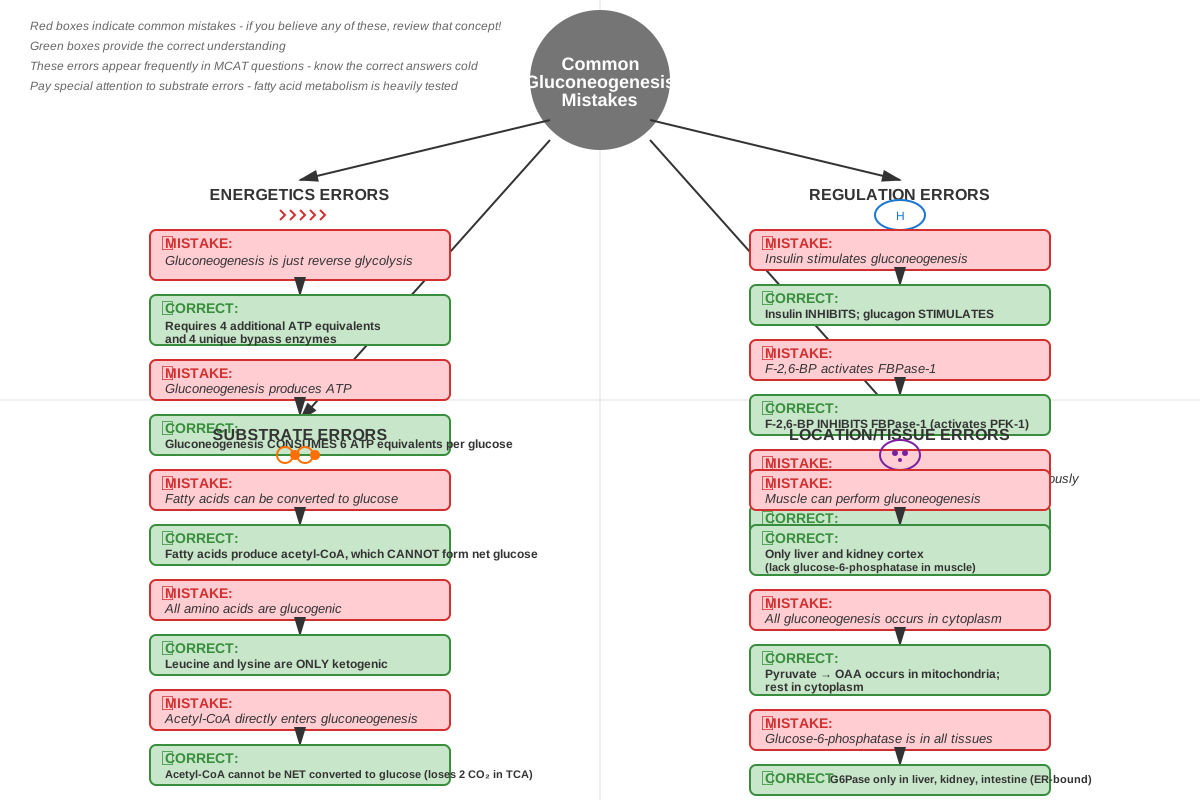
Overview
Gluconeogenesis is a fundamental metabolic pathway that synthesizes glucose from non-carbohydrate precursors, including lactate, amino acids, and glycerol. This anabolic process occurs primarily in the liver and, to a lesser extent, in the kidney cortex. Unlike glycolysis, which breaks down glucose to generate ATP, gluconeogenesis requires energy input to build glucose molecules when dietary carbohydrates are unavailable. Understanding this pathway is essential for comprehending how the body maintains blood glucose homeostasis during fasting, starvation, or intense exercise—conditions frequently tested on the MCAT.
For the MCAT, Gluconeogenesis Biochemistry represents a high-yield topic that integrates multiple aspects of Metabolism, including enzyme regulation, energetics, and hormonal control. The exam frequently tests students' ability to distinguish between glycolysis and gluconeogenesis, identify rate-limiting enzymes, and predict metabolic responses to various physiological states. Questions may appear as discrete items testing enzyme function or as passage-based questions embedded in clinical scenarios involving diabetes, hypoglycemia, or metabolic disorders. Mastery of this pathway demonstrates understanding of reciprocal regulation—a key principle in metabolic biochemistry.
Gluconeogenesis MCAT questions often require integration of knowledge across multiple systems. Students must connect this pathway to the Cori cycle, amino acid metabolism, lipid breakdown, and hormonal signaling cascades involving insulin, glucagon, and cortisol. The pathway also illustrates important biochemical principles such as thermodynamic irreversibility, compartmentalization of metabolic processes, and the concept of committed steps in metabolic regulation. This topic serves as a cornerstone for understanding how the body adapts to nutritional stress and maintains metabolic flexibility.
Learning Objectives
- [ ] Define Gluconeogenesis using accurate Biochemistry terminology
- [ ] Explain why Gluconeogenesis matters for the MCAT
- [ ] Apply Gluconeogenesis to exam-style questions
- [ ] Identify common mistakes related to Gluconeogenesis
- [ ] Connect Gluconeogenesis to related Biochemistry concepts
- [ ] Diagram the complete gluconeogenesis pathway, identifying all enzymes and intermediates
- [ ] Compare and contrast the energetic requirements of gluconeogenesis versus glycolysis
- [ ] Predict the effects of specific enzyme deficiencies on glucose homeostasis
- [ ] Analyze hormonal regulation of gluconeogenesis at the molecular level
Prerequisites
- Glycolysis pathway: Gluconeogenesis essentially reverses most glycolytic steps, making thorough knowledge of glycolysis essential for understanding which reactions require bypass mechanisms
- Basic enzyme kinetics: Understanding allosteric regulation, competitive inhibition, and rate-limiting steps is necessary to grasp how gluconeogenesis is controlled
- ATP structure and energetics: Gluconeogenesis is energy-intensive, requiring knowledge of high-energy phosphate bonds and GTP hydrolysis
- Cellular compartmentalization: Some gluconeogenic reactions occur in mitochondria while others occur in cytoplasm, requiring understanding of metabolite transport
- Hormone signaling basics: Glucagon, insulin, and cortisol regulate this pathway through second messenger systems and gene transcription
Why This Topic Matters
Clinically, gluconeogenesis dysfunction underlies numerous pathological conditions tested on the MCAT. Patients with von Gierke disease (glucose-6-phosphatase deficiency) cannot complete the final step of gluconeogenesis, leading to severe hypoglycemia and hepatomegaly. Chronic alcohol consumption impairs gluconeogenesis by depleting NAD+, causing hypoglycemia in malnourished individuals. Understanding gluconeogenesis is also critical for comprehending type 2 diabetes, where excessive hepatic glucose production contributes to hyperglycemia despite adequate insulin levels. The drug metformin, a first-line diabetes treatment, works primarily by inhibiting hepatic gluconeogenesis.
On the MCAT, gluconeogenesis appears in approximately 3-5% of Biochemistry questions, often integrated with passage-based scenarios. The AAMC frequently tests this topic through:
- Experimental passages describing enzyme assays or metabolic flux studies
- Clinical vignettes involving fasting states, diabetes management, or inborn errors of metabolism
- Discrete questions testing knowledge of rate-limiting enzymes, regulatory mechanisms, or substrate sources
The exam particularly favors questions requiring students to predict metabolic outcomes when specific enzymes are inhibited or when hormonal states change. Questions may also test the energetic cost of glucose synthesis or ask students to trace carbon atoms from specific precursors through the pathway. Understanding the reciprocal regulation of glycolysis and gluconeogenesis is especially high-yield, as the MCAT often presents scenarios where one pathway must be activated while the other is suppressed.
Core Concepts
Definition and Overview of Gluconeogenesis
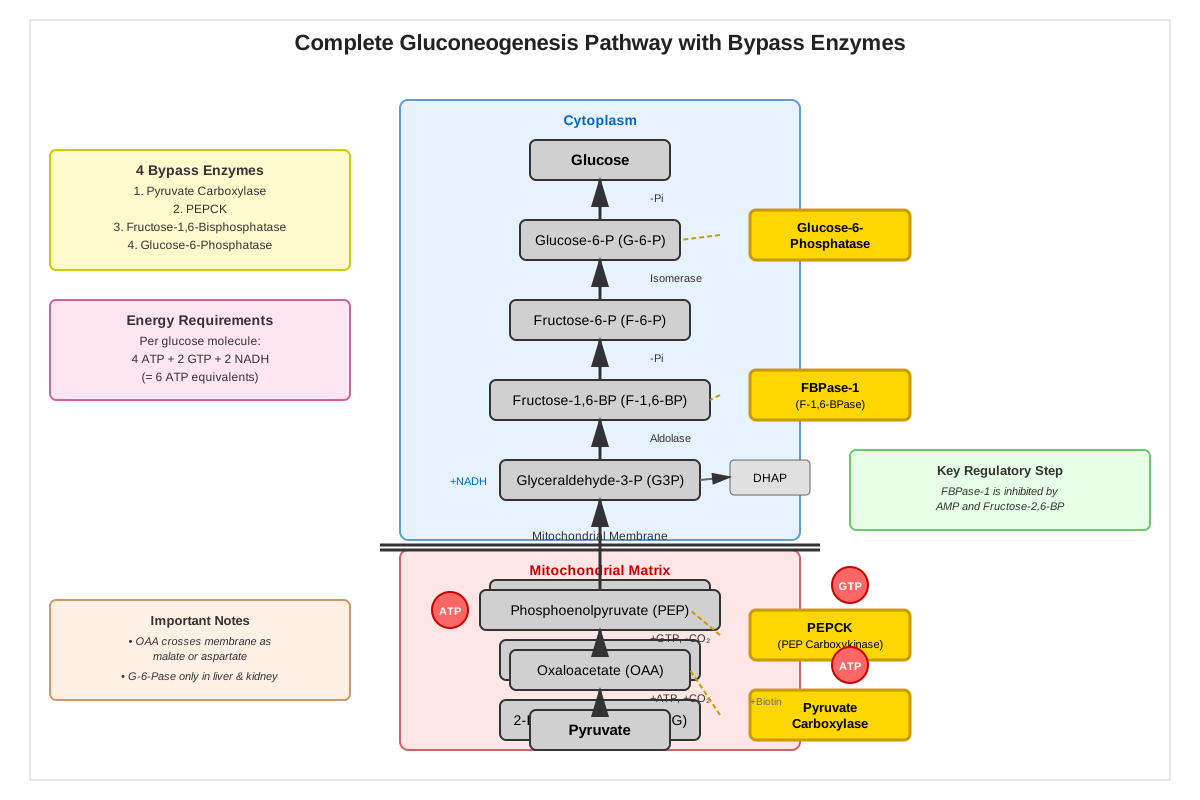
Gluconeogenesis is the metabolic pathway that generates glucose from non-carbohydrate carbon substrates, including lactate, glucogenic amino acids (primarily alanine and glutamine), and glycerol. This process occurs predominantly in hepatocytes and renal cortex cells, maintaining blood glucose concentrations during fasting periods when glycogen stores become depleted. The pathway is not simply glycolysis in reverse; while it shares seven reversible enzymatic steps with glycolysis, three irreversible glycolytic reactions must be bypassed by four unique gluconeogenic enzymes.
The primary function of gluconeogenesis is to supply glucose to glucose-dependent tissues, particularly the brain (which requires approximately 120g of glucose daily), red blood cells (which lack mitochondria and depend entirely on glycolysis), and exercising muscle. During overnight fasting, gluconeogenesis contributes approximately 50% of glucose production, with the remainder coming from glycogenolysis. After 24-48 hours of fasting, when hepatic glycogen is exhausted, gluconeogenesis becomes the sole source of endogenous glucose production.
The Four Bypass Reactions
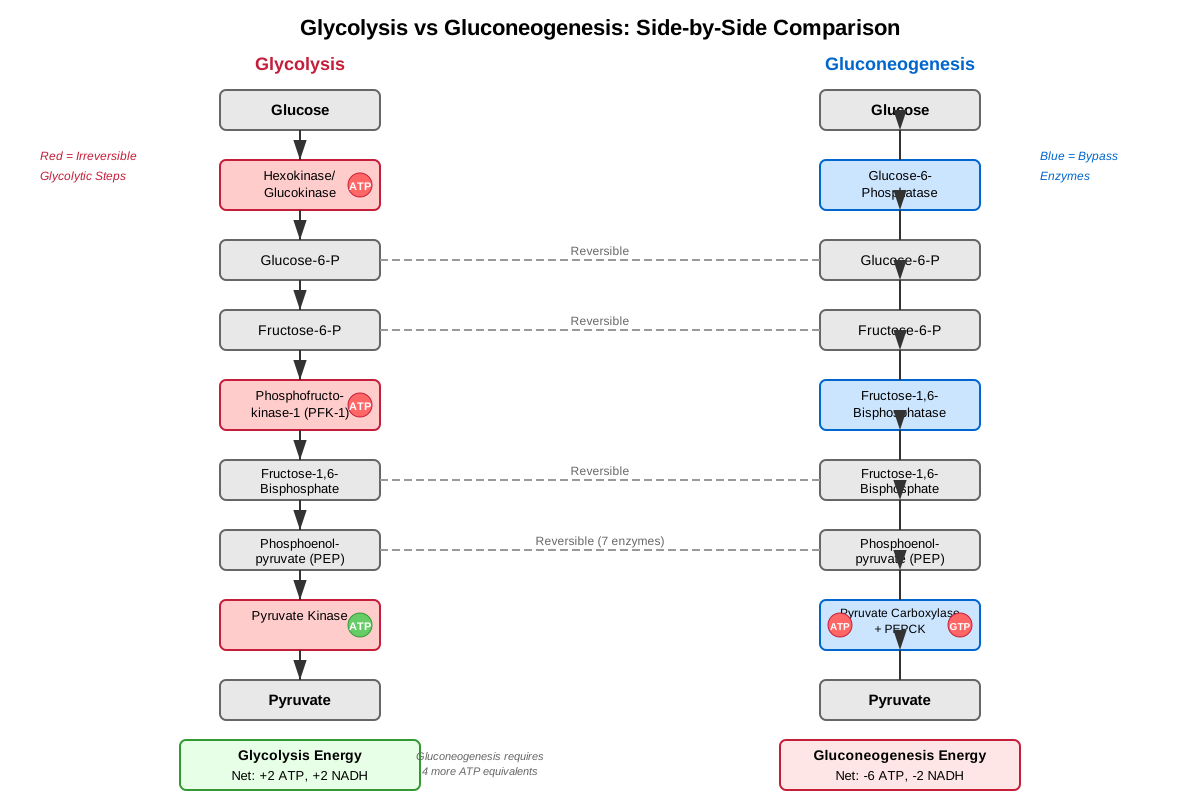
The three irreversible steps of glycolysis that must be circumvented in gluconeogenesis are catalyzed by hexokinase/glucokinase, phosphofructokinase-1 (PFK-1), and pyruvate kinase. These reactions are thermodynamically unfavorable in the reverse direction, necessitating alternative enzymatic routes.
Bypass 1: Pyruvate to Phosphoenolpyruvate (PEP)
This bypass requires two enzymes and occurs across two cellular compartments:
- Pyruvate carboxylase (mitochondrial matrix): Converts pyruvate to oxaloacetate using ATP and CO₂. This enzyme requires biotin as a cofactor and is allosterically activated by acetyl-CoA, providing metabolic coordination—when fatty acid oxidation is active (producing acetyl-CoA), gluconeogenesis is stimulated.
- Phosphoenolpyruvate carboxykinase (PEPCK): Converts oxaloacetate to PEP using GTP. In humans, PEPCK exists in both cytosolic and mitochondrial forms. The oxaloacetate must be transported from mitochondria to cytoplasm, typically via conversion to malate (which can cross the membrane) followed by re-oxidation to oxaloacetate.
This bypass consumes 1 ATP and 1 GTP per pyruvate molecule, representing a significant energetic investment.
Bypass 2: Fructose-1,6-bisphosphate to Fructose-6-phosphate
Fructose-1,6-bisphosphatase (FBPase-1) catalyzes the hydrolysis of fructose-1,6-bisphosphate to fructose-6-phosphate and inorganic phosphate. This is the rate-limiting step of gluconeogenesis and a major regulatory point. FBPase-1 is:
- Allosterically inhibited by AMP and fructose-2,6-bisphosphate (F-2,6-BP)
- Allosterically activated by ATP and citrate
The reciprocal regulation of FBPase-1 and PFK-1 by F-2,6-BP is particularly elegant: F-2,6-BP activates PFK-1 (promoting glycolysis) while inhibiting FBPase-1 (blocking gluconeogenesis), ensuring these opposing pathways do not operate simultaneously.
Bypass 3: Glucose-6-phosphate to Glucose
Glucose-6-phosphatase catalyzes the final step, hydrolyzing glucose-6-phosphate to free glucose, which can then exit the hepatocyte and enter the bloodstream. This enzyme is located in the endoplasmic reticulum membrane and is expressed only in liver and kidney, explaining why muscle cannot perform gluconeogenesis or contribute to blood glucose maintenance despite having all other gluconeogenic enzymes. The absence of glucose-6-phosphatase in muscle ensures that glucose-6-phosphate generated from glycogen breakdown is retained for the muscle's own energy needs.
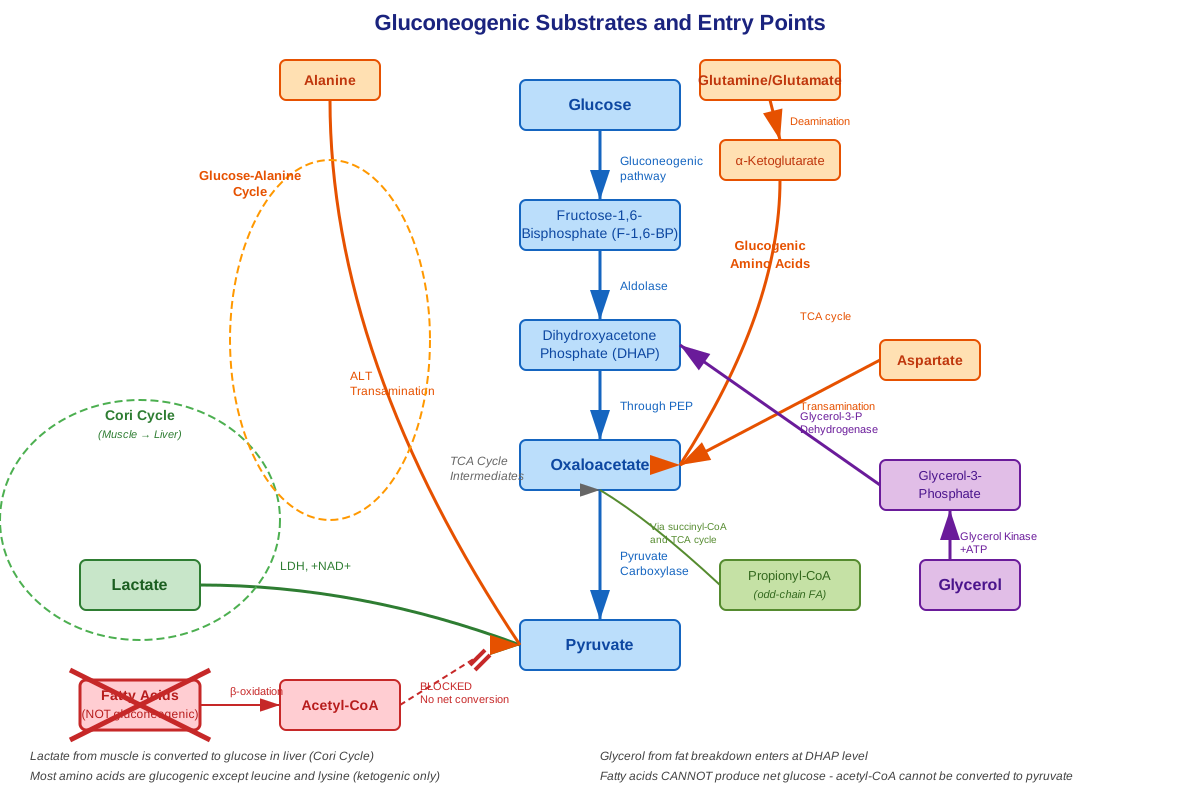
Substrates for Gluconeogenesis
| Substrate | Source | Entry Point | Clinical Significance |
|---|---|---|---|
| Lactate | Anaerobic glycolysis in muscle/RBCs | Pyruvate (via lactate dehydrogenase) | Cori cycle; elevated in hypoxia |
| Alanine | Muscle protein breakdown | Pyruvate (via transamination) | Glucose-alanine cycle; increased in starvation |
| Glutamine | Muscle protein, gut metabolism | α-ketoglutarate → oxaloacetate | Major gluconeogenic substrate in kidney |
| Glycerol | Triglyceride breakdown | Dihydroxyacetone phosphate | Requires adipose tissue lipolysis |
| Odd-chain fatty acids | Fatty acid oxidation | Succinyl-CoA → oxaloacetate | Minor contributor; propionyl-CoA pathway |
| Glucogenic amino acids | Protein catabolism | Various TCA cycle intermediates | All amino acids except leucine and lysine |
Note that even-chain fatty acids (the vast majority of fatty acids) cannot serve as net gluconeogenic substrates because their complete oxidation to acetyl-CoA results in no net carbon gain—the two carbons entering the TCA cycle as acetyl-CoA are lost as CO₂ in subsequent reactions.
Energetic Cost of Gluconeogenesis
Synthesizing one glucose molecule from two pyruvate molecules requires:
- 4 ATP (2 from pyruvate carboxylase, 2 from phosphoglycerate kinase running in reverse)
- 2 GTP (from PEPCK)
- 2 NADH (from glyceraldehyde-3-phosphate dehydrogenase running in reverse)
Total energy investment: 6 high-energy phosphate bonds (4 ATP + 2 GTP) and 2 NADH per glucose molecule.
In contrast, glycolysis generates 2 ATP and 2 NADH per glucose. This asymmetry in energy requirements ensures that gluconeogenesis is thermodynamically favorable in the direction of glucose synthesis while preventing futile cycling when both pathways are active simultaneously.
Hormonal Regulation
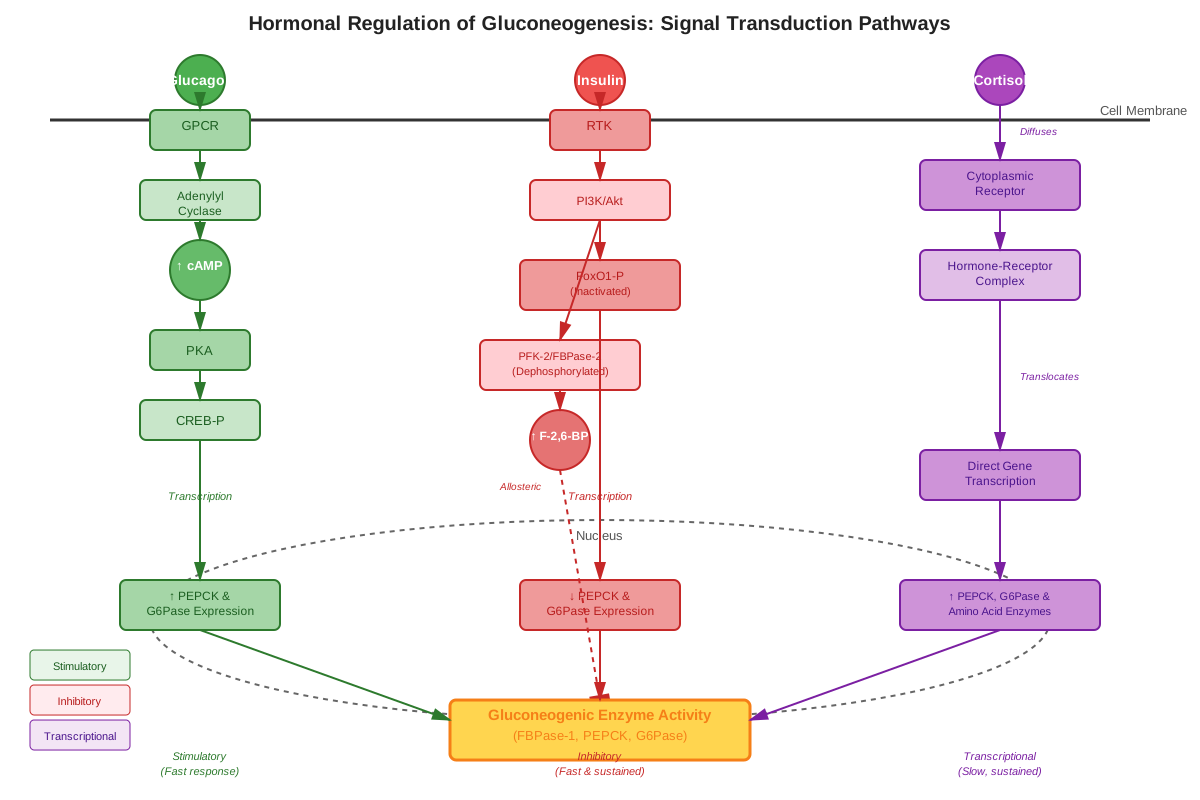
Glucagon (released during fasting) promotes gluconeogenesis through multiple mechanisms:
- Increases cAMP, activating protein kinase A (PKA)
- PKA phosphorylates and inactivates PFK-2, reducing F-2,6-BP levels
- Lower F-2,6-BP relieves inhibition of FBPase-1 and removes activation of PFK-1
- Increases transcription of PEPCK and FBPase-1 genes via CREB activation
Insulin (released during fed state) suppresses gluconeogenesis by:
- Decreasing cAMP levels
- Activating phosphodiesterase, which degrades cAMP
- Activating PFK-2, increasing F-2,6-BP production
- Decreasing transcription of gluconeogenic enzyme genes
Cortisol (stress hormone) promotes gluconeogenesis by:
- Increasing transcription of gluconeogenic enzymes
- Promoting muscle protein breakdown, providing amino acid substrates
- Enhancing the effects of glucagon
Epinephrine has tissue-specific effects: it promotes glycogenolysis in muscle but stimulates gluconeogenesis in liver through mechanisms similar to glucagon.
The Cori Cycle
The Cori cycle describes the metabolic cooperation between muscle and liver during exercise. Muscle performing anaerobic glycolysis produces lactate, which is released into the bloodstream. The liver takes up this lactate and converts it back to glucose via gluconeogenesis. This glucose returns to the bloodstream and can be used by muscle again. This cycle allows muscle to continue glycolysis without accumulating toxic levels of lactate while enabling the liver to recycle the carbon skeleton. However, the cycle is not energy-neutral—the liver expends 6 ATP to regenerate glucose from 2 lactate molecules, while muscle gained only 2 ATP from the original glycolysis. The net energy cost is borne by the liver.
Glucose-Alanine Cycle
During prolonged fasting or exercise, muscle breaks down protein to amino acids. The amino groups are transferred to pyruvate (from glycolysis) to form alanine, which is released into blood. The liver takes up alanine, removes the amino group (via transamination), and converts the resulting pyruvate to glucose through gluconeogenesis. The amino group is incorporated into urea for excretion. This cycle allows muscle to dispose of nitrogen while providing the liver with gluconeogenic substrate, and it returns glucose to muscle for continued energy production.
Concept Relationships
Gluconeogenesis sits at the metabolic crossroads, integrating multiple pathways. The pathway directly opposes glycolysis, with reciprocal regulation ensuring only one operates at a time in a given tissue. The key regulatory molecule fructose-2,6-bisphosphate serves as a master switch: high levels (fed state) activate glycolysis and inhibit gluconeogenesis, while low levels (fasted state) produce the opposite effect.
Gluconeogenesis connects to amino acid metabolism through transamination reactions that convert glucogenic amino acids to TCA cycle intermediates. These intermediates (particularly oxaloacetate) feed into gluconeogenesis. The urea cycle operates in parallel, disposing of the nitrogen released during amino acid catabolism. Both pathways are upregulated during fasting, coordinating glucose production with nitrogen disposal.
The pathway links to lipid metabolism through glycerol, released from triglyceride breakdown in adipose tissue. Glycerol kinase in the liver phosphorylates glycerol to glycerol-3-phosphate, which is oxidized to dihydroxyacetone phosphate, a glycolytic/gluconeogenic intermediate. Additionally, fatty acid oxidation produces acetyl-CoA, which activates pyruvate carboxylase, providing feed-forward activation of gluconeogenesis when fat oxidation is active.
The TCA cycle provides both substrates and regulatory signals for gluconeogenesis. TCA cycle intermediates (particularly oxaloacetate) can be siphoned off for glucose synthesis, a process called cataplerosis. When gluconeogenesis is highly active, the TCA cycle must be replenished through anaplerotic reactions, primarily via pyruvate carboxylase.
Relationship map:
Protein breakdown → amino acids → transamination → TCA intermediates → oxaloacetate → gluconeogenesis → glucose → glycolysis (in peripheral tissues) → pyruvate/lactate → Cori cycle → back to liver gluconeogenesis
Triglyceride breakdown → glycerol + fatty acids → glycerol enters gluconeogenesis at DHAP; fatty acids → β-oxidation → acetyl-CoA → activates pyruvate carboxylase → enhances gluconeogenesis
Quick check — test yourself on Gluconeogenesis so far.
Try Flashcards →High-Yield Facts
⭐ Gluconeogenesis occurs primarily in the liver (90%) and kidney cortex (10%), never in muscle due to absence of glucose-6-phosphatase
⭐ The three irreversible glycolytic enzymes bypassed in gluconeogenesis are hexokinase/glucokinase, phosphofructokinase-1, and pyruvate kinase
⭐ Fructose-1,6-bisphosphatase is the rate-limiting enzyme of gluconeogenesis and is reciprocally regulated with PFK-1 by fructose-2,6-bisphosphate
⭐ Synthesizing one glucose from two pyruvates requires 4 ATP, 2 GTP, and 2 NADH
⭐ Glucagon stimulates gluconeogenesis by decreasing fructose-2,6-bisphosphate levels through PKA-mediated phosphorylation of PFK-2/FBPase-2
- Pyruvate carboxylase requires biotin as a cofactor and is allosterically activated by acetyl-CoA
- Even-chain fatty acids cannot serve as net gluconeogenic substrates because acetyl-CoA cannot be converted to glucose
- The Cori cycle allows lactate from muscle to be converted to glucose in liver, but costs the liver 4 ATP net
- Ethanol consumption inhibits gluconeogenesis by depleting NAD+, which is required for lactate and glycerol conversion
- Cortisol promotes gluconeogenesis by increasing transcription of PEPCK and other gluconeogenic enzymes
- Alanine is the primary gluconeogenic amino acid released from muscle during fasting
- Oxaloacetate cannot directly cross the mitochondrial membrane and must be converted to malate or aspartate for transport
- Glucose-6-phosphatase deficiency (von Gierke disease) causes severe fasting hypoglycemia and hepatomegaly
- During starvation, kidney gluconeogenesis increases to ~40% of total glucose production, using glutamine as the primary substrate
- Propionyl-CoA from odd-chain fatty acids and certain amino acids enters gluconeogenesis via succinyl-CoA
Common Misconceptions
Misconception: Gluconeogenesis is simply the reverse of glycolysis using the same enzymes.
Correction: While seven steps are reversible and use the same enzymes, three irreversible glycolytic reactions require four different enzymes to bypass them. These bypass reactions consume additional ATP/GTP, making gluconeogenesis energetically distinct from reversed glycolysis.
Misconception: All amino acids can serve as gluconeogenic precursors.
Correction: Only glucogenic amino acids can be converted to glucose. Leucine and lysine are purely ketogenic and cannot contribute to net glucose synthesis. Some amino acids (e.g., isoleucine, phenylalanine, tyrosine, tryptophan) are both glucogenic and ketogenic.
Misconception: Fatty acids are a major source of glucose during fasting.
Correction: Even-chain fatty acids (the predominant type) cannot produce net glucose because they are completely oxidized to acetyl-CoA, which cannot be converted to glucose in animals. Only the glycerol backbone from triglycerides and odd-chain fatty acids (rare) contribute to gluconeogenesis.
Misconception: Muscle can perform gluconeogenesis to maintain its own glucose supply.
Correction: Muscle lacks glucose-6-phosphatase, the enzyme required for the final step of gluconeogenesis. Therefore, muscle cannot produce free glucose and relies entirely on blood glucose or its own glycogen stores.
Misconception: Gluconeogenesis and glycolysis can operate simultaneously at high rates in the same cell.
Correction: Reciprocal regulation by fructose-2,6-bisphosphate and other mechanisms ensures that when one pathway is active, the other is suppressed. Simultaneous operation would create a futile cycle, wasting ATP without accomplishing net metabolic work.
Misconception: Insulin directly inhibits gluconeogenic enzymes through phosphorylation.
Correction: Insulin primarily works through transcriptional regulation, decreasing expression of gluconeogenic enzyme genes (PEPCK, FBPase-1, glucose-6-phosphatase). It also affects F-2,6-BP levels by modulating PFK-2/FBPase-2 activity, but this is an indirect effect on gluconeogenesis.
Misconception: The Cori cycle is energy-neutral for the body as a whole.
Correction: The Cori cycle costs the body net energy. Muscle gains 2 ATP from converting glucose to lactate, but the liver expends 6 ATP equivalents to convert that lactate back to glucose, resulting in a net loss of 4 ATP per cycle.
Worked Examples
Example 1: Energetic Analysis
Question: A researcher is studying hepatic metabolism during a 24-hour fast. She measures the conversion of 2 moles of alanine to 1 mole of glucose. Calculate the net ATP cost to the liver for this conversion, given that transamination of alanine to pyruvate is energetically neutral, and consider that the NADH produced during gluconeogenesis can be oxidized in the electron transport chain.
Solution:
Step 1: Identify the starting point. Alanine is transaminated to pyruvate (no ATP cost given).
Step 2: Calculate direct ATP/GTP costs for converting 2 pyruvates to 1 glucose:
- Pyruvate carboxylase: 2 ATP (one per pyruvate)
- PEPCK: 2 GTP (one per pyruvate)
- 3-phosphoglycerate kinase (reverse): 2 ATP consumed
- Total direct cost: 4 ATP + 2 GTP = 6 high-energy phosphates
Step 3: Account for NADH production. The glyceraldehyde-3-phosphate dehydrogenase step (running in reverse) requires 2 NADH per glucose. These must come from other metabolic processes. If we assume the liver is oxidizing fatty acids (common during fasting), NADH is available, but we should note this as a requirement rather than a cost.
Step 4: Account for NADH consumption in the malate-aspartate shuttle (if oxaloacetate exits mitochondria as malate). Converting oxaloacetate to malate consumes 1 NADH per molecule, and re-oxidizing malate to oxaloacetate in the cytoplasm produces 1 NADH. This is neutral.
Answer: The net cost is 6 high-energy phosphate bonds (4 ATP + 2 GTP) per glucose molecule, plus the requirement for 2 NADH. If we count the NADH in ATP equivalents (2.5 ATP per NADH via oxidative phosphorylation), the total energetic cost is 6 + (2 × 2.5) = 11 ATP equivalents, though the direct ATP/GTP cost is 6.
Key concept tested: Understanding the energetic investment required for gluconeogenesis and the ability to track high-energy phosphate bonds through a metabolic pathway.
Example 2: Clinical Vignette
Question: A 45-year-old chronic alcoholic is brought to the emergency department with altered mental status. Blood work reveals severe hypoglycemia (blood glucose 35 mg/dL; normal 70-100 mg/dL). The patient has not eaten in 48 hours. Explain the biochemical basis for this patient's hypoglycemia, focusing on the effect of ethanol metabolism on gluconeogenesis.
Solution:
Step 1: Identify the metabolic state. After 48 hours of fasting, hepatic glycogen stores are depleted, and the patient depends entirely on gluconeogenesis to maintain blood glucose.
Step 2: Analyze ethanol metabolism. Ethanol is oxidized by alcohol dehydrogenase:
Ethanol + NAD⁺ → Acetaldehyde + NADH
Acetaldehyde is then oxidized by aldehyde dehydrogenase:
Acetaldehyde + NAD⁺ → Acetate + NADH
Both reactions consume NAD⁺ and produce NADH, dramatically increasing the NADH/NAD⁺ ratio in hepatocytes.
Step 3: Connect to gluconeogenesis. Two key gluconeogenic reactions require NAD⁺:
- Lactate → Pyruvate (lactate dehydrogenase): Lactate + NAD⁺ → Pyruvate + NADH
- Glycerol-3-phosphate → DHAP (glycerol-3-phosphate dehydrogenase): Glycerol-3-phosphate + NAD⁺ → DHAP + NADH
Step 4: Explain the consequence. The elevated NADH/NAD⁺ ratio shifts these reactions toward lactate and glycerol-3-phosphate production rather than consumption. This prevents lactate and glycerol (the major gluconeogenic substrates during fasting) from entering the gluconeogenic pathway.
Step 5: Additional factor. The patient's malnutrition likely means limited amino acid availability for gluconeogenesis, further compromising glucose production.
Answer: Chronic ethanol consumption depletes hepatic NAD⁺, preventing the conversion of lactate and glycerol to gluconeogenic intermediates. Combined with depleted glycogen stores after 48 hours of fasting and limited amino acid substrates due to malnutrition, the patient cannot maintain adequate glucose production, resulting in severe hypoglycemia. This condition is called alcoholic hypoglycemia.
Key concepts tested: Integration of cofactor availability with metabolic pathway function, understanding of fasting metabolism, and application to clinical scenarios—all high-yield for MCAT passages.
Exam Strategy
When approaching Gluconeogenesis MCAT questions, first identify the metabolic state described in the question stem or passage. Key trigger phrases include:
- "After overnight fasting" or "prolonged starvation" → gluconeogenesis active
- "Following a meal" or "fed state" → gluconeogenesis suppressed
- "During intense exercise" → consider Cori cycle
- "Diabetes" or "insulin deficiency" → excessive gluconeogenesis
For enzyme-specific questions, immediately recall the three bypass enzymes and their regulation:
- Pyruvate carboxylase + PEPCK (activated by acetyl-CoA, induced by glucagon/cortisol)
- Fructose-1,6-bisphosphatase (inhibited by AMP and F-2,6-BP)
- Glucose-6-phosphatase (tissue-specific: liver and kidney only)
When questions involve substrate sources, use process of elimination:
- If the answer choice mentions "fatty acids" as a glucose source, it's likely wrong (unless specifically odd-chain fatty acids)
- Lactate and alanine are always safe answers for gluconeogenic substrates
- Glycerol requires lipolysis to be active (fasting or epinephrine stimulation)
For energetics questions, remember the "6 ATP rule": it costs 6 high-energy phosphates to make one glucose from two pyruvates. If the question asks about net energy or ATP balance, consider both the cost of gluconeogenesis and the ATP gained from any subsequent glycolysis.
For hormonal regulation questions, create a quick mental table:
| Hormone | Gluconeogenesis | Mechanism |
|---|---|---|
| Glucagon | ↑ | ↓ F-2,6-BP, ↑ gene transcription |
| Insulin | ↓ | ↑ F-2,6-BP, ↓ gene transcription |
| Cortisol | ↑ | ↑ gene transcription, ↑ substrates |
| Epinephrine | ↑ (liver) | Similar to glucagon |
Time allocation: Discrete questions on gluconeogenesis should take 60-90 seconds. For passage-based questions, spend 30-45 seconds identifying the metabolic state and relevant enzymes before attempting questions. If a question requires detailed pathway tracing, don't hesitate to sketch a quick diagram—this often prevents errors and saves time.
Exam Tip: If a question asks about reciprocal regulation, immediately think of F-2,6-BP as the master regulator. If F-2,6-BP is high, glycolysis is on and gluconeogenesis is off. If F-2,6-BP is low, the opposite is true.
Memory Techniques
Mnemonic for gluconeogenic substrates: "Lazy Aunt Gloria Gets Paid"
- Lactate
- Alanine (and other amino acids)
- Glycerol
- Glucogenic amino acids
- Propionate (from odd-chain fatty acids)
Mnemonic for the three bypass enzymes: "Please Find Glucose"
- Pyruvate carboxylase + PEPCK (first bypass)
- Fructose-1,6-bisphosphatase (second bypass)
- Glucose-6-phosphatase (third bypass)
Visualization for reciprocal regulation: Picture a seesaw with glycolysis on one side and gluconeogenesis on the other. F-2,6-BP is a weight that, when placed on the glycolysis side (fed state), pushes it down (activates it) while lifting gluconeogenesis up (inactivating it). When F-2,6-BP is removed (fasted state), the seesaw tips the other way.
Acronym for pyruvate carboxylase activation: "ACEtyl-CoA" activates it—think of it as the "ace" card that signals abundant fat oxidation and the need for gluconeogenesis.
Memory aid for energetic cost: "Six to fix" → It costs six ATP equivalents to fix (make) one glucose from two pyruvates.
Cori cycle visualization: Picture a circular track with muscle on one side and liver on the other. Glucose runs from liver to muscle (via blood), gets converted to lactate (muscle's "exhaust"), lactate runs back to liver (via blood), and liver recycles it back to glucose. Remember: the liver pays the energy bill for this recycling service (4 ATP net cost).
Summary
Gluconeogenesis is the synthesis of glucose from non-carbohydrate precursors, occurring primarily in liver and kidney during fasting states. The pathway shares seven reversible steps with glycolysis but requires four unique enzymes to bypass the three irreversible glycolytic reactions. These bypass enzymes—pyruvate carboxylase, PEPCK, fructose-1,6-bisphosphatase, and glucose-6-phosphatase—are key regulatory points controlled by allosteric effectors and hormones. Synthesizing one glucose molecule costs 6 ATP equivalents and requires 2 NADH. Major substrates include lactate (via the Cori cycle), alanine (via the glucose-alanine cycle), glycerol from lipolysis, and other glucogenic amino acids. Glucagon and cortisol stimulate gluconeogenesis while insulin suppresses it, primarily through regulation of fructose-2,6-bisphosphate levels and gene transcription. Understanding this pathway is essential for predicting metabolic responses to fasting, exercise, diabetes, and various clinical conditions. The reciprocal regulation with glycolysis prevents futile cycling and ensures metabolic efficiency.
Key Takeaways
- Gluconeogenesis synthesizes glucose from lactate, amino acids, and glycerol, but NOT from even-chain fatty acids
- Three irreversible glycolytic steps require four bypass enzymes: pyruvate carboxylase, PEPCK, FBPase-1, and glucose-6-phosphatase
- The pathway costs 6 ATP equivalents per glucose and is reciprocally regulated with glycolysis via fructose-2,6-bisphosphate
- Glucagon stimulates gluconeogenesis by decreasing F-2,6-BP levels; insulin does the opposite
- Only liver and kidney can perform complete gluconeogenesis due to tissue-specific expression of glucose-6-phosphatase
- The Cori cycle recycles lactate to glucose but costs the liver 4 net ATP per cycle
- Ethanol consumption impairs gluconeogenesis by depleting NAD+, causing hypoglycemia in fasted individuals
Related Topics
Glycolysis: Understanding the forward pathway is essential for mastering gluconeogenesis, as most steps are shared. Focus on the three irreversible reactions that necessitate bypass mechanisms in gluconeogenesis.
Glycogen Metabolism: Glycogenolysis and gluconeogenesis work together to maintain blood glucose. Study how these pathways are coordinately regulated and when each predominates during fasting.
Amino Acid Metabolism: Glucogenic amino acids feed into gluconeogenesis at various points. Understanding transamination and deamination reactions connects protein metabolism to glucose homeostasis.
Lipid Metabolism: Glycerol from triglyceride breakdown enters gluconeogenesis, while fatty acid oxidation provides energy and regulatory signals (acetyl-CoA) for the pathway.
Hormonal Regulation of Metabolism: Insulin, glucagon, cortisol, and epinephrine coordinate multiple metabolic pathways. Studying their mechanisms of action provides a framework for understanding metabolic integration.
TCA Cycle and Anaplerosis: Gluconeogenesis draws intermediates from the TCA cycle, requiring anaplerotic reactions to replenish them. This connection is crucial for understanding metabolic flux.
Practice CTA
Now that you've mastered the core concepts of gluconeogenesis, it's time to reinforce your knowledge through active practice. Attempt the practice questions to test your ability to apply these concepts to MCAT-style scenarios. Use the flashcards to drill high-yield facts and enzyme functions until they become automatic. Remember: understanding the pathway is just the first step—being able to quickly analyze questions and predict metabolic outcomes under exam pressure is what separates good scores from great ones. You've built a strong foundation; now strengthen it through deliberate practice. Your future self on test day will thank you for the effort you put in today!
Sign up free to keep reading
Create a free AnvayaPrep account to finish this MCAT guide on Gluconeogenesis — plus flashcards and practice questions.