Overview
The Cori cycle is a fundamental metabolic pathway that illustrates the elegant coordination between skeletal muscle and liver during periods of anaerobic exercise or oxygen debt. This Biochemistry cycle describes how lactate produced in muscle tissue during glycolysis is transported to the liver, converted back to glucose through gluconeogenesis, and then returned to muscle for energy production. Understanding the Cori cycle requires integration of glycolysis, gluconeogenesis, and inter-organ metabolic cooperation—making it a high-yield topic that frequently appears in MCAT passages testing metabolic integration.
The Cori cycle MCAT questions typically assess students' ability to trace metabolic intermediates between tissues, calculate ATP costs and yields, and recognize the physiological contexts in which this cycle becomes active. This pathway exemplifies how the body maintains glucose homeostasis during exercise and demonstrates the liver's central role in metabolism. The cycle represents a critical example of substrate cycling and metabolic compartmentalization, concepts that appear repeatedly across MCAT biochemistry passages.
For MCAT success, students must understand not only the biochemical steps of the Cori cycle Biochemistry but also its energetic costs, regulatory mechanisms, and clinical significance. This cycle connects directly to glycolysis, gluconeogenesis, lactate metabolism, and the broader context of fed versus fasted states. Questions may present experimental data about lactate levels during exercise, ask students to predict metabolic consequences of enzyme deficiencies, or require calculation of net ATP consumption. Mastery of this topic strengthens understanding of metabolic integration—a core competency tested extensively on the MCAT Biochemistry section.
Learning Objectives
- [ ] Define Cori cycle using accurate Biochemistry terminology
- [ ] Explain why Cori cycle matters for the MCAT
- [ ] Apply Cori cycle to exam-style questions
- [ ] Identify common mistakes related to Cori cycle
- [ ] Connect Cori cycle to related Biochemistry concepts
- [ ] Calculate the net ATP cost of one complete Cori cycle
- [ ] Distinguish between conditions that activate versus inhibit the Cori cycle
- [ ] Predict the metabolic consequences of Cori cycle disruption in clinical scenarios
Prerequisites
- Glycolysis pathway: The Cori cycle begins with lactate production from pyruvate, requiring thorough knowledge of glycolytic steps and regulation
- Gluconeogenesis pathway: Conversion of lactate back to glucose in the liver is the core of the Cori cycle, necessitating understanding of gluconeogenic enzymes and bypass reactions
- Lactate dehydrogenase (LDH) function: This enzyme catalyzes the interconversion of pyruvate and lactate, a critical step in both muscle and liver portions of the cycle
- ATP energetics: Calculating net ATP costs and yields is essential for understanding why the Cori cycle represents an energy investment by the liver
- Tissue-specific metabolism: Recognition that muscle and liver have different metabolic priorities and enzyme profiles underlies the cycle's physiological rationale
Why This Topic Matters
The Cori cycle appears in approximately 5-8% of MCAT Biochemistry passages, often embedded within broader questions about exercise physiology, metabolic integration, or enzyme kinetics. This topic matters clinically because disruptions in the Cori cycle contribute to lactic acidosis, exercise intolerance, and metabolic complications in liver disease. During intense exercise, muscles produce lactate faster than it can be oxidized, and the Cori cycle prevents dangerous lactate accumulation while recycling carbon skeletons back to usable glucose.
From an exam perspective, the Cori cycle serves as an ideal vehicle for testing multiple competencies simultaneously. MCAT passages may present experimental data showing blood lactate levels before, during, and after exercise, requiring students to interpret graphs and apply metabolic principles. Questions frequently ask students to identify which tissues are performing which metabolic processes, calculate energy costs, or predict outcomes of enzyme inhibition. The cycle also appears in passages about metabolic diseases, liver function tests, and comparative physiology.
Common MCAT question formats include: (1) passage-based questions presenting exercise physiology data requiring identification of active metabolic pathways; (2) discrete questions asking about ATP costs or tissue-specific metabolism; (3) experimental analysis questions where students must interpret the effects of enzyme inhibitors or genetic mutations; and (4) clinical vignettes describing patients with lactic acidosis or liver dysfunction. Understanding the Cori cycle provides a framework for approaching any question involving lactate metabolism, glucose homeostasis, or inter-organ metabolic cooperation.
Core Concepts
Definition and Overview of the Cori Cycle
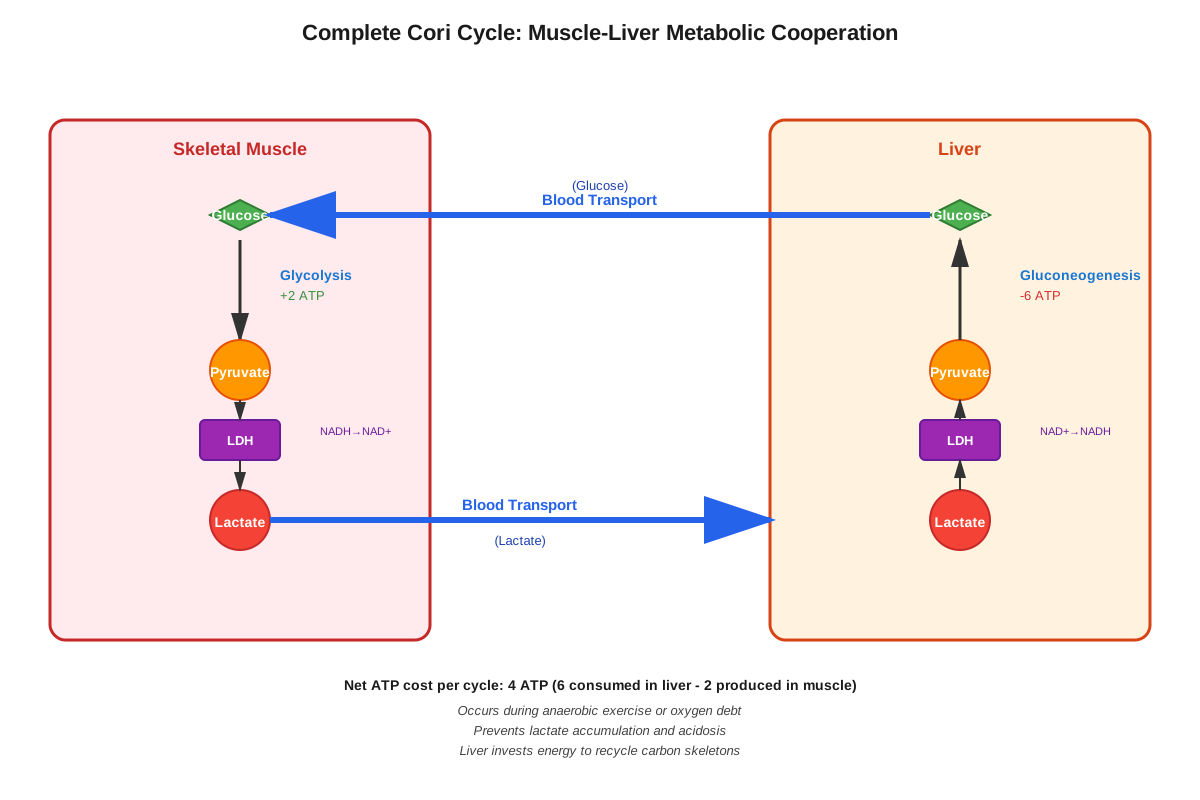
The Cori cycle, also called the lactic acid cycle, is a metabolic pathway in which lactate produced by anaerobic glycolysis in skeletal muscle is transported via the bloodstream to the liver, where it is converted back to glucose through gluconeogenesis. This newly synthesized glucose then returns to muscle tissue through circulation, where it can be used for energy production. The cycle was discovered by Carl and Gerty Cori in the 1940s, earning them the Nobel Prize in Physiology or Medicine.
The cycle operates continuously at low levels but becomes particularly important during vigorous exercise when muscle oxygen supply cannot meet metabolic demands. Under these anaerobic conditions, pyruvate from glycolysis is reduced to lactate by lactate dehydrogenase (LDH), regenerating NAD+ needed to sustain glycolysis. This lactate must be cleared from muscle to prevent acidosis and metabolic disruption. The liver, with its high capacity for gluconeogenesis, serves as the primary site for lactate disposal and glucose regeneration.
Biochemical Steps in Muscle Tissue
In actively contracting muscle, especially during intense exercise, the following sequence occurs:
- Glucose uptake: Muscle cells take up glucose from blood via GLUT4 transporters (insulin-dependent)
- Glycolysis: Glucose undergoes glycolysis, producing 2 pyruvate molecules, 2 ATP (net), and 2 NADH per glucose
- Lactate formation: Under anaerobic conditions, pyruvate is reduced to lactate by lactate dehydrogenase (LDH), oxidizing NADH back to NAD+
- Lactate export: Lactate exits muscle cells via monocarboxylate transporters (MCT) and enters the bloodstream
The conversion of pyruvate to lactate serves a critical purpose: regenerating NAD+ to allow glycolysis to continue. Without this regeneration, glycolysis would halt due to NAD+ depletion, and ATP production would cease. The reaction catalyzed by LDH is reversible:
Pyruvate + NADH + H+ ⇌ Lactate + NAD+Muscle tissue expresses predominantly the LDH-M isoform (LDH-5), which has high Km for pyruvate and favors lactate production under conditions of high pyruvate concentration.
Biochemical Steps in Liver Tissue
Once lactate reaches the liver via circulation, the following processes occur:
- Lactate uptake: Hepatocytes take up lactate from blood via monocarboxylate transporters
- Lactate oxidation: Lactate dehydrogenase converts lactate back to pyruvate, generating NADH
- Gluconeogenesis: Pyruvate enters gluconeogenesis through several steps:
- Pyruvate → Oxaloacetate (via pyruvate carboxylase in mitochondria)
- Oxaloacetate → Phosphoenolpyruvate (via PEPCK)
- Continued through gluconeogenic pathway to glucose
- Glucose export: Newly synthesized glucose is released into bloodstream via GLUT2 transporters
The liver expresses predominantly the LDH-H isoform (LDH-1), which has low Km for lactate and favors pyruvate production, making the liver efficient at clearing lactate from blood. The gluconeogenic pathway requires significant energy input: 6 ATP equivalents are consumed to convert 2 lactate molecules back to 1 glucose molecule.
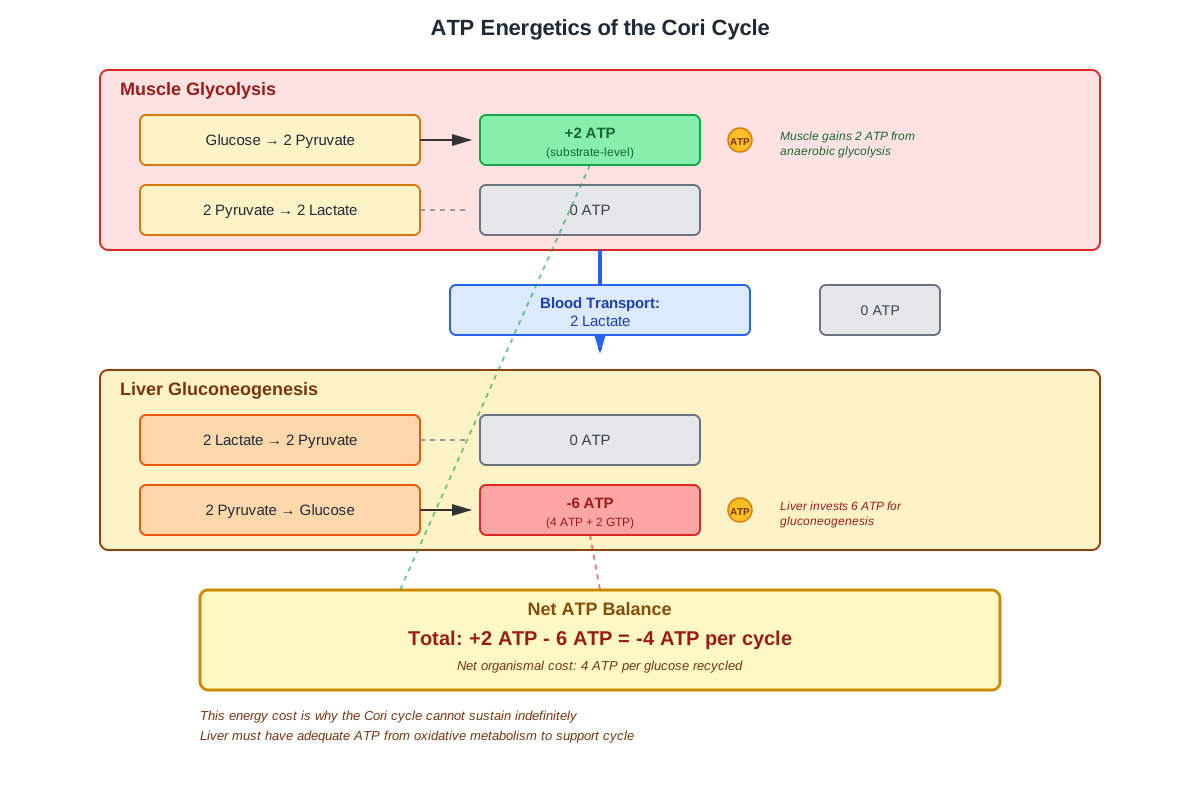
Energetics and ATP Accounting
Understanding the energy balance of the Cori cycle is crucial for MCAT questions:
In Muscle (per glucose molecule):
- Glycolysis produces: 2 ATP (net)
- Lactate formation: 0 ATP (but regenerates NAD+ to sustain glycolysis)
- Muscle gain: 2 ATP
In Liver (per glucose molecule regenerated from 2 lactate):
- Gluconeogenesis consumes: 6 ATP equivalents (4 ATP + 2 GTP)
- Lactate oxidation produces: 2 NADH (worth ~5 ATP if oxidized via electron transport chain)
- Liver cost: Net 6 ATP consumed (if NADH is used for gluconeogenesis rather than oxidative phosphorylation)
Overall Cycle:
- Muscle gains 2 ATP from glycolysis
- Liver expends 6 ATP for gluconeogenesis
- Net cost to organism: 4 ATP per cycle
This energy deficit demonstrates that the Cori cycle is not a mechanism for net ATP production but rather a glucose-recycling system that prevents lactate toxicity and maintains muscle function during anaerobic conditions. The liver essentially subsidizes muscle metabolism during intense exercise.
Physiological Context and Regulation
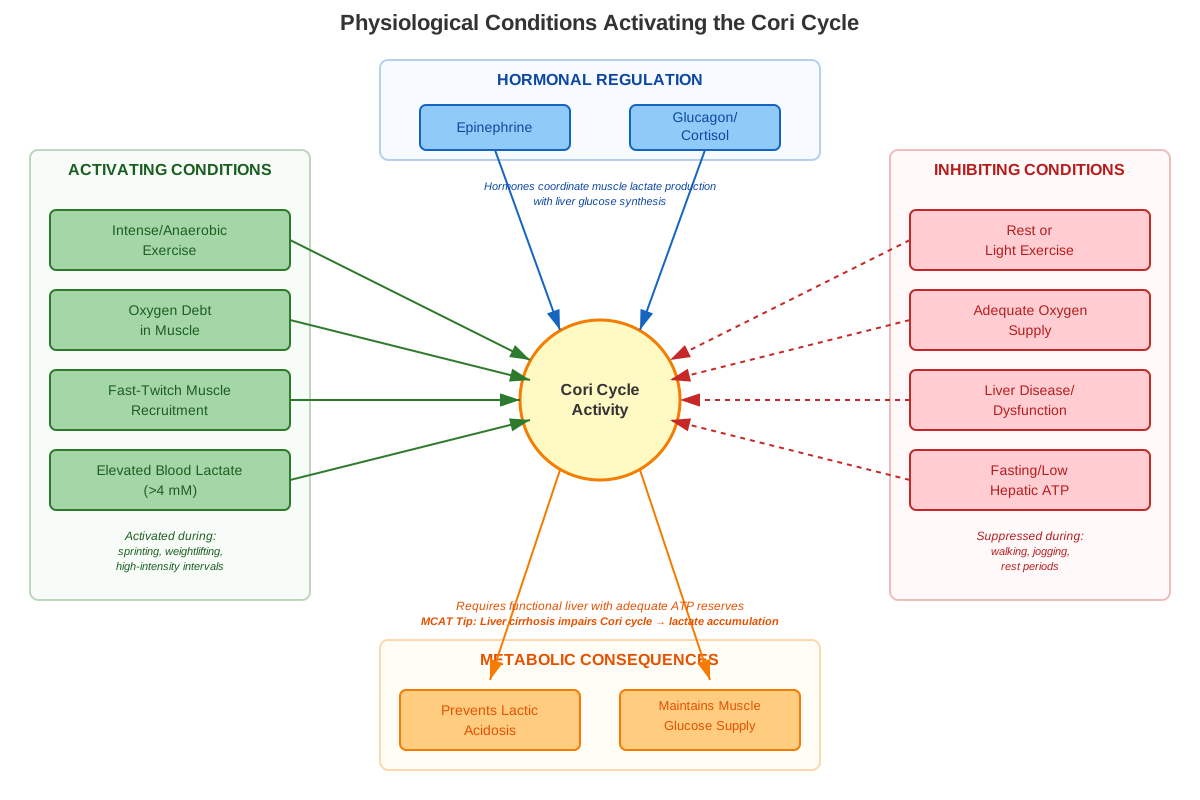
The Cori cycle becomes most active during:
- Intense exercise: When muscle oxygen demand exceeds supply, forcing anaerobic glycolysis
- Recovery from exercise: Lactate clearance continues as the "oxygen debt" is repaid
- Fasting states: When muscle breaks down amino acids for energy, producing pyruvate that converts to lactate
- Red blood cell metabolism: RBCs lack mitochondria and constantly produce lactate via glycolysis
The cycle is regulated by several factors:
| Factor | Effect on Cori Cycle | Mechanism |
|---|---|---|
| Exercise intensity | Increases cycle activity | Higher lactate production in muscle |
| Liver function | Essential for cycle operation | Impaired gluconeogenesis disrupts cycle |
| Insulin | Promotes glucose uptake by muscle | Enhances GLUT4 translocation |
| Glucagon | Stimulates hepatic gluconeogenesis | Activates gluconeogenic enzymes |
| Cortisol | Enhances gluconeogenesis | Increases enzyme expression |
| Blood lactate levels | Drives cycle flux | Higher lactate promotes hepatic uptake |
Clinical and Pathological Significance
Several clinical conditions involve disruption of the Cori cycle:
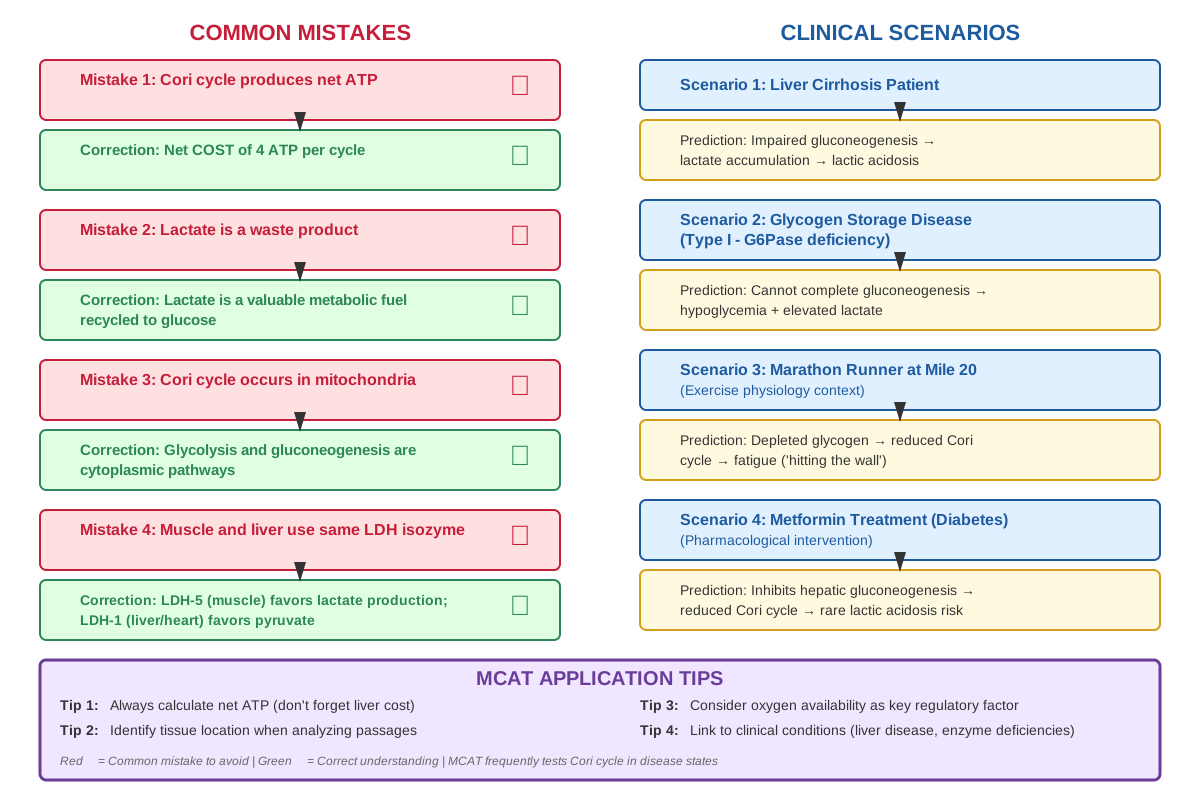
Lactic acidosis: Excessive lactate production or impaired hepatic clearance leads to blood pH decrease. This can occur in sepsis, liver failure, or mitochondrial diseases.
Liver disease: Cirrhosis or hepatic failure impairs gluconeogenesis, preventing lactate clearance and causing hypoglycemia during exercise.
Glycogen storage diseases: Certain types (e.g., Type I - von Gierke disease) impair glucose-6-phosphatase, blocking the final step of gluconeogenesis and causing lactate accumulation.
Exercise intolerance: Deficiencies in glycolytic enzymes (e.g., McArdle disease affecting muscle glycogen phosphorylase) alter lactate production patterns.
Comparison with Related Cycles
Understanding how the Cori cycle differs from similar metabolic pathways aids MCAT comprehension:
| Feature | Cori Cycle | Glucose-Alanine Cycle | Cahill Cycle |
|---|---|---|---|
| Substrate transported | Lactate | Alanine | Alanine |
| Origin tissue | Muscle (anaerobic) | Muscle (protein catabolism) | Muscle (fasting) |
| Destination | Liver | Liver | Liver |
| Purpose | Lactate clearance, glucose recycling | Nitrogen transport, glucose production | Amino acid catabolism |
| Energy cost | 4 ATP per cycle | 6 ATP per cycle | Variable |
| Active during | Exercise | Fasting, starvation | Prolonged fasting |
Concept Relationships
The Cori cycle integrates multiple metabolic pathways and demonstrates inter-organ cooperation. Glycolysis in muscle produces pyruvate, which under anaerobic conditions converts to lactate via LDH. This lactate enters circulation and reaches the liver, where it undergoes the reverse LDH reaction to regenerate pyruvate. Pyruvate then enters gluconeogenesis, essentially running glycolysis in reverse (with three bypass reactions) to produce glucose. This glucose returns to muscle via bloodstream, completing the cycle.
The cycle connects to energy metabolism through its ATP costs and yields. While muscle gains 2 ATP from glycolysis, the liver invests 6 ATP in gluconeogenesis, creating a net energy cost. This relationship demonstrates that the Cori cycle is not energy-producing but rather a metabolic support system that allows muscle to continue functioning anaerobically while preventing lactate toxicity.
The Cori cycle relates to hormonal regulation of metabolism. Insulin promotes glucose uptake by muscle (activating GLUT4), while glucagon and cortisol stimulate hepatic gluconeogenesis, enhancing the liver's capacity to process lactate. During exercise, epinephrine stimulates muscle glycogenolysis and glycolysis, increasing lactate production and Cori cycle flux.
Connection to acid-base balance is significant: lactate accumulation can cause metabolic acidosis, but the Cori cycle prevents this by clearing lactate. The cycle also relates to redox balance: lactate formation in muscle regenerates NAD+ for continued glycolysis, while lactate oxidation in liver produces NADH that can enter the electron transport chain or support gluconeogenesis.
The pathway connects to clinical biochemistry through biomarkers: elevated blood lactate indicates either excessive production (intense exercise, hypoxia, sepsis) or impaired clearance (liver disease, enzyme deficiencies). Understanding these relationships allows students to approach MCAT passages involving exercise physiology, metabolic diseases, or organ system integration.
Quick check — test yourself on Cori cycle so far.
Try Flashcards →High-Yield Facts
⭐ The Cori cycle has a net energy cost of 4 ATP per cycle (muscle gains 2 ATP, liver expends 6 ATP)
⭐ Lactate is transported from muscle to liver via the bloodstream, not through direct tissue connections
⭐ The cycle becomes most active during anaerobic exercise when muscle oxygen supply is insufficient for oxidative phosphorylation
⭐ Lactate dehydrogenase (LDH) catalyzes the reversible conversion between pyruvate and lactate in both muscle and liver
⭐ The liver performs gluconeogenesis to convert lactate back to glucose, requiring 6 ATP equivalents per glucose molecule
- Muscle tissue expresses LDH-M (LDH-5) isoform that favors lactate production, while liver expresses LDH-H (LDH-1) that favors pyruvate production
- The Cori cycle prevents lactic acidosis by clearing lactate from blood and muscle tissue
- Red blood cells continuously participate in the Cori cycle because they lack mitochondria and rely entirely on anaerobic glycolysis
- Liver disease impairs the Cori cycle by reducing gluconeogenic capacity, leading to lactate accumulation and hypoglycemia
- The cycle demonstrates metabolic cooperation between tissues: muscle prioritizes ATP production while liver invests energy to maintain glucose homeostasis
- Glucagon and cortisol enhance Cori cycle activity by stimulating hepatic gluconeogenesis
- The cycle is distinct from the glucose-alanine cycle, which transports nitrogen rather than just carbon skeletons
Common Misconceptions
Misconception: The Cori cycle produces net ATP for the organism.
Correction: The Cori cycle has a net energy cost of 4 ATP. While muscle gains 2 ATP from glycolysis, the liver expends 6 ATP for gluconeogenesis. The cycle's purpose is lactate clearance and glucose recycling, not energy production.
Misconception: Lactate is a metabolic waste product that must be eliminated from the body.
Correction: Lactate is a valuable metabolic intermediate that is recycled back to glucose via the Cori cycle. It is not excreted but rather serves as a glucose precursor, allowing carbon skeletons to be conserved and reused.
Misconception: The Cori cycle only operates during intense exercise.
Correction: While the cycle is most active during anaerobic exercise, it operates continuously at lower levels. Red blood cells constantly produce lactate, and the liver continuously performs some gluconeogenesis from lactate even at rest.
Misconception: Lactate and lactic acid are different molecules with different metabolic fates.
Correction: At physiological pH, lactic acid is almost entirely dissociated to lactate and H+. The terms are often used interchangeably, though "lactate" is more accurate for the ionic form that exists in the body and participates in the Cori cycle.
Misconception: The same tissue can simultaneously perform both glycolysis and gluconeogenesis at high rates.
Correction: Glycolysis and gluconeogenesis are reciprocally regulated to prevent futile cycling. Muscle primarily performs glycolysis (especially during exercise), while liver primarily performs gluconeogenesis. The Cori cycle depends on this tissue-specific specialization.
Misconception: The Cori cycle and the glucose-alanine cycle are the same pathway.
Correction: These are distinct cycles. The Cori cycle transports lactate from muscle to liver for glucose production. The glucose-alanine cycle transports alanine (carrying both carbon and nitrogen) from muscle to liver, serving both gluconeogenic and nitrogen disposal functions.
Worked Examples
Example 1: ATP Accounting During Exercise
Question: During a 400-meter sprint, a runner's muscles produce 10 moles of lactate that enter the Cori cycle. Calculate: (a) the ATP gained by muscle from the glycolysis that produced this lactate, (b) the ATP cost to the liver for converting this lactate back to glucose, and (c) the net ATP cost to the organism.
Solution:
Step 1: Determine how much glucose was metabolized to produce 10 moles of lactate.
- Glycolysis produces 2 lactate per glucose
- 10 moles lactate ÷ 2 = 5 moles glucose metabolized
Step 2: Calculate ATP gained by muscle.
- Glycolysis produces 2 ATP (net) per glucose
- 5 moles glucose × 2 ATP/glucose = 10 moles ATP gained by muscle
Step 3: Calculate ATP cost to liver for gluconeogenesis.
- Gluconeogenesis requires 6 ATP equivalents per glucose produced
- 5 moles glucose × 6 ATP/glucose = 30 moles ATP consumed by liver
Step 4: Calculate net ATP cost to organism.
- Net cost = ATP consumed - ATP produced
- 30 - 10 = 20 moles ATP net cost
- Alternatively: 5 glucose × 4 ATP/cycle = 20 ATP
Answer: (a) 10 moles ATP gained by muscle, (b) 30 moles ATP consumed by liver, (c) 20 moles ATP net cost to organism.
Key concept: This example reinforces that the Cori cycle is energetically expensive, with the liver subsidizing muscle metabolism during anaerobic exercise. The 4 ATP cost per cycle is a high-yield fact for MCAT questions.
Example 2: Clinical Vignette Analysis
Passage: A 45-year-old patient with cirrhosis presents to the emergency department after moderate exercise with symptoms of weakness, confusion, and hypoglycemia (blood glucose 45 mg/dL). Laboratory tests reveal elevated blood lactate (6 mM; normal <2 mM). The patient's liver function tests show significantly elevated AST and ALT, indicating hepatocyte damage.
Question: Which of the following best explains the patient's hypoglycemia and elevated lactate?
A) Increased muscle glycolysis with normal hepatic gluconeogenesis
B) Decreased muscle lactate production with impaired hepatic uptake
C) Normal muscle lactate production with impaired hepatic gluconeogenesis
D) Enhanced hepatic gluconeogenesis with decreased muscle glucose uptake
Solution:
Step 1: Identify the key clinical findings.
- Hypoglycemia (low blood glucose)
- Elevated blood lactate
- Liver disease (cirrhosis with elevated liver enzymes)
- Symptoms appeared after exercise
Step 2: Analyze the Cori cycle in this context.
- Exercise causes muscle to produce lactate via anaerobic glycolysis
- Lactate should be taken up by liver and converted to glucose via gluconeogenesis
- Glucose should return to blood, maintaining blood glucose levels
Step 3: Determine which step is impaired.
- Elevated lactate suggests it is being produced but not cleared
- Hypoglycemia suggests glucose is not being produced adequately
- Liver disease impairs gluconeogenesis capacity
- The liver cannot convert lactate to glucose effectively
Step 4: Evaluate answer choices.
- A) Incorrect: If hepatic gluconeogenesis were normal, blood glucose would not be low
- B) Incorrect: Lactate is elevated, indicating it is being produced
- C) Correct: Muscle produces lactate normally during exercise, but damaged liver cannot perform adequate gluconeogenesis, causing lactate accumulation and hypoglycemia
- D) Incorrect: Opposite of what is occurring; gluconeogenesis is impaired, not enhanced
Answer: C
Key concept: This vignette demonstrates how liver disease disrupts the Cori cycle, causing both lactate accumulation (impaired clearance) and hypoglycemia (impaired glucose production). MCAT passages frequently test understanding of how organ dysfunction affects metabolic pathways.
Exam Strategy
When approaching MCAT questions about the Cori cycle, follow this systematic strategy:
Step 1: Identify the tissues involved. Look for keywords indicating muscle (exercise, contraction, anaerobic conditions) and liver (gluconeogenesis, lactate clearance). Remember that the cycle requires both tissues functioning properly.
Step 2: Determine the direction of substrate flow. Lactate always flows from muscle to liver; glucose always flows from liver to muscle. If a question asks about substrate movement, this directionality is crucial.
Step 3: Calculate energy costs carefully. MCAT questions frequently test ATP accounting. Remember: muscle gains 2 ATP per glucose, liver spends 6 ATP per glucose, net cost is 4 ATP per cycle. Set up calculations systematically to avoid arithmetic errors.
Step 4: Watch for trigger words:
- "Anaerobic exercise" or "oxygen debt" → Cori cycle is active
- "Lactate clearance" → liver function in Cori cycle
- "Liver disease" or "cirrhosis" → impaired Cori cycle
- "Lactic acidosis" → excessive lactate production or impaired clearance
- "Gluconeogenesis" → liver portion of Cori cycle
Step 5: Use process of elimination for pathway questions. If a question asks which pathway is active during exercise:
- Eliminate options involving fatty acid synthesis (requires fed state)
- Eliminate options involving ketogenesis (requires prolonged fasting)
- Keep options involving glycolysis and lactate metabolism
Time allocation: Spend 60-70 seconds on discrete Cori cycle questions, 90-120 seconds on passage-based questions. If a question requires complex ATP calculations, budget extra time but ensure arithmetic is correct—these questions often have answer choices differing by factors of 2 or 3.
Common question formats:
- Energetics calculations: "How much ATP is consumed when X moles of lactate are processed?"
- Pathway identification: "Which metabolic pathway is most active in muscle during a sprint?"
- Clinical application: "A patient with liver disease presents with hypoglycemia after exercise. What explains this?"
- Experimental analysis: "Graph shows blood lactate levels during and after exercise. What metabolic process explains the decline?"
Red flags in answer choices:
- Any option suggesting the Cori cycle produces net ATP (it costs ATP)
- Options reversing the direction of substrate flow (glucose to muscle, lactate to liver)
- Options suggesting lactate is excreted rather than recycled
- Options confusing the Cori cycle with the glucose-alanine cycle
Memory Techniques
Mnemonic for Cori Cycle Direction: "Muscles Make Lactate; Liver Liberates Glucose"
- Muscles Make Lactate: muscle produces lactate during anaerobic glycolysis
- Liver Liberates Glucose: liver converts lactate to glucose via gluconeogenesis
Mnemonic for ATP Cost: "Six Minus Two Equals Four"
- Six: liver spends 6 ATP for gluconeogenesis
- Two: muscle gains 2 ATP from glycolysis
- Four: net cost to organism is 4 ATP per cycle
Visualization Strategy: Picture a circular highway between muscle and liver:
- Lactate trucks drive from muscle to liver (loaded with 3-carbon lactate)
- Glucose trucks drive from liver to muscle (loaded with 6-carbon glucose)
- At the liver, two lactate trucks are combined and converted into one glucose truck
- This conversion requires energy (ATP) at the liver "factory"
LDH Isoform Memory: "M for Make, H for Handle"
- LDH-M (muscle): Makes lactate (high Km for pyruvate, favors lactate production)
- LDH-H (heart/liver): Handles lactate (low Km for lactate, favors pyruvate production)
Acronym for When Cori Cycle is Active: "FEAR"
- Fasting (muscle protein breakdown produces pyruvate)
- Exercise (anaerobic conditions in muscle)
- Anaerobic metabolism (any condition causing oxygen debt)
- RBC metabolism (red blood cells constantly produce lactate)
Comparison Memory Aid: Think of the Cori cycle as "carbon recycling" (lactate → glucose) versus the glucose-alanine cycle as "carbon + nitrogen recycling" (alanine carries both). If nitrogen is mentioned, it's the glucose-alanine cycle; if only lactate is mentioned, it's the Cori cycle.
Summary
The Cori cycle is a critical metabolic pathway that recycles lactate produced during anaerobic glycolysis in muscle back to glucose in the liver, maintaining glucose homeostasis and preventing lactic acidosis. During intense exercise, muscle converts glucose to lactate via glycolysis, gaining 2 ATP per glucose. This lactate travels through the bloodstream to the liver, where it is converted back to glucose through gluconeogenesis at a cost of 6 ATP per glucose. The newly synthesized glucose returns to muscle, completing the cycle. The net energy cost of 4 ATP per cycle demonstrates that this is not an ATP-generating pathway but rather a glucose-recycling system that allows the liver to support muscle metabolism during anaerobic conditions. Understanding the tissue-specific roles, energetics, and regulation of the Cori cycle is essential for MCAT success, as questions frequently test metabolic integration, ATP accounting, and clinical applications involving exercise physiology or liver disease.
Key Takeaways
- The Cori cycle recycles lactate from muscle to glucose in liver, with a net energy cost of 4 ATP per cycle
- Muscle gains 2 ATP from glycolysis (glucose → lactate), while liver expends 6 ATP for gluconeogenesis (lactate → glucose)
- The cycle becomes most active during anaerobic exercise when muscle oxygen supply is insufficient for oxidative phosphorylation
- Lactate dehydrogenase (LDH) catalyzes the reversible pyruvate-lactate conversion in both tissues, with tissue-specific isoforms
- Liver disease impairs the Cori cycle, causing lactate accumulation (lactic acidosis) and hypoglycemia after exercise
- The cycle demonstrates inter-organ metabolic cooperation: muscle prioritizes ATP production while liver invests energy to maintain glucose homeostasis
- Understanding Cori cycle energetics, regulation, and clinical significance is essential for MCAT passages on metabolism and exercise physiology
Related Topics
Glucose-Alanine Cycle (Cahill Cycle): Similar to the Cori cycle but transports alanine (carrying both carbon and nitrogen) from muscle to liver during fasting states. Mastering the Cori cycle provides the foundation for understanding this related nitrogen-transport pathway.
Gluconeogenesis Regulation: The liver's ability to perform the Cori cycle depends on active gluconeogenesis. Understanding hormonal regulation (glucagon, cortisol) and allosteric regulation (acetyl-CoA activation of pyruvate carboxylase) deepens comprehension of when the Cori cycle operates.
Lactate Dehydrogenase Isoforms: Different tissues express different LDH isoforms with distinct kinetic properties. Understanding isoenzyme patterns aids in clinical diagnosis and explains tissue-specific metabolic preferences.
Exercise Physiology and Oxygen Debt: The Cori cycle is central to understanding how the body responds to anaerobic exercise and recovers afterward. This connects to respiratory physiology and cardiovascular adaptations.
Metabolic Acidosis: Lactate accumulation can cause metabolic acidosis, connecting the Cori cycle to acid-base physiology and renal compensation mechanisms—topics that appear together in MCAT passages.
Practice CTA
Now that you have mastered the core concepts of the Cori cycle, it's time to reinforce your understanding through active practice. Attempt the practice questions and flashcards to test your ability to apply these concepts to MCAT-style scenarios. Focus especially on ATP calculations, tissue-specific metabolism, and clinical applications—these are the highest-yield areas for exam success. Remember, understanding the Cori cycle demonstrates your grasp of metabolic integration, a skill that will serve you throughout the Biochemistry section. You've built a strong foundation; now solidify it through deliberate practice!
Sign up free to keep reading
Create a free AnvayaPrep account to finish this MCAT guide on Cori cycle — plus flashcards and practice questions.