Overview
Metabolic regulation represents one of the most sophisticated and clinically relevant aspects of Biochemistry, encompassing the intricate mechanisms by which cells and organisms control the flow of metabolites through various pathways to maintain homeostasis and respond to changing physiological demands. This topic integrates principles from enzyme kinetics, signal transduction, hormonal control, and energy metabolism to explain how the body coordinates anabolic and catabolic processes. For the MCAT, understanding metabolic regulation is essential because it bridges multiple disciplines—connecting biochemistry with physiology, endocrinology, and even behavioral science—and frequently appears in passage-based questions that require integration of multiple concepts.
The MCAT tests metabolic regulation through scenarios involving fed versus fasted states, exercise physiology, diabetes mellitus, and metabolic disorders. Questions often present clinical vignettes where students must predict metabolic consequences of enzyme deficiencies, hormonal imbalances, or pharmacological interventions. Success requires not merely memorizing individual pathways but understanding the regulatory logic: why certain enzymes are controlled, how different tissues communicate metabolic status, and what happens when regulation fails. This topic typically appears in 2-4 discrete questions per exam and within 1-2 biochemistry passages, making it a medium-yield but high-integration topic.
Within the broader context of Biochemistry and metabolism, metabolic regulation serves as the control layer that determines when glycolysis accelerates, when gluconeogenesis activates, how fatty acid synthesis responds to insulin, and why muscle and liver respond differently to the same hormonal signals. Mastering this topic requires understanding both the molecular mechanisms (allosteric regulation, covalent modification, transcriptional control) and the physiological context (fed/fasted states, exercise, stress responses). This knowledge foundation proves essential for understanding pathophysiology and pharmacology in medical school.
Learning Objectives
- [ ] Define metabolic regulation using accurate Biochemistry terminology
- [ ] Explain why metabolic regulation matters for the MCAT
- [ ] Apply metabolic regulation to exam-style questions
- [ ] Identify common mistakes related to metabolic regulation
- [ ] Connect metabolic regulation to related Biochemistry concepts
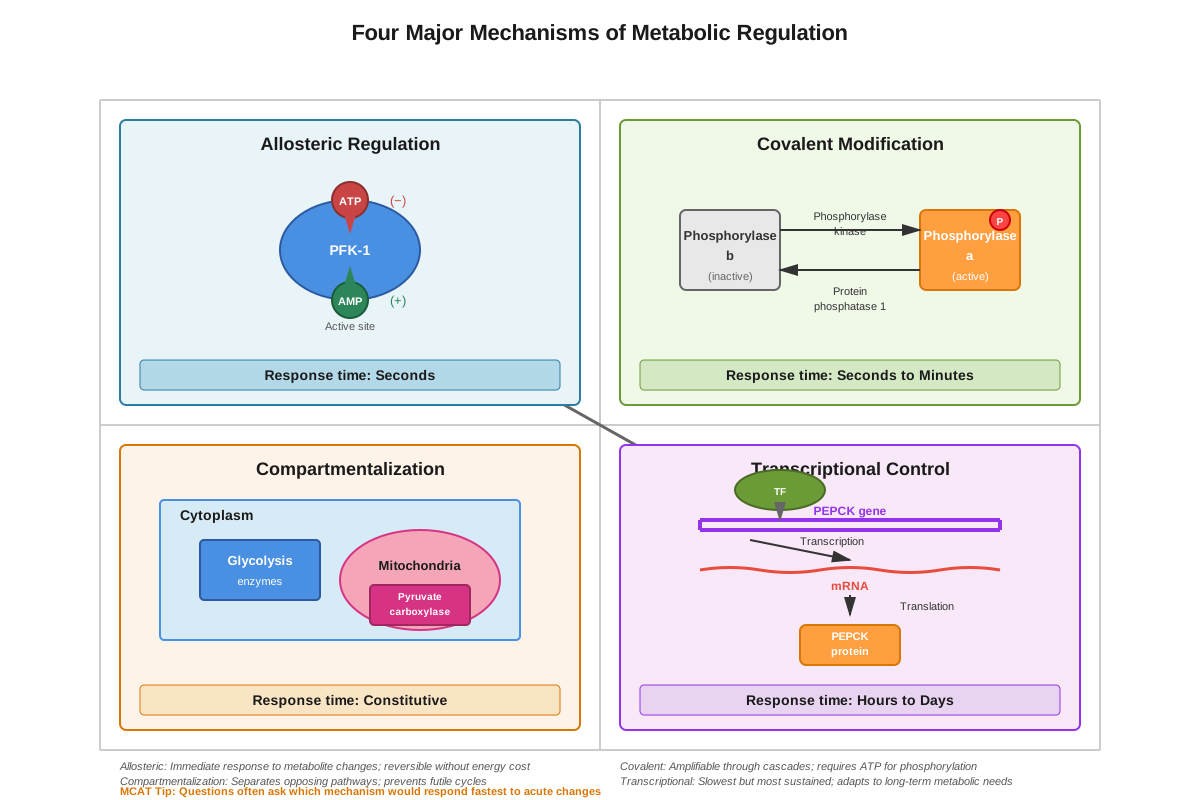
- [ ] Distinguish between the four major mechanisms of metabolic regulation (allosteric, covalent modification, compartmentalization, and transcriptional control)
- [ ] Predict metabolic pathway activity changes in response to hormonal signals (insulin, glucagon, epinephrine, cortisol)
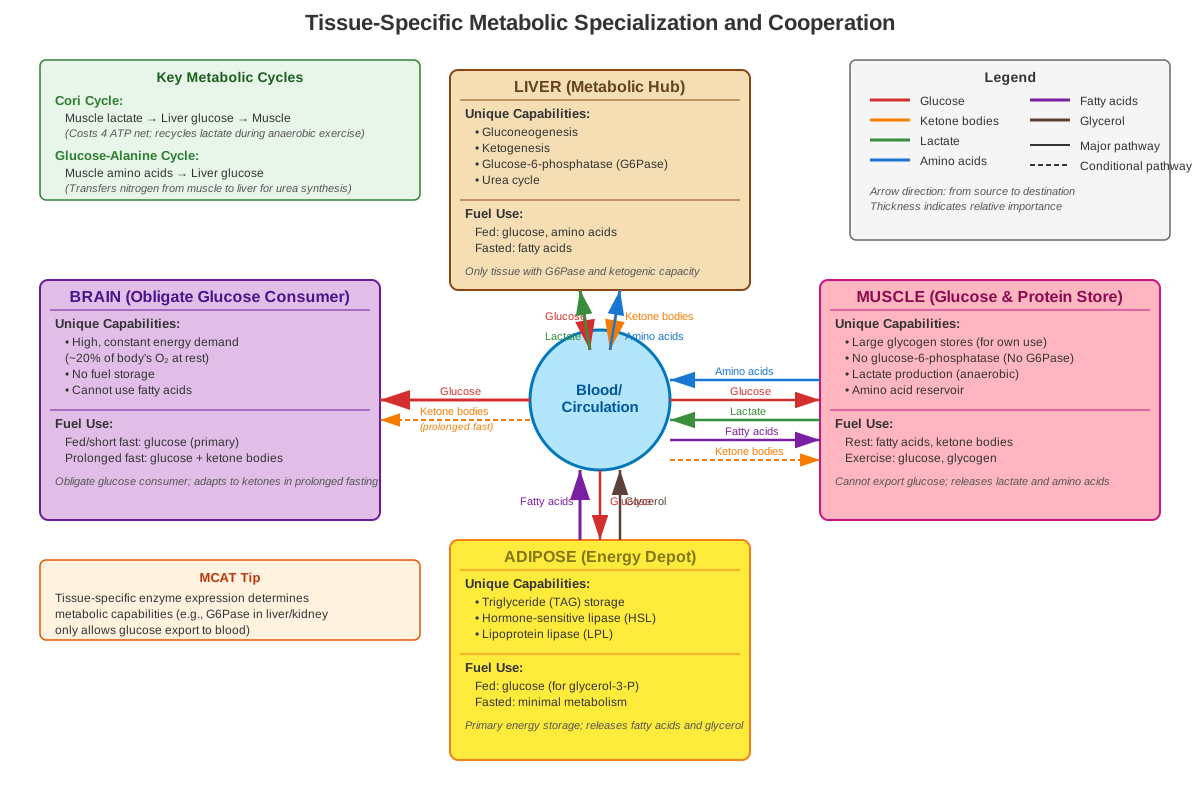
- [ ] Analyze tissue-specific metabolic responses and explain the metabolic division of labor between liver, muscle, adipose tissue, and brain
Prerequisites
- Enzyme kinetics and regulation: Understanding Michaelis-Menten kinetics, competitive/noncompetitive inhibition, and cooperativity is essential for comprehending allosteric regulation
- Major metabolic pathways: Familiarity with glycolysis, gluconeogenesis, glycogenolysis, glycogen synthesis, citric acid cycle, fatty acid synthesis, and β-oxidation provides the substrate for understanding regulatory mechanisms
- Cellular energetics: Knowledge of ATP, NADH, FADH₂, and the energy charge concept explains why certain metabolites serve as regulatory signals
- Hormone basics: Understanding peptide versus steroid hormones and their general signaling mechanisms (second messengers, receptor types) is necessary for comprehending hormonal metabolic control
- Cellular compartmentalization: Knowing which pathways occur in cytoplasm versus mitochondria versus other organelles helps explain compartmentalization as a regulatory strategy
Why This Topic Matters
Metabolic regulation has profound clinical significance. Diabetes mellitus, the most common metabolic disorder affecting over 400 million people worldwide, fundamentally represents a failure of metabolic regulation—specifically, the inability to properly regulate glucose metabolism in response to insulin. Understanding metabolic regulation explains why diabetic patients develop hyperglycemia, why they're prone to ketoacidosis, and how medications like metformin work. Similarly, metabolic syndrome, obesity, inherited metabolic disorders, and even cancer metabolism all involve dysregulated metabolic control.
On the MCAT, metabolic regulation appears in approximately 3-5% of Biological and Biochemical Foundations questions. The topic most commonly appears in passage-based questions that present experimental data about enzyme activity under different conditions, clinical vignettes describing patients with hormonal disorders, or research scenarios investigating novel metabolic regulatory mechanisms. Discrete questions often test the reciprocal regulation of opposing pathways (glycolysis vs. gluconeogenesis) or tissue-specific responses to hormones. The MCAT particularly favors questions requiring students to integrate multiple regulatory mechanisms or predict metabolic consequences of genetic mutations affecting regulatory enzymes.
Common exam presentations include: passages describing patients transitioning between fed and fasted states; experimental data showing enzyme activity changes with different effector molecules; questions about exercise metabolism and the Cori cycle; scenarios involving insulin resistance or glucagon deficiency; and questions connecting metabolic regulation to cancer cell metabolism (Warburg effect). The ability to quickly identify rate-limiting enzymes, recognize reciprocal regulation patterns, and understand tissue-specific metabolism proves essential for efficiently answering these questions.
Core Concepts
Fundamental Principles of Metabolic Regulation
Metabolic regulation refers to the coordinated control of biochemical pathways to maintain cellular and organismal homeostasis, respond to environmental changes, and meet varying energy demands. The primary goals include: maintaining stable blood glucose levels, ensuring adequate ATP supply, storing excess nutrients during abundance, mobilizing stored nutrients during scarcity, and preventing futile cycles where opposing pathways operate simultaneously.
Metabolic pathways are regulated at committed steps—typically the first irreversible reaction unique to a pathway. These reactions are catalyzed by rate-limiting enzymes that determine overall pathway flux. Regulation focuses on these enzymes because controlling them efficiently directs metabolic flow without wasting resources regulating every enzyme in a pathway.
Four Major Mechanisms of Metabolic Regulation
Allosteric Regulation
Allosteric regulation involves non-covalent binding of regulatory molecules (effectors) to sites distinct from the active site, causing conformational changes that alter enzyme activity. This mechanism provides rapid, reversible control responding to immediate metabolic conditions.
Positive effectors (activators) stabilize the active enzyme conformation, while negative effectors (inhibitors) stabilize inactive conformations. Key principles include:
- Feedback inhibition: End products inhibit early pathway enzymes (e.g., ATP inhibits phosphofructokinase-1)
- Feedforward activation: Early metabolites activate downstream enzymes (e.g., fructose-1,6-bisphosphate activates pyruvate kinase)
- Energy charge sensing: High ATP/ADP ratios signal energy abundance; high AMP/ATP ratios signal energy depletion
Common allosteric effectors and their significance:
| Effector | Signals | Typical Effects |
|---|---|---|
| ATP | Energy abundance | Inhibits catabolic pathways; activates anabolic pathways |
| AMP/ADP | Energy depletion | Activates catabolic pathways; inhibits anabolic pathways |
| Citrate | Abundant acetyl-CoA | Inhibits glycolysis; activates fatty acid synthesis |
| Acetyl-CoA | Abundant 2-carbon units | Activates gluconeogenesis; inhibits pyruvate dehydrogenase |
| Fructose-2,6-bisphosphate | Fed state signal | Activates glycolysis; inhibits gluconeogenesis |
Covalent Modification
Covalent modification, primarily through phosphorylation and dephosphorylation, provides hormonal control of metabolism. Protein kinases add phosphate groups (typically from ATP), while phosphatases remove them. This mechanism allows systemic coordination of metabolism across tissues in response to hormones.
The phosphorylation state of key regulatory enzymes determines their activity, with effects varying by enzyme:
- Glycogen phosphorylase: Active when phosphorylated (promotes glycogen breakdown)
- Glycogen synthase: Inactive when phosphorylated (prevents glycogen synthesis)
- Hormone-sensitive lipase: Active when phosphorylated (promotes lipolysis)
- Acetyl-CoA carboxylase: Inactive when phosphorylated (prevents fatty acid synthesis)
Reciprocal regulation ensures opposing pathways don't operate simultaneously. When one pathway activates, the opposing pathway inhibits. For example, glucagon-stimulated phosphorylation simultaneously activates glycogen breakdown and inhibits glycogen synthesis.
Compartmentalization
Compartmentalization separates opposing pathways into different cellular locations, preventing futile cycles and allowing different regulatory environments. Key examples:
- Fatty acid synthesis (cytoplasm) versus β-oxidation (mitochondria)
- Glycolysis (cytoplasm) versus gluconeogenesis (partially cytoplasmic, partially mitochondrial)
- Citric acid cycle (mitochondrial matrix) isolated from cytoplasmic metabolism
Transport across compartmental barriers provides additional regulatory control. The carnitine shuttle controls fatty acid entry into mitochondria for oxidation, while citrate export from mitochondria provides acetyl-CoA for cytoplasmic fatty acid synthesis.
Transcriptional Control
Transcriptional regulation alters enzyme amounts through changes in gene expression, providing long-term metabolic adaptation. This slowest regulatory mechanism (hours to days) responds to sustained metabolic states, hormonal signals, and nutritional status.
Key transcriptional regulators include:
- Insulin: Increases expression of glycolytic enzymes, fatty acid synthesis enzymes, and glycogen synthase
- Glucagon/cortisol: Increase expression of gluconeogenic enzymes (PEPCK, fructose-1,6-bisphosphatase, glucose-6-phosphatase)
- Sterol regulatory element-binding proteins (SREBPs): Control cholesterol and fatty acid synthesis genes
- Peroxisome proliferator-activated receptors (PPARs): Regulate fatty acid oxidation genes
Hormonal Control of Metabolism
Insulin: The Fed State Hormone
Insulin, secreted by pancreatic β-cells in response to elevated blood glucose, signals nutrient abundance and promotes anabolic processes:
- Glucose uptake: Stimulates GLUT4 translocation in muscle and adipose tissue
- Glycolysis activation: Increases phosphofructokinase-1 activity via fructose-2,6-bisphosphate
- Glycogen synthesis: Activates glycogen synthase through dephosphorylation
- Fatty acid synthesis: Activates acetyl-CoA carboxylase; increases lipogenic enzyme expression
- Protein synthesis: Activates mTOR pathway
- Gluconeogenesis inhibition: Decreases PEPCK and glucose-6-phosphatase expression
Insulin acts through receptor tyrosine kinase signaling, activating the PI3K/Akt pathway that mediates most metabolic effects.
Glucagon: The Fasted State Hormone
Glucagon, secreted by pancreatic α-cells during low blood glucose, promotes catabolic processes and glucose production:
- Glycogenolysis: Activates glycogen phosphorylase through cAMP/PKA pathway
- Gluconeogenesis: Increases PEPCK expression; provides allosteric activation
- Lipolysis: Activates hormone-sensitive lipase in adipose tissue
- Ketogenesis: Promotes fatty acid oxidation and ketone body production in liver
- Glycolysis inhibition: Decreases fructose-2,6-bisphosphate levels
Glucagon acts through G-protein coupled receptors, activating adenylyl cyclase to produce cAMP, which activates protein kinase A (PKA).
Epinephrine: The Stress Hormone
Epinephrine prepares the body for "fight or flight" by rapidly mobilizing energy:
- In muscle: Activates glycogenolysis to provide glucose for glycolysis
- In liver: Activates both glycogenolysis and gluconeogenesis to raise blood glucose
- In adipose tissue: Stimulates lipolysis to provide fatty acids for oxidation
- Metabolic rate: Increases overall energy expenditure
Epinephrine uses both α- and β-adrenergic receptors, with β-receptors mediating most metabolic effects through cAMP/PKA signaling.
Cortisol: The Long-Term Stress Hormone
Cortisol, a glucocorticoid, maintains blood glucose during prolonged stress:
- Gluconeogenesis: Increases expression of gluconeogenic enzymes
- Protein catabolism: Provides amino acids as gluconeogenic substrates
- Lipolysis: Provides glycerol for gluconeogenesis and fatty acids for energy
- Insulin resistance: Reduces peripheral glucose uptake, sparing glucose for the brain
Tissue-Specific Metabolic Roles
Liver: The Metabolic Hub
The liver serves as the body's metabolic processing center:
- Glucose homeostasis: Performs both glycogenolysis and gluconeogenesis; stores glycogen
- Lipid metabolism: Synthesizes fatty acids, cholesterol, and ketone bodies; packages lipids as VLDL
- Amino acid metabolism: Performs transamination, deamination, and urea synthesis
- Metabolic flexibility: Switches between glucose production (fasted) and glucose storage (fed)
Muscle: The Energy Consumer
Skeletal muscle represents the largest glucose consumer and energy expenditure site:
- Glucose uptake: Insulin-dependent via GLUT4
- Glycogen storage: Stores glycogen for its own use (lacks glucose-6-phosphatase)
- Lactate production: Produces lactate during anaerobic glycolysis (Cori cycle)
- Fatty acid oxidation: Primary fuel during rest and low-intensity exercise
Adipose Tissue: The Energy Reservoir
Adipose tissue stores energy as triacylglycerols and releases fatty acids:
- Lipogenesis: Converts excess glucose to fatty acids and stores as fat (fed state)
- Lipolysis: Releases fatty acids and glycerol during fasting or exercise
- Endocrine function: Secretes leptin, adiponectin, and other adipokines
- Insulin sensitivity: Highly responsive to insulin for glucose uptake and lipogenesis
Brain: The Obligate Glucose Consumer
The brain has unique metabolic requirements:
- Glucose dependence: Normally uses only glucose (120g/day in adults)
- Ketone adaptation: Can use ketone bodies during prolonged fasting
- No glucose storage: Lacks significant glycogen stores
- Insulin-independent uptake: Uses GLUT1 and GLUT3 transporters
Reciprocal Regulation of Opposing Pathways
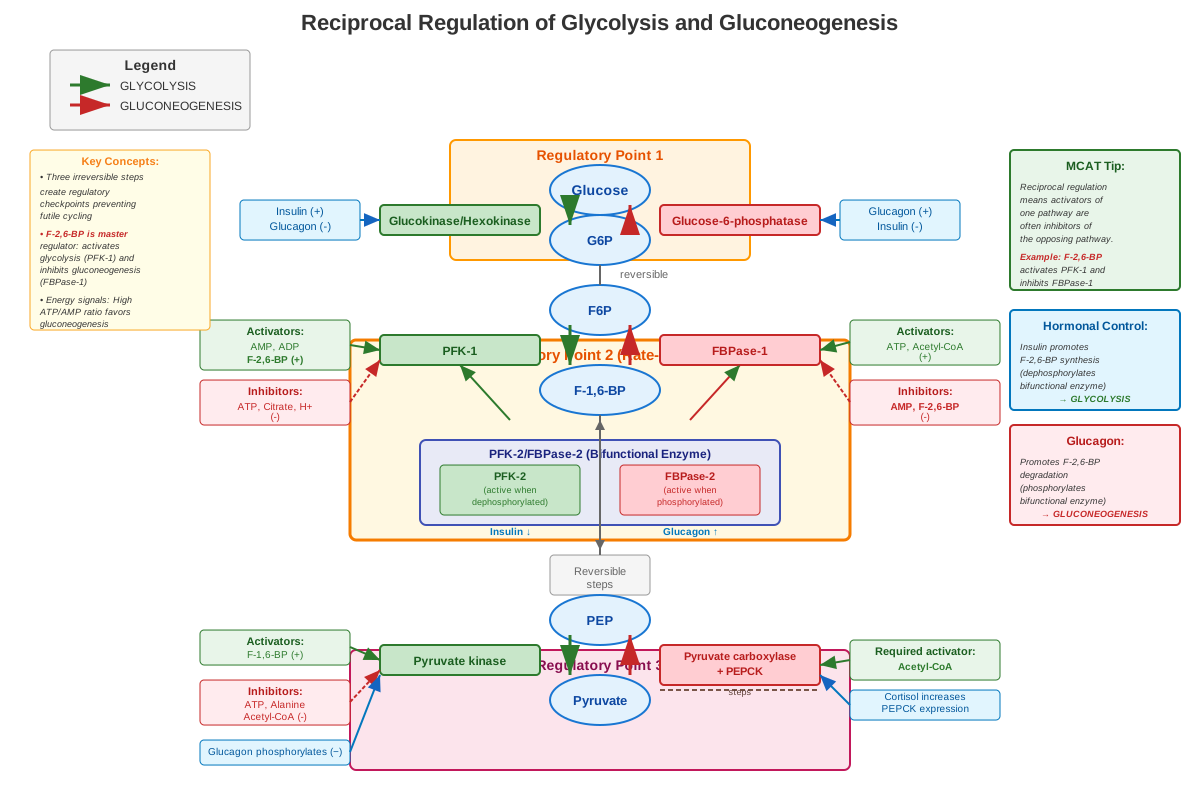
Reciprocal regulation ensures that opposing pathways (glycolysis/gluconeogenesis, glycogen synthesis/breakdown, fatty acid synthesis/oxidation) don't operate simultaneously, preventing futile cycles that waste ATP.
Glycolysis versus Gluconeogenesis:
The key regulatory point involves fructose-2,6-bisphosphate (F-2,6-BP), the most potent allosteric regulator:
- Fed state (high insulin): PFK-2 (kinase activity) produces F-2,6-BP → activates PFK-1 (glycolysis) and inhibits fructose-1,6-bisphosphatase (gluconeogenesis)
- Fasted state (high glucagon): FBPase-2 (phosphatase activity) removes F-2,6-BP → inhibits PFK-1 and activates fructose-1,6-bisphosphatase
Glycogen Synthesis versus Breakdown:
Hormonal control through phosphorylation creates reciprocal regulation:
- Insulin → dephosphorylation → active glycogen synthase + inactive glycogen phosphorylase
- Glucagon/epinephrine → phosphorylation → inactive glycogen synthase + active glycogen phosphorylase
Fatty Acid Synthesis versus Oxidation:
Malonyl-CoA serves as the key regulator:
- Fed state: Insulin activates acetyl-CoA carboxylase → produces malonyl-CoA → inhibits carnitine palmitoyltransferase I (CPT-I) → blocks fatty acid oxidation while enabling synthesis
- Fasted state: Glucagon inactivates acetyl-CoA carboxylase → low malonyl-CoA → CPT-I active → fatty acid oxidation proceeds
Concept Relationships
Metabolic regulation integrates multiple levels of control into a coherent system. Allosteric regulation provides immediate, second-to-second responses to changing metabolite concentrations → Covalent modification extends this control to minutes-to-hours timescales through hormonal signaling → Transcriptional regulation adapts enzyme levels over hours to days for sustained metabolic changes. These mechanisms work hierarchically: allosteric effects occur on existing enzymes, phosphorylation modifies existing enzymes' activity states, and transcriptional control changes enzyme abundance.
The relationship between energy charge and pathway regulation creates a fundamental organizing principle: high ATP/AMP ratios inhibit catabolic pathways (glycolysis, fatty acid oxidation, citric acid cycle) while activating anabolic pathways (gluconeogenesis, fatty acid synthesis, glycogen synthesis). This ensures efficient energy utilization and prevents wasteful simultaneous operation of opposing pathways.
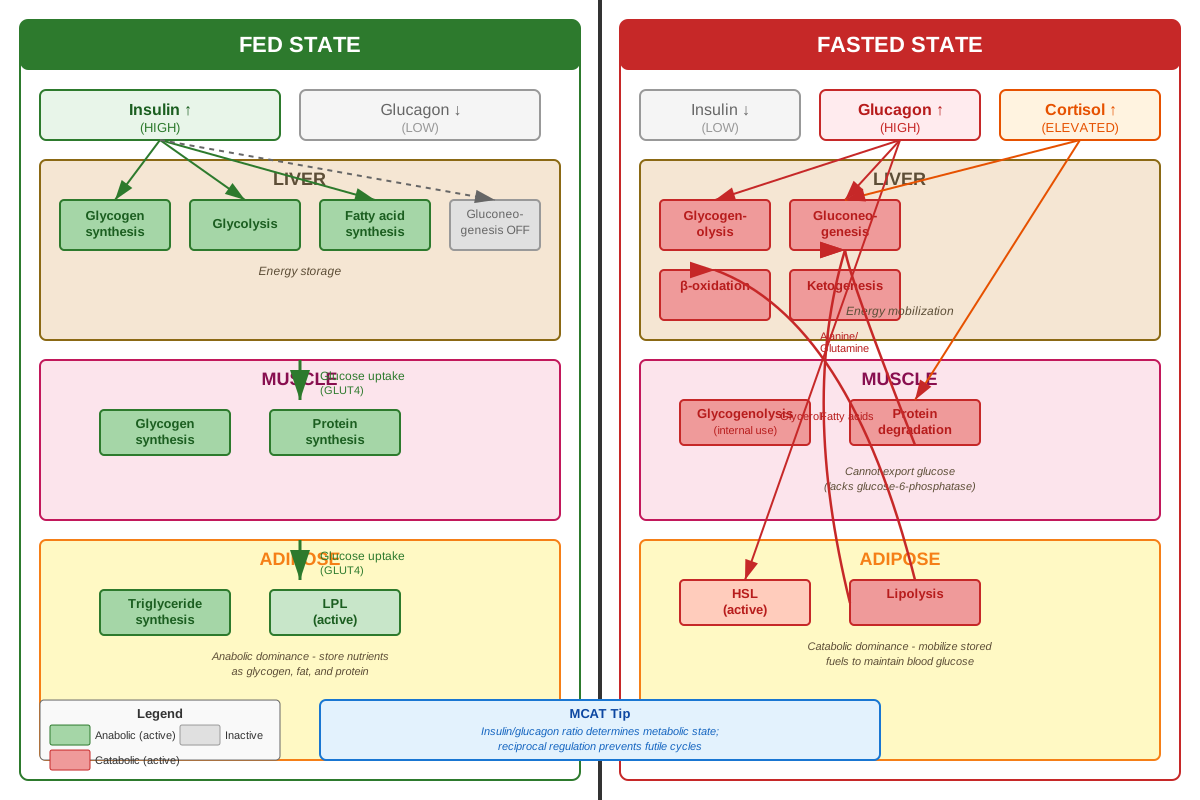
Hormonal control coordinates metabolism across tissues: insulin signals the fed state → liver stores glucose as glycogen and synthesizes fatty acids → muscle takes up glucose and synthesizes glycogen → adipose tissue takes up glucose and stores fat. Conversely, glucagon signals fasting → liver produces glucose through glycogenolysis and gluconeogenesis → adipose tissue releases fatty acids → muscle oxidizes fatty acids, sparing glucose for the brain.
The concept of reciprocal regulation connects to enzyme kinetics through understanding that the same regulatory signal (hormone, metabolite, or energy charge) simultaneously affects opposing pathways in opposite directions. This connection to prerequisite knowledge of enzyme regulation mechanisms (competitive inhibition, allosteric effects, covalent modification) provides the molecular basis for understanding systemic metabolic control.
Compartmentalization relates to cellular structure knowledge, explaining why certain pathways can operate simultaneously without creating futile cycles. The separation of fatty acid synthesis (cytoplasm) from oxidation (mitochondria) connects to understanding of membrane transport and the carnitine shuttle, while the partial compartmentalization of gluconeogenesis relates to the need for specific mitochondrial enzymes (pyruvate carboxylase, PEPCK) to bypass irreversible glycolytic steps.
Quick check — test yourself on Metabolic regulation so far.
Try Flashcards →High-Yield Facts
⭐ Fructose-2,6-bisphosphate is the most important allosteric regulator of glycolysis and gluconeogenesis; high levels (fed state) activate glycolysis and inhibit gluconeogenesis
⭐ Reciprocal regulation ensures opposing pathways don't operate simultaneously: when glycogen phosphorylase is phosphorylated (active), glycogen synthase is also phosphorylated (inactive)
⭐ Malonyl-CoA inhibits carnitine palmitoyltransferase I (CPT-I), preventing fatty acid oxidation when fatty acid synthesis is active
⭐ Insulin is the only major anabolic hormone; it promotes glucose uptake (muscle/adipose), glycogen synthesis, fatty acid synthesis, and protein synthesis while inhibiting gluconeogenesis
⭐ Glucagon acts only on liver and adipose tissue (not muscle) because muscle lacks glucagon receptors; it promotes glycogenolysis, gluconeogenesis, and lipolysis
- AMP-activated protein kinase (AMPK) acts as a cellular energy sensor, activating when AMP/ATP ratio rises; it inhibits anabolic pathways and activates catabolic pathways
- Acetyl-CoA carboxylase is the rate-limiting enzyme for fatty acid synthesis; it's activated by insulin and citrate, inhibited by glucagon and palmitoyl-CoA
- Phosphofructokinase-1 (PFK-1) is the rate-limiting enzyme of glycolysis; it's inhibited by ATP and citrate, activated by AMP and fructose-2,6-bisphosphate
- The Cori cycle transfers lactate from muscle to liver, where it's converted to glucose through gluconeogenesis, then returned to muscle
- Ketone bodies (acetoacetate, β-hydroxybutyrate) are produced by liver during prolonged fasting when fatty acid oxidation exceeds the citric acid cycle's capacity
- Glycogen phosphorylase requires pyridoxal phosphate (vitamin B6) as a cofactor and is activated by phosphorylation, AMP, and calcium
- The glucose-alanine cycle transfers amino groups from muscle to liver: muscle converts amino acids to alanine, liver converts alanine to glucose and urea
Common Misconceptions
Misconception: Insulin directly inhibits gluconeogenesis by binding to gluconeogenic enzymes.
Correction: Insulin inhibits gluconeogenesis primarily through transcriptional suppression of PEPCK and glucose-6-phosphatase expression, and by increasing fructose-2,6-bisphosphate levels (which inhibits fructose-1,6-bisphosphatase allosterically). The effect is indirect and occurs over hours, not immediate.
Misconception: Muscle can release glucose from glycogen breakdown to maintain blood glucose during fasting.
Correction: Muscle lacks glucose-6-phosphatase, the enzyme required to convert glucose-6-phosphate to free glucose. Muscle glycogen can only be used by muscle itself for energy. Only liver (and kidney) can release free glucose into blood.
Misconception: Glucagon affects all tissues equally to mobilize energy stores.
Correction: Glucagon receptors are present primarily in liver and adipose tissue, not in muscle. Muscle glycogen breakdown during exercise is stimulated by epinephrine and calcium, not glucagon. This tissue specificity is crucial for understanding metabolic responses.
Misconception: Phosphorylation always activates enzymes.
Correction: The effect of phosphorylation is enzyme-specific. Glycogen phosphorylase is activated by phosphorylation, while glycogen synthase is inactivated by phosphorylation. Acetyl-CoA carboxylase is inactivated by phosphorylation. The functional consequence depends on the specific enzyme's structure and regulatory design.
Misconception: The brain can use fatty acids for energy during fasting.
Correction: Fatty acids cannot cross the blood-brain barrier in significant amounts. During fasting, the brain initially uses glucose, then gradually adapts to use ketone bodies (which can cross the blood-brain barrier). After several weeks of starvation, ketone bodies can provide up to 70% of brain energy needs, but some glucose is always required.
Misconception: Allosteric regulation and covalent modification are redundant mechanisms controlling the same enzymes.
Correction: These mechanisms operate on different timescales and respond to different signals. Allosteric regulation provides immediate response to local metabolite concentrations (seconds), while covalent modification responds to hormonal signals coordinating metabolism across tissues (minutes). Some enzymes use both mechanisms for fine-tuned control (e.g., glycogen phosphorylase responds to both phosphorylation and AMP).
Worked Examples
Example 1: Fed-to-Fasted Transition
Question: A healthy individual eats a large carbohydrate-rich meal at noon, then fasts for 24 hours. Describe the metabolic changes in liver, muscle, and adipose tissue during the first hour after eating and at hour 20 of fasting. Focus on glucose metabolism, glycogen metabolism, and fatty acid metabolism.
Solution:
First hour after eating (Fed State):
Hormonal environment: High insulin, low glucagon
Liver:
- Glucose uptake increases (GLUT2 transporter, not insulin-dependent but responds to high glucose concentration)
- Glycolysis activates: High fructose-2,6-bisphosphate (F-2,6-BP) activates PFK-1
- Gluconeogenesis inhibits: F-2,6-BP inhibits fructose-1,6-bisphosphatase; PEPCK expression decreases
- Glycogen synthesis activates: Insulin causes dephosphorylation of glycogen synthase (active form)
- Fatty acid synthesis activates: Insulin activates acetyl-CoA carboxylase; citrate (from abundant acetyl-CoA) provides allosteric activation; malonyl-CoA production inhibits CPT-I, blocking fatty acid oxidation
Muscle:
- Glucose uptake increases dramatically: Insulin stimulates GLUT4 translocation to membrane
- Glycolysis increases: Glucose-6-phosphate accumulates, driving glycolysis
- Glycogen synthesis activates: Dephosphorylated glycogen synthase stores excess glucose
- Fatty acid oxidation decreases: Glucose availability and insulin signaling reduce reliance on fat oxidation
Adipose tissue:
- Glucose uptake increases: GLUT4 translocation (insulin-stimulated)
- Lipogenesis activates: Glucose converted to glycerol-3-phosphate and acetyl-CoA for triacylglycerol synthesis
- Lipolysis inhibits: Insulin inhibits hormone-sensitive lipase
- Fatty acid uptake increases: Lipoprotein lipase activated by insulin, hydrolyzing VLDL triacylglycerols
Hour 20 of fasting (Fasted State):
Hormonal environment: Low insulin, high glucagon, rising cortisol
Liver:
- Glucose production: Glycogen stores depleted (exhausted by ~12-18 hours); gluconeogenesis now primary glucose source
- Gluconeogenesis fully active: High PEPCK and glucose-6-phosphatase expression; low F-2,6-BP removes inhibition of fructose-1,6-bisphosphatase; acetyl-CoA (from fatty acid oxidation) allosterically activates pyruvate carboxylase
- Glycolysis inhibited: Low F-2,6-BP inhibits PFK-1
- Fatty acid oxidation maximal: Low malonyl-CoA allows CPT-I activity; abundant fatty acids from adipose lipolysis
- Ketogenesis active: Fatty acid oxidation produces acetyl-CoA exceeding citric acid cycle capacity; ketone bodies (acetoacetate, β-hydroxybutyrate) produced and released
Muscle:
- Glucose uptake minimal: Low insulin, GLUT4 internalized
- Glycogen depleted: Used during early fasting
- Fatty acid oxidation primary: Muscle uses fatty acids and ketone bodies, sparing glucose for brain
- Protein catabolism: Some muscle protein broken down to provide amino acids for hepatic gluconeogenesis (glucose-alanine cycle)
Adipose tissue:
- Lipolysis maximal: Hormone-sensitive lipase phosphorylated (active) by PKA (glucagon/epinephrine signaling)
- Fatty acid release: Free fatty acids released to blood, bound to albumin, delivered to liver and muscle
- Glycerol release: Glycerol travels to liver for gluconeogenesis (converted to DHAP)
- Lipogenesis absent: No insulin signal, no glucose uptake, acetyl-CoA carboxylase inactive
Key concept: This example demonstrates the coordinated, tissue-specific metabolic response to hormonal signals, illustrating reciprocal regulation (glycolysis/gluconeogenesis, glycogen synthesis/breakdown, lipogenesis/lipolysis) and the metabolic division of labor among tissues.
Example 2: Enzyme Regulation Analysis
Question: An experiment measures phosphofructokinase-1 (PFK-1) activity under different conditions. Explain the results:
- Condition A: [ATP] = 5 mM, [AMP] = 0.1 mM, [Citrate] = 0.5 mM, [F-2,6-BP] = 0 μM → Activity = 15% of maximum
- Condition B: [ATP] = 5 mM, [AMP] = 0.1 mM, [Citrate] = 0.5 mM, [F-2,6-BP] = 10 μM → Activity = 65% of maximum
- Condition C: [ATP] = 2 mM, [AMP] = 1.0 mM, [Citrate] = 0.1 mM, [F-2,6-BP] = 10 μM → Activity = 95% of maximum
Solution:
Condition A Analysis (15% activity):
This represents a fed state with high energy charge but absence of the key activator F-2,6-BP:
- High ATP (5 mM) provides negative allosteric regulation (ATP is an inhibitor of PFK-1)
- Citrate (0.5 mM) provides additional inhibition, signaling abundant acetyl-CoA from citric acid cycle
- Low AMP (0.1 mM) means no positive allosteric activation
- Absence of F-2,6-BP removes the most potent activator
- Interpretation: Despite adequate substrate (ATP), the enzyme is largely inhibited because energy is abundant (high ATP, low AMP) and biosynthetic precursors are available (citrate). The cell doesn't need to run glycolysis at high rates.
Condition B Analysis (65% activity):
This represents a fed state with F-2,6-BP present:
- Same ATP, AMP, and citrate as Condition A
- Addition of F-2,6-BP (10 μM) dramatically increases activity from 15% to 65%
- Interpretation: F-2,6-BP is such a potent activator that it overcomes ATP and citrate inhibition. This demonstrates the dominant role of F-2,6-BP in fed-state regulation. When insulin is high (producing F-2,6-BP through PFK-2 kinase activity), glycolysis proceeds even when energy charge is adequate, because the metabolic priority is storing excess nutrients.
Condition C Analysis (95% activity):
This represents an energy-depleted state:
- Lower ATP (2 mM) reduces inhibition
- High AMP (1.0 mM) provides strong positive allosteric activation (AMP is a potent PFK-1 activator)
- Low citrate (0.1 mM) removes inhibition
- F-2,6-BP (10 μM) provides maximal activation
- Interpretation: All regulatory signals point toward "activate glycolysis": low energy charge (high AMP/ATP ratio), low biosynthetic precursors (low citrate), and presence of F-2,6-BP. This represents a cell that needs ATP urgently and has cleared citric acid cycle intermediates, so glycolysis runs at near-maximal rate.
Key concept: This example illustrates how multiple allosteric effectors integrate to produce graded enzyme activity responses. PFK-1 activity reflects the balance of inhibitory signals (ATP, citrate) and activating signals (AMP, F-2,6-BP), allowing fine-tuned control of glycolytic flux based on cellular energy status and metabolic priorities.
Exam Strategy
When approaching MCAT questions on metabolic regulation, follow this systematic approach:
1. Identify the metabolic state: Determine whether the scenario describes fed, fasted, exercise, or stress conditions. Look for trigger words:
- Fed state: "after eating," "high insulin," "glucose abundance"
- Fasted state: "overnight fast," "between meals," "high glucagon"
- Exercise: "muscle contraction," "increased energy demand"
- Stress: "epinephrine," "fight-or-flight," "cortisol"
2. Determine the tissue: Different tissues respond differently to the same hormonal signals:
- Liver: Responds to insulin and glucagon; performs gluconeogenesis
- Muscle: Responds to insulin and epinephrine; cannot perform gluconeogenesis
- Adipose: Responds to insulin and glucagon; stores and releases fatty acids
- Brain: Insulin-independent glucose uptake; cannot use fatty acids
3. Apply reciprocal regulation logic: If one pathway activates, ask what happens to the opposing pathway:
- Glycolysis ↑ → Gluconeogenesis ↓
- Glycogen synthesis ↑ → Glycogen breakdown ↓
- Fatty acid synthesis ↑ → Fatty acid oxidation ↓
4. Consider the timescale: Different regulatory mechanisms operate on different timescales:
- Seconds: Allosteric regulation (metabolite concentrations)
- Minutes: Covalent modification (phosphorylation/dephosphorylation)
- Hours: Transcriptional changes (enzyme expression levels)
Process-of-elimination tips:
- Eliminate answers suggesting muscle releases glucose (lacks glucose-6-phosphatase)
- Eliminate answers suggesting brain uses fatty acids (cannot cross blood-brain barrier)
- Eliminate answers suggesting glucagon affects muscle directly (muscle lacks glucagon receptors)
- Eliminate answers suggesting phosphorylation always activates (enzyme-specific effect)
Time allocation: Metabolic regulation questions often appear in passages requiring integration of multiple concepts. Budget 1.5-2 minutes per question. If a question requires tracing through multiple pathways, quickly sketch the pathway and mark activation/inhibition points rather than trying to hold everything in working memory.
Common question types:
- Predict metabolic consequences: Given a hormone or metabolic state, predict pathway activities
- Explain experimental results: Interpret enzyme activity data under different conditions
- Identify regulatory mechanisms: Determine whether regulation is allosteric, covalent, or transcriptional
- Analyze disease states: Explain metabolic abnormalities in diabetes, metabolic syndrome, or enzyme deficiencies
Memory Techniques
Mnemonic for insulin effects - "Insulin Stores Everything":
- Synthesis: Activates glycogen synthesis, fatty acid synthesis, protein synthesis
- Transport: Increases glucose transport (GLUT4)
- Opposing pathways off: Inhibits gluconeogenesis, glycogenolysis, lipolysis
- Receptor: Tyrosine kinase receptor
- Energy storage: Overall anabolic effect
Mnemonic for glucagon effects - "Glucagon Gets Glucose":
- Glycogenolysis: Activates glycogen breakdown
- Gluconeogenesis: Activates glucose production
- GPCR: Acts through G-protein coupled receptor → cAMP → PKA
Phosphorylation effects - "PHOS-PHOR" rule:
- PHOSphorylase: Phosphorylation activates (breaks down glycogen)
- PHORylase kinase: Phosphorylation activates (activates phosphorylase)
- Opposite for synthase: Phosphorylation inactivates glycogen synthase
Reciprocal regulation visualization: Picture a seesaw with opposing pathways on each end. When one side goes up (activates), the other goes down (inhibits). The fulcrum is the regulatory signal (hormone, energy charge, or key metabolite like F-2,6-BP).
F-2,6-BP memory aid: "F-2,6-BP Favors Forward" (glycolysis goes forward, gluconeogenesis goes backward). High F-2,6-BP = fed state = glycolysis active.
Tissue-specific metabolism - "LAMB" for metabolic roles:
- Liver: Laboratory (processes everything)
- Adipose: Archive (stores energy)
- Muscle: Motor (uses energy)
- Brain: Boss (demands glucose)
Cori cycle: "Muscle Makes Lactate, Liver Likes Glucose" - Muscle produces lactate during anaerobic glycolysis, liver converts it back to glucose.
Summary
Metabolic regulation represents the sophisticated control systems that coordinate biochemical pathways to maintain homeostasis and respond to changing physiological demands. The four major regulatory mechanisms—allosteric regulation, covalent modification, compartmentalization, and transcriptional control—operate on different timescales to provide both immediate and long-term metabolic adaptation. Allosteric regulation responds within seconds to changing metabolite concentrations, particularly energy charge (ATP/AMP ratio) and pathway intermediates. Covalent modification, primarily through phosphorylation, allows hormonal coordination of metabolism across tissues within minutes. Compartmentalization prevents futile cycles by separating opposing pathways, while transcriptional control adapts enzyme levels over hours to days for sustained metabolic changes. The reciprocal regulation of opposing pathways ensures efficient energy utilization: when glycolysis activates, gluconeogenesis inhibits; when glycogen synthesis activates, glycogen breakdown inhibits; when fatty acid synthesis activates, fatty acid oxidation inhibits. Hormonal control, particularly through insulin (fed state, anabolic) and glucagon (fasted state, catabolic), coordinates tissue-specific metabolic responses. Understanding the metabolic division of labor—liver as processor, muscle as consumer, adipose as storage, brain as obligate glucose user—provides the framework for predicting metabolic responses to various physiological states. For the MCAT, success requires not merely memorizing individual pathways but understanding the regulatory logic: why certain enzymes are controlled, how tissues communicate metabolic status, and what happens when regulation fails.
Key Takeaways
- Metabolic regulation employs four major mechanisms operating on different timescales: allosteric (seconds), covalent modification (minutes), compartmentalization (spatial), and transcriptional (hours-days)
- Reciprocal regulation ensures opposing pathways don't operate simultaneously; the same signal activates one pathway while inhibiting the opposing pathway (e.g., insulin activates glycolysis and inhibits gluconeogenesis)
- Fructose-2,6-bisphosphate is the most important allosteric regulator of carbohydrate metabolism; high levels (fed state) activate glycolysis and inhibit gluconeogenesis
- Insulin is the only major anabolic hormone, promoting glucose uptake, glycogen synthesis, fatty acid synthesis, and protein synthesis while inhibiting catabolic pathways; glucagon is the primary catabolic hormone, promoting glycogenolysis, gluconeogenesis, and lipolysis
- Tissue-specific metabolism reflects different metabolic capabilities: liver performs gluconeogenesis and ketogenesis; muscle lacks glucose-6-phosphatase and cannot release glucose; adipose stores and releases fatty acids; brain requires glucose or ketone bodies and cannot use fatty acids
- Phosphorylation effects are enzyme-specific: glycogen phosphorylase is activated by phosphorylation, while glycogen synthase and acetyl-CoA carboxylase are inactivated by phosphorylation
- Energy charge (ATP/AMP ratio) serves as a fundamental regulatory signal: high energy charge inhibits catabolic pathways and activates anabolic pathways; low energy charge does the opposite
Related Topics
Diabetes Mellitus and Metabolic Disease: Understanding metabolic regulation provides the foundation for comprehending diabetes pathophysiology, including hyperglycemia, ketoacidosis, and long-term complications. This topic extends metabolic regulation concepts to clinical scenarios.
Exercise Physiology: Metabolic responses to exercise involve coordinated activation of glycogenolysis, lipolysis, and changes in fuel utilization. Mastering metabolic regulation enables understanding of how different exercise intensities and durations affect metabolism.
Starvation and Ketone Body Metabolism: Prolonged fasting represents an extreme metabolic state requiring understanding of gluconeogenesis, fatty acid oxidation, ketogenesis, and metabolic adaptation. This topic builds directly on metabolic regulation principles.
Signal Transduction Pathways: The molecular mechanisms of insulin signaling (PI3K/Akt pathway), glucagon signaling (cAMP/PKA pathway), and other hormonal cascades provide the mechanistic basis for understanding how hormones regulate metabolism.
Cancer Metabolism and the Warburg Effect: Cancer cells exhibit altered metabolic regulation, preferentially using glycolysis even in oxygen presence. Understanding normal metabolic regulation provides context for comprehending metabolic reprogramming in cancer.
Practice CTA
Now that you've mastered the core concepts of metabolic regulation, it's time to test your understanding with practice questions and flashcards. Focus on questions requiring integration of multiple regulatory mechanisms, tissue-specific responses, and prediction of metabolic consequences. Pay special attention to passage-based questions presenting experimental data or clinical scenarios—these most closely mirror actual MCAT questions. Remember that metabolic regulation questions reward systematic thinking: identify the metabolic state, determine the tissue, apply reciprocal regulation logic, and consider the timescale. Your ability to integrate these concepts will distinguish you on test day. Keep pushing forward—metabolic regulation is challenging but conquerable with deliberate practice!
Sign up free to keep reading
Create a free AnvayaPrep account to finish this MCAT guide on Metabolic regulation — plus flashcards and practice questions.