Overview
Starvation metabolism represents one of the most elegant demonstrations of metabolic flexibility in human physiology. During prolonged fasting or starvation, the body undergoes a coordinated series of metabolic adaptations designed to preserve essential tissues—particularly the brain and red blood cells—while mobilizing stored energy reserves. This topic sits at the intersection of carbohydrate, lipid, and protein metabolism, requiring students to synthesize knowledge across multiple biochemical pathways. Understanding starvation metabolism means grasping how the body prioritizes fuel utilization, shifts between different energy substrates, and maintains glucose homeostasis when dietary intake ceases.
For the MCAT, starvation metabolism is a medium-yield topic that frequently appears in passage-based questions testing metabolic integration. The exam often presents clinical scenarios involving fasting states, metabolic disorders, or hormonal dysregulation, requiring students to predict metabolic consequences and identify which pathways are active or suppressed. Questions may ask about fuel preferences in different tissues, the timeline of metabolic changes during fasting, or the hormonal signals that orchestrate these adaptations. This topic also serves as an excellent framework for understanding normal fed-state metabolism by contrast.
Within Biochemistry and Metabolism, starvation metabolism connects glycolysis, gluconeogenesis, glycogenolysis, lipolysis, beta-oxidation, ketogenesis, and protein catabolism into a unified physiological response. It demonstrates how hormonal signals—primarily the insulin-to-glucagon ratio—coordinate tissue-specific metabolic programs. Mastering this topic provides essential context for understanding diabetes, hypoglycemia, metabolic acidosis, and other pathological states that may appear on the MCAT. The concepts learned here also bridge to endocrinology, renal physiology, and acid-base balance, making it a high-integration topic that rewards comprehensive understanding.
Learning Objectives
- [ ] Define Starvation metabolism using accurate Biochemistry terminology
- [ ] Explain why Starvation metabolism matters for the MCAT
- [ ] Apply Starvation metabolism to exam-style questions
- [ ] Identify common mistakes related to Starvation metabolism
- [ ] Connect Starvation metabolism to related Biochemistry concepts
- [ ] Describe the temporal phases of starvation and the dominant metabolic pathways in each phase
- [ ] Predict tissue-specific fuel utilization patterns during different stages of fasting
- [ ] Analyze the hormonal regulation that drives metabolic shifts during starvation
- [ ] Evaluate the role of ketone bodies as alternative fuel sources and their physiological significance
Prerequisites
- Glycolysis and gluconeogenesis: Understanding these opposing pathways is essential because starvation involves suppression of glycolysis and activation of gluconeogenesis to maintain blood glucose
- Glycogen metabolism: Knowledge of glycogenolysis and its regulation helps explain the initial response to fasting before other fuel sources become dominant
- Lipid metabolism: Familiarity with lipolysis, beta-oxidation, and ketogenesis is critical since fat becomes the primary fuel source during prolonged starvation
- Protein structure and catabolism: Understanding amino acid metabolism and gluconeogenic amino acids explains how the body can generate glucose from protein during extended fasting
- Hormonal regulation (insulin and glucagon): These hormones orchestrate the metabolic shifts during starvation, making their mechanisms of action foundational knowledge
- Basic energy metabolism and ATP production: Comprehension of how different fuels generate ATP through various pathways provides context for fuel selection strategies
Why This Topic Matters
Clinical and Real-World Significance
Starvation metabolism is not merely an academic exercise—it has profound clinical relevance. Patients with eating disorders, those experiencing prolonged illness with reduced intake, individuals undergoing extended fasting for religious or medical reasons, and populations facing food insecurity all experience these metabolic adaptations. Understanding starvation metabolism is essential for managing refeeding syndrome, a potentially fatal condition that occurs when nutrition is reintroduced too rapidly after prolonged fasting. The metabolic principles also apply to understanding diabetic ketoacidosis, where the body paradoxically enters a starvation-like state despite adequate or elevated blood glucose. Additionally, the growing interest in intermittent fasting and ketogenic diets for therapeutic purposes makes this knowledge increasingly relevant to modern medical practice.
MCAT Exam Statistics and Question Types
Starvation metabolism appears on the MCAT with moderate frequency, typically in 2-4 questions per exam either directly or as part of broader metabolic integration passages. Questions most commonly appear in the Biological and Biochemical Foundations of Living Systems section, though they may also appear in passages discussing physiological adaptations or disease states. The topic typically appears in three formats: (1) discrete questions asking about specific metabolic pathways active during fasting, (2) passage-based questions presenting clinical scenarios requiring students to predict metabolic consequences, and (3) experimental passages describing research on metabolic regulation where students must interpret data about fuel utilization or hormonal effects.
Common Exam Presentation Formats
The MCAT frequently presents starvation metabolism through clinical vignettes describing patients with prolonged fasting, metabolic disorders, or unusual dietary patterns. Passages may include graphs showing blood glucose, ketone body, or hormone levels over time during fasting. Experimental passages might describe studies measuring respiratory quotient (RQ) to determine fuel utilization or examining enzyme activity in different metabolic states. Questions often require students to identify which tissues can or cannot use specific fuels (e.g., brain using ketones, red blood cells requiring glucose), predict the timeline of metabolic changes, or explain why certain pathways are active or suppressed based on hormonal signals.
Core Concepts
Definition and Overview of Starvation Metabolism
Starvation metabolism refers to the coordinated set of metabolic adaptations that occur when the body transitions from the fed state to prolonged fasting, characterized by depletion of glycogen stores and a shift toward mobilization of fat and protein reserves to maintain blood glucose and provide energy. This metabolic state is defined by a low insulin-to-glucagon ratio, which signals cells to switch from anabolic (building) to catabolic (breaking down) processes. The primary metabolic challenge during starvation is maintaining adequate blood glucose levels for glucose-dependent tissues (brain and red blood cells) while preserving lean body mass and maximizing energy efficiency from stored fuels.
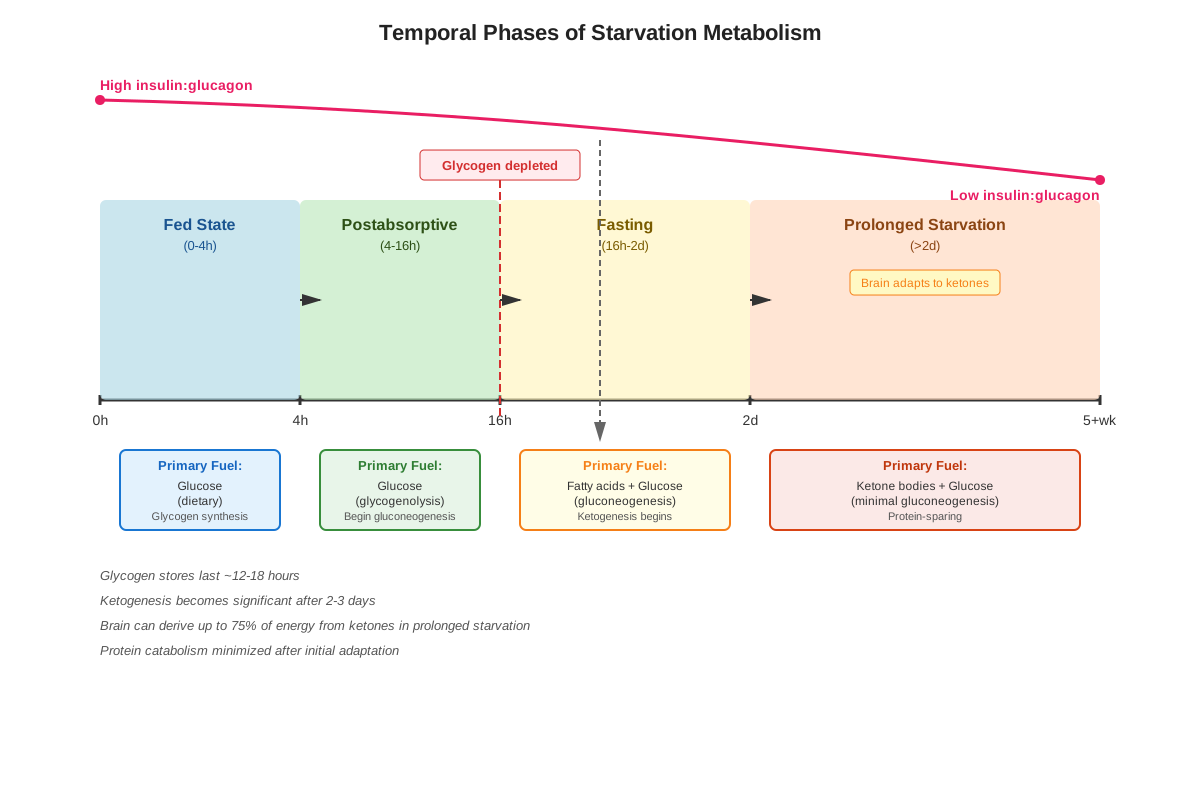
Temporal Phases of Starvation
Starvation metabolism progresses through distinct phases, each characterized by different fuel sources and metabolic priorities:
Phase 1: Post-Absorptive State (0-12 hours)
During the first several hours after the last meal, the body relies primarily on glycogenolysis to maintain blood glucose. The liver contains approximately 100-120 grams of glycogen, which can sustain blood glucose for 12-18 hours depending on activity level. Muscle glycogen (about 400 grams total) cannot directly contribute to blood glucose because muscle lacks glucose-6-phosphatase, the enzyme required to release free glucose into the bloodstream. During this phase, the brain continues to use glucose exclusively (approximately 120 grams per day), and red blood cells remain entirely glucose-dependent. The insulin-to-glucagon ratio begins to decrease, signaling the transition from fed to fasted metabolism.
Phase 2: Early Starvation (12-48 hours)
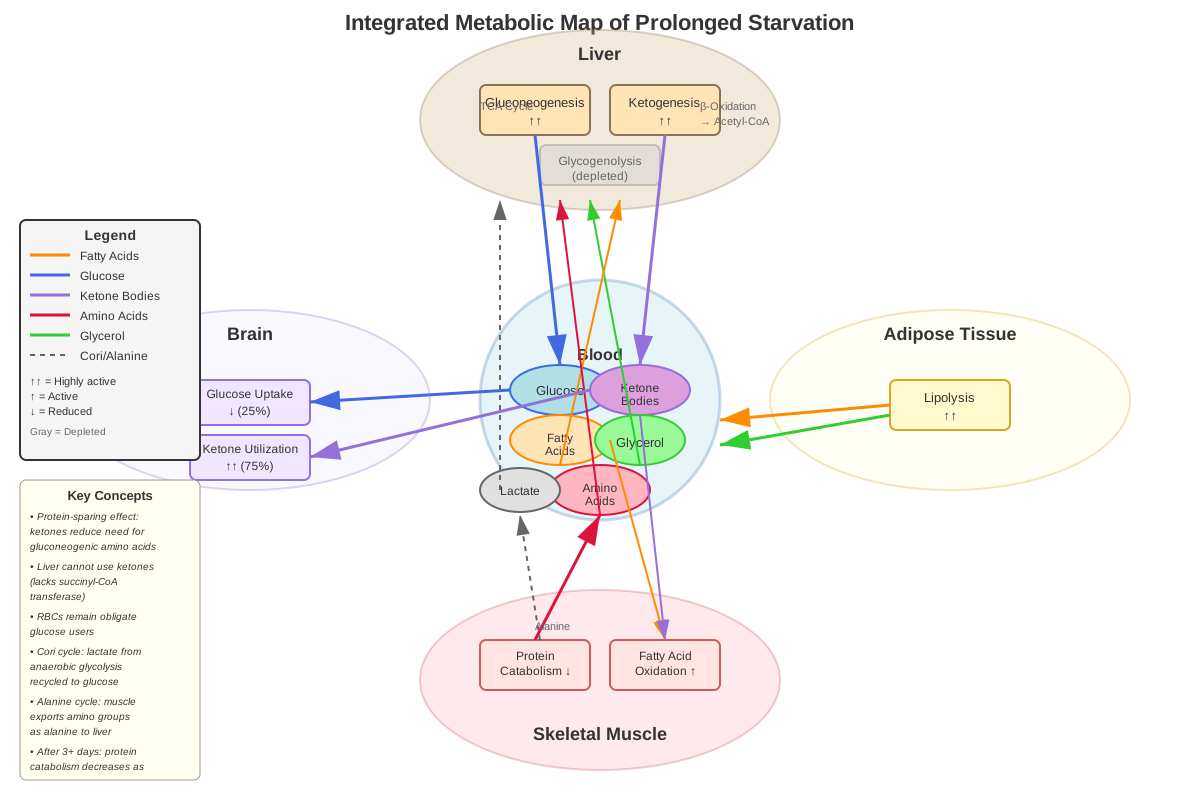
As hepatic glycogen stores become depleted, gluconeogenesis becomes the primary source of blood glucose. The liver synthesizes glucose from three main precursors: lactate (from anaerobic glycolysis in red blood cells and muscle), glycerol (from triglyceride breakdown), and glucogenic amino acids (primarily alanine from muscle protein). During this phase, adipose tissue increases lipolysis, releasing fatty acids and glycerol into the bloodstream. Fatty acids undergo beta-oxidation in the liver and other tissues to generate ATP, while the liver begins producing ketone bodies (acetoacetate and beta-hydroxybutyrate) from acetyl-CoA. The brain still relies predominantly on glucose, but ketone body production is increasing.
Phase 3: Prolonged Starvation (2-7 days)
After several days of fasting, ketogenesis accelerates dramatically, and ketone bodies become a major fuel source. The brain adapts to use ketone bodies for up to 60-70% of its energy needs, significantly reducing glucose requirements from 120 grams per day to approximately 40 grams per day. This metabolic adaptation is crucial for survival because it reduces the need for gluconeogenesis from amino acids, thereby sparing muscle protein. Fatty acids from adipose tissue become the primary fuel for most tissues (heart, skeletal muscle, liver), while the liver continues producing ketone bodies and glucose. The rate of protein catabolism decreases as ketone utilization increases.
Phase 4: Extended Starvation (Beyond 1 week)
During extended starvation lasting weeks, the body maximizes protein conservation while continuing to mobilize fat stores. Ketone bodies remain the primary fuel for the brain and many other tissues. Gluconeogenesis continues at a reduced rate, primarily using glycerol and amino acids from essential protein turnover. The metabolic rate may decrease slightly as an adaptive mechanism to conserve energy. Eventually, when fat stores are depleted (typically after several weeks), protein catabolism must increase to provide gluconeogenic substrates, leading to muscle wasting and eventual death if starvation continues.
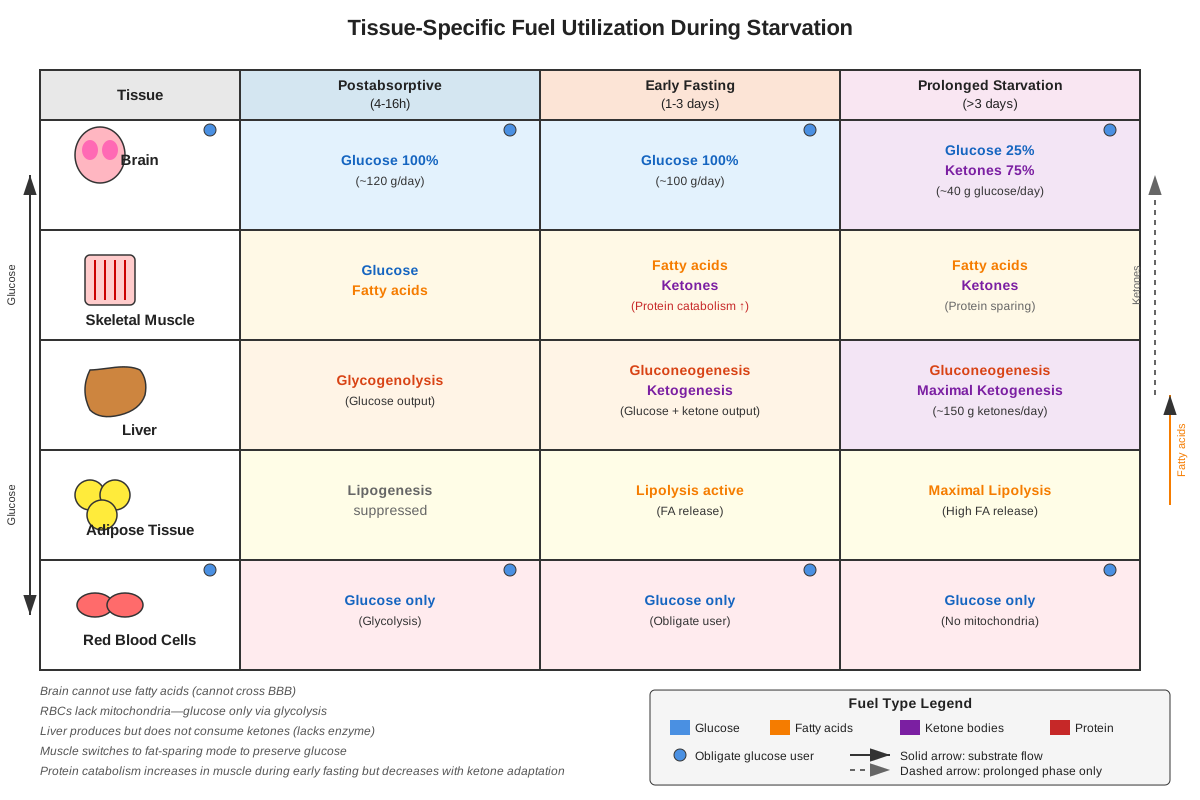
Tissue-Specific Fuel Utilization
Different tissues have distinct metabolic capabilities and fuel preferences during starvation:
| Tissue | Fed State Fuel | Early Starvation | Prolonged Starvation | Metabolic Constraints |
|---|---|---|---|---|
| Brain | Glucose only | Glucose only | Glucose + ketones (60-70% ketones) | Cannot use fatty acids (cannot cross blood-brain barrier) |
| Red Blood Cells | Glucose only | Glucose only | Glucose only | No mitochondria; cannot use fatty acids or ketones |
| Heart | Fatty acids, glucose, lactate | Fatty acids, ketones | Fatty acids, ketones | Highly metabolically flexible |
| Skeletal Muscle | Glucose, fatty acids | Fatty acids, ketones | Fatty acids, ketones | Can use multiple fuels; stores glycogen for own use |
| Liver | Glucose, fatty acids | Produces glucose and ketones | Produces glucose and ketones | Central metabolic hub; performs gluconeogenesis and ketogenesis |
| Adipose Tissue | Stores triglycerides | Releases fatty acids and glycerol | Releases fatty acids and glycerol | Primary energy storage depot |
Hormonal Regulation
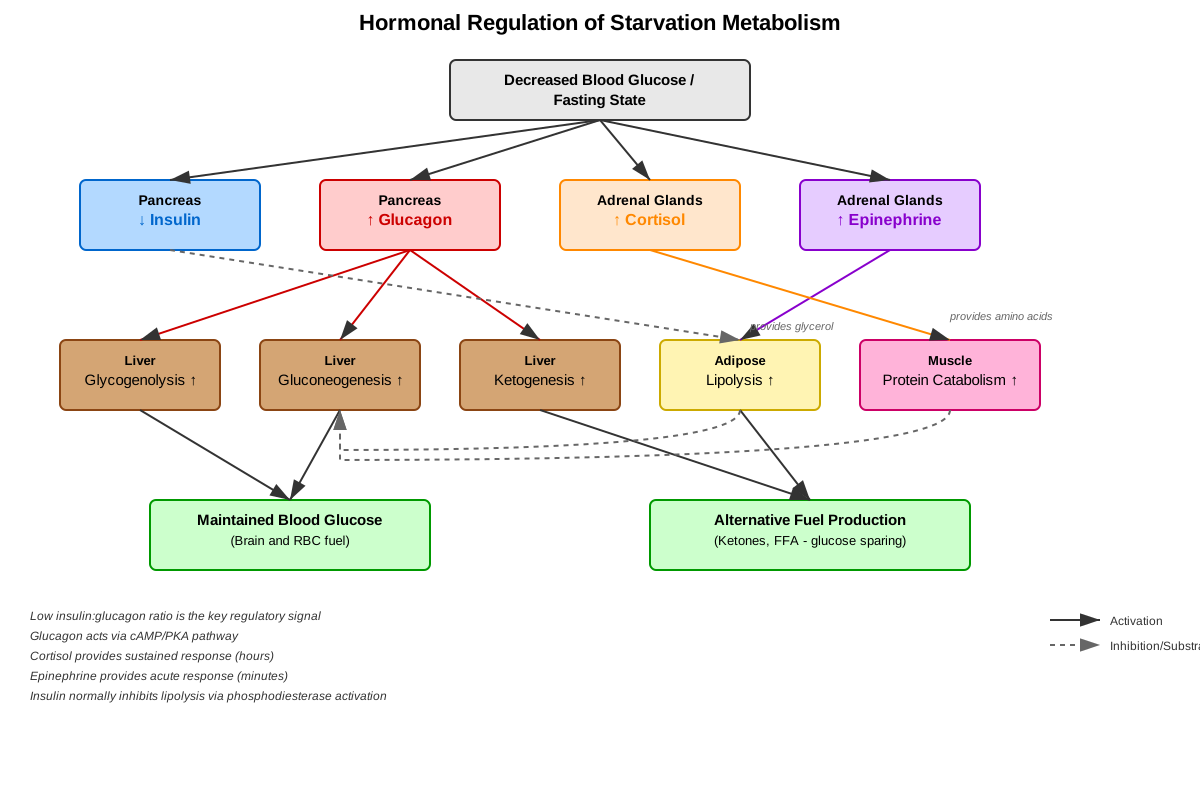
The metabolic shifts during starvation are orchestrated primarily by changes in the insulin-to-glucagon ratio:
Insulin (decreased during starvation):
- Normally promotes glucose uptake, glycogen synthesis, lipogenesis, and protein synthesis
- Low insulin levels during starvation remove the brake on catabolic processes
- Decreased insulin allows increased lipolysis, gluconeogenesis, and ketogenesis
Glucagon (increased during starvation):
- Stimulates glycogenolysis and gluconeogenesis in the liver
- Promotes lipolysis in adipose tissue
- Activates ketogenesis by increasing fatty acid delivery to the liver
- Inhibits glycolysis and promotes the breakdown of stored fuels
Other hormones also contribute:
- Cortisol: Increases protein catabolism and provides amino acids for gluconeogenesis; enhances gluconeogenic enzyme expression
- Epinephrine: Stimulates glycogenolysis and lipolysis during acute stress or hypoglycemia
- Growth hormone: Promotes lipolysis and has anti-insulin effects, helping to maintain blood glucose
Ketogenesis and Ketone Body Metabolism
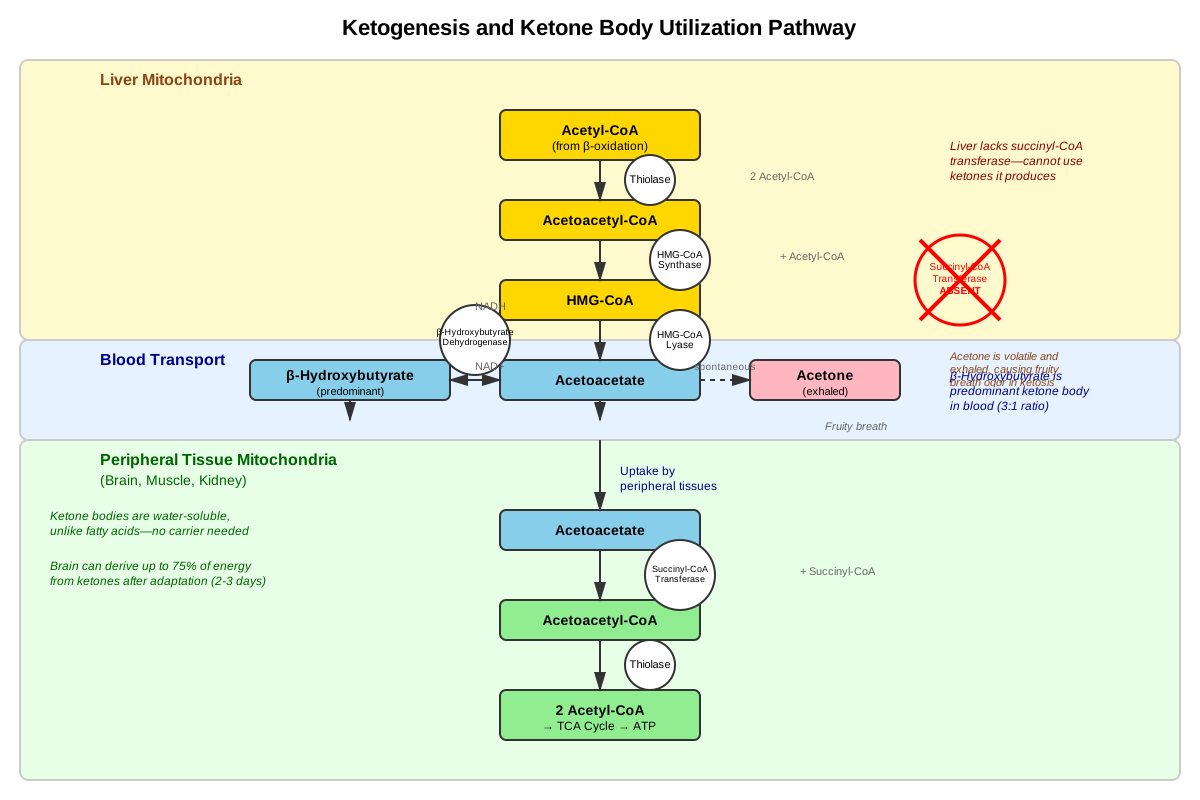
Ketogenesis is the synthesis of ketone bodies from acetyl-CoA in the liver mitochondria. This process becomes essential during starvation when fatty acid oxidation produces more acetyl-CoA than can be processed through the citric acid cycle. The pathway proceeds as follows:
- Two acetyl-CoA molecules condense to form acetoacetyl-CoA (catalyzed by thiolase)
- Acetoacetyl-CoA combines with another acetyl-CoA to form HMG-CoA (catalyzed by HMG-CoA synthase)
- HMG-CoA is cleaved to form acetoacetate and acetyl-CoA (catalyzed by HMG-CoA lyase)
- Acetoacetate can be reduced to beta-hydroxybutyrate or spontaneously decarboxylate to acetone
The liver produces ketone bodies but cannot use them because it lacks the enzyme succinyl-CoA:acetoacetate CoA-transferase (also called thiophorase). Peripheral tissues, including the brain after adaptation, can convert ketone bodies back to acetyl-CoA for energy production through the citric acid cycle. Ketone bodies provide several advantages during starvation: they are water-soluble (unlike fatty acids), can cross the blood-brain barrier, and their use spares glucose and protein.
Gluconeogenesis During Starvation
Gluconeogenesis is the synthesis of glucose from non-carbohydrate precursors, occurring primarily in the liver (and to a lesser extent in the kidney cortex during prolonged starvation). The major substrates are:
Lactate: Produced by red blood cells and exercising muscle through anaerobic glycolysis; converted to glucose via the Cori cycle
Glycerol: Released from triglyceride breakdown in adipose tissue; enters gluconeogenesis at the level of DHAP
Amino acids: Primarily alanine and glutamine from muscle protein; alanine is converted to pyruvate, glutamine to alpha-ketoglutarate
Key regulatory points include:
- Pyruvate carboxylase: Activated by acetyl-CoA (abundant during fatty acid oxidation), catalyzes the first committed step
- PEPCK (phosphoenolpyruvate carboxykinase): Rate-limiting enzyme induced by glucagon and cortisol
- Fructose-1,6-bisphosphatase: Opposes the glycolytic enzyme PFK-1; active when energy charge is high
- Glucose-6-phosphatase: Final step, present only in liver and kidney; allows glucose release into blood
Protein Catabolism and Nitrogen Balance
During starvation, the body must balance the need for gluconeogenic amino acids against the imperative to preserve functional proteins. Initially, protein catabolism is relatively high (approximately 75 grams per day), providing amino acids for gluconeogenesis. As ketone body production increases and the brain adapts to use ketones, protein breakdown decreases to approximately 20 grams per day, representing the minimum turnover of essential proteins. The glucose-alanine cycle facilitates nitrogen transport from muscle to liver: muscle protein breaks down to amino acids, which are transaminated to alanine; alanine travels to the liver where it is converted to pyruvate for gluconeogenesis, with the amino group forming urea for excretion.
Metabolic Acidosis and Ketone Bodies
High levels of ketone bodies during prolonged starvation can lead to ketosis and potentially ketoacidosis. Acetoacetate and beta-hydroxybutyrate are organic acids that dissociate at physiological pH, releasing protons and lowering blood pH. In normal starvation, the body maintains acid-base balance through several mechanisms: increased ventilation (blowing off CO₂), renal excretion of protons, and buffering by bicarbonate. However, ketone body levels during starvation typically reach 5-8 mM, which is manageable. In contrast, diabetic ketoacidosis can produce ketone levels exceeding 20 mM, overwhelming buffering capacity and causing severe metabolic acidosis. The MCAT may test the distinction between physiological ketosis (starvation) and pathological ketoacidosis (diabetes).
Concept Relationships
The concepts within starvation metabolism form an integrated network of metabolic adaptations. The temporal progression creates a logical sequence: glycogen depletion → activation of gluconeogenesis → increased lipolysis → ketogenesis → brain adaptation to ketones → protein sparing. Each phase depends on the preceding changes and sets the stage for subsequent adaptations.
Hormonal regulation serves as the master control system: the decreased insulin-to-glucagon ratio simultaneously activates catabolic pathways (lipolysis, gluconeogenesis, ketogenesis) while suppressing anabolic pathways (glycolysis, lipogenesis, protein synthesis). This hormonal signal coordinates tissue-specific responses, ensuring that glucose-dependent tissues receive adequate fuel while other tissues switch to alternative fuels.
The relationship between ketogenesis and gluconeogenesis is particularly important: as ketone body production increases, the brain's glucose requirement decreases, which reduces the need for gluconeogenesis from amino acids, thereby sparing muscle protein. This represents a crucial survival adaptation that extends the time an individual can survive without food.
Connections to prerequisite topics include: glycolysis (suppressed during starvation), glycogen metabolism (depleted early in fasting), beta-oxidation (provides acetyl-CoA for ketogenesis and ATP for tissues), and amino acid metabolism (provides substrates for gluconeogenesis). The topic also connects forward to understanding diabetes mellitus (where insulin deficiency creates a starvation-like state despite hyperglycemia), metabolic disorders (such as defects in fatty acid oxidation or gluconeogenesis), and acid-base physiology (ketoacidosis).
The concept map flows as: Fasting → ↓Insulin/↑Glucagon → Glycogenolysis (hours 0-12) → Gluconeogenesis + Lipolysis (hours 12-48) → Ketogenesis (days 2-7) → Brain ketone adaptation + Protein sparing (beyond 1 week) → Survival extension.
Quick check — test yourself on Starvation metabolism so far.
Try Flashcards →High-Yield Facts
⭐ The brain normally requires approximately 120 grams of glucose per day but can adapt to use ketone bodies for 60-70% of its energy needs during prolonged starvation, reducing glucose requirements to about 40 grams per day.
⭐ Red blood cells lack mitochondria and therefore cannot use fatty acids or ketone bodies; they remain absolutely dependent on glucose throughout starvation.
⭐ The liver produces ketone bodies during starvation but cannot use them because it lacks the enzyme succinyl-CoA:acetoacetate CoA-transferase (thiophorase).
⭐ Muscle glycogen cannot directly contribute to blood glucose because muscle lacks glucose-6-phosphatase, the enzyme required to release free glucose into the bloodstream.
⭐ The primary hormonal signal driving starvation metabolism is a decreased insulin-to-glucagon ratio, which activates catabolic pathways and suppresses anabolic pathways.
- Hepatic glycogen stores (100-120 grams) are typically depleted within 12-18 hours of fasting, necessitating the switch to gluconeogenesis.
- The three major substrates for gluconeogenesis during starvation are lactate (via Cori cycle), glycerol (from lipolysis), and glucogenic amino acids (primarily alanine from muscle).
- Ketone bodies (acetoacetate and beta-hydroxybutyrate) are produced in liver mitochondria from acetyl-CoA when fatty acid oxidation exceeds the capacity of the citric acid cycle.
- Acetyl-CoA activates pyruvate carboxylase, the first committed step of gluconeogenesis, creating a link between fatty acid oxidation and glucose synthesis.
- During prolonged starvation, protein catabolism decreases from approximately 75 grams per day initially to about 20 grams per day as ketone body utilization increases, representing a protein-sparing adaptation.
- The respiratory quotient (RQ) decreases during starvation from approximately 0.85 (mixed fuel) to 0.7 (primarily fat oxidation), reflecting the shift to lipid-based metabolism.
- Cortisol levels increase during starvation, promoting protein catabolism and enhancing gluconeogenic enzyme expression, while growth hormone promotes lipolysis.
- The kidney cortex can perform gluconeogenesis during prolonged starvation, contributing up to 40% of glucose production and helping to excrete acid by producing ammonia from glutamine.
Common Misconceptions
Misconception: The brain can use fatty acids for fuel during starvation.
Correction: Fatty acids cannot cross the blood-brain barrier due to their hydrophobic nature and binding to albumin in the blood. The brain can only use glucose and ketone bodies (which are water-soluble and can cross the blood-brain barrier). This is why ketogenesis is essential for survival during prolonged starvation.
Misconception: Muscle glycogen can be broken down to provide glucose for the blood during fasting.
Correction: While muscle contains substantial glycogen stores (approximately 400 grams), muscle lacks glucose-6-phosphatase, the enzyme required to convert glucose-6-phosphate to free glucose. Therefore, muscle glycogen can only be used by the muscle itself for its own energy needs, not to maintain blood glucose levels.
Misconception: Ketoacidosis and starvation ketosis are the same condition.
Correction: Starvation ketosis is a physiological adaptation where ketone body levels reach 5-8 mM and the body maintains acid-base balance through compensatory mechanisms. Diabetic ketoacidosis is a pathological state where ketone levels exceed 20 mM, overwhelming buffering capacity and causing severe metabolic acidosis with a pH below 7.3. The key difference is the magnitude of ketone production and the body's ability to compensate.
Misconception: During starvation, the body immediately begins breaking down muscle protein for energy.
Correction: The body follows a hierarchical fuel utilization strategy: first glycogen (0-12 hours), then primarily fat with some protein for gluconeogenesis (12 hours to several days), and finally maximal protein sparing as ketone utilization increases (after several days). Protein catabolism actually decreases during prolonged starvation as the brain adapts to use ketones, preserving muscle mass as long as fat stores remain.
Misconception: All tissues can use ketone bodies for fuel during starvation.
Correction: Red blood cells cannot use ketone bodies because they lack mitochondria, where ketone body metabolism occurs. Additionally, the liver produces ketone bodies but cannot use them because it lacks thiophorase. Most other tissues, including the brain after adaptation, can use ketone bodies effectively.
Misconception: Gluconeogenesis and glycolysis can occur simultaneously in the same cell.
Correction: These pathways are reciprocally regulated and cannot both be active at the same time in the same cell. When gluconeogenesis is active (during starvation), glycolysis is inhibited through multiple mechanisms including allosteric regulation and hormonal control. The key regulatory points (PFK-1/FBPase-1 and pyruvate kinase/PEPCK) ensure that only one pathway operates at a time.
Misconception: Fat can be converted to glucose in humans.
Correction: While glycerol from triglyceride breakdown can be used for gluconeogenesis, the fatty acid chains cannot be converted to glucose in humans. This is because fatty acids are broken down to acetyl-CoA, which cannot be converted back to pyruvate or oxaloacetate for net glucose synthesis (the two carbons entering the citric acid cycle as acetyl-CoA are lost as CO₂). This is why protein catabolism is necessary during prolonged starvation to provide gluconeogenic substrates.
Worked Examples
Example 1: Timeline of Metabolic Changes
Question: A healthy adult begins a prolonged fast. At 6 hours, 24 hours, and 5 days into the fast, which metabolic pathways are most active in the liver, and what is the primary fuel source for the brain at each time point?
Solution:
At 6 hours (post-absorptive state):
- The liver is primarily performing glycogenolysis, breaking down stored glycogen to maintain blood glucose
- Gluconeogenesis is beginning to increase but is not yet the dominant source of glucose
- The brain is using glucose exclusively (approximately 120 grams per day)
- Reasoning: Hepatic glycogen stores are sufficient for 12-18 hours, so at 6 hours, glycogen breakdown is still the primary mechanism for maintaining blood glucose
At 24 hours (early starvation):
- The liver is now primarily performing gluconeogenesis from lactate, glycerol, and amino acids
- Glycogen stores are depleted or nearly depleted
- Ketogenesis is increasing as fatty acid oxidation accelerates
- The brain is still using glucose predominantly, but ketone body levels are rising
- Reasoning: After 24 hours, hepatic glycogen is exhausted, necessitating glucose synthesis from non-carbohydrate precursors. The low insulin-to-glucagon ratio promotes lipolysis and the resulting fatty acids undergo beta-oxidation, producing acetyl-CoA that exceeds citric acid cycle capacity, leading to ketone body production
At 5 days (prolonged starvation):
- The liver continues gluconeogenesis but at a reduced rate (producing approximately 40 grams of glucose per day instead of 120 grams)
- Ketogenesis is maximally active, producing high levels of ketone bodies
- The brain is now using ketone bodies for 60-70% of its energy needs, with glucose providing the remaining 30-40%
- Reasoning: After several days, the brain has upregulated the enzymes necessary to use ketone bodies efficiently. This adaptation dramatically reduces glucose requirements, which in turn reduces the need for gluconeogenesis from amino acids, sparing muscle protein
Key concept: The temporal progression of starvation metabolism reflects the body's hierarchical fuel utilization strategy and the time required for enzymatic adaptations, particularly in the brain.
Example 2: Tissue-Specific Fuel Utilization
Question: A researcher measures fuel utilization in different tissues during prolonged starvation (day 7 of fasting). For each tissue listed, identify which fuels it can use and explain the metabolic basis for these capabilities or limitations: (A) brain, (B) red blood cells, (C) cardiac muscle, (D) liver.
Solution:
(A) Brain during prolonged starvation:
- Can use: Glucose and ketone bodies (approximately 30-40% glucose, 60-70% ketones)
- Cannot use: Fatty acids
- Explanation: The brain has high energy demands and requires continuous fuel supply. Fatty acids cannot cross the blood-brain barrier because they are hydrophobic and bound to albumin. Glucose can cross via GLUT1 and GLUT3 transporters. After several days of starvation, the brain upregulates monocarboxylate transporters (MCTs) and the enzymes necessary to convert ketone bodies to acetyl-CoA (succinyl-CoA:acetoacetate CoA-transferase and beta-hydroxybutyrate dehydrogenase). This adaptation is crucial for survival because it reduces glucose requirements and spares protein.
(B) Red blood cells:
- Can use: Glucose only
- Cannot use: Fatty acids, ketone bodies, or any other fuel
- Explanation: Red blood cells lack mitochondria and therefore cannot perform oxidative phosphorylation, beta-oxidation, or ketone body metabolism. They rely entirely on anaerobic glycolysis to produce ATP, converting glucose to lactate. The lactate is then transported to the liver where it can be converted back to glucose via the Cori cycle. This absolute glucose dependence means that maintaining blood glucose is essential for red blood cell function throughout starvation.
(C) Cardiac muscle:
- Can use: Fatty acids (primary), ketone bodies, lactate, and glucose
- Explanation: The heart is highly metabolically flexible and preferentially uses fatty acids under most conditions because they provide the most ATP per molecule. During starvation, the heart readily uses fatty acids from lipolysis and ketone bodies produced by the liver. The heart has abundant mitochondria and high levels of enzymes for beta-oxidation and ketone body metabolism. This flexibility allows the heart to spare glucose for glucose-dependent tissues.
(D) Liver:
- Can use: Fatty acids for its own energy needs
- Produces but cannot use: Glucose (via gluconeogenesis) and ketone bodies (via ketogenesis)
- Explanation: The liver is the metabolic hub during starvation. It performs beta-oxidation of fatty acids to generate ATP for its own needs and acetyl-CoA for ketogenesis. However, the liver lacks thiophorase (succinyl-CoA:acetoacetate CoA-transferase), so it cannot metabolize the ketone bodies it produces—these are exported for use by peripheral tissues. The liver also produces glucose via gluconeogenesis but typically uses fatty acids rather than glucose for its own energy needs during starvation, sparing the glucose for export to glucose-dependent tissues.
Key concept: Tissue-specific metabolic capabilities determine fuel utilization patterns during starvation, with the liver serving as the central producer of fuels (glucose and ketones) for other tissues.
Exam Strategy
Approaching MCAT Questions on Starvation Metabolism
When encountering questions about starvation metabolism, follow this systematic approach:
- Identify the time frame: Determine whether the question describes early fasting (hours), early starvation (1-2 days), or prolonged starvation (beyond several days). The dominant pathways and fuel sources differ significantly across these phases.
- Consider the hormonal state: Look for clues about insulin and glucagon levels. A low insulin-to-glucagon ratio signals catabolic metabolism (gluconeogenesis, lipolysis, ketogenesis active; glycolysis, lipogenesis suppressed).
- Think tissue-specifically: Different tissues have different metabolic capabilities. Always consider which tissue is being discussed and what fuels it can use.
- Follow the carbon: Track where carbon atoms come from and where they go. For example, fatty acids cannot produce net glucose because their carbons enter as acetyl-CoA and exit as CO₂ in the citric acid cycle.
Trigger Words and Phrases
Watch for these key terms that signal starvation metabolism questions:
- "Prolonged fasting," "starvation," "food deprivation": Direct indicators of the topic
- "Low insulin-to-glucagon ratio": Signals catabolic state
- "Ketone bodies," "ketosis," "acetoacetate," "beta-hydroxybutyrate": Indicates prolonged starvation with active ketogenesis
- "Gluconeogenesis," "glucose synthesis from non-carbohydrate precursors": Active during fasting
- "Protein sparing," "reduced protein catabolism": Describes adaptation during prolonged starvation
- "Brain adaptation," "alternative fuel for the brain": Refers to ketone body utilization
- "Respiratory quotient (RQ) of 0.7": Indicates primarily fat oxidation
- "Cori cycle," "glucose-alanine cycle": Describes substrate cycling during starvation
Process-of-Elimination Tips
When evaluating answer choices:
- Eliminate options suggesting the brain can use fatty acids: This is never correct; the brain can only use glucose and ketones
- Eliminate options suggesting red blood cells can use anything other than glucose: RBCs lack mitochondria and require glucose
- Eliminate options suggesting muscle glycogen contributes to blood glucose: Muscle lacks glucose-6-phosphatase
- Eliminate options suggesting fatty acids can be converted to glucose: This is biochemically impossible in humans
- Eliminate options that confuse fed-state and fasted-state metabolism: Glycolysis and lipogenesis are suppressed during starvation, not active
Time Allocation Advice
For discrete questions on starvation metabolism, allocate 60-90 seconds. These typically test straightforward recall of which pathways are active, which tissues use which fuels, or the timeline of metabolic changes.
For passage-based questions, allocate 1.5-2 minutes per question. These often require integration of information from the passage (such as experimental data or clinical presentation) with your knowledge of starvation metabolism. Read the passage carefully for clues about the time frame, hormonal state, and specific tissues involved.
Exam Tip: If a question asks about fuel utilization in a specific tissue, immediately recall that tissue's metabolic constraints (presence/absence of mitochondria, enzyme expression, blood-brain barrier considerations). This focused approach prevents confusion and saves time.
Memory Techniques
Mnemonic for Gluconeogenic Substrates
"LAG" behind in starvation:
- Lactate (from Cori cycle)
- Amino acids (especially alanine)
- Glycerol (from lipolysis)
Mnemonic for Tissues That MUST Have Glucose
"RBC" = Red Blood Cells (and Brain initially):
- Red blood cells: Always require glucose (no mitochondria)
- Brain: Requires glucose initially, adapts to use ketones
- Cannot use fatty acids: Neither tissue can use fatty acids
Timeline Visualization
Visualize starvation as a three-stage rocket:
- Stage 1 (0-12 hours): Glycogen fuel tank depletes
- Stage 2 (12 hours - several days): Fat fuel tank activates, protein used for glucose
- Stage 3 (beyond several days): Fat remains primary fuel, protein sparing kicks in as brain adapts to ketones
Ketogenesis Pathway Memory Aid
"Two Acetyl-CoAs Have Made Ketones":
- Two acetyl-CoA → acetoacetyl-CoA (thiolase)
- Acetyl-CoA + acetoacetyl-CoA → HMG-CoA (HMG-CoA synthase)
- Have HMG-CoA → acetoacetate (HMG-CoA lyase)
- Made acetoacetate → beta-hydroxybutyrate (reduction)
- Ketones = final products
Hormonal Regulation Memory Device
"I Go Low, Catabolism Flows":
- I (Insulin) Go (Glucagon) Low (Low insulin-to-glucagon ratio)
- Catabolism Flows: Lipolysis, gluconeogenesis, ketogenesis all increase
Reciprocal Regulation Reminder
Think of PFK-1 and FBPase-1 as a metabolic seesaw: When one is up (active), the other is down (inactive). During starvation, FBPase-1 is up (gluconeogenesis active) and PFK-1 is down (glycolysis inactive). The same principle applies to pyruvate kinase (glycolysis) and PEPCK (gluconeogenesis).
Summary
Starvation metabolism represents the body's coordinated response to prolonged fasting, characterized by a temporal progression through distinct metabolic phases. Initially, hepatic glycogenolysis maintains blood glucose for 12-18 hours. As glycogen depletes, gluconeogenesis from lactate, glycerol, and amino acids becomes the primary source of glucose. Simultaneously, adipose tissue increases lipolysis, releasing fatty acids that undergo beta-oxidation in most tissues. The liver converts excess acetyl-CoA from fatty acid oxidation into ketone bodies, which accumulate in the blood. After several days, the brain adapts to use ketone bodies for 60-70% of its energy needs, dramatically reducing glucose requirements from 120 to 40 grams per day. This adaptation spares muscle protein by reducing the need for gluconeogenesis from amino acids. Throughout starvation, the low insulin-to-glucagon ratio orchestrates these changes, activating catabolic pathways while suppressing anabolic processes. Red blood cells remain absolutely glucose-dependent due to their lack of mitochondria, while the heart and skeletal muscle preferentially use fatty acids and ketones. The liver serves as the metabolic hub, producing both glucose and ketone bodies for export to other tissues while using fatty acids for its own energy needs. Understanding these integrated metabolic adaptations is essential for predicting physiological responses to fasting and for recognizing pathological states that mimic or disrupt normal starvation metabolism.
Key Takeaways
- Starvation metabolism progresses through distinct temporal phases: glycogenolysis (0-12 hours) → gluconeogenesis + lipolysis (12-48 hours) → ketogenesis + brain adaptation (2-7 days) → protein sparing (beyond 1 week)
- The decreased insulin-to-glucagon ratio is the master hormonal signal that coordinates the shift from anabolic to catabolic metabolism, activating gluconeogenesis, lipolysis, and ketogenesis while suppressing glycolysis and lipogenesis
- Brain adaptation to ketone bodies is the key protein-sparing mechanism: by meeting 60-70% of the brain's energy needs with ketones, glucose requirements drop from 120 to 40 grams per day, reducing the need for gluconeogenesis from amino acids
- Tissue-specific metabolic constraints determine fuel utilization: red blood cells require glucose (no mitochondria), the brain uses glucose and ketones (fatty acids cannot cross blood-brain barrier), while heart and muscle preferentially use fatty acids and ketones
- The liver is the central metabolic hub during starvation, performing gluconeogenesis and ketogenesis to supply fuels to other tissues while using fatty acids for its own energy needs; it produces but cannot use ketone bodies due to lack of thiophorase
- Gluconeogenic substrates follow the "LAG" principle: Lactate (Cori cycle), Amino acids (especially alanine), and Glycerol (from lipolysis) provide the carbon skeletons for glucose synthesis, but fatty acids cannot contribute to net glucose production
- Muscle glycogen cannot contribute to blood glucose because muscle lacks glucose-6-phosphatase, distinguishing it from hepatic glycogen which can be broken down to release free glucose into the bloodstream
Related Topics
Diabetes Mellitus and Diabetic Ketoacidosis: Understanding starvation metabolism provides the foundation for comprehending how insulin deficiency in type 1 diabetes creates a paradoxical starvation-like state despite hyperglycemia, leading to excessive ketone production and metabolic acidosis. Mastering starvation metabolism enables you to distinguish physiological ketosis from pathological ketoacidosis.
Fed-State Metabolism and Metabolic Integration: Starvation metabolism is best understood in contrast to fed-state metabolism. Studying how the body shifts between anabolic (fed) and catabolic (fasted) states provides a comprehensive view of metabolic regulation and hormonal control.
Lipid Metabolism and Ketone Body Metabolism: Deep understanding of beta-oxidation, ketogenesis, and ketone body utilization in peripheral tissues builds directly on starvation metabolism concepts and explains the biochemical basis for the metabolic shifts during fasting.
Amino Acid Metabolism and Nitrogen Balance: The glucose-alanine cycle, protein catabolism, and the concept of protein sparing during starvation connect to broader topics in amino acid metabolism, including transamination, deamination, and the urea cycle.
Metabolic Disorders: Defects in fatty acid oxidation, gluconeogenesis, or ketone body metabolism can present with symptoms during fasting. Understanding normal starvation metabolism is essential for recognizing how these disorders disrupt metabolic homeostasis.
Acid-Base Physiology: The production of ketone bodies during starvation has implications for acid-base balance, connecting biochemistry to renal and respiratory physiology topics that appear on the MCAT.
Practice CTA
Now that you have thoroughly reviewed starvation metabolism, it's time to reinforce your understanding through active practice. Attempt the practice questions and flashcards associated with this topic to test your ability to apply these concepts to MCAT-style questions. Focus particularly on questions that require you to integrate multiple concepts, predict metabolic consequences in different tissues, and distinguish between different phases of starvation. Remember that mastery comes not just from reading but from actively working through problems and identifying gaps in your understanding. Each practice question you complete strengthens your ability to quickly and accurately answer similar questions on test day. You've built a strong foundation—now solidify it through deliberate practice!
Sign up free to keep reading
Create a free AnvayaPrep account to finish this MCAT guide on Starvation metabolism — plus flashcards and practice questions.