Overview
Cell differentiation is the fundamental biological process by which a less specialized cell becomes a more specialized cell type with distinct structure and function. This process is central to understanding how a single fertilized egg—a totipotent zygote—develops into a complex multicellular organism containing hundreds of different cell types, each performing unique roles. During differentiation, cells undergo changes in gene expression patterns without altering their underlying DNA sequence, resulting in the activation of specific genes and silencing of others. This selective gene expression determines whether a cell becomes a neuron, muscle cell, epithelial cell, or any other specialized type.
For the MCAT, cell differentiation represents a critical intersection of multiple high-yield topics in Biology, including gene expression, developmental biology, cell signaling, and molecular regulation. The exam frequently tests students' understanding of how cells maintain their differentiated state, the role of transcription factors in directing differentiation pathways, and the clinical implications when differentiation goes awry (such as in cancer or developmental disorders). Questions may appear as standalone items or embedded within passages discussing stem cell research, embryonic development, tissue regeneration, or disease pathology.
Understanding cell differentiation provides essential context for numerous other concepts in Cell Biology and beyond. It connects directly to gene regulation mechanisms, epigenetic modifications, cell signaling cascades, and developmental biology. The topic also bridges to organ systems physiology, as each specialized cell type contributes to tissue and organ function. Moreover, cell differentiation principles underpin emerging medical technologies like induced pluripotent stem cells (iPSCs) and regenerative medicine—areas increasingly featured in contemporary MCAT passages that test both scientific knowledge and critical reasoning skills.
Learning Objectives
- [ ] Define Cell differentiation using accurate Biology terminology
- [ ] Explain why Cell differentiation matters for the MCAT
- [ ] Apply Cell differentiation to exam-style questions
- [ ] Identify common mistakes related to Cell differentiation
- [ ] Connect Cell differentiation to related Biology concepts
- [ ] Distinguish between totipotent, pluripotent, multipotent, and unipotent cells with specific examples
- [ ] Explain the molecular mechanisms that control differential gene expression during differentiation
- [ ] Analyze how environmental signals and transcription factors coordinate to direct cell fate decisions
- [ ] Evaluate the relationship between cell differentiation and cancer development
Prerequisites
- Gene expression and transcription: Understanding how genes are transcribed and translated is essential because differentiation fundamentally involves selective activation and repression of specific genes
- DNA structure and chromatin organization: Knowledge of how DNA is packaged affects comprehension of epigenetic mechanisms that maintain differentiated states
- Cell signaling pathways: Differentiation is often triggered and maintained by extracellular signals that activate intracellular cascades
- Basic embryology: Familiarity with early developmental stages (zygote, morula, blastula, gastrula) provides context for when and how differentiation occurs
- Protein synthesis: Differentiated cells produce distinct sets of proteins that define their specialized functions
Why This Topic Matters
Cell differentiation has profound clinical and research significance. In medicine, understanding differentiation is crucial for comprehending developmental disorders, cancer biology, and regenerative therapies. Cancer cells often exhibit dedifferentiation—reverting to a less specialized, more proliferative state—which explains their uncontrolled growth and ability to metastasize. Conversely, stem cell therapies aim to harness differentiation to replace damaged tissues in conditions ranging from spinal cord injuries to Parkinson's disease. The 2012 Nobel Prize in Physiology or Medicine was awarded for discovering that mature cells can be reprogrammed to become pluripotent, revolutionizing regenerative medicine possibilities.
On the MCAT, cell differentiation appears with moderate to high frequency, particularly in the Biological and Biochemical Foundations of Living Systems section. Exam statistics indicate that approximately 3-5% of biology questions directly or indirectly test differentiation concepts. Questions typically appear in three formats: (1) standalone discrete questions testing definitions and basic mechanisms, (2) passage-based questions analyzing experimental data about differentiation pathways, and (3) research-focused passages discussing stem cell applications or developmental biology studies. The AAMC particularly favors questions that integrate differentiation with gene regulation, cell signaling, or cancer biology.
Common passage contexts include experiments manipulating transcription factors to induce differentiation, studies comparing gene expression profiles between cell types, clinical scenarios involving stem cell transplantation, and evolutionary perspectives on multicellular organism development. The exam often presents data in the form of Western blots showing protein expression changes, fluorescence microscopy images of cell markers, or graphs depicting differentiation time courses. Students must interpret these data types while applying conceptual knowledge about differentiation mechanisms.
Core Concepts
Definition and Fundamental Principles
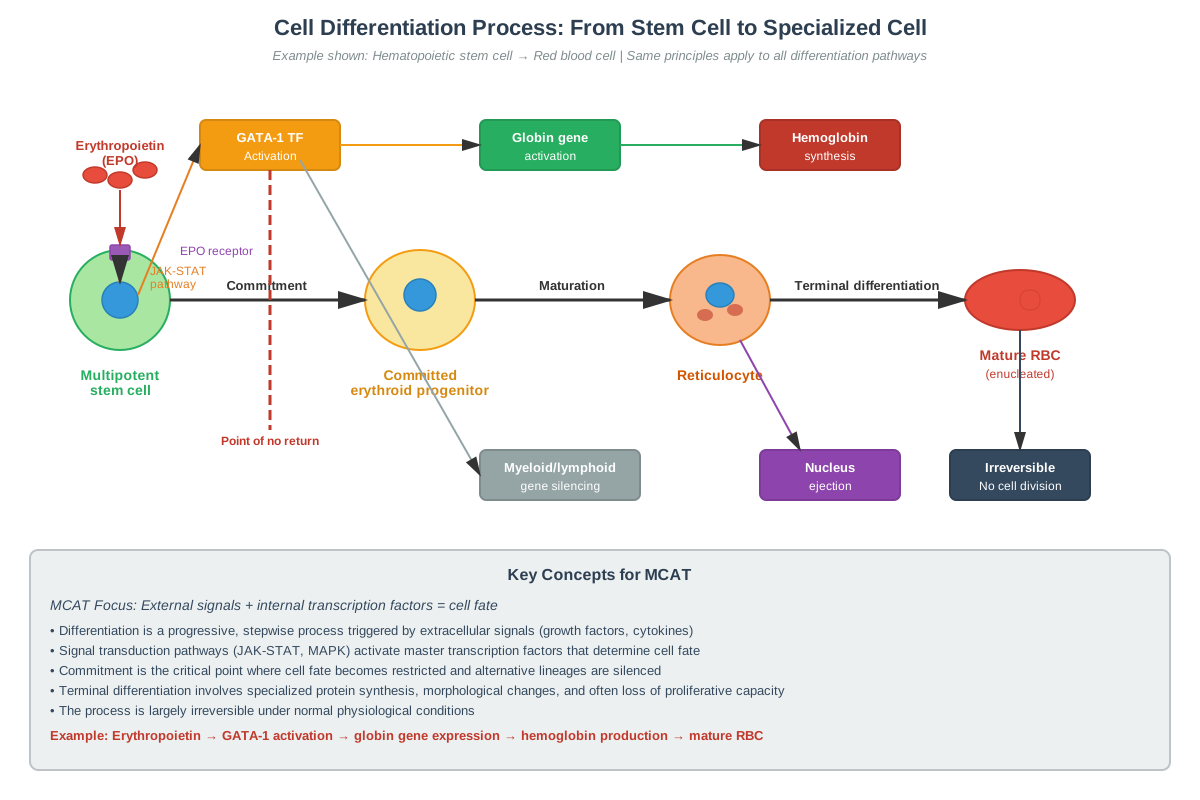
Cell differentiation is the process through which an unspecialized cell acquires specialized structural and functional characteristics. This transformation occurs through differential gene expression—the selective activation of certain genes and repression of others—without changes to the cell's DNA sequence. All cells in an organism (except gametes) contain identical genetic information, yet they express different subsets of genes, producing distinct proteins that determine cell identity and function.
The process is generally irreversible under normal physiological conditions, meaning differentiated cells typically maintain their specialized state throughout their lifetime. However, this stability can be disrupted experimentally (as in cellular reprogramming) or pathologically (as in cancer). Differentiation involves both determination (commitment to a particular fate, often not yet morphologically visible) and differentiation proper (expression of specialized characteristics).
Potency Hierarchy
Cell potency describes the differentiation potential of a cell—the range of cell types it can become. Understanding this hierarchy is essential for Cell differentiation MCAT questions:
| Potency Level | Definition | Examples | Developmental Stage |
|---|---|---|---|
| Totipotent | Can form all cell types including extraembryonic tissues (placenta) | Zygote, early blastomeres (up to 8-cell stage) | 0-3 days post-fertilization |
| Pluripotent | Can form all three germ layers but not extraembryonic tissues | Inner cell mass cells, embryonic stem cells (ESCs), induced pluripotent stem cells (iPSCs) | ~5-14 days (blastocyst stage) |
| Multipotent | Can form multiple related cell types within a lineage | Hematopoietic stem cells, neural stem cells, mesenchymal stem cells | Fetal through adult stages |
| Oligopotent | Can form a few closely related cell types | Lymphoid or myeloid progenitor cells | Fetal through adult stages |
| Unipotent | Can form only one cell type but retains self-renewal | Spermatogonial stem cells, hepatocytes (limited) | Adult tissues |
MCAT Exam Tip: Questions often test whether students can correctly identify potency levels from experimental descriptions. Remember: totipotent cells can make a complete organism; pluripotent cells cannot make placental tissues.
Molecular Mechanisms of Differentiation
Transcription Factors and Master Regulators
Transcription factors are proteins that bind to specific DNA sequences and regulate gene expression. Certain transcription factors, called master regulators or lineage-determining factors, can direct entire differentiation programs. Key examples include:
- MyoD (Myogenic Differentiation): Activates muscle-specific genes and converts fibroblasts to muscle cells when experimentally overexpressed
- PAX6: Essential for eye development; mutations cause aniridia (absence of iris)
- Oct4, Sox2, Nanog: Maintain pluripotency in embryonic stem cells; their downregulation permits differentiation
- GATA factors: Direct blood cell differentiation into specific lineages
These factors work through combinatorial control—multiple transcription factors acting together to activate or repress target genes. The specific combination present in a cell determines which genes are expressed and thus the cell's identity.
Epigenetic Modifications
Epigenetic changes are heritable modifications that affect gene expression without altering DNA sequence. These mechanisms maintain differentiated states across cell divisions:
- DNA methylation: Addition of methyl groups (CH₃) to cytosine bases, typically at CpG islands in gene promoters. Methylation generally silences genes and is maintained through cell divisions by DNA methyltransferases (DNMTs). Differentiated cells have specific methylation patterns that keep lineage-inappropriate genes silenced.
- Histone modifications: Chemical modifications to histone proteins affect chromatin structure and gene accessibility:
- Histone acetylation (by histone acetyltransferases, HATs): Generally activates transcription by loosening DNA-histone interactions
- Histone deacetylation (by histone deacetylases, HDACs): Represses transcription by tightening chromatin
- Histone methylation: Can activate or repress depending on which residue is modified (e.g., H3K4me3 activates; H3K27me3 represses)
- Chromatin remodeling: ATP-dependent complexes physically move, eject, or restructure nucleosomes to alter DNA accessibility
These epigenetic marks create cellular memory, ensuring daughter cells maintain the differentiated state of their parent cell.
Cell Signaling in Differentiation
External signals from the cellular environment trigger and guide differentiation through major signaling pathways:
- Wnt signaling: Regulates cell fate decisions during development; maintains stem cell populations
- Notch signaling: Mediates cell-cell communication; determines whether adjacent cells adopt the same or different fates (lateral inhibition)
- Hedgehog signaling: Patterns tissues during development; involved in neural tube and limb formation
- TGF-β/BMP signaling: Directs mesoderm and endoderm formation; regulates epithelial-mesenchymal transitions
- Growth factors (FGF, EGF, NGF): Promote survival and differentiation of specific cell types
These pathways ultimately converge on transcription factors that alter gene expression programs.
Differentiation During Development
During embryonic development, differentiation occurs in progressive waves:
- Cleavage stage (days 1-4): Totipotent cells divide without differentiation
- Blastocyst formation (day 5): First differentiation event separates inner cell mass (pluripotent) from trophoblast (will form placenta)
- Gastrulation (weeks 2-3): Pluripotent cells differentiate into three germ layers:
- Ectoderm: Forms nervous system, epidermis, neural crest derivatives
- Mesoderm: Forms muscle, bone, blood, connective tissue, cardiovascular system
- Endoderm: Forms gut lining, liver, pancreas, lungs
- Organogenesis (weeks 4-8): Germ layer cells further differentiate into specific organ cell types
- Fetal development and beyond: Continued specialization and maturation
Stem Cells and Regeneration
Stem cells are undifferentiated or partially differentiated cells capable of self-renewal and differentiation. They exist in two main categories:
- Embryonic stem cells (ESCs): Derived from inner cell mass; pluripotent; can be maintained in culture indefinitely
- Adult (somatic) stem cells: Tissue-resident stem cells; typically multipotent; maintain and repair specific tissues (e.g., hematopoietic stem cells in bone marrow, satellite cells in muscle)
Induced pluripotent stem cells (iPSCs) are adult somatic cells reprogrammed to a pluripotent state by introducing four transcription factors (Oct4, Sox2, Klf4, c-Myc—the Yamanaka factors). This breakthrough demonstrated that differentiation, while stable, is not absolutely irreversible and opened new avenues for regenerative medicine and disease modeling.
Differentiation and Cancer
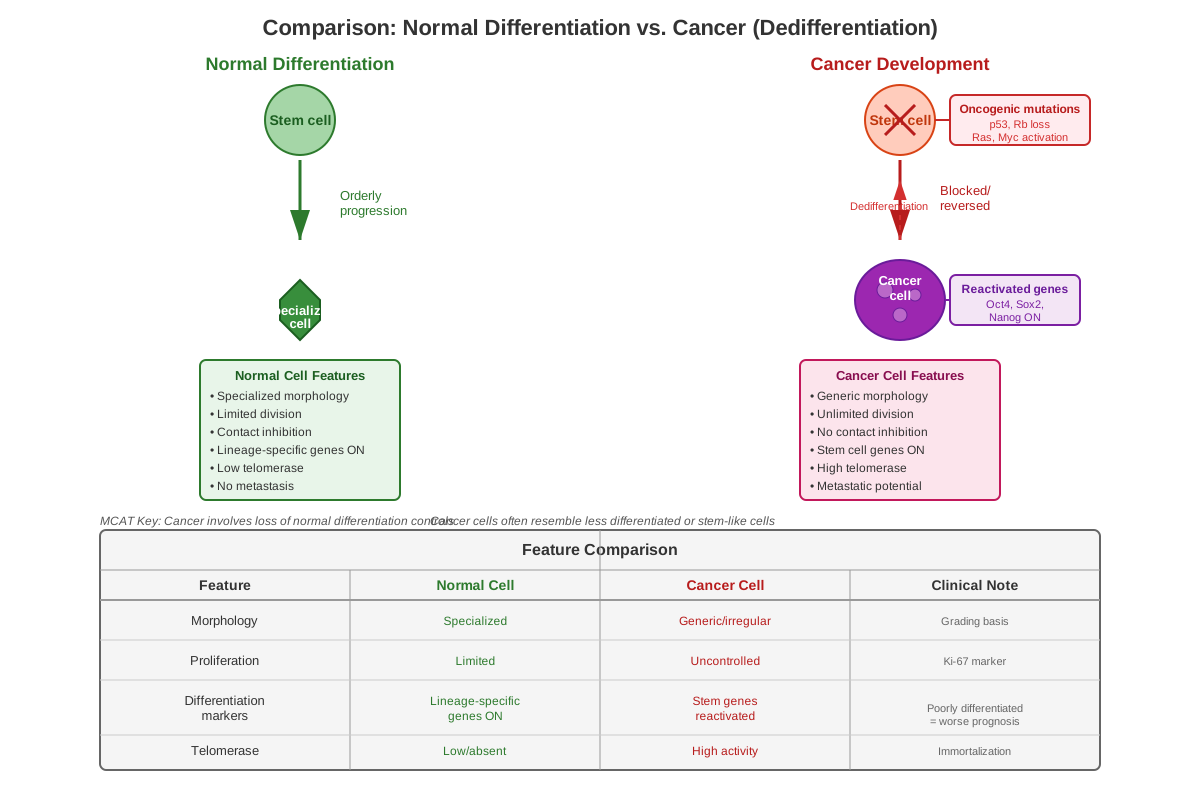
Cancer often involves dedifferentiation—loss of specialized characteristics and reversion to a more primitive, proliferative state. Cancer cells may:
- Lose tissue-specific markers and functions
- Reactivate genes normally expressed only in embryonic cells
- Acquire stem cell-like properties (cancer stem cells)
- Escape normal differentiation signals
Understanding differentiation helps explain why cancer cells divide uncontrollably and why differentiation therapy (forcing cancer cells to differentiate) represents a treatment strategy, particularly successful in acute promyelocytic leukemia (APL) treated with all-trans retinoic acid (ATRA).
Concept Relationships
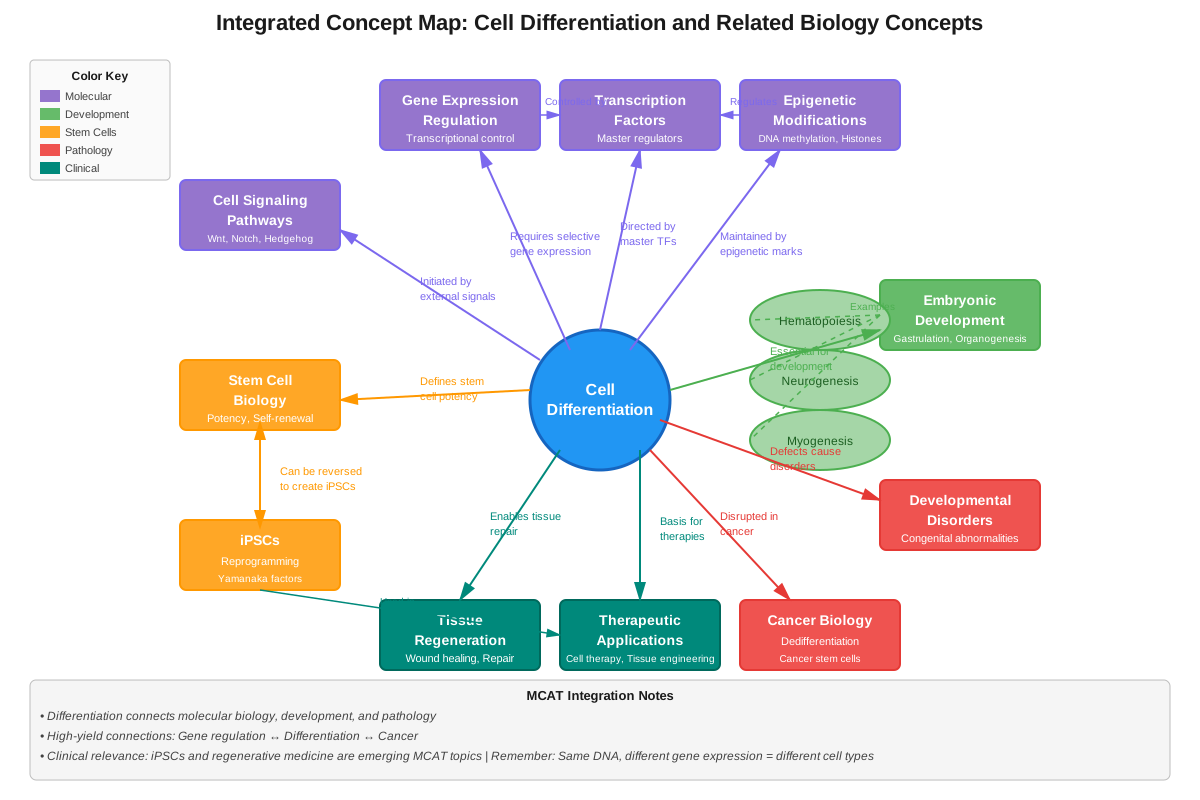
The concepts within cell differentiation form an interconnected network. At the foundation, differential gene expression drives all differentiation events, controlled by the interplay of transcription factors and epigenetic modifications. Transcription factors respond to cell signaling pathways, which convey environmental information about position, neighboring cells, and developmental timing. These signals activate specific transcription factors, which then bind to gene regulatory regions and recruit chromatin-modifying enzymes that establish epigenetic marks. These marks create stable, heritable patterns of gene expression that define and maintain cell identity.
The potency hierarchy represents a progressive restriction of differentiation potential: totipotent → pluripotent → multipotent → oligopotent → unipotent → fully differentiated. Each transition involves activation of lineage-specific genes and silencing of genes associated with alternative fates. Master regulators often mark critical decision points in this hierarchy, committing cells to particular lineages.
Connecting to prerequisite knowledge, differentiation builds directly on gene expression mechanisms—transcription factors bind promoters and enhancers just as in any gene regulation, but during differentiation, these factors establish long-term expression programs rather than transient responses. Cell signaling knowledge is essential because differentiation signals often use the same pathways (MAPK, JAK-STAT, etc.) studied in signal transduction, but here they trigger developmental programs rather than immediate cellular responses.
Differentiation connects forward to numerous advanced topics: developmental biology (how organisms form), immunology (how immune cells differentiate from hematopoietic stem cells), neuroscience (neuronal differentiation and specialization), cancer biology (loss of differentiation control), and regenerative medicine (harnessing differentiation for therapy). Understanding differentiation is also crucial for tissue and organ physiology, as each organ's function depends on its constituent differentiated cell types working in concert.
Relationship map:
Environmental signals → Cell signaling pathways → Transcription factor activation → Differential gene expression + Epigenetic modifications → Establishment of cell identity → Maintenance of differentiated state → Specialized cell function
High-Yield Facts
⭐ Cell differentiation involves changes in gene expression, not changes in DNA sequence—all cells in an organism (except gametes) have identical genomes but express different gene subsets.
⭐ Totipotent cells can form all cell types including extraembryonic tissues; pluripotent cells can form all three germ layers but not placental tissues—this distinction frequently appears in MCAT questions about stem cells.
⭐ Master regulator transcription factors can direct entire differentiation programs—examples include MyoD for muscle, PAX6 for eye development, and Oct4/Sox2/Nanog for maintaining pluripotency.
⭐ Epigenetic modifications (DNA methylation and histone modifications) maintain differentiated states across cell divisions—these create cellular memory without changing DNA sequence.
⭐ The three germ layers formed during gastrulation are ectoderm, mesoderm, and endoderm—each gives rise to specific organ systems and tissue types.
- Induced pluripotent stem cells (iPSCs) are created by introducing Oct4, Sox2, Klf4, and c-Myc (Yamanaka factors) into somatic cells—this reprograms differentiated cells back to pluripotency.
- Cell determination (commitment to a fate) precedes visible differentiation—determined cells are committed but may not yet show specialized characteristics.
- Differentiation is generally irreversible under normal physiological conditions—cells maintain their specialized state throughout life, though exceptions exist (e.g., metaplasia).
- Cancer cells often exhibit dedifferentiation—they lose specialized characteristics and gain proliferative capacity, explaining uncontrolled growth.
- Hematopoietic stem cells are multipotent—they can differentiate into all blood cell types but not other tissue types.
- Notch signaling mediates lateral inhibition—this ensures adjacent cells adopt different fates, creating cellular diversity in developing tissues.
- DNA methylation typically occurs at CpG islands in promoter regions and silences gene expression—this is a key mechanism for permanently silencing lineage-inappropriate genes.
- Embryonic stem cells are derived from the inner cell mass of the blastocyst—they are pluripotent and can be cultured indefinitely in vitro.
Quick check — test yourself on Cell differentiation so far.
Try Flashcards →Common Misconceptions
Misconception: Differentiated cells have different DNA than other cells in the body.
Correction: All cells (except gametes) in an organism have identical DNA sequences. Differentiation results from differential gene expression—which genes are turned on or off—not from differences in the genetic code itself. This is why cloning is possible: a nucleus from any differentiated cell contains all genetic information needed to create an entire organism.
Misconception: Pluripotent and totipotent mean the same thing.
Correction: These terms describe different levels of developmental potential. Totipotent cells (zygote and early blastomeres) can form all cell types including extraembryonic tissues like the placenta and can develop into a complete organism. Pluripotent cells (inner cell mass, ESCs, iPSCs) can form all three germ layers and thus all body cell types, but cannot form extraembryonic tissues and cannot develop into a complete organism without additional support structures.
Misconception: Once a cell differentiates, it can never change its identity.
Correction: While differentiation is generally stable and irreversible under normal physiological conditions, it is not absolutely permanent. Cells can be experimentally reprogrammed (as in iPSC generation), and pathological dedifferentiation occurs in cancer. Additionally, some tissues undergo metaplasia—one differentiated cell type transforms into another (e.g., Barrett's esophagus, where esophageal squamous epithelium becomes intestinal columnar epithelium).
Misconception: Stem cells are only found in embryos.
Correction: While embryonic stem cells are pluripotent and derived from embryos, adult (somatic) stem cells exist in many tissues throughout life. These include hematopoietic stem cells in bone marrow, neural stem cells in specific brain regions, intestinal stem cells in gut crypts, and satellite cells in muscle. Adult stem cells are typically multipotent rather than pluripotent, maintaining and repairing their specific tissues.
Misconception: Differentiation happens all at once in a single step.
Correction: Differentiation is a gradual, stepwise process involving progressive restriction of developmental potential. Cells pass through intermediate stages, becoming increasingly specialized. For example, a hematopoietic stem cell doesn't directly become a mature neutrophil; it progresses through multipotent progenitor, committed progenitor, precursor, and immature stages before reaching full differentiation. Each step involves specific transcription factors and signaling events.
Misconception: Epigenetic changes alter the DNA sequence.
Correction: Epigenetic modifications affect gene expression without changing the underlying DNA sequence. DNA methylation adds chemical groups to cytosine bases, and histone modifications alter chromatin proteins, but neither changes the order of nucleotides in the DNA. This is why epigenetic changes are reversible (in principle) while DNA mutations are permanent alterations to the genetic code.
Misconception: All cells in a differentiated tissue are terminally differentiated and cannot divide.
Correction: Many tissues contain a mixture of stem cells, progenitor cells, and fully differentiated cells. While some fully differentiated cells are indeed post-mitotic (neurons, cardiac muscle cells), others retain proliferative capacity (hepatocytes, fibroblasts). Additionally, tissue-resident stem cells continuously produce new differentiated cells to maintain tissue homeostasis and enable repair.
Worked Examples
Example 1: Experimental Analysis of Differentiation
Question: Researchers isolate cells from the inner cell mass of a mouse blastocyst and culture them in vitro. They then expose these cells to retinoic acid and observe that the cells begin expressing neural markers such as nestin and β-III tubulin, while expression of Oct4 and Nanog decreases. Based on this information:
A) What is the potency of the starting cells?
B) What process is occurring in response to retinoic acid?
C) What molecular mechanisms likely mediate the observed changes in gene expression?
Solution:
A) Identifying potency: The cells are isolated from the inner cell mass of a blastocyst. The inner cell mass contains embryonic stem cells, which are pluripotent—they can differentiate into all three germ layers (ectoderm, mesoderm, endoderm) and thus all body cell types, but cannot form extraembryonic tissues like the placenta. They are not totipotent because they cannot independently develop into a complete organism.
B) Process identification: The cells are undergoing differentiation specifically toward a neural lineage. The evidence includes:
- Expression of neural markers (nestin, a neural progenitor marker; β-III tubulin, a neuronal marker)
- Decreased expression of pluripotency markers (Oct4 and Nanog)
- Response to retinoic acid, a known neural differentiation signal
This represents differentiation from a pluripotent state to a more specialized neural cell type, demonstrating progressive restriction of developmental potential.
C) Molecular mechanisms: Several interconnected mechanisms mediate these changes:
- Signaling pathway activation: Retinoic acid binds to nuclear retinoic acid receptors (RARs), which are ligand-activated transcription factors. Upon binding, these receptors activate transcription of neural-specific genes.
- Transcription factor changes:
- Downregulation of pluripotency transcription factors (Oct4, Nanog, Sox2) removes maintenance of the pluripotent state
- Upregulation of neural transcription factors activates neural-specific gene programs
- These factors bind to promoters and enhancers of target genes
- Epigenetic modifications:
- Neural gene promoters undergo chromatin remodeling and histone acetylation, making them accessible for transcription
- Pluripotency gene promoters may acquire repressive histone marks (e.g., H3K27me3) and DNA methylation, silencing them
- These modifications create stable, heritable patterns that maintain the neural identity
- Differential gene expression: The combination of transcription factor changes and epigenetic modifications results in activation of neural genes and silencing of pluripotency genes, producing the observed protein expression changes.
MCAT Connection: This example integrates multiple high-yield concepts: stem cell potency, differentiation mechanisms, transcription factor function, epigenetic regulation, and cell signaling. Exam passages often present similar experimental scenarios requiring students to interpret molecular data in the context of differentiation.
Example 2: Clinical Application
Question: A 45-year-old patient with acute promyelocytic leukemia (APL) has blast cells (immature white blood cells) that fail to differentiate into mature granulocytes. The patient is treated with all-trans retinoic acid (ATRA), which induces the leukemic cells to differentiate into mature granulocytes, leading to clinical remission.
A) What normal process has been disrupted in this patient's leukemic cells?
B) How does ATRA treatment address the underlying problem?
C) Why is this approach more desirable than traditional chemotherapy that simply kills rapidly dividing cells?
Solution:
A) Disrupted process: The leukemic cells have a differentiation block—they are arrested at an immature blast stage and cannot complete normal differentiation into mature granulocytes. This represents a failure of the normal hematopoietic differentiation pathway. In APL specifically, this block is caused by a chromosomal translocation t(15;17) that creates a fusion protein (PML-RARα) which prevents normal retinoic acid signaling and blocks differentiation. The cells retain proliferative capacity but cannot mature, leading to accumulation of non-functional blast cells.
B) ATRA mechanism: ATRA (all-trans retinoic acid) overcomes the differentiation block through several mechanisms:
- Overcoming the block: At pharmacological concentrations, ATRA can bind to and activate the abnormal PML-RARα fusion protein, partially restoring normal retinoic acid signaling
- Inducing differentiation: ATRA activates retinoic acid receptors, which are transcription factors that promote expression of genes required for granulocyte differentiation
- Terminal differentiation: The leukemic cells complete their differentiation program, becoming mature granulocytes that have limited lifespan and cannot continue proliferating indefinitely
- Degradation of fusion protein: ATRA promotes degradation of the PML-RARα fusion protein, removing the molecular cause of the differentiation block
The result is that leukemic cells differentiate into mature, functional granulocytes that eventually die naturally, reducing the leukemic burden without requiring cell killing.
C) Advantages of differentiation therapy:
- Specificity: ATRA specifically targets the molecular defect in APL cells (the retinoic acid signaling pathway) rather than indiscriminately killing all rapidly dividing cells. This means normal rapidly dividing cells (gut epithelium, hair follicles, bone marrow) are largely spared.
- Reduced toxicity: Traditional chemotherapy causes severe side effects (nausea, hair loss, immunosuppression, mucositis) because it damages normal proliferating tissues. Differentiation therapy has fewer and less severe side effects.
- Functional outcome: Rather than simply killing cancer cells and leaving a deficit, differentiation therapy converts them into functional mature cells that can temporarily perform normal granulocyte functions before naturally dying.
- Addressing the root cause: The treatment targets the fundamental problem—blocked differentiation—rather than just the symptom of excessive proliferation.
- Reduced resistance: Cancer cells often develop resistance to cytotoxic chemotherapy through various mechanisms. Differentiation therapy works through a different mechanism, potentially avoiding some resistance pathways.
Clinical Relevance: This example demonstrates how understanding cell differentiation has direct therapeutic applications. APL treatment with ATRA represents one of the first successful "differentiation therapies" and illustrates how molecular understanding of differentiation can lead to targeted, effective treatments. The MCAT frequently includes passages about cancer biology and novel therapeutic approaches that require understanding of normal cellular processes like differentiation.
Exam Strategy
When approaching Cell differentiation MCAT questions, employ these strategic approaches:
Trigger words and phrases to recognize:
- "Stem cells," "pluripotent," "totipotent," "multipotent" → Immediately think about potency hierarchy and differentiation potential
- "Gene expression changes," "without altering DNA sequence" → Points to differentiation mechanisms
- "Master regulator," "transcription factor" → Consider how these proteins direct differentiation programs
- "Epigenetic," "methylation," "histone modification" → Think about mechanisms maintaining differentiated states
- "Dedifferentiation," "loss of specialized characteristics" → Often relates to cancer biology
- "Induced pluripotent stem cells," "reprogramming" → Yamanaka factors and reversal of differentiation
- "Germ layers," "ectoderm/mesoderm/endoderm" → Developmental biology and tissue origins
Question approach framework:
- Identify what's being asked: Is the question testing definitions (potency levels), mechanisms (how differentiation occurs), or applications (experimental or clinical scenarios)?
- Establish the starting point: What is the potency or differentiation state of the starting cell? This determines what outcomes are possible.
- Consider the mechanism: What signals, transcription factors, or epigenetic changes are involved? How do they connect?
- Predict the outcome: Based on the mechanism, what should happen to gene expression, cell characteristics, or potency?
- Eliminate impossible answers: Use potency hierarchy to eliminate options (e.g., a multipotent cell cannot become pluripotent without reprogramming; a differentiated cell cannot spontaneously become totipotent).
Process-of-elimination tips:
- Potency questions: Eliminate answers that violate the hierarchy. Cells naturally move from higher to lower potency (totipotent → pluripotent → multipotent → differentiated), not the reverse, unless experimental manipulation is described.
- Mechanism questions: Eliminate answers suggesting DNA sequence changes cause differentiation—differentiation is about gene expression, not mutation.
- Germ layer questions: Know what each layer forms. If a question asks what tissue type can arise from ectoderm, eliminate mesoderm and endoderm derivatives.
- Stem cell questions: If a passage describes cells that can form multiple blood cell types but nothing else, eliminate "pluripotent" (too broad) and "unipotent" (too narrow)—the answer is "multipotent."
Time allocation:
- Standalone differentiation questions typically require 60-90 seconds—they often test straightforward definitions or concepts
- Passage-based questions may require 90-120 seconds, as you must integrate passage information with conceptual knowledge
- Don't get bogged down in complex signaling pathway details unless the passage specifically provides them—focus on the big picture of how signals lead to transcription factor activation and gene expression changes
Common question formats:
- Definition/classification: "Which of the following best describes a pluripotent cell?"
- Mechanism: "What molecular change maintains the differentiated state across cell divisions?"
- Experimental interpretation: "Researchers observe increased expression of MyoD. What is likely happening?"
- Clinical application: "A patient's cancer cells show loss of tissue-specific markers. This represents..."
- Comparative: "What is the difference between totipotent and pluripotent cells?"
Memory Techniques
Potency Hierarchy Mnemonic: "To Play Music, One Uses Drums"
- Totipotent (can make everything, including placenta)
- Pluripotent (can make all body cells)
- Multipotent (can make multiple related types)
- Oligopotent (can make a few types)
- Unipotent (can make one type)
- Differentiated (fully specialized)
Germ Layer Derivatives Mnemonic: "MEE"
- Mesoderm = Middle layer = Muscle, bone, blood, connective tissue (middle/structural tissues)
- Ectoderm = Exterior = Epidermis, nervous system (outer covering and control)
- Endoderm = Entrance (gut) = digestive tract lining, liver, pancreas, lungs (internal tubes)
Yamanaka Factors (iPSC reprogramming): "Oh, So Killer Cool!"
- Oct4
- Sox2
- Klf4
- C-Myc
Visualization Strategy for Differentiation:
Picture a tree with a thick trunk (totipotent zygote) that branches progressively into smaller and smaller branches (pluripotent → multipotent → differentiated cells). Each branching point represents a differentiation decision where cells commit to one pathway and lose the ability to follow others. The trunk contains all possibilities; the smallest branches represent highly specialized cells with limited options. This "differentiation tree" helps visualize progressive restriction of potential.
Epigenetic Modifications Memory Aid: "Methyl Makes it Mute; Acetyl Activates"
- DNA Methylation → Mutes (silences) genes
- Histone Acetylation → Activates genes (loosens chromatin)
Master Regulators Association:
- MyoD → Myocytes (muscle cells) - "D" for "Develop muscle"
- PAX6 → Eyes (think "PAX" sounds like "optics")
- Oct4/Sox2/Nanog → Pluripotency (think "OSN" = "Oh So Naive" - naive/undifferentiated state)
Summary
Cell differentiation is the fundamental process by which unspecialized cells acquire specialized structures and functions through differential gene expression without altering DNA sequence. All cells in an organism contain identical genetic information, but selective activation and repression of genes creates the diverse cell types necessary for complex multicellular life. The process involves a hierarchy of potency from totipotent (can form all cell types including extraembryonic tissues) through pluripotent (all three germ layers) and multipotent (multiple related types) to fully differentiated cells. Differentiation is controlled by master regulator transcription factors responding to environmental signals, with epigenetic modifications (DNA methylation and histone modifications) maintaining stable differentiated states across cell divisions. During development, progressive differentiation transforms the single-celled zygote through gastrulation (forming ectoderm, mesoderm, and endoderm) to organogenesis and specialized tissue formation. While generally irreversible, differentiation can be experimentally reversed through cellular reprogramming (creating induced pluripotent stem cells) or pathologically disrupted in cancer (dedifferentiation). Understanding differentiation is essential for comprehending development, tissue maintenance, regenerative medicine, and disease processes, making it a high-yield topic for MCAT success.
Key Takeaways
- Cell differentiation involves differential gene expression, not DNA sequence changes—all cells have the same genome but express different gene subsets to achieve specialized functions
- The potency hierarchy (totipotent → pluripotent → multipotent → oligopotent → unipotent → differentiated) represents progressive restriction of developmental potential, with each level able to form fewer cell types than the previous
- Master regulator transcription factors direct differentiation programs by activating lineage-specific genes and repressing alternative fates, often working through combinatorial control with other factors
- Epigenetic modifications (DNA methylation and histone modifications) create cellular memory that maintains differentiated states across cell divisions without changing the underlying DNA sequence
- The three germ layers (ectoderm, mesoderm, endoderm) formed during gastrulation give rise to all body tissues, with each layer producing specific organ systems and cell types
- Induced pluripotent stem cells demonstrate that differentiation is reversible through experimental manipulation, achieved by introducing Oct4, Sox2, Klf4, and c-Myc transcription factors into somatic cells
- Cancer often involves dedifferentiation—loss of specialized characteristics and reversion to a proliferative state—explaining uncontrolled growth and providing targets for differentiation therapy
Related Topics
Gene Regulation and Transcription: Understanding promoters, enhancers, transcription factors, and RNA polymerase function provides the molecular foundation for how differential gene expression drives differentiation. Mastering cell differentiation enables deeper comprehension of how cells respond to developmental signals.
Embryonic Development: Cell differentiation is central to embryology, including fertilization, cleavage, gastrulation, and organogenesis. Understanding differentiation mechanisms illuminates how a single cell becomes a complex organism with hundreds of cell types.
Cell Signaling Pathways: Wnt, Notch, Hedgehog, TGF-β, and growth factor pathways trigger and guide differentiation. Knowledge of differentiation provides context for why these signaling pathways exist and how they coordinate development.
Cancer Biology: Dedifferentiation, cancer stem cells, and loss of growth control represent pathological failures of normal differentiation processes. Understanding normal differentiation is essential for comprehending how cancer develops and how differentiation therapy works.
Stem Cell Biology and Regenerative Medicine: Applications of differentiation knowledge include stem cell therapies, tissue engineering, and cellular reprogramming. This emerging field increasingly appears in MCAT passages testing both scientific knowledge and ethical reasoning.
Immunology: Hematopoietic differentiation produces all blood cells, including immune cells. Understanding how lymphoid and myeloid progenitors differentiate into specific immune cell types is essential for comprehending immune system function.
Epigenetics: DNA methylation, histone modifications, and chromatin remodeling maintain differentiated states and regulate gene expression. Differentiation provides a key biological context for understanding why epigenetic mechanisms exist.
Practice CTA
Now that you've mastered the core concepts of cell differentiation, it's time to reinforce your understanding through active practice. Challenge yourself with MCAT-style practice questions that test your ability to apply differentiation concepts to experimental scenarios, clinical vignettes, and data interpretation. Use flashcards to drill high-yield facts like potency definitions, germ layer derivatives, and master regulator functions until recall becomes automatic. Remember: understanding the concepts is the first step, but MCAT success requires the ability to quickly recognize and apply these principles under timed conditions. Your investment in mastering cell differentiation will pay dividends not only on standalone questions but also in passages covering development, cancer, stem cells, and gene regulation. You've built a strong foundation—now solidify it through deliberate practice!
Sign up free to keep reading
Create a free AnvayaPrep account to finish this MCAT guide on Cell differentiation — plus flashcards and practice questions.