Overview
Cell junctions are specialized protein complexes that form physical connections between adjacent cells or between cells and the extracellular matrix. These structures are fundamental to multicellular life, enabling cells to communicate, coordinate activities, and maintain tissue integrity. In Cell Biology, understanding cell junctions is essential because they represent the molecular architecture that transforms individual cells into functional tissues and organs. The three major categories—tight junctions, anchoring junctions (including adherens junctions, desmosomes, and hemidesmosomes), and gap junctions—each serve distinct roles in maintaining cellular organization and facilitating intercellular communication.
For the MCAT, cell junctions represent a medium-yield topic that frequently appears in passages related to epithelial tissue function, cancer metastasis, embryonic development, and tissue homeostasis. Questions often test the ability to distinguish between junction types based on their structural components and functional roles. The AAMC expects students to understand not only the molecular composition of each junction type but also how disruptions in junction function contribute to disease states. This topic bridges multiple disciplines tested on the MCAT, connecting cellular biology with physiology, pathology, and even biochemistry when considering the signaling pathways that regulate junction assembly.
The study of cell junctions MCAT content connects directly to broader themes in Biology, including tissue organization, cell signaling, cytoskeletal dynamics, and membrane protein function. Mastery of this topic enables deeper understanding of epithelial barrier function, muscle contraction coordination, neural transmission, and the cellular basis of cancer invasion—all high-yield concepts for exam success.
Learning Objectives
- [ ] Define cell junctions using accurate Biology terminology
- [ ] Explain why cell junctions matter for the MCAT
- [ ] Apply cell junctions to exam-style questions
- [ ] Identify common mistakes related to cell junctions
- [ ] Connect cell junctions to related Biology concepts
- [ ] Compare and contrast the three major types of cell junctions based on structure and function
- [ ] Predict the physiological consequences of cell junction dysfunction in specific tissue types
- [ ] Analyze experimental data or clinical scenarios involving cell junction disruption
Prerequisites
- Plasma membrane structure: Understanding phospholipid bilayers and integral membrane proteins is essential because all cell junctions are composed of transmembrane proteins that span the lipid bilayer
- Cytoskeleton components: Knowledge of actin filaments, intermediate filaments, and microtubules is necessary because anchoring junctions connect to these cytoskeletal elements
- Protein structure: Familiarity with protein domains, quaternary structure, and protein-protein interactions helps explain how junction proteins assemble into functional complexes
- Epithelial tissue organization: Basic understanding of epithelial cell polarity (apical, lateral, basal surfaces) provides context for where different junctions are located
- Cell adhesion molecules: General knowledge of how cells recognize and bind to each other through surface proteins establishes the foundation for junction-specific adhesion
Why This Topic Matters
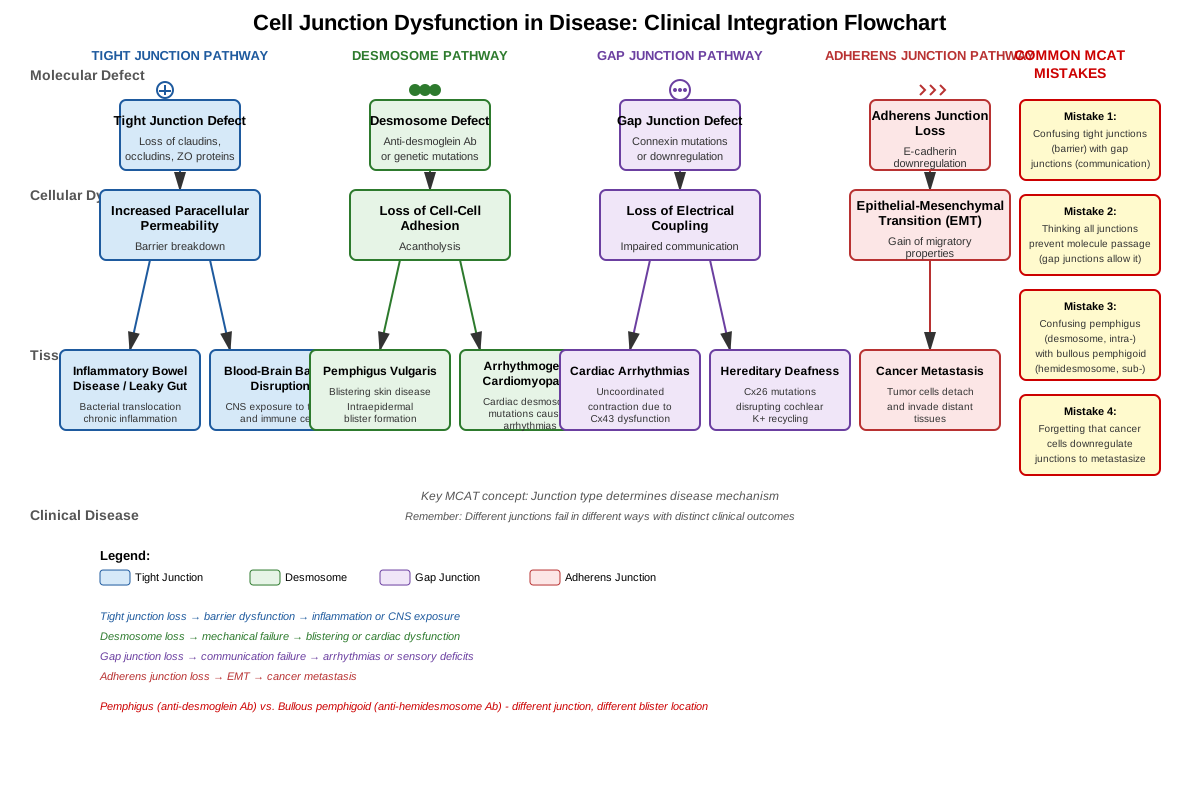
Cell junctions have profound clinical significance across multiple organ systems. Disruption of tight junctions in the intestinal epithelium contributes to inflammatory bowel disease and increased intestinal permeability ("leaky gut"). Loss of desmosome function causes pemphigus, an autoimmune blistering disease where antibodies attack desmosomal proteins, leading to skin cell separation. Mutations in gap junction proteins (connexins) cause hereditary deafness, cardiac arrhythmias, and certain forms of cataracts. Cancer cells often downregulate cell junction proteins to facilitate metastasis, making junctions important targets for therapeutic intervention.
On the MCAT, cell junctions appear in approximately 2-4% of Biology questions, typically within passages about epithelial physiology, tissue development, or disease pathology. Questions may present electron micrographs requiring identification of junction types, experimental scenarios testing junction function, or clinical vignettes describing junction-related pathologies. The topic frequently appears in passages combining cellular biology with physiology, particularly regarding barrier function in the blood-brain barrier, intestinal absorption, or renal filtration.
Common exam presentations include: (1) passages describing experiments that disrupt specific junction proteins and ask students to predict tissue-level consequences; (2) questions requiring students to identify which junction type would be most affected by a particular mutation or toxin; (3) scenarios involving epithelial transport that require understanding of how tight junctions create selective permeability barriers; and (4) developmental biology passages where junction formation is essential for tissue morphogenesis. The MCAT particularly favors questions that integrate cell junction knowledge with physiological processes, requiring students to apply molecular understanding to organ-system function.
Core Concepts
Classification of Cell Junctions
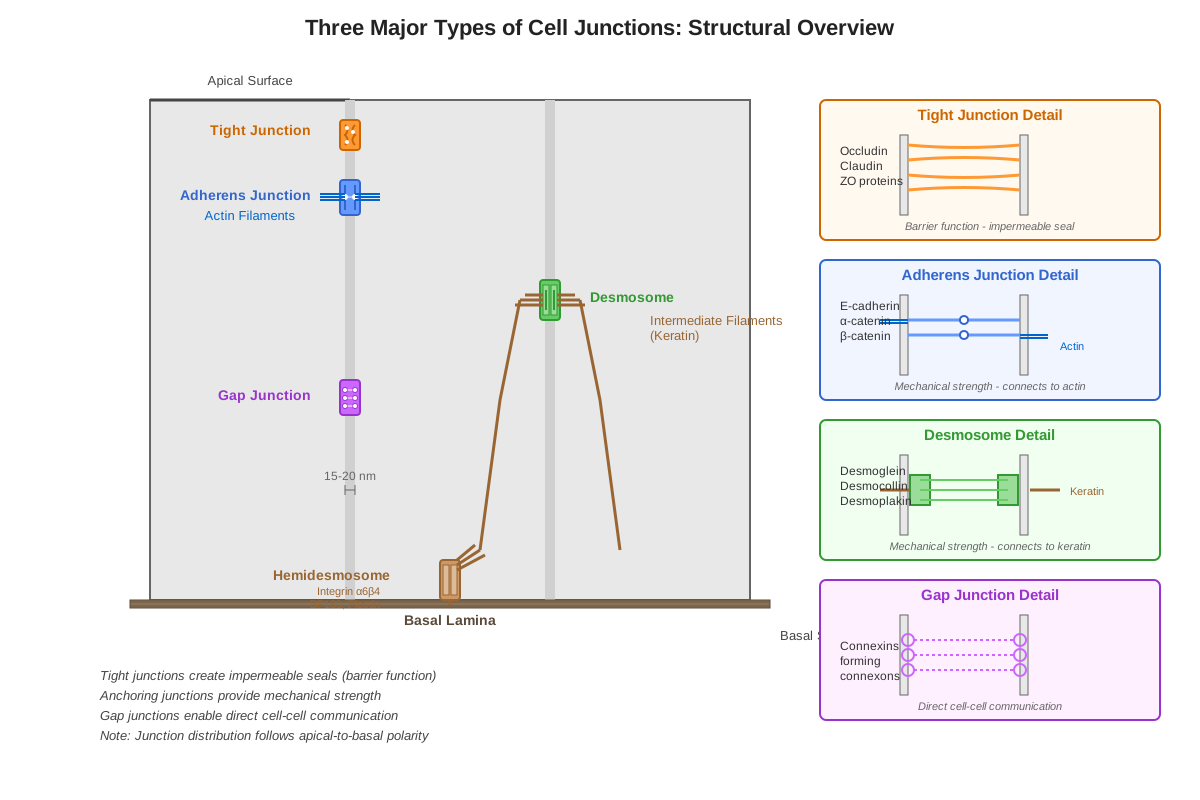
Cell junctions are categorized into three functional classes based on their primary roles: occluding junctions (tight junctions), anchoring junctions (adherens junctions, desmosomes, and hemidesmosomes), and communicating junctions (gap junctions). This classification reflects both structural differences and functional specialization. Each junction type employs distinct transmembrane proteins and connects to different cytoskeletal components, creating a diverse toolkit for cellular organization.
The spatial distribution of junctions along epithelial cells follows a predictable pattern. Starting from the apical (top) surface and moving toward the basal (bottom) surface, junctions typically appear in this sequence: tight junctions (most apical), adherens junctions, desmosomes, and gap junctions (distributed throughout lateral surfaces). This organization, called the junctional complex, is particularly prominent in polarized epithelial cells where maintaining distinct apical and basolateral membrane domains is essential for directional transport.
Tight Junctions (Occluding Junctions)
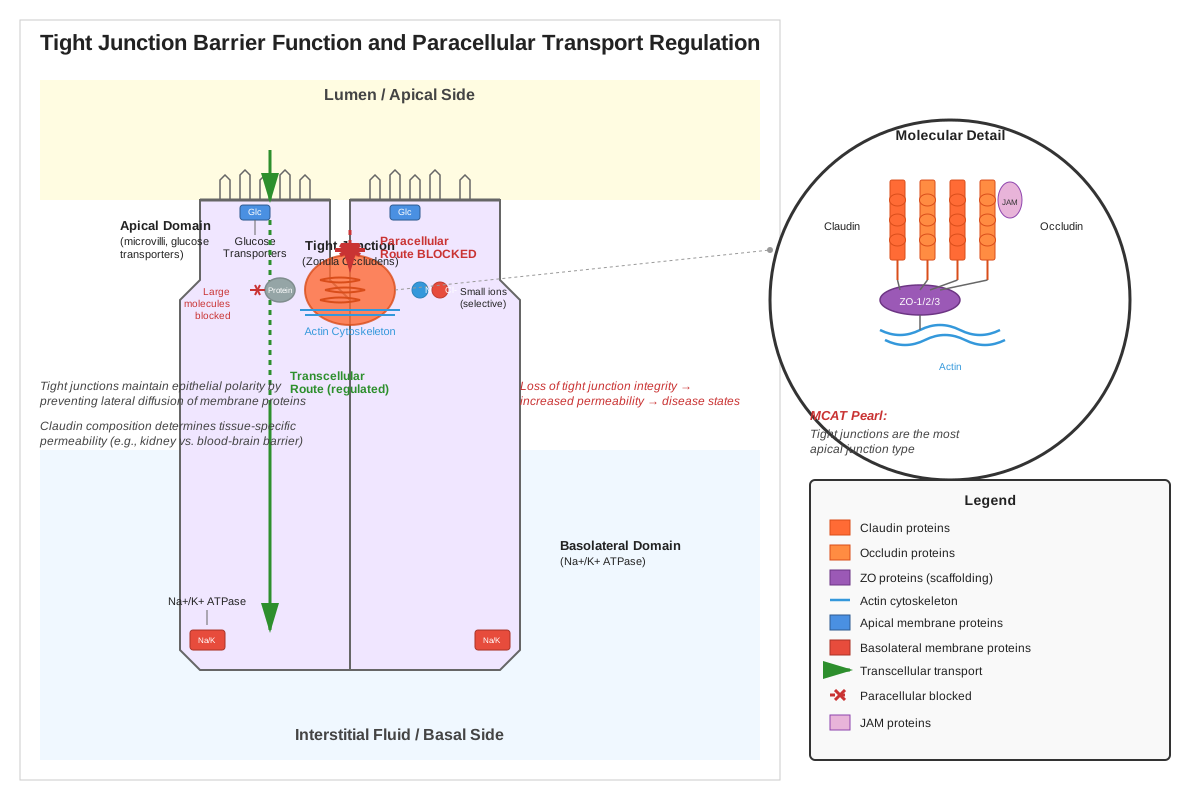
Tight junctions form continuous seals around cells, creating a barrier that prevents molecules from passing between cells through the paracellular pathway. These junctions are composed primarily of claudins and occludins, transmembrane proteins that interact with similar proteins on adjacent cells to form tight seals. The cytoplasmic side of tight junctions contains scaffolding proteins called zonula occludens (ZO) proteins that link the junction to actin filaments.
The primary functions of tight junctions include:
- Barrier function: Preventing unregulated passage of molecules between cells (paracellular transport)
- Fence function: Maintaining cell polarity by preventing lateral diffusion of membrane proteins between apical and basolateral domains
- Selective permeability: Different claudin combinations create junctions with varying permeability to specific ions and small molecules
Tight junction "tightness" varies by tissue type. The blood-brain barrier has extremely tight junctions that restrict nearly all paracellular transport, protecting the brain from blood-borne toxins. In contrast, kidney proximal tubule tight junctions are "leaky," allowing water and small solutes to pass between cells. This selectivity is determined by the specific claudin proteins expressed—there are over 24 different claudin family members, each conferring different permeability properties.
MCAT Exam Tip: Questions often test whether students understand that tight junctions control paracellular (between cells) transport, while membrane transporters control transcellular (through cells) transport. Distinguishing these pathways is high-yield.
Anchoring Junctions
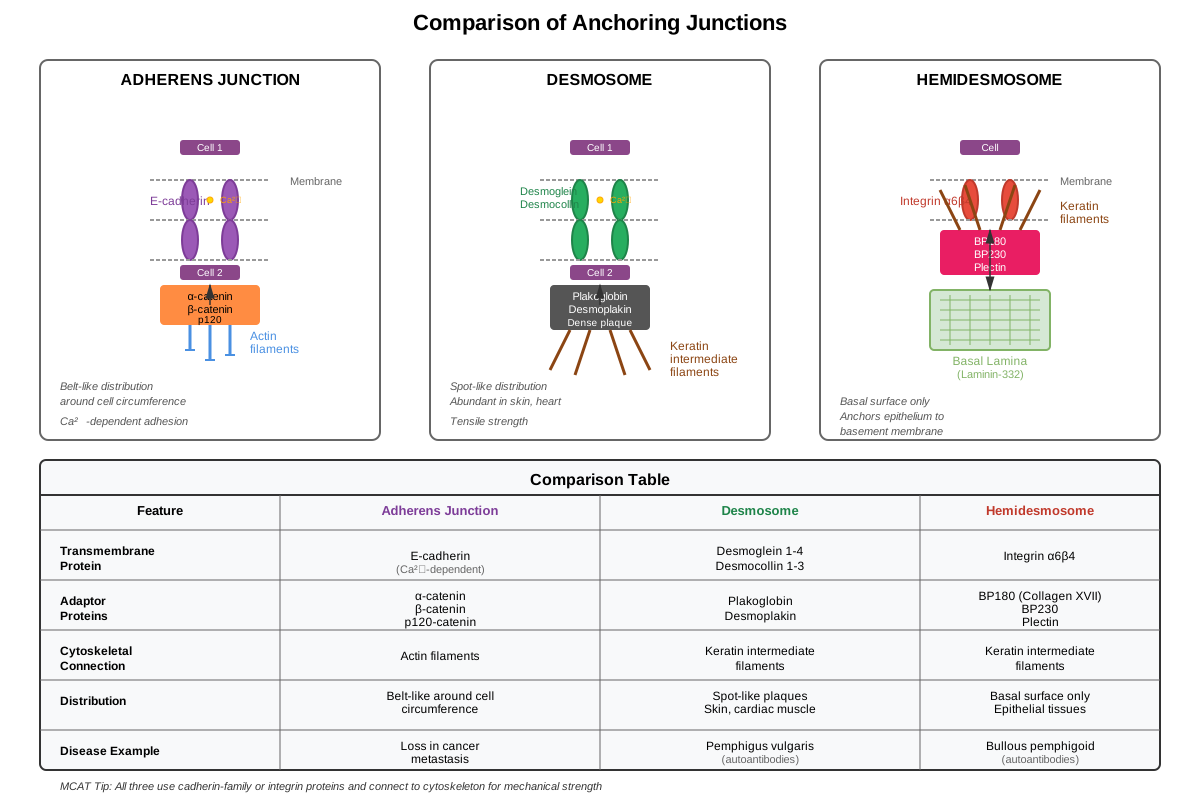
Anchoring junctions mechanically attach cells to each other or to the extracellular matrix, providing tissues with structural integrity to withstand mechanical stress. These junctions connect to the cytoskeleton, distributing tension across multiple cells. There are three main types of anchoring junctions, each connecting to different cytoskeletal elements.
Adherens Junctions
Adherens junctions connect actin filaments between adjacent cells. The primary transmembrane proteins are cadherins, specifically E-cadherin (epithelial cadherin) in epithelial tissues. Cadherins are calcium-dependent adhesion molecules—they require Ca²⁺ ions to maintain their structure and function. On the cytoplasmic side, cadherins bind to catenins (α-catenin, β-catenin, and p120-catenin), which in turn connect to actin filaments.
The cadherin-catenin complex serves multiple functions beyond simple adhesion. β-catenin also participates in the Wnt signaling pathway, linking cell adhesion to gene regulation. When adherens junctions are disrupted, β-catenin can translocate to the nucleus and activate transcription, connecting junction integrity to cell proliferation and differentiation—a relationship frequently exploited in cancer development.
Desmosomes
Desmosomes are button-like spots that anchor intermediate filaments between cells, providing exceptional mechanical strength. They are abundant in tissues experiencing significant mechanical stress, such as skin epidermis and cardiac muscle. The transmembrane proteins in desmosomes are desmogleins and desmocollins, both members of the cadherin superfamily.
On the cytoplasmic side, desmosomal cadherins connect to a dense protein plaque containing plakoglobin and desmoplakin, which anchor to intermediate filaments (keratin filaments in epithelial cells, desmin filaments in cardiac muscle). This creates a continuous network of intermediate filaments spanning multiple cells, distributing mechanical forces across the entire tissue.
Clinical relevance: Autoantibodies against desmogleins cause pemphigus vulgaris, where loss of desmosome function leads to skin blistering. Mutations in desmosomal proteins cause arrhythmogenic right ventricular cardiomyopathy, where cardiac muscle cells separate under the mechanical stress of contraction.
Hemidesmosomes
Hemidesmosomes anchor epithelial cells to the underlying basement membrane (extracellular matrix), rather than to other cells. They connect intermediate filaments (keratin) to the extracellular matrix protein laminin through transmembrane proteins called integrins (specifically α6β4 integrin). The cytoplasmic plaque contains plectin and BP230 (bullous pemphigoid antigen), which link integrins to keratin filaments.
Hemidesmosomes are essential for maintaining epithelial attachment to underlying connective tissue. Disruption causes epidermolysis bullosa, a blistering disease where the epidermis separates from the dermis. Bullous pemphigoid, an autoimmune condition with antibodies against hemidesmosome proteins, produces similar blistering.
Gap Junctions (Communicating Junctions)
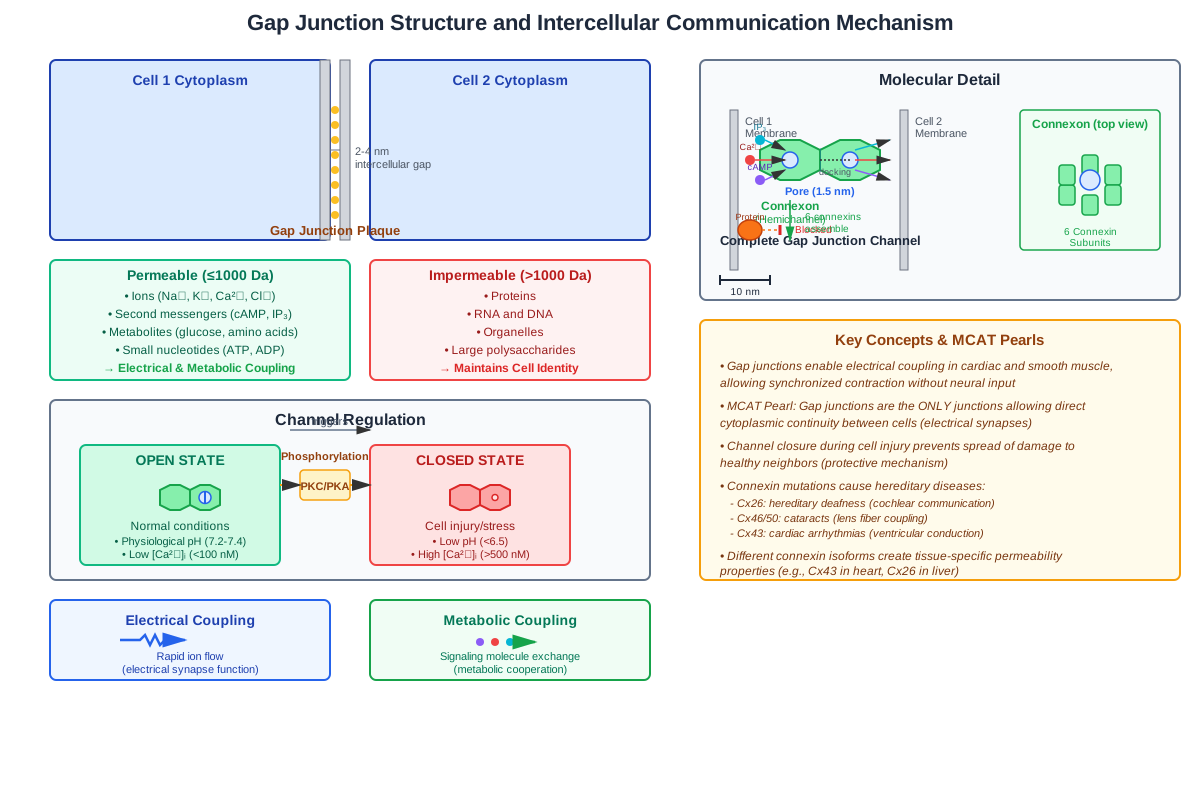
Gap junctions create channels that directly connect the cytoplasm of adjacent cells, allowing passage of small molecules (< 1000 Da) including ions, metabolites, and second messengers. Each gap junction channel is composed of twelve connexin proteins—six connexins form a connexon (hemichannel) in one cell's membrane, which docks with a connexon from the adjacent cell.
Gap junctions enable:
- Electrical coupling: Rapid ion flow allows coordinated electrical activity in cardiac muscle and smooth muscle
- Metabolic coupling: Sharing of nutrients, metabolites, and signaling molecules
- Chemical signaling: Passage of second messengers (cAMP, IP₃, Ca²⁺) coordinates cellular responses
Gap junction permeability is regulated by several factors:
- pH: Acidification closes gap junctions, isolating damaged cells
- Calcium concentration: Elevated cytoplasmic Ca²⁺ closes channels
- Phosphorylation: Protein kinases can open or close channels depending on connexin type
- Voltage: Some gap junctions are voltage-sensitive
There are 21 different connexin genes in humans, and different connexins form channels with different permeability properties and regulation. Mutations in connexin genes cause diverse diseases: Cx26 mutations cause hereditary deafness (affecting cochlear signaling), Cx43 mutations affect cardiac conduction, and Cx46/Cx50 mutations cause cataracts.
MCAT Exam Tip: Gap junctions are the only cell junctions that allow direct cytoplasmic continuity between cells. This is frequently tested in questions about coordinated cellular responses or electrical coupling in excitable tissues.
Comparison Table of Cell Junctions
| Junction Type | Primary Proteins | Cytoskeletal Connection | Main Function | Key Locations |
|---|---|---|---|---|
| Tight Junction | Claudins, occludins, ZO proteins | Actin filaments | Seal between cells; barrier function | Epithelial tissues, blood-brain barrier |
| Adherens Junction | Cadherins, catenins | Actin filaments | Cell-cell adhesion; tissue integrity | Epithelial tissues, endothelial cells |
| Desmosome | Desmogleins, desmocollins, desmoplakin | Intermediate filaments | Strong mechanical attachment | Skin, cardiac muscle |
| Hemidesmosome | Integrins (α6β4), plectin | Intermediate filaments | Cell-matrix attachment | Epithelial basement membrane |
| Gap Junction | Connexins (connexons) | None | Direct cytoplasmic communication | Cardiac muscle, smooth muscle, neurons |
Concept Relationships
The different types of cell junctions work together to create functional tissues. In polarized epithelial cells, tight junctions (most apical) create the barrier that separates apical and basolateral compartments, enabling directional transport. Immediately below, adherens junctions provide the initial mechanical attachment between cells and organize the actin cytoskeleton. Desmosomes, distributed along lateral surfaces, provide additional mechanical strength by connecting intermediate filament networks. Gap junctions, also on lateral surfaces, enable metabolic and electrical coupling. This hierarchical organization—tight junctions → adherens junctions → desmosomes → gap junctions—creates tissues that are simultaneously sealed, mechanically strong, and communicatively coupled.
Cell junctions connect to prerequisite concepts in multiple ways. The plasma membrane provides the lipid bilayer into which junction proteins insert. The cytoskeleton (actin filaments for tight and adherens junctions, intermediate filaments for desmosomes and hemidesmosomes) provides the structural framework that junctions anchor to, distributing mechanical forces. Protein structure determines how junction proteins assemble—cadherins require calcium for proper folding, connexins oligomerize into hexameric connexons, and scaffolding proteins contain multiple protein-binding domains that organize junction complexes.
Cell junctions also connect forward to more advanced topics. Understanding tight junction barrier function is essential for comprehending epithelial transport physiology, including intestinal absorption and renal filtration. Gap junction electrical coupling underlies cardiac physiology, enabling the synchronized contraction of cardiac muscle. Junction disruption is central to cancer biology—metastatic cancer cells downregulate E-cadherin to escape from primary tumors. Developmental biology relies heavily on dynamic junction formation and remodeling during morphogenesis, particularly during gastrulation and neural tube formation.
The relationship between junction types can be conceptualized as: Tight junctions (seal) → Adherens junctions (organize) → Desmosomes (strengthen) → Gap junctions (communicate). Each junction type builds upon the functions of others to create tissues with appropriate barrier properties, mechanical strength, and coordinated function.
Quick check — test yourself on Cell junctions so far.
Try Flashcards →High-Yield Facts
⭐ Tight junctions are the most apical junctions in epithelial cells and control paracellular permeability through claudin proteins
⭐ Cadherins are calcium-dependent adhesion molecules found in adherens junctions and desmosomes; they require Ca²⁺ for proper function
⭐ Gap junctions are the only cell junctions that allow direct passage of small molecules and ions between adjacent cell cytoplasms
⭐ Desmosomes connect to intermediate filaments and provide mechanical strength in tissues under high stress (skin, cardiac muscle)
⭐ Hemidesmosomes anchor epithelial cells to the basement membrane via integrins, not to other cells
- Tight junction "tightness" varies by tissue and is determined by the specific claudin proteins expressed
- β-catenin from adherens junctions can translocate to the nucleus and activate gene transcription when junctions are disrupted
- Connexins form hexameric connexons (hemichannels); two connexons from adjacent cells dock to form a complete gap junction channel
- ZO proteins (zonula occludens) are cytoplasmic scaffolding proteins that link tight junctions to actin filaments
- E-cadherin downregulation is a hallmark of epithelial-to-mesenchymal transition (EMT) in cancer metastasis
- Gap junctions close in response to low pH or high calcium, isolating damaged cells from healthy neighbors
- Pemphigus vulgaris results from autoantibodies against desmogleins, causing skin blistering
- The blood-brain barrier has exceptionally tight junctions that restrict paracellular transport, protecting the brain
Common Misconceptions
Misconception: All cell junctions prevent molecules from passing between cells.
Correction: Only tight junctions create seals that prevent paracellular passage. Gap junctions actually facilitate passage of small molecules between cells, while anchoring junctions primarily provide mechanical attachment without sealing functions.
Misconception: Gap junctions and tight junctions are the same thing because both involve cell-cell contact.
Correction: These are structurally and functionally distinct. Tight junctions seal the space between cells (preventing passage), while gap junctions create channels through which molecules can pass directly from one cell's cytoplasm to another's. Tight junctions use claudins/occludins; gap junctions use connexins.
Misconception: Desmosomes and hemidesmosomes are the same structure.
Correction: Desmosomes connect two cells together (cell-cell junction), while hemidesmosomes connect a cell to the extracellular matrix (cell-matrix junction). Desmosomes use desmogleins/desmocollins; hemidesmosomes use integrins. The prefix "hemi-" indicates "half" because hemidesmosomes only involve one cell.
Misconception: Cadherins work independently of calcium ions.
Correction: Cadherins are calcium-dependent adhesion molecules. Removing calcium from the extracellular environment causes cadherins to lose their structure and adhesive function, leading to junction disruption. This is why EDTA (a calcium chelator) causes tissues to dissociate.
Misconception: All epithelial cells have the same tight junction permeability.
Correction: Tight junction "tightness" varies dramatically by tissue type based on claudin composition. Blood-brain barrier tight junctions are extremely restrictive, while kidney proximal tubule tight junctions are relatively "leaky" to allow paracellular water and ion movement. This selectivity is physiologically important.
Misconception: Cell junctions are static structures that don't change once formed.
Correction: Cell junctions are dynamic structures that are continuously assembled, disassembled, and remodeled in response to cellular signals, mechanical forces, and developmental cues. Junction remodeling is essential for processes like wound healing, tissue morphogenesis, and immune cell migration through epithelial barriers.
Worked Examples
Example 1: Experimental Junction Disruption
Question: Researchers treat cultured epithelial cells with a drug that specifically prevents connexin protein assembly. They then measure electrical coupling between cells and paracellular permeability to small ions. Which results would be expected?
Analysis:
First, identify what connexins do: Connexins form gap junctions, which create direct cytoplasmic channels between adjacent cells. These channels allow passage of ions and small molecules, enabling electrical and metabolic coupling.
Next, consider what the drug does: Preventing connexin assembly would eliminate gap junction formation, but would not directly affect other junction types (tight junctions, adherens junctions, desmosomes).
Now predict the outcomes:
- Electrical coupling: Gap junctions are essential for electrical coupling because they allow ions to flow directly between cells. Without gap junctions, cells would be electrically isolated from each other. Expected result: Decreased or eliminated electrical coupling.
- Paracellular permeability: Paracellular permeability is controlled by tight junctions (specifically claudins and occludins), not gap junctions. Since the drug only affects connexins, tight junction function should remain intact. Expected result: No change in paracellular permeability.
Answer: The drug would eliminate electrical coupling between cells but would not affect paracellular permeability. This demonstrates the functional specificity of different junction types—gap junctions control intercellular communication, while tight junctions control paracellular transport.
Connection to Learning Objectives: This example applies cell junction knowledge to experimental scenarios (LO: Apply to exam-style questions) and demonstrates the distinct functions of different junction types (LO: Compare and contrast junction types).
Example 2: Clinical Vignette Analysis
Question: A 45-year-old woman develops painful blisters on her skin and oral mucosa. Biopsy shows separation of epidermal cells from each other (acantholysis). Immunofluorescence reveals antibodies bound to the surface of epidermal cells in a "chicken wire" pattern. Which cell junction is most likely affected, and what is the molecular target?
Analysis:
Step 1 - Identify the clinical presentation: Blistering with cell-cell separation (acantholysis) suggests loss of cell-cell adhesion. The "chicken wire" pattern on immunofluorescence indicates antibodies binding around the entire perimeter of cells, typical of cell-cell junctions.
Step 2 - Determine which junction type maintains cell-cell adhesion in epidermis: The epidermis experiences significant mechanical stress and requires strong cell-cell attachments. Desmosomes provide this mechanical strength by connecting intermediate filaments between cells. Adherens junctions also contribute to adhesion but are less prominent in stratified epithelia like skin.
Step 3 - Identify the molecular components: Desmosomes contain desmogleins and desmocollins (transmembrane proteins) plus desmoplakin and plakoglobin (cytoplasmic plaque proteins) that connect to keratin intermediate filaments.
Step 4 - Connect to disease: This clinical presentation is classic for pemphigus vulgaris, an autoimmune disease where antibodies target desmoglein proteins (particularly desmoglein 3 in mucosa and desmoglein 1 in skin). The antibodies disrupt desmosome function, causing cells to separate.
Answer: Desmosomes are affected, with autoantibodies targeting desmoglein proteins. This is pemphigus vulgaris. The loss of desmosome function eliminates the mechanical attachments between epidermal cells, causing them to separate and form blisters.
Connection to Learning Objectives: This example demonstrates clinical significance (LO: Why this matters for MCAT), applies junction knowledge to pathology (LO: Apply to exam-style questions), and connects molecular understanding to tissue-level consequences (LO: Predict physiological consequences of dysfunction).
Exam Strategy
When approaching MCAT questions about cell junctions, use this systematic approach:
Step 1 - Identify the junction type: Look for trigger words in the question stem or passage:
- "Paracellular permeability," "barrier function," "seal" → Tight junctions
- "Mechanical strength," "intermediate filaments," "skin/cardiac muscle" → Desmosomes
- "Electrical coupling," "direct communication," "small molecule passage" → Gap junctions
- "Actin filaments," "E-cadherin," "calcium-dependent" → Adherens junctions
- "Basement membrane," "integrins," "cell-matrix" → Hemidesmosomes
Step 2 - Determine the functional consequence: Each junction type has a primary function. If the question describes junction disruption, predict the specific consequence:
- Tight junction loss → Increased paracellular permeability, loss of cell polarity
- Desmosome loss → Tissue fragility, cell separation under mechanical stress
- Gap junction loss → Loss of electrical/metabolic coupling, uncoordinated cellular responses
- Adherens junction loss → Weakened cell adhesion, potential β-catenin signaling activation
Step 3 - Consider the tissue context: Junction importance varies by tissue:
- Epithelial barriers (intestine, blood-brain barrier) → Tight junctions critical
- Mechanically stressed tissues (skin, heart) → Desmosomes critical
- Electrically coupled tissues (cardiac muscle, smooth muscle) → Gap junctions critical
Process of elimination tips:
- If a question asks about "communication between cells," eliminate answers involving tight junctions (they seal, not communicate) and anchoring junctions (they attach, not communicate)
- If a question involves calcium removal, focus on cadherins (calcium-dependent); connexins and claudins don't require calcium
- If intermediate filaments are mentioned, focus on desmosomes and hemidesmosomes; other junctions connect to actin
- If the question involves cell-matrix interactions, only hemidesmosomes apply; all other junctions are cell-cell
Time allocation: Cell junction questions typically require 60-90 seconds. Spend 20 seconds identifying the junction type from context clues, 30 seconds reasoning through the functional consequence, and 20 seconds eliminating wrong answers. Don't get bogged down in memorizing every protein name—focus on functional distinctions.
Red flag phrases that indicate common traps:
- "Between cells" could mean paracellular (tight junctions) OR through gap junctions—read carefully
- "Adhesion" could refer to adherens junctions OR desmosomes—check if mechanical strength is emphasized
- "Communication" specifically means gap junctions, not just any cell-cell contact
Memory Techniques
Mnemonic for junction order (apical to basal): "Tigers Are Dangerous Guys"
- Tight junctions (most apical)
- Adherens junctions
- Desmosomes
- Gap junctions (distributed throughout lateral surfaces)
Mnemonic for tight junction proteins: "Claudia Occasionally Zones Out"
- Claudia = Claudins (main sealing proteins)
- Occasionally = Occludins (additional sealing proteins)
- Zones Out = ZO proteins (zonula occludens - cytoplasmic scaffolding)
Mnemonic for anchoring junctions and their cytoskeletal connections: "AAA Desi Drives Intermediate"
- Adherens junctions → Actin filaments
- Adherens junctions → Actin filaments (repeated for emphasis)
- Desi (Desmosomes) → Intermediate filaments
Visualization for gap junctions: Picture two adjacent cells as houses, and gap junctions as tunnels connecting their basements. Small items (ions, metabolites) can pass through the tunnels, but large furniture (proteins, organelles) cannot. This helps remember that gap junctions allow passage of molecules < 1000 Da.
Visualization for tight junctions: Imagine tight junctions as a zipper that seals the space between cells. Just as a zipper prevents water from leaking through a wetsuit, tight junctions prevent molecules from leaking between epithelial cells. Different claudins are like different zipper strengths—some are waterproof (blood-brain barrier), others are water-resistant (kidney tubules).
Acronym for cadherin types: "Every Neuron Prefers Calcium"
- E-cadherin (Epithelial tissues)
- N-cadherin (Neural and muscle tissues)
- P-cadherin (Placental and epidermal tissues)
- Calcium (all cadherins are calcium-dependent)
Memory aid for connexin diseases: "Connexins Connect Cardiac, Cochlear, and Corneal" - Connexin mutations affect heart (cardiac arrhythmias), ear (cochlear deafness), and eye (cataracts/corneal problems).
Summary
Cell junctions are specialized protein complexes that connect adjacent cells or anchor cells to the extracellular matrix, enabling multicellular organisms to form functional tissues. The three major categories—tight junctions, anchoring junctions, and gap junctions—serve distinct but complementary roles. Tight junctions create selective barriers that control paracellular permeability and maintain cell polarity through claudins and occludins. Anchoring junctions provide mechanical strength through three subtypes: adherens junctions (cadherins connecting to actin), desmosomes (desmogleins/desmocollins connecting to intermediate filaments), and hemidesmosomes (integrins connecting cells to the extracellular matrix). Gap junctions enable direct cytoplasmic communication through connexin channels that allow passage of ions and small molecules. For the MCAT, understanding the structural components, functional roles, and tissue-specific importance of each junction type is essential for answering questions about epithelial physiology, tissue mechanics, cellular communication, and disease pathology. Junction dysfunction underlies numerous diseases including pemphigus, epidermolysis bullosa, cardiac arrhythmias, and cancer metastasis, making this topic clinically relevant and frequently tested.
Key Takeaways
- Tight junctions (claudins, occludins) seal spaces between cells, controlling paracellular permeability and maintaining epithelial polarity—they are the most apical junctions in epithelial cells
- Adherens junctions (E-cadherin, catenins) and desmosomes (desmogleins, desmocollins) both provide cell-cell adhesion, but adherens junctions connect to actin filaments while desmosomes connect to intermediate filaments for greater mechanical strength
- Gap junctions (connexins) are unique in allowing direct cytoplasmic continuity between cells, enabling electrical coupling and metabolic communication through channels permeable to molecules < 1000 Da
- Hemidesmosomes anchor epithelial cells to the basement membrane via integrins, distinguishing them from other junctions that connect cells to each other
- Cadherins (in adherens junctions and desmosomes) are calcium-dependent—removing calcium disrupts these junctions
- Junction dysfunction causes diverse diseases: pemphigus (desmosome autoimmunity), hereditary deafness (connexin mutations), and cancer metastasis (E-cadherin downregulation)
- The hierarchical organization of junctions in polarized epithelia—tight junctions (apical) → adherens junctions → desmosomes → gap junctions—creates tissues that are simultaneously sealed, mechanically strong, and communicatively coupled
Related Topics
- Epithelial tissue organization and polarity: Understanding how cell junctions maintain distinct apical and basolateral membrane domains enables deeper comprehension of directional transport in epithelia
- Cytoskeletal dynamics: Exploring how actin polymerization, intermediate filament assembly, and cytoskeletal remodeling regulate junction formation and stability
- Cell signaling pathways: Investigating how junction proteins (particularly β-catenin from adherens junctions) participate in signaling cascades like the Wnt pathway
- Cancer biology and metastasis: Examining how cancer cells downregulate junction proteins (especially E-cadherin) during epithelial-to-mesenchymal transition to facilitate invasion
- Cardiac physiology: Studying how gap junctions enable electrical coupling in cardiac muscle, creating the synchronized contractions necessary for effective pumping
- Developmental biology: Understanding how dynamic junction formation and remodeling drive morphogenetic processes like gastrulation, neural tube closure, and organogenesis
- Membrane transport mechanisms: Distinguishing between paracellular transport (controlled by tight junctions) and transcellular transport (controlled by membrane transporters and channels)
Mastering cell junctions provides the foundation for understanding tissue organization, organ physiology, and disease mechanisms—all high-yield topics for MCAT success.
Practice CTA
Now that you've mastered the core concepts of cell junctions, it's time to reinforce your understanding through active practice. Attempt the practice questions and flashcards associated with this topic to test your ability to apply these concepts to MCAT-style scenarios. Focus particularly on distinguishing between junction types based on function, predicting consequences of junction disruption, and connecting molecular mechanisms to tissue-level physiology. Remember: understanding cell junctions isn't just about memorizing protein names—it's about recognizing how these molecular structures enable the complex organization and function of multicellular life. Your ability to reason through junction-related questions will serve you well not only on the MCAT but also in understanding human physiology and disease. Keep pushing forward—you're building the foundational knowledge that will carry you through medical school and beyond!
Sign up free to keep reading
Create a free AnvayaPrep account to finish this MCAT guide on Cell junctions — plus flashcards and practice questions.