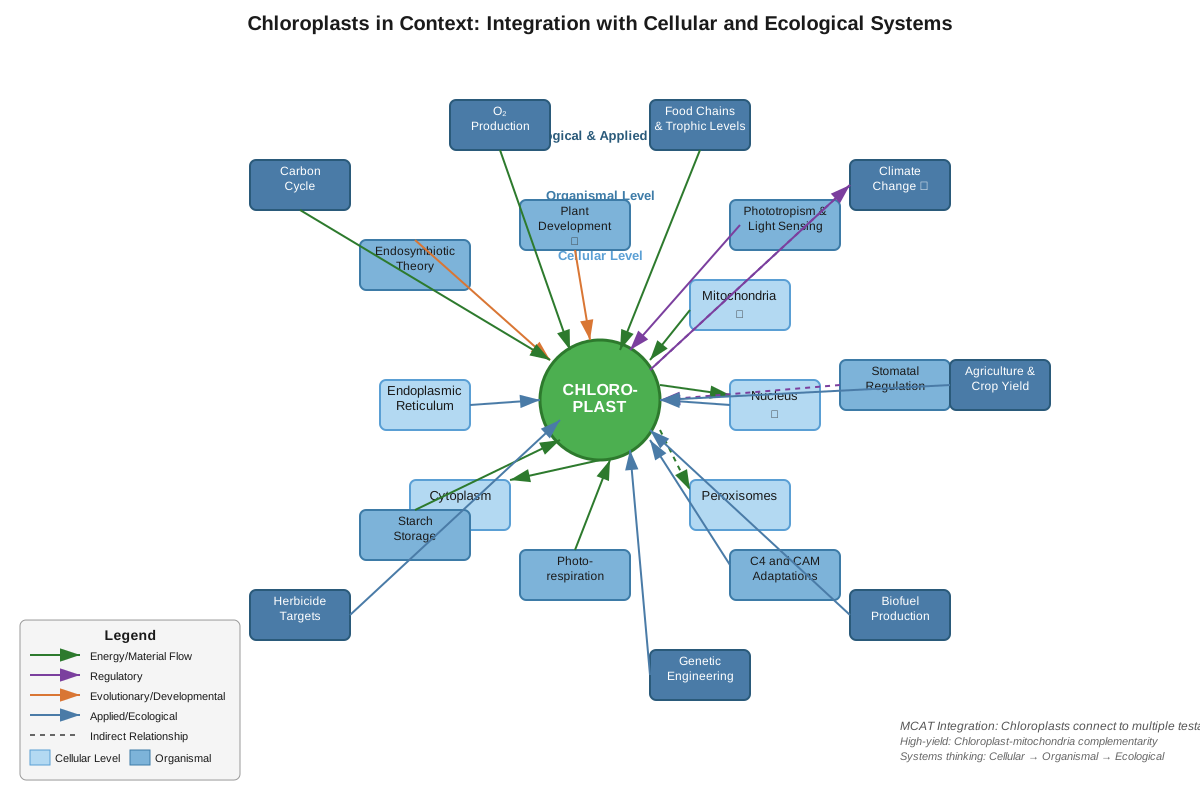
Overview
Chloroplasts are specialized, membrane-bound organelles found exclusively in plant cells and certain protists, serving as the primary sites of photosynthesis—the process by which light energy is converted into chemical energy stored in glucose. These organelles represent one of the most significant evolutionary innovations in the history of life on Earth, having originated through endosymbiosis when an ancestral eukaryotic cell engulfed a photosynthetic cyanobacterium approximately 1.5 billion years ago. Understanding chloroplasts is fundamental to mastering Cell Biology concepts tested on the MCAT, as they exemplify organellar structure-function relationships, energy transformation principles, and the interconnectedness of cellular metabolism.
For the MCAT, chloroplasts appear regularly in both Biological and Biochemical Foundations sections, particularly in passages discussing plant physiology, cellular energetics, and comparative cell biology. Questions may test structural components, the light-dependent and light-independent reactions of photosynthesis, the evolutionary origin of chloroplasts through endosymbiotic theory, or the relationship between chloroplasts and mitochondria in cellular energy metabolism. The MCAT frequently presents experimental passages examining photosynthetic efficiency, chloroplast mutations, or environmental factors affecting chloroplast function, requiring students to integrate knowledge of organellar structure with biochemical pathways.
The study of Chloroplasts Biology connects to broader themes in Biology including cellular respiration (as the complementary process to photosynthesis), membrane structure and transport, genetic inheritance patterns (chloroplasts contain their own DNA), and evolutionary biology. Mastery of chloroplast structure and function provides the foundation for understanding energy flow through ecosystems, the carbon cycle, and the biochemical basis of autotrophic nutrition—all high-yield topics for MCAT success.
Learning Objectives
- [ ] Define Chloroplasts using accurate Biology terminology
- [ ] Explain why Chloroplasts matters for the MCAT
- [ ] Apply Chloroplasts to exam-style questions
- [ ] Identify common mistakes related to Chloroplasts
- [ ] Connect Chloroplasts to related Biology concepts
- [ ] Describe the structural components of chloroplasts and relate each structure to its specific function
- [ ] Compare and contrast chloroplasts with mitochondria in terms of structure, function, and evolutionary origin
- [ ] Analyze experimental data involving chloroplast function and photosynthetic efficiency
Prerequisites
- Basic cell structure: Understanding of eukaryotic cell organization is essential because chloroplasts exist within the context of plant cell architecture and interact with other organelles
- Membrane structure: Knowledge of phospholipid bilayers and membrane proteins is necessary to comprehend the multiple membrane systems within chloroplasts
- Basic biochemistry: Familiarity with ATP, NADPH, and glucose provides the foundation for understanding the products and reactants of photosynthesis
- Endosymbiotic theory: General awareness of how organelles may have originated from prokaryotic cells helps contextualize chloroplast evolution
- Cellular respiration fundamentals: Understanding mitochondrial function creates a framework for comparing and contrasting energy-producing organelles
Why This Topic Matters
Chloroplasts represent a cornerstone concept in understanding how energy enters biological systems. In clinical and real-world contexts, understanding photosynthesis and chloroplast function is crucial for addressing global challenges including food security, biofuel development, and climate change mitigation. Agricultural scientists manipulate chloroplast genetics to improve crop yields, while pharmaceutical researchers explore chloroplast-based protein production systems. The principles governing chloroplast function also inform our understanding of oxygen production in Earth's atmosphere and the biochemical basis of the food chain.
On the MCAT, chloroplast-related questions appear in approximately 3-5% of Biological and Biochemical Foundations questions, with particular emphasis on passages involving experimental manipulation of photosynthetic organisms. The exam frequently tests chloroplasts through:
- Discrete questions asking about structural components or comparing chloroplasts to mitochondria
- Passage-based questions presenting research on photosynthetic efficiency, chloroplast mutations, or environmental factors affecting plant growth
- Data interpretation questions requiring analysis of graphs showing light intensity effects, wavelength absorption spectra, or oxygen production rates
Common question formats include identifying which chloroplast structure corresponds to a specific function, predicting the effects of mutations in chloroplast DNA, explaining why certain wavelengths of light are more effective for photosynthesis, and analyzing experimental designs testing variables that affect photosynthetic rate. The MCAT particularly favors questions that require integration of chloroplast knowledge with other concepts such as enzyme kinetics, membrane transport, or evolutionary biology.
Core Concepts
Definition and Basic Structure
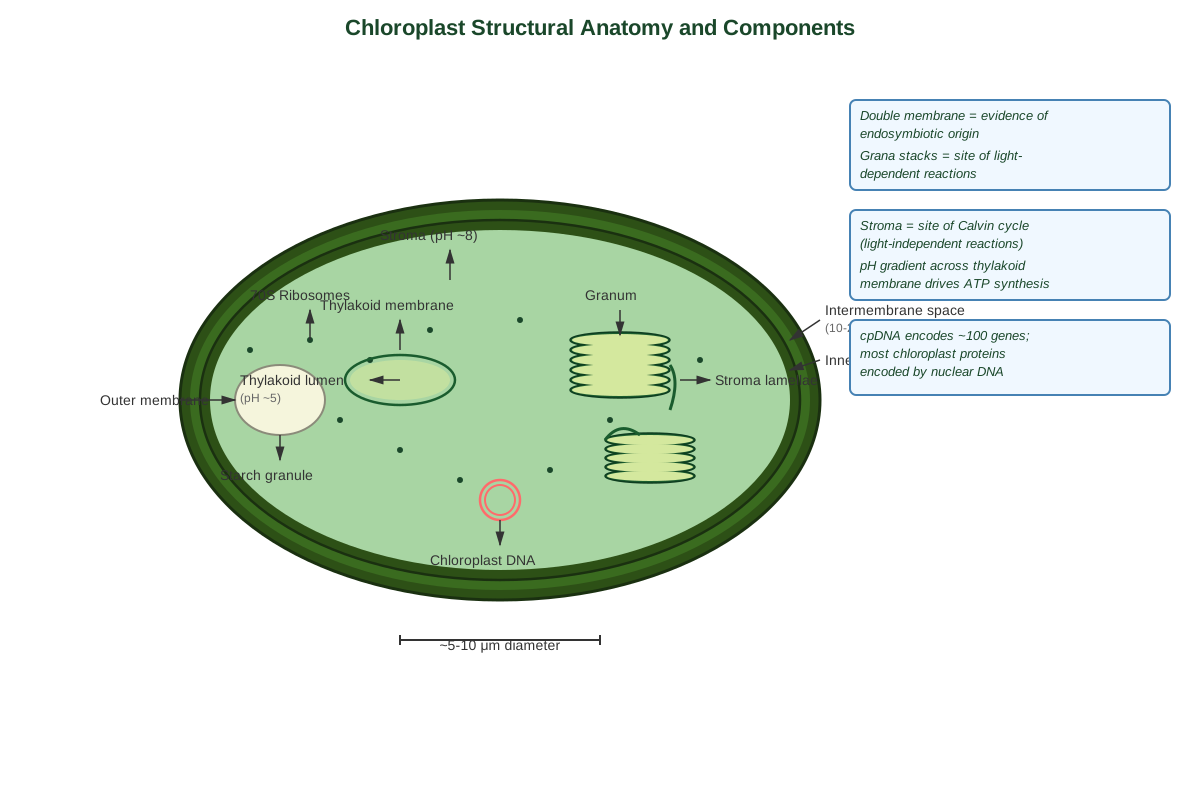
Chloroplasts are double-membrane-bound organelles measuring 5-10 micrometers in length that serve as the sites of photosynthesis in plant cells and algae. These organelles belong to a larger family of plastids and are distinguished by their green color, which results from the presence of chlorophyll pigments. The defining characteristic of chloroplasts is their ability to capture light energy and convert it into chemical energy through the synthesis of glucose from carbon dioxide and water.
The structural organization of chloroplasts reflects their complex function. Each chloroplast is enclosed by two distinct membranes: the outer membrane and the inner membrane, both remnants of the original endosymbiotic event. The outer membrane is relatively permeable and contains porins that allow passage of small molecules, while the inner membrane is highly selective and contains specific transport proteins that regulate molecular traffic into and out of the organelle.
Internal Membrane System: Thylakoids and Grana
Within the chloroplast lies the stroma, a fluid-filled matrix analogous to the mitochondrial matrix, containing enzymes, DNA, ribosomes, and other molecules necessary for chloroplast function. Suspended within the stroma is an elaborate internal membrane system called the thylakoid membrane system. These flattened, disc-like membranous sacs are called thylakoids, and they stack upon one another to form structures called grana (singular: granum).
The thylakoid membrane is the site of the light-dependent reactions of photosynthesis. Embedded within this membrane are the photosystems (Photosystem I and Photosystem II), electron transport chain components, and ATP synthase complexes. The interior space of the thylakoid, called the thylakoid lumen or thylakoid space, becomes acidified during the light reactions as protons accumulate, creating the chemiosmotic gradient that drives ATP synthesis.
The arrangement of thylakoids into grana stacks serves multiple functions. This organization increases the surface area available for light-capturing pigments, facilitates efficient energy transfer between photosystem components, and creates distinct microenvironments for different stages of the light reactions. The stroma lamellae are unstacked thylakoid regions that connect different grana, ensuring continuity of the thylakoid lumen throughout the chloroplast.
Chloroplast Genome and Protein Synthesis
Chloroplasts contain their own circular, double-stranded DNA molecules, typically ranging from 120,000 to 200,000 base pairs in length. This chloroplast DNA (cpDNA) encodes approximately 100-120 genes, including genes for some photosystem proteins, ribosomal RNAs, transfer RNAs, and components of the chloroplast's own protein synthesis machinery. The presence of this genetic material provides strong evidence for the endosymbiotic origin of chloroplasts.
Chloroplasts possess 70S ribosomes (similar to bacterial ribosomes rather than the 80S ribosomes found in the eukaryotic cytoplasm), which synthesize some chloroplast proteins directly within the organelle. However, the majority of chloroplast proteins (approximately 90%) are encoded by nuclear genes, synthesized on cytoplasmic ribosomes, and imported into the chloroplast through specialized protein import machinery. This genetic interdependence between the nucleus and chloroplast represents a key feature of the evolved endosymbiotic relationship.
Photosynthetic Function
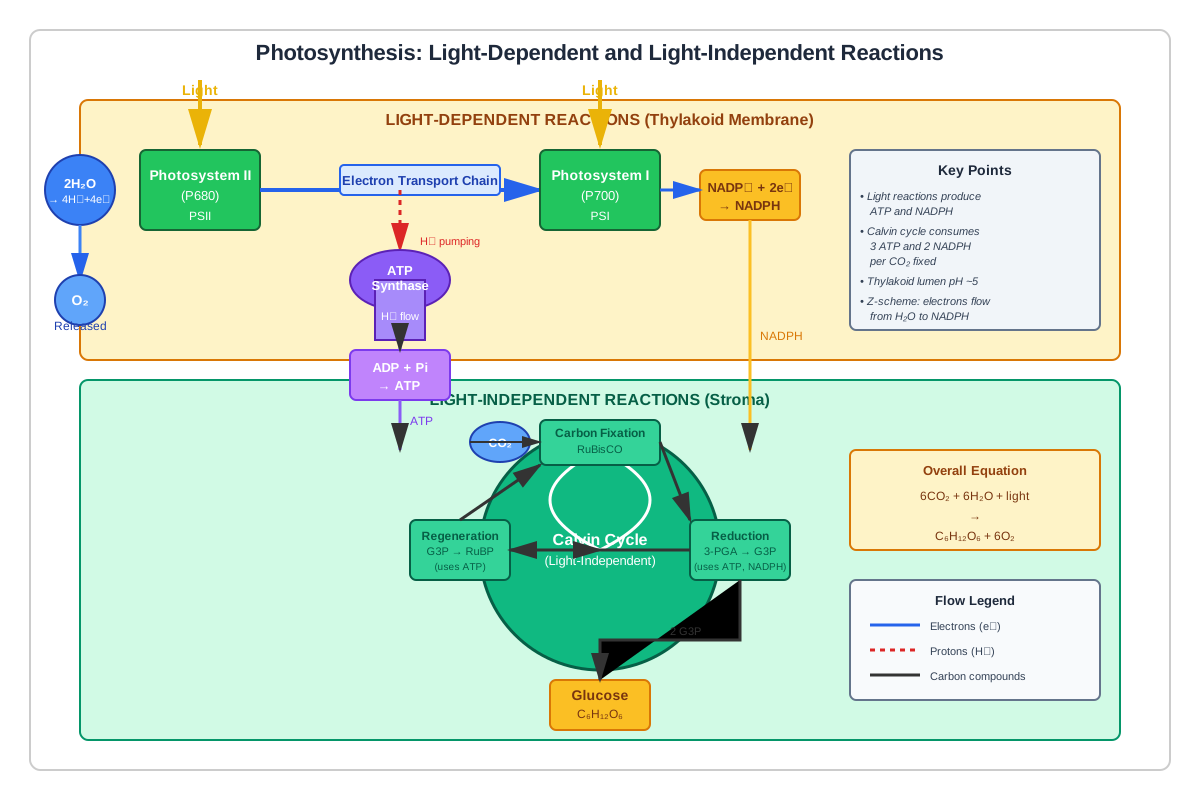
The primary function of chloroplasts is to carry out photosynthesis, which can be divided into two main stages: the light-dependent reactions (occurring in the thylakoid membranes) and the light-independent reactions or Calvin cycle (occurring in the stroma).
During the light-dependent reactions, chlorophyll and accessory pigments absorb light energy, which drives the splitting of water molecules (photolysis), the generation of ATP through photophosphorylation, and the reduction of NADP+ to NADPH. These reactions produce the ATP and NADPH that power the Calvin cycle.
The Calvin cycle uses the ATP and NADPH generated by the light reactions to fix carbon dioxide into organic molecules, ultimately producing glucose. The key enzyme RuBisCO (ribulose-1,5-bisphosphate carboxylase/oxygenase) catalyzes the first step of carbon fixation and is considered the most abundant protein on Earth.
Comparison with Mitochondria
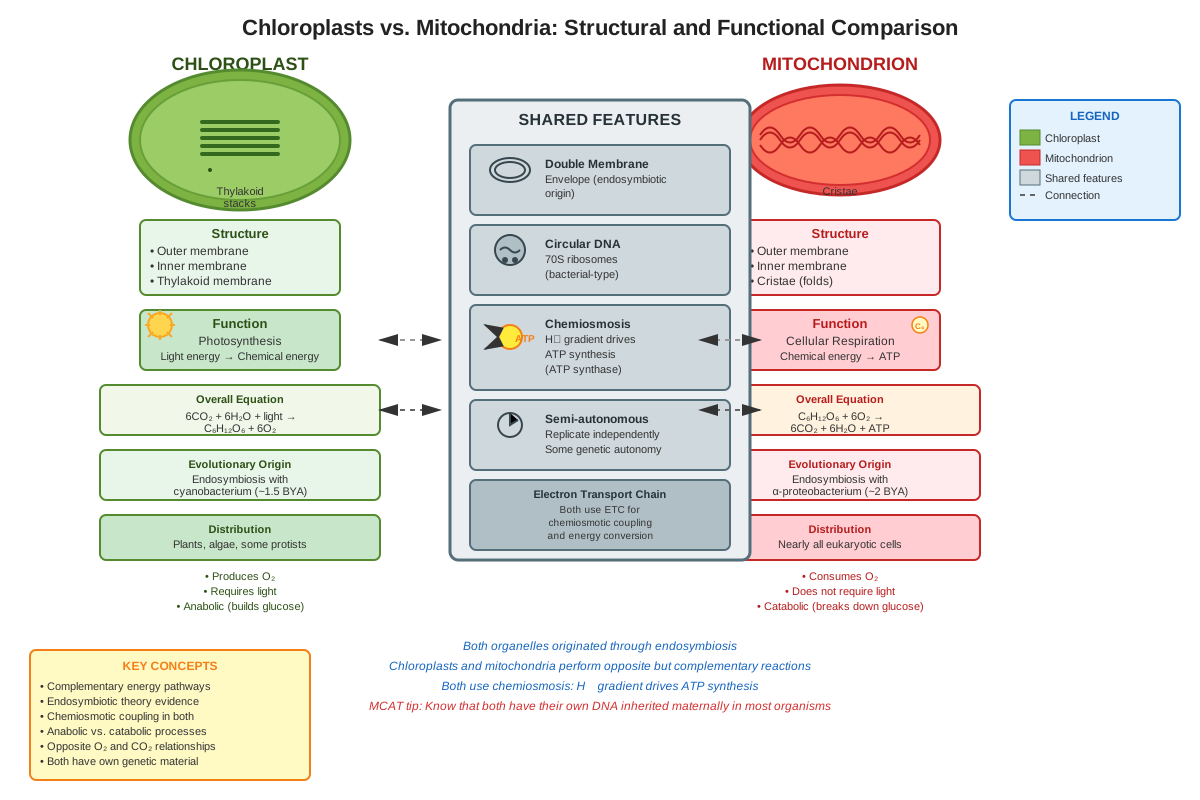
| Feature | Chloroplasts | Mitochondria |
|---|---|---|
| Primary Function | Photosynthesis (energy capture) | Cellular respiration (energy release) |
| Membrane Structure | Double membrane + internal thylakoid system | Double membrane with cristae |
| Energy Conversion | Light energy → Chemical energy (glucose) | Chemical energy (glucose) → ATP |
| Key Molecules Produced | Glucose, ATP, NADPH, O₂ | ATP, CO₂, H₂O |
| Genome Size | 120,000-200,000 bp | 16,000-17,000 bp |
| Location | Plant cells and algae only | Nearly all eukaryotic cells |
| Evolutionary Origin | Endosymbiosis with cyanobacterium | Endosymbiosis with α-proteobacterium |
| Proton Gradient Location | Thylakoid lumen (inside thylakoid) | Intermembrane space |
Endosymbiotic Origin
The endosymbiotic theory explains that chloroplasts originated when an ancestral eukaryotic cell engulfed a photosynthetic cyanobacterium approximately 1.5 billion years ago. Rather than digesting this prokaryote, the host cell established a mutually beneficial relationship. Evidence supporting this theory includes:
- Chloroplasts possess double membranes (the inner membrane from the original bacterium, the outer from the host's phagocytic vesicle)
- Chloroplasts contain circular DNA similar to bacterial chromosomes
- Chloroplast ribosomes are 70S (prokaryotic-type) rather than 80S (eukaryotic-type)
- Chloroplasts divide by binary fission, similar to bacteria
- Chloroplast DNA sequences show homology to cyanobacterial genes
Chloroplast Inheritance
Unlike nuclear genes, which follow Mendelian inheritance patterns, chloroplasts typically exhibit maternal inheritance in most plant species. During sexual reproduction, the egg cell contributes most or all of the cytoplasm (and therefore chloroplasts) to the zygote, while the sperm contributes primarily nuclear DNA. This non-Mendelian inheritance pattern has important implications for plant breeding and genetic engineering, as chloroplast-encoded traits cannot be manipulated through traditional crossing techniques.
Concept Relationships
The structural components of chloroplasts are intimately connected to their functions. The double membrane system → provides compartmentalization that → enables the establishment of proton gradients → which drives ATP synthesis. The thylakoid membrane → contains photosystems and electron transport chains → which capture light energy and → generate ATP and NADPH → which power the Calvin cycle in the stroma → resulting in glucose synthesis.
Chloroplasts connect to prerequisite knowledge of membrane structure through their multiple membrane systems, each with distinct protein compositions and permeability characteristics. The concept of chemiosmotic coupling, first encountered in mitochondrial ATP synthesis, applies equally to chloroplast function, demonstrating the universal principle of using proton gradients to drive ATP production.
The relationship between chloroplasts and mitochondria represents a fundamental complementarity in cellular energetics: chloroplasts → produce glucose and oxygen through photosynthesis → which serve as inputs for mitochondria → which produce ATP and carbon dioxide through cellular respiration → which serve as inputs for chloroplasts. This cyclical relationship underpins energy flow through ecosystems.
The endosymbiotic origin of chloroplasts connects to evolutionary biology concepts, demonstrating how complex eukaryotic cells arose through symbiotic relationships. This same principle applies to mitochondria, illustrating a general mechanism of evolutionary innovation. The presence of chloroplast DNA and ribosomes → enables semi-autonomous function → but genetic interdependence with the nucleus → demonstrates evolutionary integration over time.
High-Yield Facts
⭐ Chloroplasts are double-membrane-bound organelles that contain an internal thylakoid membrane system where light-dependent reactions occur
⭐ The stroma is the fluid-filled region where the Calvin cycle (light-independent reactions) takes place
⭐ Chloroplasts contain their own circular DNA and 70S ribosomes, providing evidence for endosymbiotic origin
⭐ Grana are stacks of thylakoids that increase surface area for light-capturing pigments and photosystem complexes
⭐ Chloroplasts and mitochondria are complementary organelles: chloroplasts capture energy and produce glucose/O₂, while mitochondria release energy and produce CO₂/H₂O
- Chloroplasts exhibit maternal inheritance in most plant species, unlike nuclear genes which follow Mendelian patterns
- The thylakoid lumen becomes acidified during light reactions, creating the proton gradient that drives ATP synthesis
- RuBisCO, located in the chloroplast stroma, is the most abundant protein on Earth and catalyzes the first step of carbon fixation
- Chloroplasts originated from cyanobacteria approximately 1.5 billion years ago through endosymbiosis
- The outer chloroplast membrane is permeable to small molecules, while the inner membrane is highly selective with specific transport proteins
- Approximately 90% of chloroplast proteins are encoded by nuclear genes and must be imported into the organelle
- Chloroplasts can convert back to other plastid types (like chromoplasts or leucoplasts) under certain developmental or environmental conditions
Quick check — test yourself on Chloroplasts so far.
Try Flashcards →Common Misconceptions
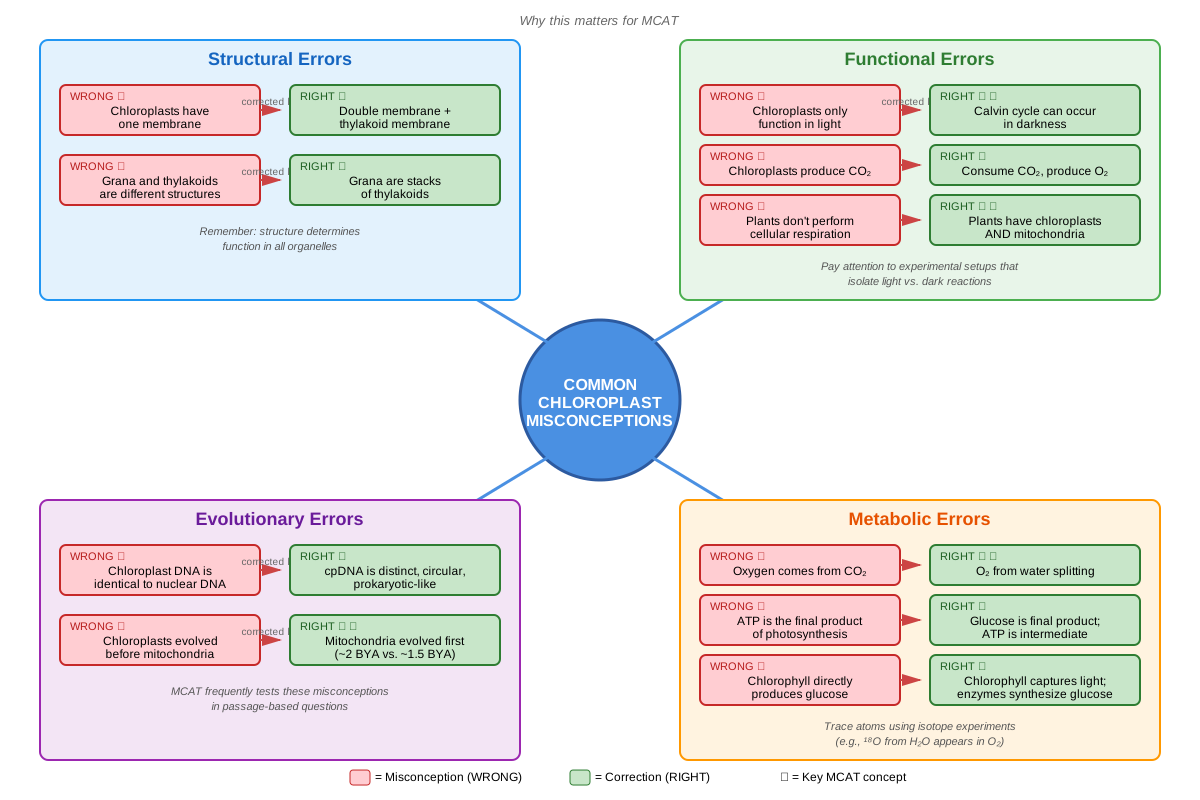
Misconception: Chloroplasts only produce energy during the day and mitochondria only work at night in plant cells.
Correction: Plant cells use mitochondria continuously for cellular respiration, both day and night. During the day, chloroplasts produce glucose through photosynthesis, and some of this glucose is immediately used by mitochondria for ATP production. At night, stored glucose continues to fuel mitochondrial respiration.
Misconception: The thylakoid membrane is the same as the inner chloroplast membrane.
Correction: These are distinct membrane systems. The inner chloroplast membrane is one of the two boundary membranes surrounding the entire organelle, while the thylakoid membrane is an internal membrane system suspended within the stroma. The thylakoid membrane contains the photosystems and electron transport chain, while the inner chloroplast membrane primarily functions in selective transport.
Misconception: Chloroplasts contain 80S ribosomes like other eukaryotic organelles.
Correction: Chloroplasts contain 70S ribosomes (similar to bacterial ribosomes), not 80S ribosomes. This is a key piece of evidence supporting the endosymbiotic theory. The 80S ribosomes are found in the eukaryotic cytoplasm and are used to synthesize proteins that are then imported into chloroplasts.
Misconception: All chloroplast proteins are encoded by chloroplast DNA.
Correction: Only about 10% of chloroplast proteins are encoded by the chloroplast genome. The remaining 90% are encoded by nuclear genes, synthesized on cytoplasmic ribosomes, and imported into the chloroplast through specialized targeting sequences and import machinery.
Misconception: The proton gradient in chloroplasts is established in the same location as in mitochondria.
Correction: In chloroplasts, protons accumulate in the thylakoid lumen (inside the thylakoid sacs), and ATP synthase channels protons from the lumen to the stroma. In mitochondria, protons accumulate in the intermembrane space, and ATP synthase channels them from the intermembrane space to the matrix. The directionality is opposite relative to the innermost compartment.
Misconception: Chloroplasts can function independently of the rest of the cell because they have their own DNA.
Correction: Despite having their own genome, chloroplasts are highly dependent on the nucleus for most of their proteins and cannot survive independently. The chloroplast genome has been significantly reduced over evolutionary time, with many genes transferred to the nuclear genome, creating obligate interdependence.
Worked Examples
Example 1: Experimental Analysis of Chloroplast Function
Question: Researchers isolate intact chloroplasts and expose them to light in the presence of ADP, inorganic phosphate, NADP+, and CO₂. They then measure ATP, NADPH, and glucose production. In a second experiment, they rupture the thylakoid membranes before light exposure while keeping all other conditions identical. Which of the following results would most likely be observed in the second experiment compared to the first?
A) Increased ATP production due to better access of ADP to ATP synthase
B) Decreased ATP production due to loss of the proton gradient
C) Increased glucose production due to better CO₂ access to RuBisCO
D) No change in any measured products
Solution:
Step 1: Identify the key structural requirement for ATP synthesis in chloroplasts.
ATP production in chloroplasts requires an intact thylakoid membrane system to establish and maintain a proton gradient. The light-dependent reactions pump protons into the thylakoid lumen, creating a concentration gradient.
Step 2: Analyze what happens when thylakoid membranes are ruptured.
When the thylakoid membranes are disrupted, the compartmentalization necessary for establishing a proton gradient is lost. Protons can no longer accumulate in the thylakoid lumen because there is no enclosed space to contain them.
Step 3: Determine the effect on ATP synthesis.
Without a proton gradient, ATP synthase cannot function effectively. The chemiosmotic coupling that normally drives ATP production is eliminated. Even though light can still excite electrons in photosystem pigments, the energy cannot be efficiently captured as ATP.
Step 4: Consider effects on other products.
NADPH production might continue at reduced levels because the electron transport chain components could still function, though less efficiently. However, glucose production would be severely impaired because the Calvin cycle requires ATP (which is now drastically reduced).
Step 5: Evaluate the answer choices.
Choice A is incorrect because better access does not compensate for the loss of the driving force (proton gradient). Choice B correctly identifies that ATP production would decrease due to the inability to maintain a proton gradient. Choice C is incorrect because even if CO₂ access improved, the lack of ATP would prevent glucose synthesis. Choice D is incorrect because significant changes would occur.
Answer: B - The rupture of thylakoid membranes eliminates the compartmentalization necessary for establishing the proton gradient that drives ATP synthesis through chemiosmotic coupling.
Example 2: Comparative Analysis of Organellar Inheritance
Question: A plant geneticist crosses two pea plants: one with normal chloroplasts (maternal parent) and one with a mutation in chloroplast DNA that causes yellow leaves due to defective chlorophyll synthesis (paternal parent). The geneticist also crosses the same plants in the reverse direction (mutant as maternal parent, normal as paternal parent). Assuming chloroplasts show strict maternal inheritance, what phenotypes would be expected in the F₁ generation from both crosses?
Solution:
Step 1: Recall the principle of maternal inheritance for chloroplasts.
In maternal inheritance, organelles (and their genomes) are transmitted exclusively or predominantly through the egg cell (maternal parent). The sperm contributes primarily nuclear DNA but little to no cytoplasm or organelles.
Step 2: Analyze Cross 1 (normal maternal × mutant paternal).
The maternal parent has normal chloroplasts, so all egg cells contain normal chloroplast DNA. The paternal parent's mutant chloroplasts are not transmitted to offspring because sperm cells contribute minimal cytoplasm. Therefore, all F₁ offspring receive normal chloroplasts from the maternal parent.
Expected phenotype: All F₁ plants have green leaves (normal chloroplast function).
Step 3: Analyze Cross 2 (mutant maternal × normal paternal).
The maternal parent has mutant chloroplasts, so all egg cells contain chloroplasts with defective chlorophyll synthesis genes. The paternal parent's normal chloroplasts are not transmitted to offspring. Therefore, all F₁ offspring receive mutant chloroplasts from the maternal parent.
Expected phenotype: All F₁ plants have yellow leaves (defective chloroplast function).
Step 4: Compare to Mendelian expectations.
If this were a nuclear gene following Mendelian inheritance, both crosses would produce identical results (all heterozygous offspring with the same phenotype depending on dominance). The fact that reciprocal crosses produce different results is diagnostic of cytoplasmic/maternal inheritance.
Step 5: Consider the broader implications.
This inheritance pattern means that chloroplast traits cannot be manipulated through traditional breeding approaches that rely on Mendelian segregation. It also explains why certain plant traits (like some forms of variegation) show non-Mendelian inheritance patterns.
Answer: Cross 1 produces all green-leaved F₁ plants; Cross 2 produces all yellow-leaved F₁ plants. The reciprocal crosses yield different results because chloroplast DNA is maternally inherited, demonstrating non-Mendelian inheritance patterns characteristic of organellar genomes.
Exam Strategy
When approaching MCAT questions about chloroplasts, first identify whether the question focuses on structure, function, or evolutionary origin. Structure questions often require matching specific components (thylakoid, stroma, grana) to their functions. Function questions typically involve the light-dependent reactions, Calvin cycle, or the relationship between chloroplasts and mitochondria. Evolutionary questions focus on endosymbiotic theory evidence.
Trigger words and phrases to recognize:
- "Light-dependent reactions" or "light reactions" → think thylakoid membrane, photosystems, ATP and NADPH production
- "Calvin cycle" or "light-independent reactions" → think stroma, carbon fixation, RuBisCO
- "Maternal inheritance" or "non-Mendelian inheritance" → think chloroplast DNA, cytoplasmic inheritance
- "Endosymbiotic origin" → think double membrane, circular DNA, 70S ribosomes
- "Proton gradient" or "chemiosmosis" → think thylakoid lumen, ATP synthase
- "Complementary to mitochondria" → think about inputs/outputs of photosynthesis vs. cellular respiration
Process-of-elimination strategies:
- Eliminate answers that confuse chloroplast structures with mitochondrial structures (e.g., cristae belong to mitochondria, not chloroplasts)
- Eliminate answers that place reactions in the wrong location (light reactions must occur in thylakoid membranes, not stroma)
- Eliminate answers that suggest chloroplasts have 80S ribosomes or linear DNA (these are eukaryotic features, not consistent with endosymbiotic origin)
- Eliminate answers that suggest chloroplasts function independently without nuclear gene products
Time allocation advice: For discrete questions about chloroplast structure or function, spend 30-45 seconds identifying the key concept being tested and selecting the answer. For passage-based questions involving experimental data on photosynthesis, allocate 60-90 seconds to analyze the experimental design, identify the variables, and connect the results to chloroplast function. Don't get bogged down in complex biochemical details of photosynthesis unless the question specifically requires them—the MCAT tests conceptual understanding more than memorization of every enzymatic step.
When facing questions that compare chloroplasts and mitochondria, create a quick mental table of their complementary features. This comparative approach often reveals the correct answer more quickly than trying to recall isolated facts about each organelle.
Memory Techniques
Mnemonic for chloroplast membrane systems: "Outer, Inner, Thylakoid" = OIT ("Oh, I see the light!") - helps remember the three membrane systems in order from outside to inside.
Mnemonic for endosymbiotic evidence: "Double membrane, DNA circular, Division by fission, Different ribosomes (70S)" = Four D's of endosymbiosis
Visualization strategy for thylakoid organization: Picture grana as stacks of coins (thylakoids) connected by bridges (stroma lamellae). The space inside each "coin" is the thylakoid lumen where protons accumulate. This mental image helps remember that the proton gradient is established inside the thylakoid, not outside.
Acronym for chloroplast functions: LEAP
- Light capture (thylakoid membranes)
- Electron transport (thylakoid membranes)
- ATP synthesis (thylakoid membranes)
- Production of glucose (stroma)
Memory aid for chloroplast vs. mitochondria complementarity: "Chloroplasts BUILD (anabolic, energy storage, produce glucose and O₂) while Mitochondria BREAK (catabolic, energy release, consume glucose and O₂)." The BUILD/BREAK contrast helps remember their opposite but complementary functions.
Mnemonic for maternal inheritance: "Mom's Mitochondria and chloroplasts" - both organelles typically show maternal inheritance, helping you remember this non-Mendelian pattern.
Summary
Chloroplasts are double-membrane-bound organelles that serve as the sites of photosynthesis in plant cells and algae, converting light energy into chemical energy stored in glucose. Their complex internal structure includes the stroma (site of the Calvin cycle) and an elaborate thylakoid membrane system organized into grana (site of light-dependent reactions). The thylakoid lumen accumulates protons during light reactions, creating the chemiosmotic gradient that drives ATP synthesis. Chloroplasts contain their own circular DNA and 70S ribosomes, providing strong evidence for their origin through endosymbiosis with ancient cyanobacteria. Despite having their own genome, chloroplasts depend on nuclear genes for approximately 90% of their proteins, demonstrating evolutionary integration with the host cell. Chloroplasts and mitochondria function as complementary organelles in plant cells, with chloroplasts capturing energy and producing glucose and oxygen, while mitochondria release energy and produce carbon dioxide and water. For the MCAT, understanding chloroplast structure-function relationships, their evolutionary origin, and their role in cellular energetics is essential for answering questions about plant cell biology, photosynthesis, and comparative organellar function.
Key Takeaways
- Chloroplasts are double-membrane organelles with an internal thylakoid membrane system; light reactions occur in thylakoid membranes while the Calvin cycle occurs in the stroma
- The thylakoid lumen accumulates protons during light-dependent reactions, creating the gradient that drives ATP synthesis through chemiosmotic coupling
- Chloroplasts contain circular DNA and 70S ribosomes, key evidence supporting their origin through endosymbiosis with cyanobacteria approximately 1.5 billion years ago
- Chloroplasts exhibit maternal inheritance in most plants, representing a non-Mendelian inheritance pattern distinct from nuclear genes
- Chloroplasts and mitochondria are complementary organelles: chloroplasts capture light energy to produce glucose and O₂, while mitochondria extract chemical energy from glucose, producing CO₂ and H₂O
- Grana (stacks of thylakoids) increase surface area for photosystem complexes and create distinct microenvironments for efficient light energy capture
- Despite having their own genome, chloroplasts depend on nuclear genes for most proteins, demonstrating obligate interdependence with the host cell
Related Topics
Photosynthesis biochemistry: Mastering chloroplast structure provides the foundation for understanding the detailed mechanisms of light-dependent and light-independent reactions, including photosystems I and II, the electron transport chain, and the Calvin cycle enzymes.
Mitochondrial structure and function: Understanding chloroplasts enables meaningful comparison with mitochondria, highlighting both the complementary nature of these organelles and the universal principles of chemiosmotic coupling in energy transduction.
Endosymbiotic theory and evolution: Chloroplast characteristics provide evidence for one of the most important evolutionary innovations in eukaryotic cells, connecting to broader themes in evolutionary biology and the origin of complex cells.
Plant cell biology: Chloroplasts exist within the context of plant cell structure, interacting with the cell wall, vacuole, and other plant-specific features that distinguish plant cells from animal cells.
Cellular energetics and metabolism: The relationship between photosynthesis and cellular respiration illustrates fundamental principles of energy transformation, ATP production, and the interconnectedness of anabolic and catabolic pathways.
Practice CTA
Now that you've mastered the structural and functional aspects of chloroplasts, test your understanding with practice questions and flashcards. Focus on questions that require you to integrate chloroplast knowledge with other concepts like membrane transport, enzyme kinetics, and experimental design. Challenge yourself with passage-based questions that present novel experimental scenarios involving chloroplast function—these most closely mirror the analytical thinking required on the MCAT. Remember, understanding chloroplasts isn't just about memorizing structures; it's about recognizing how structure enables function and how chloroplasts fit into the larger context of cellular energetics and evolution. Your ability to think critically about these relationships will serve you well on test day!
Sign up free to keep reading
Create a free AnvayaPrep account to finish this MCAT guide on Chloroplasts — plus flashcards and practice questions.