Overview
The Endosymbiotic theory stands as one of the most transformative concepts in Cell Biology and evolutionary biology, explaining the origin of eukaryotic cells through the incorporation of prokaryotic organisms. This theory proposes that mitochondria and chloroplasts—two critical organelles in eukaryotic cells—originated as free-living bacteria that were engulfed by ancestral host cells approximately 1.5 to 2 billion years ago. Rather than being digested, these prokaryotes established a mutually beneficial relationship with their host, eventually becoming permanent cellular residents. This symbiotic relationship fundamentally changed the trajectory of life on Earth, enabling the evolution of complex multicellular organisms.
For the MCAT, understanding Endosymbiotic theory is essential because it bridges multiple high-yield topics including cellular structure, evolution, genetics, and metabolism. The theory explains why mitochondria and chloroplasts possess their own DNA, ribosomes, and double membranes—features that distinguish them from other organelles and frequently appear in exam passages. Questions may present experimental data comparing organellar characteristics to bacterial features, require analysis of phylogenetic relationships, or test understanding of how these organelles replicate independently of the cell cycle.
The Endosymbiotic theory MCAT content connects directly to broader Biology concepts including cellular respiration, photosynthesis, membrane structure, DNA replication, protein synthesis, and evolutionary mechanisms. Mastery of this topic enables deeper comprehension of how eukaryotic cells function as integrated systems and provides context for understanding the fundamental differences between prokaryotic and eukaryotic life. This knowledge frequently appears in both discrete questions and passage-based items, particularly in sections testing biological and biochemical foundations.
Learning Objectives
- [ ] Define Endosymbiotic theory using accurate Biology terminology
- [ ] Explain why Endosymbiotic theory matters for the MCAT
- [ ] Apply Endosymbiotic theory to exam-style questions
- [ ] Identify common mistakes related to Endosymbiotic theory
- [ ] Connect Endosymbiotic theory to related Biology concepts
- [ ] Analyze and interpret experimental evidence supporting the endosymbiotic origin of organelles
- [ ] Compare and contrast characteristics of mitochondria, chloroplasts, and bacteria
- [ ] Evaluate the evolutionary significance of primary and secondary endosymbiosis
- [ ] Predict outcomes of disruptions to organellar genetic systems based on endosymbiotic origins
Prerequisites
- Basic cell structure: Understanding the distinction between prokaryotic and eukaryotic cells is fundamental to appreciating why certain organelles have bacterial characteristics
- DNA structure and replication: Knowledge of genetic material organization enables recognition of the significance of circular DNA in organelles
- Membrane structure: Familiarity with phospholipid bilayers explains the double-membrane structure of mitochondria and chloroplasts
- Protein synthesis: Understanding ribosomes and translation is necessary to recognize the importance of 70S ribosomes in organelles
- Basic evolutionary concepts: Comprehension of natural selection and adaptation provides context for how symbiotic relationships can drive evolutionary change
Why This Topic Matters
Clinical and Real-World Significance: The endosymbiotic origin of mitochondria has profound implications for human health and disease. Mitochondrial DNA mutations cause numerous genetic disorders that are maternally inherited, including Leber's hereditary optic neuropathy, mitochondrial myopathy, and certain forms of diabetes. Understanding the bacterial ancestry of mitochondria has also informed antibiotic development and explains why certain antibiotics that target bacterial ribosomes can have toxic effects on mitochondria. Additionally, the theory provides insight into aging processes, as mitochondrial DNA accumulates mutations more rapidly than nuclear DNA due to oxidative stress from cellular respiration.
MCAT Exam Statistics: Endosymbiotic theory appears in approximately 3-5% of MCAT Biology questions, with medium frequency but high importance when it does appear. Questions typically fall into three categories: (1) direct knowledge questions testing understanding of evidence supporting the theory (15% of related questions), (2) passage-based questions requiring interpretation of experimental data comparing organelles to bacteria (60% of related questions), and (3) application questions connecting endosymbiosis to evolution, genetics, or cellular metabolism (25% of related questions). The topic most commonly appears in passages discussing cellular evolution, organellar genetics, or comparative biochemistry.
Common Exam Presentations: MCAT passages frequently present this topic through experimental scenarios comparing antibiotic sensitivity between bacteria and organelles, phylogenetic analyses showing evolutionary relationships, or studies examining DNA sequences from different cellular compartments. Questions may ask students to predict the effects of specific antibiotics on mitochondrial function, interpret data showing similarities between bacterial and organellar genomes, or explain why certain genetic diseases show maternal inheritance patterns. The theory also appears in questions about photosynthetic organisms, requiring integration of knowledge about both mitochondria and chloroplasts.
Core Concepts
Definition and Historical Context
Endosymbiotic theory (also called endosymbiosis) is the scientific explanation proposing that mitochondria and chloroplasts evolved from ancient prokaryotic organisms that were engulfed by ancestral eukaryotic cells through endocytosis. The term "endosymbiosis" literally means "living together inside," describing the permanent residence of one organism within another. Lynn Margulis championed this theory in the 1960s and 1970s, synthesizing earlier observations into a comprehensive framework that has since become widely accepted in the scientific community.
The theory specifically proposes that mitochondria descended from aerobic proteobacteria (alpha-proteobacteria), while chloroplasts originated from photosynthetic cyanobacteria. This endosymbiotic event occurred after the evolution of the eukaryotic cell nucleus but before the diversification of most modern eukaryotic lineages. The host cell gained significant metabolic advantages: mitochondria provided efficient ATP production through aerobic respiration, while chloroplasts enabled photosynthetic organisms to harness solar energy directly.
Primary Evidence Supporting Endosymbiotic Theory
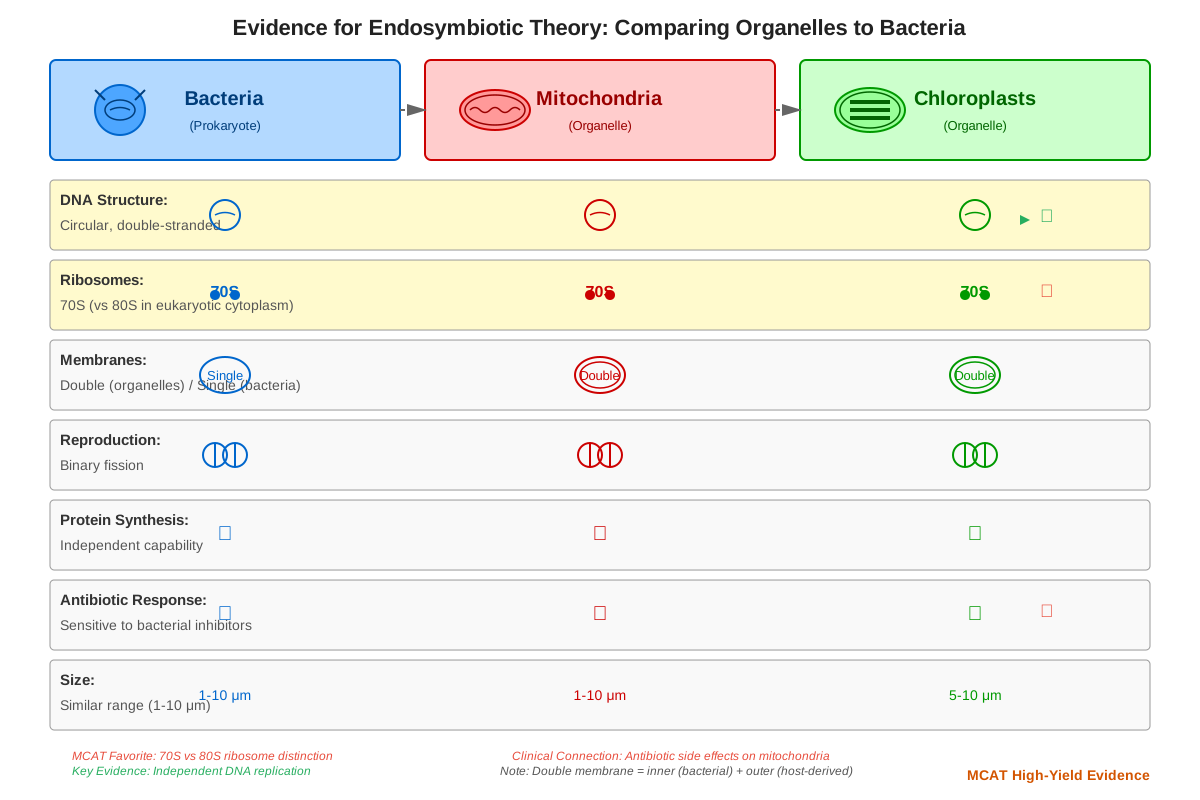
The Endosymbiotic theory Biology is supported by multiple independent lines of evidence that collectively make an overwhelming case for the bacterial origin of these organelles:
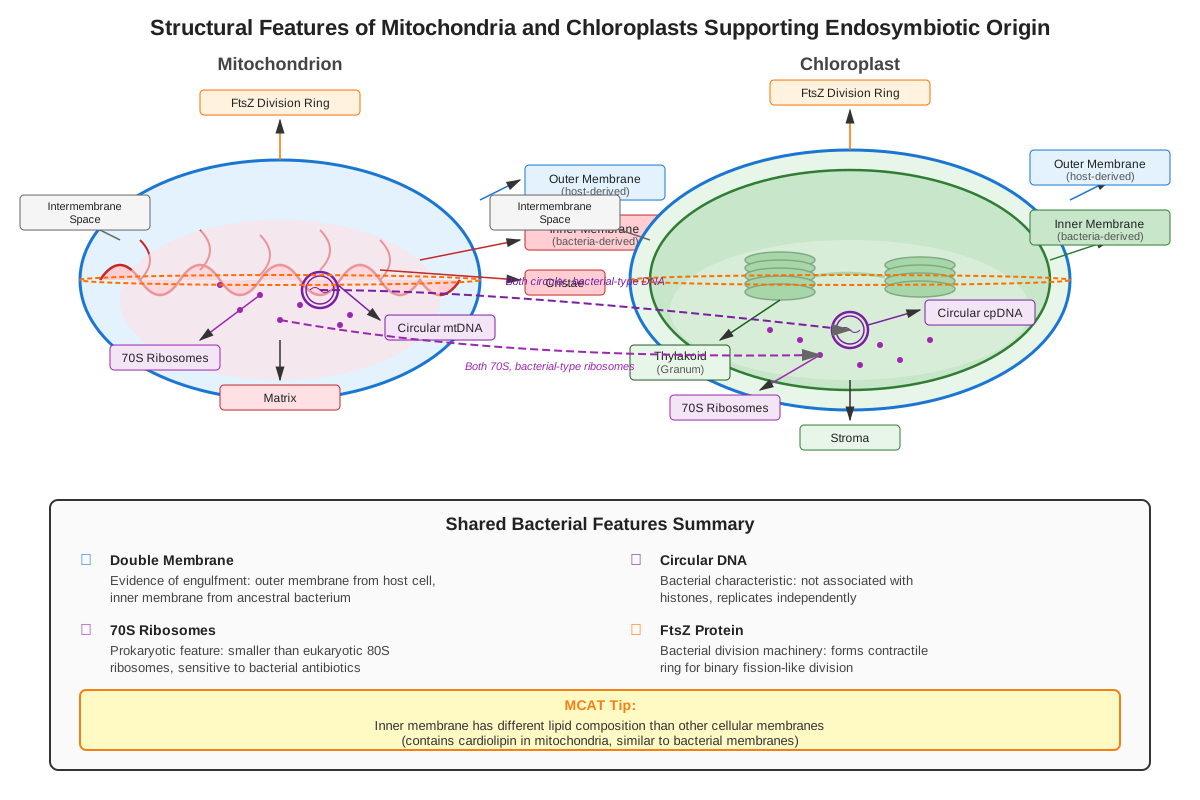
Double Membrane Structure: Both mitochondria and chloroplasts possess two distinct phospholipid bilayer membranes. The inner membrane reflects the original bacterial plasma membrane, while the outer membrane derives from the host cell's endocytic vesicle that engulfed the bacterium. This double-membrane architecture is absent in other organelles like the endoplasmic reticulum or Golgi apparatus, which have different evolutionary origins.
Circular DNA: Mitochondria and chloroplasts contain their own genetic material organized as circular, double-stranded DNA molecules—identical to bacterial chromosome organization. This contrasts sharply with nuclear DNA, which is linear and associated with histone proteins. The organellar DNA is not enclosed in a membrane-bound nucleus and exists in multiple copies per organelle, similar to bacterial nucleoids.
70S Ribosomes: These organelles contain ribosomes that are structurally and functionally similar to bacterial 70S ribosomes (composed of 50S and 30S subunits), rather than the 80S ribosomes (60S and 40S subunits) found in the eukaryotic cytoplasm. This similarity extends to antibiotic sensitivity—drugs like chloramphenicol and streptomycin that inhibit bacterial protein synthesis also affect mitochondrial and chloroplast ribosomes.
Binary Fission: Mitochondria and chloroplasts replicate through a process resembling bacterial binary fission, dividing independently of the cell cycle. They cannot be synthesized de novo by the cell; if removed or destroyed, they cannot be replaced. This autonomous replication includes DNA replication, membrane growth, and division by constriction.
Sequence Homology: Phylogenetic analyses of ribosomal RNA genes and protein-coding sequences demonstrate that mitochondrial genes are most closely related to alpha-proteobacteria, while chloroplast genes cluster with cyanobacteria. These molecular phylogenies provide quantitative support for specific bacterial ancestors.
Comparison of Organelles and Bacteria
| Feature | Bacteria | Mitochondria | Chloroplasts | Eukaryotic Cytoplasm |
|---|---|---|---|---|
| DNA Structure | Circular, no histones | Circular, no histones | Circular, no histones | Linear, with histones |
| Ribosome Type | 70S (50S + 30S) | 70S (50S + 30S) | 70S (50S + 30S) | 80S (60S + 40S) |
| Membrane Layers | Single (plasma membrane) | Double | Double | N/A |
| Reproduction | Binary fission | Binary fission | Binary fission | N/A |
| Antibiotic Sensitivity | Sensitive | Sensitive | Sensitive | Resistant |
| Gene Expression | Prokaryotic-style | Prokaryotic-style | Prokaryotic-style | Eukaryotic-style |
Evolutionary Timeline and Mechanism
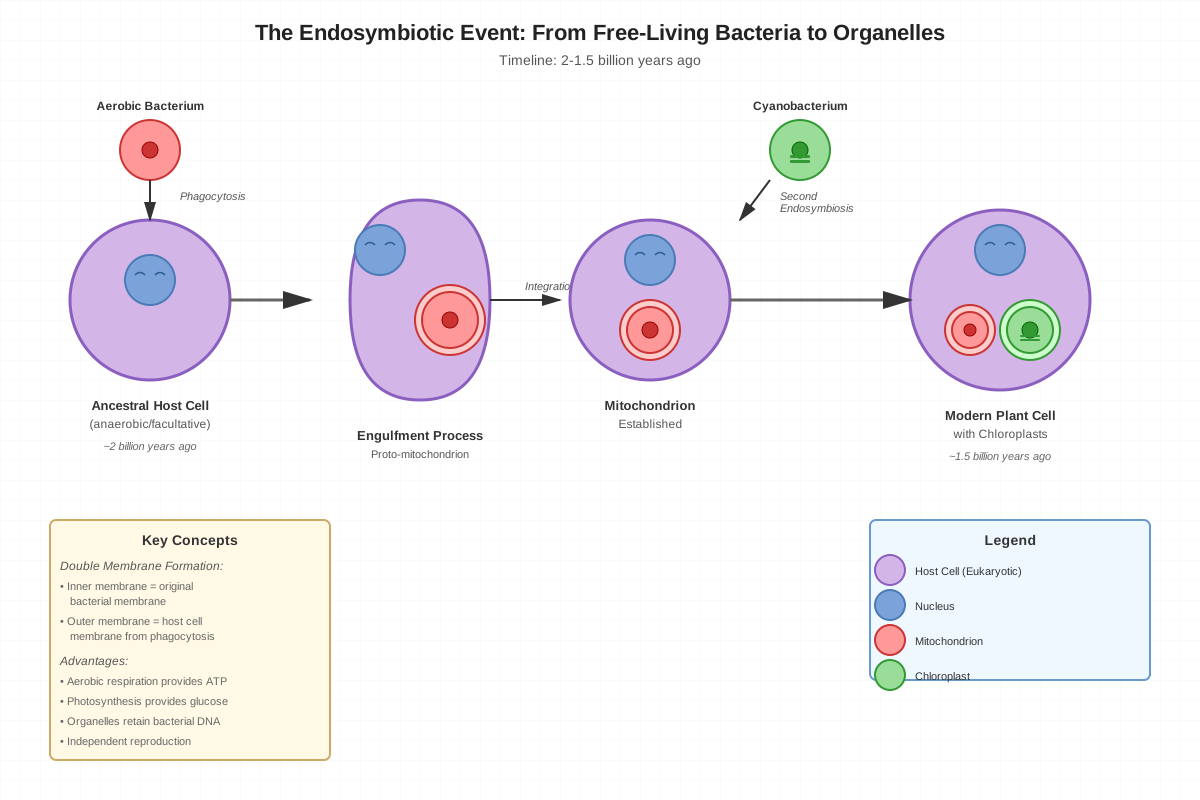
The endosymbiotic event occurred through the following proposed sequence:
- Initial Engulfment: An ancestral anaerobic or facultatively aerobic eukaryotic cell (already possessing a nucleus and endomembrane system) engulfed an aerobic bacterium through phagocytosis approximately 1.5-2 billion years ago
- Survival and Integration: Rather than being digested, the bacterium survived within the host cell's cytoplasm, initially as a separate organism
- Metabolic Mutualism: The bacterium provided ATP through aerobic respiration, while the host provided nutrients and a protected environment
- Gene Transfer: Over evolutionary time, many bacterial genes transferred to the host nucleus, creating genetic dependence
- Permanent Integration: The bacterium lost the ability to live independently, becoming an obligate organelle
For chloroplasts, a similar process occurred when a eukaryotic cell that already contained mitochondria engulfed a cyanobacterium, establishing photosynthetic capability. This is termed primary endosymbiosis. Some algae and protists acquired chloroplasts through secondary endosymbiosis—engulfing a eukaryotic alga that already contained chloroplasts, resulting in organelles with three or four membranes.
Gene Transfer and Genetic Mosaicism
A critical aspect of endosymbiotic evolution involves massive gene transfer from organellar genomes to the nuclear genome. Modern mitochondria contain only 13-37 protein-coding genes (depending on species), while their bacterial ancestors possessed thousands. Most original bacterial genes either transferred to the nucleus or were lost. Nuclear-encoded proteins destined for mitochondria or chloroplasts contain targeting sequences (signal peptides) that direct them back to the organelles after cytoplasmic synthesis.
This genetic reorganization created several important consequences:
- Organelles became genetically dependent on the nucleus
- The cell gained centralized genetic control over organellar function
- Mitochondrial and chloroplast DNA became vulnerable to mutation due to reduced DNA repair mechanisms
- Maternal inheritance patterns emerged because egg cells contribute mitochondria to offspring while sperm typically do not
Metabolic Integration
The endosymbiotic origin explains the sophisticated metabolic integration between organelles and the rest of the cell. Mitochondria perform oxidative phosphorylation, producing the majority of cellular ATP, while also participating in amino acid metabolism, lipid synthesis, and calcium homeostasis. Chloroplasts conduct photosynthesis, generating glucose and oxygen while consuming carbon dioxide. Both organelles exchange metabolites with the cytoplasm through specialized transporter proteins in their membranes, creating an integrated metabolic network that would be impossible without their evolutionary history of cooperation.
Concept Relationships
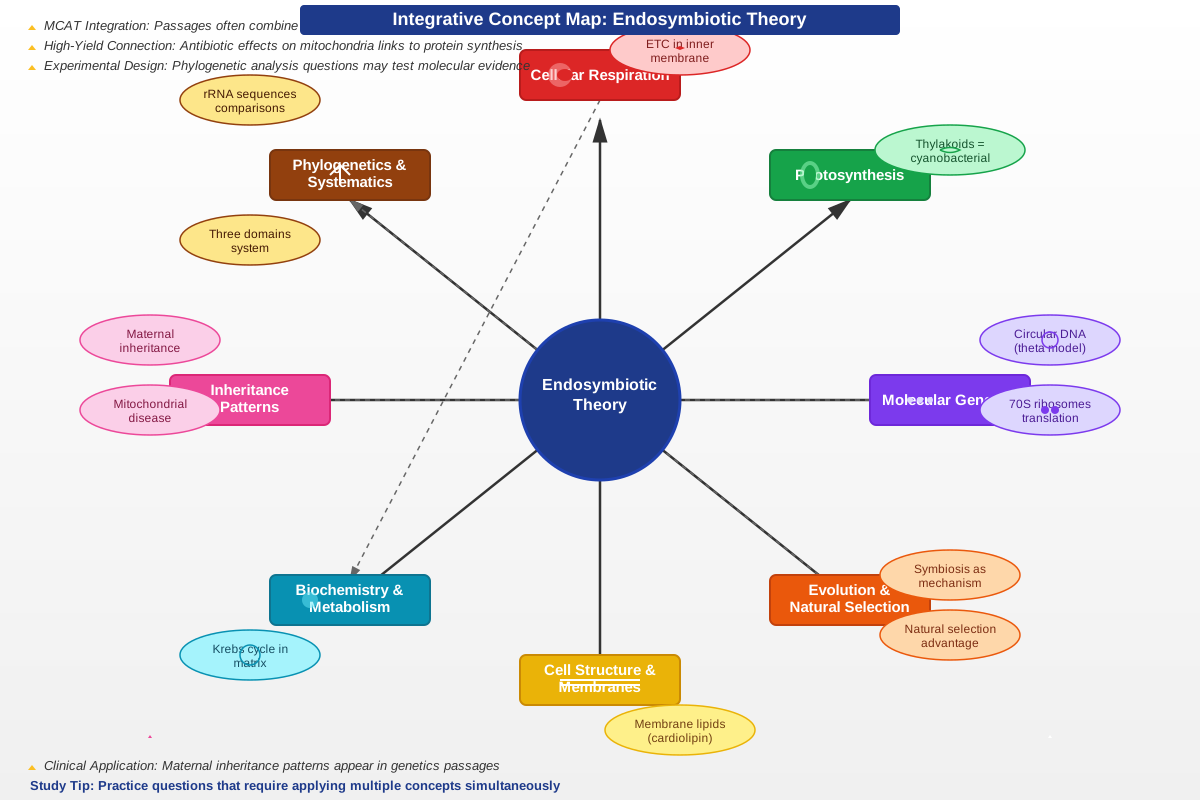
The Endosymbiotic theory serves as a conceptual hub connecting multiple domains of Cell Biology and evolutionary biology. The theory directly explains the structural features of mitochondria and chloroplasts → which determines their functional capabilities → which influences cellular metabolism and energy production → which constrains evolutionary possibilities for eukaryotic organisms.
The double-membrane structure resulting from endosymbiosis → creates distinct compartments for biochemical reactions → enabling the chemiosmotic gradient essential for ATP synthesis → which makes aerobic respiration far more efficient than anaerobic metabolism. Similarly, the retention of organellar DNA → necessitates coordination between nuclear and organellar gene expression → creates vulnerability to mutations → explains patterns of maternal inheritance and mitochondrial diseases.
Connections to prerequisite knowledge include: membrane structure (explains how engulfment occurred and why double membranes exist) → DNA replication (explains why organelles contain genetic material and replicate independently) → protein synthesis (explains why organelles have their own ribosomes and why certain antibiotics affect them) → evolution (provides the selective pressures and mechanisms for symbiotic integration).
The theory connects forward to advanced topics including: cellular respiration (the metabolic pathways housed in mitochondria) → photosynthesis (the reactions occurring in chloroplasts) → genetics and inheritance (explaining non-Mendelian inheritance patterns) → molecular evolution (using sequence comparisons to trace evolutionary relationships) → developmental biology (understanding how organelles are distributed during cell division).
Quick check — test yourself on Endosymbiotic theory so far.
Try Flashcards →High-Yield Facts
⭐ Mitochondria and chloroplasts contain circular, double-stranded DNA similar to bacterial chromosomes, not linear DNA like the nucleus
⭐ Both organelles possess 70S ribosomes (50S + 30S subunits) identical to bacterial ribosomes, making them sensitive to antibiotics that target bacterial protein synthesis
⭐ The double membrane of mitochondria and chloroplasts reflects their endosymbiotic origin: inner membrane from the original bacterium, outer membrane from the host cell's phagocytic vesicle
⭐ Mitochondria likely descended from alpha-proteobacteria, while chloroplasts originated from cyanobacteria, as demonstrated by molecular phylogenetic analyses
⭐ Mitochondria and chloroplasts replicate through binary fission independently of the cell cycle and cannot be synthesized de novo by the cell
- Mitochondrial DNA is maternally inherited in most organisms because egg cells contribute mitochondria to offspring while sperm typically do not
- Most original bacterial genes have transferred to the nuclear genome over evolutionary time, leaving organelles with reduced genomes
- Proteins synthesized in the cytoplasm but destined for organelles contain targeting sequences that direct them to the appropriate location
- Secondary endosymbiosis occurs when a eukaryotic cell engulfs another eukaryote that already contains chloroplasts, resulting in organelles with additional membrane layers
- The endosymbiotic event occurred approximately 1.5-2 billion years ago, after the evolution of the eukaryotic nucleus but before the diversification of most modern eukaryotic lineages
- Chloramphenicol and other antibiotics that inhibit bacterial ribosomes also inhibit mitochondrial and chloroplast protein synthesis
- The inner mitochondrial membrane contains cardiolipin, a phospholipid characteristic of bacterial membranes
- Organellar genomes have higher mutation rates than nuclear DNA due to oxidative stress and reduced DNA repair mechanisms
- The theory explains why mitochondrial diseases often affect high-energy-demand tissues like muscle and nervous tissue
- Gene expression in mitochondria and chloroplasts follows prokaryotic patterns, including polycistronic mRNA and lack of RNA splicing
Common Misconceptions
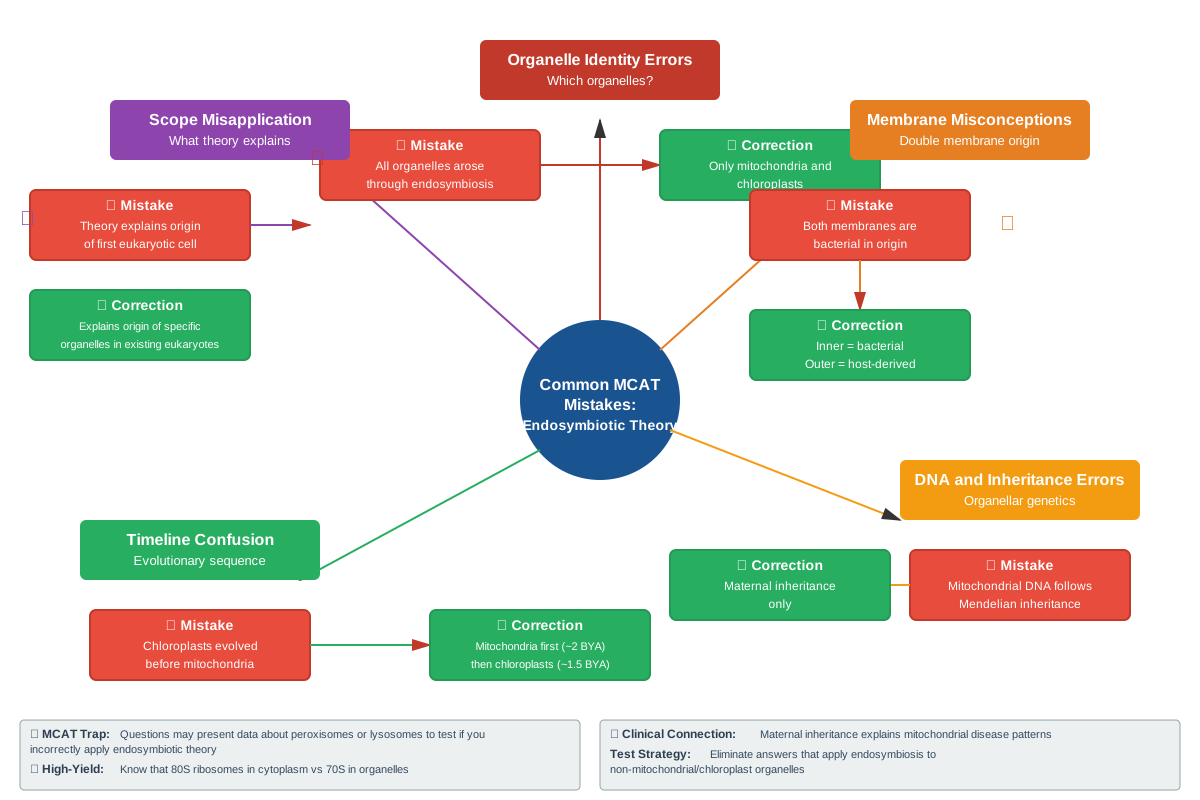
Misconception: Endosymbiosis means that mitochondria and chloroplasts are still independent organisms living inside cells.
Correction: While these organelles originated from independent bacteria, they are now obligate components of eukaryotic cells, having lost most of their genes and the ability to survive independently. They are integrated organelles, not separate organisms.
Misconception: All eukaryotic cells contain both mitochondria and chloroplasts.
Correction: All eukaryotic cells contain mitochondria (or highly modified versions like mitosomes or hydrogenosomes), but only photosynthetic eukaryotes (plants, algae, some protists) contain chloroplasts. Animals, fungi, and many protists lack chloroplasts entirely.
Misconception: The endosymbiotic event occurred before the evolution of the eukaryotic nucleus.
Correction: Current evidence suggests that the nucleus and endomembrane system evolved first, creating a eukaryotic host cell that subsequently acquired mitochondria through endosymbiosis. The nucleus preceded mitochondria in evolutionary time.
Misconception: Mitochondrial and chloroplast DNA encode all the proteins these organelles need.
Correction: Organellar genomes are highly reduced, encoding only a small fraction of necessary proteins (13-37 in mitochondria, ~100 in chloroplasts). Most organellar proteins are encoded by nuclear genes, synthesized in the cytoplasm, and imported into the organelles.
Misconception: The double membrane of mitochondria and chloroplasts is identical to the double membrane of the nuclear envelope.
Correction: These double membranes have different origins and structures. The nuclear envelope is continuous with the endoplasmic reticulum and contains nuclear pores. Organellar double membranes resulted from endocytosis, with the inner membrane derived from the bacterial plasma membrane and the outer from the host's phagocytic vesicle.
Misconception: Endosymbiotic theory is just a hypothesis without strong evidence.
Correction: Endosymbiotic theory is supported by overwhelming evidence from multiple independent sources (structural, genetic, biochemical, and phylogenetic), making it one of the most well-established theories in biology, comparable in evidential support to evolution by natural selection.
Misconception: All organelles with double membranes originated through endosymbiosis.
Correction: Only mitochondria and chloroplasts have endosymbiotic origins. The nuclear envelope's double membrane formed through invagination of the plasma membrane, not through engulfment of another organism.
Worked Examples
Example 1: Antibiotic Effects on Cellular Function
Question: A researcher treats cultured human cells with chloramphenicol, an antibiotic that specifically inhibits bacterial 70S ribosomes by blocking peptidyl transferase activity. Which of the following cellular processes would be most directly affected?
A) Nuclear DNA replication
B) Synthesis of cytoplasmic proteins on free ribosomes
C) Mitochondrial protein synthesis
D) Golgi apparatus protein modification
Solution:
Step 1 - Identify the key information: Chloramphenicol targets bacterial 70S ribosomes specifically. We need to determine which cellular component has 70S ribosomes.
Step 2 - Apply endosymbiotic theory knowledge: According to endosymbiotic theory, mitochondria (and chloroplasts) retained bacterial-type 70S ribosomes from their prokaryotic ancestors. The eukaryotic cytoplasm contains 80S ribosomes, which are structurally different and not affected by antibiotics targeting bacterial ribosomes.
Step 3 - Evaluate each option:
- Option A: Nuclear DNA replication doesn't involve ribosomes at all—this is a DNA polymerase function
- Option B: Free cytoplasmic ribosomes are 80S (eukaryotic type), not sensitive to chloramphenicol
- Option C: Mitochondria contain 70S ribosomes that would be inhibited by chloramphenicol, blocking synthesis of the 13 proteins encoded by mitochondrial DNA
- Option D: The Golgi modifies proteins but doesn't synthesize them; it lacks ribosomes
Step 4 - Connect to broader concepts: This question tests understanding that endosymbiotic origin explains why mitochondria are vulnerable to certain antibiotics. This has clinical relevance—prolonged antibiotic use can cause mitochondrial toxicity, explaining side effects like muscle weakness or fatigue.
Answer: C) Mitochondrial protein synthesis
Key Learning Point: The bacterial ancestry of mitochondria means they retain sensitivity to antibiotics targeting prokaryotic ribosomes, a direct consequence of endosymbiotic theory that has both experimental and clinical significance.
Example 2: Interpreting Phylogenetic Data
Question: Researchers sequence the gene encoding cytochrome c oxidase subunit I (COX1) from various sources: human mitochondria, human nuclear DNA, E. coli bacteria, and Rickettsia prowazekii (an intracellular bacterium). Phylogenetic analysis shows that the mitochondrial COX1 sequence clusters most closely with Rickettsia, moderately with E. coli, and distantly from any nuclear genes. What does this evidence suggest about mitochondrial evolution?
Solution:
Step 1 - Understand the experimental design: The researchers are comparing DNA sequences from different sources to determine evolutionary relationships. Phylogenetic clustering indicates evolutionary relatedness—organisms with more similar sequences share a more recent common ancestor.
Step 2 - Interpret the results: The mitochondrial gene is most similar to Rickettsia (an alpha-proteobacterium), somewhat similar to E. coli (a gamma-proteobacterium), and very different from nuclear genes. This pattern indicates that mitochondrial genes evolved from bacteria, specifically from the alpha-proteobacteria group.
Step 3 - Connect to endosymbiotic theory: This evidence directly supports the endosymbiotic theory's prediction that mitochondria descended from alpha-proteobacteria. Rickettsia is particularly interesting because it's an obligate intracellular parasite, suggesting that the mitochondrial ancestor may have had similar characteristics that facilitated the initial endosymbiotic relationship.
Step 4 - Consider alternative explanations: Could this similarity result from horizontal gene transfer or convergent evolution? The systematic pattern across multiple genes, the presence of many shared characteristics beyond sequence similarity, and the phylogenetic consistency across different molecular markers make endosymbiosis the most parsimonious explanation.
Conclusion: This phylogenetic evidence strongly supports endosymbiotic theory by demonstrating that mitochondrial genes are more closely related to bacterial genes (especially alpha-proteobacteria) than to eukaryotic nuclear genes, indicating a bacterial evolutionary origin rather than evolution within the eukaryotic lineage.
Key Learning Point: Molecular phylogenetics provides quantitative, testable evidence for endosymbiotic theory. MCAT passages frequently present this type of sequence comparison data, requiring students to interpret evolutionary relationships and connect them to the theory's predictions.
Exam Strategy
Approaching MCAT Questions on Endosymbiotic Theory:
When encountering questions about endosymbiosis, first identify whether the question is testing (1) direct knowledge of the theory and its evidence, (2) application to experimental scenarios, or (3) connections to related concepts like inheritance or metabolism. Direct knowledge questions typically ask about characteristics of mitochondria and chloroplasts or evidence supporting the theory. Application questions present experimental data requiring interpretation through the lens of endosymbiotic origins.
Trigger Words and Phrases:
Watch for these high-yield terms that signal endosymbiotic theory relevance:
- "Circular DNA" or "organellar genome" → Think about bacterial chromosome similarity
- "70S ribosomes" or "ribosomal subunits" → Consider bacterial-type protein synthesis
- "Double membrane" or "inner and outer membrane" → Recall endocytic origin
- "Binary fission" or "organellar division" → Remember independent replication
- "Antibiotic sensitivity" or "chloramphenicol/streptomycin" → Connect to bacterial ribosome targeting
- "Maternal inheritance" or "non-Mendelian inheritance" → Think about mitochondrial DNA transmission
- "Alpha-proteobacteria" or "cyanobacteria" → Identify specific bacterial ancestors
- "Gene transfer" or "nuclear-encoded proteins" → Consider evolutionary gene migration
Process-of-Elimination Tips:
When evaluating answer choices, eliminate options that:
- Confuse nuclear and organellar characteristics (e.g., suggesting mitochondria have linear DNA or 80S ribosomes)
- Reverse the evolutionary sequence (e.g., claiming nucleus evolved after mitochondria)
- Attribute endosymbiotic origin to non-endosymbiotic organelles (e.g., endoplasmic reticulum, Golgi)
- Ignore the double-membrane structure or misexplain its origin
- Suggest organelles can be synthesized de novo by the cell
For passage-based questions, carefully note whether data compares organelles to bacteria or to other eukaryotic structures. Questions often hinge on recognizing that similarities to bacteria support endosymbiotic theory while similarities to eukaryotic cytoplasm would contradict it.
Time Allocation:
Endosymbiotic theory questions typically require 60-90 seconds for discrete questions and 90-120 seconds for passage-based questions. The theory itself is straightforward, but questions often require integration with other concepts (genetics, evolution, metabolism), so budget time for this synthesis. If a passage presents experimental data, spend extra time understanding the experimental design before attempting questions—the setup often contains crucial information for interpreting results correctly.
Memory Techniques
Mnemonic for Evidence Supporting Endosymbiotic Theory - "DDRBS":
- Double membrane (from endocytosis)
- DNA circular (like bacteria)
- Ribosomes 70S (bacterial type)
- Binary fission (independent replication)
- Sequence similarity (to specific bacteria)
Visualization Strategy:
Picture a "cell within a cell" scenario: Imagine a large eukaryotic cell (with a nucleus visible) engulfing a smaller bacterium through phagocytosis. Visualize the bacterium becoming wrapped in the host cell's membrane (creating the outer membrane) while retaining its own membrane (the inner membrane). See the bacterial DNA as a circular loop, distinct from the linear chromosomes in the nucleus. This mental image reinforces the structural consequences of endosymbiosis.
Acronym for Mitochondrial Characteristics - "CRIB":
- Circular DNA
- Ribosomes (70S)
- Independent replication
- Bacterial ancestry
Memory Palace Technique:
Associate each piece of evidence with a room in a house:
- Entrance (double doors) → Double membrane
- Library (circular reading table) → Circular DNA
- Kitchen (70°F thermostat) → 70S ribosomes
- Nursery (twins dividing toys) → Binary fission
- Study (family tree on wall) → Phylogenetic relationships
Rhyme for Bacterial Ancestors:
"Alpha-proteo for mitochondria's might,
Cyanobacteria gave chloroplasts their light"
Summary
Endosymbiotic theory explains the evolutionary origin of mitochondria and chloroplasts through the engulfment and integration of ancient bacteria into ancestral eukaryotic cells. This theory is supported by compelling evidence including the double-membrane structure of these organelles, their circular DNA, bacterial-type 70S ribosomes, independent replication through binary fission, and molecular phylogenetic data linking mitochondria to alpha-proteobacteria and chloroplasts to cyanobacteria. The endosymbiotic event fundamentally transformed cellular evolution, enabling efficient aerobic respiration and photosynthesis while creating genetic mosaicism through extensive gene transfer from organelles to the nucleus. For the MCAT, students must understand both the evidence supporting the theory and its implications for cellular function, inheritance patterns, and evolutionary biology. The theory connects to numerous high-yield topics including cellular respiration, photosynthesis, genetics, and molecular evolution, making it a conceptual cornerstone of Cell Biology. Mastery requires recognizing how the bacterial ancestry of organelles explains their unique characteristics and predicts their responses to experimental manipulations, particularly antibiotic sensitivity and genetic inheritance patterns.
Key Takeaways
- Endosymbiotic theory proposes that mitochondria and chloroplasts evolved from free-living bacteria that were engulfed by ancestral eukaryotic cells and established permanent symbiotic relationships
- Five major lines of evidence support the theory: double membranes, circular DNA, 70S ribosomes, binary fission, and molecular sequence homology with specific bacterial groups
- Mitochondria descended from alpha-proteobacteria while chloroplasts originated from cyanobacteria, as demonstrated by phylogenetic analyses
- The bacterial origin of these organelles explains their sensitivity to antibiotics targeting prokaryotic ribosomes and their maternal inheritance patterns
- Extensive gene transfer from organellar genomes to the nucleus created genetic dependence and necessitates coordinated gene expression between cellular compartments
- Understanding endosymbiotic theory is essential for interpreting MCAT questions about organellar structure, function, genetics, and evolution
- The theory connects multiple high-yield topics including cellular respiration, photosynthesis, inheritance patterns, and molecular evolution
Related Topics
Cellular Respiration and Oxidative Phosphorylation: Understanding the endosymbiotic origin of mitochondria provides essential context for learning how these organelles generate ATP through the electron transport chain and chemiosmosis. The compartmentalization enabled by the double membrane is critical for establishing the proton gradient that drives ATP synthesis.
Photosynthesis: The bacterial ancestry of chloroplasts from cyanobacteria explains the organization of photosystems and the light-dependent and light-independent reactions. Mastering endosymbiotic theory facilitates understanding of how photosynthetic membranes create the chemiosmotic gradients necessary for ATP production.
Non-Mendelian Inheritance: Mitochondrial genetics follows different rules than nuclear genetics due to endosymbiotic origins, including maternal inheritance, heteroplasmy, and threshold effects. This topic builds directly on understanding why mitochondria have their own genetic systems.
Molecular Evolution and Phylogenetics: The methods used to demonstrate endosymbiotic relationships through sequence comparisons exemplify broader principles of molecular evolution, including the molecular clock, phylogenetic tree construction, and using genetic data to infer evolutionary relationships.
Membrane Transport and Targeting: The need to import nuclear-encoded proteins into mitochondria and chloroplasts requires sophisticated targeting mechanisms involving signal sequences and translocon complexes, topics that extend understanding of how cells maintain organellar identity despite genetic integration.
Practice CTA
Now that you've mastered the core concepts of endosymbiotic theory, reinforce your understanding by attempting practice questions and reviewing flashcards focused on this topic. Challenge yourself with passage-based questions that require you to interpret experimental data through the lens of endosymbiotic origins. Pay special attention to questions involving antibiotic effects, inheritance patterns, and phylogenetic analyses—these represent the highest-yield applications of this theory on the MCAT. Remember that endosymbiotic theory isn't just an isolated concept; it's a framework that connects cellular structure, function, genetics, and evolution. The more you practice applying this theory to diverse scenarios, the more confident you'll become in recognizing and answering related questions on test day. Your investment in thoroughly understanding this medium-importance topic will pay dividends across multiple sections of the MCAT!
Sign up free to keep reading
Create a free AnvayaPrep account to finish this MCAT guide on Endosymbiotic theory — plus flashcards and practice questions.